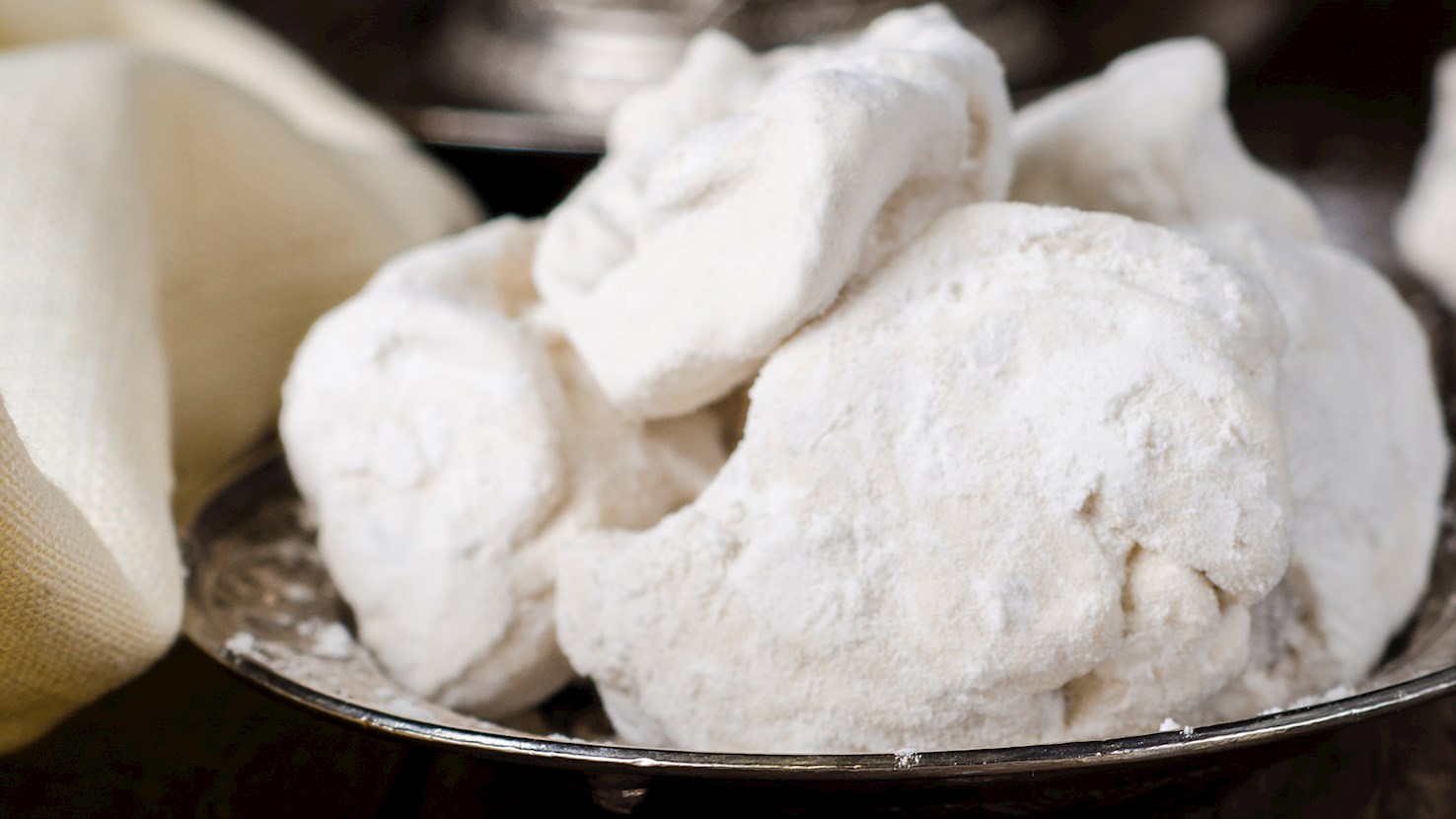
Sohan asali is a brittle Persian confection that comes from Iran, especially associated with Isfahan, though variations are made in other regions as well. It is made primarily with honey, sugar, nuts, and sometimes saffron, resulting in a golden, crunchy sweet that is often broken into shards for serving. Unlike the more commonly known sohan, which includes wheat sprout flour and has a softer texture, sohan asali is thin and firm, with a clean honey flavor and an appealing nutty richness. The history of sohan asali is intertwined with Iran’s long tradition of producing sweets to accompany tea and to serve at celebrations. Confections similar to it have been prepared for centuries in Persian households and small shops. To make sohan asali, sugar and honey are gently heated together until they dissolve and begin to caramelize. Saffron is sometimes infused into this syrup for color and aroma, along with a pinch of cardamom. The mixture is cooked until it reaches a soft crack stage, after which a generous amount of slivered almonds or chopped pistachios are stirred in. It is poured onto an oiled tray or marble surface and quickly spread into a thin layer before hardening as it cools. Once firm, the candy is broken into irregular pieces and stored in airtight containers to maintain its crispness. Sohan asali is sometimes prepared in large batches before Nowruz, the Persian New Year, when many families share sweets with guests. It is also packed into decorative boxes as a popular souvenir from Isfahan, given as a gift or served alongside strong black tea. At home, it is commonly enjoyed in the afternoon or after meals, often alongside other small confections and fresh fruit.
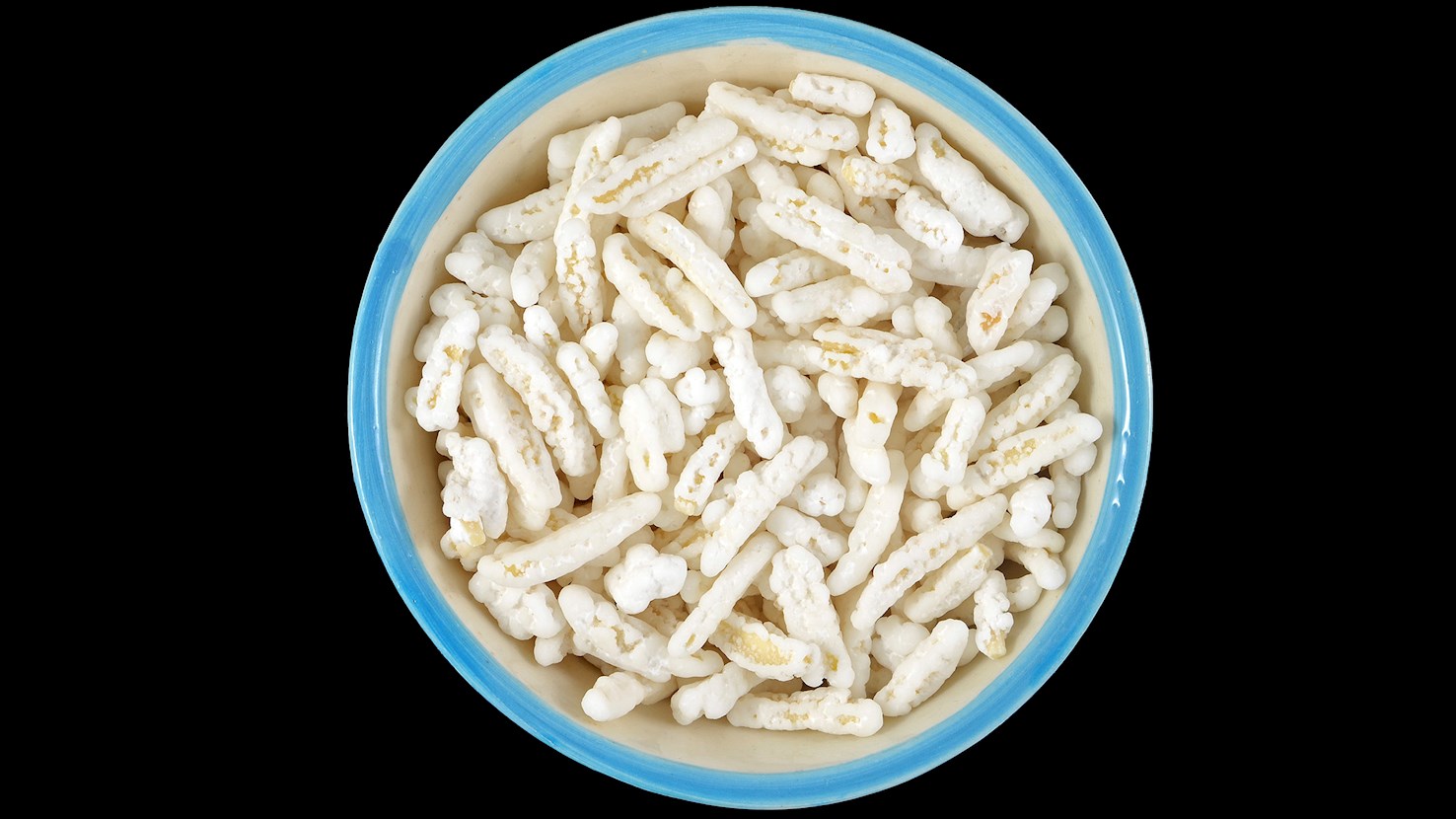
Noghl is a type of sugar-coated confection from Iran, often made by draping almonds or other nuts in a crisp white sugar shell. It is widely recognized as a sweet served at weddings, holidays, and special occasions, where it symbolizes prosperity and celebration. The word “noghl” comes from Persian, referring to these small dragees that are customarily distributed to guests in decorative bowls or bags. They are especially common in Iranian households during Nowruz festivities and engagement ceremonies. The history of noghl traces back centuries, connected to the broader Persian love of confectionery and sugarcraft. The art of coating nuts and seeds with sugar developed alongside advances in refining cane and beet sugar, which became more available across Iran during the medieval period. Noghl gained popularity both for its appealing sweetness and its practical quality as a preserved treat that could be stored and transported easily. In cities like Tabriz and Yazd, skilled confectioners refined the process of making noghl in specialized workshops, combining regional nuts with sugar syrup cooked to the proper stage so it would crystallize into a glossy shell. Preparation begins by selecting good-quality almonds, which are often lightly roasted to enhance their flavor. A syrup is cooked from sugar and water, sometimes with a hint of rosewater or vanilla. The syrup is carefully heated until it reaches the right consistency to form a coating. The nuts are then added to the hot syrup in a large copper or steel pan, stirred constantly so each nut becomes evenly enrobed. As the syrup cools, it crystallizes into a thin white layer that seals in the nut and gives noghl its signature crunch. Some variations replace almonds with pistachios or even chickpeas, and a few recipes tint the sugar coating pale pink for decorative purposes. Noghl is typically served in large glass bowls or trays alongside tea and other sweets. During weddings, it is often presented in small organza bags given to guests as tokens of good fortune. At Nowruz and family gatherings, it is offered with dried fruit, pastries, and roasted seeds. Some families also scatter noghl over the heads of the bride and groom during the wedding ceremony, a gesture believed to bring happiness and abundance. Today, noghl remains a common sweet in Iran’s pastry shops and markets, produced both by small family businesses and large confectionery companies.
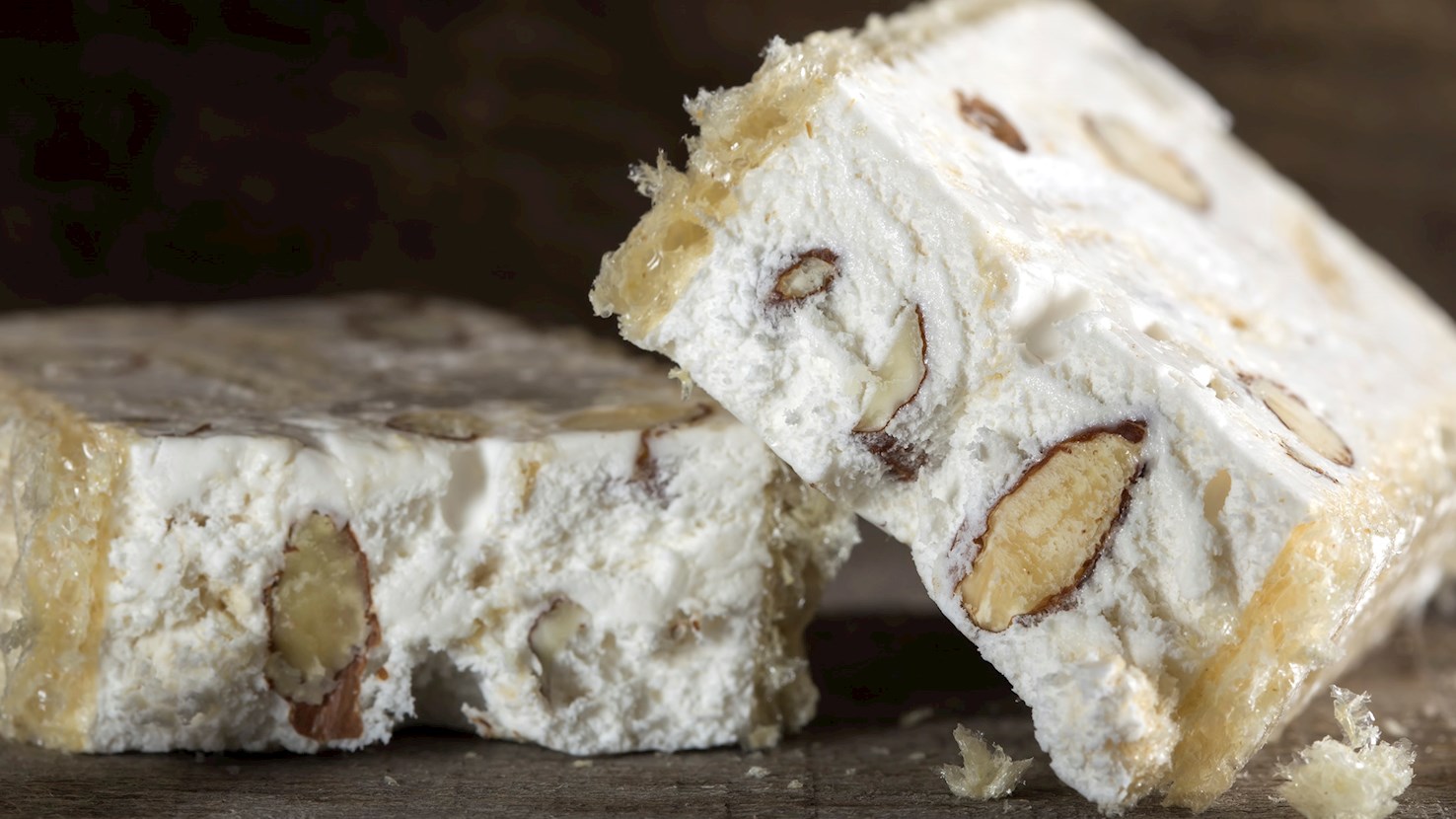
Nogha is a Persian confection made by folding toasted nuts into a chewy white nougat, known for its delicate sweetness and characteristic texture. It originates in Iran, particularly in cities like Tabriz and Qazvin, where it has long been prepared as a sweet accompaniment to tea or as a gift during celebrations. The word nogha is often used interchangeably with gaz in some regions, though in practice nogha typically emphasizes the inclusion of nuts such as pistachios or walnuts, encased in sheets of rice paper or cut into neat rectangles. The history of nogha reflects Iran’s long-standing tradition of confectionery that uses local nuts and natural sweeteners. Recipes for similar nougat-like sweets appear in Persian culinary records dating back several centuries, showing that confectioners adapted techniques brought along trade routes and refined them with regional ingredients. The evolution of nogha was influenced by access to high-quality honey and the widespread cultivation of pistachios in central Iran. Over time, it became a recognizable part of Iranian hospitality, prized for its soft bite and the balance of nuts and sweetness. Preparation begins by boiling sugar, honey, and sometimes glucose syrup into a thick syrup. Egg whites are whipped separately until stiff, and the hot syrup is slowly poured in while continuing to beat the mixture to create a glossy, aerated mass. Once the nougat reaches the right consistency, it is removed from the heat, and generous amounts of roasted nuts are folded in. The mixture is then spread onto a layer of edible rice paper or oiled trays, pressed evenly, and covered with another sheet of rice paper. After cooling and firming, nogha is cut into rectangular or diamond-shaped pieces. Each piece shows the cross-section of nuts suspended in the pale nougat. Nogha is usually served alongside black tea, and in many households, it appears on tables set out for guests. In confectionery shops, it is packaged in boxes lined with wax paper, and sold by weight. Throughout Iran, nogha is enjoyed during Nowruz celebrations, weddings, and other social gatherings, shared as a gesture of welcome. It is eaten slowly, often broken into small pieces by hand and paired with warm tea.
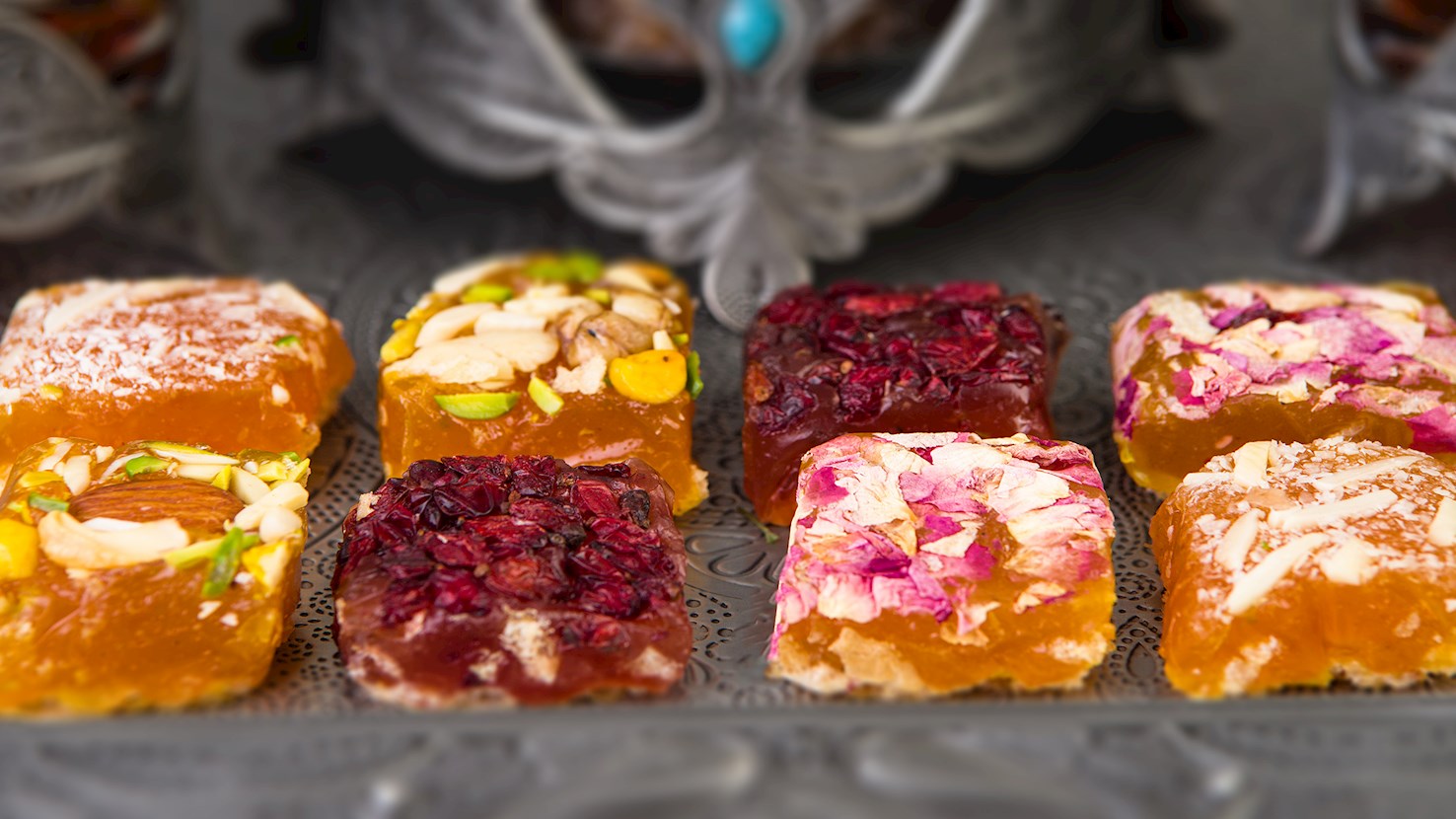
Masghati is a soft, translucent confection from southern Iran, especially associated with the city of Shiraz and surrounding Fars Province. It is prepared with starch, sugar, and butter or oil, delicately flavored with rosewater and sometimes tinted with saffron to give it a warm golden hue. This sweet is usually cut into squares or diamonds and garnished with chopped pistachios or slivers of almonds before serving. The history of masghati traces back several centuries, connected to Shiraz’s reputation for producing fine confections to accompany tea and mark special occasions. It likely developed as part of a broader Persian interest in starch-based sweets, influenced by culinary exchanges with the Ottoman Empire and Central Asia. Masghati became especially popular because of its long shelf life and its elegant, jewel-like appearance on celebratory tables. Over time, confectioners refined techniques to achieve a texture that is both tender and slightly elastic, distinguishing masghati from firmer types of Persian halva. Preparation begins by dissolving wheat starch in water until completely smooth. This mixture is slowly heated while sugar is added, then stirred continuously over low to medium heat until the starch gelatinizes and thickens into a glossy, cohesive paste. Rosewater is incorporated near the end of cooking to preserve its delicate fragrance, and saffron threads may be infused separately and stirred in for color. Butter or oil is folded in to create a smooth consistency and a sheen on the surface. Once the mixture reaches the right thickness, it is poured into shallow trays, leveled evenly, and allowed to cool until set. Before serving, masghati is traditionally decorated with finely chopped pistachios, shredded coconut, or ground cardamom, depending on the region and the cook’s preference. In Shiraz, it is common to cut it into small squares that can be picked up easily by hand. In Bandar Abbas and southern coastal areas, masghati sometimes contains additional flavorings like cinnamon or crushed nuts folded directly into the mixture. Masghati is offered alongside tea in Iranian homes, especially during celebrations like Nowruz and weddings. It is presented on dessert platters together with other sweets such as koloocheh and gaz, and shared as a gesture of hospitality. In confectionery shops in Shiraz, masghati is often sold by weight, wrapped in waxed paper or clear boxes, and purchased as a gift or souvenir.
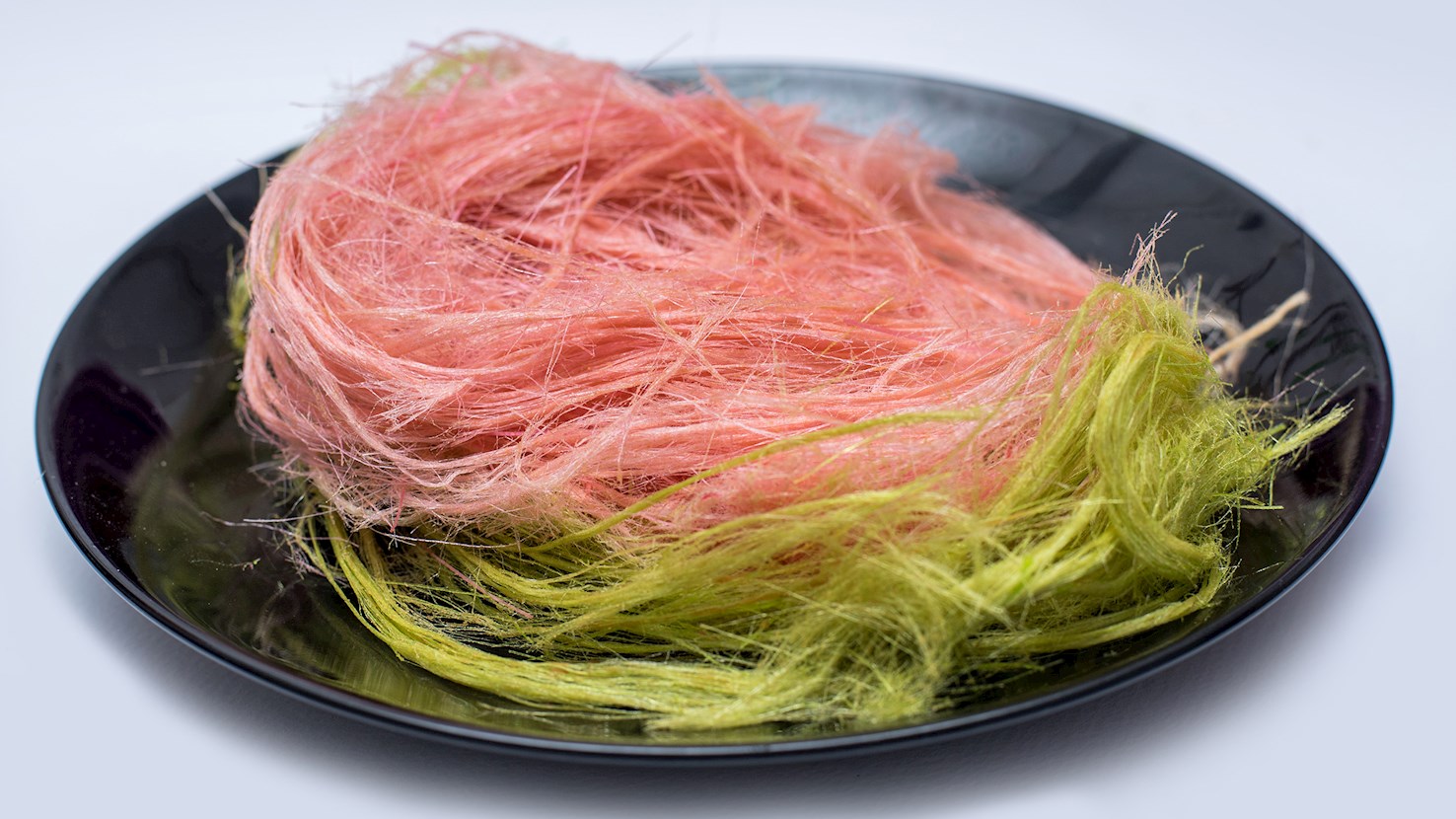
Pashmak is a delicate Iranian confection that resembles fine strands of silky cotton candy, recognized for its light texture and sweet, subtly nutty taste. It is closely linked to the city of Yazd, a historic center of Persian confectionery known for producing sweets that combine ancient techniques with distinctive flavors. Unlike Western cotton candy, which is made by spinning molten sugar into thin threads using centrifugal force, pashmak is prepared by hand-pulling and folding a cooked sugar mixture mixed with flour into thousands of fine filaments. The process begins by heating sugar, water, and a little vinegar until the syrup reaches a specific consistency. This syrup is cooled slightly, then mixed with toasted flour or sesame paste and sometimes flavored with cardamom or rosewater. The dough-like mass is then pulled, twisted, and folded repeatedly on a large working surface dusted with flour, gradually transforming it into a mass of delicate threads. The finished pashmak is piled into loose bundles or mounds and sometimes topped with chopped pistachios or almonds. Pashmak is often served as part of festive spreads, alongside fresh fruit, nuts, and tea. It is also used to garnish desserts like ice cream, puddings, or cakes, adding both visual appeal and a contrasting texture. The flavor is sweet and mild, with a pleasant aroma from the flour and any added spices or essences. Because it is so sensitive to moisture, pashmak is typically stored in airtight containers and consumed soon after preparation to preserve its delicate texture. Today, pashmak is also made in commercial factories to supply packaged versions for export, but handmade pashmak remains prized for its softness and freshness. In Iran, it continues to be a familiar presence at weddings, religious holidays, and family gatherings, valued as much for the craftsmanship it represents as for the sweetness it brings to the table.
Gaz is a Persian confection known for its chewy texture and delicate sweetness, primarily produced in the city of Isfahan. It belongs to the broader family of nougat confections and is often considered a symbol of Isfahani hospitality and craftsmanship. Gaz is typically made by combining a syrup derived from the sap of a desert plant called angebīn (Tamarisk manna) or, in more modern recipes, glucose syrup, with egg whites beaten into a stiff foam. The history of gaz dates back several centuries, when the sap collected in the Iranian plateau was blended with local ingredients to create a sweet that could be stored for long periods. This reliance on manna, rather than only sugar, is a defining feature of authentic gaz and contributes to its distinct taste and texture. This base is enriched with pistachios or almonds and flavored with rosewater to create a distinctive aroma. The preparation of gaz involves heating the syrup to a precise temperature and then slowly folding it into the whipped egg whites to create a smooth, elastic mass. This mixture is stirred constantly to prevent sticking and to achieve the desired density and gloss. Once the nuts and flavorings are incorporated, the nougat is spread into molds dusted with flour or starch to prevent sticking and left to cool. When firm, it is cut into small rectangular or diamond-shaped pieces and sometimes wrapped in edible rice paper to keep the surface from becoming tacky. Gaz is traditionally served alongside tea and is popular as a gift during holidays and family gatherings. The flavor combines the floral notes of rosewater with the richness of nuts and the gentle sweetness of the manna syrup, which sets it apart from European nougat varieties. The confection’s pale, ivory color and tender consistency have made it one of Iran’s most recognizable sweets, with shops in Isfahan specializing exclusively in its production. Over time, producers have developed variations, including gaz with saffron or flavored with cardamom, though the classic version remains the most sought-after.
TasteAtlas food rankings are based on the ratings of the TasteAtlas audience, with a series of mechanisms that recognize real users and that ignore bot,
nationalist or local patriotic ratings, and give additional value to the ratings of users that the system recognizes as knowledgeable.
For the “6 Worst Rated Iranian Confectioneries” list until May 21, 2026, 384 ratings were recorded, of which 246 were recognized by the system as legitimate.
TasteAtlas Rankings should not be seen as the final global conclusion about food. Their purpose is to promote excellent local foods,
instill pride in traditional dishes, and arouse curiosity about dishes you haven’t tried.