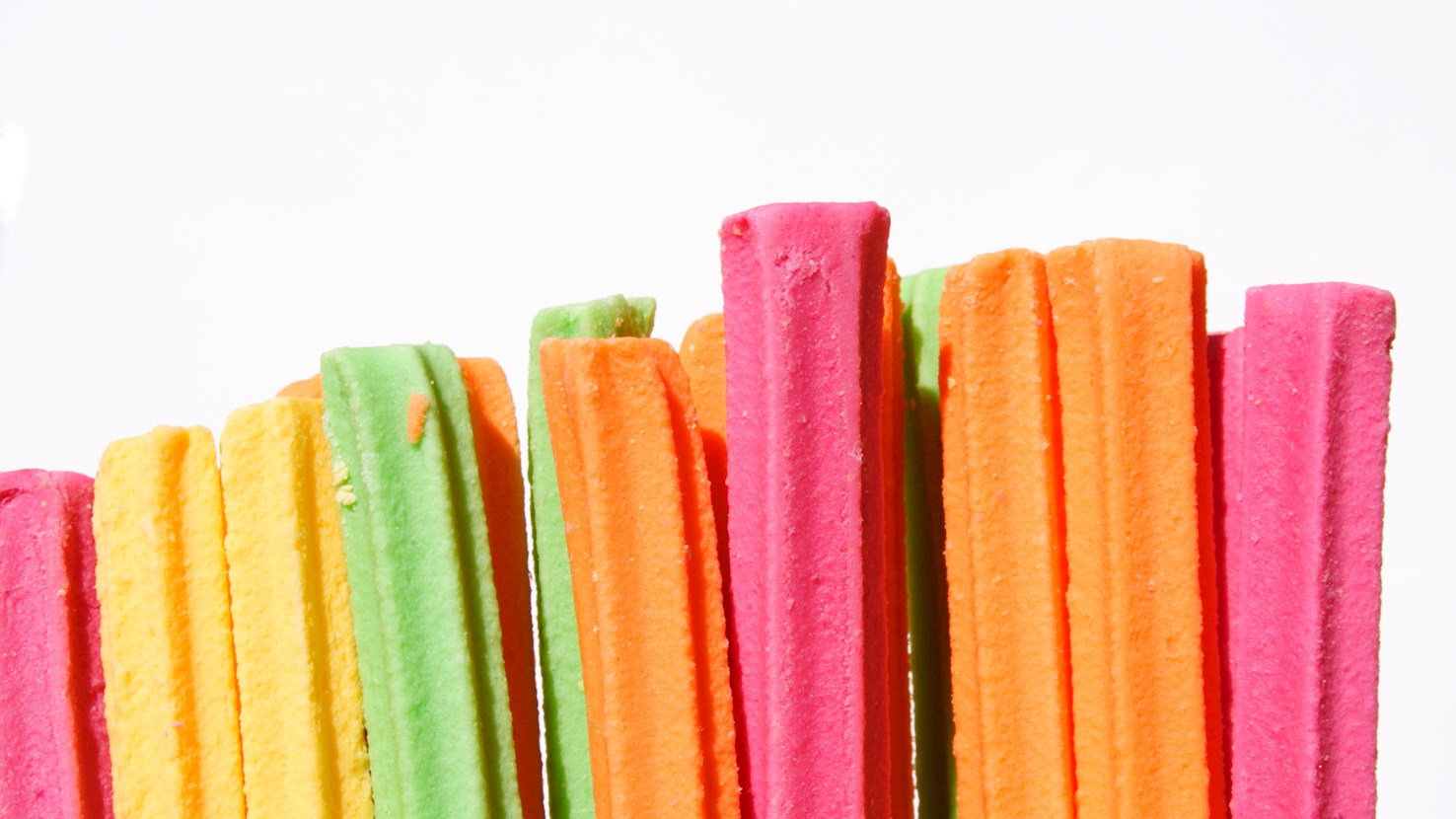
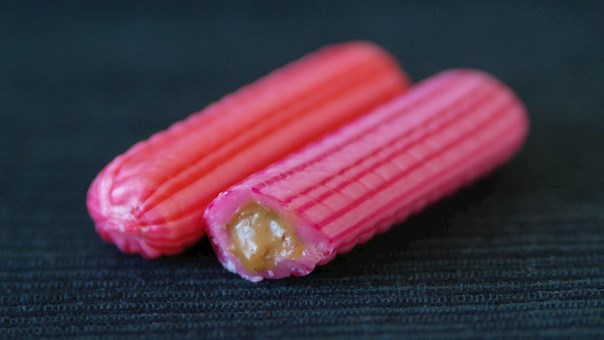
Musk stick is a popular Australian confectionery product that is usually sold as a slightly soft pink stick with a ridged cross-section. It has a floral flavor and aroma, and many people say that it is reminiscent of musk perfume. Apart from the usual pink variety, there is also a fruit-flavored musk stick known as fruit stick.
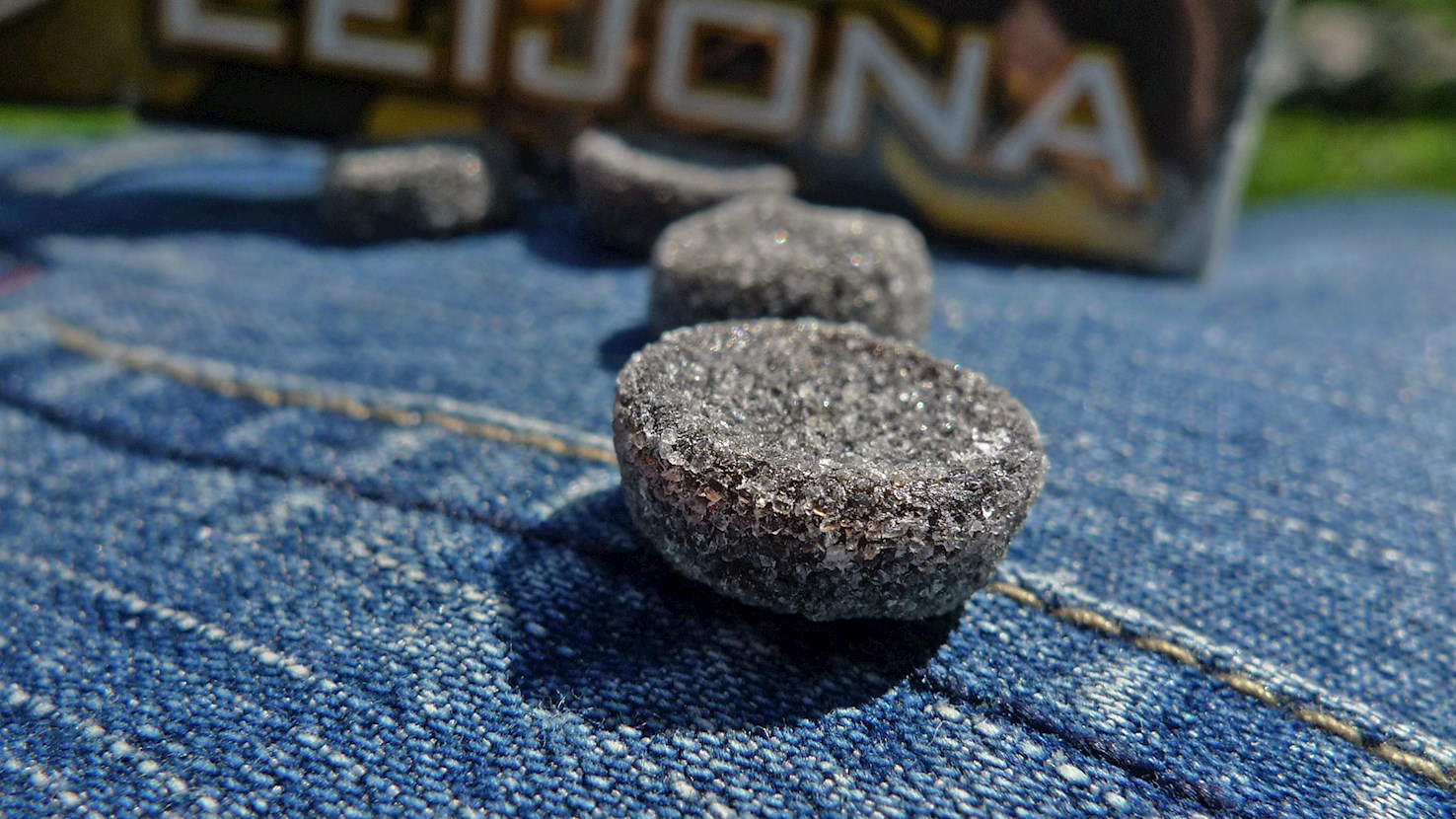
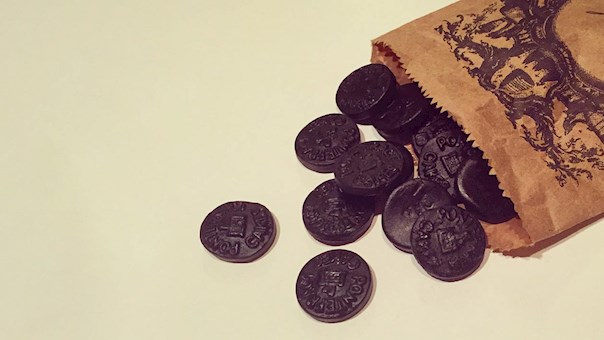
Terva leijona (lit. tar lion) is a traditional candy originating from Finland. This licorice candy is flavored with an unusual ingredient – pine tree tar, and it was invented by Y. W. Jalander, a Finnish pharmacist. The pastilles were first sold in 1933, and nowadays, this bitter-sweet vegan product is especially beloved by older Finns. Terva leijona is also produced in versions with no sugar and added salmiak salt.
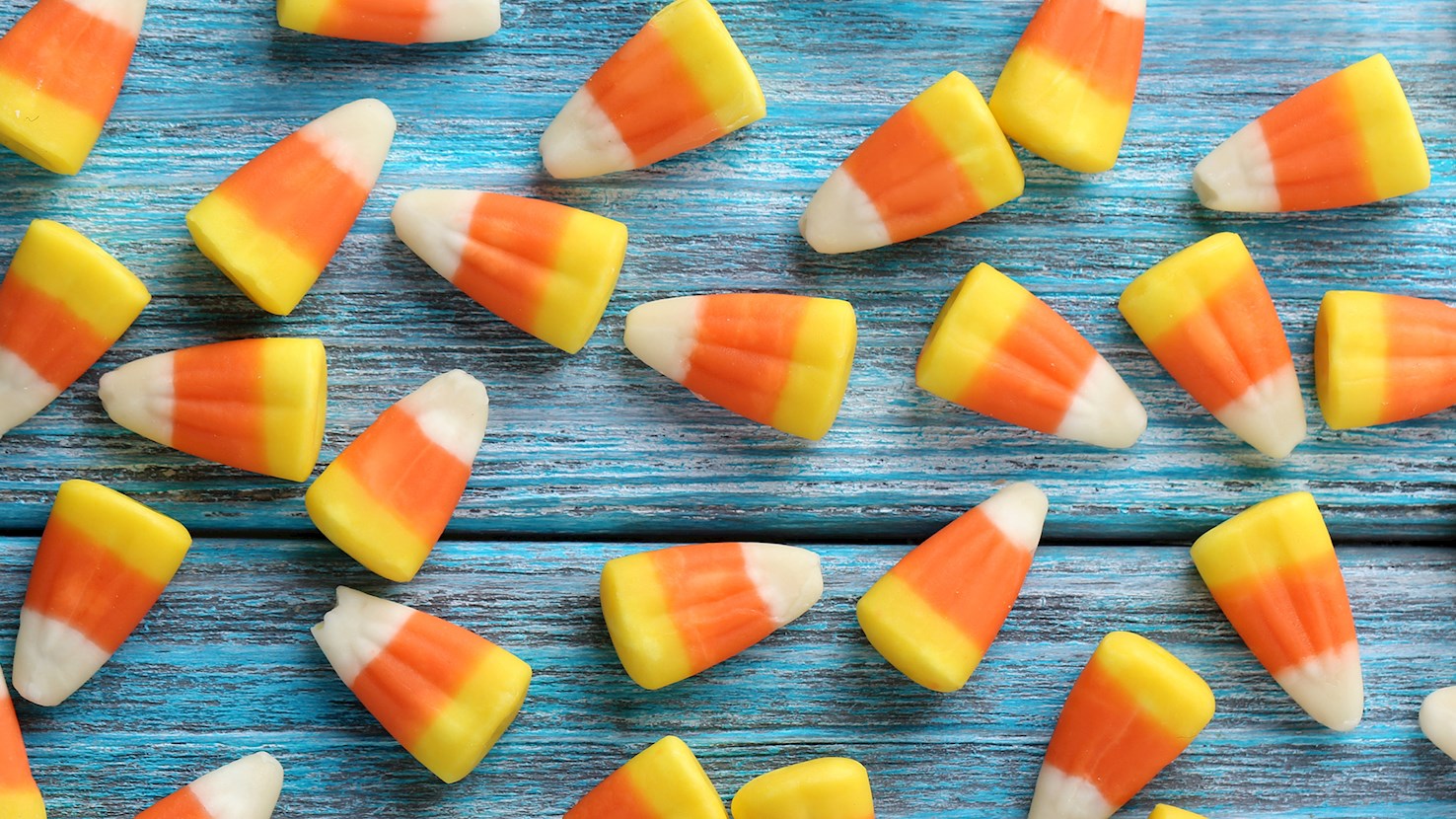
What once started out as chicken feed (the original name of the candy), has over the years become the quintessential American sweet treat called candy corn. Originally, the sweet confection was made with mellow cream - a mixture of sugar, corn syrup, and water - but it was later enhanced with the addition of fondant and marshmallow to achieve a better and smoother final product. Once cooked, the hot slurry was dyed into the three distinctive colors - orange, yellow, and white - before being poured into kernel-shaped cornstarch molds, giving the candy its characteristic dried corn kernel’s appearance, hence its name. Although its origins remain dubious, the National Confectioners Association has credited George Renninger, an employee of Wunderle Candy Company, for being the ingenious mind behind this simple creation, which is believed to have been invented sometime in the 1880s. Initially produced by the Wunderle Candy Company, the confection saw its glory days when the Goelitz Candy Company (present-day Jelly Bean Company) began its candy corn mass production in 1898. Over the years, the confection surpassed its primary role as a year-round sweet treat for farmers’ children and became the ultimate Halloween treat. The more-than-a-century-old American love-hate relationship with this candy hasn’t influenced the continuing annual production of 9 billion pieces of candy corn. To honor the confection’s yearly production, National Candy Corn Day is annually celebrated on October 30, just in time for Halloween. Apart from the classic orange-yellow-and-white variety, candy corn is nowadays available in other colors and flavors for a number of holidays, including Thanksgiving, Christmas, Valentine’s Day, and Easter.
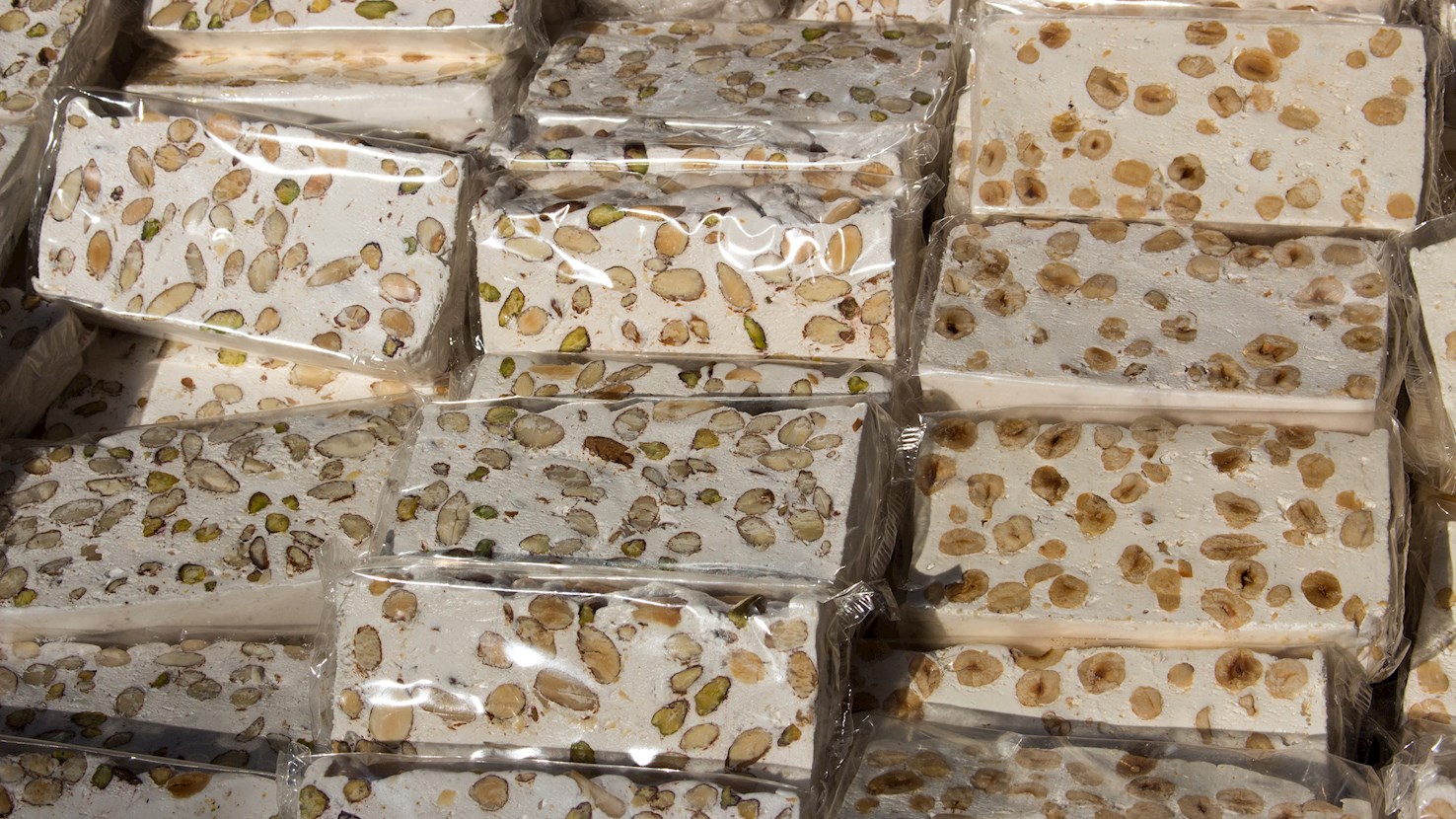
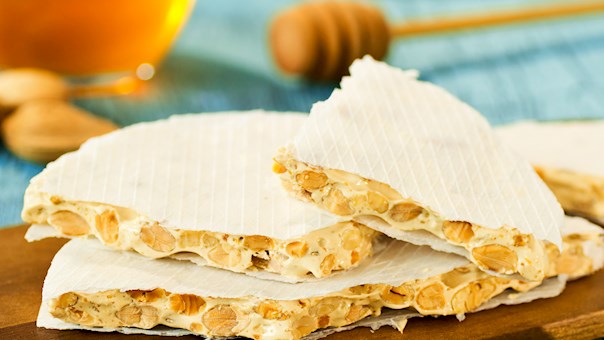
Torrone di Cremona is an ivory-colored confection made with honey, sugar, egg whites, and toasted almonds, produced in the city of Cremona in Lombardy. It is physically defined by its rectangular shape and the presence of ostia (wafer paper) on the top and bottom surfaces, which provides structural stability to the internal paste. The item’s establishment in Cremonese culture is documented to October 25, 1441, when it was served at the wedding of Bianca Maria Visconti and Francesco Sforza. Court chefs molded the honey-and-nut mixture into the shape of the Torrazzo, the city’s landmark bell tower, providing the linguistic root for the term "torrone" from the Latin torrere (to toast) and the Italian torre (tower). Preparation requires a slow-cooking process where honey and sugar are melted and combined with stiffly whipped egg whites to create a white, foamy matrix. The duration of this heating phase determines the technical classification: friabile (hard) varieties are cooked for up to 11 hours to remove moisture for a brittle texture, while morbido (soft) varieties undergo a shorter cooking time to remain chewy. A specific characteristic of the Cremonese version is the addition of vanilla and lemon zest, which differentiates its flavor profile from the neutral honey-nut varieties found in southern Italy. Whole toasted almonds are folded in at the final stage before the mass is pressed into molds to cool and solidify. Torrone di Cremona is consumed across Italy as a seasonal staple during the winter months, particularly between November and January. It is served by slicing or breaking the bars into smaller pieces. Beverage pairings focus on acidity to balance the honey’s viscosity, commonly featuring sparkling wines like Franciacorta or sweet Moscato d'Asti. For the harder varieties, it is often served alongside a bitter Italian espresso or fortified wines such as Vin Santo.
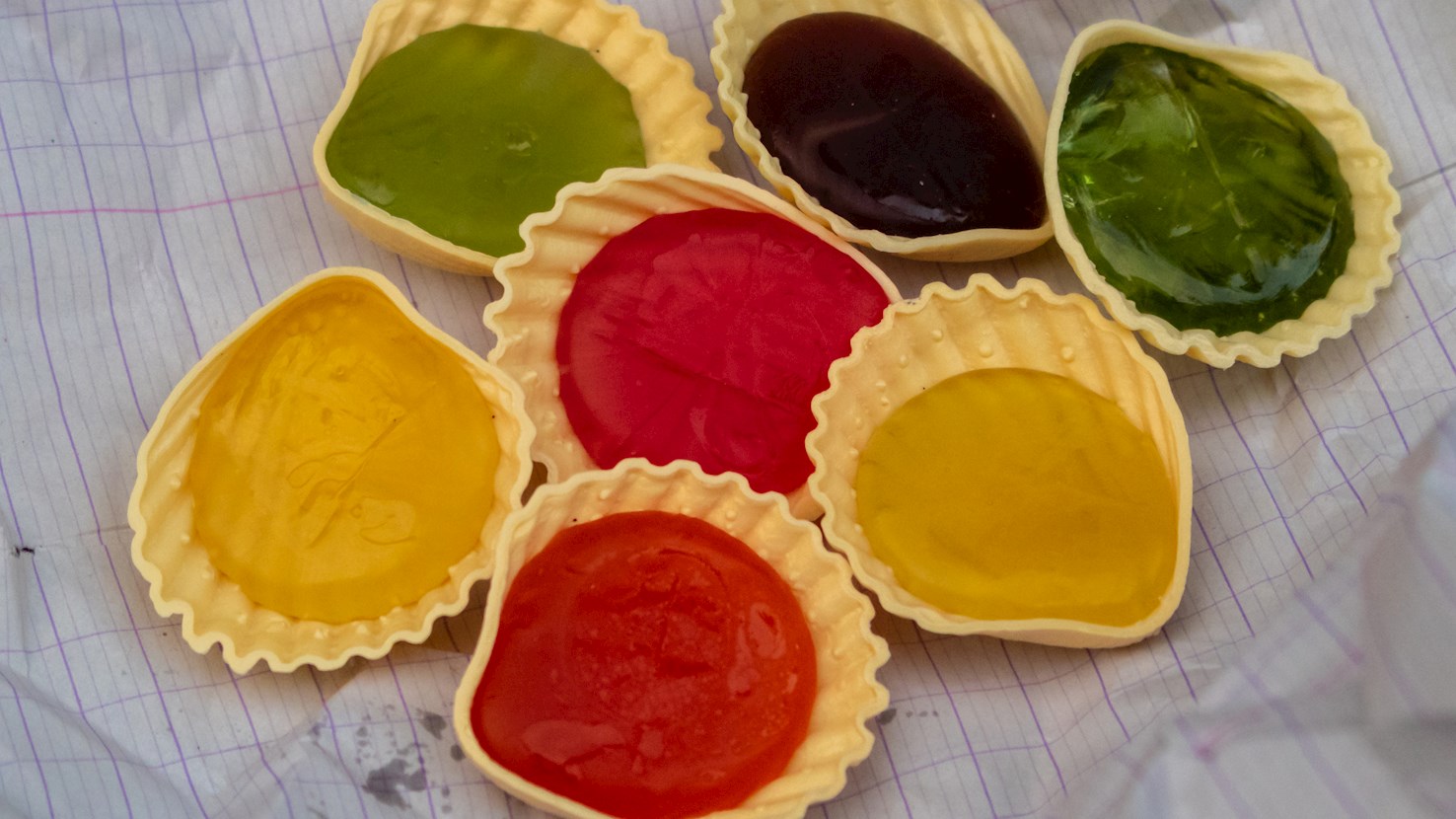
Roudoudous are traditional candies originating from France. These sweets were especially popular from the 1950s to the 1970s, when local confectioners drizzled fresh caramel or fruit-flavored syrup into a seashell and left the concoction to harden. Roudoudous were one of the favorite sweet treats for children, and nowadays, the commercial versions are usually sold in plastic shells. The sweet treat is enjoyed just like a lollipop – by licking it until it disappears.
Tamarind balls are Caribbean confections made from tamarind pulp mixed with sugar and rolled into small spheres. They are produced and sold throughout Jamaica, Trinidad, Barbados, and other islands where tamarind trees grow widely. The combination of tangy pulp and coarse sugar creates a sweet-sour candy that is shaped by hand and sometimes finished with additional sugar on the surface. Tamarind has long been present in the Caribbean through both naturalized trees and cultivation, and the pulp has been used in sauces, drinks, and sweets. As cooks adapted tamarind for portable snacks, they began mixing the sticky pulp with sugar to make candies that could be stored without refrigeration and carried easily. The widespread availability of tamarind pods and locally produced sugar supported the development of tamarind balls as a common item sold near schools, in roadside shops, and at markets. Preparation begins by cracking open tamarind pods and removing the pulp along with the seeds. The pulp is kneaded by hand or with a spoon to soften it, and sugar is added gradually until the mixture becomes firm enough to hold its shape. The amount of sugar controls both sweetness and structure; more sugar yields a firmer texture, while less sugar preserves the natural tartness of the fruit. Some versions include a pinch of salt or powdered hot pepper, and in Jamaica the addition of Scotch bonnet pepper to create a spicy-sweet version is well known. The mixture is rolled into small balls and coated with sugar if desired. The final candy retains some of the natural fibers and seeds of the tamarind pulp unless the seeds are removed manually, which some cooks prefer for a smoother result. Tamarind balls are eaten across the Caribbean as a casual snack and are commonly sold to schoolchildren, travelers, and shoppers. They appear in small plastic bags or jars and are stored at room temperature. They are often eaten on their own, but they pair well with cold drinks such as fruit juice, ginger beer, or limeade, which balance the tartness of the tamarind. In Caribbean grocery stores abroad, tamarind balls are one of the most recognizable regional sweets and are often used to introduce diners to the broader use of tamarind in Caribbean cuisine.
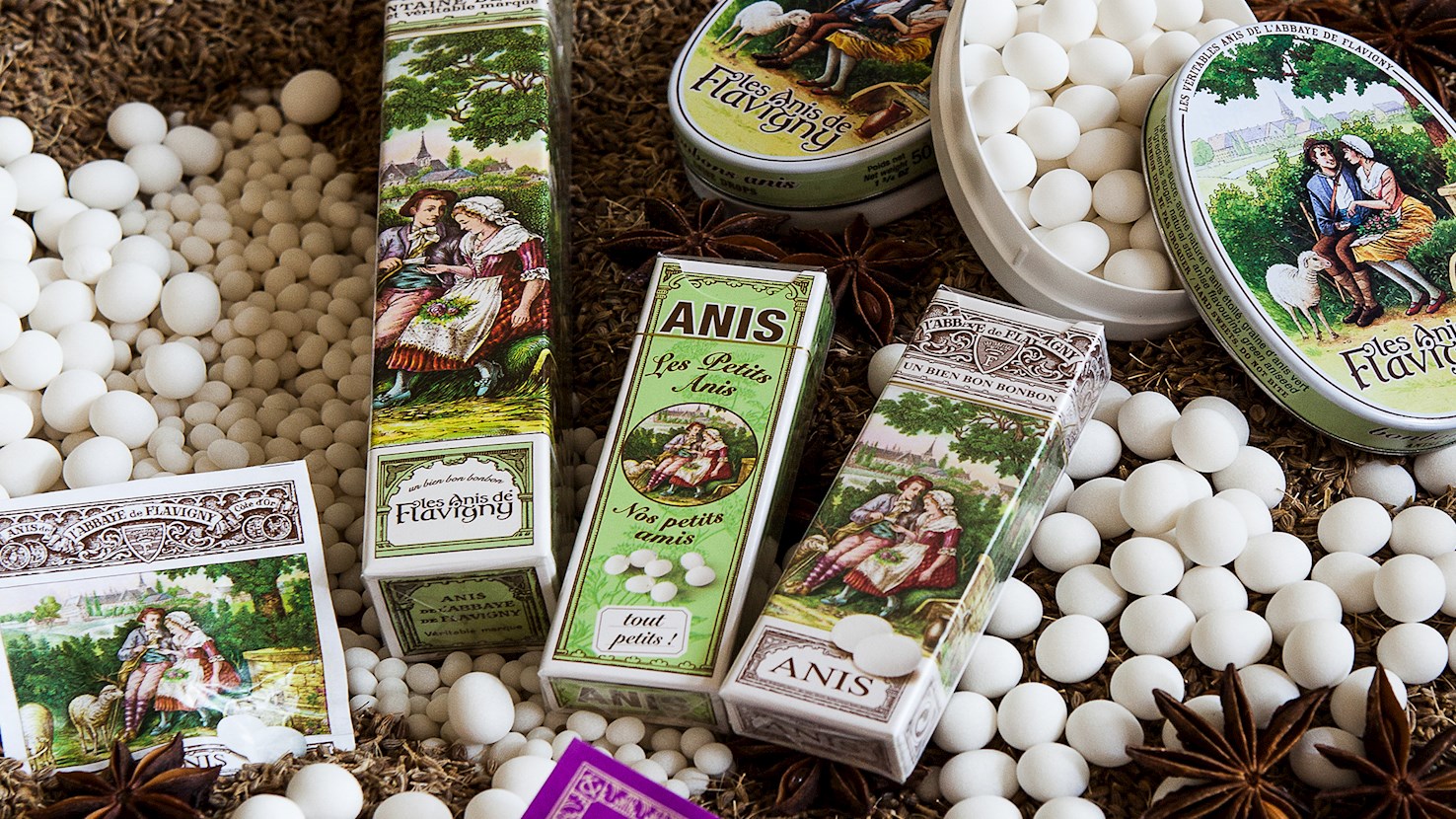
These candies are traditionally produced in Flavigny from a recipe dating back to 1591. Anise seeds are first placed in a pan and coated with a combination of sugar and water, and then the pans are rotated, making the candies smooth. It takes about 15 days to transform a small seed into a candy that weighs one gram. The candies come in ten natural flavors – anise, blackcurrant, lemon, ginger, tangerine, mint, orange blossom, liquorice, violet, and rose. Regardless of the flavor, the finished candy is always called Anis de Flavigny.
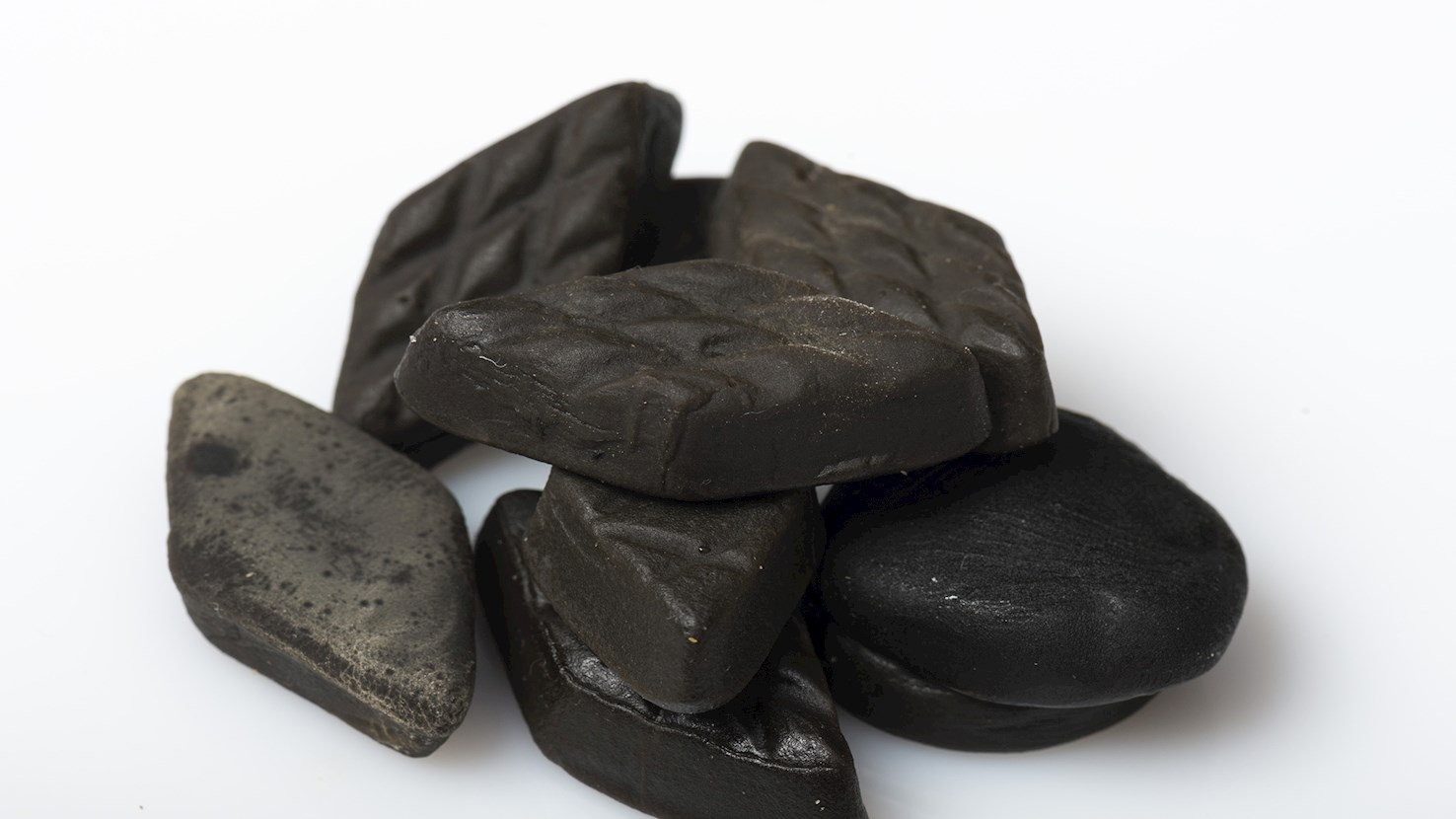
This traditional Finnish licorice gets its unusual flavor from the ammonium chloride salt. Believed to have originated as a cough medicine, today it is traditionally enjoyed as a salty, sharp-flavored candy that is usually black in color and comes in different flavor combinations and various shapes. Even though it requires an acquired taste, it is a popular treat in many Nordic countries and is often used as a flavoring in sweets, chocolates, and spirits.
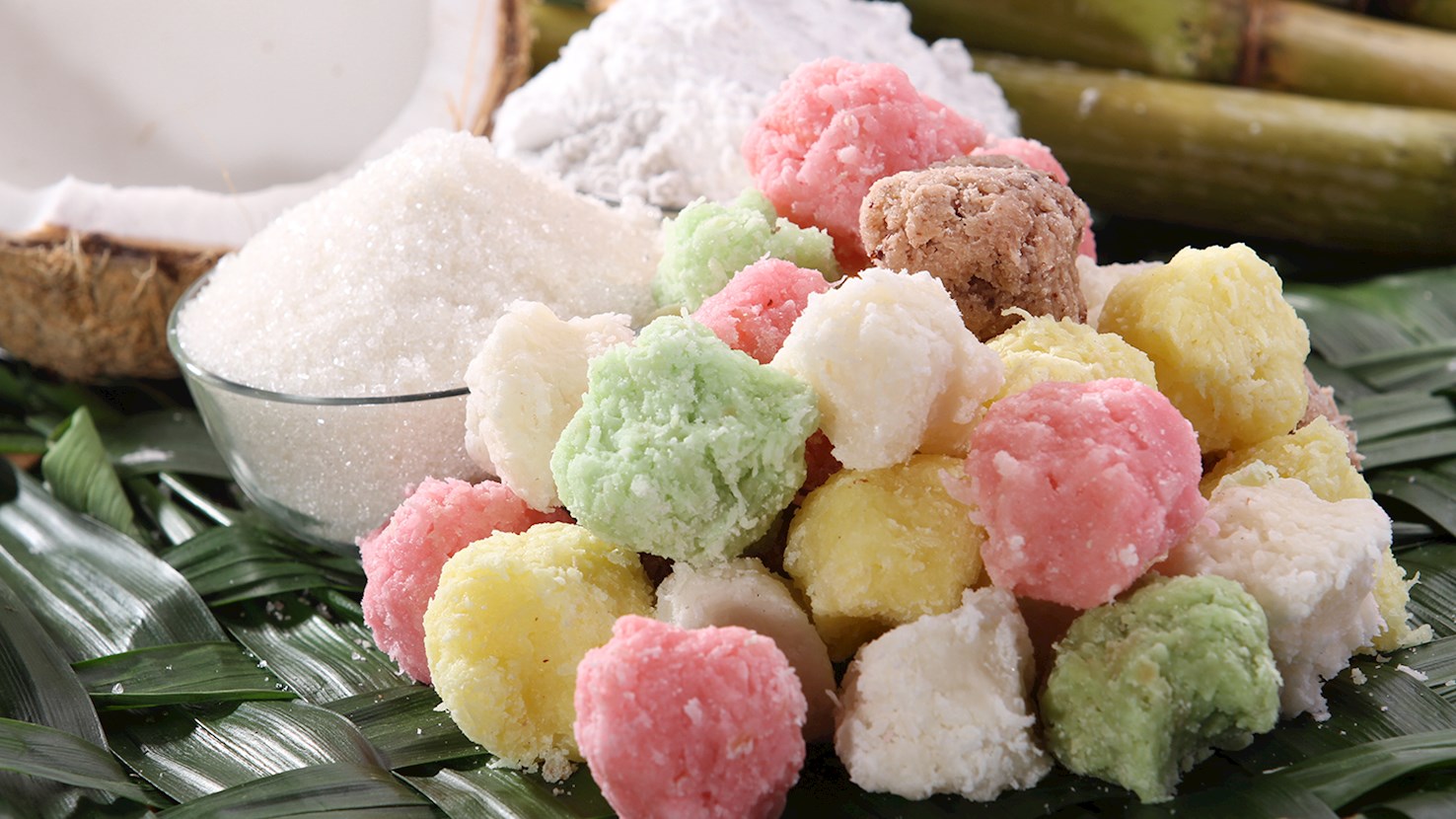
Geplak is a colorful, sweet snack originating from Bantul in Central Java, Indonesia. It is made primarily from grated coconut and palm sugar, sometimes combined with granulated sugar to produce a firmer texture and longer shelf life. The mixture is cooked over moderate heat until thick and sticky, then shaped into small, compact rounds or squares before being left to cool and harden. Geplak is notable for its vibrant appearance, as the finished pieces are often tinted pink, green, yellow, or white using food-safe dyes to make them more visually appealing. This candy is commonly sold in markets, packaged in clear plastic bags or boxes, and frequently bought as a souvenir by visitors to Yogyakarta region. The preparation of geplak involves several steps that require careful timing. Freshly grated coconut must be heated with sugar until the liquid reduces and the mixture binds together without burning. Once the mass thickens enough to hold its shape, it is portioned and molded by hand or with simple tools. Because coconut has a naturally high oil and moisture content, geplak is cooked longer than many other coconut-based sweets to ensure it hardens properly. The taste is sweet and rich, dominated by the aroma of palm sugar and the slightly chewy texture of coconut shreds. Although Geplak is now made in various parts of Java, it remains closely identified with Yogyakarta and Bantul, where small family-run businesses have produced it for generations. Some variations include additional flavorings such as vanilla or pandan leaves to enhance fragrance. In local culture, geplak is often served on special occasions, festivals, or given to guests as a token of hospitality.
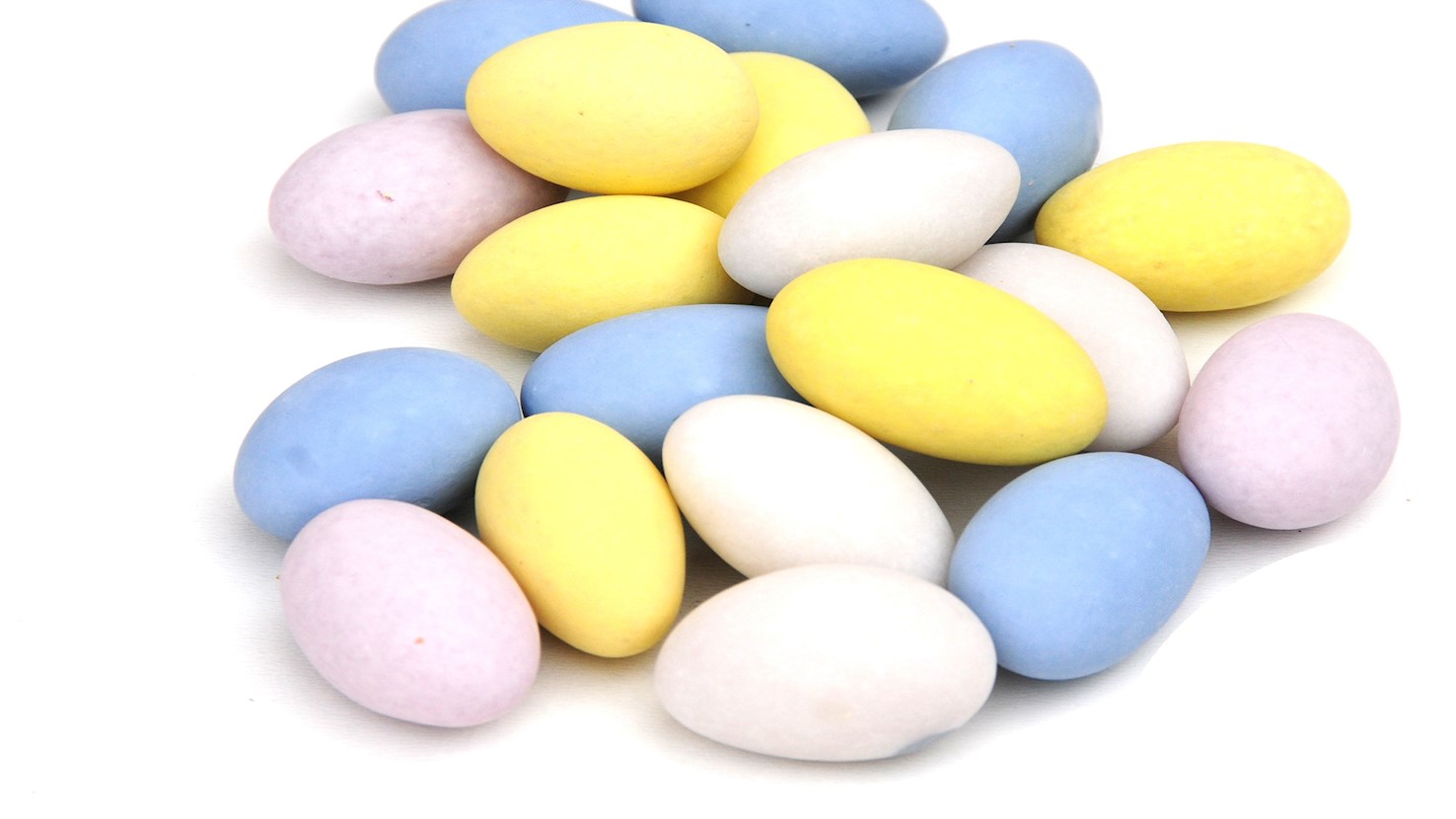
Peladillas are small Spanish treats consisting of toasted almonds encased in a hard sugar coating. There is also a variety made with pine nuts, which is then called pinones. Peladillas are characterized by a crunchy texture, and a sweet, nutty flavor. Along with turrones and polvorones, peladillas are traditionally served during the Christmas festivities in Spain.
TasteAtlas food rankings are based on the ratings of the TasteAtlas audience, with a series of mechanisms that recognize real users and that ignore bot,
nationalist or local patriotic ratings, and give additional value to the ratings of users that the system recognizes as knowledgeable.
For the “69 Worst Rated Confectioneries in the World” list until September 16, 2026, 6,961 ratings were recorded, of which 5,637 were recognized by the system as legitimate.
TasteAtlas Rankings should not be seen as the final global conclusion about food. Their purpose is to promote excellent local foods,
instill pride in traditional dishes, and arouse curiosity about dishes you haven’t tried.














What People Say