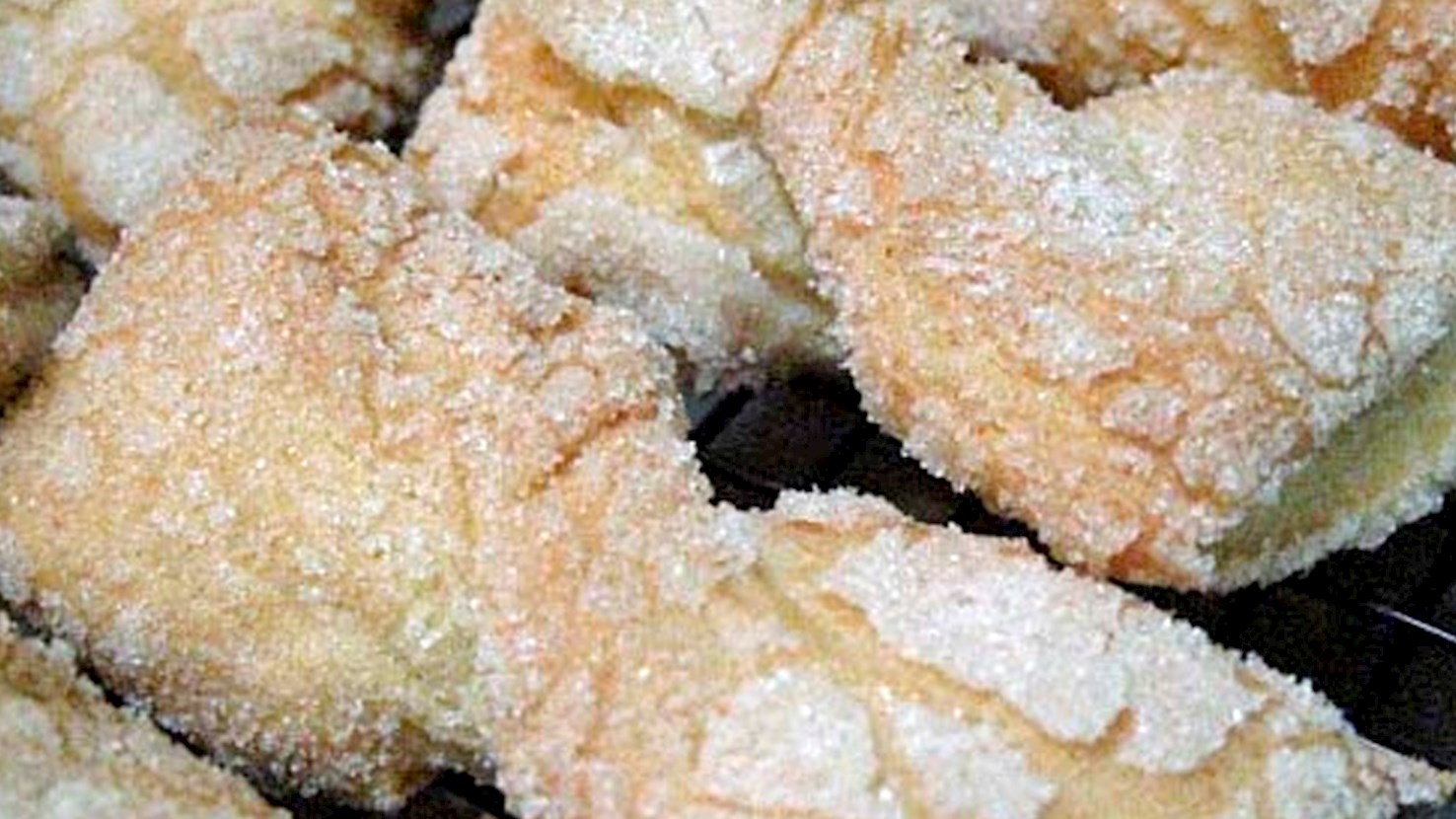
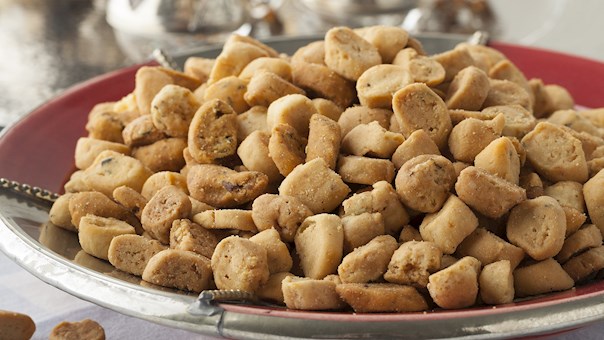
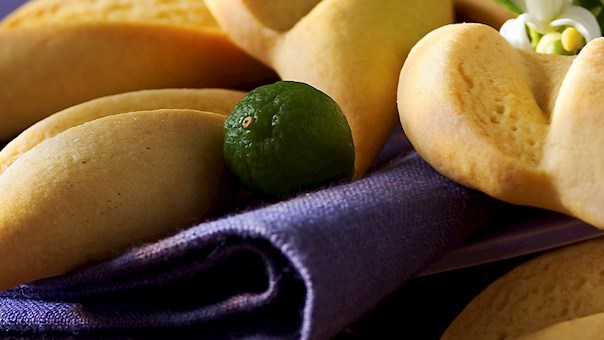
Kichel is a lightly sweetened egg-based cookie or cracker found in Ashkenazi Jewish cuisine, recognized for its crisp, airy texture and bow-tie or diamond shape. It is associated with Jewish communities in Central and Eastern Europe, where egg-rich doughs were common in home baking, and where cooks used available ingredients such as flour, eggs, sugar, and sometimes schmaltz or oil to create pastries suitable for festive meals and synagogue gatherings. Its development was tied to the need for a baked item that could keep well without refrigeration and suit both sweet and savory accompaniments, which made it a reliable option for communal events and holiday meals, particularly those where dairy or meat meals influenced which fats could be used. Preparation begins with a dough made from eggs, flour, sugar, and a small amount of fat, beaten until smooth and soft. The dough is rolled very thin, cut into strips or diamonds, and often twisted into a slight bow shape before being baked at a high temperature until puffed and crisp. The characteristic lightness comes from the high egg content and the very thin rolling, which allows steam to expand the dough in the oven. Kichel is served at many Jewish events, including post-services gatherings, holiday meals, and family celebrations, where it is often paired with chopped herring, a combination that contrasts the cookie’s mild sweetness with the herring’s salty and tangy flavors. It is also eaten on its own or with tea or coffee, and in some homes it is used as a lightly sweet snack alongside fruit spreads or soft cheeses.
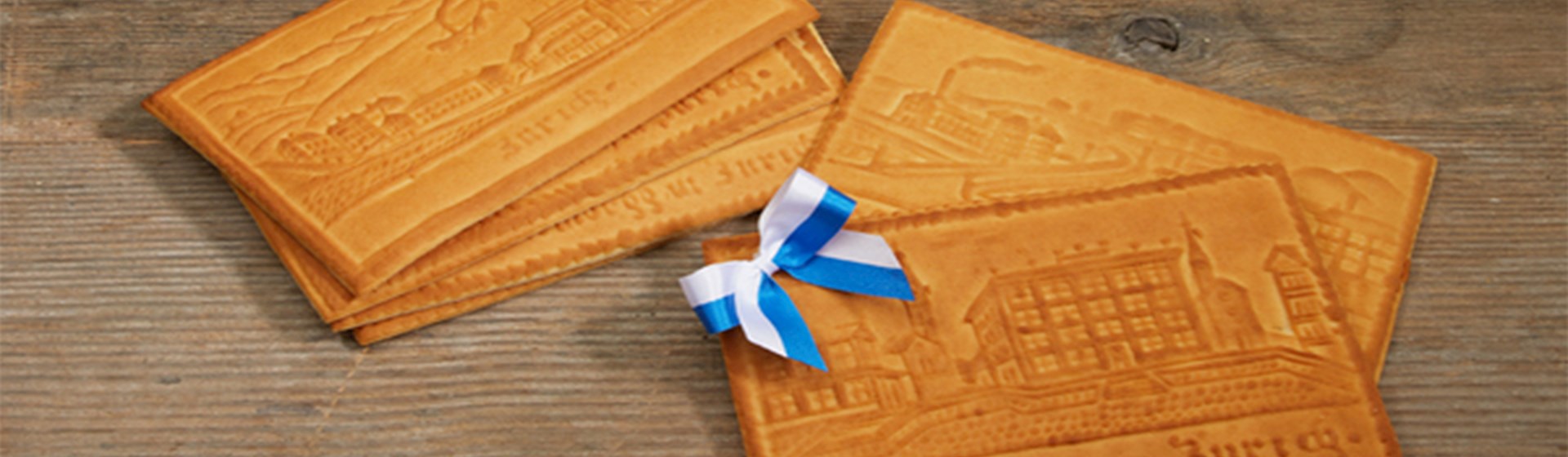
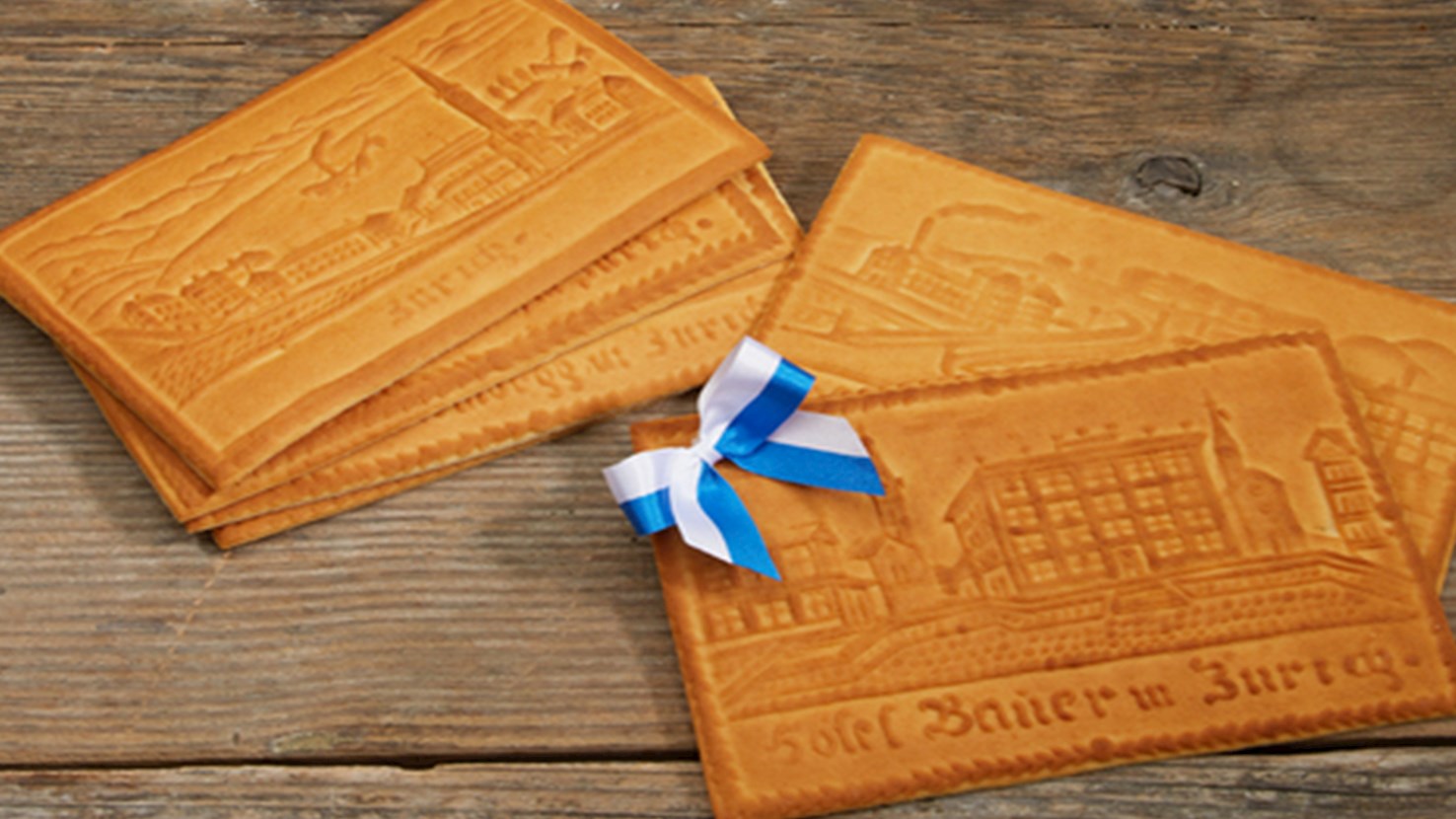
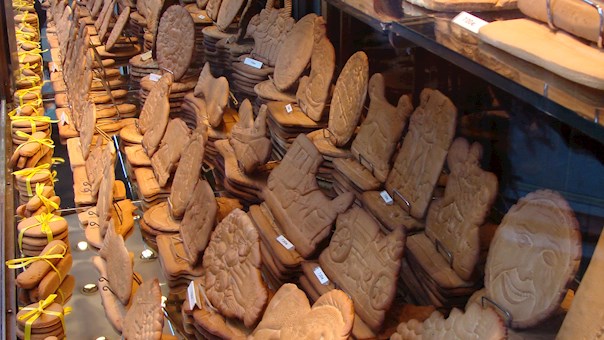
Tirggel are traditional Swiss Christmas cookies made with flour, honey, and sugar. They are thin and very hard, characterized by images on the top which are usually associated with the Zürich Canton, romance, and Biblical stories. It is believed that the name tirggel is derived from the word torggeln, which refers to stirring a thick dough. The first written mention of tirggel can be found in 1461 witch trial court documents. The cookies were a luxury item in the 15th and 16th centuries, and before 1840, only city bakers had the rights to bake them. After 1840, all bakers could bake them, and they gained popularity over the years, so nowadays everyone can enjoy these crunchy festive treats.
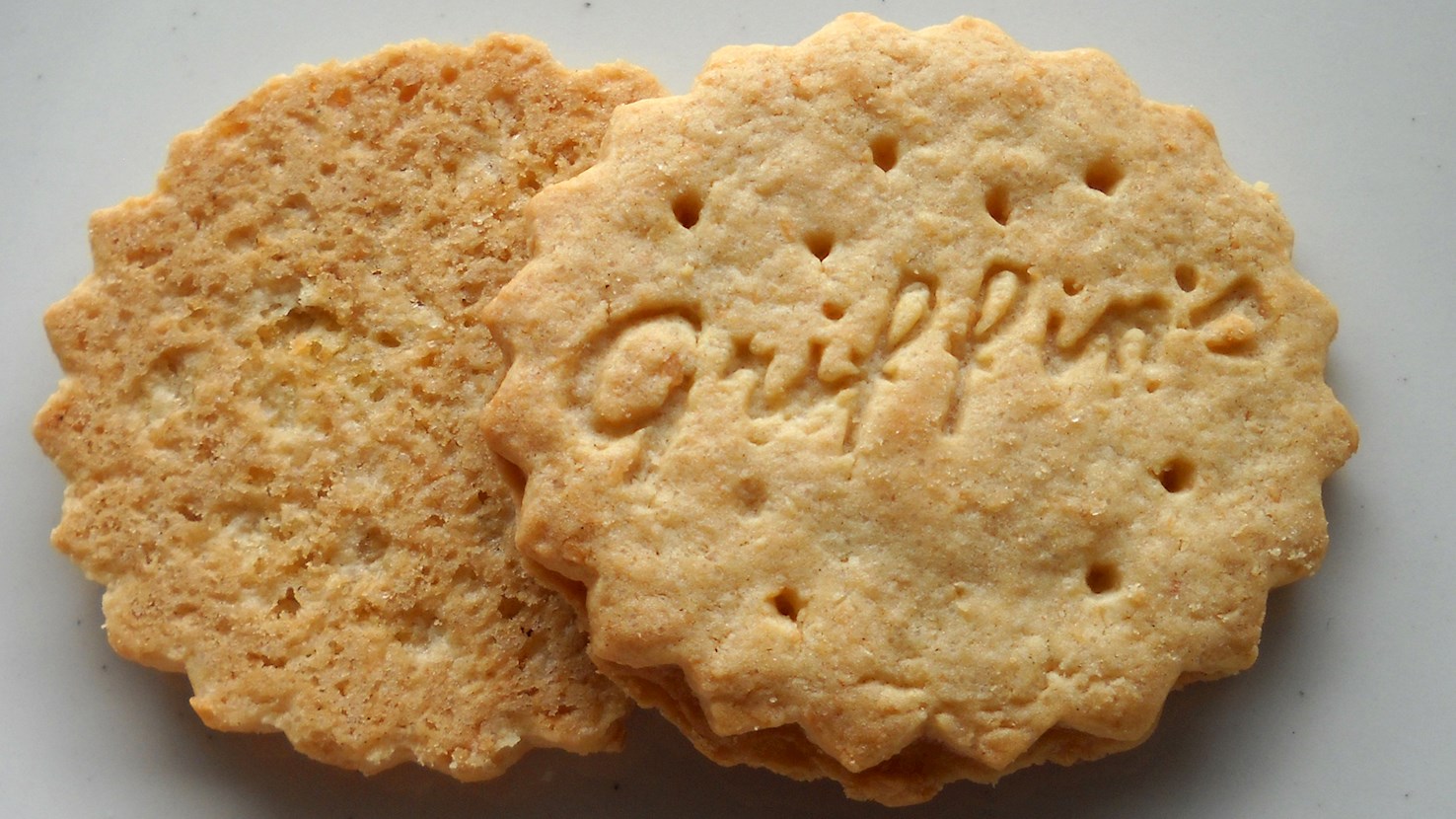
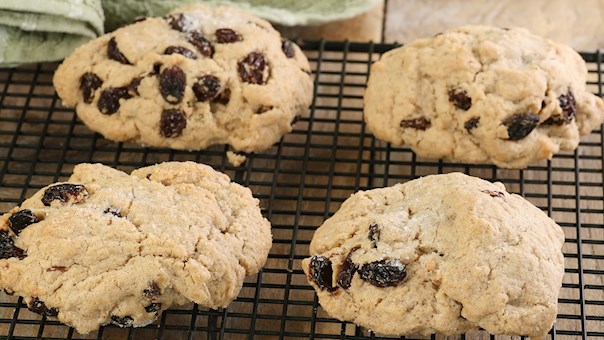
Krispie is a popular New Zealander toasted biscuit consisting of wheat flour, sugar, and coconut. It is commercially produced by Griffin's Foods, a company that also makes another variety of the biscuits that are coated in chocolate. Krispies have a crunchy texture and are characterized by a toasted coconut flavor. It is recommended to dunk the biscuits into a beverage of choice.
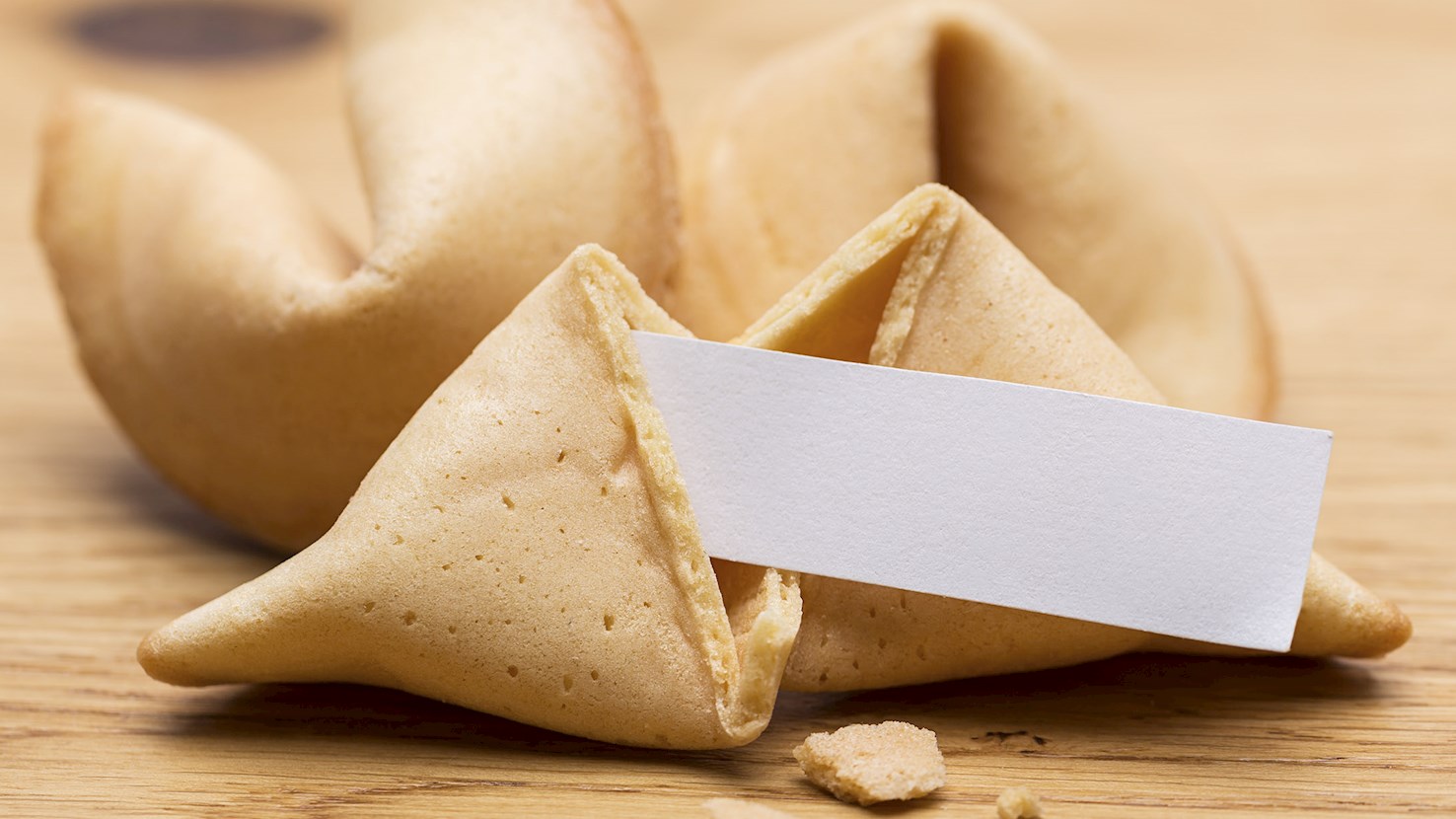
The intriguing fortune cookies are crispy folded wafers hiding an entertaining "fortune" inside. The "fortune" is a written note; a proverb or a universal prophecy believed to predict the person’s future. The cookies are made with egg whites, flour, sesame oil, and sugar, and have a slight vanilla flavor. They are rolled in flat, perfectly round shapes, then baked. Before they are folded, when they are still hot and pliable, the written fortune is nestled inside the cookie. As they cool, the fortune cookies harden and achieve their distinctively crunchy texture. Even though they are usually associated with Chinese restaurants, where they are served at the end of the meal, their origin is believed to be hidden in the Japanese culture. They are closely associated with o-mikuji, the Japanese tradition of placing fortunes at Buddhist and Shinto temples and are somewhat similar to Japanese cookies tsujiura senbei, which are slightly larger and darker in color. The origin of the westernized fortune cookie is vague, but it is believed it primarily appeared in California at the beginning of the 20th century. It is still disputed whether it was invented in Los Angeles by a Chinese immigrant David Jung, the founder of the Hong Kong Noodle Company, or in San Francisco by a native Japanese Makoto Hagiwara, a gardener who designed the Japanese Tea Garden. Today, most fortune cookies are produced in the United States, with the biggest factory located in Brooklyn. They constitute an important part of American culture and Chinese-American cuisine. Outside the United States, they can be found in numerous Chinese restaurants around the world, but are rarely found in China.
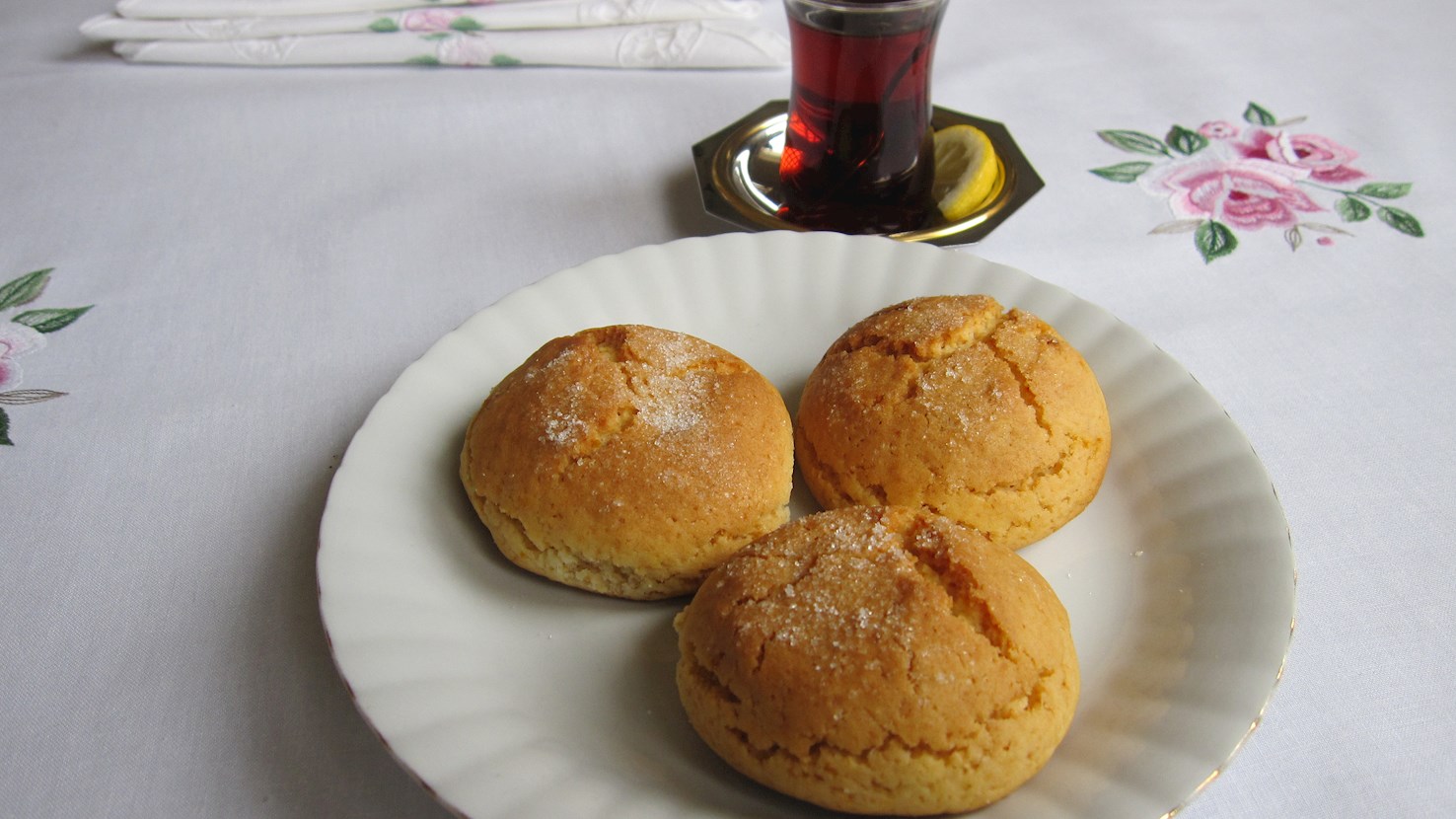
A classic Bosnian dessert, gurabija is a type of round, flat shortbread cookie that is usually made with flour, sugar, and oil. This sweet specialty is believed to have oriental origins, and it’s been an essential part of the culture, tradition, and culinary heritage of the entire Balkan. Although the variations on this dessert abound, the cookies commonly contain eggs, baking powder or baking soda, butter or margarine, and dairy products such as mileram cream, yogurt, or milk. The combination is typically flavored with vanilla powder or vanilla sugar, lemon zest, nuts, and dried fruits. Apart from the ingredients used for making the dessert, the cookies may also vary in size, shape, and decoration. In Bosnia and Herzegovina, the cookies are often decorated with a fork or a knife, while a truly distinguishing trait of Bosnian gurabija cookies is the sugar cube that’s pressed in the center of the cookies before they’re baked. Gurabija cookies in Albania are usually made with jam, while the Macedonian version of the cookies is said to be the closest to the original one. A popular variation of these cookies in Serbia is hilanderske gurabije, which calls for the addition of honey to the combination. The Bosnian city of Tuzla, on the other hand, is famous for its gurabija with apple pekmez (boiled apple juice), a variation that’s been characteristic of Bosnian Muslims. These cookies know no religious boundaries as they are equally prepared for religious holidays and celebrations by both Muslims and Christians. Gurabija cookies can be enjoyed as a dessert or a sweet snack, and they’re customarily served with a cup of Bosnian coffee or tea on the side. Some people, especially children, like to dip the cookies in milk and eat them for breakfast.
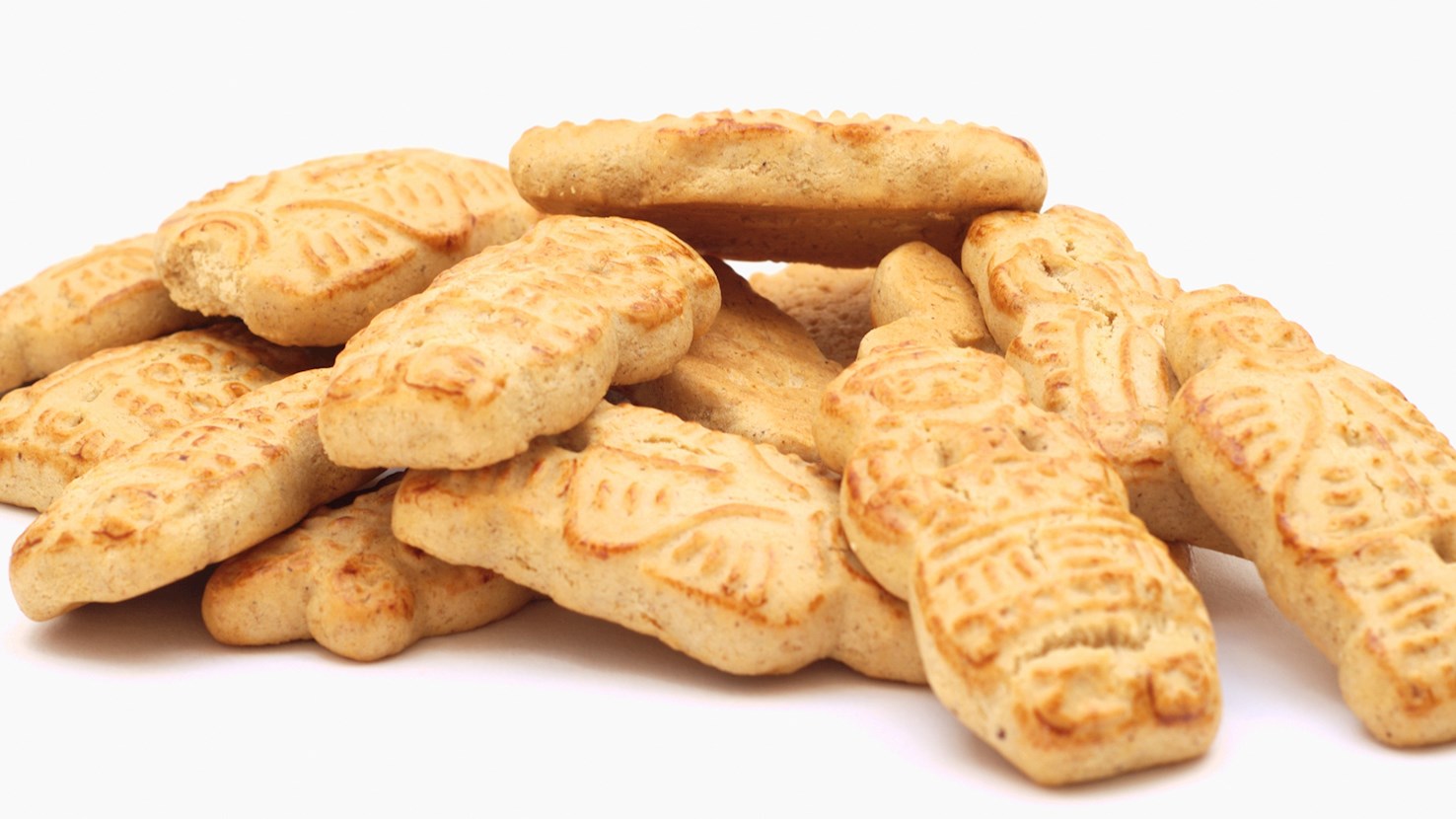
Taai-taai is a popular Dutch cookie with a hard, chewy texture. It consists of flour, sugar, baking powder, and eggs. The cookies are traditionally flavored with aniseed and honey. These treats are especially popular during the festive Sinterklaas season, when they are shaped into hearts, animals, or Sinterklaas himself. The name taai-taai means tough-tough, referring to the texture of these popular cookies.
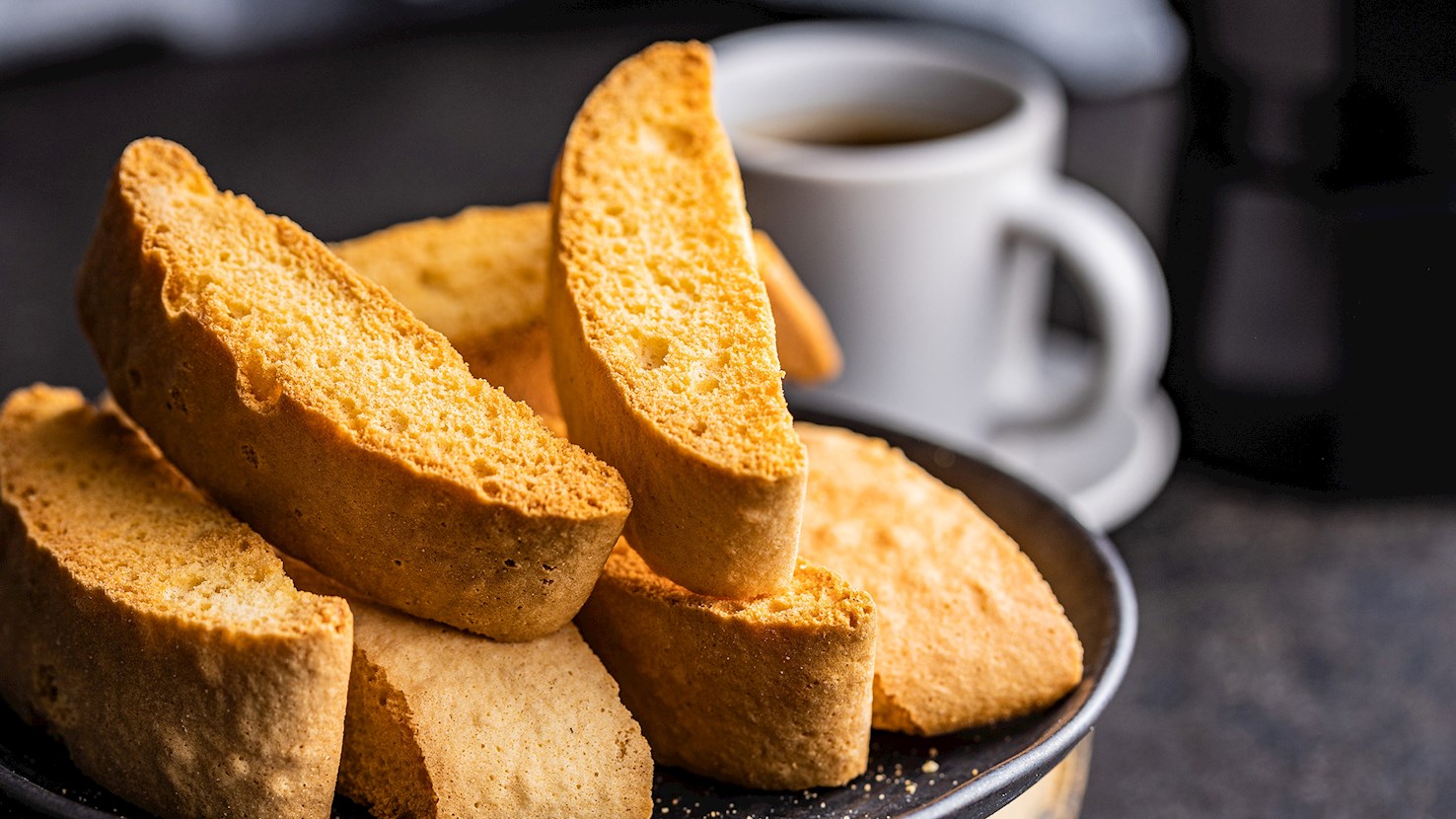
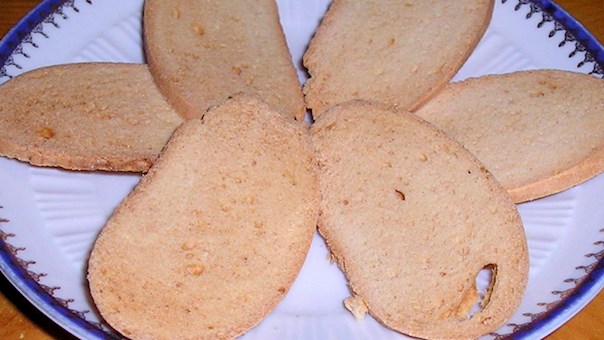
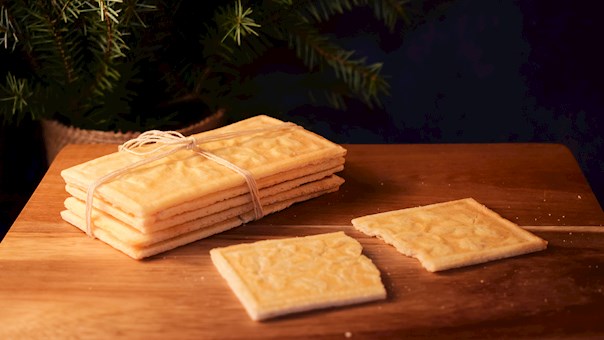
Sometimes also called finocchini, anicini are popular anise-flavored biscotti prepared in many Italian regions, but they are especially beloved in Sardegna and Liguria. First, a loaf made with eggs, flour, sugar, orange blossom water, and aniseed is baked. After it has slightly cooled, the loaf is carefully sliced and baked again until the slices turn golden and crispy. Delicate, light, and crunchy, anicini are perfect cookies for dunking in coffee or milk, but due to digestive properties of aniseed, they are also perfect for fine pasto, served at the end of a meal.
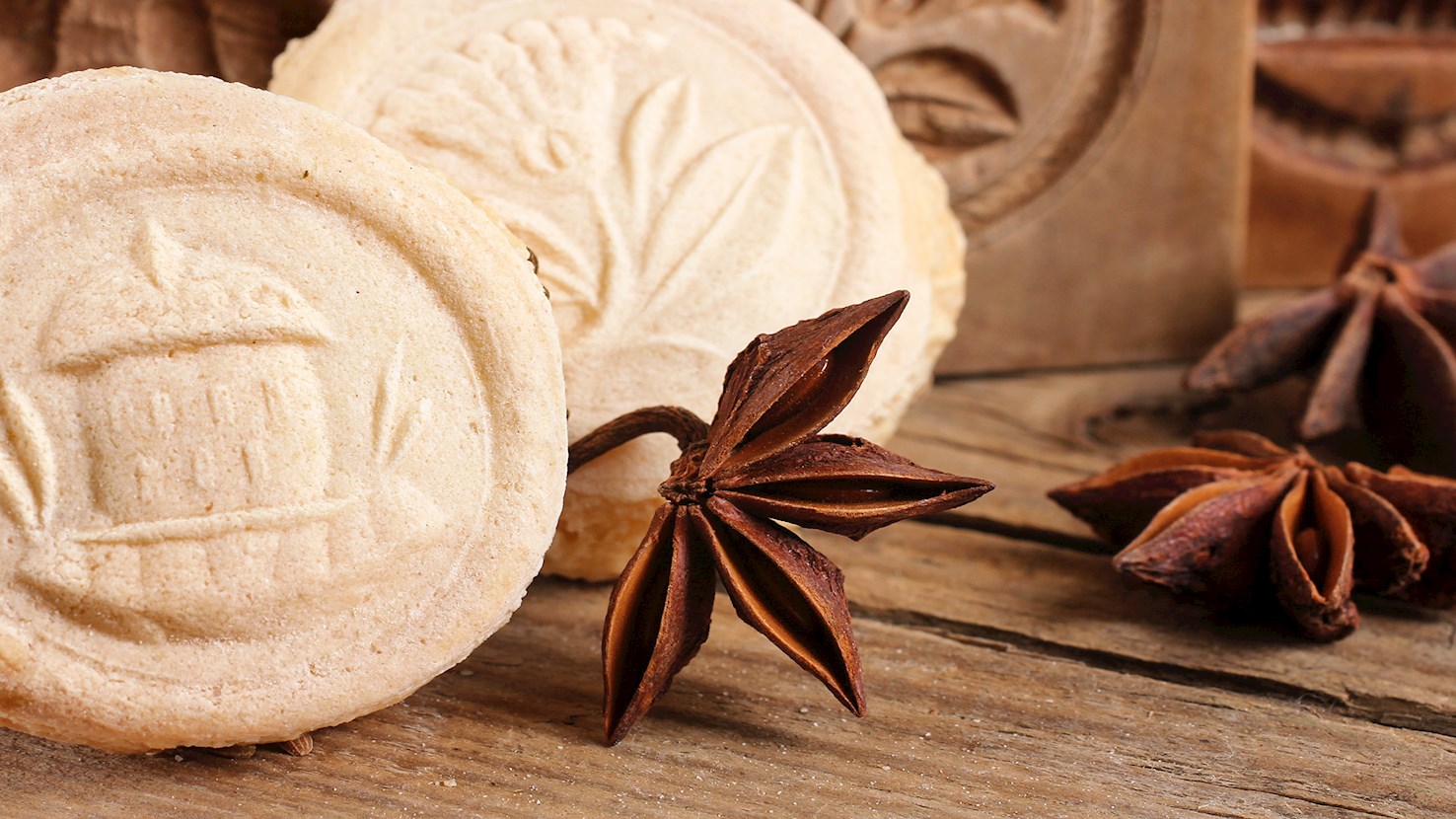
Also known as little jumper or little knight, springerle is an anise-flavored biscuit made from wheat flour, eggs, and powdered sugar. In the past, the dough used to be leavened with hartshorn salt, but modern day recipes typically use baking powder. The designs and images on top are made with flat molds, presses, and boards, or specially crafted wooden rolling pins. The origin of these biscuits can be traced back to southwestern Germany and the 14th century. The oldest mold for springerle comes from Switzerland, and it was also made in the 14th century.
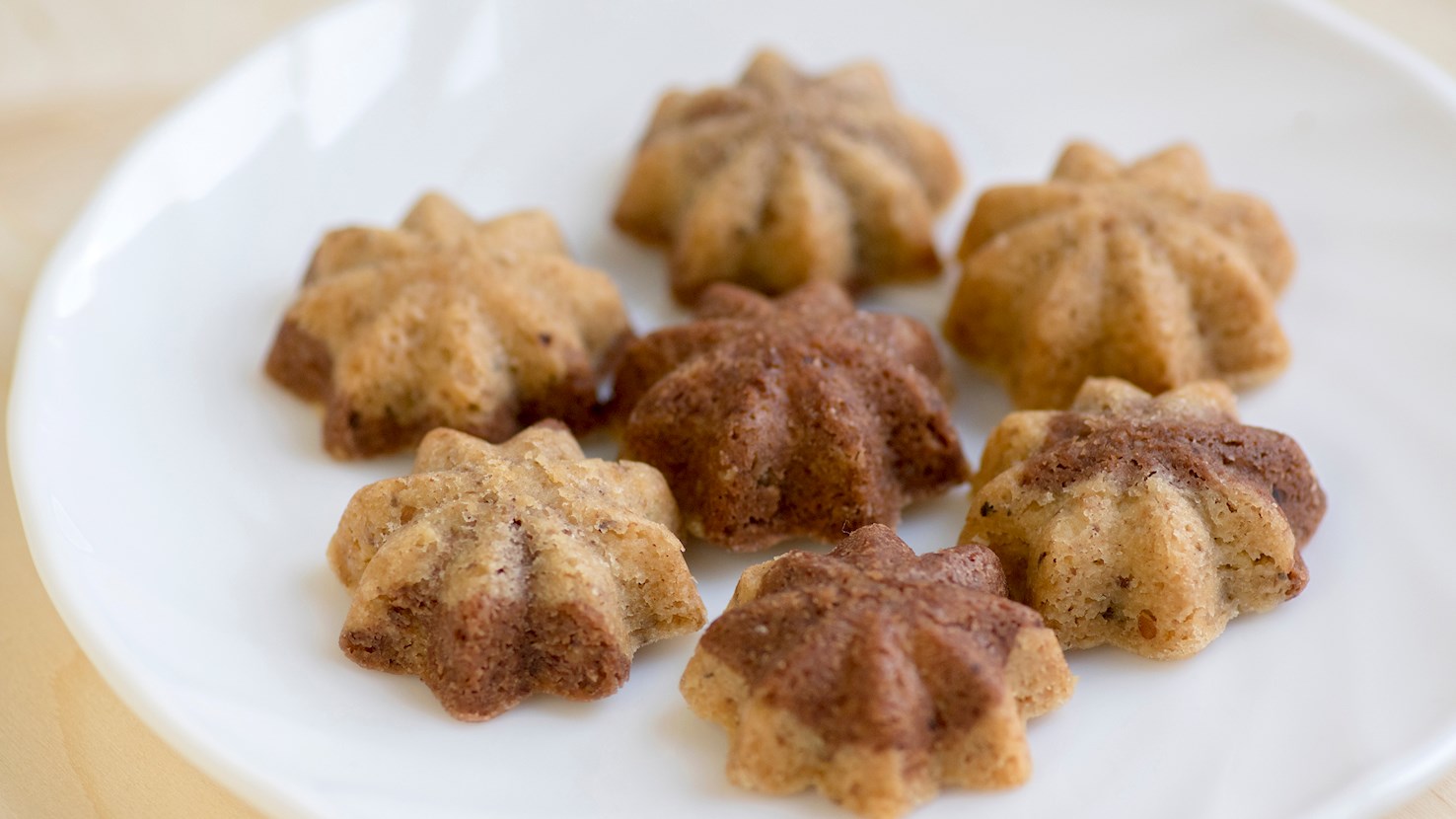
Sandkaker or sandbakelse are traditional cookies originating from Norway. They're usually made with a combination of flour, butter, eggs, sugar, and blanched ground almonds. The butter and flour are mixed until crumbly, and the dough is finished with the addition of almonds, sugar, and eggs. The dough is placed in the fridge for about an hour before it's pressed into greased sandkaker molds. The cookies are baked until golden and they should be left to cool slightly before they're removed from the molds and enjoyed. Sandkaker are often prepared during the festive Christmas season.
Roccoco are traditional Christmas cookies originating from Naples. They're made with a combination of flour, almonds, sugar, candied fruit, and pisto – a mixture of cinnamon, cloves, nutmeg, and coriander. These cookies have been known for their dry and hard texture since 1320, when the nuns of the Real Convento della Maddalena first started preparing them. It's recommended to serve roccoco biscotti with a glass of limoncello, marsala, or spumonte.
TasteAtlas food rankings are based on the ratings of the TasteAtlas audience, with a series of mechanisms that recognize real users and that ignore bot,
nationalist or local patriotic ratings, and give additional value to the ratings of users that the system recognizes as knowledgeable.
For the “100 Worst Rated Cookies in the World” list until June 16, 2026, 18,240 ratings were recorded, of which 11,927 were recognized by the system as legitimate.
TasteAtlas Rankings should not be seen as the final global conclusion about food. Their purpose is to promote excellent local foods,
instill pride in traditional dishes, and arouse curiosity about dishes you haven’t tried.