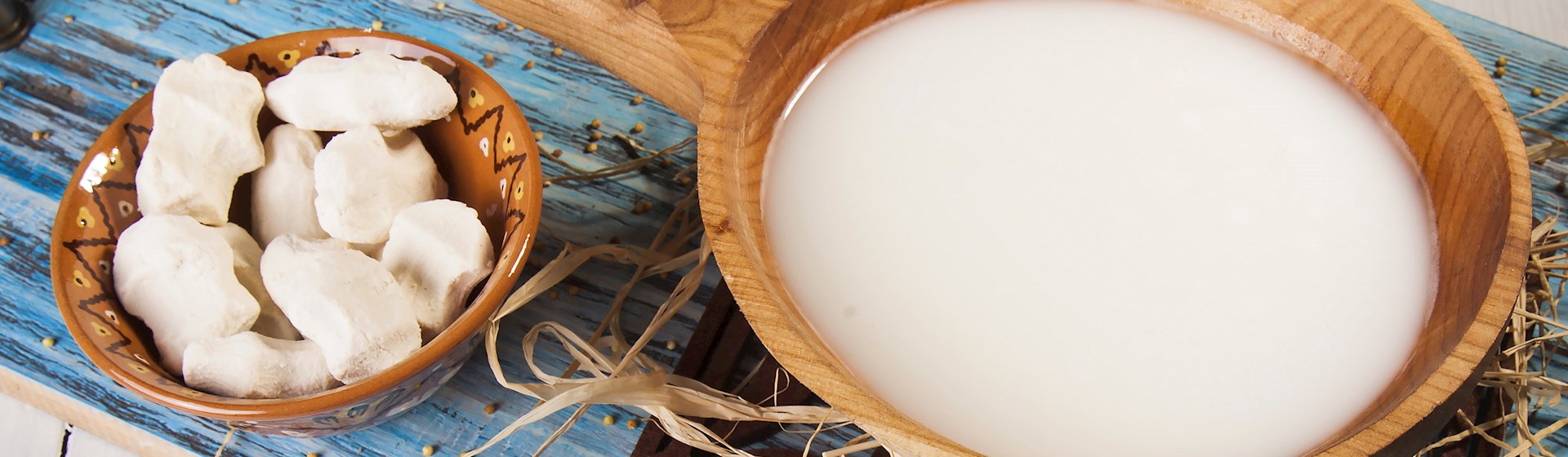
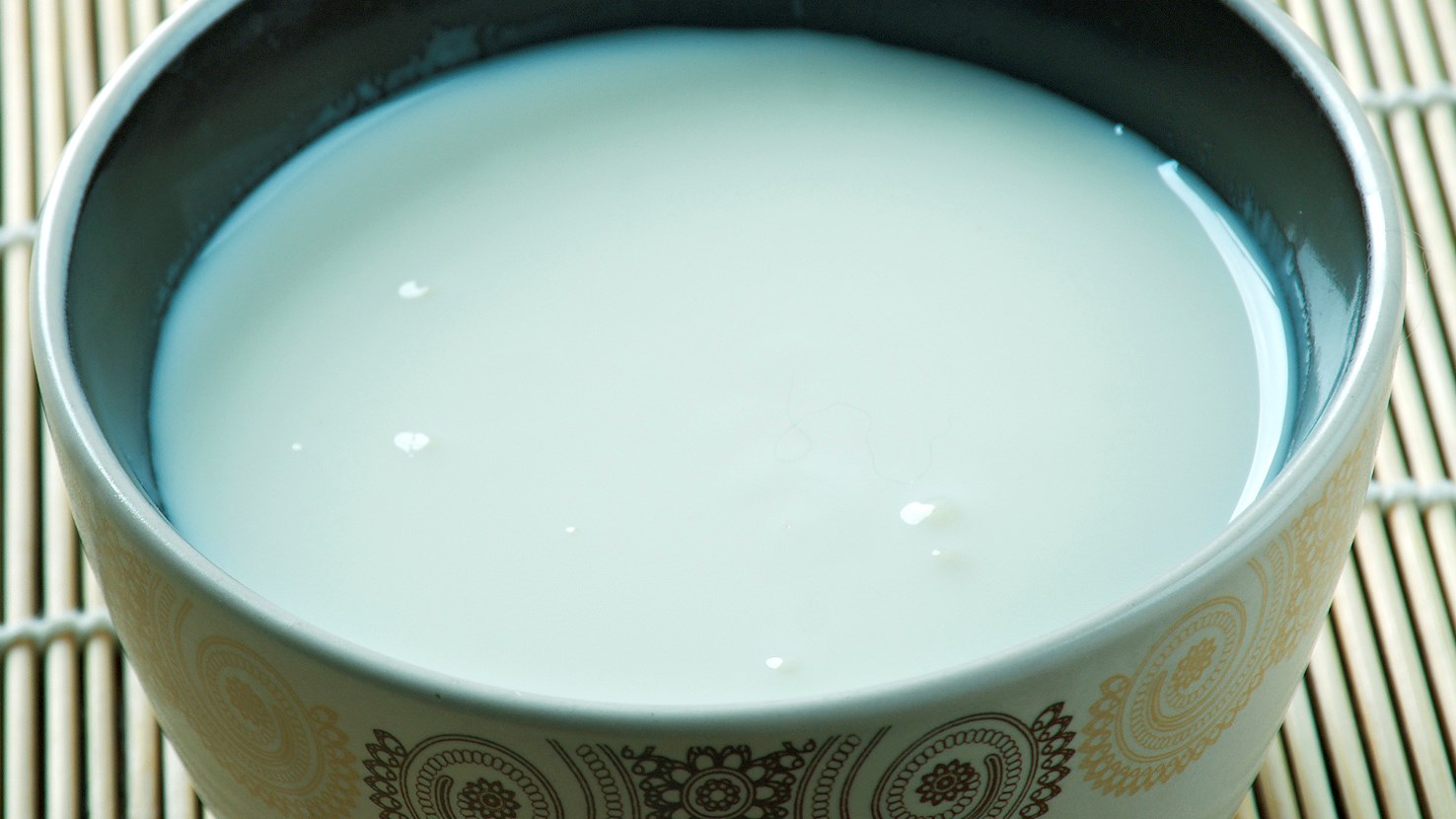
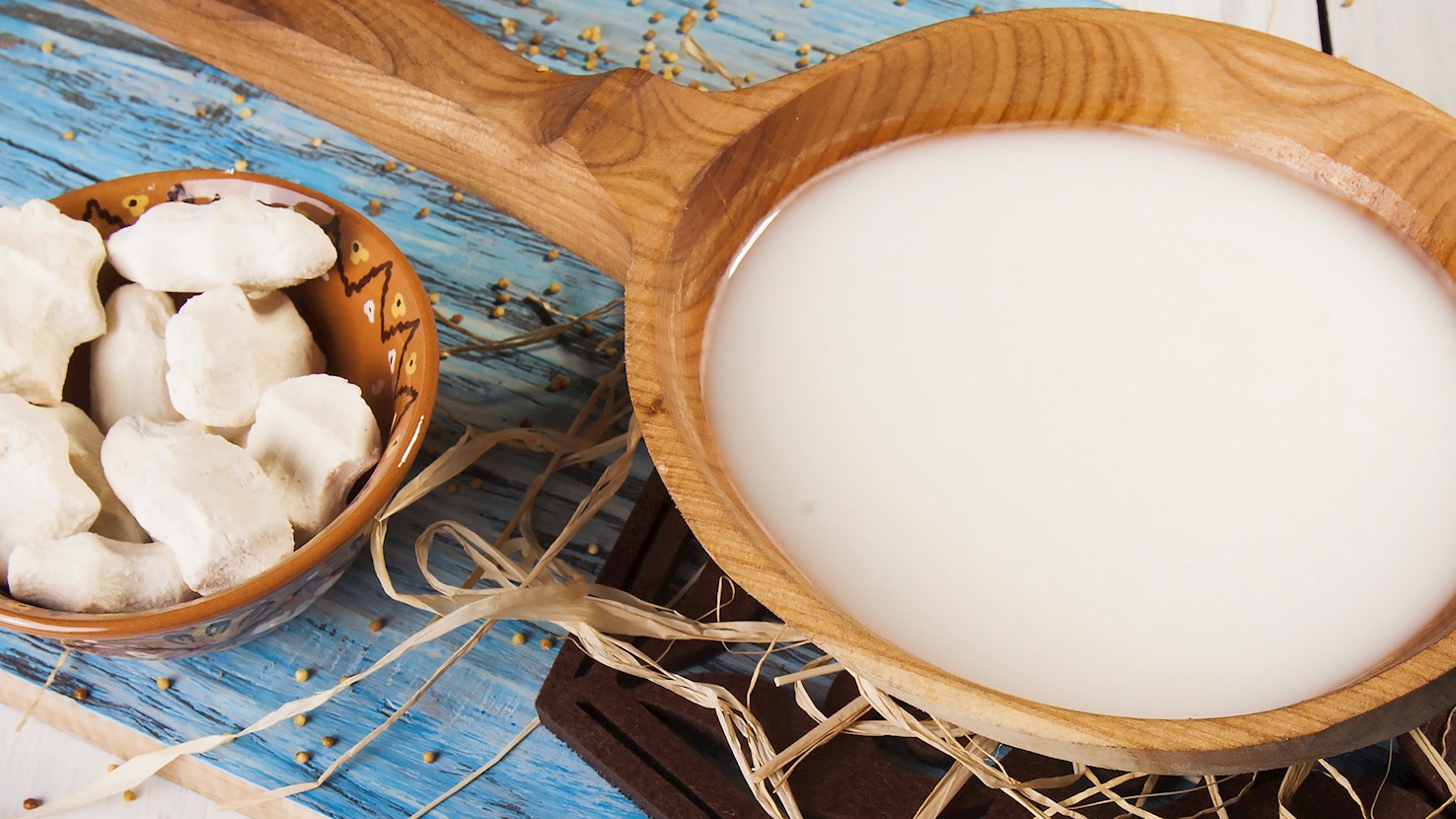
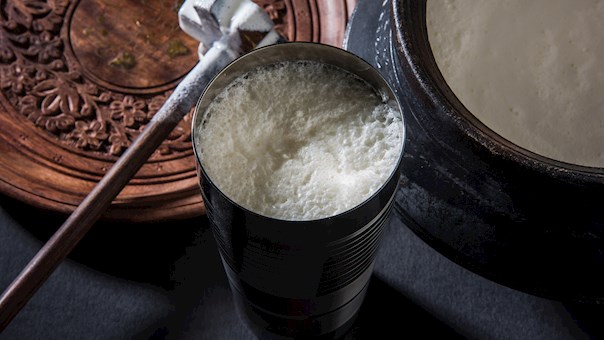
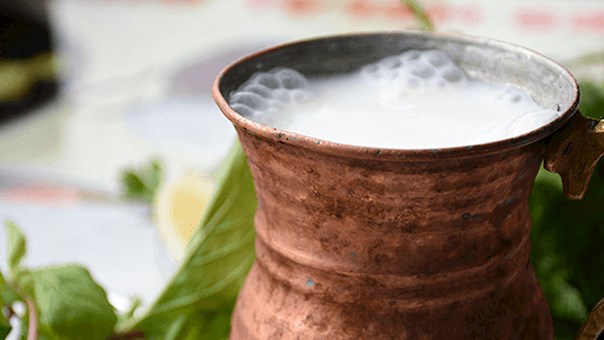
Chal, also known as shubat, is a fermented beverage made from camel milk primarily consumed in Turkmenistan, Kazakhstan, and Uzbekistan. The item is characterized by its sparkling, acidic profile and a distinct white, frothy consistency that results from the natural fermentation of raw camel milk. Its usage developed among nomadic pastoralist groups in the Central Asian steppes as a means of preserving highly perishable camel milk in arid, high-temperature environments. Historically, the process relied on the specific microbial flora present in the wooden vessels used by these nomads, which facilitated a symbiotic fermentation of lactic acid bacteria and yeast. The drink is light, frothy, and refreshing, and it is beloved due to its low caloric content and the presence of iron, magnesium, calcium, and zinc. Preparation begins by inoculating fresh, raw camel milk with a portion of previously fermented chal, which acts as a starter culture. The mixture is kept in a leather or ceramic container at a temperature between 25°C and 30°C for approximately three to four hours to initiate the souring process. A specific technical requirement involves the regular addition of fresh milk to the fermenting batch over several days to maintain the vitality of the yeast and manage the acidity levels. During this period, the milk separates into a thick top layer known as agaran and a thinner liquid below; these are subsequently blended back together before consumption to ensure a uniform texture. A unique property of chal is its shelf life, as the increasing acidity creates a natural barrier against pathogenic bacteria, allowing it to remain potable for several days without refrigeration. The drink is served chilled and is typically poured into large ceramic bowls called pialas. It is consumed primarily during the summer months due to its physiological cooling effect and high concentration of vitamins and minerals. In Central Asian cuisine, it is eaten as a digestive aid alongside heavy, fat-rich dishes like mutton-based plov, shurpa, or boiled dough products like beshbarmak. Because it is a complete beverage, it is rarely paired with other drinks, although it is sometimes consumed with dried fruits or nuts to balance its sharp sourness.
Kumis is a fermented dairy product that originated in ancient Mongolia, but over time it has spread throughout Central Asia. The drink is similar to kefir, but is traditionally produced from mare’s raw milk, which contains more sugar than goat’s or cow’s milk, and it is also rich in proteins and vitamin C. Due to the amount of sugar in mare’s milk, kumis has a higher level of alcohol than kefir when fermented. If distilled into the spirit, kumis becomes araka or arkhi. This light-bodied dairy drink has a slightly sour flavor and an aftertaste reminiscent of almonds. In Kyrgyzstan and Mongolia, it is traditionally served chilled in small cups known as piyala. Kumis is typically sipped, like a medicine, which is the reputatition the beverage has gained through history due to its health benefits.
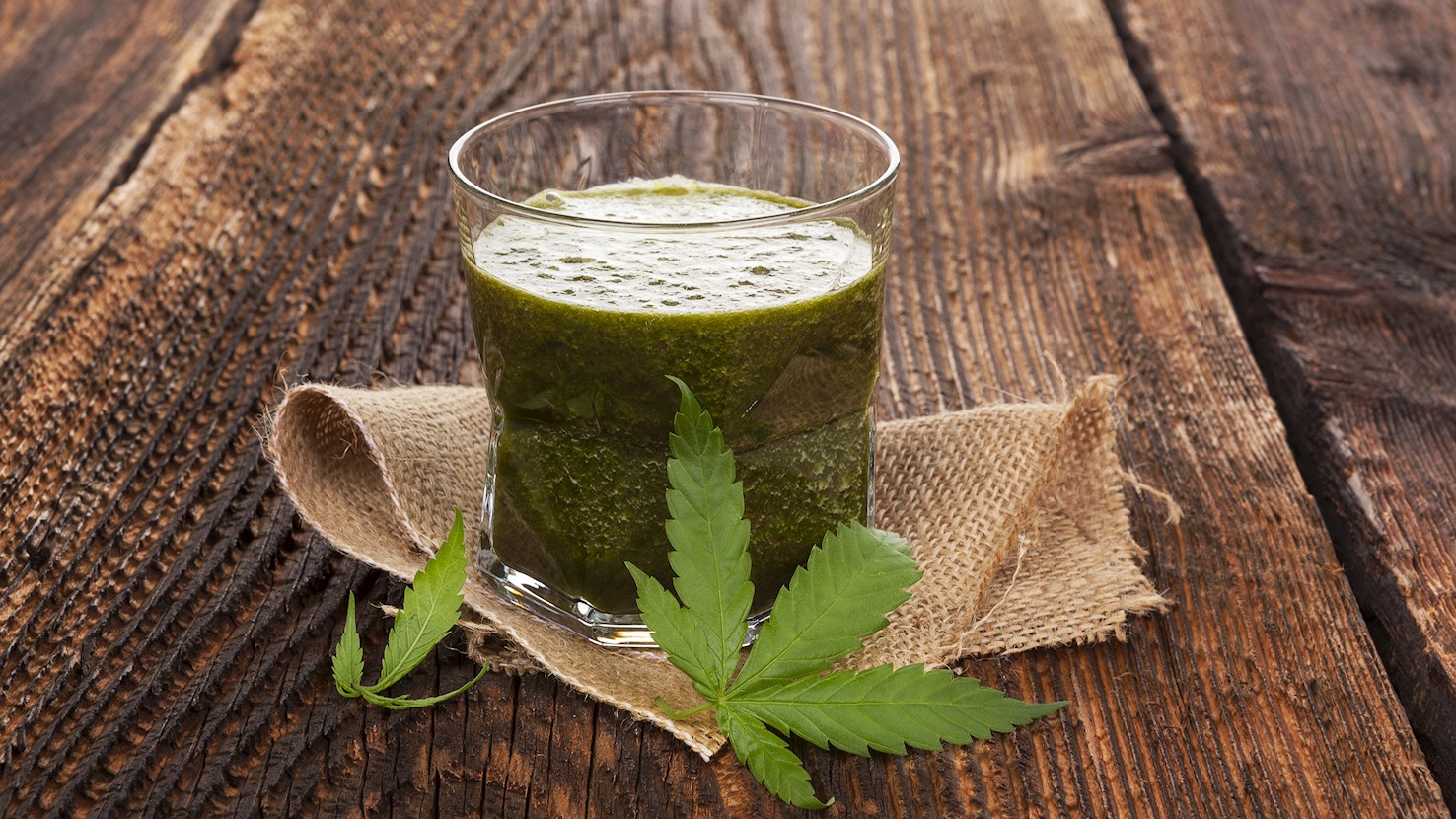
WARNING: It should be noted that bhang lassi is a potent beverage and that there are several claims that its consumption can lead to psychosis and hallucinations, or cause psychosis-like symptoms. It is highly recommended to purchase it only from licensed shops. Bhang lassi is a variety that is laced with cannabis. It is a traditional drink prepared by crushing cannabis plant into a paste (bhang) that is then combined with dahi and usually spices and nuts. Bhang lassi comes in many variations, and it became especially popular during the 1970s. It is traditionally associated with Rajasthan and Uttar Pradesh. Bhang (a paste made with leaves and sometimes the buds of the cannabis plant) is deeply rooted in Indian tradition, religion, and culture. It is usually associated with Hinduism, and it is mentioned in ancient Hindu texts. One of the best-known legends says that it saved Shiva after drinking poison. Monks and holy men mostly consume it during meditation, and it is commonly enjoyed during religious festivals such as Holi and Shivratri. Many people believe it has medicinal properties and often take it as a folk remedy. Although cannabis and its various forms are illegal, interestingly, bhang is excluded from this regulation, and many states permit the sale. However, it is stipulated that it is legal only if it is only made with the leaves of the cannabis plant, while the use of flowering tops or resin is not permitted.
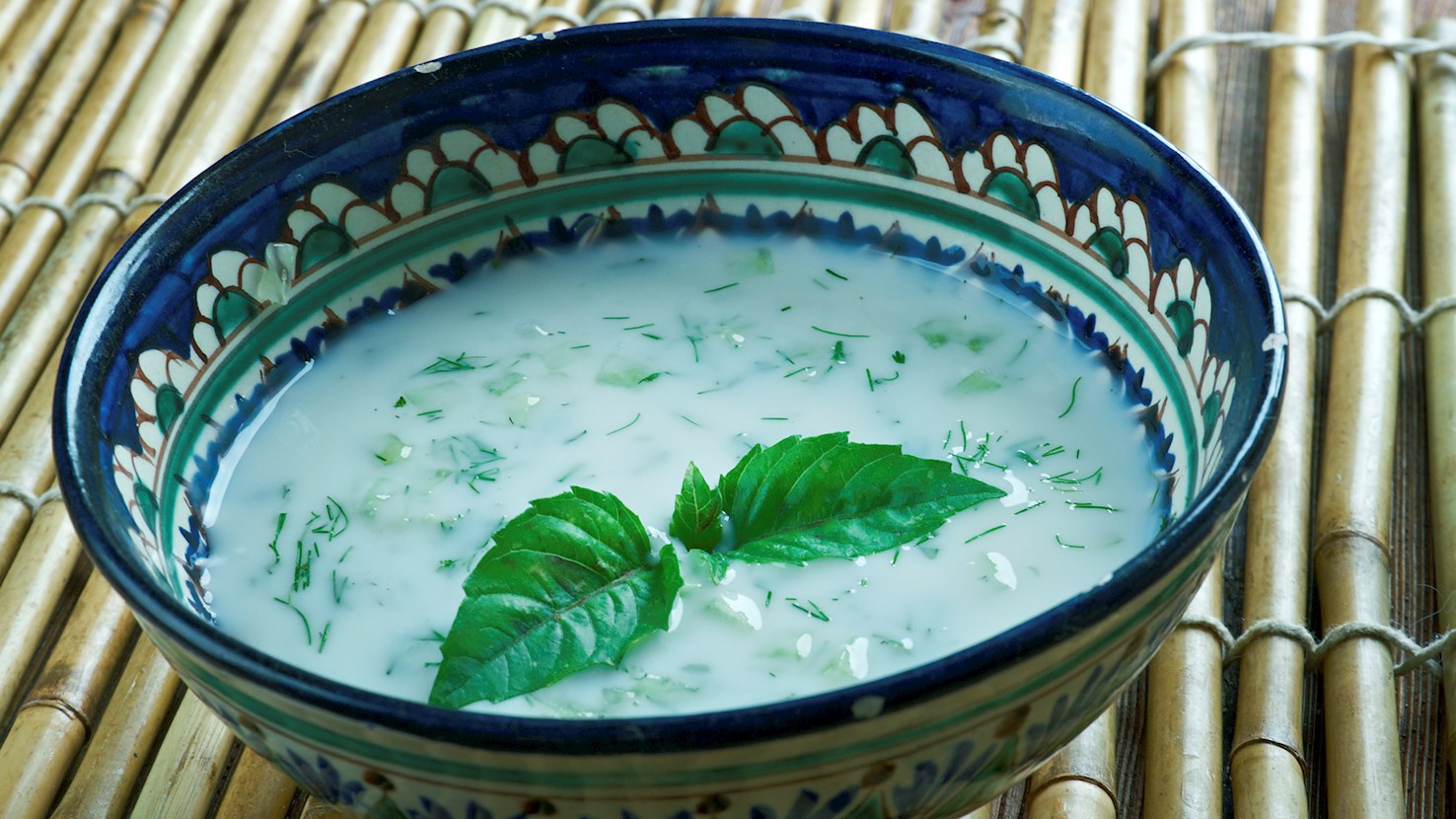
Chalap is a traditional Kyrgyz beverage that is typically found in rural areas. It is made with a combination of still or carbonated water, salt, and qatiq – a fermented milk product of a thick consistency. Many Westerners consider chalap an acquired taste, and some describe its flavor as liquefied, pungent, salty, smoked cheese. The beverage is usually consumed during summer as a refreshment.
Thandai is a North Indian milk-based beverage that incorporates nuts, seeds, and various spices. The preparation starts with a thick paste that is usually made with a different combination of nuts and spices such as cashews, almonds, cardamom, peppercorns, poppy seeds, and fennel seeds. The milk is combined with sugar and saffron, sometimes with the addition of rose water, before it is mixed with the nut and spice paste. The combination is then left to set before it is strained. Thandai should always be served well-chilled and typically comes garnished with slivered nuts and saffron threads. It is traditionally prepared and enjoyed during Holi and Maha Shivratri festivals. There are several variations of thanadai, such as bhang thandai laced with cannabis, mango thandai, and rose thandai.
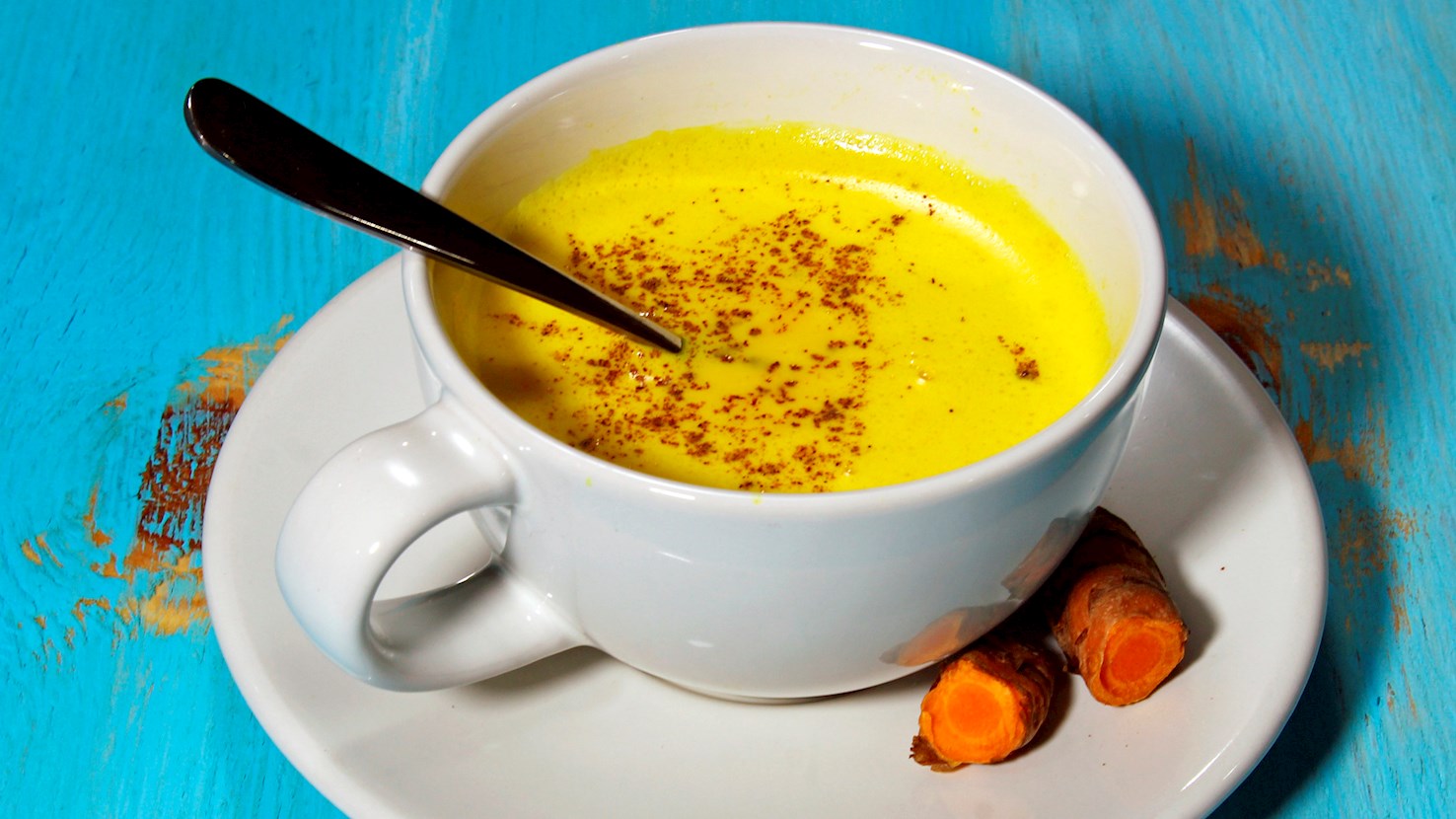
Haldi doodh or turmeric milk is an Indian beverage that is especially popular during the cold winter months. The basic version is prepared by simply combining turmeric with heated milk, but it can be elevated with the addition of spices such as cardamom, black pepper, ginger, cloves, and allspice, along with ingredients such as honey and coconut oil. Haldi doodh has numerous health benefits – it boosts immunity, detoxifies the liver, improves digestion, promotes weight loss, and helps to relieve muscle pain.
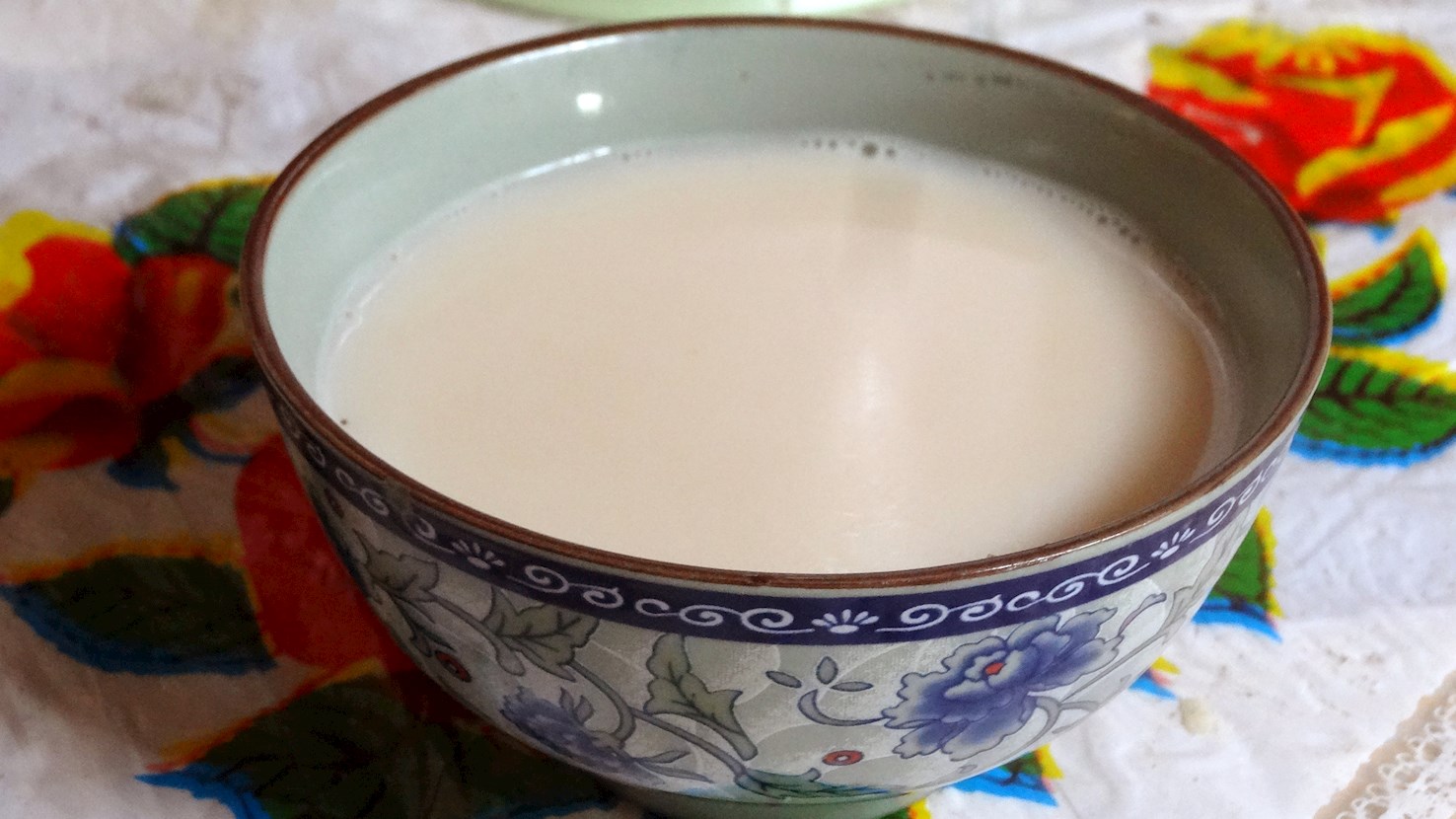
Suutei tsai is a traditional tea made with tea leaves, milk, salt, and water. It is prepared by boiling water and milk and then adding tea leaves. While it brews, the tea is mixed with a ladle, which is also used to continuously pour the tea back to the pot. The tea is seasoned with salt, and it is then strained and served in small bowls. Suutei tsai is an everyday drink, which can be enjoyed throughout the day. It is often offered to guests as a welcome drink. The variations sometimes include millet flour.
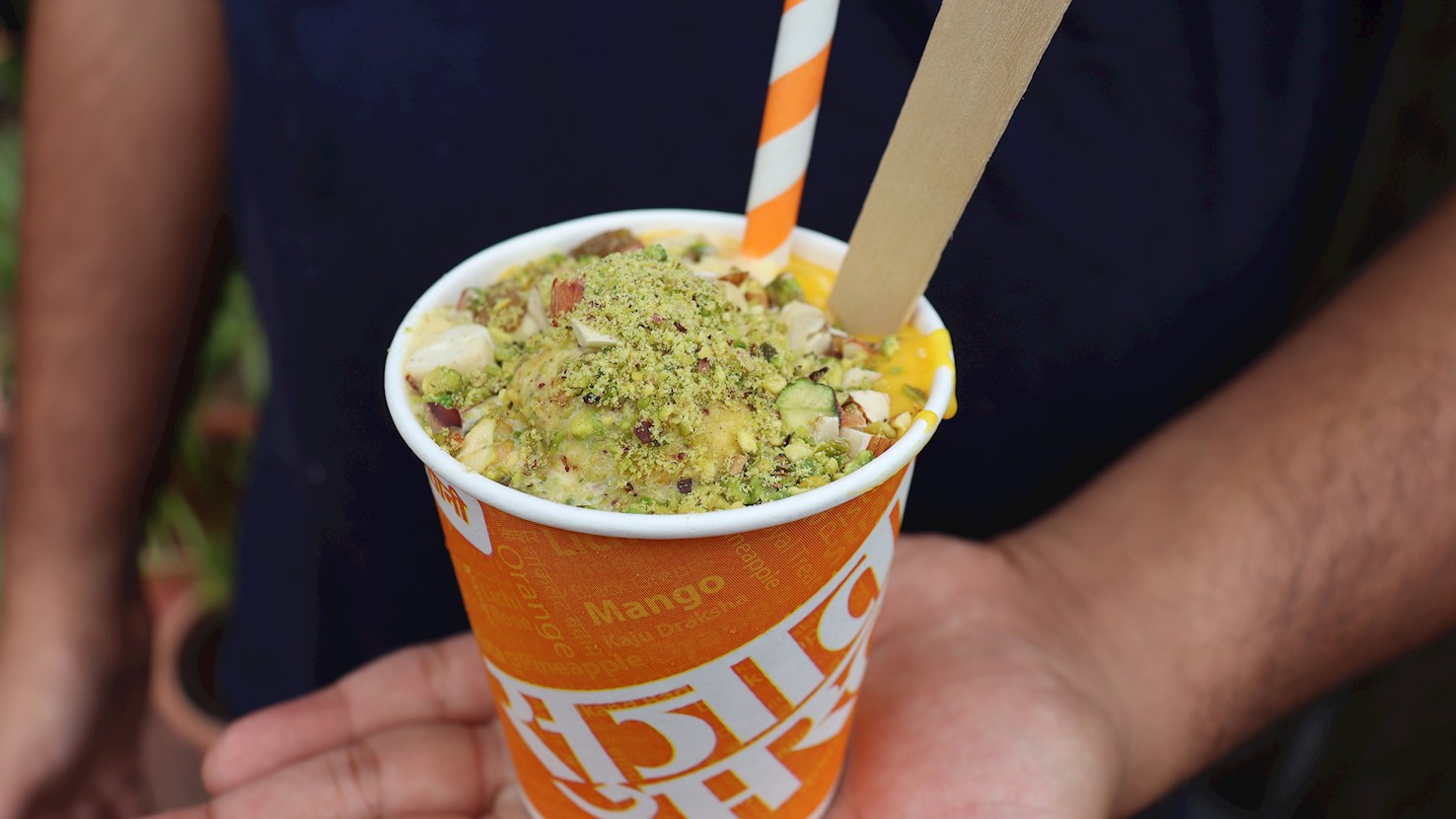
Mango mastani is a local beverage hailing from Pune that blends mangoes and chilled milk. It can be made with fresh mangoes or mango puree. The drink is typically garnished with slivered nuts and often comes topped with a scoop of ice cream. It should be thick and creamy, and it usually comes served in a tall glass. This refreshing mango version is only one of the mastani varieties—a drink that supposedly originated in Pune, and that was allegedly named after the princess Mastani.
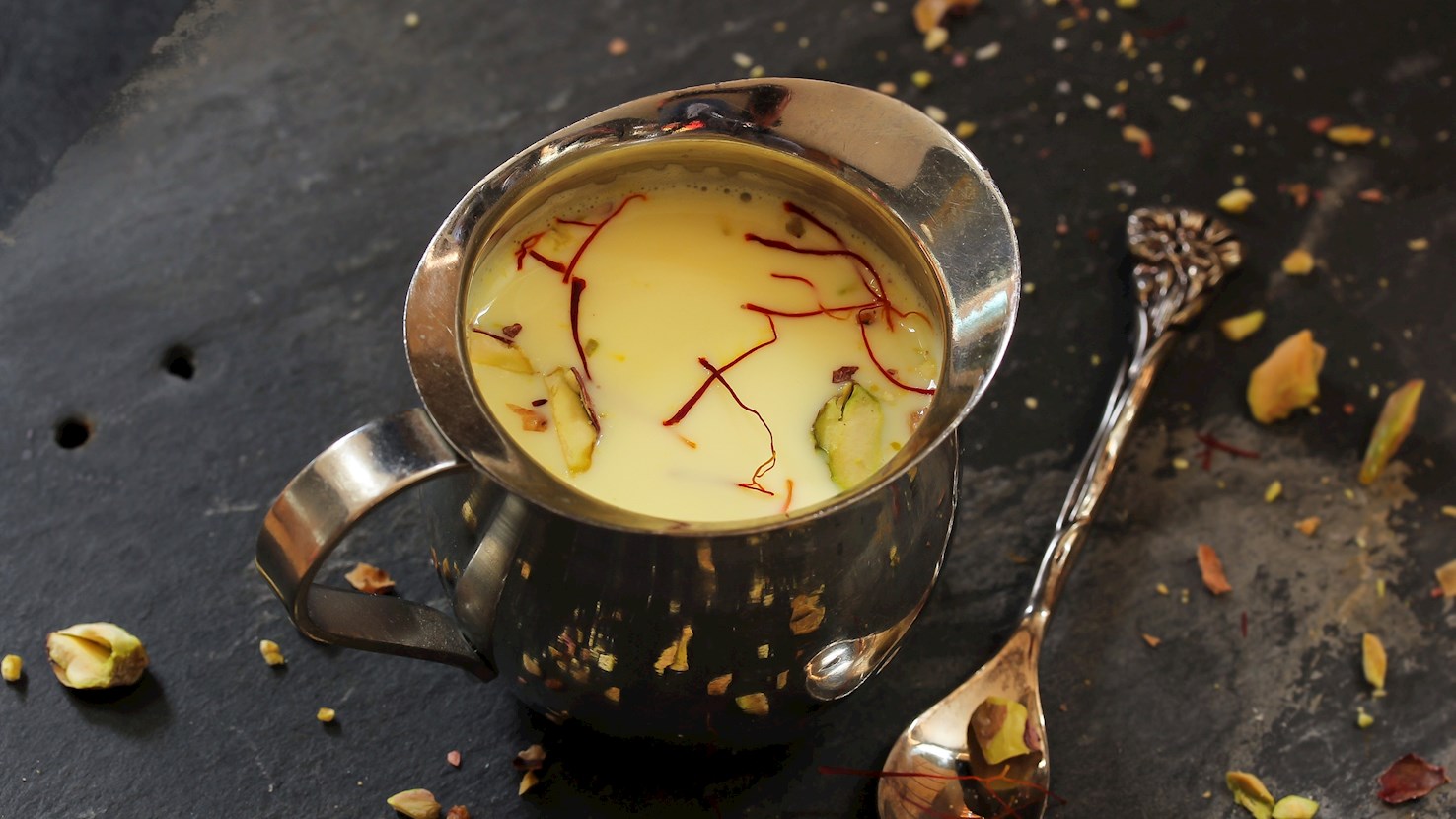
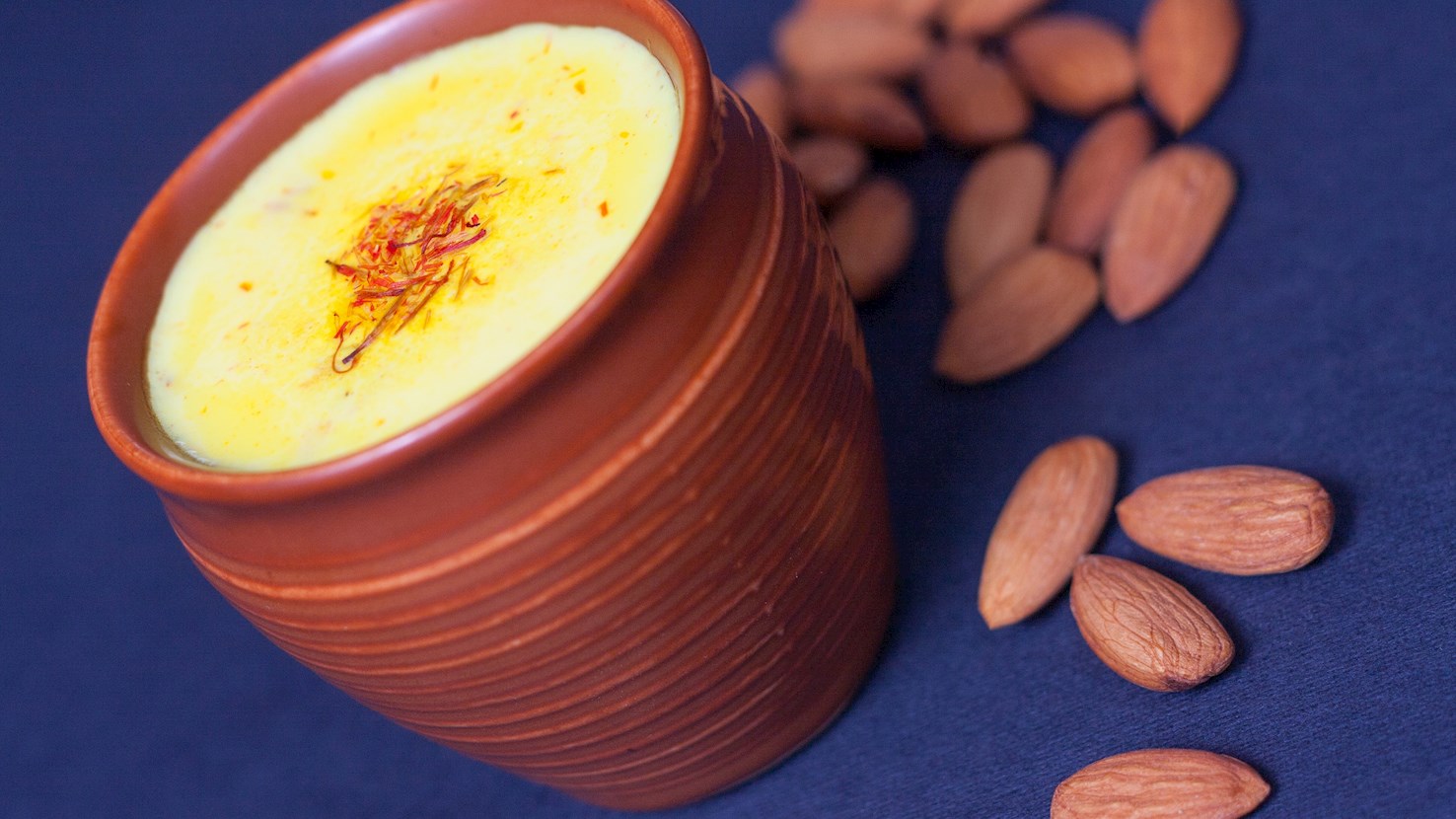
Badam doodh is an almond-based beverage that hails from India. The drink is made with almond paste—consisting of ground almonds—which is combined with warm milk, sugar, and spices. Cardamom and saffron are often added as flavorings, but some varieties may also use rosewater. Badam is mostly enjoyed on special occasions, such as religious ceremonies or weddings. It can be served warm or chilled and garnished with slivered almonds, rose petals, or saffron strands.
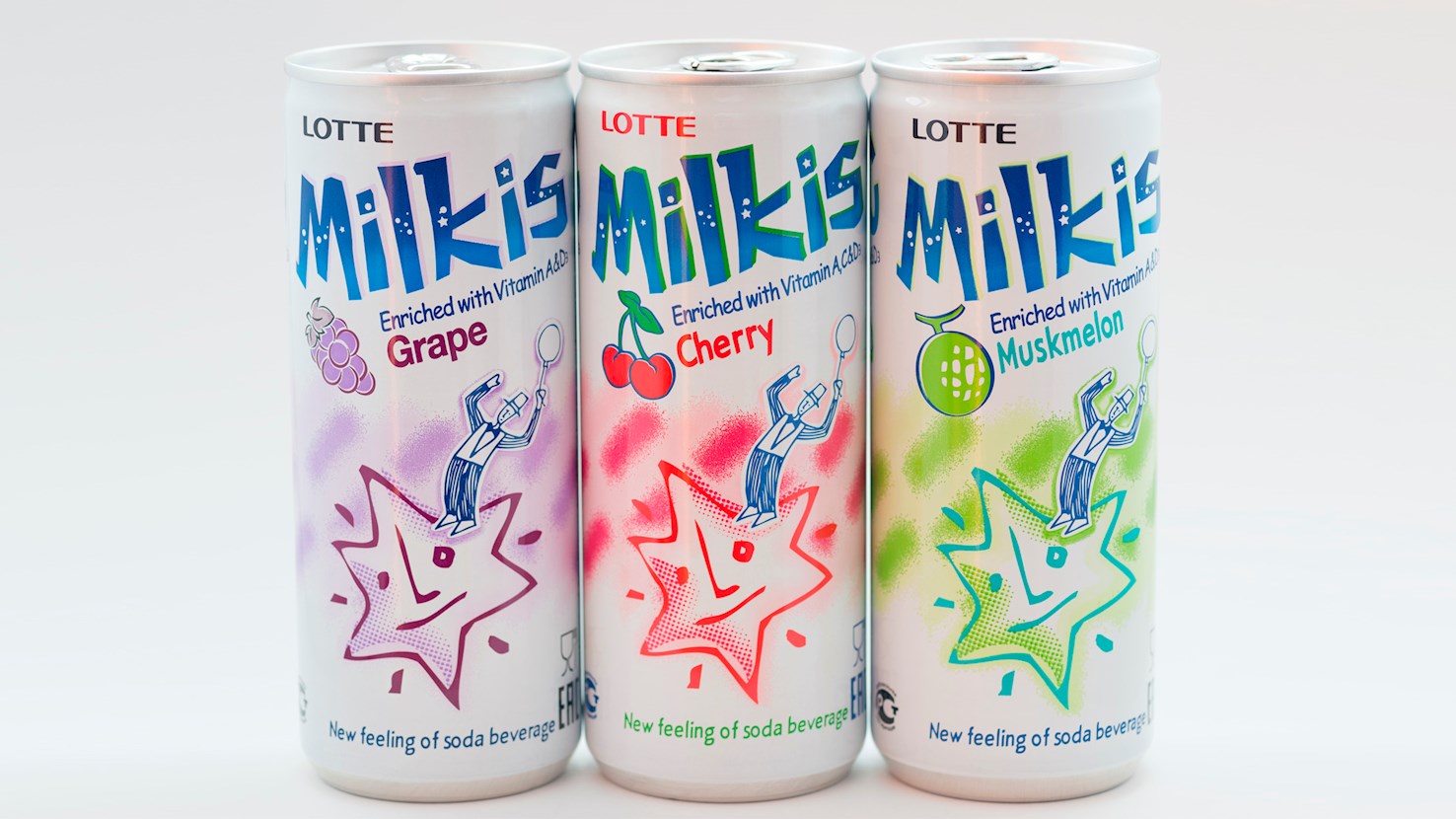
Milkis is a South Korean soft drink produced by Lotte Chilsung, a company which released the beverage in 1989, labeling it as a milk and yogurt soda. Some like to describe it as a melting mousse made with frozen yogurt. It is made with carbonated water, corn syrup, sugar, and milk. Today, Milkis is available in many varieties, flavored with mango, banana, peach, orange, strawberry, apple, or melon.
TasteAtlas food rankings are based on the ratings of the TasteAtlas audience, with a series of mechanisms that recognize real users and that ignore bot,
nationalist or local patriotic ratings, and give additional value to the ratings of users that the system recognizes as knowledgeable.
For the “14 Worst Rated Asian Dairy Beverages” list until June 16, 2026, 1,314 ratings were recorded, of which 972 were recognized by the system as legitimate.
TasteAtlas Rankings should not be seen as the final global conclusion about food. Their purpose is to promote excellent local foods,
instill pride in traditional dishes, and arouse curiosity about dishes you haven’t tried.