


shutterstock

43 Worst Rated European Deep-fried Desserts

Last updated on May 21, 2026
01

Ananasbeignets

2.5 ·

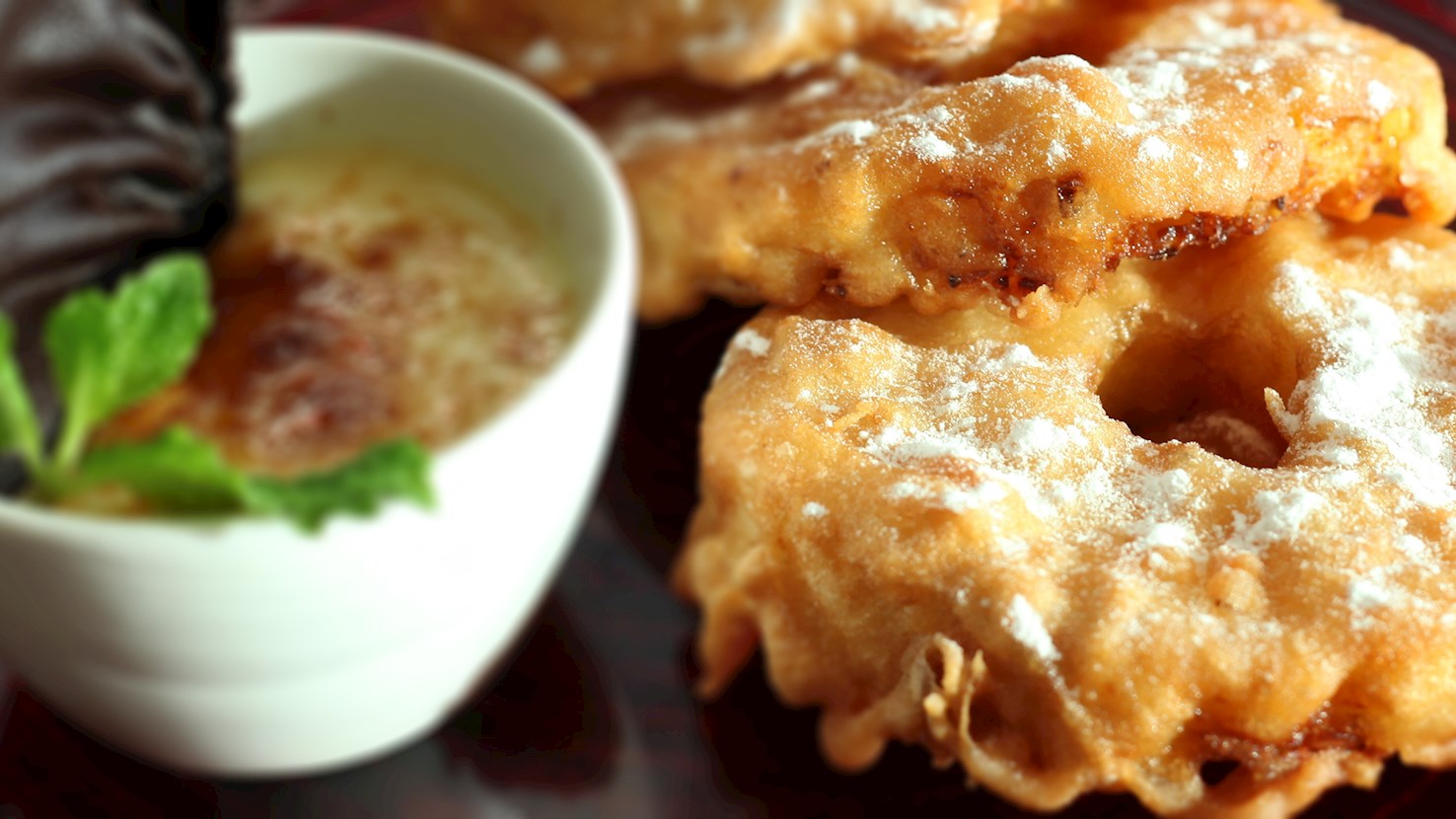
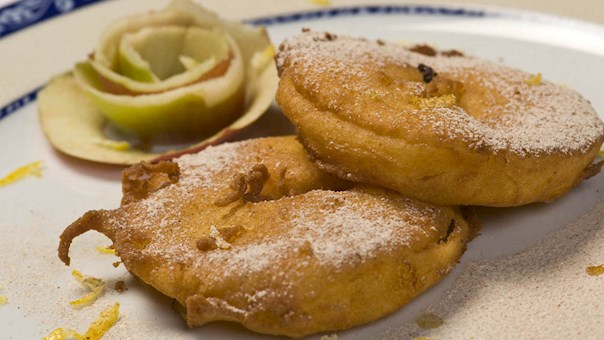
Just like their cousins appelbeignets, ananasbeignets is a typical Dutch comfort food made by dipping pineapple slices in a batter, then frying them in hot oil. Because the core has been taken out from the pineapple and the batter puffs up when fried, ananasbeignets look like doughnuts, although they are not. This flavorful, hearty dessert should always be served warm, preferably dusted with powdered sugar before consumption.

02

Klenät

2.7 ·

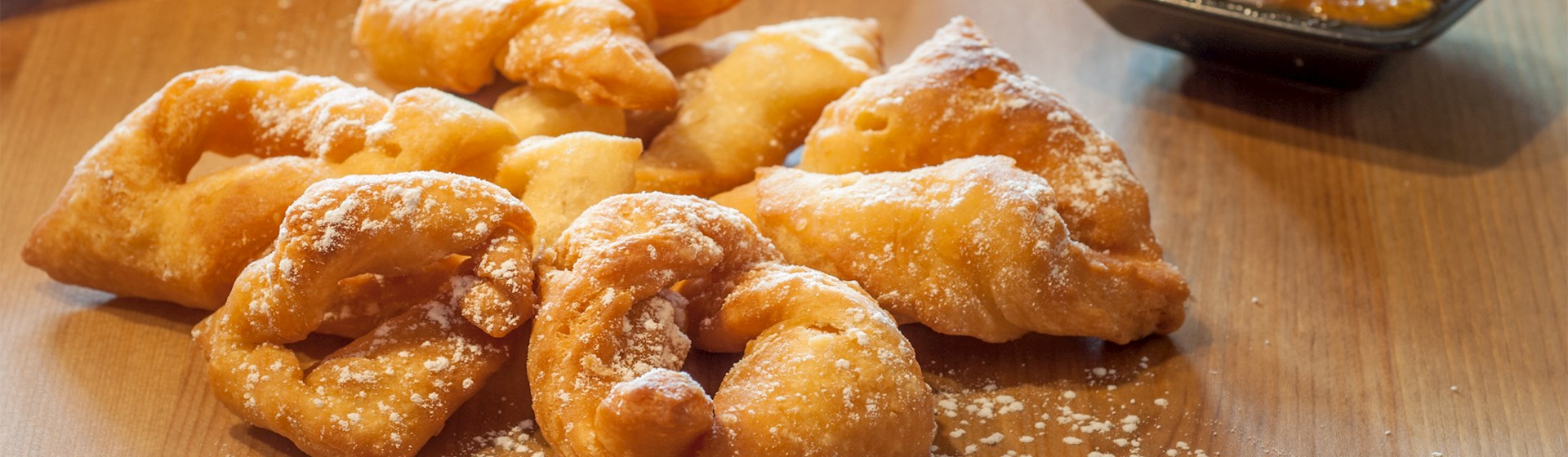
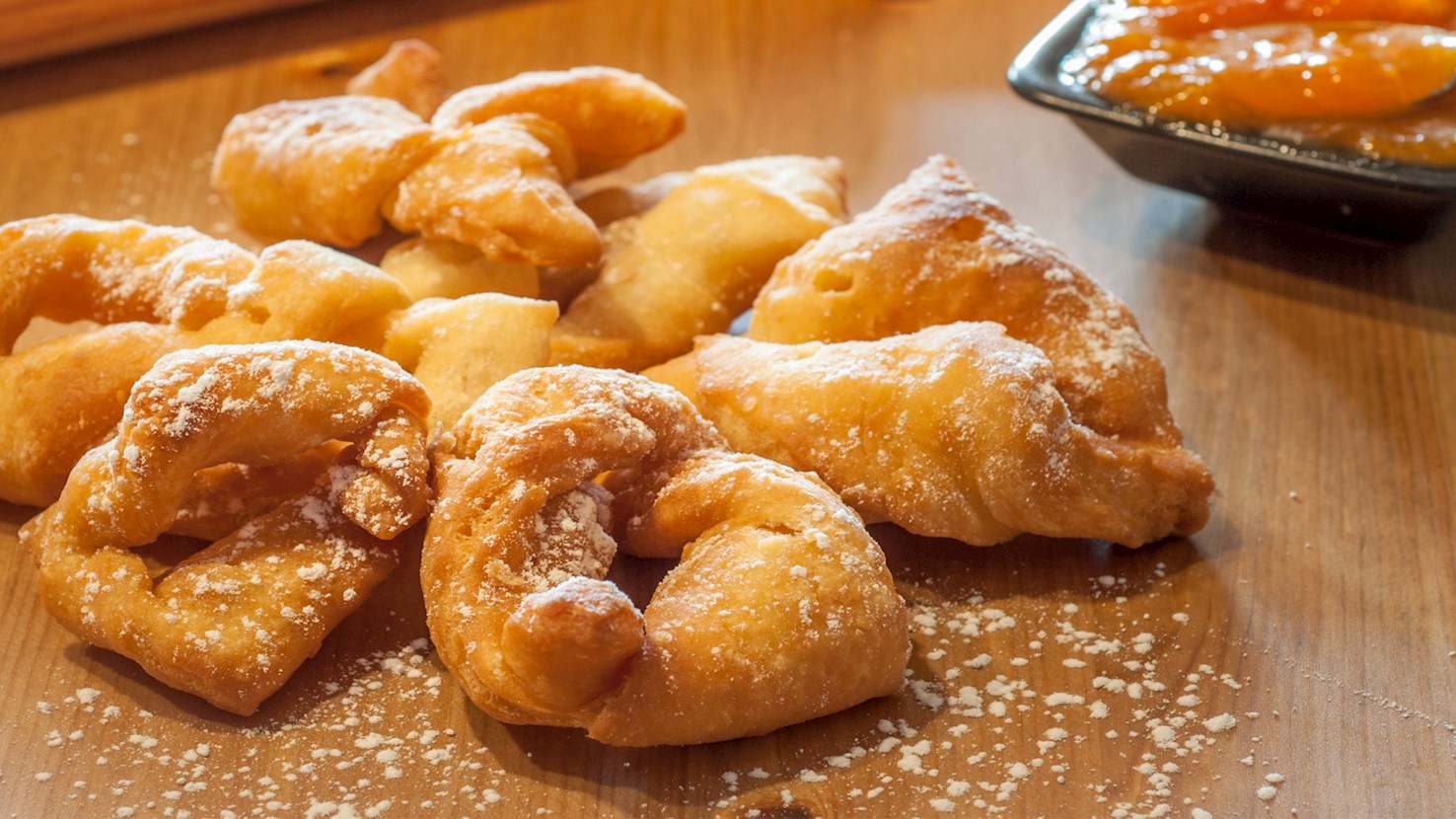
The rhomb-shaped, crispy klenät is a popular deep-fried pastry enjoyed in many Nordic countries. Made with the buttery yeasted dough, often enriched with various liqueurs, it is primarily rolled, shaped into a knotted trapezoid, and then fried until it turns into a light, crunchy, golden treat. Traditionally enjoyed during Christmastime, it is best served freshly prepared and lightly sprinkled with cinnamon and powdered sugar.

03

Shamishi

3 ·

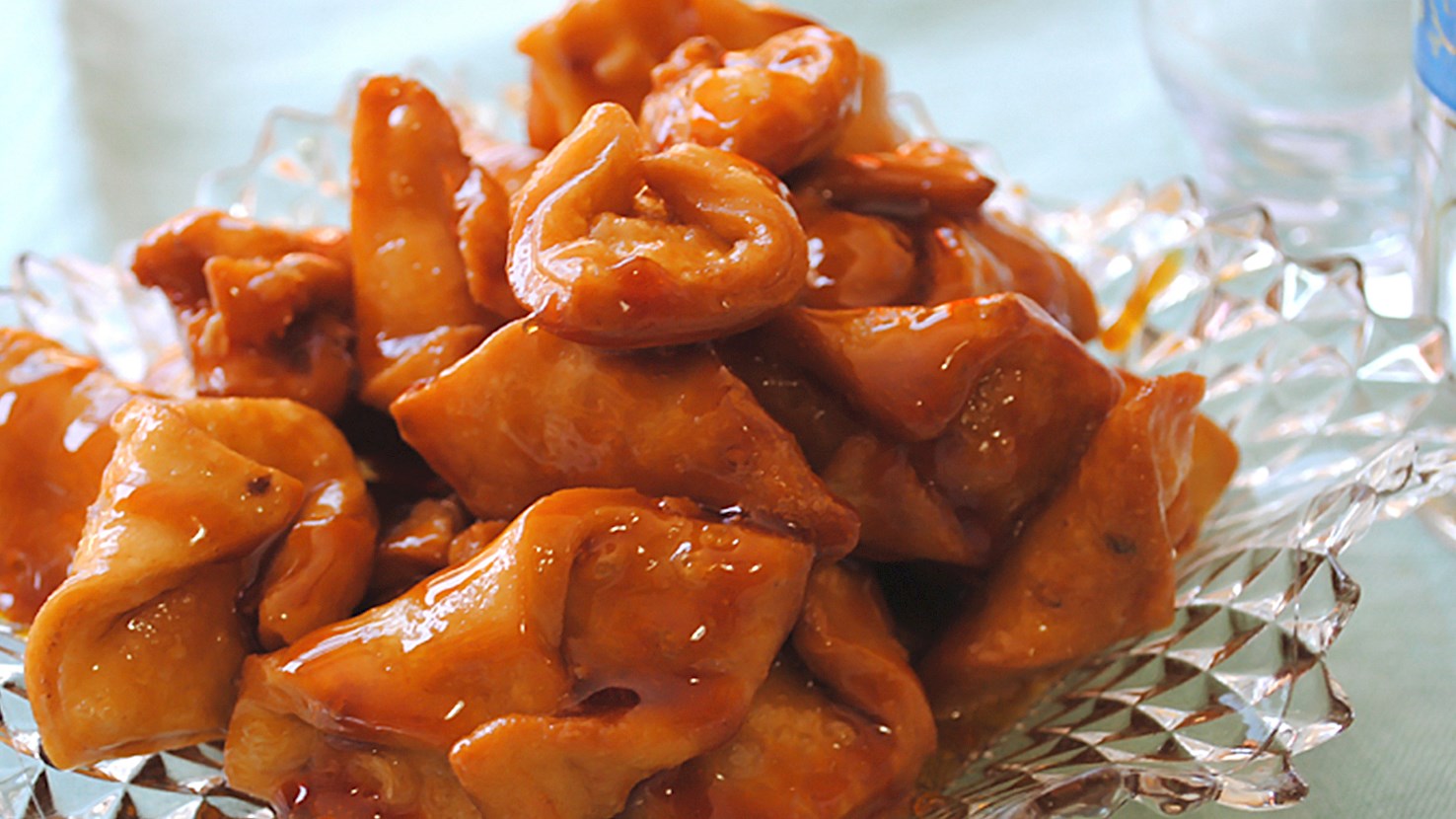
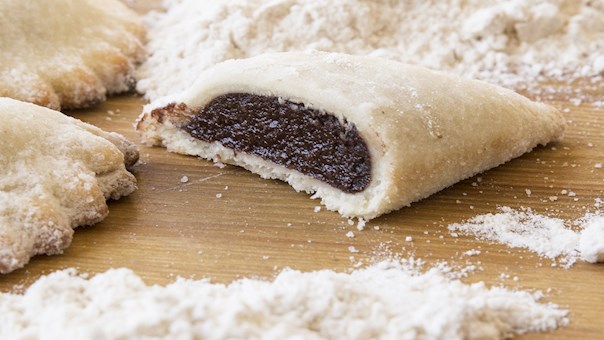
Shamishi is a popular Cypriot dessert consisting of fried pastry dough that is filled with sweet semolina paste. These treats are additionally flavored with cinnamon and orange blossom water, and are traditionally sprinkled with powdered sugar. Shamishi can be found at various Cypriot fairs and festivals throughout the year, and it is recommended to serve them hot. The word shamishi means work of Damascus, and it's believed that the dessert was brought to Cyprus by Anatolian Turks during the Ottoman period.

04

Schneeballen

3.1 ·

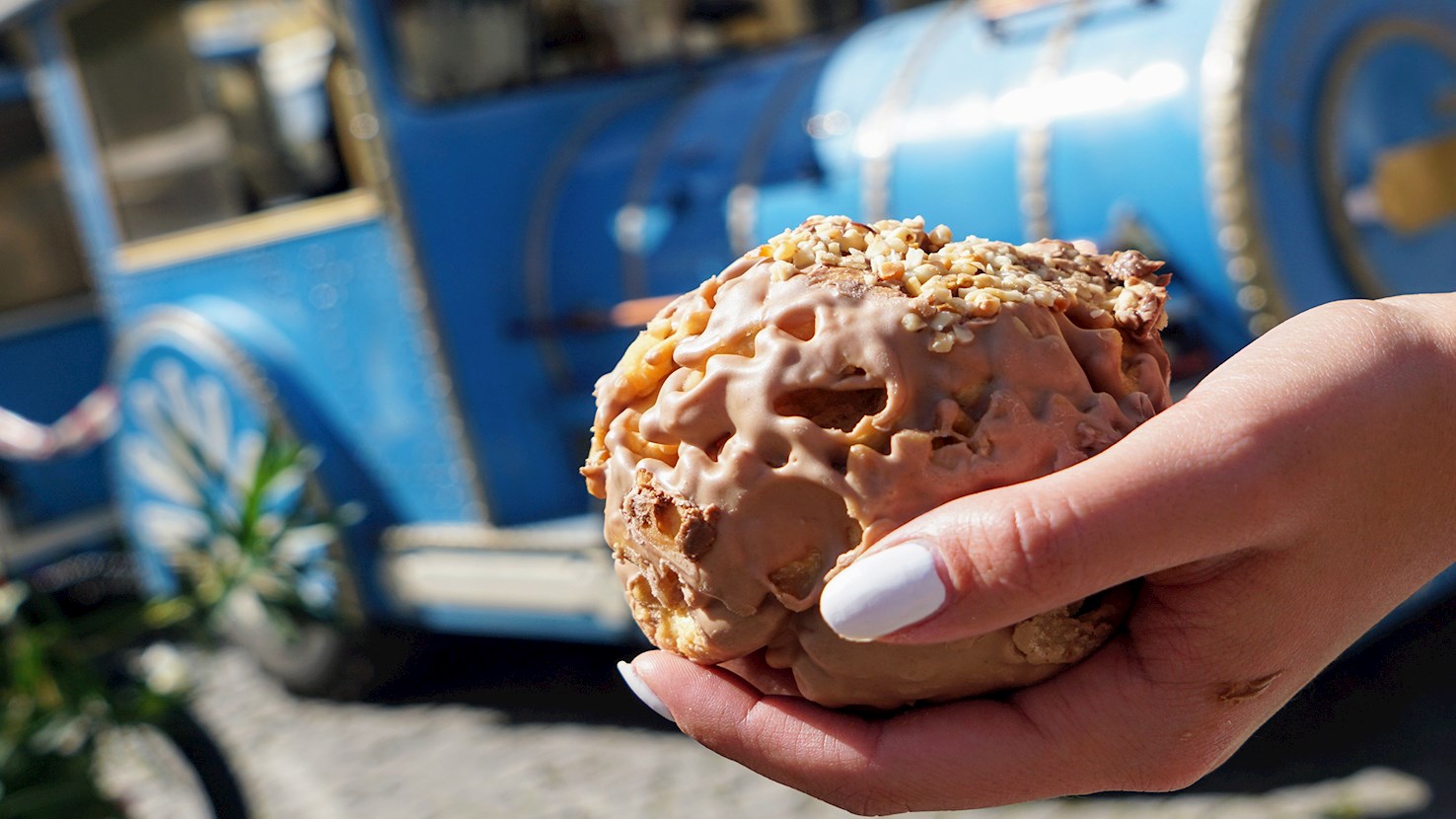
This German specialty consists of thin strips of shortcrust pastry that are loosely intertwined and wrapped into balls which are deep-fried until golden and crispy. Traditional versions are dusted with sugar, but there are also variations may be covered in chocolate glaze or different combinations of nuts, coconut, cinnamon, or marzipan. Schneeballen, which translates as snowballs, are traditionally associated with Rothenberg ob der Tauber, but they can be found throughout Bavaria. Although they were once enjoyed only on special occasions, nowadays they are a staple at numerous Bavarian pastry shops.

05

Oreillettes provençales

3.1 ·

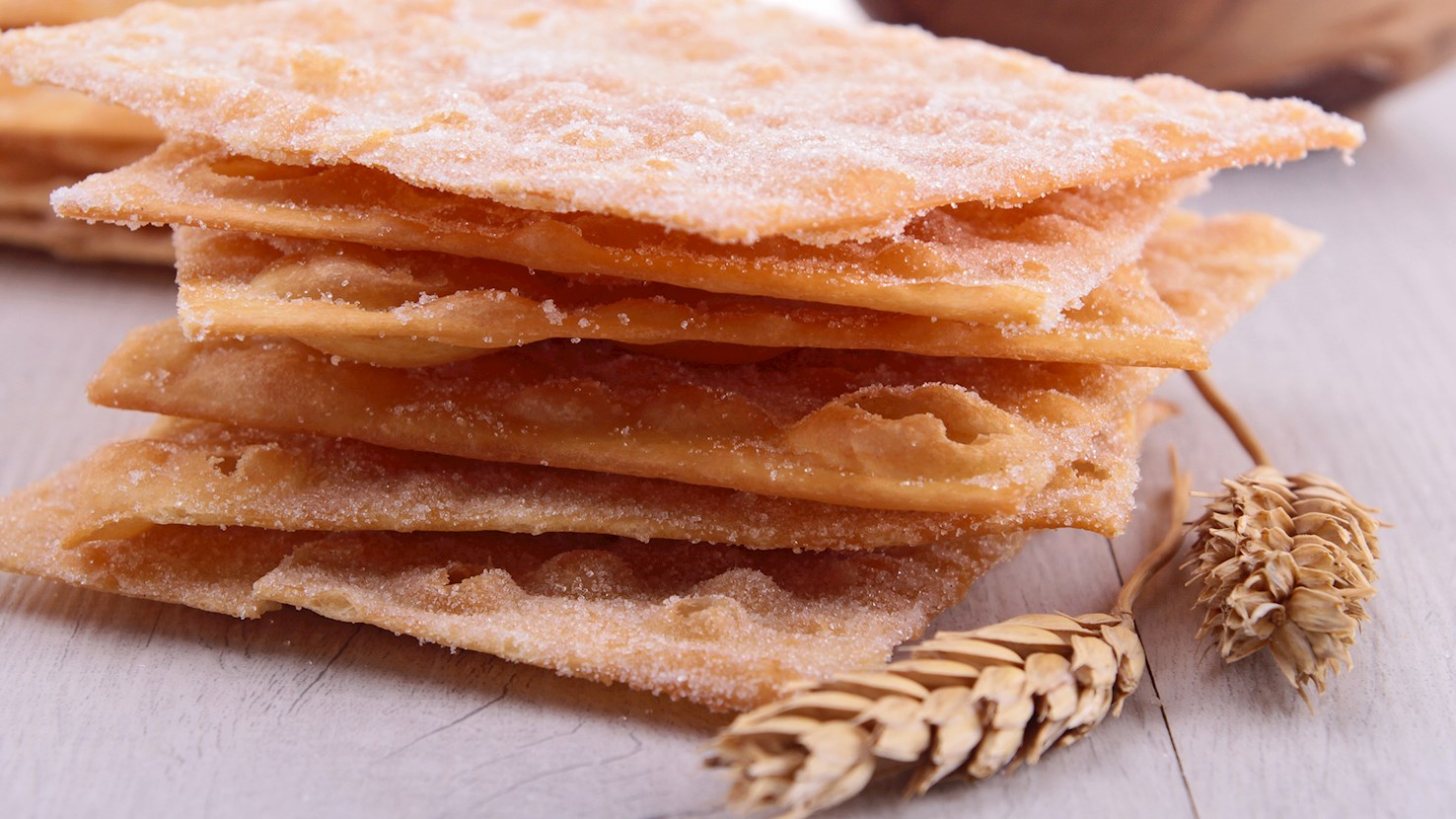
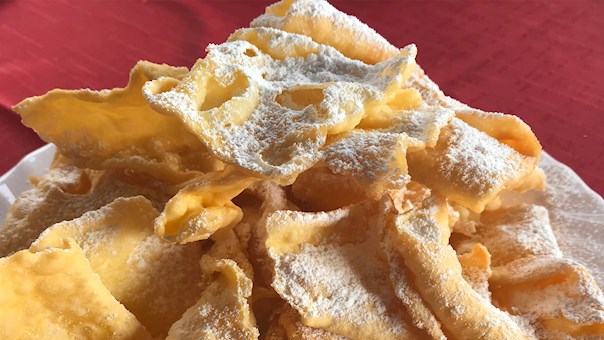
Hailing from Provence, oreillettes are the thin, rectangular sheets of deep-fried dough. They are prepared with flour, eggs, and butter, and are usually enriched with citrus zest and orange flower water. Traditionally enjoyed during the Carnival season, they are best served freshly prepared and generously coated in powdered sugar. These crispy fritters are also enjoyed in the neighboring Occitanie region.

06

Pestiños

3.3 ·

Pestiños are Spanish pastries fried in olive oil. The dough is made with flour, yeast, sesame, and sometimes orange juice and cinnamon. After the dough has been fried, it is traditionally topped with honey or sugar. These crunchy fritters have been prepared during the Holy Week and Christmas since the 16th century. Serve them with sweet wine, tea, hot chocolate, or coffee.

07

Tippaleipä (Finnish funnel cake)

3.2 ·

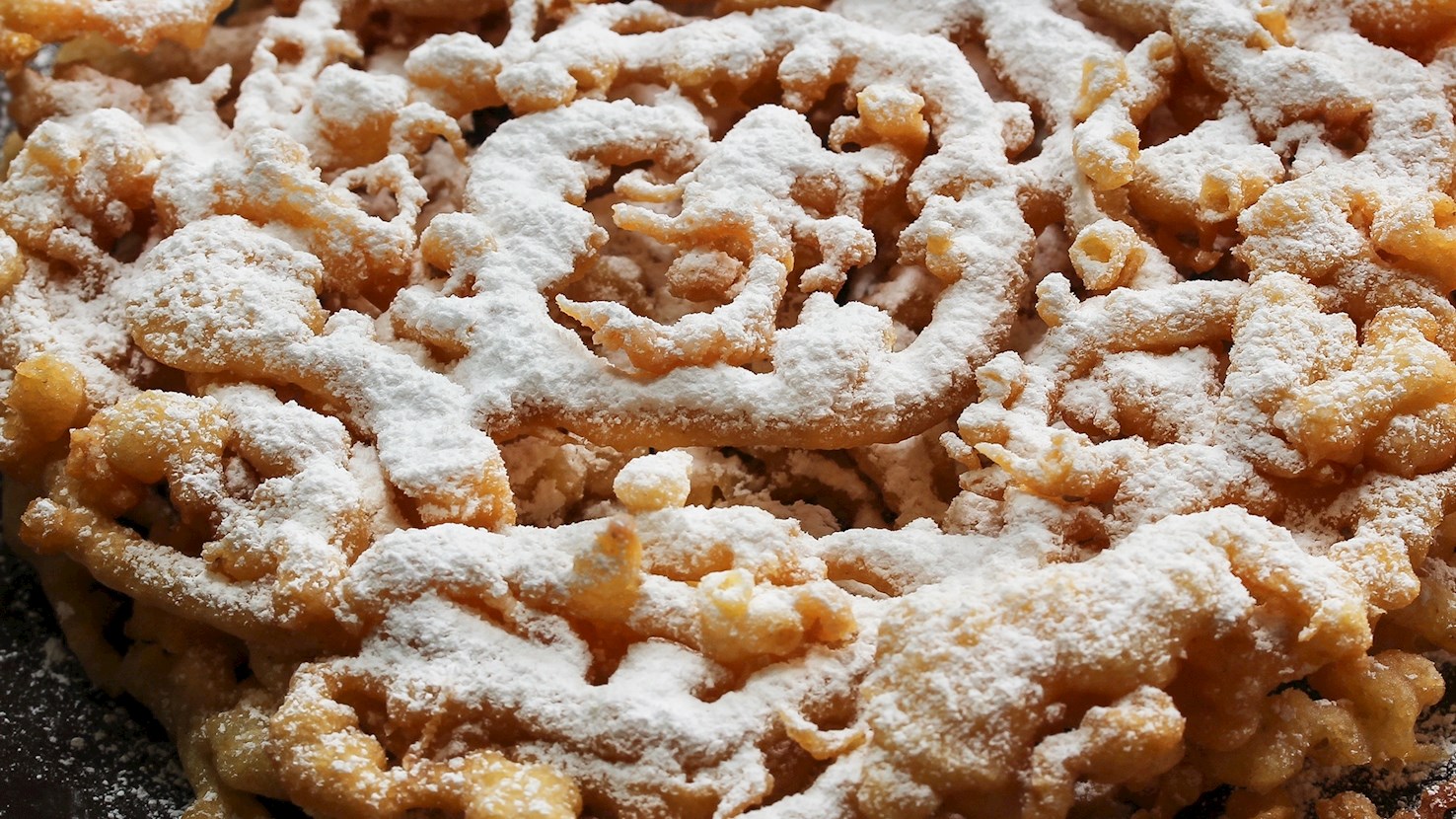
This traditional Finnish funnel cake is prepared with a thin egg batter that is deep-fried in sizzling oil. Since it is poured through a piping bag in tangled streams, it results in a golden brown, irregularly-shaped treat that is usually served dusted with powdered sugar. Tippaleipä is typically associated with Vappu—the annual May Day holiday celebrated across Finland—when it is often enjoyed alongside spiced sima mead.

08

Kazanlŭshki ponichki

3.2 ·

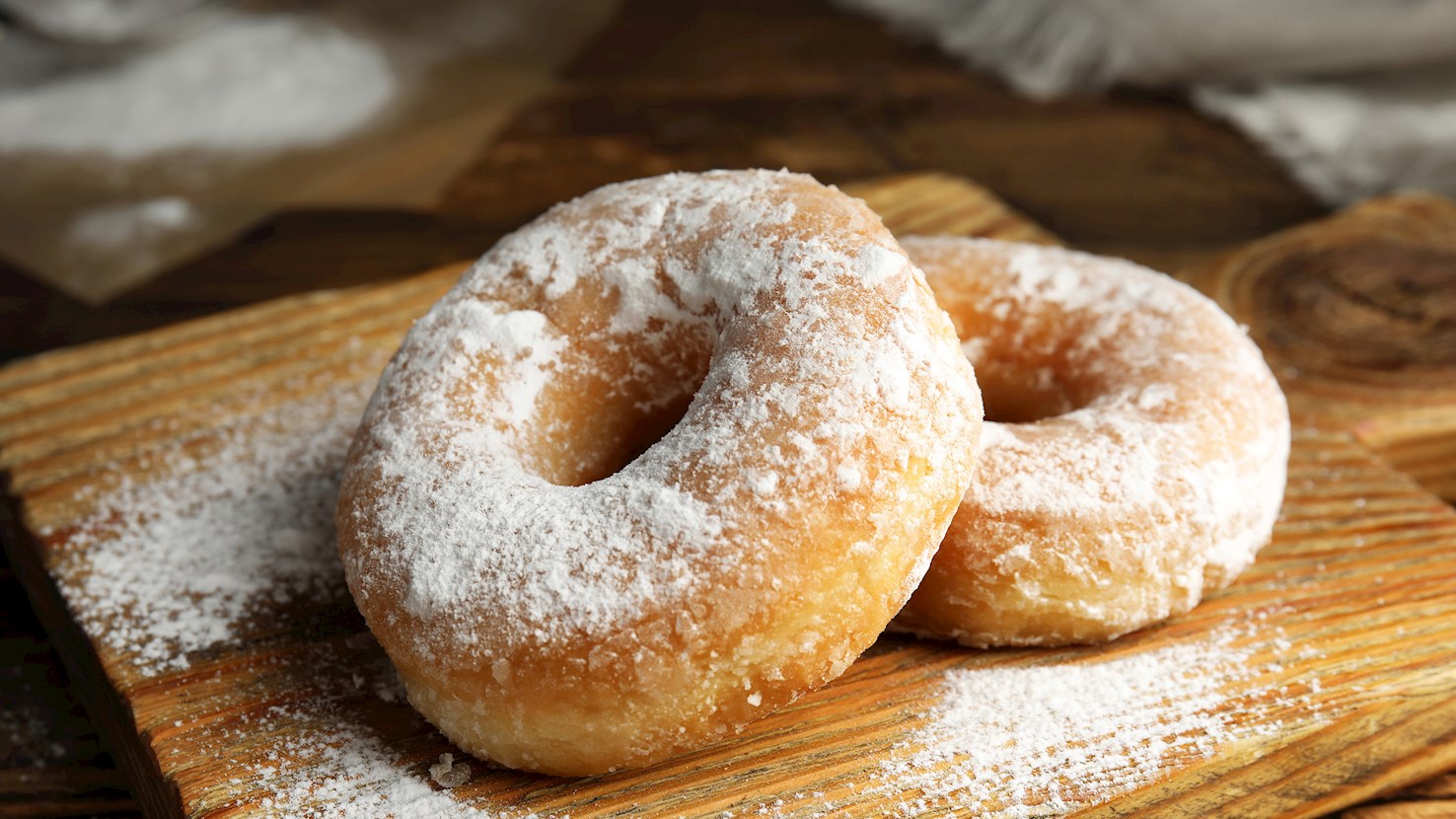
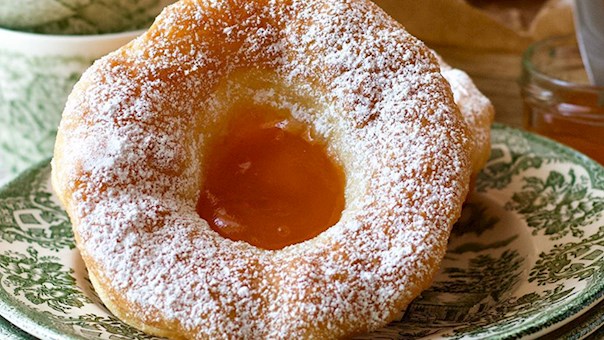
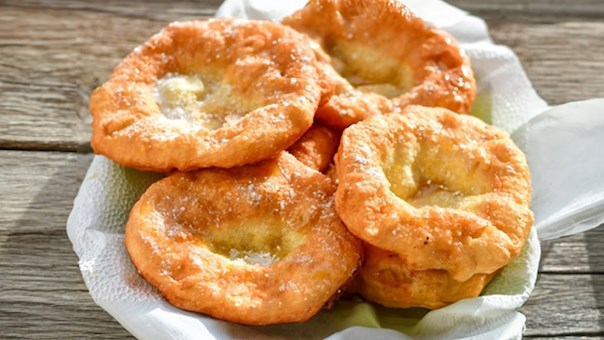
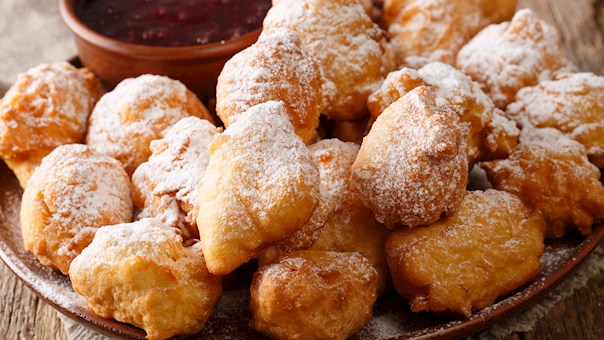
Kazanlak donuts are a specialty of the Bulgarian town of Kazanlak – also known as the City of roses. The donuts consist of eggs, flour, yogurt, milk, yeast, salt, sugar, and vanilla flavoring. After the dough has been fried in hot oil, Kazanlak donuts are typically dusted with powdered sugar or topped with honey, jam, or syrup, although they can be consumed without any toppings.

09

Deep-Fried Mars Bar

3.3 ·

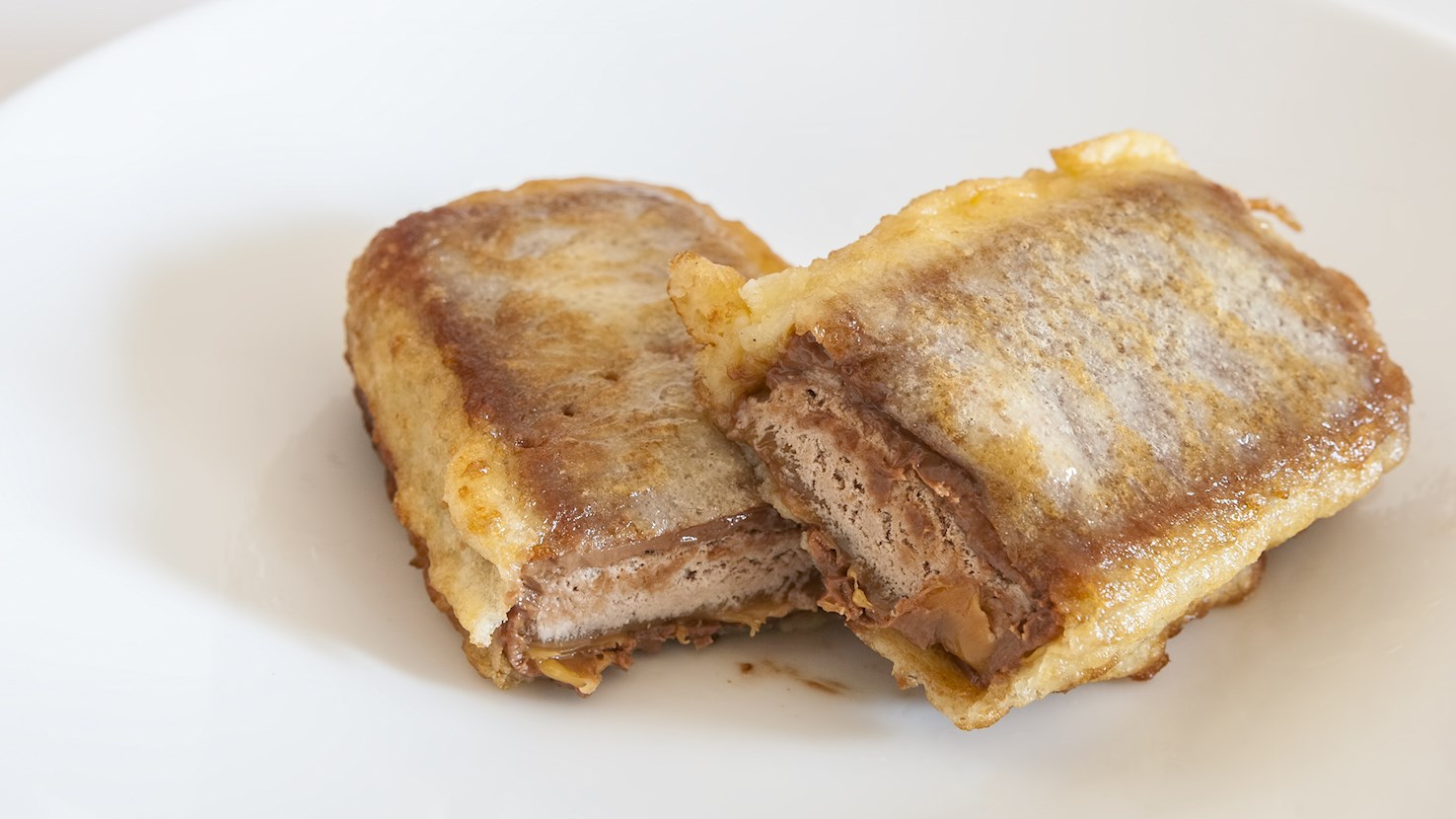
Deep-fried Mars bar is a famous Scottish delicacy and a champion of the jokingly-called Scottish Diet, where the rule is that sugar, fat, and alcohol must each account for at least 30% of a person's daily caloric intake. The unusual snack was invented in 1992 by the employees of the Carron fish bar in Stonehaven, a place where the popular fish and chips are served, and the deep-fried Mars chocolate bar (nougat and caramel coated in milk chocolate) is made in the same oil that the fish and chips were fried in. However, this dessert became a Scottish tradition and was then copied in chip shops all across the country, and it even spread to Canada and Australia. One batter fits all - fish, chips, and the Mars bar. The batter is made by mixing milk, flour, and eggs. A chilled Mars bar is completely coated in batter, lowered into hot oil, then fried until the batter develops a golden brown color. It is a controversial delicacy, with mostly empty calories, high fat, and little nutritional value, but, as it turns out, the bars are delicious to some, as the savory flour mixes with the sugar, the batter elevates the crispy texture, and the salt and caramel meet on the palate, resulting in a delicious contrast of crispiness and chewiness.

10

Smultring

3.3 ·

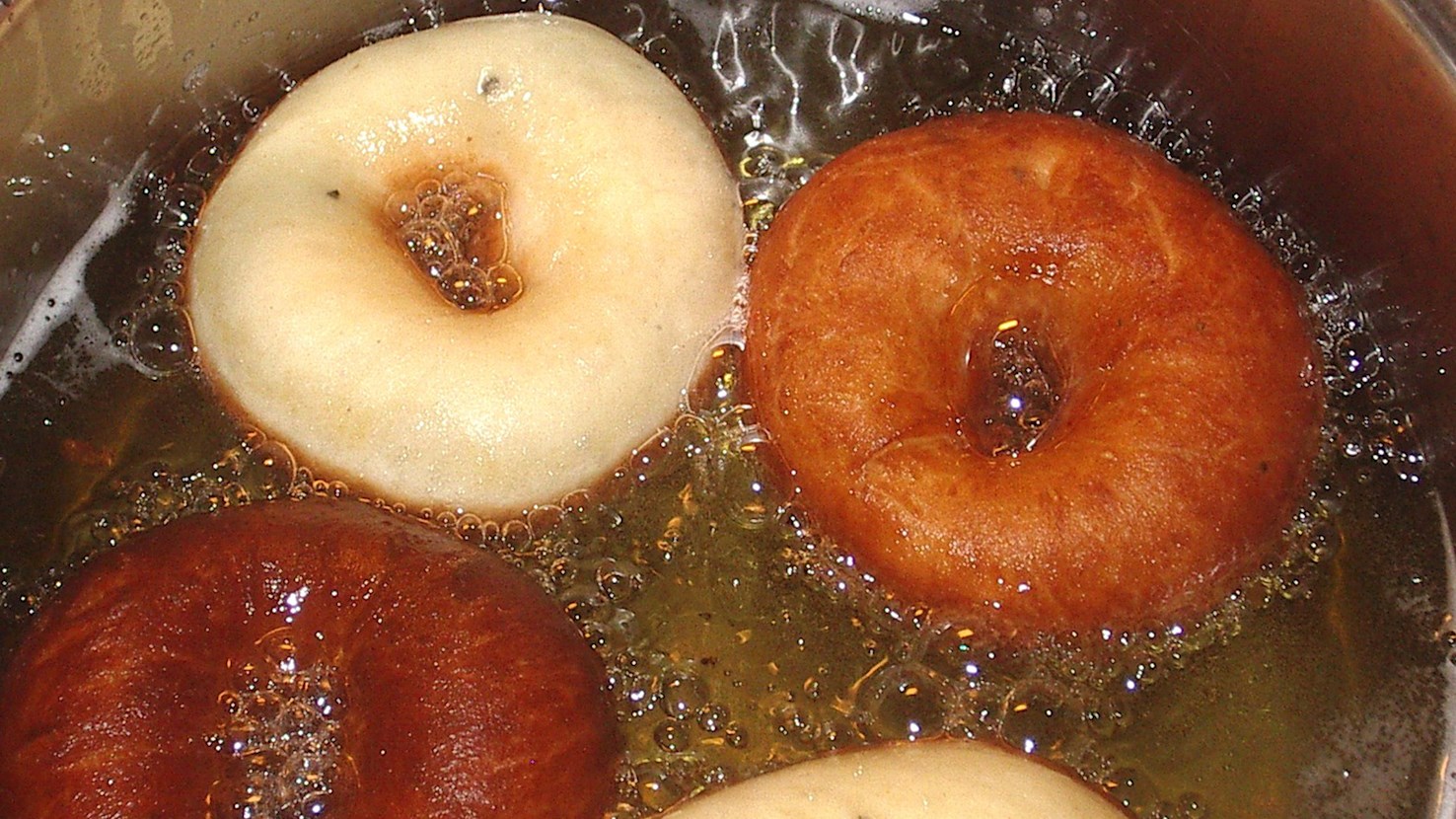
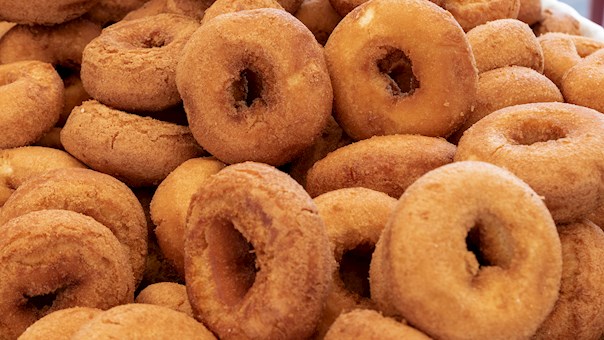
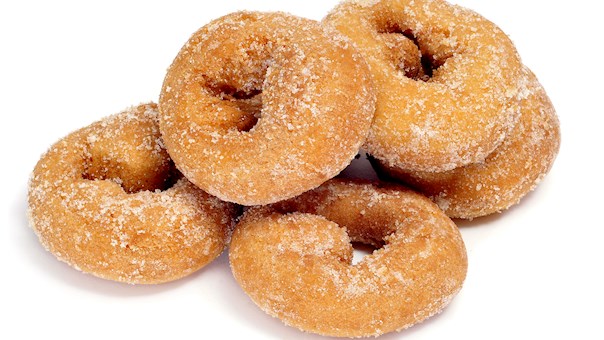
Traditionally associated with Christmastime, these popular Norwegian doughnuts called smultring are prepared with a dense dough that is usually spiced with cardamom, cinnamon, lemon or orange zest, as well as various liqueurs. They are typically small in size, ring-shaped, and fried in lard. Although they were traditionally enjoyed plain, today these crispy treats are often glazed or dusted with cinnamon and powdered sugar, and are mainly sold at various mobile stands throughout the country. The variety known as hjortetakk (deer antlers) is different in shape only - two notches are made along the edges of the dough before frying in order to visually represent the antlers.

12

Kroštule

3.4 ·
14

Kiachl

3.5 ·
15

Pofesen

3.4 ·
16

Rosquillas

3.5 ·
17

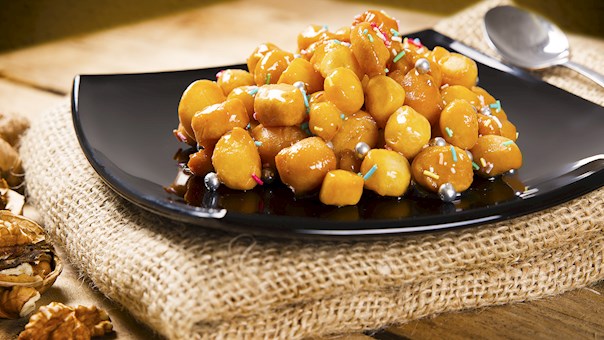
Struffoli

3.5 ·
18

Petulla

3.5 ·
Read more
View all
View map
About this ranking

TasteAtlas food rankings are based on the ratings of the TasteAtlas audience, with a series of mechanisms that recognize real users and that ignore bot, nationalist or local patriotic ratings, and give additional value to the ratings of users that the system recognizes as knowledgeable. For the “43 Worst Rated European Deep-fried Desserts” list until May 21, 2026, 7,775 ratings were recorded, of which 5,711 were recognized by the system as legitimate. TasteAtlas Rankings should not be seen as the final global conclusion about food. Their purpose is to promote excellent local foods, instill pride in traditional dishes, and arouse curiosity about dishes you haven’t tried.

Similar lists