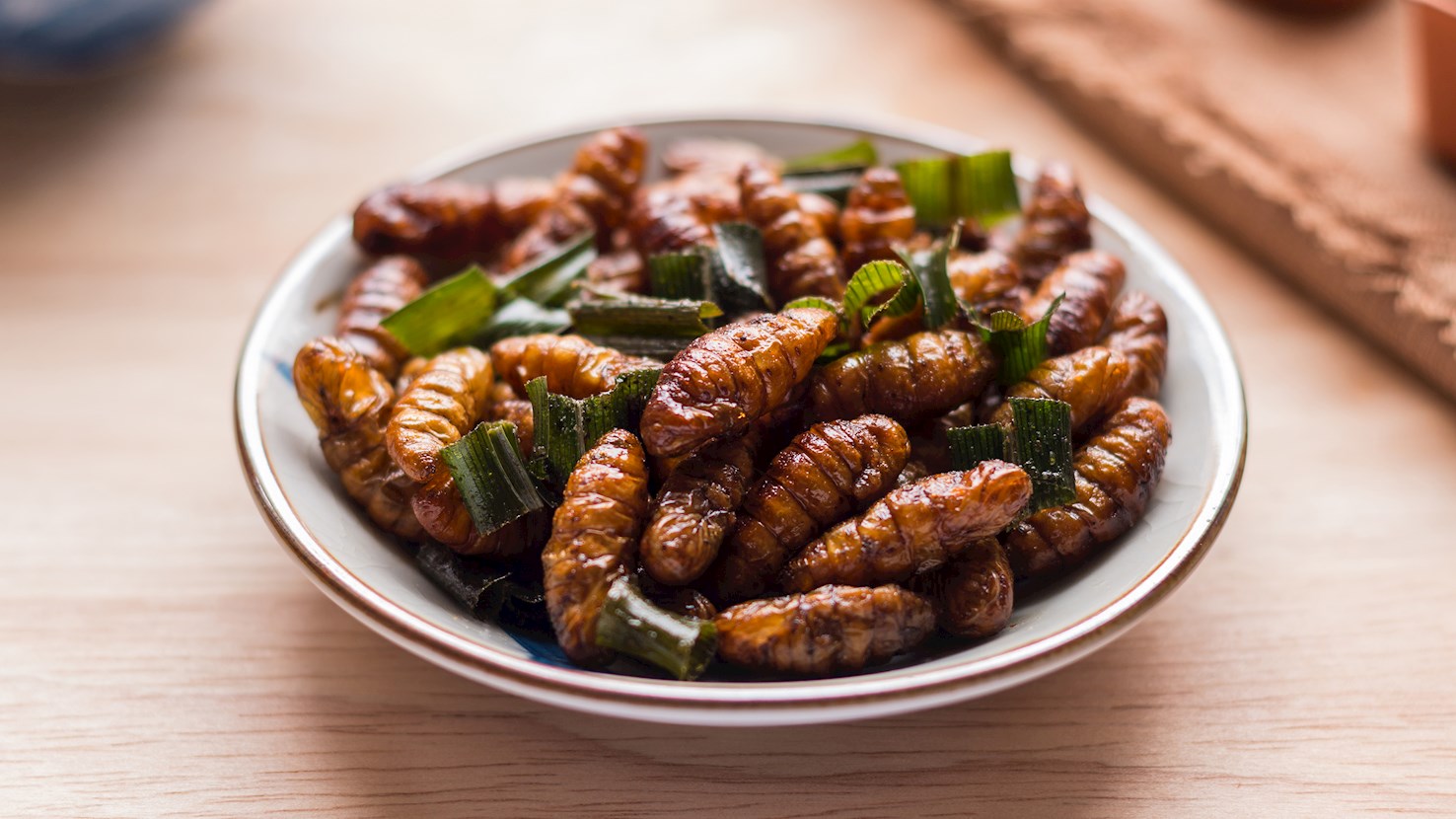
Hon mhai is a traditional insect dish that's especially popular in Bangkok. It's made by deep-frying silk worms, then seasoning them with salt, pepper, and sometimes a secret sauce that's prepared by the vendor, because the snack is usually sold from street carts. Once fried, the silk worms turn crunchy and greasy, while the flavor is sometimes described as slgihtly bitter. Hon mhai silk worms are prized because they're rich in protein and some believe that they have medicinal properties.
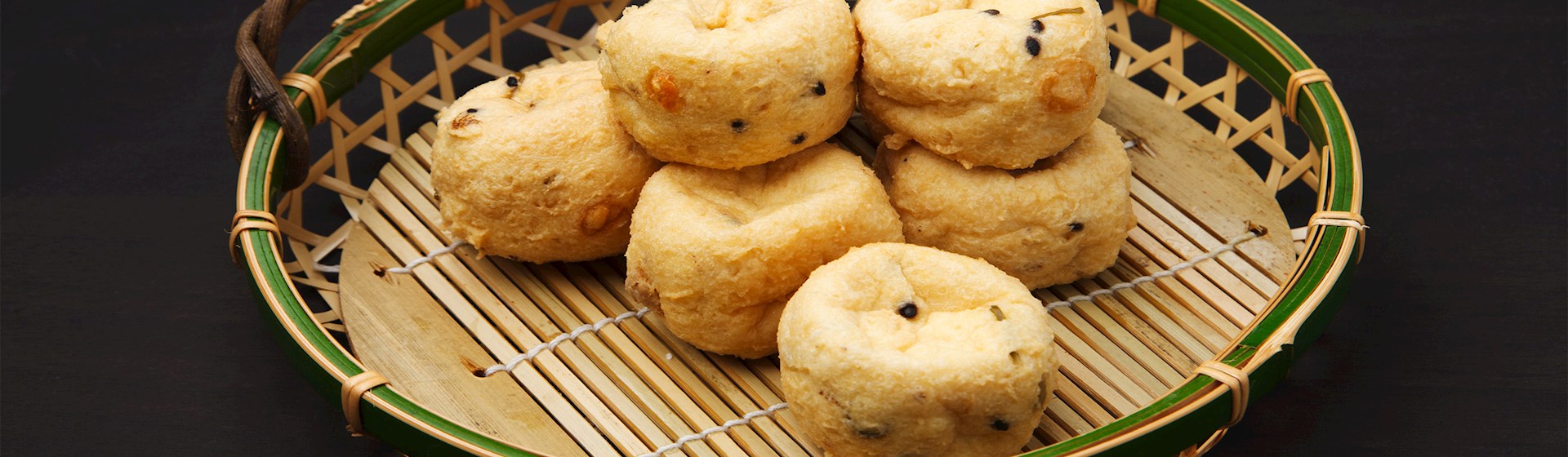
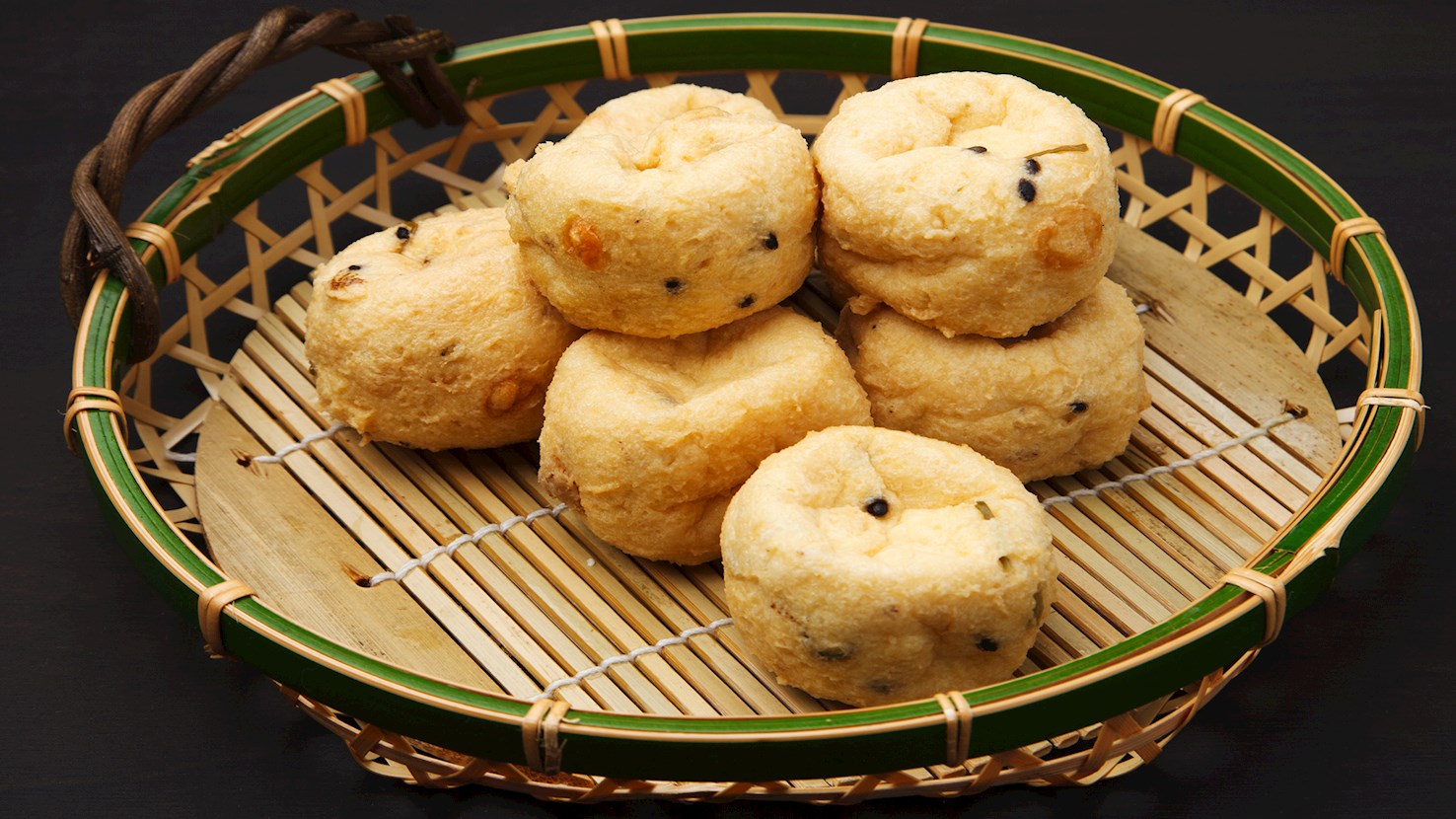
The round and crispy ganmodoki are traditional Japanese tofu fritters. Originally, the name referred to a combination of stuffed and deep-fried tofu, but today it applies to a delicious combination of mashed tofu and various vegetables. Deep-fried until golden, ganmodoki fritters are usually enjoyed plain or served as a complement to soups or stews. It is believed that ganmodoki originated among the Buddhist monks, who had many innovative ways to replace meat products with nutritious and filling dishes.
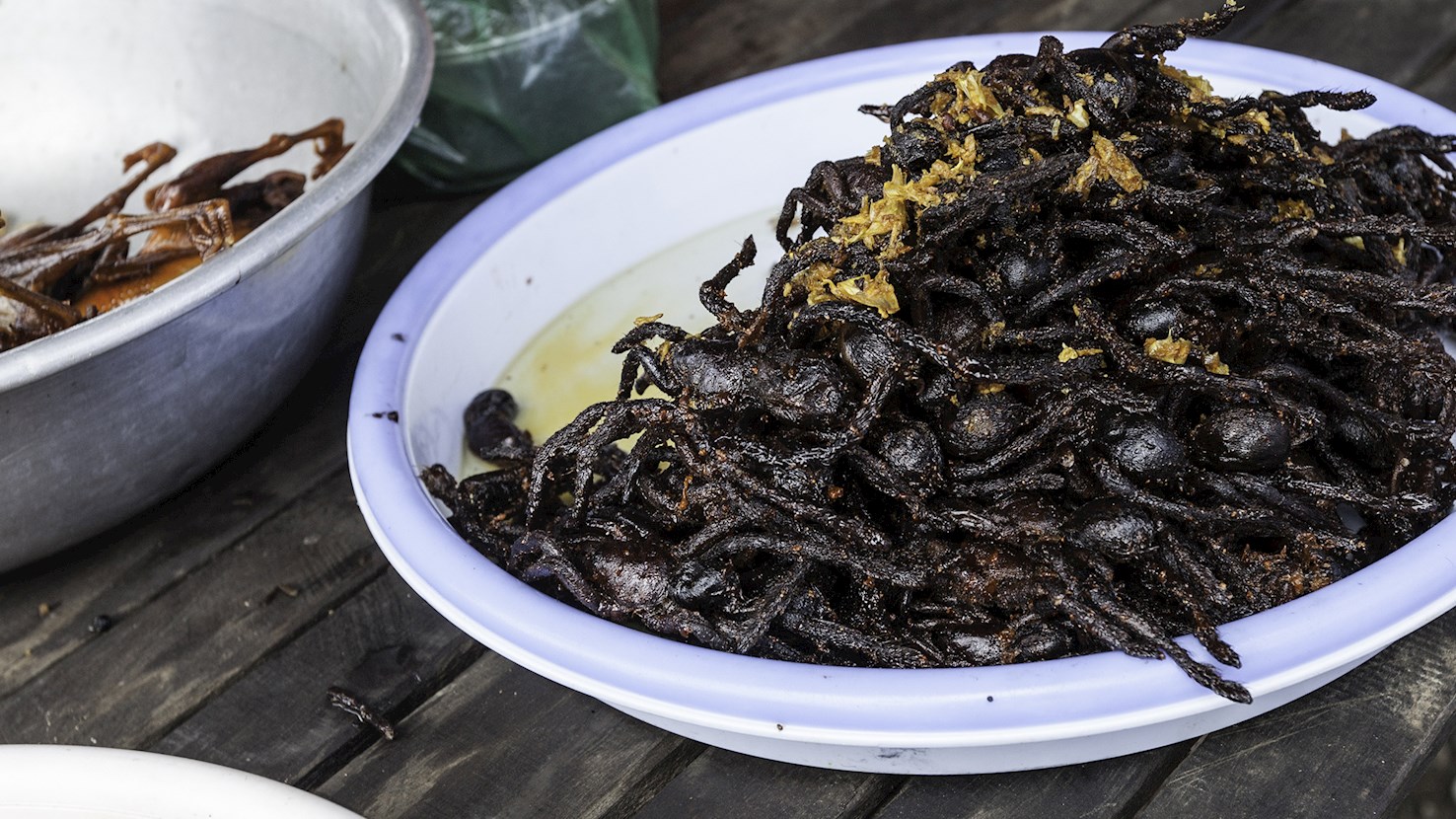
The city of Skuon in Cambodia is so infested with spiders that the nearly-starved locals have adapted and started consuming them in the 1970s, and the practice has continued ever since. It is no wonder that the city is known as Spider Town or Spiderville. The spiders (usually tarantulas) are breaded and deep-fried in hot oil, then served with some fresh local herbs on a bed of rice or noodles. The flavor of these critters has been described as a cross between cod and chicken – at least the hairy legs are supposed to taste so, because consumers are warned not to bite into the abdomen, which contains spiders’ internal organs and bodily fluids.
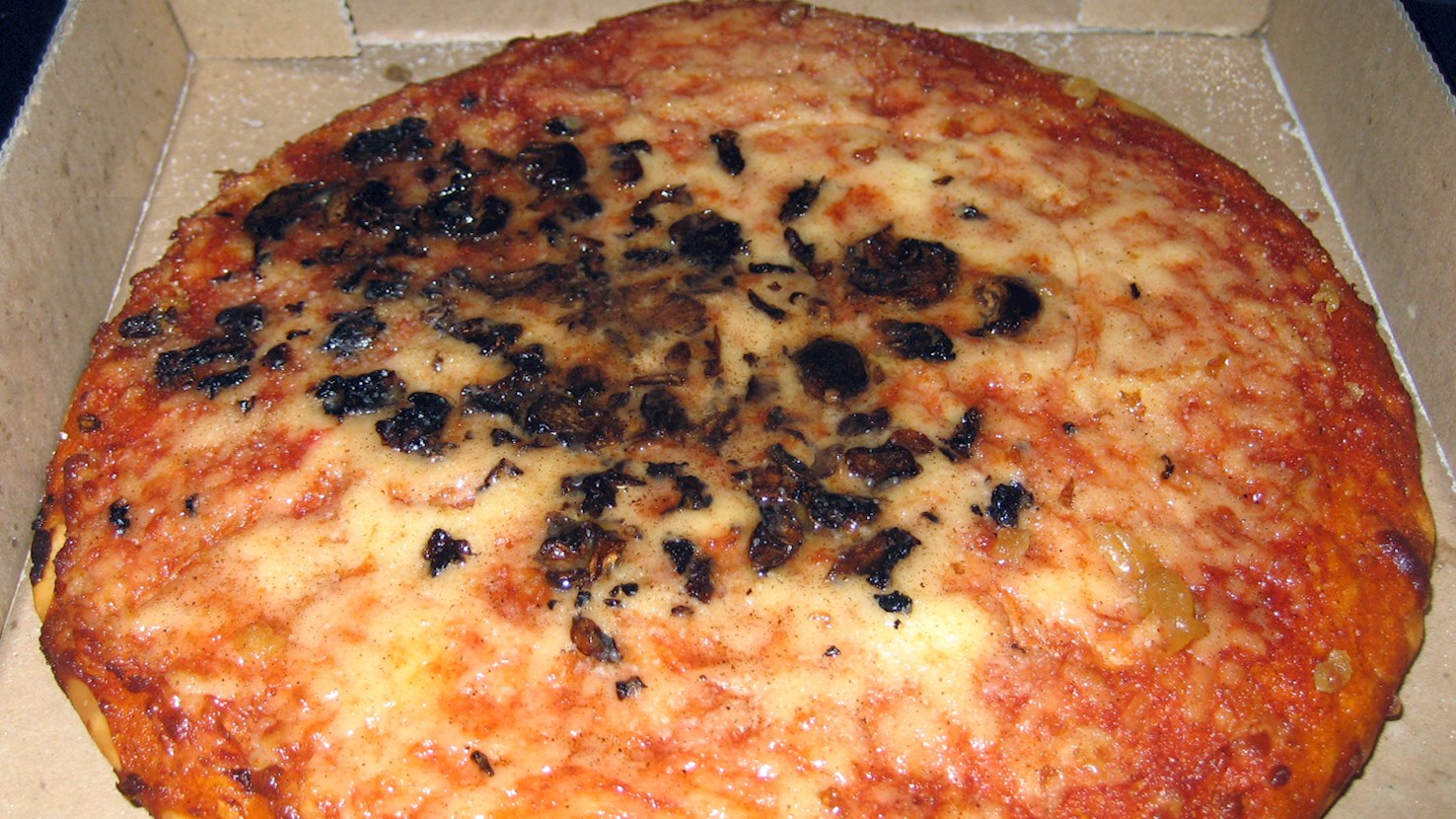
Deep-fried pizza is a Scottish concoction consisting of a pizza that is deep-fried in hot oil (without being dipped in batter) instead of being baked in an oven. It can be found in numerous chips shops throughout the country, where it is fried in the same oil where fish and chips are prepared. This extremely caloric and unhealthy meal is often served with salt, vinegar, or chips in order to improve its flavors.
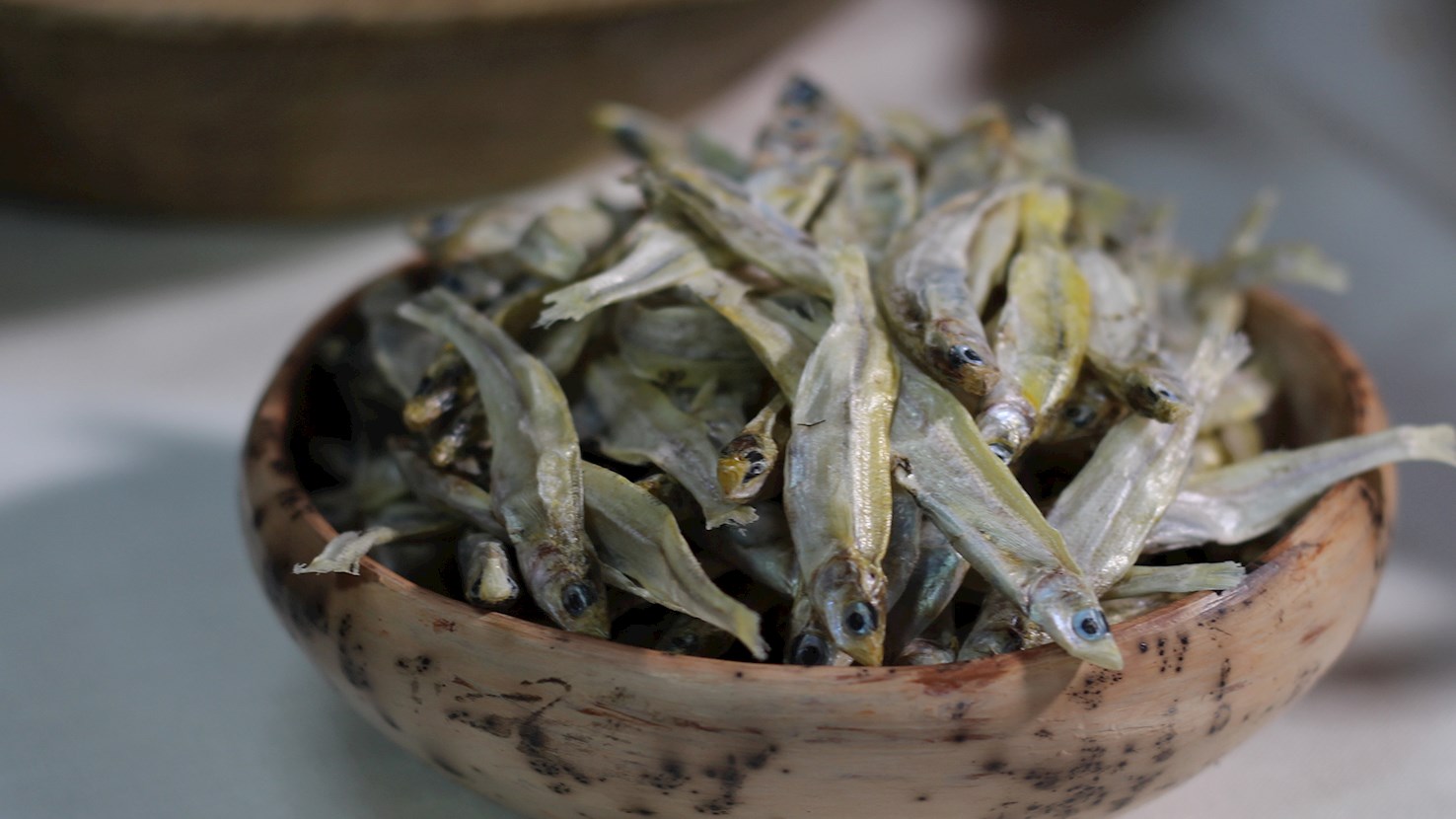
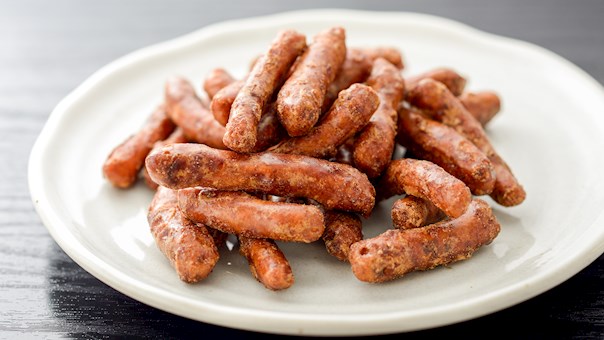
Charales are tiny, slender freshwater fish that are heavily salted, dried in the sun, and rapidly deep-fried whole until they achieve a completely brittle, crunchy texture. These silver minnows originate exclusively from the large inland lakes of central North America, specifically thriving within Lake Chapala and Lake Pátzcuaro. Indigenous groups inhabiting these shorelines relied heavily on these abundant catches centuries before European contact, utilizing intense sunlight to draw out all moisture and permanently preserve the harvest for long-term storage. The entire fish remains intact—including the head, eyes, fragile bones, and fins. After a rigorous coating in coarse salt, the minnows sit on flat mats in direct sunlight for several days until they are entirely dehydrated. Once cured and hardened, handfuls of the stiff fish plunge into vats of boiling vegetable oil for just a few moments. The sudden, extreme heat instantly crisps the microscopic bones and further dehydrates the flesh, resulting in a shatteringly crisp bite. When served strictly as a fast street food, vendors scoop the golden minnows into small paper cones or thin bags. Customers stand by the carts and immediately squeeze fresh lime wedges directly over the pile, aggressively shaking the container to distribute the acidic juice alongside heavy dashes of liquid chili sauce and salt. The sharp citrus briefly softens the outermost skin, while the core remains completely rigid, allowing individuals to consume the entire seasoned animal in one quick, highly textured mouthful. Some regional markets toss the unseasoned crispy fish directly into a hot pan with pureed tomatillos, cilantro, and fiery serrano chilies, letting the brittle bodies simmer and soften slightly as they absorb the bright green sauce. Another distinct variation involves whisking the whole dried fish into a thick egg batter and pan-frying the mixture into wide, savory omelets, which then simmer slowly in a deep red, garlic-infused tomato broth alongside diced potatoes and carrots. There is also a dried version of charales that is especially popular during Lent, when the fish is cooked with nopales, green salsa, and wild herbs.
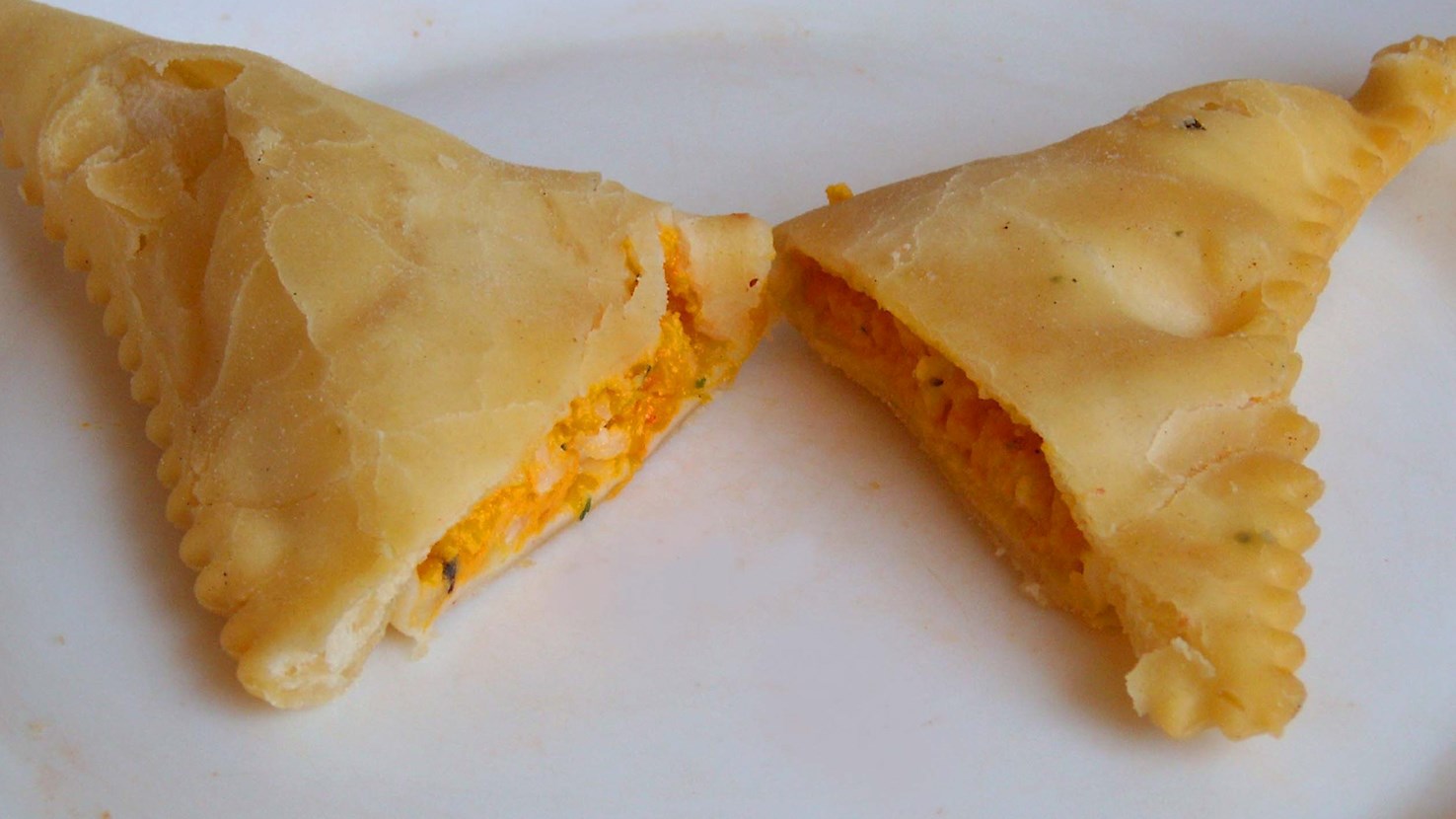
Barbagiuan is the national dish of Monaco, a deep-fried pastry fritter that is usually filled with Swiss chard, spinach, ricotta cheese, or pumpkin. It is traditionally served as an appetizer both in Monaco and parts of Northern Italy. The small, tasty snack is especially popular on 19th of November, the National Day of Monaco.
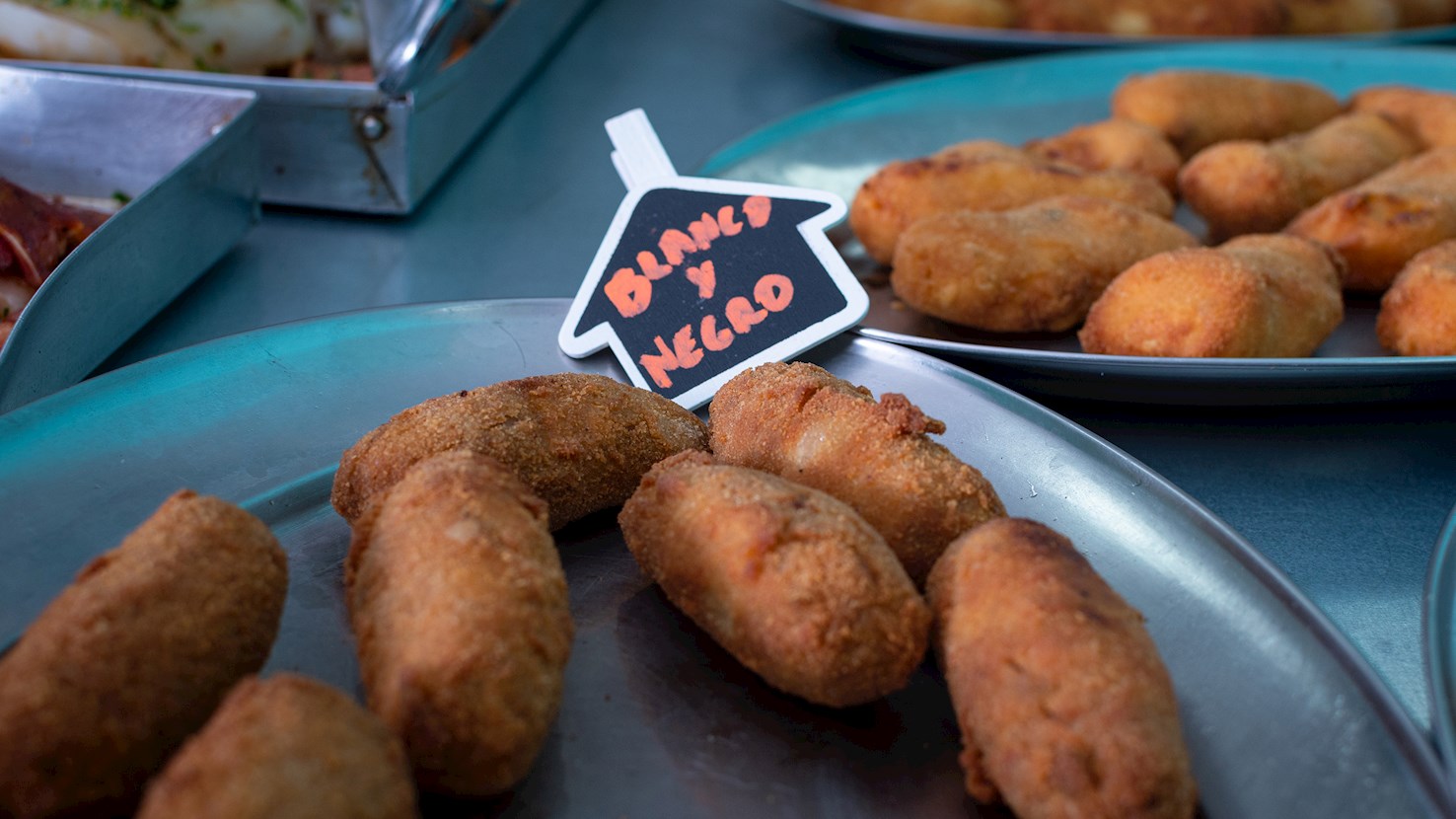
Croquetas con cecina is a traditional croquette variety. It's usually made with a combination of butter, leeks, cecina (air-dried beef), milk, flour, salt, pepper, nutmeg, eggs, breadcrumbs, and olive oil. The leeks and cecina are sautéed in butter, seasoned with salt and pepper, and then mixed with a bechamel sauce consisting of flour, butter, milk, salt, pepper, and nutmeg. The mixture is chilled, shaped into croquetas, dipped in eggs, rolled in breadcrumbs, and then fried in olive oil until golden brown.
Nasibal is an unusual fusion of Indonesian and Dutch cuisines, a snack that is usually bought from numerous street vending machines that serve food. Shaped like a ball, nasibal consists of nasi goreng filling (fried rice and various spices) that is breaded and deep-fried in hot oil. It can also be prepared at home, typically with leftover nasi goreng. For the best results, pair the snack with Indonesian peanut sauce.
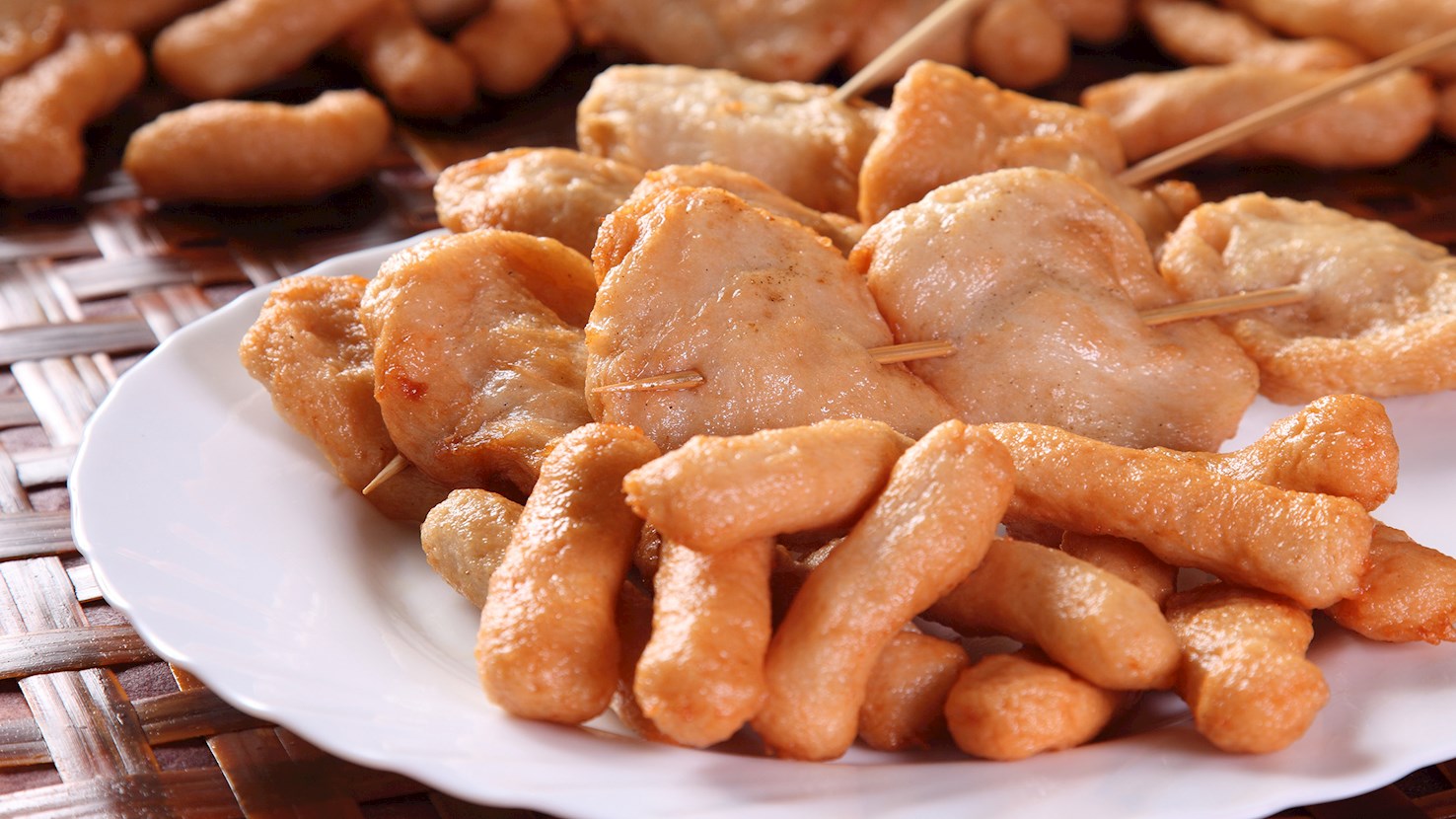
Tian bu la are Taiwanese fish cakes made with a thick paste which incorporates mild white fish fillets, eggs, and potato or tapioca flour. The generously seasoned mixture is piped directly in the sizzling oil, then deep-fried until golden brown. The fish cakes are usually shaped in long and thin cylindrical forms, but they are sometimes flattened into thick, round discs. Even though they can be eaten immediately after frying, the Taiwanese traditionally boil them on low heat in a soy-sauce-based broth, which allows the crispy skin to soften, and the cake to infuse with all the pungent broth flavors. If it is served as a crispy treat, it is usually skewered and enjoyed as a snack on the go. Fried and boiled versions are usually offered in traditional Taiwanese eateries alongside other deep-fried treats such as fish balls or tofu. They are served in bowls and smothered with a sticky brown sauce made with chili paste, soy sauce, miso, and sugar. Traditionally, the sauce leftovers are later mixed with the broth in which the cakes were boiled in order to create a flavorful soup eaten at the end of a meal. Both tian bu la varieties are staples of Taiwanese night markets and one of the favorite Taiwanese street food items.
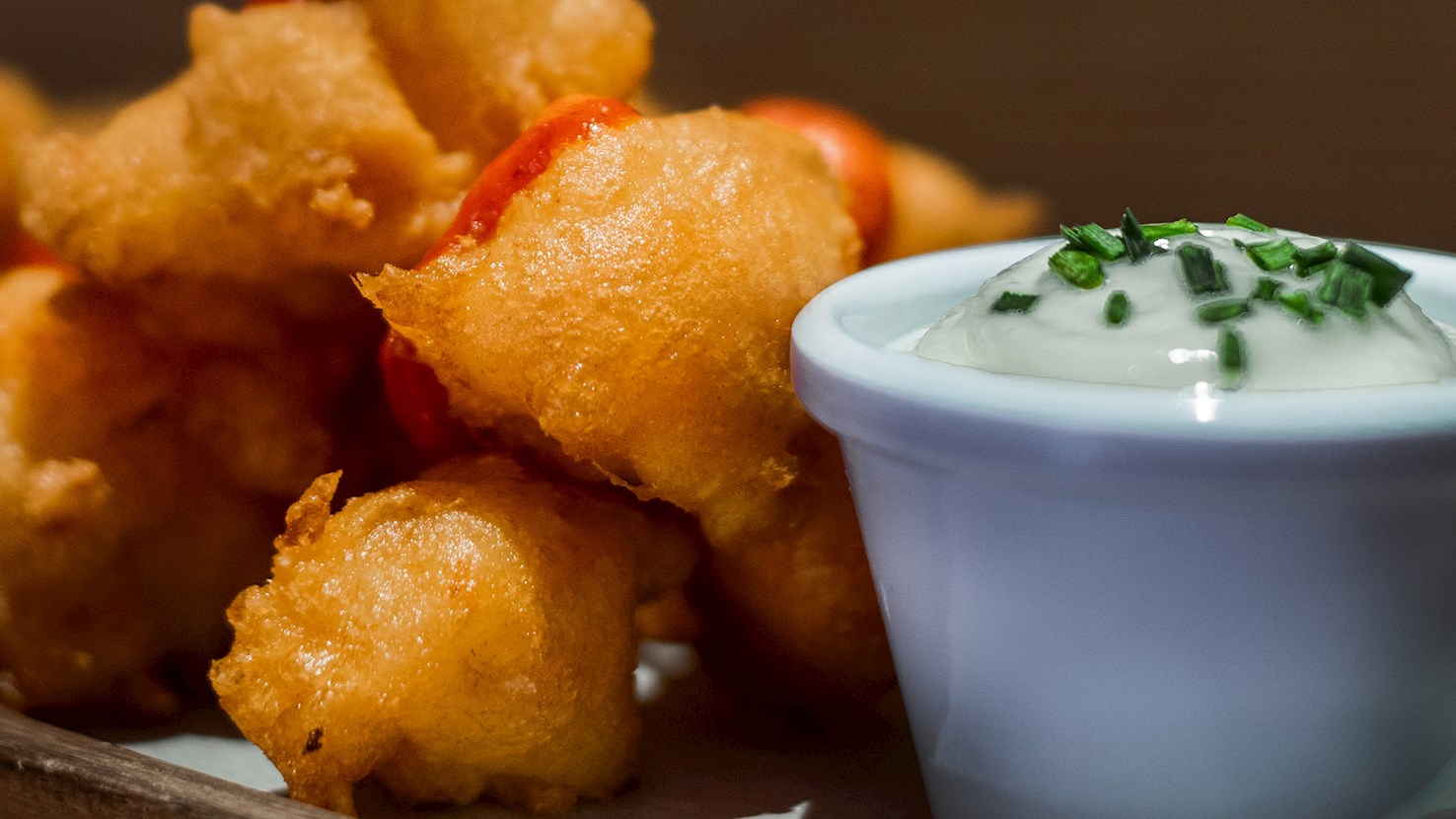
Soldaditos de Pavía is a traditional dish that's a staple of Madrid's tapa bars, but it's also often found in Andalusia. The dish consists of strips of battered and deep-fried cod that are served with a strip of roasted red pepper wrapped around them. Before the frying, the cod is typically marinated in a combination of pimentón and lemon juice. The name of the dish means soldiers of Pavía, referring to the fact that the dish resembles the orange-red uniforms worn by the Hussars of Pavía regiment.
TasteAtlas food rankings are based on the ratings of the TasteAtlas audience, with a series of mechanisms that recognize real users and that ignore bot,
nationalist or local patriotic ratings, and give additional value to the ratings of users that the system recognizes as knowledgeable.
For the “100 Worst Rated Deep-fried Dishes in the World” list until August 16, 2026, 28,403 ratings were recorded, of which 22,457 were recognized by the system as legitimate.
TasteAtlas Rankings should not be seen as the final global conclusion about food. Their purpose is to promote excellent local foods,
instill pride in traditional dishes, and arouse curiosity about dishes you haven’t tried.










What People Say