

shutterstock

28 Worst Rated Chinese Desserts

Last updated on August 16, 2026
01

Maiya tang jia bing (Maltose crackers)

2.7 ·

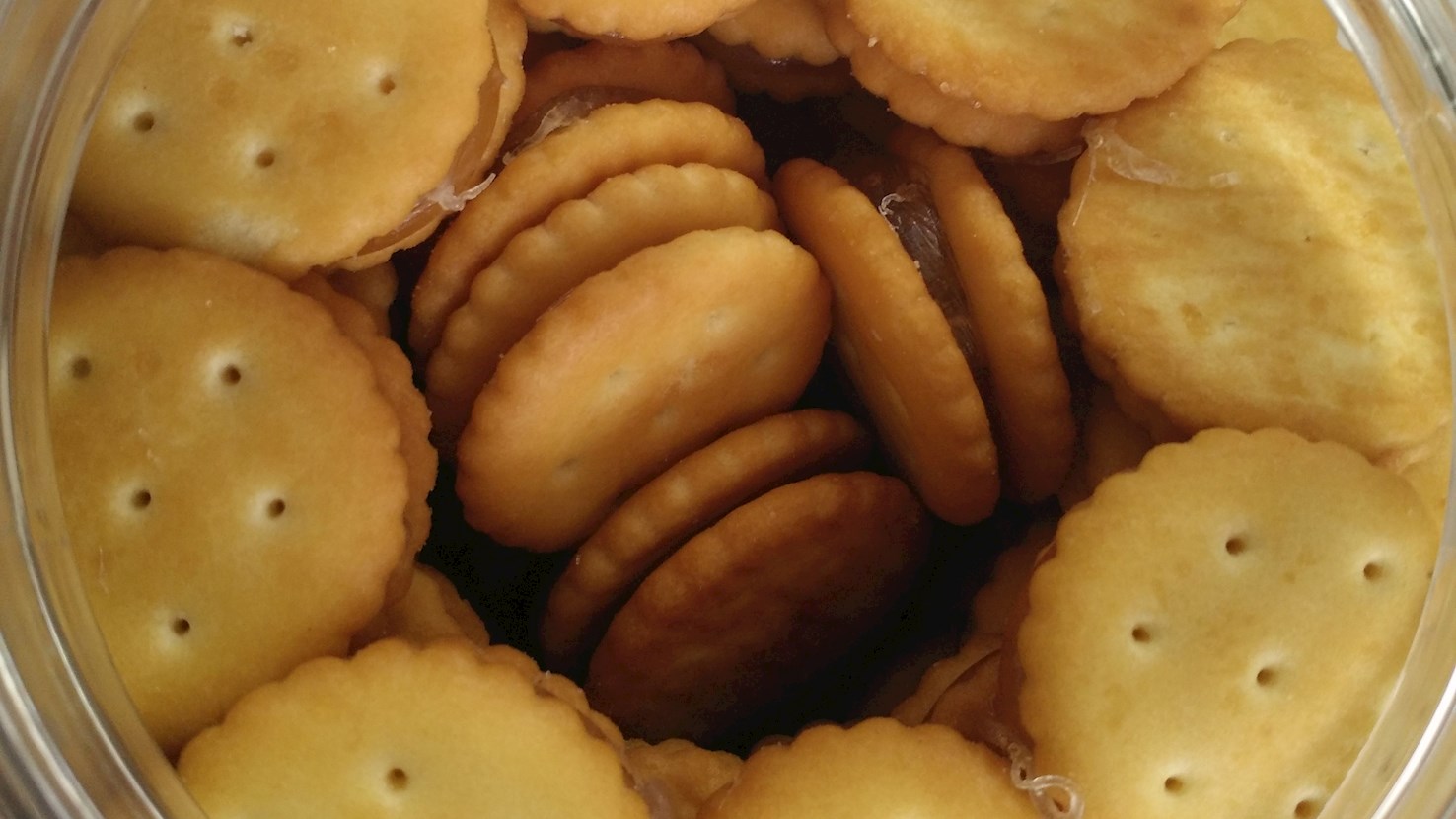
Maltose crackers are traditional snacks originating from Hong Kong. They were at the peak of popularity in the 1950s and 1960s, when maltose crackers were sold from street vendors. These snacks consist of only two ingredients – maltose syrup and saltine crackers. In order to prepare maltose crackers, maltose syrup is sandwiched between two saltine crackers. Bamboo sticks are often pressed into the maltose so that the snack looks like a cracker lollipop. These inexpensive snacks are especially popular among children.

02

Guilinggao

2.8 ·

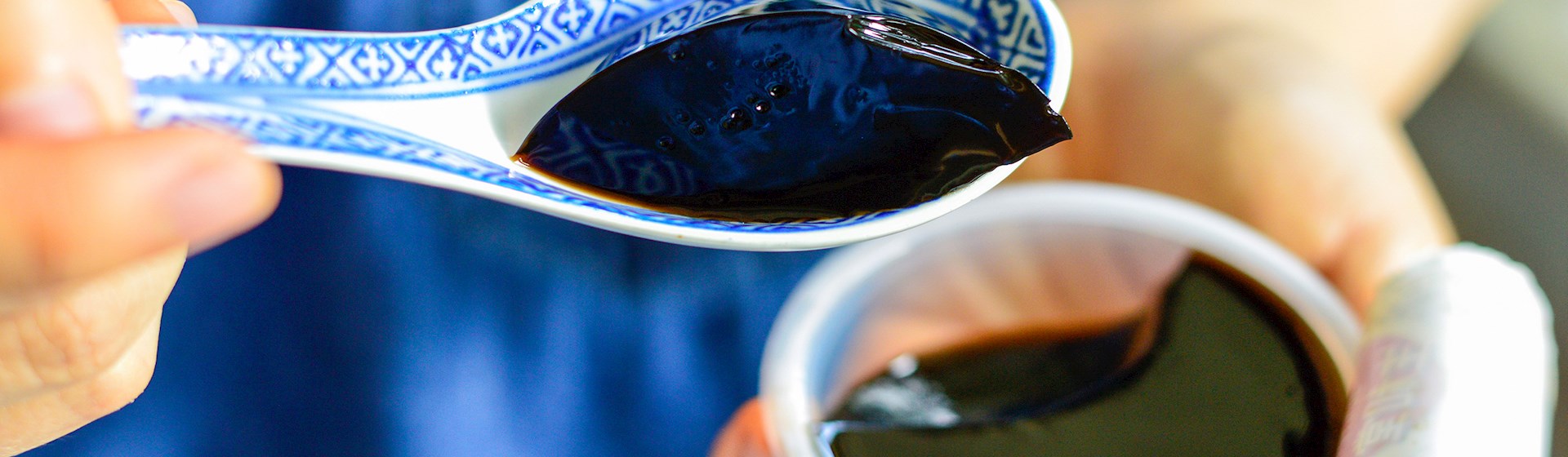
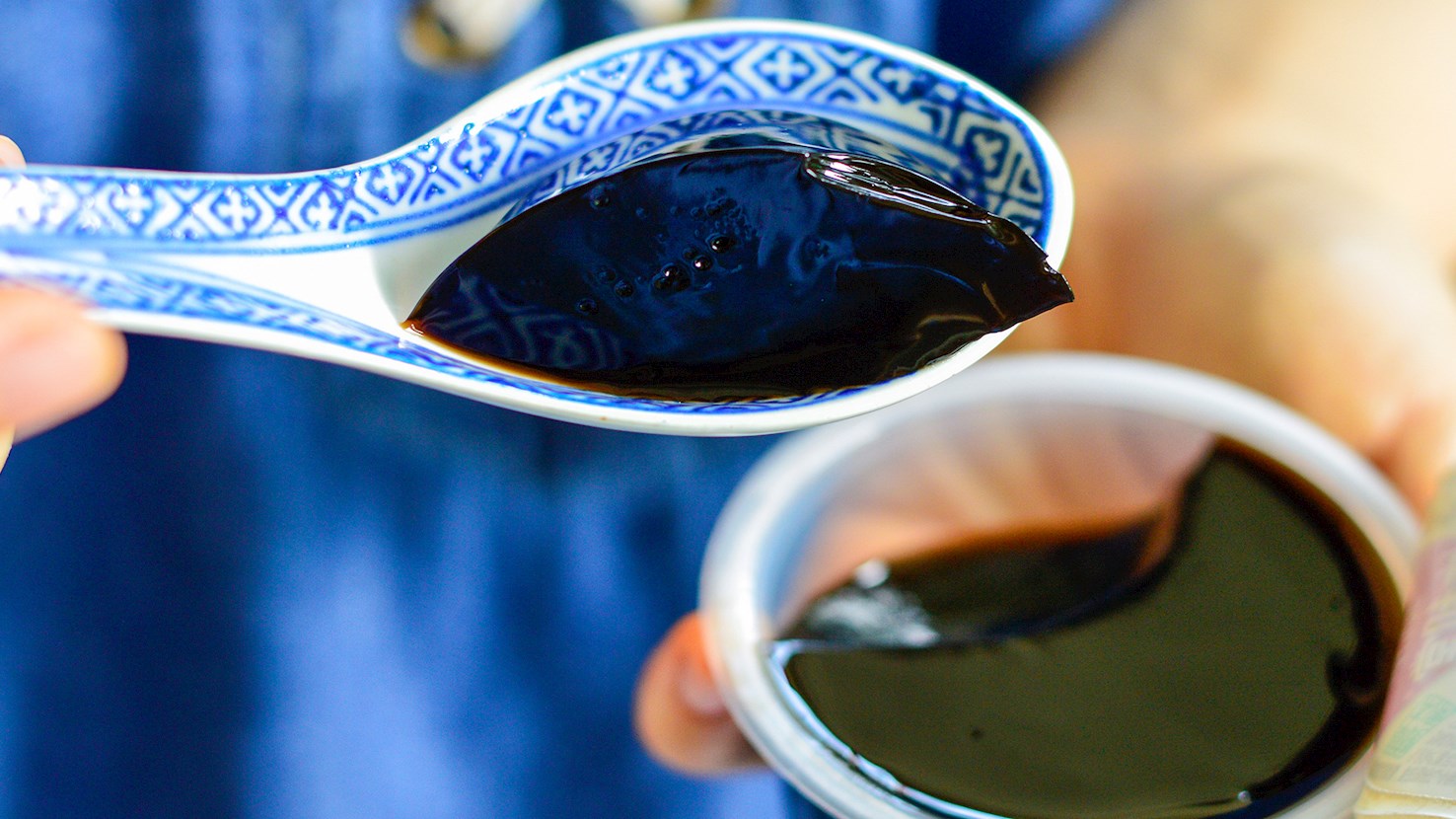
In its original form, guilinggao was a herbal paste that consisted of the powdered plastron (bottom shell of Golden coin turtle) and a variety of flowers, herbs, spices, roots, and tree barks. Although it was initially used as a health remedy, modern variations are mainly enjoyed as a well-chilled, refreshing jelly dessert. Since the Golden coin turtle is critically endangered, the original paste is nowadays rarely found and usually comes with a hefty price tag. Many producers opt to use other turtle species, and guilinggao nowadays usually appears as a canned version, or as a powder mix that is easily made into jelly.

Best restaurants
03

Zhi ma juan (Black sesame roll)

2.9 ·

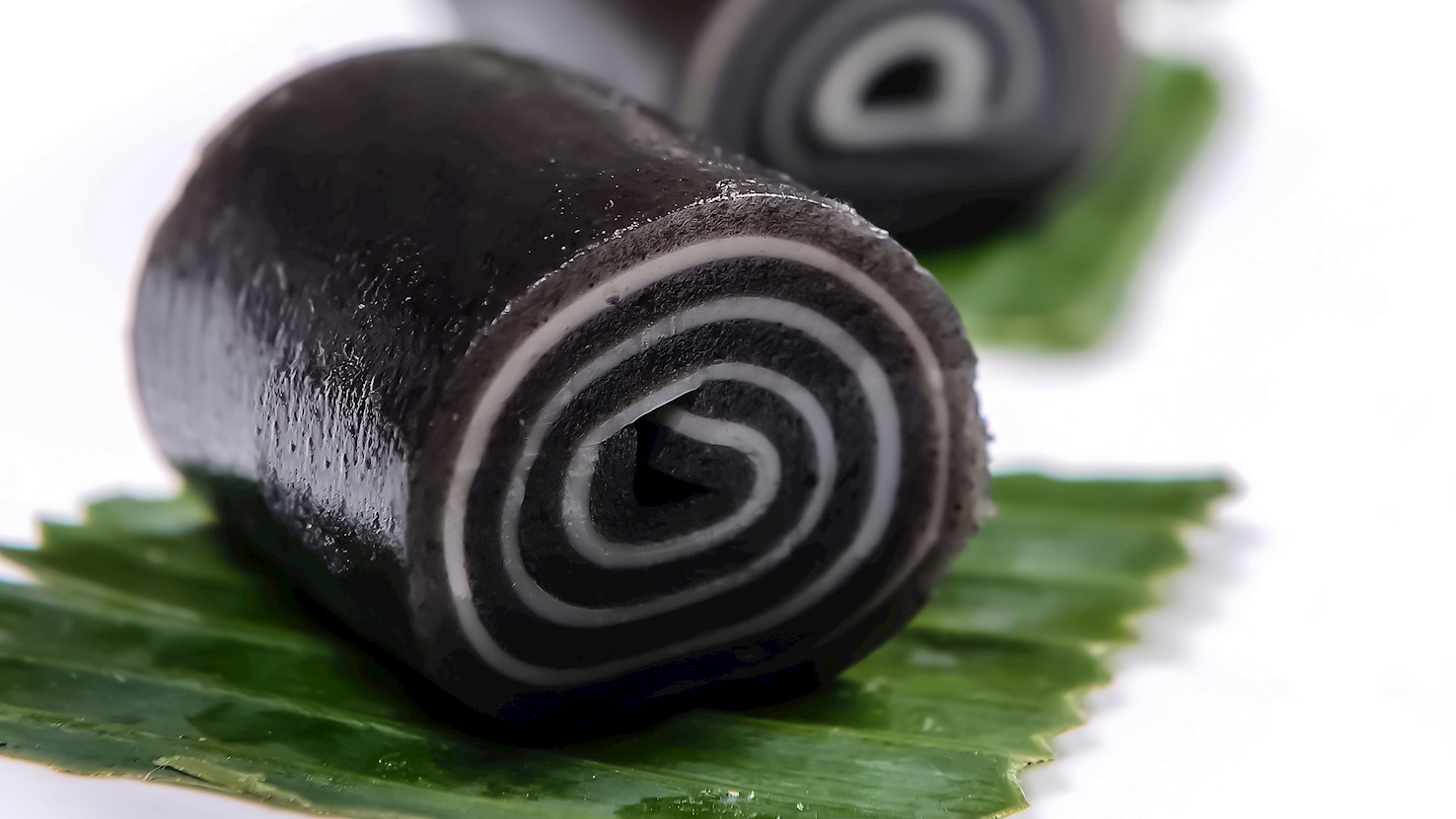
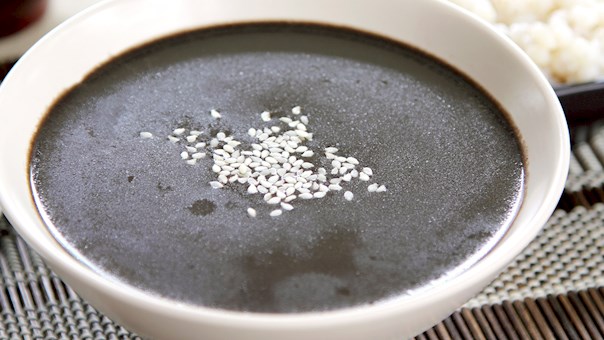
Black sesame roll is a sweet dessert and a type of dim sum originating from Hong Kong. It's made by drying a thin sheet of black sesame paste, which is eventually refrigerated and shaped into a roll. The texture of black sesame rolls should be soft and smooth. Common ingredients include black sesame seeds, sugar, water, rice flour, chestnut flour, oil, and white sesame seeds that are often used as a garnish. This dim sum variety was especially popular in the 1970s and the 1980s, but nowadays it's usually prepared at home.

04

Hong dou gao (Red bean cake)

3.0 ·

Red bean cake is a traditional dessert which incorporates glutinous rice flour and lightly sweetened red bean paste. The base of the cake employs sweet rice flour and eggs, which are then combined with smooth or coarse red bean mixture. Most commonly, red beans are evenly distributed in the cake, but occasionally they can only be used as a filling, coated in the glutinous batter. Chinese red bean cake is usually steamed or baked in various molds and pans. Because of its custard-like consistency, it is regarded as a special delicacy which is mainly associated with Chinese New Year, when it is commonly prepared and shared among relatives and friends.

05

Zi baau daan gou (Paper wrapped cake)

3.1 ·

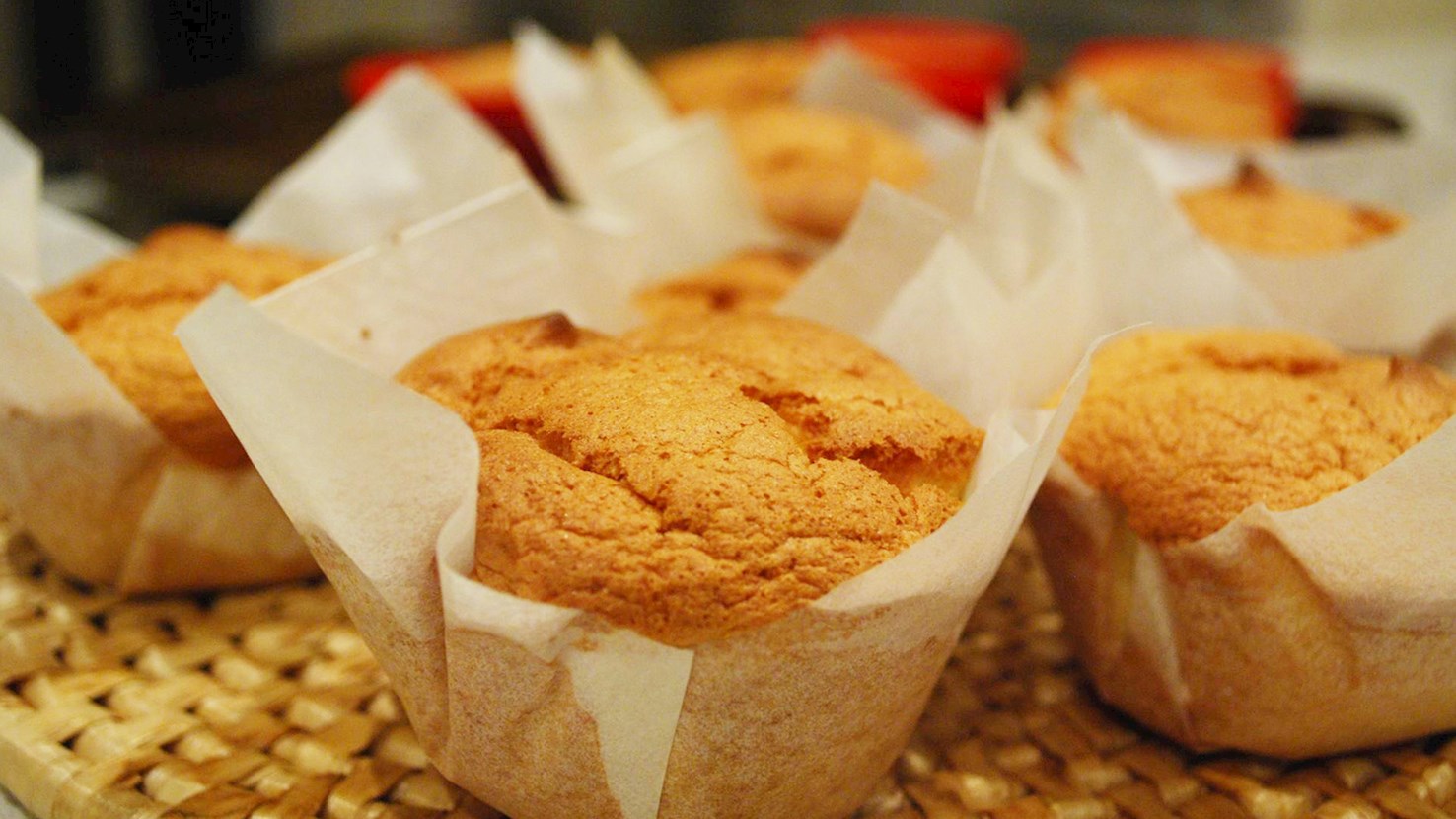
Paper wrapped cake is a Hong Kong specialty that can be found in most bakeries. These light and fluffy cakes are wrapped in paper before baking, hence the name. They are made with a combination of butter, eggs, milk, flour, sugar, and vanilla extract. The batter is poured into cup cake molds lined with paper, then baked until done. If properly baked, they should have a fragrant aroma of fresh eggs. The cakes are usually served for breakfast or in the afternoon, and they're typically paired with tea.

06

Tong sui

3.2 ·

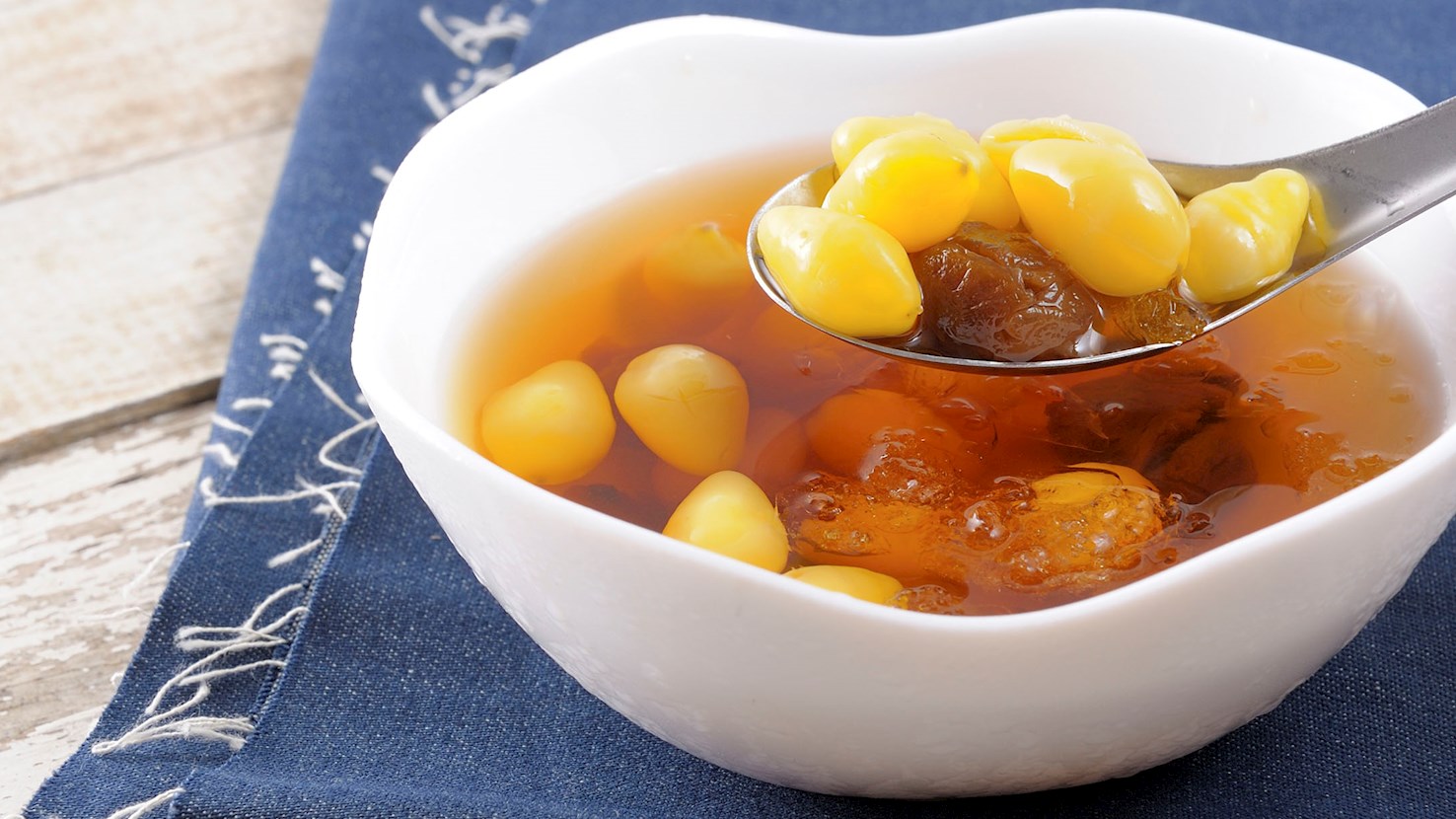
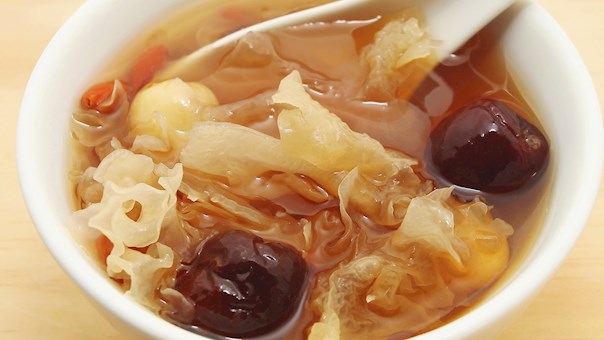
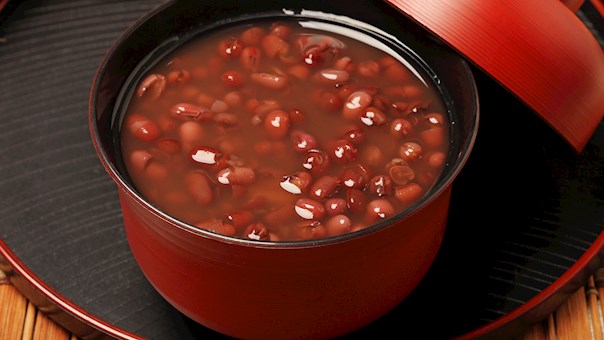
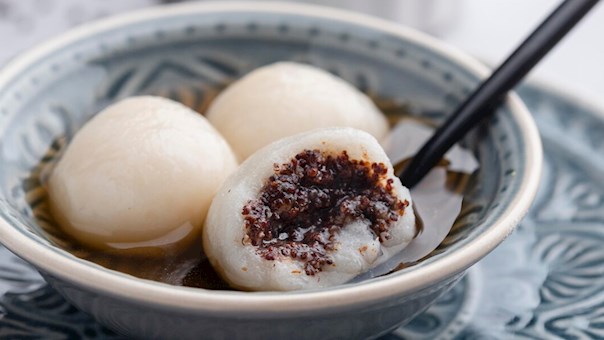
Originally a Cantonese specialty, tong sui (lit. sugar water) is a type of sweet soup or a custard-like dessert made with a base of either water or coconut milk. Extremely popular throughout the country, these sugary treats are nowadays found in tong sui shops but also at numerous food stalls, freshly prepared by street vendors. Tong sui desserts are available in a myriad of different colors and an unlimited selection of flavors, ranging from the simple fruity varieties and tofu puddings to the gaggingly bizarre ones such as guilinggao - powdered tortoise shell jelly or hasma - a sweet soup made with frogs' fallopian tubes! As an example of some appetizing combinations, Chinese dessert soups are often flavored with mango, pomelo, strawberries, citrus peels, pearl tapioca, or vanilla bean, peanut or black sesame paste, and almond or walnut flour. Most common tong sui toppings include ice cream, fresh fruits, and the bittersweet herbal grass jelly, while the chewy, glutinous rice dough balls called tong yuan are another popular addition to these soups. Depending on the season, tong sui can be enjoyed either hot or cold.

07

Danhuang lianrong yuebing (Cantonese mooncake)

3.2 ·

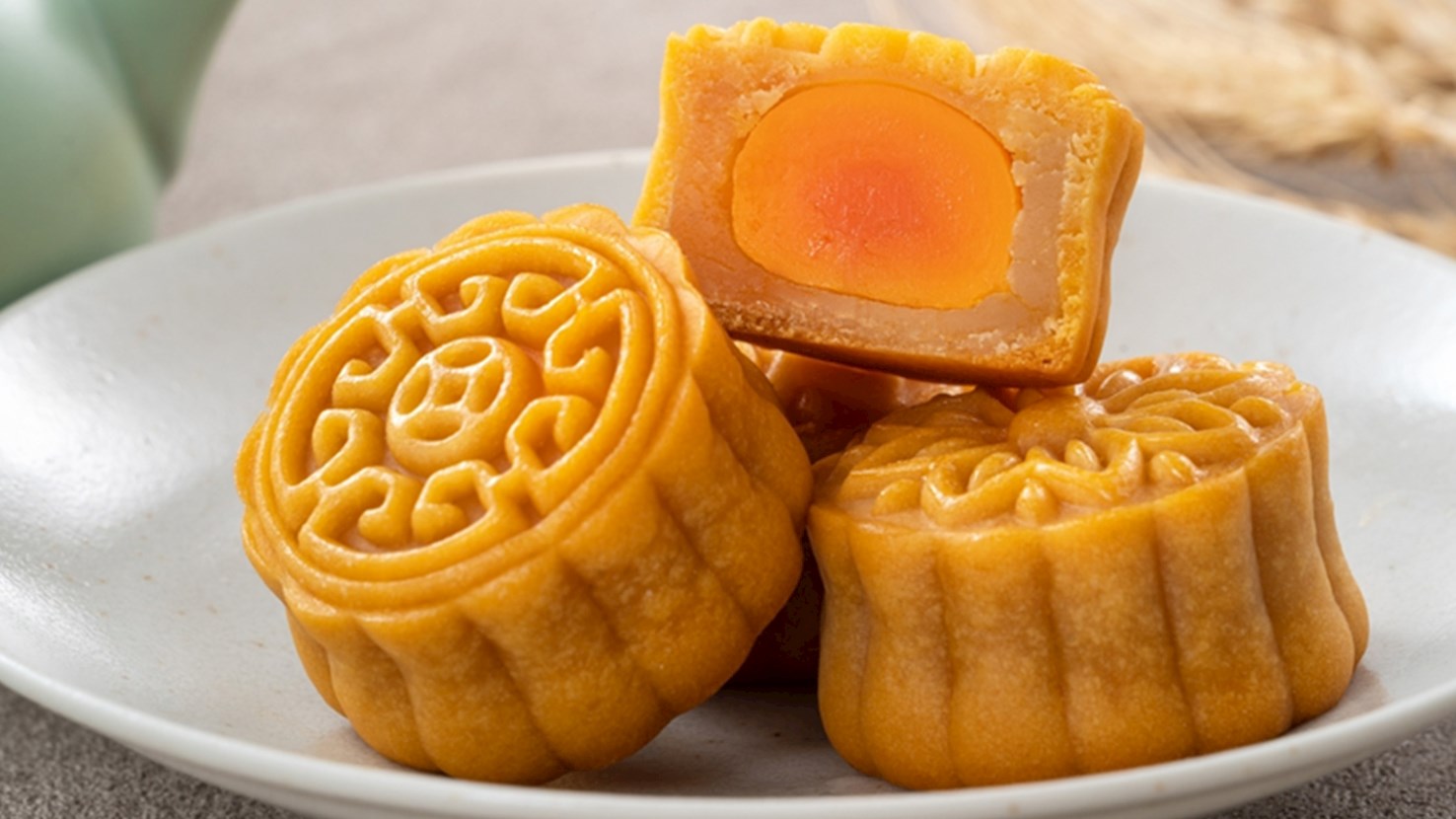
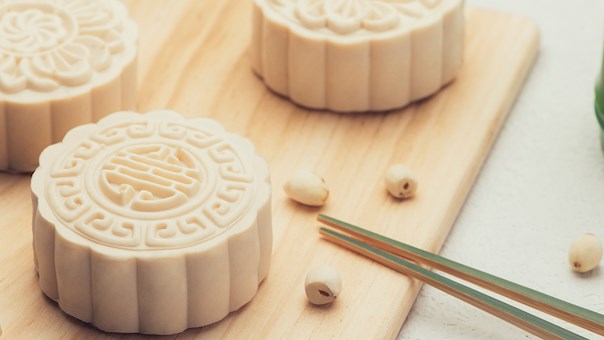
Cantonese mooncakes are a type of traditional Chinese pastry that is notably enjoyed during the Mid-Autumn Festival, which is a significant festival in many Asian countries. These mooncakes are distinctive with their tender, thin, and slightly browned crust and are usually filled with sweet, dense fillings. The most common filling in Cantonese mooncakes is lotus seed paste, which is smooth and sweet, and usually contains salted egg yolks, representing the full moon and offering a savory contrast to the sweet filling. Another distinctive feature is their appearance: the top of the mooncake is typically embossed with Chinese characters indicating the type of filling, the name of the bakery, and additional decorative motifs. Traditionally shared among family members to symbolize unity and togetherness, Cantonese mooncakes are not merely a food item but are deeply embedded in Chinese culture and traditions, often given as gifts to relatives and business associates during the Mid-Autumn Festival.

08

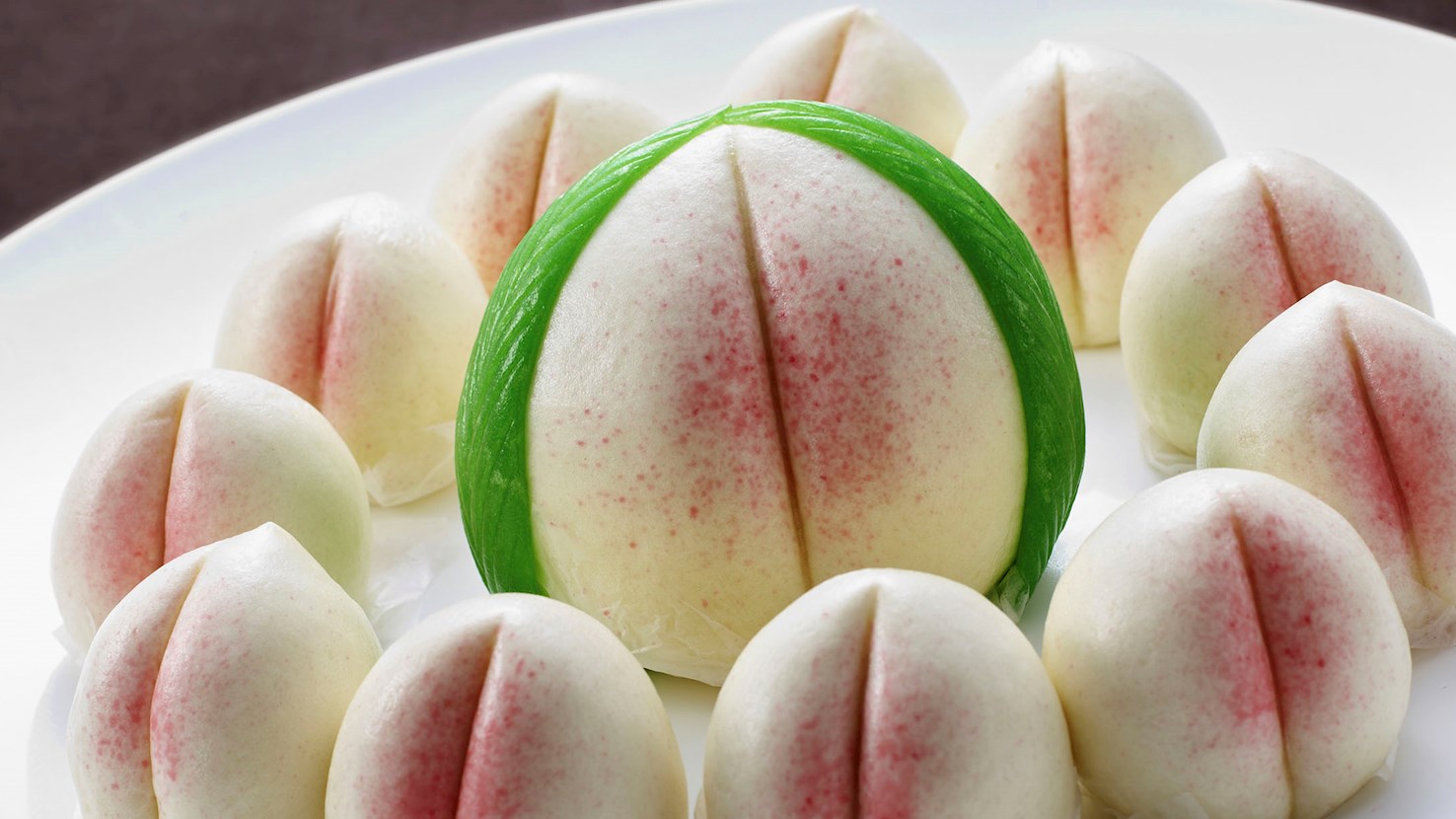
Shoutao bao (Longevity peach buns)

3.3 ·

Although some may think this Chinese delicacy is a fruit, it is actually a white pastry bun with a reddish tip, visually mimicking the shape of a peach. It can be stuffed with either red bean paste, lotus paste, or custard. Longevity peaches are commonly found at Chinese birthday parties and banquets due to the fact that peaches have been a sacred item for the Chinese people for a long time. More specifically, the dish represents a celestial peach that ripens once every few thousand years, and the legend says that those who consume it will achieve immortality. It can also be found at most Chinese pastry shops, supermarkets, and food stalls, arranged into impressive displays. With their intricate story and a symbolic meaning of respect for the elderly, longevity peaches belong to one of the most popular Chinese pastries.

09

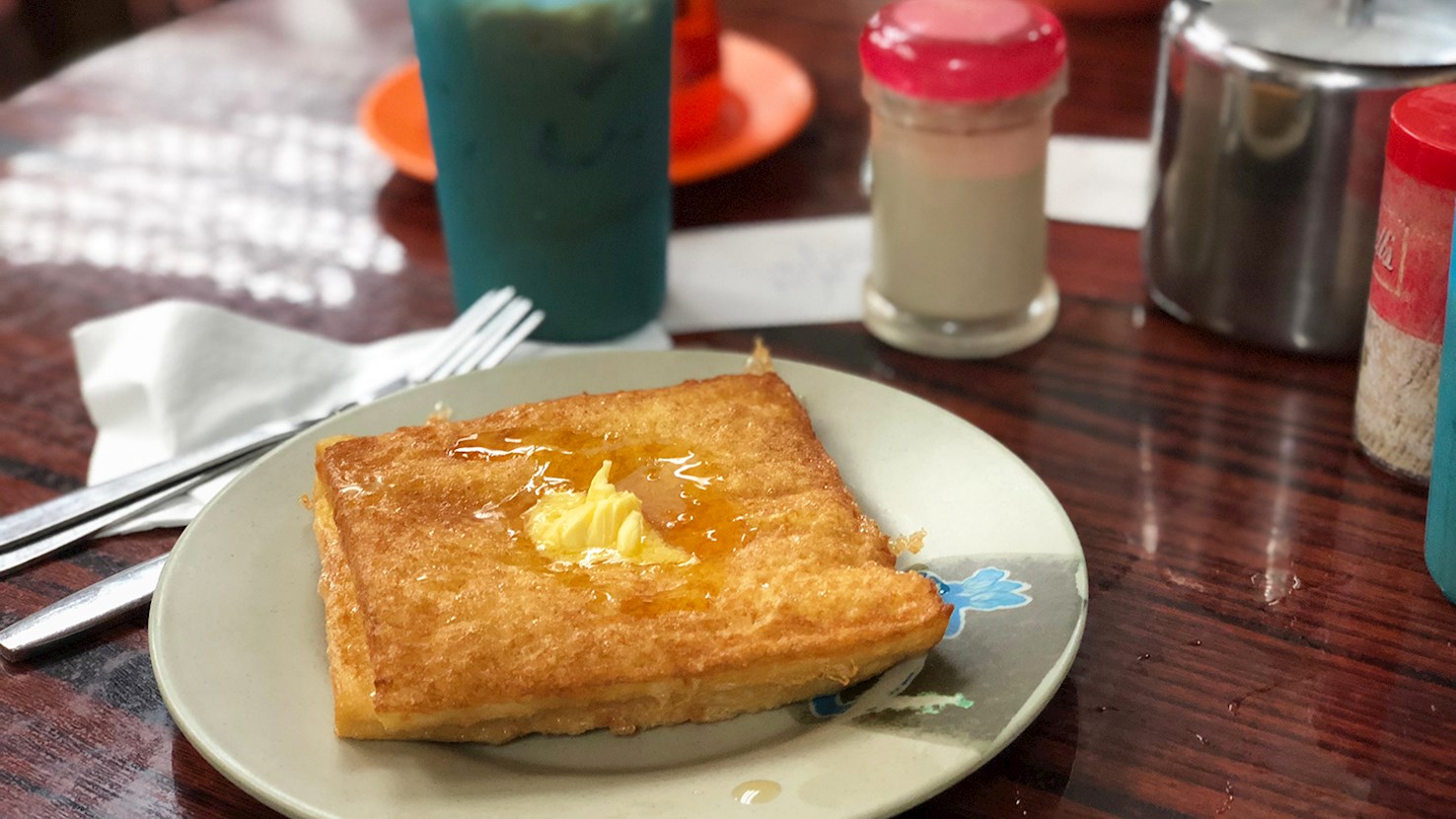
Xi duo shi (Hong Kong-style French toast)

3.2 ·

Hong Kong-style French Toast is prepared with two slices of peanut butter or coconut jam-smeared milk bread, which are dipped into a batter of eggs and vanilla essence, then pan-fried or deep-fried in oil until golden brown. When served, this french toast version is topped with a dab of butter in the center, and it's often drizzled with maple syrup, condensed milk, honey, or an ice cream scoop. This dish is traditionally served hot, and it's recommended to pair it with a cup of milk tea.

10

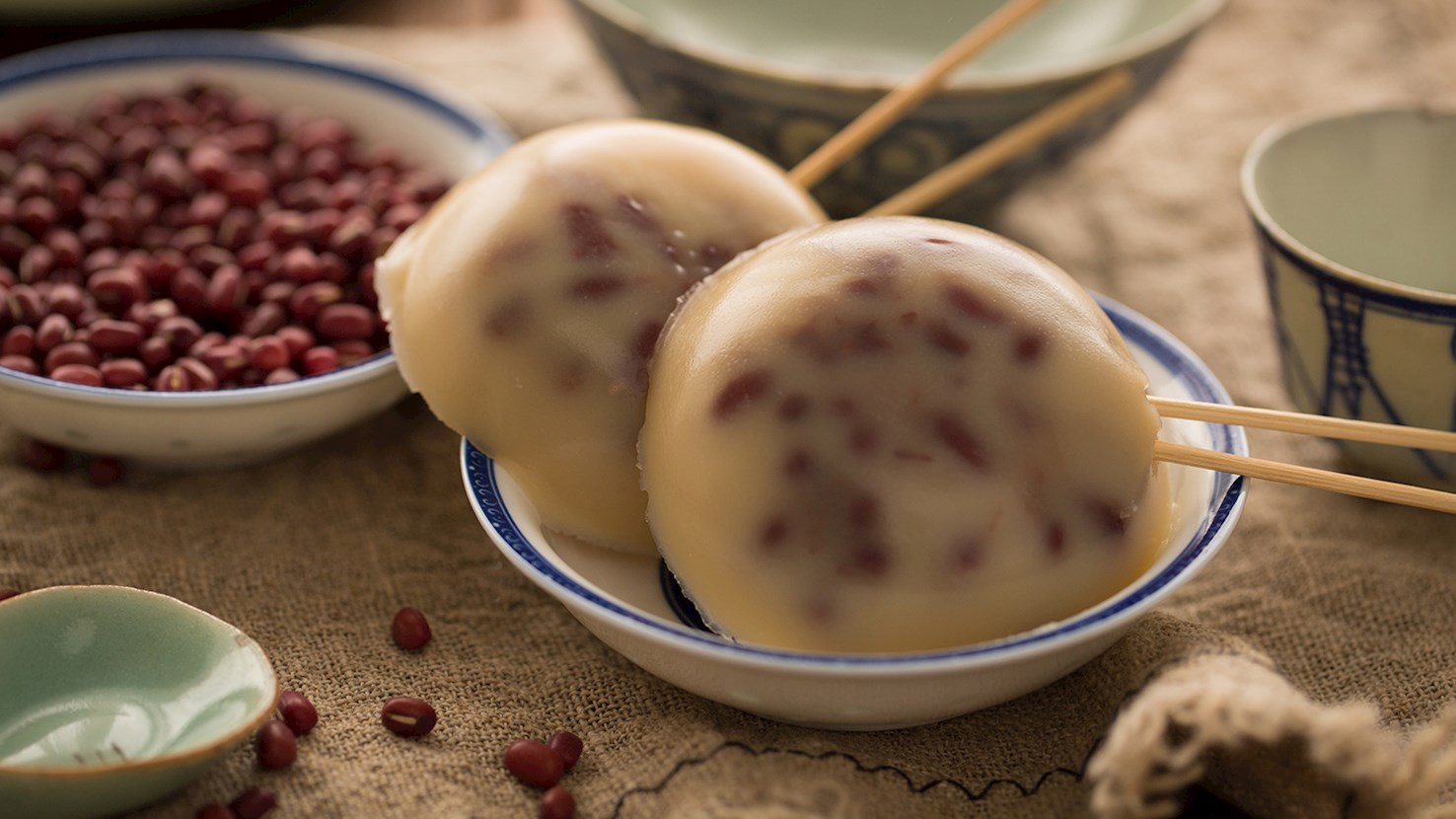
Put chai ko (Red bean steamed rice cake)

3.2 ·

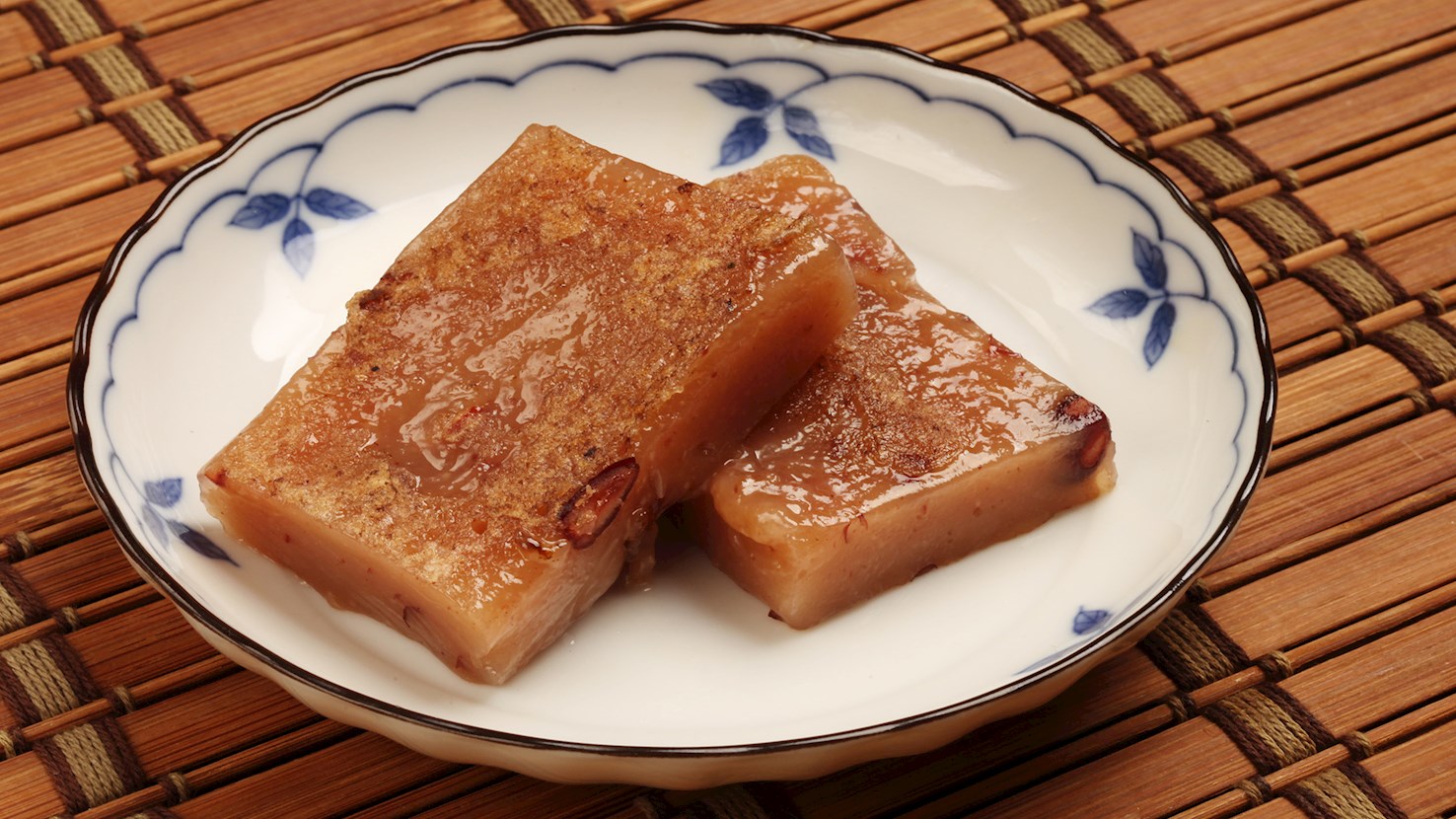
Put chai ko is a traditional snack originating from Hong Kong. It consists of brown sugar, red beans, rice flour, and wheat starch or cornstarch. The red beans are cooked and mixed with flour, sugar, and water in a pan. The thick batter is then placed into a greased tin mold and steamed until done. The snack is left to cool down and it's then taken out of the mold and served. This snack can be bought from street vendors, and in the past they would traditionally steam it in earthenware bowls, but nowadays it's mostly sold in plastic bags or aluminum cups. Put chai ko is sometimes also served on two bamboo sticks, just like an ice pop.

About this Ranking

TasteAtlas food rankings are based on the ratings of the TasteAtlas audience, with a series of mechanisms that recognize real users and that ignore bot, nationalist or local patriotic ratings, and give additional value to the ratings of users that the system recognizes as knowledgeable. For the “28 Worst Rated Chinese Desserts” list until August 16, 2026, 1,369 ratings were recorded, of which 1,154 were recognized by the system as legitimate.

TasteAtlas Rankings should not be seen as the final global conclusion about food. Their purpose is to promote excellent local foods, instill pride in traditional dishes, and arouse curiosity about dishes you haven’t tried.

What People Say

Similar Lists