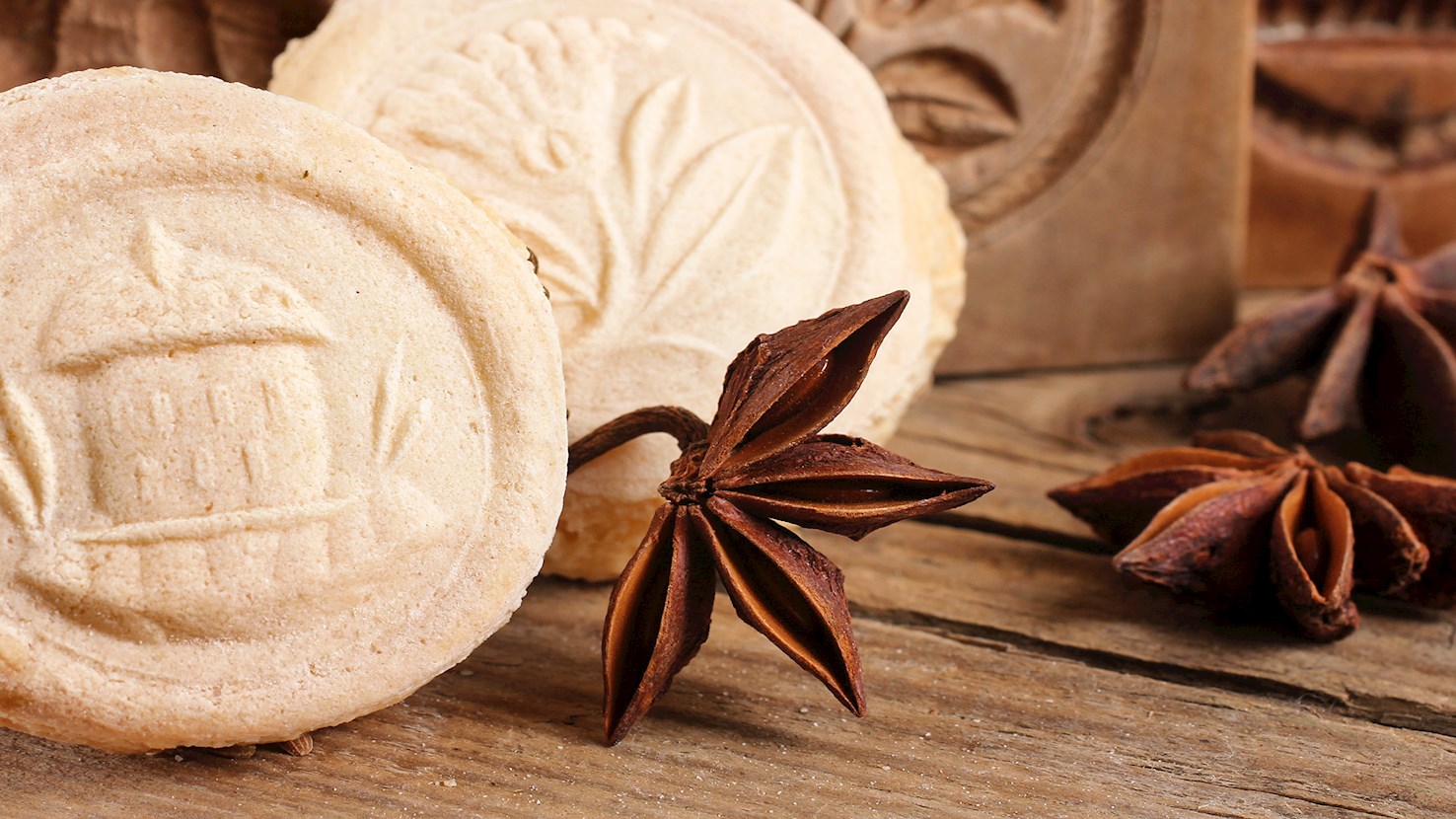
Also known as little jumper or little knight, springerle is an anise-flavored biscuit made from wheat flour, eggs, and powdered sugar. In the past, the dough used to be leavened with hartshorn salt, but modern day recipes typically use baking powder. The designs and images on top are made with flat molds, presses, and boards, or specially crafted wooden rolling pins. The origin of these biscuits can be traced back to southwestern Germany and the 14th century. The oldest mold for springerle comes from Switzerland, and it was also made in the 14th century.
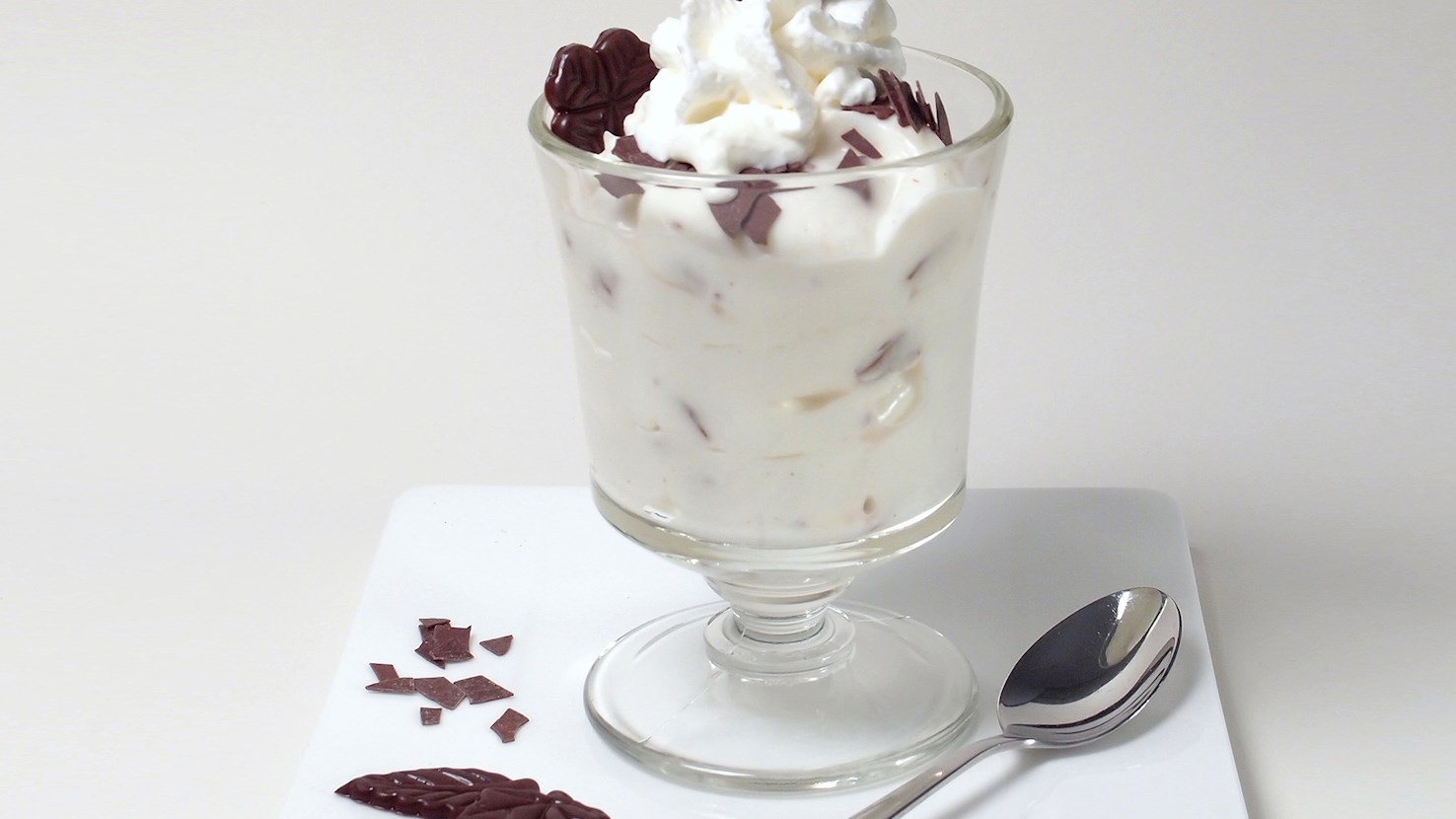
Herrencreme is a simple German dessert made with vanilla pudding, whipped cream, and grated bittersweet chocolate. It is usually flavored with an aromatic alcoholic beverage such as rum, whiskey, or cognac. Sweet and creamy, the dessert is typically served chilled in cups or bowls, topped with fruit, and sprinkled with chocolate shavings. A typical after-lunch sweet treat, herrencreme is also often served on festive occasions such as christenings, weddings, or Christmas.
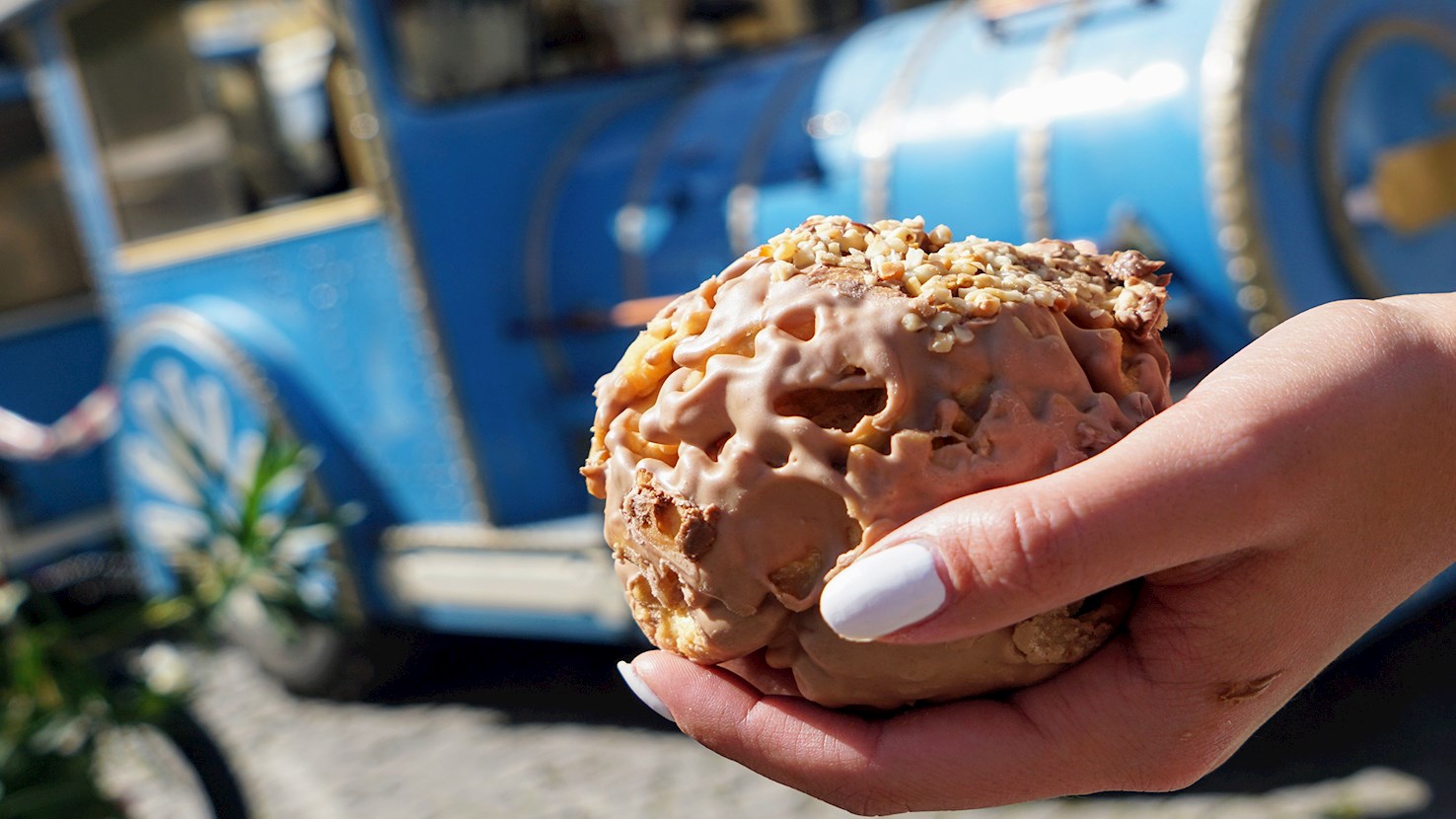
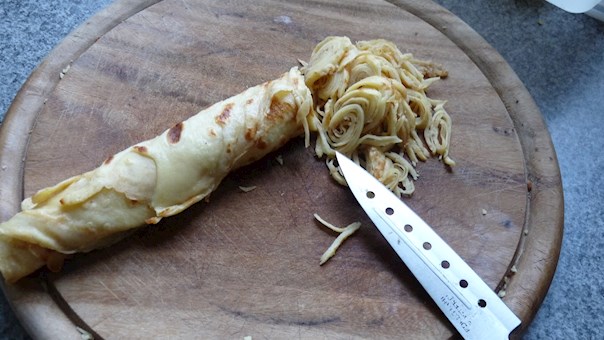
This German specialty consists of thin strips of shortcrust pastry that are loosely intertwined and wrapped into balls which are deep-fried until golden and crispy. Traditional versions are dusted with sugar, but there are also variations may be covered in chocolate glaze or different combinations of nuts, coconut, cinnamon, or marzipan. Schneeballen, which translates as snowballs, are traditionally associated with Rothenberg ob der Tauber, but they can be found throughout Bavaria. Although they were once enjoyed only on special occasions, nowadays they are a staple at numerous Bavarian pastry shops.
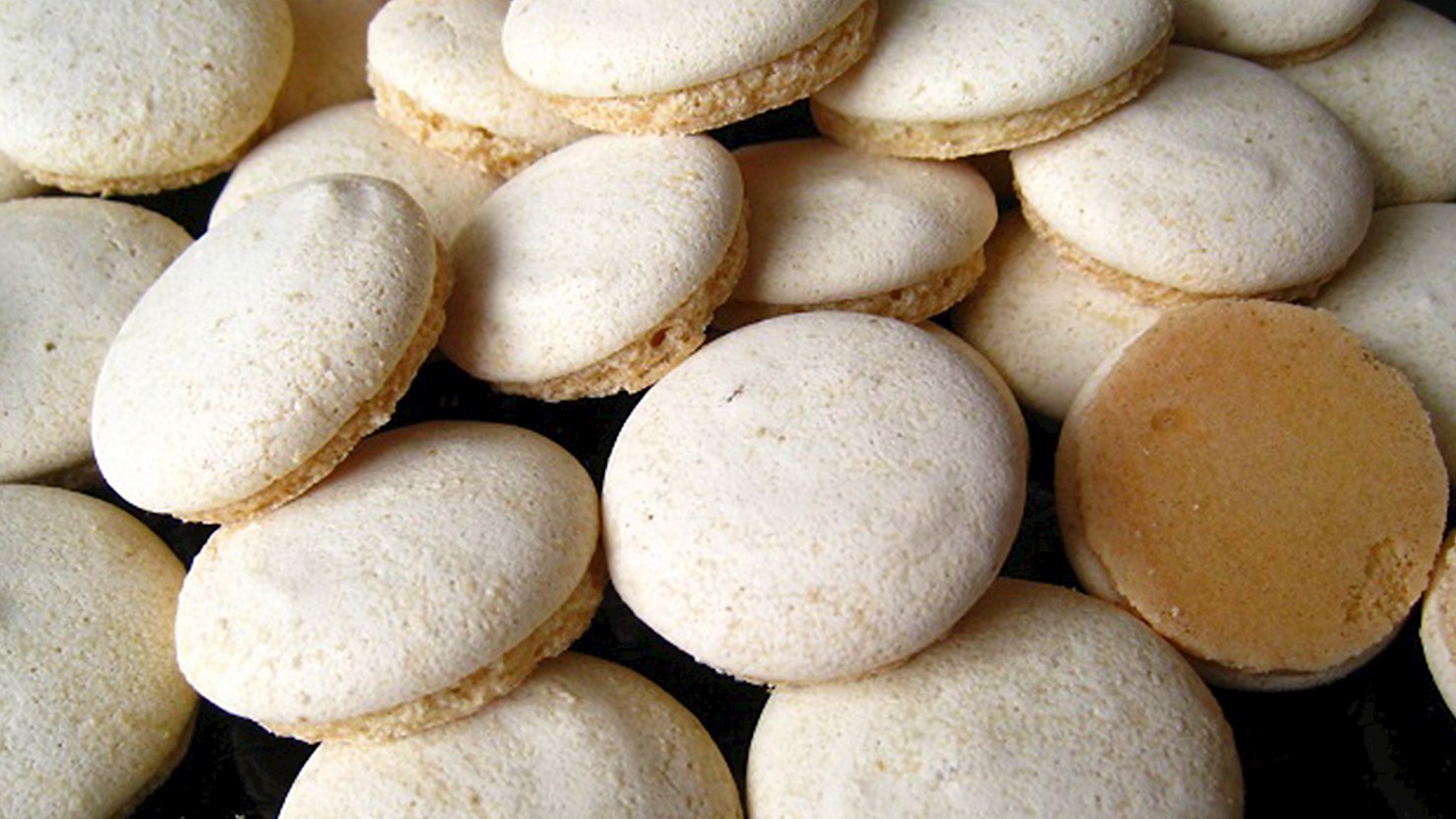
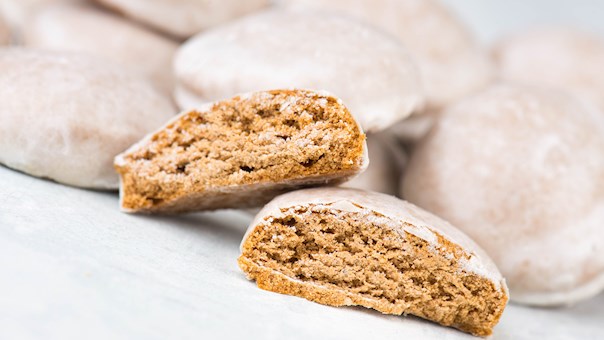
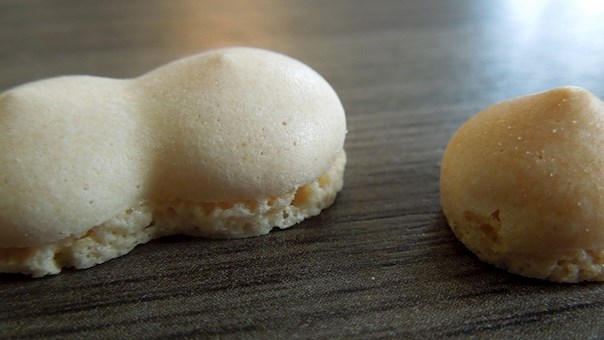
Anispläzchen are traditional German Christmas cookies. As the name suggests, the cookies are flavored with aniseed, and may optionally incorporate cinnamon. Although other ingredients include only eggs, sugar, and flour, the unique technique in which the batter is left to partially dry before baking gives these cookies a light and crispy top layer while the center remains chewy and moist. The cookies are usually baked and enjoyed for Christmas.
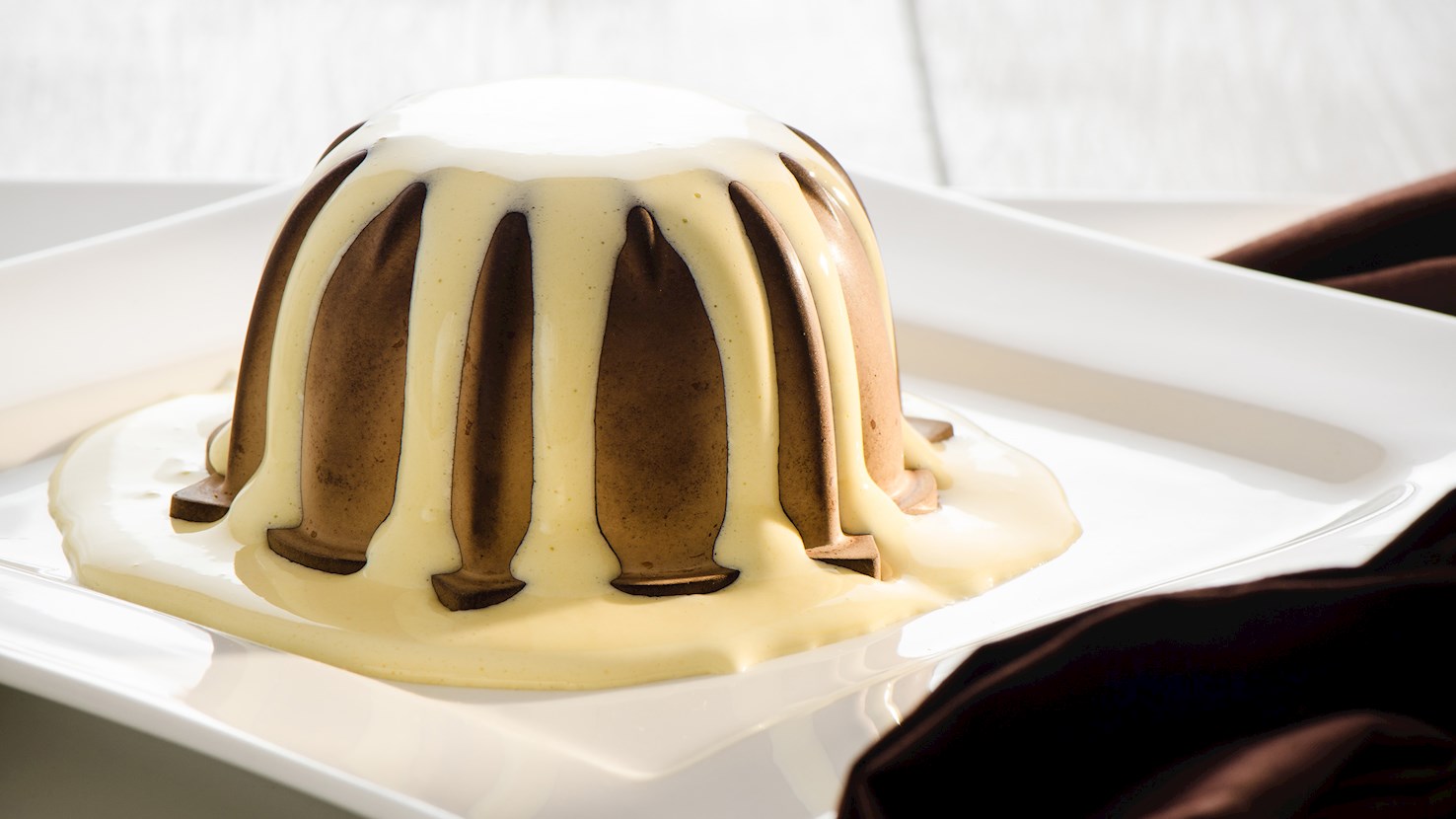
Frankfurter pudding is a traditional pudding originating from Frankfurt, and although there are many versions of hot steamed chocolate pudding throughout the country, this one is considered to be one of the best and richest. It's usually made with a combination of breadcrumbs, egg yolks, egg whites, butter, sugar, grated almonds, chocolate, and rum or strong coffee. The butter is creamed with sugar until light and fluffy. Egg yolks are blended into the mixture along with melted chocolate, rum or coffee, almonds, and breadcrumbs. The egg whites are beaten until stiff and then folded into the mixture. It's placed into a buttered mold and steamed in a water bath until the pudding is set. After a few minutes, the chocolate pudding is inverted on a serving platter. The pudding is typically served with warm vanilla sauce.
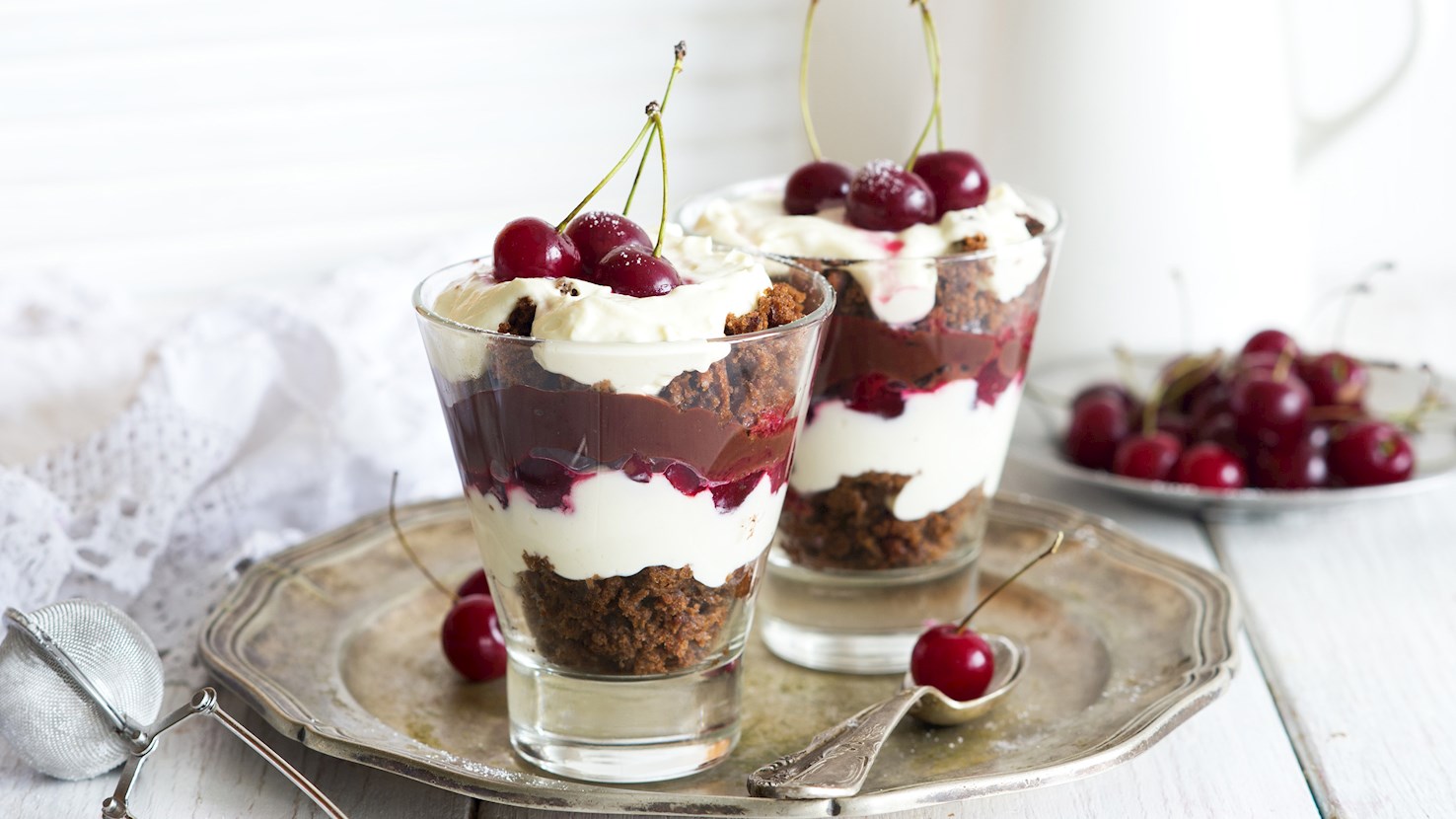
Westfälische quarkspeise is a trifle dessert with layers of creamy German quark and whipped cream, tart cherries (such as morello cherries), and crumbled pumpernickel (slightly sweet dark rye bread). Typically flavored with kirsch, amaretto, or rum and vanilla sugar, the dessert is usually assembled in a glass serving dish and enjoyed chilled, and it is often enhanced with chopped or shredded semisweet chocolate. Although quick and easy to make, this cold layered dessert packs quite a punch of flavor, especially after several hours of setting, which allows for the flavors to combine. This simple sweet treat uses two traditional German ingredients - German quark and Westphalian pumpernickel - which (combined with the tart cherries and additional flavorings) contribute to the dessert’s unique blend of sweet, slightly sour, earthy, and fruity flavors.
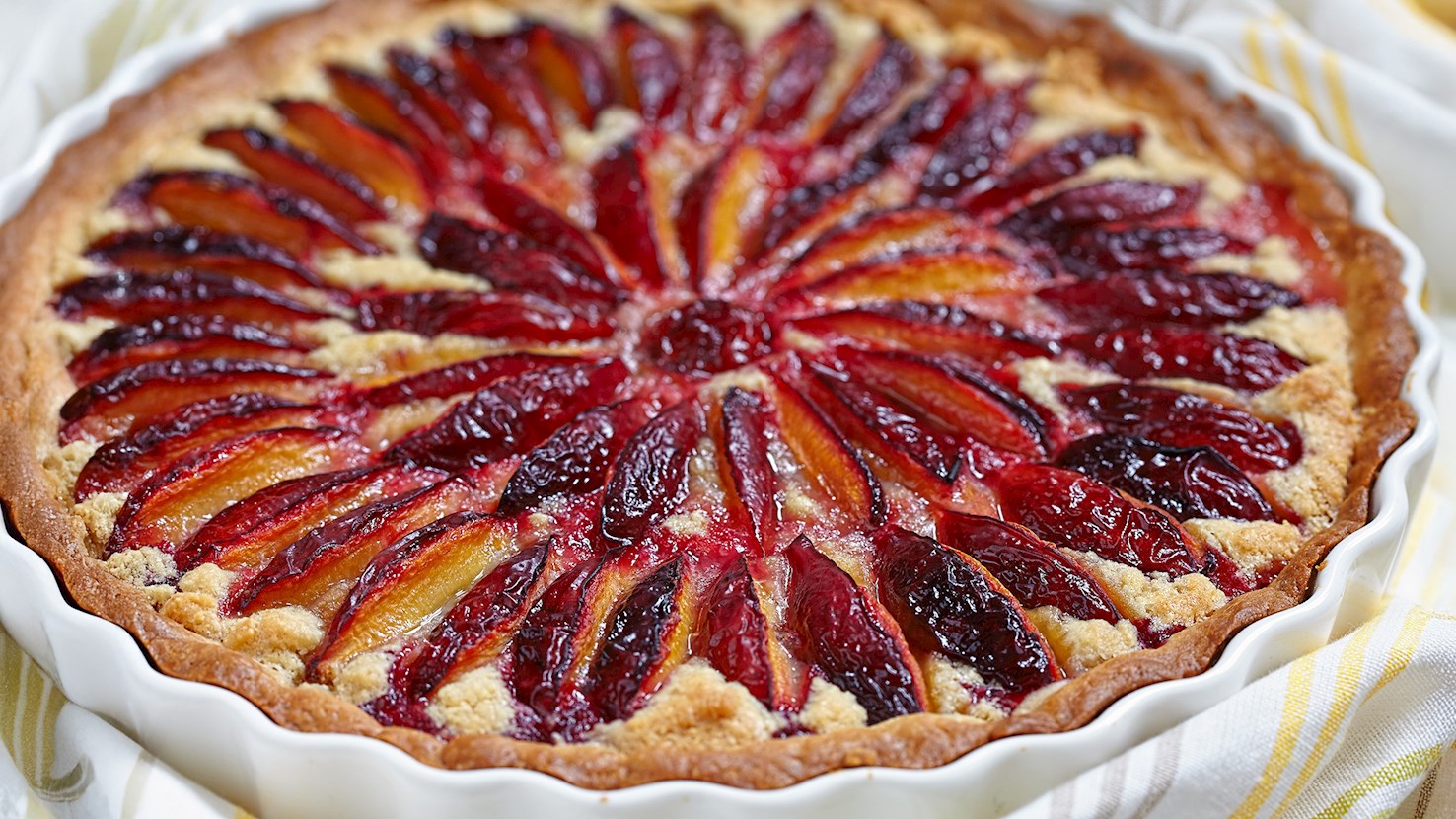
Zwetschgenkuchen is a beloved German sheet cake that epitomizes the country’s late summer and early autumn baking traditions. Its name, derived from “Zwetschge” meaning prune plum and “Kuchen” meaning cake, signals its starring ingredient: small, dark purple plums with firm flesh and a tart flavor that softens and sweetens when baked. This seasonal dessert is particularly popular in southern Germany, especially in Bavaria and Swabia, where it is also fondly referred to as Pflaumenkuchen or Zwetschgendatschi ("datschen" being a colloquial Bavarian word denoting the pressing of the prune plums into the dough), depending on the region. Among these regional variants, the Zwetschgendatschi from Augsburg holds a special place in culinary history. Often credited as the birthplace of this specific style of plum cake, Augsburg has helped popularize the sheet-baked version with a yeast dough base and meticulously arranged rows of plums. The city’s association with Zwetschgendatschi is so strong that many Germans consider it an essential part of Augsburg’s gastronomic identity, celebrated at local bakeries and seasonal festivals. The base of Zwetschgenkuchen can vary, with some versions using a rich, buttery shortcrust (Mürbeteig) and others relying on the traditional yeast-leavened dough (Hefeteig) that provides a tender but sturdy foundation for the fruit. The plums are halved and tightly arranged in rows, skin side down, covering the dough in overlapping patterns that resemble the scales of a fish, a signature detail of the Augsburg style. As they bake, the juices seep into the base, creating a harmonious balance of tartness and sweetness, and imparting a vibrant color and flavor. Traditional recipes often include a streusel topping made from flour, sugar, and butter, which adds a delightful crunch and richness, contrasting the juicy, slightly acidic plums beneath. In some variations, bakers might add cinnamon, ground nuts, or even a touch of cardamom for aromatic depth, while others prefer to keep it minimalist to let the plums shine. Zwetschgenkuchen is typically baked in a rectangular tray and cut into squares or slices, making it ideal for sharing at family gatherings, village festivals, or Kaffee und Kuchen (coffee and cake) afternoons. It is commonly served slightly warm or at room temperature, sometimes with a generous dollop of whipped cream or a scoop of vanilla ice cream to round out the experience.
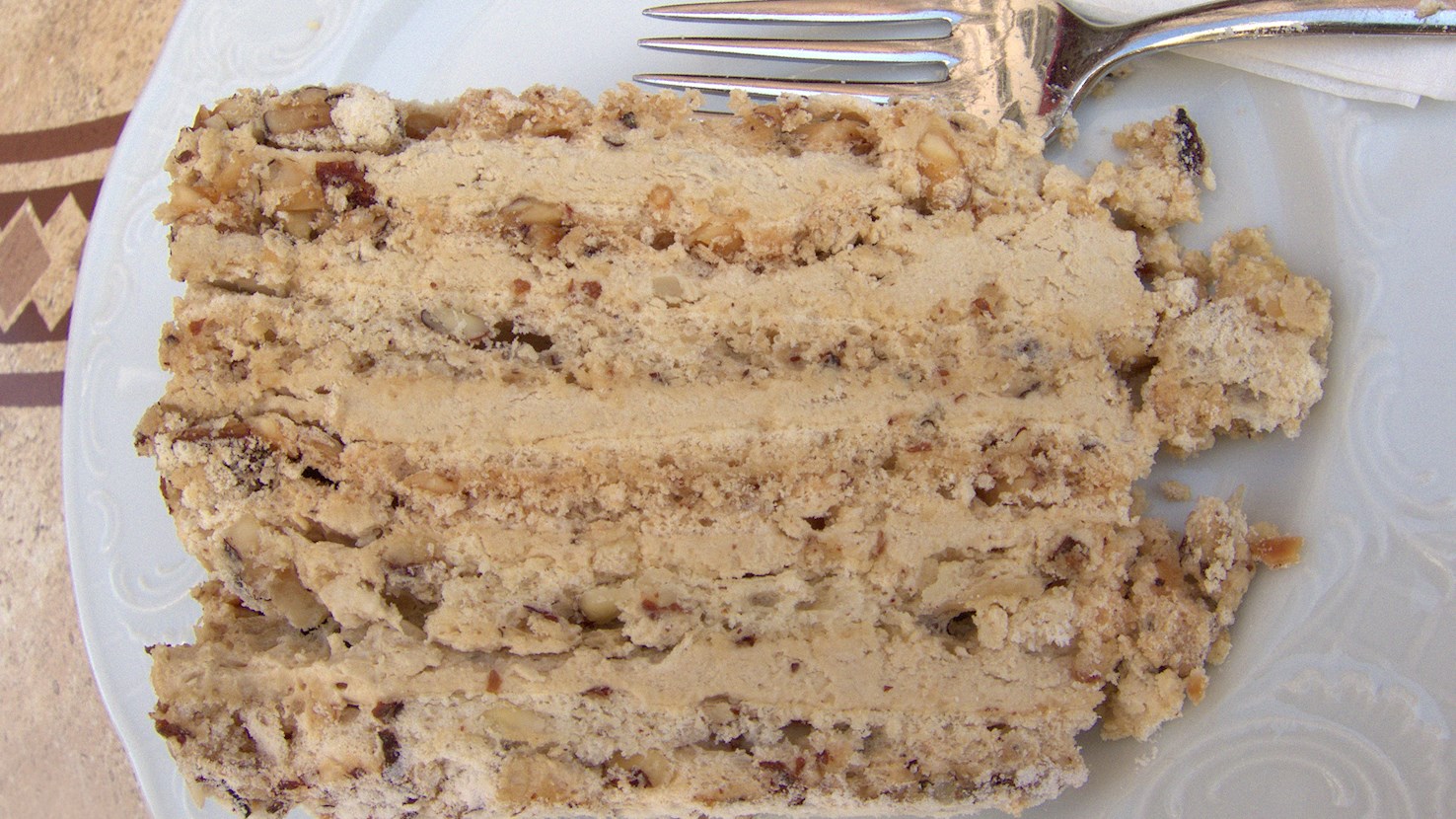
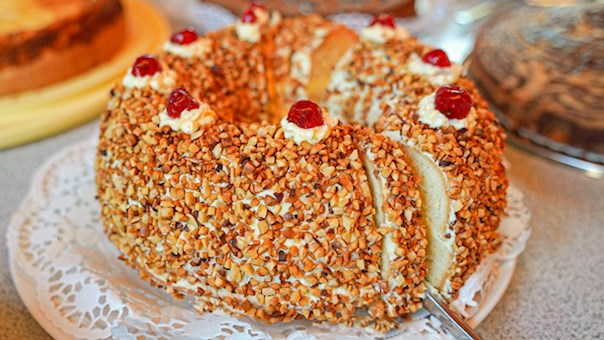
A signature specialty of the Krönner Confectionery and Café, Agnes Bernauer torte is a Bavarian almond meringue layer cake filled with coffee buttercream. The cake is comprised of several light and airy almond meringue discs that are layered with coffee buttercream filling and roasted almond flakes, then finished off with a thin layer of cream coating and some more roasted almonds on top. This original delicacy was created to honor a young lady called Agnes Bernauer, Duke Albert III of Bavaria’s beloved one, who was condemned to death by drowning in the Danube River by Albert’s father, Duke Ernst. Apart from this special dessert, the tragic history of Agnes Bernauer had also been the inspiration of renowned Friedrich Hebbel’s eponymous tragedy, as well as Carl Orff’s folk musical Die Bernauerin. Mildly sweet and with a nice crunch, this classic sweet treat is available only at the Krönner coffee house located in Straubing and the one in Garmisch-Partenkirchen.
Lübecker marzipantorte is a traditional cake made with a rich combination of marzipan, sponge cake, and often fruit preserves or chocolate. Originating from the city of Lübeck, which is renowned for its high-quality marzipan, this cake is a luxurious dessert that showcases the region's confectionery expertise. The sponge cake layers are typically sandwiched with a generous spread of marzipan and sometimes a layer of jam or mousse to enhance the flavor. The entire cake is usually covered in a smooth layer of marzipan, often decorated with intricate designs or toasted almonds. Lübecker marzipantorte is a popular treat during festive occasions, particularly around Christmas and Easter. Its delicate almond flavor and decadent texture make it a favorite among marzipan lovers.
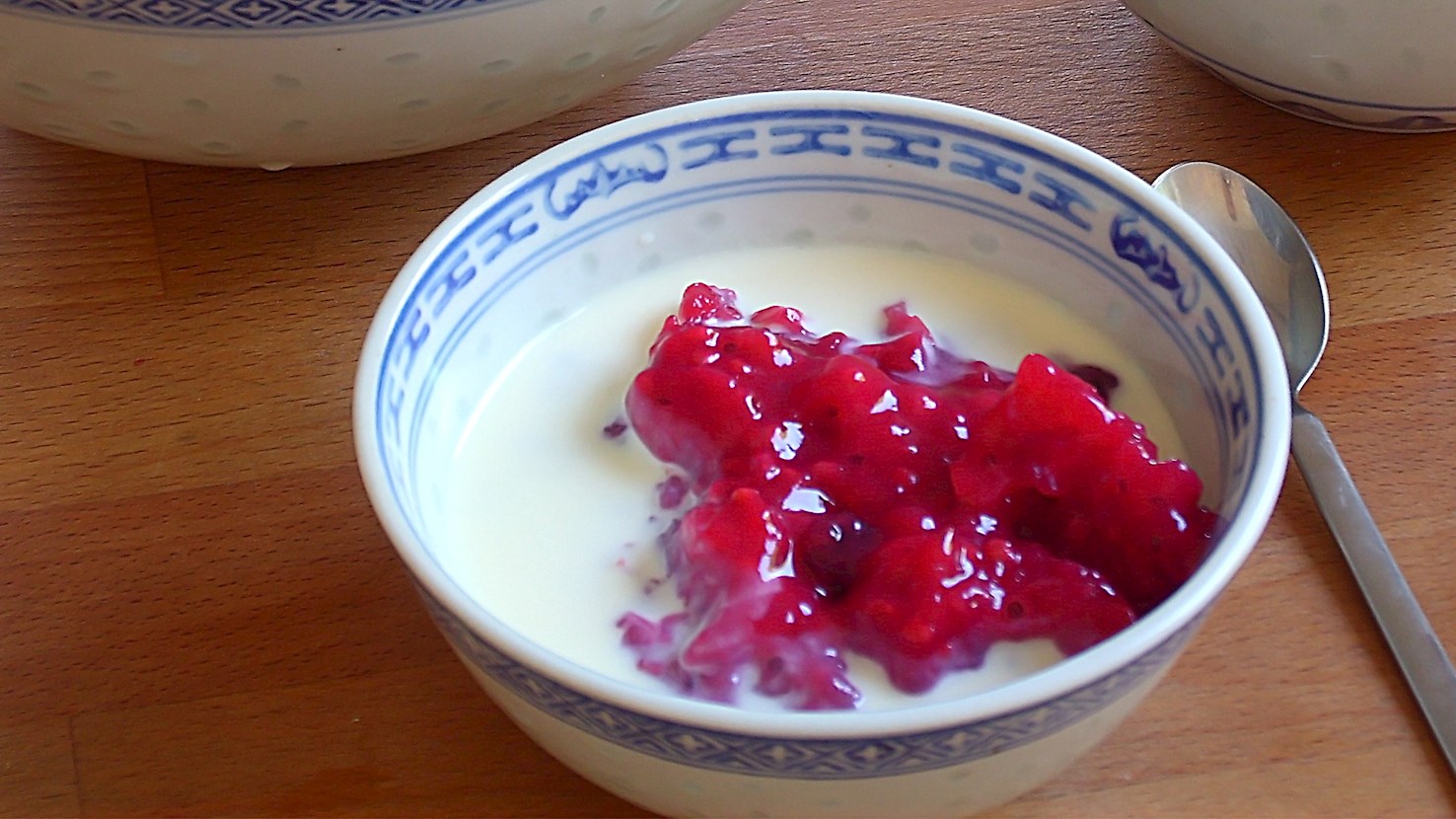
Rote grütze (in Germany) or rødgrød (in Denmark) is a traditional dessert made mainly with redcurrants, which can be combined with other red summer berries such as raspberries, strawberries, blackcurrants, or blackberries. The fruit is mixed and cooked along with sugar and potato starch, hence its gelatinous consistency. Traditionally, the dish was made with cereals and was popular among the lower classes in the Middle Ages. Nowadays, semolina or sago are sometimes used in the preparation of this dessert. Rote grütze is served hot or cold, with milk, vanilla sauce, ice-cream, whipped-cream, or custard.
TasteAtlas food rankings are based on the ratings of the TasteAtlas audience, with a series of mechanisms that recognize real users and that ignore bot,
nationalist or local patriotic ratings, and give additional value to the ratings of users that the system recognizes as knowledgeable.
For the “35 Worst Rated German Desserts” list until September 15, 2026, 4,291 ratings were recorded, of which 3,671 were recognized by the system as legitimate.
TasteAtlas Rankings should not be seen as the final global conclusion about food. Their purpose is to promote excellent local foods,
instill pride in traditional dishes, and arouse curiosity about dishes you haven’t tried.





What People Say