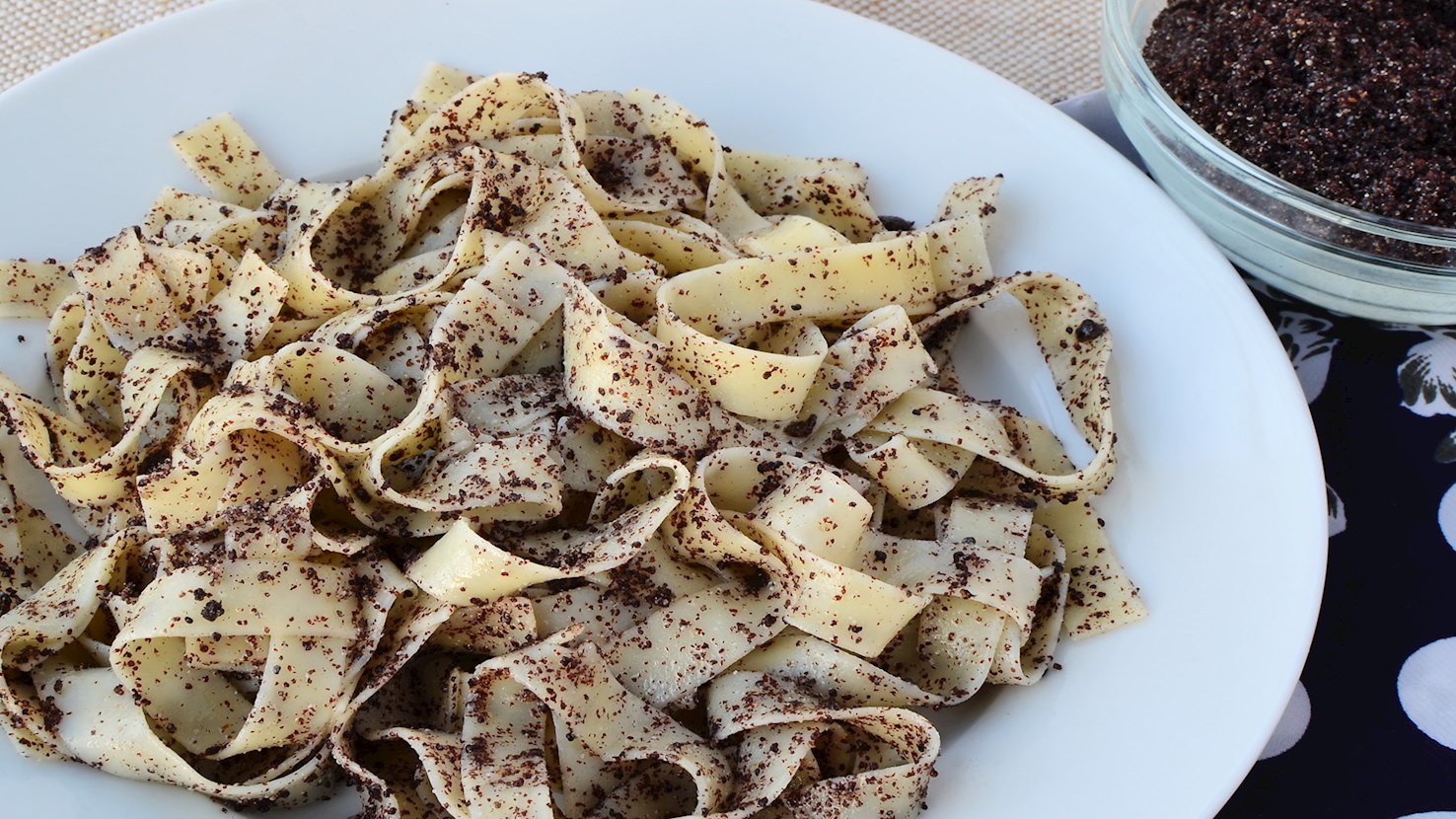
The simple and nutritious nudle s mákem is a dish consisting of wide, thin wheat pasta that is doused in copious amounts of melted butter, and then dusted with poppy seeds and sugar. Once considered a rich and luscious meal, today it represents a frugal, but a beloved dish that is enjoyed as a sweet main course or a filling dessert. Even though it is usually associated with the Czech Republic, the exact origin of the dish is still unknown, while similar varieties are found in many Central and Eastern European countries under various names. In Austria, a similar dish is known as mohnnudeln, prepared with thick and short potato noodles, while the Serbian version from Vojvodina is called rezanci s makom.
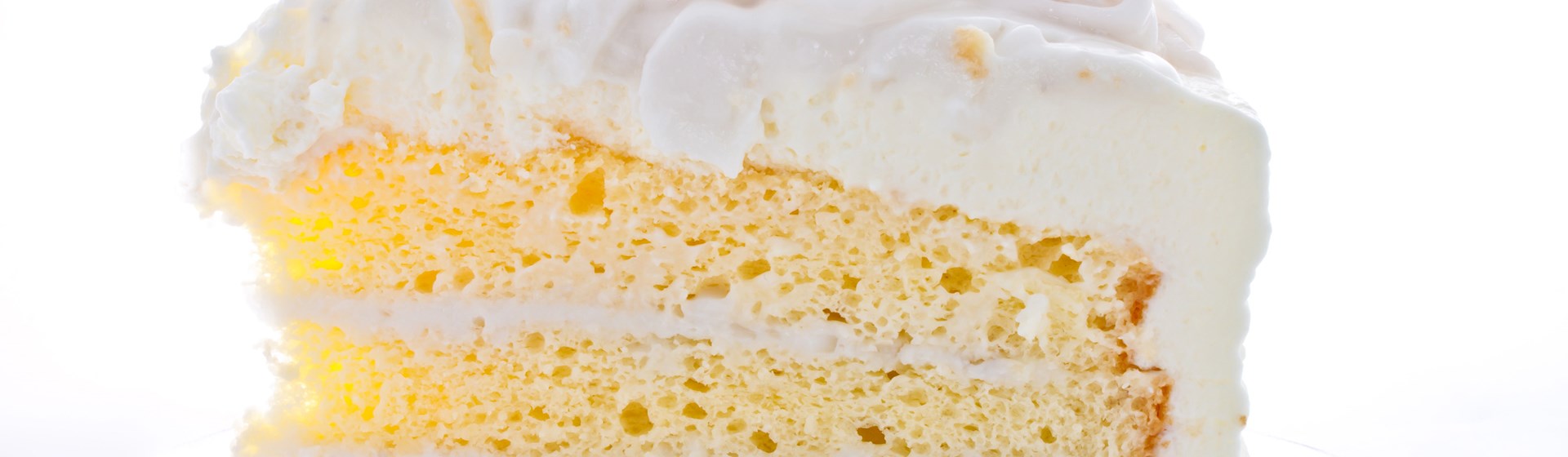
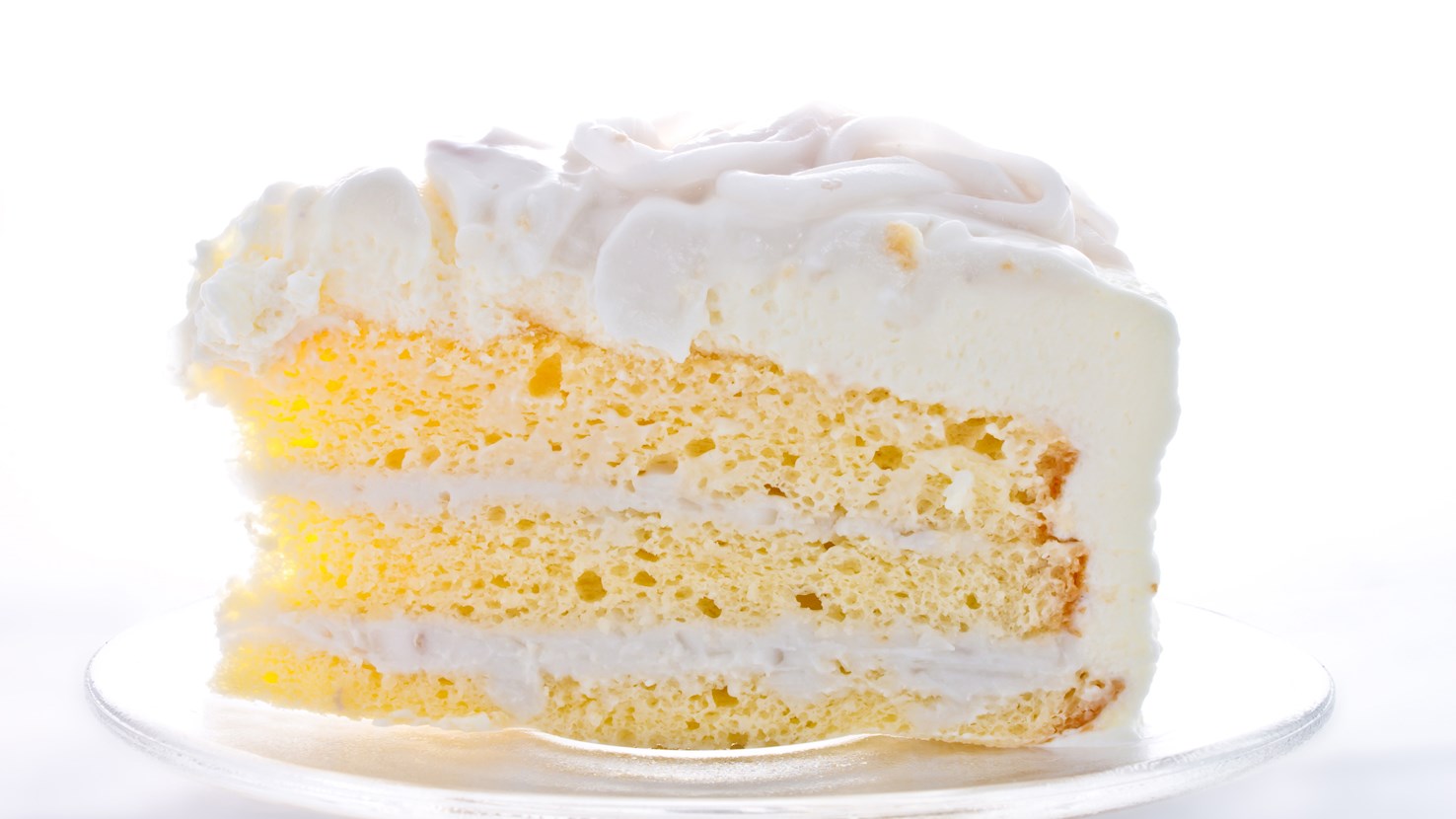
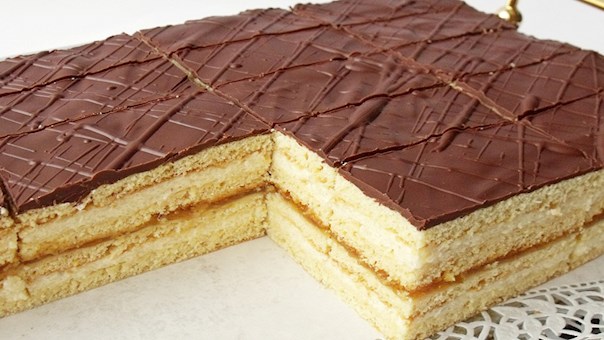
This classic Hungarian dessert – translated as Russian cream cake – is believed to have been invented by a renowned pastry chef at the famed Oroszi Kávéház—Russian Coffee House—in Budapest. The cake is assembled out of multiple sponge layers and vanilla-infused cream that is dotted with rum-soaked raisins. Although rich and lavishly decorated with whipped cream, the cake is characterized by its light texture and refreshing flavor. It is usually enjoyed at traditional Hungarian coffee houses and is best served accompanied by a cup of strong coffee.
Gesztenye szelet is a traditional cake originating from Hungary, where it's a coffeehouse staple. The cake is usually made with a combination of chestnut purée, eggs, sugar, vanilla extract, flour, salt, brandy, heavy cream, and dark chocolate. The eggs are mixed with sugar over a pot of simmering water until it's tripled in volume, light, and fluffy. Chestnut purée, vanilla, salt, and flour are folded in, and the batter is spread evenly in a greased baking pan. The cake is baked until golden, and then left to cool. It's brushed with a syrup consisting of water, sugar, and brandy. The cake is topped with a mixture of chestnut purée, sugar, vanilla, and heavy cream, while dark chocolate is grated over the top. Once chilled, the cake is cut into rectangles and it's ready to be enjoyed.
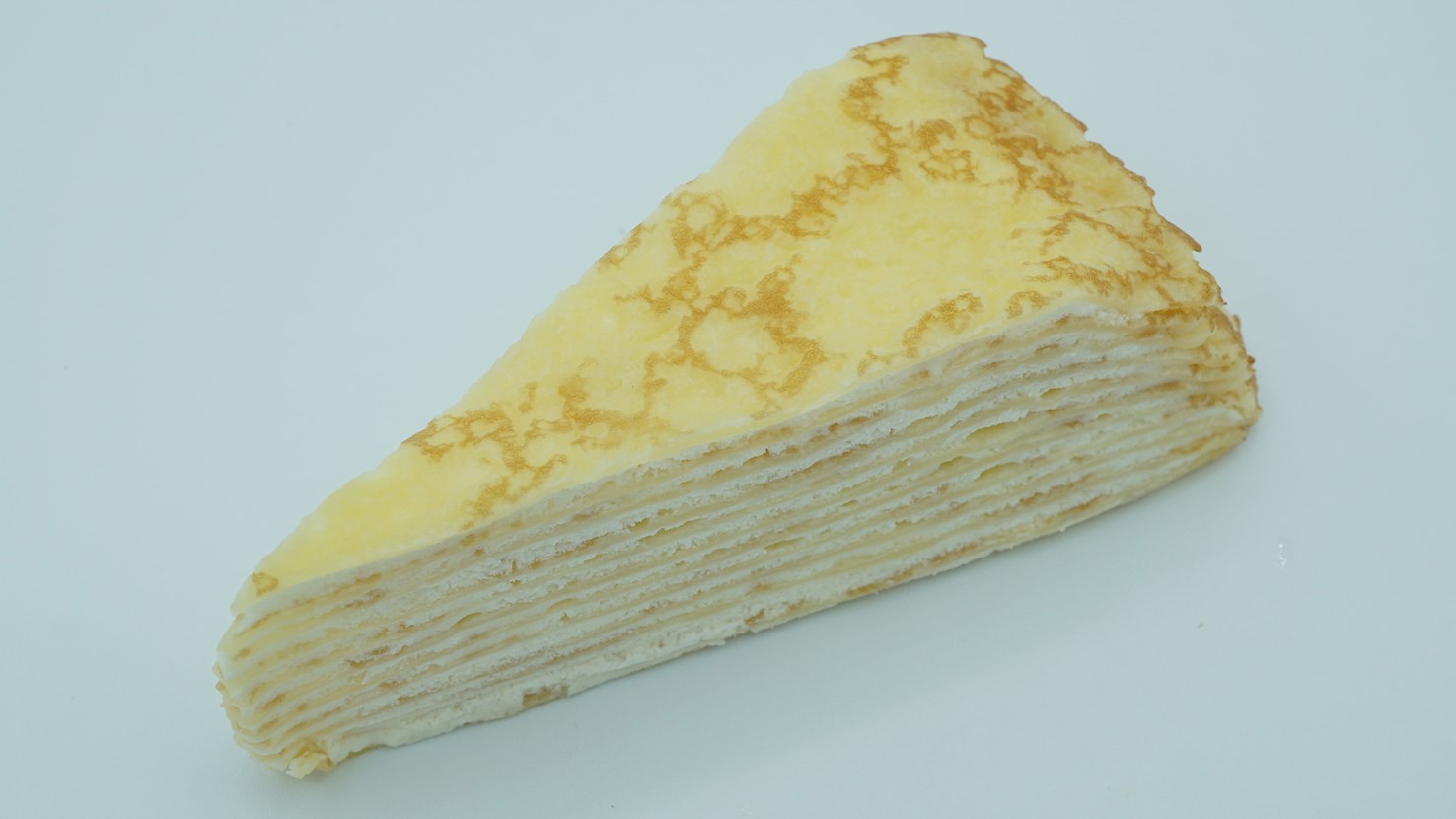
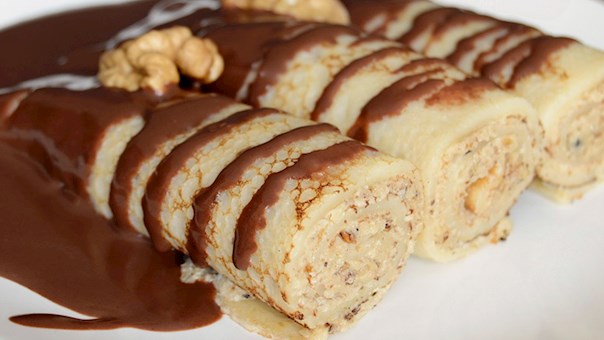
Rakott palacsinta is a dessert made by stacking thin pancakes with sweet fillings between the layers and baking the whole stack until warm and lightly golden. The name simply means “layered pancakes.” The dessert belongs to Hungary’s long tradition of palacsinta, the thin pancakes found throughout Central Europe. Hungarian palacsinta are similar to French crêpes but are usually slightly more tender and are commonly made with flour, eggs, milk, and sparkling or soda water. The carbonated water helps produce a light batter and thin, flexible pancakes. To make rakott palacsinta, the batter is cooked one pancake at a time in a lightly greased frying pan. The pancakes should be thin and soft rather than crisp, since they need to remain flexible enough to form an even stack. A classic version uses several different fillings. Ground walnuts mixed with sugar form one layer, while others may contain apricot jam, sweetened túró—Hungarian fresh curd cheese—and sometimes ground poppy seeds. The túró filling is often flavored with vanilla, lemon zest, and raisins. These fillings are spread thinly so that the finished dessert remains balanced rather than becoming excessively heavy. The pancakes are stacked in a buttered ovenproof dish, with a different filling spread between each layer. The process continues until a tall, compact cake has formed. The uppermost pancake is usually left plain. Many traditional-style versions are finished with a layer of sweetened beaten egg whites. The assembled stack is baked until heated through, and the topping becomes lightly golden. Some recipes instead use a mixture containing egg yolks and sour cream beneath the meringue, which adds moisture and richness to the finished dessert. After baking, rakott palacsinta rests briefly so the layers settle and the cake cuts cleanly. Sometimes, it can be covered with melted chocolate. It is then sliced into wedges and served warm or lukewarm, often with a light dusting of powdered sugar. The finished dessert should remain soft and moist rather than dry. The thin pancakes absorb some of the moisture from the jam and cheese, while the walnuts and poppy seeds add texture. Apricot jam provides acidity that balances the richer fillings. There are numerous household versions, and the exact order and choice of fillings can change. Still, the traditional idea remains the same: thin Hungarian pancakes are layered with fillings such as walnuts, jam, and sweetened túró, then baked together as a single cake.
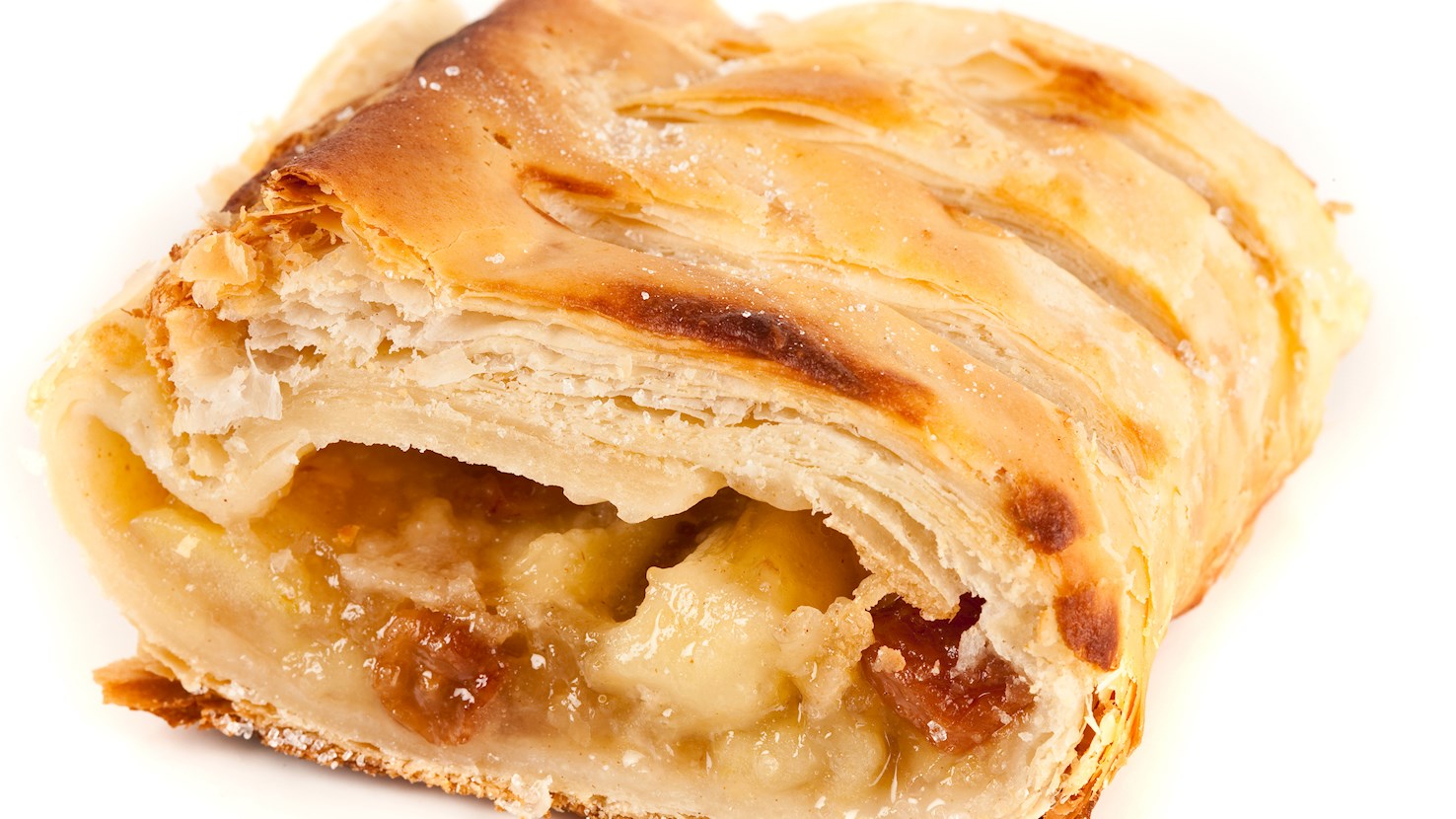
Soproni mandulás rétes is a variety of a traditional Hungarian strudel that is considered a specialty of Sopron cuisine. It typically consists of a thin pastry dough that's been filled with a fruit preserve or jam and almond cream (similar to frangipane) before it's baked until nicely colored and crispy. According to the traditional recipe from Cuisine of Hungary, a cookbook written by the famous restaurateur and cookbook writer George Lang, this sweet delicacy is made with strudel dough, melted lard or butter, raspberry or strawberry jam, ground almonds, sugar, and eggs. Once baked, the strudel is usually enjoyed while it's still warm, and it's traditionally dusted with powdered sugar. There's a similar strudel variety mentioned in another traditional Hungarian cookbook called A magyarok asztalánál, but this version calls for accompanying the dessert with a rum crème anglaise.
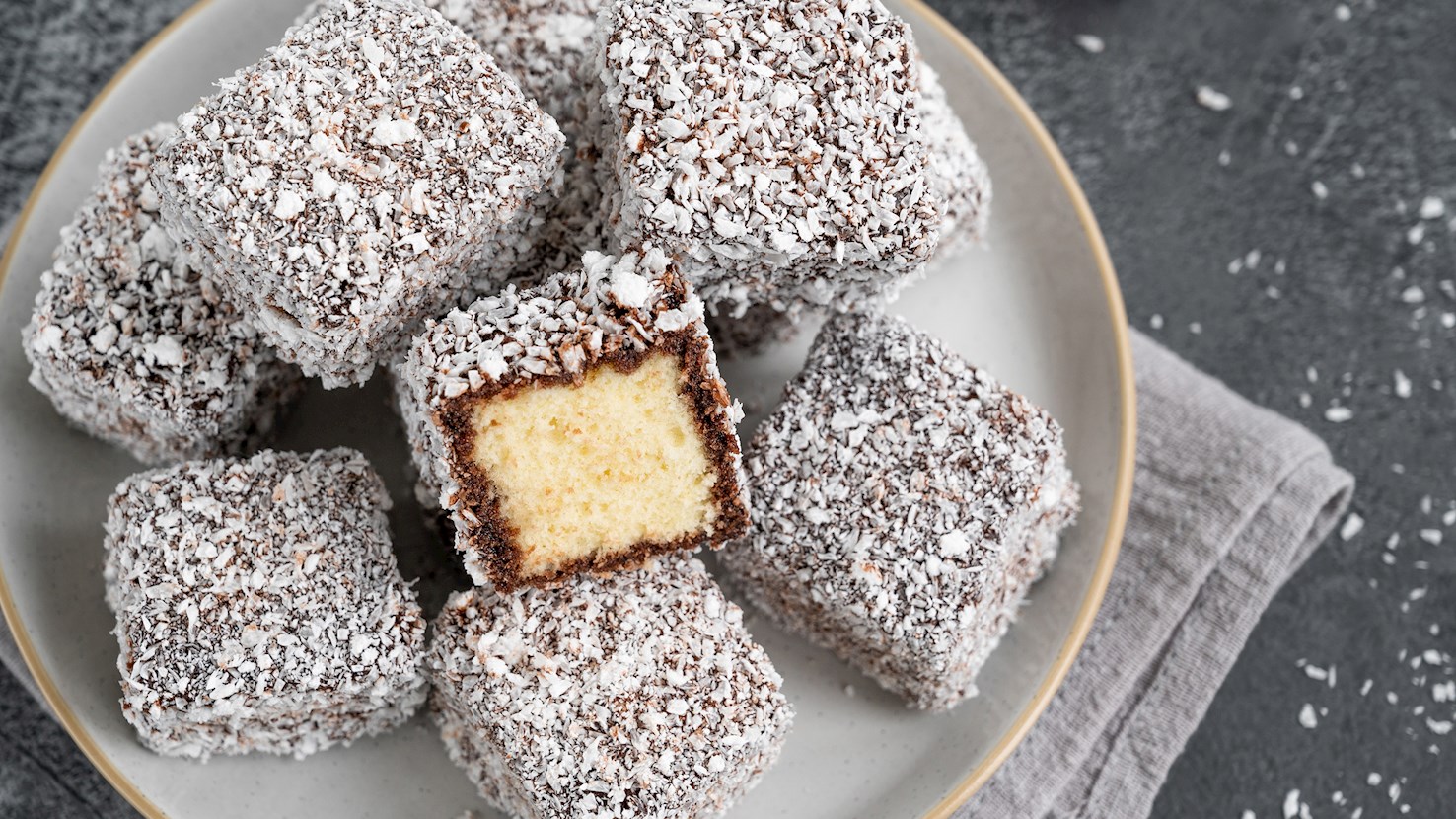
Čupavci are traditional Croatian cakes that are also popular in Poland, Slovakia, Hungary, and throughout the Balkans under different names. They consist of a sponge cake that is dipped in chocolate and sprinkled with finely desiccated coconut. Čupavci are extremely popular due to their climate suitability as they don't dry out when cut into bite-sized squares and covered in coconut. A very similar cake can also be found in Australia and New Zealand in many supermarkets, cafés, and bakeries, and it's known as lamington, but this variety is often made with a layer of fruit jam, unlike its European counterpart. In Croatia, čupavci are a Christmas staple. In Slovakia, the cake is called kokosové ježe, in Poland it's known as kostka kokosowa, while the Hungarian name is kókuszkocka.
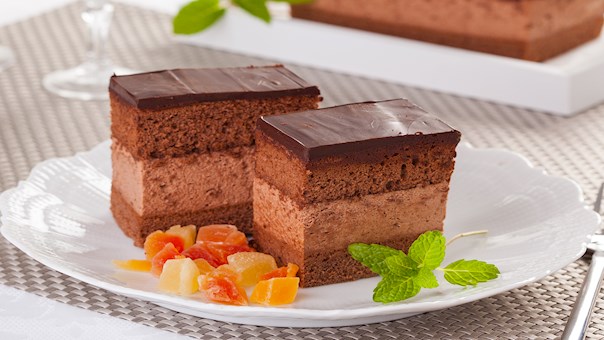
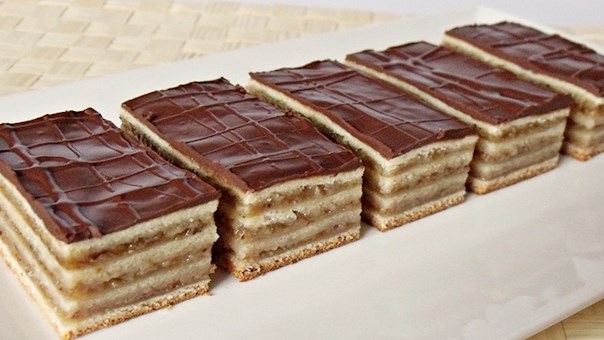
Dios torta is a traditional chocolate sponge cake originating from Hungary. It consists of a walnut sponge and layers of chocolate buttercream. The walnut sponge cake is made with a mixture of eggs, sugar, ground walnuts, baking powder, flour, and lemon zest. The chocolate buttercream is made with a combination of egg yolks, milk, sugar, chocolate, butter, and vanilla. The sponge and the buttercream are layered and stacked, and the cake is then garnished with walnuts and chocolate shavings on top.
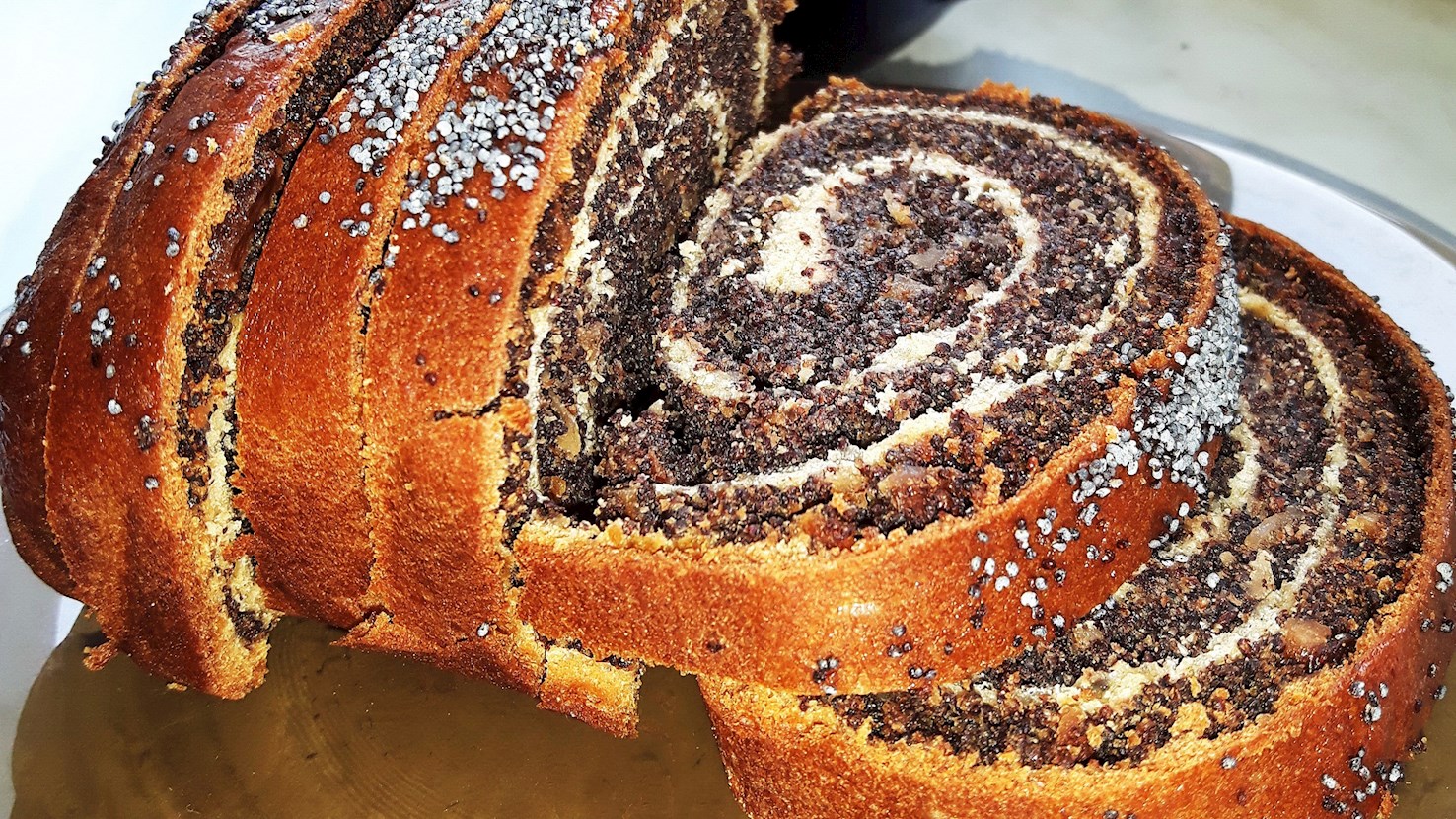
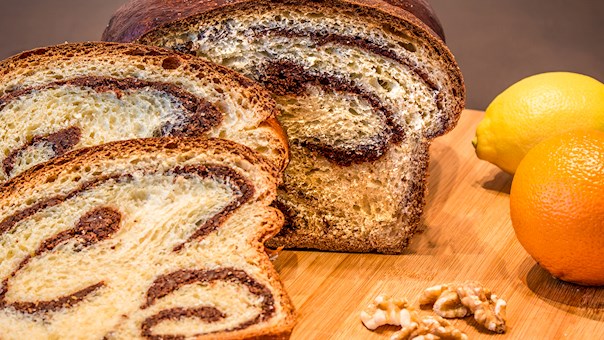
Makowiec is the Polish name for poppy seed roll, a traditional cake where poppy seed paste is placed between layers of dough. Raisins, almonds, honey, and orange peel can be added to the cake in order to enhance its flavors. Ideally, makowiec should not be too sweet. It is characterized by its unique appearance when cut, with the dough and the poppy seed filling winding around each other in a spiral. When served, makowiec is usually dusted with powdered sugar. The cake is often consumed alongside tea or coffee, and it is typically prepared for festivities such as Christmas or other winter holidays. Although it can be found in stores throughout the year, making makowiec is a holiday family tradition. Makowiec can also be found throughout Central Europe, in countries such as Austria, Croatia, the Czech Republic, Germany, Hungary, Slovakia, Slovenia, Romania, and Serbia.
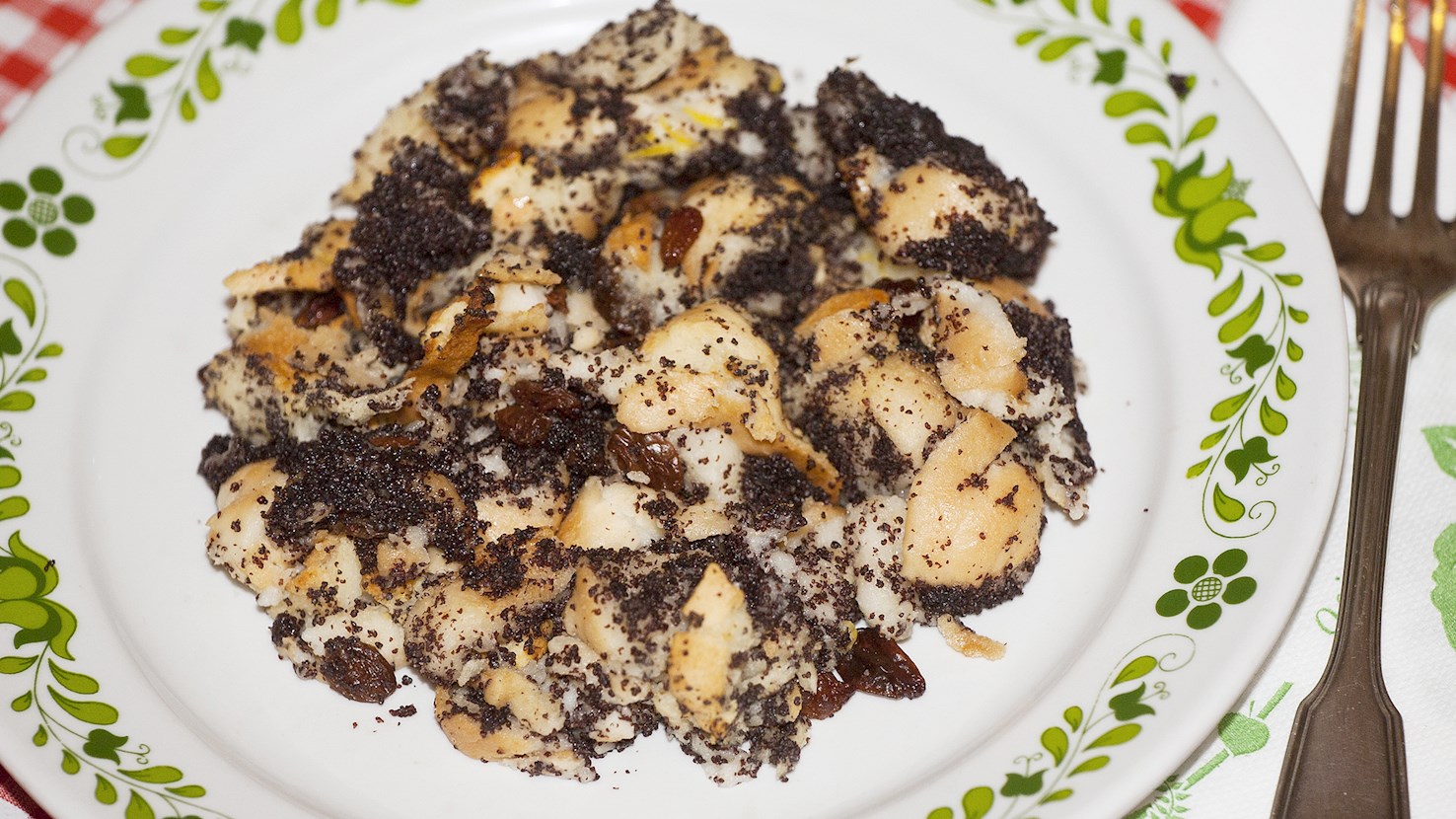
This simple, sweet bread pudding known as mákos guba is one of the most popular Hungarian desserts that was traditionally associated with Christmastime. This layered sweet treat consists of soaked white bread and a creamy mixture of flavored poppy seeds. Nowadays the dish is enjoyed all year round, and it appears in many variations that often incorporate nuts, dry fruit, or sliced apples. Whether it is shortly baked until crispy or served chilled, it is typically drizzled with vanilla custard or dusted with powdered sugar.
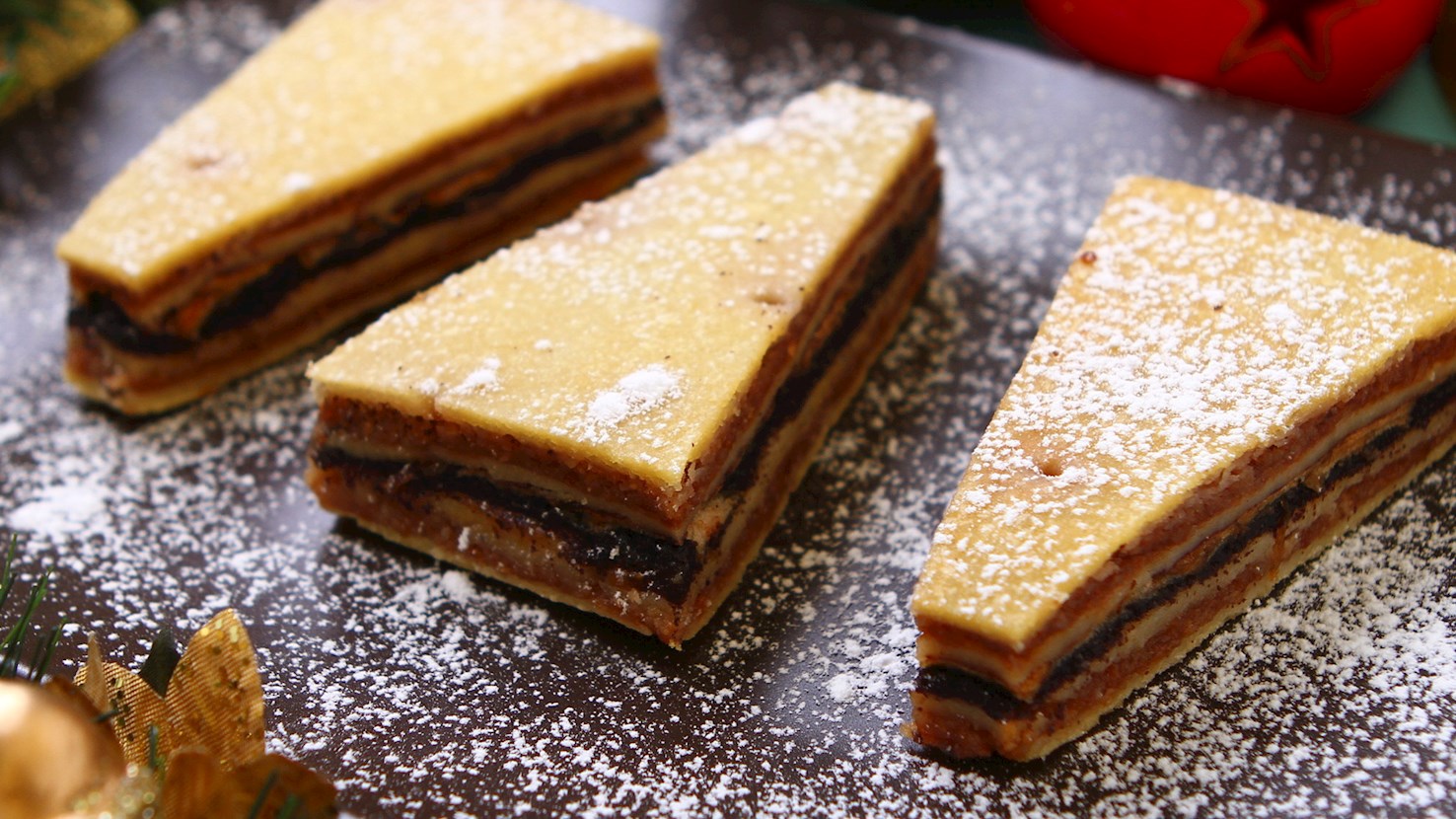
A traditional Hungarian-Jewish dessert known as flódni is a layered cake with walnut, apple, plum jam, and poppyseed fillings. The dough is made with flour, salt, sugar, butter, egg yolks, and white wine, while the fillings are enriched with lemon juice, cinnamon, chocolate, white wine, honey, and cloves. Flódni is especially popular during the festive holiday season – some bake it for Hanukkah or Christmas, while others prepare it for New Year’s Eve.
TasteAtlas food rankings are based on the ratings of the TasteAtlas audience, with a series of mechanisms that recognize real users and that ignore bot,
nationalist or local patriotic ratings, and give additional value to the ratings of users that the system recognizes as knowledgeable.
For the “21 Worst Rated Hungarian Desserts” list until October 16, 2026, 4,440 ratings were recorded, of which 3,337 were recognized by the system as legitimate.
TasteAtlas Rankings should not be seen as the final global conclusion about food. Their purpose is to promote excellent local foods,
instill pride in traditional dishes, and arouse curiosity about dishes you haven’t tried.



What People Say