

shutterstock

41 Worst Rated Japanese Desserts

Last updated on June 16, 2026
01

Uirō

2.3 ·

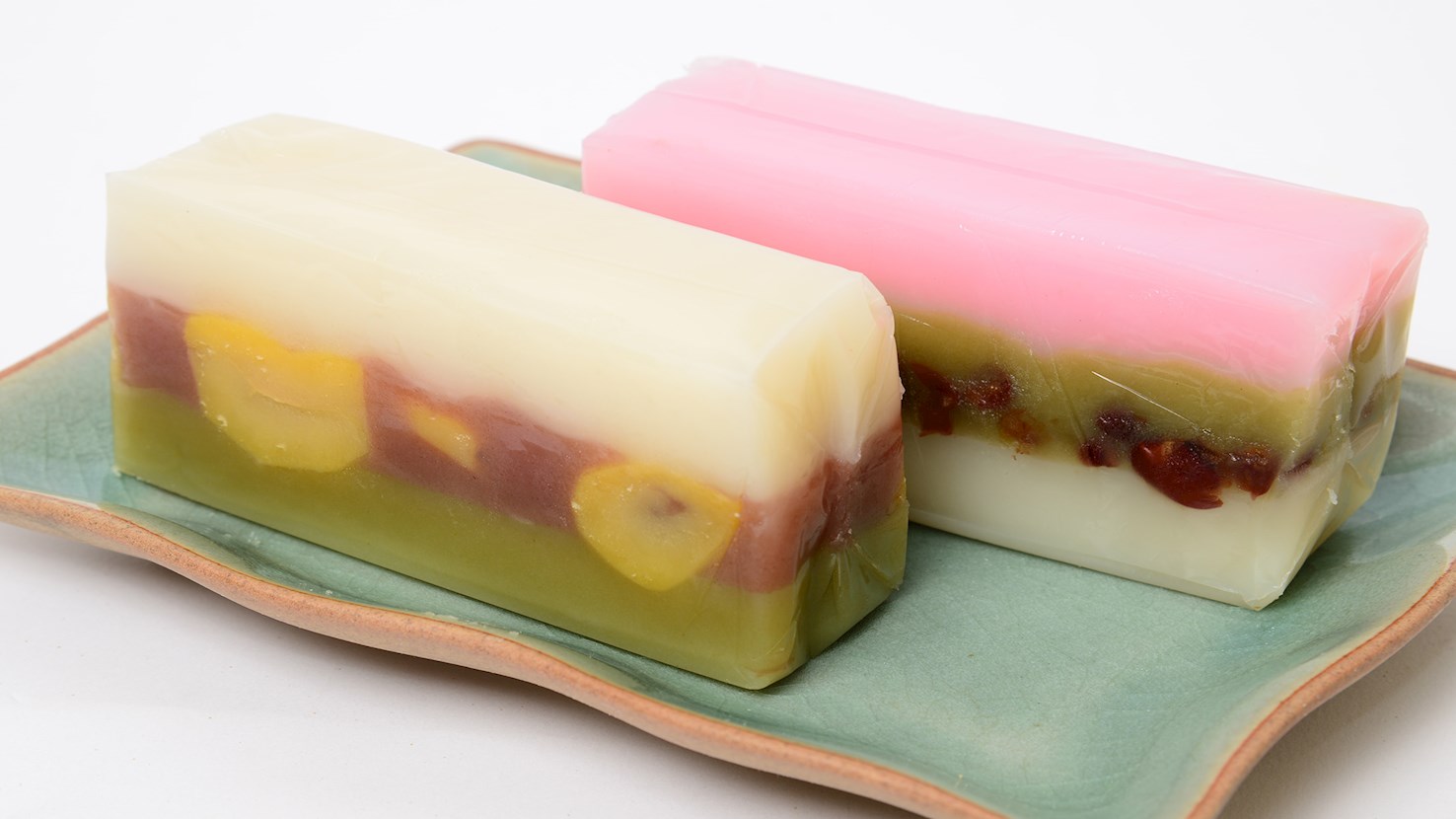
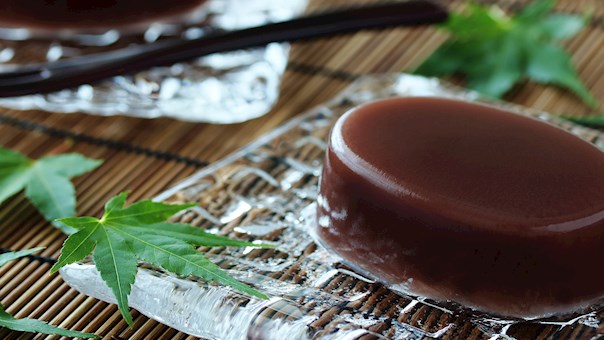
Uirō is a sweet Japanese cake consisting of sugar, rice flour, and water. The cake is traditionally steamed until it develops a chewy texture. It dates back to the 16th century, when it was used as a part of Japanese tea ceremonies, a tradition that is also practiced today. There are a number of variations on the cake, so it can be flavored with ingredients such as matcha, chestnuts, strawberries, or azuki bean paste. Although it's made from the same ingredients as mochi, the method of preparation is different - uirō is poured into a mold and steamed, while mochi is pounded in order to become sticky.

02

Shio daifuku

2.7 ·

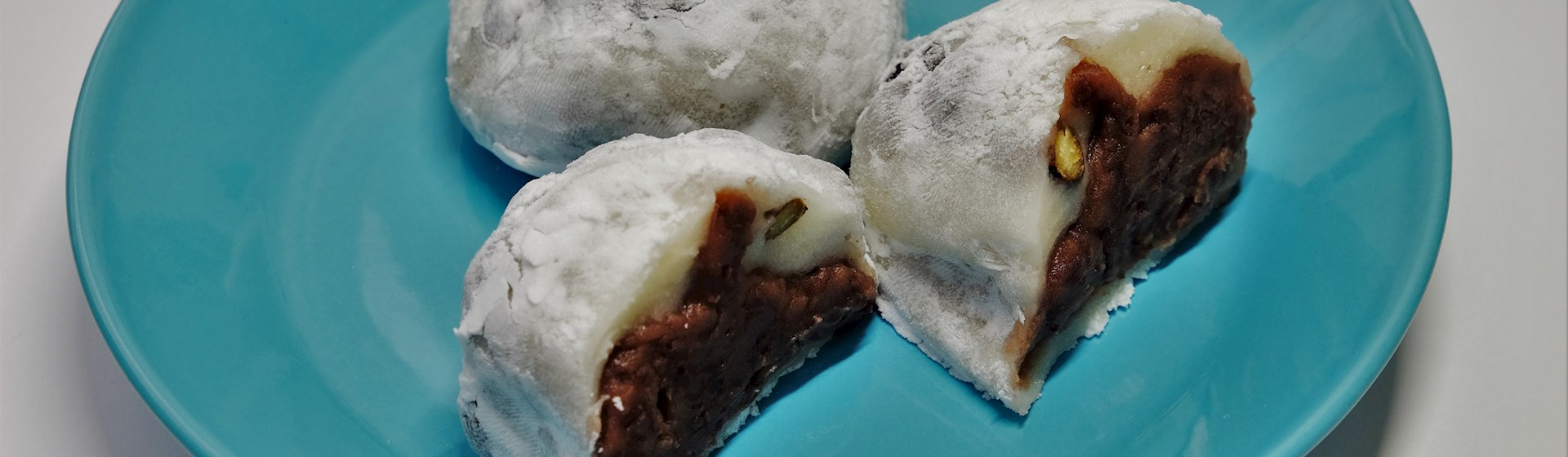
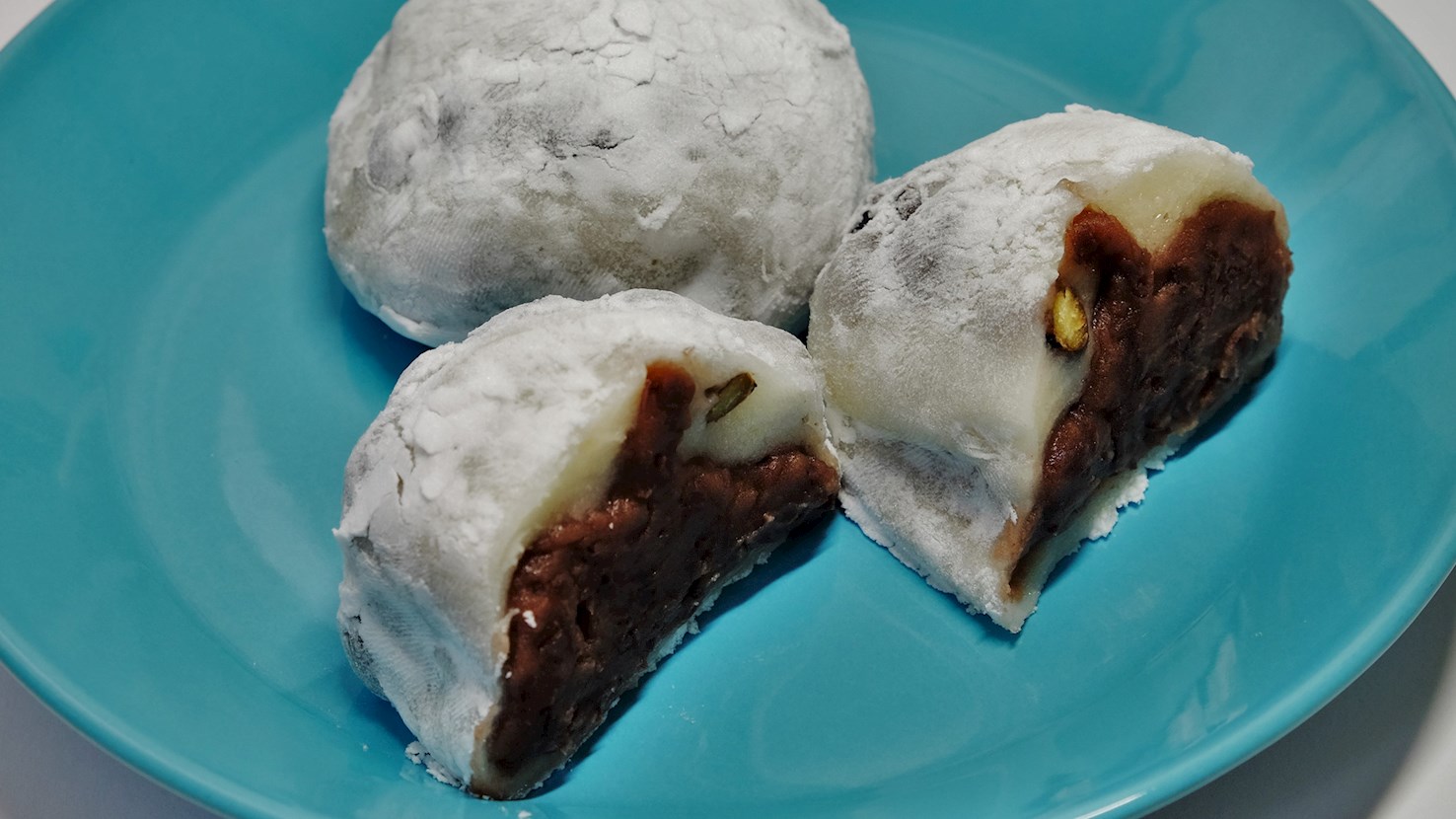
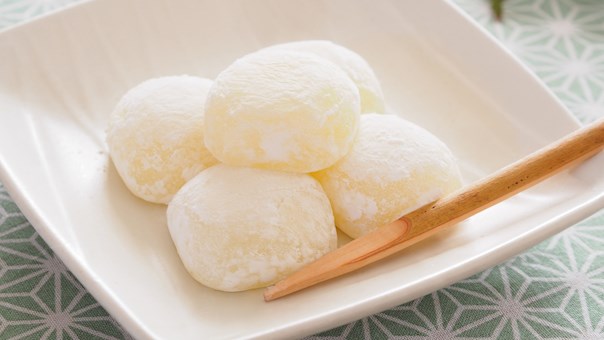
Shio daifuku is a traditional confectionery which consists of chewy mochi shells filled with creamy or coarse anko red bean paste. Unlike other daifuku varieties, the red bean paste in shio daifuku is lightly salted, which results in an unusual combination of sweet and savory flavors. They are usually round, and occasionally whole black beans are incorporated in the mochi wrapper. These soft cakes are a staple at many specialized daifuku shops, but they can also be commonly found in many stores and supermarkets throughout the country.

Best restaurants
03

Honey toast

2.7 ·

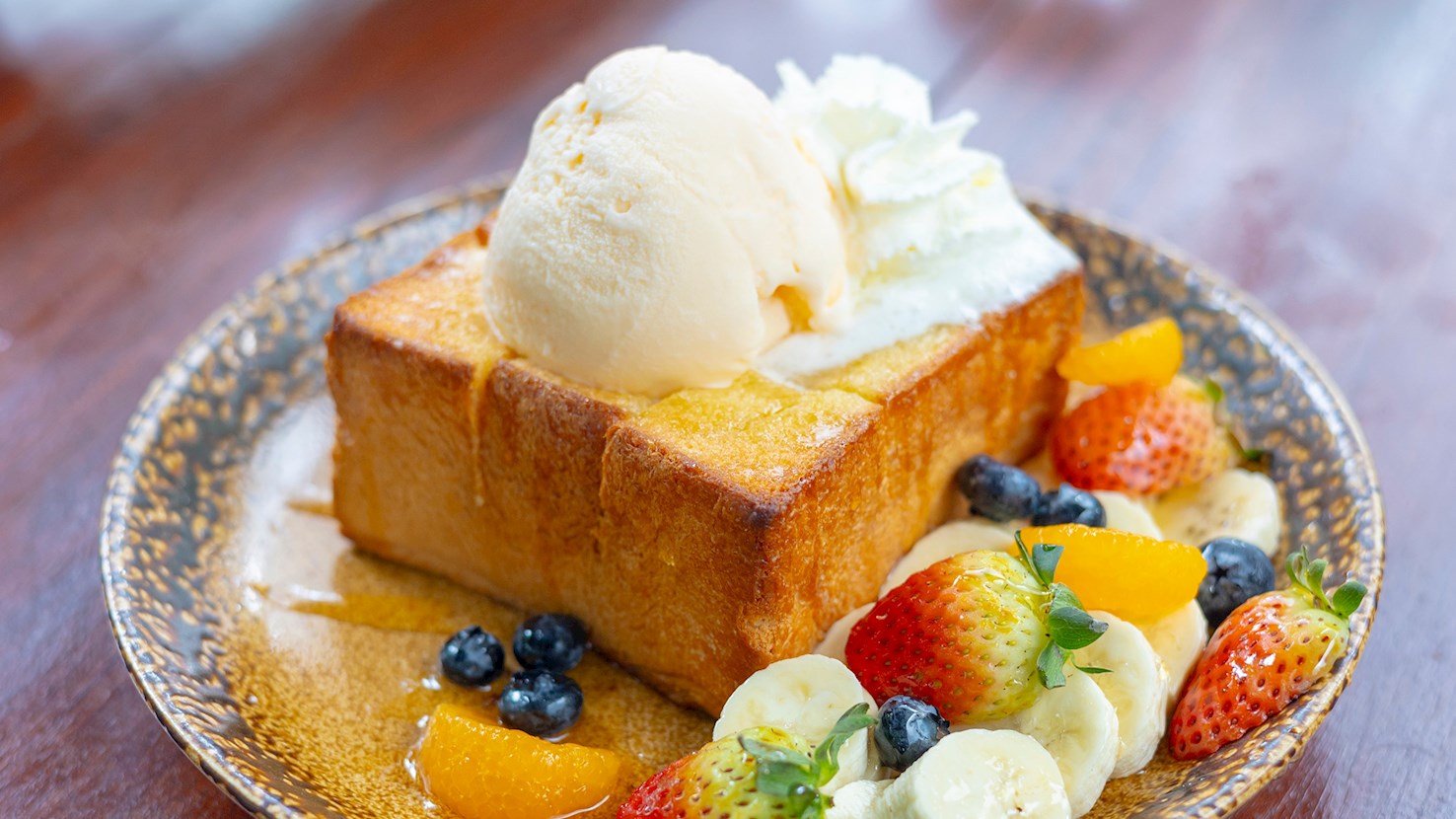
Honey toast, also known as Shibuya toast, is a decadent dessert originating in Japan, particularly in Tokyo's Shibuya district, whose distinct feature is thick slices of bread, typically shokupan, either cut halfway through without being hollowed out or hollowed out to form a box. If not hollowed out, the bread is spread with butter and honey and then baked under a broiler. If hollowed out, the removed bread is cubed, toasted, coated with honey or butter, then placed back into the hollowed bread. It's topped with drizzled chocolate or ice cream, but honey or syrup, whipped cream, fresh fruits like strawberries or bananas, and sometimes nuts or chocolate chips can also be used. In cafes across Japan, Tawain, and Singapore, honey toast is usually prepared in the form of a honey toast box, meaning it usually consists of half a loaf of bread, meant as a dessert to be shared, not eaten alone.

04

Amanattō

2.8 ·

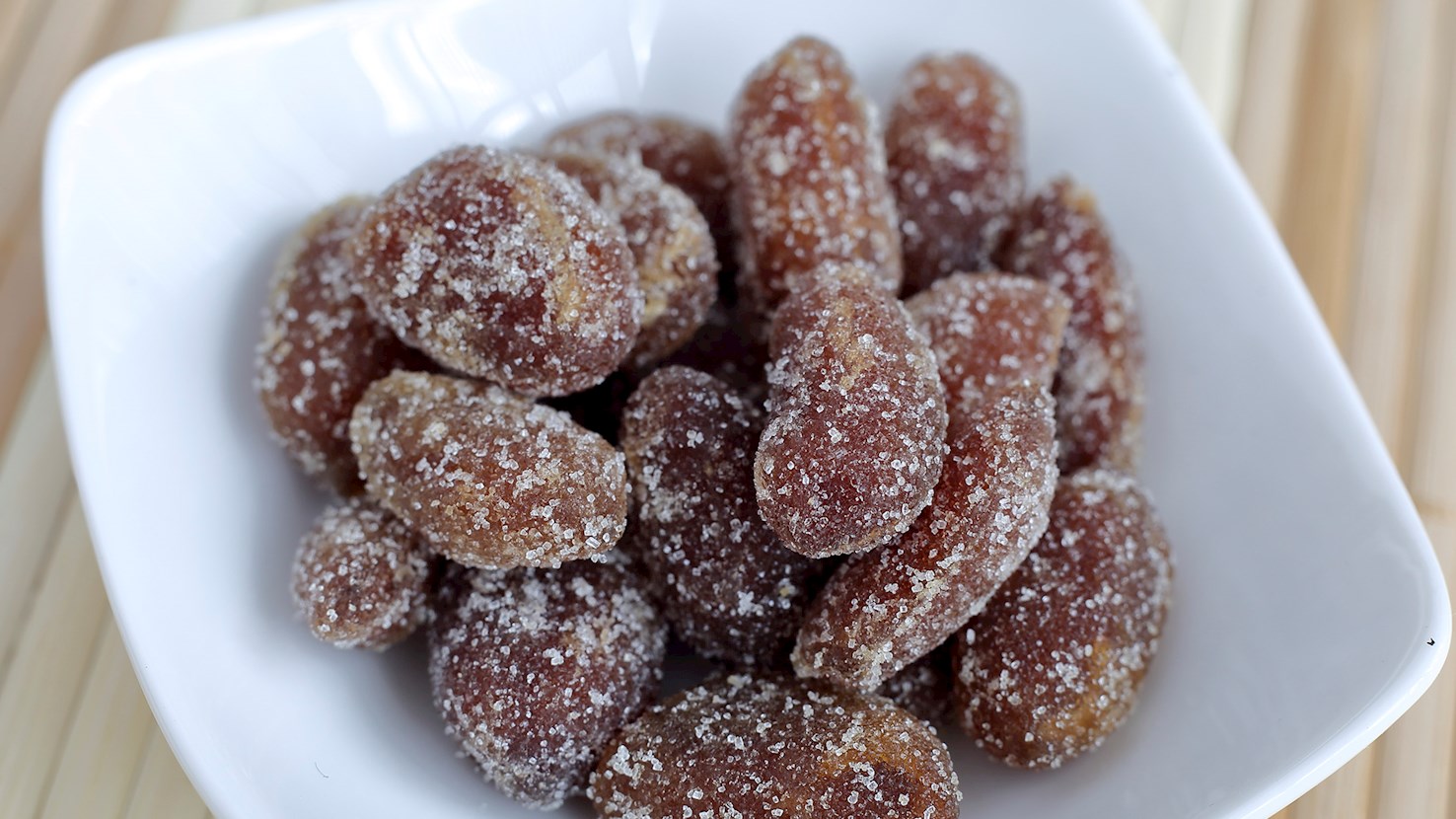
Amanattō is a traditional dry dessert consisting of boiled beans (usually azuki or black soybeans), sugar, and sugar syrup. It is believed that the dessert originated in the early 1860s, when sugar became available in Japan for the first time. The first amanattō was invented by Hosoda Yasubei, who opened a wagashi store in Tokyo shortly after. He used azuki beans, sasage cowpeas, and soramame green beans to make the first amanattō. Today, amanattō is extremely popular in Japan, especially among the older generations, since it is regularly served with tea in numerous Japanese retirement homes. In Hokkaido, amanattō is often used in cooking sekihan red rice during the festival season, and that is the main reason that the red rice of Hokkaido is slightly sweet.

05

Hishi mochi

2.8 ·

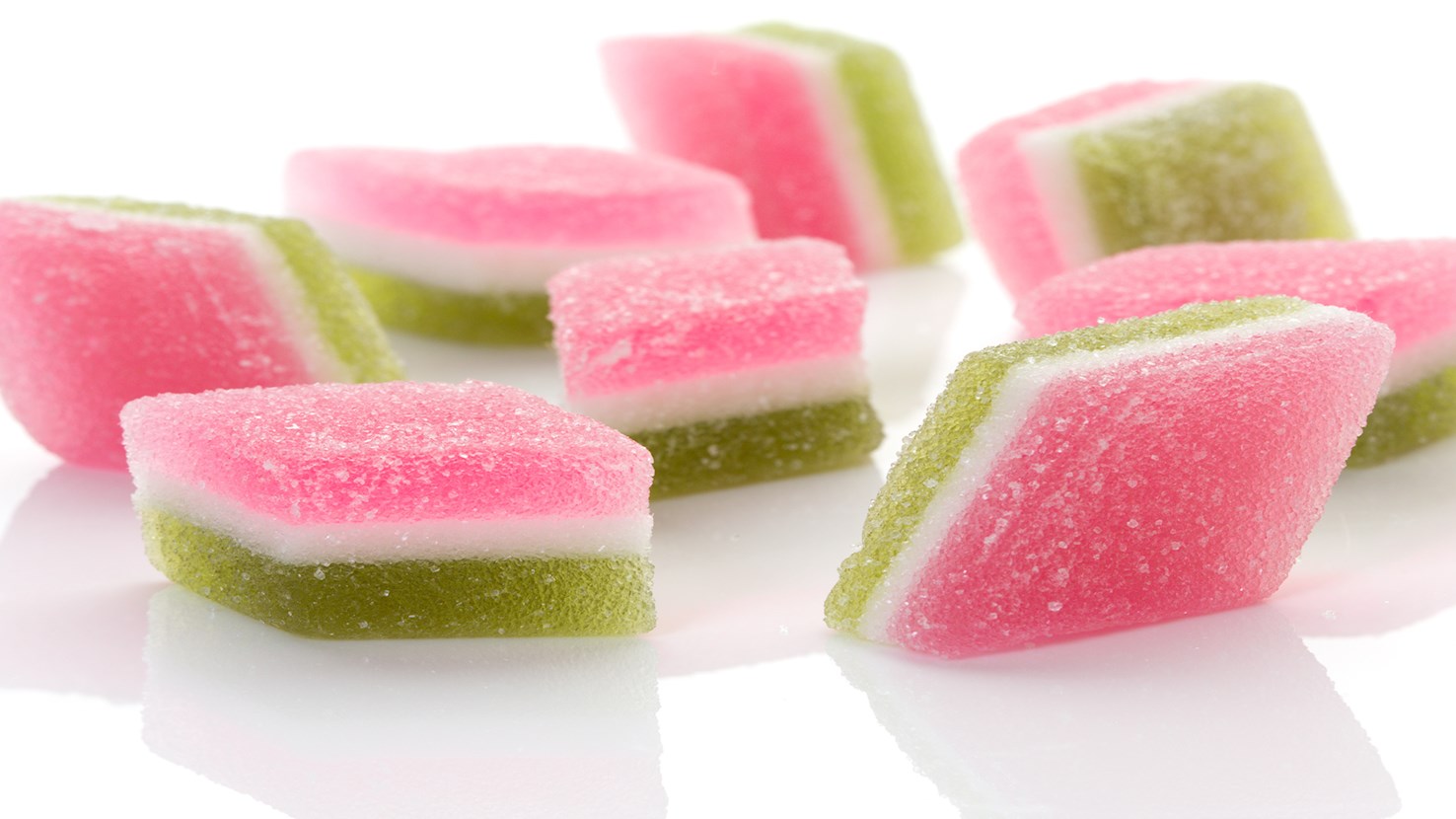
Hishi mochi is a diamond-shaped Japanese treat made with glutinous mochi base. It usually consists of three different layers: the jasmine-flavored pink layer, the plain white layer infused with water chestnuts, and the bottom green layer flavored with mugwort. Hishi mochi is a highly symbolic festive treat which is usually associated with Girl’s Day, a traditional Japanese holiday which celebrates the success and prosperity of young girls.

06

Bocchan dango

2.9 ·

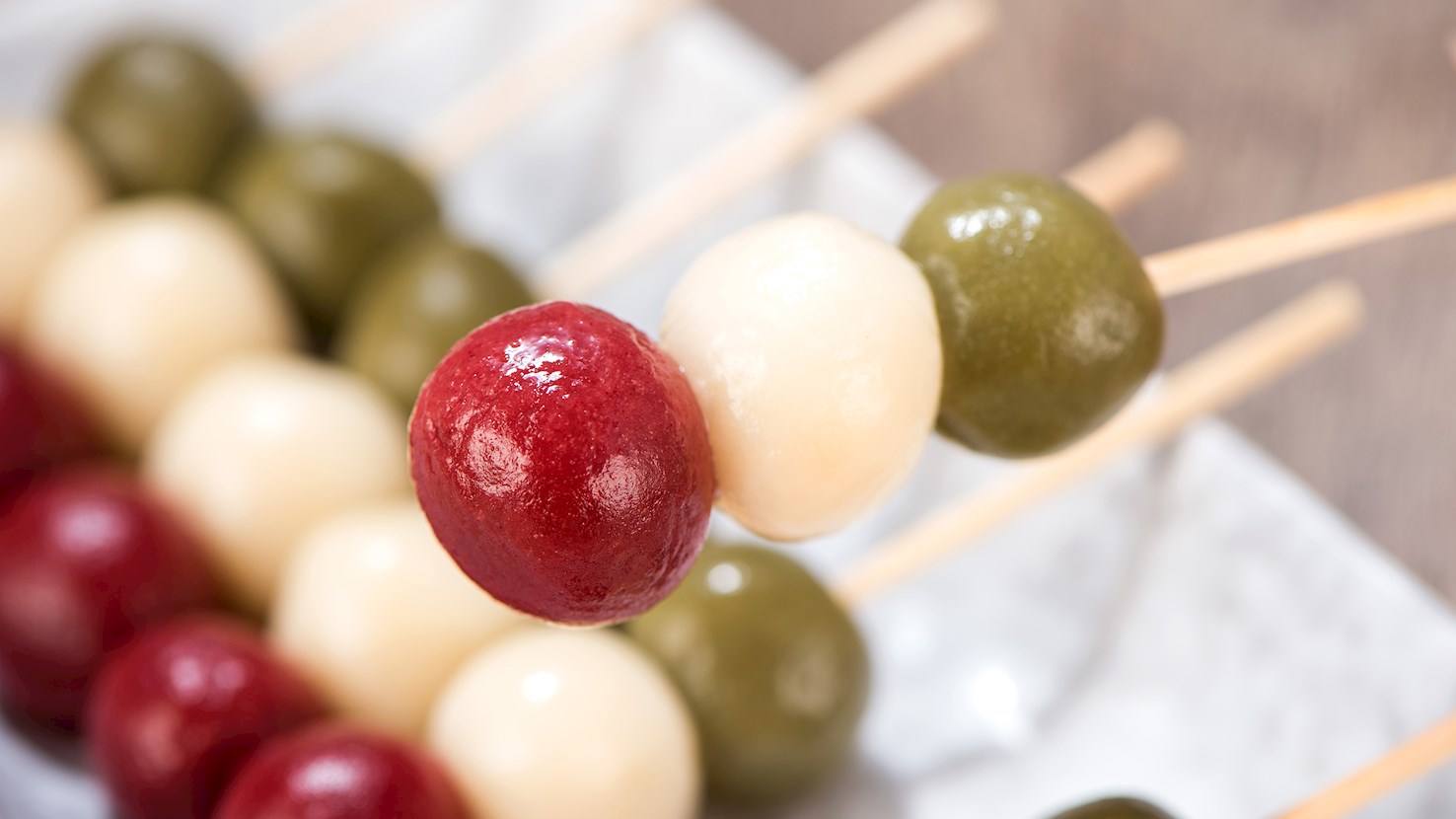
Bocchan dango is a multi-colored variety of popular Japanese dango sweets. It consists of three balls on a skewer, each one with a different color – red, prepared with red bean paste, yellow, prepared with eggs, and green, prepared with green tea. This dango variety is often associated with the city of Matsuyama, because the sweet treat appears in Natsume Soseki’s 1906 novel Botchan. In the novel, the eponymous hero is a Tokyo academic who is posted to a school in Matsuyama, and he finds great solace in this dessert that now bears his name.

07

Mizu manjū

2.9 ·

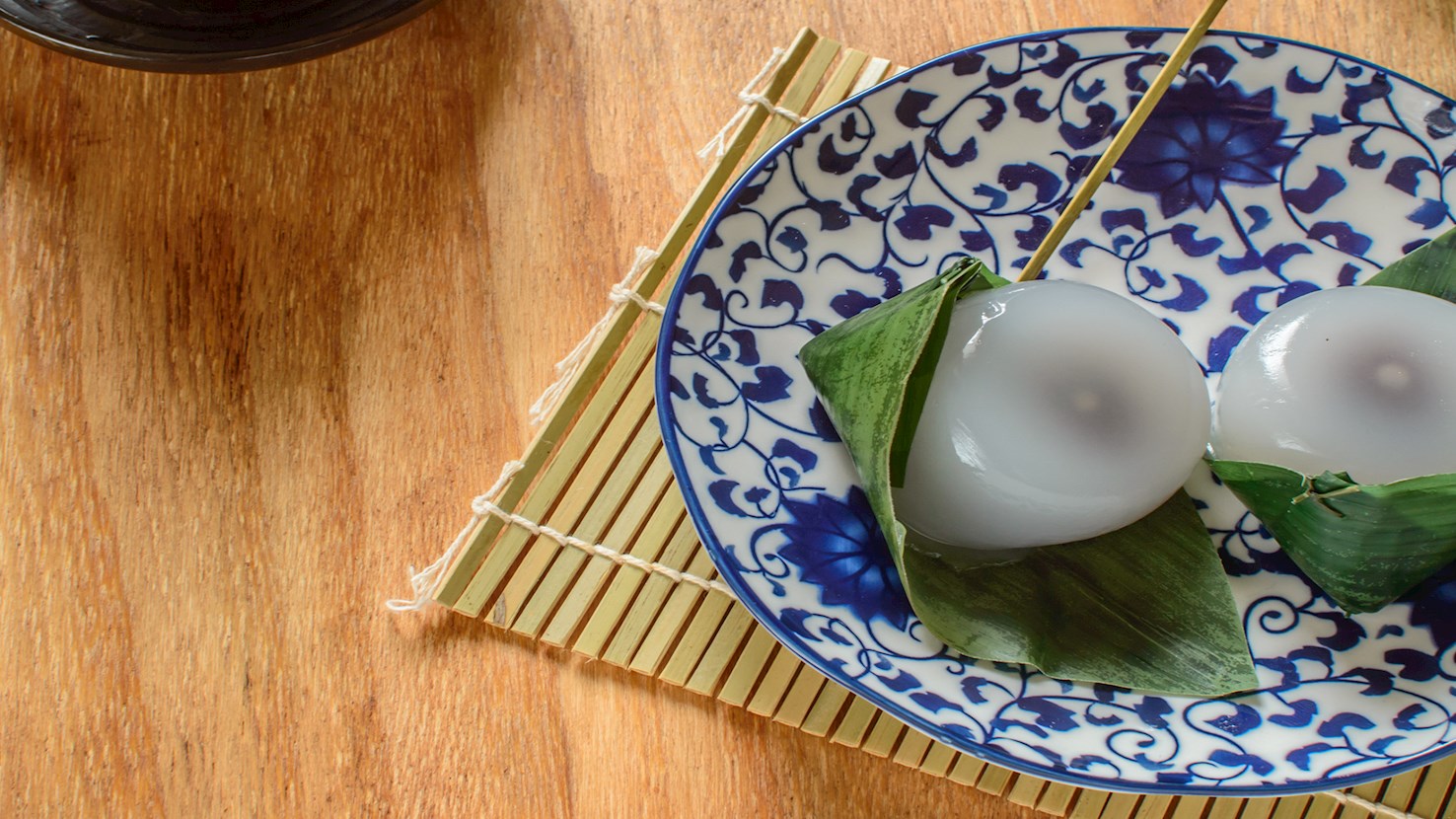
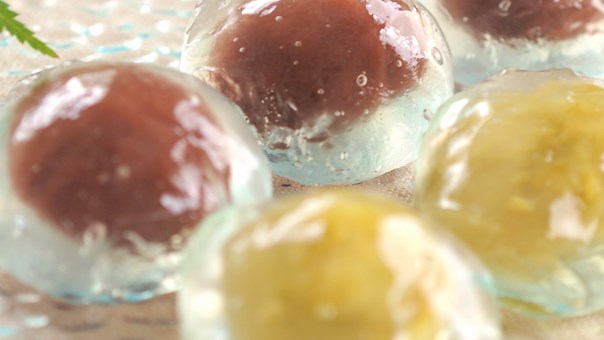
Mizu manjū is a unique Japanese confectionery made with the starchy kuzuko powder. The mixture of sugar, water, and kuzuko creates an almost transparent treat with a jelly-like consistency. Traditionally, sweetened red bean paste is used as a filling, but today mizu manjū appears in numerous variations. This light, watery dessert is usually enjoyed as a refreshing summer treat.

08

Rakugan

2.9 ·

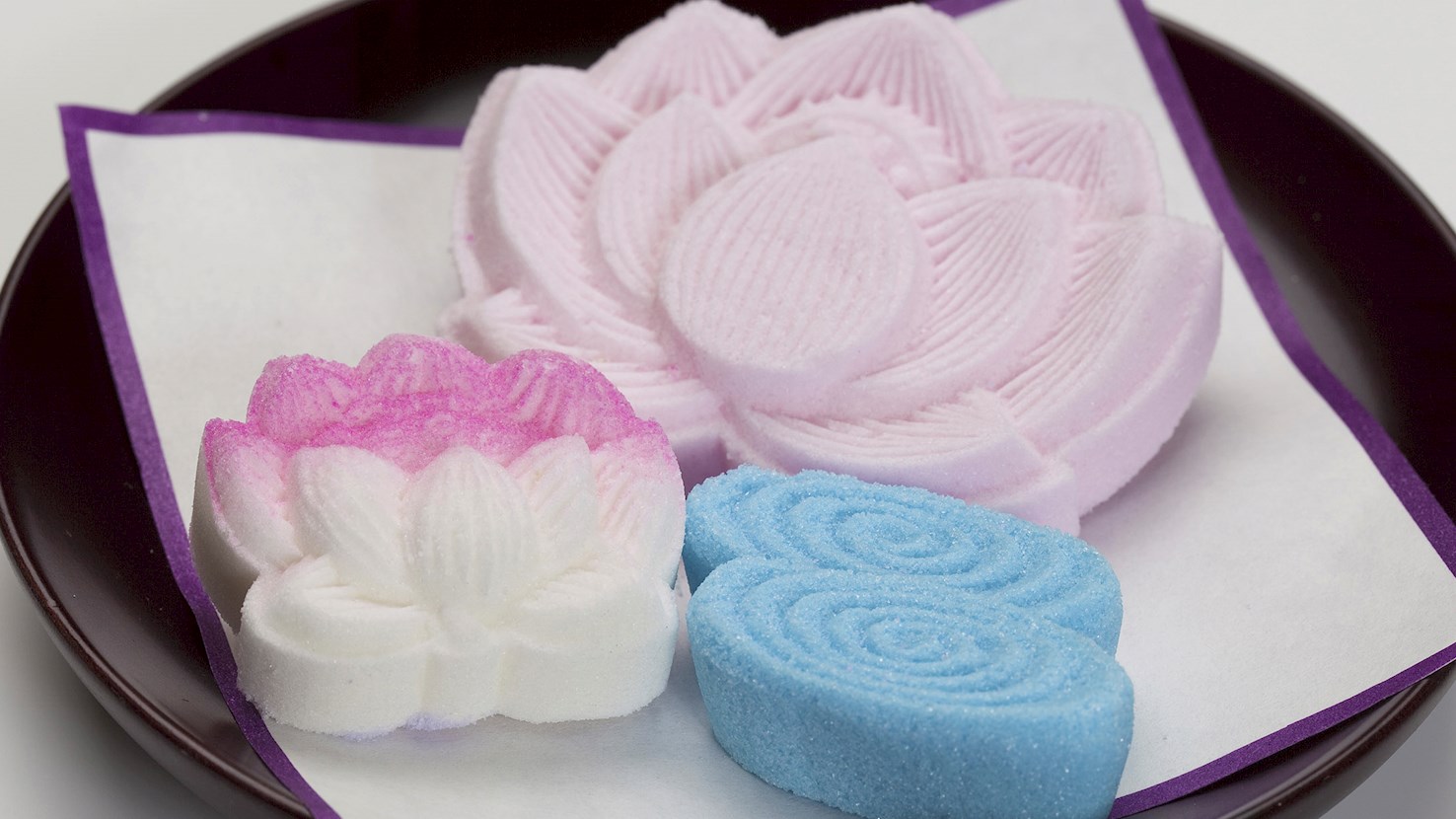
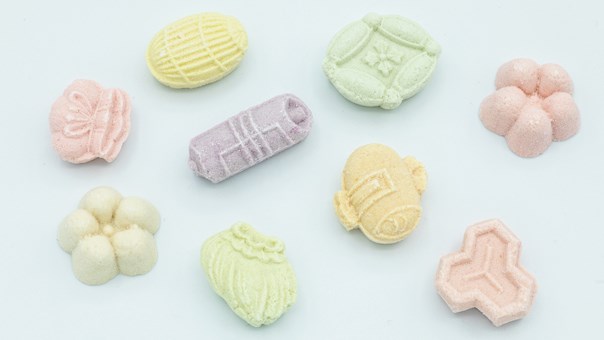
Rakugan are traditional Japanese sweets prepared in many different colors and shapes reflecting seasonal, holiday, or regional themes. They are made by pressing sugar, soybean flour, and various powders in traditional wooden molds, known as kashigata. It can be said that rakugan is not just a sweet, but an art form in itself. It is often consumed at tea ceremonies and festivities such as Christmas. The flavor of rakugan is that of pure sugar, since it is similar to regular sugar cubes used for tea in the West. Rakugan is extremely popular in Japan, so it can easily be found in many stores or souvenir shops. Kanazawa region in Japan is quite famous for its rakugan confectionery, as well as the Tokushima region, famous for the production of high-quality Wasanbon sugar.

09

Okoshi

3 ·

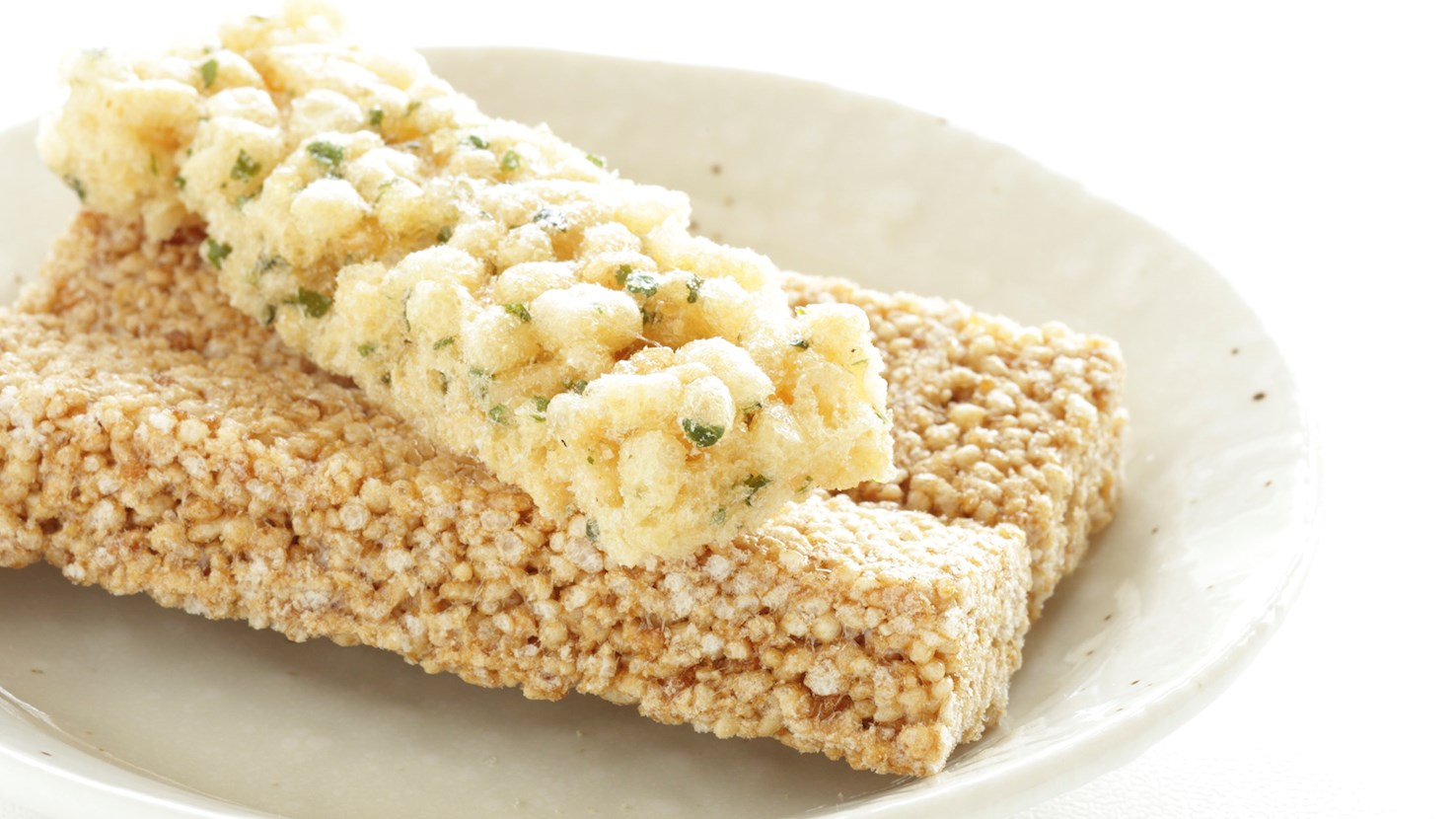
Kaminari-okoshi, often called merely okoshi, is a popular Japanese confectionery, similar to rice crispy treats. The main ingredient in okoshi is expanded rice, created by roasting rice grains until they pop. A mix of sugar and butter or corn syrup is used to hold the rice together, and after the additional ingredients have been added, the mixture is formed or pressed in trays, left to dry, then cut into square shapes. This crispy Japanese treat first appeared during the mid-Edo period in Japan and was primarily sold by street vendors in the vicinity of Buddhist temples in Asakusa, one of the districts in Tokyo. Originally, peanuts were added to enrich okoshi, but modern versions also include other nuts, dried fruit, chocolate, or sesame seeds, along with other exotic and interesting flavors such as matcha green tea or caramel. Most okoshi is nowadays factory-produced, created in an array of unusual flavor and color combinations, and sold in decorative, colorful boxes. In the Asakusa area, there are still traditional street vendors who prepare this brittle snack and demonstrate the entire procedure. Okoshi is still the most famous souvenir of the Asakusa area.

10

Kashiwa-mochi

3 ·

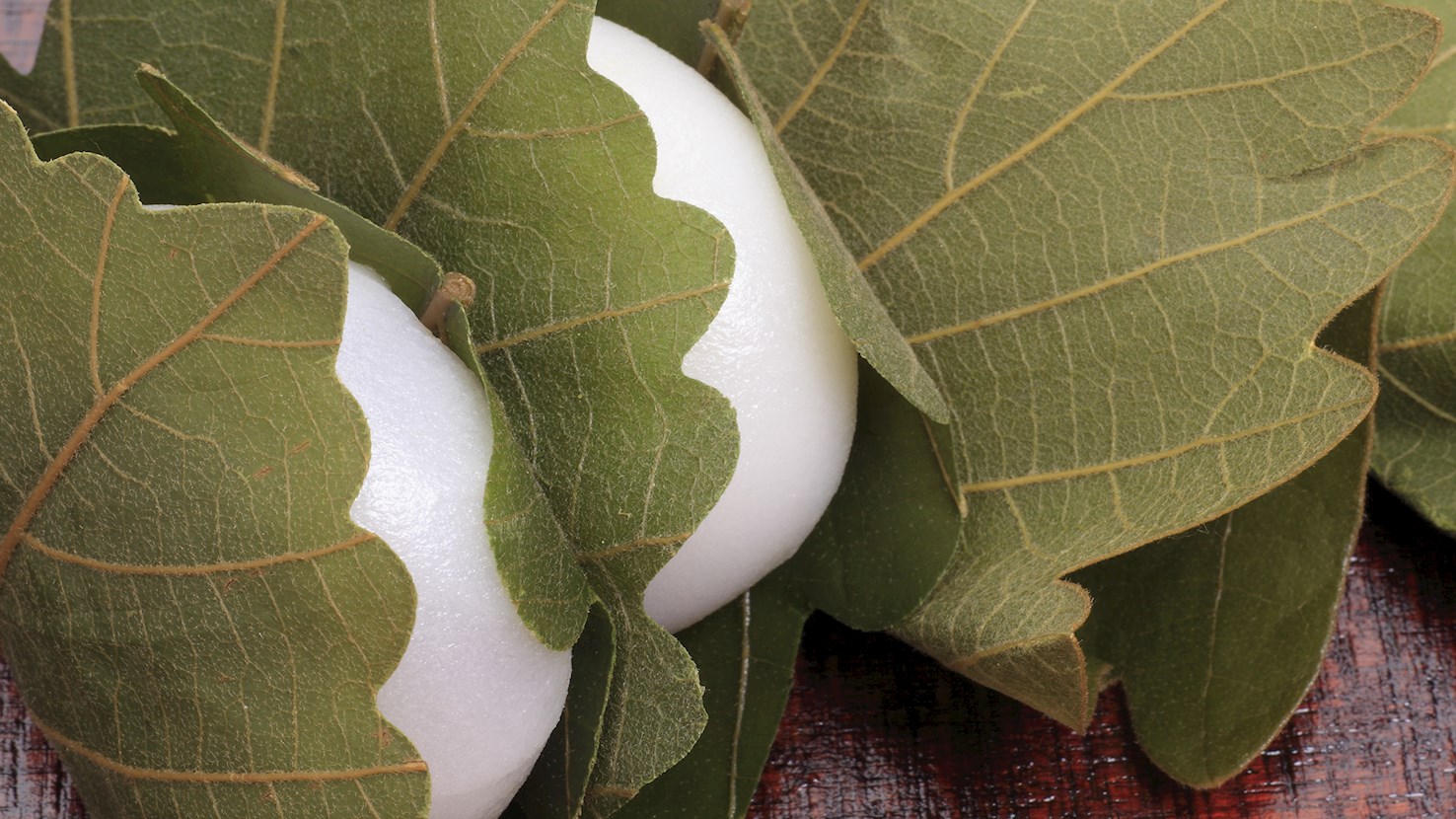
Kashiwa-mochi is a chewy Japanese rice cake that is filled with red bean paste and wrapped in oak leaves. Even though the leaves are not edible, they provide these tender cakes with an unusual earthy flavor. It is one of the traditional mochi varieties which is typically served on Children's’ Day, a Japanese national holiday celebrating the well-being and prosperity of children.

11

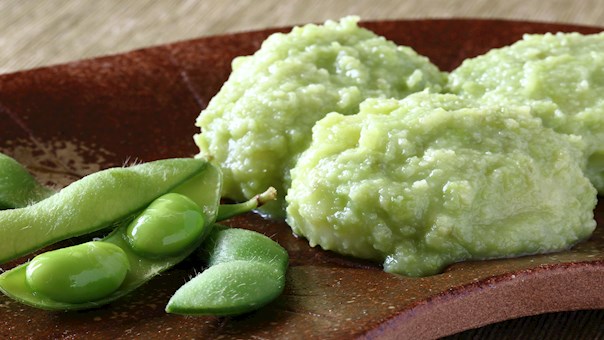
Zunda mochi

3.1 ·
12

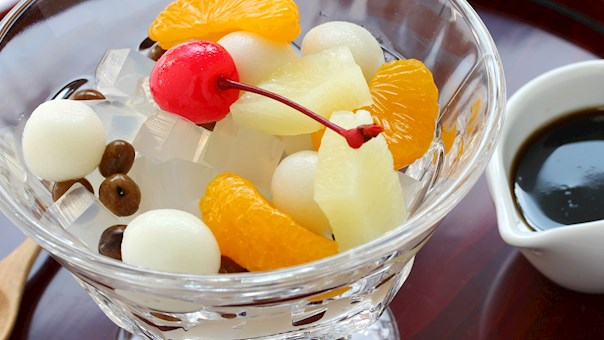
Mitsumame

3.1 ·
13

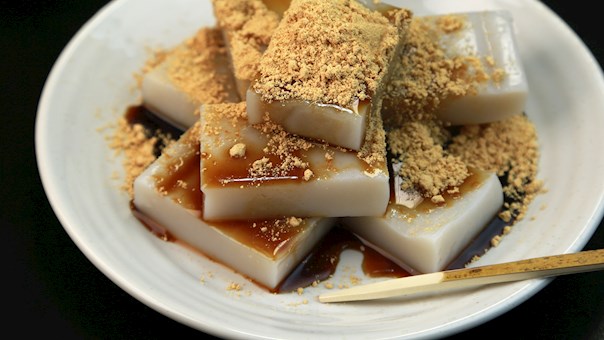
Kuzumochi

3.2 ·
14

Namagashi

3.2 ·
15

Higashi

3.2 ·
17

Neri yokan

3.3 ·
18

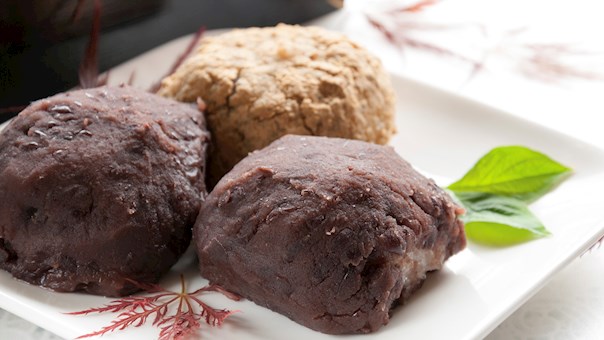
Botamochi

3.3 ·
19

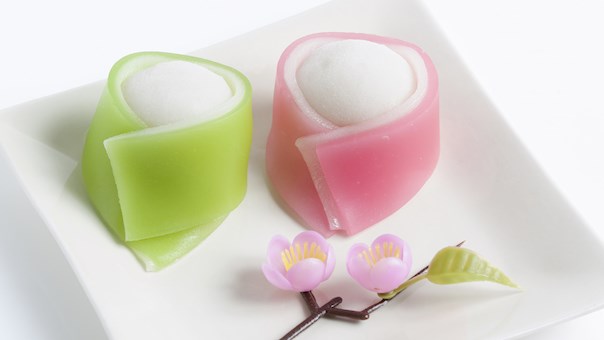
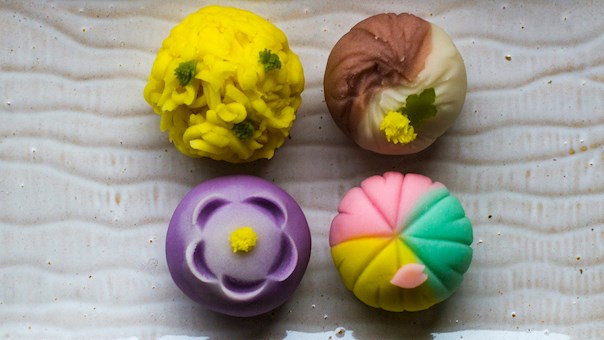
Nerikiri

3.3 ·
20

Manjū

3.4 ·
Read more
View all
View map
About this ranking

TasteAtlas food rankings are based on the ratings of the TasteAtlas audience, with a series of mechanisms that recognize real users and that ignore bot, nationalist or local patriotic ratings, and give additional value to the ratings of users that the system recognizes as knowledgeable. For the “41 Worst Rated Japanese Desserts” list until June 16, 2026, 3,210 ratings were recorded, of which 2,786 were recognized by the system as legitimate. TasteAtlas Rankings should not be seen as the final global conclusion about food. Their purpose is to promote excellent local foods, instill pride in traditional dishes, and arouse curiosity about dishes you haven’t tried.

Similar lists