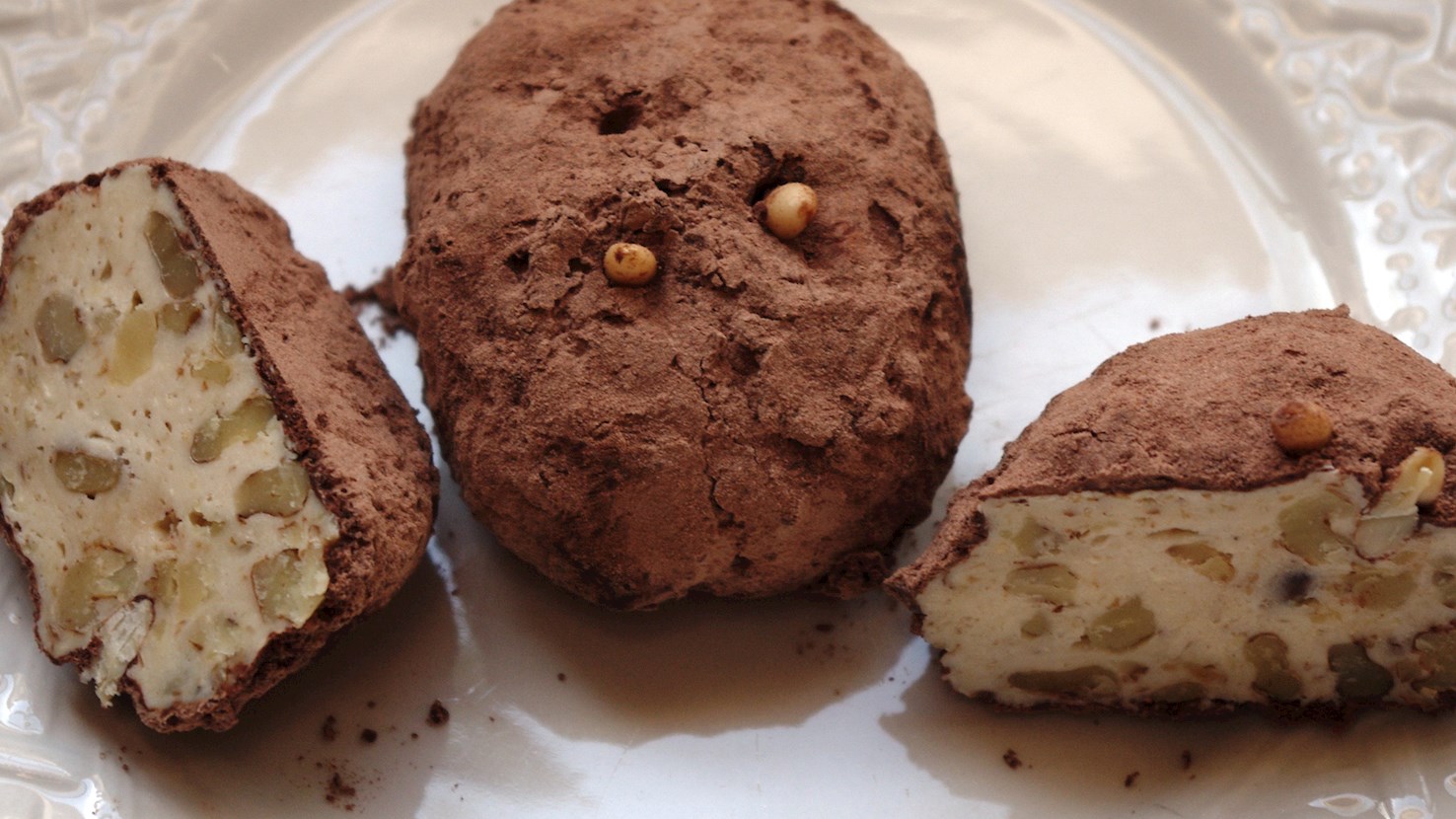
Despite its name, Irish potato candy doesn't originate from Ireland nor is it made with potatoes. This traditional Philadelphia treat is typically made with a combination of coconut cream, vanilla, cream, and sugar which is rolled in cinnamon in order to resemble a potato. Pine nuts are often used to create eyes on the potato. The candy is heavily linked to St. Patrick's Day celebration, and it is believed that the first Irish potato candies were made by Irish immigrants in Philadelphia in the late 1800s or early 1900s.
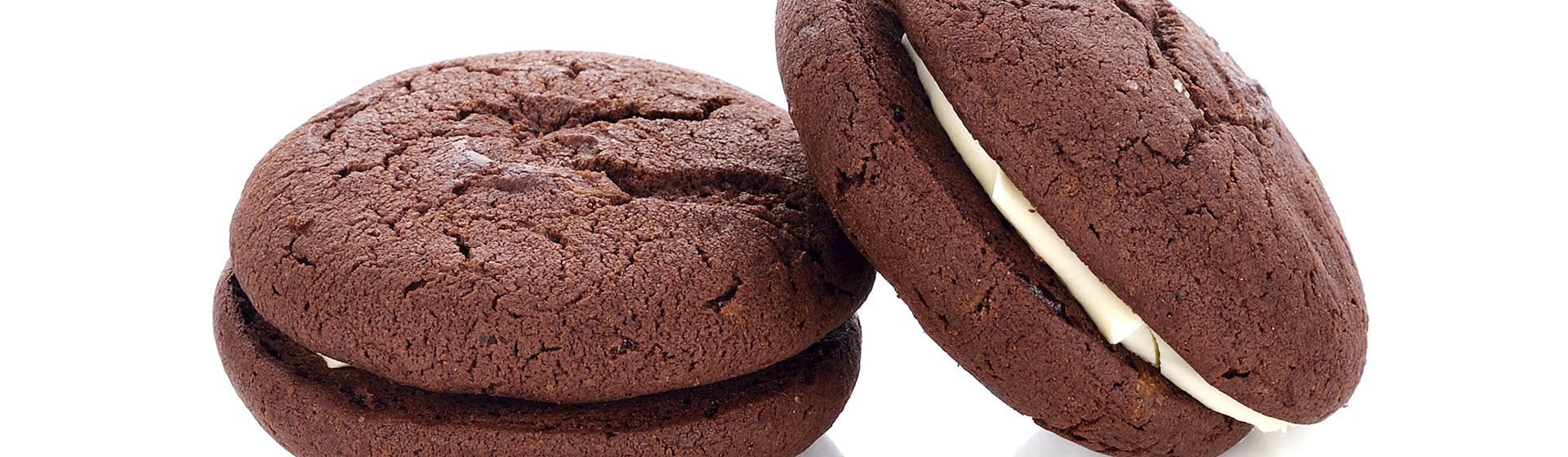
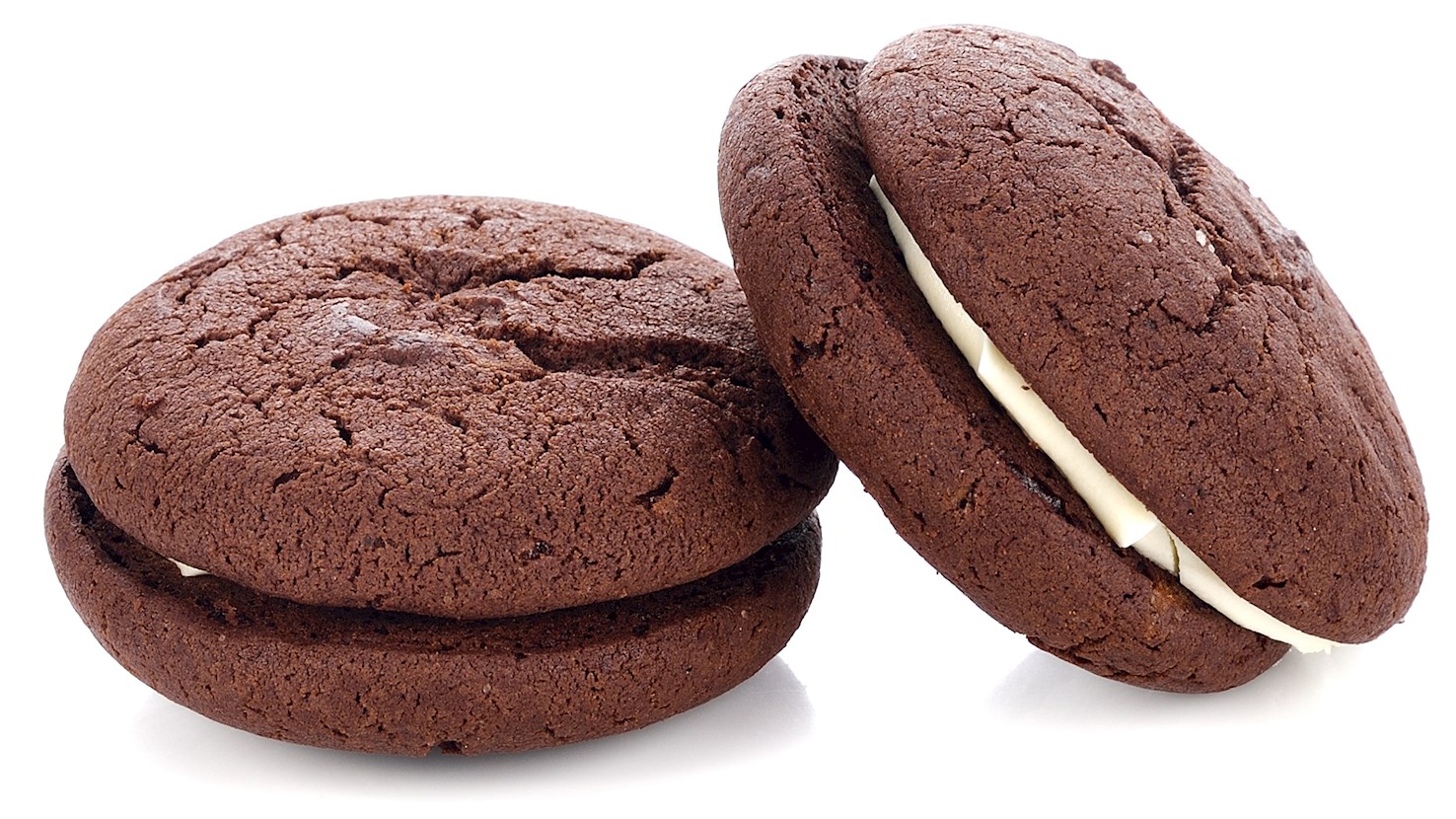
Despite its name, whoopie pie is actually an enlarged cookie sandwich consisting of two soft chocolate cake cookies with a sweet and fluffy white filling sandwiched in between. It is believed that whoopie pie has a Pennsylvania Amish origin, although today it is extremely popular throughout New England, especially in Maine. According to the Amish, when children would find this sweet treat in their lunch bags, they used to shout “Whoopie!“, hence the name.
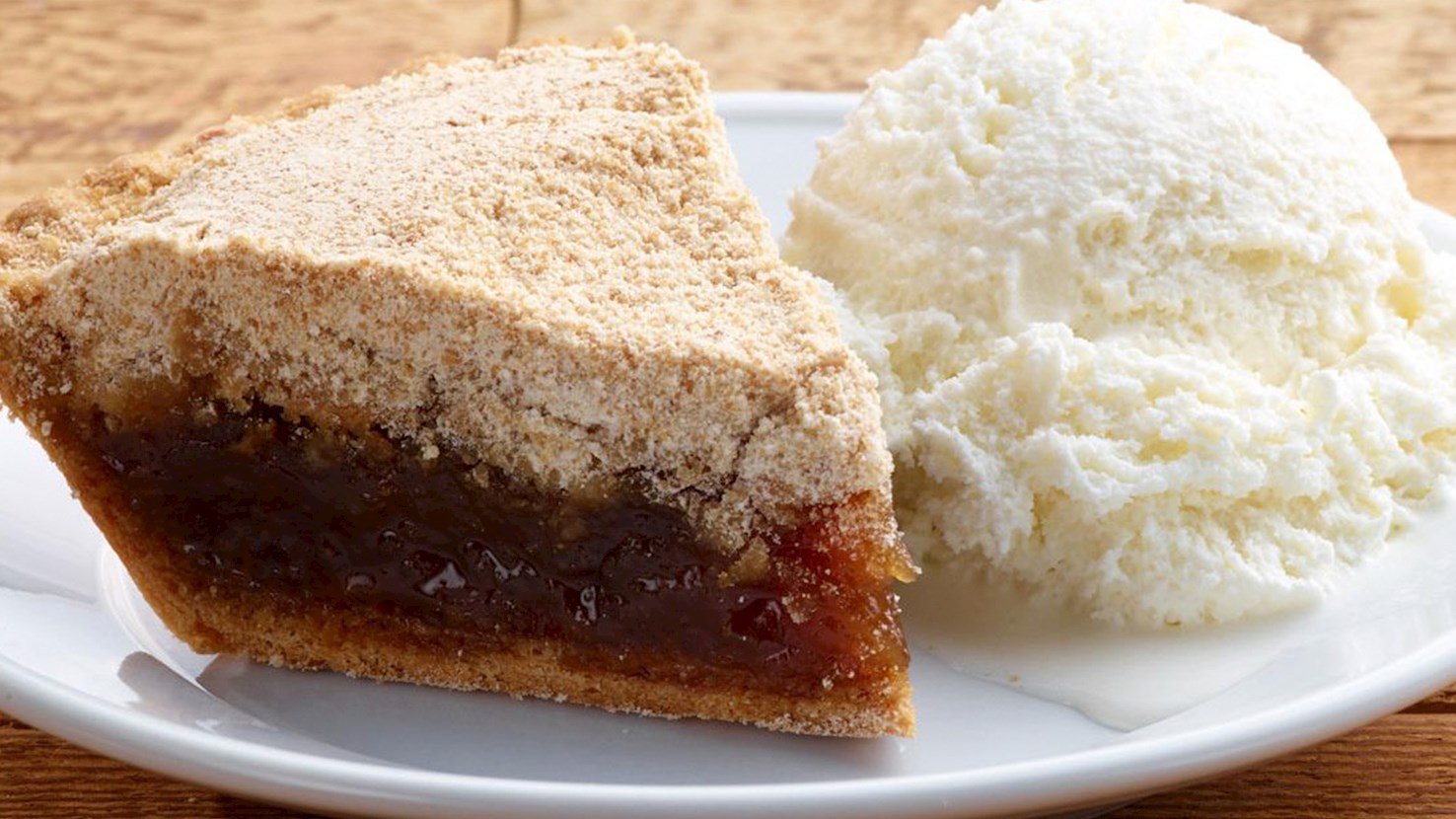
A specialty of southeastern Pennsylvania, this gooey, dark pie is an interesting combination of a rich filling made with molasses, brown sugar, butter, and a crunchy, crumbly topping. There are two theories to its origin: one says that the filling was so sweet that flies had to be shooed away as it was left to cool down, and the other theory says that it was inspired by Shoofly Molasses, a product that was popular in Pennsylvania in the 1800s when pies by that name first appeared. Regardless of its origins, shoofly pie is extremely similar to the sweet British treacle tart, made since medieval days in Europe. In Pennsylvanian Dutch country, populated by Mennonites, Moravians, and Amish, the pie was a staple dessert in the wintertime, when fruit supplies were scarce, and the expensive eggs were better off in other dishes. Shoofly pie was traditionally consumed for breakfast as a nourishing food that gave one enough energy to last until lunch-time. Today, it's almost always a dessert, a sweet treat, and a great example of regional American food.
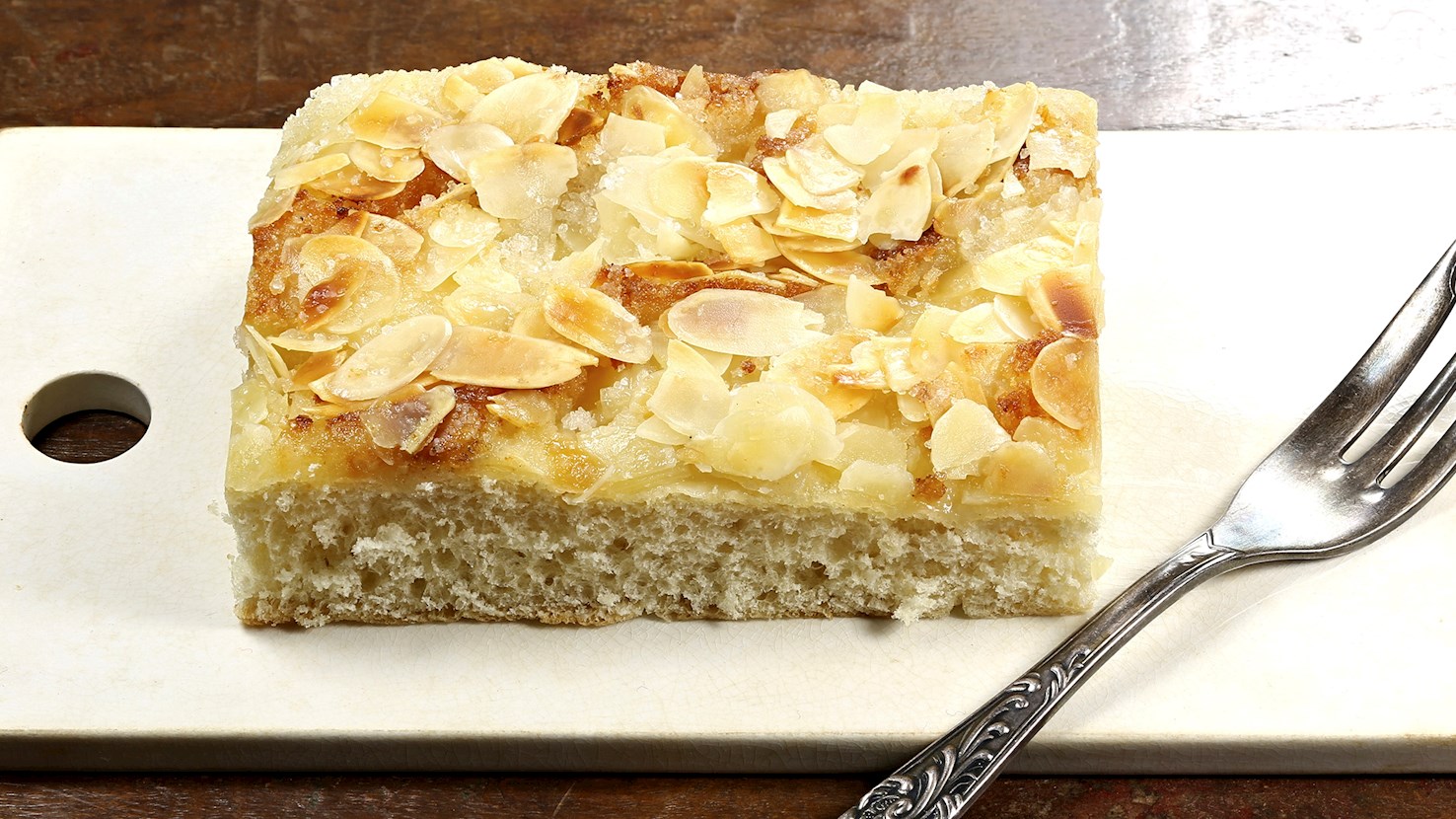
A local sweet treat originating from Philadelphia, german butter cake is a sweet and buttery cake that is crispy around the edges and on top, while at the same time oozing with a buttery filling inside. The cake crust is typically made with a dough consisting of yeast, milk, flour, butter, sugar, eggs, and salt. The dough is often flavored with vanilla extract, and once it has risen, it is usually stretched and pressed into a greased pan before being covered with a thick layer of a vanilla-flavored butter mixture. Often nicknamed Philadelphia butter cake, the cake is typically cut into slices and eaten with a cup of coffee on the side.
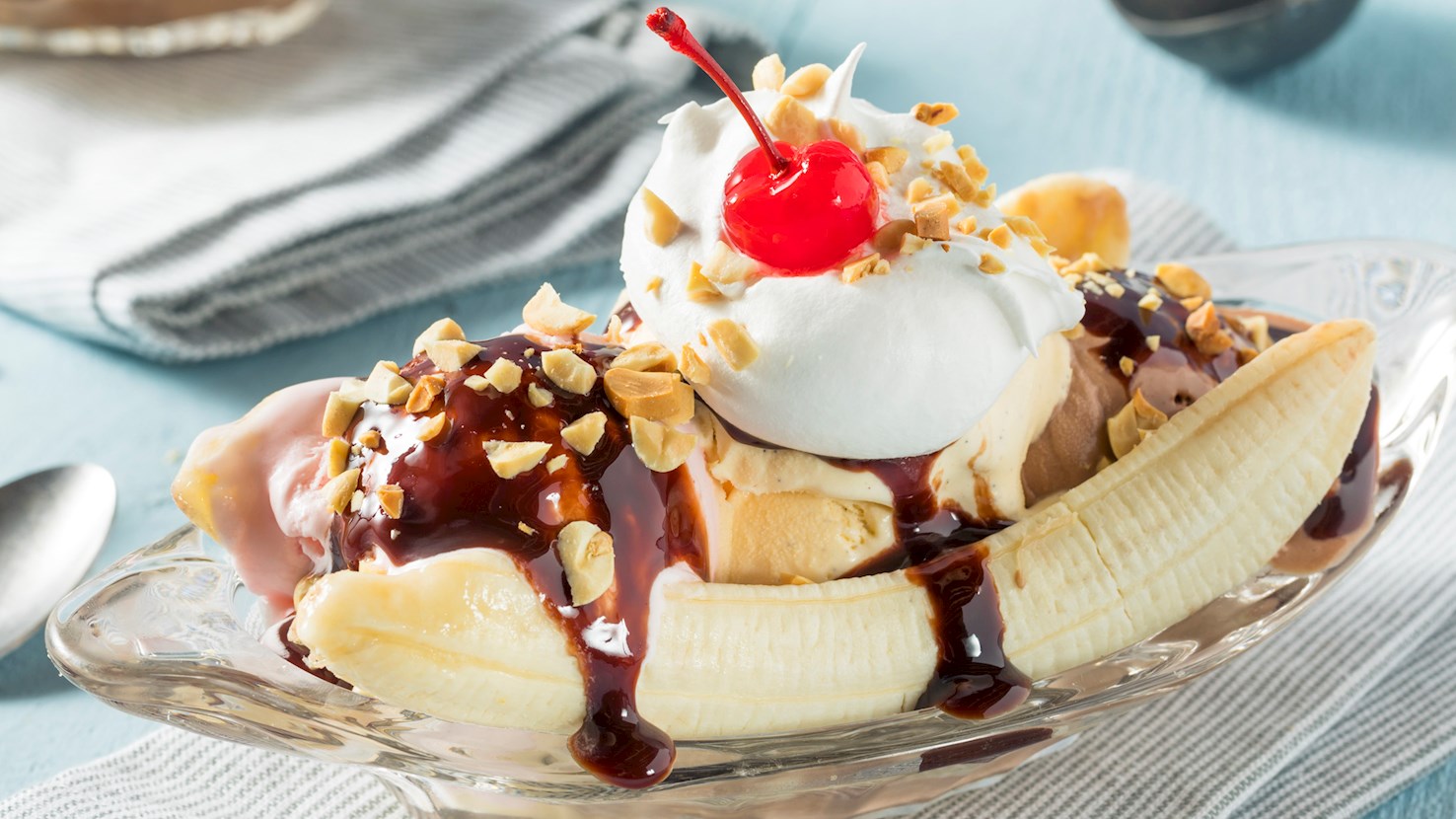
Banana split is a classic dessert consisting of a lengthwise-cut banana topped with scoops of strawberry, vanilla, and chocolate ice cream. Typical garnishes include nuts, fruits, whipped cream, and a cherry on top. The dessert is traditionally served in a long dish called a boat. It was invented in 1904 in Latrobe, Pennsylvania by David Strickler, who wanted to make something "different" for a college student who had one day entered the pharmacy where he worked as an apprentice. The pharmacies often featured a soda fountain where customers could indulge in a soda or a frozen treat for just a few cents. Banana split has remained popular ever since, and there is even the annual Great American Banana Split Festival held in Latrobe, where the original soda fountain is still kept.
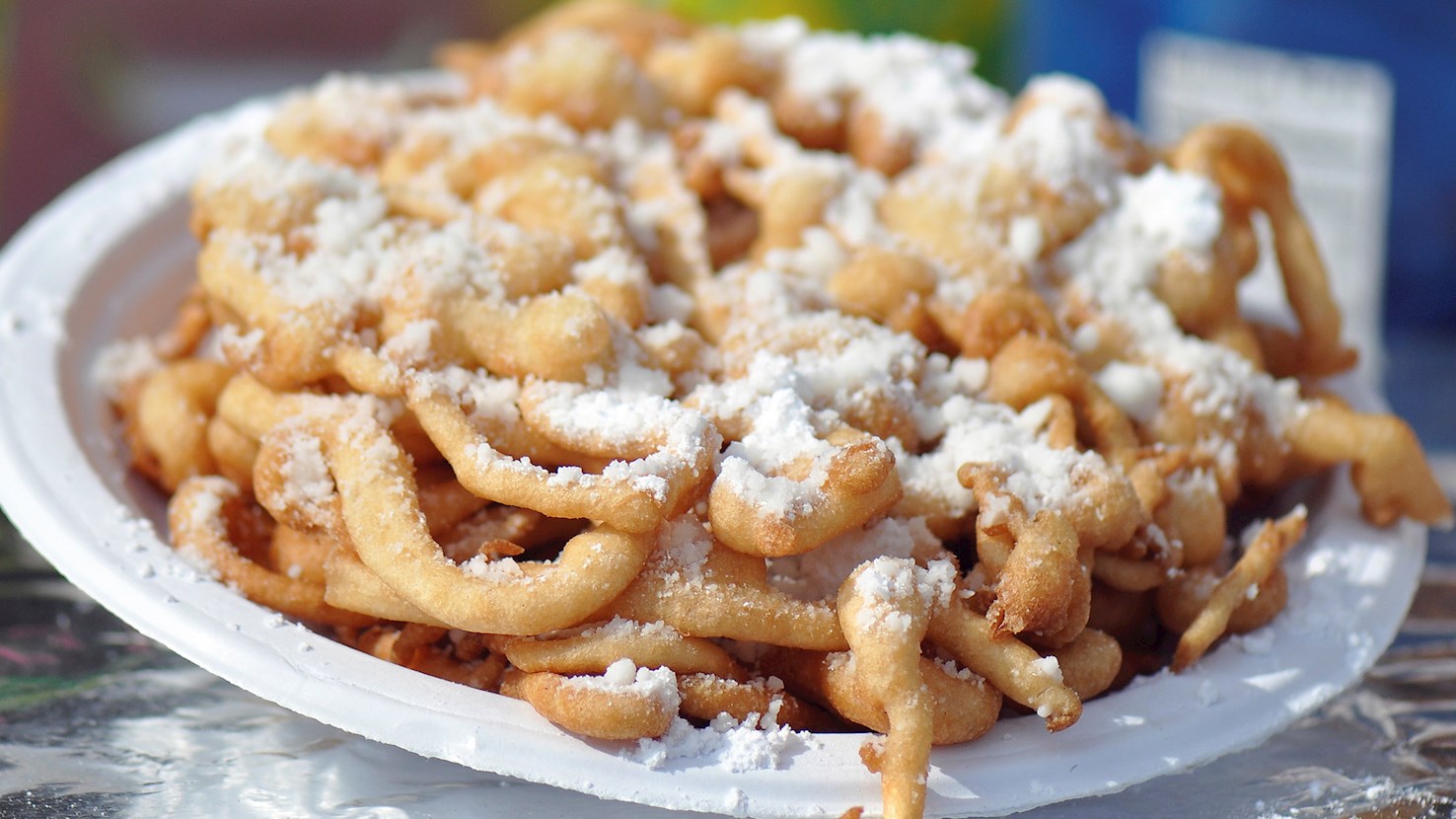
A quintessential part of every American street fair is a crispy funnel cake. The unique name is derived from the method of preparation in which the batter, made with eggs, sugar, milk, and baking soda, is poured through a funnel directly into the sizzling oil. It falls in circular, thin, and tangled streams, creating the distinctive shape of this American delicacy. When fried, the batter expands, and the final result is a crispy, golden brown treat. In the modern history of the United States, funnel cake is traditionally associated with Pennsylvanian Dutch, the German-speaking immigrants who inhabited the area in the 17th and 18th century. Desserts which closely resemble the American funnel cake are also found in numerous European countries such as Germany and Finland, and a similar recipe has even been discovered in the old Anglo-Norman cookbook, dating back to the 14th century. Although the actual origin of funnel cake is unknown, in America it was made famous in the 1950s at the annual Folk Festivals, which promoted the tradition and folklore of the Pennsylvanian Dutch. Since then, funnel cakes have been a staple of many sporting events, fairs, festivals, and carnivals. Funnel cakes are always freshly prepared and served hot. They are usually enjoyed dusted with powdered sugar, but other favorite condiments also include fresh fruit, jams, chocolate, whipped cream, caramel, candy, and many other innovative combinations.
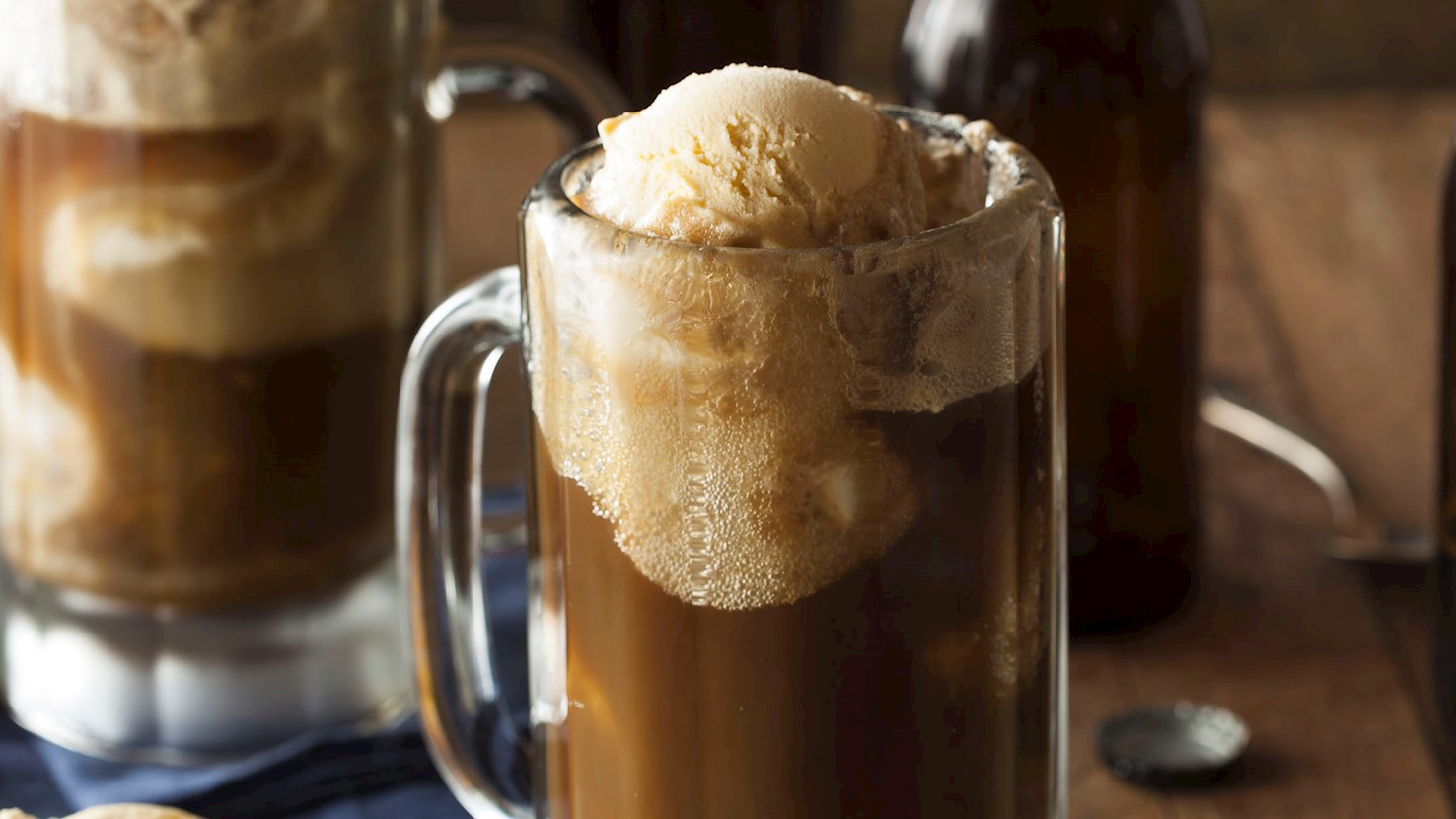
An ice cream float is a beverage consisting of ice cream that is placed in a soft, fizzy drink. One of the most popular varieties of the beverage is a root beer float. The origins of ice cream floats date back to the 19th century. It was invented in Philadelphia by Robert Green, a soda shop operator who ran out of cream and decided to use ice cream instead of it. Shortly after, his daily earnings soared from $6 to $600. With the popularity of ice cream floats, it is no wonder that there are numerous variations such as chocolate ice cream soda, coke floats, purple cow, butterbeer, and Boston cooler. Today, the beverage is considered an all-American classic, enjoyed in diners and bars throughout the United States and beyond.
TasteAtlas food rankings are based on the ratings of the TasteAtlas audience, with a series of mechanisms that recognize real users and that ignore bot,
nationalist or local patriotic ratings, and give additional value to the ratings of users that the system recognizes as knowledgeable.
For the “7 Worst Rated Pennsylvanian Desserts” list until October 16, 2026, 978 ratings were recorded, of which 901 were recognized by the system as legitimate.
TasteAtlas Rankings should not be seen as the final global conclusion about food. Their purpose is to promote excellent local foods,
instill pride in traditional dishes, and arouse curiosity about dishes you haven’t tried.



What People Say