


shutterstock

18 Worst Rated Polish Desserts

Last updated on June 16, 2026
01

Moczka

2.8 ·

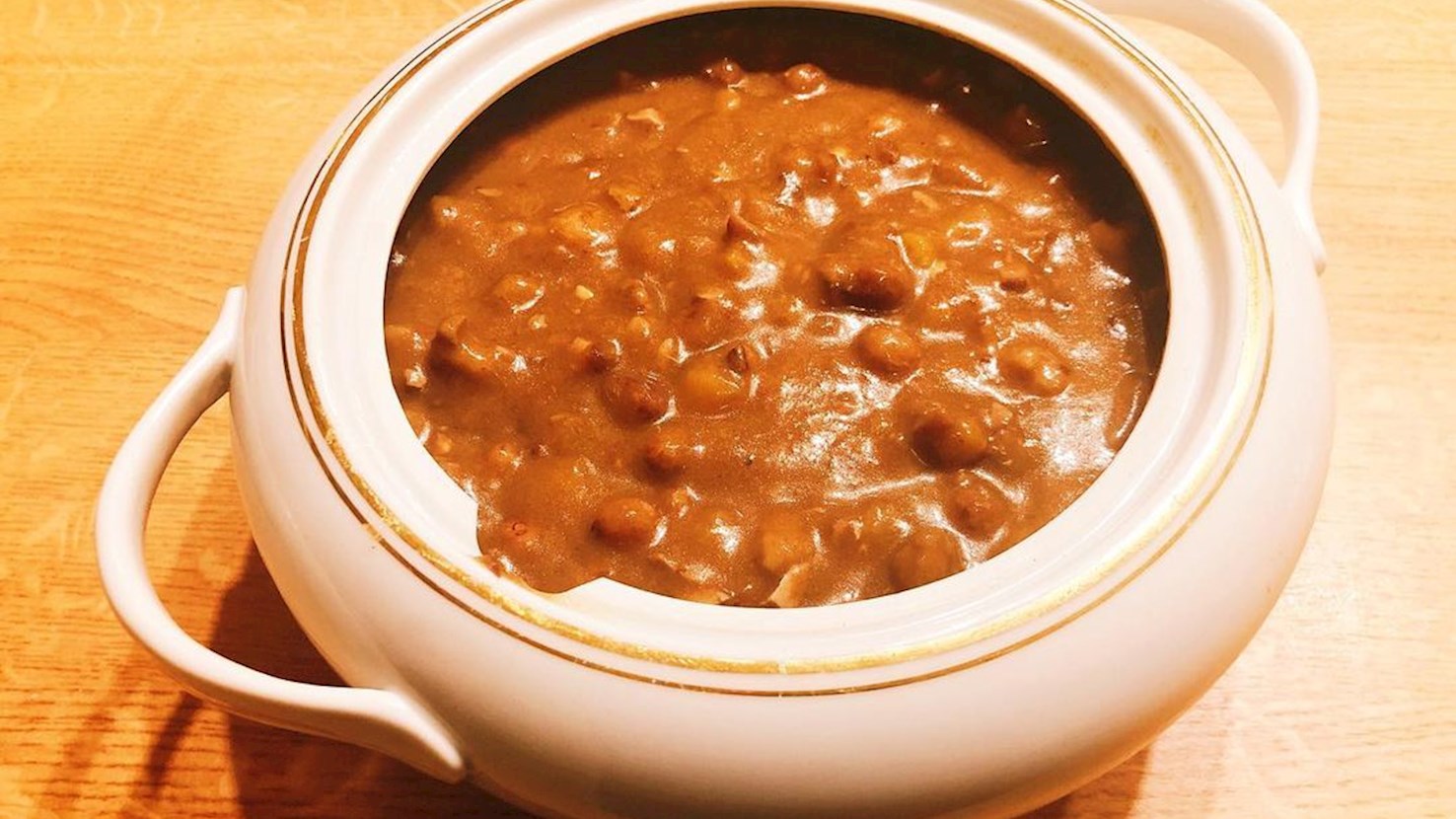
Moczka is a traditional dish originating from Upper Silesia. This dish has so many versions that it's sometimes treated as a dessert and other times as an appetizer. The sweet soup is made with gingerbread that's soaked in dark beer, water, or stock alongside nuts such as almonds, walnuts, or hazelnuts and dried fruit such as raisins, prunes, apricots, figs, dates, or pears. Dark chocolate, butter, and flour are also sometimes added to the sweet soup. Moczka is traditionally prepared during the festive Christmas season and it can be served warm or cold.

02

Zupa truskawkowa (Strawberry Soup)

3 ·

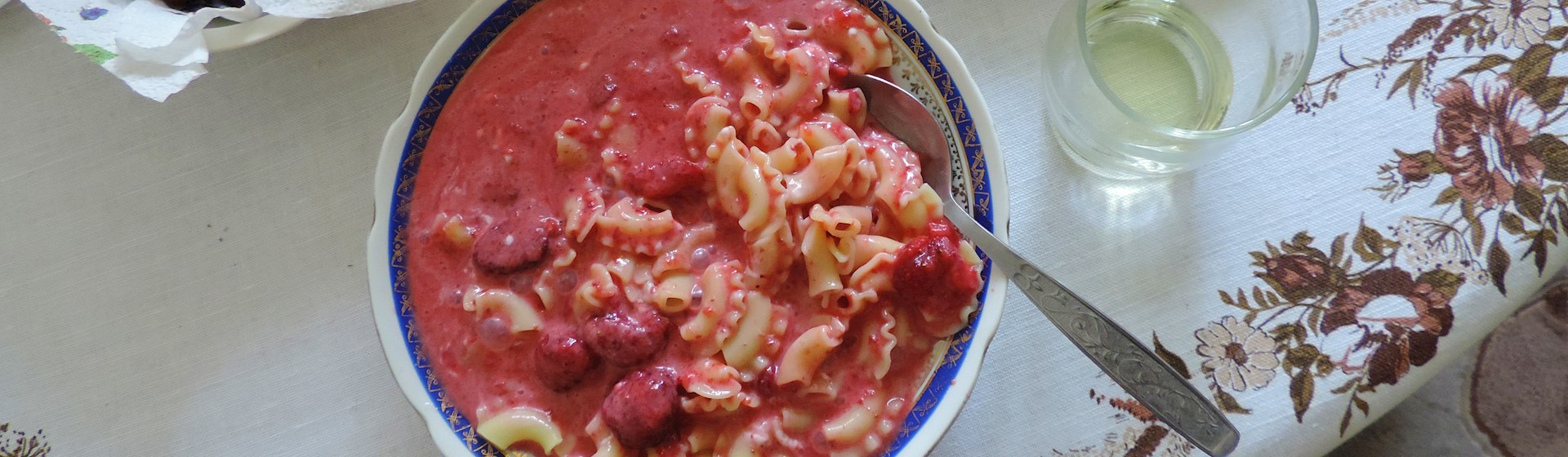
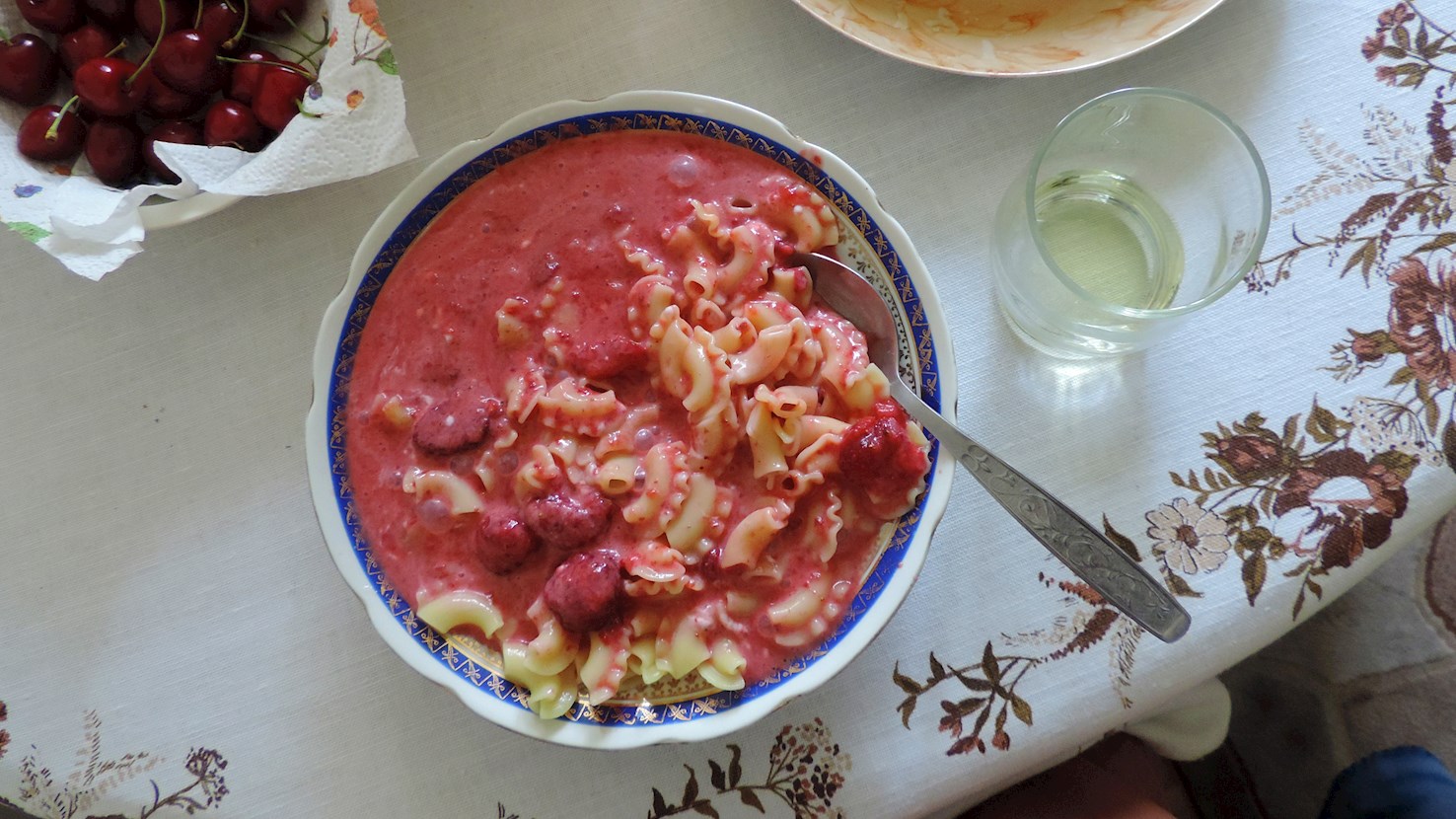
Zupa truskawkowa is a traditional fruit-based soup originating from Poland. It's usually made with a combination of frozen or fresh strawberries, sugar, and optional ingredients such as noodles, sour cream, and mint leaves. The sugar is dissolved in water, the strawberries are cut into cubes and added to the pot, and the mixture is boiled over low heat. Once cooled, the soup is mixed or puréed until smooth in consistency. Some of the reserved strawberries are then added to zupa truskawkowa, and it's reheated and cooked over low heat for a few more minutes. The soup can be served hot or chilled and its flavors are often elevated with the addition of sour cream, noodles, or fresh mint leaves.

03

Kluski z makiem (Pasta with poppy seeds)

3.1 ·

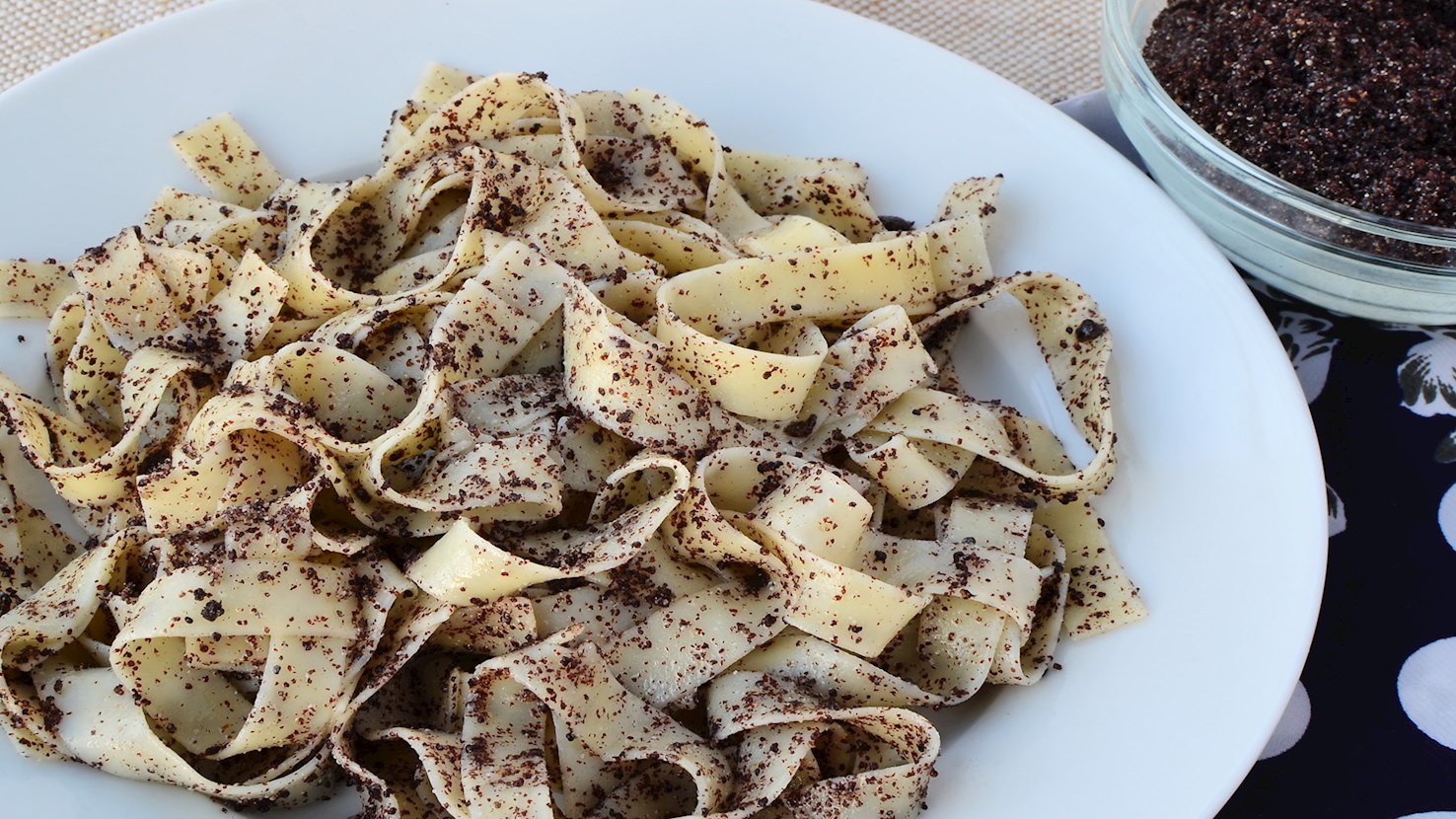
The simple and nutritious nudle s mákem is a dish consisting of wide, thin wheat pasta that is doused in copious amounts of melted butter, and then dusted with poppy seeds and sugar. Once considered a rich and luscious meal, today it represents a frugal, but a beloved dish that is enjoyed as a sweet main course or a filling dessert. Even though it is usually associated with the Czech Republic, the exact origin of the dish is still unknown, while similar varieties are found in many Central and Eastern European countries under various names. In Austria, a similar dish is known as mohnnudeln, prepared with thick and short potato noodles, while the Serbian version from Vojvodina is called rezanci s makom.

04

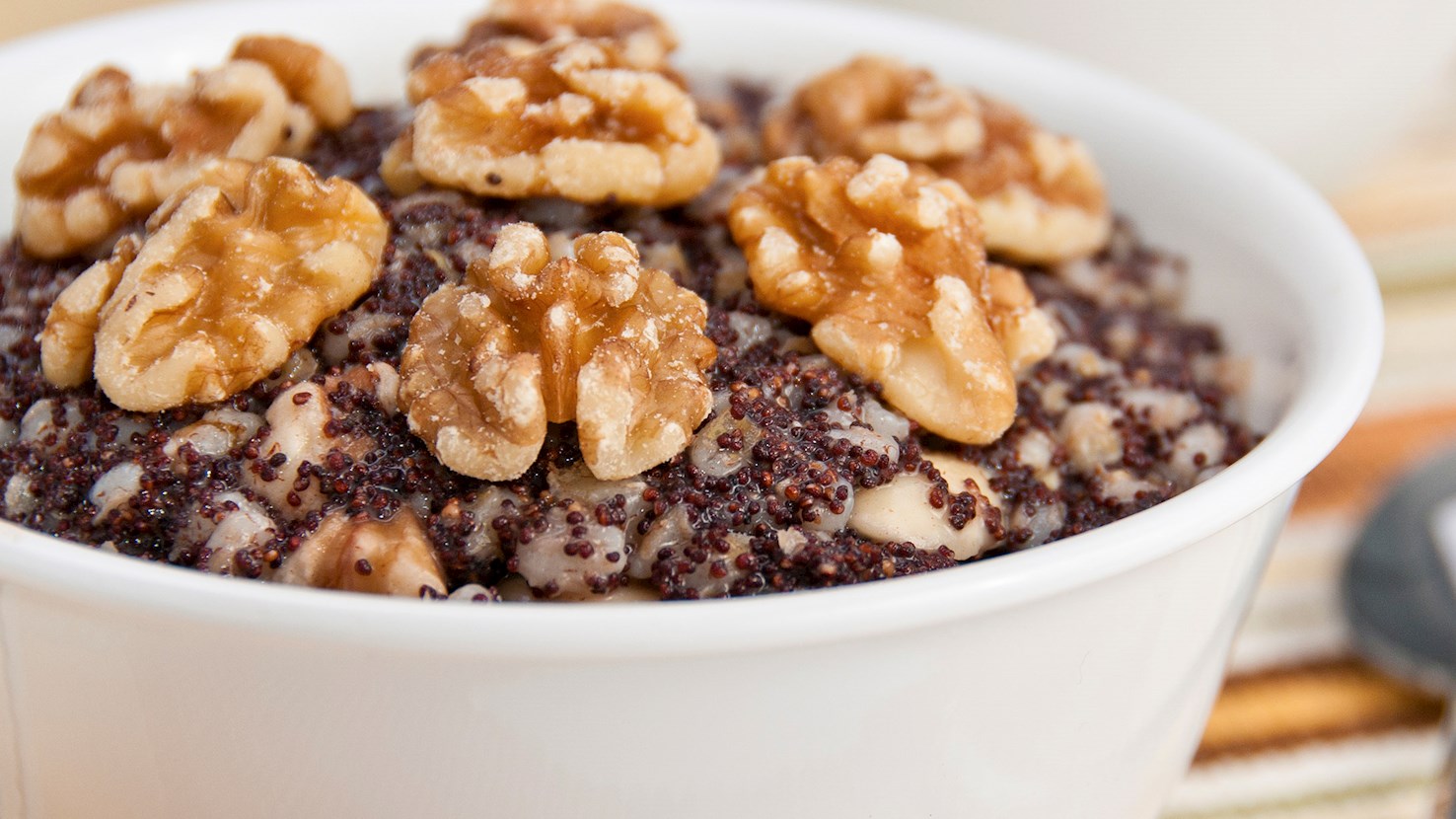
Kutia

3.1 ·

Kutia is a Ukrainian, Russian, Belarusian, and Polish sweet grain pudding that is traditionally served as part of a twelve-meal Christmas Eve supper. Interestingly enough, this festive treat is believed to have existed long before Christianity. It is made with wheat, berries, honey or sugar, nuts, raisins, and poppy seeds.On Christmas Eve, before consuming the dish, a small bowl of kutia is traditionally placed outdoors as a bribe to Father Frost, then some of the kutia is tossed to the ceiling, and the number of grains that stick to the ceiling are used to predict next year's agricultural prosperity.

05

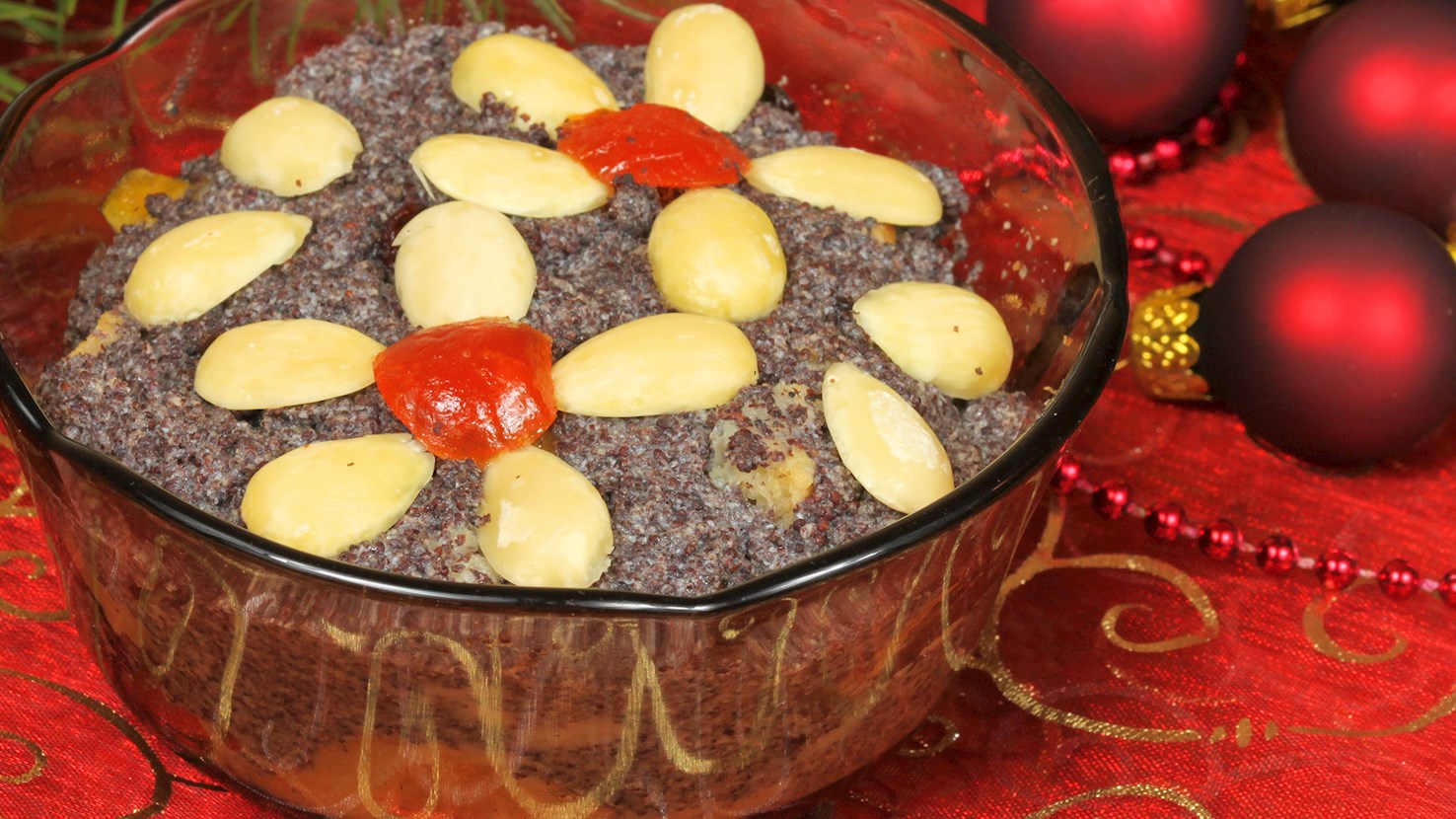
Makówki

3.2 ·

Traditionally prepared on Christmas Eve, makówki is a layered sweet treat consisting of soaked white bread and a creamy mixture of cooked and flavored poppy seeds. The dessert is usually assembled in large glass bowls, which creates a visually appealing treat that is ideal for the festive Christmas season. Even though similar desserts are found in many European countries, this Silesian delicacy is considered to be a unique part of traditional Polish cuisine. Before serving, it is usually decorated with powdered sugar, nuts, raisins, and whipped cream.

06

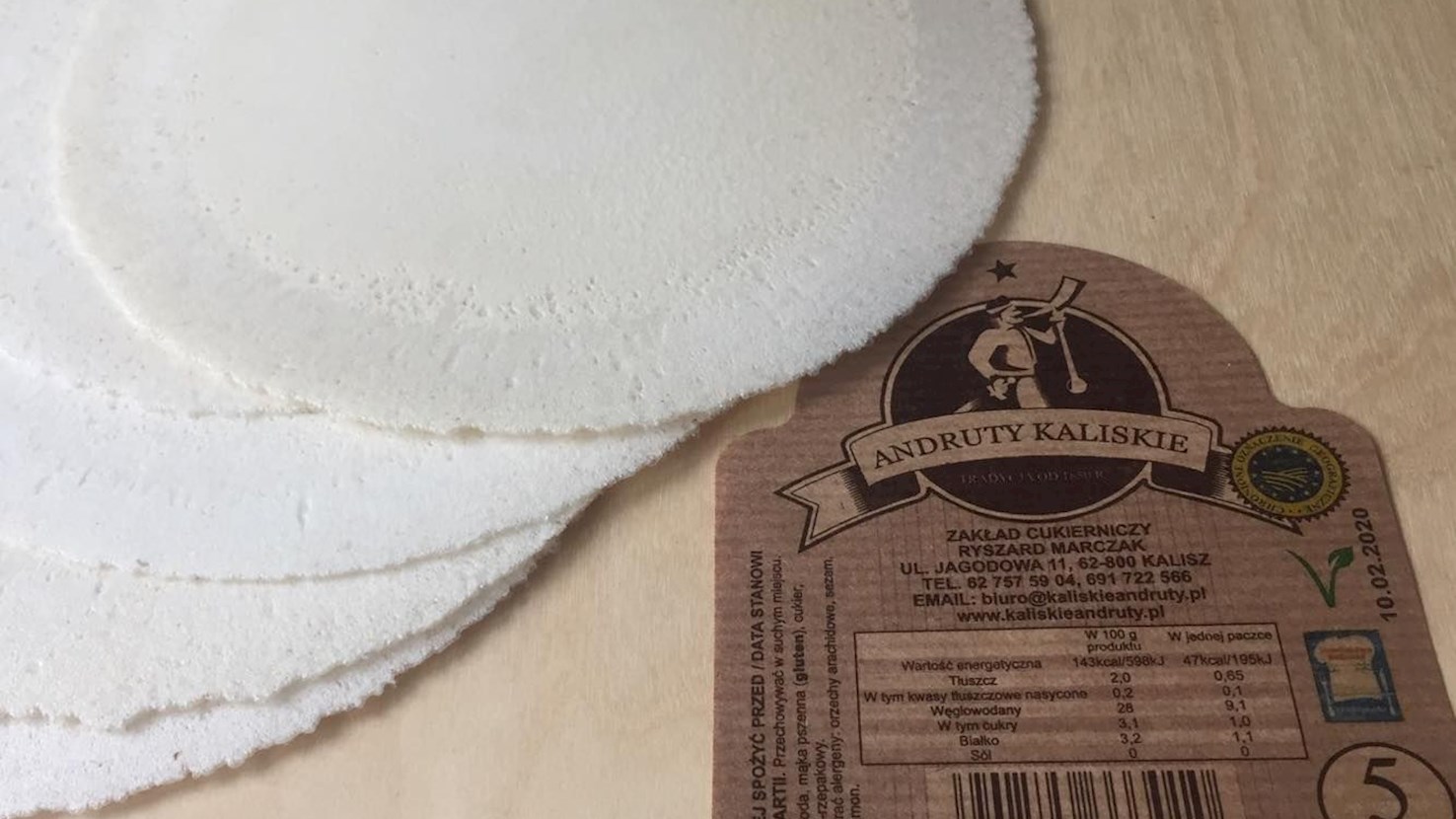
Andruty Kaliskie

3.4 ·

Andruty kaliskie, also known as Kalisz wafers, are thin, sweet and crisp cream-colored wafers with a shiny surface produced in the city of Kalisz in Poland since the 19th century. They have become a symbol of the town in the Wielkopolska region. To achieve their delicate, dry, crisp and smooth taste, water, sugar, flour and rapeseed oil are mixed to form a dough that is then pressed between the two plates of a traditional waffle iron. In the past, they have regularly been sold on Sundays and holidays at the park in Kalisz and were a favorite snack of families on their outings. The wafers are mostly eaten on their own, as they are crunchy and soft that there is no need to spread or stuff them with any accompaniments, yet adults are sometimes known to consume them alongside a cold beer or two.

07

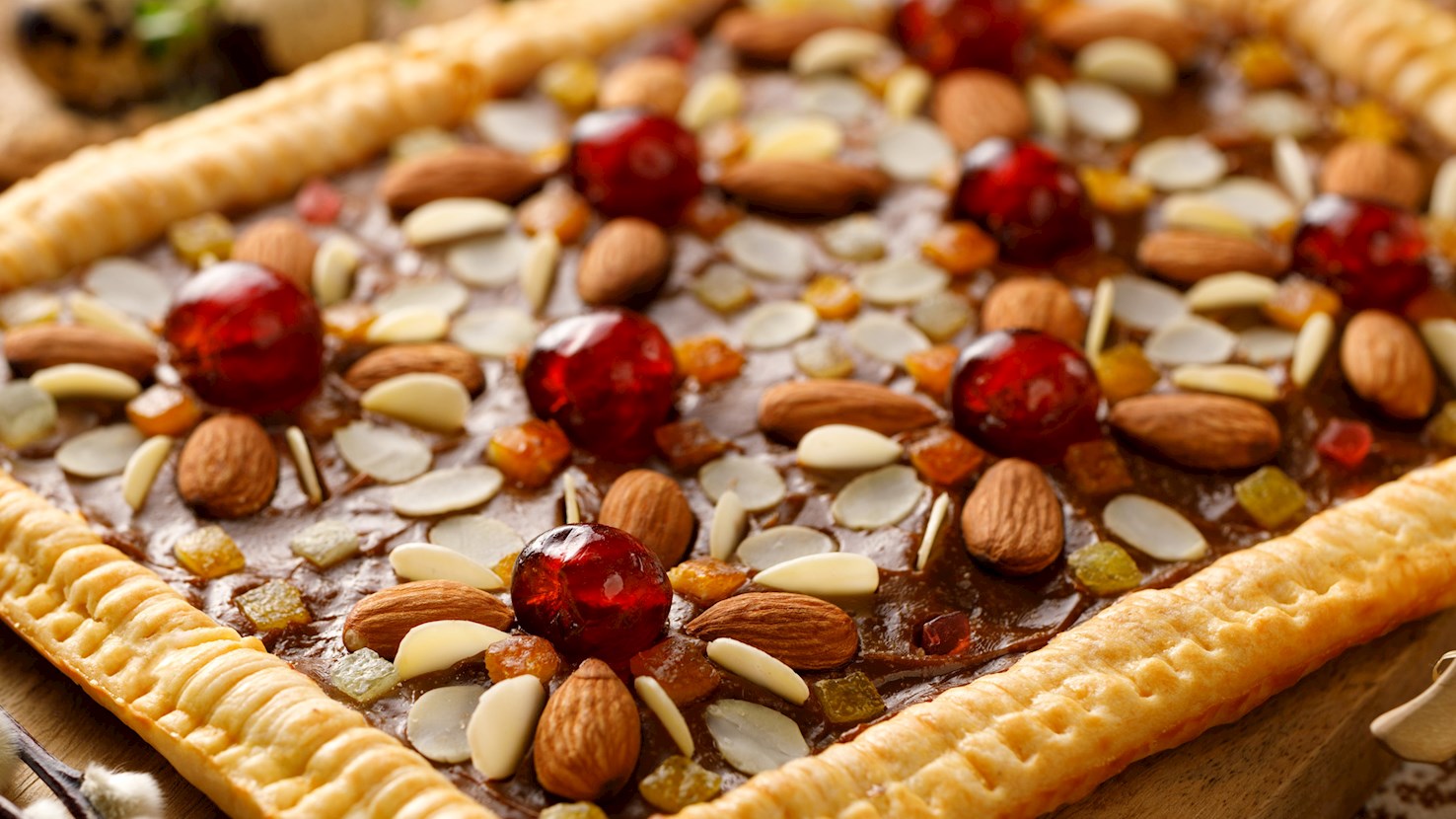
Mazurek

3.5 ·

Mazurek is a flat cake with various bases and toppings, originating from Poland. It is traditionally baked for Easter, and is characterized by its low height of only 1 or 2 centimeters. Although not much is known about the history of mazurek, it is believed that the cake was inspired by sweet Turkish desserts that were brought over to the country in the early 17th century. The cake is usually very sweet, which is why it is often cut into small squares. The variations are endless, so the dough can be sponge dough, brittle dough, marzipan dough, or makaronikowe dough. The dough is interspersed with nuts, preserves, or jams, and the surface of mazurek is decorated with icing, dried or fresh fruit, nuts, raisins, chocolate, or toffee. Decorations are a key part of the cake, and they are often made to be as impressive as possible, typically depicting scenes or symbols associated with Easter.

08

Wuzetka

3.6 ·

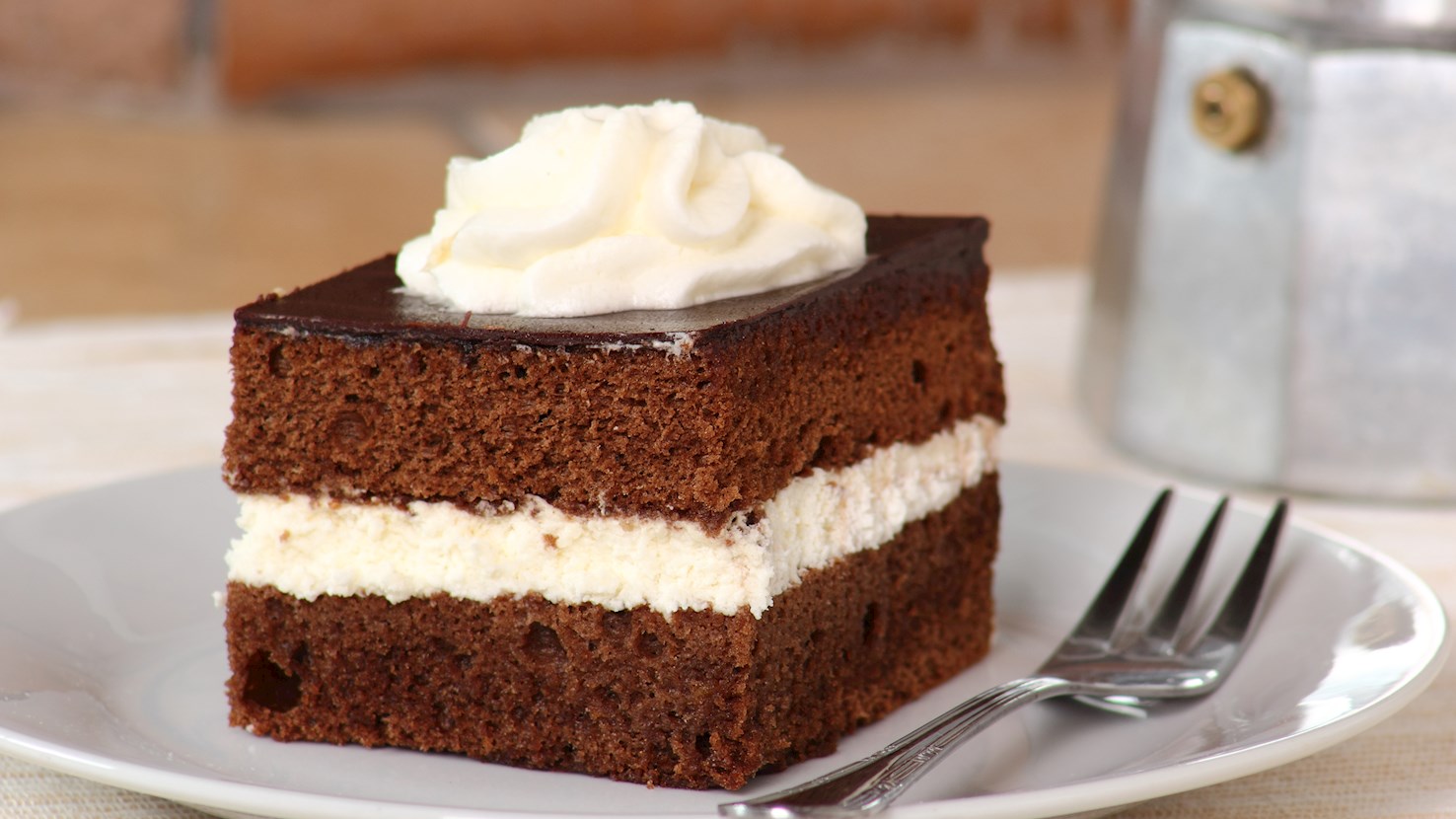
Wuzetka is a traditional cake originating from Warsaw. The cake consists of chocolate sponge cake that's filled with whipped cream and covered with chocolate icing. It's usually made with a combination of flour, eggs, sugar, butter, cocoa powder, whipping cream, rum, gelatin, and plum jam. The icing is made with a combination of butter, milk, and dark chocolate. Once prepared, the bottom layer is drizzled with jam and rum, the whipped cream mixture is spread over it, and the top sponge layer is placed on top. The chocolate icing is poured over the cake, and when it sets, the wuzetka is cut into cubes. The cake is typically decorated with a dollop of cream and a single cherry. Although the origin of the name is still murky, it is believed that the cake was named after the East-West route (Wschód-Zachód), shortened to W-Z.

09

Kogel mogel

3.6 ·

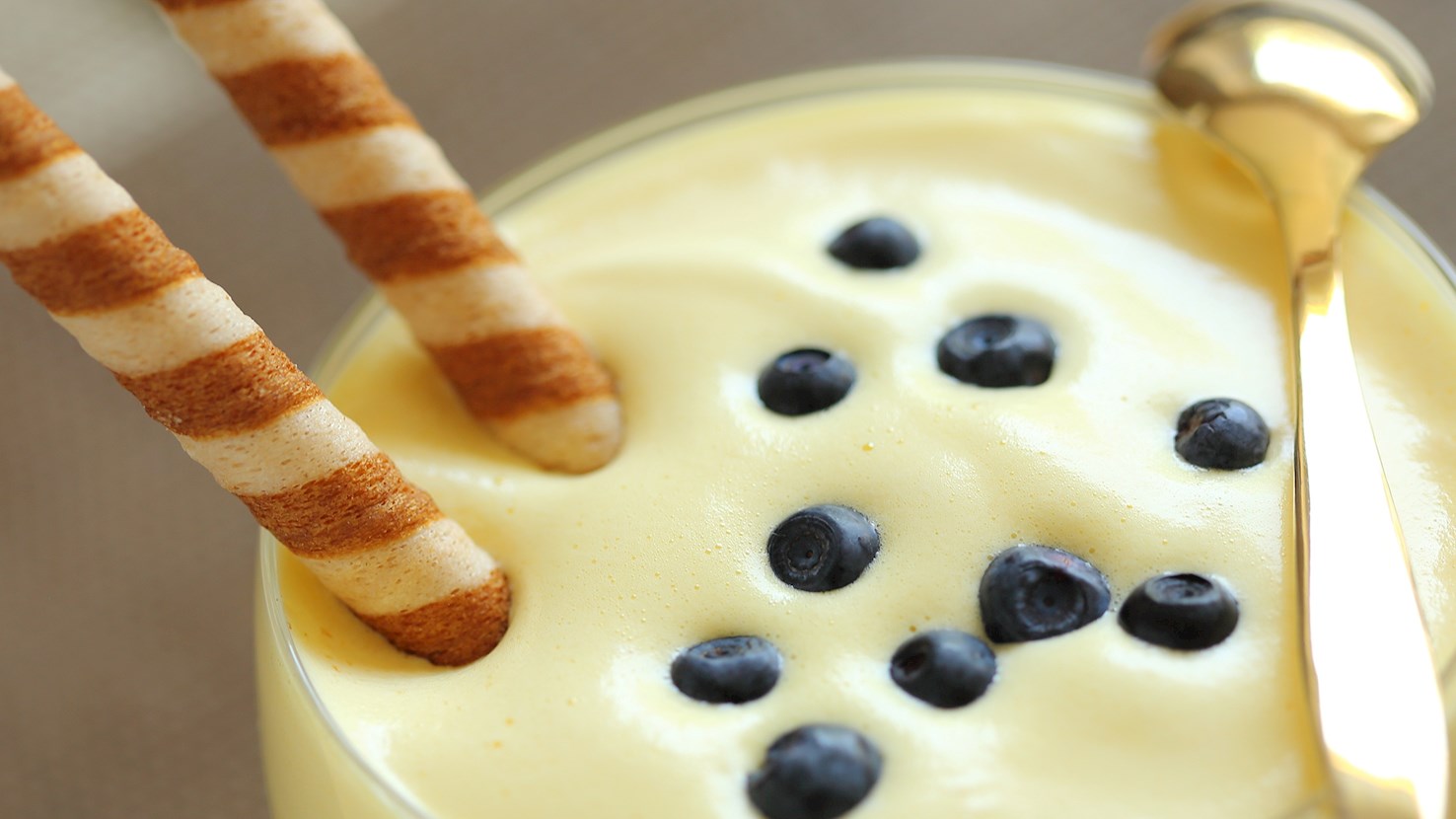
Kogel mogel is a creamy dessert consisting of egg yolks and sugar as its key ingredients. The dessert is flavored with various ingredients such as rum, cocoa, honey, or vanilla. It is typically served chilled, but it can also be served warm, when it is considered a remedy for sore throat. Kogel mogel dates back to the 17th century, when it was invented by people in the Jewish communities in Central Europe.

10

Kostka kokosowa

3.6 ·

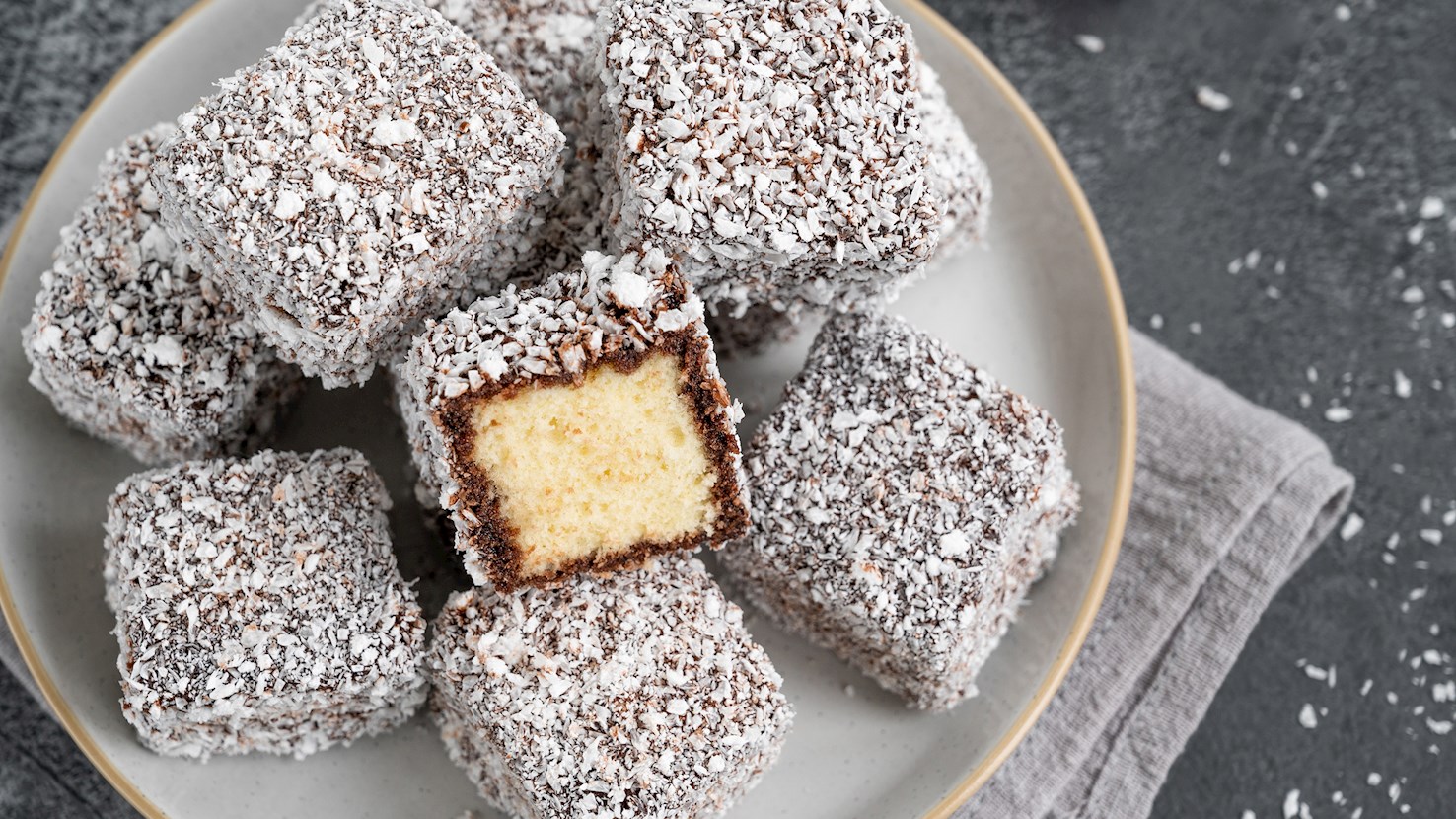
Čupavci are traditional Croatian cakes that are also popular in Poland, Slovakia, Hungary, and throughout the Balkans under different names. They consist of a sponge cake that is dipped in chocolate and sprinkled with finely desiccated coconut. Čupavci are extremely popular due to their climate suitability as they don't dry out when cut into bite-sized squares and covered in coconut. A very similar cake can also be found in Australia and New Zealand in many supermarkets, cafés, and bakeries, and it's known as lamington, but this variety is often made with a layer of fruit jam, unlike its European counterpart. In Croatia, čupavci are a Christmas staple. In Slovakia, the cake is called kokosové ježe, in Poland it's known as kostka kokosowa, while the Hungarian name is kókuszkocka.

12

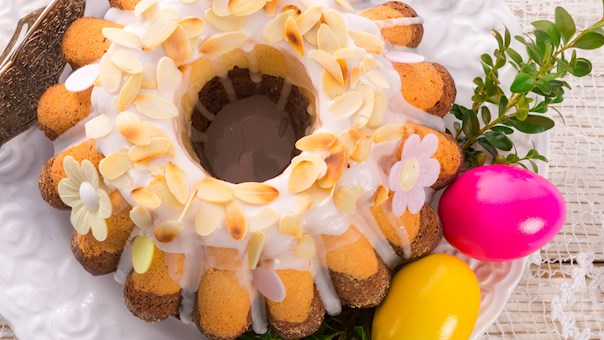
Makowiec

3.7 ·
13

Babka

3.7 ·
14

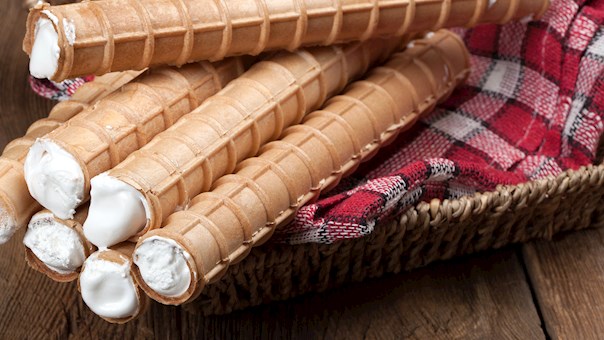
Rurki

3.8 ·
15

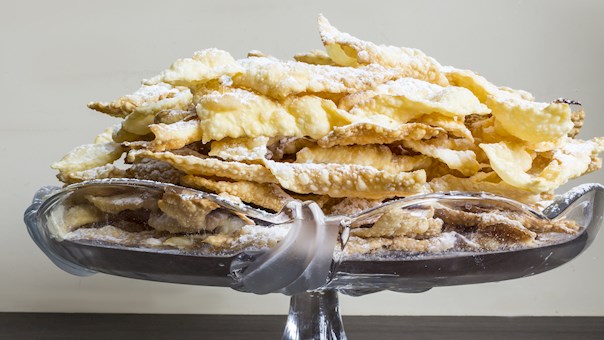
Faworki

3.8 ·
16

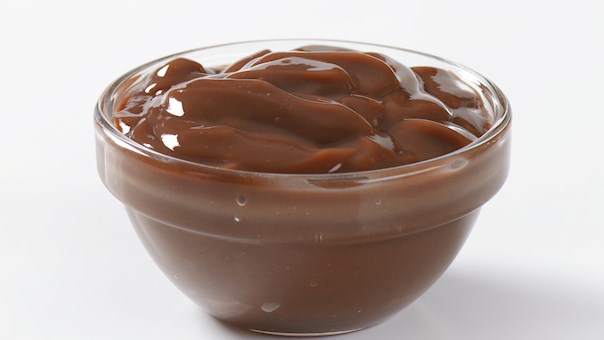
Budyń

3.9 ·
17

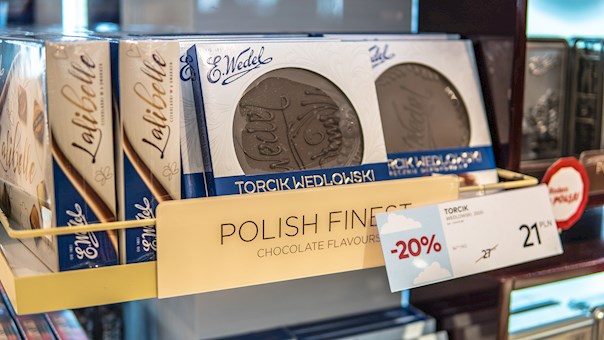
Torcik wedlowski

3.8 ·
Read more
View all
View map
About this ranking

TasteAtlas food rankings are based on the ratings of the TasteAtlas audience, with a series of mechanisms that recognize real users and that ignore bot, nationalist or local patriotic ratings, and give additional value to the ratings of users that the system recognizes as knowledgeable. For the “18 Worst Rated Polish Desserts” list until June 16, 2026, 5,806 ratings were recorded, of which 4,474 were recognized by the system as legitimate. TasteAtlas Rankings should not be seen as the final global conclusion about food. Their purpose is to promote excellent local foods, instill pride in traditional dishes, and arouse curiosity about dishes you haven’t tried.

Similar lists