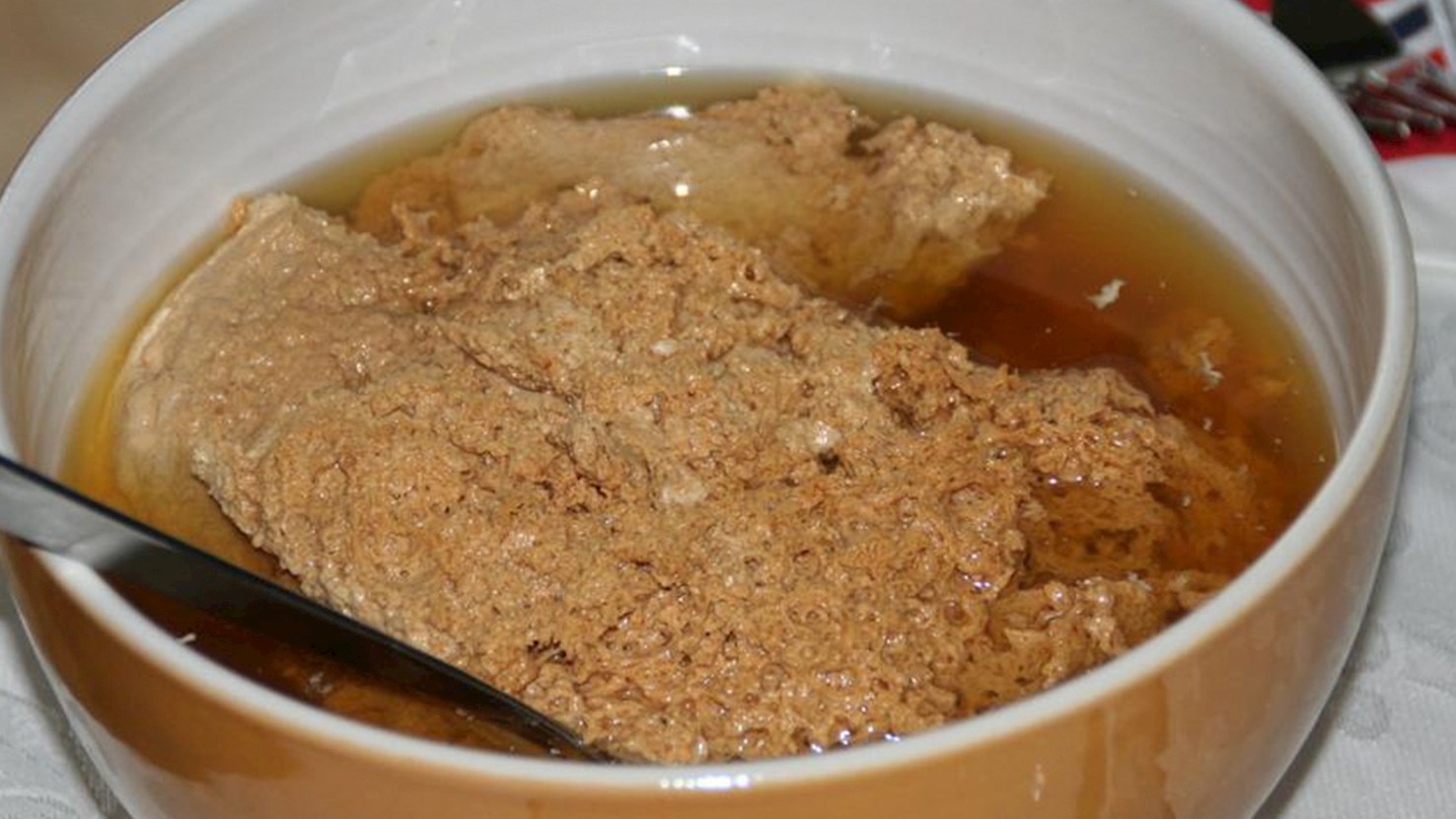
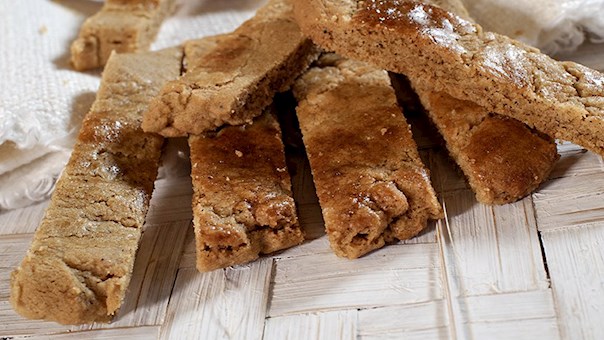
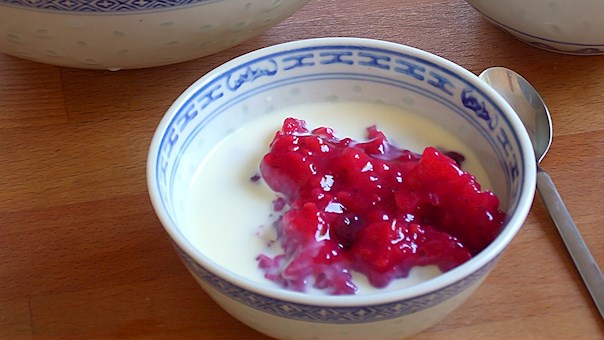
This traditional Norwegian spread is either a type of sweet, brownish-colored cheese or a type of porridge made with milk and oats or rice. The consistency of the dish can be thin or thick. Additionally, raisins and cinnamon can be added. It is commonly enjoyed as a dessert, spread on bread, milk cakes, waffles, or lefse - a type of Norwegian flatbread made with potatoes, flour, butter, and cream.
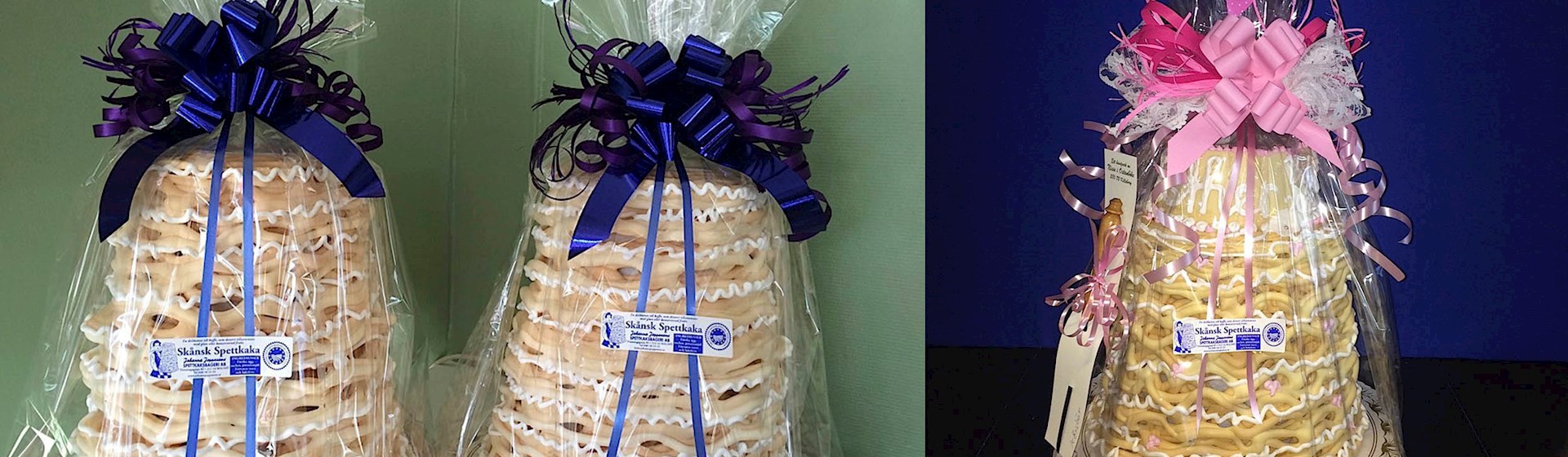
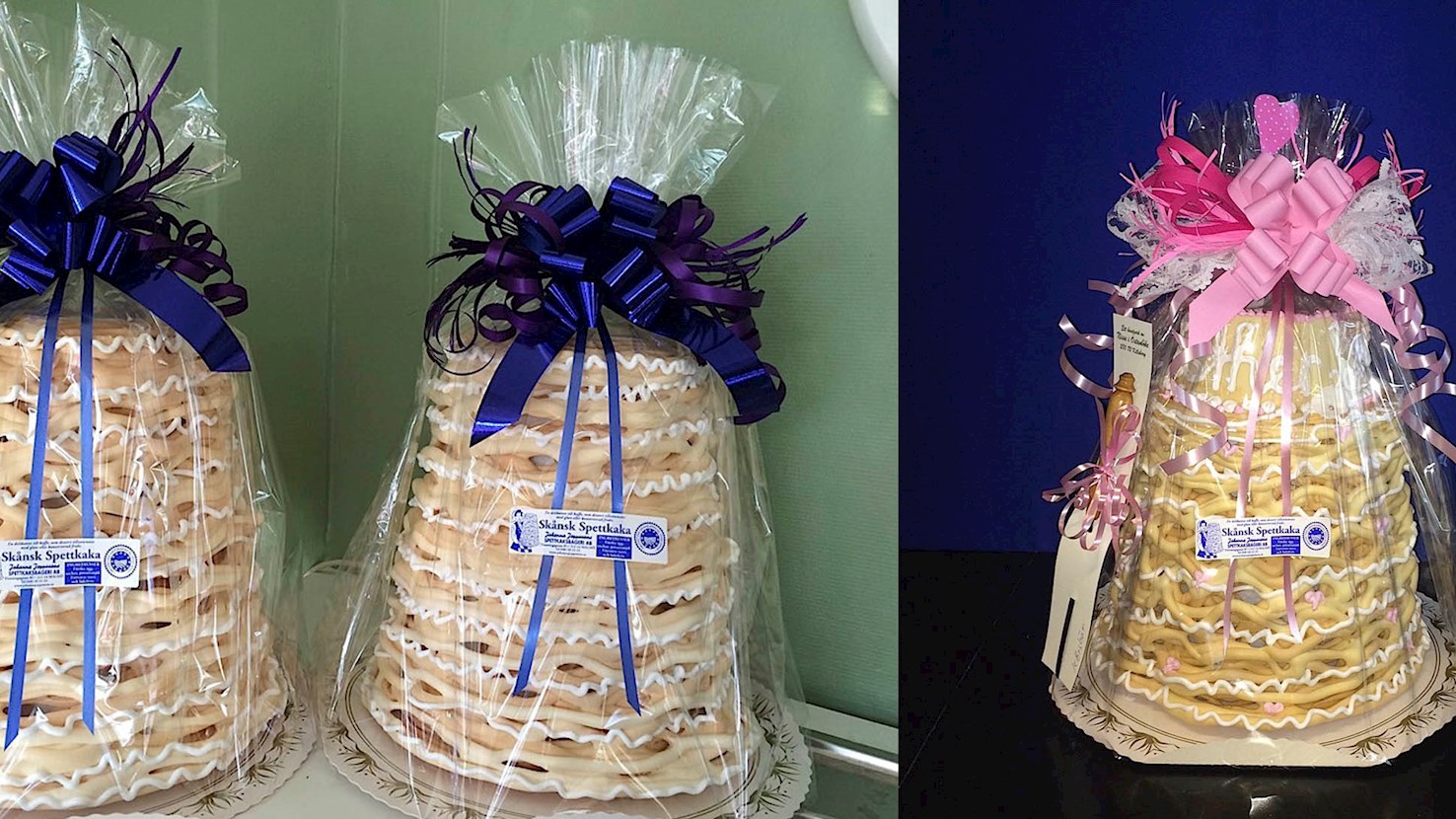
Skånsk spettkaka or pyramid cake is a visually appealing conical cake from Scania, Sweden, traditionally made using only fresh eggs, sugar, and potato flour. This spit cake has been baked in Sweden since the 1600s, and the first recipe for it was found in Susanna Egerin's cookbook dating back to 1733. In the past, only the wealthier people could afford this delicacy, but today anyone can enjoy its unique taste. The ingredients are mixed using a special technique, then formed into a sticky batter. Afterwards, the batter is slowly baked on a rotating mould at a high temperature, layer by layer, until it develops a golden-brown color (with irregular spikes on its body) and a pleasant aroma. In the end, it is coated with sugar frosting. If a knife is used to cut the cake, it will crumble and shatter, so a hacksaw blade is used instead of it to gently cut the cake into smaller pieces. All that remains is to serve it with vanilla ice cream, fruit, and a cup of coffee, and the sweet journey into Sweden's gastronomy can begin.
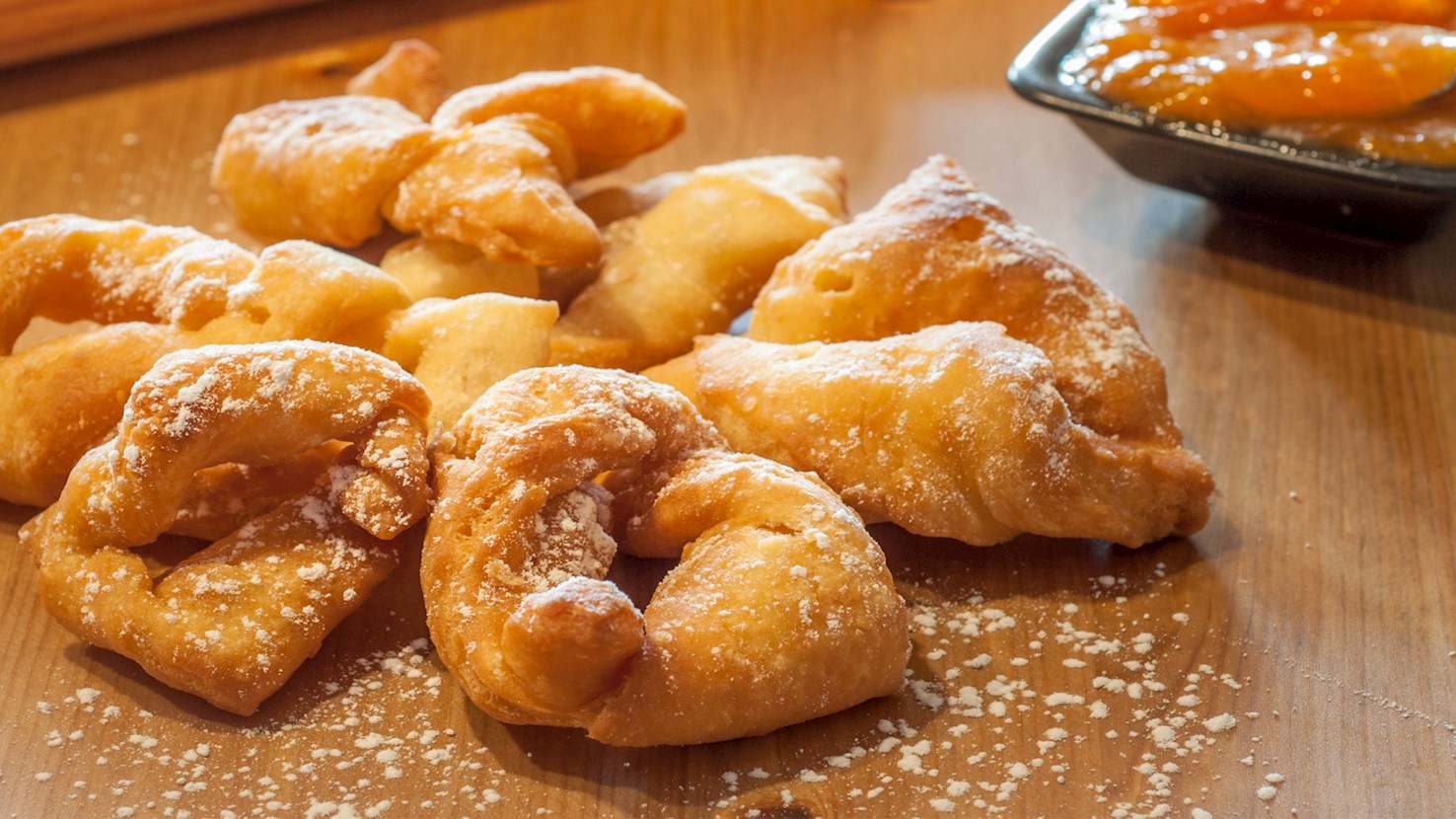
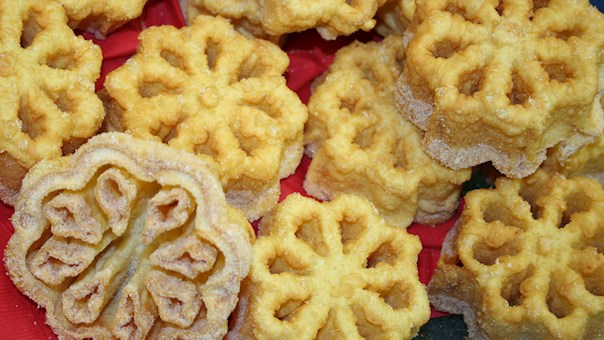
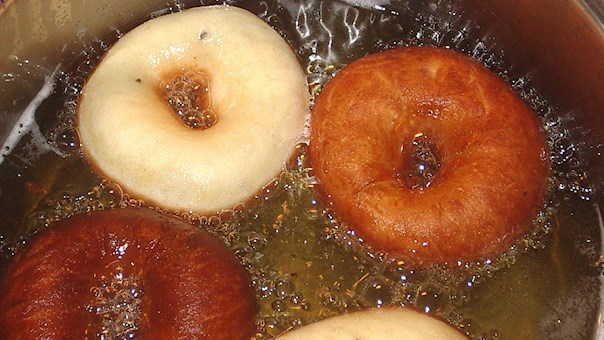
The rhomb-shaped, crispy klenät is a popular deep-fried pastry enjoyed in many Nordic countries. Made with the buttery yeasted dough, often enriched with various liqueurs, it is primarily rolled, shaped into a knotted trapezoid, and then fried until it turns into a light, crunchy, golden treat. Traditionally enjoyed during Christmastime, it is best served freshly prepared and lightly sprinkled with cinnamon and powdered sugar.
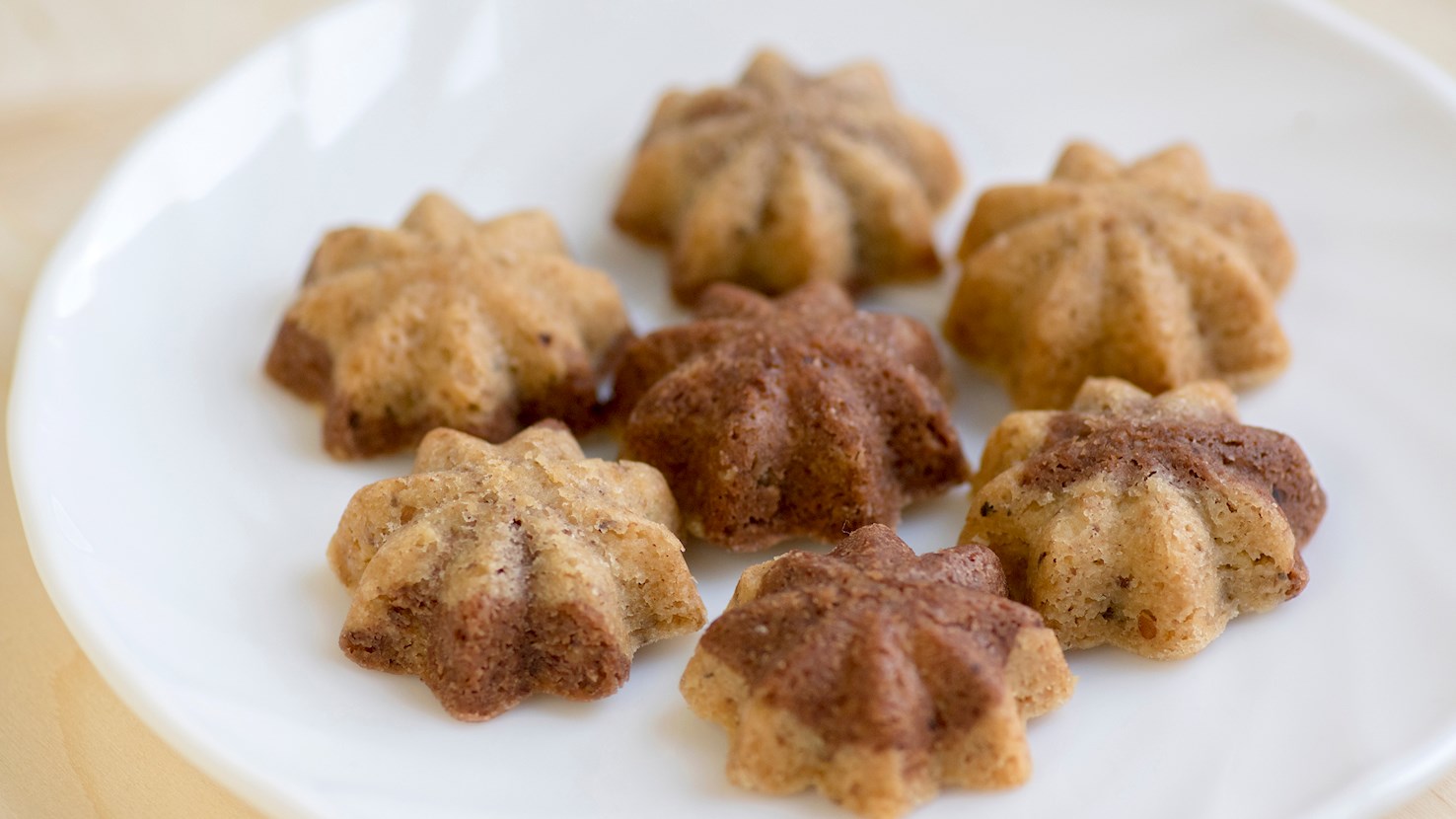
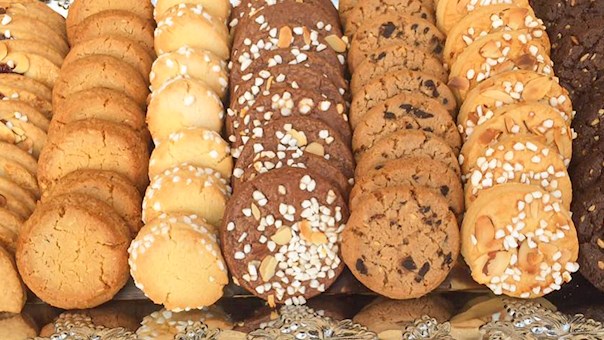
Sandkaker or sandbakelse are traditional cookies originating from Norway. They're usually made with a combination of flour, butter, eggs, sugar, and blanched ground almonds. The butter and flour are mixed until crumbly, and the dough is finished with the addition of almonds, sugar, and eggs. The dough is placed in the fridge for about an hour before it's pressed into greased sandkaker molds. The cookies are baked until golden and they should be left to cool slightly before they're removed from the molds and enjoyed. Sandkaker are often prepared during the festive Christmas season.
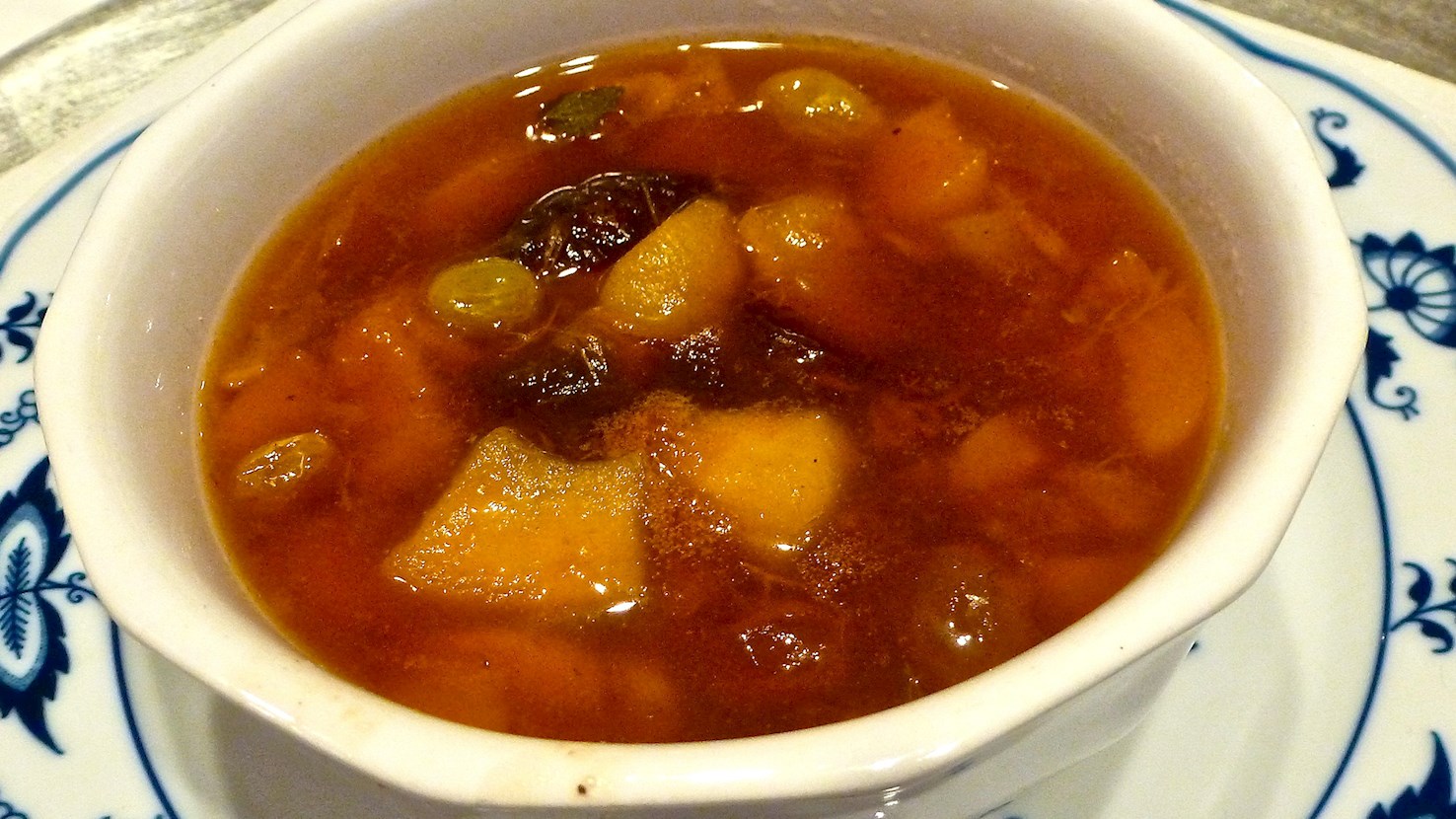
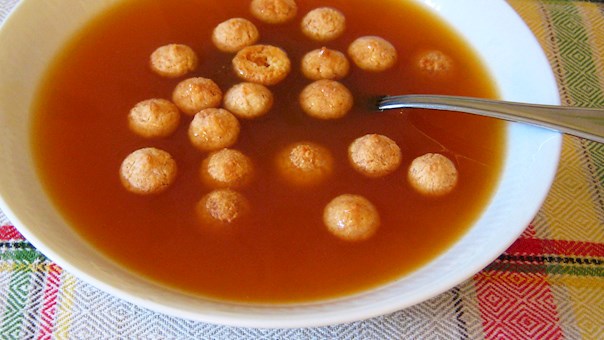
A sweet fruit soup traditionally prepared during holidays and for various celebrations in Sweden, fruktsoppa is often served on the Swedish Christmas buffet. This dish is similar to a fruit compote, composed of a combination of dried fruits, usually prunes, apricots, and raisins, tart apple slices, lemon slices, water, cinnamon, tapioca, and sugar. Once cooked, the soup is poured into a bowl and traditionally served chilled, but it can also be served warm, at room temperature, or frozen, depending on the season. For added flavor, it can be drizzled with a small amount of rum or wine and flavored with a pinch of nutmeg or cloves. This delicious soup pairs well with whipped cream, ice cream, and a piece of pound cake. It is a dish regularly eaten in all Scandinavian countries, which is how several regional versions of it came about. The Swedish version usually calls for light fruits such as golden raisins, peaches, and pears, while the Norwegian version opts for darker fruits instead. Although it is generally considered a dessert, in Scandinavian countries, fruit soup is also commonly eaten as an appetizer, fruit salad, or even as a main course. In the past, Scandinavians regarded fruit soup as a nourishing and easily digestible bed food, making it a custom to present a new mother with a bowl of this dish to help her gain strength. Today, there are many different recipes for fruit soups, calling for various types of dried, canned, or store-bought fruit.
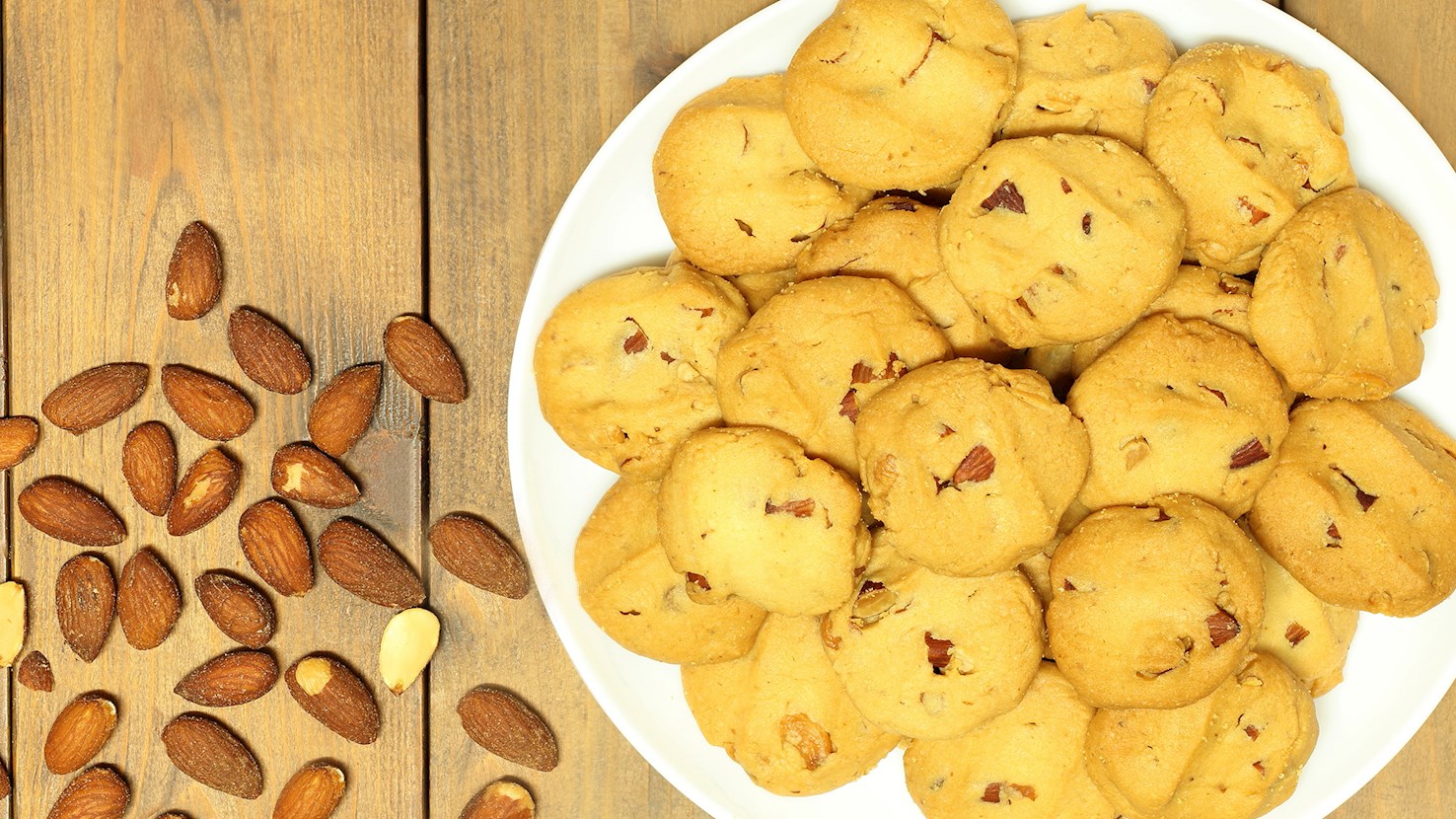
These round butter cookies are a Christmas staple in Norway. They are prepared with a simple base of flour, butter, and sugar, and are usually flavored with vanilla, while the top is often sprinkled with almond slivers. Serinakaker cookies are often included on the list of so-called seven sorts—traditional Norwegian Christmas bakes—and are considered to be one of the oldest cookies in Norway.
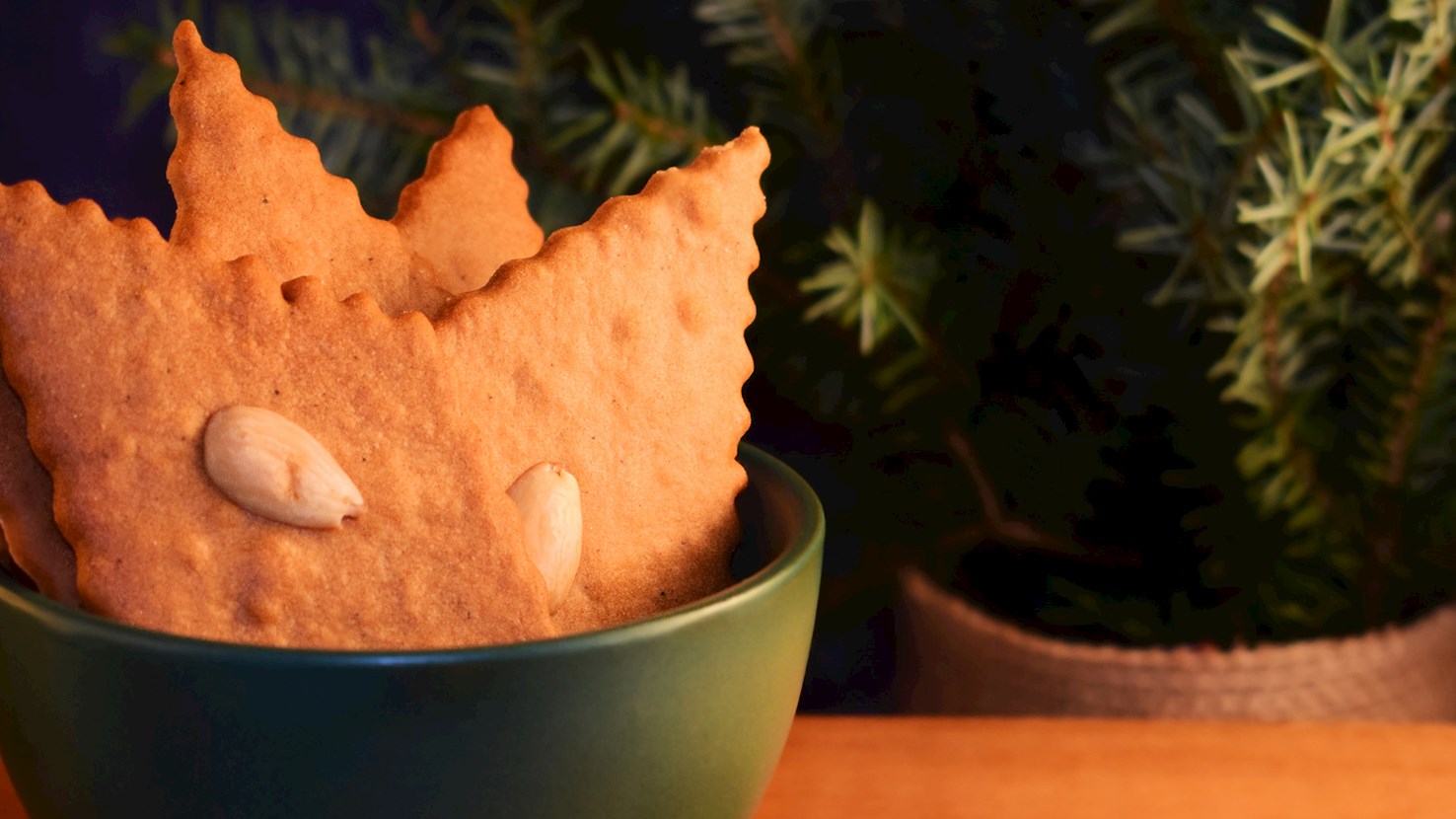
These Norwegian spiced cookies are typically prepared with a buttery pastry that is enriched with syrup (sirap), cinnamon, ginger, ground white pepper, and aniseed. Sirupsnipper cookies are traditionally made with baker’s ammonia and are always cut into a diamond shape, with a halved almond placed in the center. The cookies are an absolute must for Christmas in Norway.
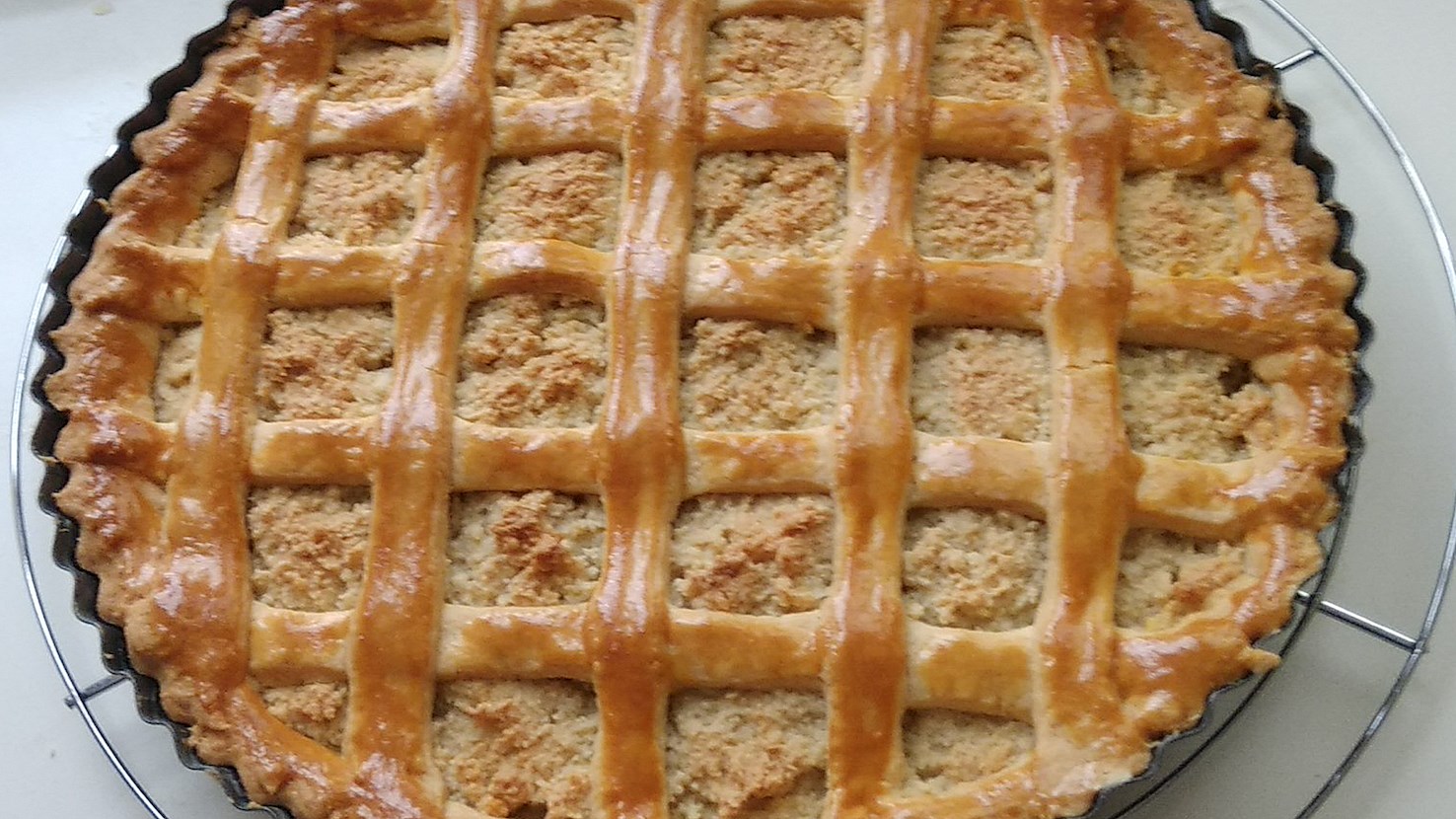
The fragrant fyrstekake is a classic Norwegian tart made with a thick layer of dense, cardamom-scented almond paste sandwiched between a rich, buttery dough. Also known as Royal cake or Prince’s cake, this is by far one of the most popular Scandinavian desserts, and although the recipe calls only for a handful of ingredients, the results are often said to be quite decadent and even regal in their simplicity. Fyrstekake is traditionally prepared during the holiday season, and it is recommended to pair it with a cup of tea.
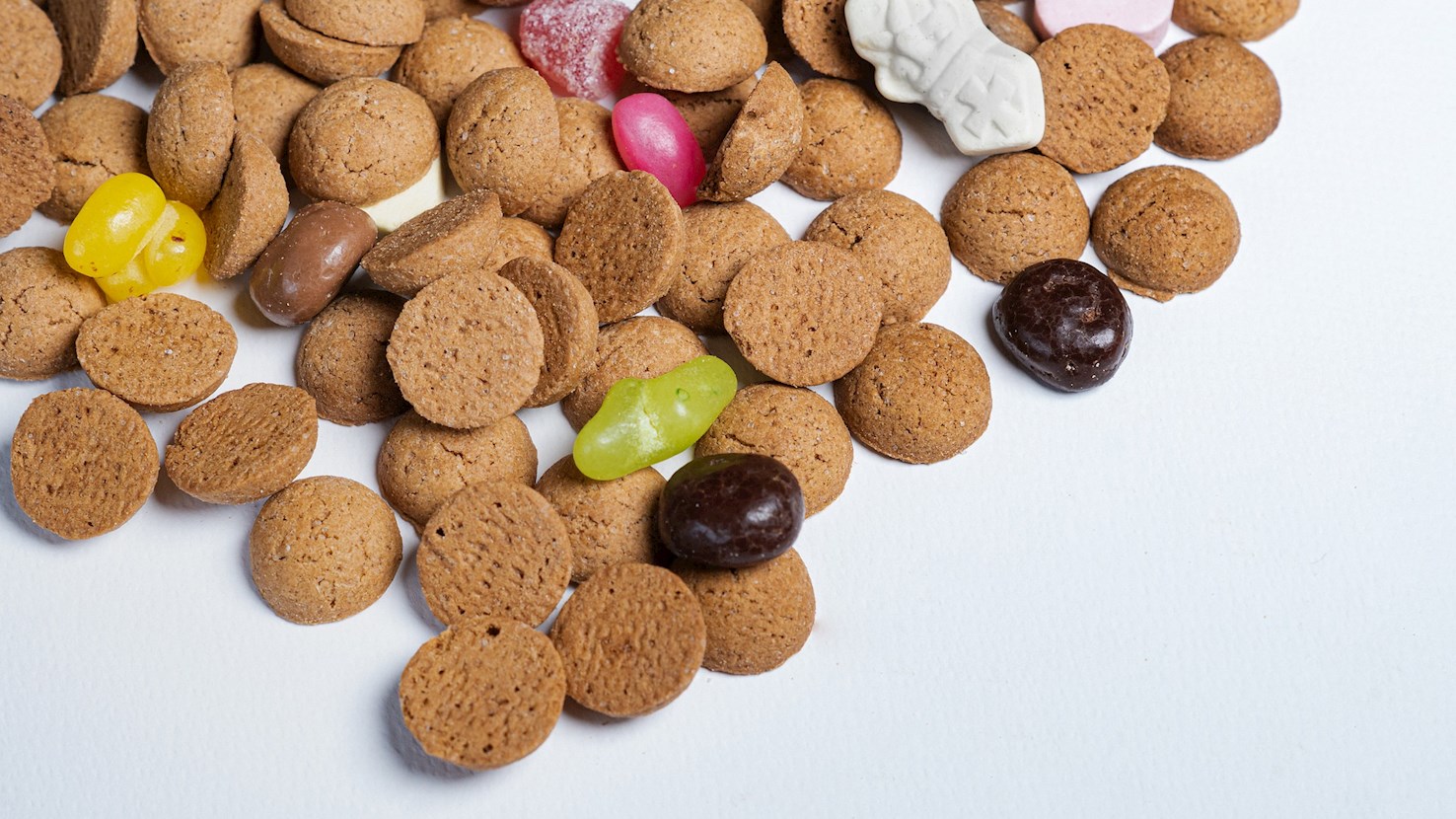
Ingefærnøtter are traditional cookies originating from Norway. They're usually made with a combination of flour, butter, sugar, fruit syrup, eggs, cinnamon, ginger, baking powder, and black pepper. The dough is left to rest in the fridge, and it's then rolled out, cut into strips, and shaped into flattened balls. The cookies are baked for about ten minutes or until golden brown. These spicy cookies are especially popular during the festive Christmas season. Once prepared, they can be enjoyed immediately or stored in airtight containers.
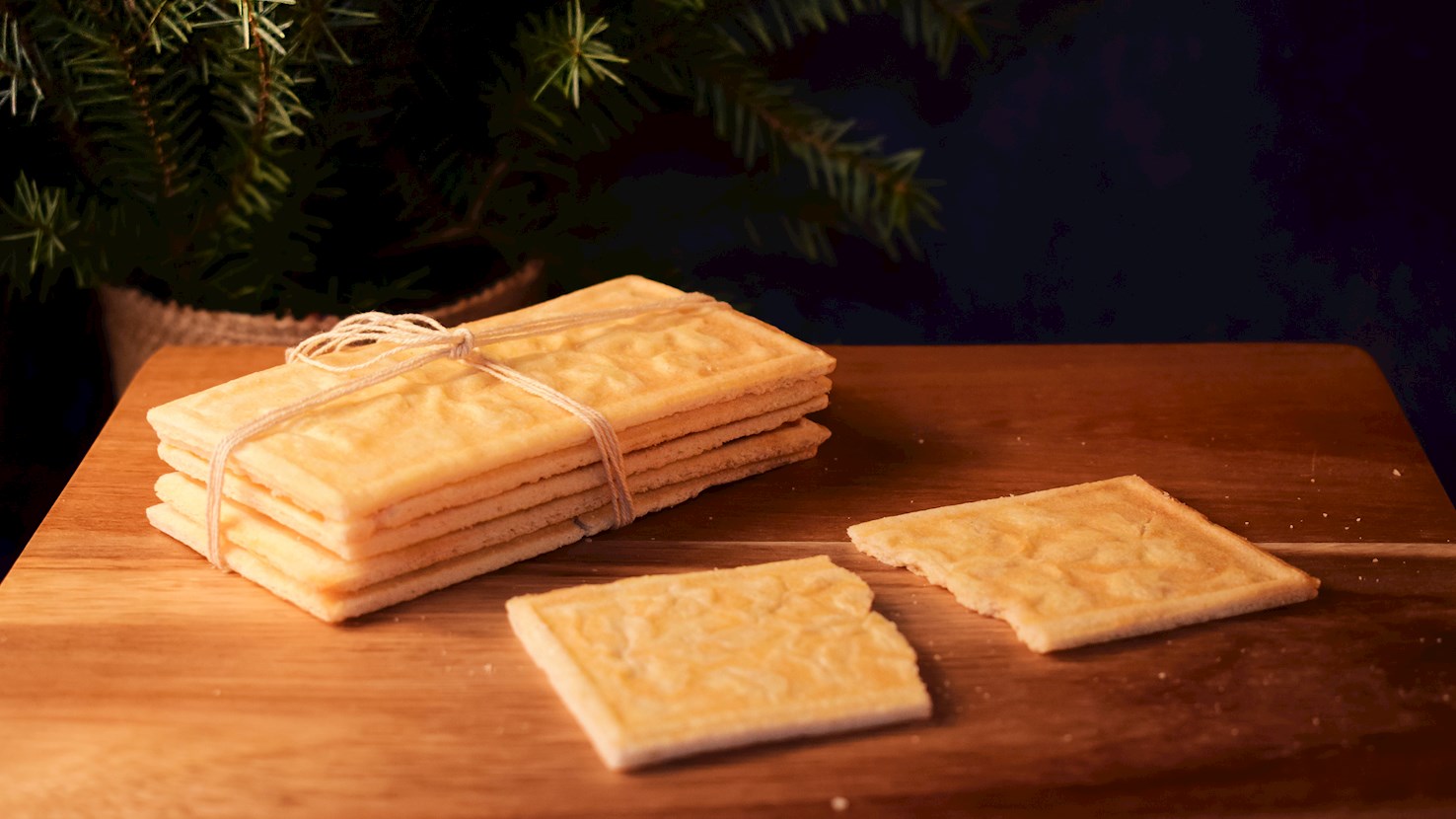
Goro are traditional Norwegian Christmas cookies. They're usually made with a combination of flour, butter, eggs, sugar, vanilla, cardamom, and heavy cream. The smooth dough is wrapped in plastic and left in the fridge to chill for at least 8 hours before it's pressed with a special goro iron, which imprints beautiful decorative patterns on the dough and bakes the cookies as well. Once baked, each cookie is removed from the iron and placed on a wire rack to cool down. Once done, the cookies can be enjoyed immediately or stored in airtight containers once they are cold. It's recommended to serve the cookies with a cup of coffee on the side. Interestingly, in the past, some of the wealthier bakers had unique irons with their initials inscribed on the inside.
TasteAtlas food rankings are based on the ratings of the TasteAtlas audience, with a series of mechanisms that recognize real users and that ignore bot,
nationalist or local patriotic ratings, and give additional value to the ratings of users that the system recognizes as knowledgeable.
For the “54 Worst Rated Scandinavian Desserts” list until May 21, 2026, 2,842 ratings were recorded, of which 2,436 were recognized by the system as legitimate.
TasteAtlas Rankings should not be seen as the final global conclusion about food. Their purpose is to promote excellent local foods,
instill pride in traditional dishes, and arouse curiosity about dishes you haven’t tried.