Reshteh polo is a distinctive Iranian dish known for its unique combination of rice and thin noodles called reshteh. This dish blends the fluffy texture of saffron-infused basmati rice with toasted noodles, offering a complex interplay of flavors and textures. Commonly prepared during significant celebrations such as Nowruz, the Persian New Year, Reshteh Polo symbolizes the weaving of good fortune and new beginnings, reflecting its cultural importance in Iranian society. The history of reshteh polo is deeply connected to Persian culinary traditions where rice dishes hold a central place. The inclusion of reshteh noodles in the rice distinguishes this dish, showcasing the innovative integration of wheat and rice elements in Persian cuisine. Over time, reshteh polo evolved from simple home preparations to a celebrated dish featured in both everyday meals and festive occasions. Preparation of reshteh polo involves first toasting the reshteh noodles in oil or butter until they achieve a golden-brown color, which enhances their nutty aroma. The rice is then parboiled separately and combined with the toasted noodles before being steamed together to develop a harmonious texture. Saffron water is often added to infuse the dish with its characteristic color and fragrance. The dish may be accompanied by dried fruits, nuts, or fried onions to provide contrast and richness. Serving reshteh polo typically involves presenting it alongside stews, grilled meats, or other components of a Persian meal.
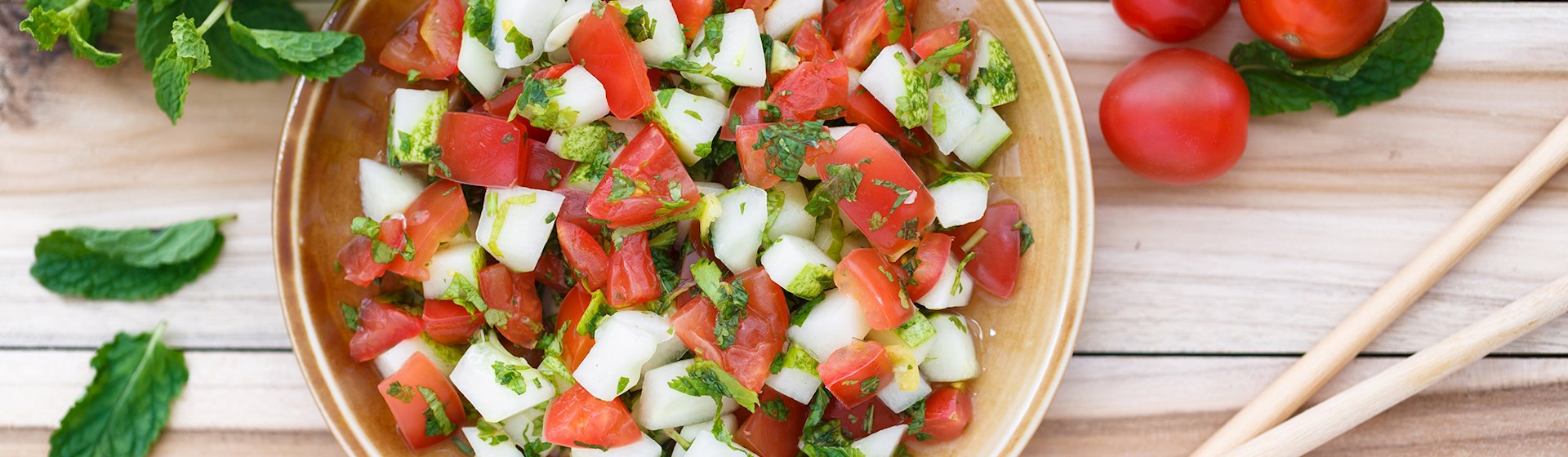
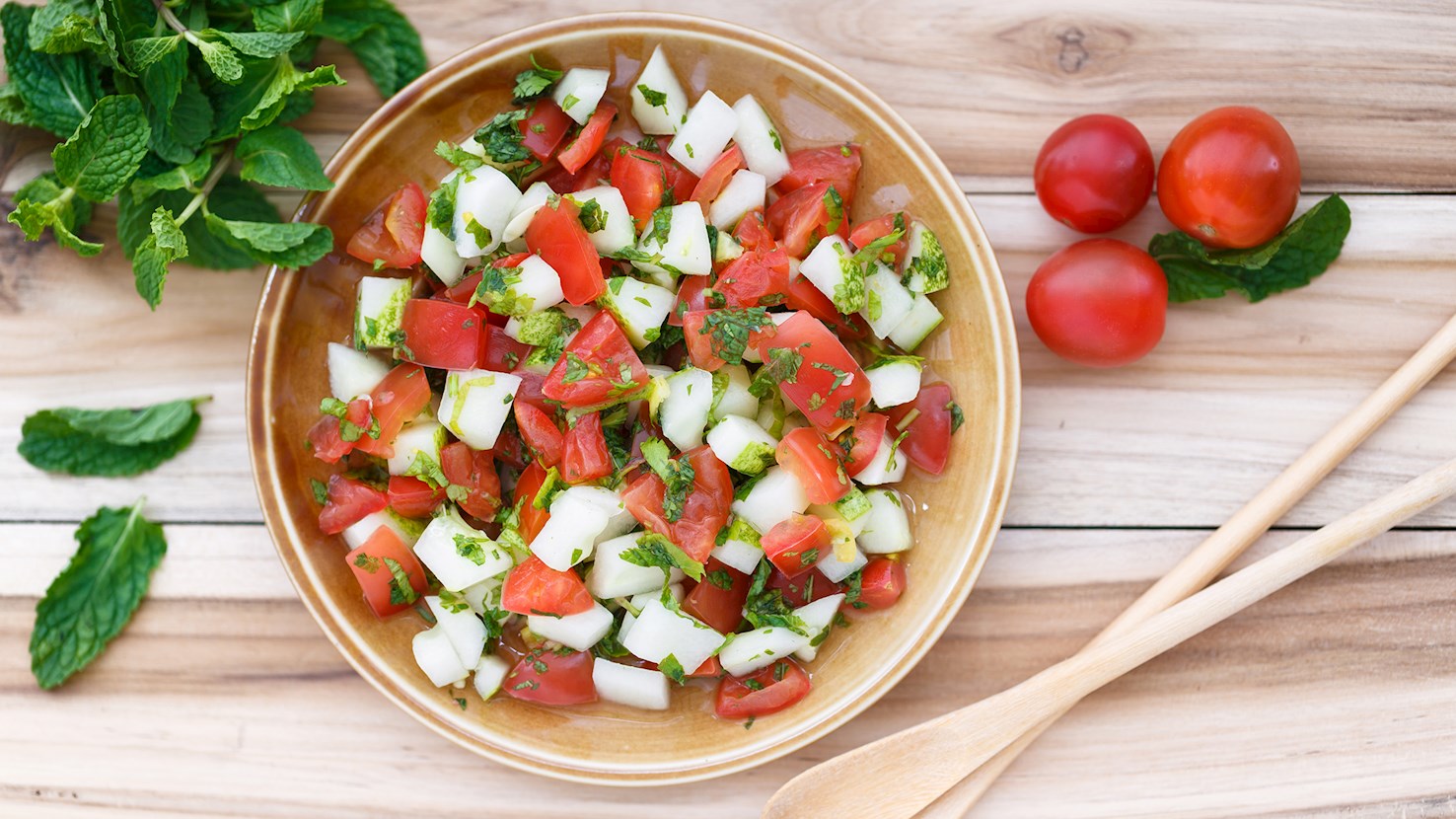
Salata is a very popular side dish in Afghan cuisine, a frequent accompaniment during lunch and dinner. The ingredients are usually only cucumbers and tomatoes that have been uniformly diced as much as possible, dressed with freshly squeezed lemon juice, then seasoned with salt and either mint, parsley, or cilantro. Today you will even find recipes where the most common ingredients include onions, and sometimes even bell peppers, radishes, and lettuce.
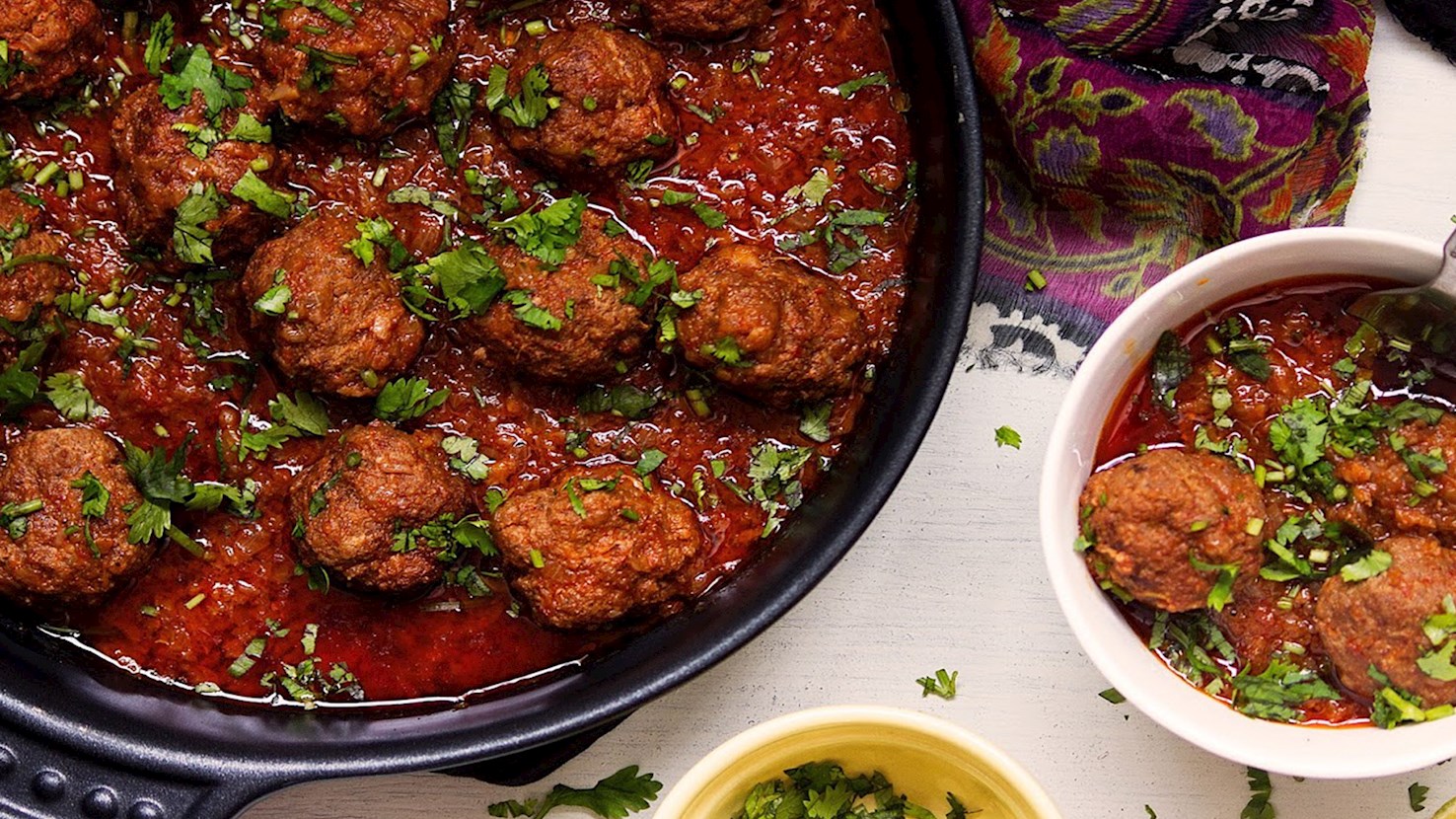
Kofta challow is a traditional dish consisting of meatballs and white rice, where kofta refers to meatballs and challow refers to rice. The meatballs are typically prepared with a combination of ground lamb or beef, onions, garlic, eggs, coriander, and black pepper. They are cooked in a flavorful sauce based on tomatoes and onions. When done, the meatballs are served with white rice.
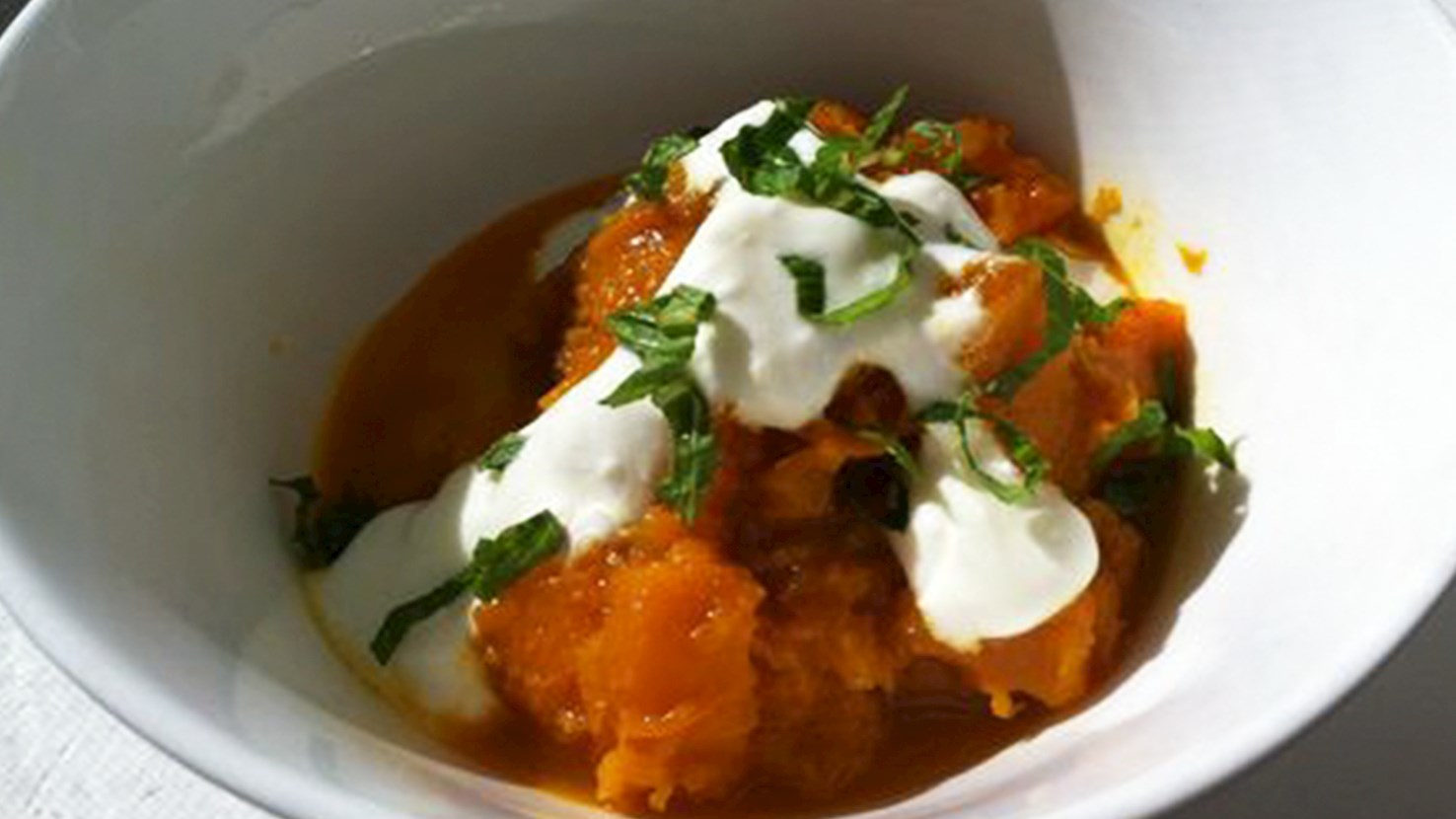
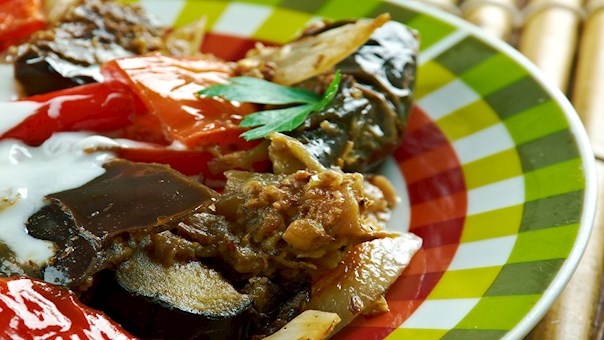
The main ingredients in this Afghan dish are chunks of pumpkin or squash that are slowly braised in a flavorful combination of onions, garlic, coriander, ginger, turmeric, chili peppers, and tomatoes. Borani kadoo can be enjoyed as the main course or a side dish. It is typically served garnished with garlic-spiked yogurt and naan bread on the side. The meal is usually consumed by scooping a mouthful with Afghan flatbreads, or it can be poured over white rice called challow.
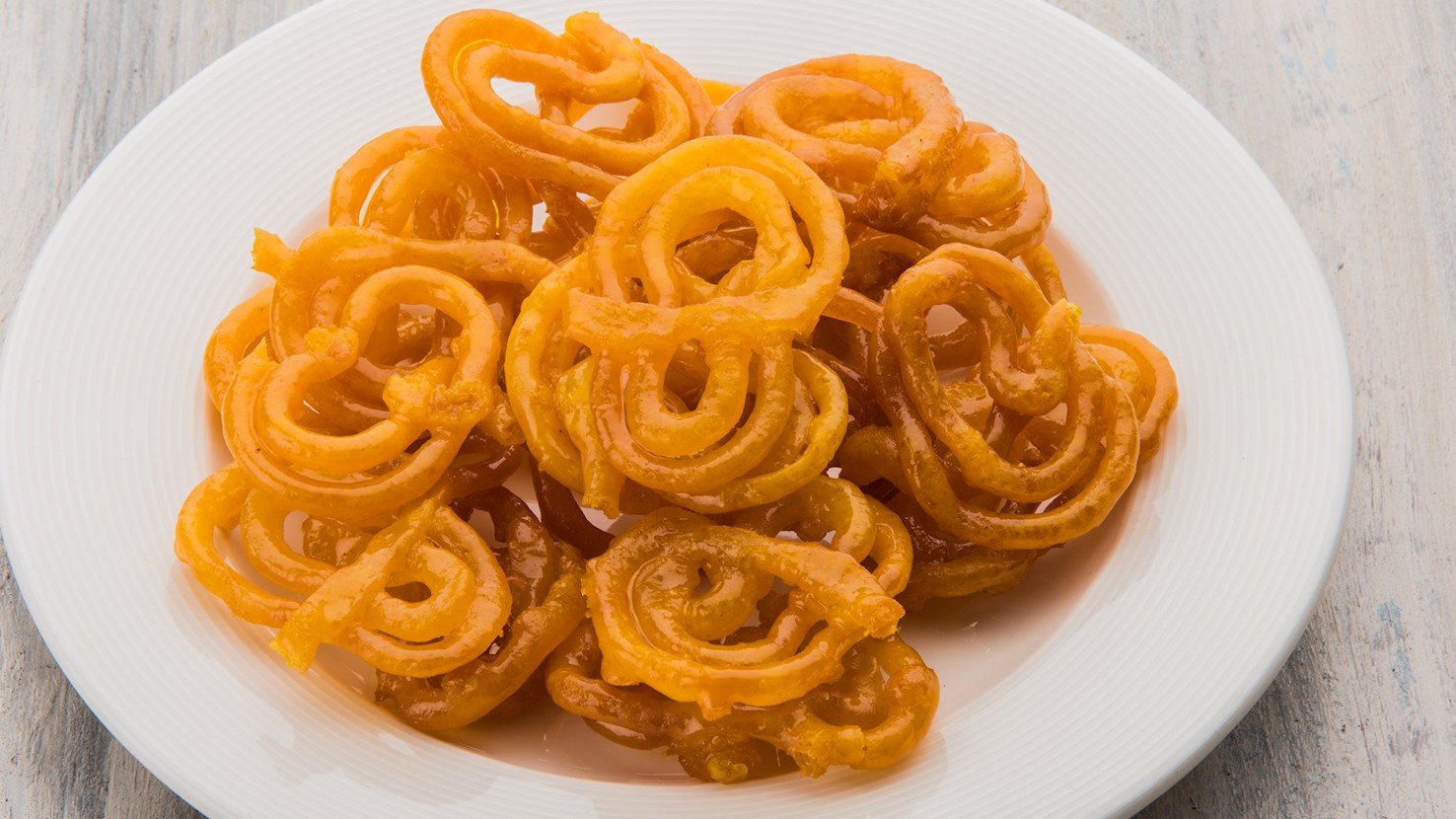
Zulbia is a sweet confection prepared by deep-frying thin coils of fermented batter and then soaking them in a fragrant sugar syrup. Although it is believed to have its origins in Persia, zulbia or jalebi is an international dessert with variations that spread throughout the Middle East, India, and Asia. Its golden color and delicate crispness have made it a favorite accompaniment to tea in both homes and pastry shops. To make zulbia, a batter is prepared by mixing refined flour with yogurt or fermented starter, a little cornstarch, baking soda, and sometimes a splash of rosewater. The batter is rested to develop a slight tang and a smooth consistency. Using a special funnel or piping bag, it is poured into hot oil in looping, spiral patterns that expand and puff as they fry. The pieces are turned until evenly golden and crisp, then immediately immersed in warm syrup made with sugar, water, saffron, rosewater, and sometimes a dash of lemon juice to prevent crystallization. After a short soak, they are removed and set to drain on racks, leaving them saturated but not soggy. The flavor is sweet and floral, with a hint of acidity from the syrup balancing the richness of the fried dough. Because it holds up well over time, zulbia is often prepared in large batches to be served over several days or packaged as a gift. Historical records suggest that variations of zulbia were made across Persia and the Indian subcontinent as early as the medieval period, with recipes spreading along trade routes and adapting to local tastes.
Gosh-e fil is a crisp, deep-fried pastry from Iran and Afghanistan. The name translates to “elephant ear” in Persian, referring to its broad, curved shape that resembles the ear of an elephant. This sweet is a staple during celebrations and is commonly enjoyed alongside a cup of tea, particularly during festive gatherings or in the evenings when families come together. To prepare gosh-e fil, dough is made by combining flour, eggs, yogurt, baking powder, butter, and a splash of rosewater to impart a delicate fragrance. The dough is rolled out thinly and cut into pieces that are then shaped by hand to form their characteristic curves. Each piece is deep-fried until golden and crisp, then drenched or dusted generously with powdered sugar and sometimes ground pistachios. The final touch is often a drizzle of cardamom-infused syrup or extra rosewater to enhance the aroma and sweetness. Although it may be prepared in homes, gosh-e fil is also sold fresh in pastry shops and bazaars, where its inviting aroma and distinctive shape draw in locals and visitors alike.
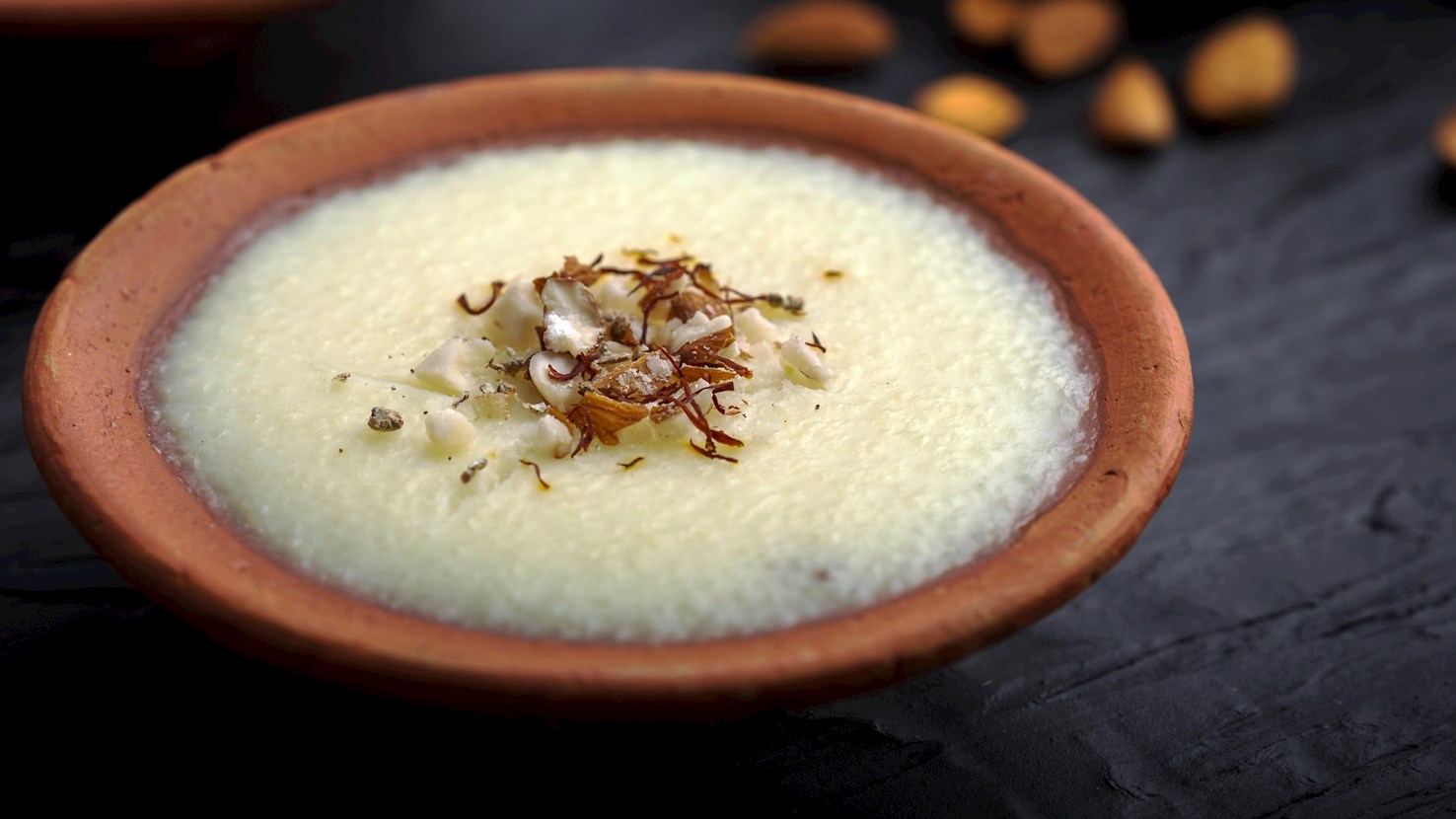
Firnee is a traditional dessert that is believed to have originated in India, where it is known as phirni. Afghan firnee is usually made with cornstarch (instead of ground rice in the Indian version) that is cooked in a mixture of milk and sugar, and just like Indian phirni, it is typically flavored with aromatic spices such as cardamom, saffron, and rose water. The traditional version calls for sprinkling the dessert with finely ground pistachios, but these days it is often enriched with pieces of seasonal fruit, dried fruit, or coconut flakes. Similarly to Indian phirni, Afghan firnee is also traditionally prepared for special events and festivities such as weddings and religious holidays like Ramadan and Eid. In Afghanistan, rose water-flavored and banana-flavored firnee are the two favorite versions of this sweet treat.
Ash is a category of thick, hearty soups and stews from Iran and Afghanistan that are prepared with a combination of noodles, vegetables, fresh herbs, and grains. Ash is often considered a cornerstone of Iranian and Afghan cooking and appears on tables both as an everyday meal and as a specialty dish during gatherings, celebrations, and religious occasions. The origins of ash go back centuries, with mentions found in historical Persian texts and cookbooks. Its role as a nourishing and accessible meal made it popular among communities across the Iranian plateau, where grains like wheat and barley and abundant garden herbs such as parsley, cilantro, dill, and mint provided the foundation. Over time, cooks developed countless varieties, such as ash reshteh, ash-e doogh, ash-e anar, and ash-e jo, each with its distinctive flavor profile and purpose. Some versions were linked to specific seasons or events, for example, ash reshteh is associated with Nowruz, the Persian New Year. To prepare ash, cooks typically begin by gently frying onions in oil until golden. Garlic and turmeric are often added, creating a fragrant base. Lentils, split peas, beans, or chickpeas follow, simmered with water or stock until tender. Fresh herbs and sometimes vegetables like spinach or pumpkin are stirred in later, giving the soup both vibrant color and layered taste. In ash reshteh, wheat noodles are added near the end of cooking, while in ash-e doogh, tangy yogurt is incorporated to create a creamy texture. Once ready, ash is topped with a garnish called “naná dagh,” a sizzling blend of fried dried mint and sometimes garlic or onions in hot oil, drizzled over each serving. Ash can be found everywhere from street food stalls to family kitchens, and it is served in large bowls accompanied by flatbreads such as sangak or barbari. In homes, it is often enjoyed communally, with diners gathering around a pot set in the center of the table. Some people prefer to drizzle vinegar or a splash of kashk, a fermented dairy product, over the top to enhance the flavor.
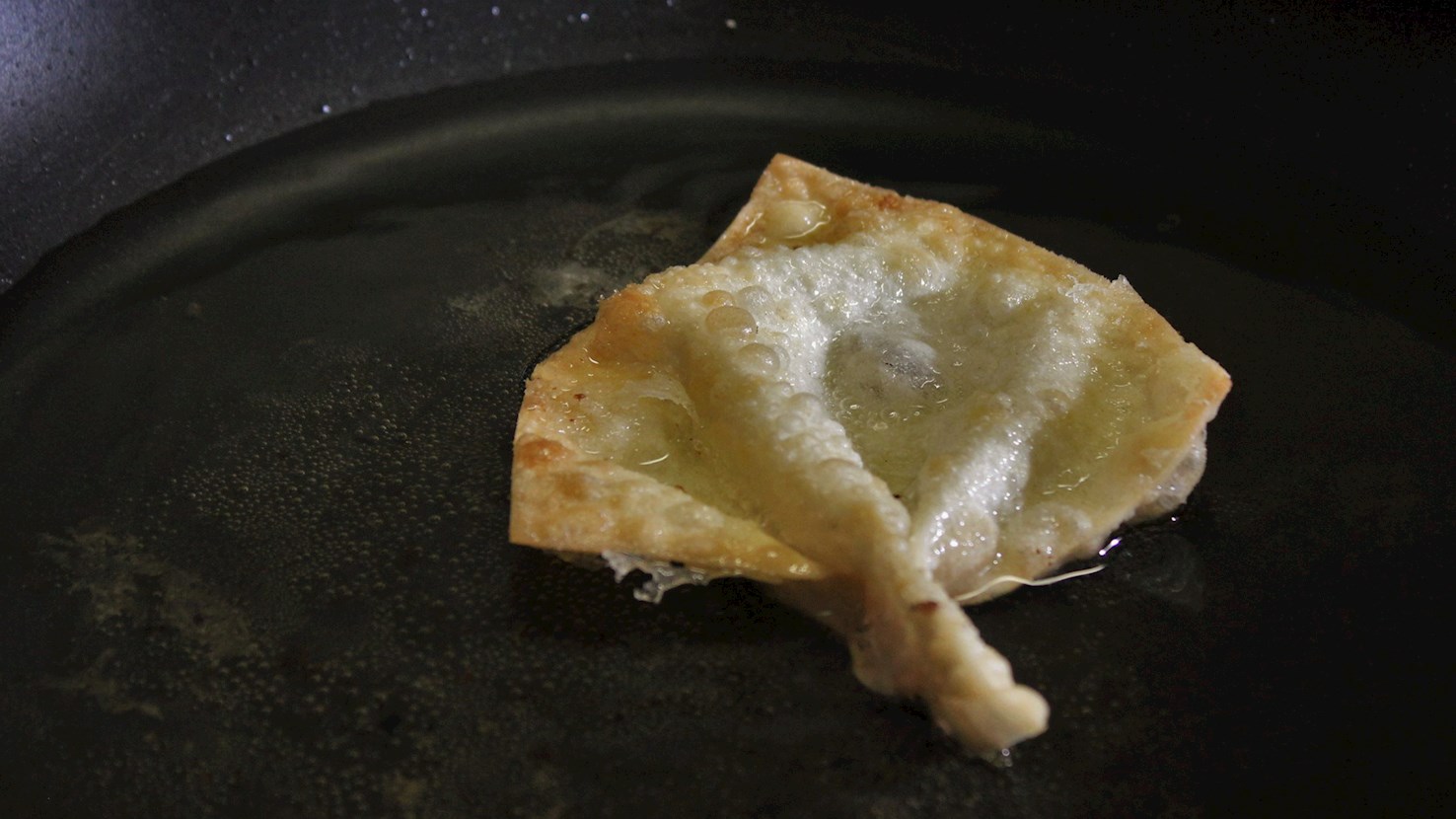
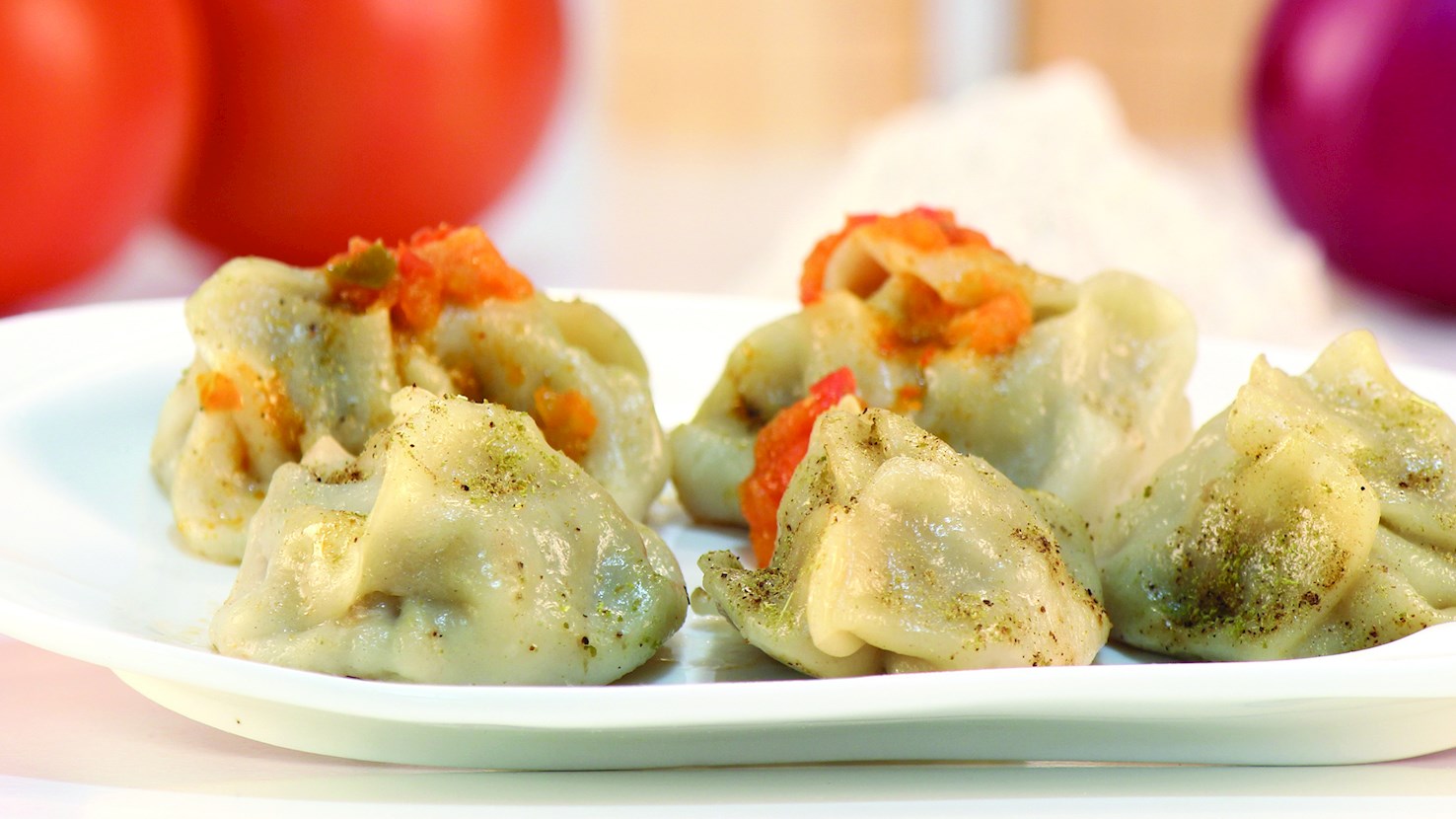
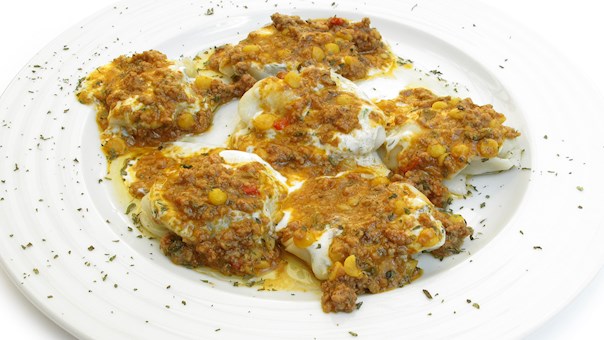
Afghan mantu, one of the most beloved dishes of the Afghan people, consists of meat and onion stuffed dumplings, either a thick yogurt and garlic sauce or chakkah (strained yogurt), and a tomato-based sauce. Traditionally, fresh pastry or wonton wrappers are first stuffed with a filling made from ground lamb or beef meat and minced onions, and then shaped to form a dumpling that is cooked by steaming. The dish is arranged in the following manner: on a large plate first comes a spread of yogurt and chopped mint as a base, then a layer of dumplings, topped with yet another layer of chakkah. The tomato-based sauce is left for the final layer, usually containing either split peas, kidney beans, or ground meat.
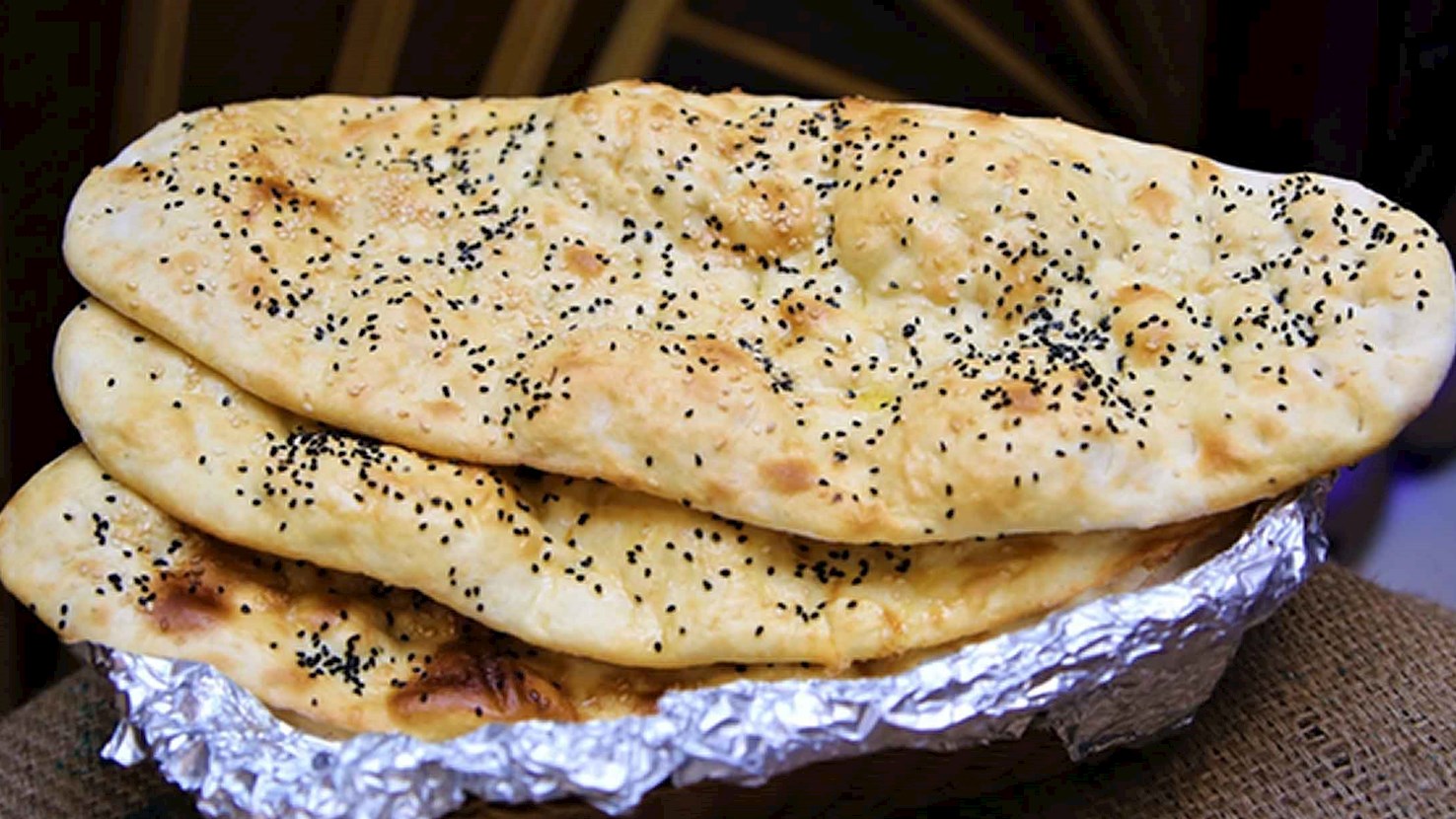
Naan-e afghani is a traditional flatbread made primarily with wheat flour and water. The dough is stretched into an oval or rectangular loaf, brushed with egg wash, and then baked in a hot tandoor oven. The thin bread can be enriched with oil or melted butter and a handful of seeds scattered on top such as sesame seeds, nigella seeds, cumin, caraway, or poppy seeds. Considered the national bread of Afghanistan, naan-e afghani is prepared on a daily basis and is an indispensable part of every Afghan household. The bread is best when eaten right out of the oven, and it is typically used as an accompaniment to almost every Afghan meal.
TasteAtlas food rankings are based on the ratings of the TasteAtlas audience, with a series of mechanisms that recognize real users and that ignore bot,
nationalist or local patriotic ratings, and give additional value to the ratings of users that the system recognizes as knowledgeable.
For the “12 Worst Rated Afghan Foods” list until May 22, 2026, 1,610 ratings were recorded, of which 929 were recognized by the system as legitimate.
TasteAtlas Rankings should not be seen as the final global conclusion about food. Their purpose is to promote excellent local foods,
instill pride in traditional dishes, and arouse curiosity about dishes you haven’t tried.