






shutterstock

39 Worst Rated Argentinian Foods

Last updated on June 17, 2026
01

Lomo de llama

2.7 ·

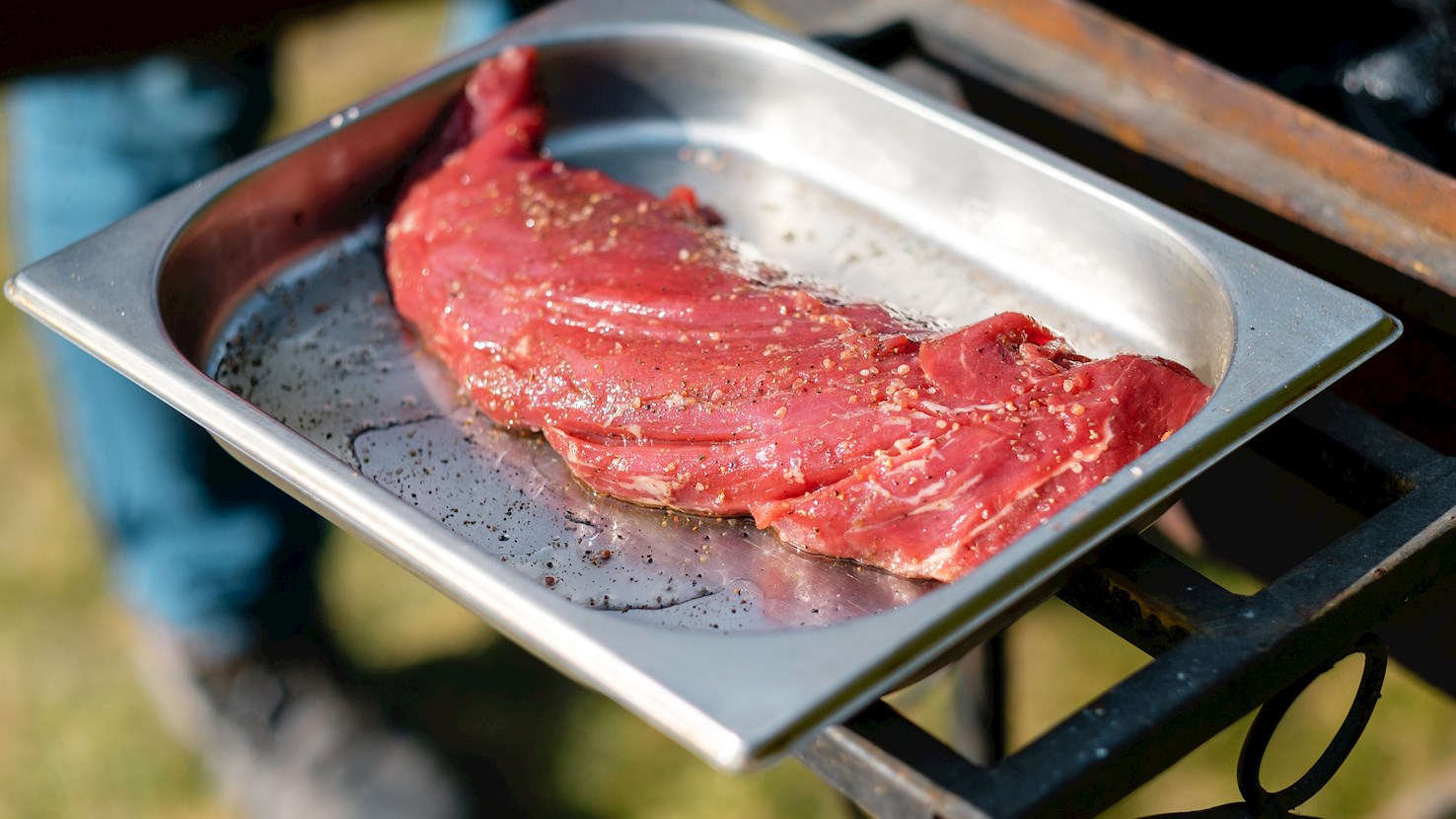
Lomo de llama is llama tenderloin, a prized cut from the loin of a llama. This cut is incredibly tender, succulent, and juicy, and it can be prepared similarly to beef tenderloin - as steaks, fillets, or fillet medallions. Llama meat is, however, much leaner than beef and higher in proteins, while flavor-wise, it is said to be similar to beef but slightly more intense, with hints of lamb and gaminess. Llama tenderloin is used to prepare a vast variety of specialties, and it's commonly fried, baked, stuffed, or braised in wine sauces. Typical accompaniments to dishes made with this cut of meat include mashed or boiled papas andinas (Andean potatoes), raw or cooked vegetables, quinoa salads, risottos, and chimichurri sauces.

02

Chorizo a la pomarola

2.9 ·

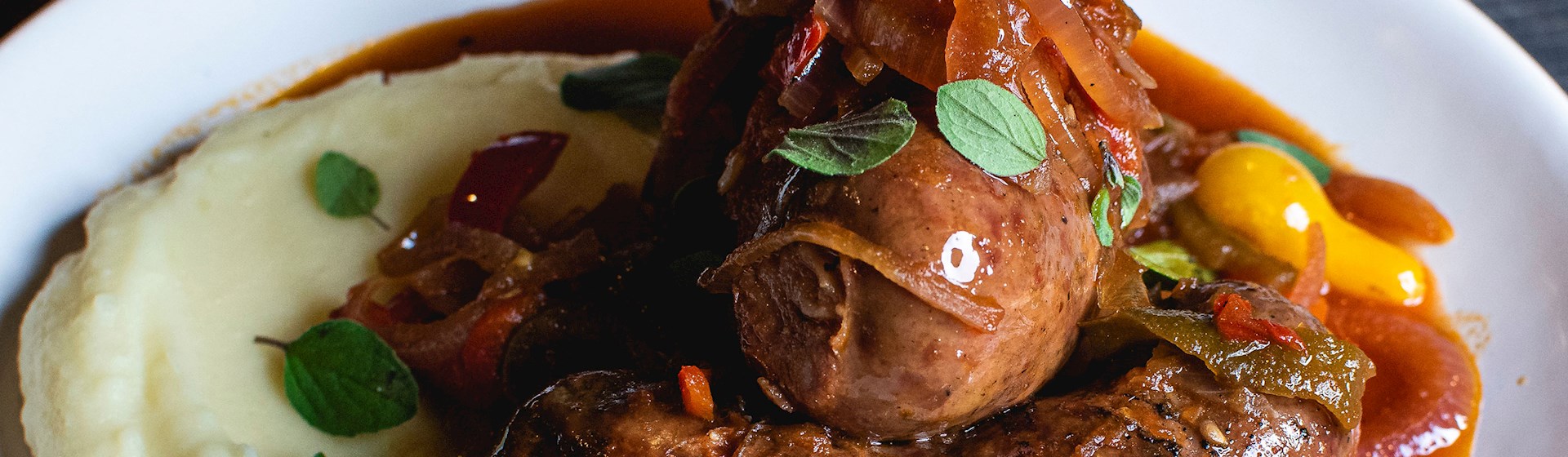
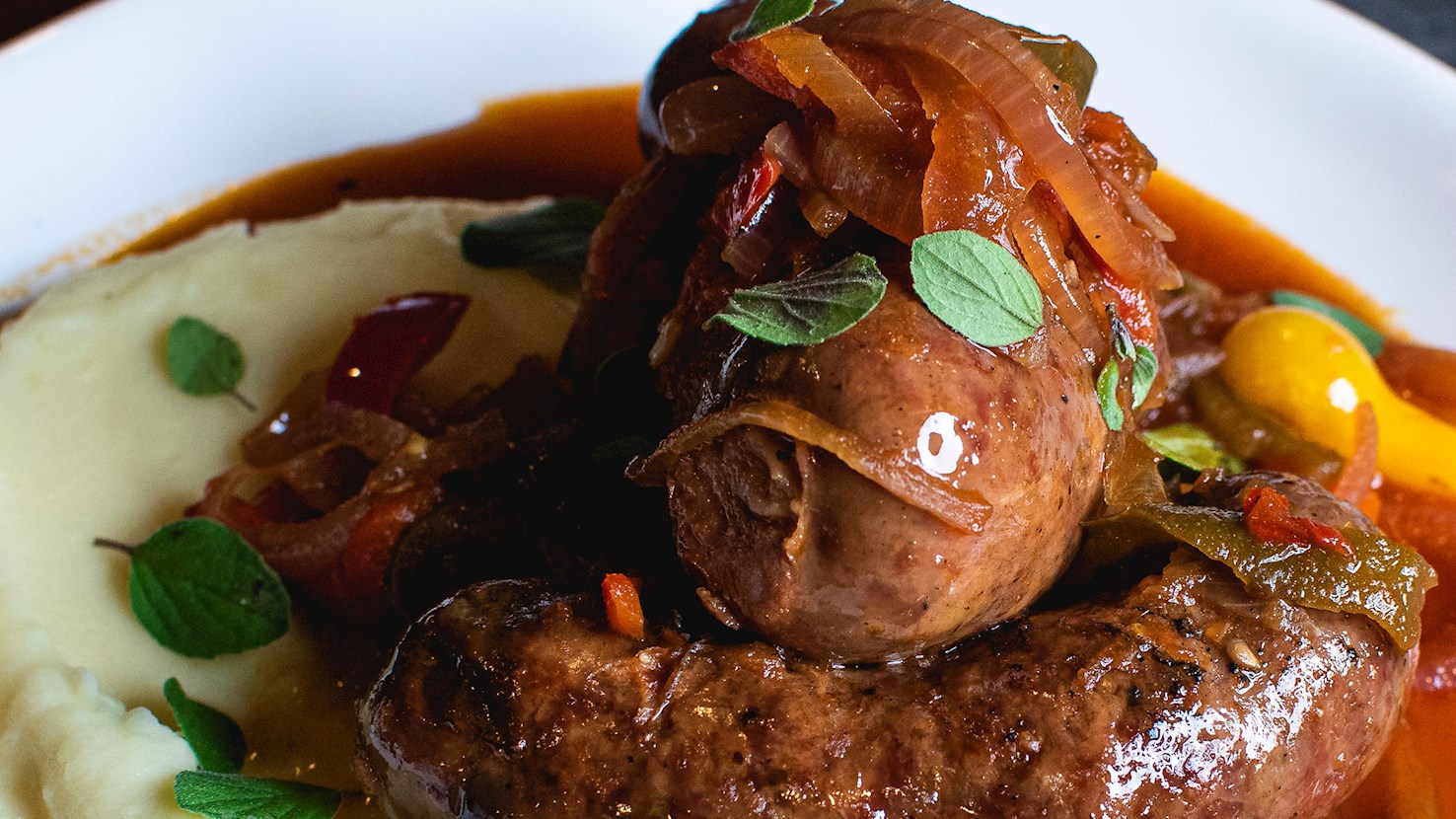
Chorizo a la pomarola is a dish consisting of chorizo sausages slowly cooked in a rich and flavorful tomato-based sauce. This dish, deeply rooted in South American cuisine, reflects the strong influence of Italian and Spanish immigrants who introduced sausages and tomato sauces to the region. Over time, it evolved into a comforting and hearty meal commonly enjoyed with rice, mashed potatoes, or crusty bread. The preparation of chorizo a la pomarola begins with browning fresh pork or beef chorizos to enhance their smoky flavor. In the same pan, onions, garlic, and bell peppers are sautéed in olive oil before adding tomatoes, bay leaves, paprika, salt, and pepper. Some variations include carrots for natural sweetness or a splash of red wine to deepen the sauce’s complexity. The chorizos are then simmered in the sauce until tender, allowing the flavors to meld together. This dish is often served as a main course, accompanied by white rice or bread to soak up the rich sauce. Some versions incorporate spicy chili peppers for extra heat, while others use broth or wine to enhance the depth of flavor. Regardless of the variation, chorizo a la pomarola remains a staple in South American cuisine, valued for its simplicity and robust taste. Whether enjoyed at home or in a local restaurant, it continues to be a beloved comfort food that embodies the warmth and tradition of Argentinian and Uruguayan cooking.

03

Tortilla Santiagueña

3 ·

Tortilla santiagueña is a type of flatbread consisting of wheat flour, melted cow fat, and coarse salt. The dough is typically baked on a parrilla until nicely brown. A classic Argentine treat, these tortillas are typical for the north of the country, but are especially popular in Santiago del Estero, where they are sold as street food on almost every corner. They are consumed hot, either on their own or with a ham and cheese filling, and usually accompanied by a cup of mate.

04

Costillas de cerdo a la Riojana

3 ·

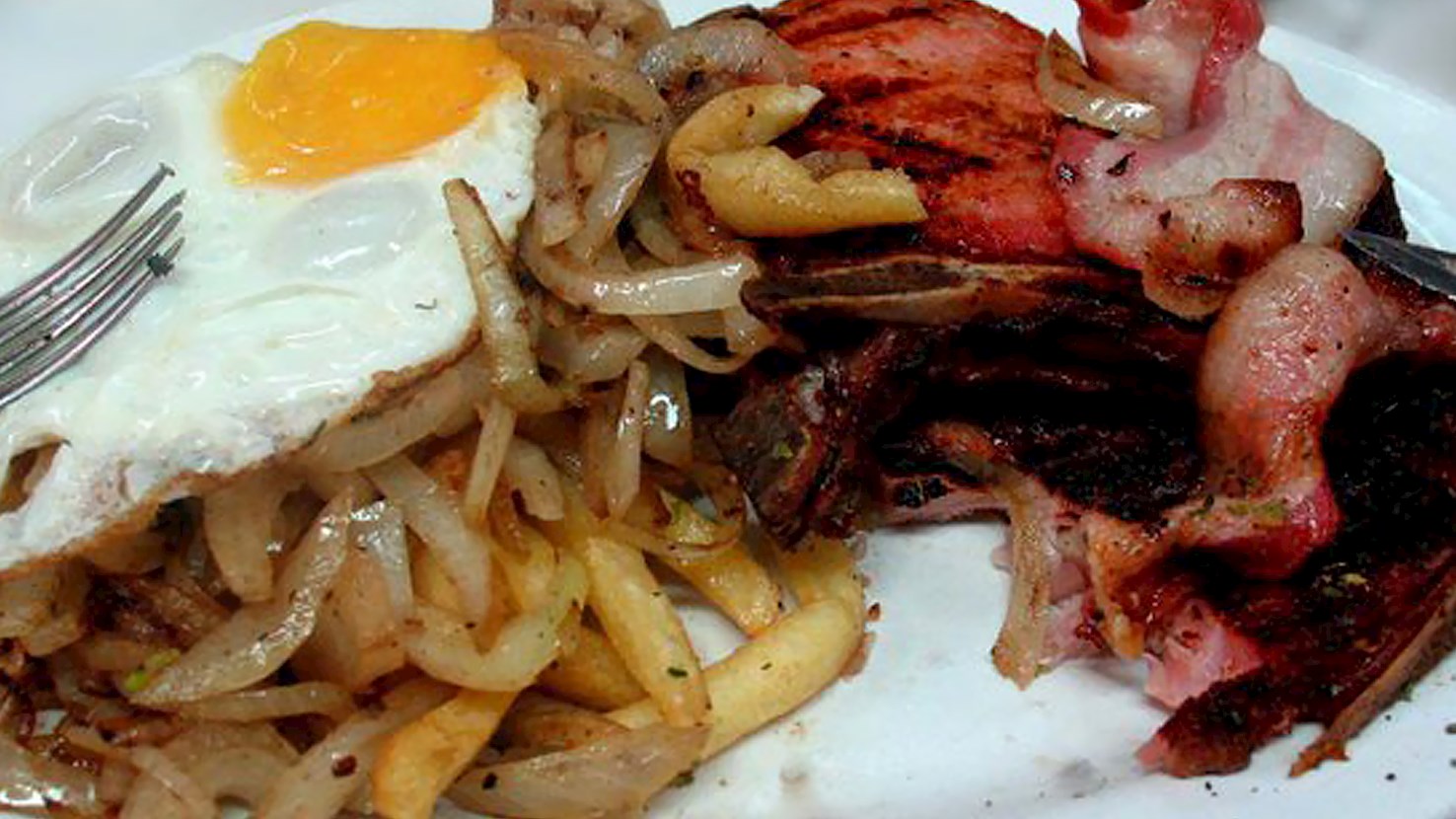
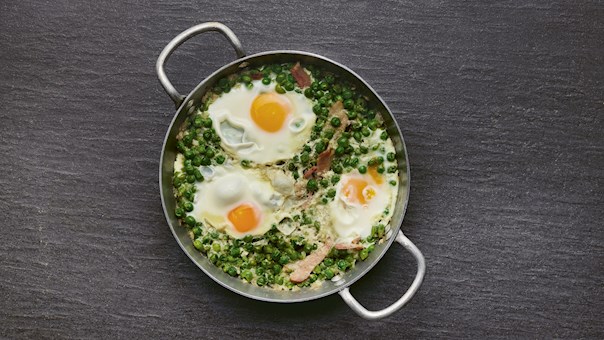
Costillas de cerdo a la Riojana is a rich Argentine dish that pairs grilled pork ribs with sautéed vegetables, fries, and fried eggs. The ingredients are typically piled together on a serving platter or a paper plate after having been cooked separately. Pork ribs are grilled, the potatoes and eggs are fried, and a combination of strips of peppers, peas, onions, and (optional) pieces of bacon or ham is sautéed in butter. This unusual combination usually comes with the sunny-side-up egg atop the pork rib, while the other accompaniments are arranged on the side. The eggs can alternatively be cracked open over a halved poblano pepper and cooked on the grill.

05

Tomates rellenos

3.1 ·

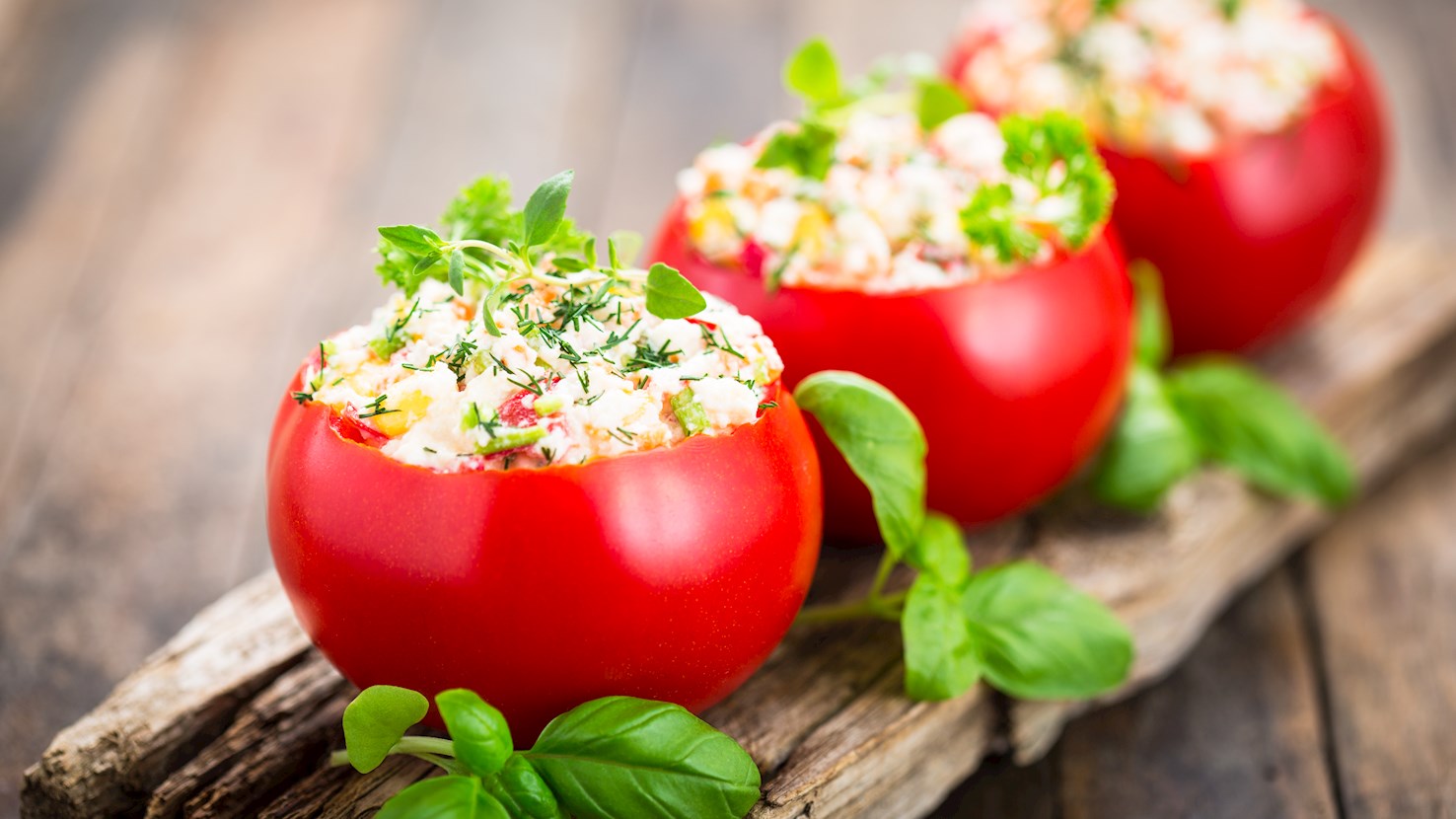
Argentinian stuffed tomatoes can be prepared with cherry tomatoes, or the larger, regular-sized varieties. The tomato shell is used as a container which is filled with a variety of ingredients – most commonly rice, tuna, or hard-boiled eggs. The dish is usually made during the summer months when the tomatoes are perfectly ripe and fresh. Tomates rellenos can be served as a light meal, dinner, lunch, a cold appetizer, or a side dish at barbecues, picnics, and parties. They are also a staple of every holiday meal in Argentina, especially since the most important holidays in Argentina are celebrated during the summer.

06

Riñón

3.1 ·

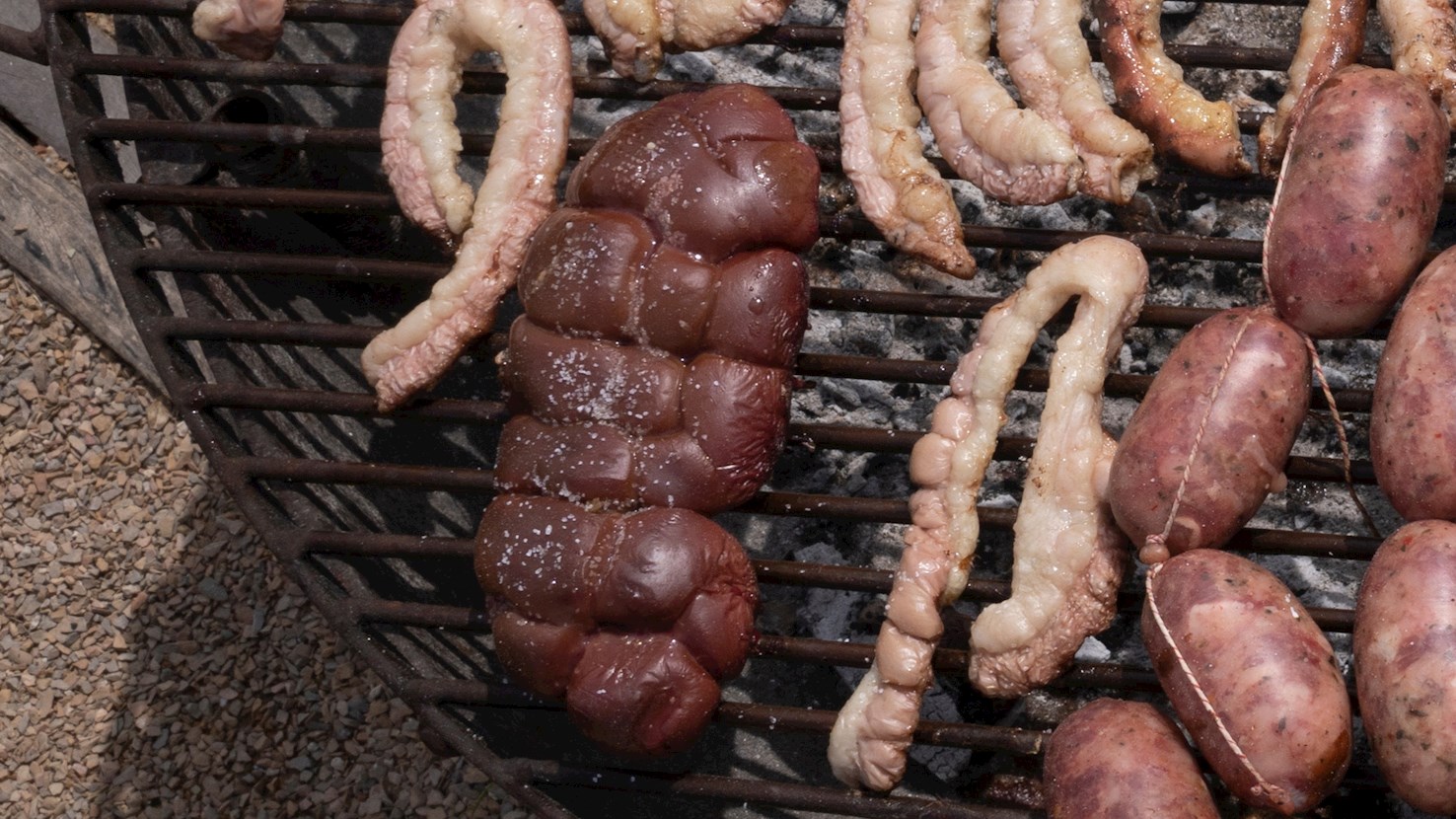
Riñón or kidney is a piece of beef offal that’s a favorite of few. It needs a thorough cleaning before grilling, which includes removing fats and veins and soaking it in water, vinegar, or lemon juice. It can be grilled whole, without its membrane, sliced in half or into more pieces but always over high heat, so a crust forms on the outside. It is served with lemon slices and salt for sprinkling over.

07

Niños envueltos

3.1 ·

Niños envueltos (lit. wrapped children) is a traditional dish consisting of rice and ground beef that are wrapped in cabbage and cooked in tomato sauce. Apart from the main ingredients, the dish also often contains garlic, basil, bell peppers, and onions, while the tomato sauce is made with olive oil, tomatoes, garlic, oregano, sugar, salt, and pepper. The dish is slowly simmered until the cabbage becomes tender and the rolls are fully cooked. The rolls are often served with bread and a fresh salad on the side. It is believed that this dish is actually a Dominican adaptation of Middle Eastern dishes which were brought to the country by immigrants in the 19th century.

08

Morcilla a la parrilla

3.2 ·

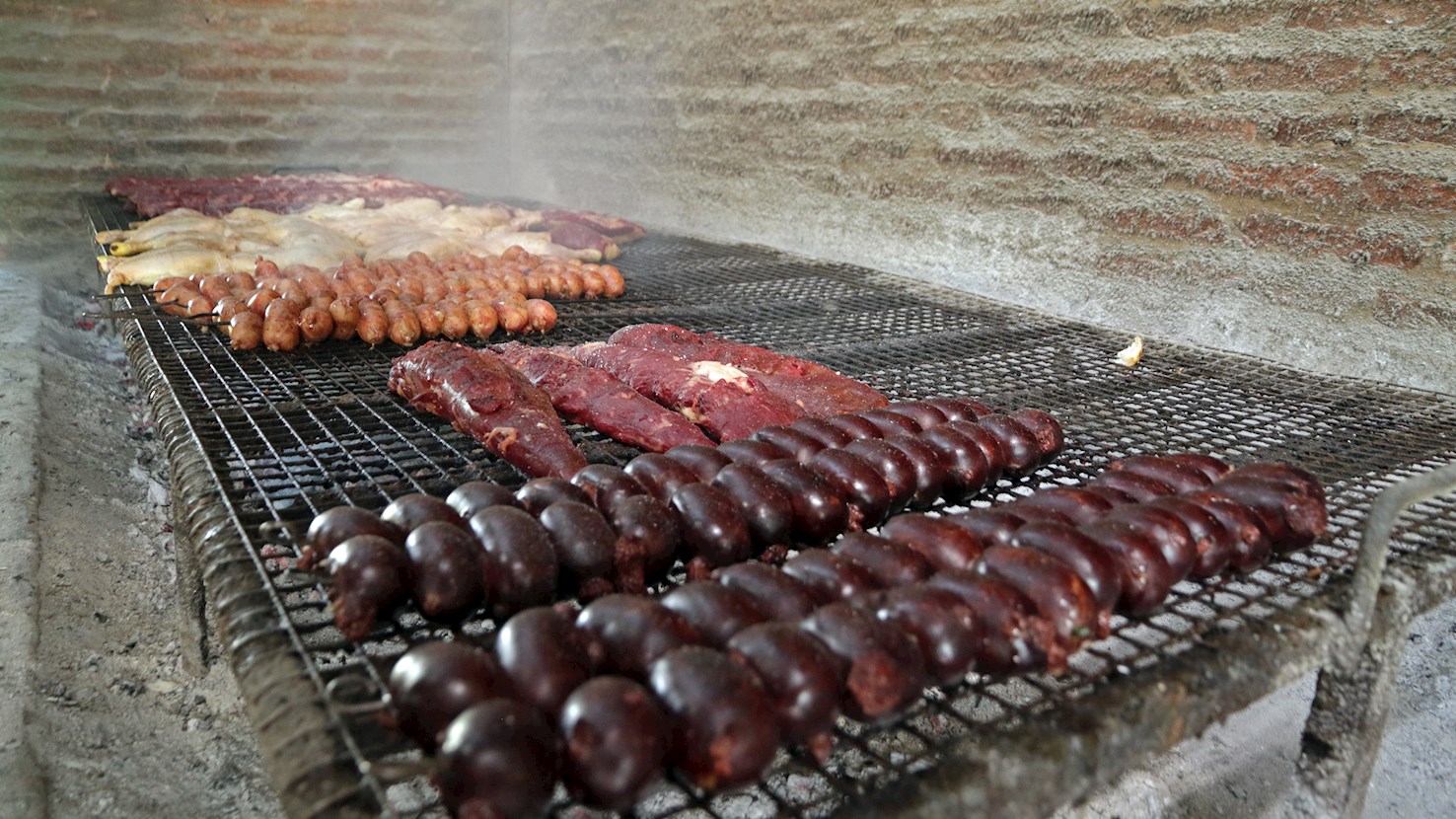
Morcilla a la parilla is a sausage dish that’s prepared by grilling morcilla blood sausage. Every morcilla is different. Some are savory, seasoned with salt, pepper, garlic, and onion, and some are sweeter and have things like raisins, cloves, and nuts, so the dish is each time different depending on the sausage used. Also, because morcilla is a pre-cooked sausage, technically, it is only heated on the grill, not cooked. It can be eaten plain or spread on bread.

09

Sacramentos

3.3 ·

Sacramentos is a type of Argentine factura or pastry that is similar to medialunas but usually shorter in size and without the distinctive crescent shape. These soft rolls can be made plain or with sweet or savory fillings such as quince paste (dulce de membrillo), sweet potato jam (dulce de batata), melted chocolate, or ham and cheese. Another difference between sacramentos and medialunas is that the first have their corners closed inwards before rolling, whereas the latter have open corners. The pastry’s name means sacraments, and it is one of many traditional Argentine pastries which were given blasphemous and anti-state names by anti-clergy anarchists who wanted to oppose the church, the state, and the police. Argentinians usually enjoy them for breakfast with a cup of coffee, or as an afternoon snack accompanied by yerba mate, a traditional Argentinian herbal tea. Sacramentos are commonly prepared at home, and they are also available in traditional Argentinian bakeries called panaderias.

10

Carlitos

3.2 ·

Carlitos is a traditional sandwich originating from Rosario in Argentina. This simple sandwich is usually made with a combination of sandwich bread, ham, cheese such as mozzarella (or similar cheese that melts well), butter, and ketchup. The slices of bread are buttered, topped with a cheese slice, a dollop of ketchup, a slice of ham, and another slice of cheese. The sandwich is finished with the other buttered slice of bread placed on top. Once assembled, carlitos are toasted on each side, cut into triangles, and served warm. Nowadays, there are also variations with olives, eggs, chicken, and peppers.

Read more
View all
View map
About this ranking

TasteAtlas food rankings are based on the ratings of the TasteAtlas audience, with a series of mechanisms that recognize real users and that ignore bot, nationalist or local patriotic ratings, and give additional value to the ratings of users that the system recognizes as knowledgeable. For the “39 Worst Rated Argentinian Foods” list until June 17, 2026, 9,124 ratings were recorded, of which 5,765 were recognized by the system as legitimate. TasteAtlas Rankings should not be seen as the final global conclusion about food. Their purpose is to promote excellent local foods, instill pride in traditional dishes, and arouse curiosity about dishes you haven’t tried.

Similar lists