


shutterstock

17 Worst Rated Armenian Foods

Last updated on June 17, 2026
01

Ghapama

2.5 ·

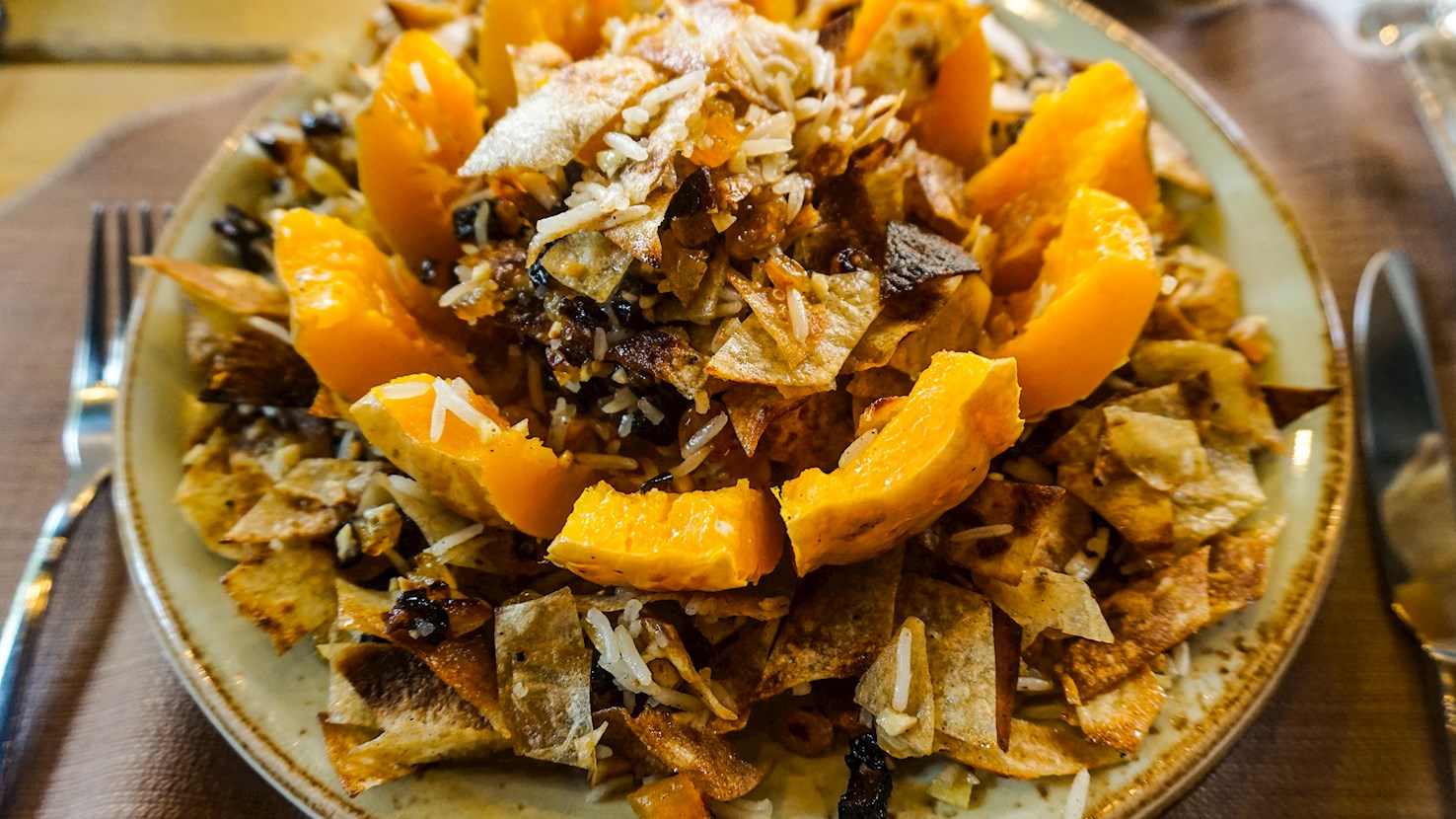
Ghapama is a stuffed, baked pumpkin dessert originating in Armenia, made of a hollowed-out gourd filled with partially cooked rice, chopped dried fruits, nuts, butter, and honey. This sweet baked squash is a central item during the autumn harvest season and at winter holiday gatherings, and it is specifically eaten for Christmas and New Year's Eve celebrations. A medium-sized pumpkin with firm, thick walls is selected to contain the heavy filling. A circular lid is cut around the stem, and the fibrous pulp and seeds are scraped away from the inner cavity. The empty chamber is the vessel for the stuffing. White rice is boiled until it is only halfway done to prevent it from turning into a mushy paste during the final baking stage. The filling requires a mixture of chopped dried fruits, which includes dried apricots, dark raisins, dried plums, dried cherries, and dates. Crushed walnuts or almonds are added to the bowl with the white rice and dried fruit to provide a textural crunch. Liquid honey, melted butter, and ground cinnamon coat the entire mixture, adding moisture and a deep, warming spice. The sticky rice filling is packed tightly into the scraped pumpkin shell. The carved lid is replaced to seal the gourd. The whole pumpkin is placed into a hot oven to bake for two to three hours. The ambient heat slowly softens the squash's thick walls. The starches in the rice absorb the butter, honey, and natural fruit juices released during baking. The hot pumpkin is removed from the oven and displays a blistered, deeply orange skin. The finished dish is sliced into vertical wedges from top to bottom. The exterior walls fall outward to resemble the blooming petals of a large flower. This opening action displays the steaming mound of sweet rice in the center. A popular folk song entirely dedicated to the meal, titled "Hey Jan Ghapama," plays at weddings and large gatherings while the sweet, starchy wedges are consumed.

02

Khash

3 ·

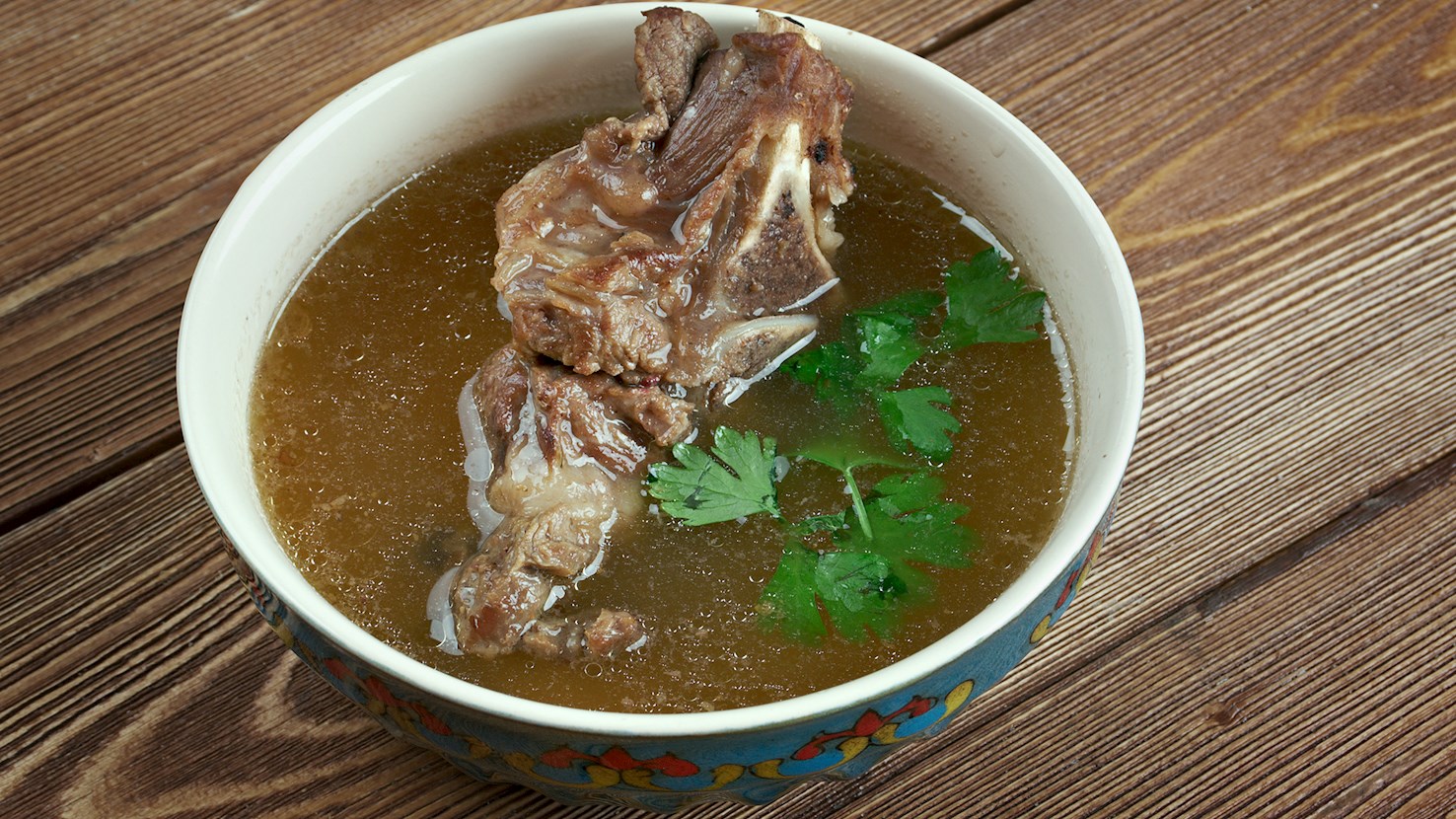
Widely regarded as an excellent hangover cure and a great remedy, khashi is a soup made by boiling beef intestines, tripe, shank, as well as other organs such as kidneys. Carrots, onions, bell peppers, and various greens may also be used. After the broth has been prepared, milk or pieces of milk-soaked bread can be added to the pot along with salt, pepper, and chopped garlic. It is said that khashi was invented when the poor had to give away all their meat to the rich, being left only with the organs, heads, and hooves of the animals. Ever since the promotion of the soup as a particularly healthy dish, it became popular among all social classes.

03

Choereg

3 ·

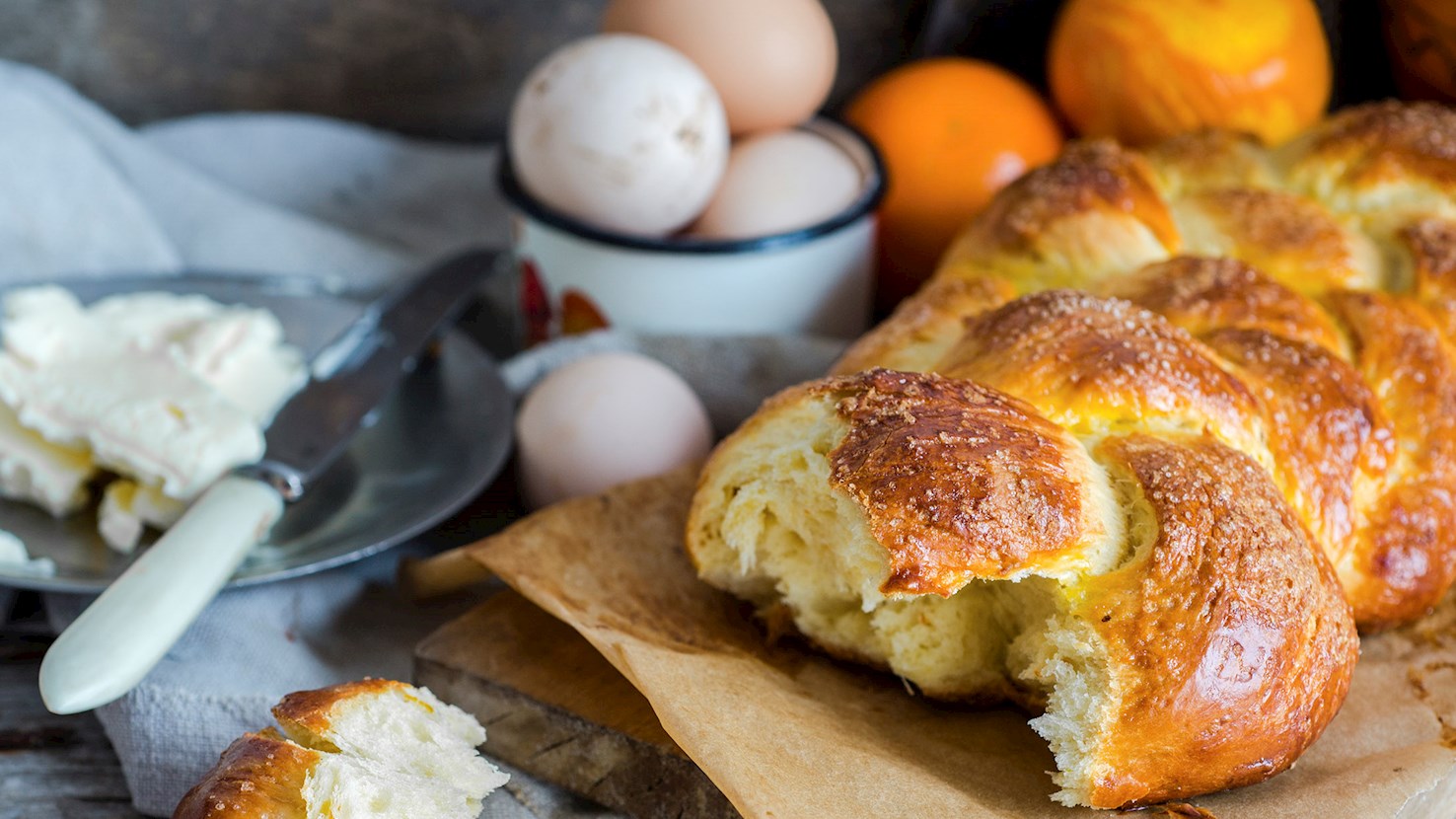
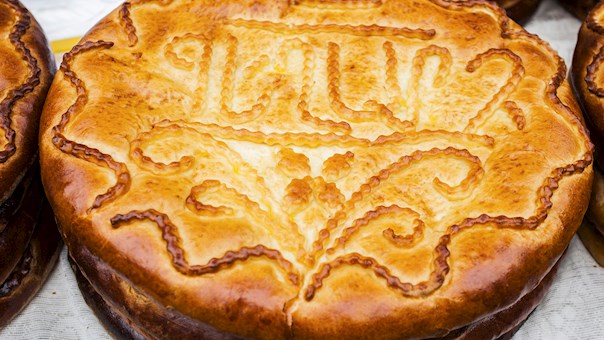
Choereg is a type of sweet bread from Armenia that is traditionally prepared for Easter. The buttery, egg-enriched dough is flavored with mahleb, a type of spice made from cherry pit seeds, which gives it a unique flavor and the scent of cherries and bitter almonds. Once braided, the bread is either sprinkled with sesame seeds or glazed with egg wash.

04

Fishnah kabab

3.2 ·

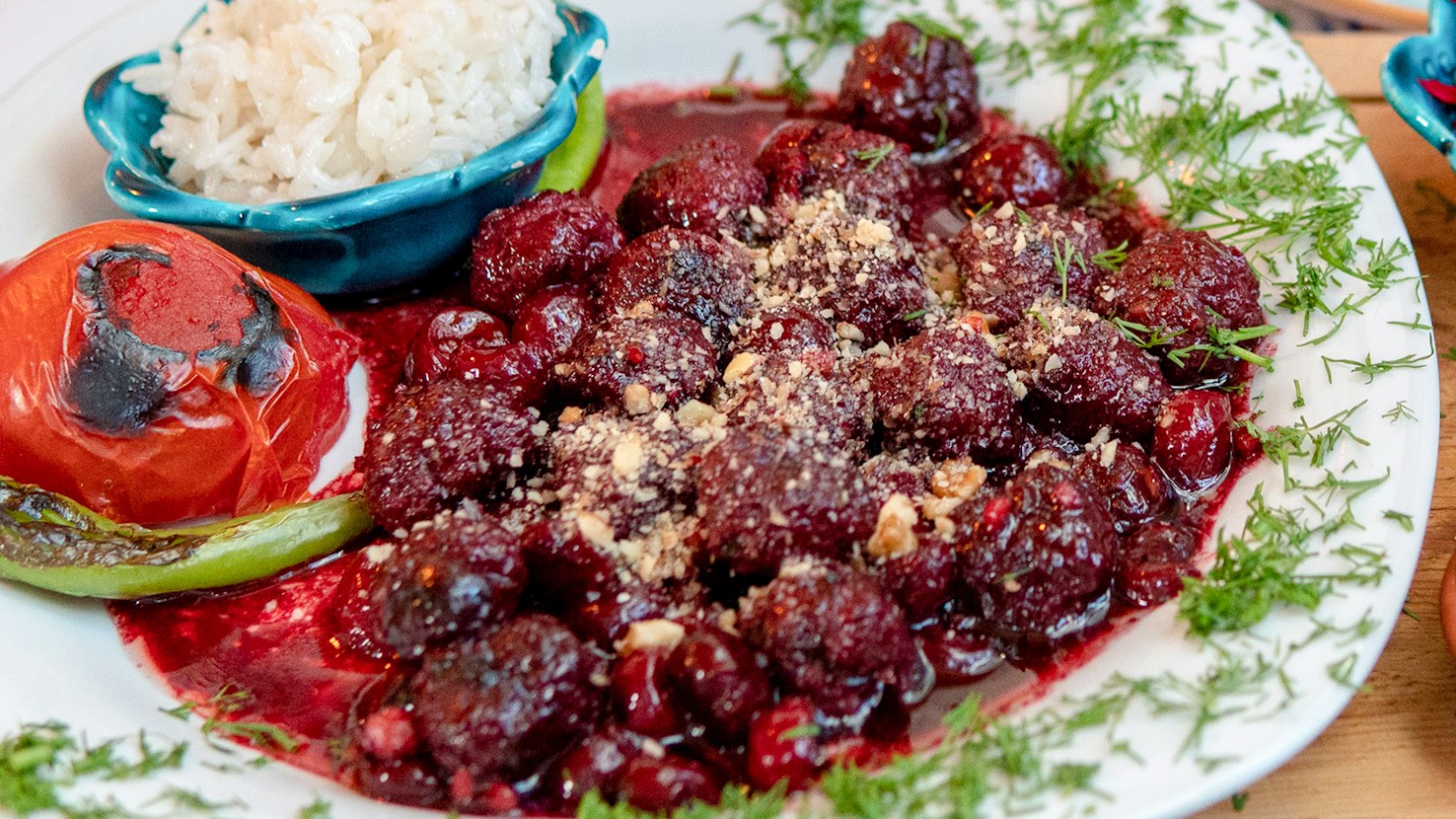
Kabab be al-karaz is a traditional and beloved Syrian dish of lamb kebab and cherries, especially popular in the city of Aleppo. It is made from minced meat mixed with onions and sour cherries (St. Lucie cherries traditionally), cooked with sugar and either ghee or butter until tender. The meat is shaped into balls or patties and then fried until browned. Cherry sauce is added to the kebab, and the mixture is cooked together until the flavors meld. The dish is garnished with toasted pine nuts and parsley and served with Syrian bread or rice, offering a unique taste that combines sour and sweet flavors. The dish is also popular in neighboring countries, like Armenia, Izrael, Palestine, Lebanon, Jordan, and parts of Türkiye.

05

Yalanchi

3.3 ·

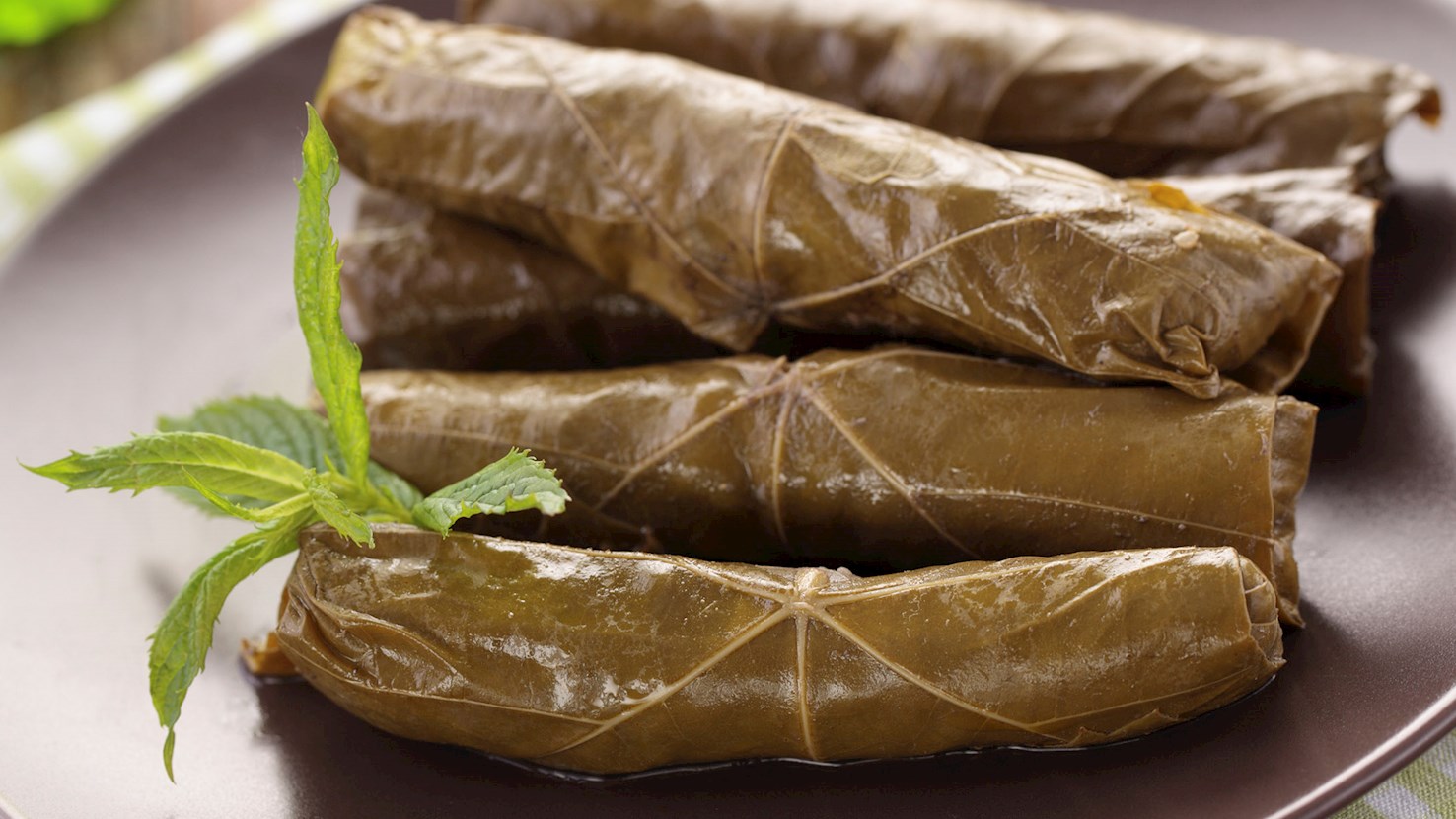
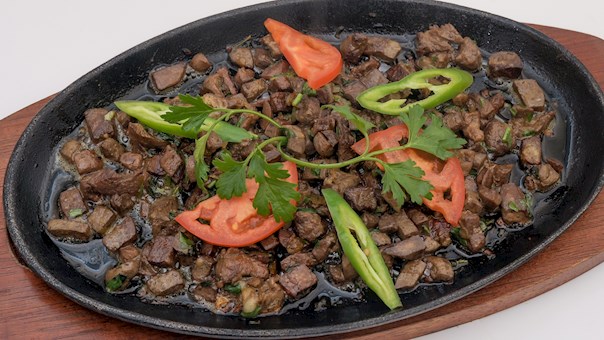
Yalanchi is a cold, meatless stuffed grape leaf appetizer native to Armenia and the broader Middle Eastern region. The Turkish name translates directly to "liar" or "fake," describing a culinary deception in which the expensive meat filling of traditional dolma is replaced with a seasoned rice and onion mixture. Developed during the Ottoman era, this vegetarian recipe served as both an economic necessity and a strict dietary practice for religious fasting periods, particularly Lent in the Armenian Apostolic Church. To begin the construction, fresh or brined grapevine leaves are blanched in hot water to increase pliability and remove excess salt. The filling requires heavily sweating finely minced onions in a copious amount of olive oil until translucent and sweet. Short-grain white rice, toasted pine nuts, and dried Zante currants are subsequently folded into the hot oil. A dense blend of aromatics, specifically fresh parsley, dill, mint, ground allspice, and cinnamon, is stirred into the grains to establish a complex, sweet, and savory flavor profile. After the rice mixture cools, a small spoonful is placed near the stem of each prepared grape leaf. The lateral edges of the leaf are folded inward over the filling, and the entire leaf is rolled tightly toward the tip to form a compact, cylindrical cigar shape. These constructed rolls are packed tightly in concentric circles inside a heavy-bottomed pot lined with torn or imperfect grape leaves to prevent scorching. A liquid mixture of water, fresh lemon juice, and additional olive oil is poured over the arranged bundles. To prevent unraveling during cooking, an inverted ceramic plate is placed directly on top of the food to apply pressure. Gentle simmering over low heat continues until the liquid is entirely absorbed and the rice becomes tender. The cooked leaves must be chilled thoroughly before consumption. The cold rolls are arranged on a platter, drizzled with raw olive oil, and garnished with fresh lemon wedges. Sharp citrus acidity cuts through the rich olive oil and balances the sweetness of the currants and warm spices. This vegetarian staple is widely consumed as a foundational mezze component during the summer months, holiday feasts, and weddings. usually with a salad or matzoon (Armenian yogurt) on the side.

06

Spas

3.4 ·

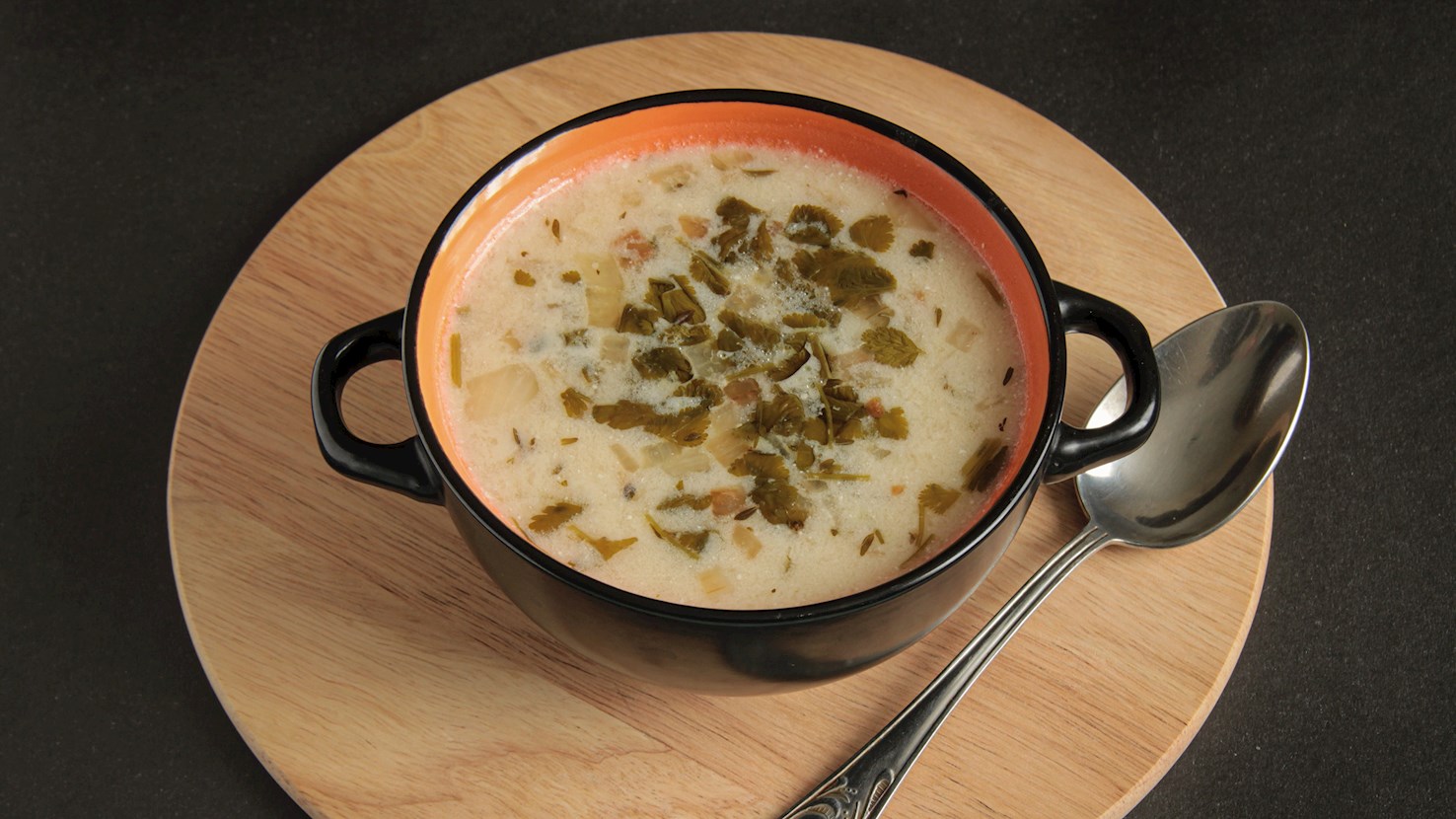
Spas is a traditional soup that's tart, creamy, and very filling. It's typically made with a combination of yogurt, flour, butter, water or chicken broth, and wheat grains, but the grains can be replaced with rice or pearl barley, while spinach and eggs or egg yolks are added to the combination often, but not always. The soup is usually garnished with cilantro or mint on top. This soup is served warm in the winter and chilled in the summer. For the warm version, eggs or egg yolks are necessary as they keep the yogurt from curdling, but omit the eggs in the cold version of spas.

07

Eetch

3.4 ·

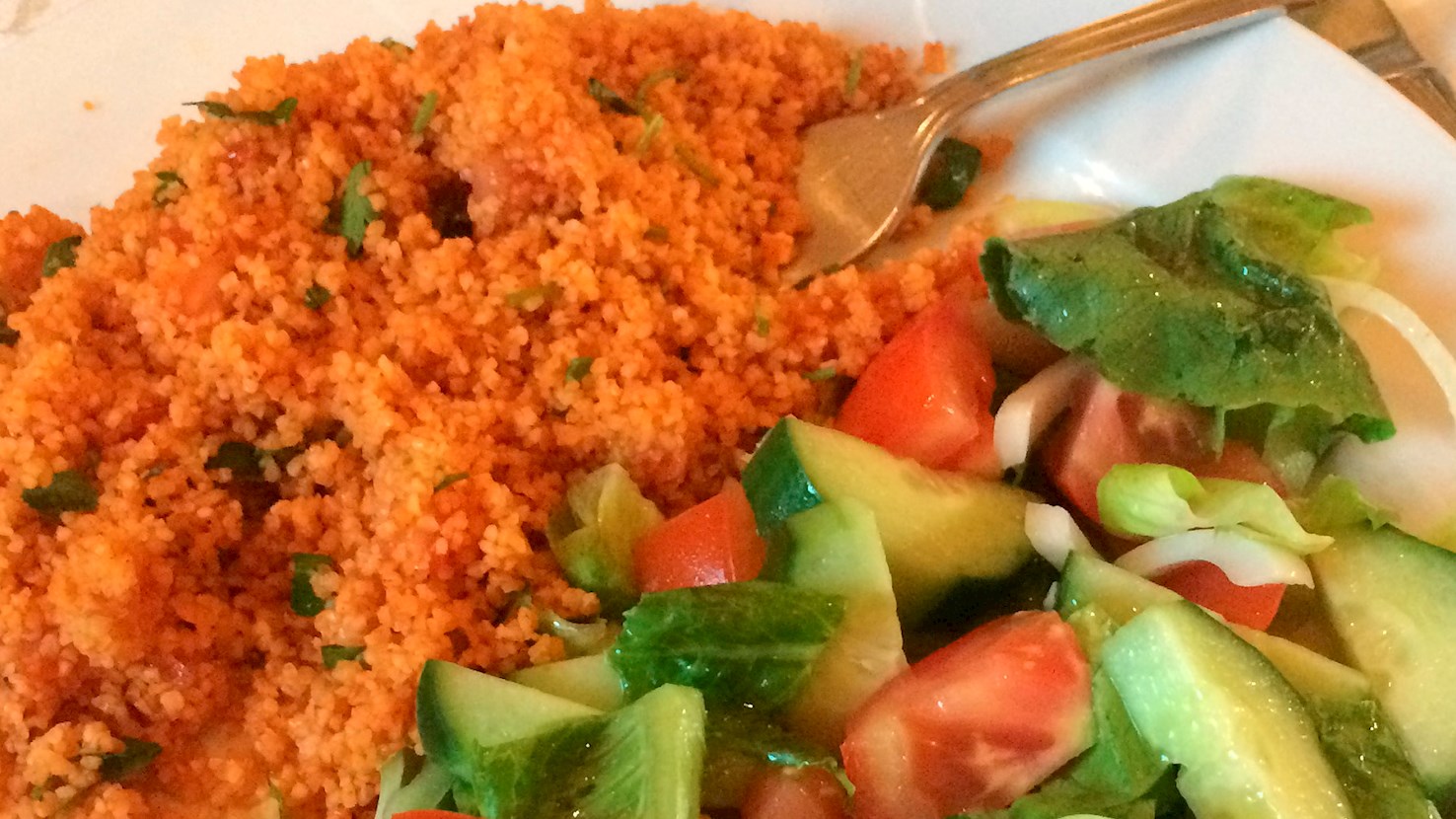
Eetch is a traditional dish mainly consisting of bulgur. It is typically consumed as a salad, a side dish, or as a spread over slices of bread or crackers. A common Lenten dish, eetch, also known as mock kheyma or meatless kheyma, has numerous variations, but the typical ingredients include fine bulgur, onions, tomatoes, tomato paste, bell peppers, lemon juice, olive oil, green onions, parsley, spices, and seasonings, incorporated well to make a robust and fragrant dish. Tangy, sweet, and savory, the bulgur mixture is consumed warm, at room temperature, or chilled, usually drizzled with some olive oil and garnished with chopped parsley, green onions, and (sometimes) pomegranate seeds. Reminiscent in flavor of the Levantine dish known as tabbouleh, eetch is commonly eaten with pita bread and makes a perfect accompaniment to grilled or roasted meat or fish dishes.

08

Kaghtsr sujukh

3.5 ·

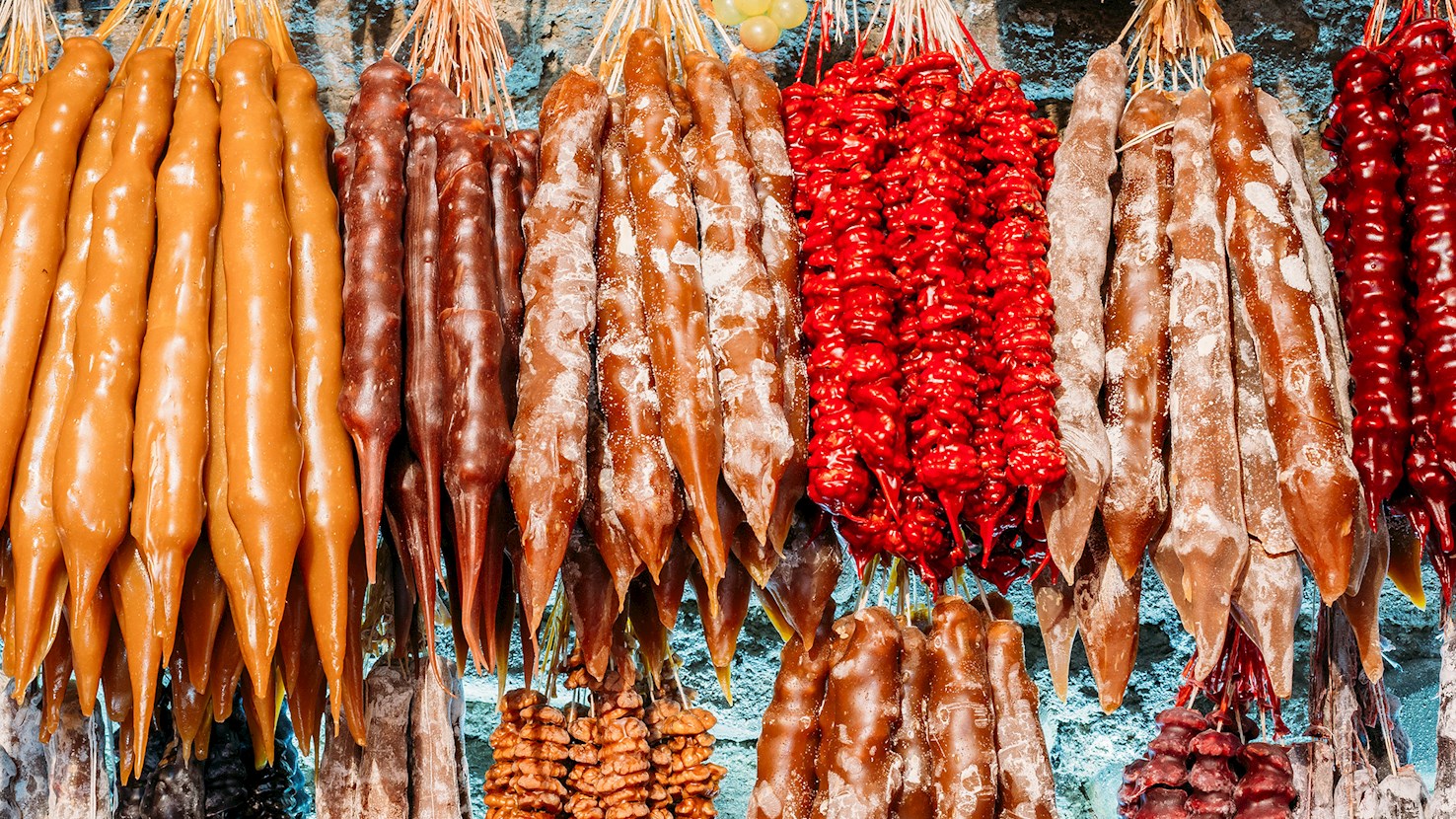
Churchkhela is a traditional Caucasian candy that is shaped into a sausage. This candy is made by dipping a long string of nuts (usually walnut halves) in concentrated grape juice, then leaving the concoction to dry. It is so healthy and so nutritious that, in the past, it was even carried by Georgian warriors on their long journeys. Although walnuts are usually used in the preparation of churchkhela, they can be replaced by almonds, hazelnuts, or raisins.

09

Topik

3.6 ·

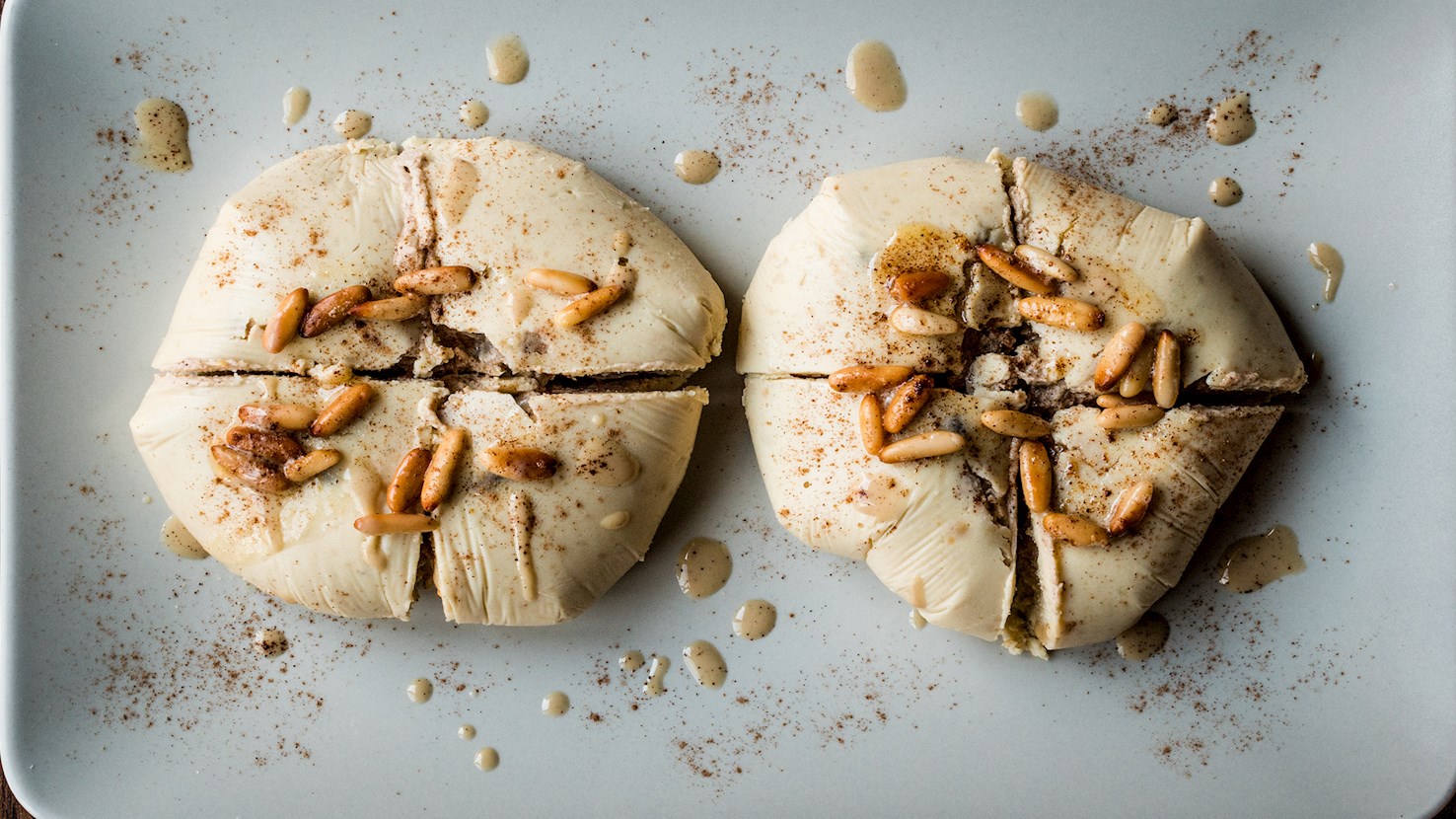
This Armenian vegetarian dish is traditionally consumed during Lent. Topik consists of a potato and chickpea shell that is wrapped around a paste-like filling of onions, currants, pine nuts, tahini, and olive oil. The filling is typically flavored with cinnamon and allspice, and the dish is usually served drizzled with lemon juice and sprinkled with cinnamon.

10

Harissa

3.7 ·

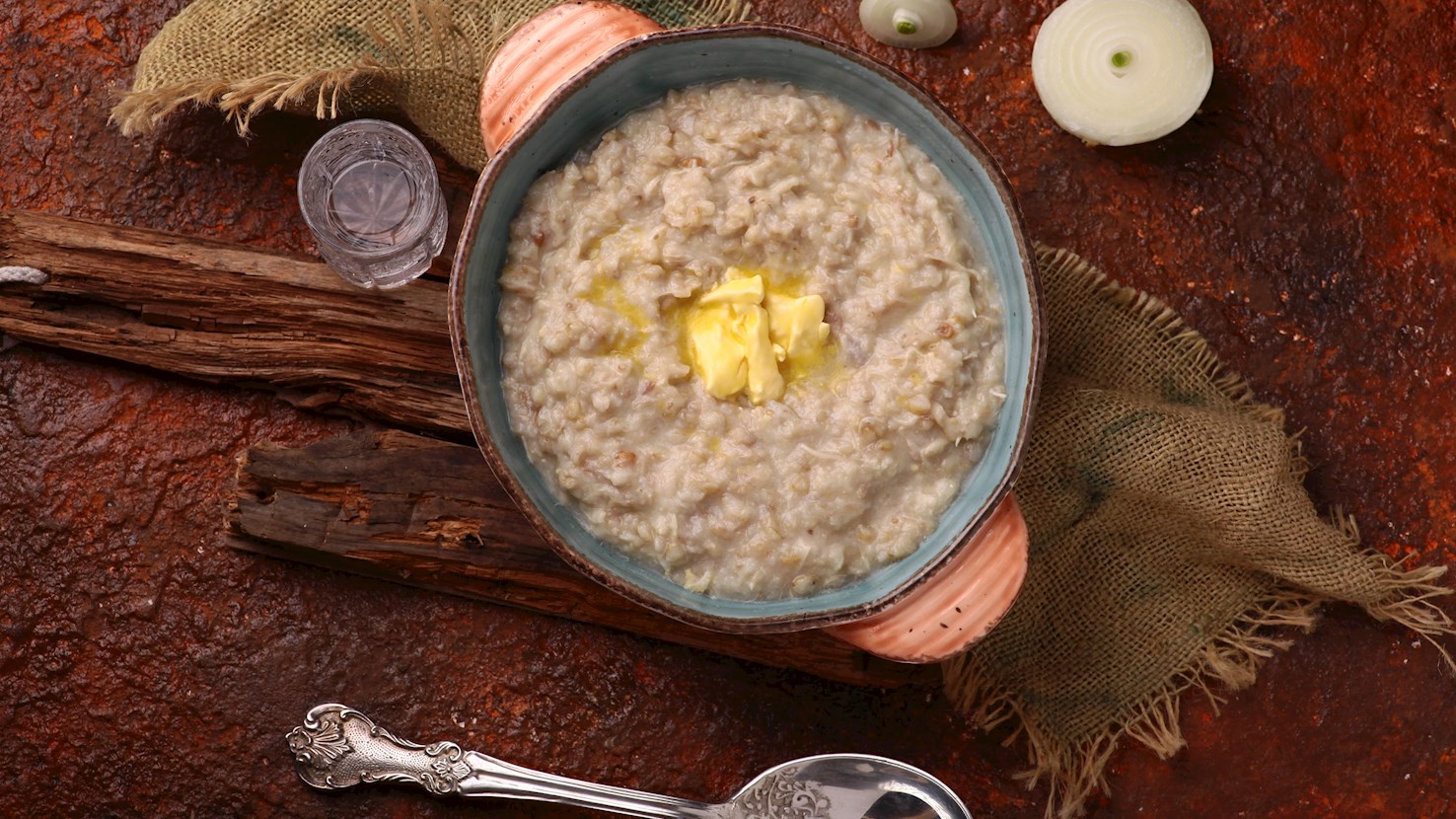
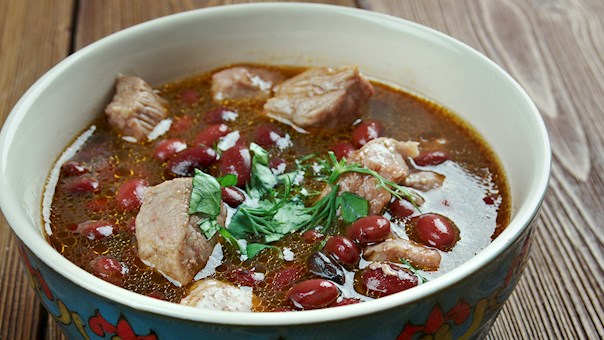
Considered the national dish of Armenia, harissa is a thick porridge made by slowly simmering korkot (dried or roasted cracked wheat) together with fatty pieces of lamb or chicken meat. Said to have been invented in the Ararat plains, the origins of the dish can be traced back to ancient times, as well as to Gregory the Illuminator, the patron saint of Armenia, who would offer it as a charity meal. Even to this day, harissa is considered a charity meal, and is traditionally prepared each year for Easter, as well as to commemorate the Musa Ler resistance during the Armenian genocide of 1915. When it comes to the method of preparing, there are two diverging opinions; one claims it is forbidden to stir harissa until it is cooked all the way, while the other insists it should be stirred as soon as the wheat is half-cooked. The finished meal is served in bowls, topped with butter, and paired with a side of pickled vegetables and lavash flatbread.

11

Matnakash

3.8 ·
13

Tjvjik

3.8 ·
14

Dzhash

3.8 ·
15

Gata

3.9 ·
16

Zhingyalov khats

3.9 ·
17

Khashlama

3.9 ·
Read more
View all
View map
About this ranking

TasteAtlas food rankings are based on the ratings of the TasteAtlas audience, with a series of mechanisms that recognize real users and that ignore bot, nationalist or local patriotic ratings, and give additional value to the ratings of users that the system recognizes as knowledgeable. For the “17 Worst Rated Armenian Foods” list until June 17, 2026, 5,800 ratings were recorded, of which 2,537 were recognized by the system as legitimate. TasteAtlas Rankings should not be seen as the final global conclusion about food. Their purpose is to promote excellent local foods, instill pride in traditional dishes, and arouse curiosity about dishes you haven’t tried.

Similar lists