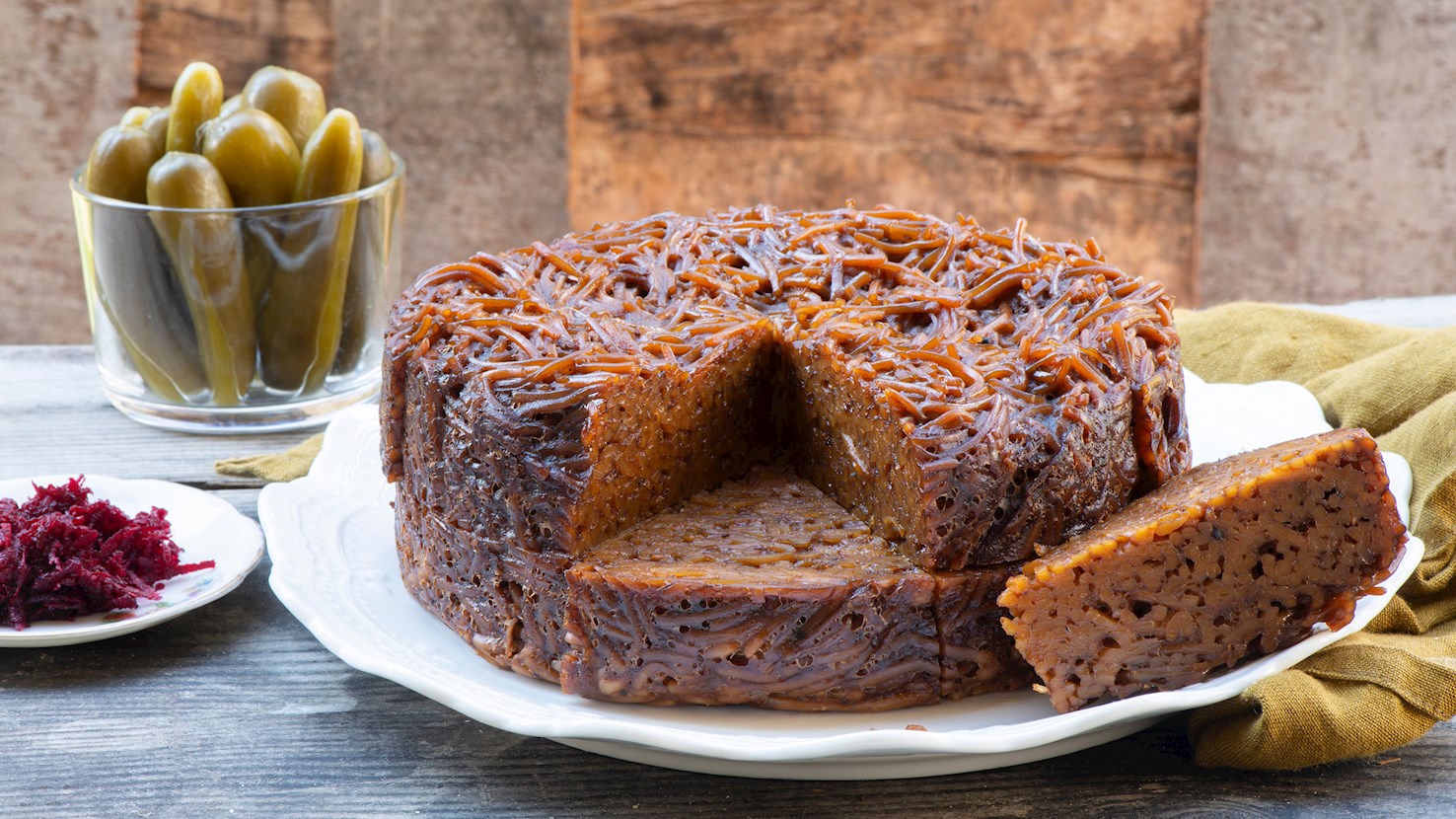
Yerushalmi kugel is a noodle-based casserole associated with Jerusalem’s Ashkenazi Haredi communities, known for its dark color, dense texture, and a flavor that combines pronounced sweetness with noticeable pepper. It emerged in the nineteenth century among Jews living in Jerusalem’s Old Yishuv, where cooks adapted European noodle kugel to local ingredients and tastes while preparing dishes suitable for serving after synagogue services on Shabbat. The reliance on caramelized sugar and black pepper became characteristic of this kugel, setting it apart from other noodle casseroles that featured dairy components or lighter flavor profiles. The dish was shaped by the need for foods that could be prepared before Shabbat and kept warm for extended periods, which influenced its firm structure and the use of ingredients that remain stable in low heat over time. Preparation begins with cooking thin egg noodles until just tender and then coating them in a syrup made by melting sugar in a pot until it reaches a deep amber color. Water or oil is added carefully to dissolve the caramel, and the noodles are stirred into this mixture along with eggs, oil, salt, and a generous amount of black pepper. The mixture is poured into a pot or baking pan and cooked slowly, often for several hours, until it sets into a cohesive mass with a firm outer crust and a dense interior. Its flavor depends heavily on the balance between caramelization and pepper, and many cooks adjust the level of sweetness or spiciness to match family preference. Yerushalmi kugel is eaten in Jerusalem and in communities around the world with roots in the Old Yishuv, often served in small squares after synagogue services or as part of Shabbat day meals. It is commonly paired with pickles and cholent, which provide contrasting textures and flavors, and it is also eaten with kugel-style accompaniments such as salads or egg-based dishes. Beverages served alongside it include tea, soda water, and in some settings grape juice or light wines that balance the sweetness and pepper of the kugel.
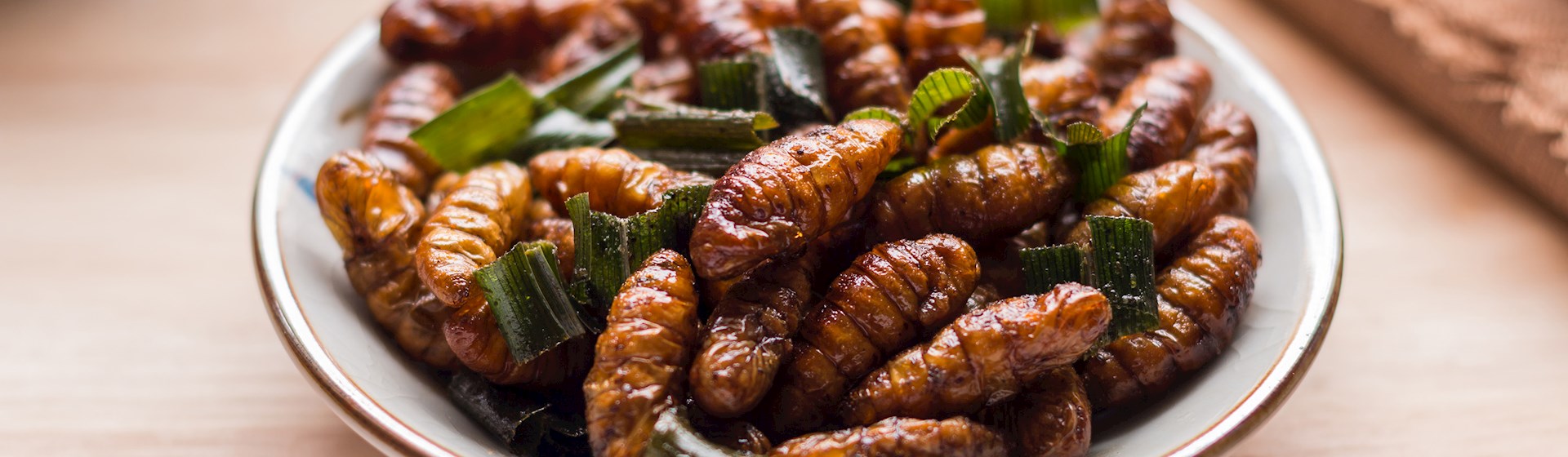
Hon mhai is a traditional insect dish that's especially popular in Bangkok. It's made by deep-frying silk worms, then seasoning them with salt, pepper, and sometimes a secret sauce that's prepared by the vendor, because the snack is usually sold from street carts. Once fried, the silk worms turn crunchy and greasy, while the flavor is sometimes described as slgihtly bitter. Hon mhai silk worms are prized because they're rich in protein and some believe that they have medicinal properties.
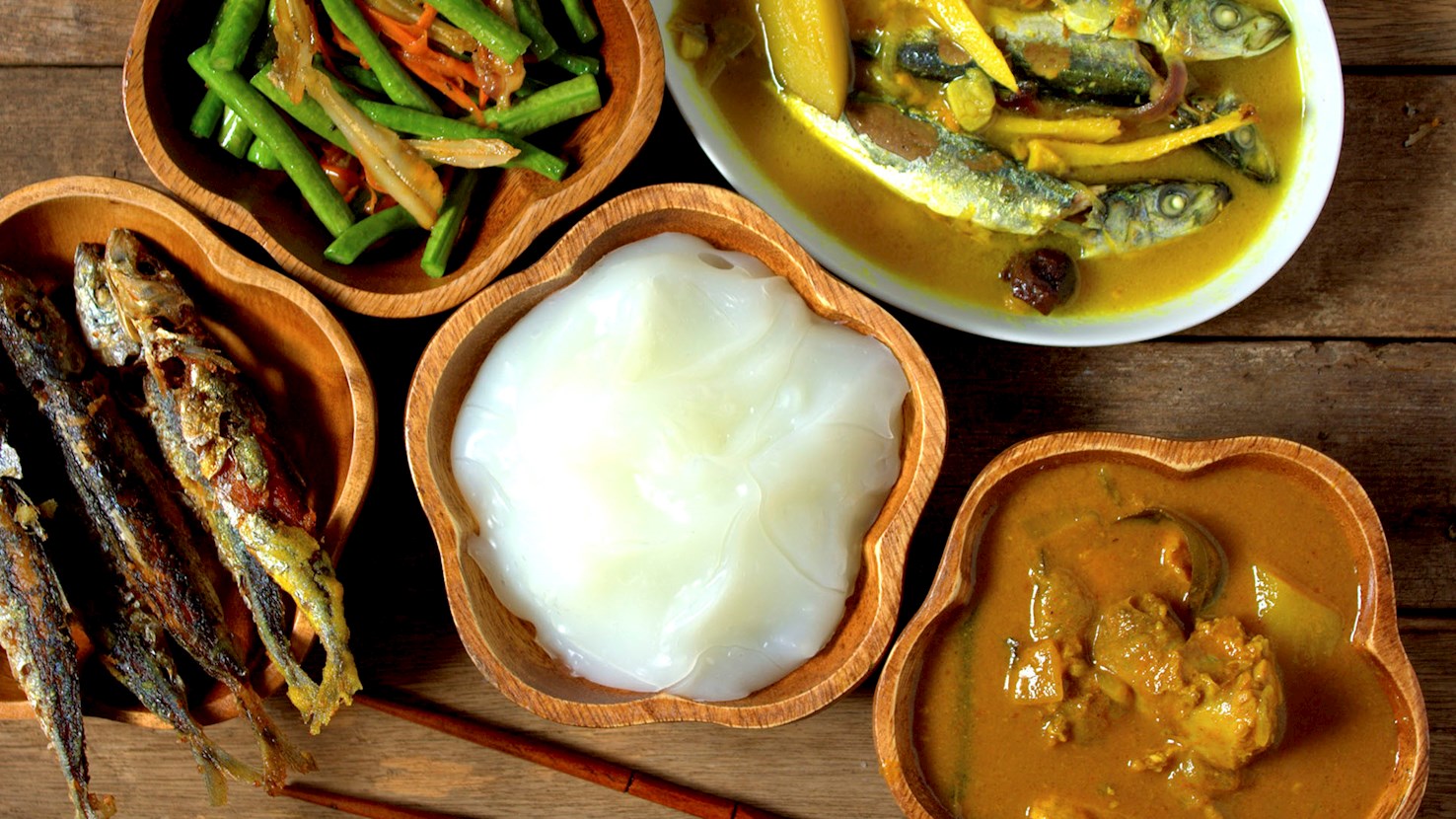
Ambuyat is the extremely sticky national dish of Brunei, made with sago palm tree starch that gets cooked into a substance similar to glue. It is typically eaten for lunch with a fermented sour sauce and a variety of vegetables on the side. Ambuyat is traditionally prepared for special occasions where it serves as a substitute for rice. Locals eat it with a double pronged bamboo stick known as chandas and the best way to eat Ambuyat is by twirling it around the stick, then dipping it into a sauce and swallowing it instead of chewing. Ambuyat may be accompanied by a variety of side dishes, dips, and sauces due to its blandness (a minimum of three main and side dishes), and some say it tastes like "nothing at all." The most popular dips are binjai, made from a local sour fruit, and tempoyak, made with the (in)famous durian fruit. The dish can also be served with meat. Being a must-try delicacy, this iconic dish with a unique texture is not to be missed.
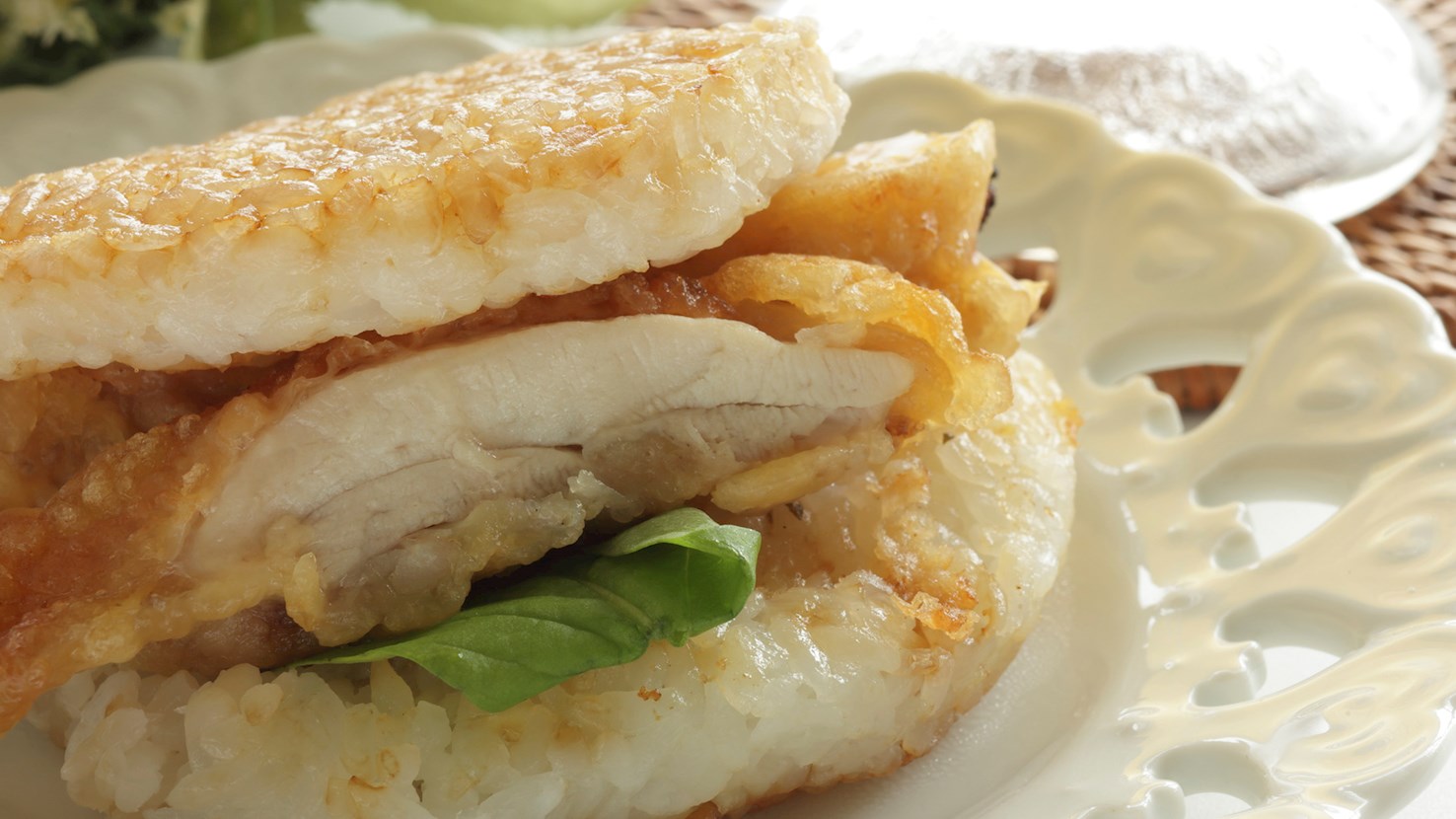
Rice burger is the Japanese version of one of the most famous fast food products in the world – the omnipresent hamburger. Instead of traditional wheat buns, this Japanese dish uses pressed rice patties made with plain rice, eggs, and cornstarch. The patties are pan-fried or grilled in order to create a firm shell which holds the rest of the ingredients together. The filling, however, does not necessarily correlate to the one of the traditional hamburger, and can consist of a variety of authentic and local ingredients and dishes. It usually includes seafood tempura, teriyaki chicken, or grilled meat, but there is also a number of vegetarian versions. The rice burger first appeared in 1987, when the fast food franchise MOS Burger, a local version of the standard American fast food eateries, introduced it to the Japanese market. The first version, which is no longer offered, was made with daikon and tsukune (Japanese-style meatballs). Since the introduction of the first rice burger, the new fast food creation has been an instant success in Japan. With the expansion of the company, rice burger continued to gain popularity in other Asian countries such as South Korea, Taiwan, Singapore, Hong Kong, and it has recently even been introduced to Australia. Although there are numerous other fast food items served at the MOS chain, rice burger is probably the most famous and the most controversial item on the menu.
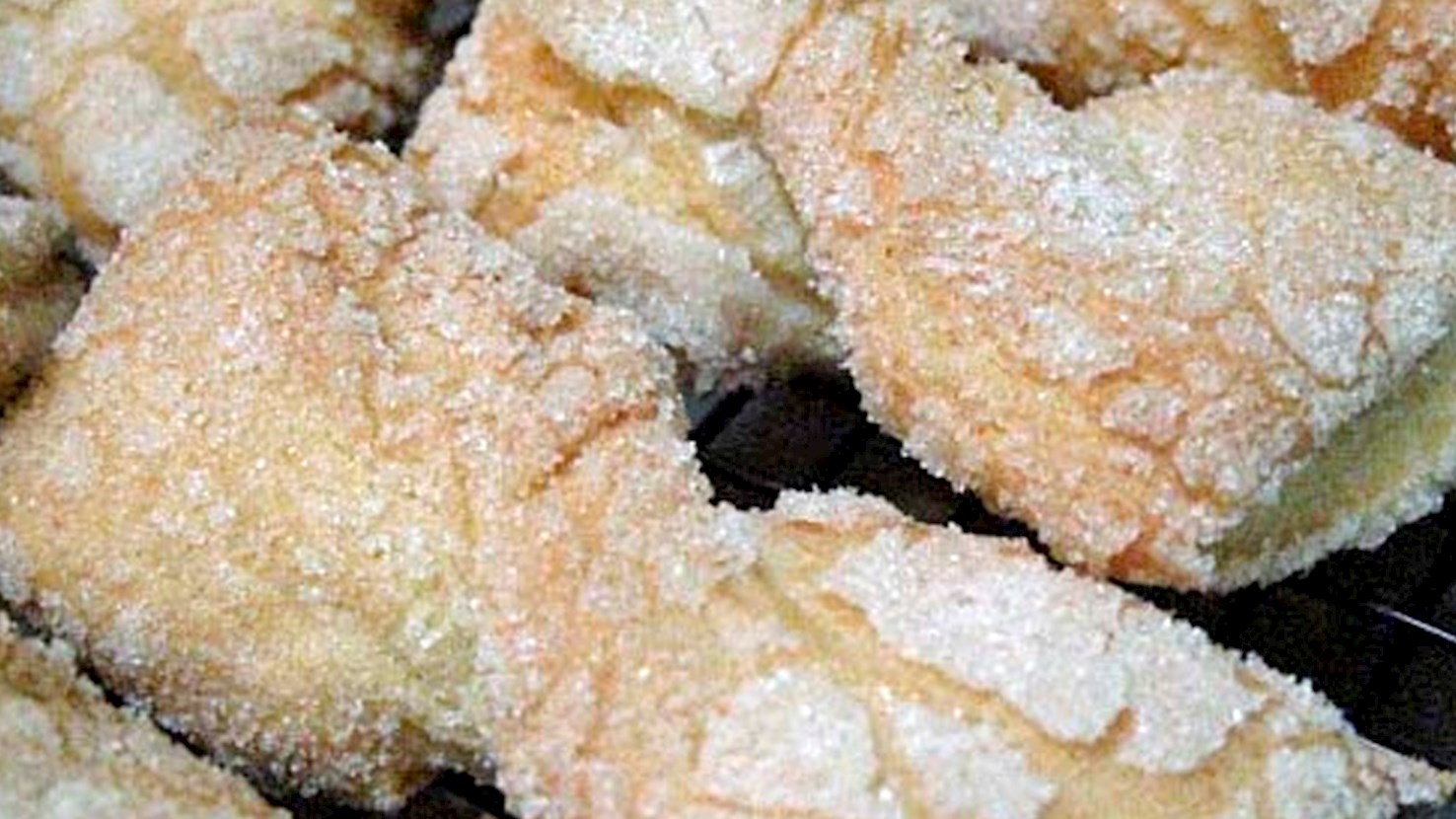
Kichel is a lightly sweetened egg-based cookie or cracker found in Ashkenazi Jewish cuisine, recognized for its crisp, airy texture and bow-tie or diamond shape. It is associated with Jewish communities in Central and Eastern Europe, where egg-rich doughs were common in home baking, and where cooks used available ingredients such as flour, eggs, sugar, and sometimes schmaltz or oil to create pastries suitable for festive meals and synagogue gatherings. Its development was tied to the need for a baked item that could keep well without refrigeration and suit both sweet and savory accompaniments, which made it a reliable option for communal events and holiday meals, particularly those where dairy or meat meals influenced which fats could be used. Preparation begins with a dough made from eggs, flour, sugar, and a small amount of fat, beaten until smooth and soft. The dough is rolled very thin, cut into strips or diamonds, and often twisted into a slight bow shape before being baked at a high temperature until puffed and crisp. The characteristic lightness comes from the high egg content and the very thin rolling, which allows steam to expand the dough in the oven. Kichel is served at many Jewish events, including post-services gatherings, holiday meals, and family celebrations, where it is often paired with chopped herring, a combination that contrasts the cookie’s mild sweetness with the herring’s salty and tangy flavors. It is also eaten on its own or with tea or coffee, and in some homes it is used as a lightly sweet snack alongside fruit spreads or soft cheeses.
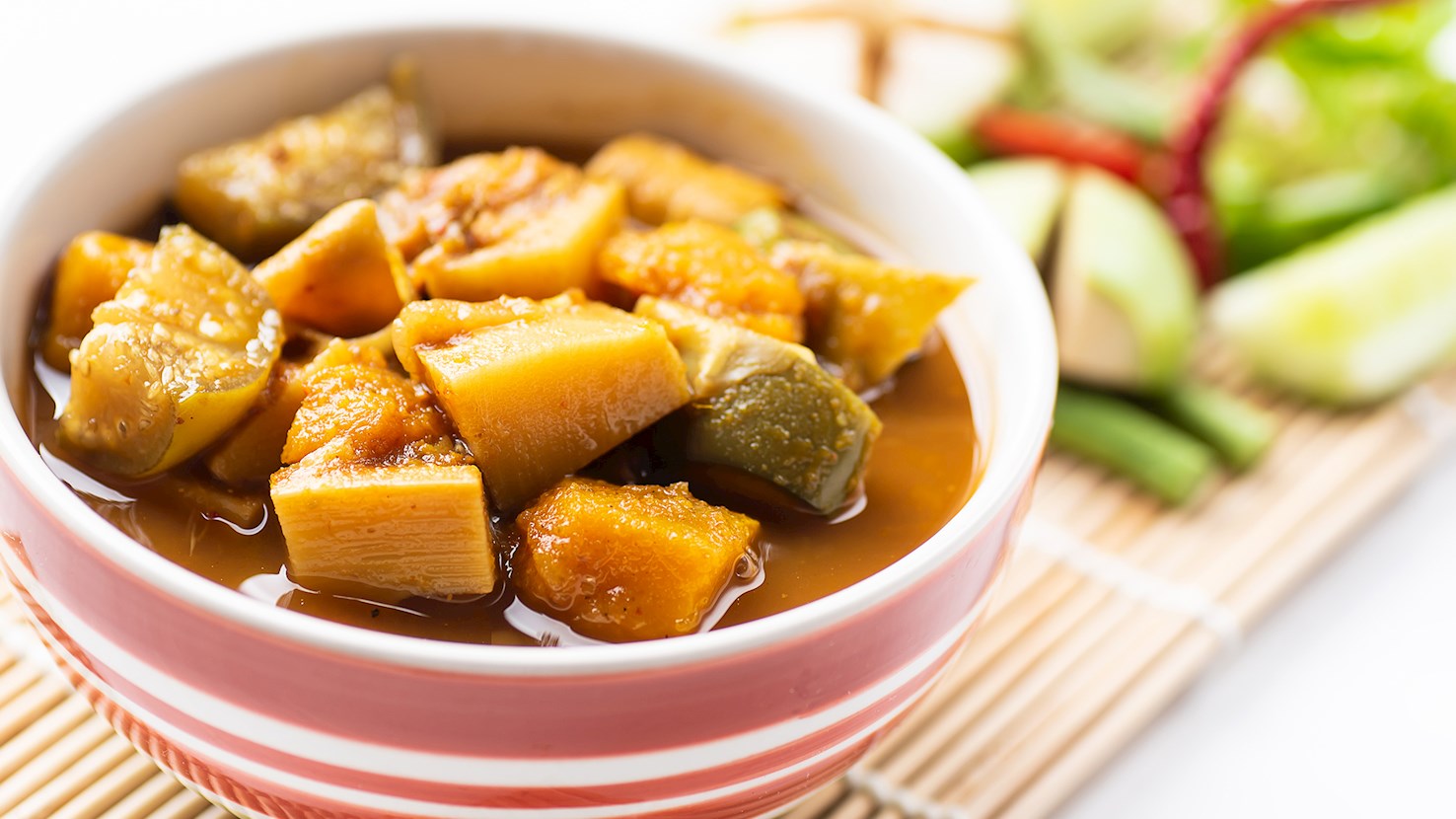
This thick and aromatic fish curry originated in southern Thailand. The base of the dish is prepared with tai pla—fermented fish entrails—and a spicy curry paste consisting of chili peppers, galangal, shrimp paste, turmeric, shallots, and lemongrass. Other additions usually include dry fish, diced eggplant, bamboo shoots, string beans, or other vegetables. Because of its intensity and strong, pungent aromas, kaeng tai pla is best served with steamed rice on the side. Traditionally, this Thai curry was only prepared with fish, and most varieties do not use coconut milk.
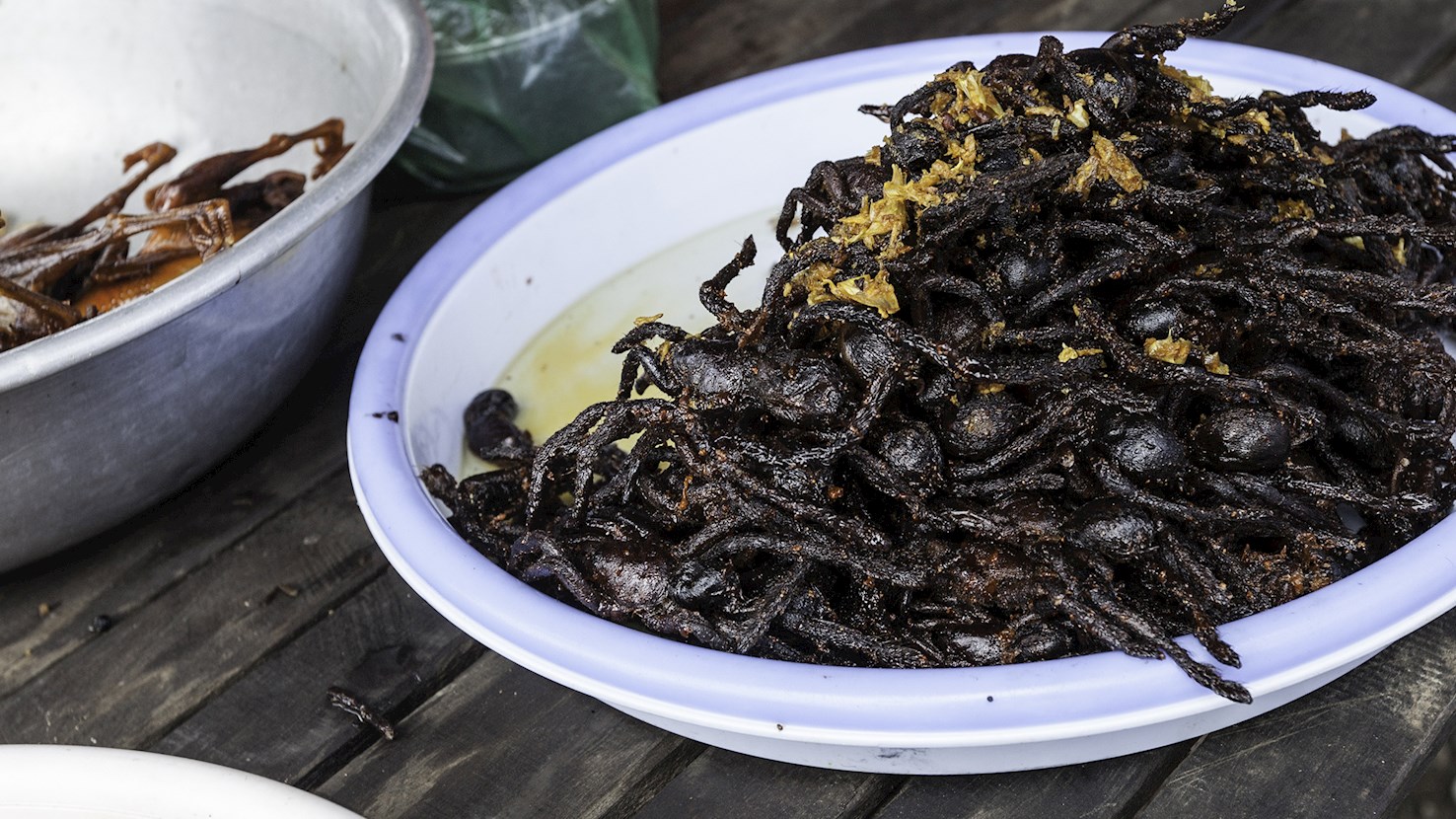
The city of Skuon in Cambodia is so infested with spiders that the nearly-starved locals have adapted and started consuming them in the 1970s, and the practice has continued ever since. It is no wonder that the city is known as Spider Town or Spiderville. The spiders (usually tarantulas) are breaded and deep-fried in hot oil, then served with some fresh local herbs on a bed of rice or noodles. The flavor of these critters has been described as a cross between cod and chicken – at least the hairy legs are supposed to taste so, because consumers are warned not to bite into the abdomen, which contains spiders’ internal organs and bodily fluids.
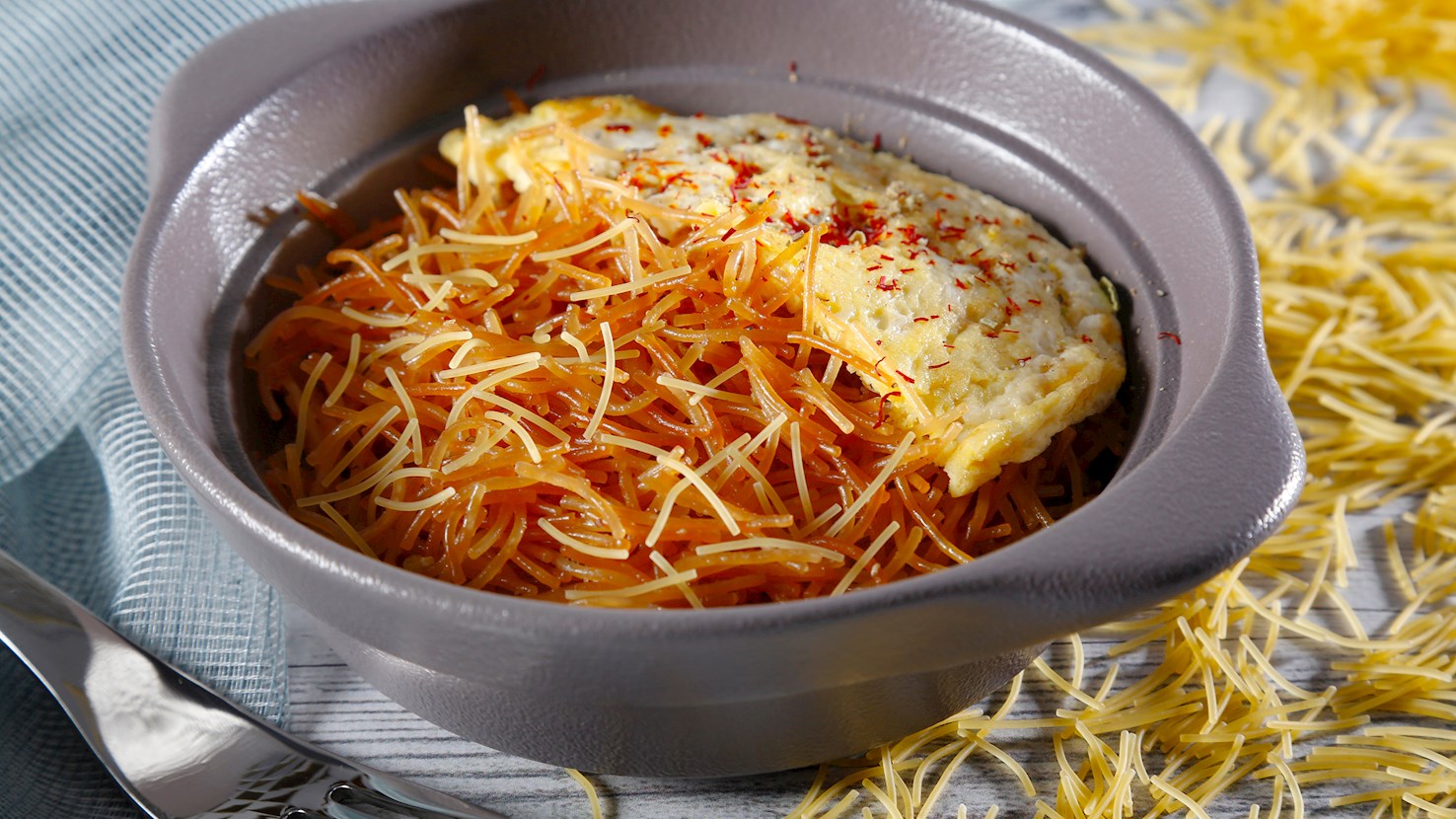
The sweet and savory balaleet is a breakfast dish that can be found in the Arab states of the Persian Gulf. It is typically made with vermicelli, eggs, cardamom, saffron, butter, and water, but it can also include rosewater, nuts, dried fruits, and honey. The aromatic mixture is topped with an omelet and served hot or cold, usually for breakfast. During the month of Ramadan, however, it is also served for dinner.
Khoresh kangar is a Persian stew from Iran that highlights kangar, or wild artichoke stalks, gently cooked with tender pieces of meat, usually lamb or beef, and balanced with herbs, spices, and a souring agent such as lemon juice or dried lime. This dish is associated especially with the spring season when kangar is freshly harvested in Iran’s mountainous regions and sold in local markets. While many Iranian khoresh dishes have been part of Persian cooking for centuries, khoresh kangar has a more regional character because the wild artichoke plant does not grow everywhere. Historical references suggest that using locally gathered vegetables in stews developed out of rural cooking traditions, where seasonal produce was preserved or cooked with meat to create sustaining meals. Over time, kangar found a place in urban kitchens too, particularly in cities such as Tehran, Isfahan, and Shiraz, where cooks adapted the recipe to suit different tastes by varying the sourness or the richness of the sauce. Preparing khoresh kangar starts by cleaning and trimming the tough exterior of the kangar stalks to reveal the tender inner ribs. The meat is browned in oil or animal fat along with onions and turmeric. Once it develops flavor, water is added and the mixture simmers until the meat begins to soften. At this point, the prepared kangar is added along with seasonings, which can include ground black pepper, saffron, tomato paste, and sometimes fresh herbs like parsley or mint. The stew continues to cook slowly until the artichoke stalks are tender but still hold their shape. Toward the end, souring ingredients such as verjuice, dried limes, or lemon juice are incorporated to brighten the taste. One aspect of khoresh kangar that makes it notable is that fresh kangar has a limited seasonal availability, so the dish is often anticipated as a special springtime meal. In some households, the preparation of kangar is a collaborative effort because the stalks require careful cleaning. Khoresh kangar is almost always served with steamed Persian rice, often accompanied by fresh herbs and flatbread, and it is eaten as a main meal, whether shared at home or offered to guests at lunch gatherings.
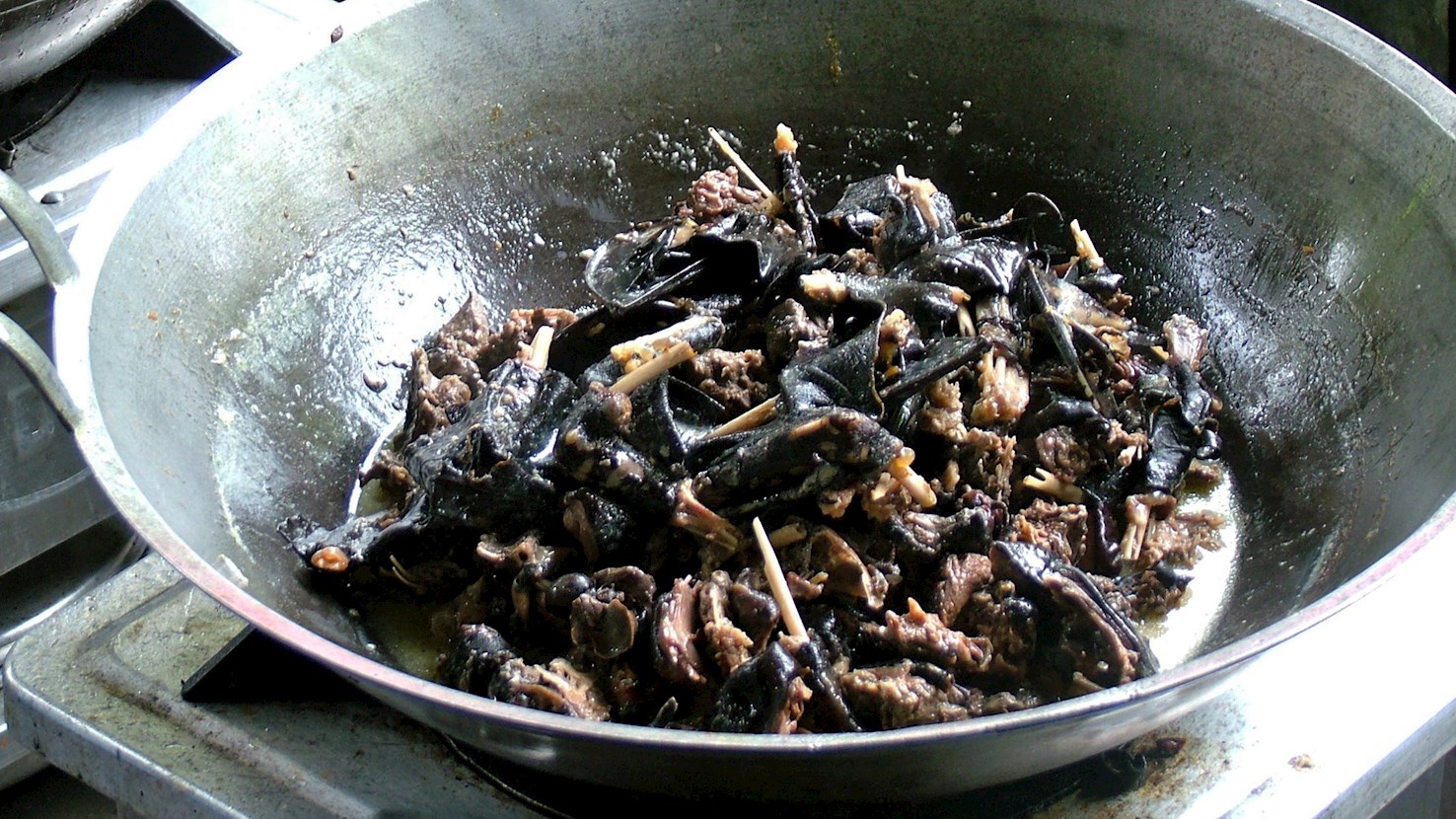
Traditionally made by the native Minahasan people and hailing from North Sulawesi, this Indonesian dish employs fruit bat as the main ingredient. Though bats are often fried or grilled, the most popular way is to incorporate them into paniki, the traditional soup-like dish. The usual procedure starts with grilling the bat to remove all the hairs covering its body. The bat is then cleaned, its intestines are removed, and it is cut into smaller chunks and boiled in water. The dish is finished off with the addition of fried onions, garlic, ginger, leeks, curry leaves, lemongrass, and coconut milk. Paniki is typically served accompanied by white rice.
TasteAtlas food rankings are based on the ratings of the TasteAtlas audience, with a series of mechanisms that recognize real users and that ignore bot,
nationalist or local patriotic ratings, and give additional value to the ratings of users that the system recognizes as knowledgeable.
For the “100 Worst Rated Asian Foods” list until August 17, 2026, 234,674 ratings were recorded, of which 133,816 were recognized by the system as legitimate.
TasteAtlas Rankings should not be seen as the final global conclusion about food. Their purpose is to promote excellent local foods,
instill pride in traditional dishes, and arouse curiosity about dishes you haven’t tried.










What People Say