



34 Worst Rated Australian Foods

Last updated on June 17, 2026
01

Spaghetti Jaffle

2.5 ·

Spaghetti jaffle is a traditional sandwich that's also quite popular in Japan. The sandwich usually consists of spaghetti, a bread roll or sliced bread, butter, grated cheese, and a sauce (often tomatoes and onions). The spaghetti are cooked until al dente, or you can just use leftover spaghetti. The pasta is cooked with the sauce. The bread is split, buttered, and each slice is topped with the spaghetti, sauce, and grated cheese. The slices are joined into a sandwich that is often cooked until the bread is well toasted, although it can also be served cold. In Tokyo, the sandwich is typically made with a meat sauce and a sliced French roll.

02

SAO Biscuits

2.7 ·

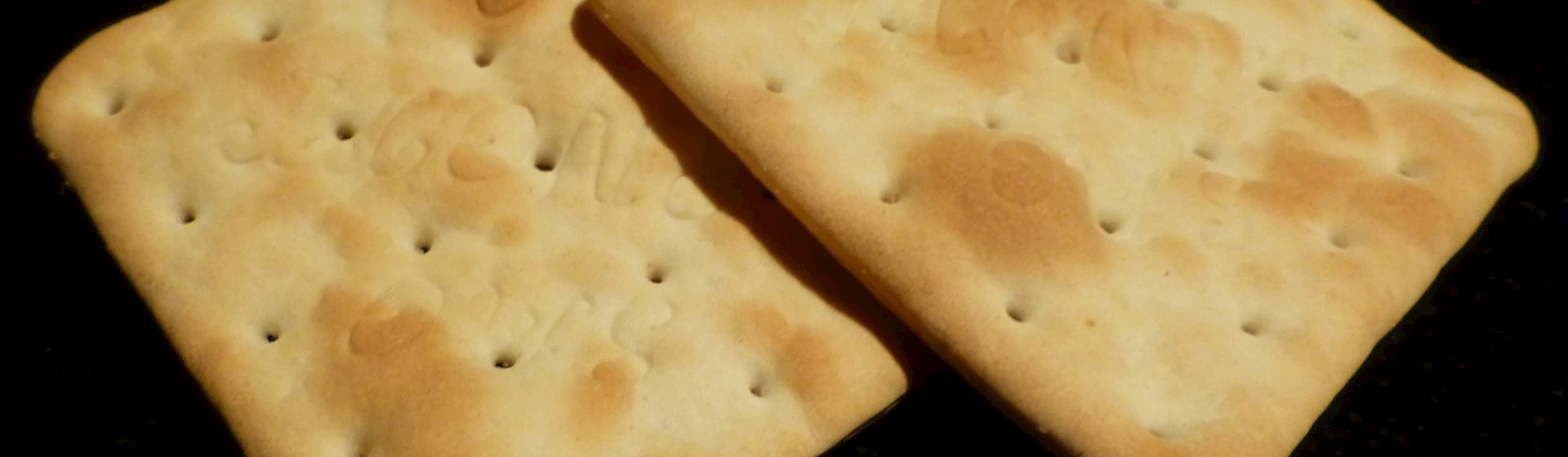
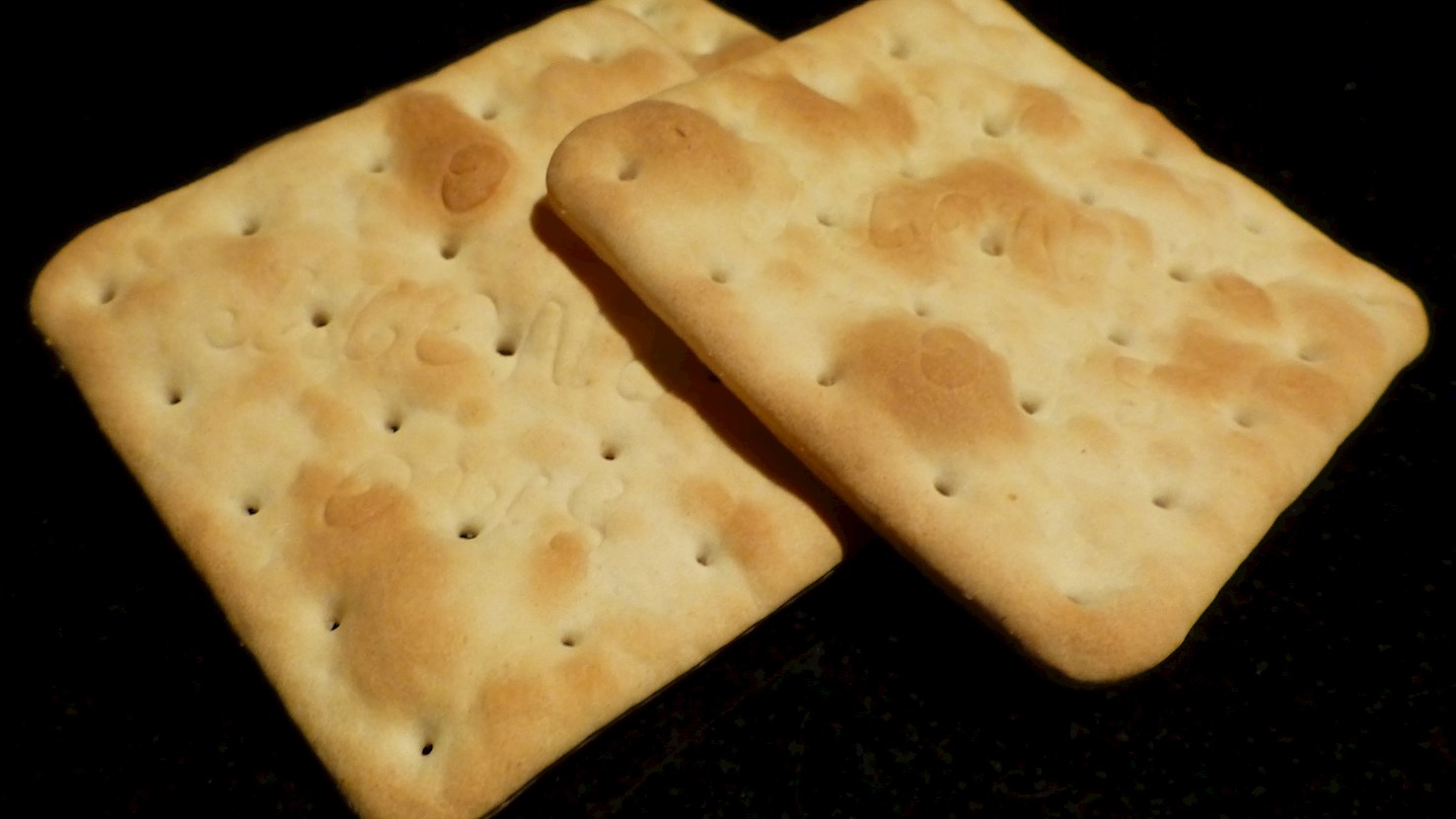
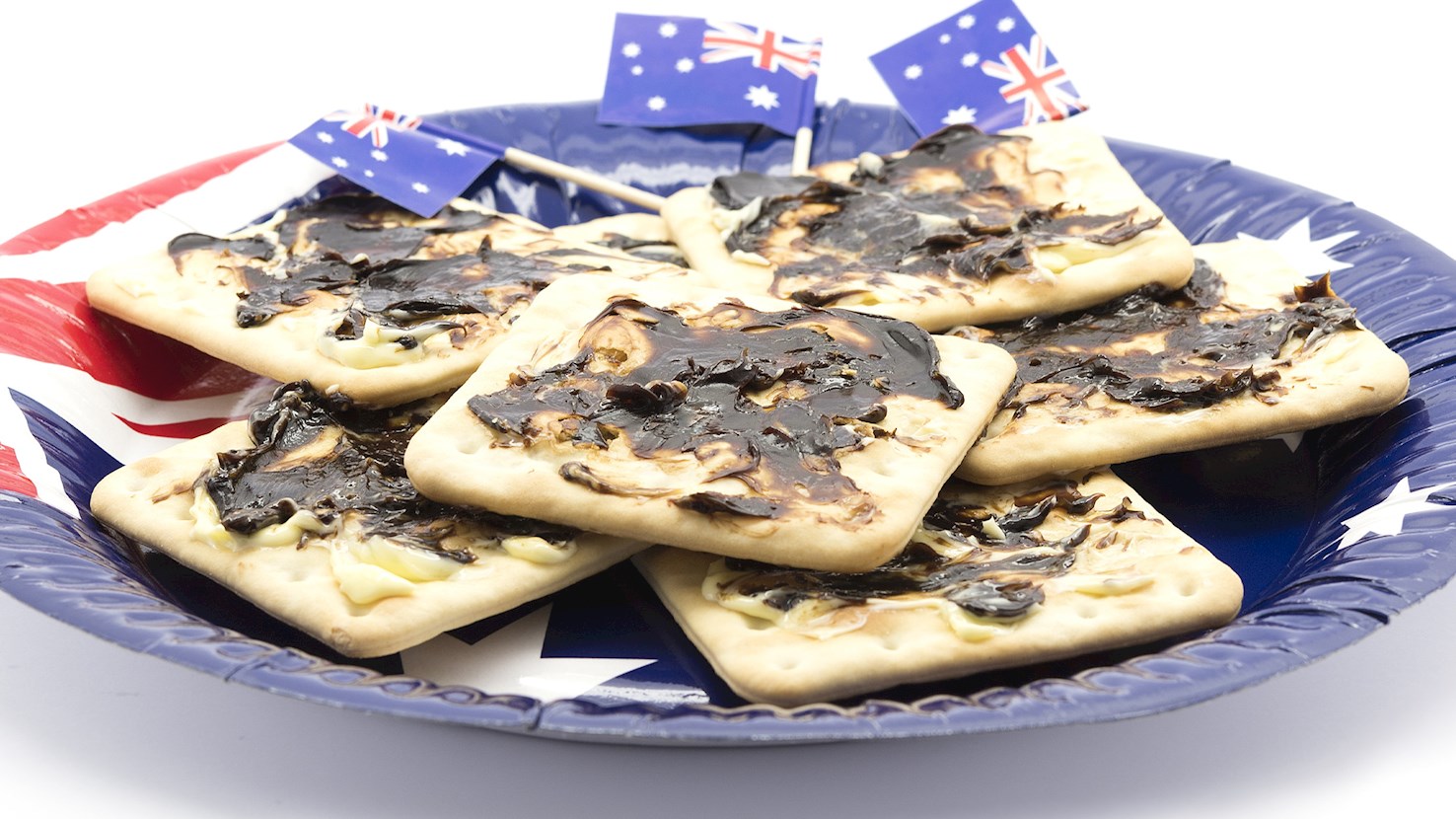
SAO biscuits are Australian savory biscuits or crackers which have been trademarked by Arnott’s since 1904. According to the producer, these biscuits are made from seven layers of flaky pastry, and they have a distinctive light and bubbly texture. Many generations of Australians are fond of these biscuits because of the small holes on their surface. When buttered and squeezed together, two biscuits produce ‘worms’ of butter which start to emerge from the tiny holes. The same effect is achieved if the filling includes Vegemite. The name of the biscuits is still a mystery, but most people believe it refers to a Salvation Army Officer.

03

Vegemite

2.7 ·

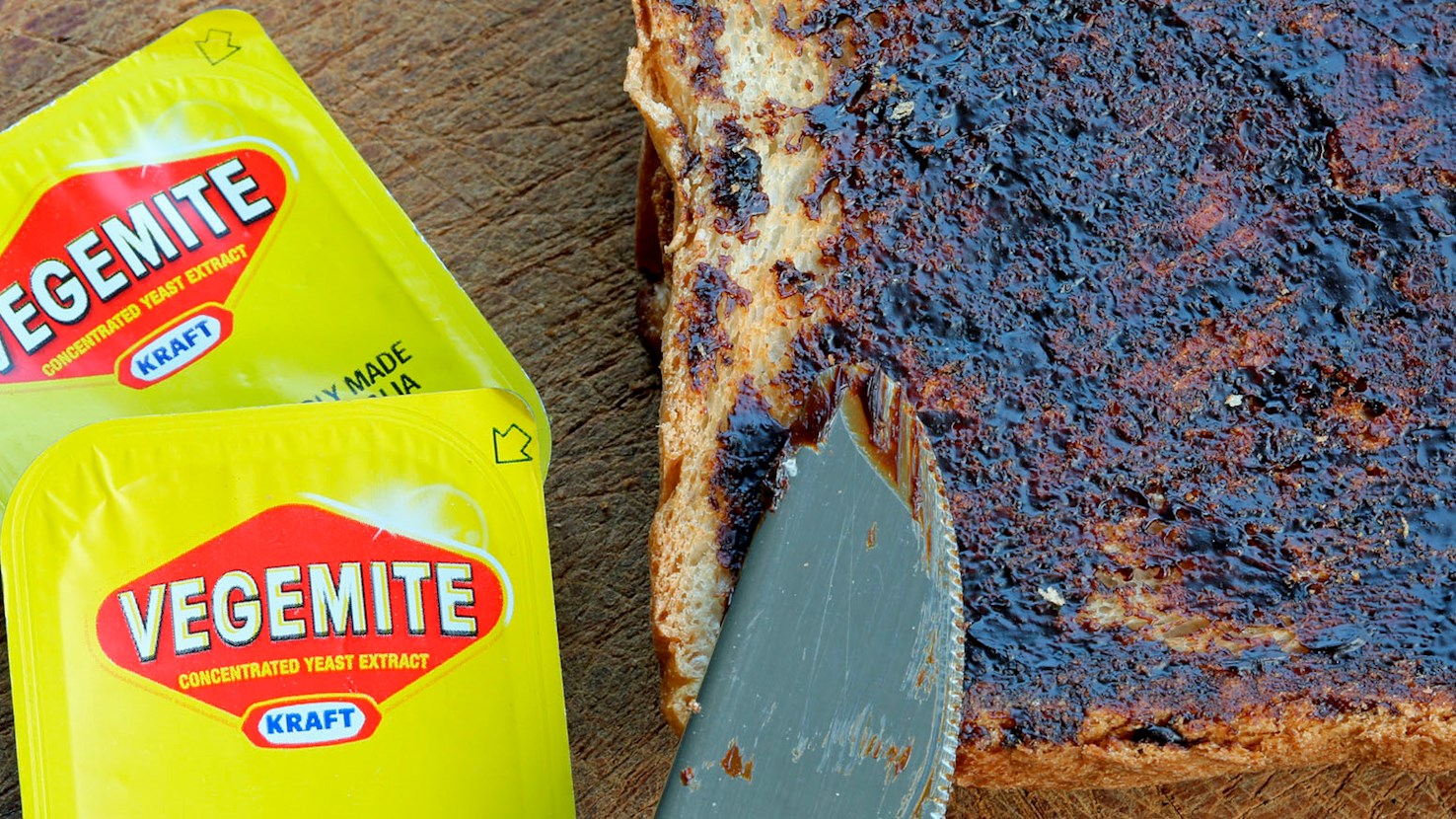
Vegemite is a notoriously yeasty spread that can be found in nine out of ten pantries in Australia. It all began in 1922 when the Fred Walker Company (known today as Kraft Food Company) employed a chemist to invent a new spread from one particular ingredient that is rich in Vitamin B. He called it Vegemite, a spread made from leftover brewers' yeast extract, spices, and vegetable additives. Its texture is thick, gluey and dense, similar to peanut butter, while its color is dark red to brown, almost jet black. The taste is an acquired one, as Vegemite is extremely salty. Vegemite is typically spread over buttered toasted bread in a fine, thin layer that you can see through. There's also the British counterpart to the Australian Vegemite, and it's called Marmite - its color is more of a dark brown and the consistency is more syrupy than Vegemite.

04

Spaghetti on Toast

2.8 ·

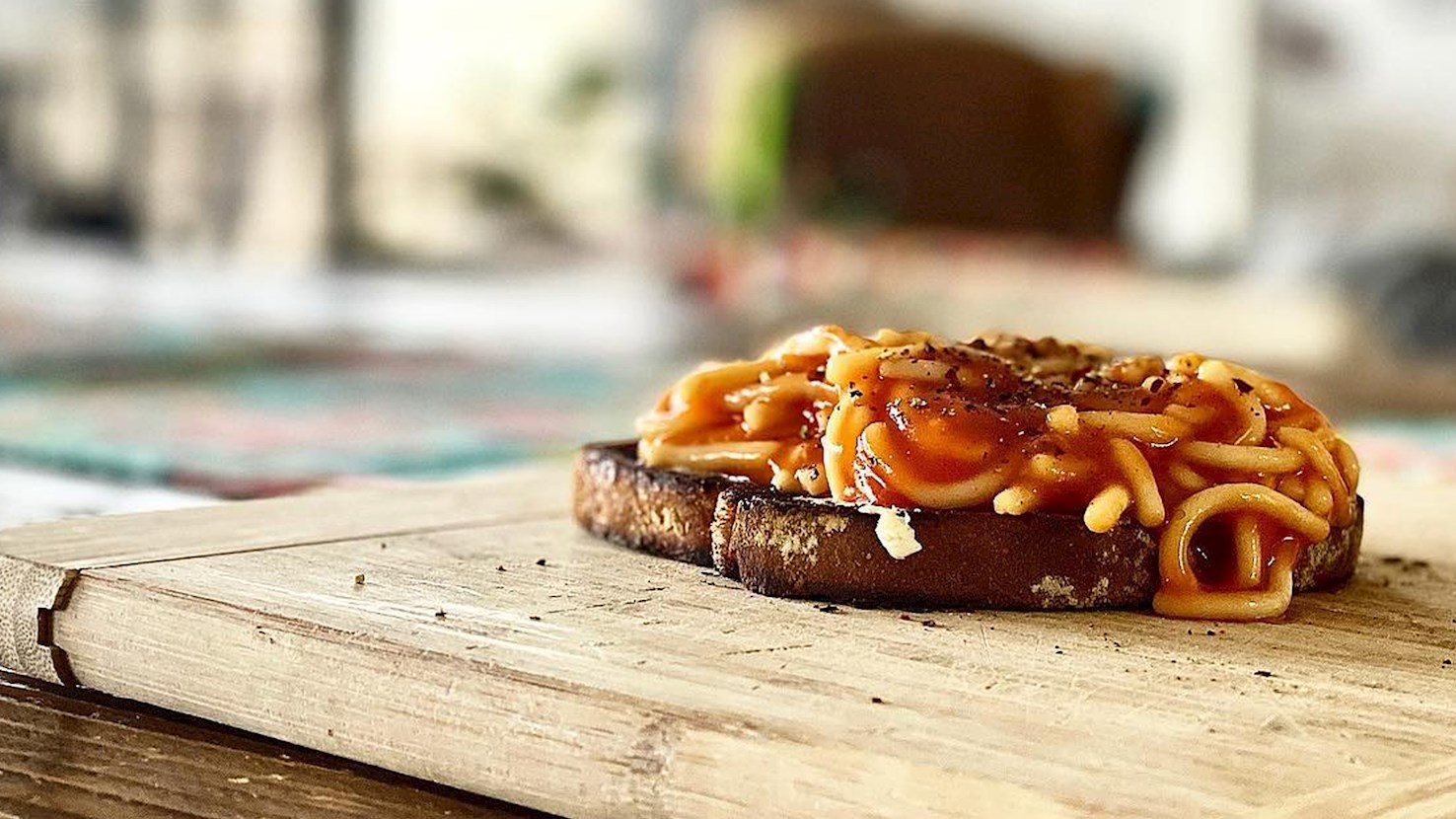
Spaghetti on toast is a unique creation consisting of canned spaghetti served on a piece of toast. The dish is regularly served as comfort food in New Zealand, Australia, and the UK, either for breakfast or lunch. It is recommended to top the dish with some grated cheese before serving.

05

Dolly Varden Cake

2.8 ·

Dolly Varden cake is an iconic cake that’s especially popular at children’s birthdays in Australia. The cake was named after a character named Dolly in one of Charles Dickens’ novels (Barnaby Rudge) and the ensuing fashion style with bright colors, bold patterns, and different layers of fabric. The earliest recipe for the cake calls for four layers: chocolate, a white layer made with egg whites, a rose layer made with cochineal, and a yellow layer made with egg yolks, along with the frosting. Once baked, the multi-colored layers are stacked to create a visually attractive cake, and nowadays the layers come in a variety of flavors and colors. What sets this cake apart is the addition of the centerpiece – a Barbie (or similar) doll is placed in the center of the cake so that the cake itself acts as the doll’s skirt.

06

Fritz and Sauce

2.9 ·

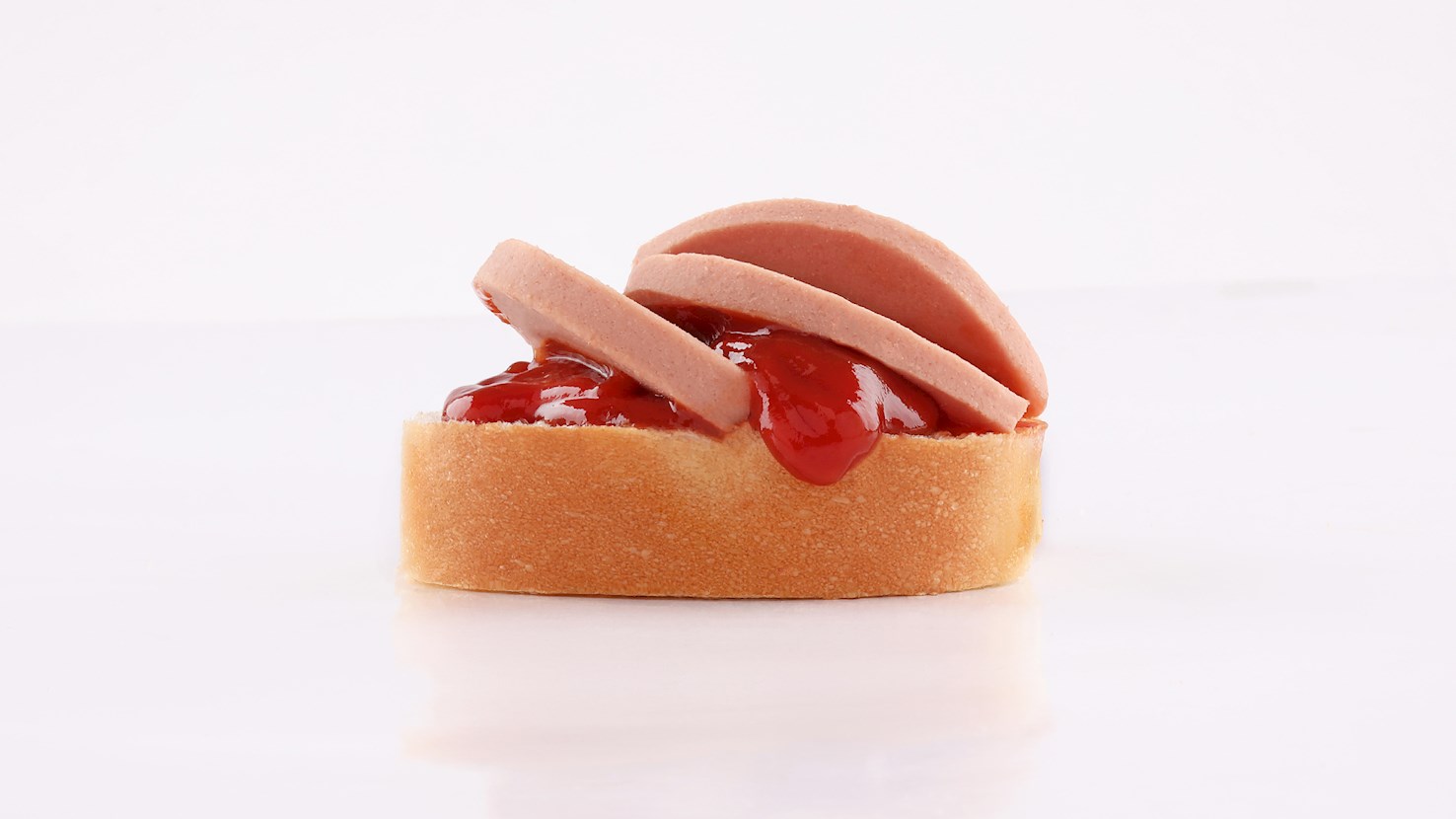
Fritz and sauce is a classic Australian sandwich that's especially beloved by children. It consists of two slices of bread, a bit of tomato sauce, and fritz. Fritz is a type of sausage made of beef, lamb, and pork trimmings, starch, flour, and seasonings. The bread is buttered, then topped with the fritz slices and sauce. The sandwich is completed with the second slice of bread on top. Fritz is a tribute to the large number of German settlers in South Australia, and this sandwich is usually prepared for school lunch or an afternoon hike.

07

Pie Floater

3.0 ·

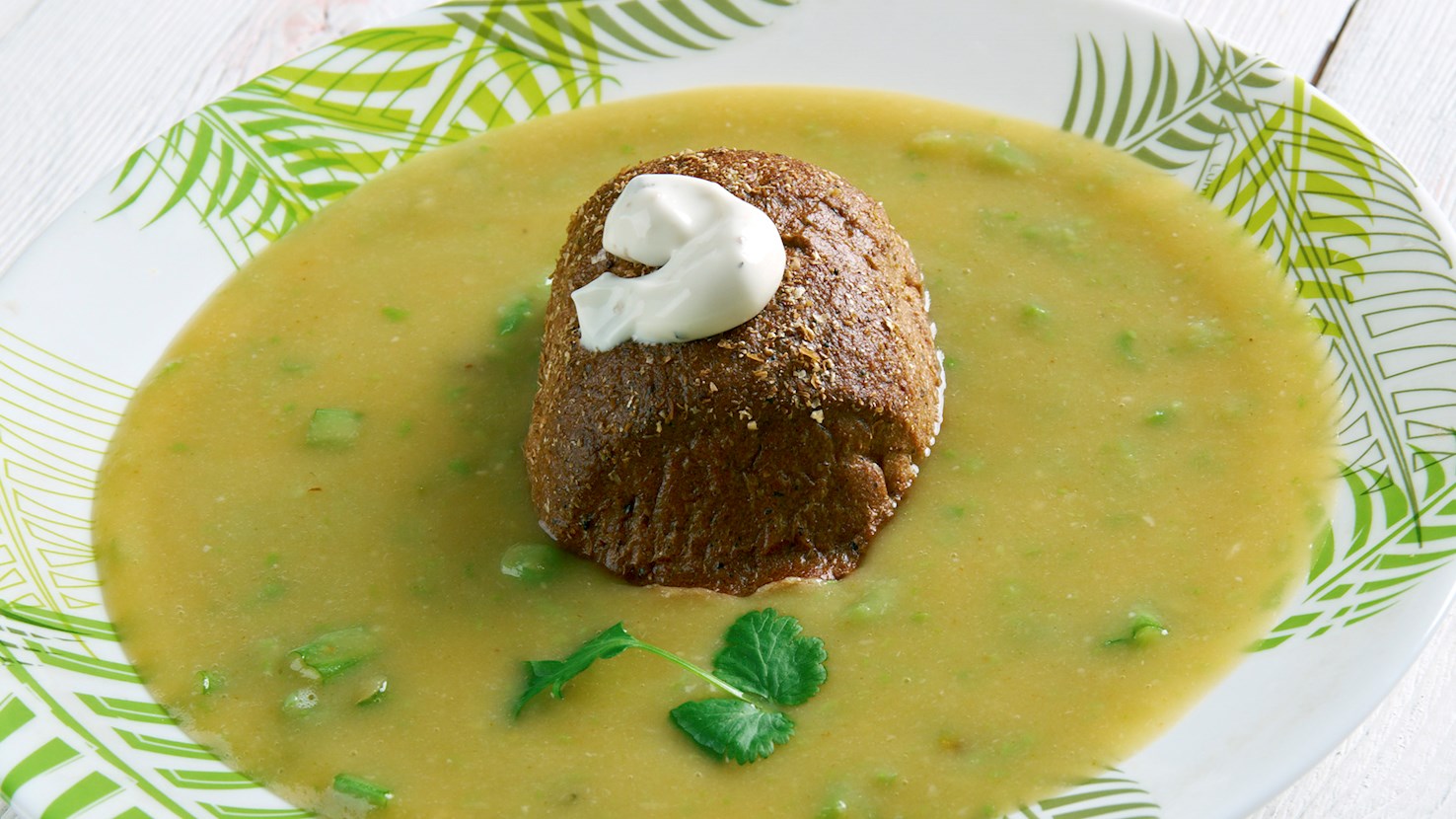
A pie floater is a meat pie usually submerged upside down in green pea soup. It is believed that the origins of the dish lie in traditional English dishes of pea soup with eel and suet dumplings (dumplings in soups were known as floaters). The usual accompaniments to a pie floater include tomato sauce or mint sauce, Worcestershire sauce, or malt vinegar. Pie floater has an impressive history that can be traced back over 130 years. It was invented in Port Pirie, South Australia, in the 1890s by a bakery operator named Ern "Shorty" Bradley. The floaters became popular at many pie carts operating in Adelaide in the late 19th and early 20th centuries, with 13 carts in the city. Although the last pie cart closed in 2010, floaters are still present in numerous bakeries, available to everyone who wants a late-evening meal. The dish's popularity is evident in its recognition as a South Australian Heritage Icon by the National Trust of Australia in 2003.

08

Boston Bun

3.0 ·

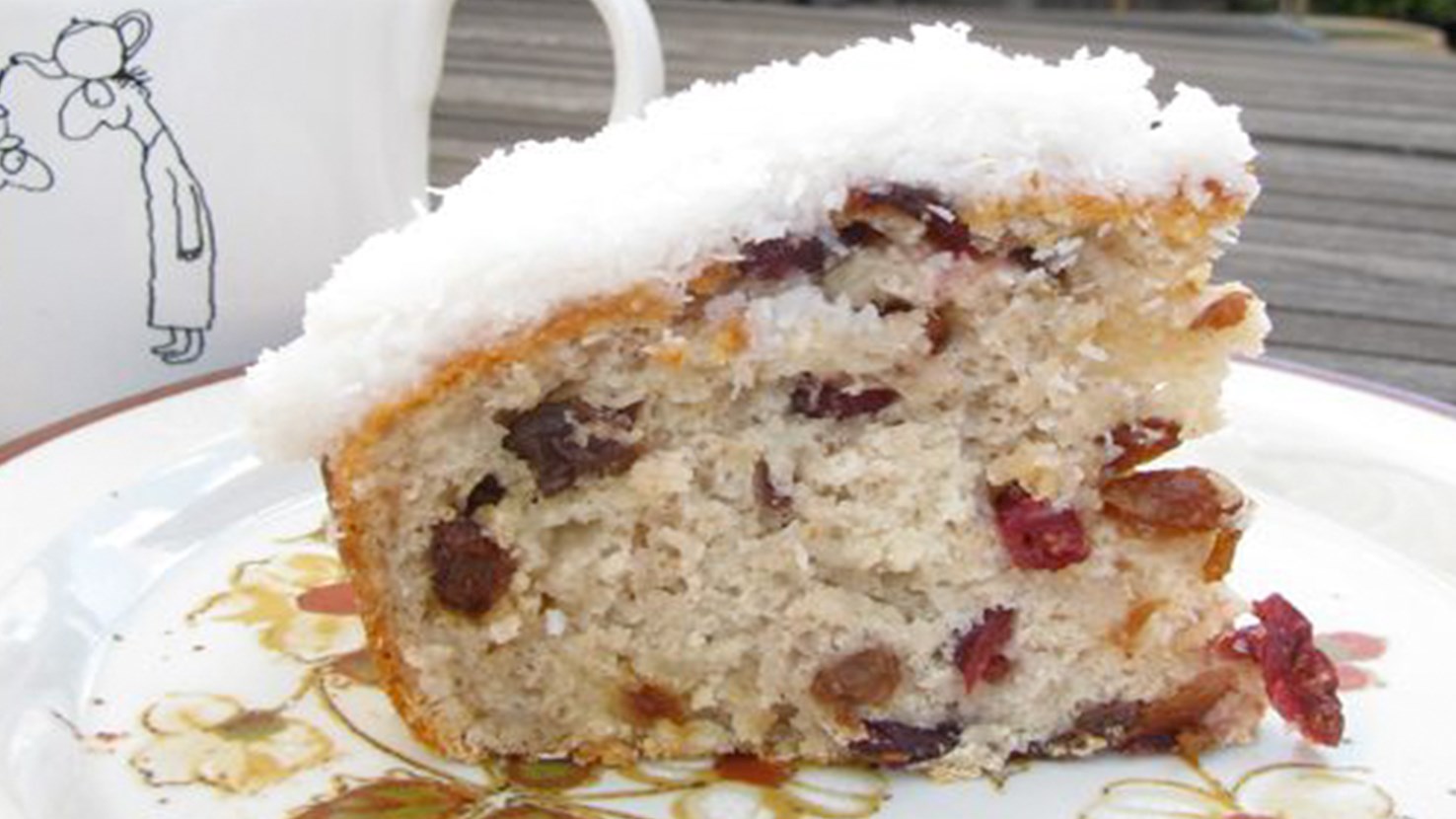
A Boston bun is a big, spiced bun that is commonly consumed throughout Australia and New Zealand. The traditional version is characterized by a thick layer of coconut icing on the exterior, while the interior contains mashed potatoes. The modern version can sometimes contain raisins, and is usually served sliced as an accompaniment to tea. Boston bun is commonly known as Sally Lunn in New Zealand, and it is believed that the original recipe came from Boston during the gold rush years in the 1850s. However, the inventor of the dish and the origins of its name remain a mystery up to this day.

09

Double Chocolate Lamingtons

3.0 ·

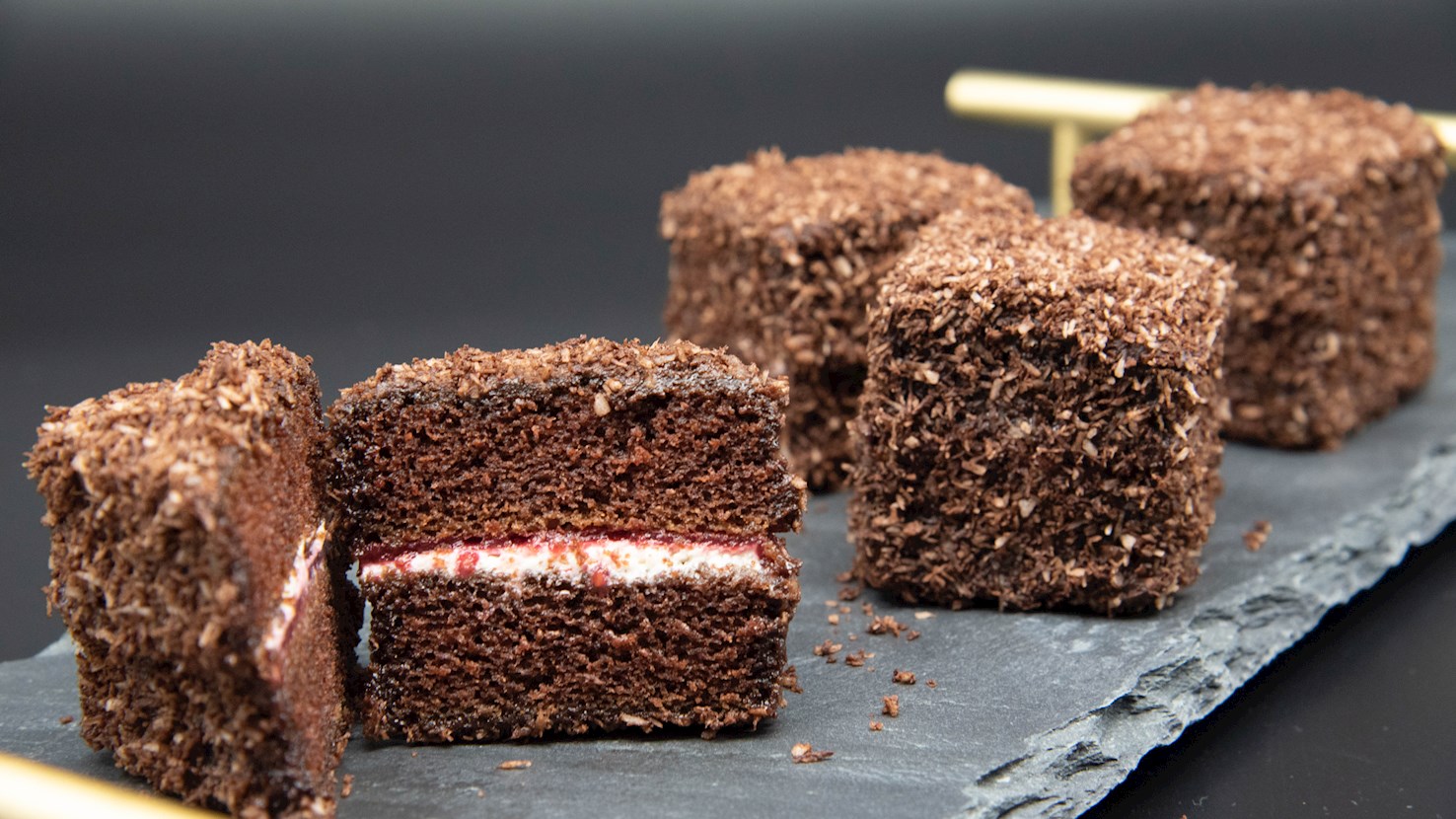
Lamingtons are simple sponge cakes coated in chocolate icing and sprinkled with desiccated coconut. This is a version of lamingtons made with the addition of chocolate cream. The cake is usually made with flour, dark cocoa, eggs, sugar, butter, and vanilla extract, while the chocolate cream layer consists of dark chocolate, dark cocoa, vanilla extract, icing sugar, heavy cream, and mascarpone. The regular icing is often made with icing sugar and dark cocoa. If properly prepared, double chocolate lamingtons should be moist and buttery inside and with a thick chocolate coating on the outside. Just don't show this version to lamington purists because they usually loathe variations on the original.

10

Vegemite on toast

3.1 ·

Vegemite on toast is an authentic Australian breakfast food, and very polarizing at that, since people either love it or hate it. However, Australians love it, as Vegemite is an ingredient that is in nine out of ten pantries in Australia. It all began in 1922 when the Fred Walker Company (known today as Kraft Food Company) employed a chemist to invent a new spread from one particular ingredient that is rich in Vitamin B. He called it Vegemite, a spread made from leftover brewers' yeast extract, spices, and vegetable additives. Its texture is thick, gluey and dense, similar to peanut butter, while its color is dark red to brown, almost black. The taste is an acquired one, as Vegemite is extremely salty. For Vegemite on toast, slices of white bread need to be hot and toasted. After that, butter is generously smeared on the hot toast, which allows the butter to melt. It is not recommended to spread Vegemite in large amounts, like peanut butter or fruit jams. It needs to be spread over toast and butter in a fine, thin layer that you can see through, since it accentuates the flavours that are already present. It adds a bit of depth, savoriness, and richness to plain buttered toast, which is probably the reason why it is so beloved by the Australians and commonly found in Aussie travellers' backpacks, as a tiny reminder of home.

Read more
View all
View map
About this ranking

TasteAtlas food rankings are based on the ratings of the TasteAtlas audience, with a series of mechanisms that recognize real users and that ignore bot, nationalist or local patriotic ratings, and give additional value to the ratings of users that the system recognizes as knowledgeable. For the “34 Worst Rated Australian Foods” list until June 17, 2026, 3,286 ratings were recorded, of which 2,884 were recognized by the system as legitimate. TasteAtlas Rankings should not be seen as the final global conclusion about food. Their purpose is to promote excellent local foods, instill pride in traditional dishes, and arouse curiosity about dishes you haven’t tried.

Similar lists