










shutterstock

56 Worst Rated Austrian Foods

Last updated on July 17, 2026
01

Wurstsalat

2.9 ·

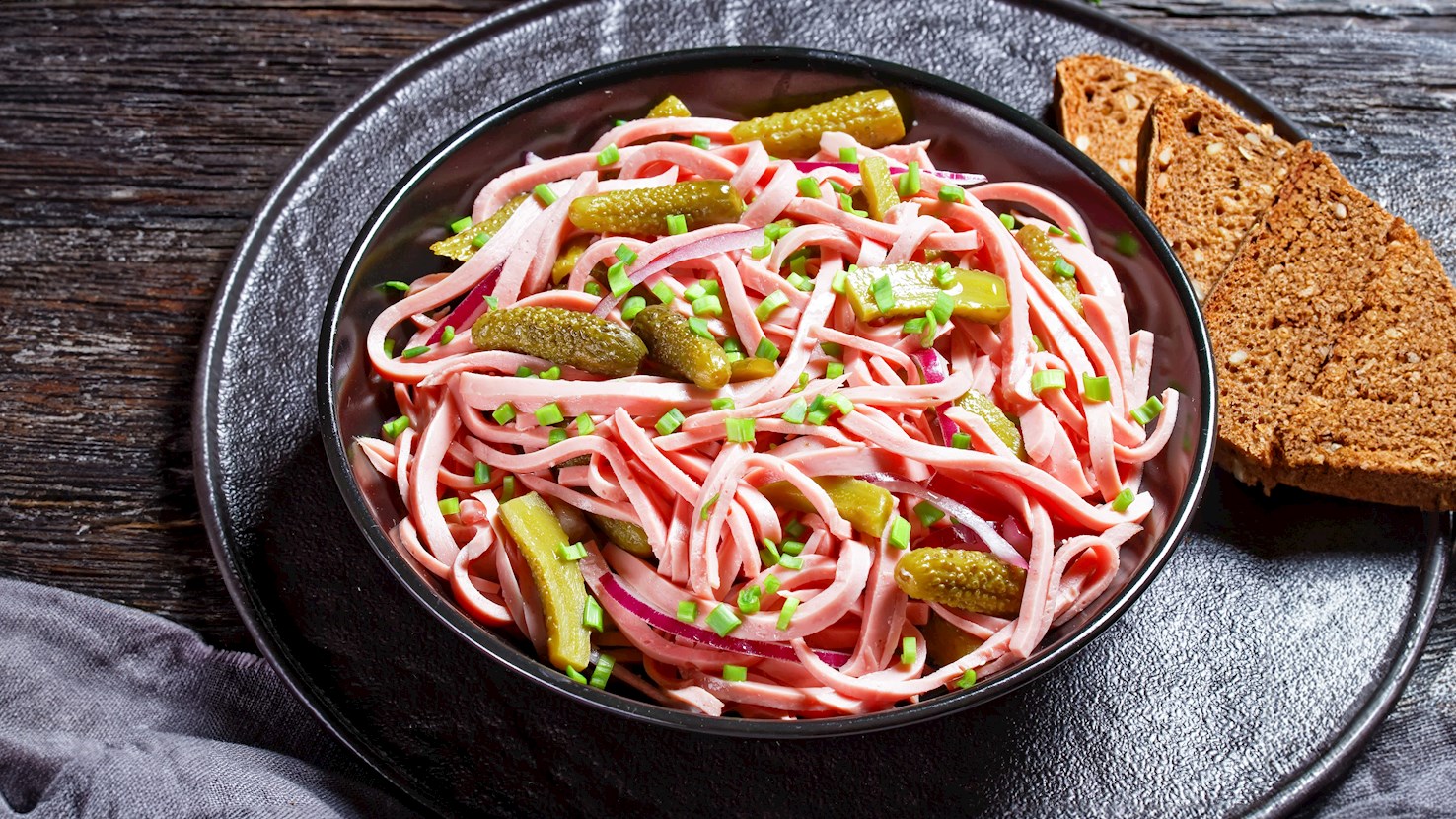
Wurstsalat is a traditional salad from Germany (especially southern parts), Switzerland, Austria, and Alsace in France made with strips of sausage. It's a popular dish often consumed as a light meal in beer gardens or traditional inns, especially during the warm summer months. The main ingredient in wurstsalat is thinly sliced sausage. The most commonly used type is Lyoner, fleischwurst, or stadtwurst, although the Swiss variant often uses cervelat. These are all types of cooked sausage that are similar to bologna or frankfurter. The sliced sausage is mixed with chopped onions, and the salad is dressed with a simple vinaigrette made from oil, vinegar, salt, and pepper. The dish is typically marinated for a few hours or overnight to allow the flavors to meld together. There are several regional variations of Wurstsalat. For example, in Switzerland and in the Swabian and Bavarian regions of Germany, it's common to add pickles and cheese, typically Swiss Emmental, to the salad. In some regions, it's also common to add other ingredients such as radishes, boiled eggs, tomatoes, or bell peppers. Wurstsalat is typically served chilled, often accompanied by bread or pretzels. It can be a standalone dish or part of a larger meal. Despite its simplicity, wurstsalat is beloved for its tangy, hearty flavors and refreshing qualities.

02

Böhmische knödel

2.9 ·

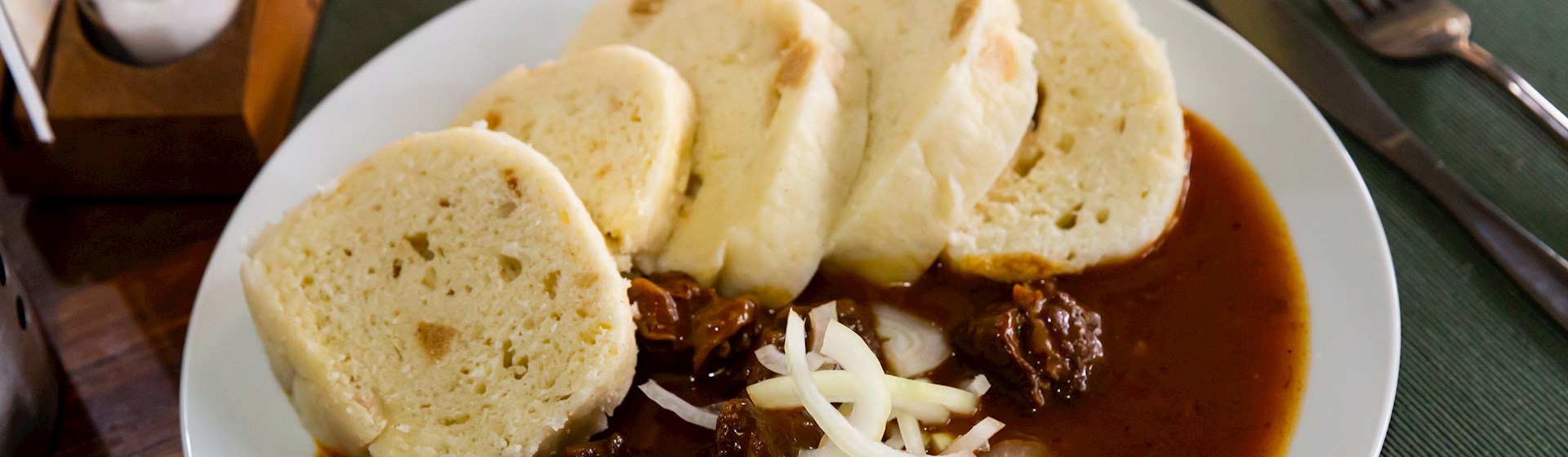
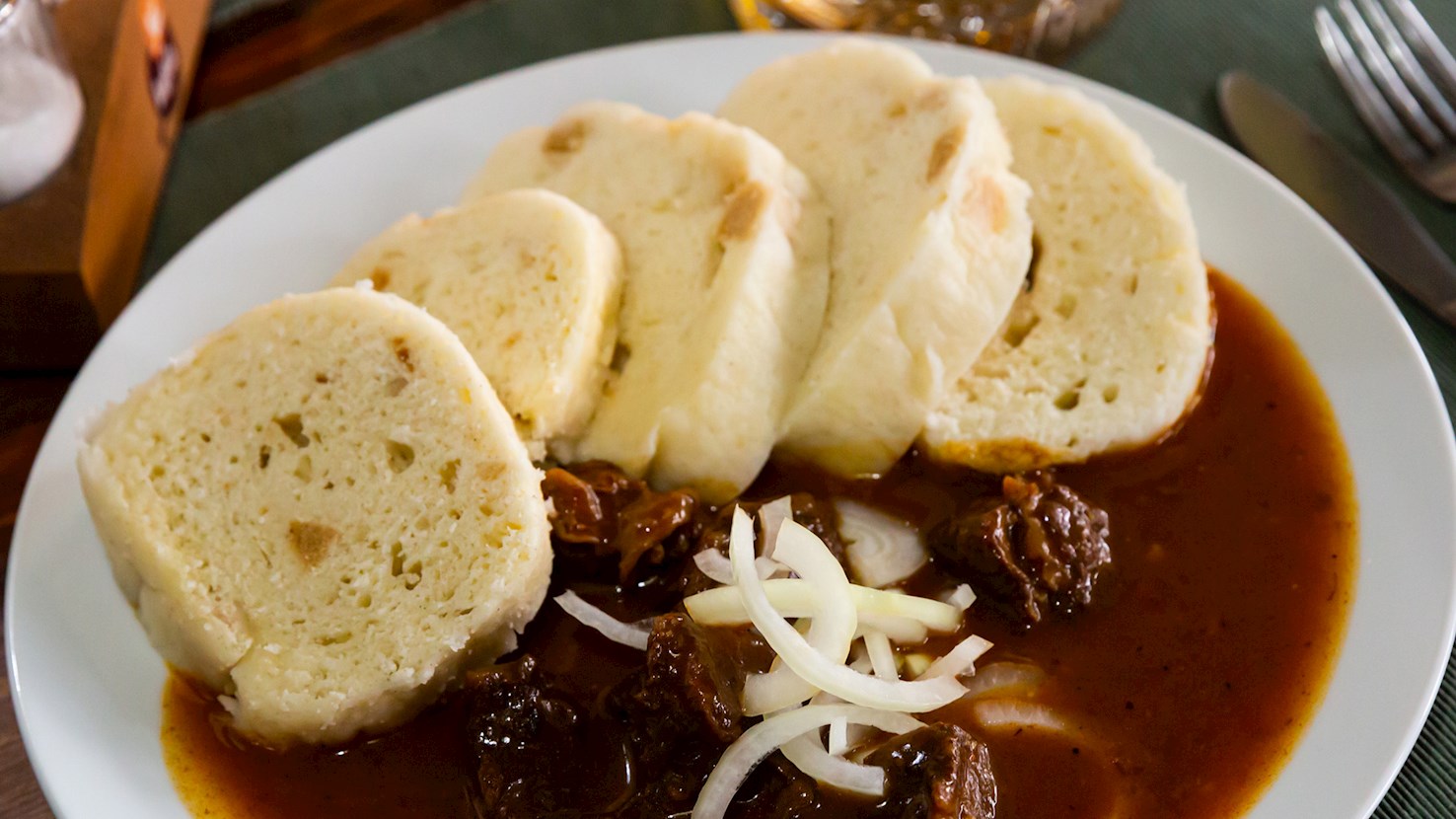
Böhmische knödel, or Bohemian dumplings, are yeast-based dumplings made from a dough of flour, yeast, water or milk, eggs, and a touch of sugar and salt. Unlike typical round dumplings, they are shaped into a log and steamed, resulting in an incredibly fluffy and soft texture that absorbs sauces perfectly. Traditionally served with dishes like goulash, roast pork with sauerkraut, or goose with red cabbage, these dumplings are a staple in Central European cuisine. Optionally, small bread cubes can be incorporated into the dough for added texture. After steaming, it's customary to slice them using a string rather than a knife to achieve cleaner cuts.

03

Reindling

3.0 ·

Reindling is a type of cake originating from Carinthia that is intended to be sweet, but in some instances, it can be prepared as a savory bread. The yeasted dough is typically flavored with ingredients such as raisins, cinnamon, and various ground nuts. When the cake is served, it is often paired with butter and jam. Reindling is also traditionally served during celebratory events such as baptisms, weddings, and during the Easter festivities.

04

Blunzengröstl

3.0 ·

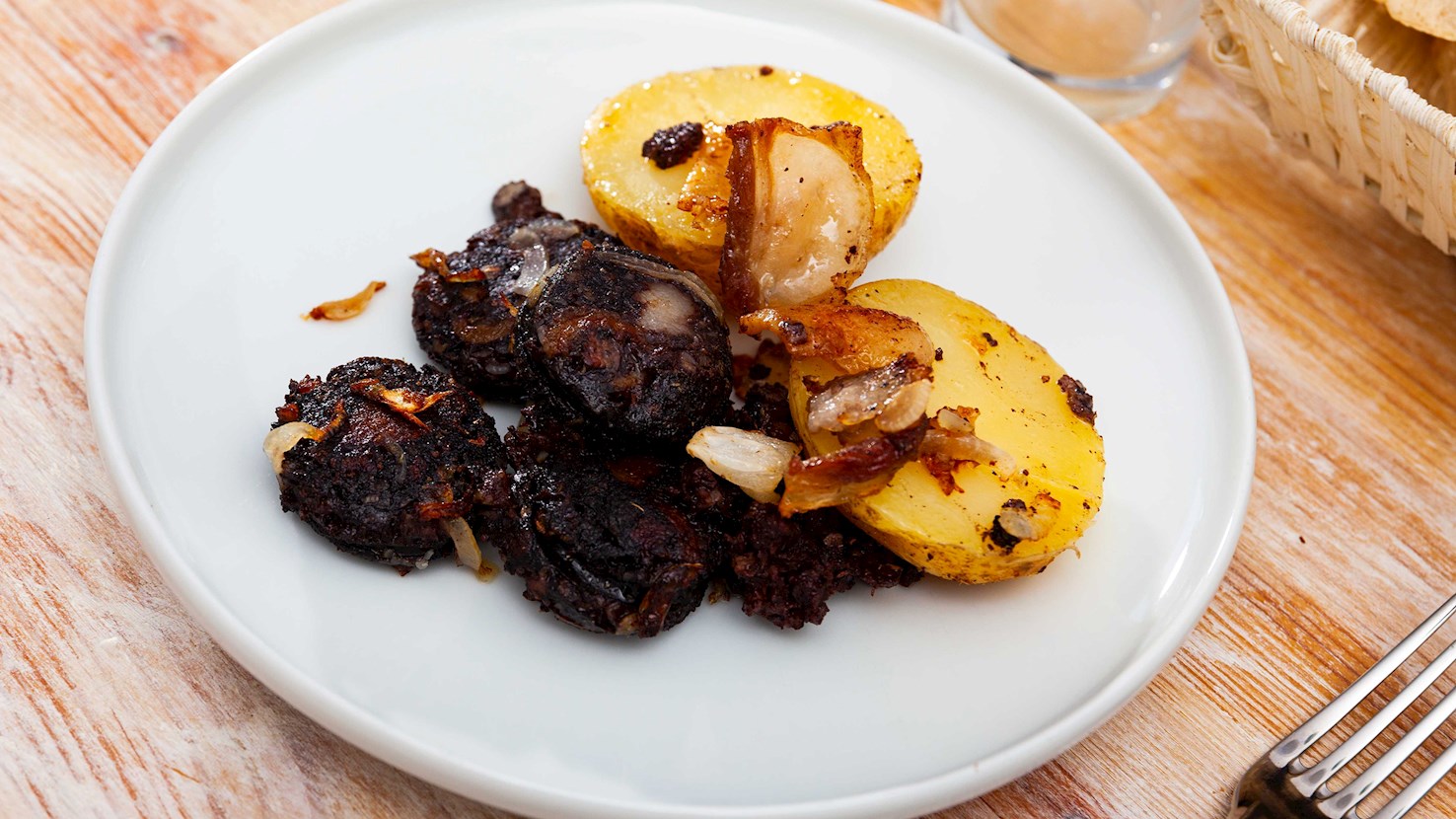
Blunzengröstl is a traditional Bavarian and Austrian dish made by frying pieces of blood sausage (Blunzen) with onions and often potatoes. It also includes other ingredients like garlic or parsley, and it's commonly seasoned with marjoram, salt, and pepper. Sometimes, apples or vinegar are included to provide a bit of tanginess that balances the richness of the sausage. Blunzengröstl is usually served hot and can be enjoyed as a main course or a hearty snack.

05

Beuschel

3.1 ·

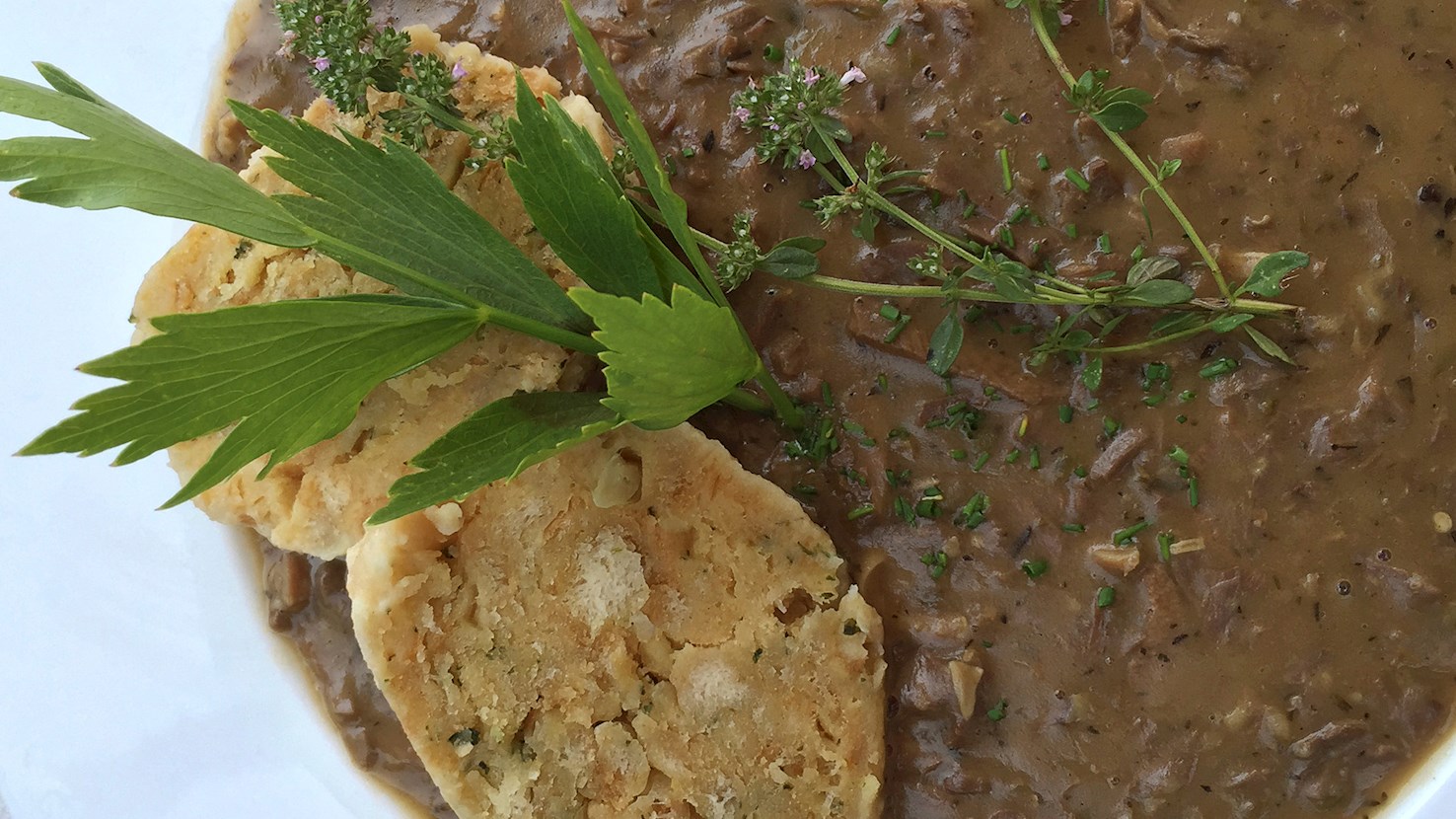
Beuschel is one of the classics of Austrian cuisine. Often compared to a ragout, this hearty dish is made with offal, usually heart and lungs, and it is served in a delicious, dark brown sauce. Usually, calf offal is used in the dish, but other animals or organs can also be utilized. Due to the consistency of the offal, beuschel is a time-consuming dish found only in traditional and notable Austrian restaurants. Even though it can be found in all parts of Austria, it is usually associated with Vienna and represents a real example of the old Viennese cuisine. It became popular in the 19th century, during the Austrian Empire, when animal offal was introduced on the menus of numerous high-end Viennese restaurants. Its importance has recently slightly faded, but for true experts, it is still regarded as a delicious heritage of the Austrian Empire. To achieve the creamy and mild consistency, the dish is usually finished with cream, and is most commonly served with traditional, aromatic bread dumplings.

06

Bauernschmaus

3.1 ·

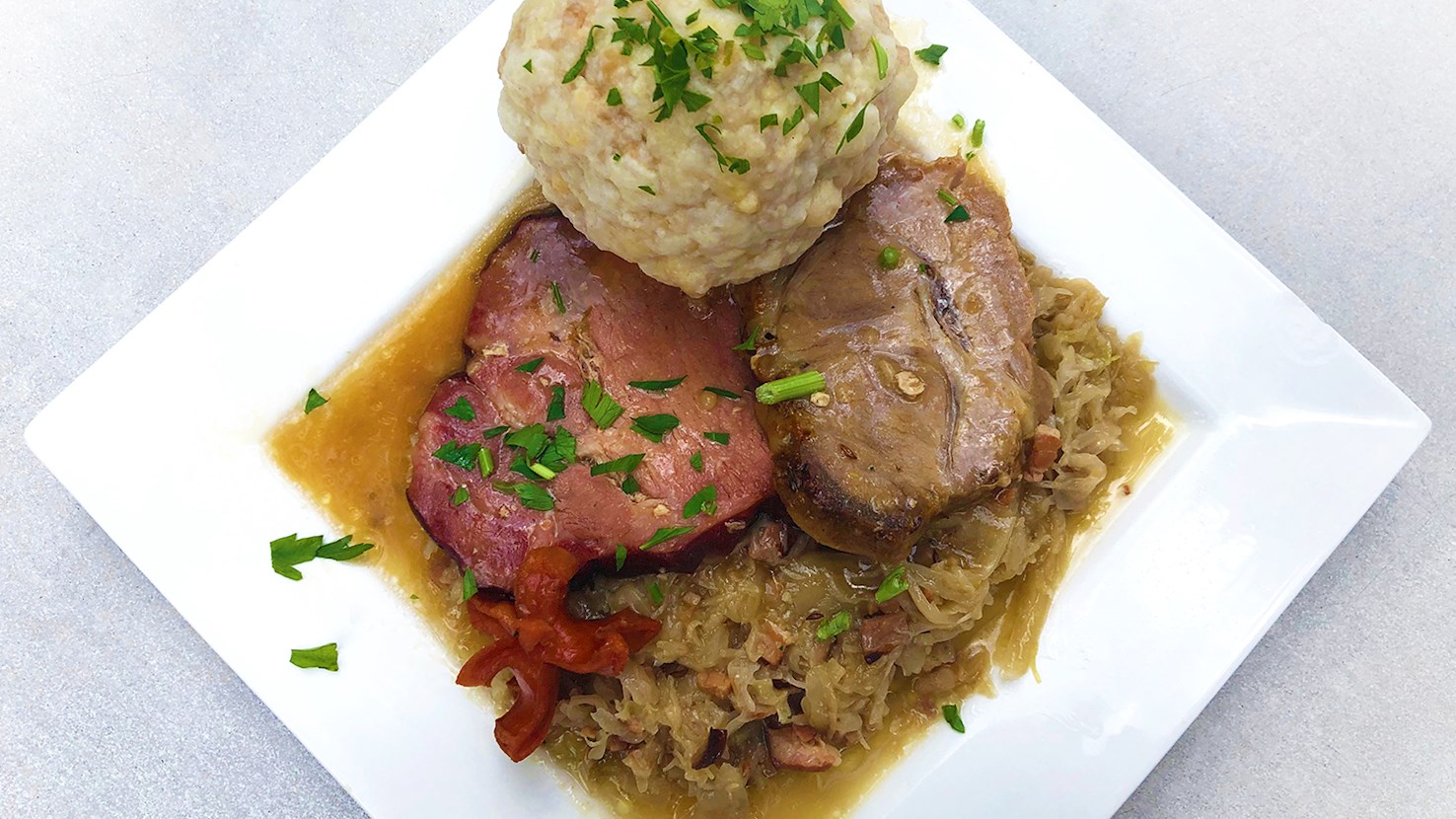
Bauernschmaus is a traditional dish that's prepared as a great way to use leftover meat. Affectionatelly called farmer's feast, the dish contains smoked meat, frankfurters, pork belly, sauerkraut, and dumplings. The pork belly is seasoned with salt, rubbed with garlic, and sprinkled with caraway, then cooked for a short while and scored on the rind before it's roasted again. The salted and smoked meat is cooked with greens and bay leaves with sausages. Once done, the meat is sliced and arranged on plates with dumplings and sauerkraut.

07

Topfengolatsche

3.1 ·

Topfengolatsche is a traditional pastry, part of the broader category of golatschen, which are sweet, folded pastries. It is filled with topfen (a type of soft, fresh cheese similar to quark or ricotta) mixed with sugar, eggs, butter, vanilla, and rum-soaked raisins. The pastry dough is typically yeast-based or made from puff pastry, and it is folded around the creamy filling before being baked until golden. Topfengolatsche is a popular treat in Austria, often enjoyed as a breakfast pastry or dessert.

08

Erdäpfelgulasch

3.2 ·

Erdäpfelgulasch is a traditional potato stew or goulash from Austria made by simmering potatoes in a rich sauce seasoned primarily with paprika, a spice central to many Central and Eastern European cuisines. Other common ingredients include onions, garlic, and bell peppers, all contributing to the savory and comforting nature of the dish. While it often includes meat (typically beef or sausage, depending on regional preferences or personal taste), erdäpfelgulasch can be a fantastic vegetarian option, as potatoes are the main ingredient. The name comes from the Austrian term "erdäpfel" which means potatoes, and "gulasch" which refers to a type of stew. The finished dish is often served with a side of bread or pickles.

09

Spinat mit Spiegelei

3.2 ·

Spinat mit spiegelei is a classic Austrian and German dish that translates to "spinach with fried egg." This simple yet nutritious meal typically consists of sautéed or creamed spinach served alongside sunny-side-up eggs and sometimes fried potatoes or potato pancakes. The spinach is often seasoned with garlic, onions, salt, and pepper and occasionally enriched with a bit of cream or milk for added richness. The fried eggs, with their runny yolks, complement the creamy texture of the spinach. This dish is a popular choice for a quick, healthy, and satisfying meal, often enjoyed for lunch or dinner. In Austria, the dish is traditionally prepared for Maundy Thursday.

10

Bauernkrapfen

3.3 ·

Bauernkrapfen is a traditional pastry that is especially popular in the regions of Styria and Carinthia. They are similar to doughnuts and are often enjoyed as a treat during carnivals, festivals, and other celebratory events. These pastries are made by first forming a yeasted dough into a ring shape, then frying it in oil until golden brown. After frying, the bauernkrapfen are usually dusted with powdered sugar, though some versions may be filled with jam, similar to a jelly doughnut. Like many traditional dishes, there can be variations in the recipe for bauernkrapfen depending on the region or the personal preferences of the cook. Some versions might include additional ingredients like vanilla, rum, or lemon zest for extra flavor.

11

Rostbraten

3.5 ·
12

Cremespinat

3.4 ·
13

Kiachl

3.5 ·
14

Mohnflesserl

3.4 ·
16

Pofesen

3.4 ·
17

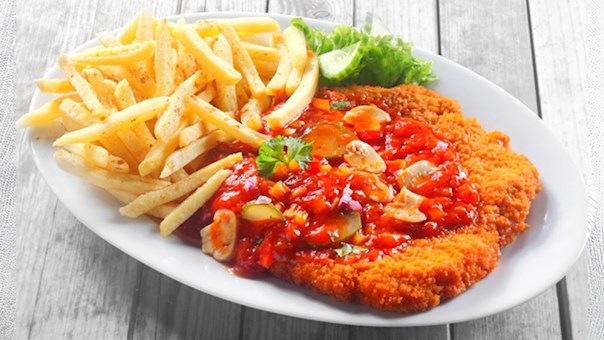
Zigeunerschnitzel

3.5 ·
18

Punschkrapfen

3.5 ·
Read more
View all
View map
About this ranking

TasteAtlas food rankings are based on the ratings of the TasteAtlas audience, with a series of mechanisms that recognize real users and that ignore bot, nationalist or local patriotic ratings, and give additional value to the ratings of users that the system recognizes as knowledgeable. For the “56 Worst Rated Austrian Foods” list until July 17, 2026, 8,439 ratings were recorded, of which 6,965 were recognized by the system as legitimate. TasteAtlas Rankings should not be seen as the final global conclusion about food. Their purpose is to promote excellent local foods, instill pride in traditional dishes, and arouse curiosity about dishes you haven’t tried.

Similar lists