


28 Worst Rated Baltic Foods

Last updated on July 17, 2026
01

Verikäkk

1.8 ·

Blood pancakes are enjoyed throughout Sweden, Finland, and Norway. They are prepared with a regular pancake batter that is elevated with the addition of animal blood. Whether they are formed as thinner, crêpe-like pancakes or as smaller, chewier types, the pancakes will always develop a typical dark-brown hue. They are often enriched with onions and spices, and come topped with fresh lingonberries or lingonberry jam. Blood pancakes are sold as a ready-made product across Finland and Sweden.

02

Sklandrausis

2.8 ·

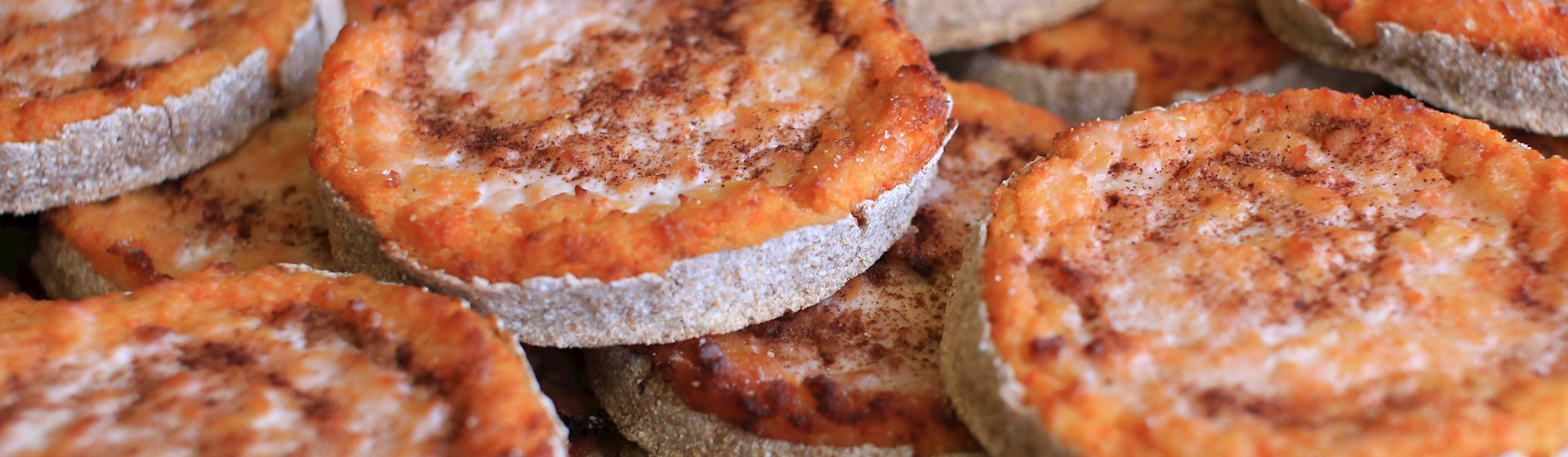
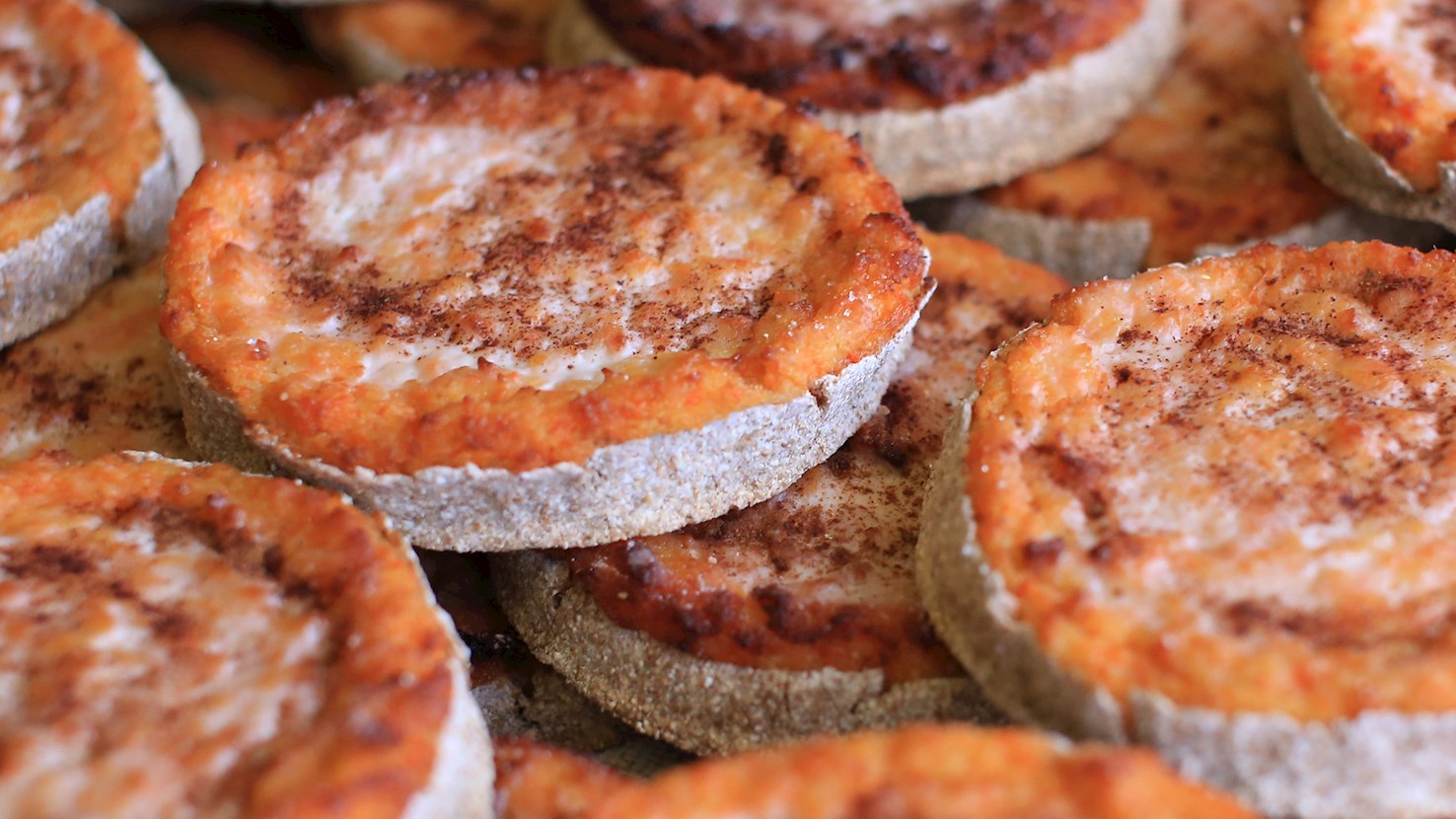
Sklandrausis, which was granted a TSG status in 2013, is a round pie from Latvia prepared in the area since the 16th century. The dough, which is made from unleavened rye flour, is rolled into discs and shaped so that the edges are folded upward. The filling of potato and carrots is layered atop one another, and once everything is assembled, the top can be coated with cream and sprinkled with either cinnamon or caraway seeds. The pie is meant to be eaten cold with tea or milk.

03

Obuolių sūris (Apple Cheese)

2.9 ·

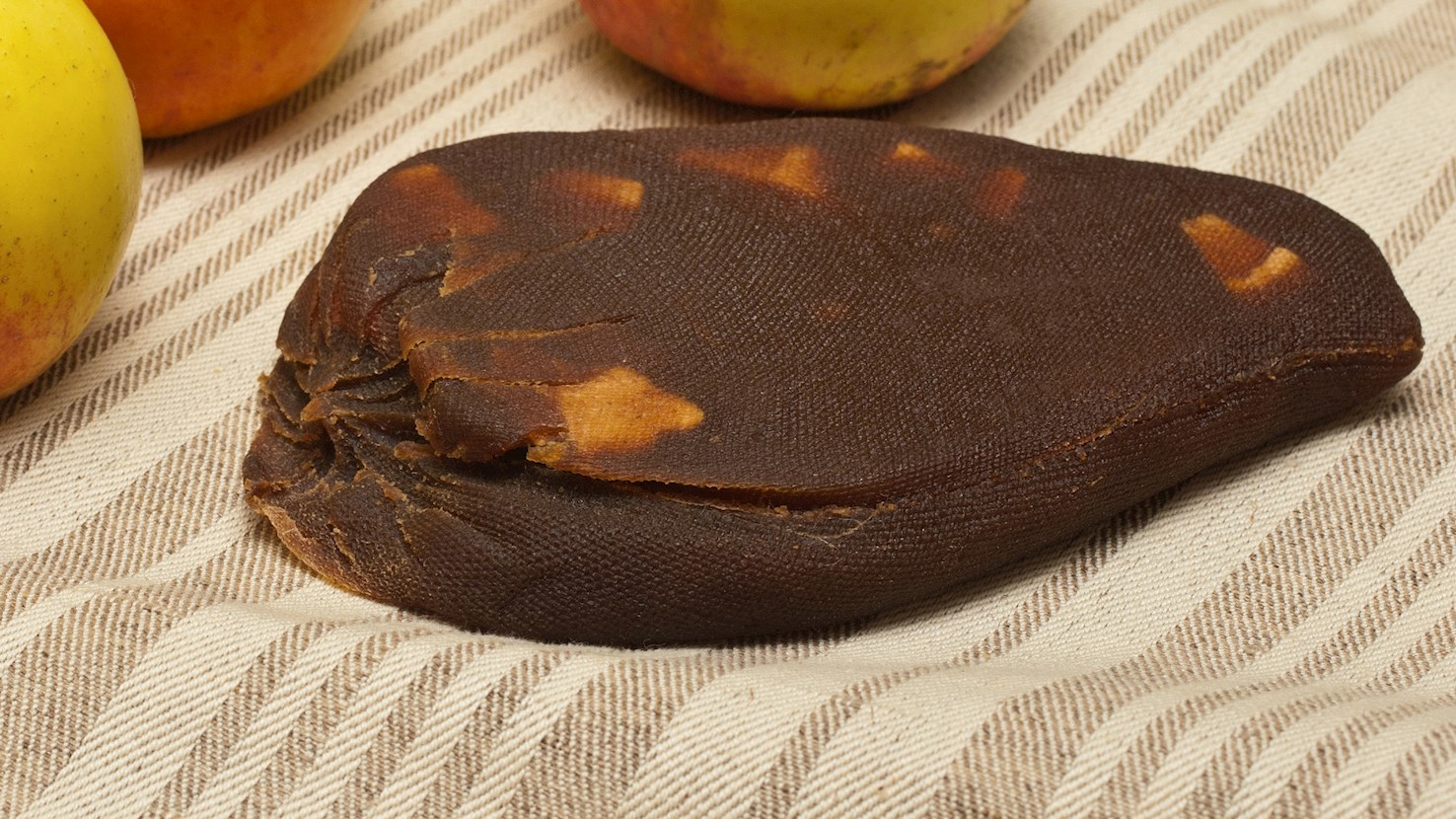
Obuolių sūris is a traditional dessert of dried, stewed apples mixed with sugar. The name translates to apple cheese because one step in the preparation says to pour stewed apples into a cheesecloth, resulting in the final product resembling cheese in its shape and consistency. It is believed obuolių sūris originated in Lithuania sometime in the Middle Ages. The first written recipe can be traced to the 17th century and a cook for the Lithuanian noble house of Radvila. It was initially made with apples and honey, but honey was later replaced with sugar. The recipe calls for sliced raw apples (sour apples are preferred, Antonovka being the most popular variety), which are cooked with sugar until most of the liquid evaporates. At this stage, spices such as cinnamon and ginger can be added to enrich the taste. The mixture is then poured into a cheesecloth, drained, and pressed under a weight for a day. After that, obuolių sūris is traditionally hung to dry for up to six weeks, but some modern recipes suggest putting it into a warm oven to dry and harden. The final product is cut into sweet, chewy slices, which are best enjoyed as a snack or dessert, with some tea or (real) Lithuanian cheese.

04

Verivorst

3.0 ·

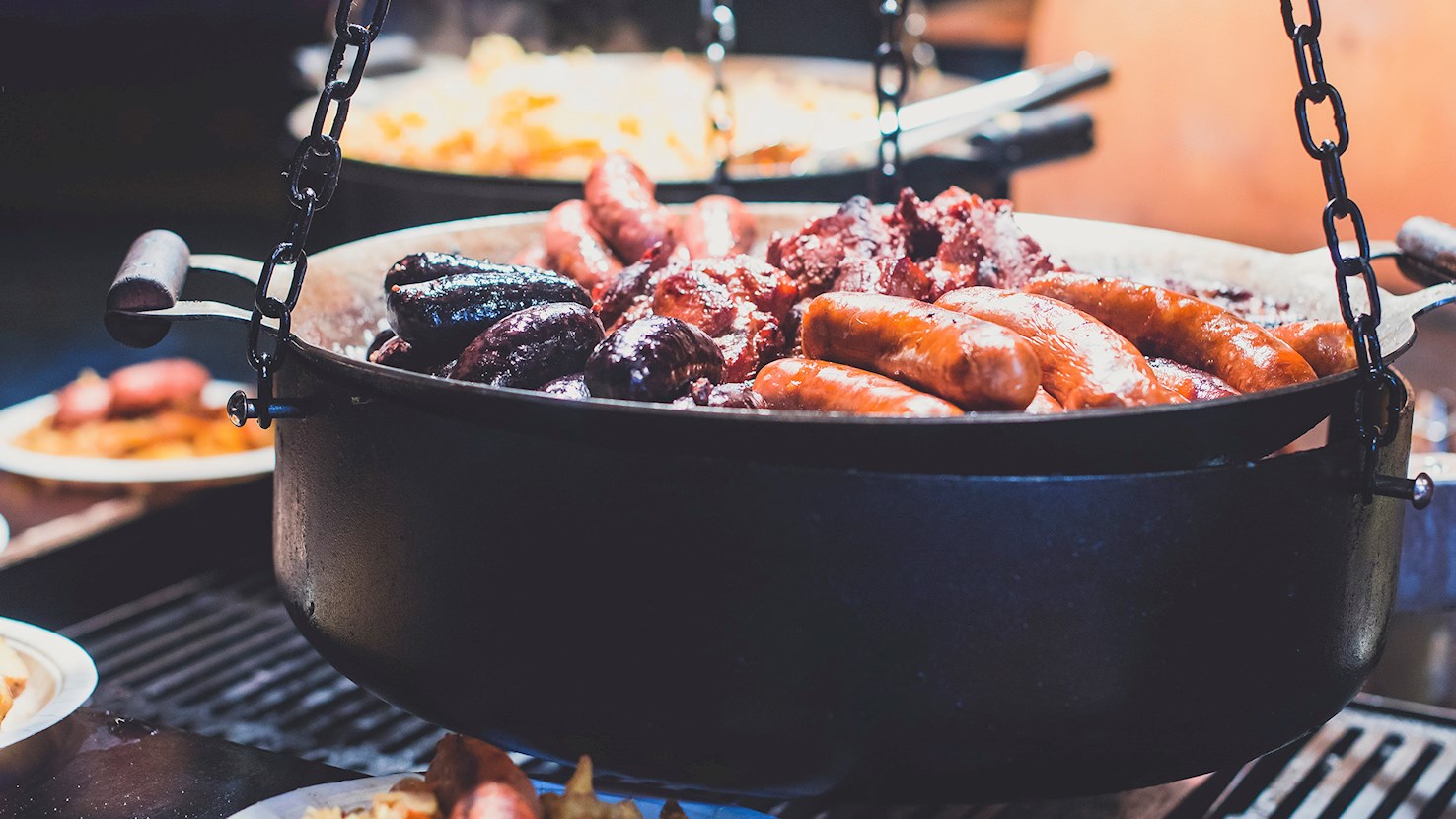
Verivorst is a traditional blood sausage and the country's national dish. It is a typical winter meal, usually served during the Christmas festivities, when piles of verivorst sausages are roasted together with potatoes and pork. The sausage consists of pig's blood, pork, barley, onions, allspice and marjoram. All of the ingredients are stuffed into a pig's intestine, and the sausage is typically accompanied by butter, sour cream, and sauerkraut on the side. For the best experience, verivorst should be topped with a zesty compote made from cranberries or lingonberries. Although cooking with blood might seem strange, there are varieties of verivorst in many other cultures and cuisines such as the Spanish morcilla, French boudin noir, and Irish black pudding.

05

Leivasupp (Estonian bread soup)

3.0 ·

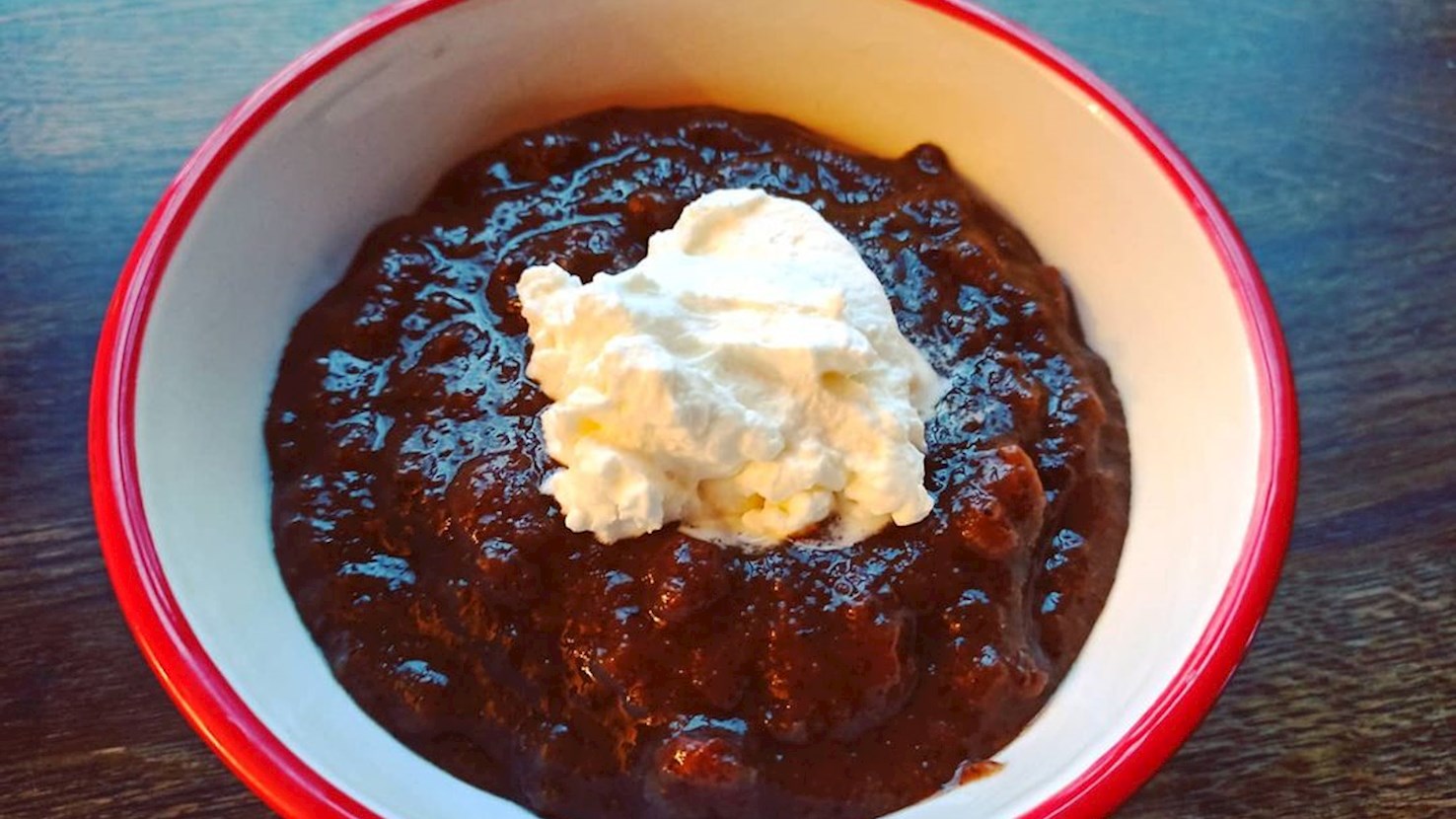
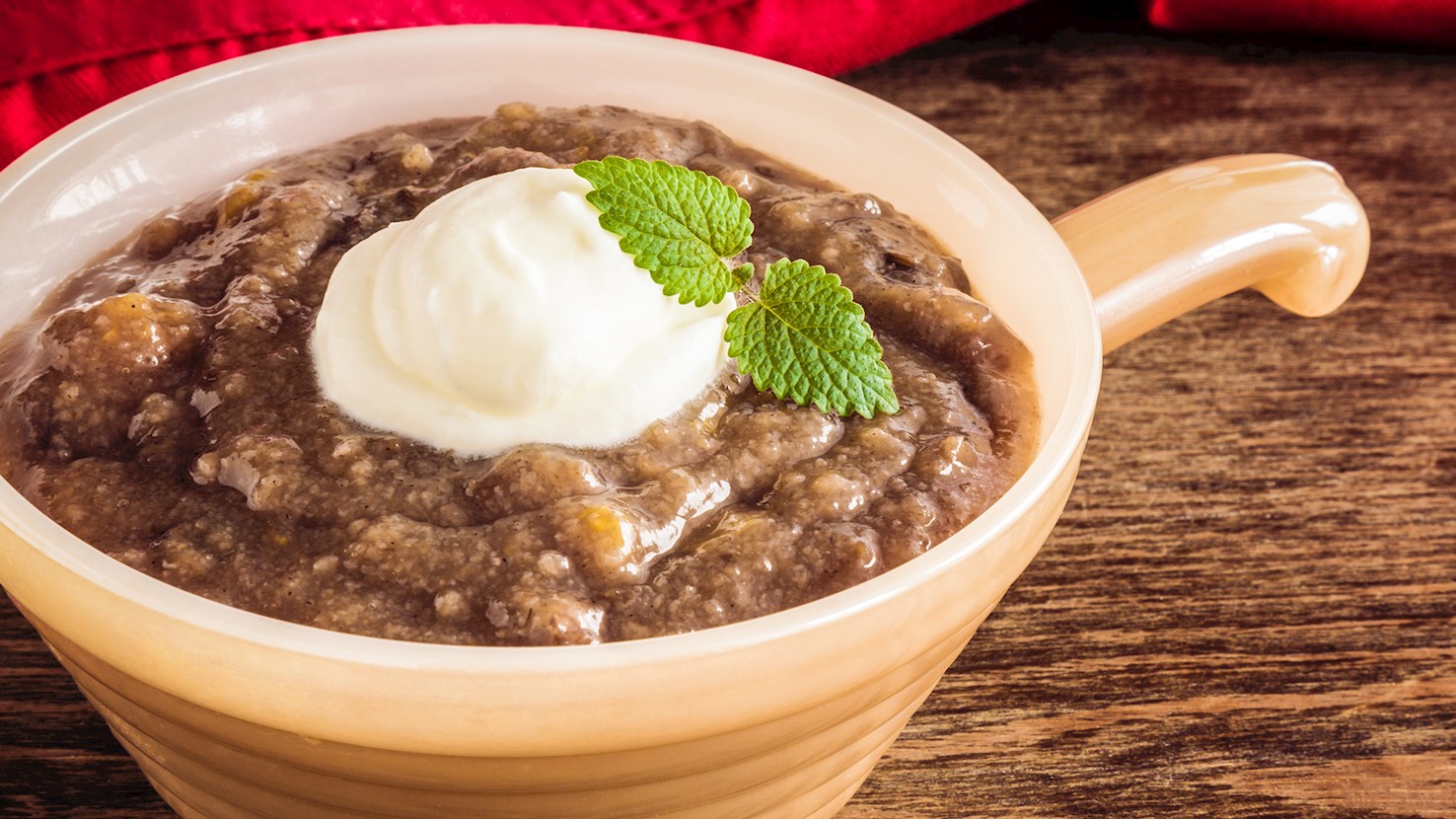
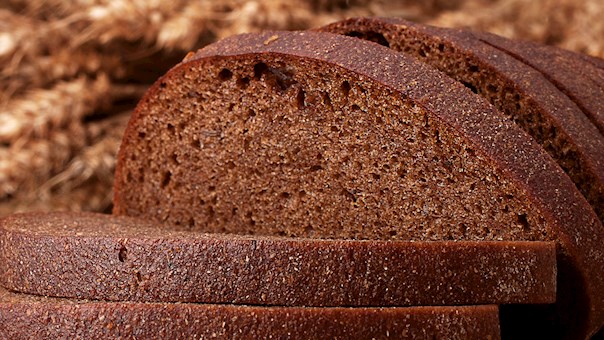
Thick, creamy, and sweet bread soup called leivasupp is a traditional dish that is usually made with soaked and mashed bread, raisins, fruit juice, cinnamon, and sugar. It is typically prepared with a traditional, dense rye bread, and is often complemented by milk, cream, fresh fruit, and nuts. This bread soup can be served warm or chilled, and it is usually enjoyed as a dessert or a light afternoon snack, but it is also a popular school lunch in the country.

06

Mulgipuder

3.1 ·

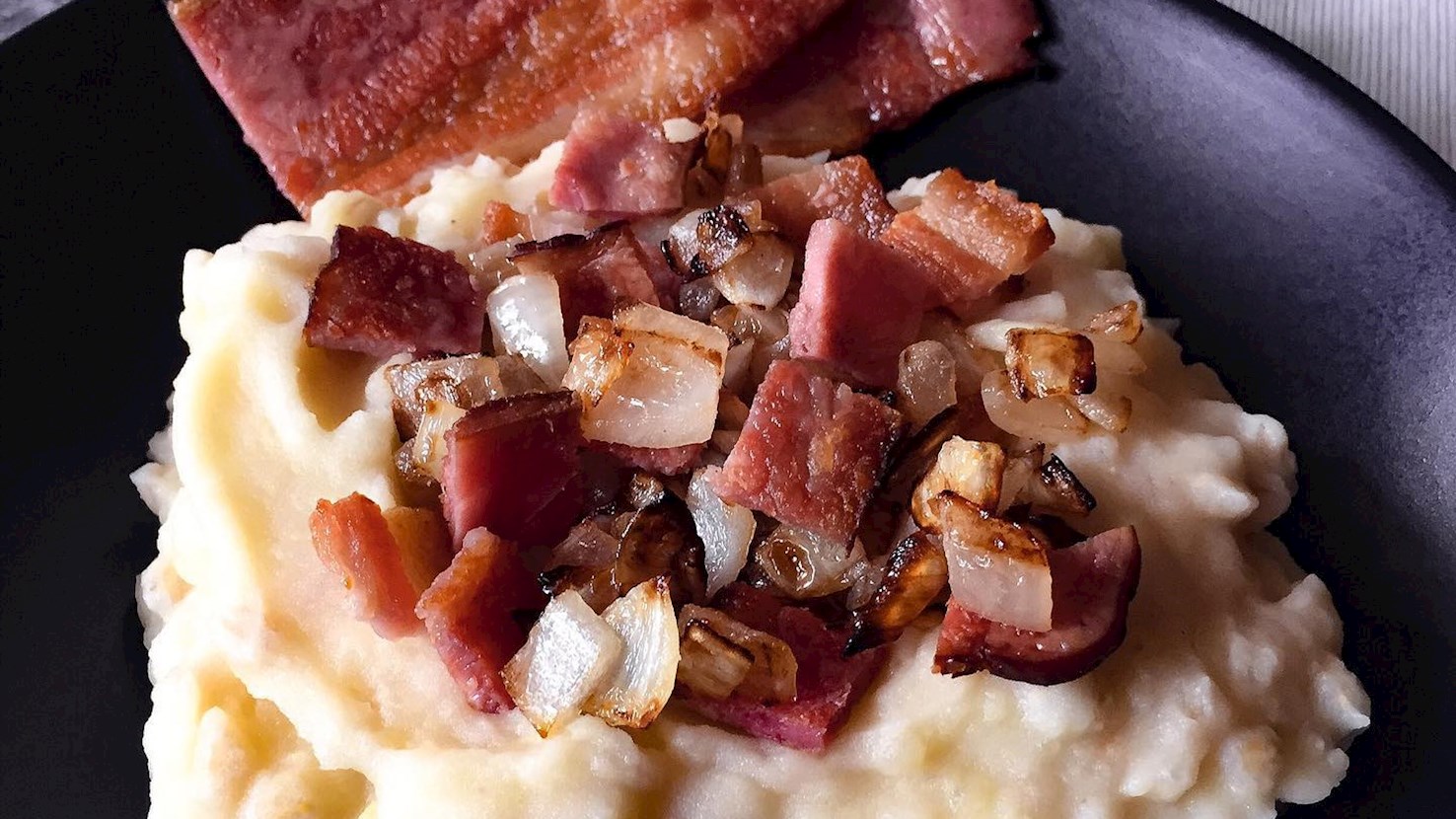
Mulgipuder is a rustic Estonian porridge consisting of mashed barley and potatoes. It often incorporates bacon and sautéed onions and is usually served as the main course, accompanied by sour cream and rye bread, or as a side dish complementing various roasted meat dishes. Traditionally associated with Southern Estonia, this comfort food staple is nowadays enjoyed throughout the country as a typical home-cooked meal and a common restaurant dish.

07

Skābeņu zupa

3.2 ·

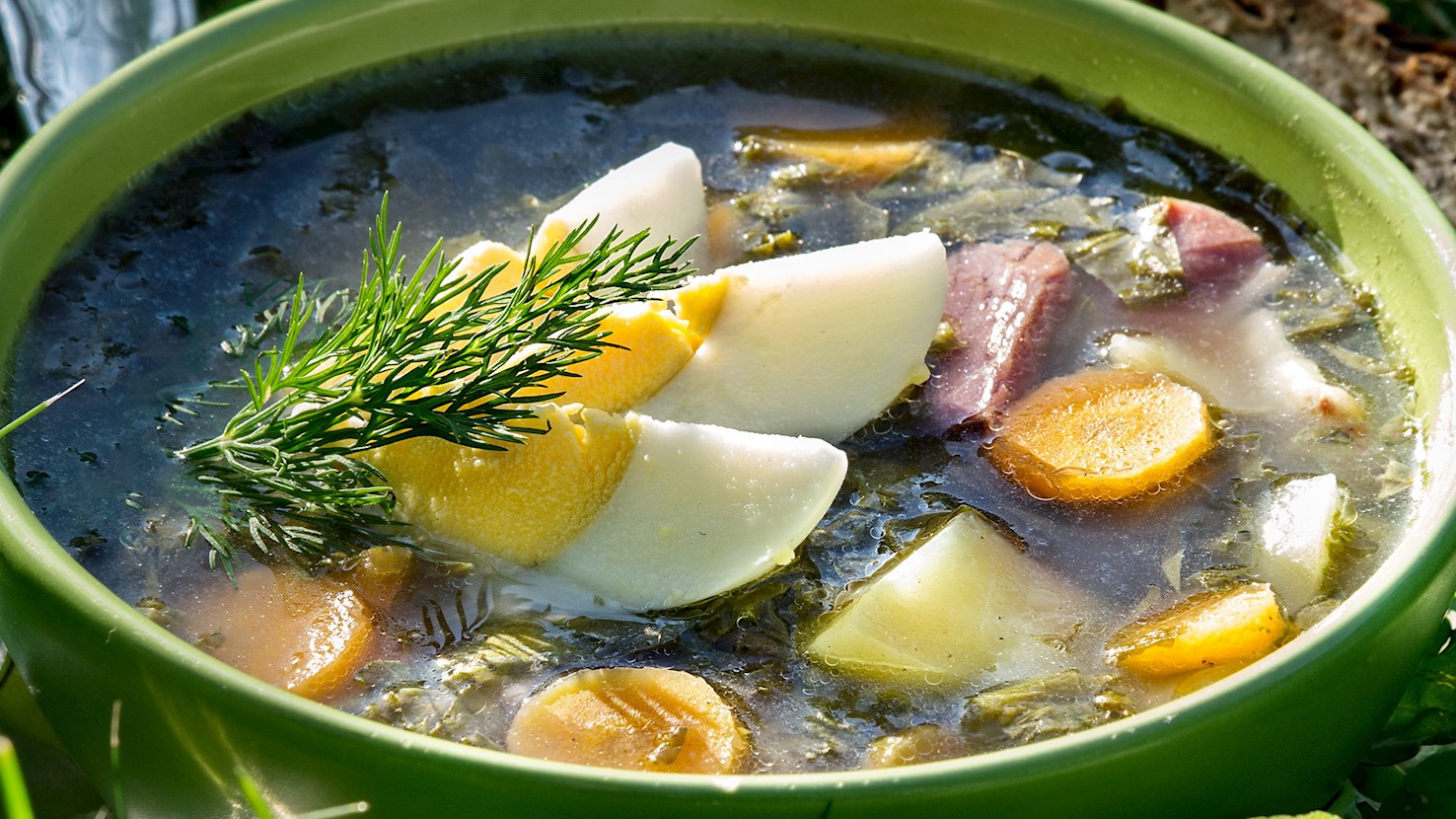
Skābeņu zupa is a traditional sorrel soup. It is made with beef stock, chopped sorrel leaves, pearl barley, onions, potatoes, and lemon juice. Common additions include grated carrots and smoked pork ribs, while hard-boiled eggs and sour cream are typically used as garnishes. Although skābeņu zupa is most commonly served warm or hot, it is very refreshing when served ice cold on hot summer days. The word skābeņu in the name of this soup is derived from skābs, meaning sour, referring to sorrel’s flavor.

08

Debesmanna

3.2 ·

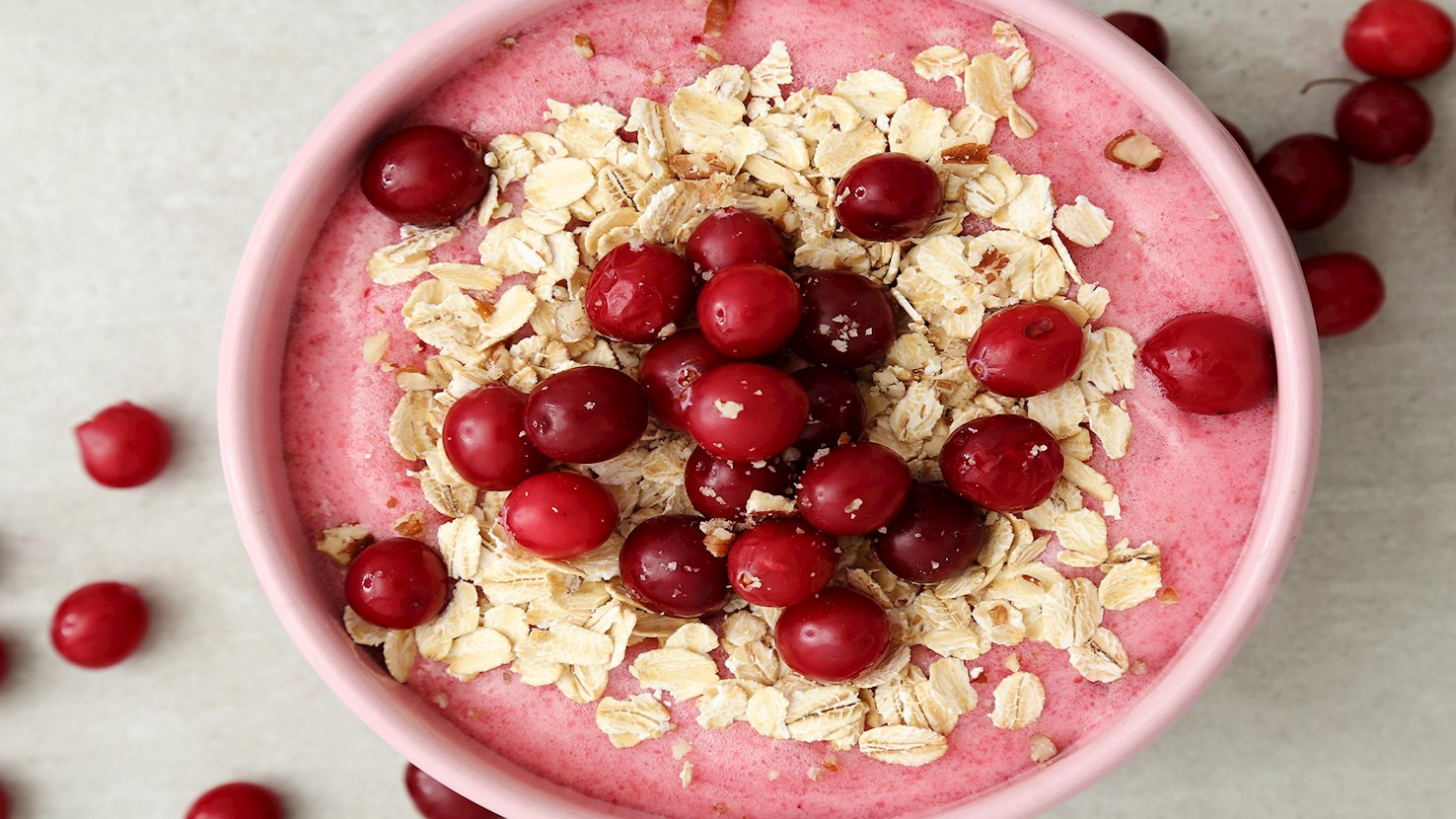
Vispipuuro, russedessert, klappgröt, debesmanna, or mannavaht are different names for a creamy Baltic semolina porridge that is prepared with fresh fruit such as tart lingonberries, cranberries, or red currants. When cooked, the thick porridge is whipped until it transforms into a unique treat with a frothy and light consistency. It is traditionally topped with cream or milk and garnished with fresh fruit. Found across Finland, Estonia, Sweden, Norway and Latvia, this dish is usually enjoyed as a sweet breakfast, a light midday snack, or a refreshing dessert.

09

Maizes zupa

3.2 ·

Maizes zupa is a Latvian dessert of bread soup. In order to prepare it, soggy rye bread is first passed through a sieve, then combined with spices, sugar, and dried fruits. The whole concoction is finally topped with whipped cream. The dessert is characterized by its thick consistency, and it is traditionally served cold.

10

Rosolje

3.2 ·

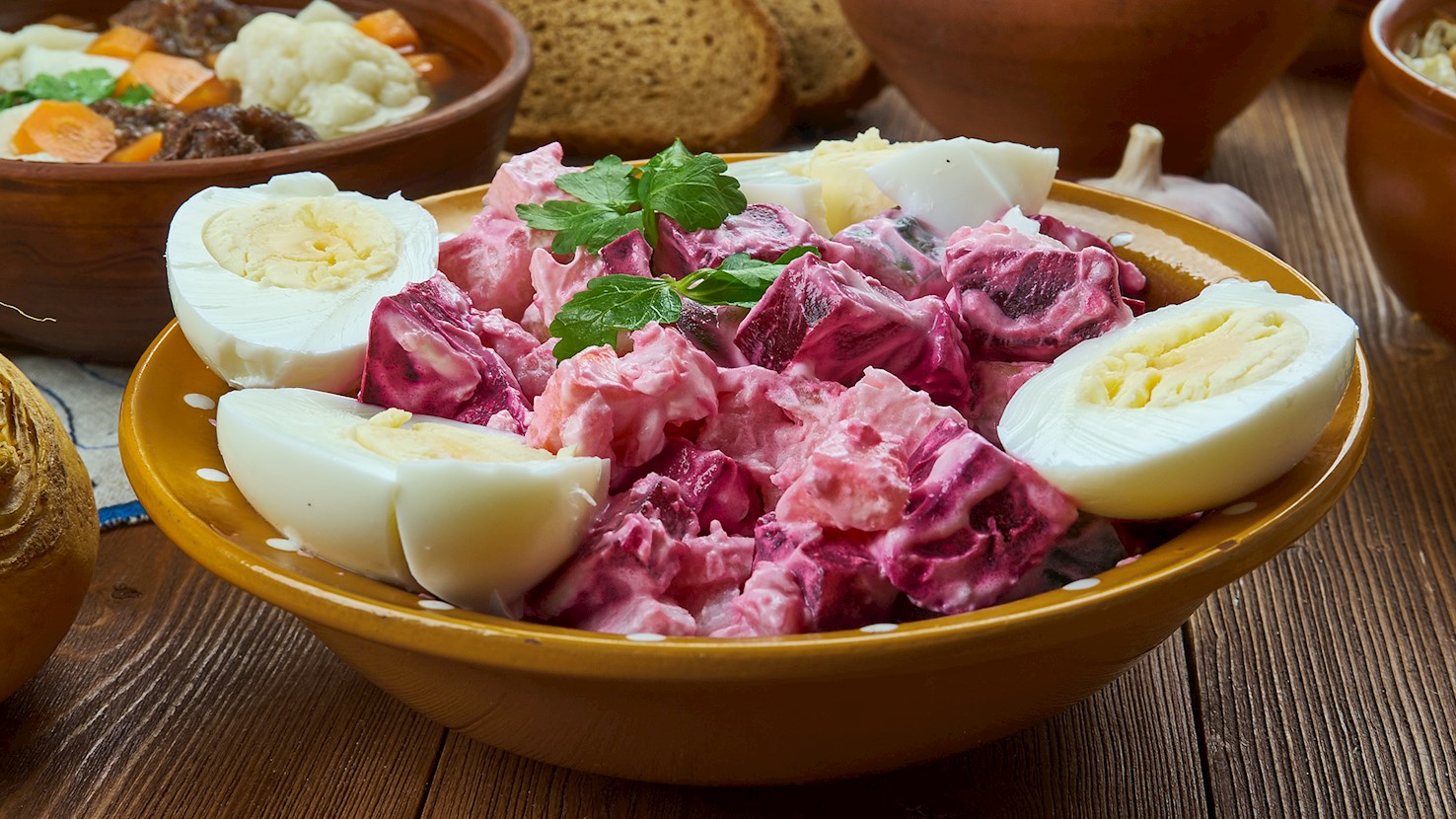
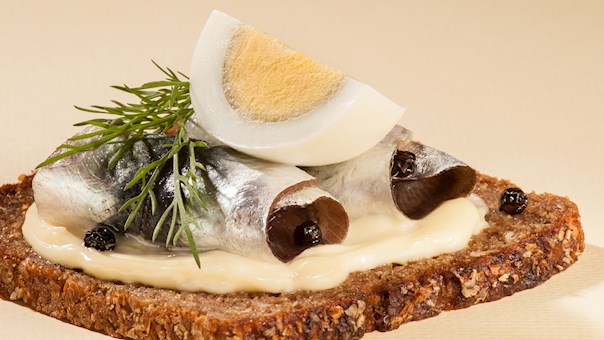
This popular fuchsia-colored salad is a staple side dish in traditional Estonian cuisine. It is prepared with pickled herring and bite-sized pieces of beets and potatoes, all coated in a refreshing, creamy dressing. The salad is easily adaptable and often includes onions, pickles, smoked meat, hard-boiled eggs, or apples, while the dressing is usually made with a combination of mayonnaise and sour cream, with the occasional addition of mustard, horseradish, and various fresh herbs. Rosolje is typically served well chilled and makes an excellent accompaniment to meat or sausages.

11

Kliņģeris

3.2 ·
12

Švilpikai

3.3 ·
16

Griķi

3.6 ·
17

Karbonāde

3.6 ·
18

Kringel

3.7 ·
20

Skryliai

3.7 ·
Read more
View all
View map
About this ranking

TasteAtlas food rankings are based on the ratings of the TasteAtlas audience, with a series of mechanisms that recognize real users and that ignore bot, nationalist or local patriotic ratings, and give additional value to the ratings of users that the system recognizes as knowledgeable. For the “28 Worst Rated Baltic Foods” list until July 17, 2026, 4,808 ratings were recorded, of which 2,598 were recognized by the system as legitimate. TasteAtlas Rankings should not be seen as the final global conclusion about food. Their purpose is to promote excellent local foods, instill pride in traditional dishes, and arouse curiosity about dishes you haven’t tried.

Similar lists