

24 Worst Rated Belgian Foods

Last updated on June 17, 2026
01

Paling in 't groen

2.8 ·

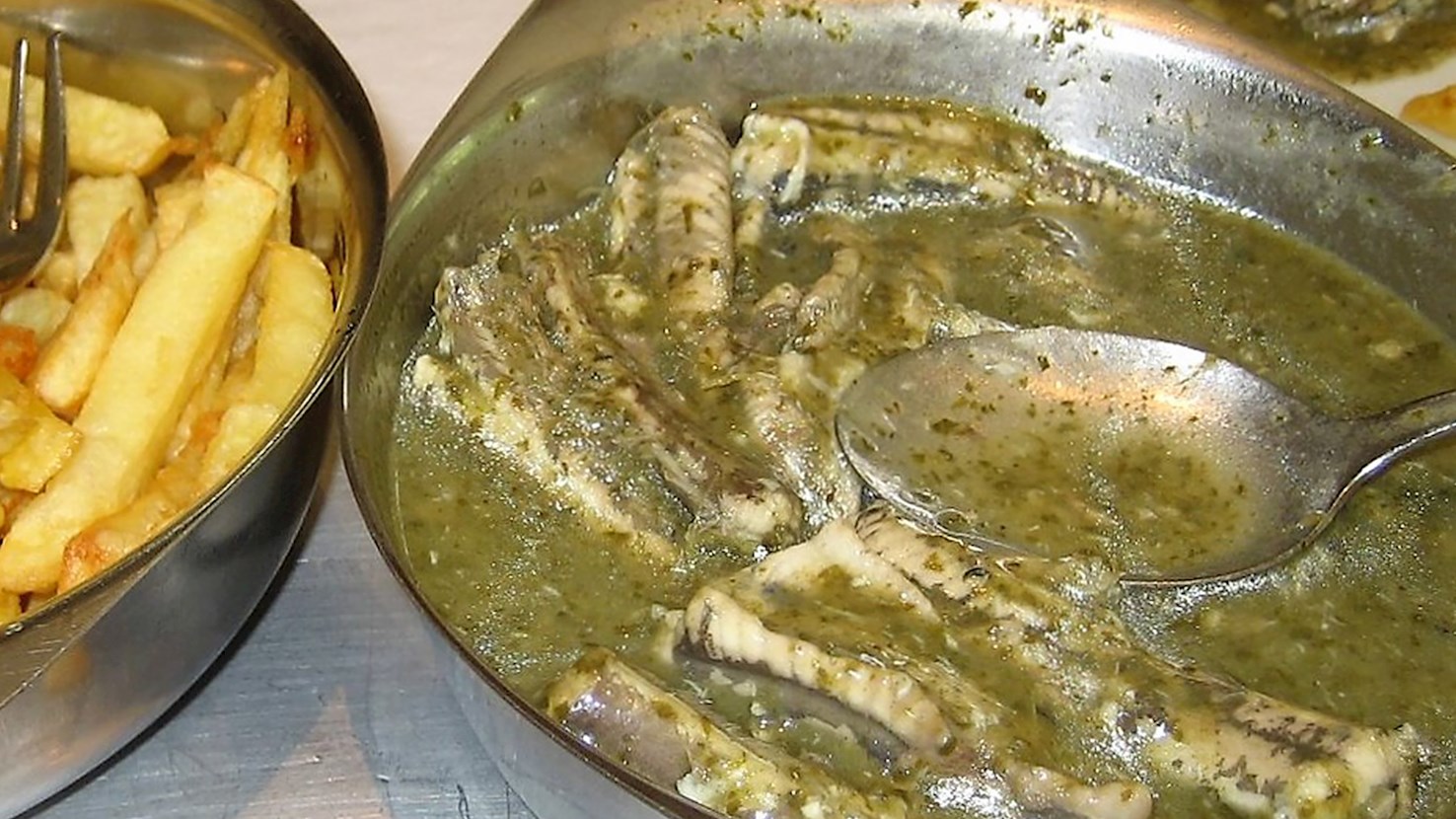
Paling in 't groen is a Flemish specialty dish consisting of chopped eel in a unique green sauce made from white wine, parsley, spinach, mint, tarragon, sage, dill, and lemon juice. It is believed that the dish originated on the banks of the river Scheldt, when local fishermen started to catch large quantities of eel and combined them with whatever fresh herbs they found near the river. The dish should be served hot, preferably with some fresh bread or fries on the side.

02

Couque de Dinant

2.9 ·

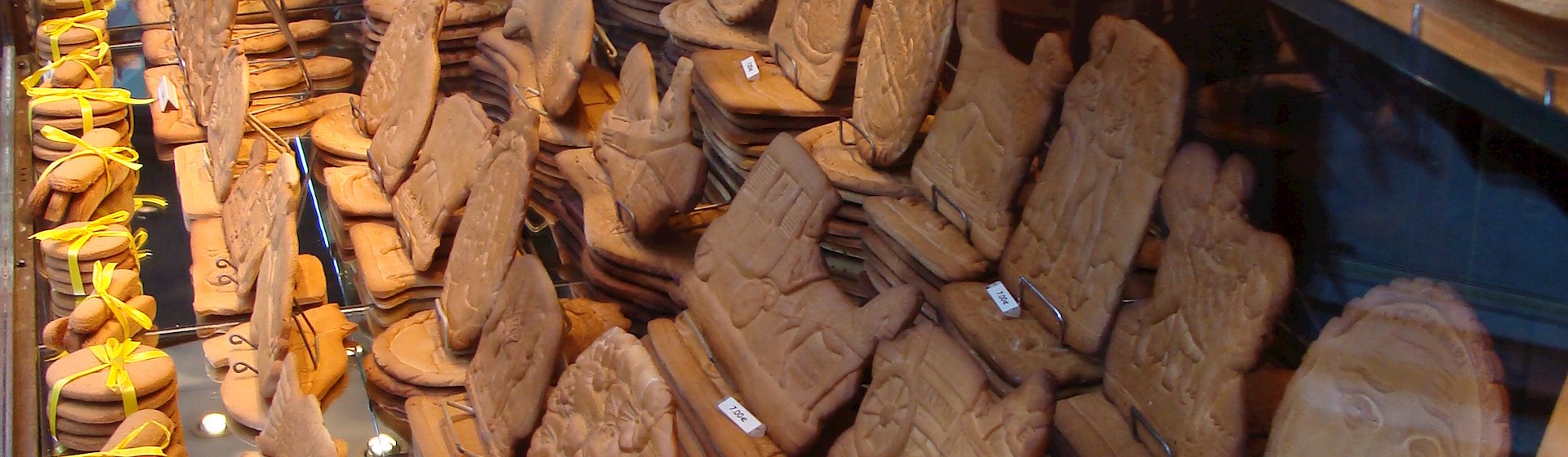
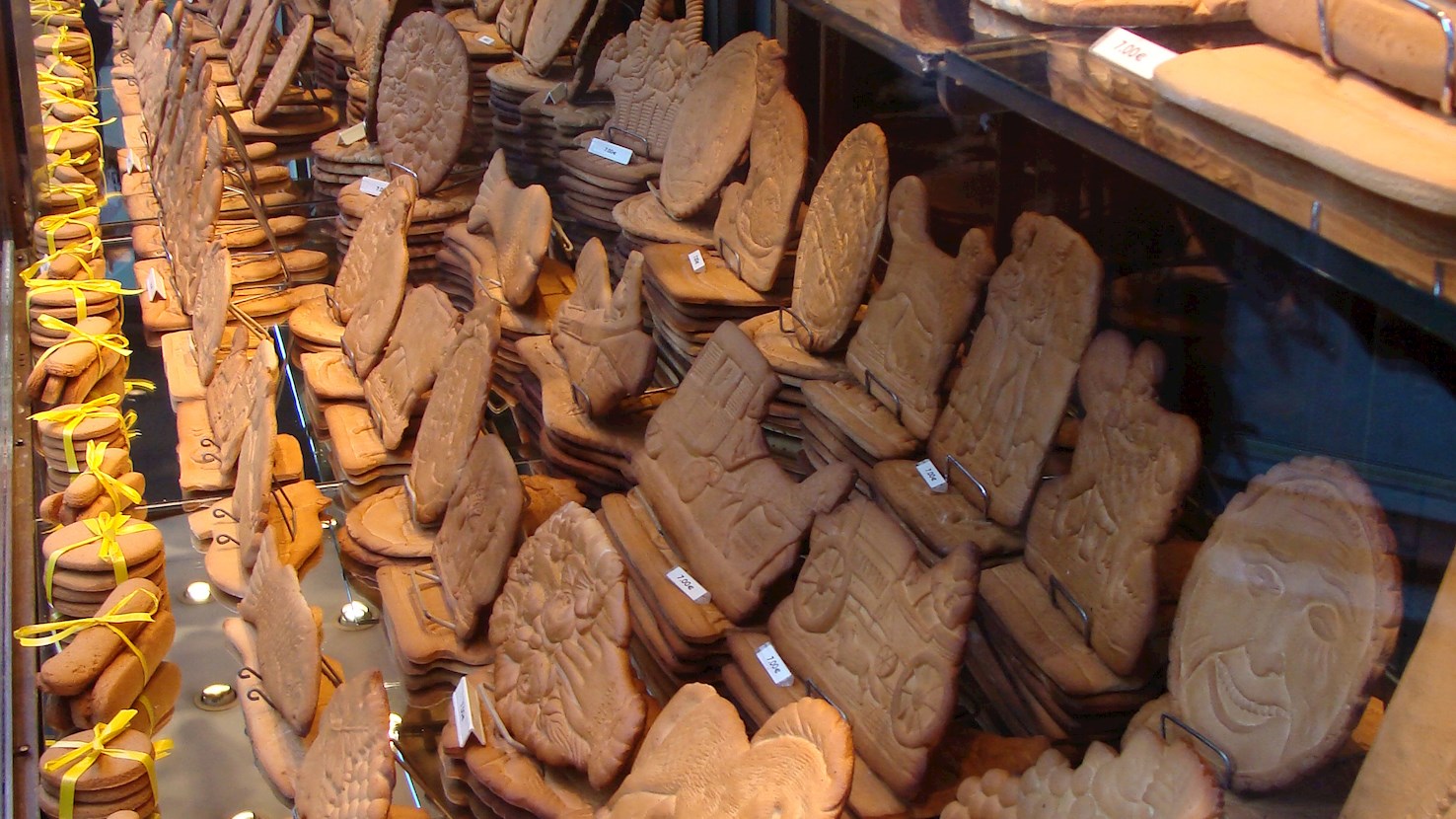
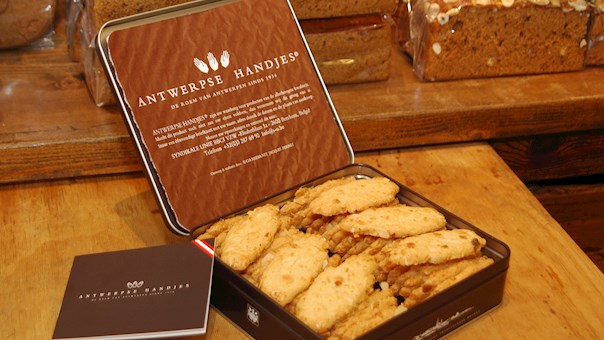
Couque de Dinant are traditional Belgian cookies, famous for their extra-hard texture, so much that they are traditionally given to babies to suck on while they are teething. Their tooth-cracking texture is achieved by baking the cookies at extremely high temperatures (300 °C). These sweet biscuits consist of only two ingredients - wheat flour and honey in equal amounts. The honey caramelizes and hardens as the biscuits cool down, so it is not recommended to bite into them - they should be broken into pieces and allowed to melt in the mouth. The history of couque de Dinant goes back to a Roman savory cake called placenta. Over time, the savory parts of the cake were left out of the recipe, leaving the consumers with a hard, sweet cookie that we know today. Couque de Dinant cookies are also characterized by incredibly detailed, complex, and antique imprints made using a cookie board, so they are not only meant to be consumed, but can also be brought home as souvenirs, or even used as Christmas tree ornaments.

03

Cougnou

3.1 ·

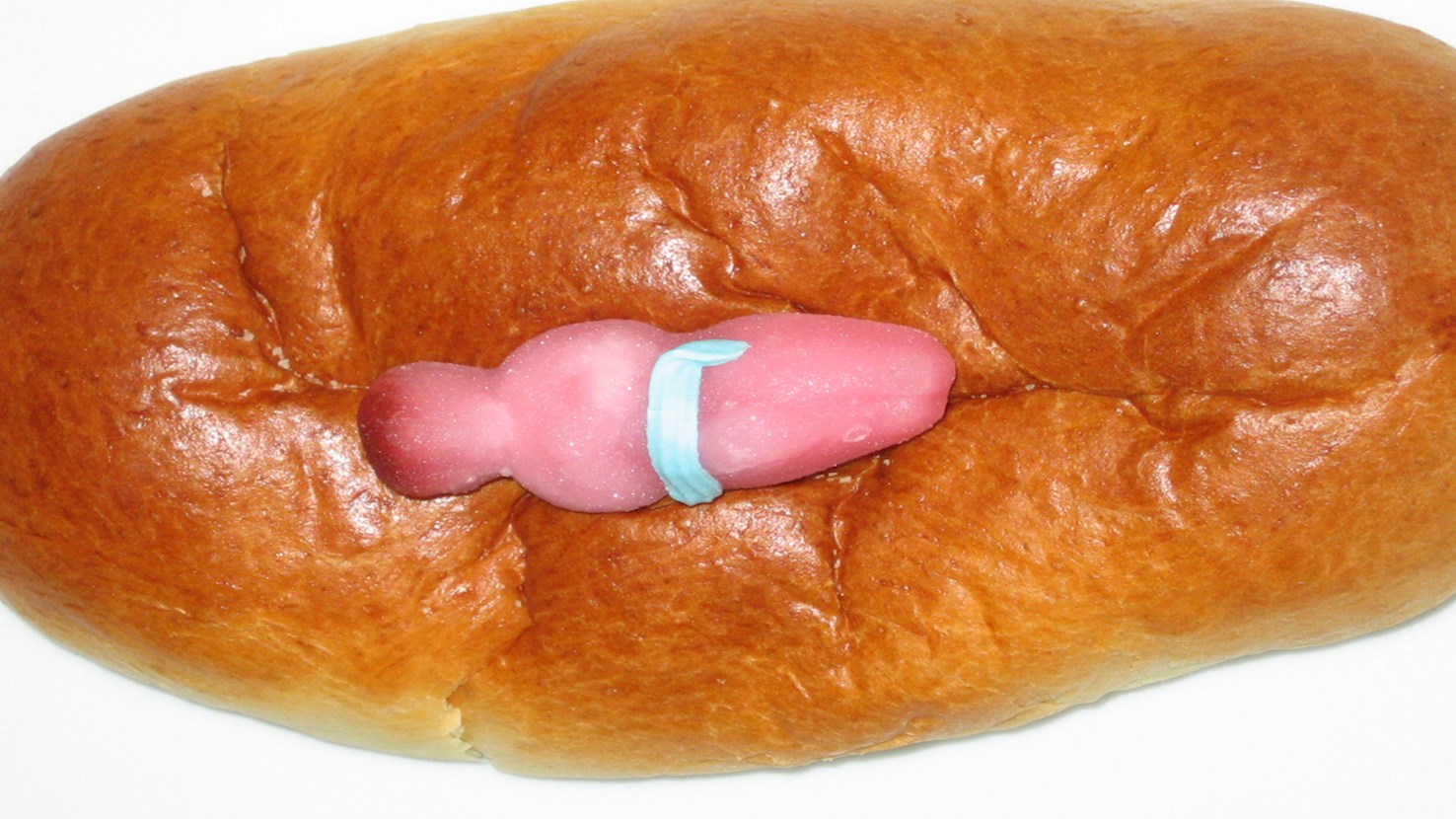
This sweet brioche-like bread is prepared with a yeasted dough that is often enriched with raisins, chocolate chips, and occasionally comes topped with pearl sugar. The usual shape of the bread is reminiscent of a swaddled baby, hence its alternative name – the bread of Jesus. Cougnou is believed to have originated in Hainaut and is mainly associated with Christmastime when it is often given to children and served with a cup of hot chocolate on the side. Nowadays, it is mainly found in Belgium and some parts of northern France.

04

Liers vlaaike

3.1 ·

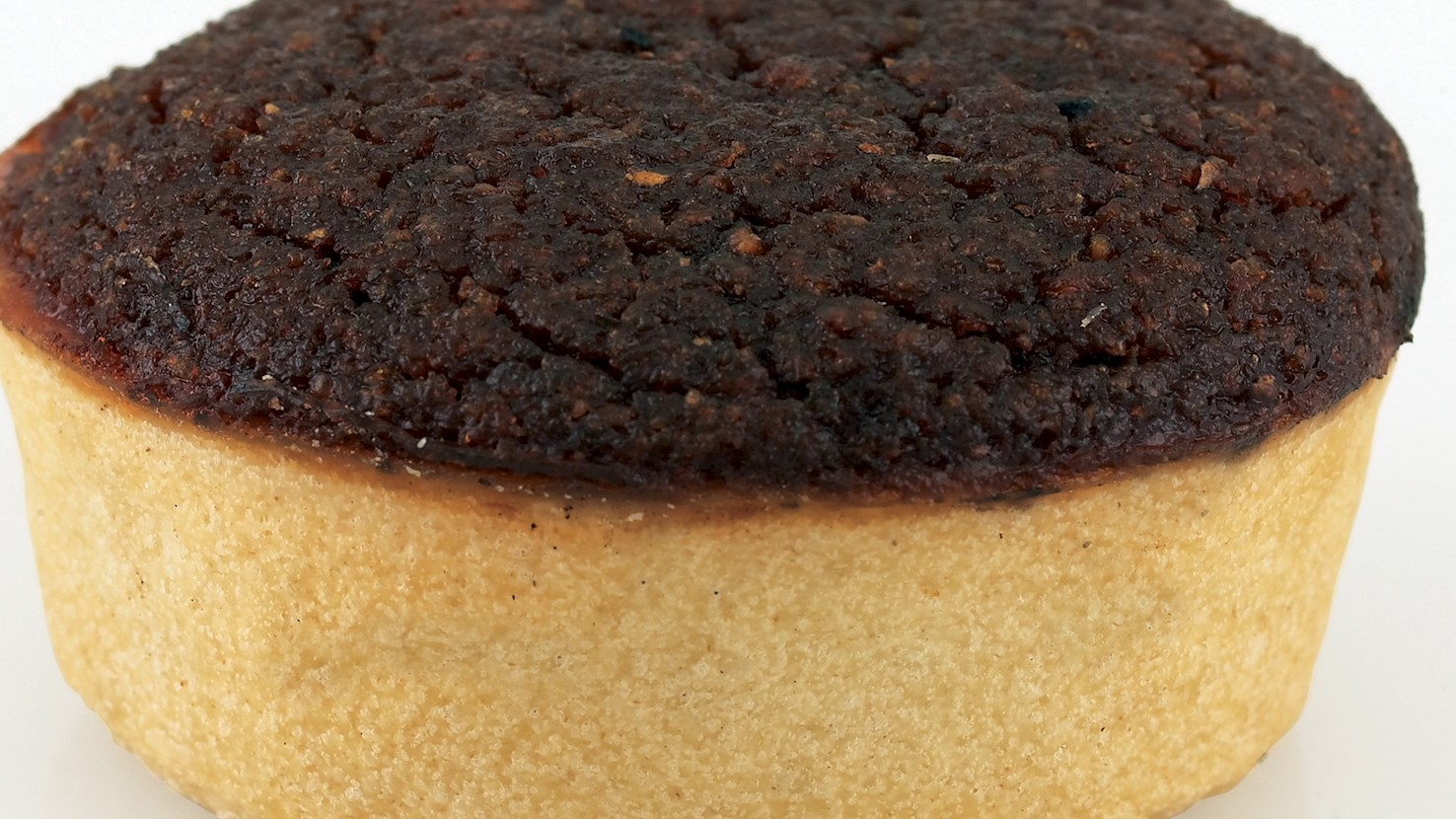
One of the most famous Belgian desserts, this sweet and spicy, tart-shaped filled pastry is prepared exclusively in the Flemish town of Lier. The delectable Liers vlaaike consists of thin, pâté brisée crust filled with a thick, creamy purée—the base is a typical, unsweetened shortbread pie crust, while the aromatic filling consists of coarse breadcrumbs, candy syrup, milk, and flour. However, the spicy flavor of vlaaike tarts comes from a secret combination of spices including cinnamon, cloves, nutmeg, and coriander. The original recipe is believed to be more than 300 years old, which makes Liers vlaaike one of the oldest baked goods from the province of Antwerp.

05

Cûtès peûres di Lidge

3.2 ·

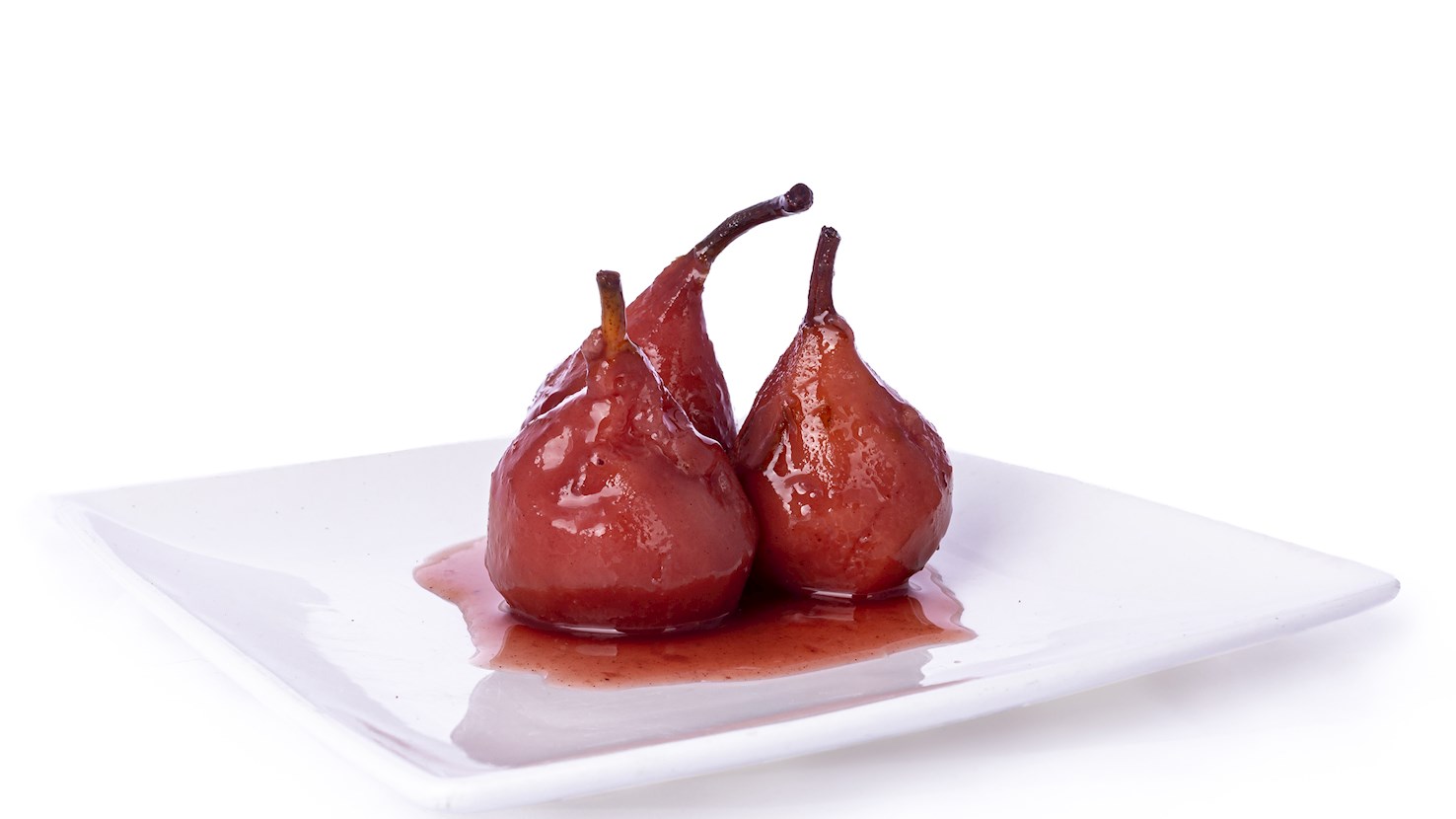
Hailing from Liège, this traditional dessert combines whole pears and a sweet, cinnamon-flavored syrup that is made with brown sugar, water, and sirop de Liège—a product made from fresh fruits such as pears, apricots, apples, dates, and prunes. The pears are slowly baked in the oven until they are thoroughly coated in the thick, almost caramelized syrup. The dish can be enjoyed warm or cold, and it can be accompanied by a scoop of vanilla ice cream or heavily-spiced speculaas cookies.

06

Frikandel

3.3 ·

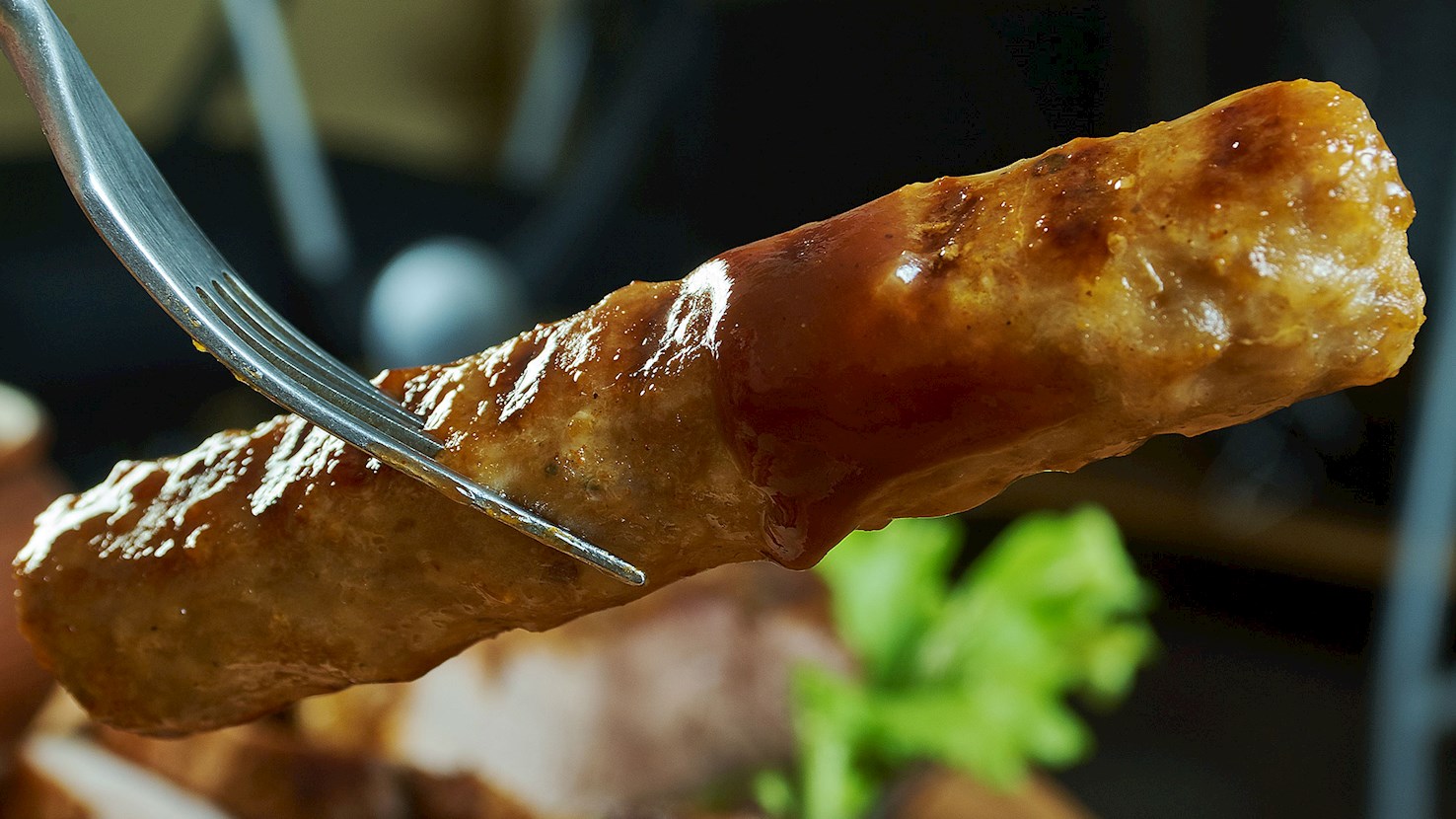
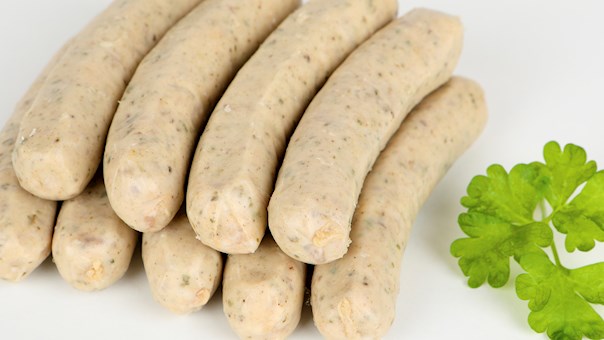
This unique, skinless, deep-fried sausage is a popular snack that is mostly consumed in Belgium and the Netherlands. There has been a long dispute whether frikandel is originally Belgian or Dutch, and although the exact origin of frikandel is unknown, it is certain that the dish first appeared in the 1950s. The original frikandel sausage consisted of a variety of meat, most commonly pork, chicken, and horse meat. However, since eating horse meat is sometimes regarded as taboo these days, most producers eliminated it from their recipes. Traditionally, it is served plain, with a dollop of mayonnaise on the side. However, it can be served as broodje frikandel, where the sausage is served in a white bread bun, or as frikandel speciaal, when the sausage is sliced through the middle and doused with mayonnaise, curry ketchup, and finely chopped onions. Frikandel can often be found at numerous snack bars and friteries throughout Belgium and the Netherlands.

07

Bicky Burger

3.3 ·

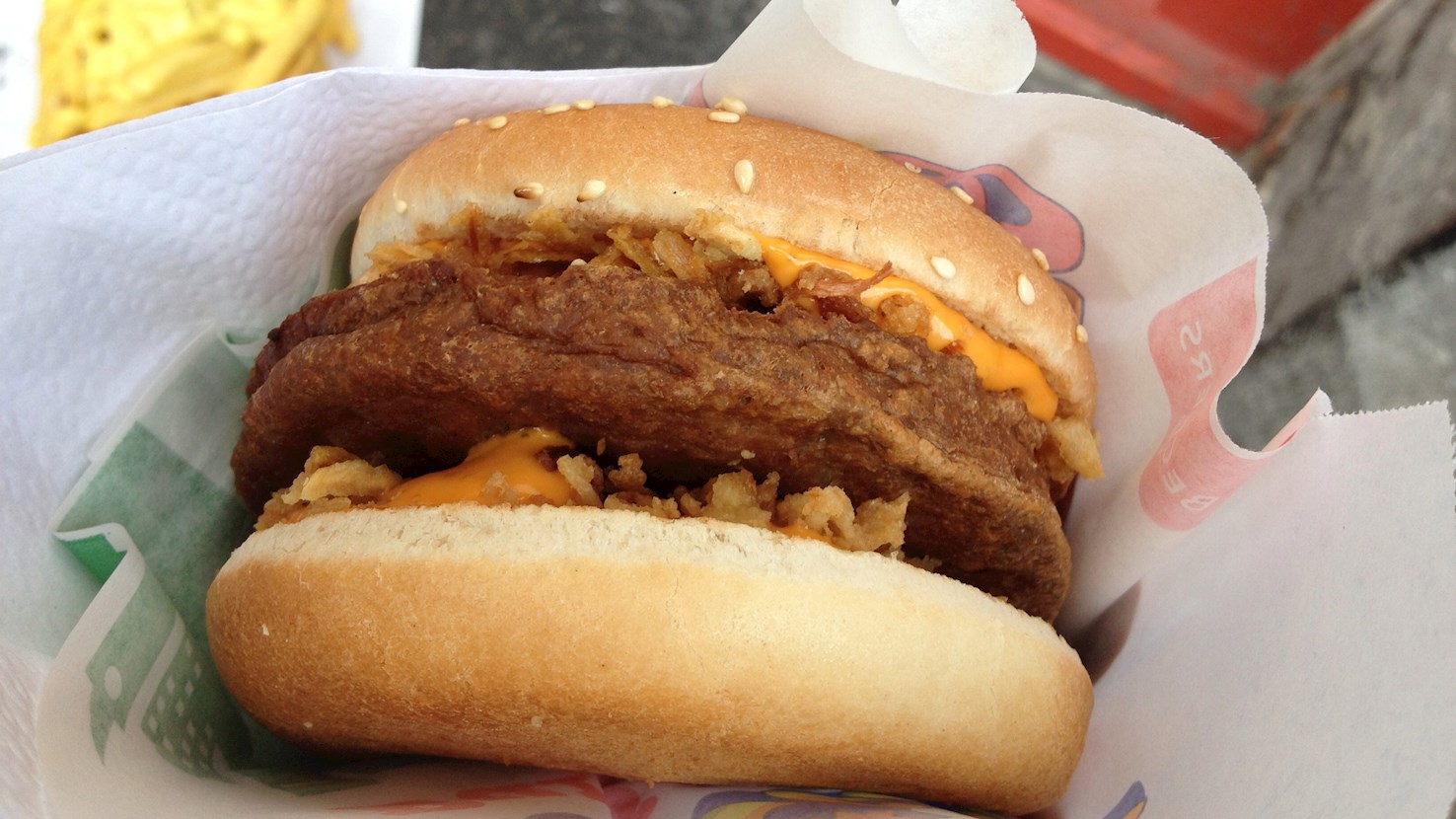
Bicky burger is a unique Belgian hamburger that is also popular in the Netherlands, consisting of a sesame seed-topped bun filled with a deep-fried patty made from a combination of pork, chicken, and horse meat. The hamburger is additionally filled with pickles, fried onions, ketchup, hot sauce, and a special dressing consisting of cucumbers, onions, cabbage, cauliflower, and mustard. The first Bicky was made by a Dutch company named Beckers in 1981, and although the company is Dutch, no one knows why they have decided to target the Belgian market in the first place. In 2019, an advertisement for Bicky burger caused an uproar on social media because it shows a man hitting a woman for bringing him a 'fake' Bicky.

08

Vitoulet

3.3 ·

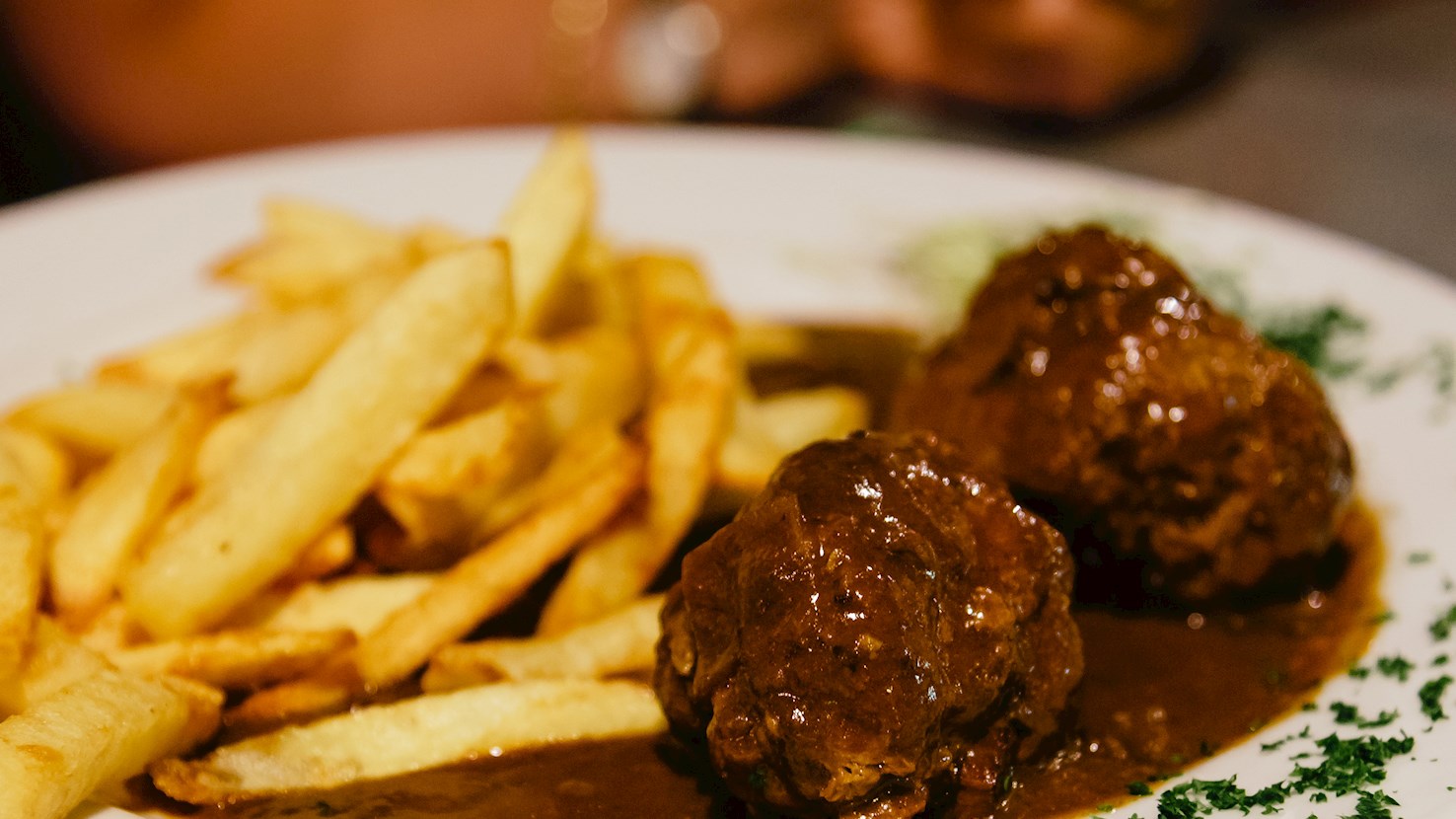
Vitoulet is a Belgian meatball that is typically made with a combination of ground pork, ground veal, bread, milk, eggs, shallots, and parsley. The meat mixture is usually seasoned with salt, pepper, and nutmeg, and it is then shaped into balls which are fried on melted butter until nicely colored and crispy on all sides. Another version calls for making slightly elongated meatballs with a combination of ground veal or veal and pork, egg yolks, milk-soaked bread, parsley, salt, and pepper. For that version, the meatballs need to be rolled in breadcrumbs before being fried in browned butter. Vitoulet meatballs are typically associated with the Belgian city of Charleroi, and they’re often confused with another Belgian meatball called boulet à la liégeoise, which hails from the city of Liège and usually consists of ground pork and beef, egg yolks, onions, cream, white bread, and parsley. Apart from the different ingredients, the boulet meatballs are usually larger than the vitoulets, and they're typically served hot, with sauce on the side. Vitoulet meatballs, on the other hand, can be enjoyed both warm and chilled, with or without sauce, and they’re commonly accompanied by potatoes and a fresh salad on the side.

09

Kramiek

3.3 ·

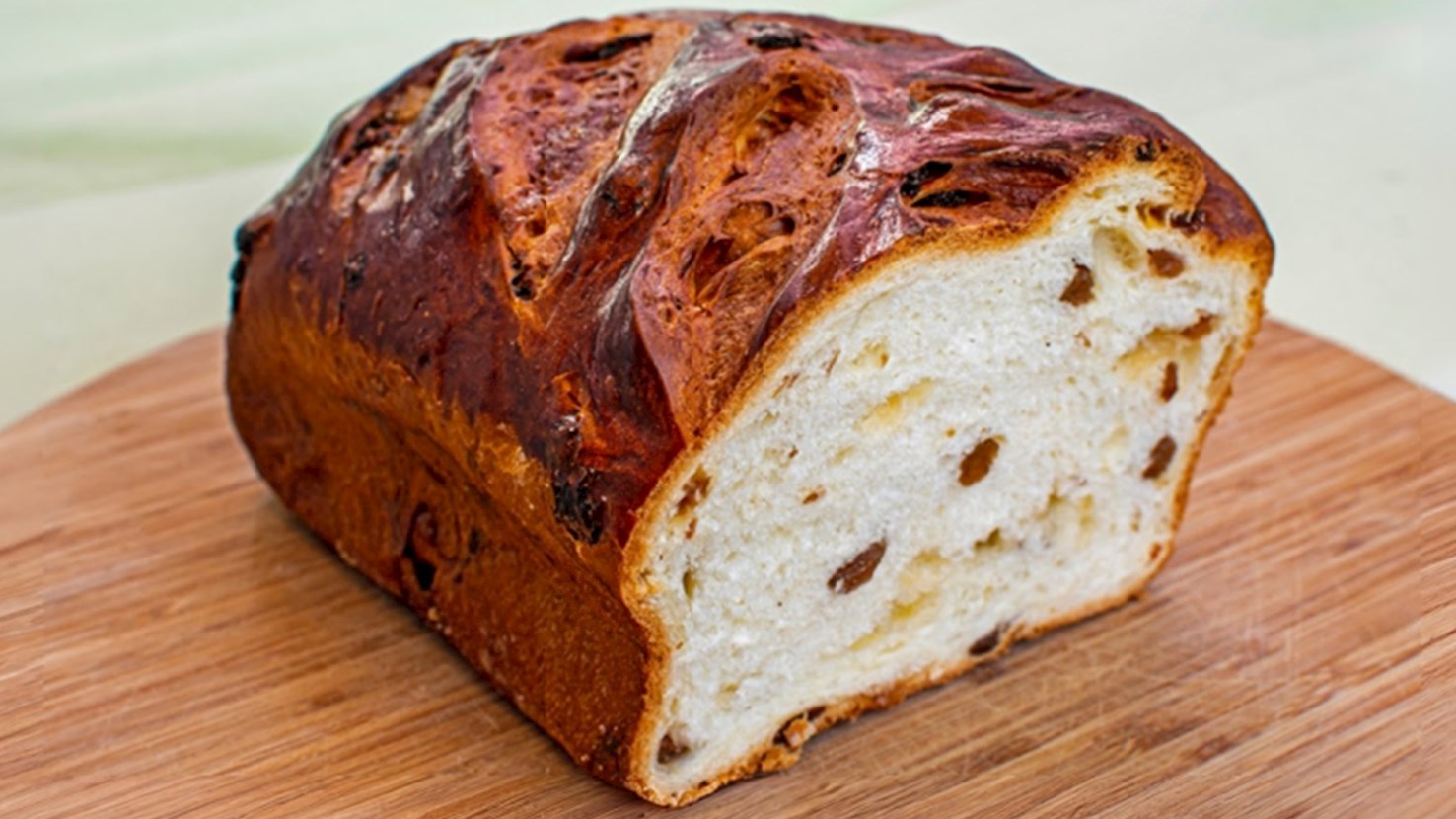
Kramiek, also known as "cramique" in French, is a traditional bread enriched with raisins. It is a type of sweet bread that is often enjoyed as a breakfast treat or a snack. The dough is similar to brioche, made with flour, yeast, milk, butter, eggs, and sugar, which gives it a rich and tender crumb. The addition of raisins provides a sweet and fruity flavor. Kramiek is typically enjoyed sliced, either plain or with a spread of butter or jam. In France, where it's also very present, it can accompany grilled slices of foie gras.

10

Preisoep

3.4 ·

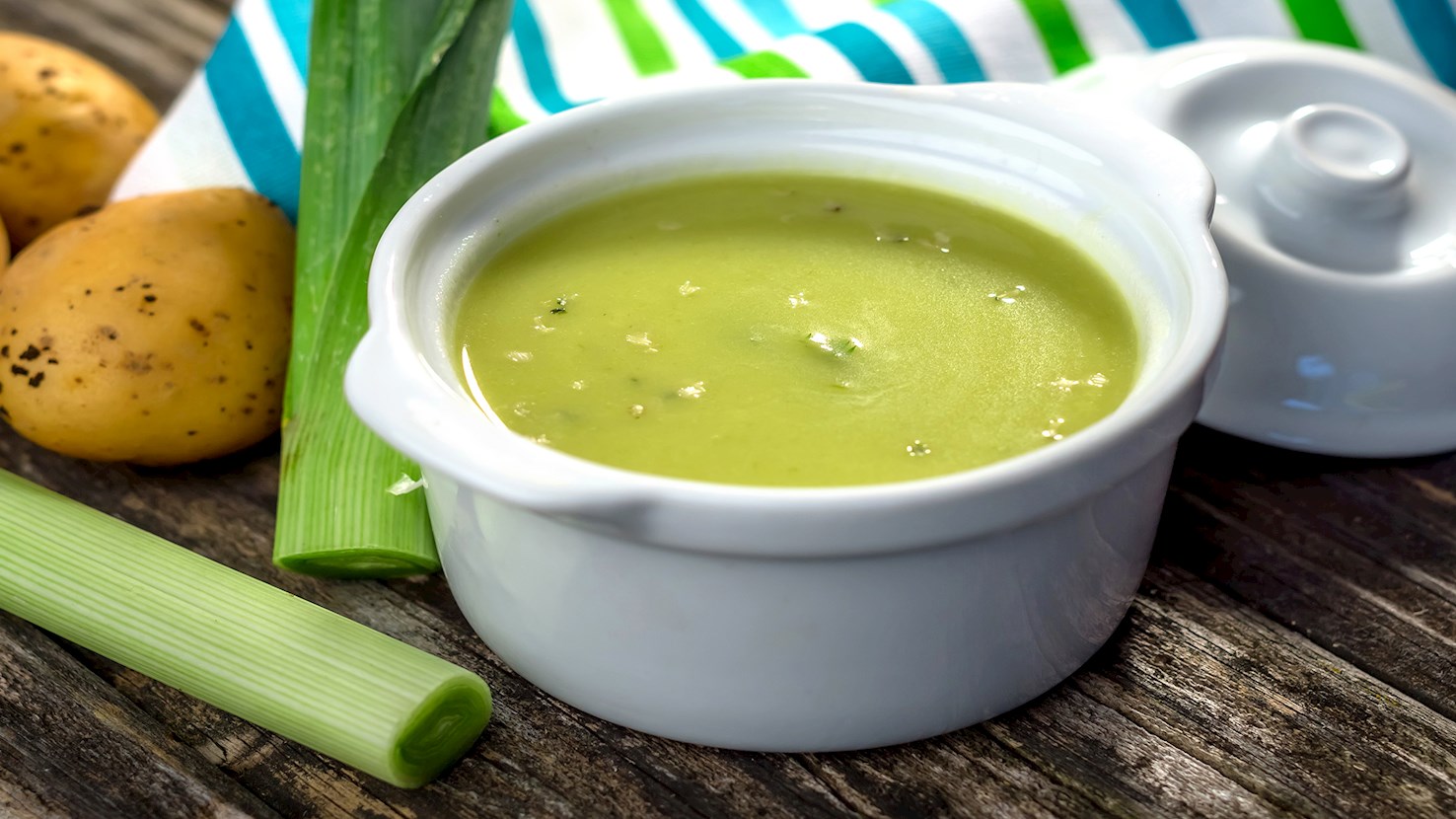
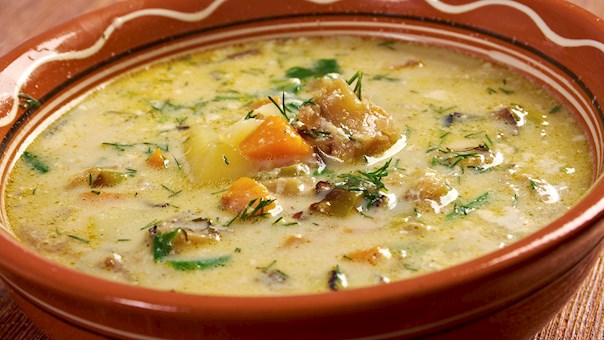
Flemish leek soup is one of Belgium's national dishes and a favorite during the cold and rainy winter months. To make this thick, nutritious and heartwarming dish, leeks are cooked with potatoes in a flavorful beef broth. Preisoep is most often prepared as a mere soup, but it can also be elevated to quite a meal when meaty beef bones are added to the pot, cooked until tender and reserved for the second course.

Read more
View all
View map
About this ranking

TasteAtlas food rankings are based on the ratings of the TasteAtlas audience, with a series of mechanisms that recognize real users and that ignore bot, nationalist or local patriotic ratings, and give additional value to the ratings of users that the system recognizes as knowledgeable. For the “24 Worst Rated Belgian Foods” list until June 17, 2026, 4,091 ratings were recorded, of which 3,544 were recognized by the system as legitimate. TasteAtlas Rankings should not be seen as the final global conclusion about food. Their purpose is to promote excellent local foods, instill pride in traditional dishes, and arouse curiosity about dishes you haven’t tried.

Similar lists