



shutterstock

51 Worst Rated Brazilian Foods

Last updated on June 17, 2026
01

Pescoço

2.6 ·

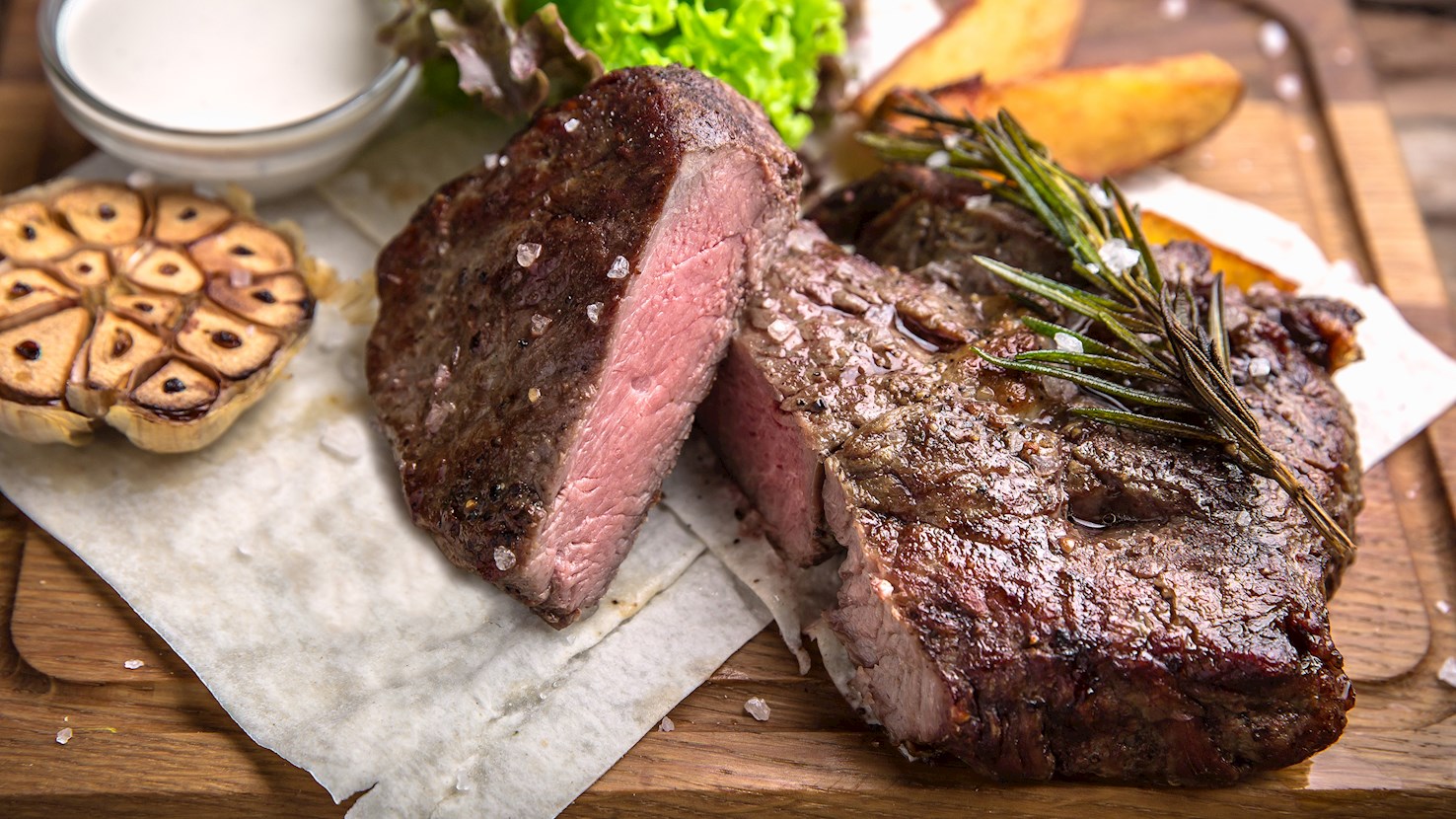
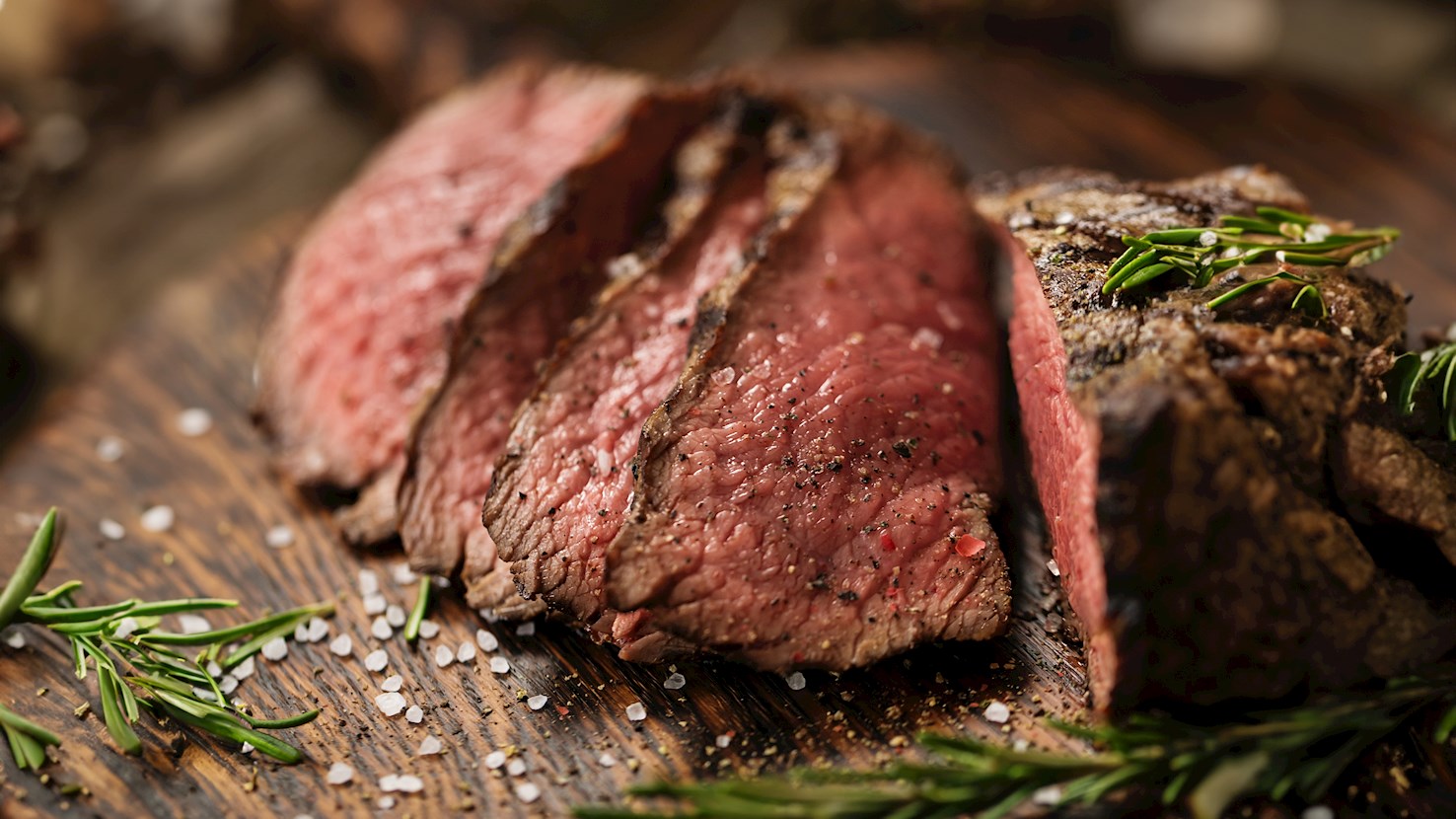
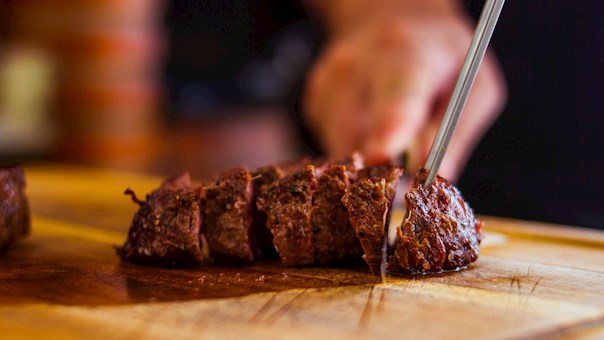
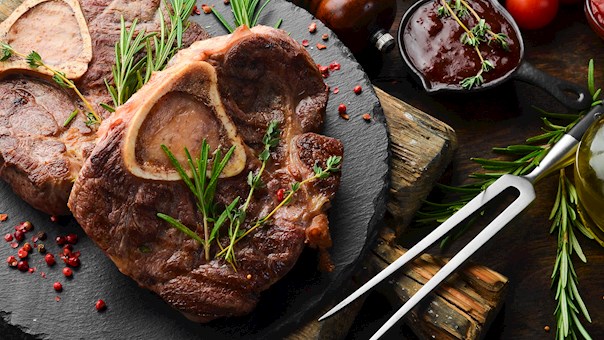
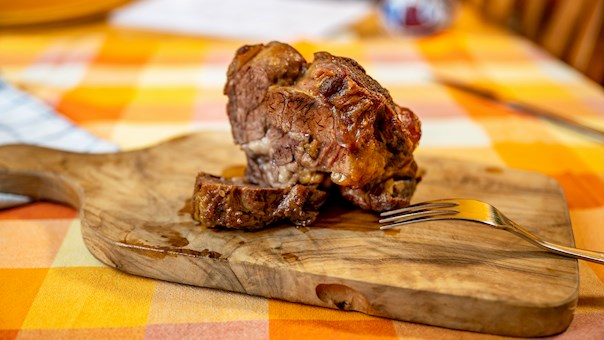
Pescoço is a beef cut that comes from the neck area of the animal and is typically a tougher and more muscular cut of meat. It would correspond most to the neck or nape beef cut in the US. Due to its composition, it's often used for slow-cooking methods like braising, stewing, or making stocks and broths. These methods help break down the tough connective tissues and fibers, resulting in tender and flavorful dishes. In Brazilian cuisine, pescoço might be used in hearty stews, soups, and traditional dishes that require long cooking times to develop rich flavors and tender textures.

02

Cuscuz Paulista

2.7 ·

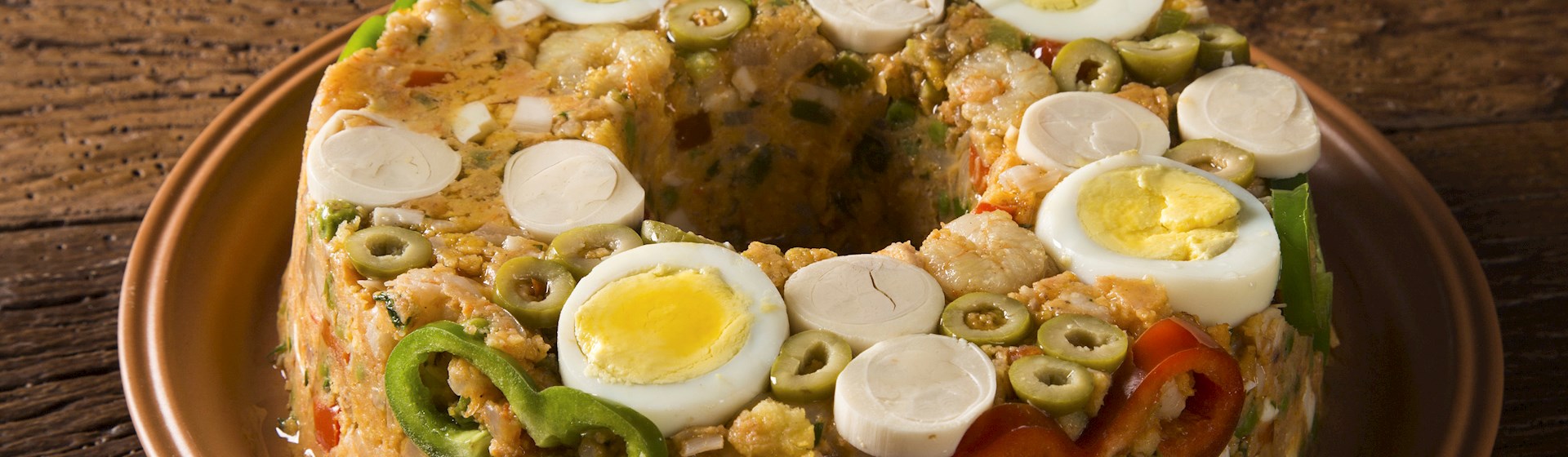
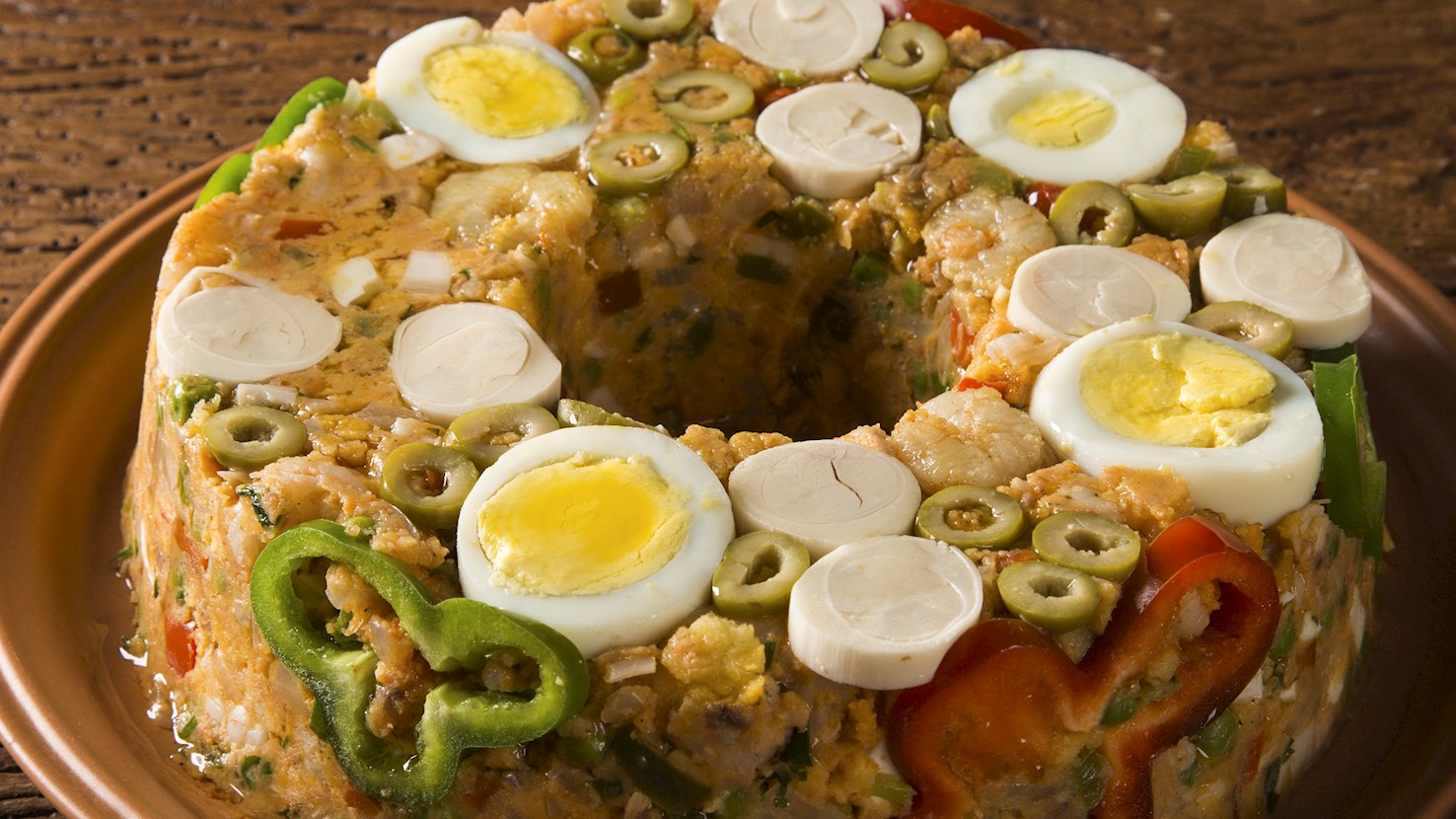
Cuzcuz Paulista is an elaborate Brazilian dish consisting of cornmeal enriched with olives, canned sardines (or any other canned fish), and peas – ingredients that were quite expensive and exotic during the time of the dish's invention in the 19th century. Among the huge number of ingredients, there is also manioc flour, garlic, onions, bell peppers, parsley, green onions, and hard-boiled eggs. The dish is typically prepared in a molded cake pan, then inverted, and the visual presentation of cuzcuz Paulista should have a "wow" effect on the guests. It is recommended to serve the dish for large crowds, ideally with salsa on the side.

Best restaurants
03

Buchada de bode

2.8 ·

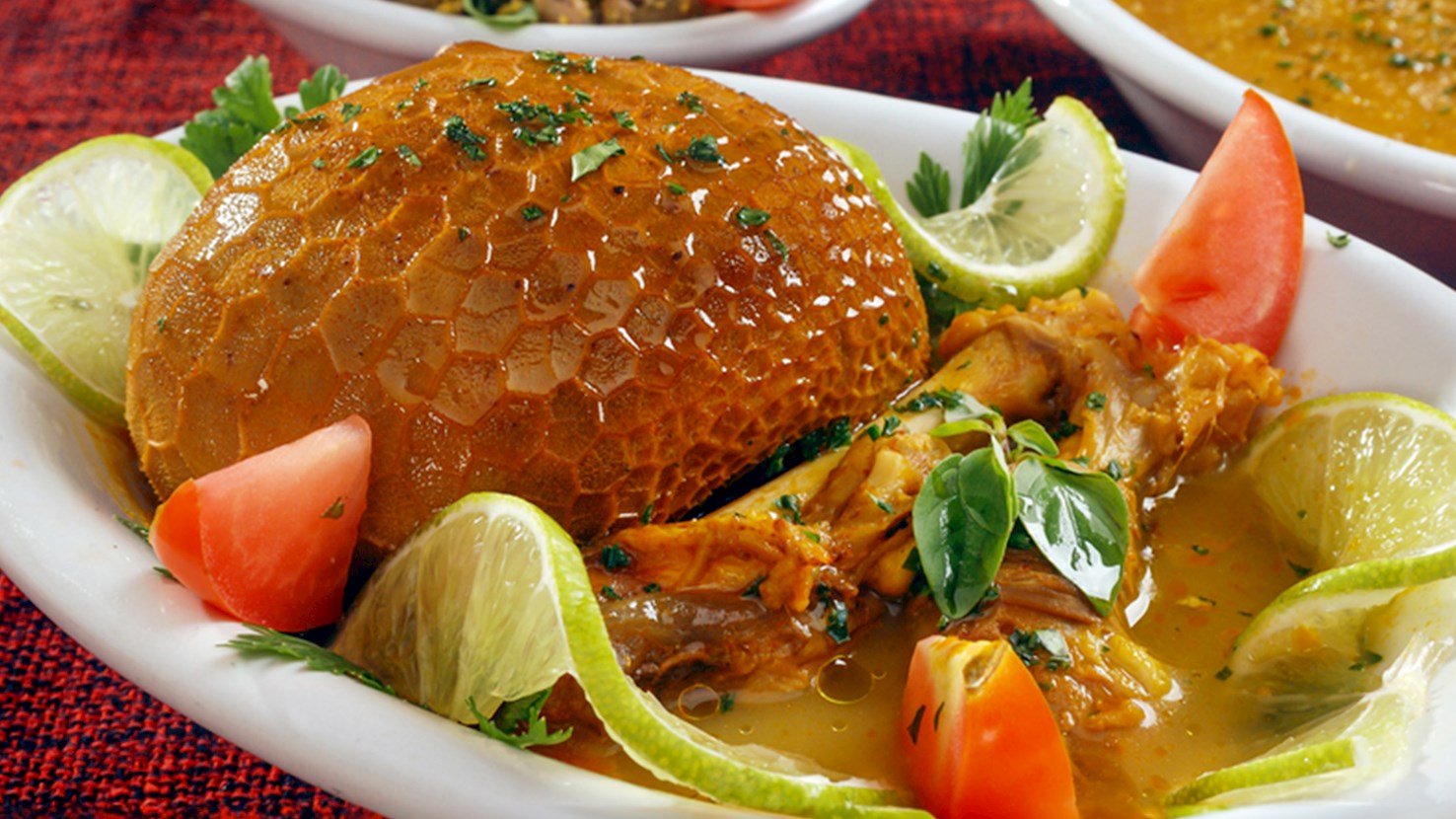
Buchada de bode is a traditional dish made from goat's offal, specifically the stomach and intestines, along with other internal organs like the liver, lungs, and heart. The organs are cleaned, chopped, mixed with chopped vegetables like onions, tomatoes, and peppers, and seasoned with a mixture of herbs and spices before being stuffed back into the goat's stomach, which acts as a casing. This stuffed stomach is then sewn up and boiled until fully cooked, resulting in a flavorful and hearty dish. Buchada de bode is particularly popular in the northeastern region of Brazil, especially in states like Ceará and Pernambuco. It is often served with rice, beans, and farinha (manioc flour), providing a rich and satisfying meal that showcases the region's culinary heritage.

04

Torta capixaba

2.8 ·

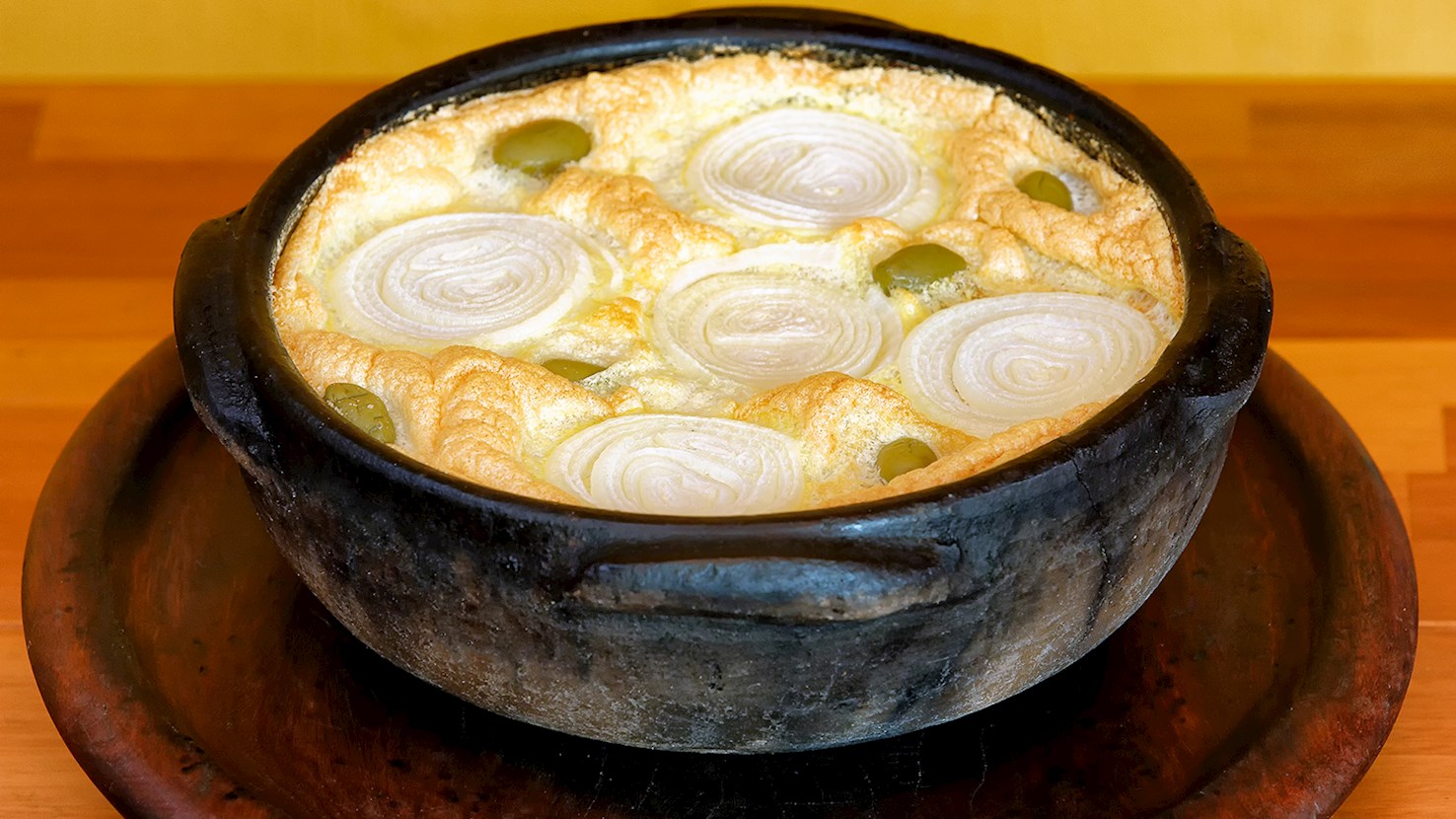
Torta capixaba is a traditional and complex Brazilian dish originating from Espirito Santo. This seafood pie is made with a massive list of ingredients: fish such as sea bass, hake, and grouper, mussels, siri crabmeat, salt cod, shrimp, olive oil, garlic, onions, tomatoes, green onions, cilantro, red bell peppers, coconut milk, cloves, cinnamon, palm hearts, olives, and eggs. The onions and garlic are sautéed, followed by the tomatoes, cilantro, red peppers and green onions. The combination is simmered with added fish, mussels, crabmeat, shrimp, and salt cod. The other ingredients are then added to the pot, and the combination is simmered until the liquid has almost evaporated. Scrambled eggs are added to the pan, and the mix is then baked in a clay casserole dish until the eggs set. Torta capixaba is often garnished with tomato and onions slices on top, which should be baked until golden and the dish is then served warm. It dates back to the 19th century, when it was served during the meatless days of Easter week. Nowadays, it's prepared throughout the year, but it's especially popular on Easter Sunday.

05

Fraldão

3 ·

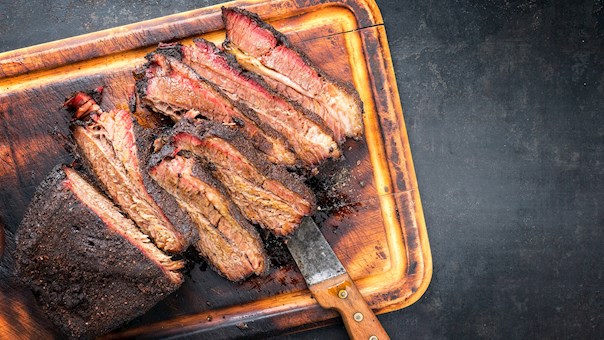
In Brazilian cuisine, fraldão refers to a specific cut of beef from the bottom part of the sirloin, close to the flank area, and on the end part of the rib area. It's a flavorful cut with a coarse texture that is prized for its taste. While it's not as tender as some other cuts, it offers a unique balance of flavor and texture. In Brazilian churrasco (barbecue), fraldão is often used for skewers or grilled whole, especially when marinated to enhance its flavors and tenderness.

06

Baixaria

3.1 ·

Baixaria is a traditional dish originating from Acre. It's made with a combination of cornmeal, ground beef, onions, garlic, olive oil, bell peppers, and tomatoes. The couscous is steamed and served with the combination of ground beef, onions, and vegetables. Once done, baixaria is topped with a fried egg, garnished with chopped parsley, then served, usually for breakfast.

07

Maria-mole

3.2 ·

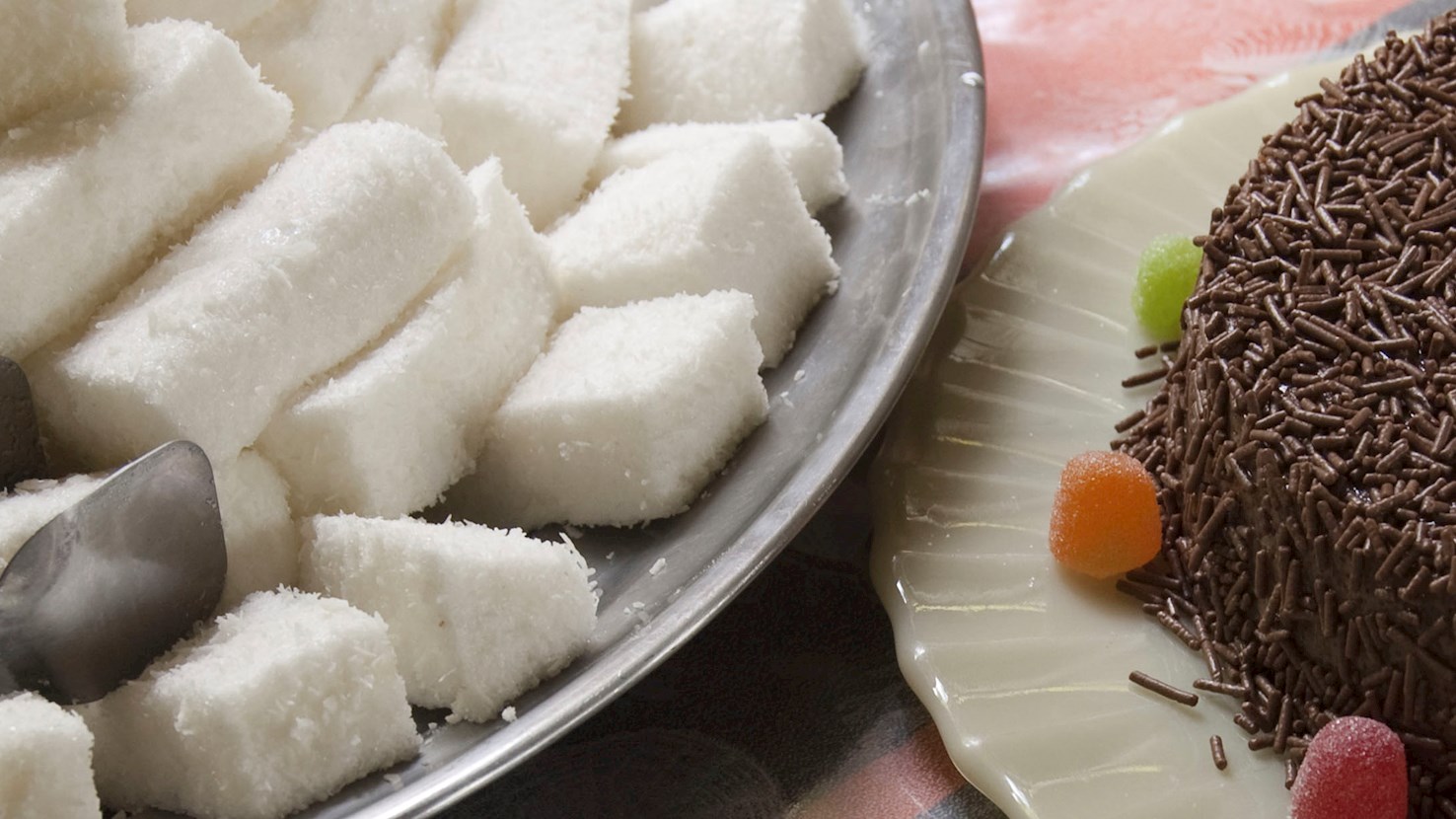
Maria-mole, literally translated to soft Mary, is a popular Brazilian dessert that is similar in appearance to a marshmallow, but even softer, usually consisting of sugar, gelatin, coconut, and egg whites. The dessert is so popular that there are even boxed mixes for making it at home. Maria-mole was invented in São Paulo by Antonio Bergamo, a candy producer who wanted to use all of the egg white leftovers from making other types of candy. Today, the dessert is traditionally served during the Catholic festivals in June, called Festas Juninas.

08

Arroz com pequi

3.2 ·

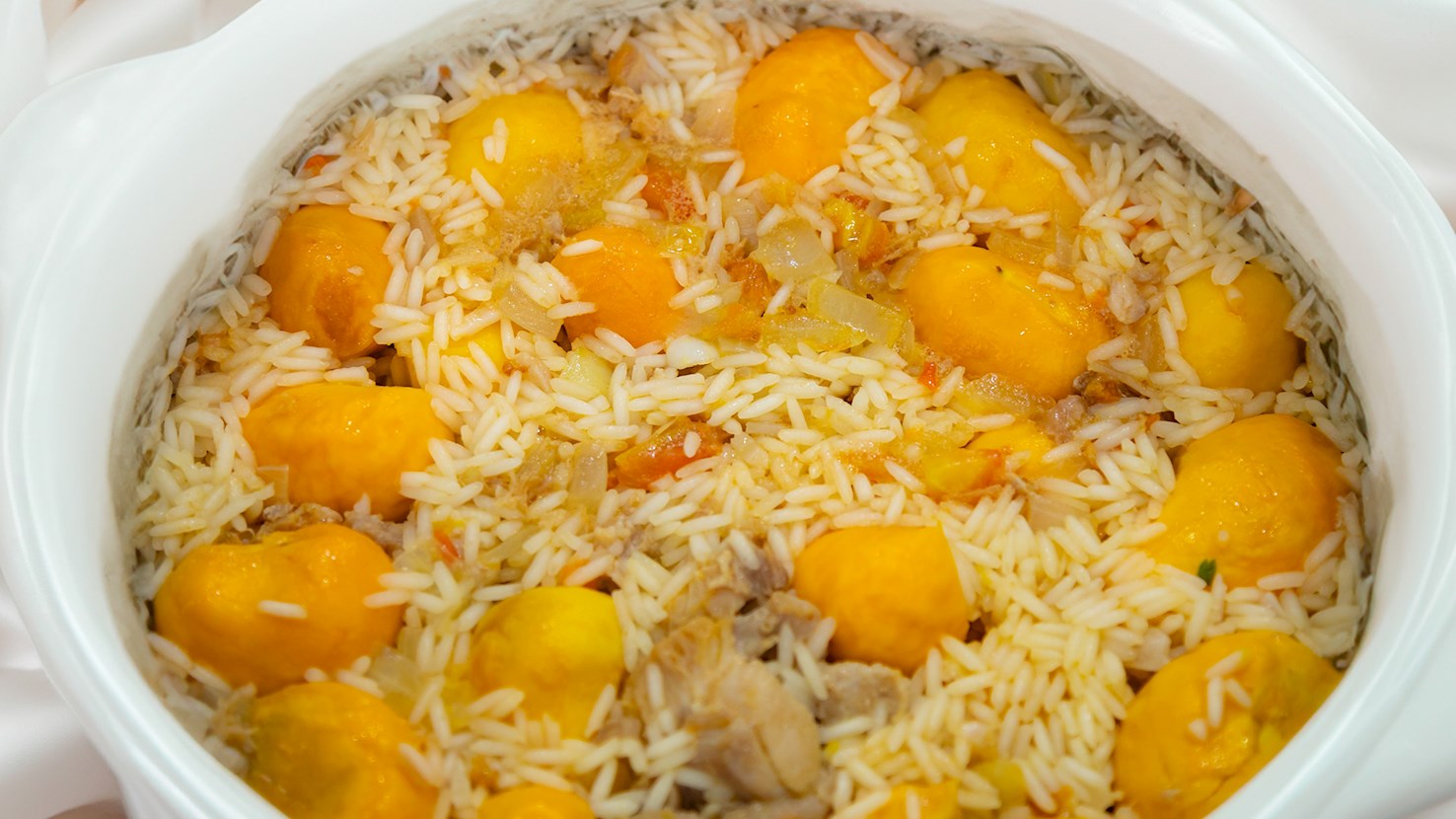
Arroz com pequi is a traditional rice dish originating from the central regions, and it's especially popular in Minas Gerais and Goiás. The key ingredient in the dish is pequi, a small seasonal fruit with a strong cheese-like, barnyardy flavor (although it's a fruit, pequi is usually treated like a vegetable). Other ingredients used in the dish include rice, oil, garlic, onions, chicken broth, chopped green onions, salt, and pepper. The ingredients are simmered until the liquid is absorbed and the rice becomes tender. Before serving, it's recommended to stir in some green onions into the dish. Although the dish is served with the pequi still in the rice, some people like to eat the rice without eating the fruit because it has lots of little spikes coming out of the kernel, and one should be careful when trying to eat the pulp.

09

Lagarto

3.3 ·

In Brazilian cuisine, lagarto refers to a specific cut of beef known as the eye of round roast in English. Lagarto translates to "lizard" in Portuguese, and the cut gets its name because of its shape, which is somewhat elongated and tapers at one end, resembling a lizard's tail. The lagarto comes from the hind leg of the animal and is a relatively lean and tough cut of meat. It's often used in Brazilian cooking for dishes that involve slow-cooking, braising, or marinating to break down the toughness and enhance its flavor. Due to its lean nature, lagarto can become tender and flavorful when cooked using methods that require longer cooking times. It's used in stews, pot roasts, and traditional Brazilian dishes that benefit from the gradual breakdown of the meat's fibers. In Brazilian churrasco (barbecue), lagarto might be used for skewers, but it's important to properly marinate and cook it to achieve the desired tenderness.

10

Pato no tucupi

3.2 ·

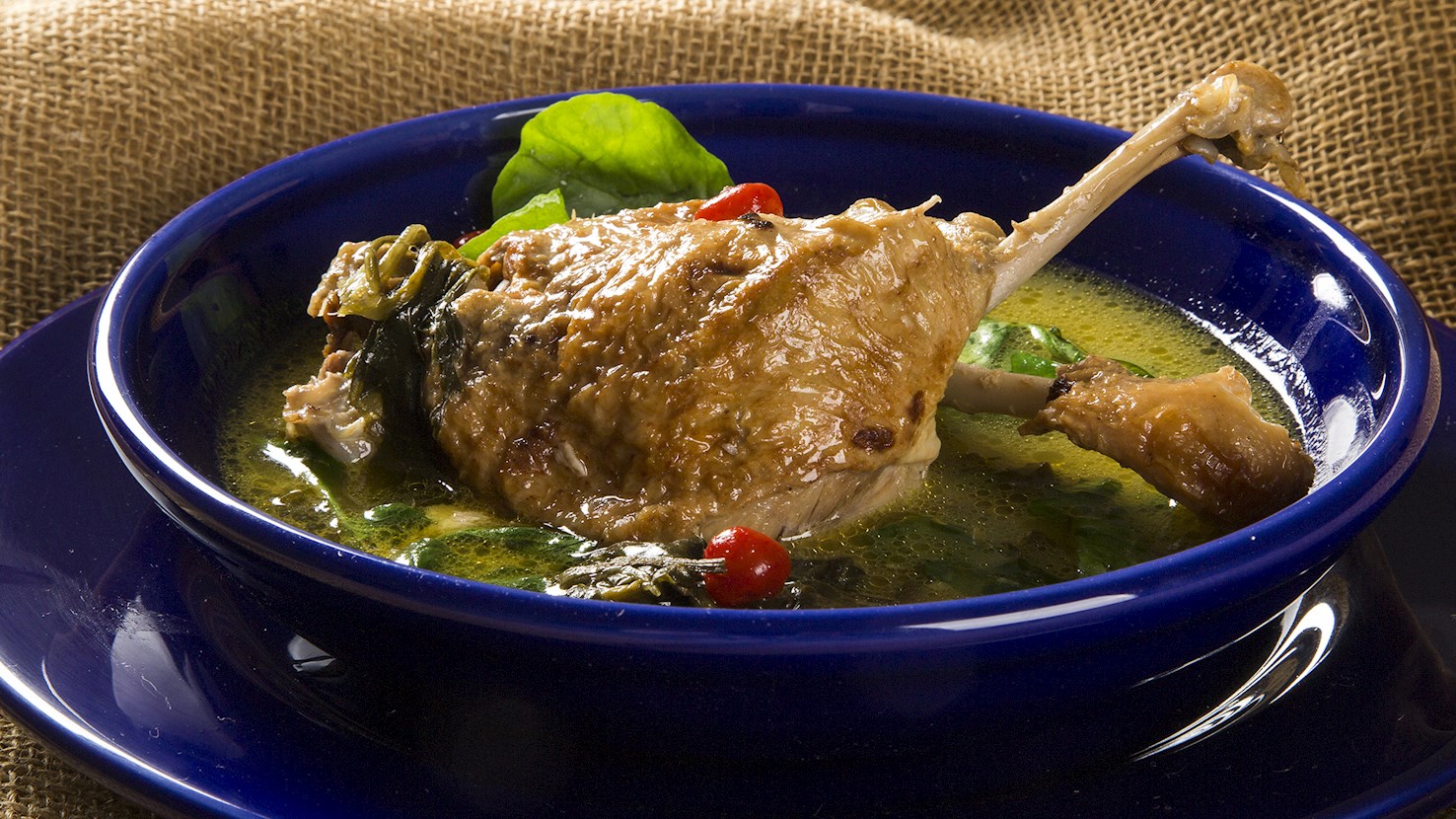
Pato no tucupi is a specialty dish from Belem, consisting of duck stewed with tomatoes and onions. The duck is then roasted and stewed with tucupi (yellow juice extracted from cassava) and jambú (a leafy plant with anesthetic properties). The dish is typically served with rice on the side. It is traditionally prepared and consumed once a year, during the Círio de Nazaré festivities.

11

Ostra ao bafo

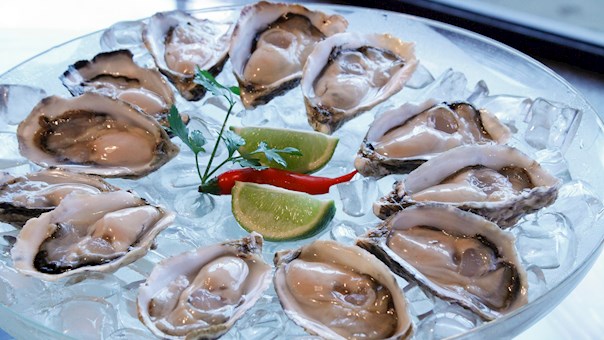
3.2 ·
13

Tareco

3.3 ·
14

Acém

3.3 ·
15

Peito

3.3 ·
16

Sequilhos

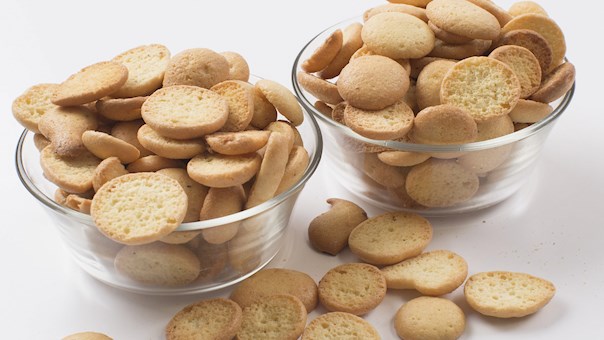
3.4 ·
17

Sagu

3.4 ·
18

Mocotó

3.4 ·
19

Músculo

3.4 ·
20

Paleta

3.4 ·
Read more
View all
View map
About this ranking

TasteAtlas food rankings are based on the ratings of the TasteAtlas audience, with a series of mechanisms that recognize real users and that ignore bot, nationalist or local patriotic ratings, and give additional value to the ratings of users that the system recognizes as knowledgeable. For the “51 Worst Rated Brazilian Foods” list until June 17, 2026, 13,963 ratings were recorded, of which 10,243 were recognized by the system as legitimate. TasteAtlas Rankings should not be seen as the final global conclusion about food. Their purpose is to promote excellent local foods, instill pride in traditional dishes, and arouse curiosity about dishes you haven’t tried.

Similar lists