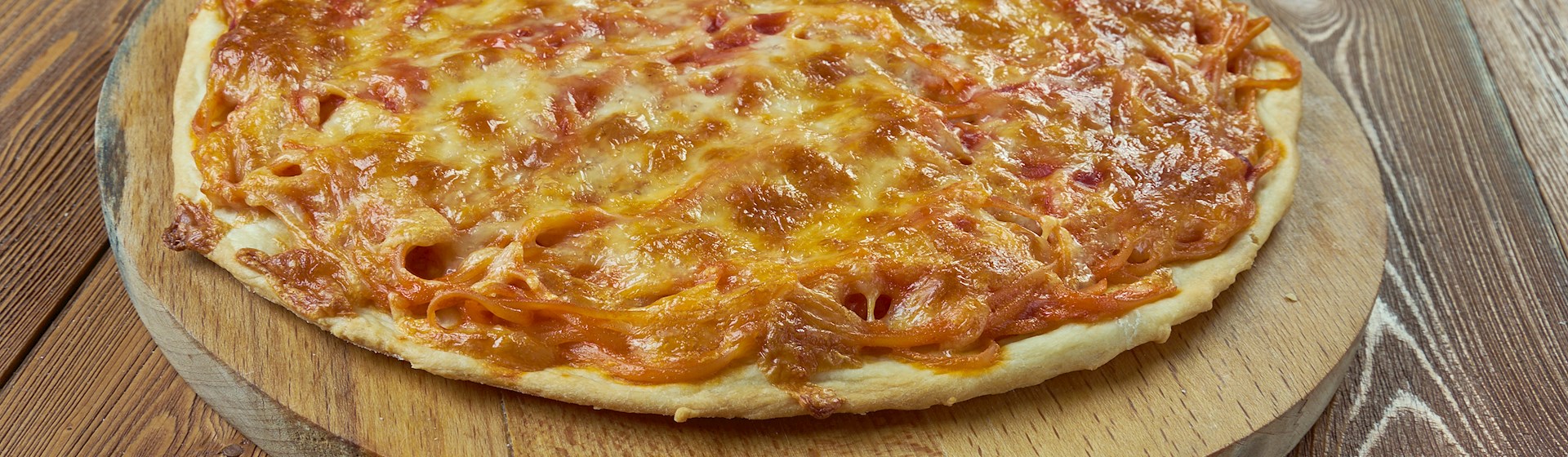
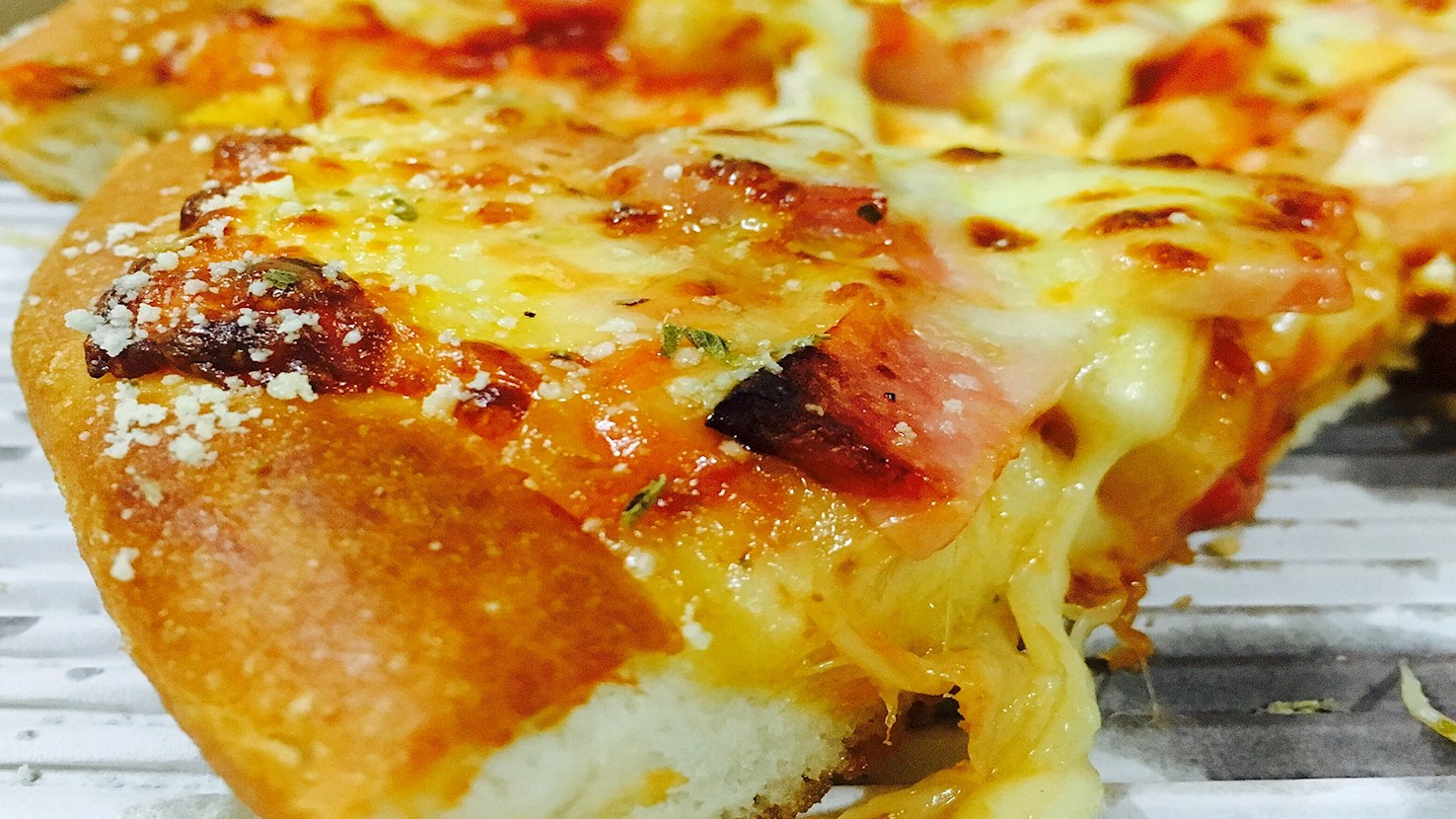
Pictou County pizza is a unique variety of pizza originating from Nova Scotia, characterized by a somewhat thicker, chewy dough, a spicy brown sauce, and Halifax-made Brothers' pepperoni. The pizza is so popular that it is even shipped frozen all over Canada. Every year, there is a Pictou County pizza competition, so that the locals can find out which pizza restaurant is the best. It is recommended to pair the dish with a cold beer on the side.
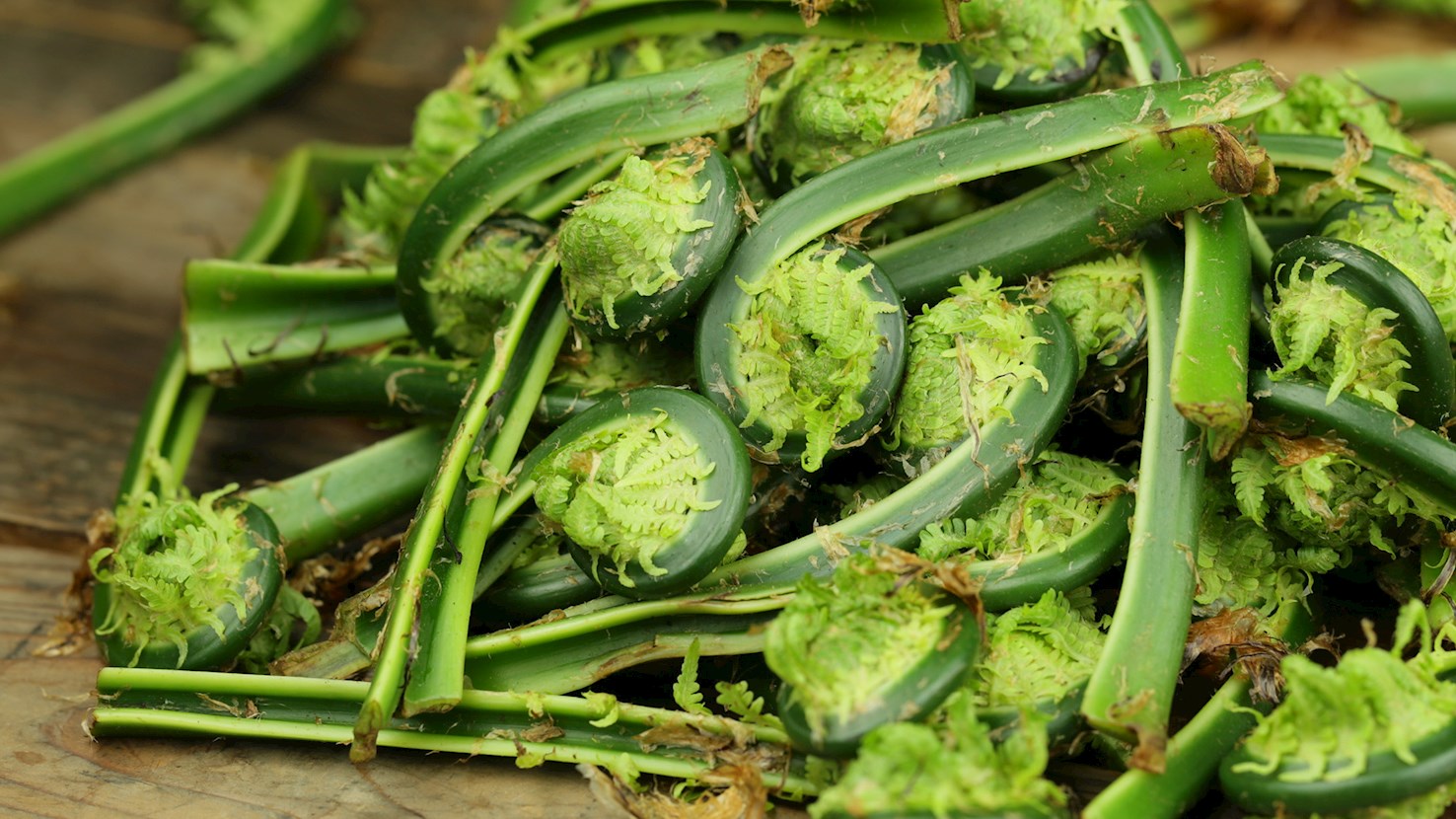
Boiled fiddleheads is a simple dish of native Canadian greens that are called ostrich ferns or fiddlehead ferns. The bright green curled leaves of ostrich ferns are first thoroughly rinsed before being boiled in salted water until fully cooked and tender. Once ready, the boiled fiddleheads are usually consumed while still hot and are often topped with melted butter. Boiled fiddleheads are said to have a flavor reminiscent of asparagus, broccoli, and artichokes. In Canada, this dish is enjoyed as a spring delicacy, especially in those parts where ostrich ferns grow, including Ontario, Québec, New Brunswick, and Nova Scotia.
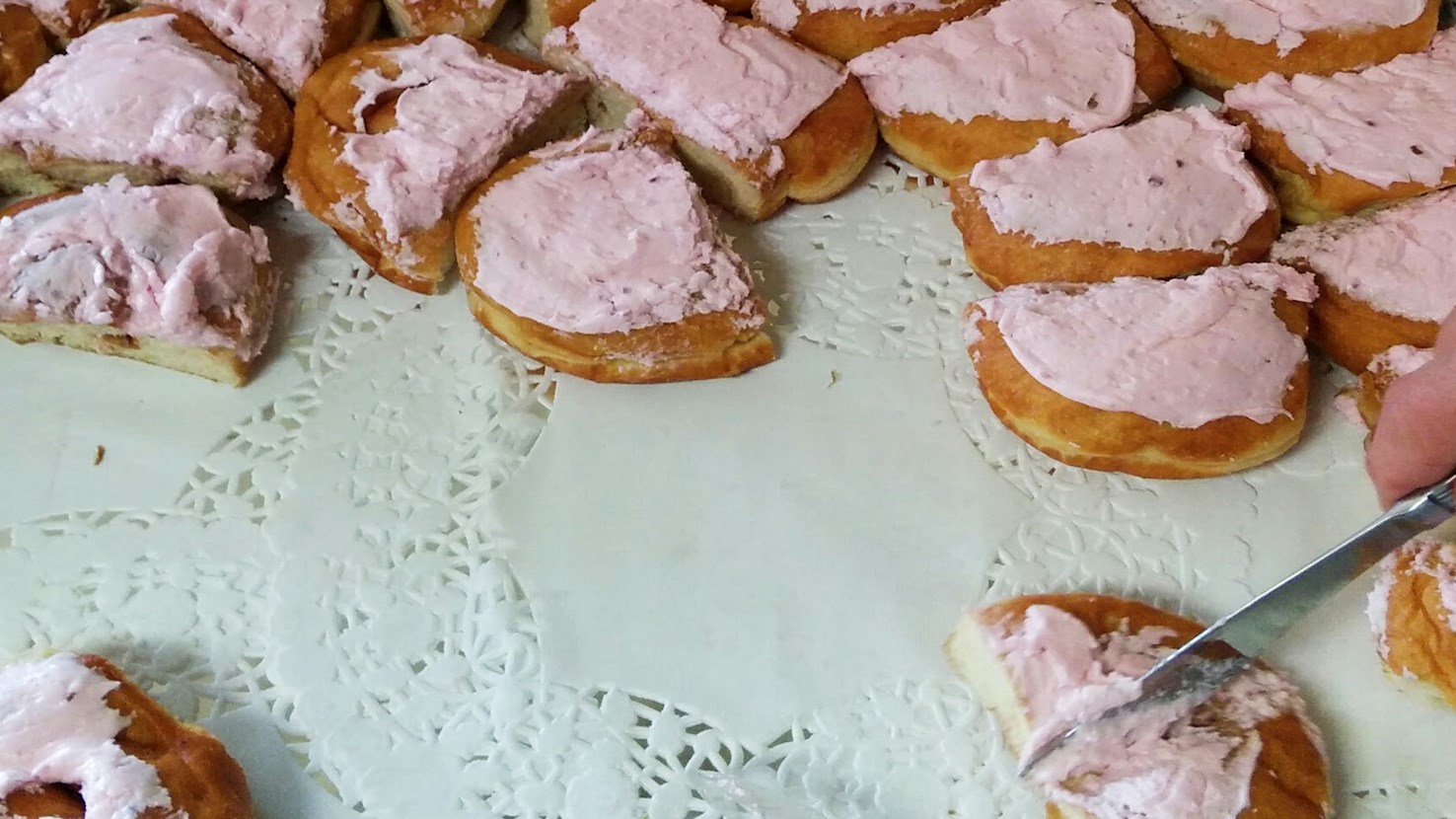
A Persian is a fried sweet roll from Thunder Bay, Ontario, made from soft yeast dough with a cinnamon swirl and topped with a thick layer of bright pink, berry-flavored icing. Although it resembles a cinnamon roll, frying gives it a slightly crisp exterior and a soft, airy interior. Baker Art Bennett created the pastry at Bennett’s Bakery in Port Arthur, one of the two cities that merged in 1970 to form Thunder Bay. It dates to the mid-1940s, although the exact year of its creation is uncertain. According to local lore, Bennett named the pastry after American general John J. Pershing, known as “Black Jack” Pershing. The precise circumstances behind the name have never been firmly established, but the story has become part of the pastry’s history in Thunder Bay. Persians are made from a rich yeast dough containing ingredients such as eggs and milk. The dough is rolled out, sprinkled with cinnamon, rolled into a log, and cut into individual pieces. Instead of being baked like a conventional cinnamon roll, the pieces are deep-fried until golden brown. Once cooled, they are covered with the characteristic pink icing. The original Bennett’s Bakery recipe remains secret, especially the icing formula. It is known to be berry-based, and its pink color comes from fruit rather than added food coloring, but the bakery does not disclose exactly which berries are used. This has sparked a long-running local debate over whether the flavor comes from raspberries, strawberries, or a mix of fruits. Persians are usually eaten at room temperature, but a well-known Thunder Bay variation is the toasted Persian. The roll is sliced horizontally, buttered, and fried or toasted cut-side down until the interior becomes golden and lightly caramelized. Icing is then added before serving. This method was once common in local restaurants and is still popular at home. The Persian has become one of Thunder Bay’s best-known local foods. Several bakeries around the city sell it, although Bennett’s original version is still associated with The Persian Man, whose owners acquired Bennett’s Bakery in the 1960s. Persians are commonly eaten for breakfast or as a snack with coffee, and they are also popular at community events and fundraisers. Former residents and visitors often take boxes home, making the pink-frosted roll a culinary symbol of Thunder Bay.
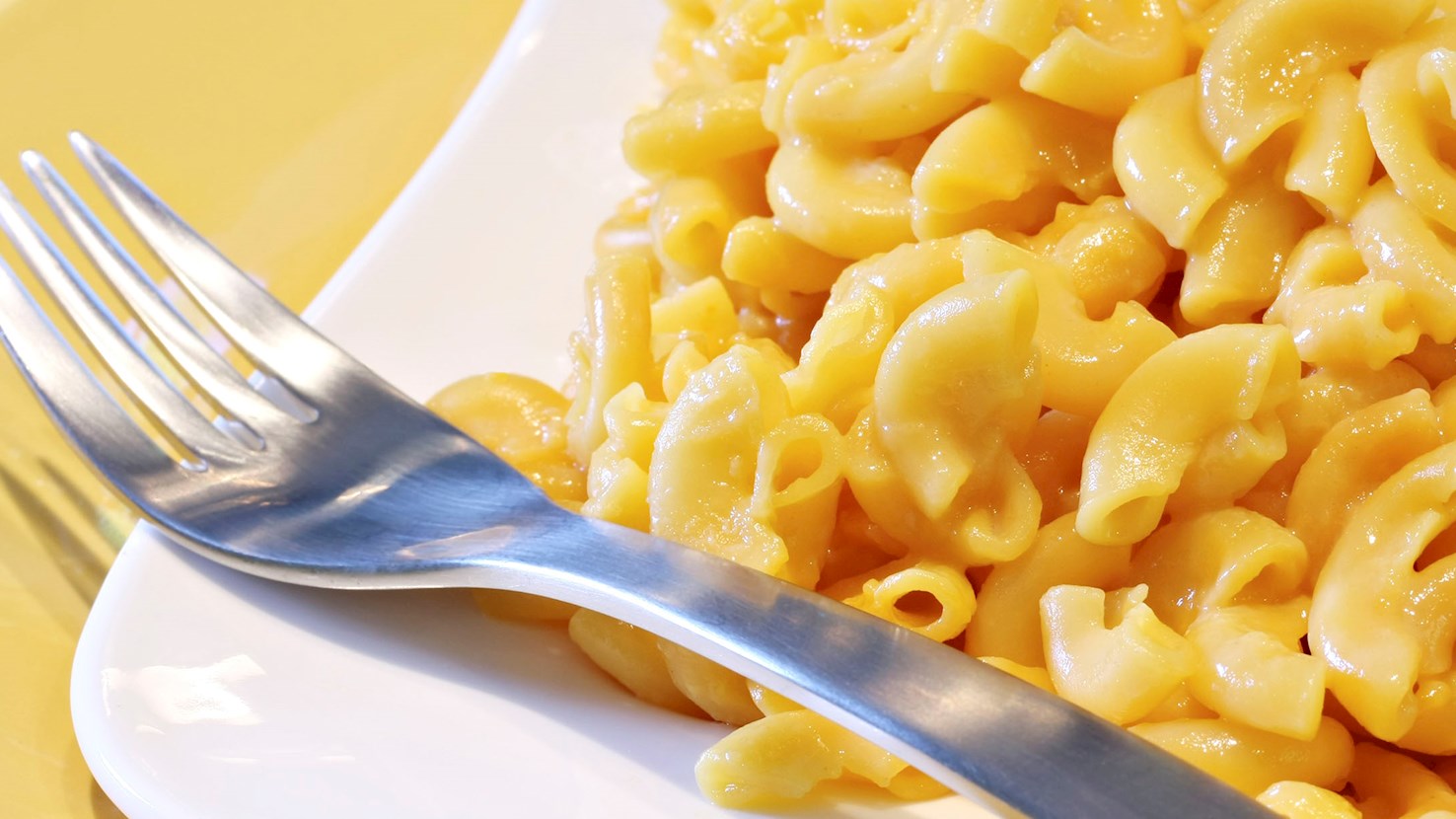
Kraft Dinner is Canada's national dish and the most popular grocery item in the country. These inexpensive blue-yellow boxes of macaroni and cheese started to rise in popularity in 1937, during the Great Depression, with the promise that you could feed a family of four for just 19 cents per box. The meal was invented by a salesman who attached grated cheese to boxes of pasta. Eight million boxes were sold in the first year, each one containing instant, bite-sized tubular noodles and a briny, orange-colored, sweet and sour cheese sauce. Kraft Dinner or KD (also called macaroni and cheese in the USA) is cheap, fast, and easy to prepare - and perhaps that is the reason why it stood the test of time.
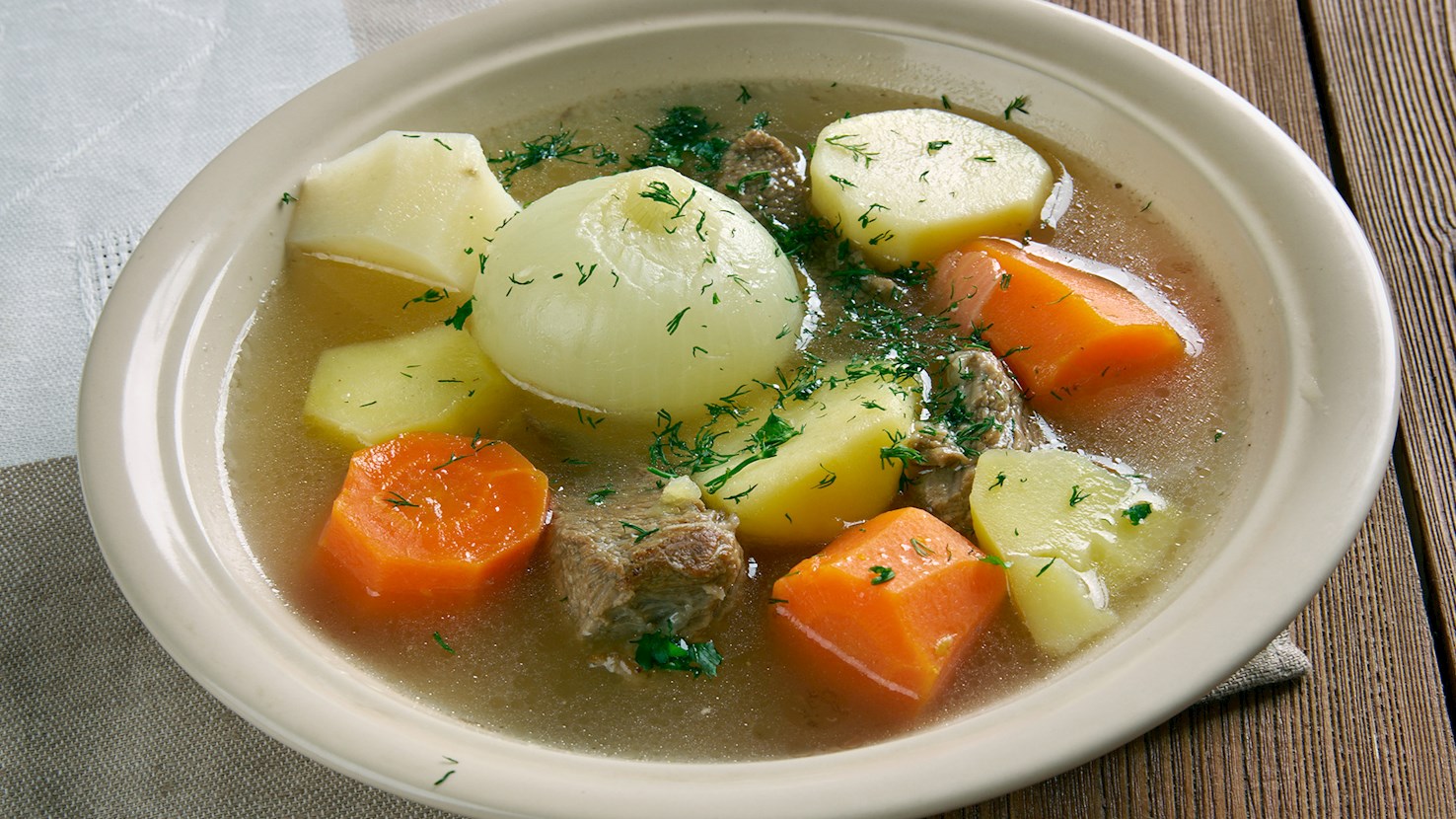
Fricot is a hearty Acadian stew made with any kind of meat, potatoes, and onions. The dish is topped with fluffy dumplings consisting of flour and egg yolks. This comfort food dish is believed to have originated in France in the 18th century, but evolved in Canada to become a staple of Acadian cuisine. Today, there are numerous variations of fricot depending on the type of meat used in the dish such as fricot au poulet (chicken) or fricot au lapin (rabbit).
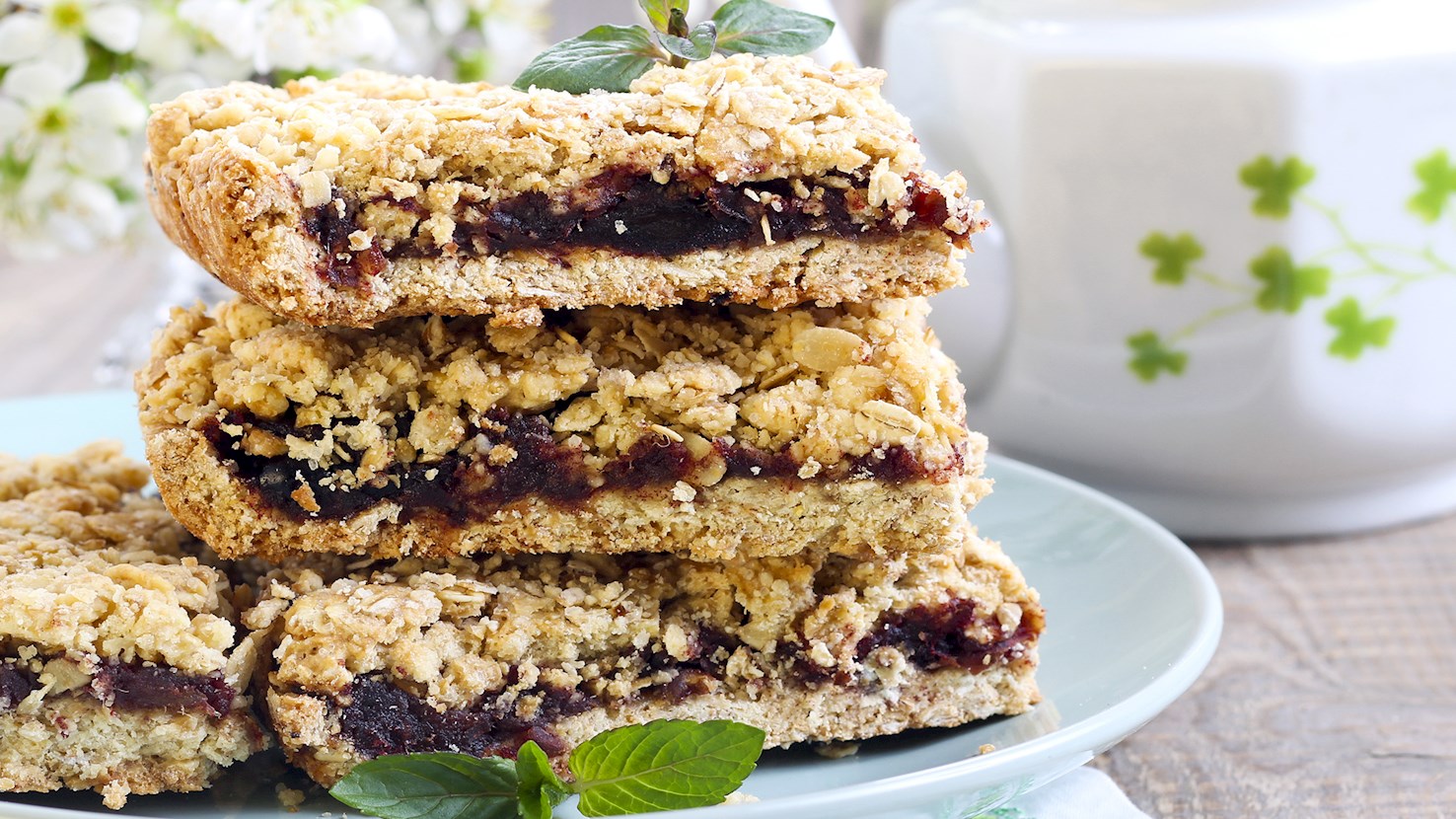
This lovingly paired combination of a crumbly oatmeal base and the sweet and chewy date filling supposedly gets its name from an old custom of breaking the cake over the heads of newlyweds. However, matrimonial cake is known by different names throughout Canada, such as date squares, or date crumbles. It is believed that this humble dessert originated at a time when people couldn't afford the more expensive flour, so traditionally, there were always rolled oats used as a base, and fruit or sweetmeat used for the filling. This old Mennonite recipe seems to be an invention of the 1930s, hailing either from Manitoba or the neighboring Saskatchewan, though it was later popularized across the country.
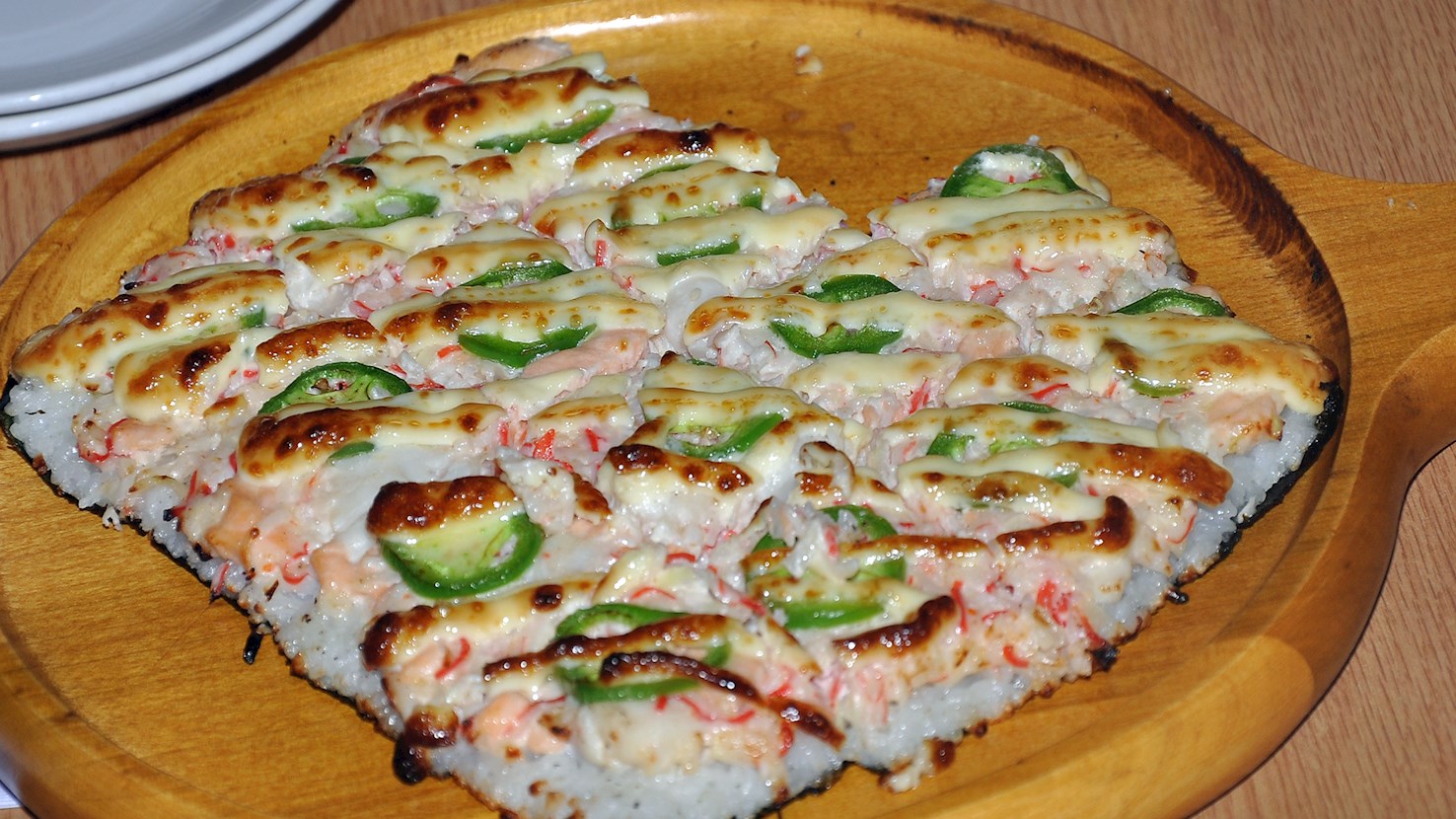
Sushi pizza is an unusual spin on sushi that is popular throughout Canada, especially in Toronto. It consists of a fried rice patty topped with salmon, tuna, or crab, avocado slices, spicy mayonnaise, and soy-wasabi sauce. It is believed that the dish was invented by a Japanese chef Kaoru Ohsada in a restaurant named Nami. Originally, he made the dish by frying sushi rice, topping it with salmon, and garnishing it with tobiko fish roe and chopped onions. Today, sushi pizza is often accompanied by soy sauce or pickled ginger on the side. This food trend has also crossed national borders, so you can occasionally find it in poké restaurants in the United States.
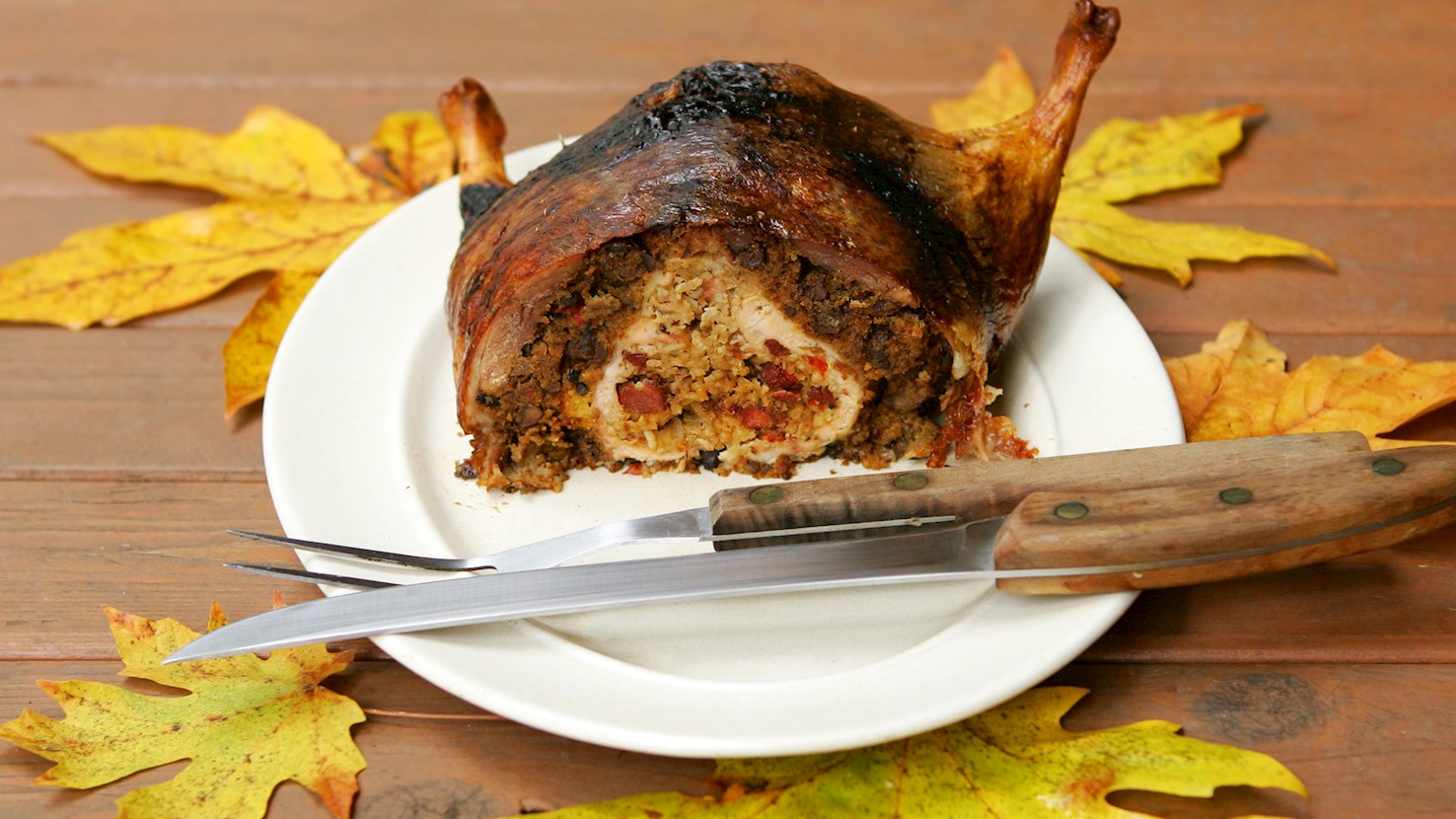
Turducken is an American-Canadian dish consisting of deboned turkey, deboned duck, and deboned chicken rolled into one and stuffed with three kinds of stuffings which are layered between the three types of meat. It is believed that the dish originated from a French dish called galantine, which was adapted into turducken by the Cajun people originating from French Canada, who settled in Louisiana. The dish is served sliced crosswise, so that each slice contains all three types of meat and three different stuffings.
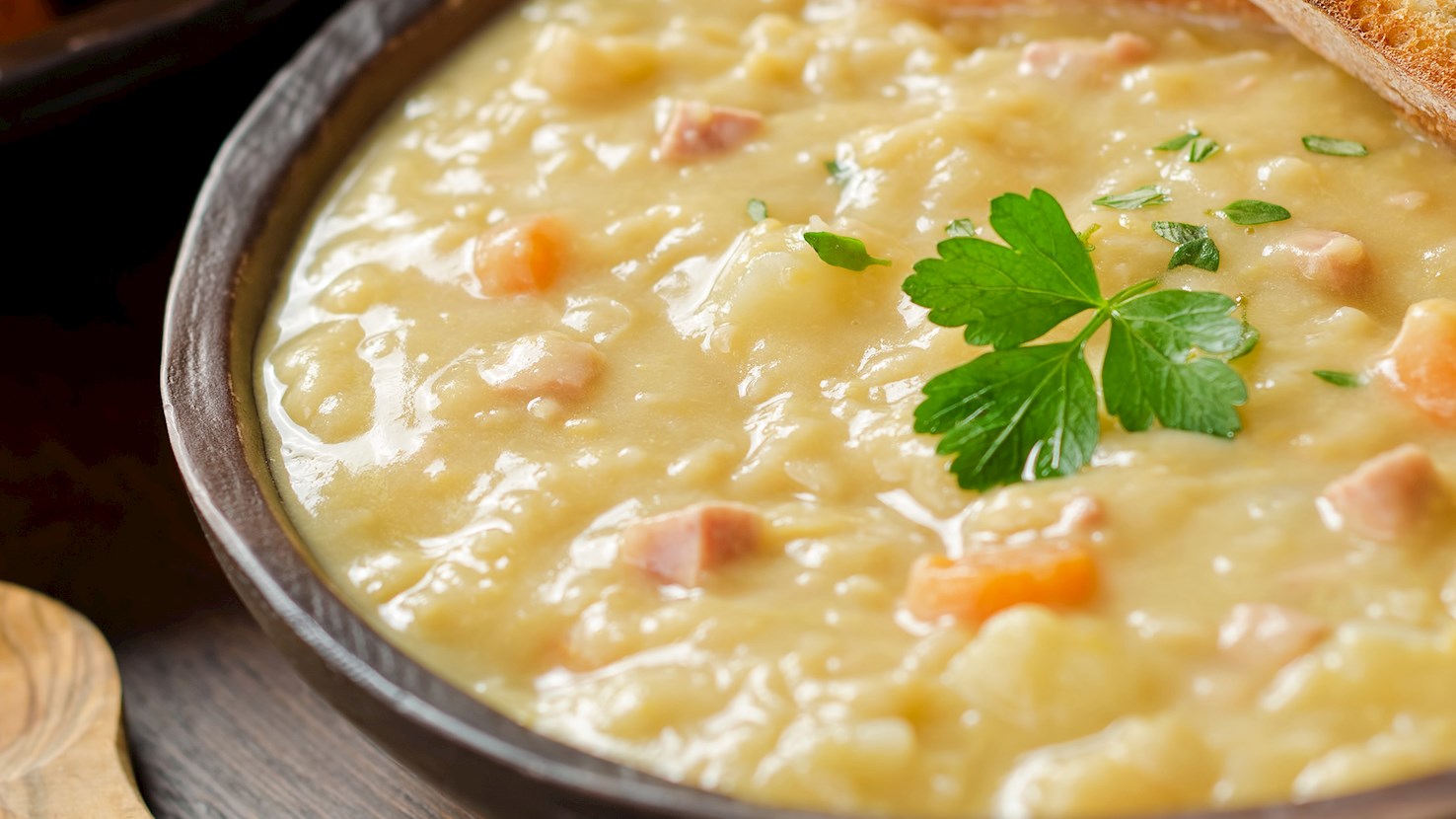
Yellow pea soup is a French-Canadian comfort food staple originating from Quebec. It was originally prepared by French Canadian settlers who had to make use of basic ingredients they brought with them from Europe, such as dried peas and salt pork. Nowadays, the most authentic version is prepared with yellow peas, salt park, and fresh herbs. After the soup has been cooked, pork is usually chopped and returned to the pot. Interestingly, there is also the commercial version of this soup, known as Habitant Pea Soup.
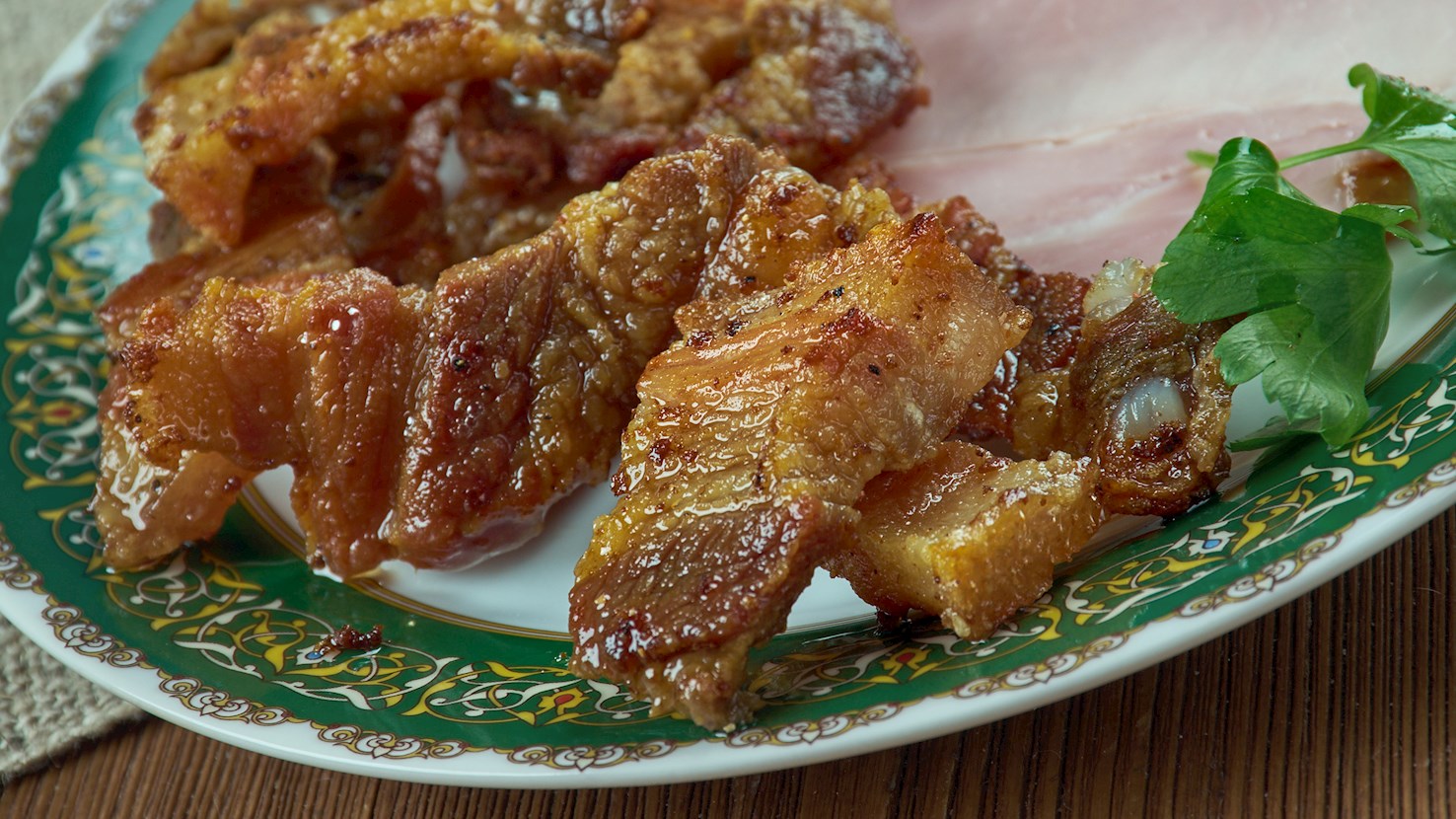
Oreilles de crisse are made from strips of salt-cured pork fatback, cooked until much of the fat renders out and the remaining pieces become deeply browned and crisp. They are especially associated with cabanes à sucre, or sugar shacks, where their intense saltiness contrasts with the maple syrup and other sweet elements throughout the meal. The pieces often twist or curl as they cook, giving them an irregular shape that helps explain their comparison to ears. Despite occasionally being described in English as pork rinds, oreilles de crisse are more accurately made from salted fatback, usually with the rind attached, rather than from pieces of skin alone. Oreilles de crisse are closely connected with the food culture of rural Québec and with the logging camps that operated throughout the province during the 19th and early 20th centuries. Salt pork was particularly useful in logging camps because it kept well, was inexpensive, and provided a lot of energy to workers doing strenuous physical labor during the winter. Fried or grilled salt pork consequently became a familiar part of camp cooking, and oreilles de crisse are commonly linked with this environment. However, the frequently repeated story that the name originated in a logging camp along the Saint-Maurice River cannot be established as historical fact, and the true origin of the expression remains uncertain. The name comes from Québécois French. Crisse is a Québec swear word derived from Christ and belongs to the distinctive group of religious profanities known as sacres. The expression can therefore be translated approximately as “Christ’s ears,” although the Québécois term carries a stronger colloquial and profane tone than a literal English translation suggests. The resemblance between the curled pieces of fried pork and ears probably contributed to the name. A milder form, oreilles de Christ, is also used. The classic ingredient is salt-cured pork fatback, preferably with the rind attached and with little or no lean meat. Pork belly can be used, but its muscle layers produce a meatier, chewier result and make it noticeably different from the classic version. Smoked pork is likewise a variation rather than a requirement. The characteristic flavor of oreilles de crisse comes primarily from cured pork, rendered fat, and browning rather than smoke. The fatback is cut into strips or small rectangular pieces. Because salt pork can be extremely salty, some recipes soak the pieces or briefly blanch them in water before cooking. This removes some excess salt and can also help the pieces cook more evenly. They can then be fried in a heavy skillet, deep-fried, or roasted in the oven. Pan-frying is particularly common and doesn't necessarily require extra oil because the fatback releases a substantial amount of its own fat as it heats. When cooked in a skillet, the pork is generally started over moderate heat rather than immediately exposed to extremely high temperatures. The fat slowly renders into the pan while the remaining tissue, rind, and small amounts of meat become progressively firmer. The pieces are turned as they cook so that they brown evenly. As moisture leaves and the fat renders away, they contract, curl, and become crisp. They are removed when golden to deep brown and drained before serving. Properly cooked oreilles de crisse are crunchy and brittle around the edges, although thicker pieces can retain a slightly chewy center or rind. They should not simply consist of solid pieces of hardened fat. Deep-frying produces another common version. The pieces can be partially cooked or rendered first and then placed in hot oil for a final frying, which produces a particularly crisp exterior. Commercial sugar shacks and restaurants sometimes use this method because it gives consistent results and allows the pork to be fried shortly before service. Oven-roasting is also used and produces the same basic combination of rendered fat, browned pork, and crisp texture without requiring the pieces to remain submerged in oil. Oreilles de crisse are most strongly associated with the Québec maple-sugaring season, which generally runs from late winter into spring as freezing nights and warmer days cause sap to flow in maple trees. A classic sugar-shack meal is deliberately rich and usually combines several savory foods with maple syrup. Pea soup, baked beans, ham, sausages, eggs or omelets, potatoes, pancakes, and oreilles de crisse are common components, followed by maple-based desserts and maple taffy on snow. The exact menu varies from sugar shack to sugar shack. Maple syrup is often poured over several foods on the plate, including oreilles de crisse. Still, the pork itself is usually cooked as a salty dish rather than coated in maple sugar. The combination works because the crisp, salty pork contrasts sharply with the syrup's sweetness. Tossing freshly fried pieces in maple sugar or glazing them with maple syrup is a modern variation, not a defining feature of the classic version. Oreilles de crisse can be eaten on their own as a snack or served alongside other accompaniments like stews, beans, or fried eggs, or as part of a sugar-shack meal. They are usually best when freshly cooked and crisp, although they don't have to arrive at the table piping hot. No particular serving vessel or utensil is required; people commonly eat the small pieces with their fingers or pick them up with a fork when they are part of a larger meal.
TasteAtlas food rankings are based on the ratings of the TasteAtlas audience, with a series of mechanisms that recognize real users and that ignore bot,
nationalist or local patriotic ratings, and give additional value to the ratings of users that the system recognizes as knowledgeable.
For the “26 Worst Rated Canadian Foods” list until September 16, 2026, 4,967 ratings were recorded, of which 4,444 were recognized by the system as legitimate.
TasteAtlas Rankings should not be seen as the final global conclusion about food. Their purpose is to promote excellent local foods,
instill pride in traditional dishes, and arouse curiosity about dishes you haven’t tried.



What People Say