


shutterstock

30 Worst Rated Catalan Foods

Last updated on June 17, 2026
01

Faves a la Catalana

2.3 ·

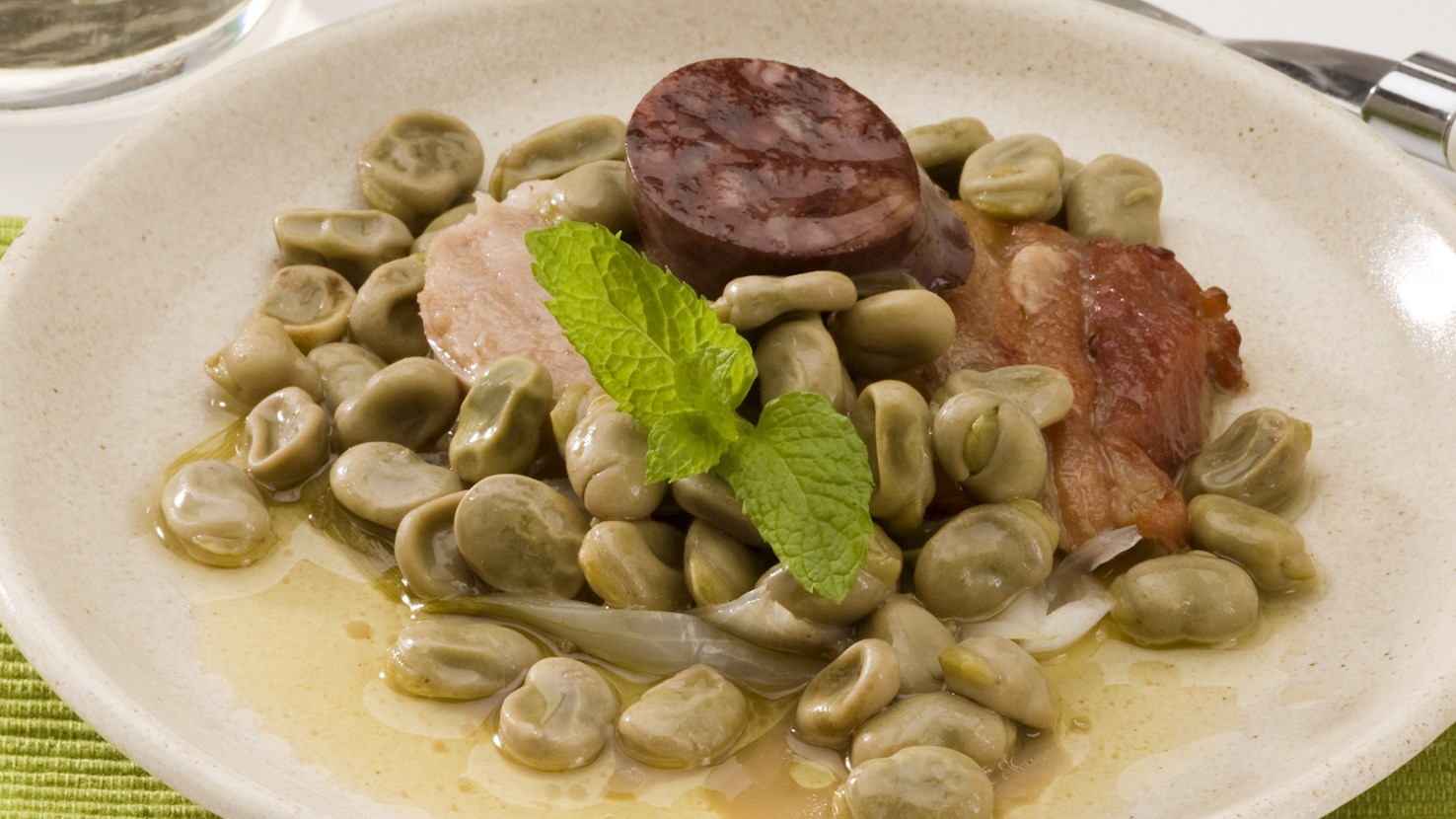
Faves a la Catalana is a traditional dish originating from Catalonia. The dish is made with fava beans (broad beans) that are cooked in stock with a bit of botifarra negra (blood sausage). Apart from those key ingredients, the dish also contains bacon, onions, garlic, tomatoes, white wine, olive oil, and paprika. Faves a la Catalana was prepared since ancient times, and some of the recipes date back to the mid-19th century. Nowadays, this hearty stew is typically consumed during the harvest season (from February to late June), and it's traditionally served in an earthenware dish.

02

Empedrat

2.6 ·

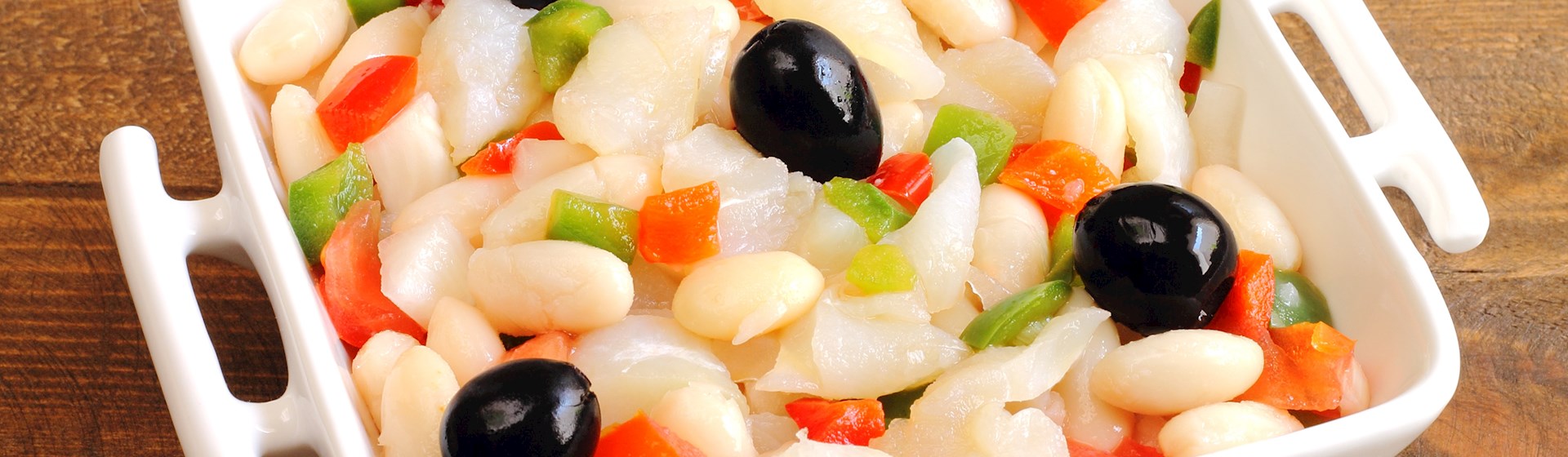
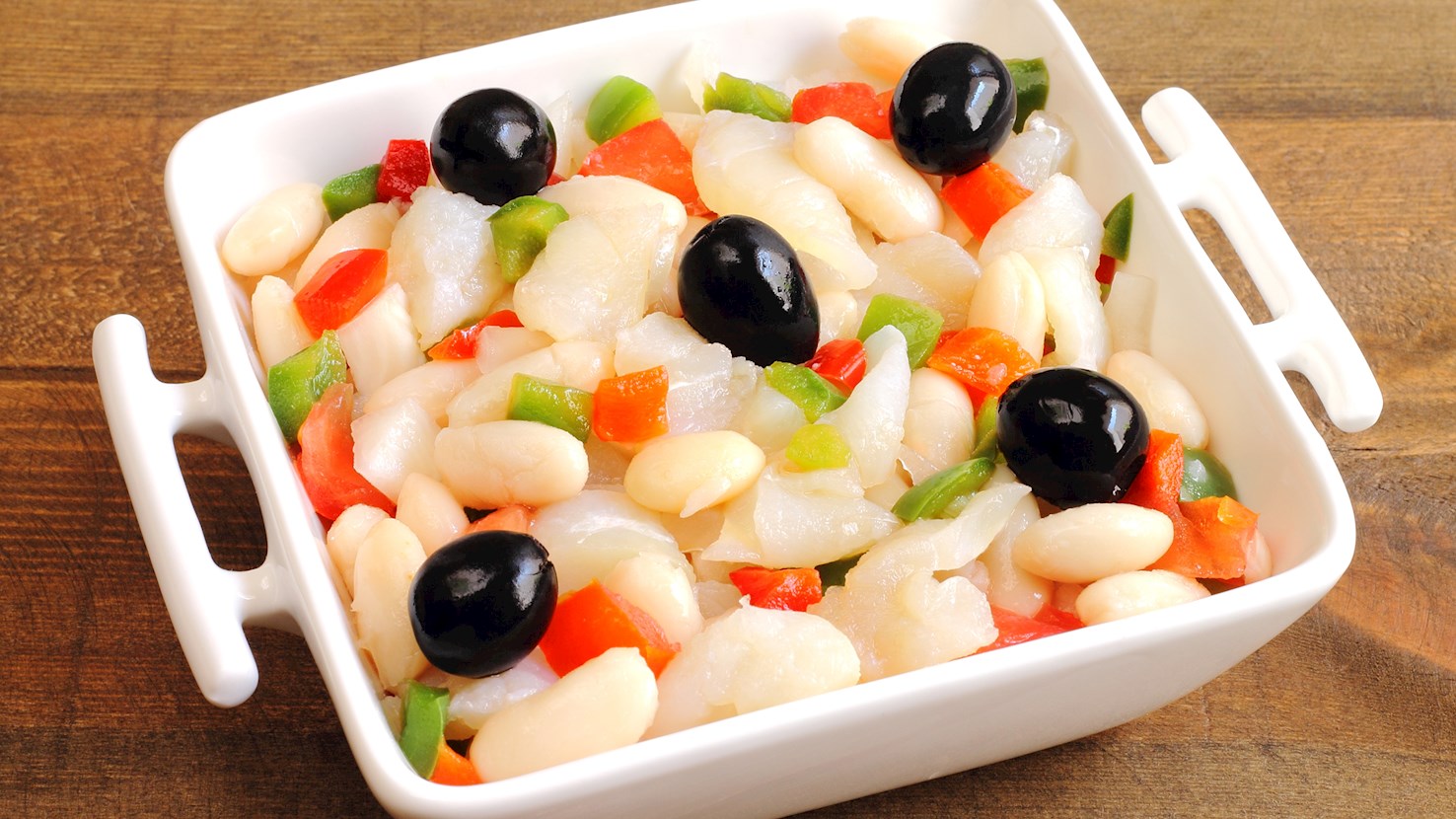
Empedrat is a traditional bean-based salad originating from Catalonia. The salad is usually made with a combination of white beans (or sometimes chickpeas), cod, tomatoes, bell peppers, black olives, eggs, onions, vinegar, olive oil, and salt. The cod is crumbled and mixed with the beans, diced onions, tomatoes, bell peppers, and sliced hard-boiled eggs. Empedrat is seasoned with salt, olive oil, and vinegar, and it's then left to chill in the fridge for about an hour before consumption. This cold salad is especially popular in the summer. If white beans are unavailable, they can be replaced with chickpeas, lentils, or boiled potatoes. The name of the dish refers to its appearance because it resembles a plate full of pebbles.

03

Boles de picolat

2.8 ·

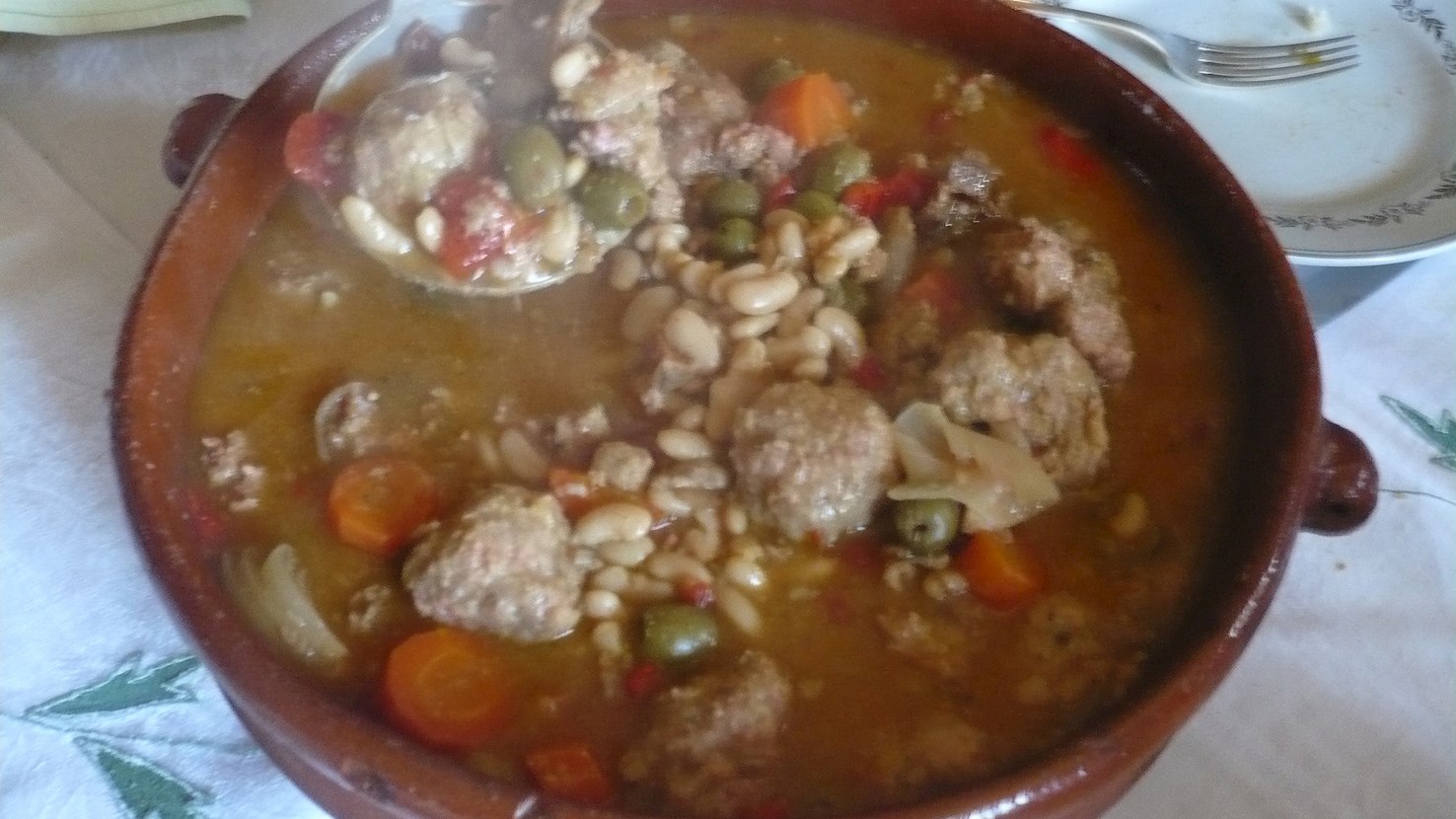
Boles de picolat is a traditional Catalan dish in which meatballs and olives are simmered in a rich sauce. Other ingredients include carrots, garlic, cepes mushrooms, tomato purée, and olive oil. The meatballs are often prepared with a combination of pork and beef mince, flour, eggs, and onions. They're fried in olive oil, then combined with the sauce. Once prepared, the dish is served with white beans, chickpeas, or rice on the side. It's important to note that the dish and some of the ingredients vary from restaurant to restaurant.

04

Xató (salad)

2.8 ·

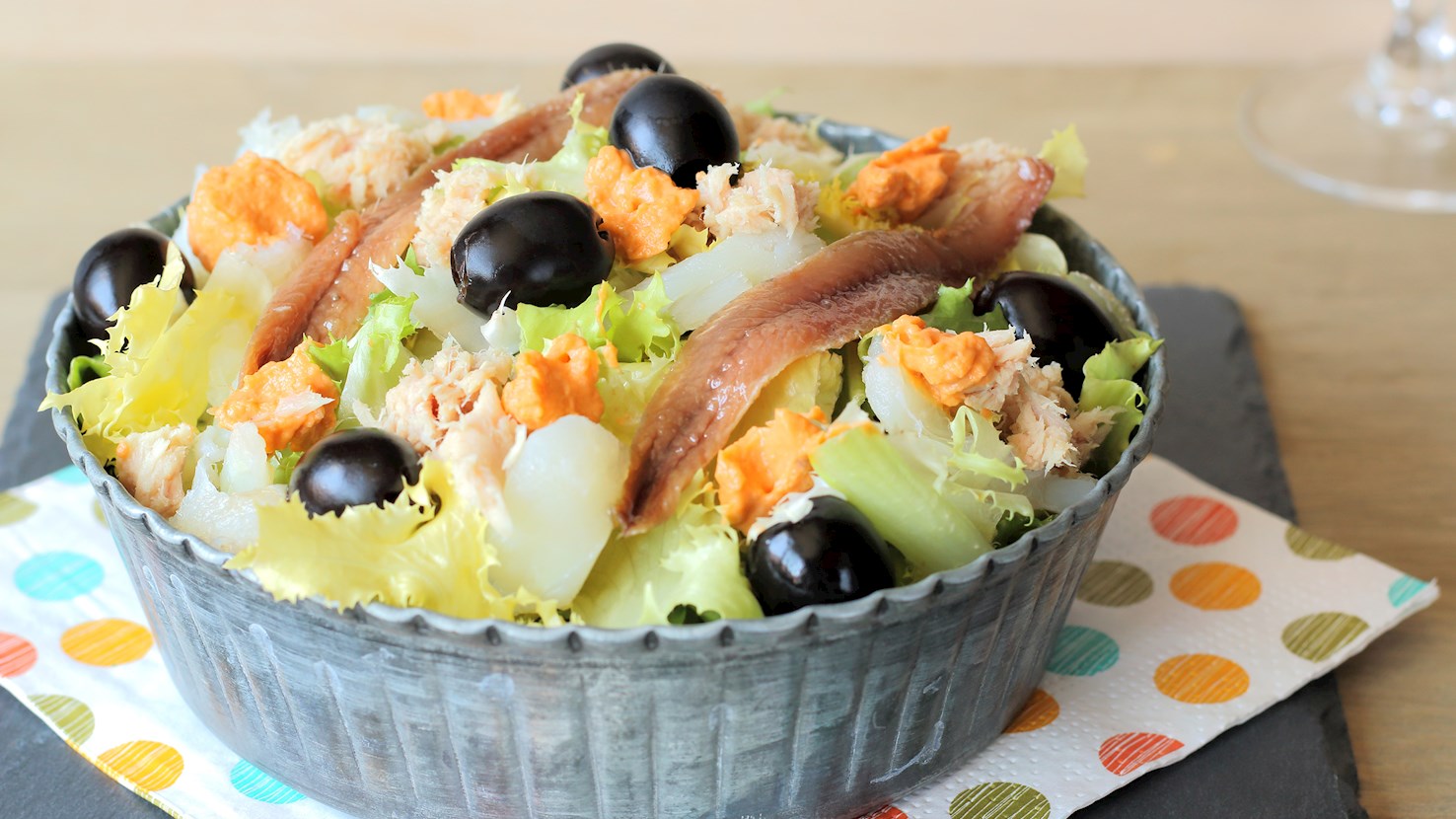
Xato is a traditional salad originating from Catalonia. It's made with a combination of endive leaves, anchovies, Arbequina olives, salt cod, and tuna. This traditional salad is dressed with the eponymous sauce consisting of breadcrumbs, garlic, hazelnuts, almonds, vinegar, olive oil, salt, and dried nyora peppers. The dressing is typically ground with a pestle in a mortar. This salad is often served as an appetizer before grilled meat dishes or botifarra sausage.

05

Cargols a la llauna

2.9 ·

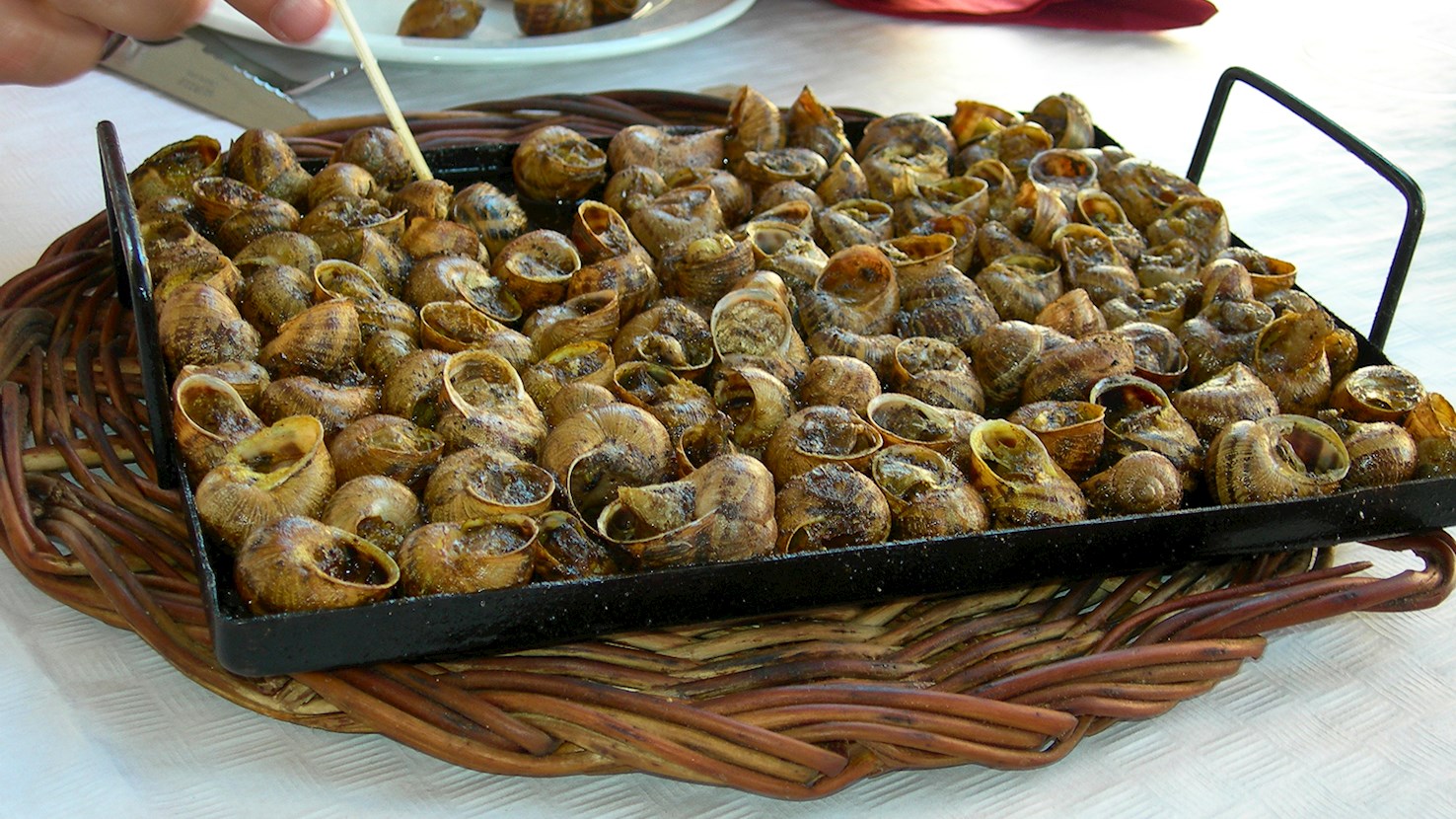
Cargols a la llauna is a traditional dish originating from Catalonia. It's made with a combination of snails, mayonnaise, and garlic. The snails are grilled in their own shells for a few minutes, then served with garlic and mayonnaise sauce. The snails are then traditionally dipped in the sauce. Every year, 200,000 people come to Lleida for the Aplec del Cargol (which can be translated as snail gathering) to enjoy snail-based specialties.

06

Caragols

3.0 ·

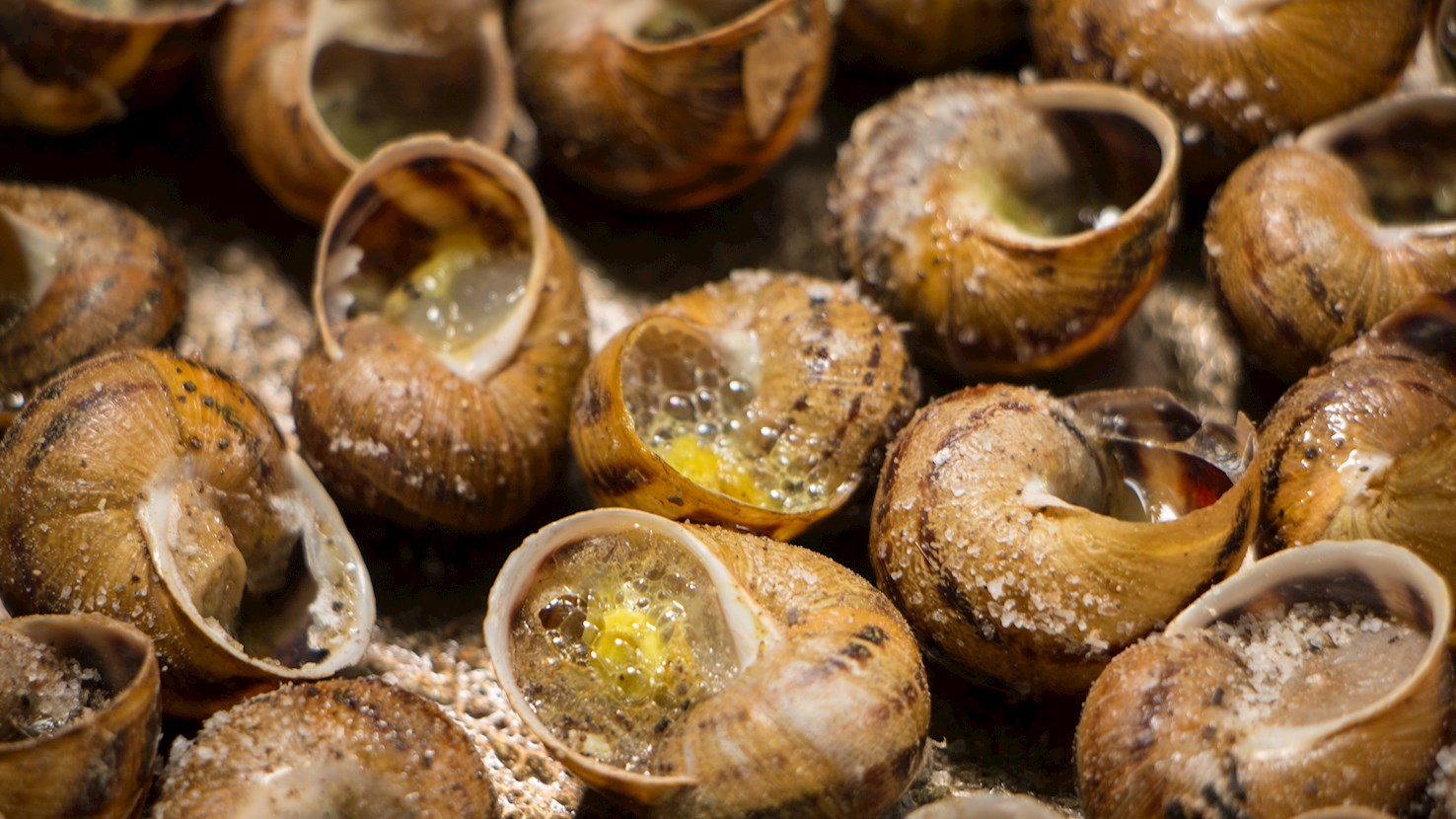
Common land snails, known as caragols in the Catalan dialect, are a highly appreciated gourmet delicacy in Spain, especially in Catalonia, Andalucía, and Valencia - regions where snails have long been wild-harvested and featured as a staple ingredient in traditional cuisine. Some of the most common varieties of snails eaten in the country include the country snail or garden snail (Helix aspersa), and the vineyard snail (Helix pomatia), with the first being more commonly used. Known as caracoles in Spanish, these soft-shelled mollusks are typically distinguished by a delicate and earthy flavor, and these days, they are also cultivated at special snail farms throughout the country. Once a seasonal delicacy, caragols can be prepared in various traditional ways including caragols a la llauna, caragols a la gormanda, and caragols in samfaina. This beloved local mollusk is celebrated during the gastronomic event called L’Aplec del Caragol, held each May in the Catalan city of Lleida and featuring a wide range of snail specialties that are savored by a great number of locals and tourists.

07

Postre de músico

3.1 ·

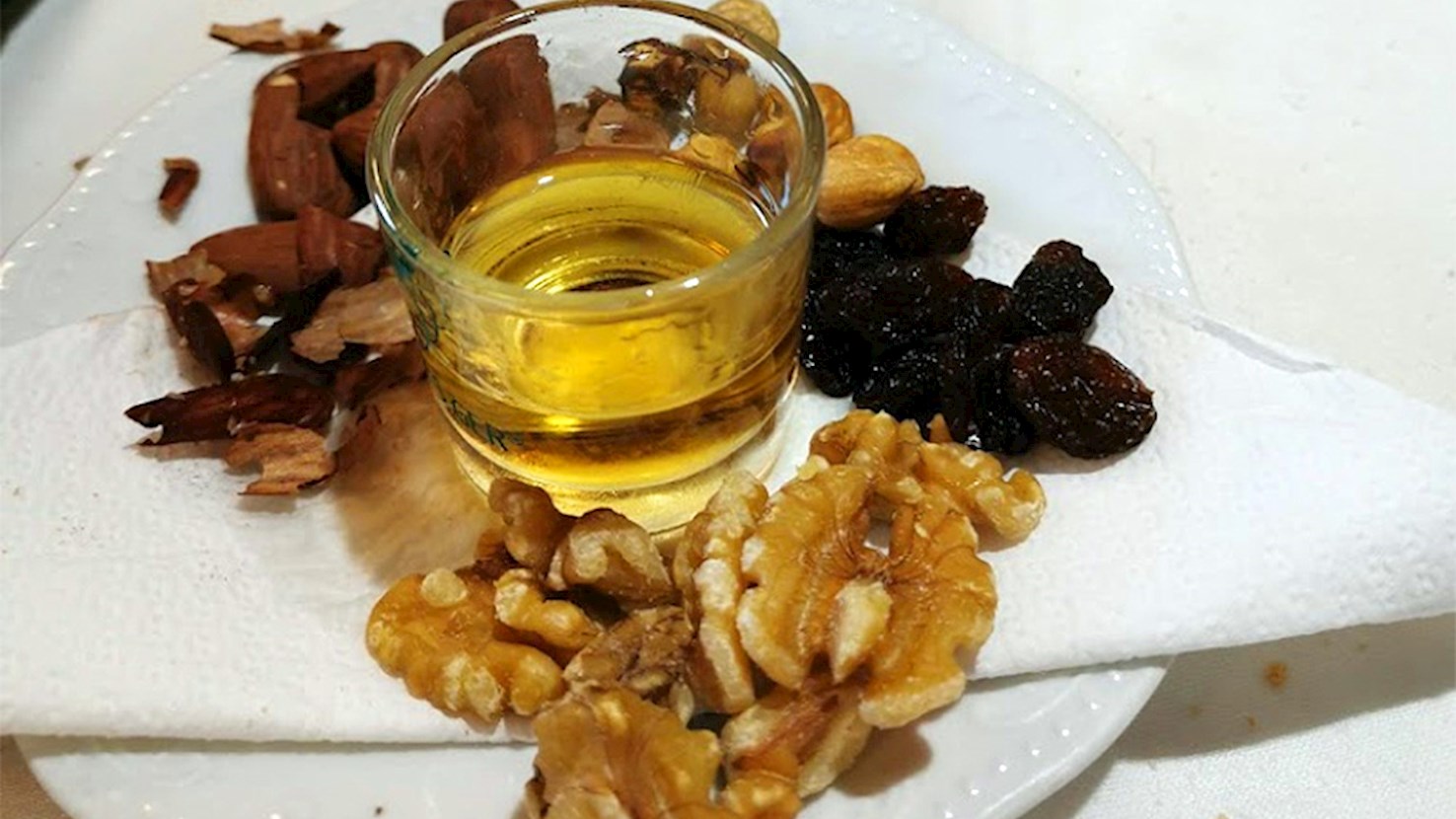
Postre de músico is a simple Spanish dessert consisting of various nuts. Typically, almonds, hazelnuts, walnuts, and pine nuts are used, while many also include dry fruit, such as raisins, figs, and dry apricots. All the elements are served on a platter, and they are usually not mixed. This plate is typically served as a dessert, commonly with a digestif or dessert wine. The drink can be served separately, but small shot glasses can also be placed on the plate. The name of this traditional dessert translates as musicians' dessert. The story is that an assortment of nuts was typically given to street musicians or that it was a typical snack enjoyed by musicians and other performers as they did not have time to enjoy a whole meal.

08

Cloïsses amb vi blanc (Clams in White Wine)

3.0 ·

Cloïsses amb vi blanc is a traditional clam dish originating from Catalonia. The dish is usually made with a combination of clams, garlic, white wine, olive oil, parsley, salt, and pepper. The garlic is finely chopped and fried in olive oil until golden brown. The clams and wine are added to the pot, and the mixture is brought to a boil. The dish is covered and cooked over medium-low heat until the clams open. They're seasoned with salt and pepper, sprinkled with parsley, and then served in bowls with crusty bread on the side.

09

Bacallà a la llauna

3.1 ·

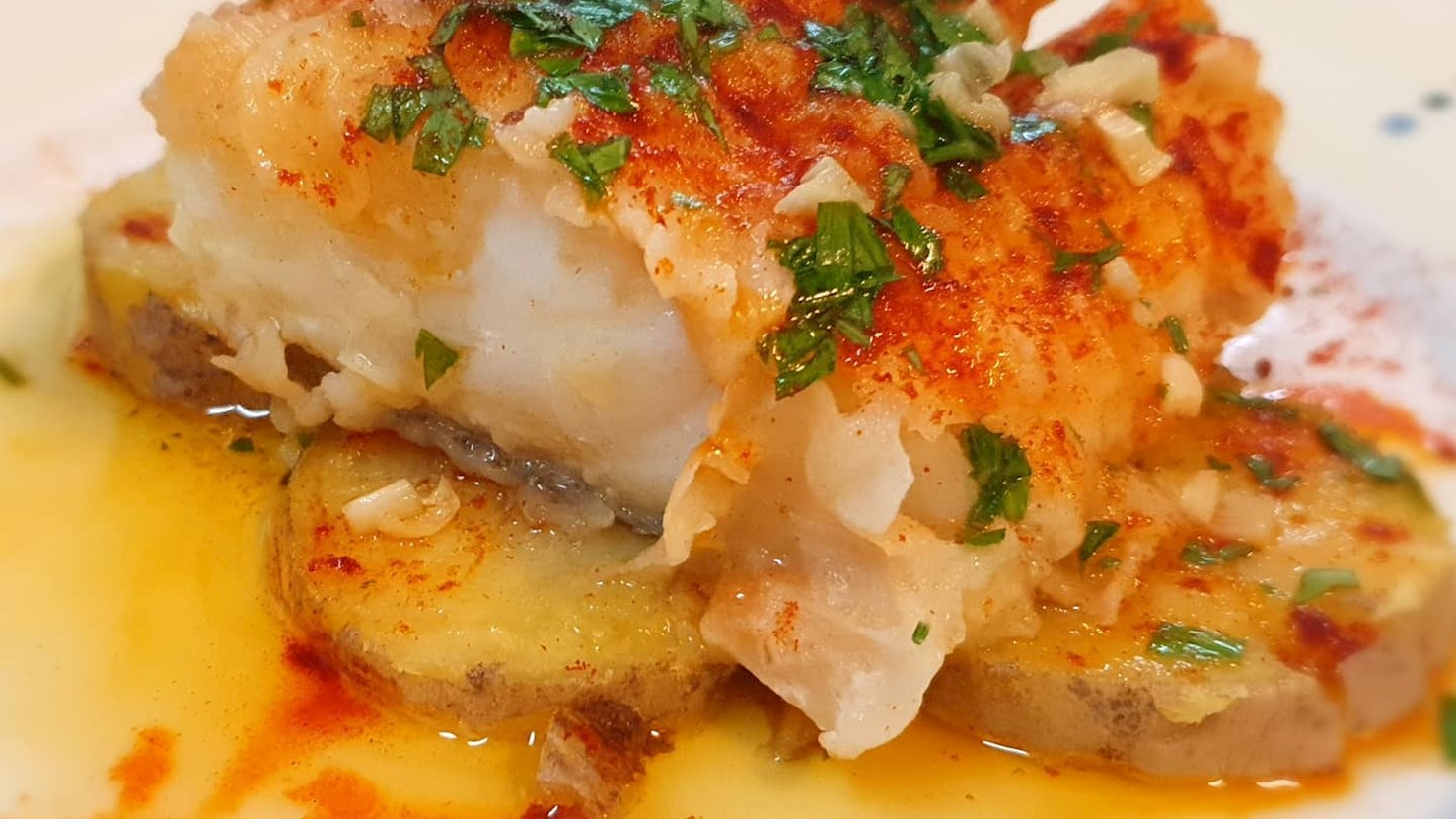
Bacallà a la llauna is a traditional fish dish originating from Barcelona and dating back to the 19th century. The dish is made with a combination of salt cod, flour, garlic, paprika or pimentón, parsley, and olive oil. The salt cod is desalted, drained, dried, and the fillets are then dredged in flour and fried in olive oil until golden and not falling apart. The garlic is sautéed in oil, and the paprika or pimentón is then fried in the same oil. Both are spooned over the fish and the dish is placed in a llauna – a rectangular pan with low and straight sides (alternatively, use a roasting pan or a rimmed baking sheet). The dish is baked for a few minutes and then served immediately with chopped parsley and the garlicky sauce spooned over it.

10

Carquinyolis

3.2 ·

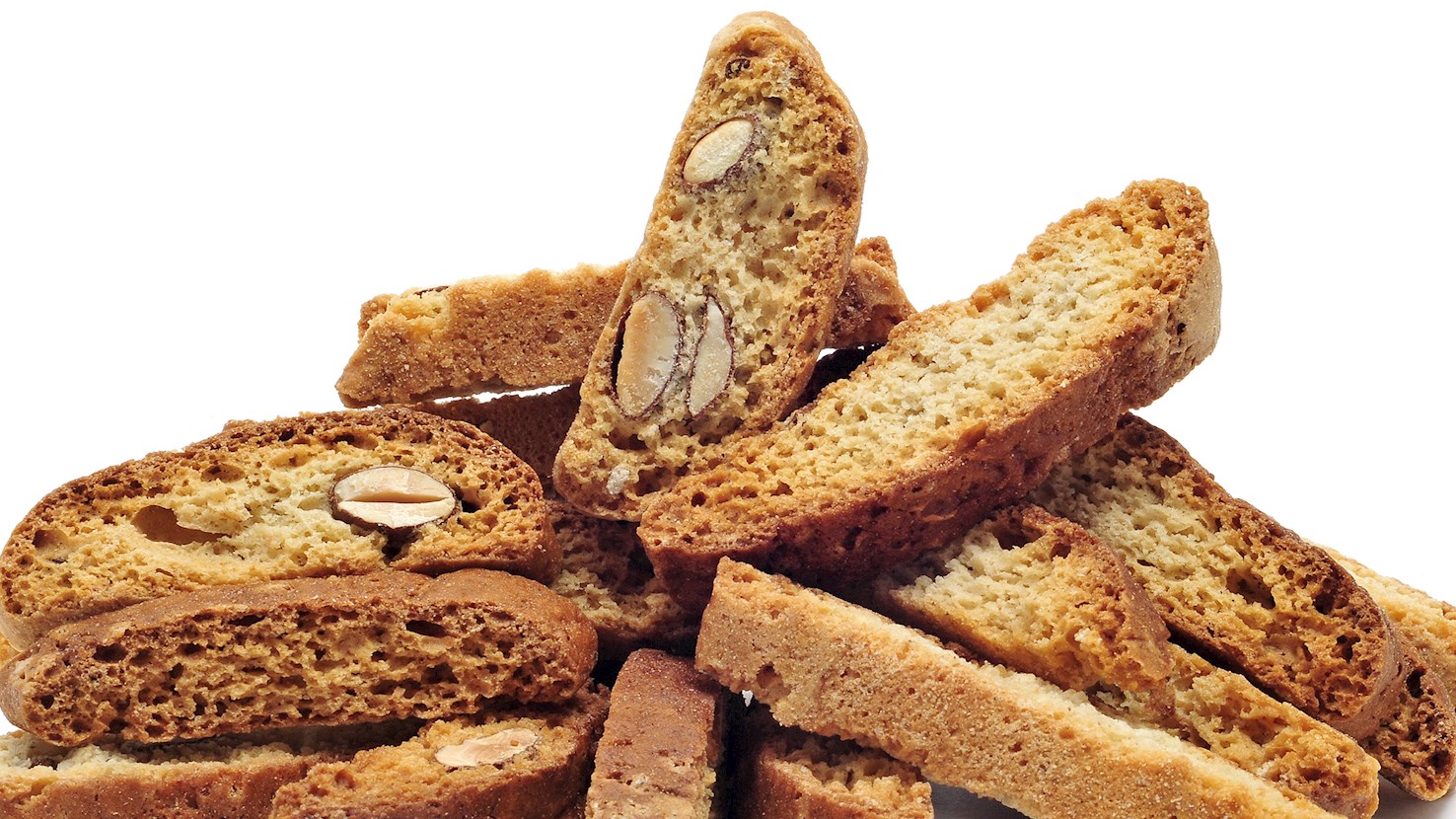
Carquinyolis are traditional Catalan versions of biscotti, similar to the Tuscan cantuccini. They are made with a mixture of flour, eggs, sugar, and toasted almonds, and sometimes anise and lemon. The almonds used should be left unpeeled and soaked in water before being added to the mix. The resulting biscuits, about 1 cm thick, are typically baked twice. Carquinyolis are served as a dessert, typically accompanied by a glass of sweet wine on the side. Variations on these biscuits, apart from the original cantuccini, also exist in Aragon, the Balearic Islands, Occitania, and Sicily.

Read more
View all
View map
About this ranking

TasteAtlas food rankings are based on the ratings of the TasteAtlas audience, with a series of mechanisms that recognize real users and that ignore bot, nationalist or local patriotic ratings, and give additional value to the ratings of users that the system recognizes as knowledgeable. For the “30 Worst Rated Catalan Foods” list until June 17, 2026, 2,320 ratings were recorded, of which 1,838 were recognized by the system as legitimate. TasteAtlas Rankings should not be seen as the final global conclusion about food. Their purpose is to promote excellent local foods, instill pride in traditional dishes, and arouse curiosity about dishes you haven’t tried.

Similar lists