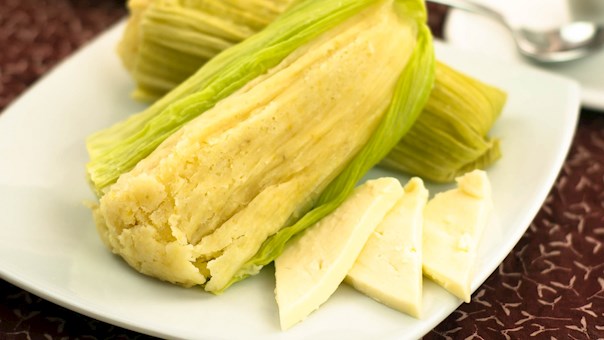
Milcao is a traditional dish originating from the Chiloé Archipelago. It consists of grated potatoes, mashed potatoes, and usually lard and seasonings, resulting in a type of potato pancake. Traditionally, only Chilotan potatoes should be used in the preparation of milcao. These potato pancakes are used as an important part of dishes reitimiento and curanto. Nowadays, there are many variations of milcaos – fried, oven-baked, steamed, boiled, sweetened, or enriched with chicharrones.
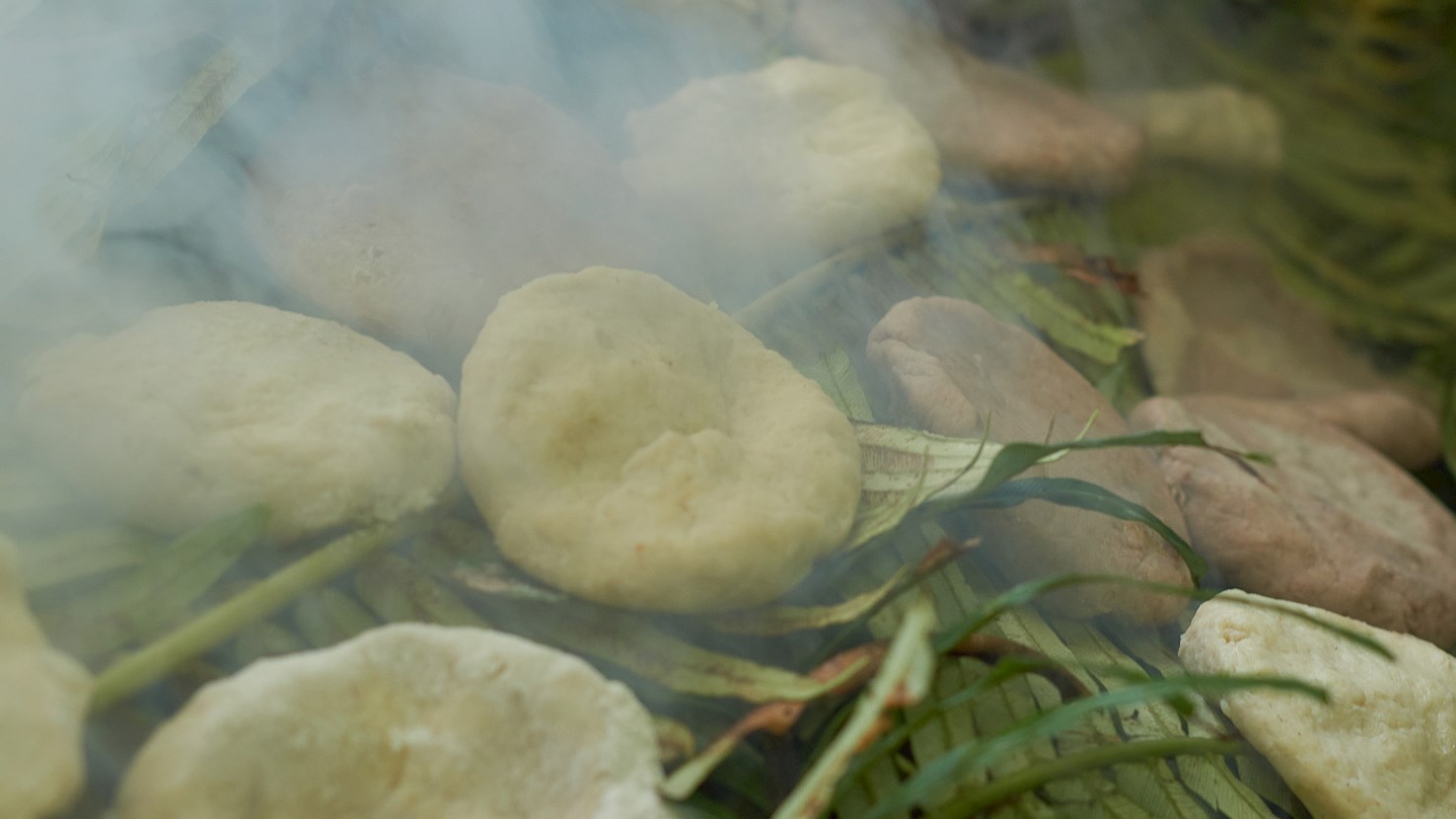
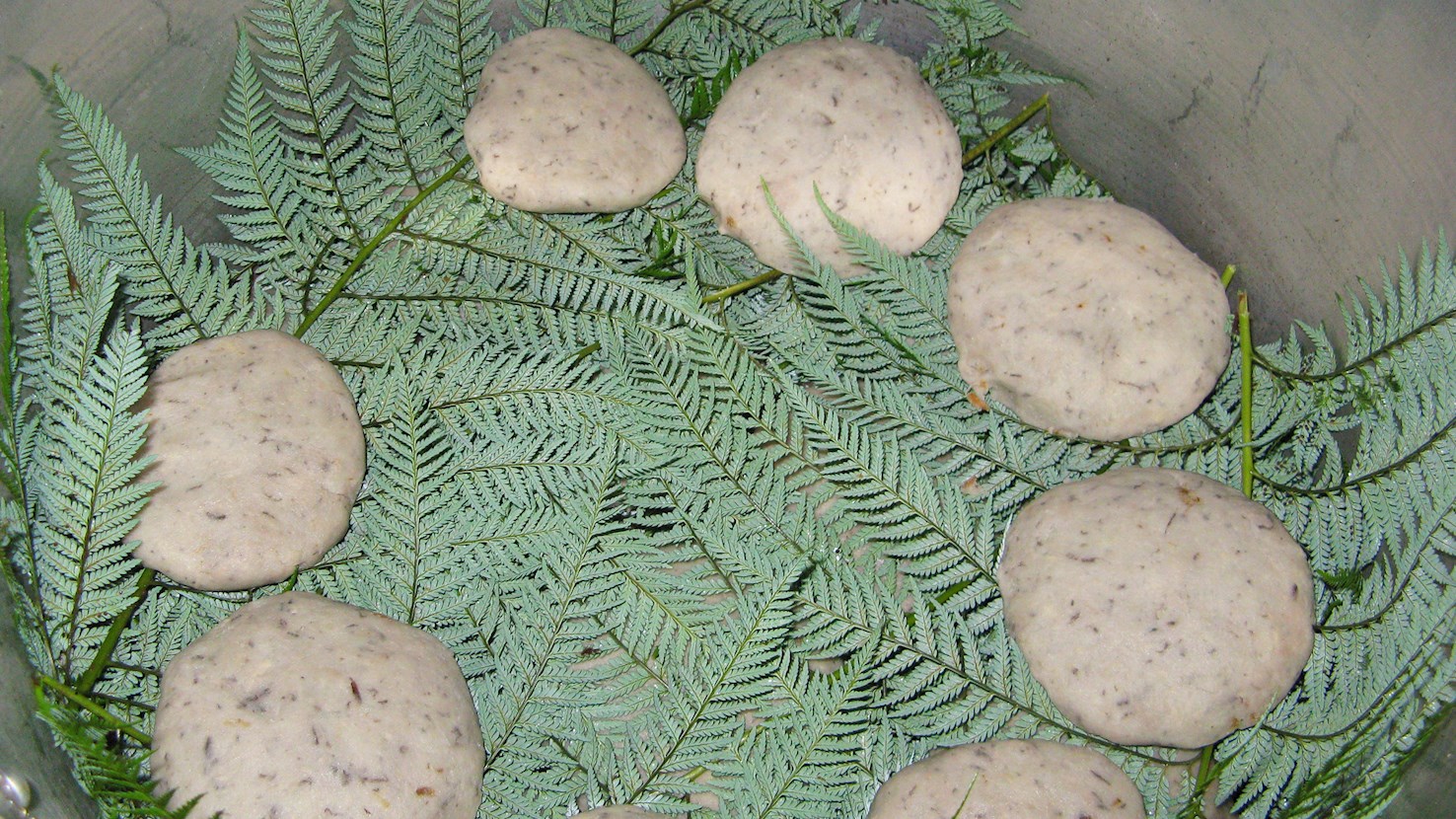
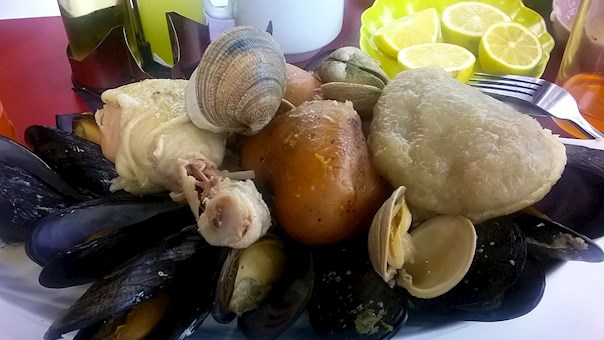
Chapalele is a potato-and-wheat bread from the Chiloé Archipelago in southern Chile, most closely associated with the island’s curanto meals and with the wider group of chilote preparations in which potatoes are turned into breads, cakes, and dumpling-like accompaniments. At its simplest, the dish mashes cooked potato and combines it with wheat flour and salt to form a soft dough, though some versions add pork fat, lard, or other enrichments. The pieces can be boiled, baked, fried, or cooked in a curanto, but the curanto version is particularly characteristic: flattened portions of dough are placed among the layers of food and cook in the hot steam generated by heated stones beneath meat, shellfish, potatoes, and nalca leaves. Chilean tourism material describes chapalele specifically as a mixture of cooked potato and wheat associated with Chiloé, while historical studies of the archipelago place it among the various “potato breads” that include milcao, chochoca, mella, and related preparations. Its development reflects the particular food history of Chiloé. Potatoes were already central to Huilliche agriculture before Spanish colonization, and archaeological and historical research describes them as one of the archipelago’s most important pre-Hispanic crops; wheat, by contrast, arrived with Europeans and was being cultivated in Chiloé during the colonial period, although the cool, wet climate made it considerably less reliable than potatoes. Chapalele therefore combines two very different agricultural histories in one dough: an indigenous potato culture deeply adapted to the islands and an introduced cereal that gradually became part of local cooking. No inventor or precise date marks the first time these ingredients were combined in this form, so it is more accurate to see chapalele as the result of a long process of adaptation in colonial and post-colonial Chiloé than as a dish created at one identifiable moment. Early 20th-century accounts already describe the importance of potatoes in chilote life, while regional dictionaries record chapalele as a recognized local preparation; one Chilean dictionary defines it as a type of tortilla made with flour and potato that commonly accompanies curanto. Preparation begins by boiling potatoes until completely tender, draining them, and mashing them while still warm so that the mixture remains smooth. Wheat flour and salt are then worked into the potato, usually gradually, because the exact amount of flour depends on how moist and starchy the potatoes are. The goal is a dough firm enough to hold its shape but still dominated by potato, rather than becoming ordinary wheat bread. Some cooks add a little lard or rendered pork fat, especially when serving chapaleles with a substantial curanto, while simpler versions rely only on potato, flour, and salt. The dough is divided into individual pieces and flattened into rounds or oval cakes. For a curanto, they are placed in the layered cooking arrangement and steam with the other ingredients. A curanto al hoyo begins with stones heated intensely in a pit, followed by shellfish, meats, sausages, potatoes, and other foods, then covered with large nalca leaves and additional insulating layers so the contents cook in trapped heat and steam. Chapaleles absorb some of the surrounding aromas while cooking, especially pork, shellfish, smoke, and the moist leaves, but they remain mild enough to serve as a neutral starch alongside the curanto's stronger flavors. This is one of the main differences between chapalele and milcao, another famous Chiloé potato preparation it is sometimes confused with. Milcao is generally made from a mixture of raw grated potato and cooked potato and often contains pork fat or chicharrones, while chapalele is more closely associated with cooked potato combined with wheat flour. The distinction affects both texture and flavor: chapalele tends to be softer, more bread-like, and less intensely potato-forward than milcao, while milcao can be denser, chewier, and richer because of its grated raw potato and pork components. Chapalele isn't limited to savory dishes. Chilean tourism sources also record sweet versions served hot with honey or sugar, showing how the same basic dough can move from a curanto accompaniment to a simple dessert or snack. Honey, particularly ulmo honey from southern Chile, works especially well because its floral sweetness contrasts with the mild potato dough, while sugar creates a simpler finish. Depending on the household, sweet chapaleles may be fried or otherwise cooked separately rather than steamed inside the curanto, giving them a crisper exterior and making them closer in function to a small fried bread. The dough's versatility helped chapalele remain useful in island cooking: potatoes were abundant, flour could stretch them into a more substantial food, and the finished pieces could be cooked using whatever heat source was available. The importance of potato to this food culture is difficult to overstate. Chiloé is home to a remarkable diversity of native potatoes, with agricultural authorities reporting more than 250 varieties across the archipelago, and potatoes have long served there not simply as a vegetable but as a central source of starch and the foundation for numerous distinct preparations. Chapalele is still eaten throughout Chiloé and is encountered at family gatherings, rural festivals, restaurants specializing in island cooking, and especially meals centered on curanto. Served savory, it is best eaten warm alongside the seafood, pork, chicken, sausages, and potatoes of the curanto, where it absorbs some of the cooking juices and provides a soft contrast to firmer shellfish and meats. It can also accompany roasted pork, lamb, smoked foods, or stews, and butter can be enough when chapalele is served separately. Sweet versions pair naturally with honey, jam, or sugar and work well with tea or mate. With a full curanto, dry Chilean white wine, particularly Sauvignon Blanc or a fresh coastal Chardonnay, can handle the shellfish while remaining bright enough for the dense potato bread, and light lager or cider are equally comfortable choices. Chicha de manzana, the apple cider long associated with Chiloé, is an especially fitting regional partner because its acidity cuts through pork fat and complements both the mild chapalele and the sweeter flavors found elsewhere on the table.
Pichanga is a humble Chilean dish that is usually served in traditional eateries across the country. It consists of diced ham or salami, a variety of pickles, olives, cheese, tomatoes, and avocados. The dish is typically served as an appetizer, so people can nibble on these tiny food items while waiting for the main course to arrive, making pichanga an ideal dish for sharing with friends or family. The name of the dish can be translated as mess, referring to a large variety of food on one plate.
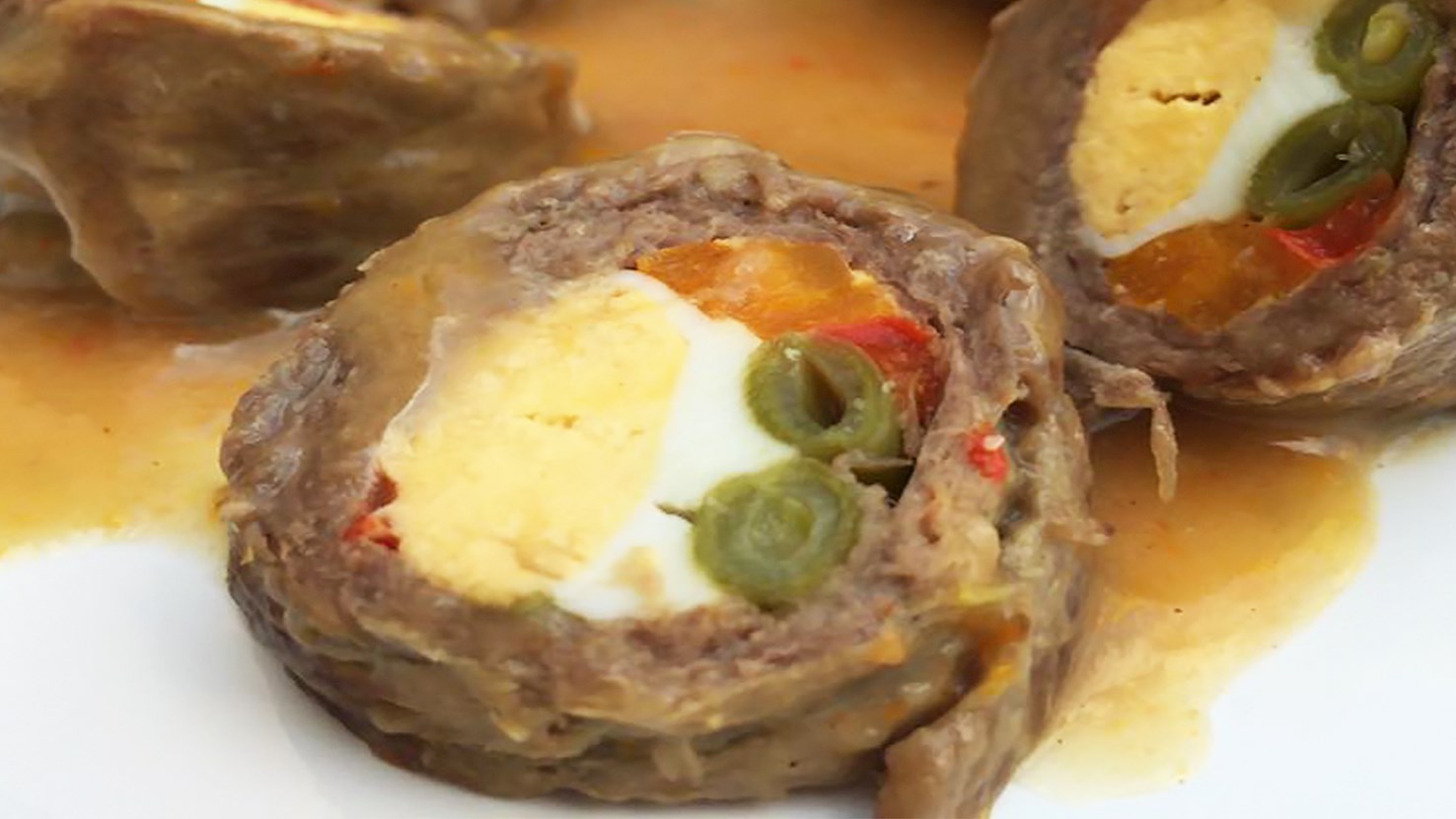
Niños envueltos (lit. wrapped children) is a traditional dish consisting of rice and ground beef that are wrapped in cabbage and cooked in tomato sauce. Apart from the main ingredients, the dish also often contains garlic, basil, bell peppers, and onions, while the tomato sauce is made with olive oil, tomatoes, garlic, oregano, sugar, salt, and pepper. The dish is slowly simmered until the cabbage becomes tender and the rolls are fully cooked. The rolls are often served with bread and a fresh salad on the side. It is believed that this dish is actually a Dominican adaptation of Middle Eastern dishes which were brought to the country by immigrants in the 19th century.
Valdiviano is one of the most famous and oldest Chilean soups. Since it is extremely popular throughout the country, it appears in numerous versions, but it typically consists of thin strips of beef jerky or charqui, onions, eggs various spices, and occasionally potatoes. It is believed to have originated in 1598 when the Spanish conquistadors suffered a significant defeat by the Mapuche people and had to withdraw to the secluded city Valdivia. Cut out from the main food supply routes, their diet relied heavily on beef jerky, which they used in many innovative ways, including this hearty soup that soon became a national favorite.
Tortilla de rescoldo is a traditional unleavened bread originating from the central-northern regions of Chile. The bread is usually prepared with a combination of flour, butter, salt, and sometimes baking soda. The soft dough is shaped into disks, and it is then placed inside the ashes of the fireplace once the hot flaming coals have been removed. Once baked, the bread has intense flavors of smoke and ash. Although this is the most common version, there are also regional variations – in Laraquete, cooks prepare it with chuchitas (small shellfish), and in Altihue, the bread is enriched with tiny pieces of pork. The traditional way of enjoying tortilla de rescoldo is serving the bread with local condiments or butter. The bread can be found on the streets in larger population areas, at fairs, and in train stations.
Although empanadas are traditionally associated with savory fillings, in the case of empanada de manzana the filling is a sweet combination of cinnamon-spiced apples. Sliced, preferably tart apples are wrapped inside the buttery dough, shaped in small crescent forms and baked until golden and crispy. Whether they are served as a dessert, a filling sweet breakfast, or a light afternoon snack, empanadas de manzana are a signature treat of the Chiloé Island and can occasionally be found in traditional Mexican cuisine.
Palta reina is a delicious Chilean dish that consists of chicken salad on a halved avocado. The chicken topping for this simple appetizer is typically made with chicken breasts, mayonnaise, garlic, mustard, onions, fresh herbs, and cayenne pepper. There are many variations on this dish, so numerous other ingredients might be added to the combination, such as lemon juice, bell peppers, olives, or Tabasco sauce. It is recommended to serve palta reina well-chilled.
Choritos con arroz is a traditional rice dish originating from Chile. The dish is usually made with a combination of rice, mussels, onions, carrots, bell peppers, butter, and salt. The onions, carrots, and bell peppers are chopped and sautéed in butter. Rice is added to the pan, and the mixture is stirred and cooked for a few minutes. Mussels are added to the pan, and the mixture is then covered with water and simmered over low heat. Once the rice is tender, and the mussels have opened up their shells, the dish is ready to be enjoyed, ideally with a fresh green salad on the side.
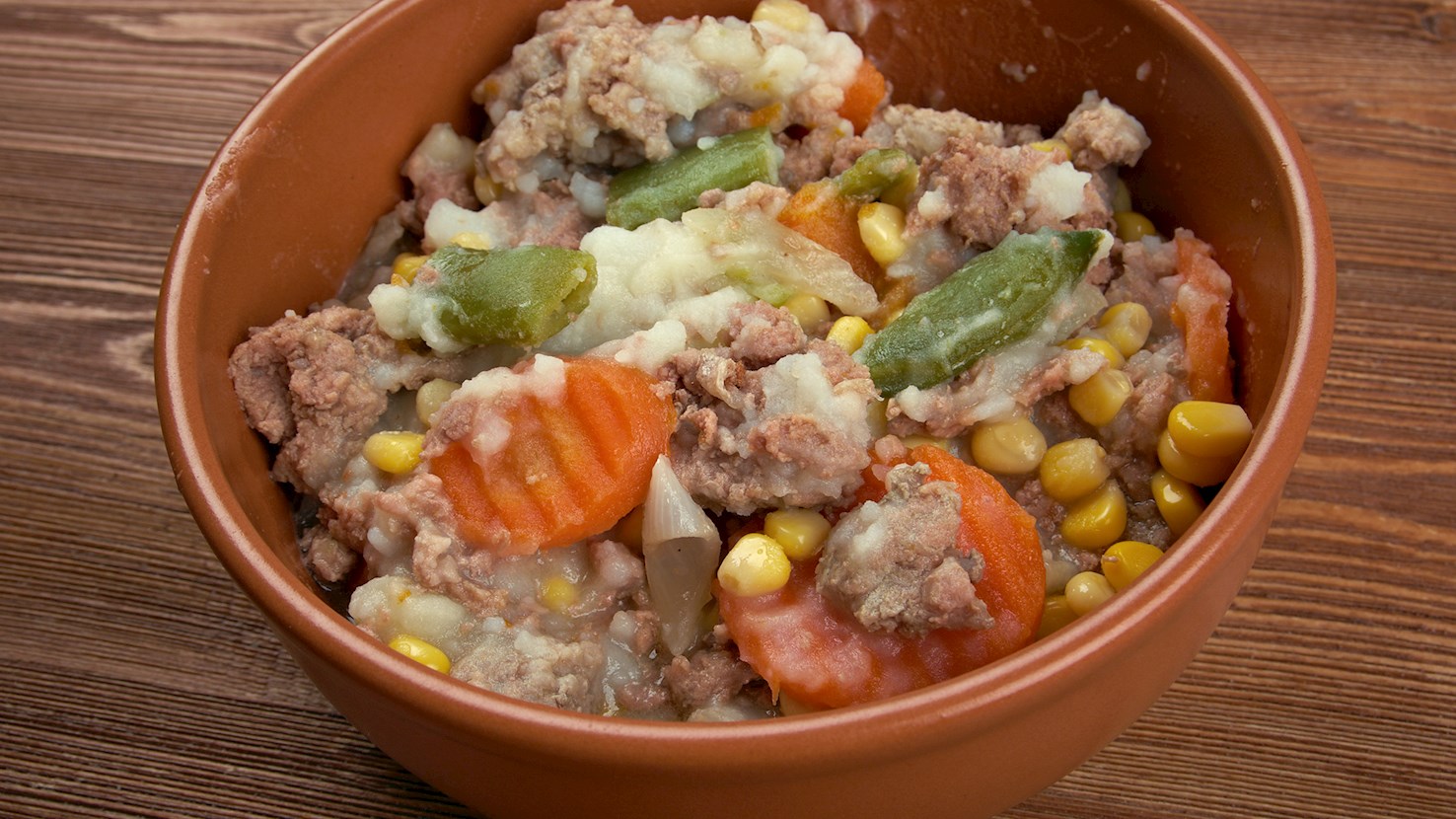
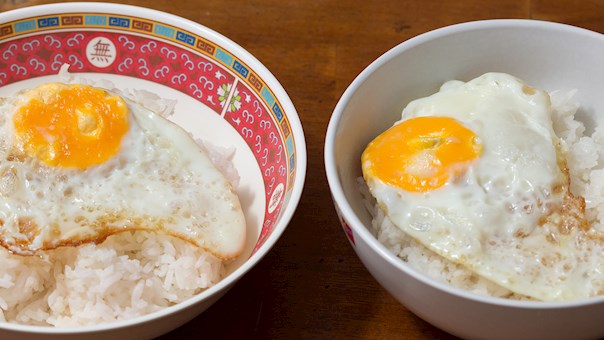
Charquicán is a flavorful Chilean stew that was originally made with dried and salted llama meat, pumpkin, onions, sweet corn, and potatoes as its main ingredients. Modern versions often employ ground beef instead of dried llama meat (due to its strong flavor) and top the dish with a fried egg. The name of the dish is derived from the Quechua and Mapuche word charqui, which means jerky. Apart from Chile, this hearty stew is also popular in Bolivia, Argentina, and Peru.
TasteAtlas food rankings are based on the ratings of the TasteAtlas audience, with a series of mechanisms that recognize real users and that ignore bot,
nationalist or local patriotic ratings, and give additional value to the ratings of users that the system recognizes as knowledgeable.
For the “30 Worst Rated Chilean Foods” list until October 17, 2026, 5,547 ratings were recorded, of which 2,419 were recognized by the system as legitimate.
TasteAtlas Rankings should not be seen as the final global conclusion about food. Their purpose is to promote excellent local foods,
instill pride in traditional dishes, and arouse curiosity about dishes you haven’t tried.















What People Say