

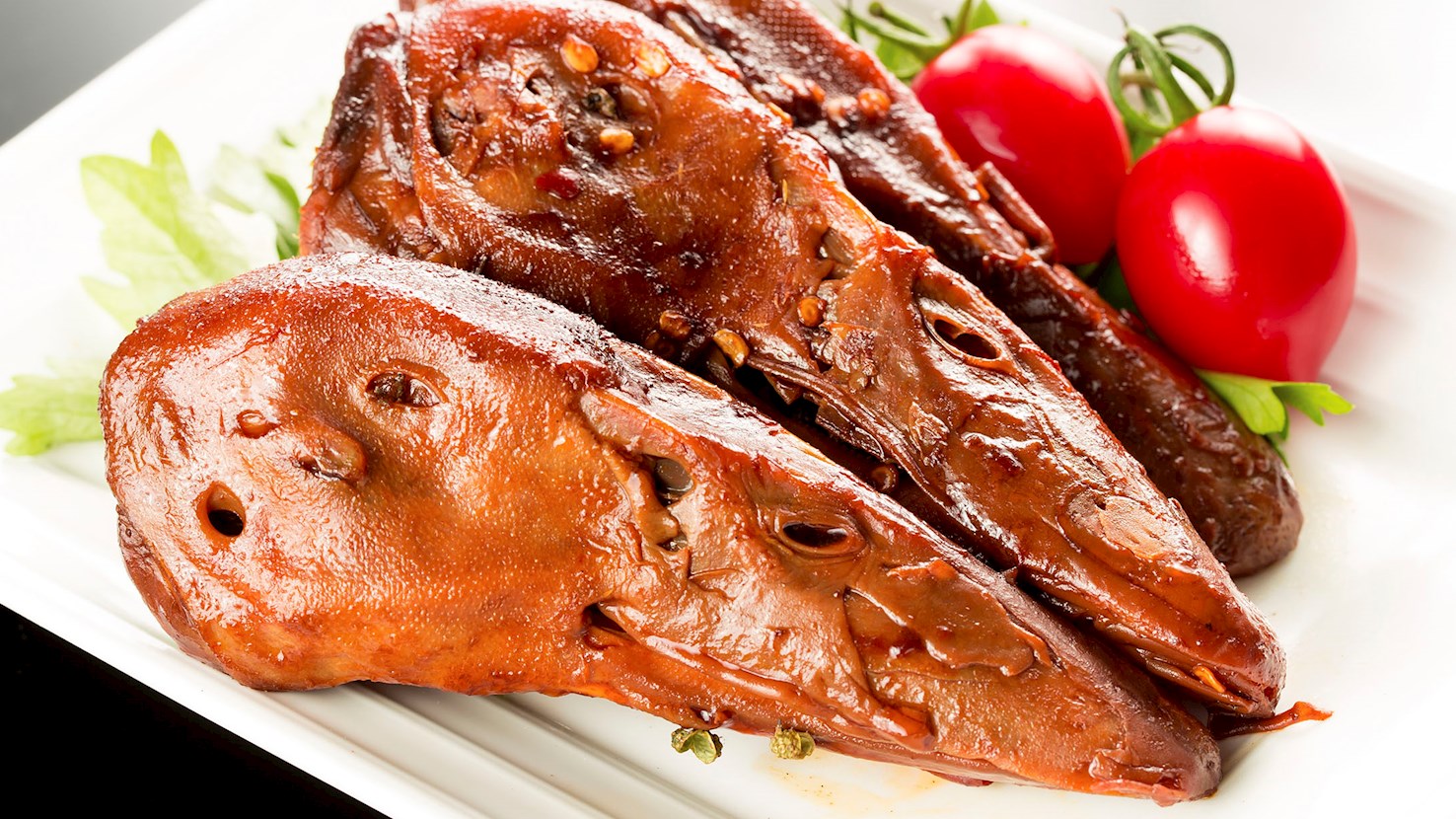
Duck's head is a spicy local specialty from the Chinese city of Wuhan, but it is also a snack that is commonly eaten throughout China, most notably in Shanghai. The dish is made by stir-frying a head of duck with the addition of herbs and spices. Duck's head has a crispy taste as a result of the stir-frying method, and it is claimed to be a healthy food, with one of the duck's head store owners claiming that it helps one's brain power when consumed. Some say that the taste of the dish is not unlike eating a spicy chicken wing, while the others, such as Kellie Schmitt of CNN, describe it as one of Shanghai's weirdest foods. When the head is served, it should be pried open with one's fingers to get to the tender meat on the interior.
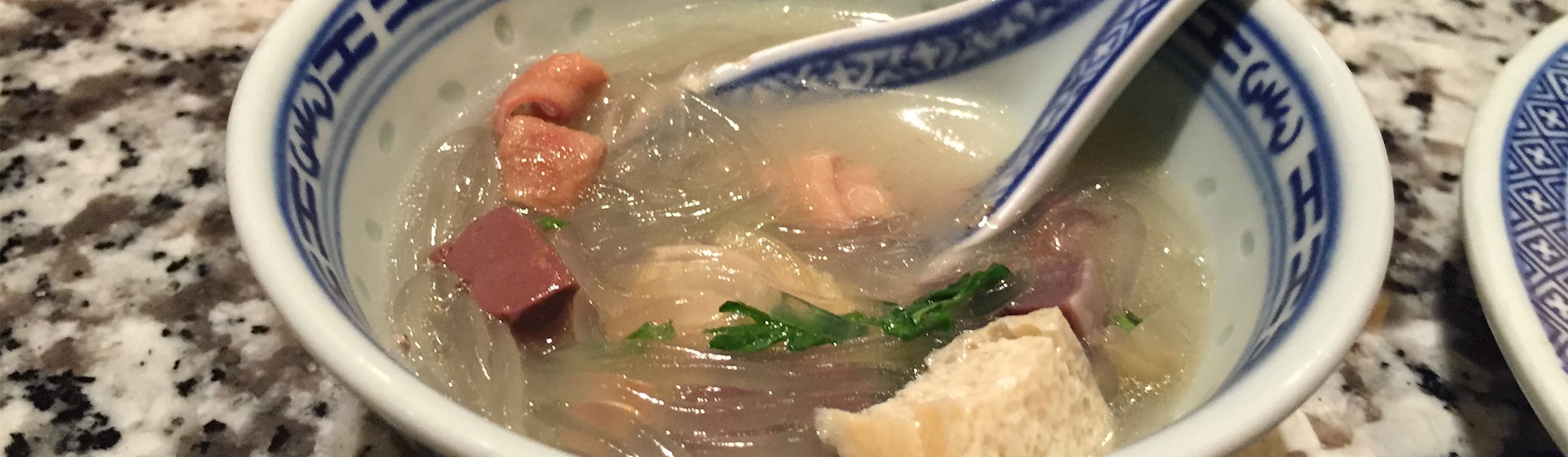
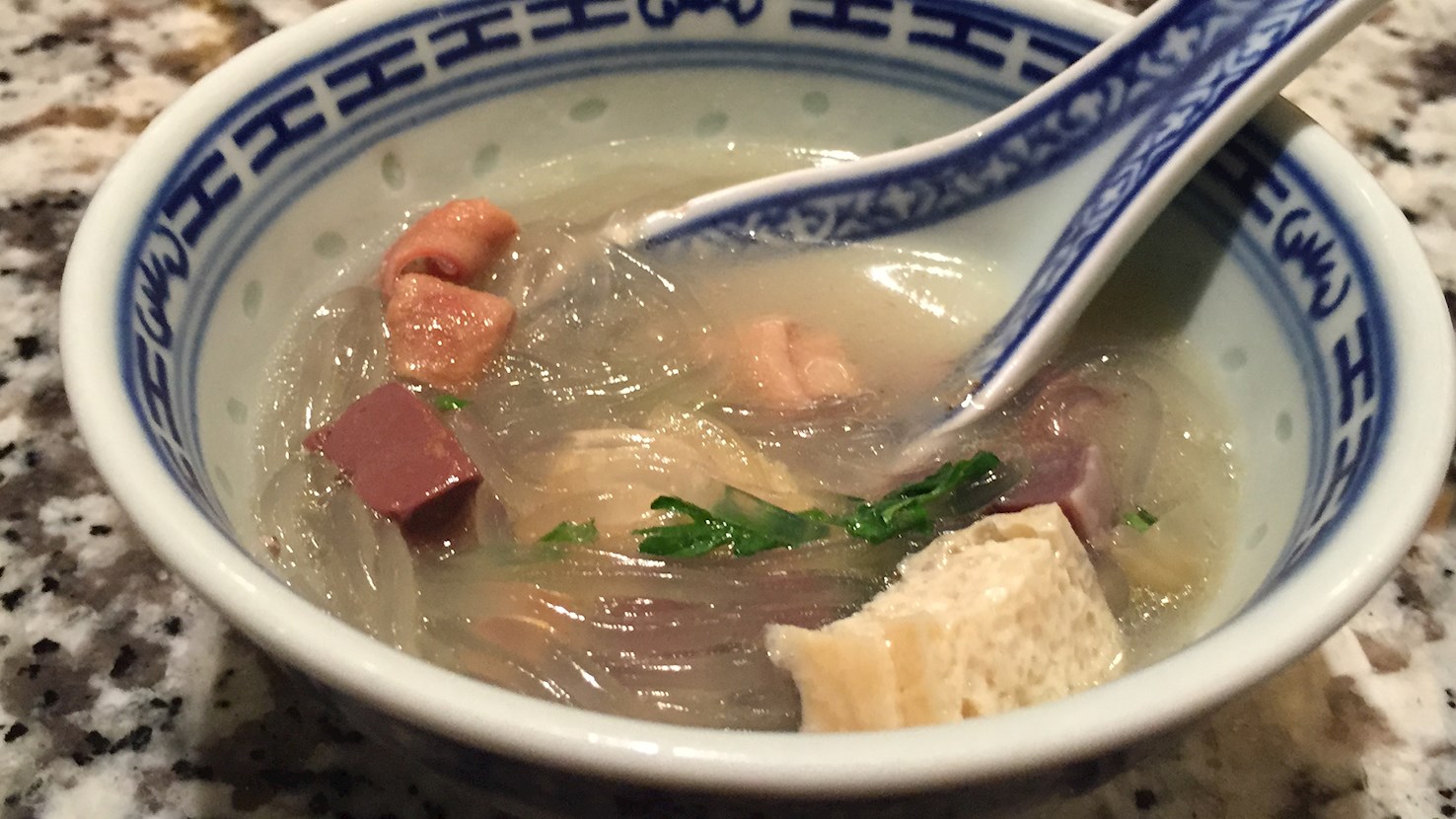
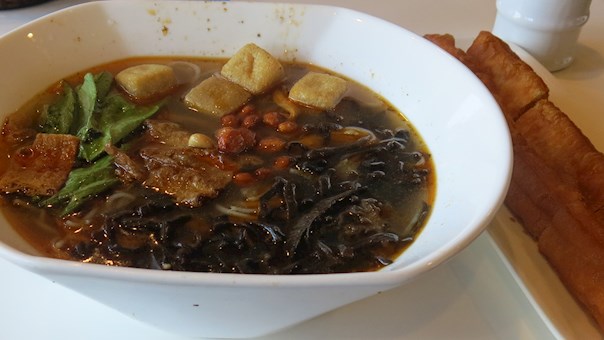
Duck blood and vermicelli soup is a traditional delicacy made by cooking vermicelli, duck liver, blood, and intestines with dried tofu, dried shrimp, ginger, sesame oil, and caraway seeds. Although the dish is consumed in many Chinese regions, it is a specialty of Nanjing, famous throughout the world for its duck dishes, which is why it is sometimes referred to as the capital of duck. According to a popular story, a poor man in Nanjing had killed a duck and used a bowl to hold its blood. While cleaning the duck, he accidentally dropped some vermicelli into the bowl and cooked the stew afterwards. When he tasted the stew, he found it quite flavorful, and a wealthy man heard about the newly created dish, thus employing the poor man as a cook for his family. Today, duck blood and vermicelli soup hold the status of a Nanjing favorite, while some cooks add 20 different Chinese herbs in the soup, believing that their ingredients help with blood circulation, removal of toxins from the body, and the maintenance of one's beauty.
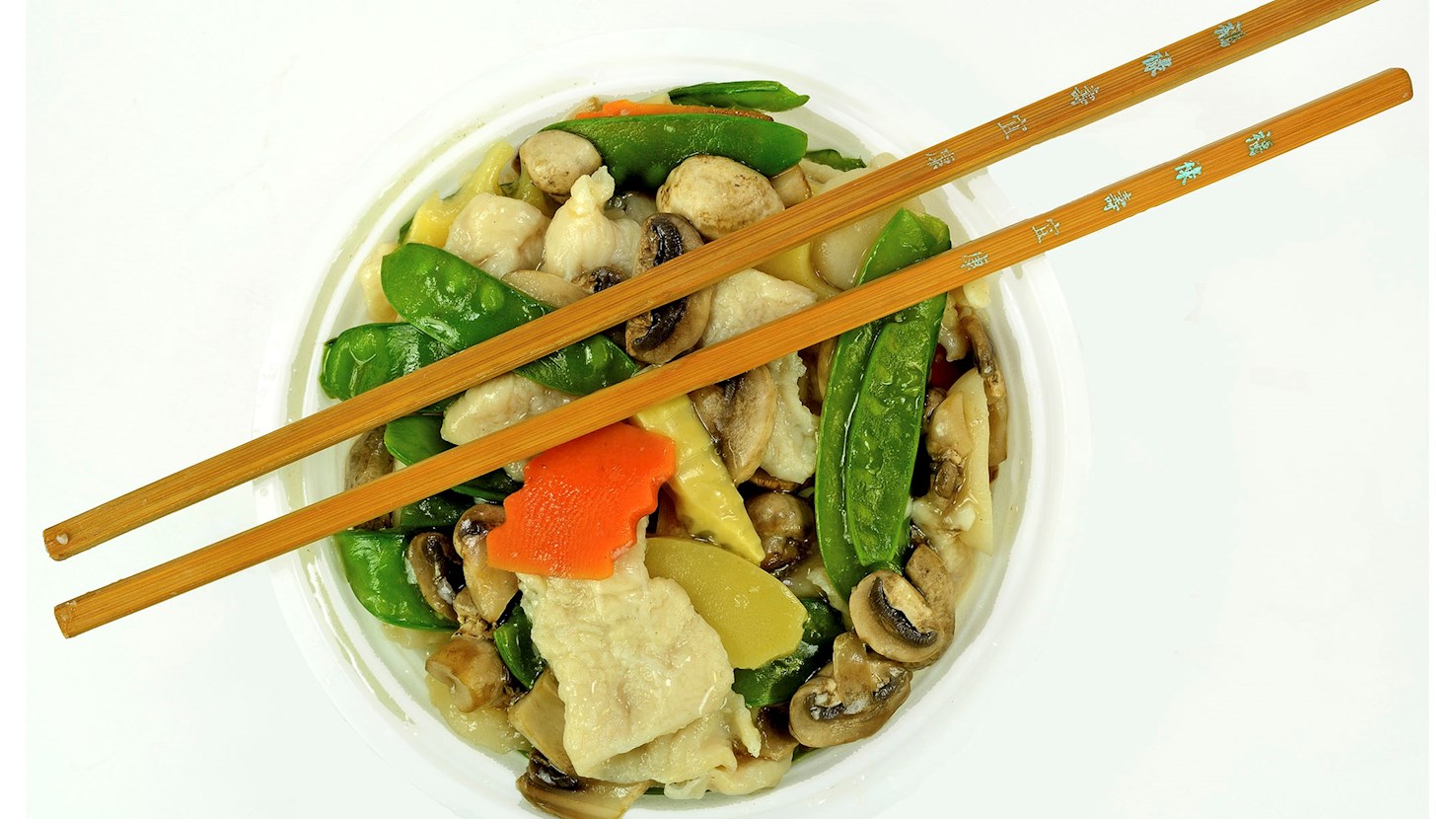
Cantonese in origin, moo goo gai pan is an Americanized version of a pre-existing Chinese stir-fry made with mushrooms and sliced chicken as the main ingredients. Additional ingredients typically include snow peas, bamboo shoots, water chestnuts, and bok choy, all doused in a simple white sauce made with chicken broth and seasoned with soy sauce, oyster sauce, and sometimes Shaoxing wine. In contrast to the original Chinese version of the dish, moo goo gai pan has a thicker sauce that's more seasoned and incorporates a wider range of ingredients. In the United States, this simple stir-fry is served over steamed rice and is one of the most popular take-out foods.
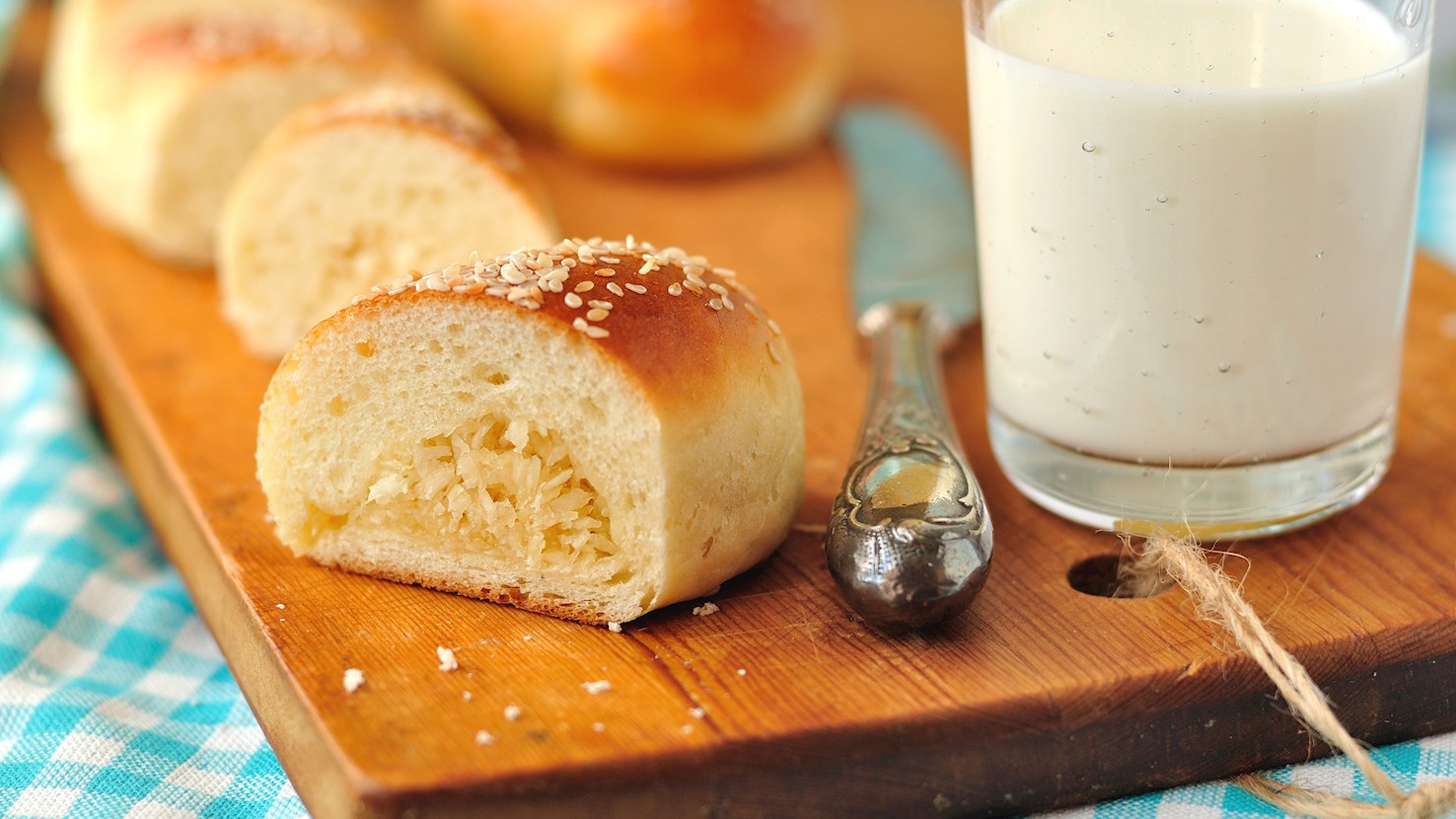
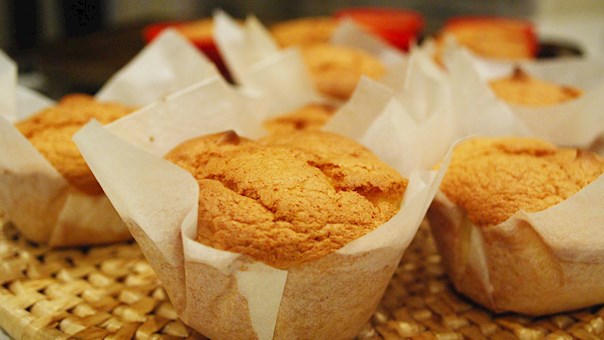
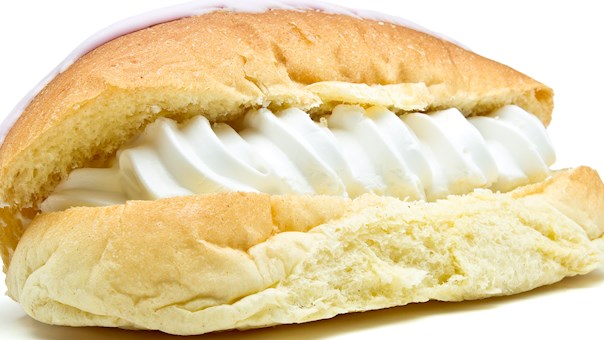
Cocktail bun is a simple sweet bun originating from Hong Kong and dating back to the 1950s. It was created from unsold, but edible buns that were ground with coconut and sugar and used as a filling for the new buns called cocktail buns. The name refers to a mix of ingredients that were similar to an exotic mixture of liquors. Nowadays, the filling is usually enriched with butter or margarine. These buns can be found in most local bakeries, and they're usually finished with egg wash and a sprinkle of sesame seeds on top before baking.
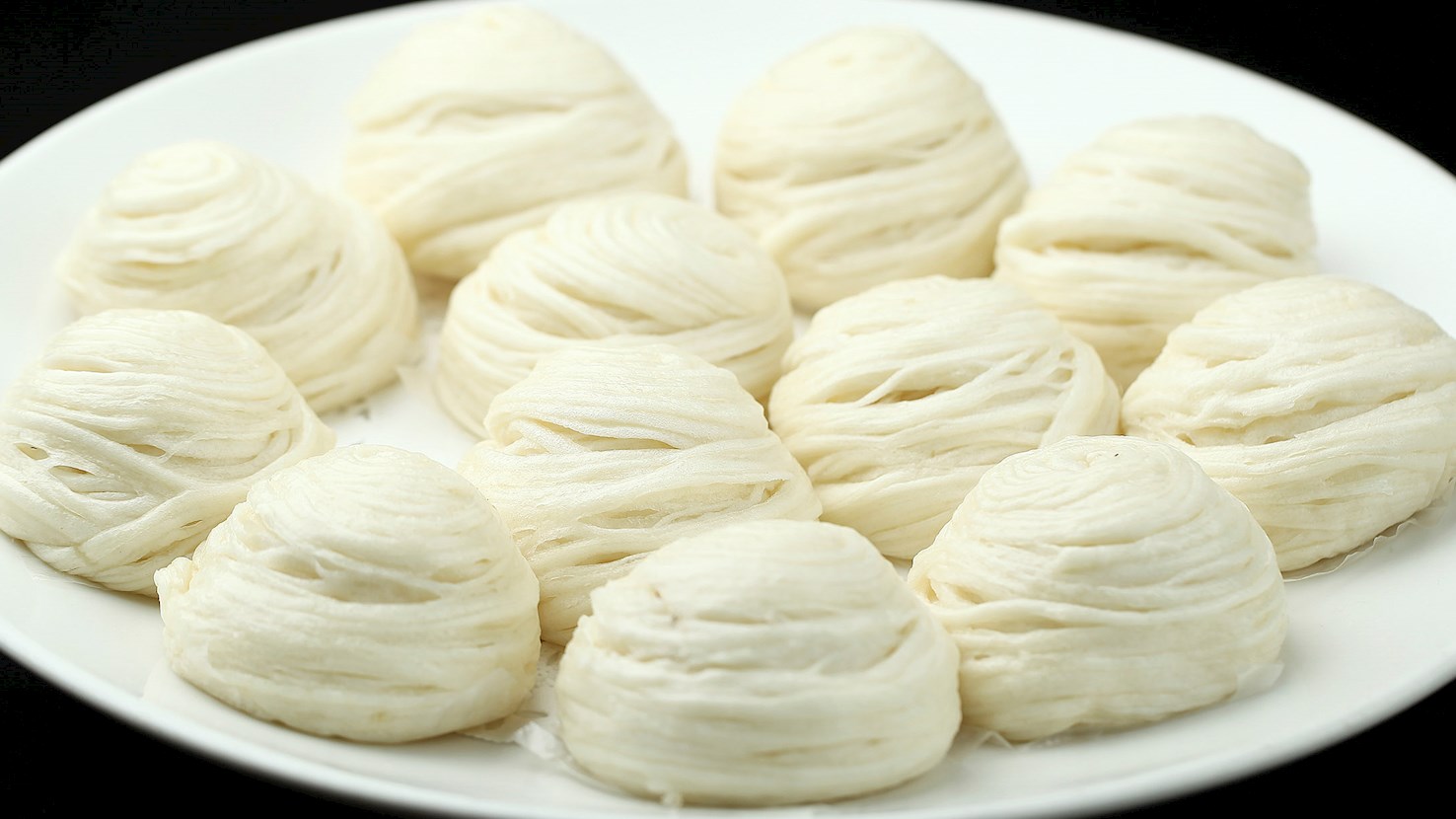
Mandarin roll is a steamed bun with Chinese origins, consisting of wheat flour, sugar, water, vegetable oil, yeast, and salt. It is such an important part of Chinese cuisine that it is likened to white bread in western cuisine. Steamed Mandarin rolls are sometimes accompanied by sweetened condensed milk, while in the southern parts of the country the rolls are often sweet and can be eaten on their own. Sometimes, the rolls are salted and filled with finely chopped spring onions on the interior. What makes these rolls unique is their unusual shape, reminiscent of flower blossoms, which is the reason for their alternative name - flower rolls.
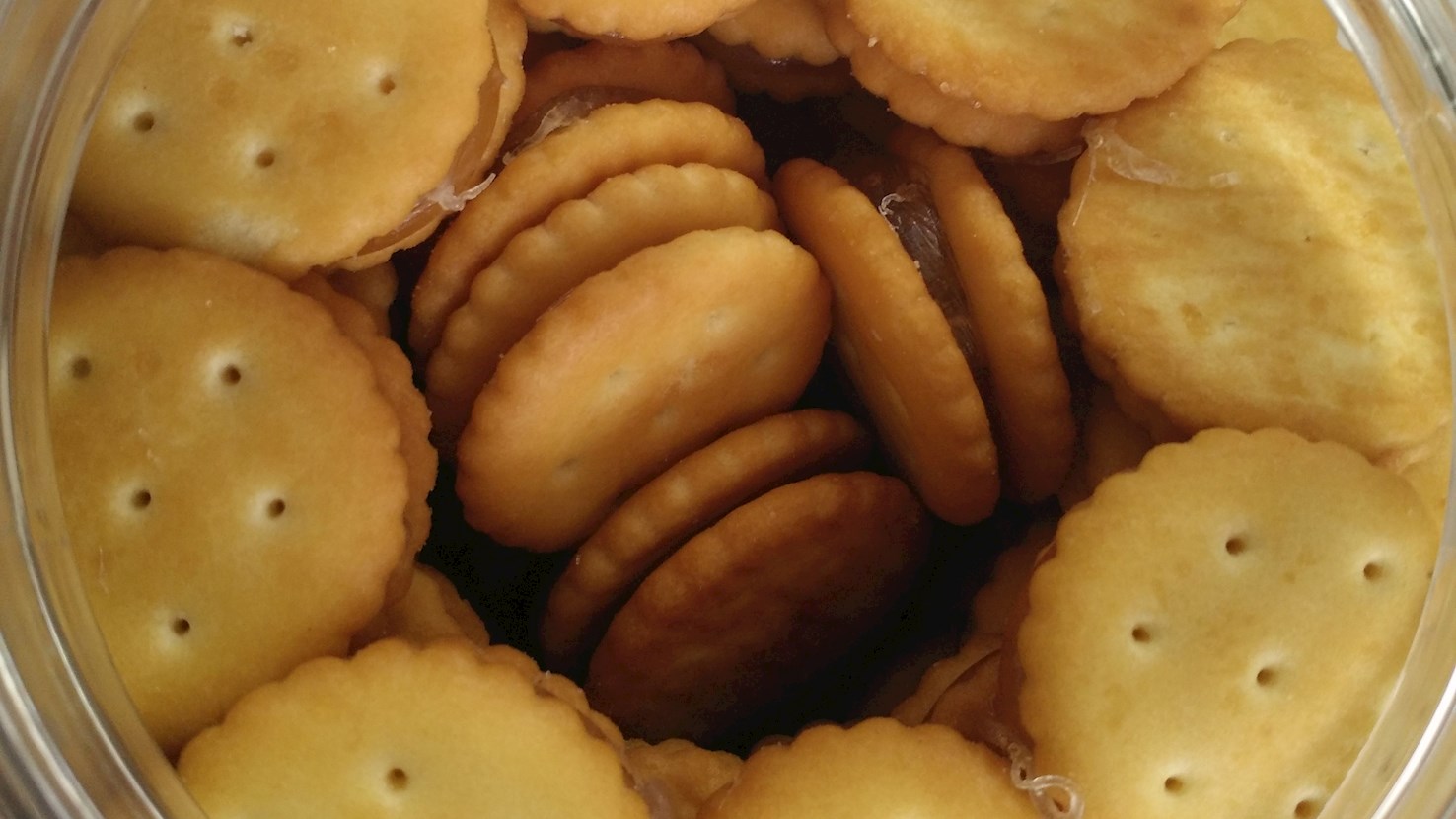
Maltose crackers are traditional snacks originating from Hong Kong. They were at the peak of popularity in the 1950s and 1960s, when maltose crackers were sold from street vendors. These snacks consist of only two ingredients – maltose syrup and saltine crackers. In order to prepare maltose crackers, maltose syrup is sandwiched between two saltine crackers. Bamboo sticks are often pressed into the maltose so that the snack looks like a cracker lollipop. These inexpensive snacks are especially popular among children.
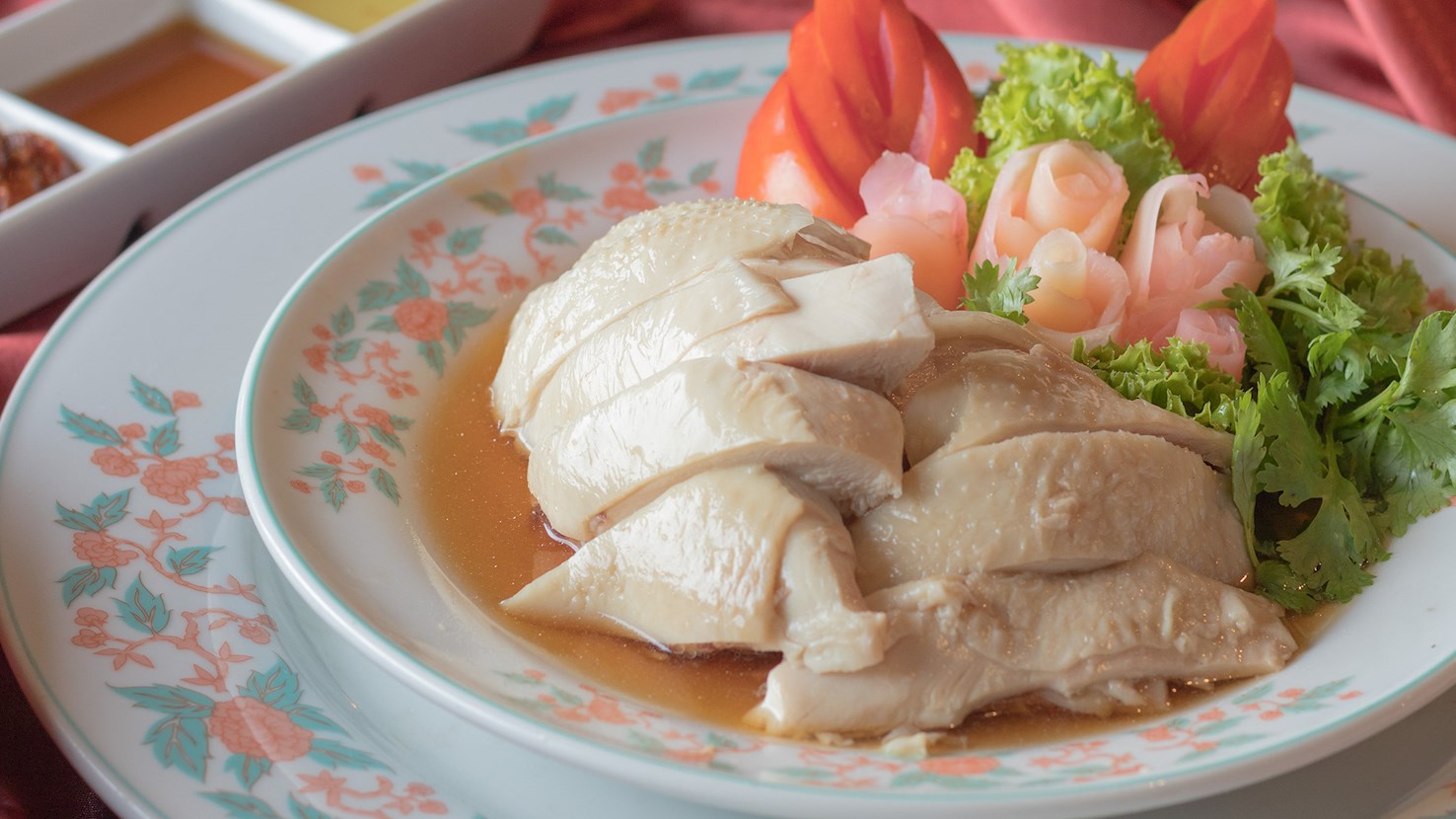
Often dubbed a Shanghainese specialty, drunken chicken is, in fact, an authentic dish originating from the Zhejiang province. The main ingredients of this chicken dish are a fresh, whole chicken and Shaoxing wine, a renowned rice wine produced in Zhejiang province. Originally, the recipe calls for a whole chicken to be cooked, chilled in ice water, and then soaked in a Shaoxing wine-based marinade, overnight, or for 2-3 days. The chilled chicken is then cut into large chunks and traditionally served cold, covered with the wine-based marinade. The dish is usually served on its own, as an appetizer, but it can also be accompanied by rice, noodles, or vegetables.
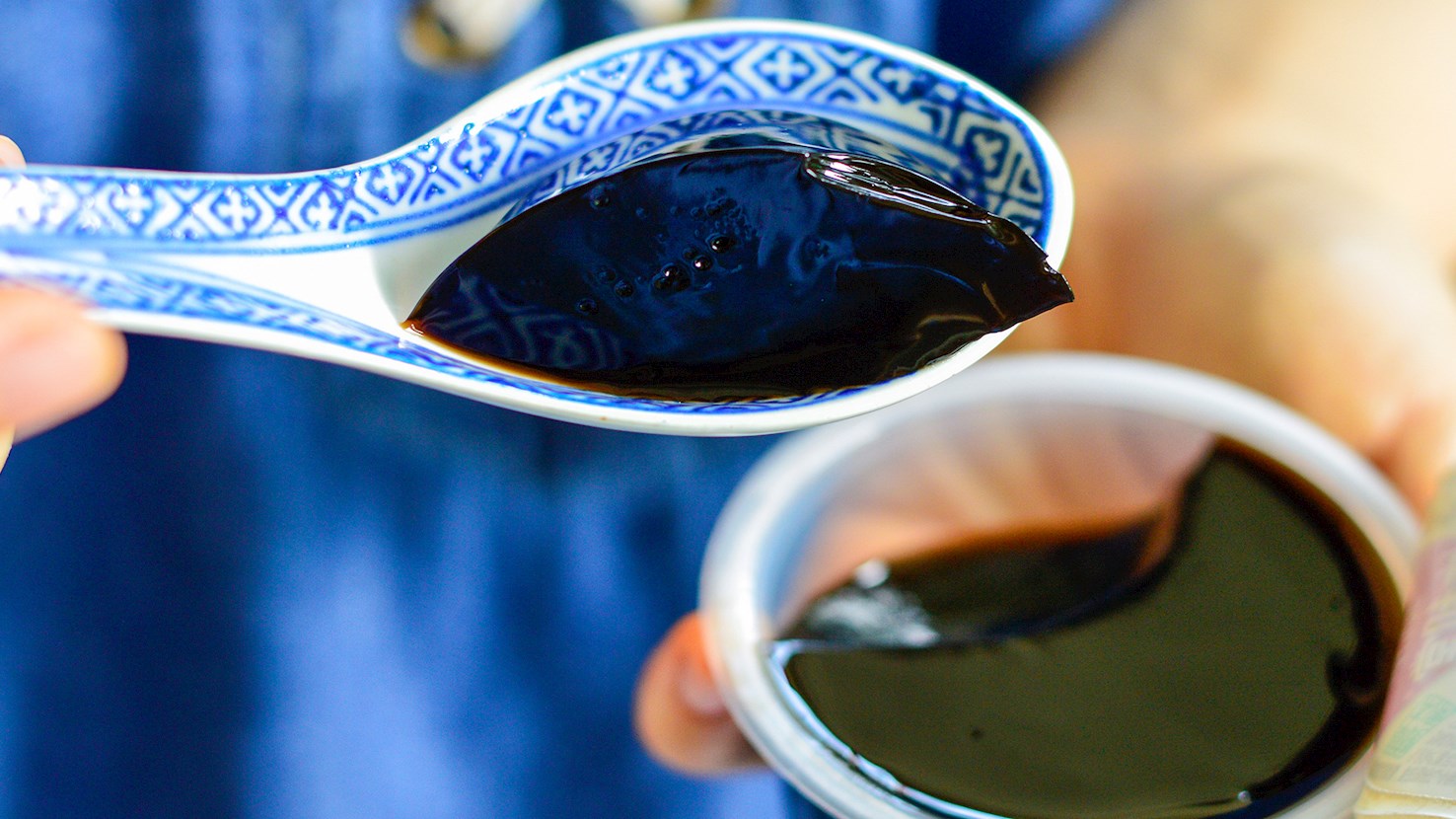
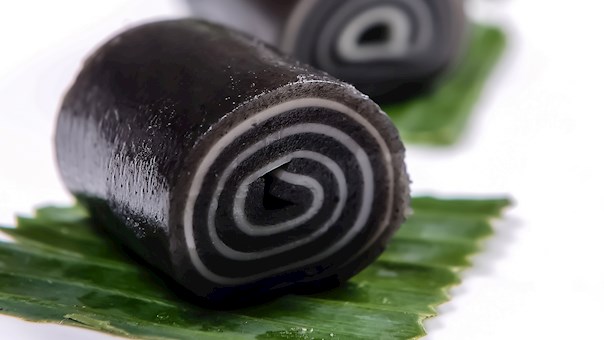
In its original form, guilinggao was a herbal paste that consisted of the powdered plastron (bottom shell of Golden coin turtle) and a variety of flowers, herbs, spices, roots, and tree barks. Although it was initially used as a health remedy, modern variations are mainly enjoyed as a well-chilled, refreshing jelly dessert. Since the Golden coin turtle is critically endangered, the original paste is nowadays rarely found and usually comes with a hefty price tag. Many producers opt to use other turtle species, and guilinggao nowadays usually appears as a canned version, or as a powder mix that is easily made into jelly.
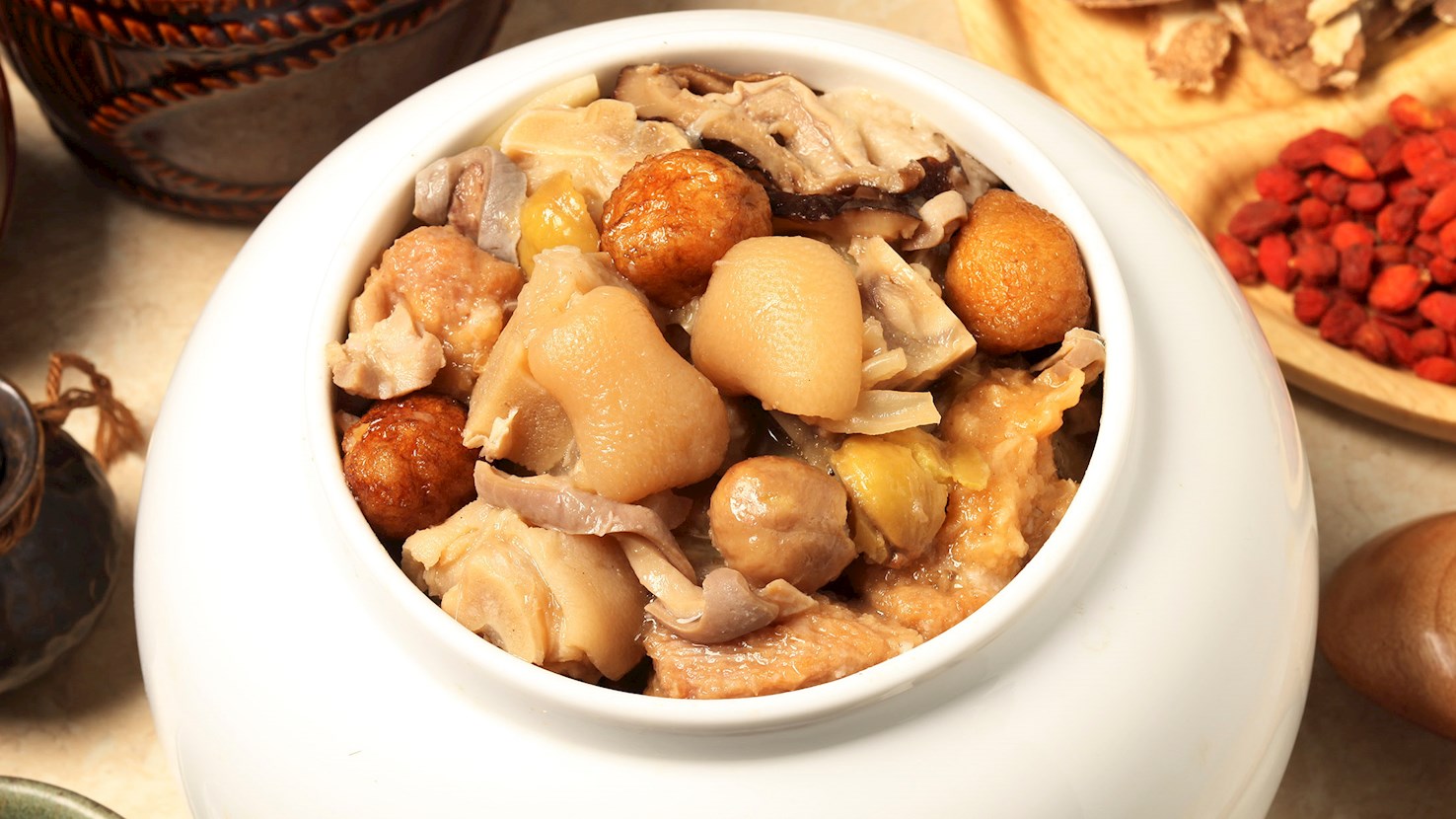
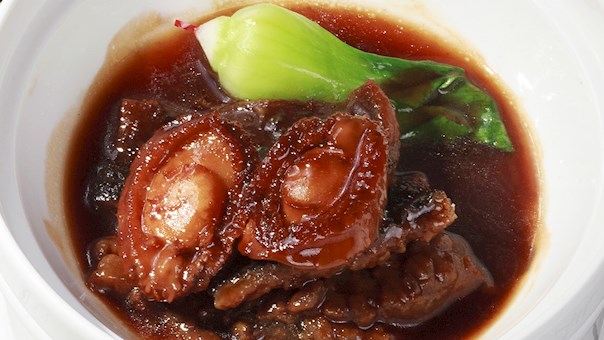
The unusually named Buddha jumps over the wall is a Chinese specialty with origins in the province of Fujian, and the dish was originally made in the Qing Dynasty period. The cooking process for this decadent soup is very complicated as it takes about three days to prepare it, and the recipe calls for upwards of 30 ingredients such as shark fin, chicken, duck, tripe, tendons, ham, gizzards, abalone, sea cucumber, pigeon eggs, mushrooms, scallops, bamboo shoots... and the list goes on. Raw ingredients are cooked into separate, different dishes in order to develop their unique flavors. The dishes are then layered in a clay jar with soup and wine. Lotus leaf is used to seal the jar, and the jar is finally placed on the fire to be heated. Although there are many theories about the origin of the soup, the most popular one says that a scholar went on a picnic with his friends, and placed all of the ingredients he had in a wine jar, which was then heated over a charcoal fire. The attractive aromas spread all the way to a nearby temple, resulting in monks jumping over the temple wall, even though they were supposed to be vegetarians. One of the scholar's friends wrote a poem praising the soup, and the line says "Even Buddha himself would jump the wall to come over," giving the dish its intricate name. According to the Guinness World Book of Records, a bowl of this soup holds the record for the most expensive soup in the world, as it was sold for nearly $200 at Kai Mayfair in London.
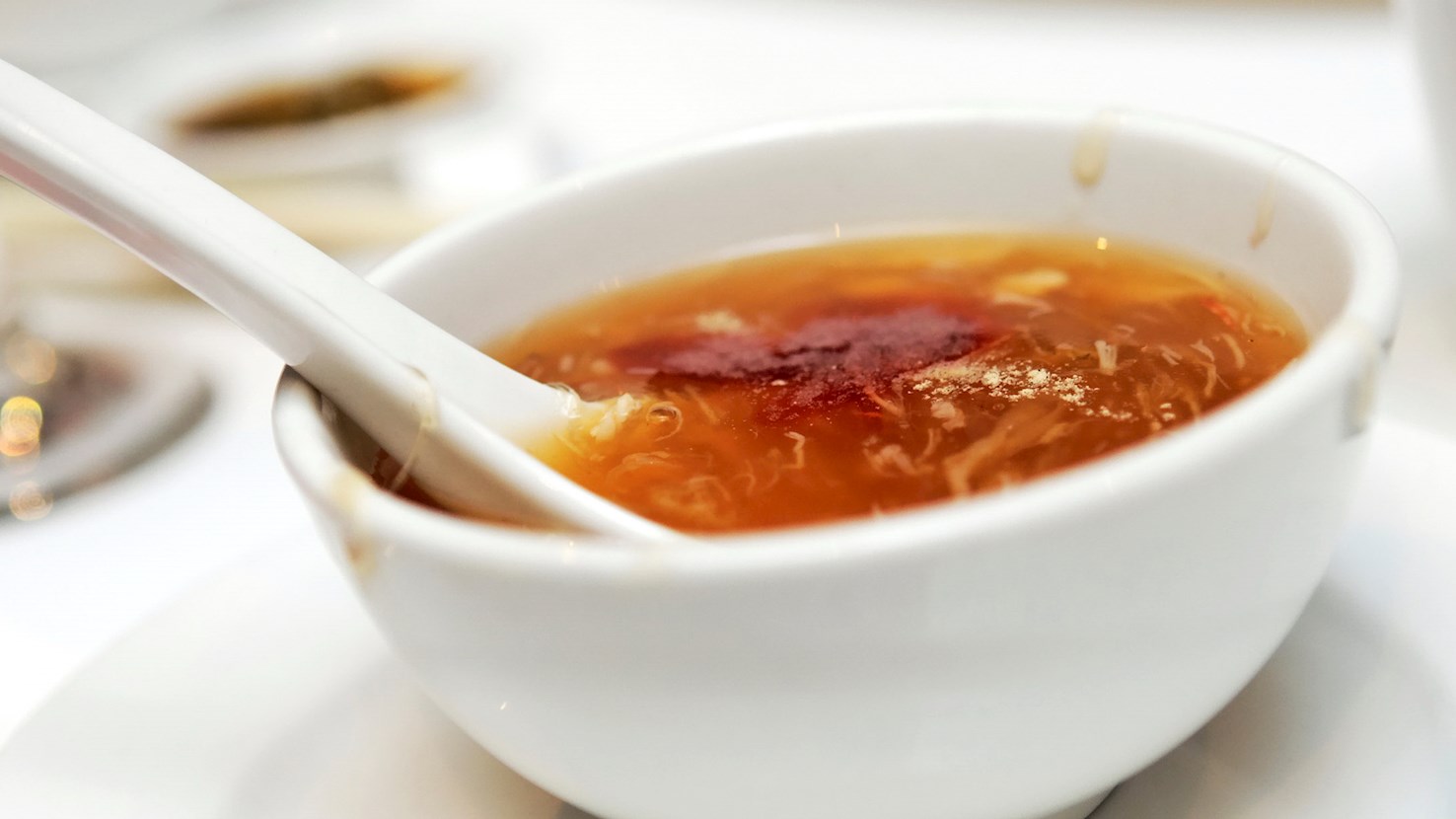
Shark fin soup is a controversial soup with Chinese origins, made with shark fins and flavored with chicken or another type of stock. Shark fin is slightly neutral in flavor, and is used in the dish to add texture. It is believed that the first shark fin soup was invented by an emperor during the time of the Sung Dynasty who wanted to show off his power, wealth, and generosity to his guests. Because of that, preparing and serving this expensive dish is now considered a sign of respect. Today, the soup is a part of the Big 4, dishes that represent health and prosperity in Chinese culture, which are usually reserved for special occasions, the other three being abalone, sea cucumber, and fish maw. Shark fin soup is also a status symbol, with bowls of it ranging from $5 to $2,000, depending on the type of shark fin served in the soup. However, due to the shark finning process and the inhumane treatment of sharks which are finned alive and left in the ocean unable to swim or survive, shark fin soup is considered one of the major threats to the world's shark populations, and some organizations are still actively discouraging the consumption of this flavorful, yet controversial Chinese delicacy.
TasteAtlas food rankings are based on the ratings of the TasteAtlas audience, with a series of mechanisms that recognize real users and that ignore bot,
nationalist or local patriotic ratings, and give additional value to the ratings of users that the system recognizes as knowledgeable.
For the “95 Worst Rated Chinese Foods” list until May 22, 2026, 17,286 ratings were recorded, of which 14,773 were recognized by the system as legitimate.
TasteAtlas Rankings should not be seen as the final global conclusion about food. Their purpose is to promote excellent local foods,
instill pride in traditional dishes, and arouse curiosity about dishes you haven’t tried.