


shutterstock

75 Worst Rated Croatian Foods

Last updated on May 22, 2026
01

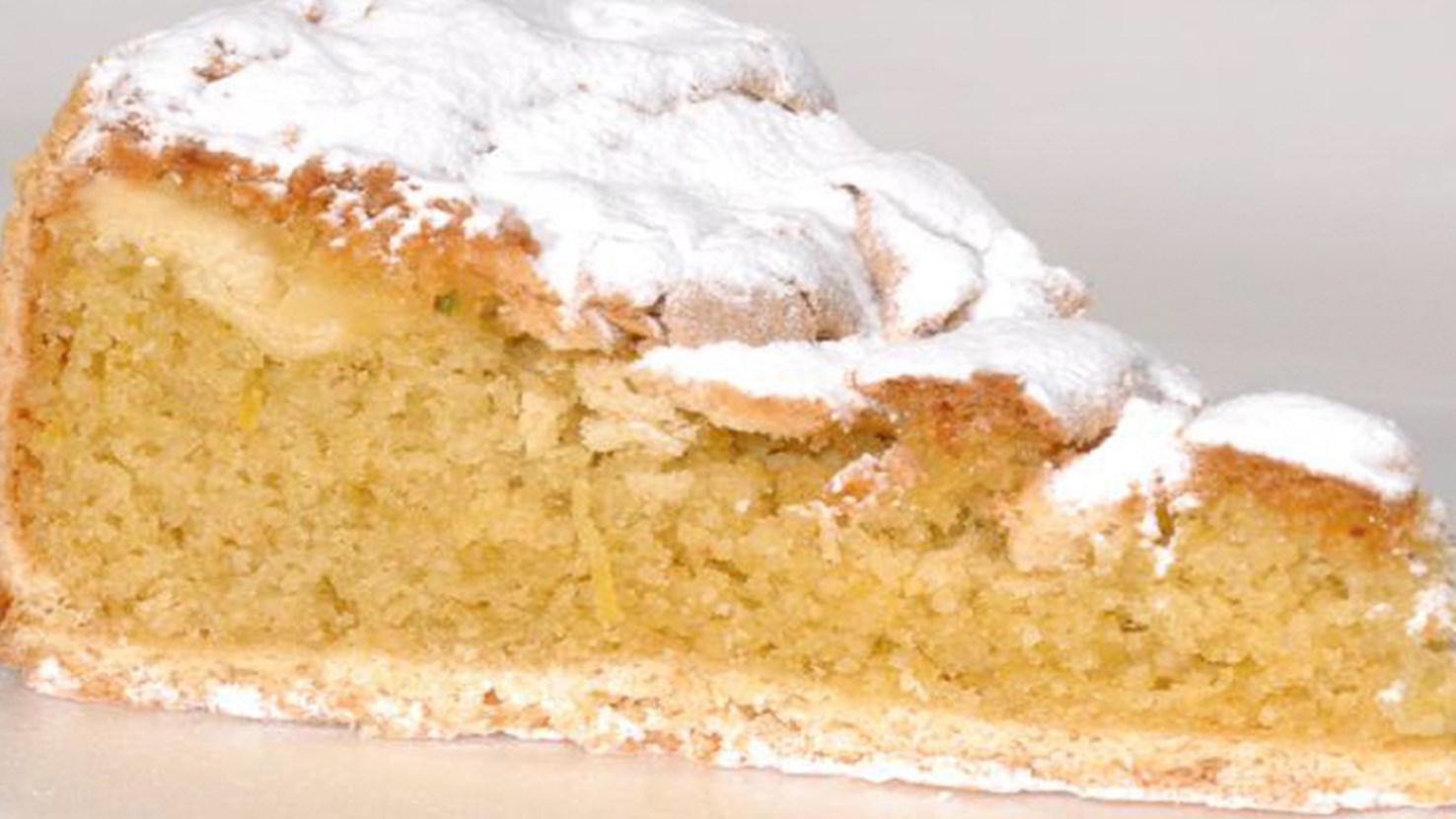
Stonska torta

2.7 ·

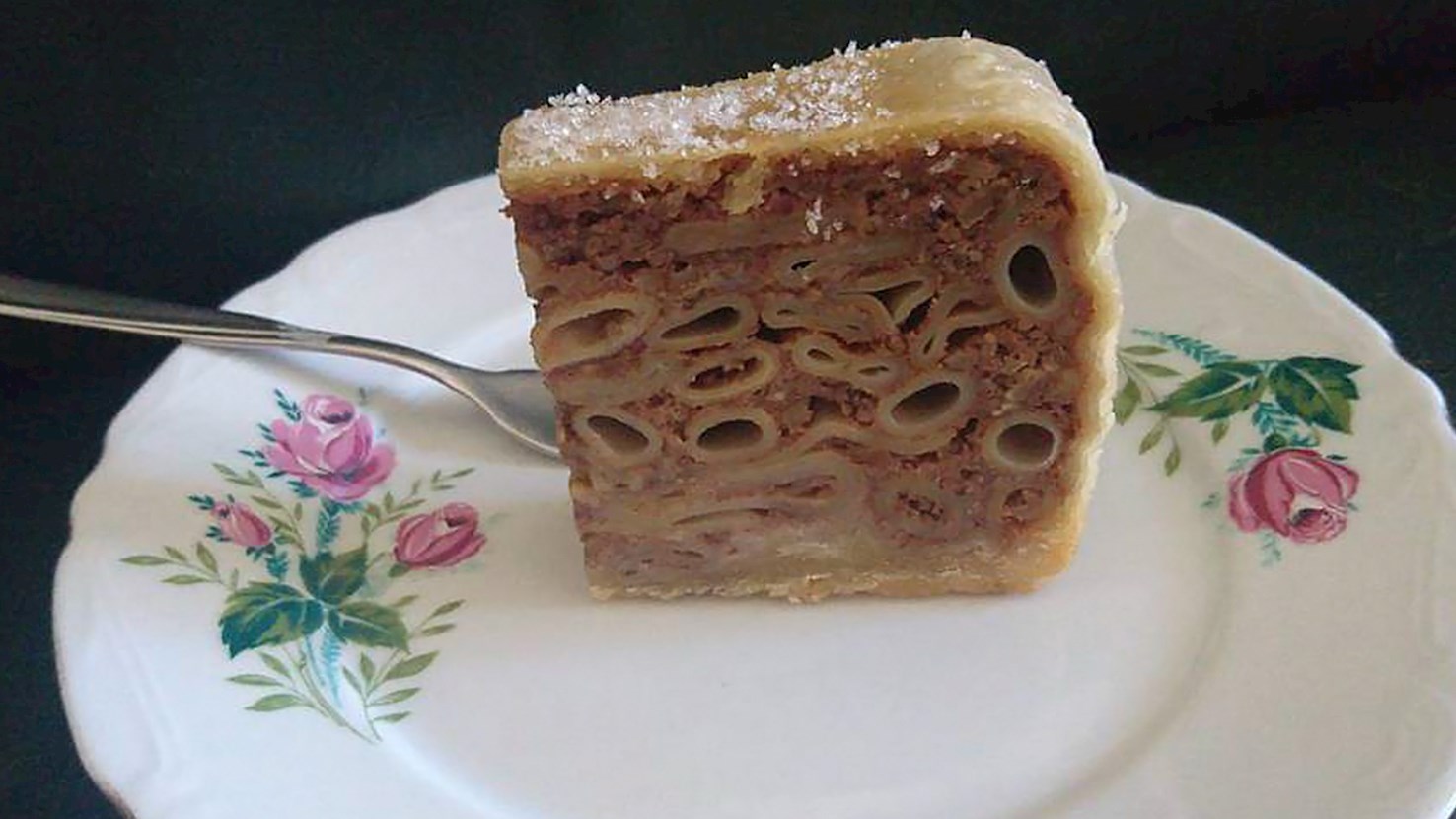
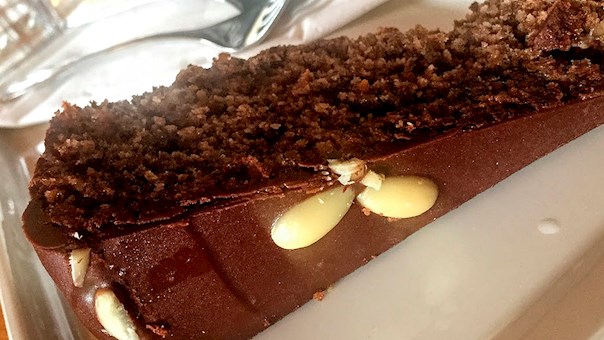
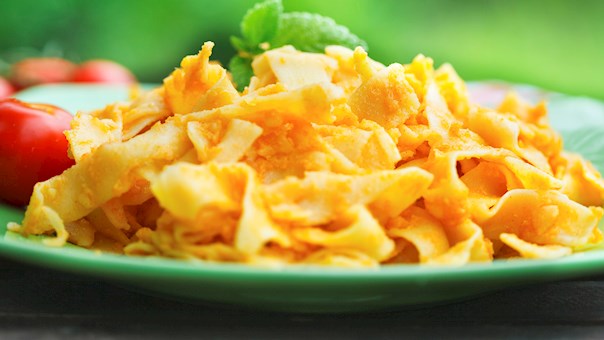
The star ingredient in this rich cake is a pasta variety called makaruli—in shape similar to penne or ziti. Traditionally prepared in round cake tins, a thin layer of dough is used as a base, while the cooked makaruli are then layered inside with a fragrant mixture of ground almonds or walnuts, grated chocolate, cinnamon, and lemon zest. The entire combination is doused in a blend of melted butter and eggs, and the cake is neatly wrapped with the dough. As the name suggests, this cake is the signature dessert of the city of Ston, but it is commonly prepared and enjoyed throughout the region. It is one of the traditional desserts that do not have an exact time of origin but represent an authentic delicacy that was created by employing only locally available ingredients. In the past, torta was mainly associated with special and festive occasions, but nowadays it is a common staple in many traditional restaurants in the city of Ston and the surrounding area.

02

Kruh, mast i paprika

2.8 ·

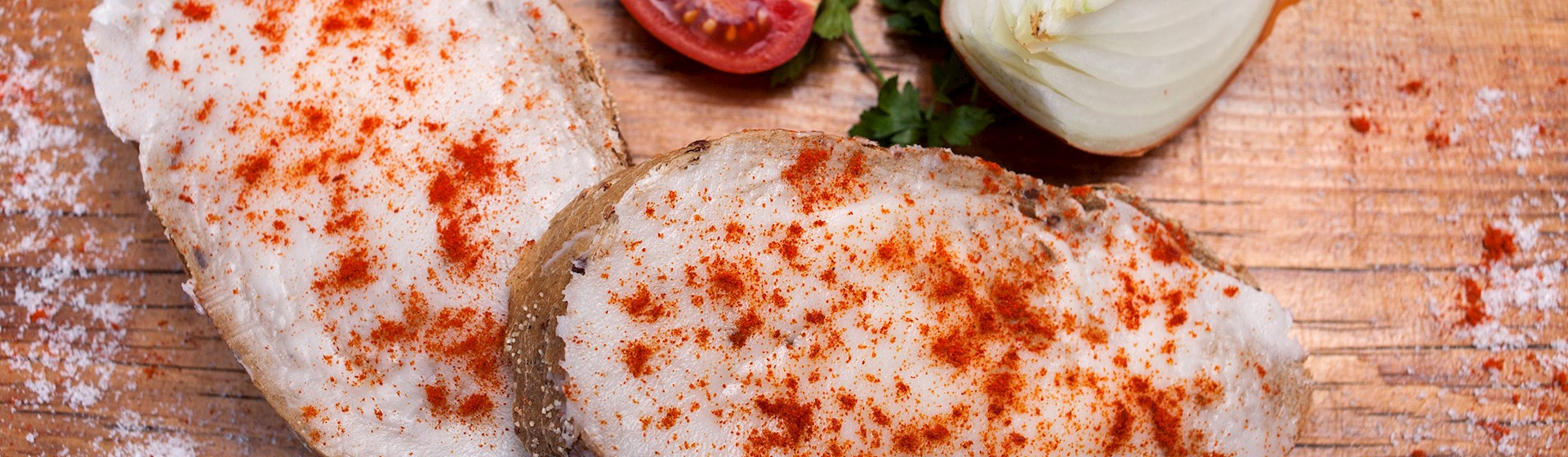
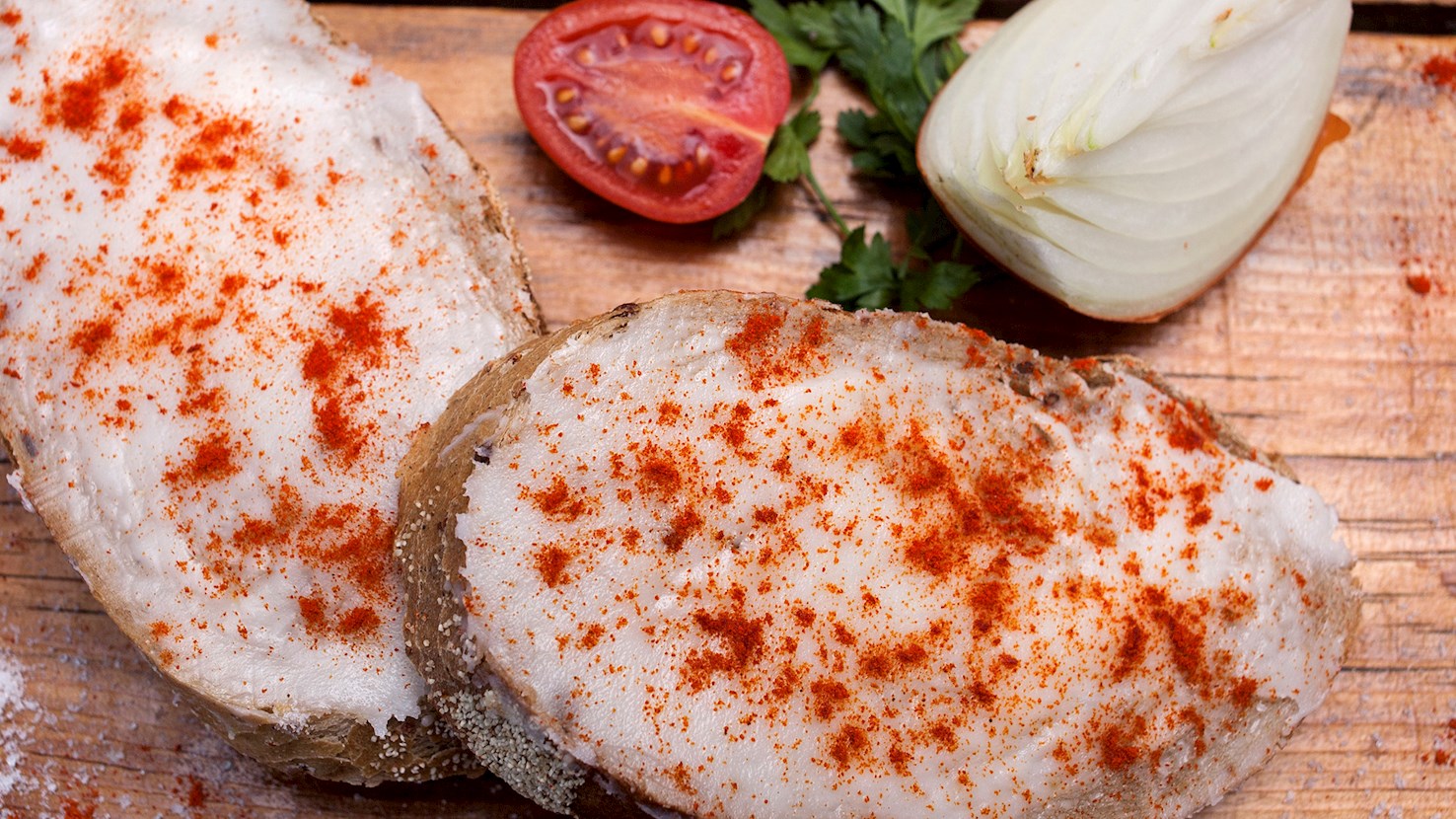
Kruh, mast i paprika is a Croatian open-faced sandwich that has been at the height of its popularity during the war in the 1990s, although it is slowly experiencing a renaissance at Croatian Christmas markets, because it is, after all, a typical winter snack. It consists of a thick slice of bread topped with a layer of pork fat, a bit of salt, and ground red paprika. Inexpensive and extremely simple, this sandwich is often considered a poor man’s meal. However, whole generations of people have been raised on it in the 1990s. Of course, there are many variations, so the sandwich is sometimes additionally topped with raw onions or garlic. There is also the sweet version known as kruh, mast i šećer, where paprika is replaced with sugar.

03

Istarska supa

2.8 ·

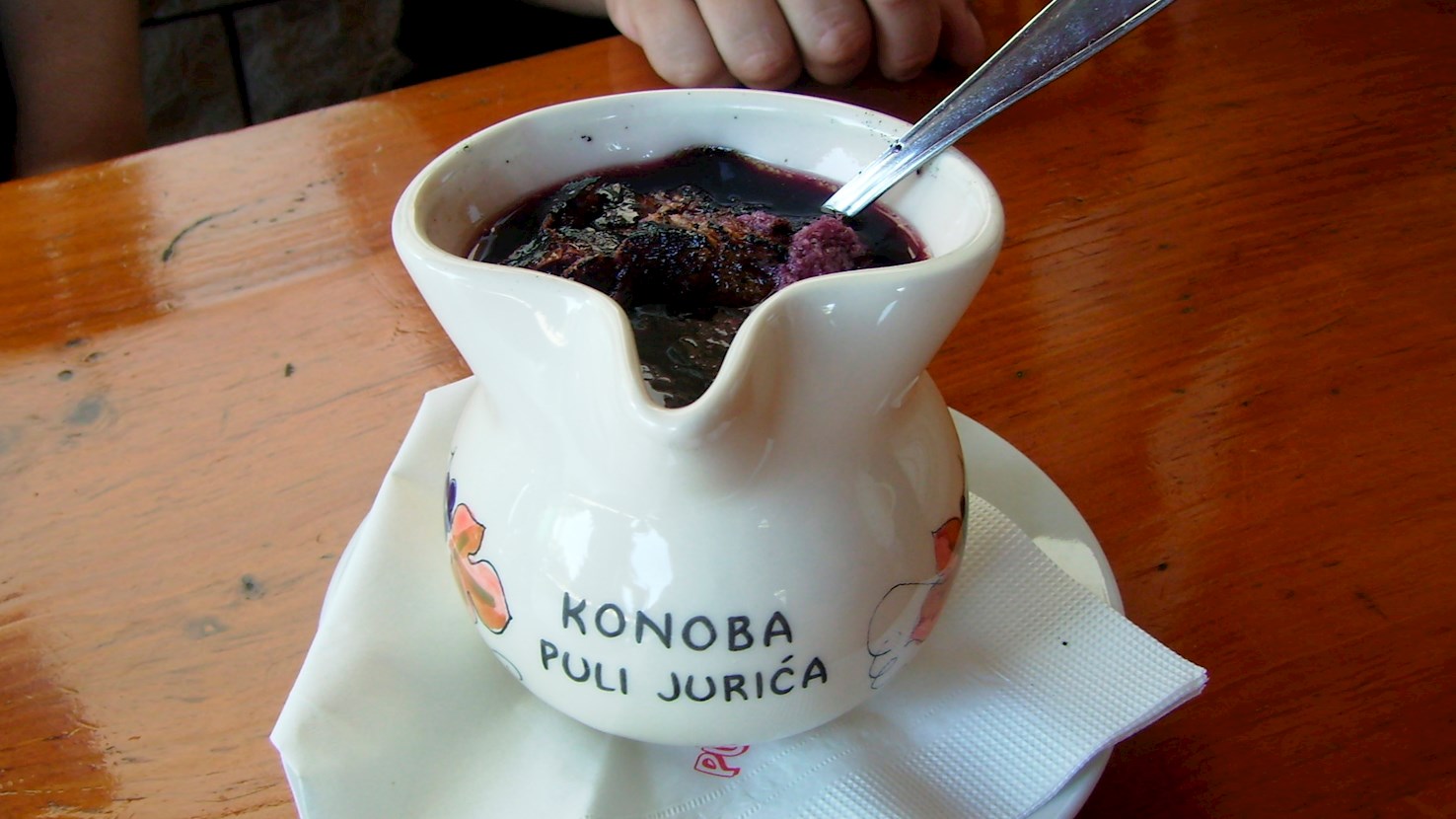
Though it is incorrectly translated as Istrian soup, this unusual combination of ingredients does not have much in common with the traditional concept of what constitutes a classic soup. The dish is prepared in a clay jug called bukaleta and combines spices, olive oil, and warmed red wine, preferably the local teran variety. Supa is completed with the addition of grilled slices of bread that are left to soak in the flavorful base. When served, the wine is slowly sipped, while the bread is usually eaten with a spoon. Once a popular dish that was mainly used as a way to warm up during winter, istarska supa is nowadays considered one of the authentic delicacies of the area. The word supa in the name stems from the verb supati, referring to the practice of dunking the bread in the jug.

04

Imotska torta

2.9 ·

This tart with a long tradition originates from the town of Imotski, and consists of a shortcrust pastry base and a flavorful almond filling. Both are heavily seasoned with various spices and different types of alcohol, from prošek or white wine in the pastry to maraschino cherry liqueur used in the filling. Another important element of this cake is the elaborate woven lattice top which is typically studded with whole almonds.

Best restaurants
05

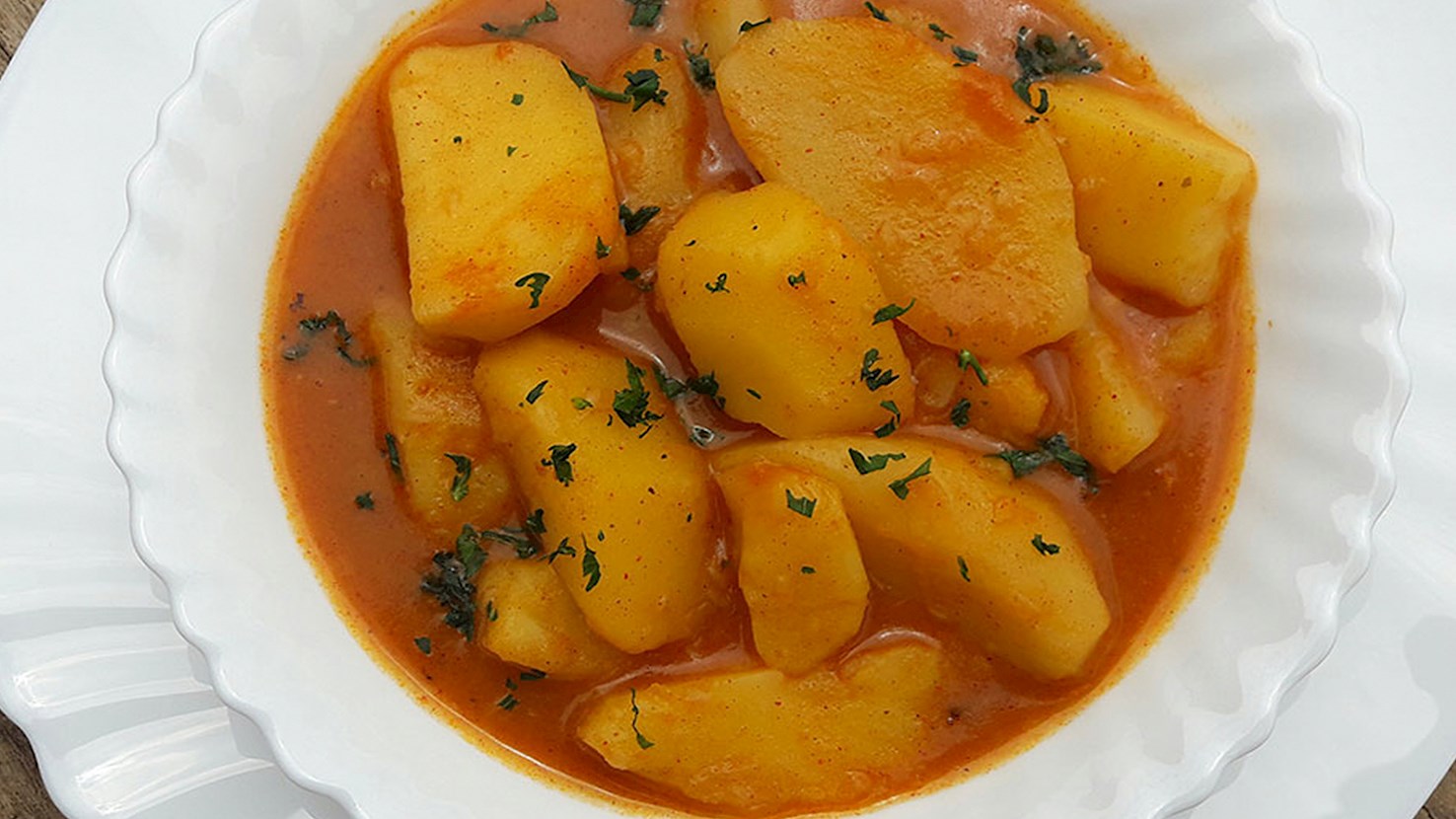
Ćoravi gulaš

2.9 ·

Ćoravi gulaš is a variety of goulash consisting of potatoes, onions, carrots, peas, and tomato juice. It is typically flavored with ground paprika, parsley, salt, pepper, bay leaves, and garlic. The stew can be thickened with flour, and it can be garnished with a dollop of sour cream. The name of the dish can be translated as blind goulash, referring to the fact that this comforting stew does not contain any meat. The dish was especially popular during the war period in the 1990s, when meat was scarce, so people had to make use of readily available ingredients.

06

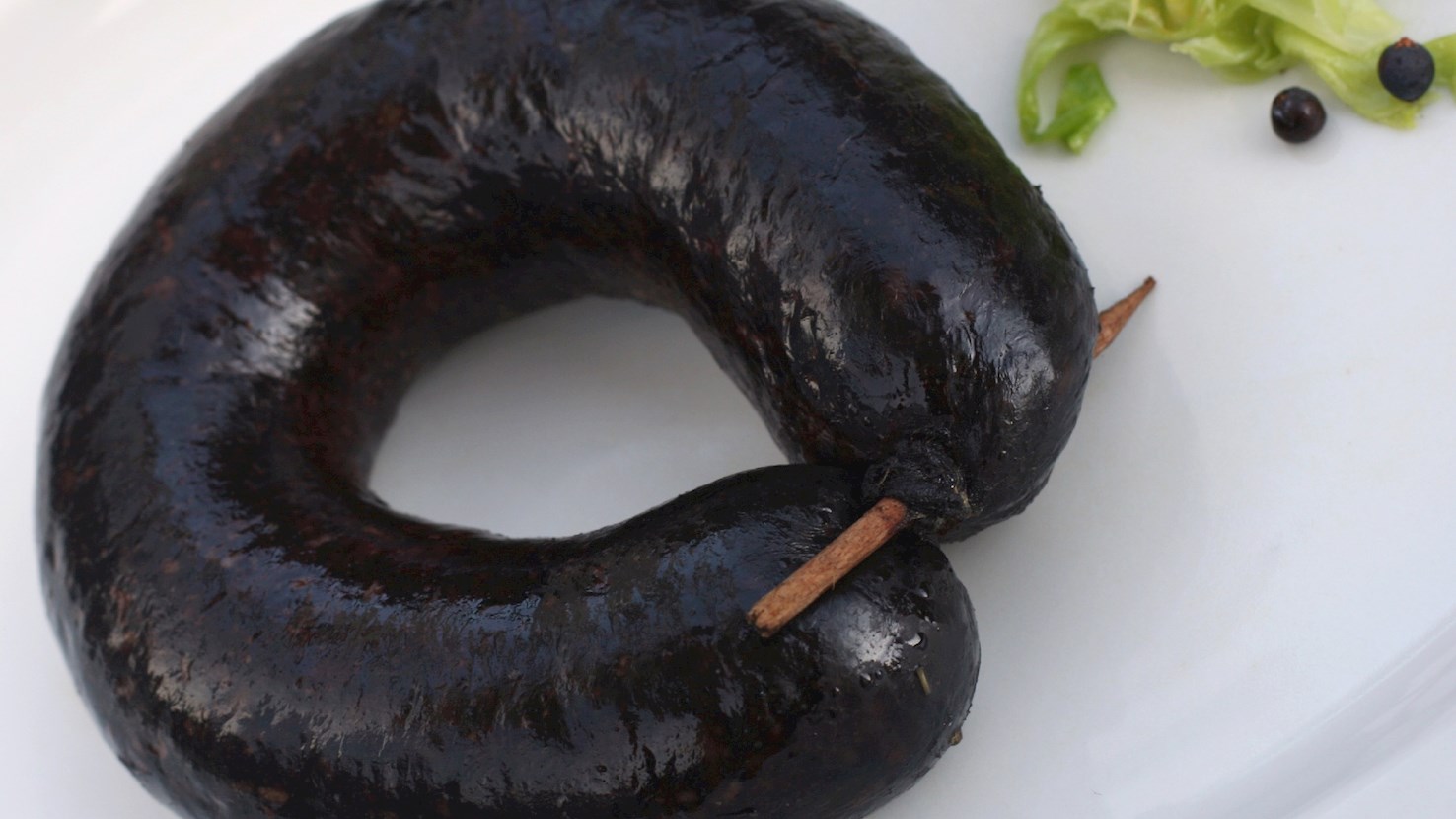
Krvavice

3 ·

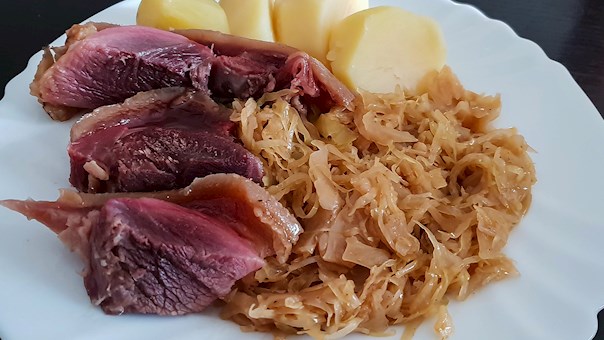
Krvavice are blood sausages produced mostly throughout continental Croatia, especially in the regions of Zagorje, Istria, Dalmatia, and Slavonija-Baranja. Apart from Croatia, the sausages are also commonly consumed in Slovenia and Serbia. They're made by cooking pork blood, skin, and offal with rice and either buckwheat, barley, or cornflour, unlike most other European blood sausages that use oats or oatmeal as fillers. However, there are numerous varieties of krvavice and every cook has his own recipe, so the ingredients may vary. The names also vary, and they're also called divenice, devenice, or kulenice. These sausages are traditionally consumed during winter when they are often accompanied by sauerkraut and a combination of boiled potatoes and sautéed onions known as restani krumpir.

07

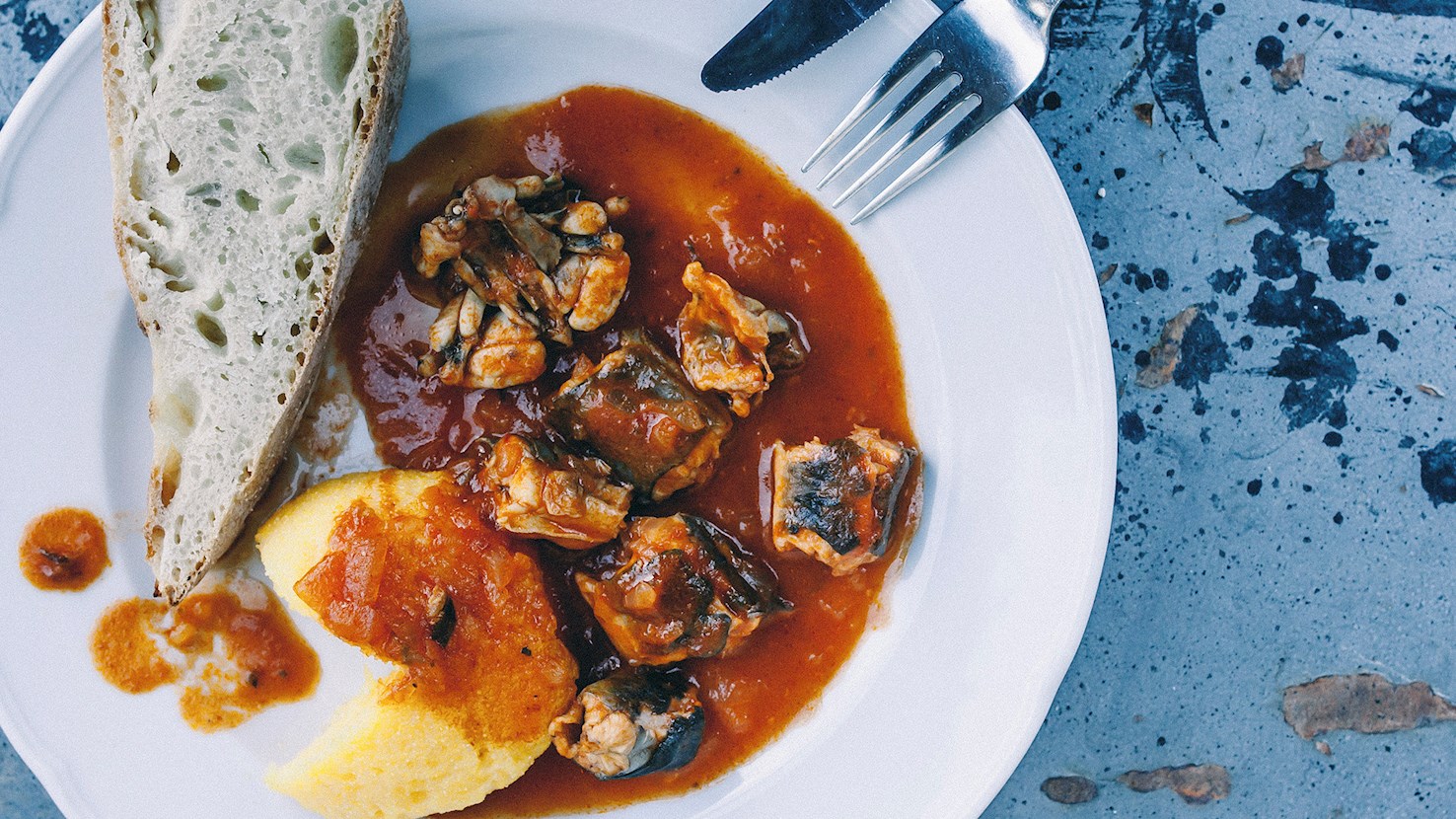
Neretvanski brudet

3 ·

Out of the numerous varieties of Croatian brudet, the one that hails from the Neretva region is considered unique since it usually employs eels and frogs, two traditional ingredients used in the area. It is said that every village in the region has a different recipe, but the basic version employs thoroughly cleaned pieces of eels and frogs that are sautéed alongside olive oil, onions, and garlic. They are later braised in a combination of seafood stock, fresh tomatoes, chili peppers, and a touch of vinegar. Though tradition suggests the use of eels and frogs, the dish is commonly enriched with other fish varieties. Regardless of the differences, every version of brudet is always prepared in a traditional, heavy-bottomed pan and should never be stirred. This flavorful fish stew is traditionally accompanied by polenta or rustic, country-style bread.

08

Janjetina s bižima

3 ·

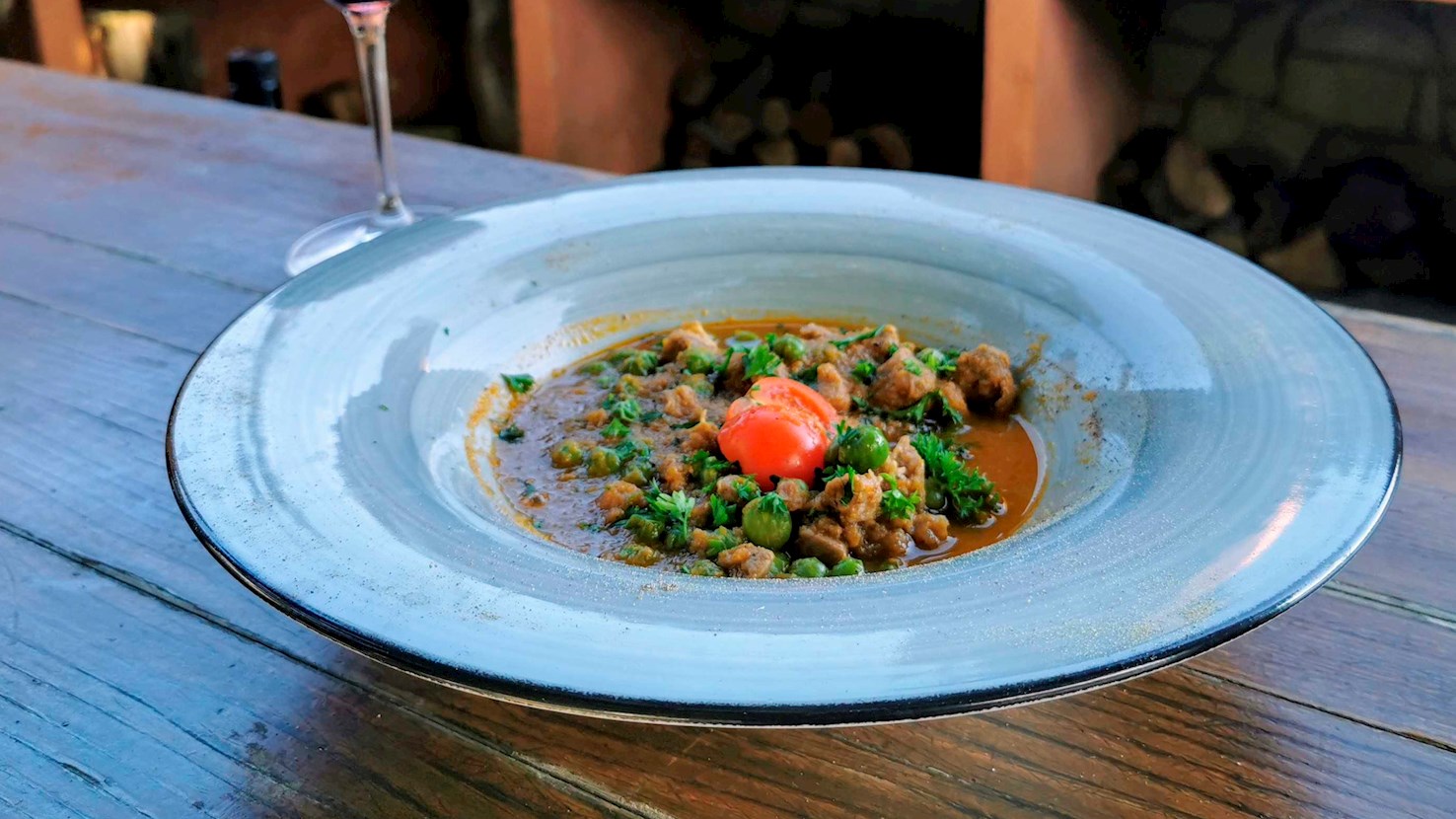
Janjetina s bižima is a popular Dalmatian main dish using lamb and young peas as the star ingredients. Chopped lamb pieces are sautéed in oil and butter with onions, carrots, and garlic, and a bit later, parsley and tomato sauce is added to the pan. The whole thing is simmered over low heat for about an hour before the young peas are added to the dish. This meal is usually seasoned with salt, pepper, and rosemary, and some cooks like to add a few boiled potatoes in order to thicken the dish. It is recommended to serve janjetina s bižima with a few slices of homemade black bread.

09

Presnac

3 ·

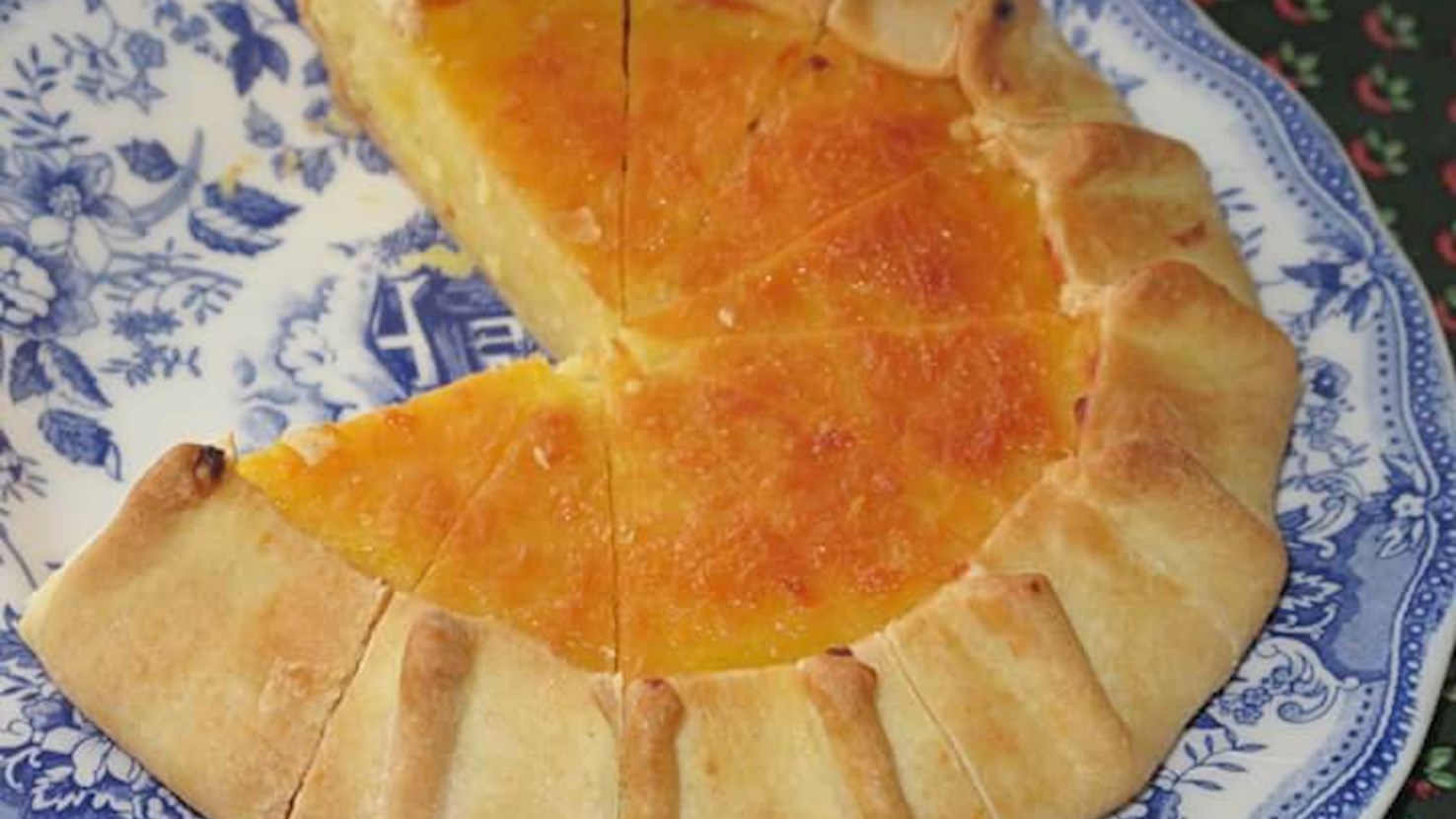
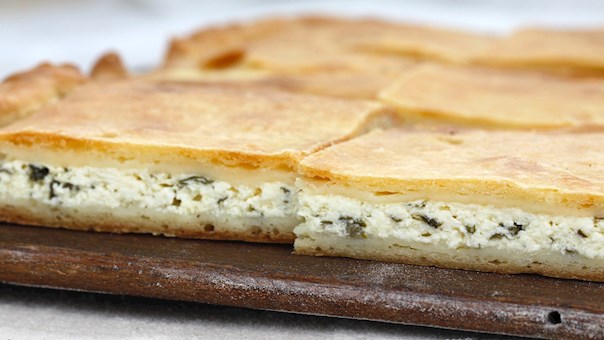
This Croatian pastry is a traditional delicacy that is mainly associated with the island of Krk. Presnac was created as a way to utilize the once abundant fresh sheep cheese and to create a unique, authentic dessert. The dish is assembled out of a pastry base that holds the creamy, lightly sweetened cheese filling. Though tradition suggests only sheep cheese, modern variations often replace it with fresh cow cheese and usually alter the filling with eggs and lemon zest. Presnac was traditionally prepared during the Carnival season, but nowadays the locals use every opportunity to make this specialty and to keep the tradition alive. Every year, a festival called Festa od Presnaci is held in the small town of Kornić, where the locals present their best versions of this traditional pastry.

10

Cukarini

3.1 ·

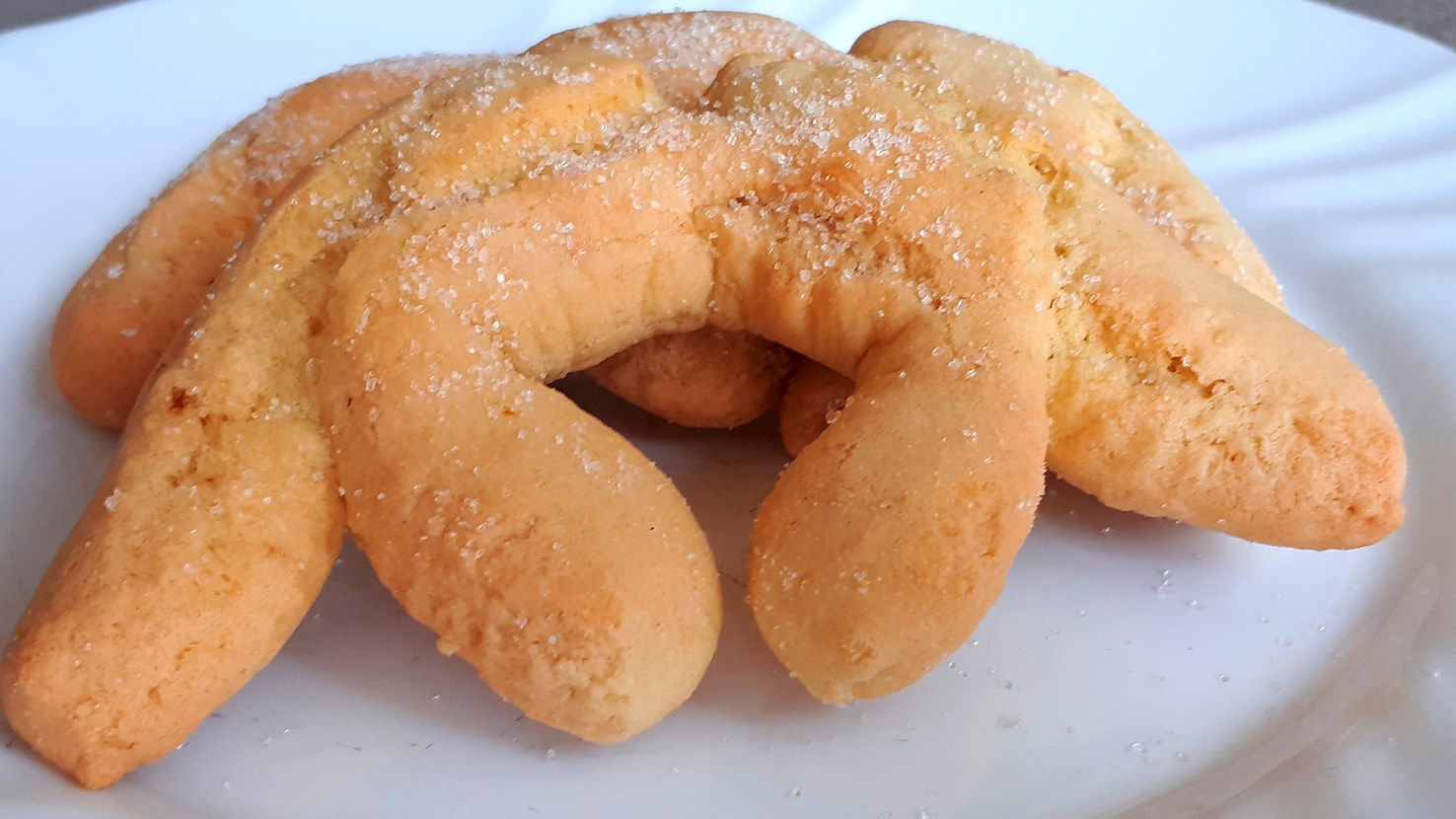
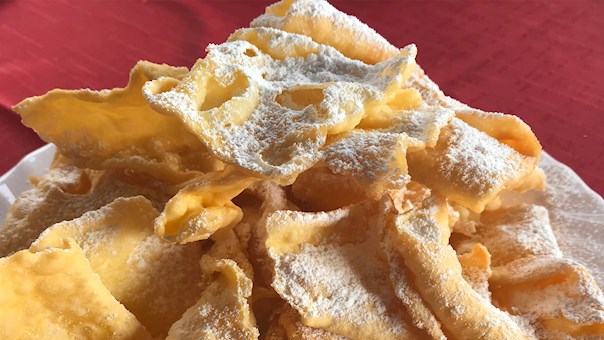
These crispy cookies are a part of the authentic sweet treats found on the island of Korčula. The cookies are characterized by their subtle citrus flavor, while the use of ammonium bicarbonate in the buttery base provides for an incredibly crumbly, tender texture. Their unusual appearance is said to be reminiscent of two serpents entangled in the shape of a heart, a tradition that is believed to stem from pagan times when serpents were used as a symbol of fortune. When baked, each cookie is dipped in a traditional rose liqueur, and then into coarse sugar. Cukarini are traditionally served accompanied by a glass of prošek, the sweet dessert wine that should not be confused with the Italian prosecco.

Best restaurants
Read more
View all
View map
About this ranking

TasteAtlas food rankings are based on the ratings of the TasteAtlas audience, with a series of mechanisms that recognize real users and that ignore bot, nationalist or local patriotic ratings, and give additional value to the ratings of users that the system recognizes as knowledgeable. For the “75 Worst Rated Croatian Foods” list until May 22, 2026, 9,929 ratings were recorded, of which 6,190 were recognized by the system as legitimate. TasteAtlas Rankings should not be seen as the final global conclusion about food. Their purpose is to promote excellent local foods, instill pride in traditional dishes, and arouse curiosity about dishes you haven’t tried.

Similar lists