





14 Worst Rated Cypriot Foods

Last updated on June 17, 2026
01

Shamishi

3.0 ·

Shamishi is a popular Cypriot dessert consisting of fried pastry dough that is filled with sweet semolina paste. These treats are additionally flavored with cinnamon and orange blossom water, and are traditionally sprinkled with powdered sugar. Shamishi can be found at various Cypriot fairs and festivals throughout the year, and it is recommended to serve them hot. The word shamishi means work of Damascus, and it's believed that the dessert was brought to Cyprus by Anatolian Turks during the Ottoman period.

02

Patates antinaxtes

3.2 ·

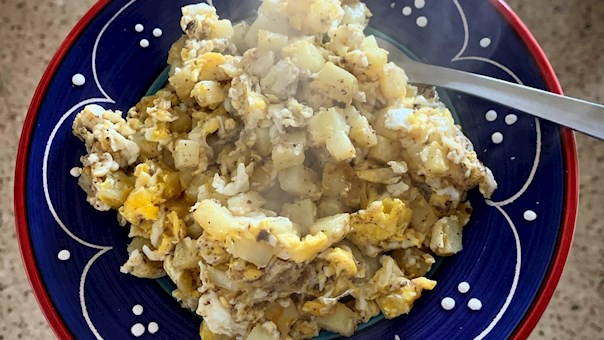
Antinaxtes is a traditional dish originating from Cyprus. It's made with potatoes, olive oil, crushed coriander, dry red wine, salt, and pepper. The potatoes are washed and slightly crushed, then fried in olive oil. As the potatoes are frying, the wine, coriander and seasonings are added to the pan. The pan needs to be shaken a few times so that the potatoes become coated with the spices and absorb the wine. It's recommended to serve antinaxtes as an accompaniment to roasted or grilled meat.

03

Magarına bulli

3.3 ·

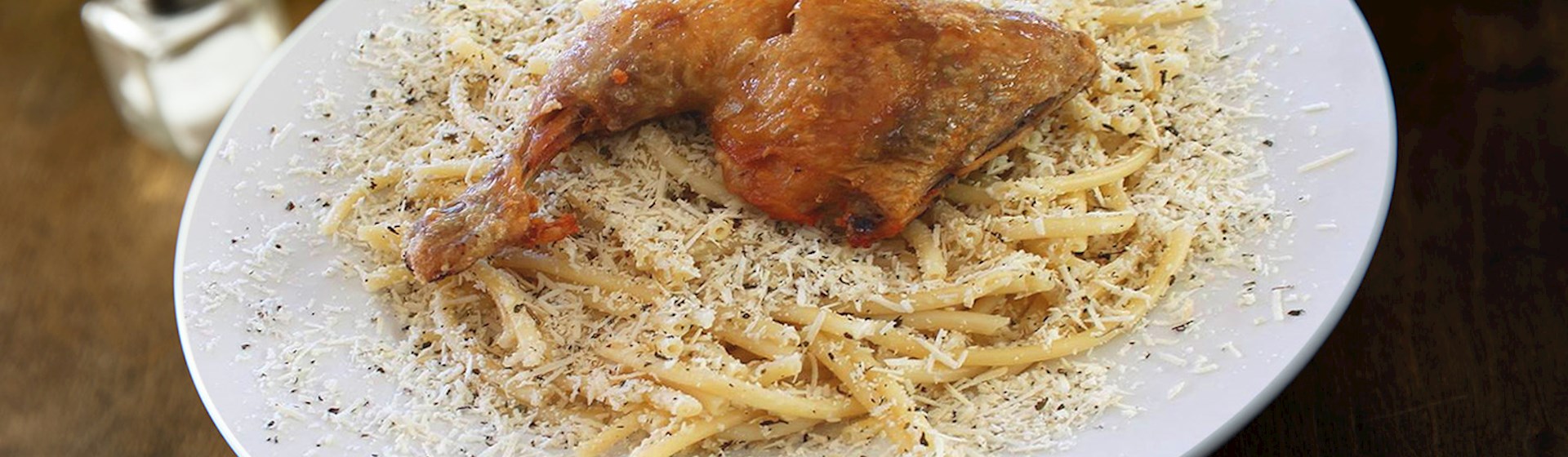
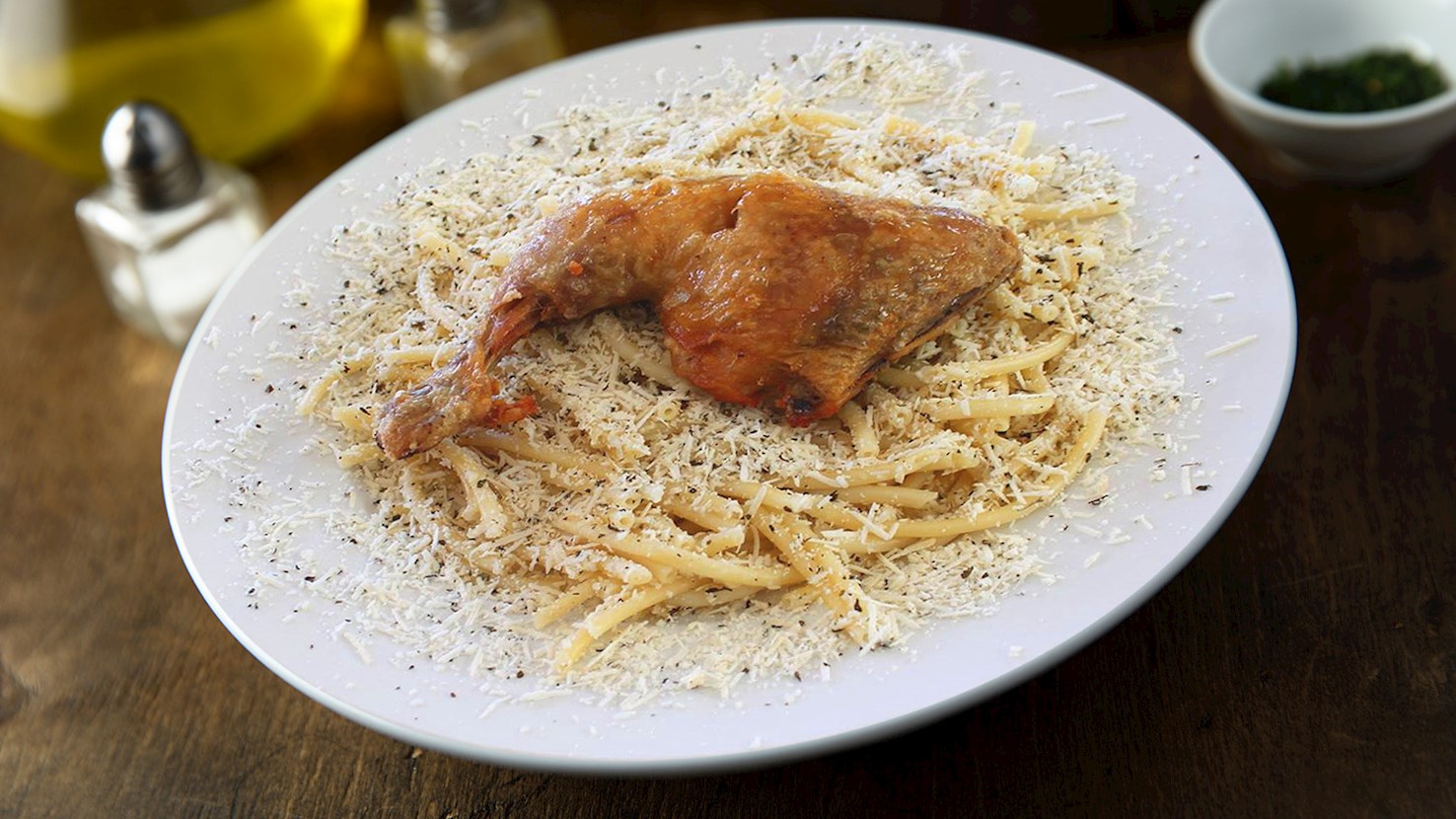
Magarına bulli is a traditional chicken dish originating from Northern Cyprus. The dish is usually made with a combination of chicken, pasta such as penne or macaroni, stock, salt, pepper, lemon juice, halloumi cheese, parsley, onions, garlic, olive oil, and mint. The onions, garlic, and a half of lemon is stuck in the cavity of the bird. It's drizzled with olive oil and seasoned with salt and pepper. Once roasted, the chicken is carved and the meat is then mixed with pasta that has been boiled in stock. The dish is sprinkled with grated halloumi and garnished with mint, parsley, and a squeeze of lemon juice on top.

04

Glykó tou koutalioú (Spoon sweets)

3.5 ·

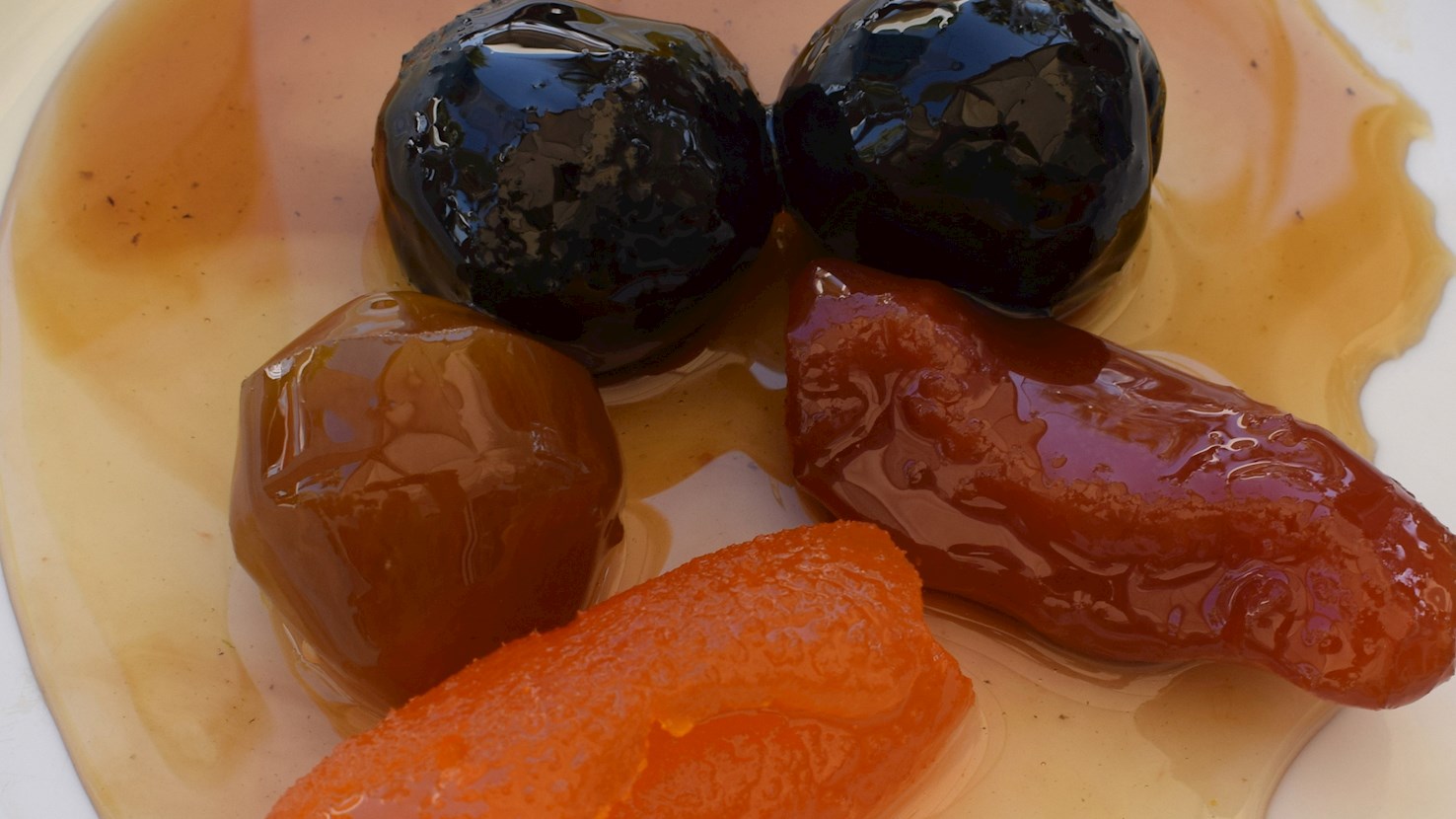
Spoon sweets are a traditional Greek and Cypriot custom and a sign of hospitality – fruits, nuts, and vegetables are placed in sugar syrup, remaining firm and retaining their original color, flavor, and aroma. They are called spoon sweets because the standard serving portion is a well-filled teaspoon which is offered to guests at numerous Greek homes. It is believed that when the custom first started to appear, everyone took spoon sweets from the same bowl as a precautionary measure – it was a way to know that the food was not poisoned. Even though spoon sweets are made throughout Greece, some of them are linked to specific regions: Andros is known for lemon and orange blossoms, Chios for grapes, figs, and mandarins, Santorini and Kos for their small, cinnamon-flavored tomatoes and almonds, Crete is famous for its grape and raisin sweets, while the Peloponnese is known for every imaginable citrus. Since these sweet treats have no fat, they are one of the Mediterranean's healthiest sweet products which can even be used as a topping for ice cream, yogurt, and various cakes.

05

Loukoumi geroskipou

3.4 ·

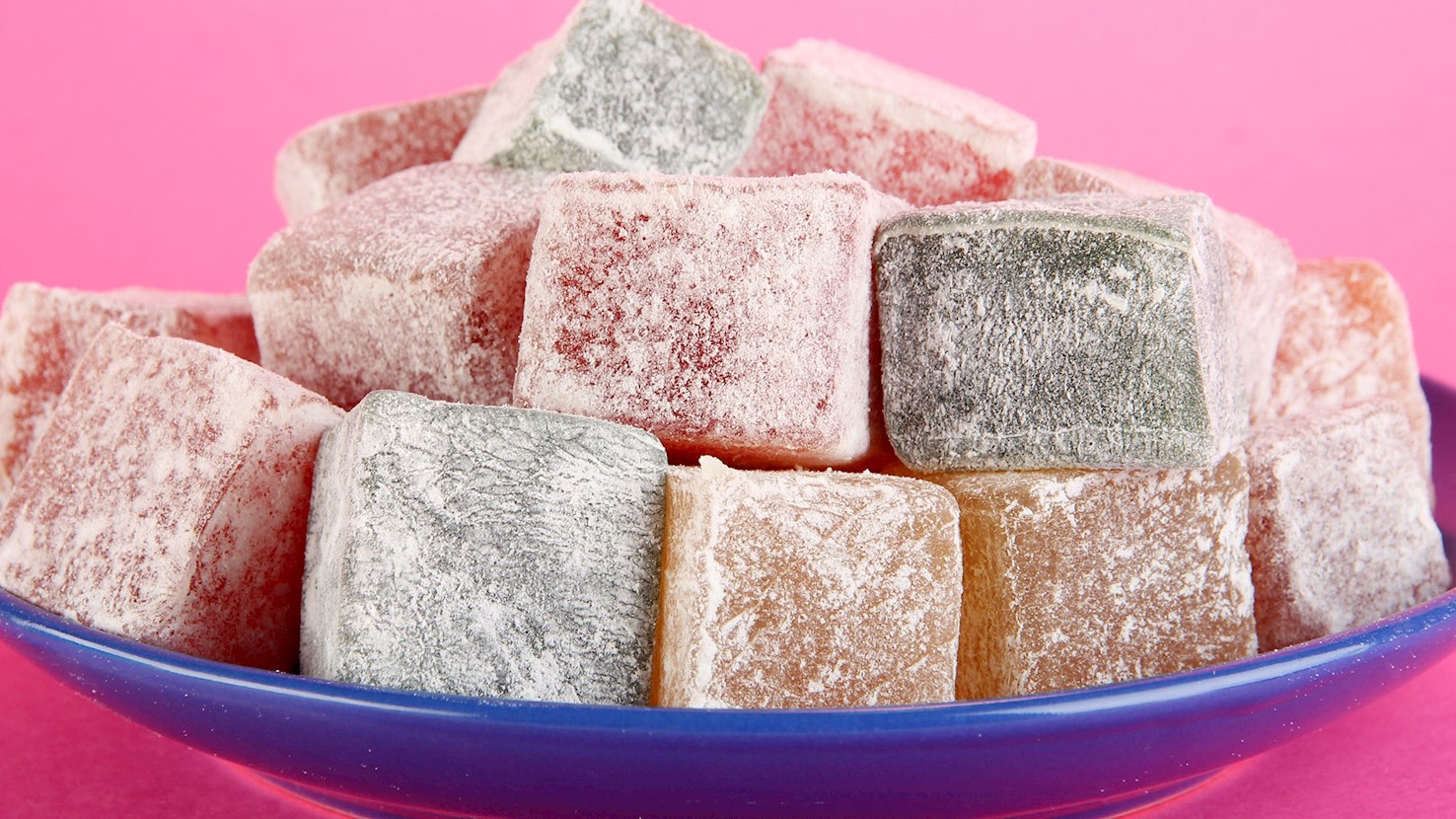
Loukoumi Geroskipou is a type of flavored rahat lokum which is made from sugar within the boundaries of Geroskipou municipality. It is coated in powdered sugar or shredded coconut, and it may be flavored or enriched with rose, strawberry, mandarin, orange, mint, pineapple, bergamot, banana, pistachio, lemon, vanilla, chocolate, and coconut. Nuts, honey, and bitter chocolate may be added to the product as well. The process of making Loukoumi Geroskipou requires time and patience, and thus it is very hard to imitate the original taste. It was first produced in 1895 by Sophocles Athanasiou and since then, it has been made according to the same recipe. His daughter took over the production of Loukoumi Geroskipou under the trade name 'Aphrodite Delights' in the 1920s. There are also many small local producers selling this treat which is adored both by locals and tourists. In 2009, Loukoumi Geroskipou was awarded the best Cypriot product of the year at the Time Out Eating Awards in Cyprus.

06

Resi

3.4 ·

Resi is a traditional dish originating from Cyprus, and it's especially associated with the Paphos region. The preparation of resi is linked with village weddings, and it's a ritual where the lamb is slowly cooked over low heat, while friends and family of the bride and the groom gather to wash and grind wheat, which is then added into the pot with the lamb. Once cooked, the bones are removed, and the remaining combination of lamb and wheat is vigorously stirred until the porridge becomes smooth. Although it doesn't happen that often, the lamb can be substituted with pork or chicken.

07

Shoushoukos

3.5 ·

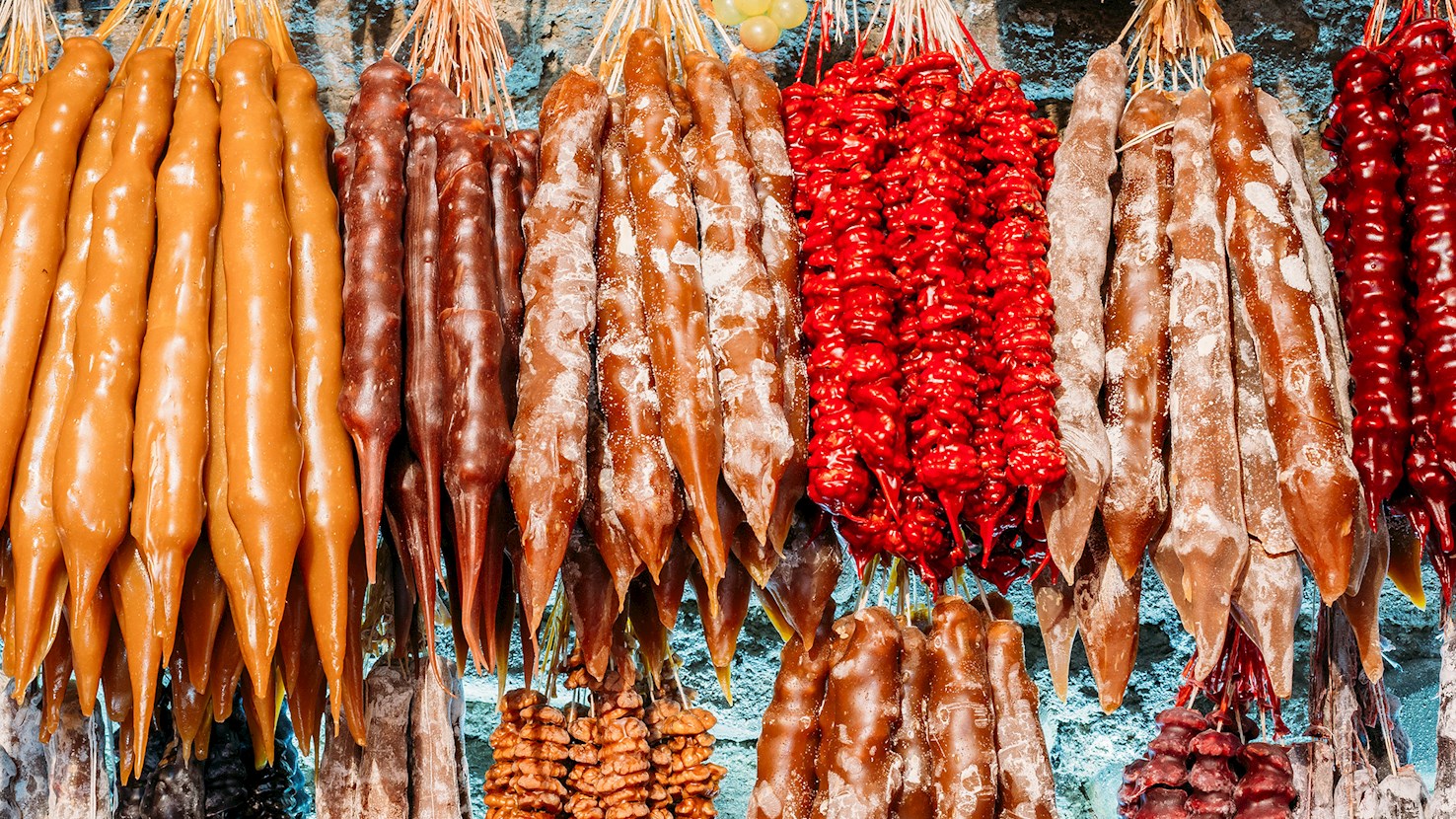
Churchkhela is a traditional Caucasian candy that is shaped into a sausage. This candy is made by dipping a long string of nuts (usually walnut halves) in concentrated grape juice, then leaving the concoction to dry. It is so healthy and so nutritious that, in the past, it was even carried by Georgian warriors on their long journeys. Although walnuts are usually used in the preparation of churchkhela, they can be replaced by almonds, hazelnuts, or raisins.

08

Bourekia

3.6 ·

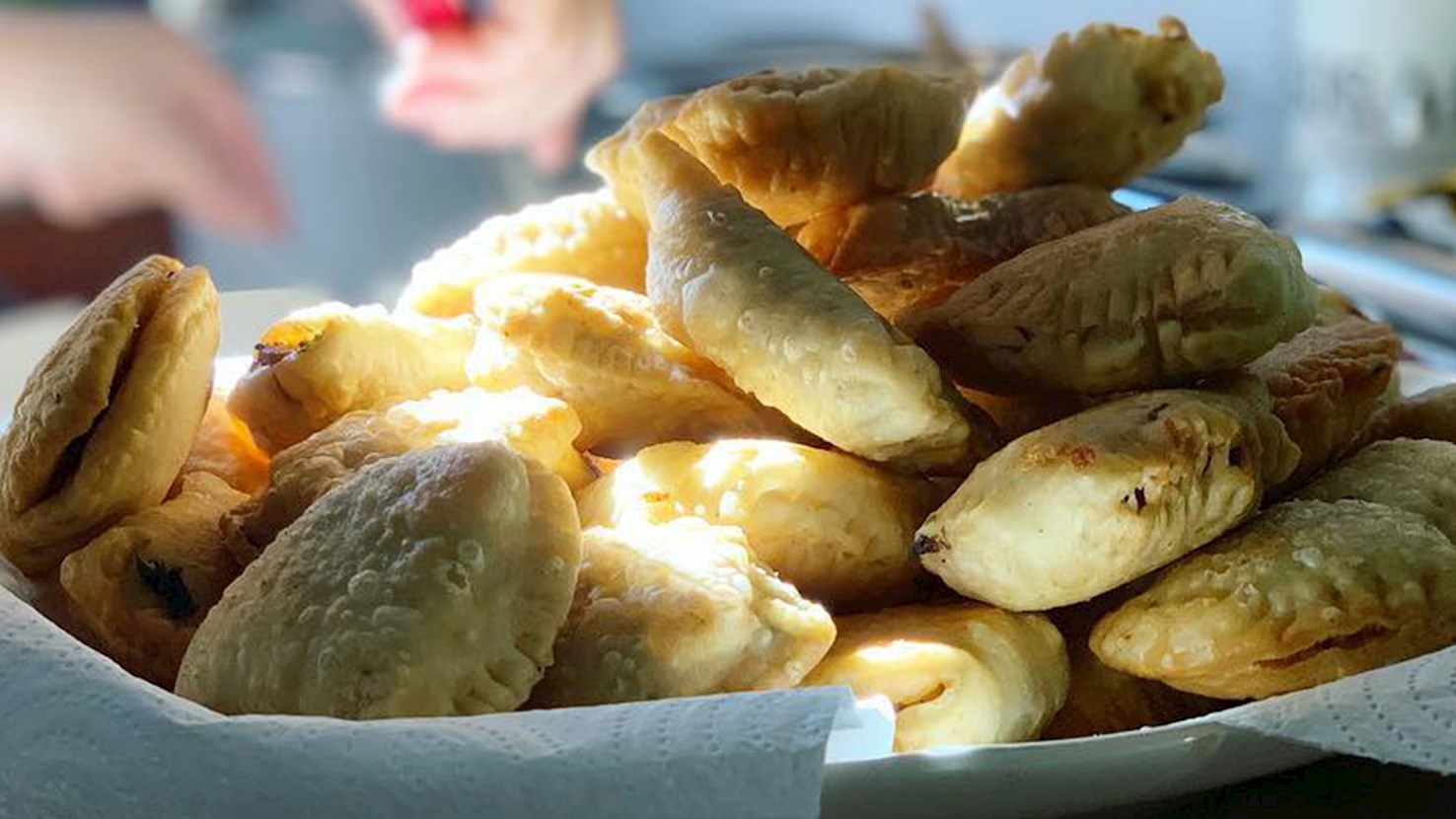
Bourekia is a traditional pastry that is usually made with thin and flaky phyllo dough and filled with cheese. The small, semicircular pastries come in sweet or savory versions, and they’re typically deep-fried in oil until golden brown. The sweet version most commonly uses a combination of fresh, unsalted anari cheese, a type of soft, slightly sweet Cypriot whey cheese, cinnamon, and sugar for stuffing the phyllo dough pockets. Rosewater or citrus blossom water (usually orange blossom water) is often used to enhance the filling’s flavor, and the sweet pastries are either dusted with cinnamon sugar or soaked in honey or syrup. Savory bourekia, on the other hand, may contain various ingredients including ground meat, cheese (such as halloumi, graviera, or feta), spinach, or mushrooms. There’s also a Lenten version of bourekia (known as bourekia nistisima) which calls for stuffing the phyllo dough with halva.

09

Flaouna

3.6 ·

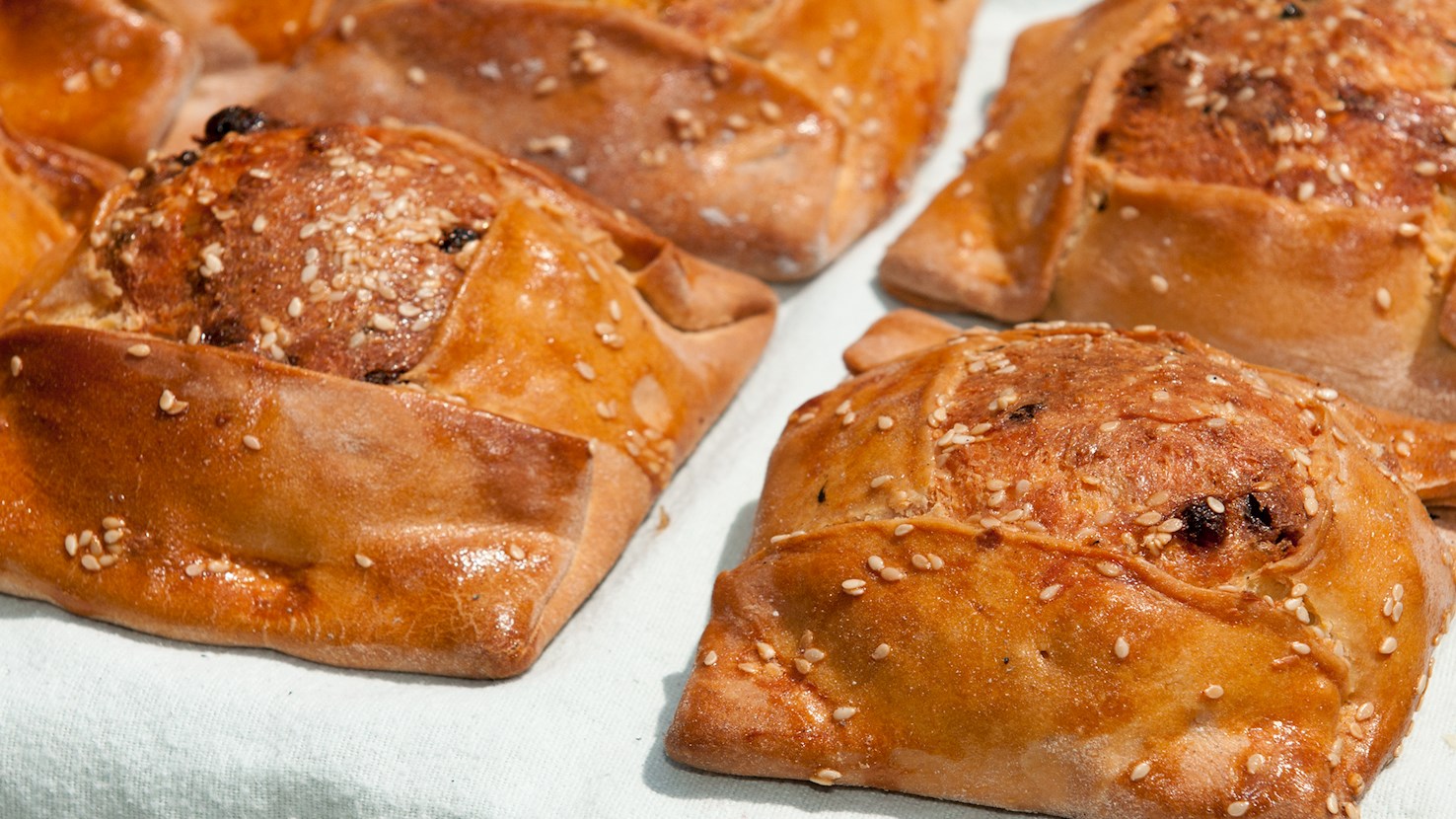
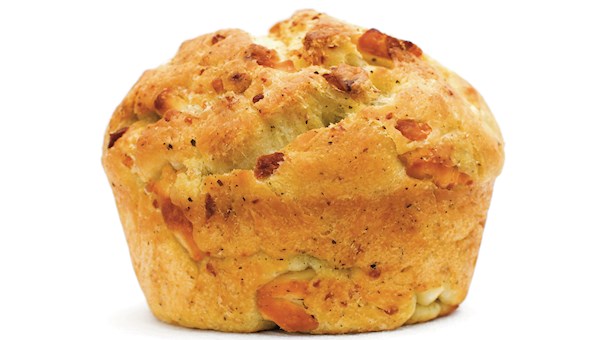
Flaouna is a traditional pastry consisting of flour, eggs, sugar, butter, yeast, water, and salt. It is additionally enriched with cheese, raisins, and fresh herbs such as mint. The dough is sprinkled with sesame seeds on top and baked until it develops a golden-brown color of the exterior. This delicious pastry is usually prepared on Good Friday as a delicacy for breaking the fast of Lent, so it is traditionally consumed on Easter Sunday.

10

Afelia

3.8 ·

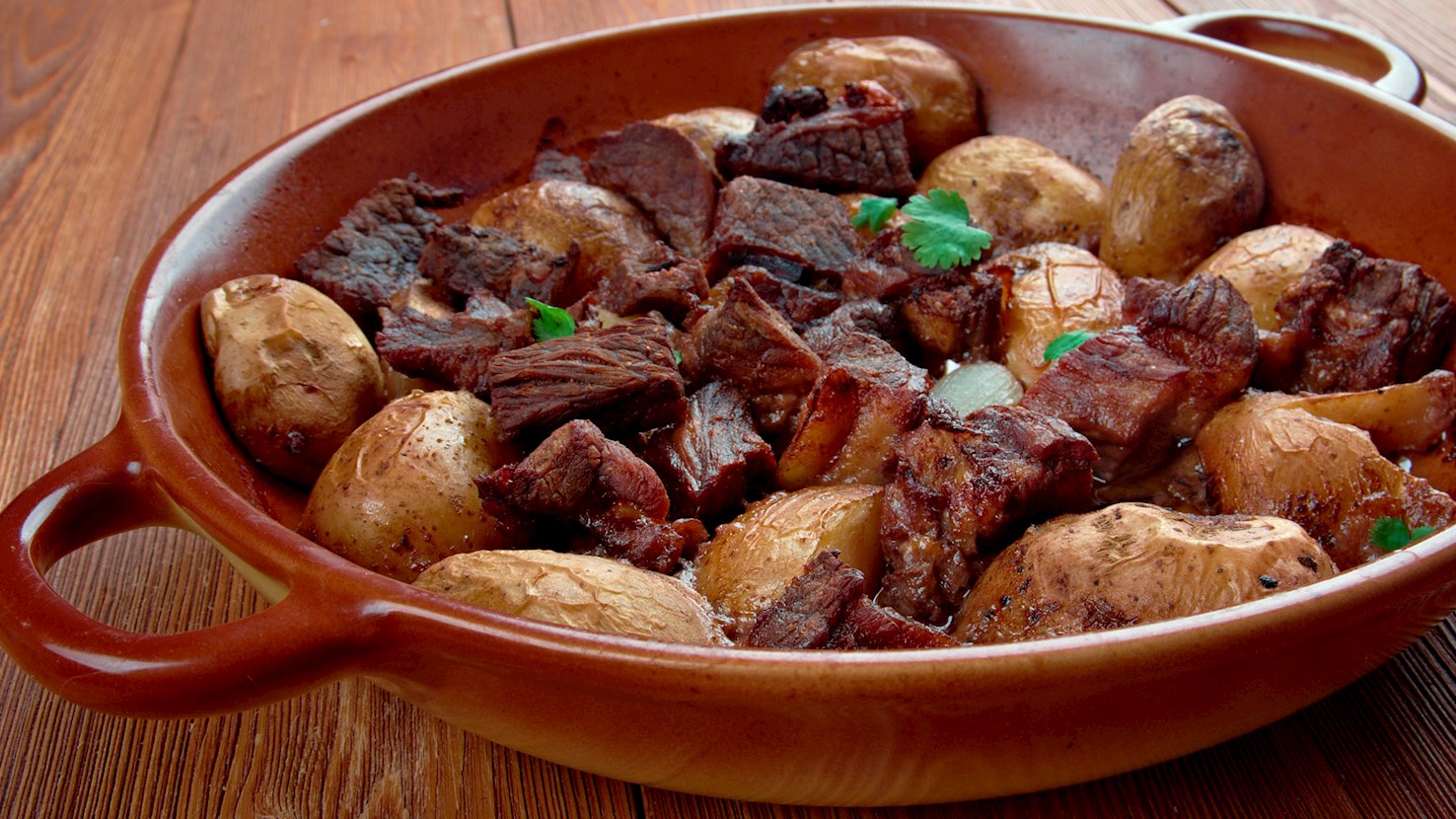
This pork-based dish regularly appears on Cypriot and Greek tables. Its name stems from ovelia, the ancient Greek word for cooked meat. Afelia is traditionally prepared in a traditional earthenware vessel called tava, which is typically placed into clay ovens in order to slowly cook until done. The dish consists of just a few ingredients: cubed pork meat (shoulder or short rib), dry red wine (used to tenderize the meat), and crushed coriander seeds. In fact, coriander is a cornerstone spice in Cyprus, and it is rare to find a true traditional Cypriot dish without it. Afelia is bursting with a fragrant combination of sweet and sour flavors, and it is usually served with accompaniments such as crusty bread, potatoes, or pourgouri - a pilaf made with vermicelli, bulgur wheat, and chicken broth. It can also be served over plain rice and drizzled with leftover baking juices.

12

Loukoumades

3.9 ·
13

Fasolada

3.9 ·
14

Hellimli

3.9 ·
Read more
View all
View map
About this ranking

TasteAtlas food rankings are based on the ratings of the TasteAtlas audience, with a series of mechanisms that recognize real users and that ignore bot, nationalist or local patriotic ratings, and give additional value to the ratings of users that the system recognizes as knowledgeable. For the “14 Worst Rated Cypriot Foods” list until June 17, 2026, 3,312 ratings were recorded, of which 1,686 were recognized by the system as legitimate. TasteAtlas Rankings should not be seen as the final global conclusion about food. Their purpose is to promote excellent local foods, instill pride in traditional dishes, and arouse curiosity about dishes you haven’t tried.

Similar lists