Jellied eels is a traditional Cockney street food item, dating back to the 18th century. Originally, it was a cheap and easy way to make a good dish, with plenty of native eels readily available in the Thames River. The eels would get chopped, boiled for approximately half an hour in herbs, then cooled - that is when the fish would produce their own gelatin, and a soft, transparent jelly would form on the cut pieces. The texture of jellied eels is delicate and soft, and while some may say it's unpleasant, their flavor is unique - mild, slightly salty, like pickled herring, but without the unusual "fishy" scent. They are commonly accompanied by white pepper and vinegar in order to further accentuate the flavors. The dish can be served either hot or cold, and according to jellied eels experts, it tastes perfect when paired with chili vinegar.
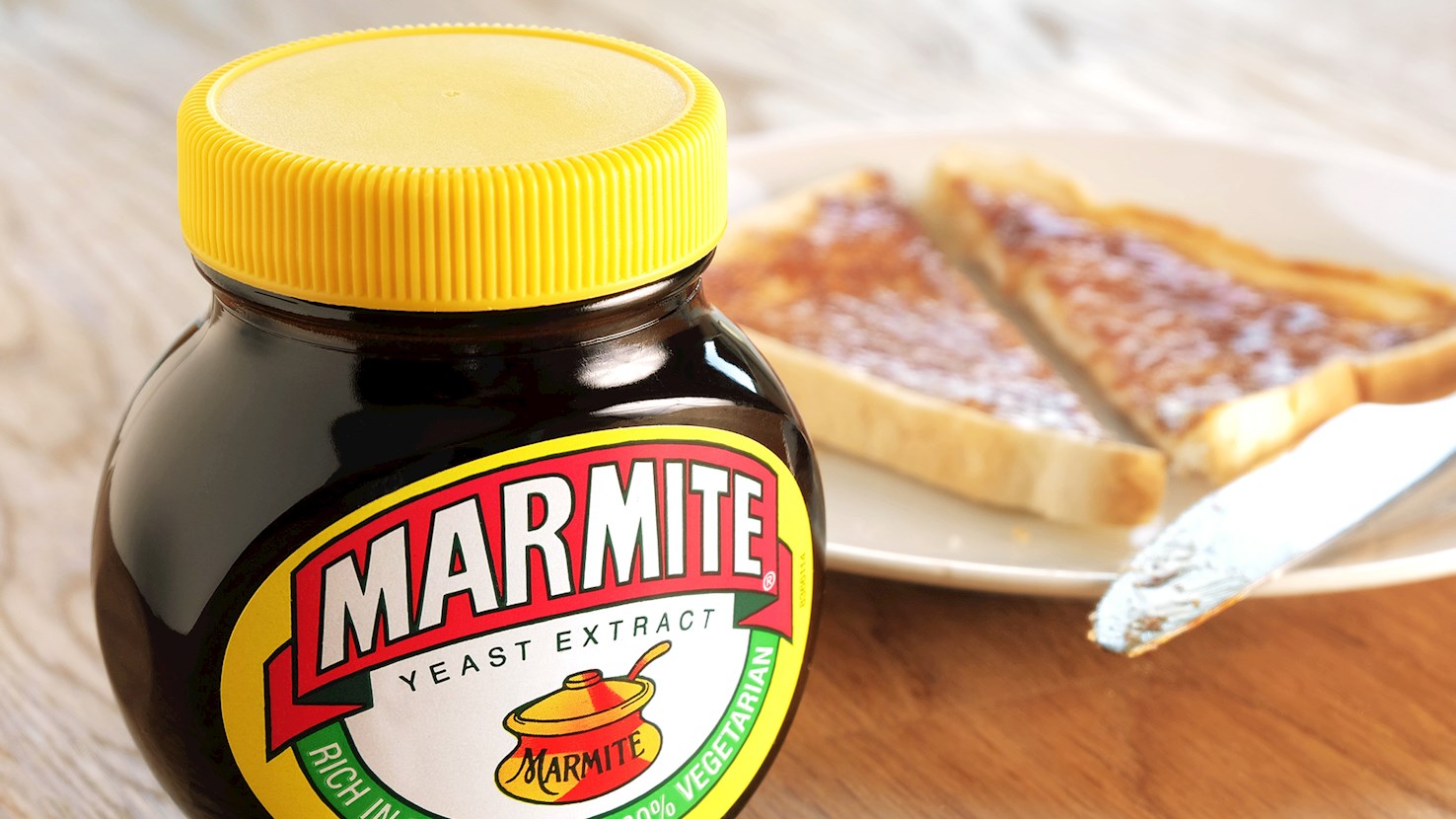
In the late 19th century a scientist named Justus von Liebig discovered that brewer’s yeast could be concentrated, conserved, and eaten. Officially, the production of this sticky, thick spread started in 1902, when the Marmite Food Company was founded in Burton-on-Trent, Staffordshire. The product was originally sold packed in earthenware pots and in the 1920s they were replaced with glass jars that are still used today. In 1908, the New Zealand company Sanitarium Health and Wellbeing bought the rights to sell Marmite, but they slightly altered its taste by adding caramel and sugar. Today a well-known international food item, Marmite is mainly consumed as a spread on various baked products or as an accompaniment to cheese or Asian congee. In New Zealand, a firm favorite is a sandwich that combines bread, Marmite, and potato chips. The Australian counterpart to the British Marmite is called Vegemite - its color is darker and the texture is thicker than Marmite.
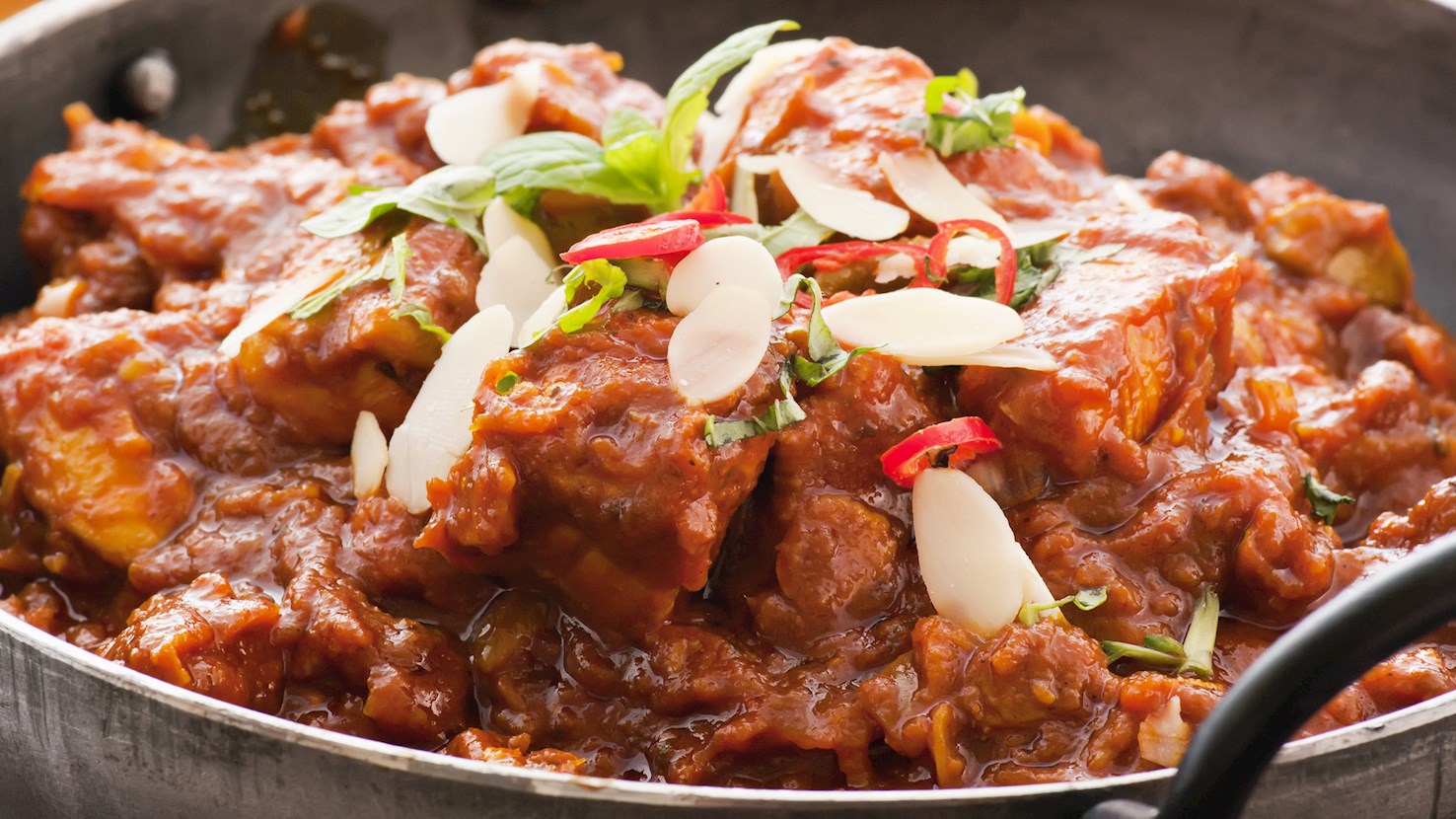
Phall is the hottest curry in the world, originating from Indian restaurants in the Birmingham, England. It is based on lamb or chicken meat, with the addition of tomatoes, ginger, and a combination of numerous fresh and dried hot peppers. Many people say that it is painfully spicy, which isn't surprising considering that one of the peppers used in phall has a Scoville rating of 1,000,000.
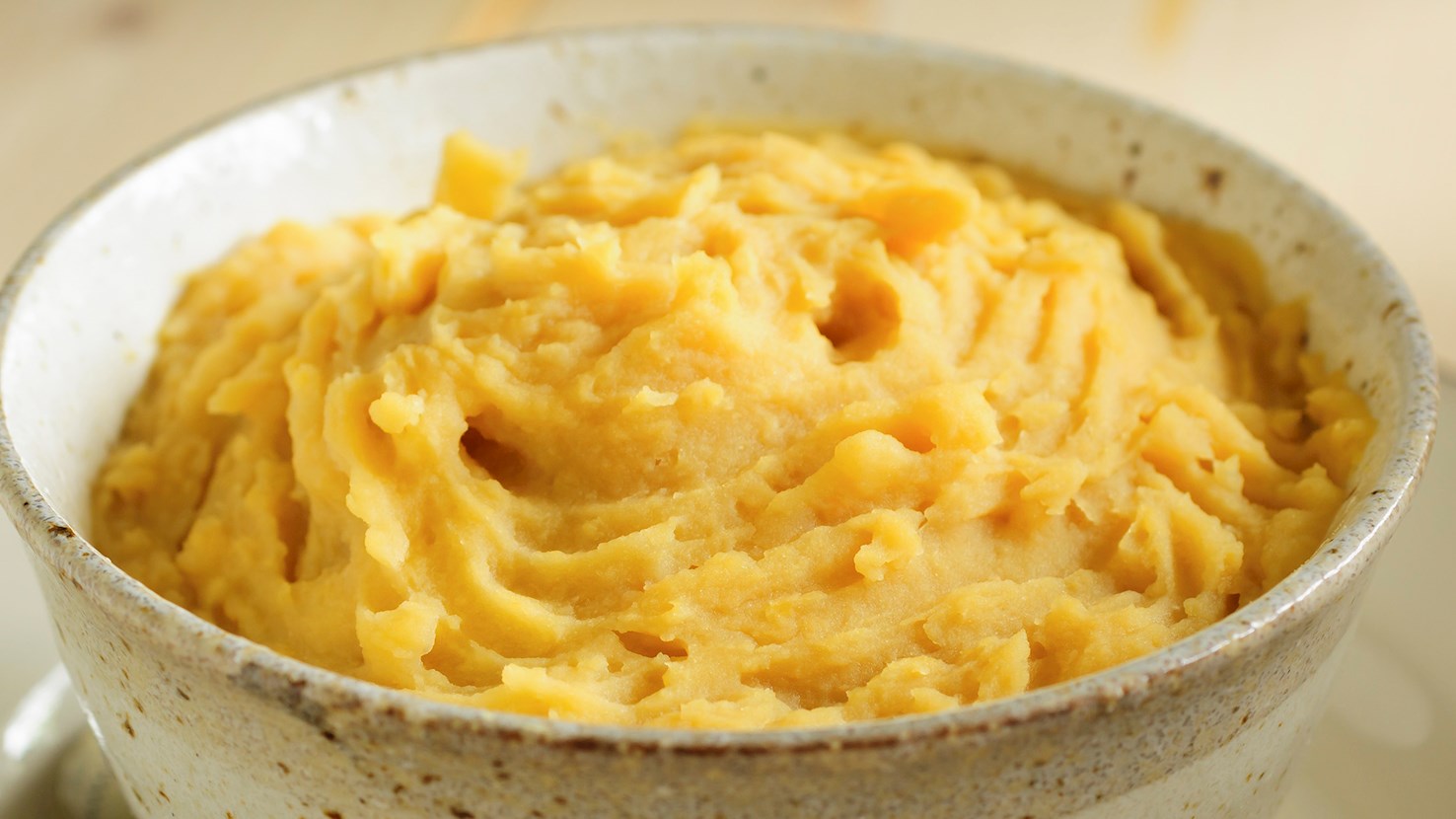
Pease pudding is a thick, savory pudding made by slowly boiling dried yellow split peas until they collapse into a smooth, spreadable puree. The roots of pease pudding trace directly back to the Middle Ages across England. The spelling itself survives as a holdover from Middle English, where "pease" functioned as a mass noun similar to wheat or sand, centuries before the singular word "pea" was adopted. Before the widespread farming of potatoes, agricultural communities relied heavily on dried pulses to survive harsh winters. Boiling these dried legumes over an open hearth provided a cheap, calorie-dense meal that lasted for days in the pot, a practice famously immortalized in the 18th-century nursery rhyme about pease porridge sitting in the pot nine days old. During the Industrial Revolution, the heavy pudding became the daily lunch for coal miners and shipyard workers across North East England, supplying massive amounts of cheap energy for grueling physical labor. Preparation begins by soaking dried yellow split peas overnight in cold water. The split peas, once drained, are dropped into a large pot of aggressively simmering liquid. To build a robust flavor profile, this boiling liquid is usually the heavily salted, smoky broth left over from boiling a large ham hock or a joint of cured bacon. Chopped white onions, whole carrots, bay leaves, and sprigs of fresh thyme go into the pot alongside the peas. The mixture bubbles on the stove for several hours until the legumes completely disintegrate. Once the liquid reduces, the remaining solids are mashed into a thick, uniform paste, stirring in a generous knob of butter and a heavy pinch of white pepper. Altering the texture and richness is common, depending on household preferences. Some kitchens scoop the thick puree into a muslin cloth, tie it shut tightly, and boil the bundle right next to a simmering joint of meat to create a firm, sliceable loaf. Other versions involve whisking a raw egg into the cooled paste and baking it until a golden crust forms on top. Swapping the yellow split peas for green ones drastically changes the familiar pale yellow appearance to a muted green. You eat this paste either steaming hot or completely chilled. Served warm, a massive scoop makes a hearty side, resting right next to thick slabs of boiled bacon, roasted ham, or plump pork sausages. When chilled, the paste solidifies into a firm, savory spread. In the northeastern regions of England, it serves as the foundation for a massive sandwich on a soft, round flatbread known as a stottie cake. Today, it is even available in cans throughout the United Kingdom.
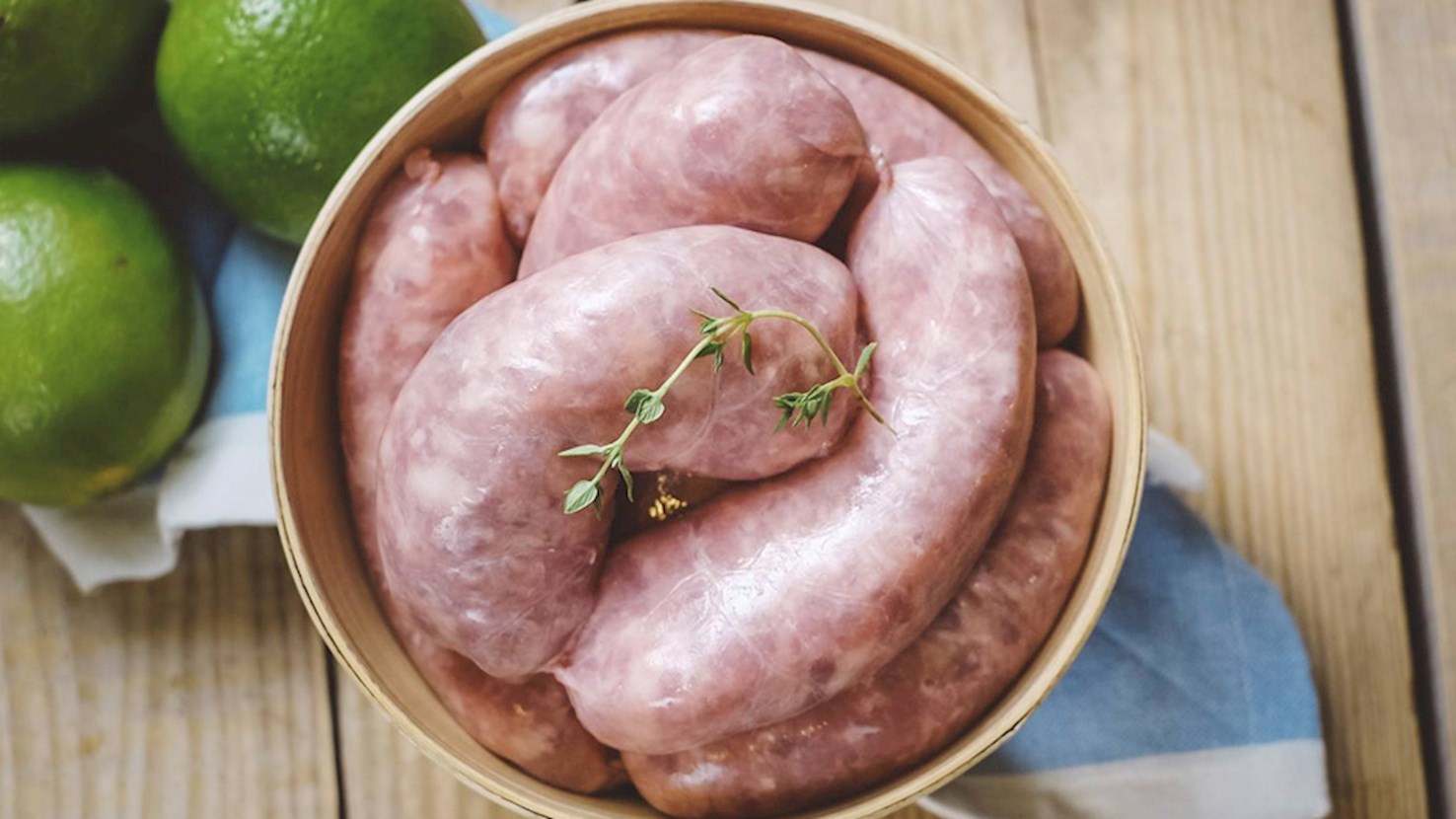
Newmarket sausages are traditionally made exclusively from high-quality fresh pork cuts from the shoulder, belly or from the whole carcass, and then carefully seasoned with a variety of herbs and spices such as white and black pepper, salt, thyme, parsley, and nutmeg. When uncooked, it is pink-beige and has a dry, coarse texture. Originally, it was eaten as a breakfast meal or a hot snack by the racegoers in Newmarket, a town famous for its horse races. Newmarket sausages are sold today as pre-packed regular sausages, cocktail sausages, chipolatas and as sausage meat, or loose from the counter.
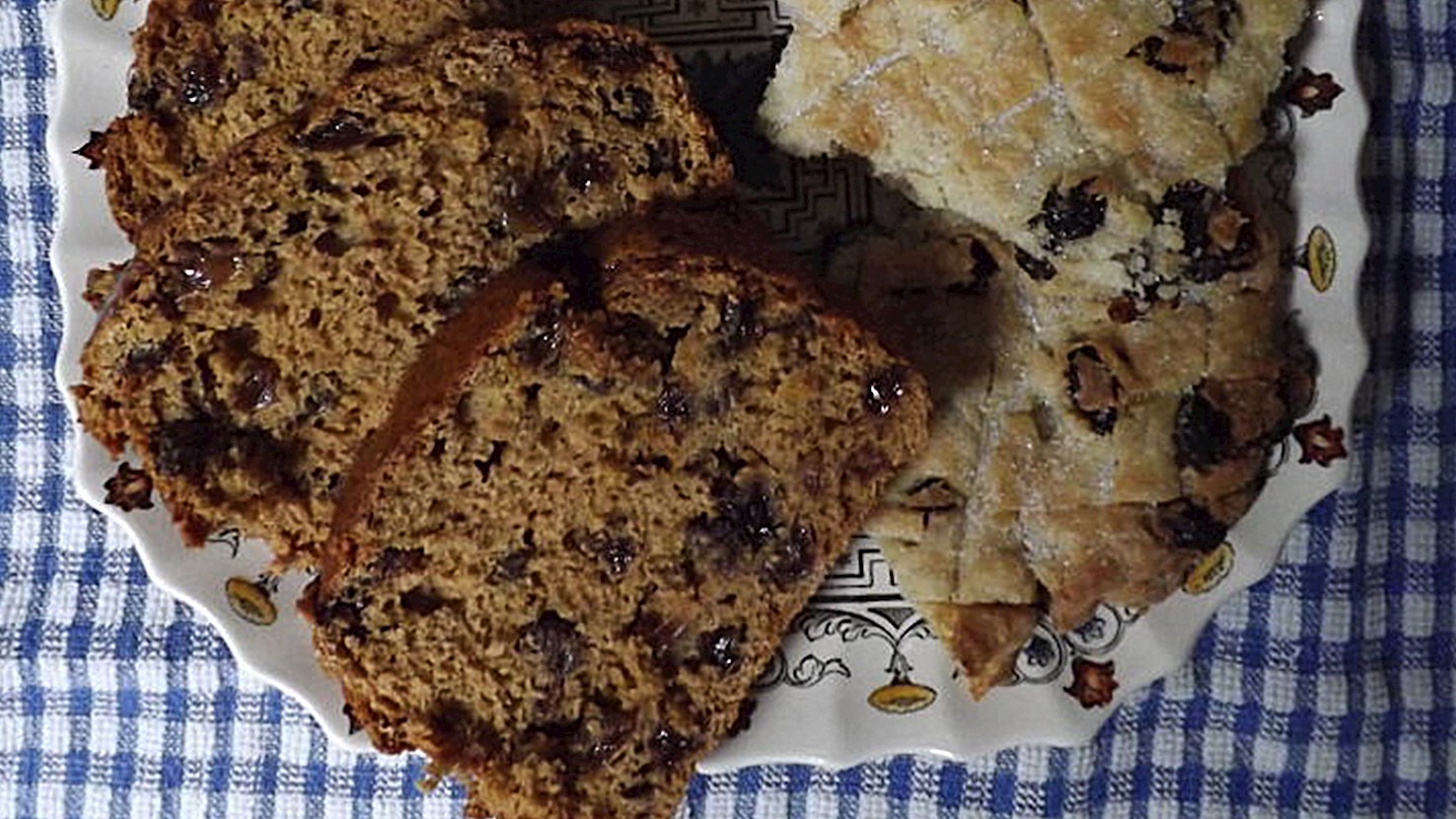
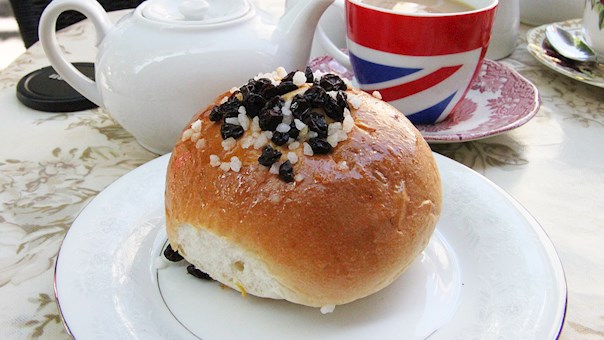
Hevva is a cake from Cornwall consisting of spelt flour, butter, sugar, milk, lard, and raisins or currants. The name hevva is linked to the landing of a shoal of fish, and then the huer would shout “hevva, hevva“, giving a cue to the fishermen's wives to go home and start baking. Traditionally, the dough should be scored diagonally before baking, in order to resemble a fishing net. It is recommended to pair this unleavened cake with a cup of hot tea on the side.
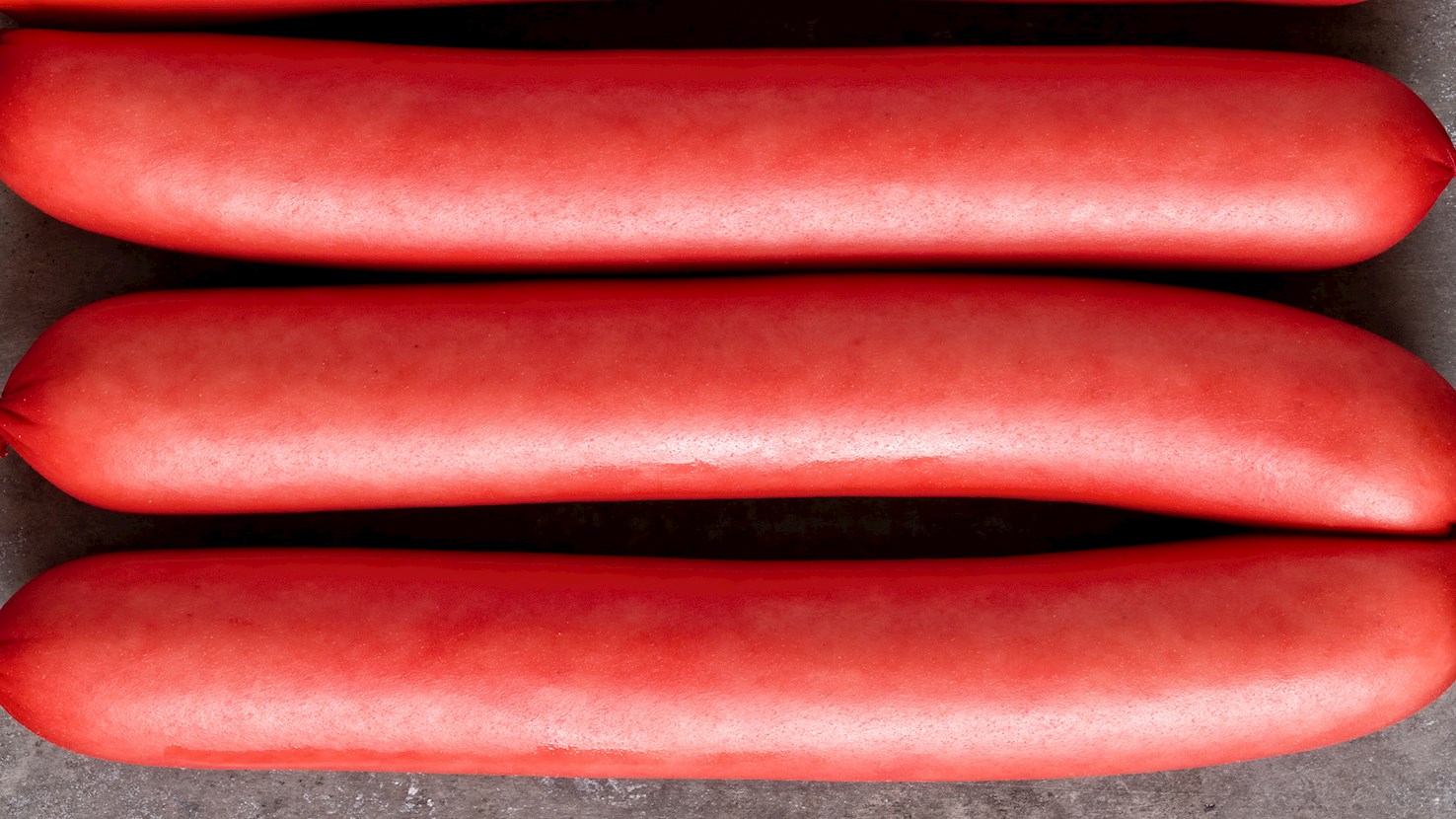
Saveloy is a bright pink, heavily seasoned sausage that is typically served in fish and chip shops throughout the country. Originally, it was made with pork brains, but nowadays it is prepared with a combination of beef, pork, spices, and rusk. People often compare its flavor with red pudding or frankfurters. Saveloy must be cooked before serving, and it is usually boiled, grilled, or fried in batter. For the best experience, it is recommended to serve it with chips on the side. However, in the North East of England, saveloy is commonly consumed in a sandwich with pease pudding. This tasty sausage is also popular in New Zealand in Australia, where it’s colloquially known as sav.
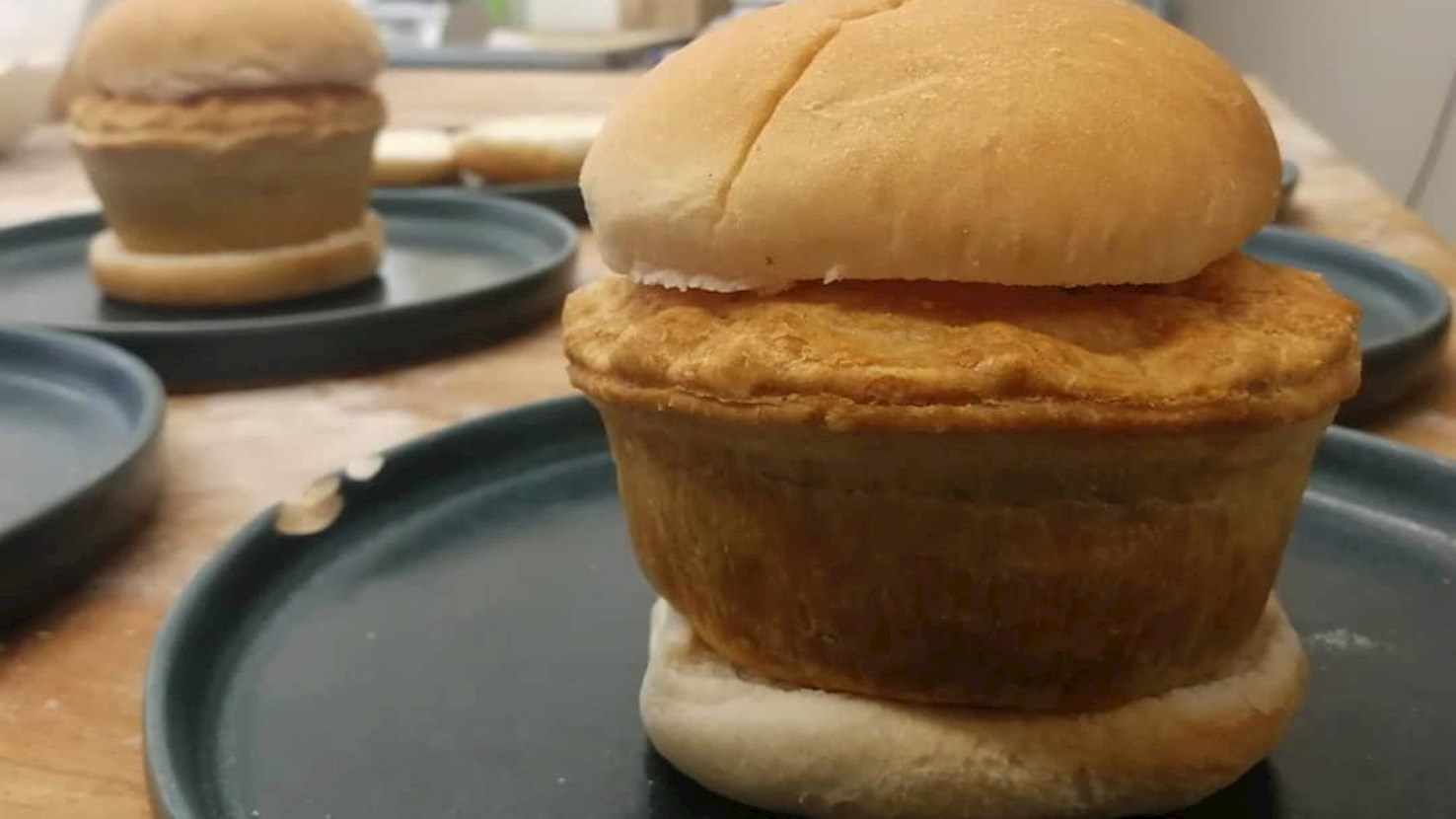
Pie barm or Wigan kebab is a unique English sandwich hailing from Wigan. The sandwich consists of a meat pie that's sandwiched between a barm cake – a buttered roll that's leavened with barm (beer foam, in most cases). The Wiganers are well-known for their pie-eating and they even attempted to send a pie to space in 2016, but didn't succeed. The pie used as the filling for this sandwich is usually of the meat-and-potatoes variety.
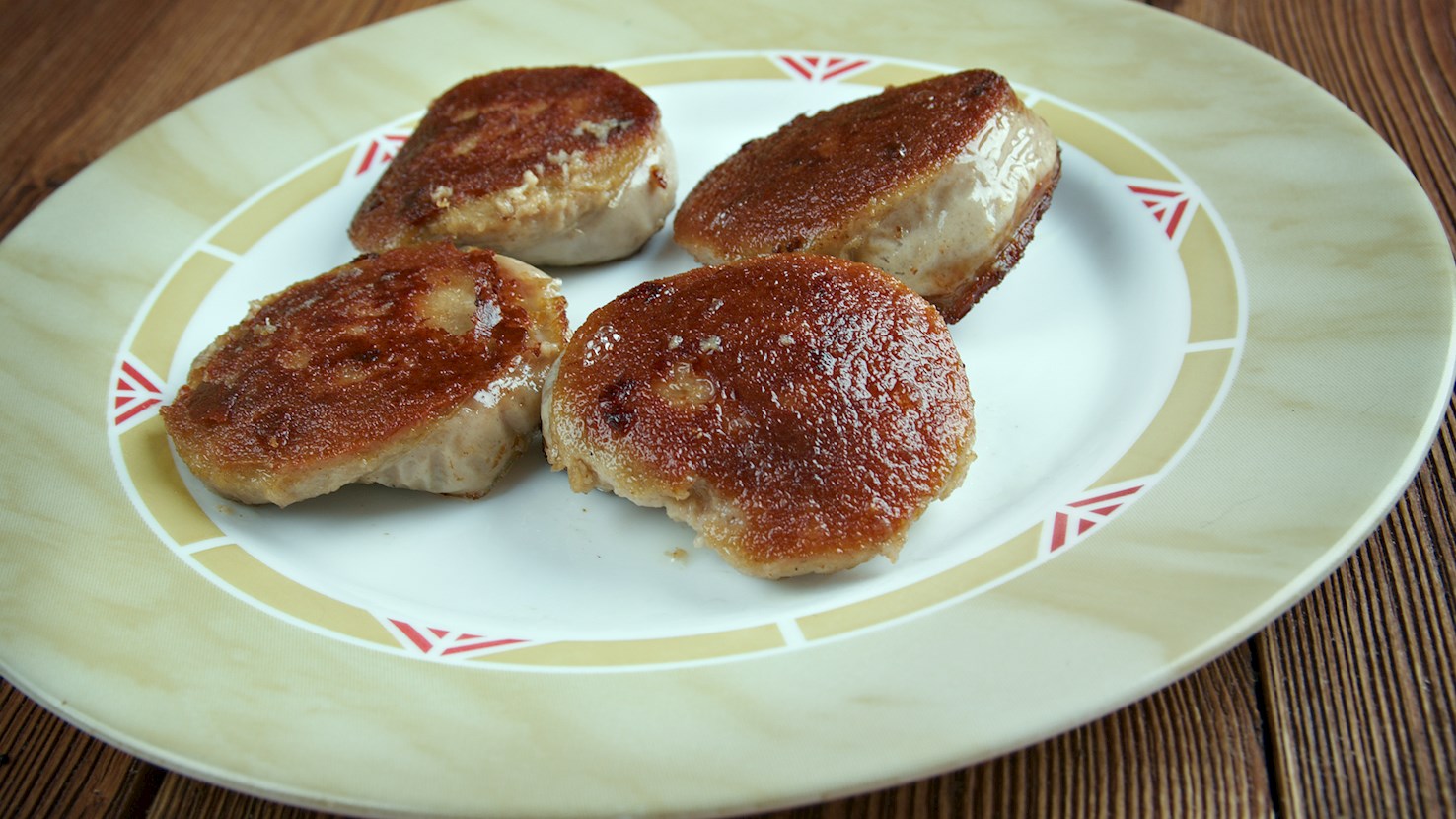
Hog's pudding is a traditional sausage-like meat product from Devon and Cornwall. It is quite spicy and contains flavorings such as basil, garlic, cumin, and black pepper. The sausage is typically prepared with pork meat or offal, pork fat, bread, suet, and either pearl barley or oatmeal. The combination of those ingredients is usually stuffed into an pig instestine, and the sausage is traditionally fried in a pan or baked in an oven.
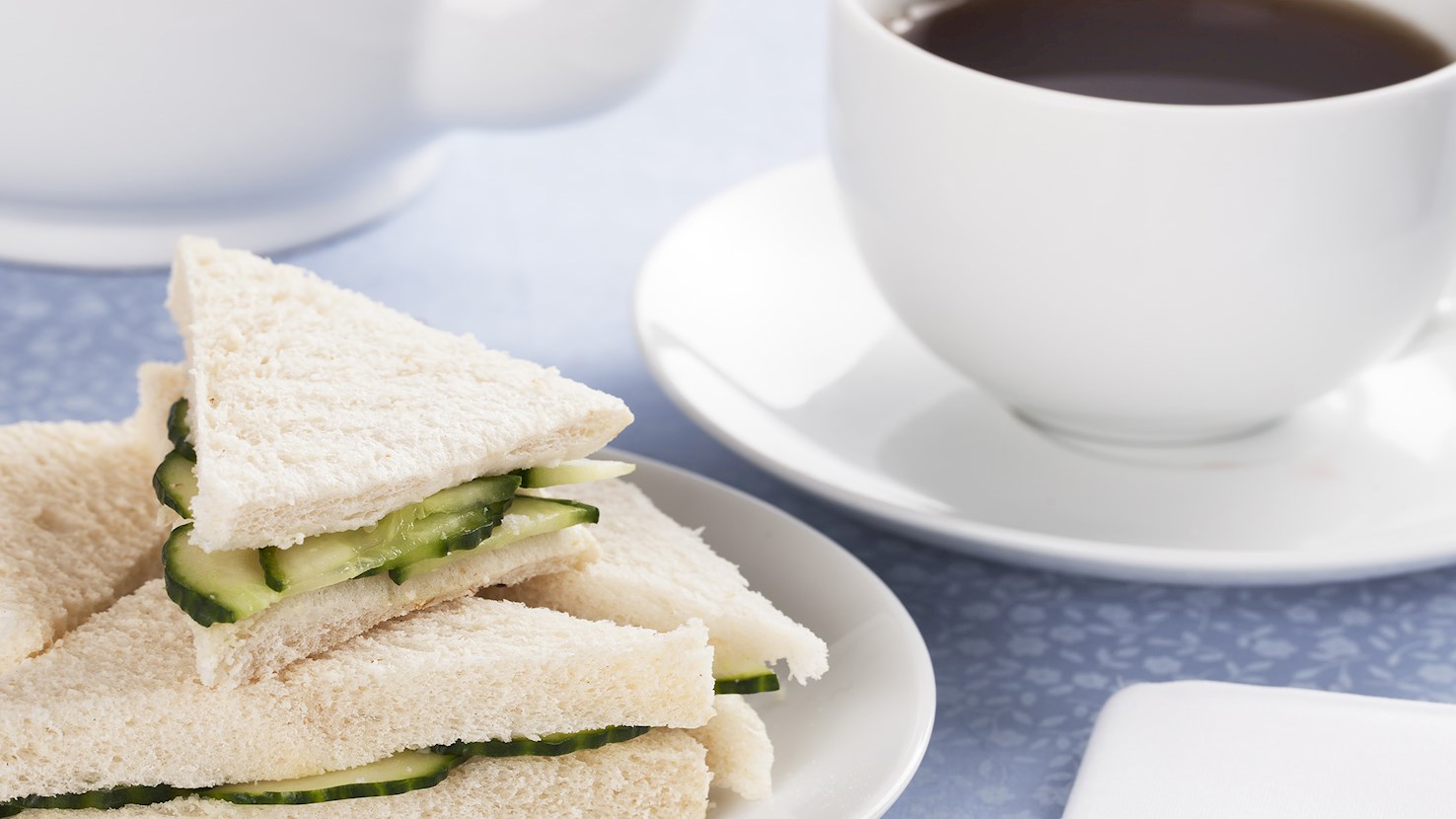
This simple, elegant staple of the famous British afternoon tea, known as cucumber sandwich, is a concoction made with crustless triangles of lightly buttered white bread that is filled with paper-thin cucumber slices, a little bit of salt, and a dash of lemon juice. The Brits invented it during the Victorian period, when it was mainly popular among members of the upper class. Today, there are many variations on the original, with added tuna, eggs, cream cheese, and mayonnaise.
TasteAtlas food rankings are based on the ratings of the TasteAtlas audience, with a series of mechanisms that recognize real users and that ignore bot,
nationalist or local patriotic ratings, and give additional value to the ratings of users that the system recognizes as knowledgeable.
For the “72 Worst Rated English Foods” list until August 17, 2026, 12,736 ratings were recorded, of which 11,296 were recognized by the system as legitimate.
TasteAtlas Rankings should not be seen as the final global conclusion about food. Their purpose is to promote excellent local foods,
instill pride in traditional dishes, and arouse curiosity about dishes you haven’t tried.




What People Say