



shutterstock

25 Worst Rated Georgian Foods

Last updated on August 17, 2026
01

Khashi

3.0 ·

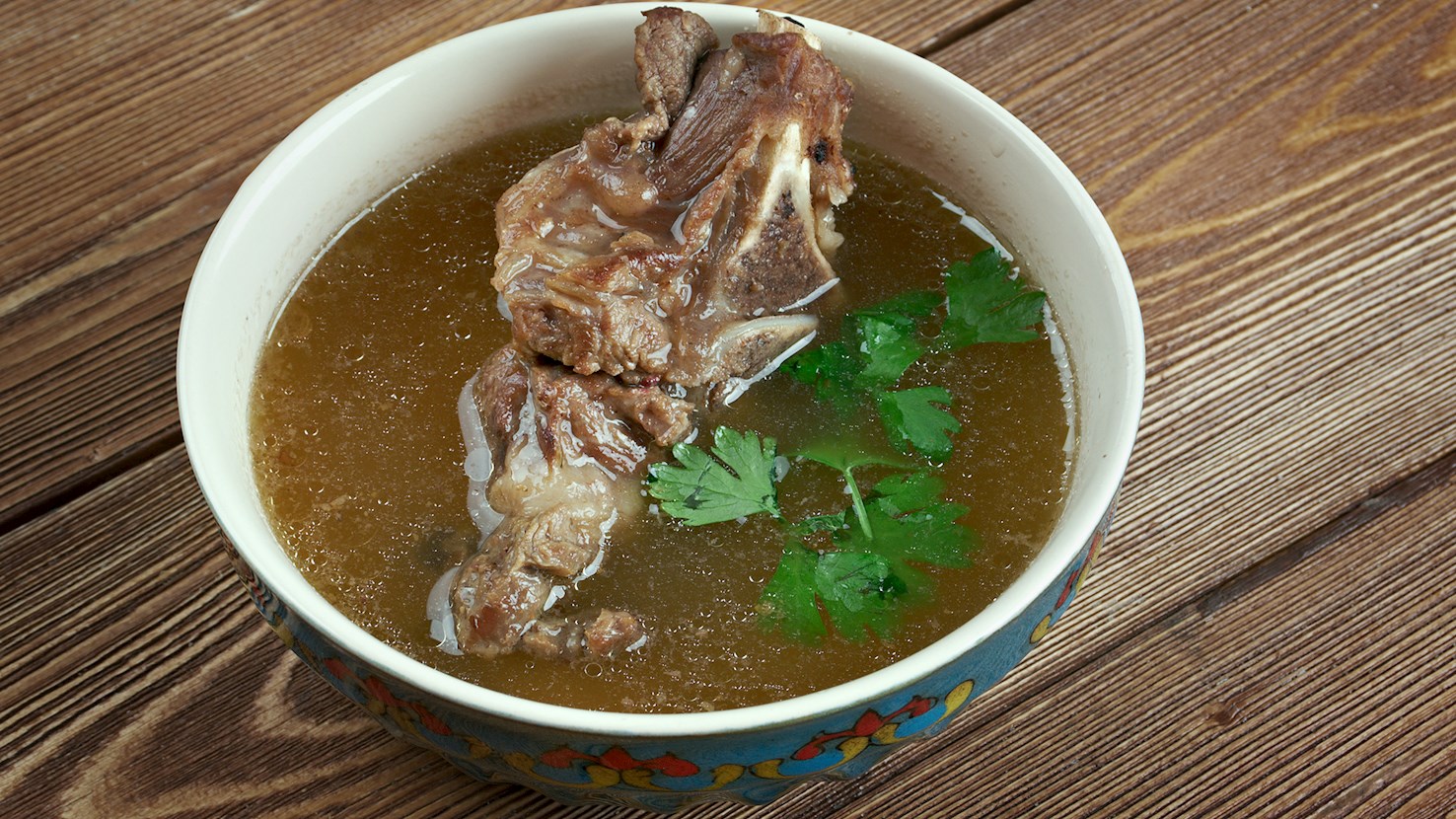
Widely regarded as an excellent hangover cure and a great remedy, khashi is a soup made by boiling beef intestines, tripe, shank, as well as other organs such as kidneys. Carrots, onions, bell peppers, and various greens may also be used. After the broth has been prepared, milk or pieces of milk-soaked bread can be added to the pot along with salt, pepper, and chopped garlic. It is said that khashi was invented when the poor had to give away all their meat to the rich, being left only with the organs, heads, and hooves of the animals. Ever since the promotion of the soup as a particularly healthy dish, it became popular among all social classes.

02

Pelamushi

3.1 ·

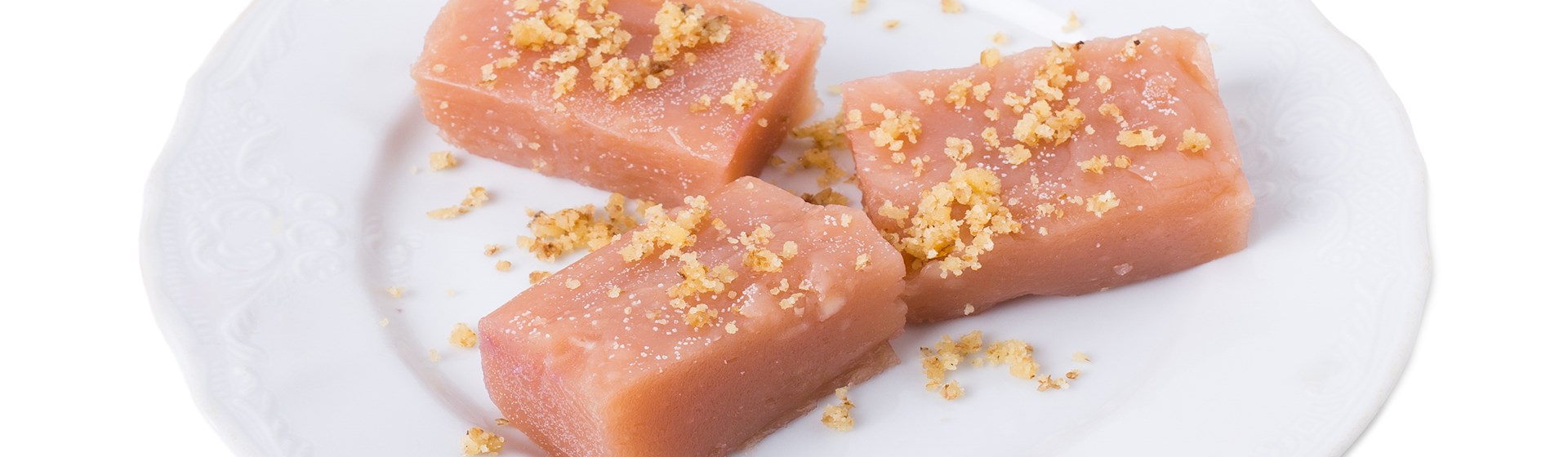
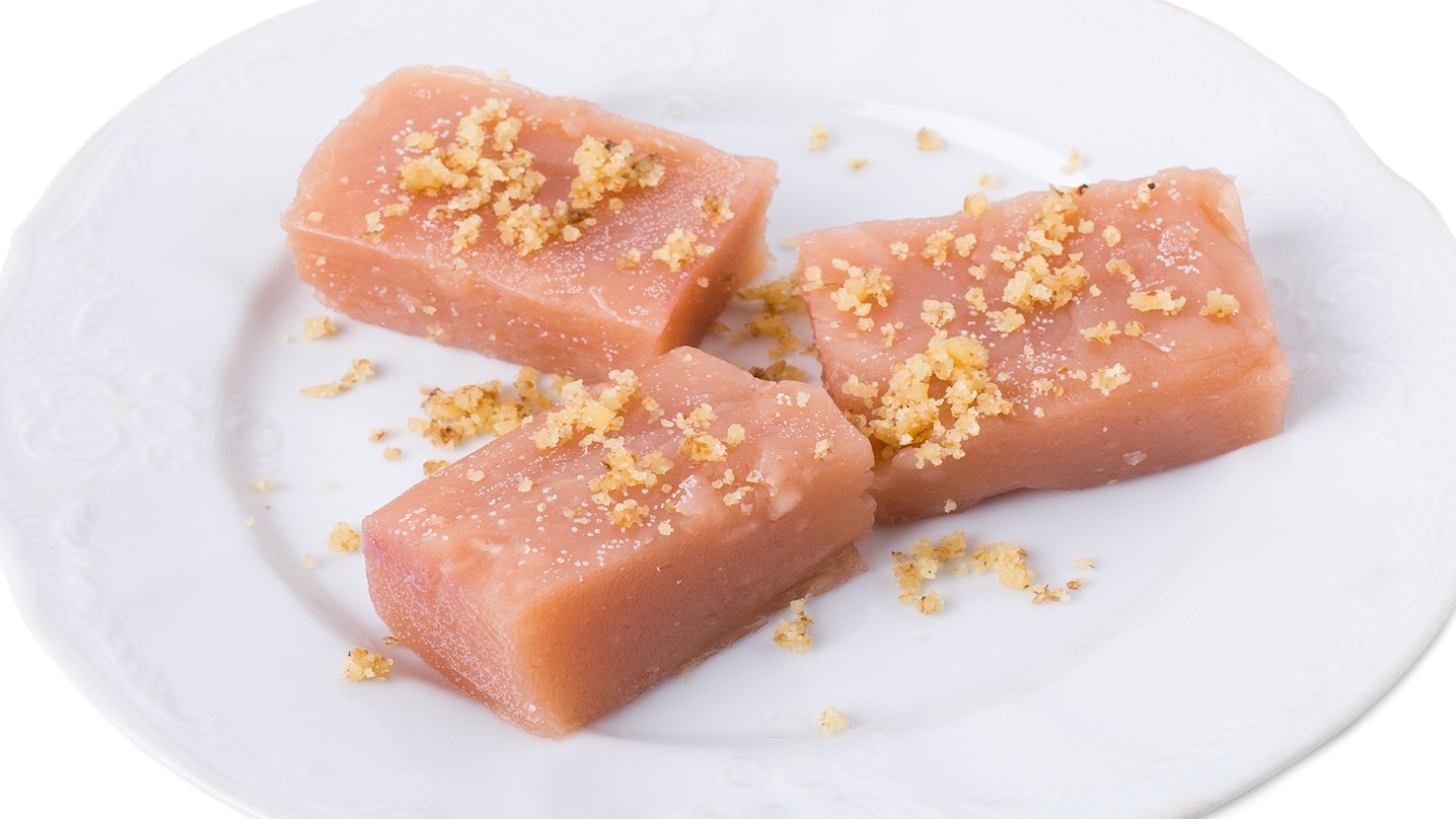
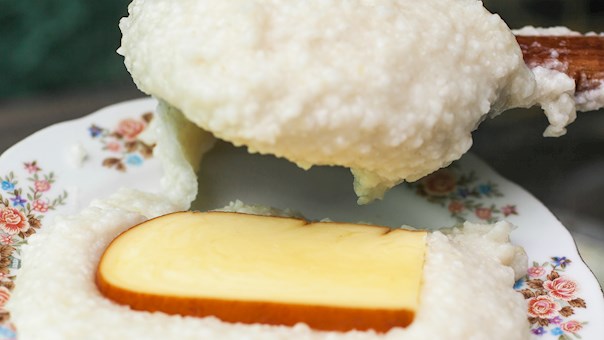
Pelamushi is a dense, chilled dessert pudding constructed by boiling pressed grape juice and thickening the liquid heavily with finely milled white cornmeal. The origins of this sweetened fruit paste stem from the viticulture practices of the western Caucasus mountains, specifically regions like Imereti and Guria. During the annual autumn grape harvest known as Rtveli, massive quantities of surplus Rkatsiteli and Saperavi grapes required immediate preservation before freezing winter temperatures hit. By the 19th century, rural households consistently boiled freshly pressed grape must in large copper cauldrons over open fires to evaporate the water content, creating a shelf-stable syrup called badagi. The typical recipe begins with this unfermented badagi. The dark purple or amber liquid pours into a heavy metal pot and heats to a gentle simmer. A mixture of white cornmeal and a small fraction of wheat flour sifts slowly into the hot juice. A wooden spoon stirs the viscous mass continuously over a low flame for roughly forty-five minutes. The heat activates the starches in the cornmeal, binding the natural grape sugars into a stiff, glossy paste that pulls cleanly away from the interior walls of the pot. Changing the base ingredients alters the density and classification entirely. Eastern areas of the Caucasus substitute the cornmeal completely with pure wheat flour, yielding a lighter, stickier variant formally classified as tatara. Using white grapes instead of the standard dark red varieties completely changes the color from deep burgundy to pale gold and injects a sharper, highly acidic flavor profile. The hot paste is transferred immediately from the stove into shallow glass bowls or patterned molds. It then sits at room temperature for several hours until the starches cool and solidify into a firm, gelatinous block. The chilled pudding turns out easily onto a flat ceramic plate, retaining the exact shape of its container perfectly. A heavy scattering of crushed walnuts, toasted hazelnut halves, or raw pomegranate seeds is dropped directly over the smooth surface to provide a sharp, crunchy contrast against the soft cornmeal base. Slicing the cold dessert requires a wet knife, and pelamushi functions specifically as a sweet conclusion to large autumn harvest banquets.

03

Mujuji

3.1 ·

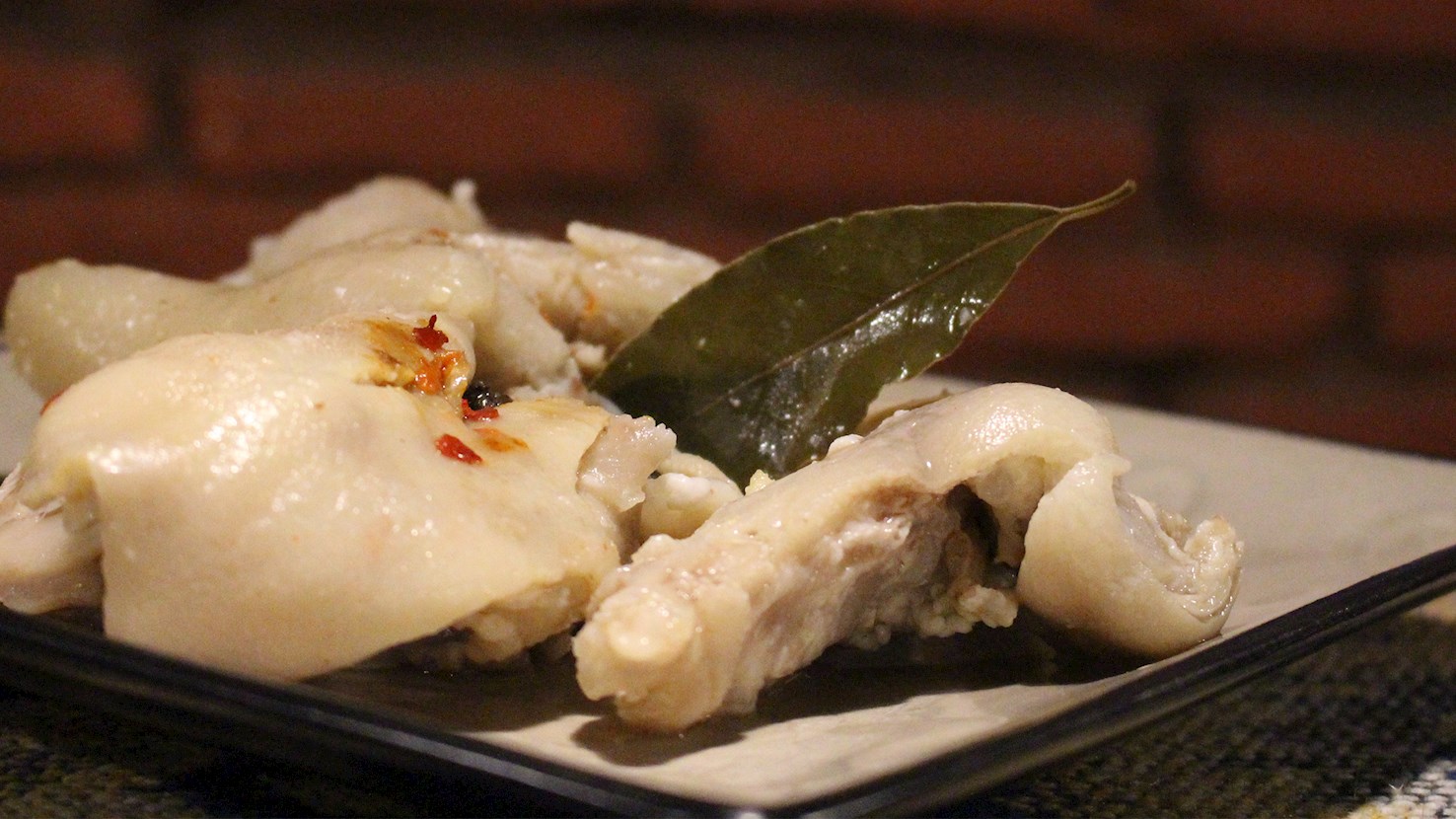
Mujuji is a traditional dish consisting of jellied pork offal such as tails, ears, and feet. The offal is combined with vinegar, vegetables, and spices such as onions, carrots, garlic, allspice, cinnamon, bay leaves, and peppercorns. This dish can be served hot or cold, and the Georgians like to serve it with a layer of chilled fat on top.

04

Jarkhlis pkhali

3.2 ·

Jarkhlis pkhali is a traditional dip or spread originating from Georgia. It is usually made with a combination of beetroot, walnuts, garlic, coriander, chili powder, vinegar, salt, and pepper. The walnuts and garlic are ground into a smooth paste, and it's then mixed with the coriander, vinegar, chili powder, and boiled grated beetroot. The mixture is brought together into a thick and smooth paste that's served on platters and often garnished with dill and coriander. Jarkhlis pkhali is served cold or at room temperature.

05

Mchadi

3.4 ·

Mchadi is a popular, traditional Georgian bread consisting of cornmeal, salt, and water. The dough is usually fried in hot oil until golden brown. It is recommended to serve mchadi warm with kidney beans and cheese on the side.

06

Mkhlovani

3.4 ·

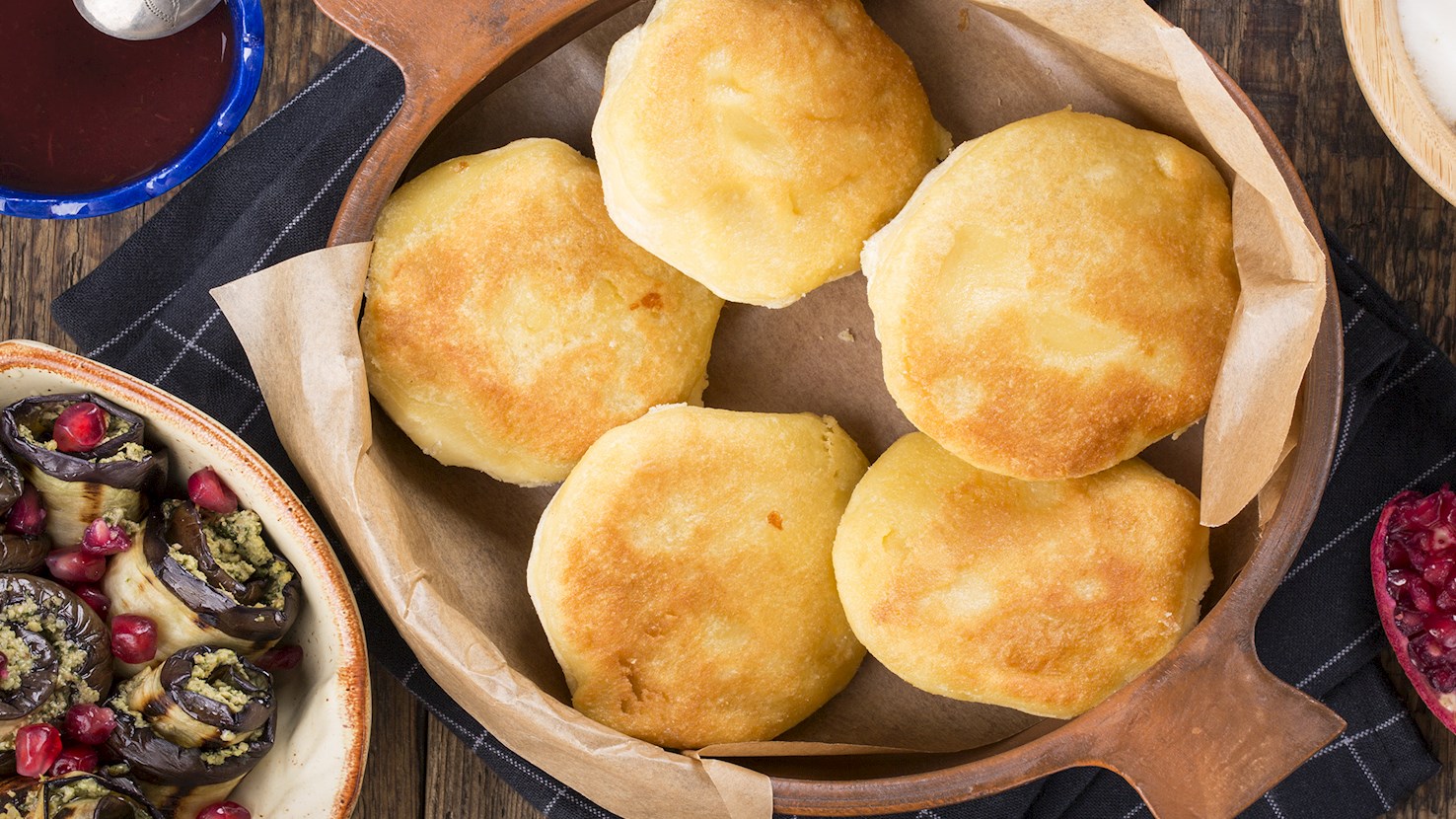
Mkhlovani is a traditional stuffed pie originating from the mountainous regions, including the nearby Ossetia. The dough for the pie is usually made with a combination of flour, sugar, salt, yeast, and oil, while the filling is made with a mixture of greens (such as spinach, dill, or beetroot leaves), butter, salt, walnuts, eggs, and cheese such as Sulguni. The herbs are chopped and mixed with grated cheese, eggs, and walnuts. The dough is flattened, stuffed with the filling, and the dough is then closed around it in order to create disk-like shapes. The mkhlovani is baked in a pan over medium heat. Once golden brown and crisp, this stuffed pie is often dotted with butter and served hot.

07

Shila plavi

3.4 ·

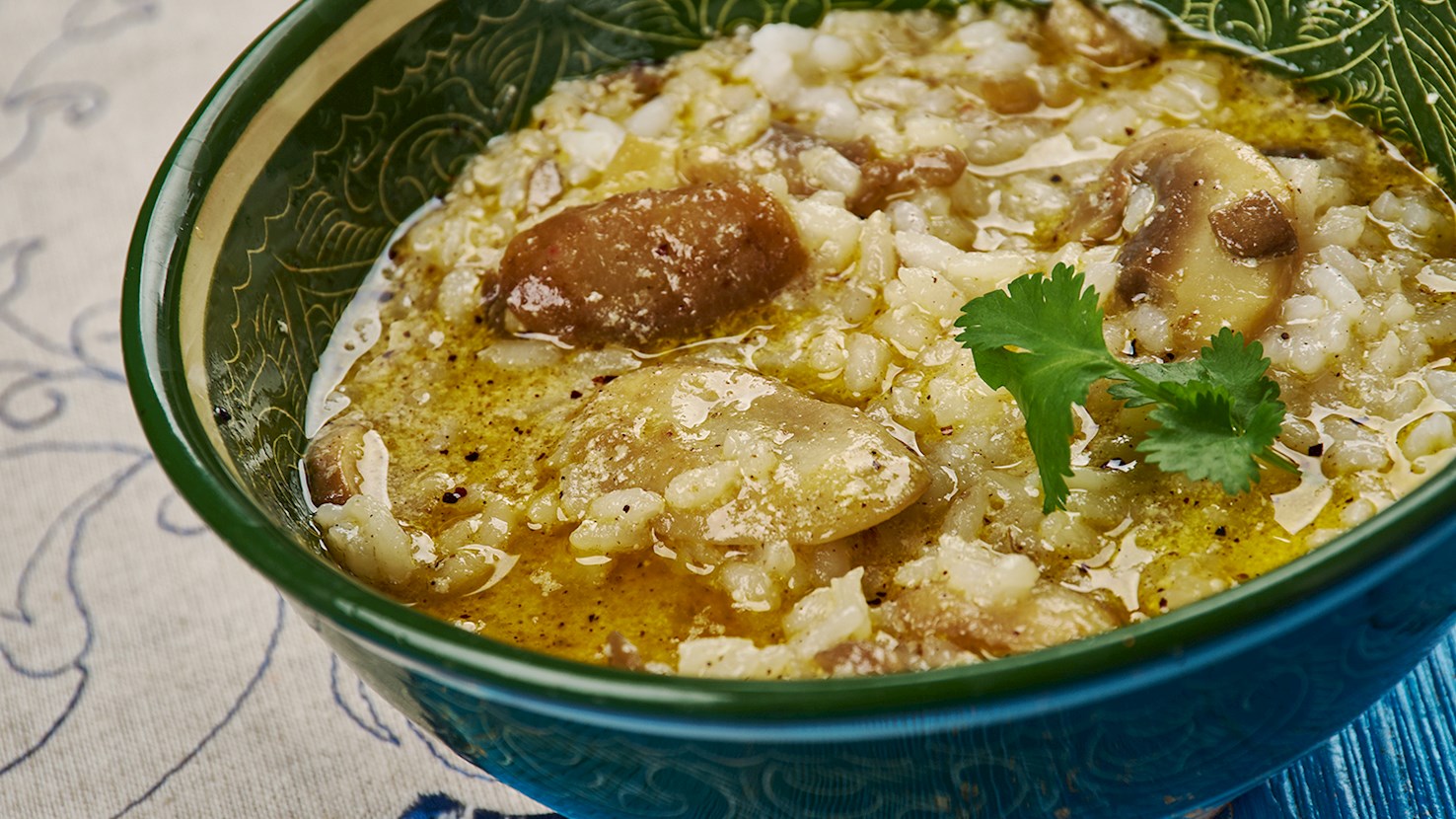
Shila plavi is a traditional rice dish originating from Georgia. The dish has two versions – with meat and with mushrooms. During fasting, the meat in the dish is replaced with mushrooms. The dish is made with a combination of meat or mushrooms, rice, onions, oil, salt, black pepper, and cumin, while saffron and white wine can be added to enrich the flavors. Once done, the dish should have a consistency that’s similar to a risotto. Shila plavi is traditionally served at funerals.

08

Churchkhela

3.5 ·

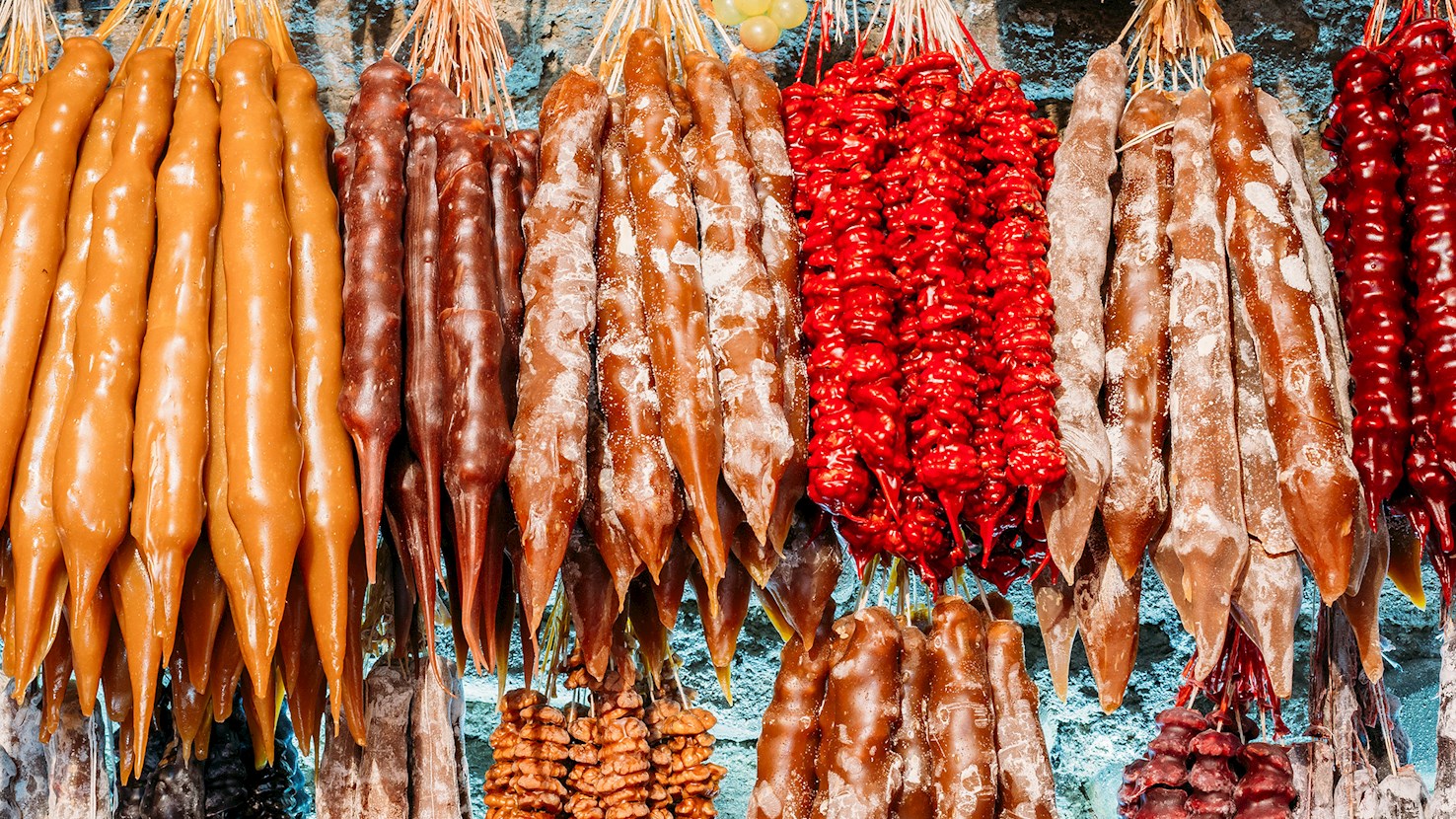
Churchkhela is a traditional Caucasian candy that is shaped into a sausage. This candy is made by dipping a long string of nuts (usually walnut halves) in concentrated grape juice, then leaving the concoction to dry. It is so healthy and so nutritious that, in the past, it was even carried by Georgian warriors on their long journeys. Although walnuts are usually used in the preparation of churchkhela, they can be replaced by almonds, hazelnuts, or raisins.

09

Chvishtari

3.5 ·

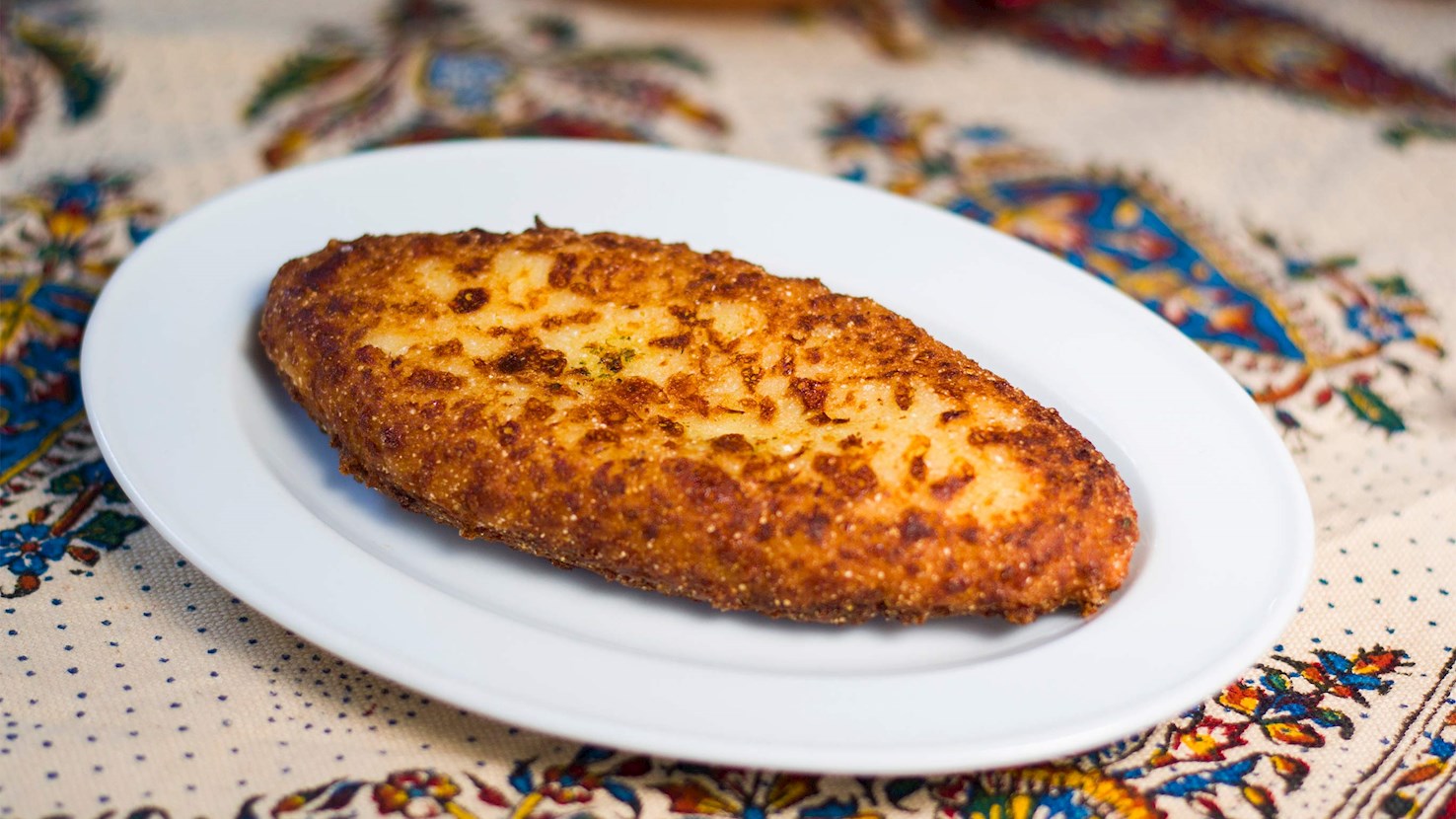
Chvishtari is a traditional cornbread originating from Svaneti. It's usually made with a combination of cornflour, milk, eggs, oil, salt, and sulguni cheese. The dough is kneaded with the cheese until it becomes firm and smooth. It is then flattened and cooked on both sides in a greased frying pan over medium heat until lightly golden. It's recommended to eat chivshtari on the same day that it was made, preferably while still hot.

10

Katmis supi

3.5 ·

Katmis supi is a traditional chicken and vegetable soup originating from Georgia. The soup is usually made with a combination of chicken, potatoes, carrots, onions, butter, garlic, celery, dill, parsley, peppercorns, red chili powder, and salt. The chicken is boiled until tender, and the stock is brought to a simmer. The onions, carrots, potatoes, butter, peppercorns, dill, garlic, and parsley are added to the pot and cooked until the potatoes become tender. The chicken meat is added near the end of cooking, along with garlic and celery. Before serving, the soup is seasoned with salt and chili powder, and it's then served piping hot.

About this Ranking

TasteAtlas food rankings are based on the ratings of the TasteAtlas audience, with a series of mechanisms that recognize real users and that ignore bot, nationalist or local patriotic ratings, and give additional value to the ratings of users that the system recognizes as knowledgeable. For the “25 Worst Rated Georgian Foods” list until August 17, 2026, 11,265 ratings were recorded, of which 4,239 were recognized by the system as legitimate.

TasteAtlas Rankings should not be seen as the final global conclusion about food. Their purpose is to promote excellent local foods, instill pride in traditional dishes, and arouse curiosity about dishes you haven’t tried.

What People Say

Similar Lists