






86 Worst Rated Greek Foods

Last updated on May 22, 2026
01

Aginares salata

2 ·

Aginares salata is a traditional salad originating from Crete. Although there are variations, the salad is usually made with a combination of young and tender artichokes, lemon, lemon juice, olive oil, mustard, garlic, dill, salt, and pepper. The artichokes are trimmed and boiled in a mixture of water and lemon juice. The artichokes are quartered and cut in half, rubbed with lemon, and placed on a platter. A dressing consisting of lemon juice, olive oil, mustard, and garlic is then poured over the artichokes, and the salad is sprinkled with chopped dill, seasoned with salt and pepper, tossed, and served immediately. Aginares salata can be found only in the early spring, on the first days of Lent, when it's typically served with taramosalata and rengosalata as an appetizer.

02

Bourbourelia

2.3 ·

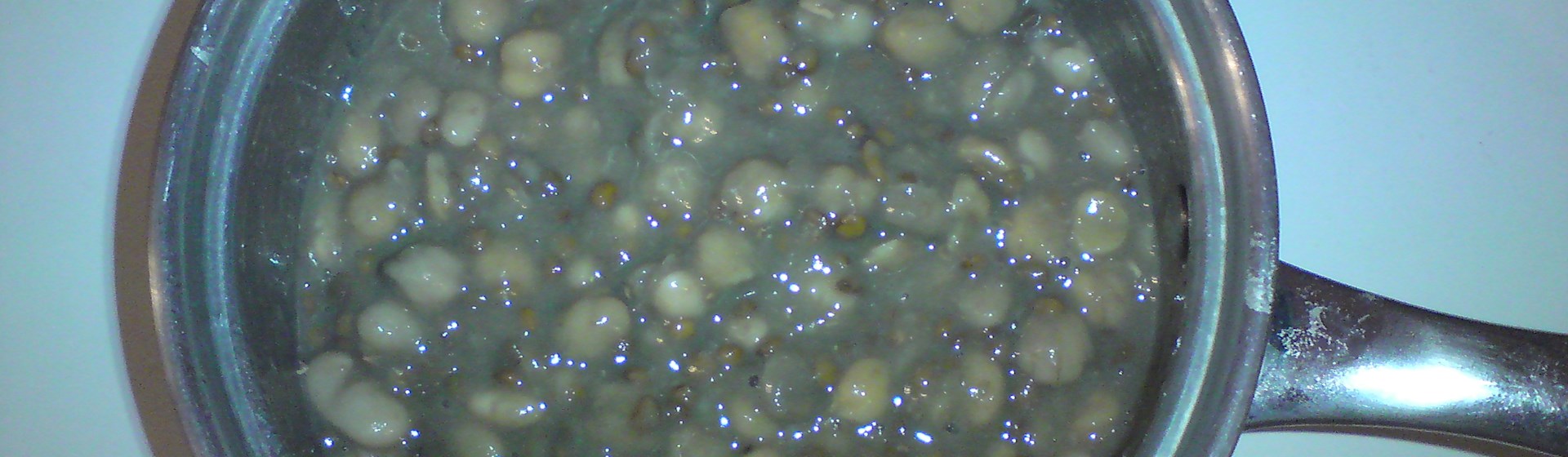
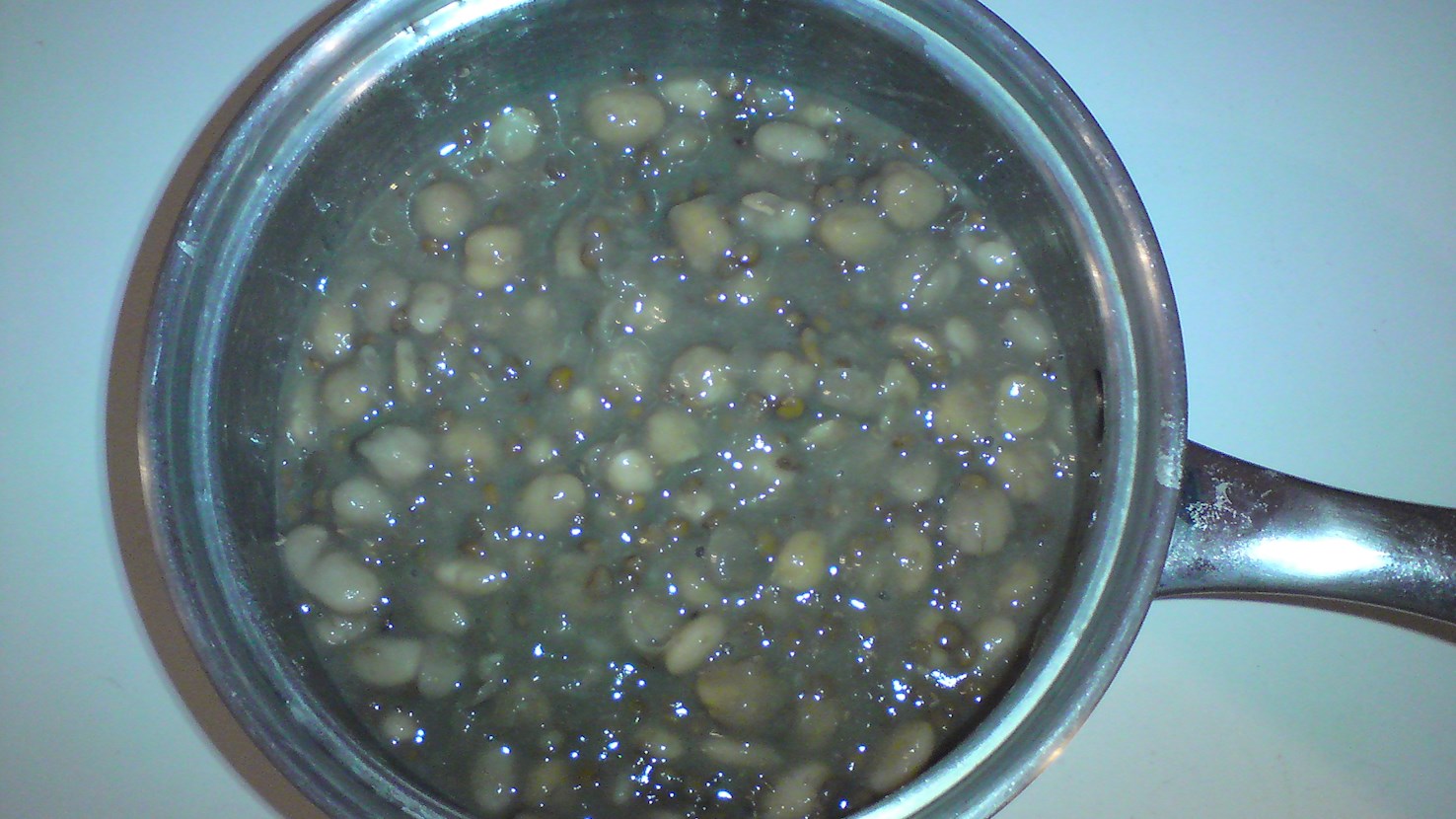
This rustic Greek dish is prepared with a variety of mixed beans which are transformed into a hearty soup. The most common ingredients include a combination of lentils, beans, chickpeas, or fava beans, and the soup is usually seasoned with olive oil and lemon juice. The dish is traditionally associated with Cephalonia, but similar varieties are found throughout the country.

03

Tsigaridia

2.6 ·

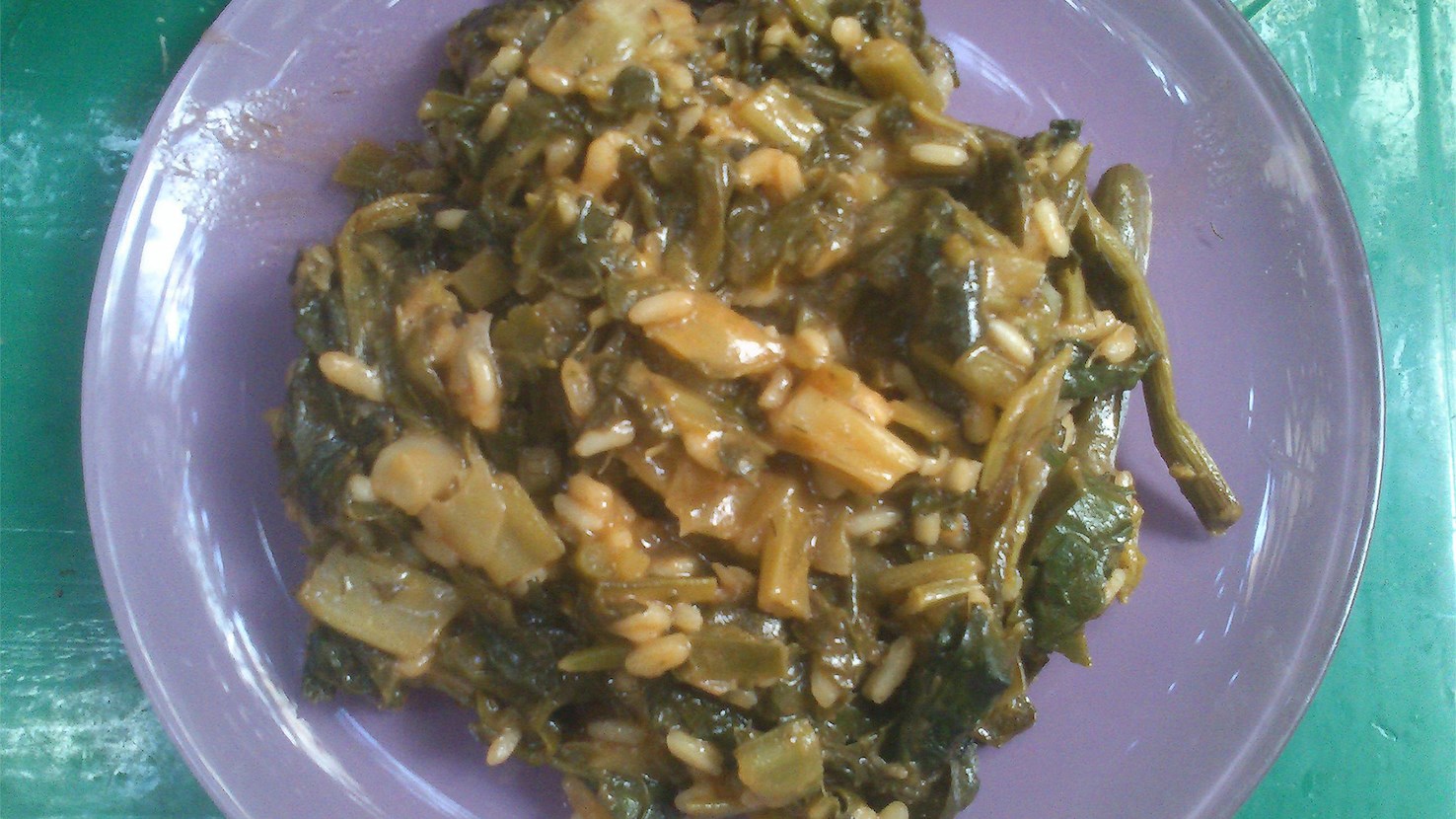
This Cephalonian dish consists of various greens that are stewed alongside tomatoes and various spices and herbs. The dish typically employs onions, celery, leeks, or spinach, and different choice of wild greens such as chard or sorrel. It is occasionally enriched with rice and is best prepared during spring when there is an abundance of wild greens. Tsigaridia is traditionally enjoyed as the main course and is best paired with bread.

04

Mermizeli

2.7 ·

This simple Kalymnian salad uses a type of local round barley rusks called krithini kouloura as its base. The barley rusks are typically lightly softened in water and torn into smaller pieces before they’re combined with finely chopped tomatoes, onions, cheese (usually cream cheese or feta), and plenty of olive oil. Other common ingredients contained in the salad include slices of Greek sardeles (sardines in oil), capers, olives, cucumbers, sea squirts, and aromatic herbs that grow on the island such as oregano or throumbi (pink savory). In Kalymnos, mermizeli (also known as mirmizeli) salad is offered at almost every traditional tavern, and each of those has its own unique twist on the salad.

05

Hortosoupa

2.8 ·

Hortosoupa is the Greek-style vegetable soup that comes in numerous versions and is easily adaptable to taste. The vegetables used in the soup are mainly seasonal, but they typically include potatoes, carrots, leeks, celery, onions, and zucchinis. Though they can be puréed, finely diced vegetables are usually left whole to give the soup its distinguishable thick consistency. The soup is traditionally served with a splash of lemon juice and bread on the side.

06

Maidanosalata

2.8 ·

This fragrant Greek spread employs fresh parsley as its star ingredient. Maidanosalata comes in numerous versions, but next to parsley it usually consists of bread, garlic, onions, lemon juice, vinegar, and spices. Hailing from the island of Syros, the spread is typically paired with pita bread or slices of crispy, country-style bread, but it also makes a great accompaniment to roasted or grilled meat.

07

Kaparosalata

2.9 ·

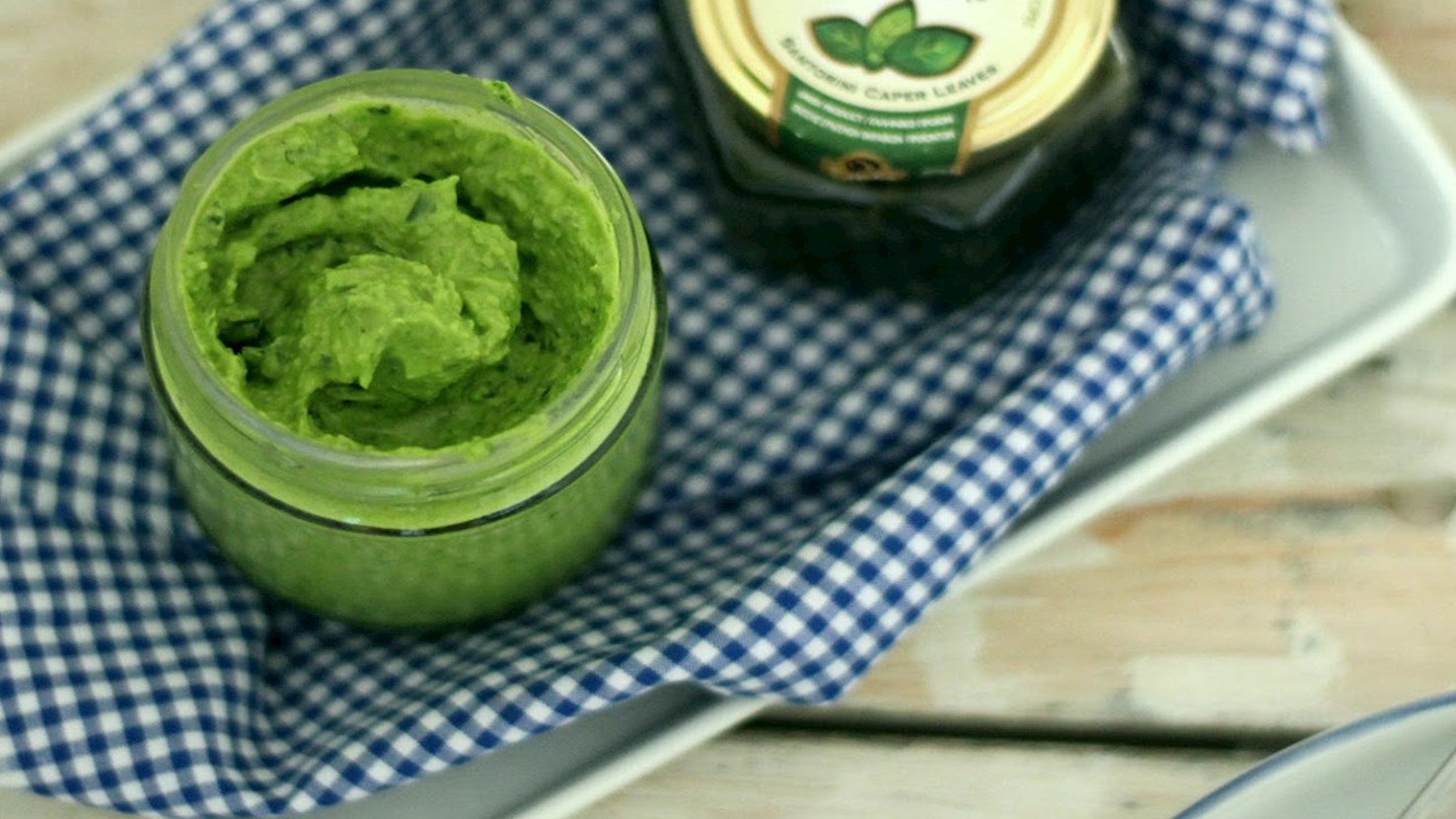
Brined or dried capers are the main ingredient in this creamy Greek dip. They are usually incorporated in a neutral base that is made with soaked bread or mashed potatoes, which is additionally enriched with garlic, onions, vinegar, olive oil, and the choice of spices and fresh herbs. Kaparosalata is traditionally associated with the Cyclades island group, namely Syros and Sifnos, and it is usually served as a bread spread or a fragrant dip that accompanies roasted or grilled meat.

08

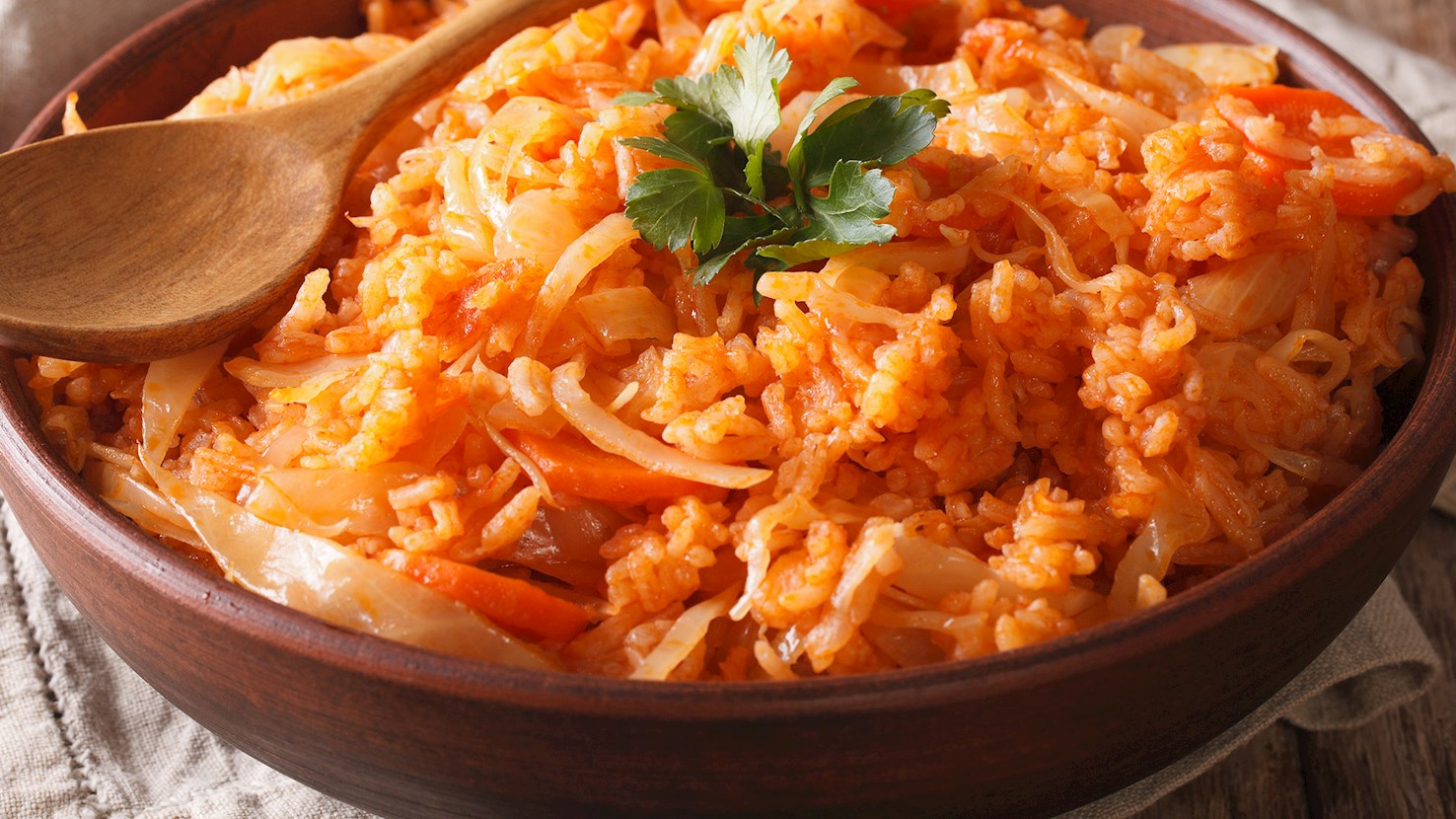
Lachanorizo

3 ·

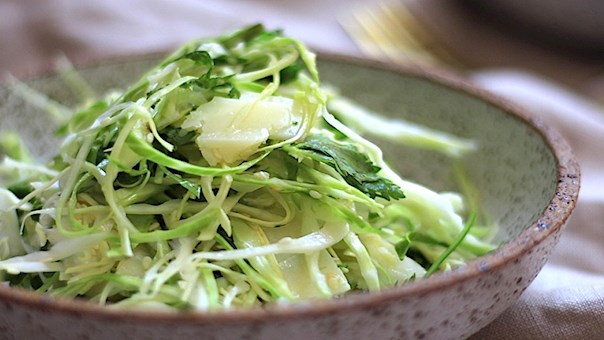
This simple Greek dish consists of a flavorful combination of rice and cabbage, which is sautéed until tender alongside bell peppers, onions, and fresh herbs. The dish belongs to a wide group of Greek vegetarian dishes, traditionally enjoyed during fasting. It is mainly consumed as a main course and is best paired with a drizzle of lemon juice, feta cheese, and bread.

09

Kalogeros

3 ·

Kalogeros is a traditional beef stew that's served as a casserole. It originates from Naxos. The dish is made with a combination of veal or beef chunks that have been stewed in tomato sauce, eggplants, tomatoes, Graviera cheese, cinnamon, and Myzithra cheese. The eggplants are sliced in half and fried, then topped with the beef, Myzithra, slices of tomatoes, and Graviera cheese. The combination is sprinkled with cinnamon and baked until the Graviera cheese melts. Kalogeros is traditionally served with fried potatoes. The dish is named after a mountain peak on Naxos.

10

Tsouvras

3 ·

Tsouvras or ntomatosoupa is a humble soup from the small Greek island of Tilos, in the Aegean Sea. It is typically made with peeled and crushed ripe tomatoes, onions, water, salt, and pepper. After being sautéed in olive oil, the finely chopped onions are combined with the tomatoes and rice, and everything’s covered with water. The mixture is simmered until the rice and tomatoes are soft and cooked through, and the soup becomes slightly thickened and fragrant. There are variations on the soup that omit the use of onions, while others call for using bulgur instead of rice. This simple tomato soup can be enjoyed hot or chilled, and it's often garnished with fresh mint or other aromatic herbs. Another common topping for this traditional specialty is grated local cheese.

11

Patsas

3.1 ·
12

Mavragani

3.1 ·
13

Moustalevria

3.2 ·
14

Maroulosalata

3.2 ·
15

Koufeto

3.2 ·
17

Zoumero

3.3 ·
18

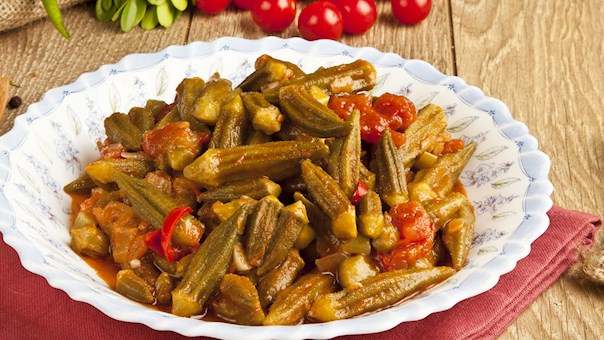
Bamies

3.3 ·
19

Lahanosalata

3.3 ·
20

Kakavia

3.3 ·
Read more
View all
View map
About this ranking

TasteAtlas food rankings are based on the ratings of the TasteAtlas audience, with a series of mechanisms that recognize real users and that ignore bot, nationalist or local patriotic ratings, and give additional value to the ratings of users that the system recognizes as knowledgeable. For the “86 Worst Rated Greek Foods” list until May 22, 2026, 30,722 ratings were recorded, of which 17,323 were recognized by the system as legitimate. TasteAtlas Rankings should not be seen as the final global conclusion about food. Their purpose is to promote excellent local foods, instill pride in traditional dishes, and arouse curiosity about dishes you haven’t tried.

Similar lists