

shutterstock

10 Worst Rated Guatemalan Foods

Last updated on June 16, 2026
01

Fiambre

2.6 ·

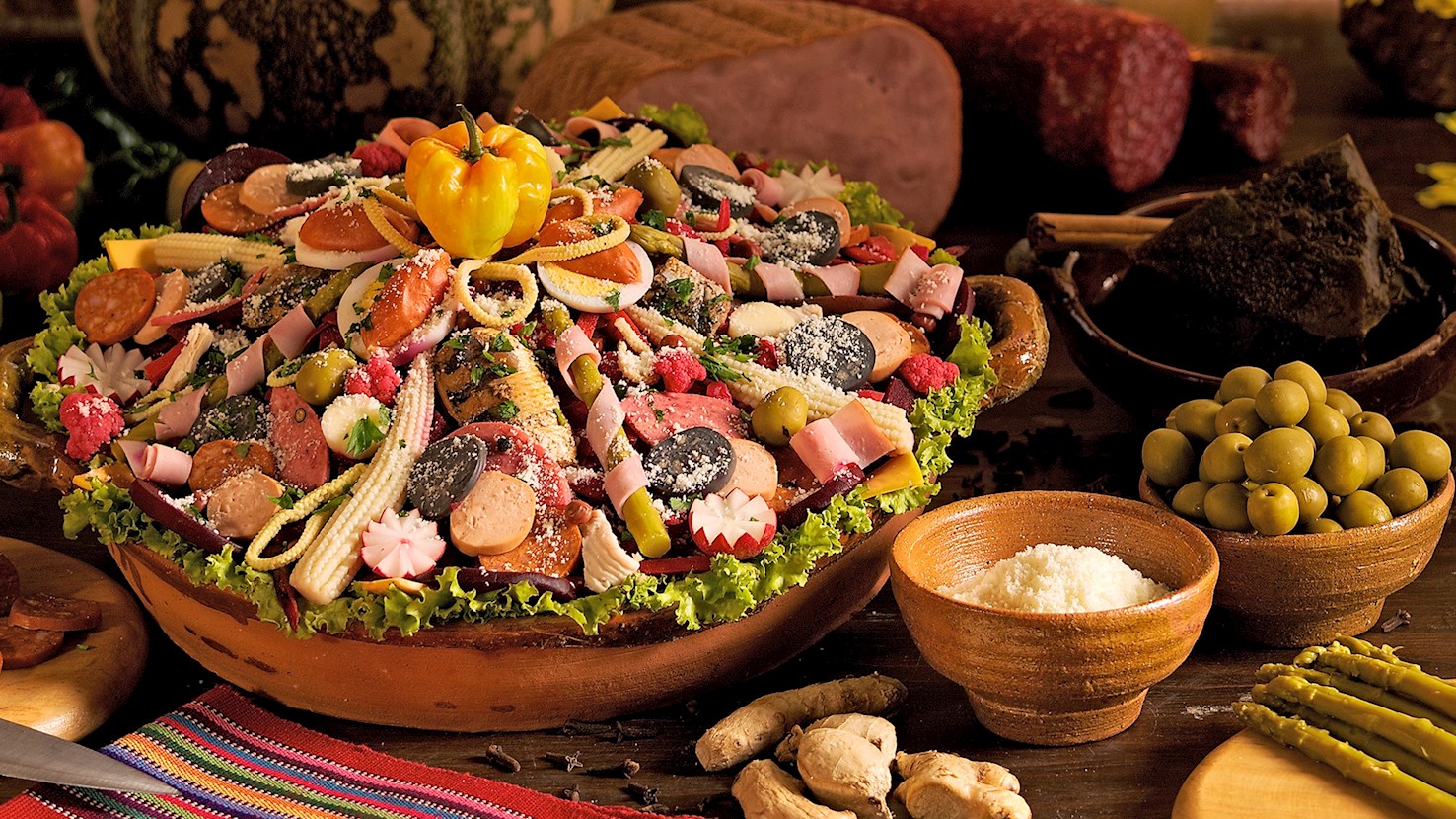
Fiambre is the most famous dish from Guatemala, a large salad that is traditionally prepared for the Day of the Dead and All Saints' Day. It is consumed in memory of the loved ones who have passed away. The salad can have as many as 50 ingredients in it, such as sliced meat, cheese, vegetables, pickles, and hard-boiled eggs. There are numerous varieties of the salad, such as fiambre rojo, made with beets, and fiambre blanco, made without beets. Fiambre verde is a vegetarian version, while fiambre desarmado is prepared in a way to make all of the ingredients separate, allowing the consumers to combine ingredients according to their personal preference.

02

Hilachas

2.8 ·

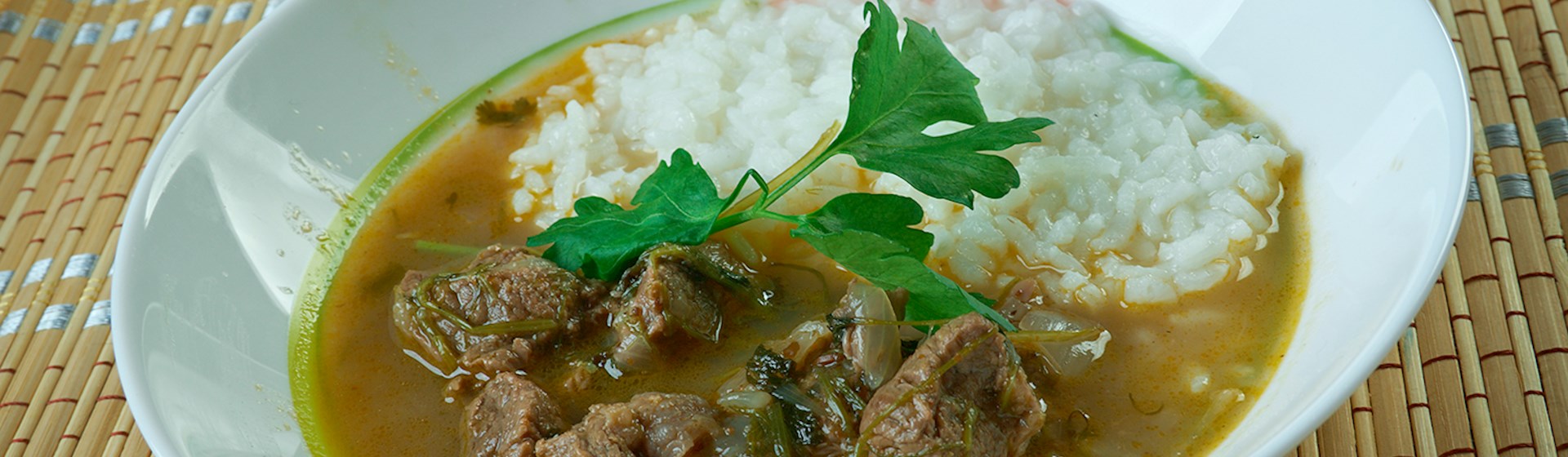
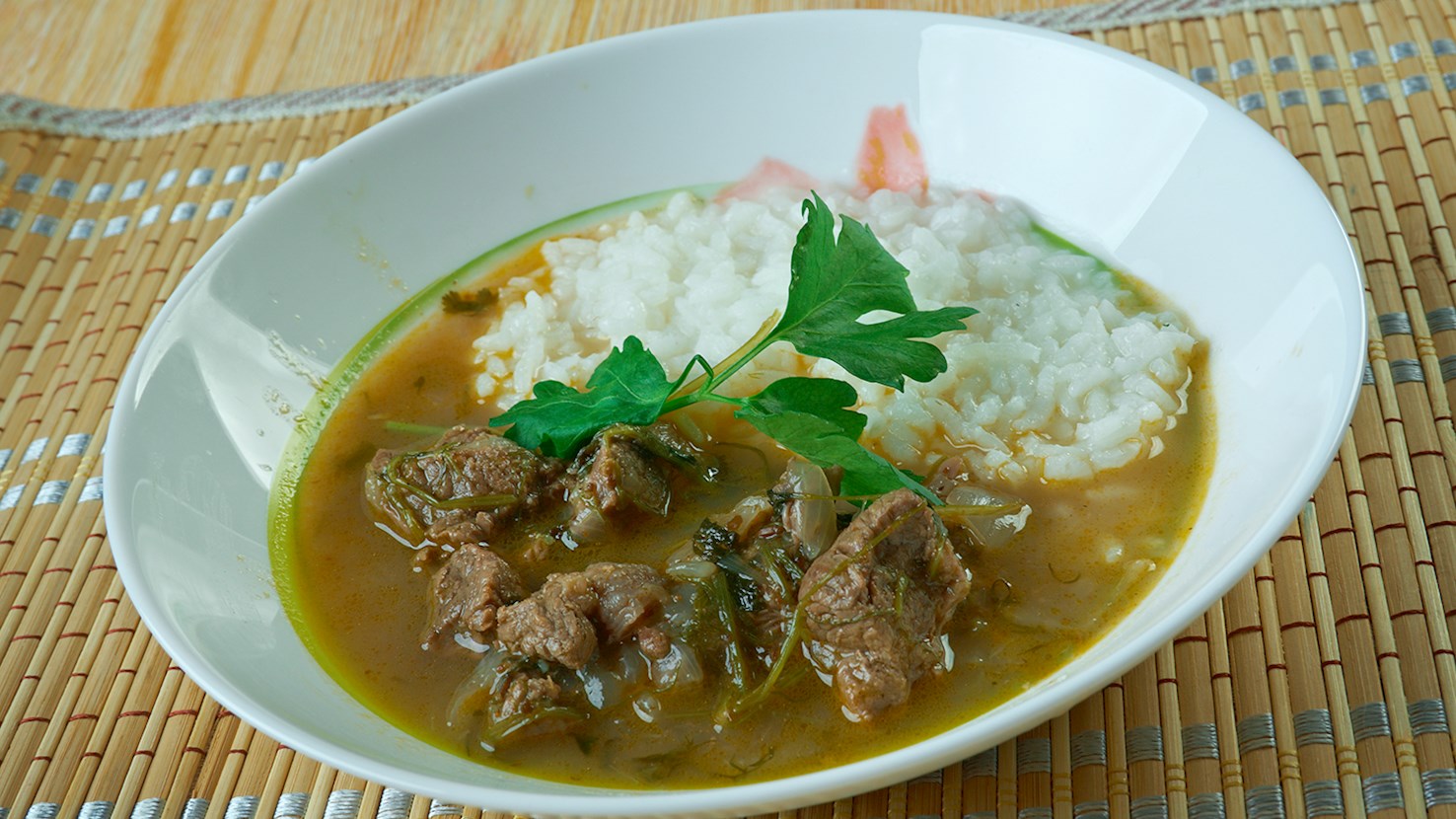
Hilachas is a staple of Guatemalan cuisine, a red-colored stew featuring ingredients such as shredded beef and vegetables such as tomatoes, potatoes, squash, or carrots. The name of the dish means shreds or rags, referring to shredded beef, which is the star of hilachas. It is believed that the stew tastes even better when reheated the next day. Hilachas can be found in numerous versions throughout Latin America, and it is typically served with rice and beans on the side.

03

Revolcado

2.8 ·

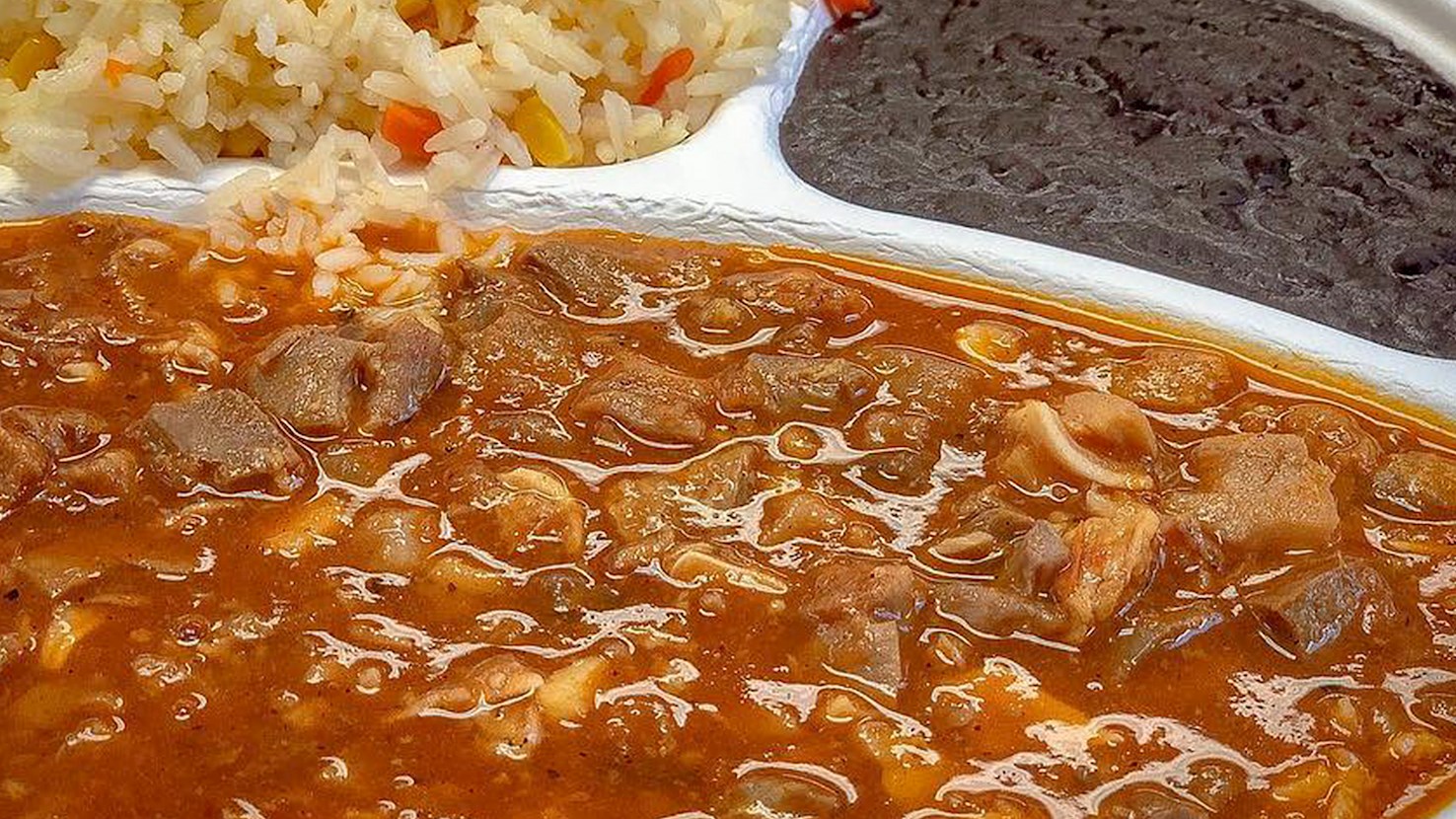
Revolcado is a Guatemalan curried stew consisting of a small pig's head and entrails, tomatoes, tomatillos, bell peppers, chiles guaques (Guatemalan chiles), garlic, onions, and annatto. The sauce is sometimes thickened with corn flour, and the stew is typically served as a comforting and nourishing winter dish.

04

Chuchitos

3.2 ·

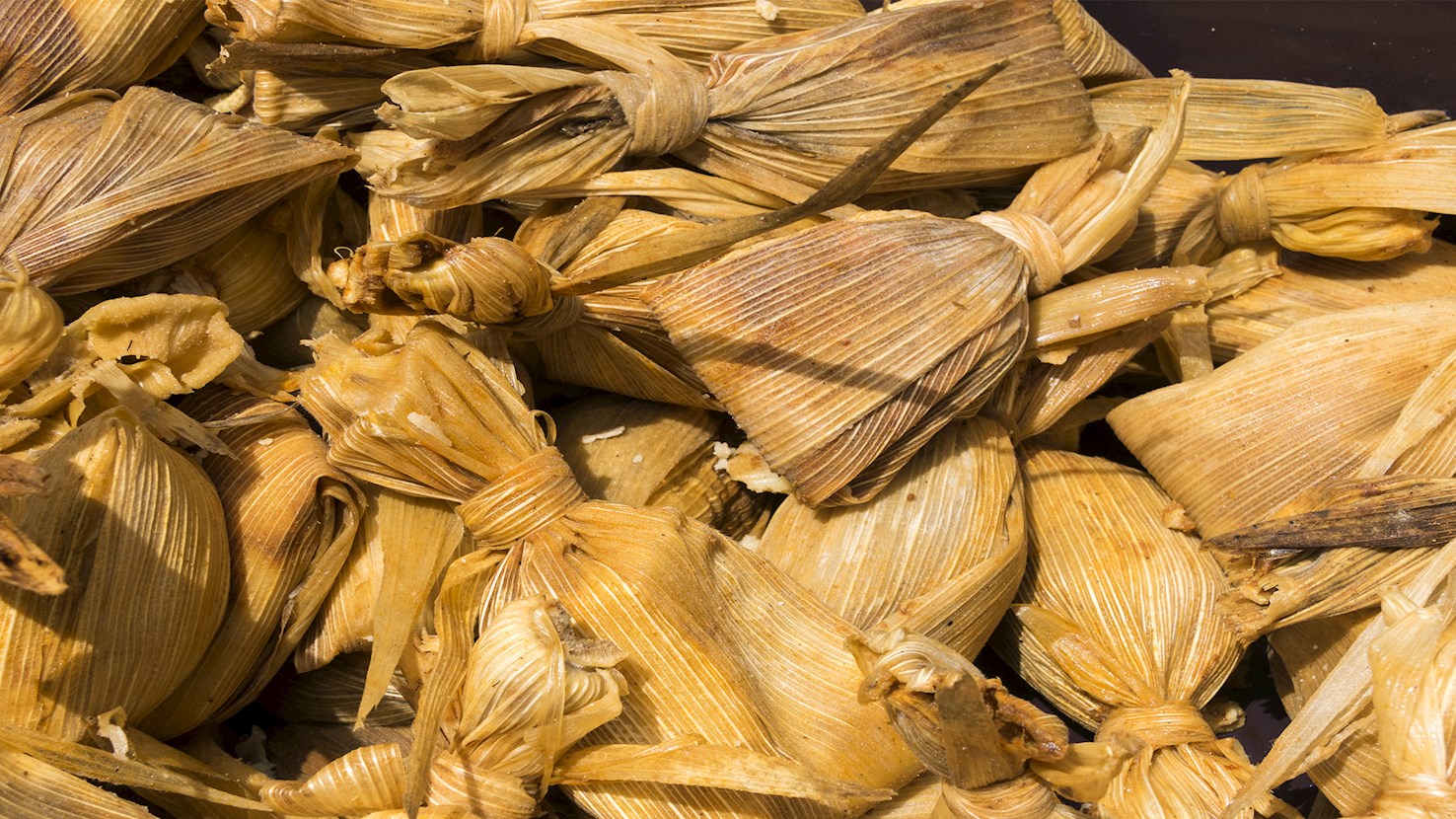
Chuchitos are traditional Guatemalan-style tamales that are usually made for holiday celebrations and festivities, but are also eaten any day of the year. Chuchito, meaning a small dog or a puppy, consists of warm corn masa dough stuffed with succulent pieces of meat such as pork or chicken and a mild tomato or chili sauce. The mixture of these ingredients is wrapped in a dried corn husk and steamed until the dough develops its typical texture and flavor and is cooked thoroughly. Alternatively, chuchitos can be grilled after they're steamed, giving them a unique, smoky flavor along with their nice visual appearance. Eaten for both breakfast and dinner, these "puppies" can be found on most street corners and local markets in Guatemala. If bought on the streets, the vendors usually unwrap them from the husks and add a bit more sauce or a sprinkle of grated cheese in order to further intensify the flavors.

05

Tostadas de salsa

3.2 ·

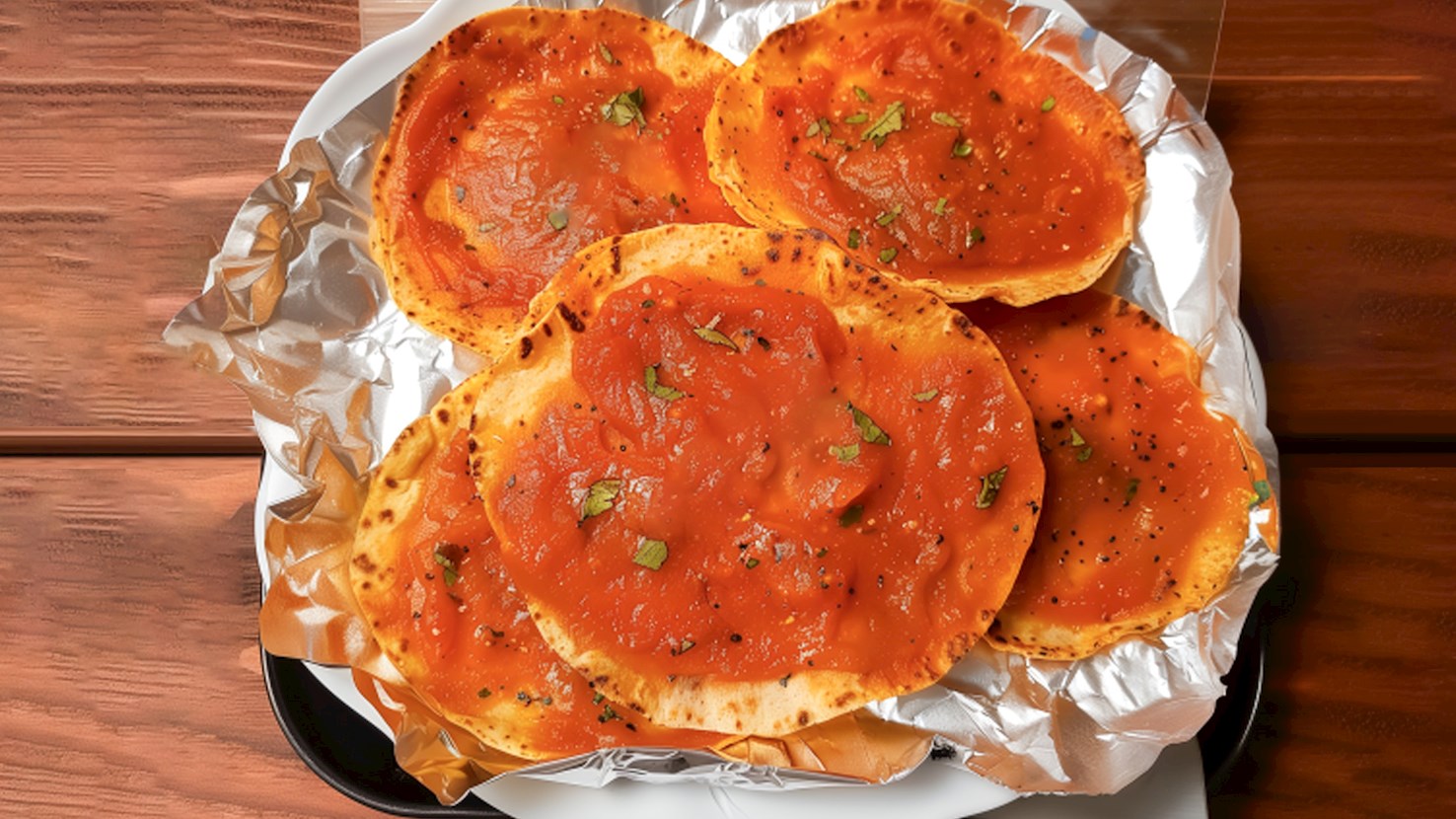
Tostadas de salsa is a traditional dish originating from Guatemala. The dish consists of toasted tortillas topped with red salsa. The salsa is typically made with a combination of tomatoes, onions, garlic, hot peppers, oil, salt, and coriander. The ingredients are boiled, blended, then cooked a bit more with the seasoning mix until the salsa thickens. It is then spooned over the tostadas and served warm. The dish is traditionally served as a snack or appetizer, especially during festive events and holidays.

06

Shucos

3.4 ·

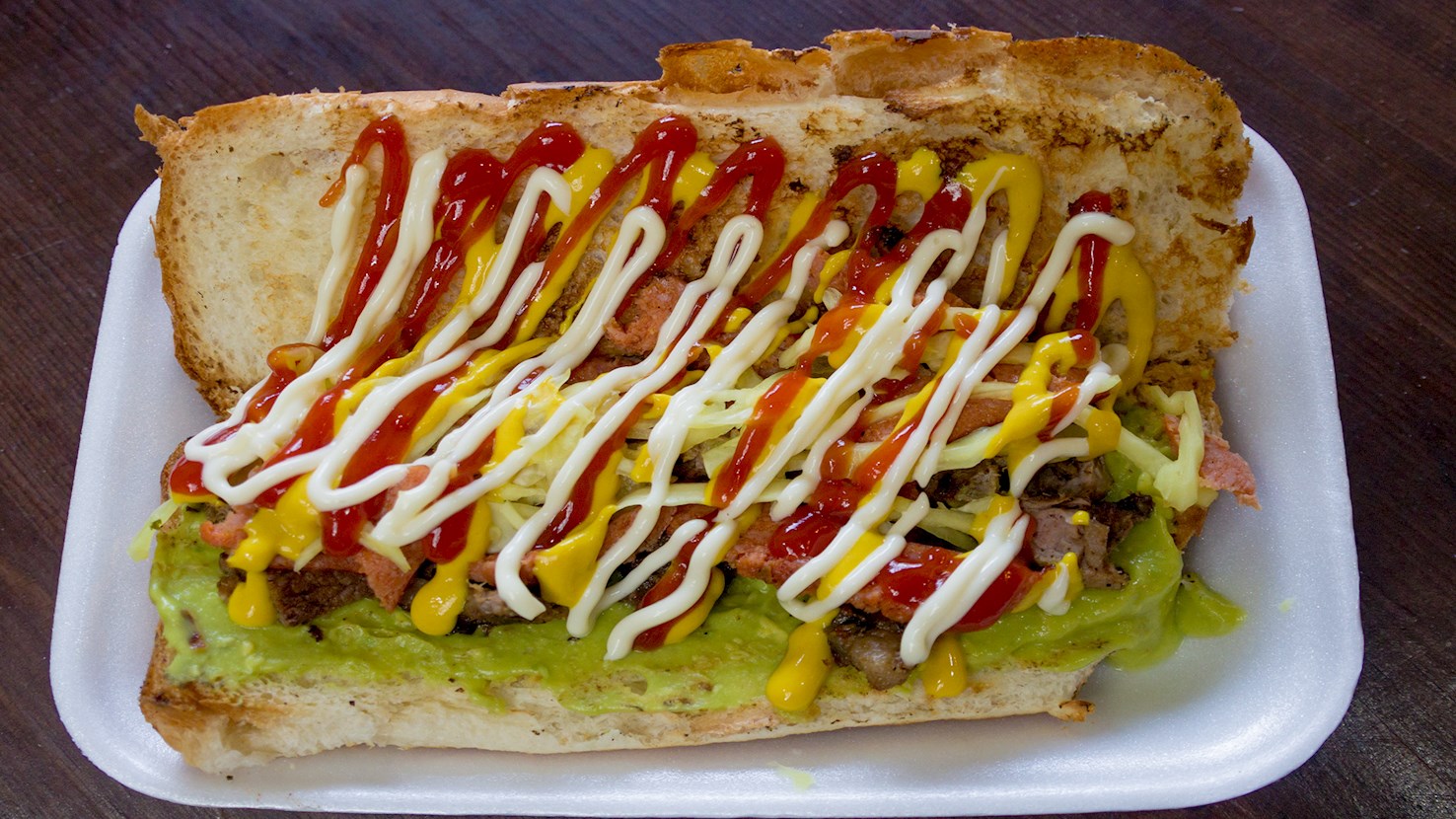
Shucos are popular Guatemalan and Latin American hot dogs. They are filled with guacamole, ketchup, mustard, hot sauce, mayonnaise, and any of the following ingredients: longaniza white sausage, salchicha sausage, or chorizo. Interestingly, the word shuco means dirty, referring to the abundance of ingredients used in this delicious hot dog variety.

Best restaurants
07

Ayote en miel

3.5 ·

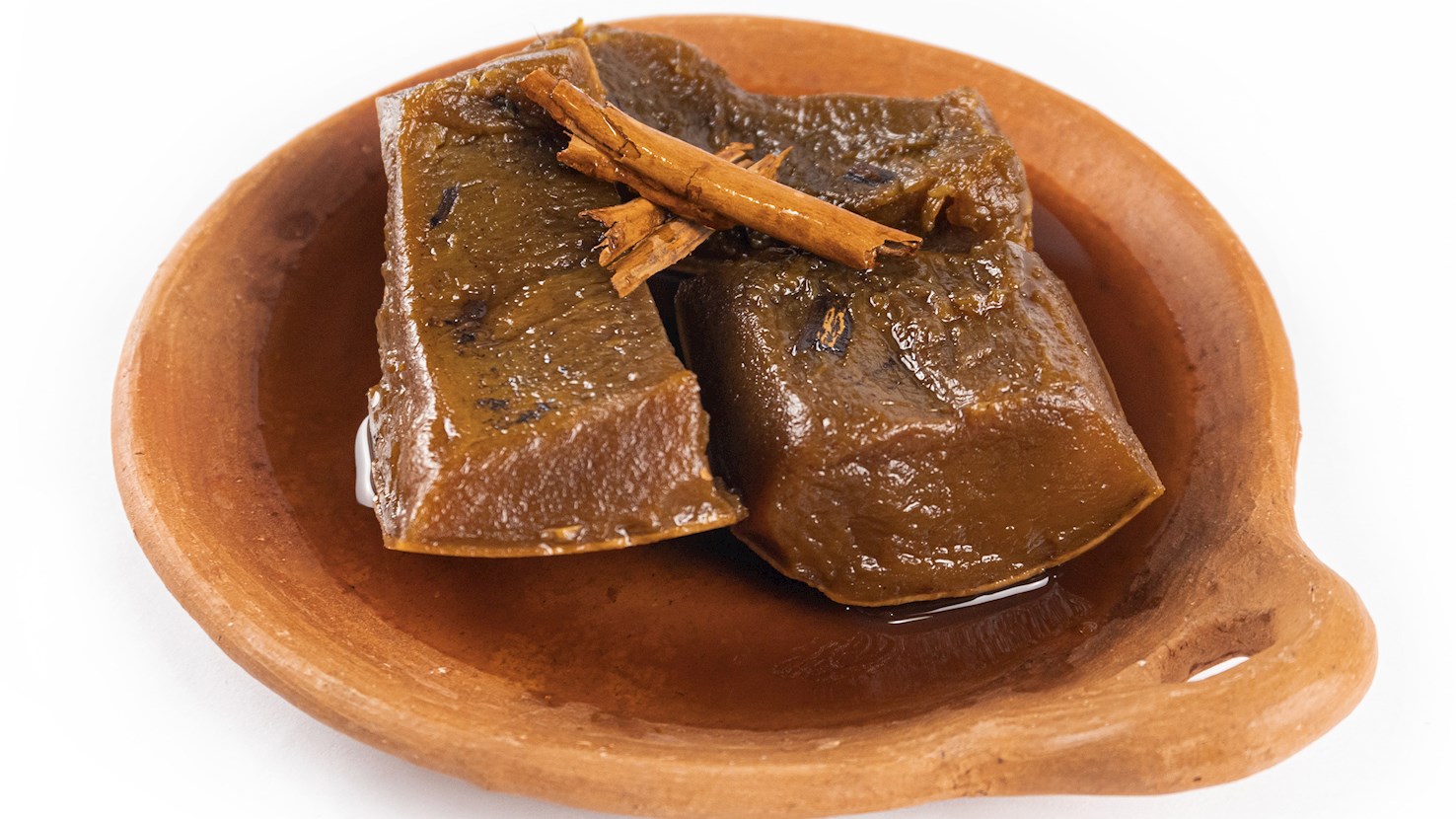
Ayote en miel is a traditional dessert that’s especially popular in Nicaragua and Guatemala. The dessert is usually made with a combination of ayote (squash), sugar, cinnamon, ginger, allspice, and water. The mixture is simmered over medium heat until the squash becomes very tender and absorbs most of the sugary syrup. Once done, ayote en miel can be served warm or left to cool down, and it’s then served cold. This dessert is often accompanied by a scoop of ice cream or a cloud of whipped cream on the side. It’s typically served on occasions such as Christmas or Dia de los muertos on November 1st.

08

Pepián

3.6 ·

This tasty stew is often referred to as the national dish of Guatemala. It shows a blend of Mayan and Spanish cultures and a taste of both. Pepián is characterized by its thick and rich consistency, and it usually contains meats such as beef, chicken, or pork, along with fruits and vegetables such as carrots, potatoes, corn, pear, and squash. The flavor is slightly bitter because of the roasted spices that are blended together, then added to the stew. It can be found in diners or bought from street food vendors, who often serve pepián with rice and corn tortillas on the side. Pepián is also very popular in Chile.

09

Pollo en crema

3.8 ·

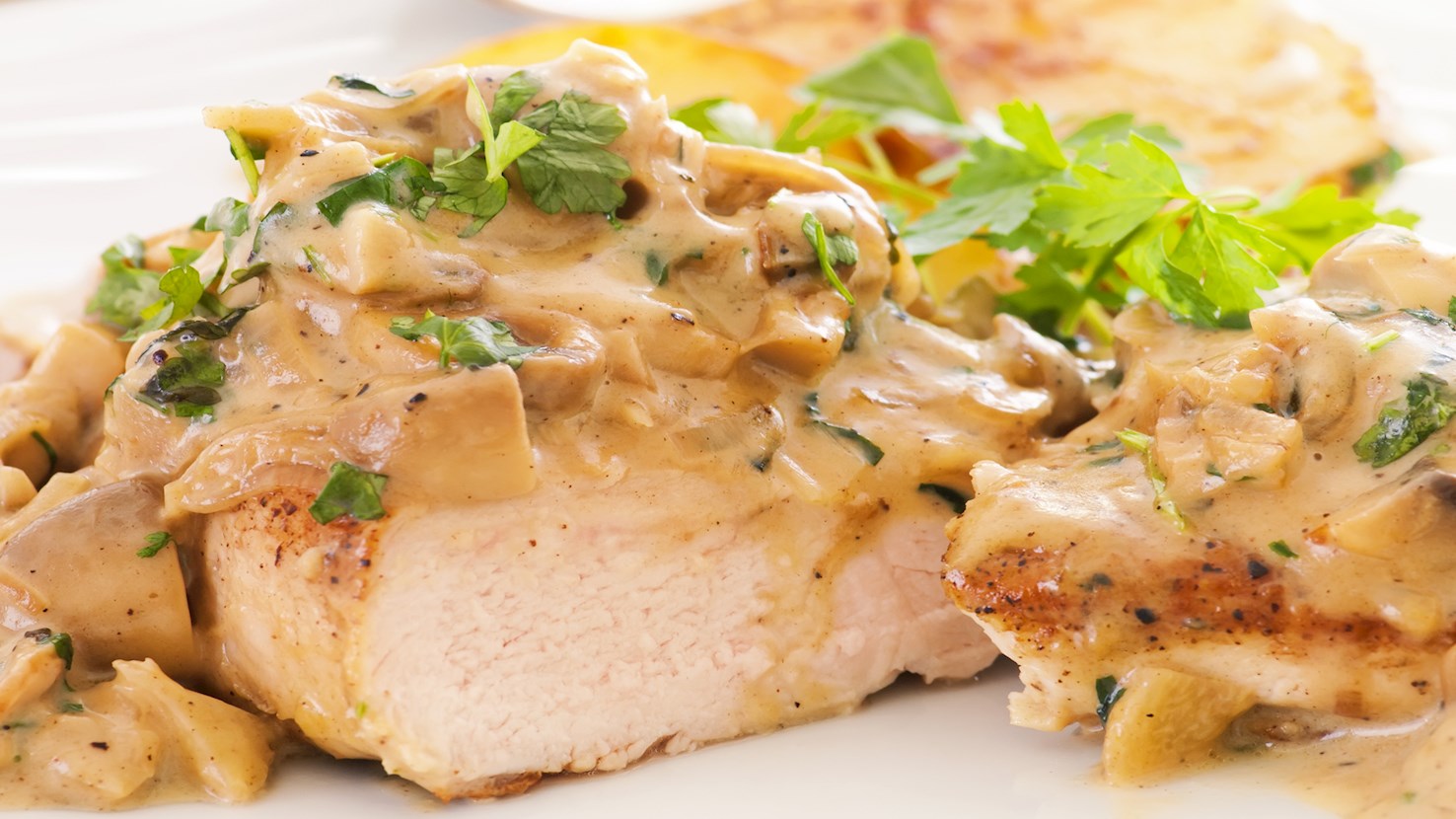
Pollo en crema is a popular Guatemalan dish that is also enjoyed in El Salvador and Mexico. It consists of chicken breasts that are drenched in a rich, creamy sauce made with loroco (edible green flowers), chayote or zucchini, yellow potatoes, green chile peppers, onions, and cream. This comforting, lightly spicy dish is often served with rice and corn tortillas on the side.

10

Jocón

3.8 ·

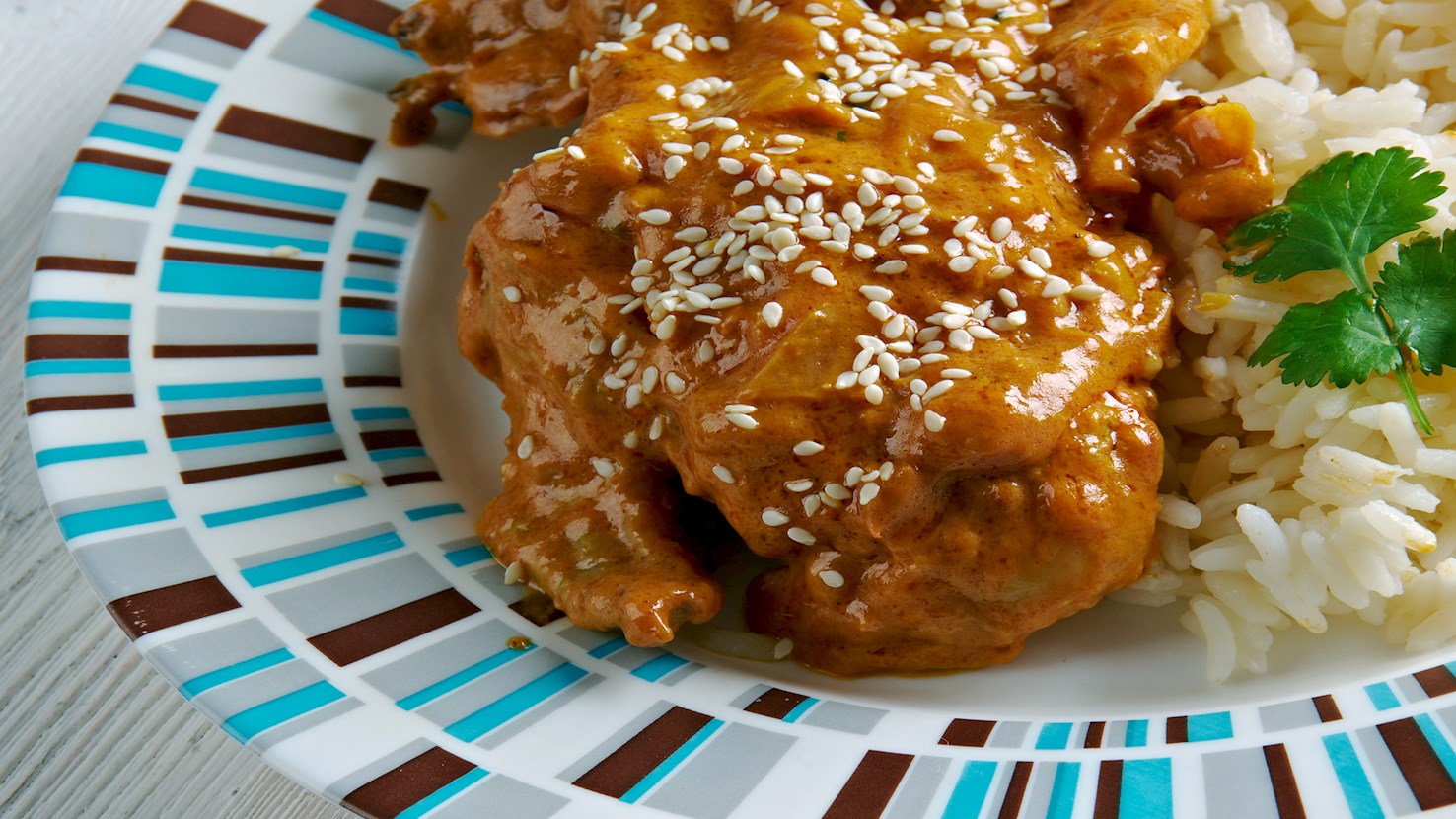
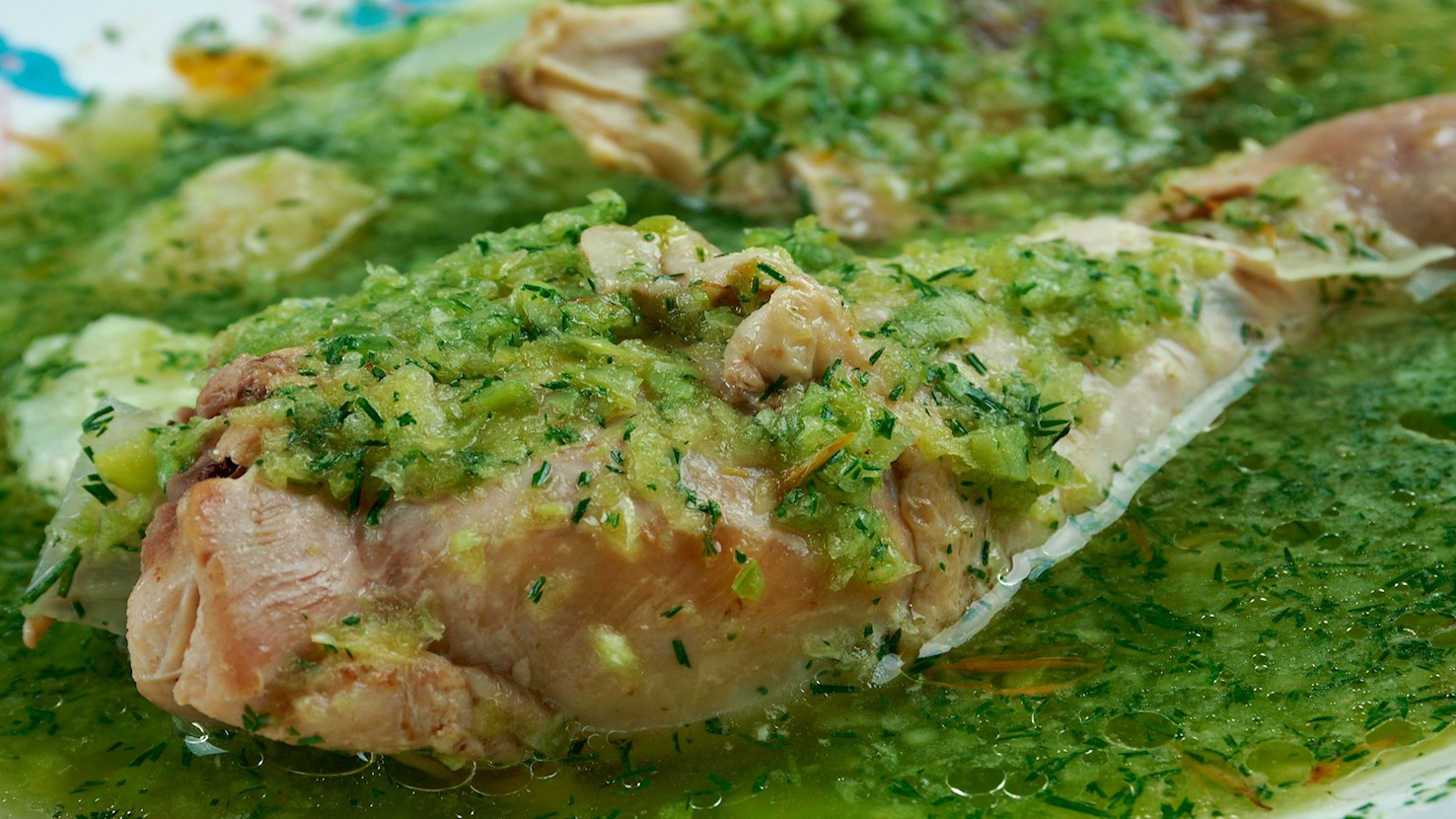
Jocón de pollo is a traditional dish hailing from Huehuetenango. The dish is made with a combination of chicken pieces, pumpkin and sesame seeds, tomatillos, cilantro, scallions, chili peppers, and corn tortillas that are chopped, soaked in water, and drained. The dish is heavily influenced by Mayan culture and it's very popular with the Mayan population. This chicken stew in a green sauce made with cilantro and tomatillos that's thickened with sesame and pumpkin seeds and tortillas is usually served with rice and avocado slices on the side.

Read more
View all
View map
About this ranking

TasteAtlas food rankings are based on the ratings of the TasteAtlas audience, with a series of mechanisms that recognize real users and that ignore bot, nationalist or local patriotic ratings, and give additional value to the ratings of users that the system recognizes as knowledgeable. For the “10 Worst Rated Guatemalan Foods” list until June 16, 2026, 504 ratings were recorded, of which 231 were recognized by the system as legitimate. TasteAtlas Rankings should not be seen as the final global conclusion about food. Their purpose is to promote excellent local foods, instill pride in traditional dishes, and arouse curiosity about dishes you haven’t tried.

Similar lists