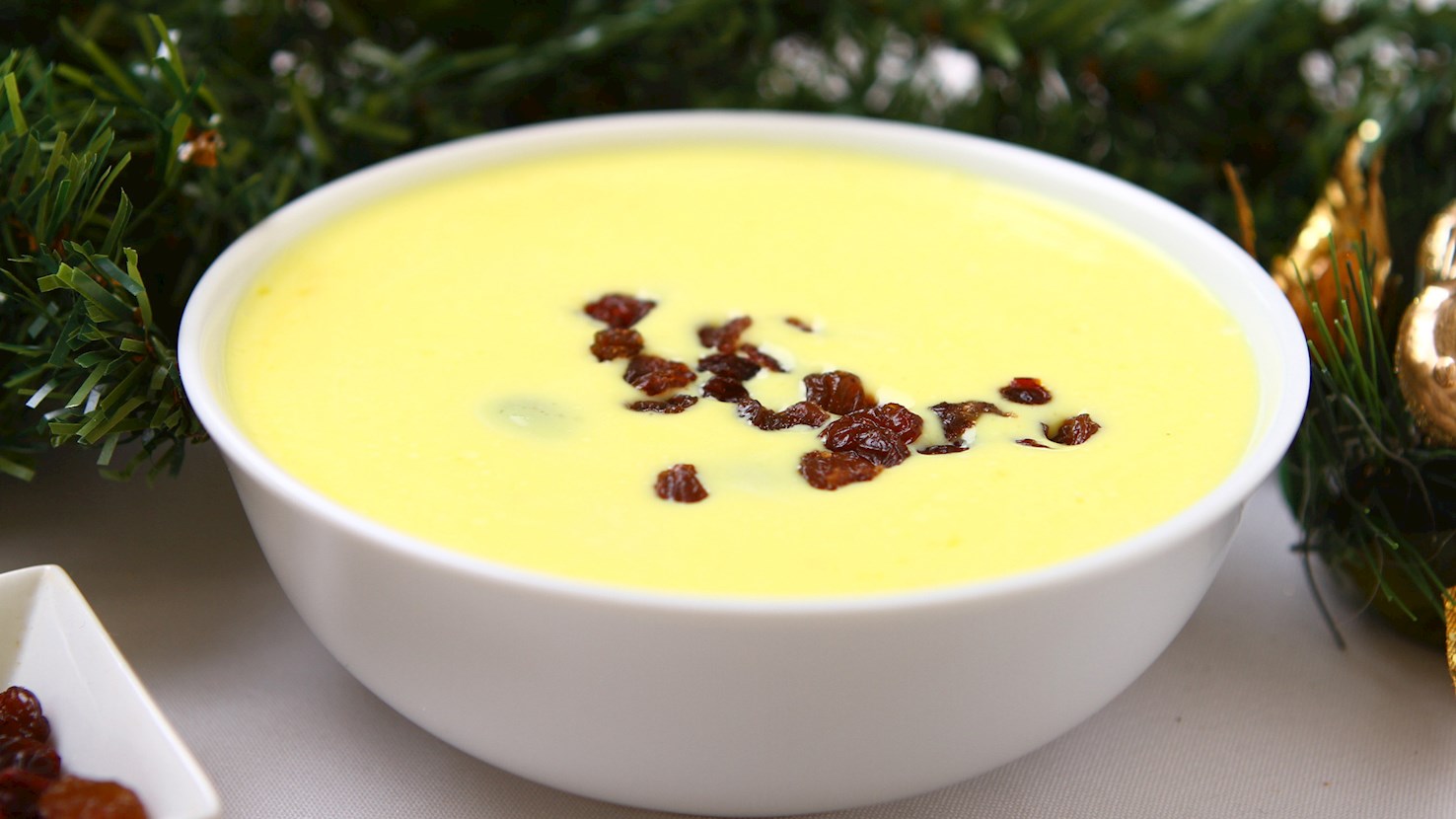
Borleves is a traditional soup made with white wine, egg yolks, cloves, lemon juice, and sugar. When properly prepared, it should thicken during the cooking process, but the eggs mustn’t curdle. Its flavor is best described as rich, tart, and sweet. The soup is especially popular during the festive Christmas season.
Bundás csiperkegomba is a Hungarian culinary preparation consisting of breaded and deep-fried button mushrooms, typically served as a hot appetizer or a vegetarian main course. The emergence of breaded and fried vegetables in Hungarian cuisine is linked to the historical influence of the Austro-Hungarian Empire, specifically the adaptation of the Viennese Schnitzel technique to local produce. By the late 19th and early 20th centuries, as commercial mushroom cultivation became more prevalent in Central Europe, the application of the rántott (breaded) method to the csiperke (button mushroom) became a standard offering in urban taverns and family kitchens across Hungary. Preparation of bundás csiperkegomba begins with cleaning fresh button mushrooms, which are often peeled or briefly blanched in water seasoned with lemon juice to maintain their white color and remove surface impurities. The mushrooms are then subjected to a standard coating sequence: they are first dredged in wheat flour, dipped into beaten eggs seasoned with salt and black pepper, and finally rolled in fine breadcrumbs. In some variations, a thicker "coat" (bunda) is created using a batter of flour, eggs, and occasionally beer or sparkling water to increase the aeration and crispness of the shell. The prepared mushrooms are submerged in hot vegetable oil or lard at approximately 180°C and fried for two to three minutes until the breading reaches a rigid, golden-brown state. A specific technical attribute of this dish is the internal steaming effect; the moisture trapped within the mushroom cap vaporizes during frying, resulting in a tender, succulent texture that contrasts with the dry, crunchy exterior. Bundás csiperkegomba is eaten as a standalone snack, a starter, or a main dish when accompanied by sides, and it is universally available in Hungarian étkezdék (canteens) and restaurants. It is consumed with a knife and fork and is almost exclusively served with tartar sauce (tartármártás), a cold condiment based on mayonnaise, sour cream, and mustard, which provides a creamy and acidic counterpoint to the fried breading. For a complete meal, it is paired with steamed jasmine rice or parsley potatoes. In terms of beverage pairings, it is served with crisp, dry white wines such as Olaszrizling or Cserszegi Fűszeres, as their high acidity and citrus notes cut through the richness of the fried coating. For non-alcoholic options, a soda water with lemon or a lightly hopped pilsner is utilized to refresh the palate between bites of the savory, earth-flavored mushrooms.
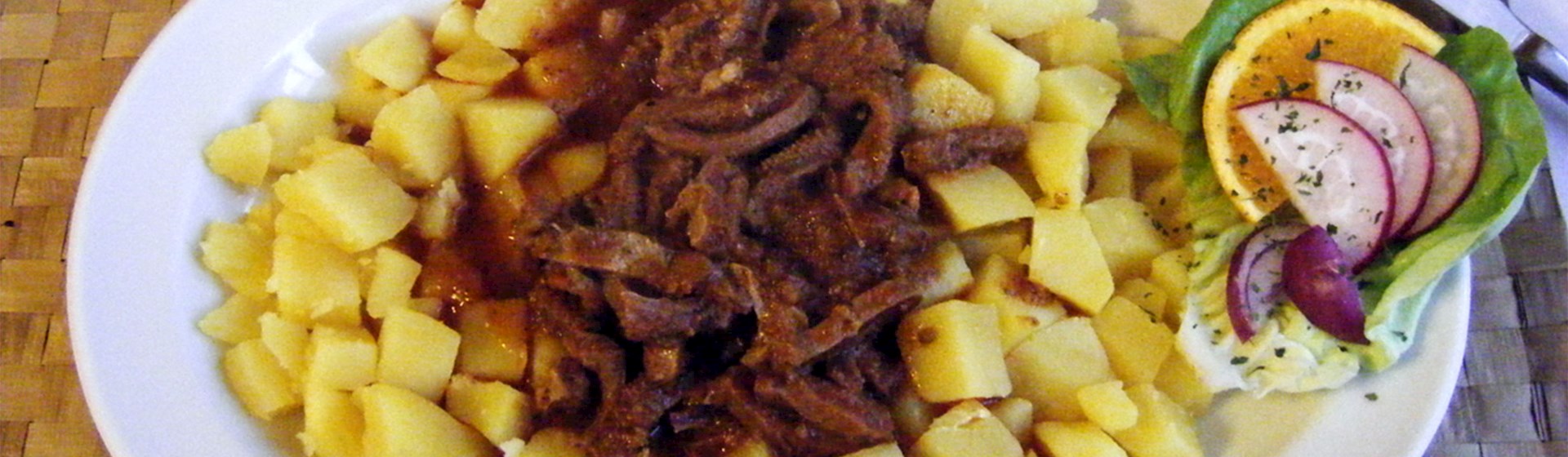
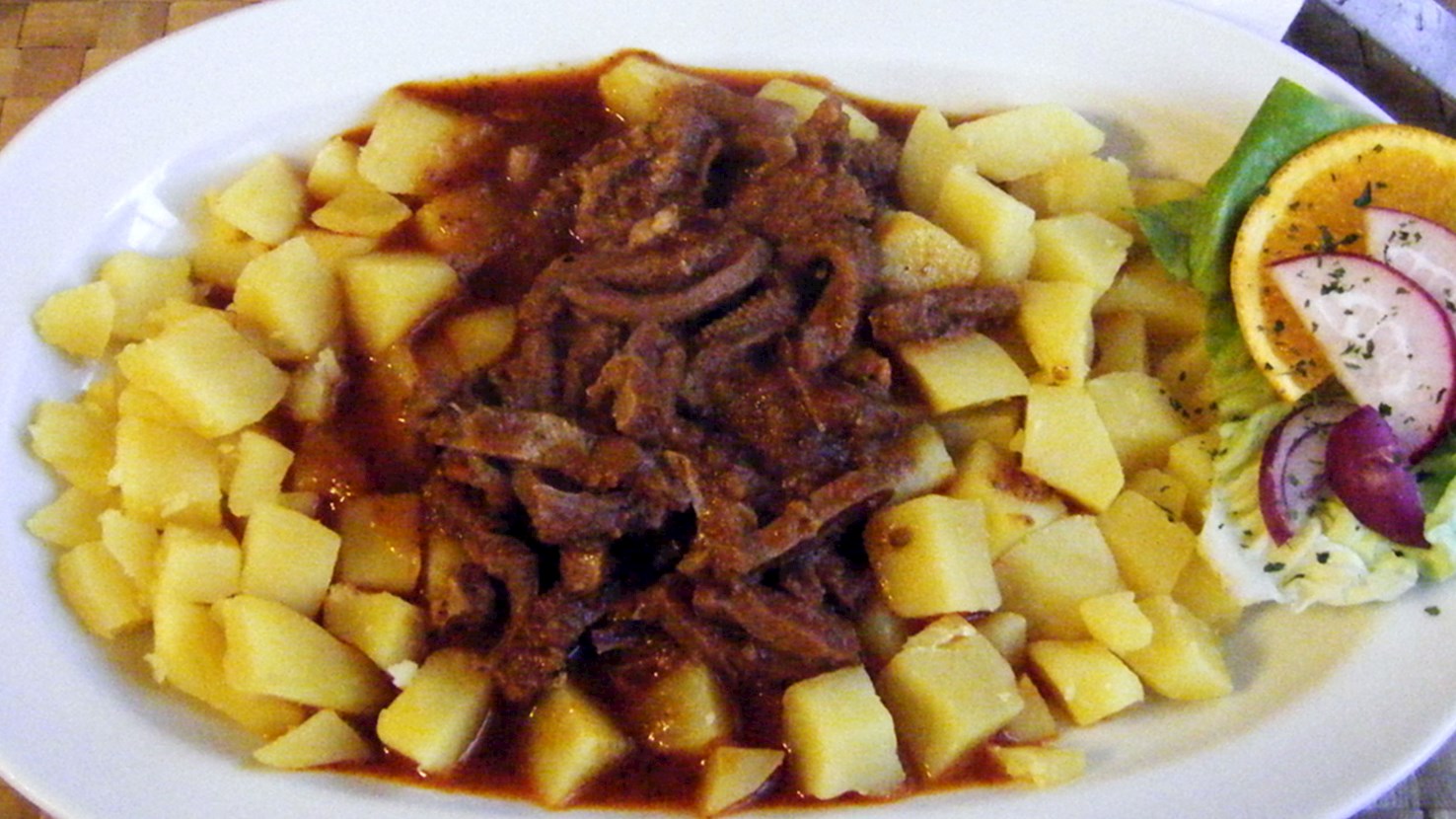
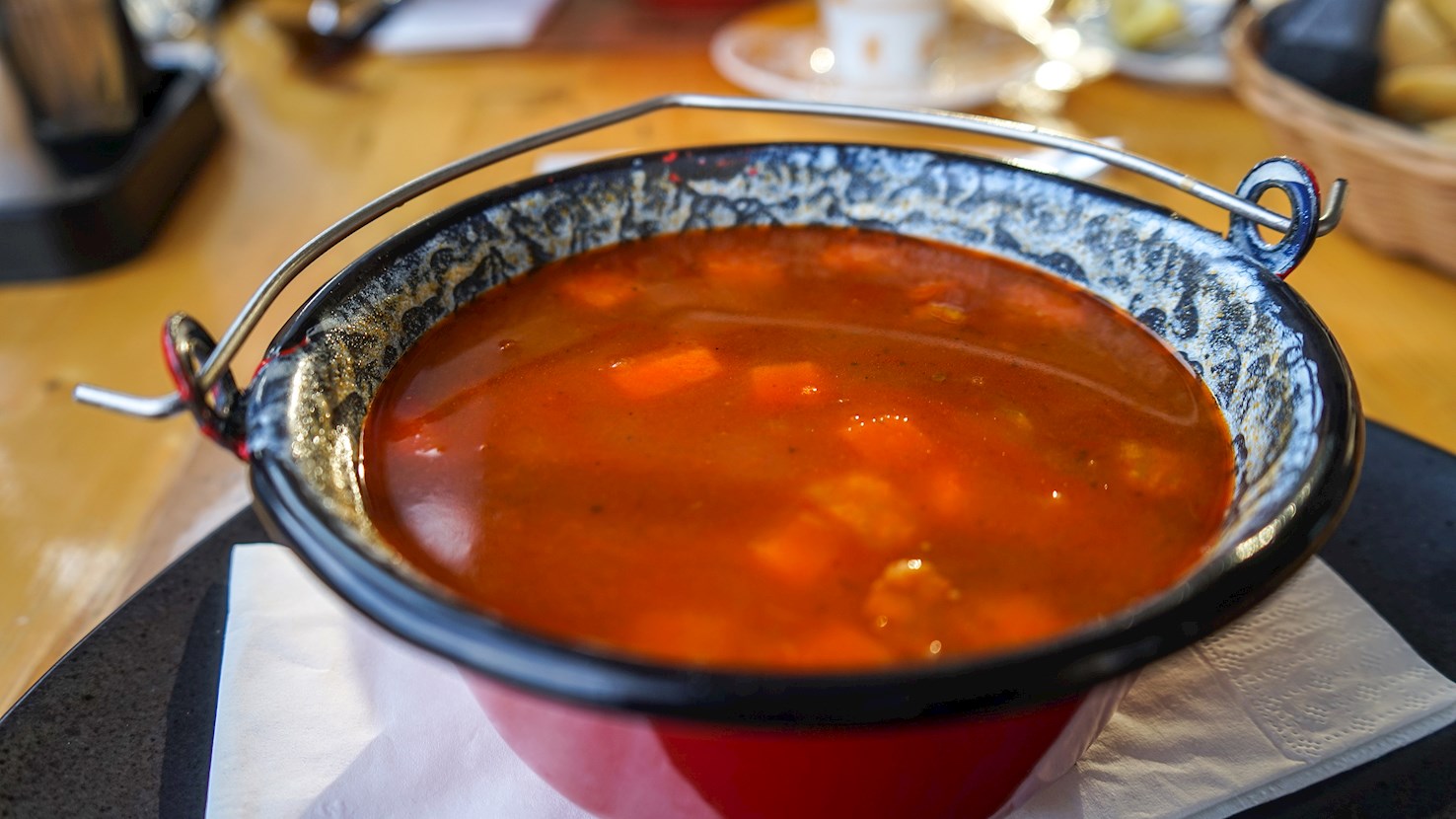
Pacalpörkölt is a traditional tripe stew. It is typically prepared in a cauldron hanging over an open fire, but it can also be prepared at home. The dish consists of tripe, onions, garlic, paprika powder, and hot peppers. When the stew is ready to be served, it is recommended to pair it with fresh bread, pickles, and boiled potatoes.
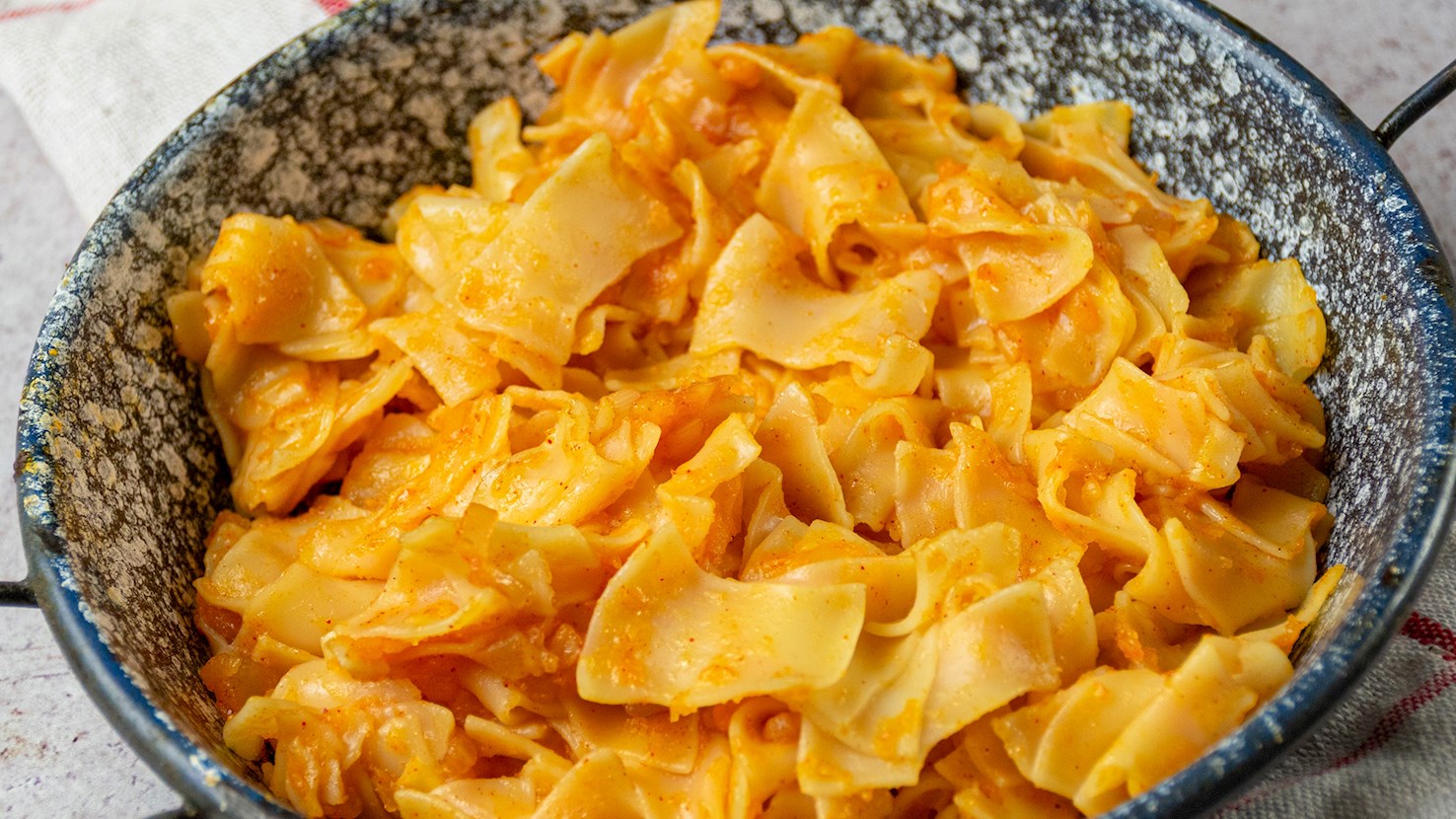
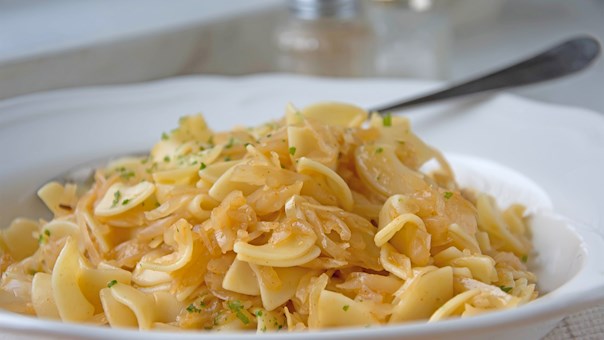
Krumplis tészta is a Hungarian pasta dish made with cooked potatoes, onions, and paprika, combined with broad egg noodles for a simple yet satisfying meal. It is part of the everyday cuisine of Hungary and has long been valued for being inexpensive, filling, and easy to prepare. Its origins lie in rural households where staple ingredients such as potatoes, onions, flour, and lard or oil were readily available and could be turned into a hearty dish without the need for costly additions. Over time, it became a familiar sight in urban kitchens as well, served in homes, school canteens, and casual eateries. Preparation begins with boiling peeled and diced potatoes until soft, while onions are slowly sautéed in fat until golden. Sweet Hungarian paprika is then stirred into the onions to release its color and aroma, followed by the drained potatoes, which are mashed or broken into small pieces in the pan. Separately, wide egg noodles are cooked until just tender and mixed with the potato-onion mixture so the flavors coat the pasta evenly. It is typically served plain, but some enjoy it with pickles or a dollop of sour cream on the side. One aspect that sets it apart is how the starch from the potatoes binds with the pasta, giving it a thick, cohesive texture rather than leaving separate components. Krumplis tészta remains common in Hungary today, eaten at home for lunch or dinner, offered in simple self-service restaurants, and sometimes packed in containers to be taken to work or school as a convenient, reheated meal.
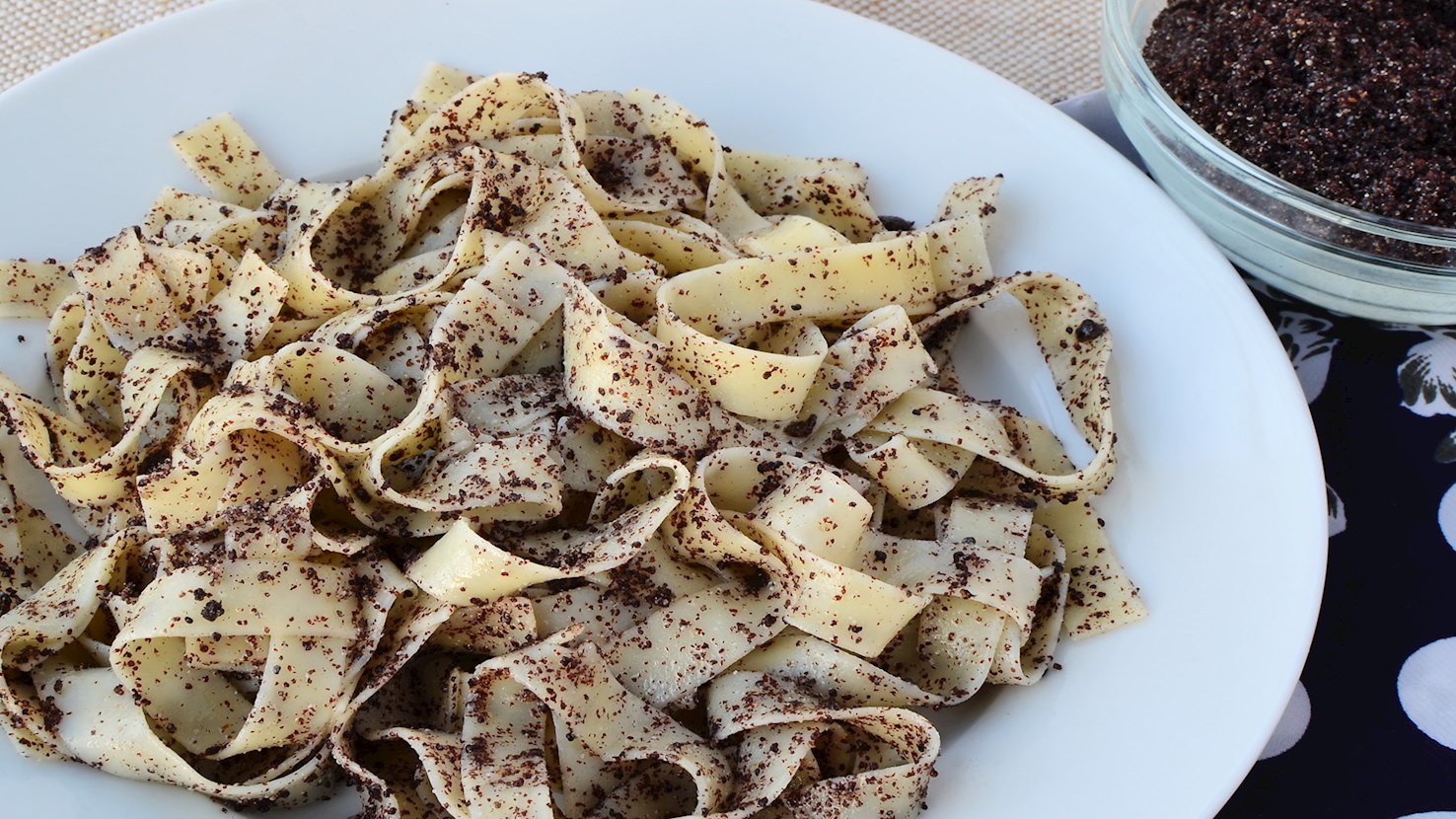
The simple and nutritious nudle s mákem is a dish consisting of wide, thin wheat pasta that is doused in copious amounts of melted butter, and then dusted with poppy seeds and sugar. Once considered a rich and luscious meal, today it represents a frugal, but a beloved dish that is enjoyed as a sweet main course or a filling dessert. Even though it is usually associated with the Czech Republic, the exact origin of the dish is still unknown, while similar varieties are found in many Central and Eastern European countries under various names. In Austria, a similar dish is known as mohnnudeln, prepared with thick and short potato noodles, while the Serbian version from Vojvodina is called rezanci s makom.
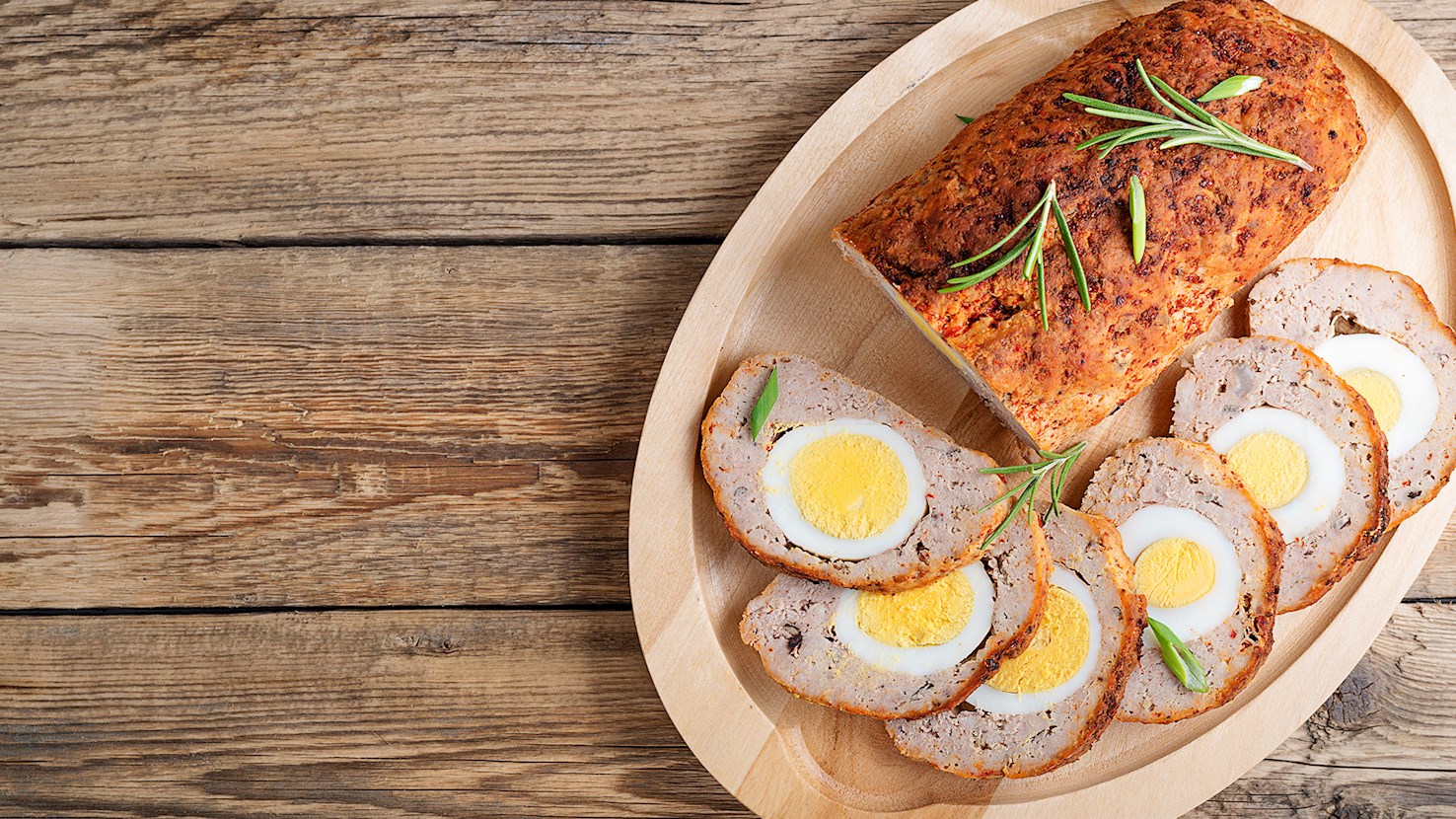
Stefánia szelet is a traditional meatloaf stuffed with hard-boiled eggs in the middle, making the dish visually attractive once cut and the cross-section becomes visible. The meat mixture consists of ground pork, onions, garlic, caraway, paprika, parsley, and marjoram. Instead of being fried in the pan, the meatloaf is baked in a loaf pan. When baked and sliced, the dish is often accompanied by boiled potatoes, but it can also be served on its own when it cools down a bit.
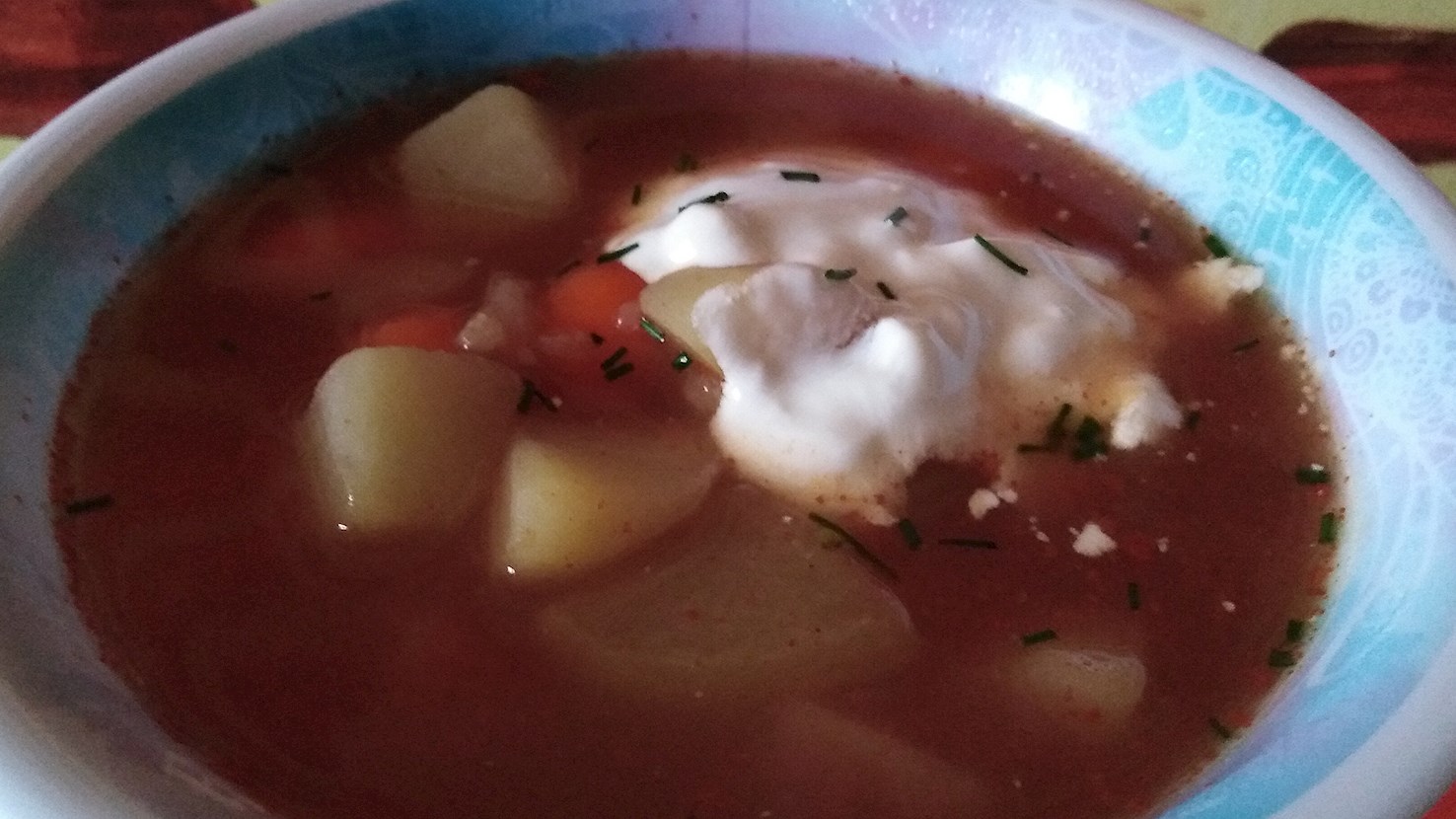
Krumplileves is a traditional potato soup consisting of potatoes, flour, onions, paprika, tomatoes, carrots, and turnips. It is typically flavored with parsley, celery, caraway seeds, salt, and pepper. When the vegetables are tender enough, and the soup develops a thick consistency, it is ready to be served, preferably with a dollop of sour cream on top. Because krumplileves is so inexpensive and easy to prepare, it is usually made at the end of the month. There are a few variations, so some people like to add sausage pieces into the soup for extra flavor.
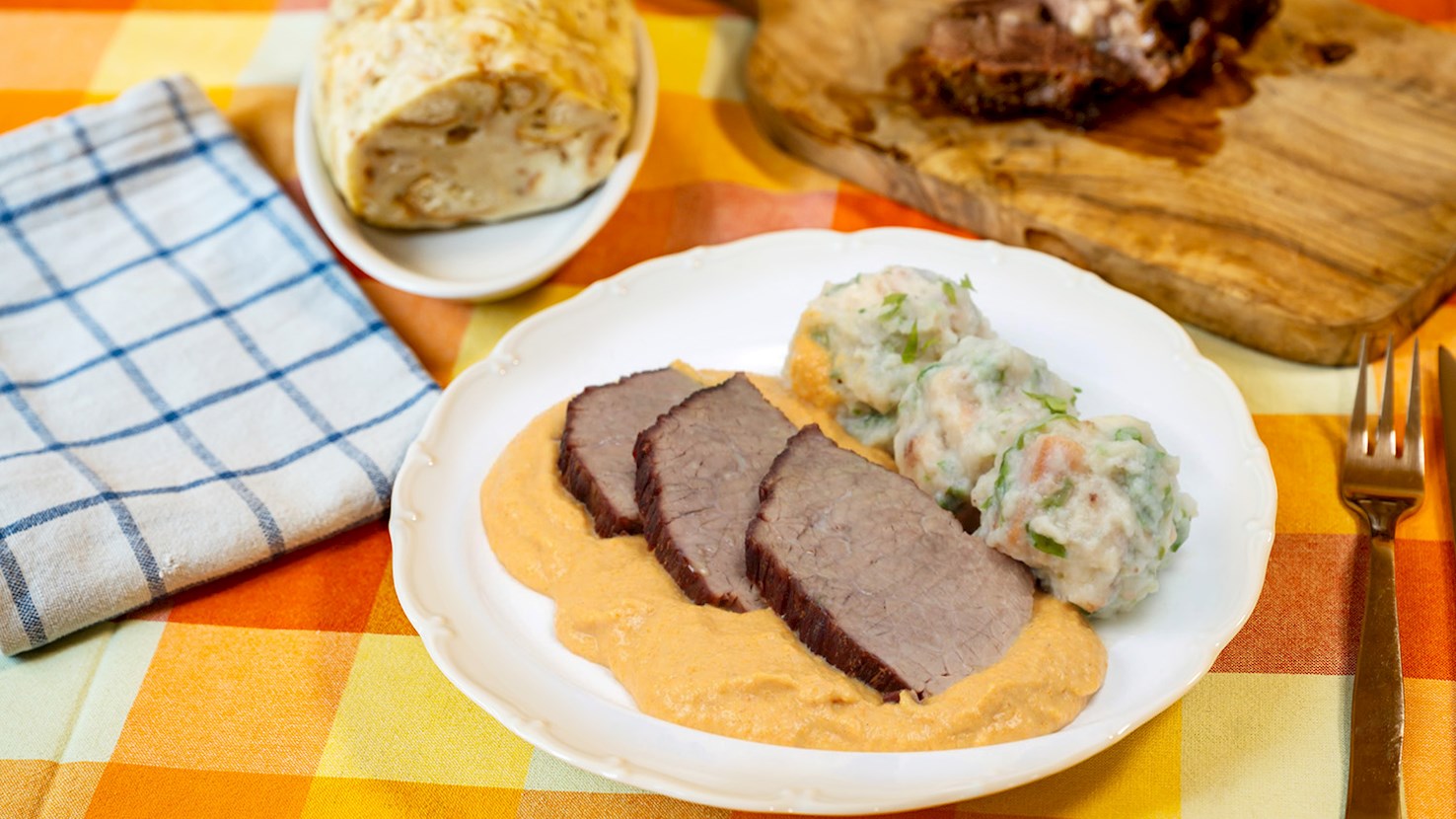
Vadas marha is a traditional dish originating from Hungary. The dish is made with a combination of sliced beef and vadas, a creamy sauce consisting of carrots, onions, parsnip, bay leaves, black pepper, and sour cream. The preparation of the dish takes a long time because the beef first needs to be cooked with the vegetables and spices for 3 hours and is marinated for 24 hours. After that, the meat is separated and cut into thick slices, and the rest of the marinade is used as a basis for the vadas sauce. Vadas marha is often served with bread dumplings on the side.
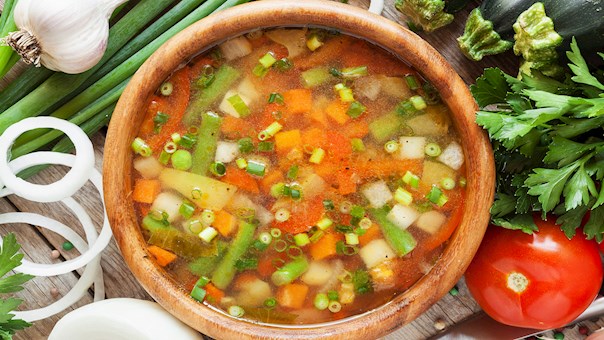
Hamisgulyás is a traditional goulash that doesn’t contain any meat, which is why it’s also called mock guylás. Apart from meat, this version contains all the usual ingredients: carrots, turnips, potatoes, onions, and garlic. This flavorful combination of vegetables is spiced with salt, red pepper, and chopped parsley. Hamisgulyás can be served with homemade dumplings, crusty bread, or a dollop of sour cream.
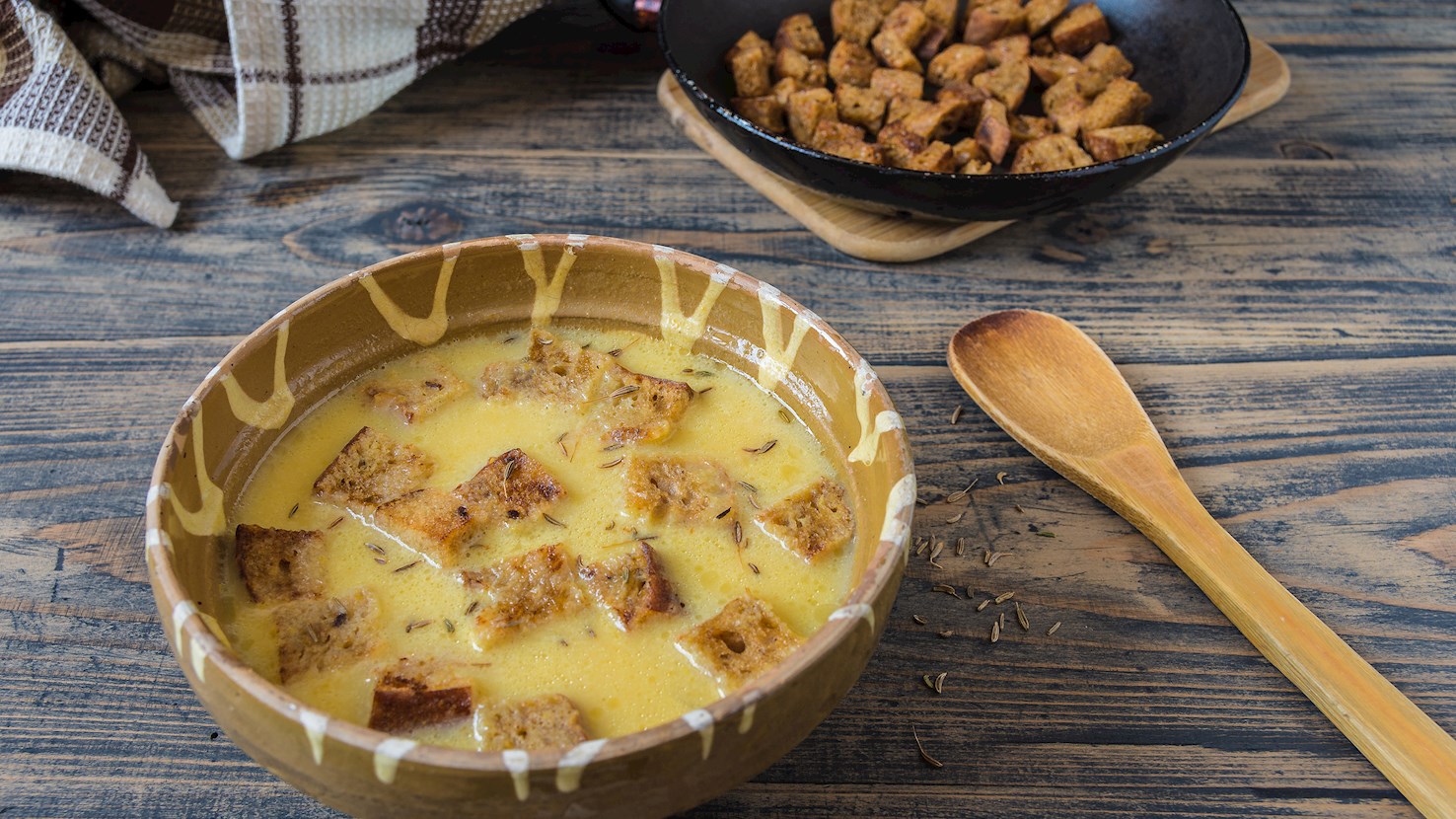
Köménymagleves is a traditional soup prepared with caraway seeds as the main ingredient. The caraway seeds are cooked with flour and oil or fat to make a golden brown roux. The roux is then mixed with water and beaten eggs, and flavored with salt, pepper, and paprika. This soup is served hot, usually with croutons on top. In the past, the recipe was even simpler because people rarely used eggs or additional spices. According to Hungarian folk beliefs, this soup is great against stomachaches.
TasteAtlas food rankings are based on the ratings of the TasteAtlas audience, with a series of mechanisms that recognize real users and that ignore bot,
nationalist or local patriotic ratings, and give additional value to the ratings of users that the system recognizes as knowledgeable.
For the “55 Worst Rated Hungarian Foods” list until September 16, 2026, 10,267 ratings were recorded, of which 7,452 were recognized by the system as legitimate.
TasteAtlas Rankings should not be seen as the final global conclusion about food. Their purpose is to promote excellent local foods,
instill pride in traditional dishes, and arouse curiosity about dishes you haven’t tried.






What People Say