

10 Worst Rated Icelandic Foods

Last updated on June 17, 2026
01

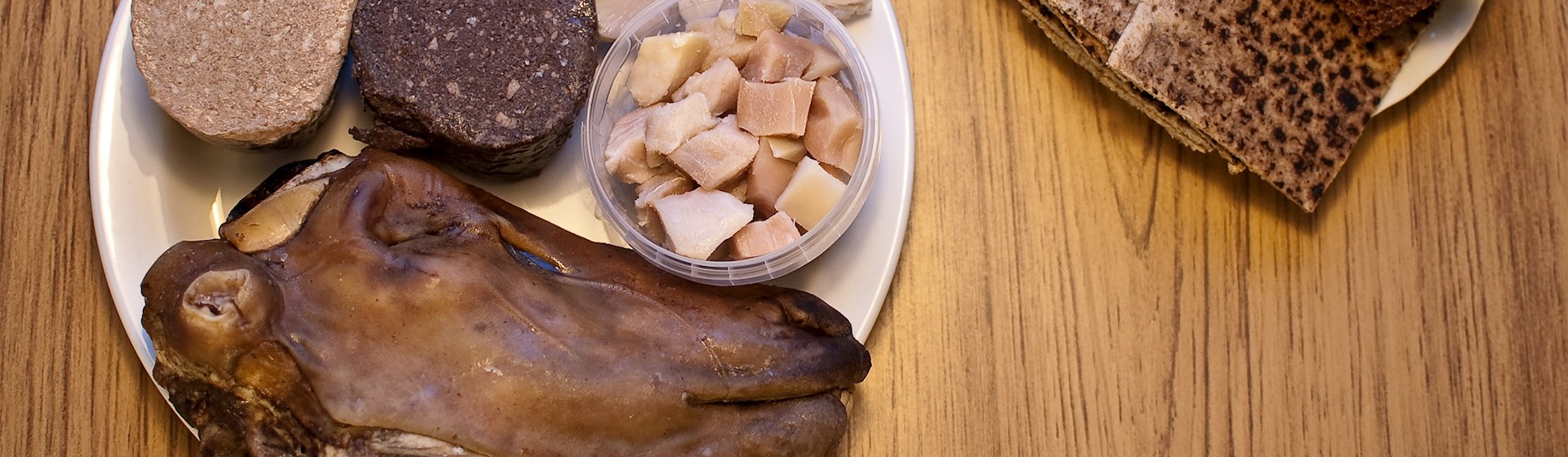
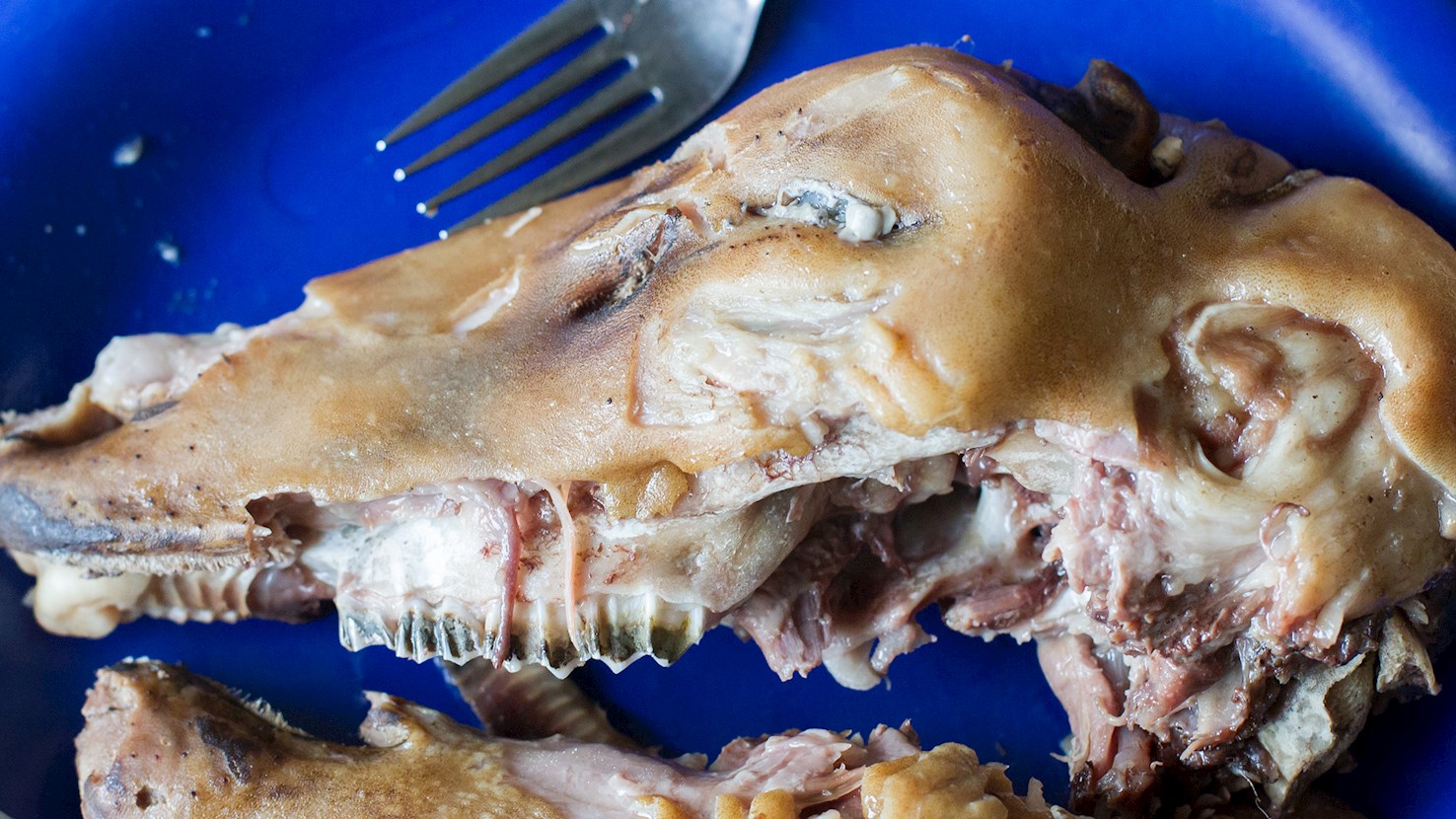
Svið

1.7 ·

Svið is an unusual and unique dish from Iceland consisting of singed, halved, and cooked sheep's head. The head is then cooked in an open fire (in order to remove the fur) and consumed. The dish is traditionally served with a side of mashed turnips, rhubarb jelly, and mashed potatoes, especially during the traditional Icelandic mid-winter festival known as Þorrablót. Originally, the dish was invented at a time when people could not let any part of meat go to waste. Although svið has a reputation of being really tasty, some may find it strange to literally look their food in the eye.

02

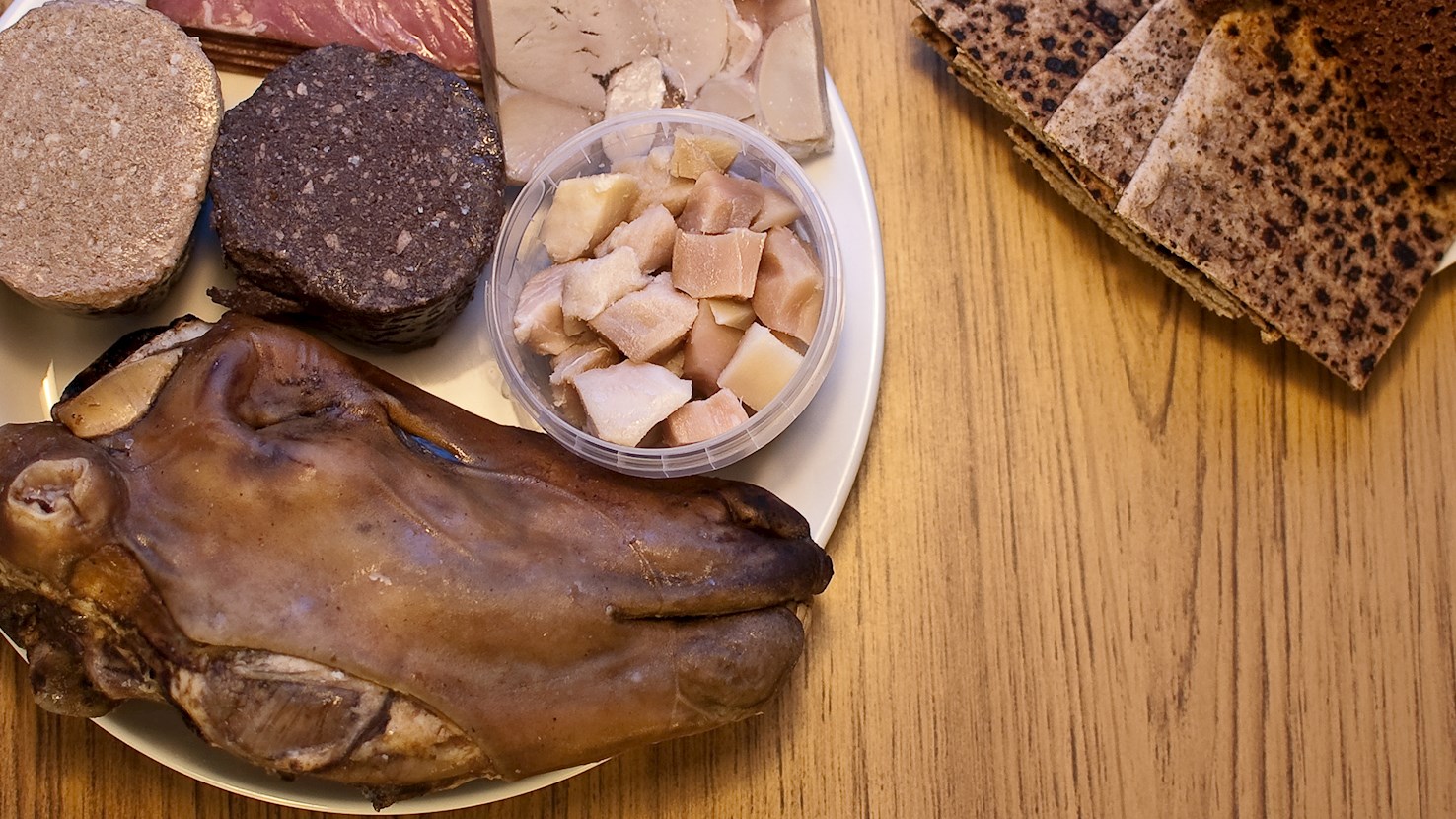
Thorramatur

1.8 ·

Thorramatur is a selection of traditional Icelandic foods consumed predominantly during the Nordic month of Þorri, taking place from mid-January to mid-February each year. Cured fish and meat products are cut into slices or bite-sized pieces and served alongside rúgbrauð and butter on numerous buffet tables. The standard choice includes specialties like fermented shark meat, smoked lamb, seared lamb head, blood sausages, and much more, all of which can be additionally soured according to personal preferences. Typical accompaniments include brennivín, Iceland's flavored spirit drink, and seasonal Þorri beer that is traditionally produced by local breweries specifically for the occasion.

03

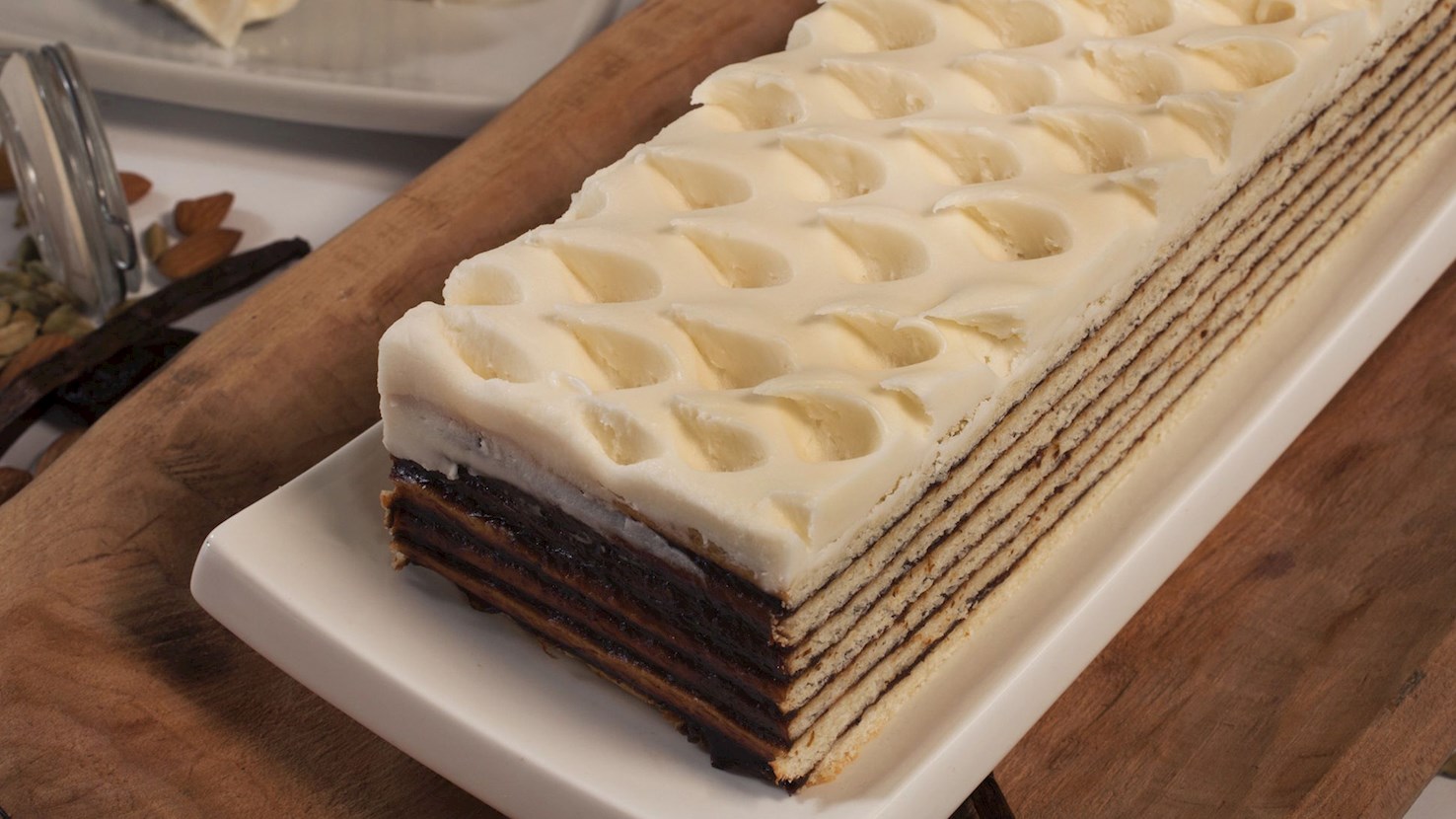
Vínarterta

2.7 ·

This layered Icelandic dessert is known as randalín or vínarterta (Vienna cake). Although the cake is incredibly versatile and its exact form and ingredients are often debated, it traditionally consists of thin shortbread layers that are coated with rhubarb, prune, strawberry, or apricot. The cookie-like layers are usually flavored with vanilla, cardamom, or cinnamon, and the entire cake is sometimes garnished with icing. Vínarterta originated in Iceland, but nowadays it enjoys more popularity in Icelandic communities in the United States and Canada. The cake is a Christmas favorite, but it can also be served on other special occasions.

04

Laufabrauð

3.2 ·

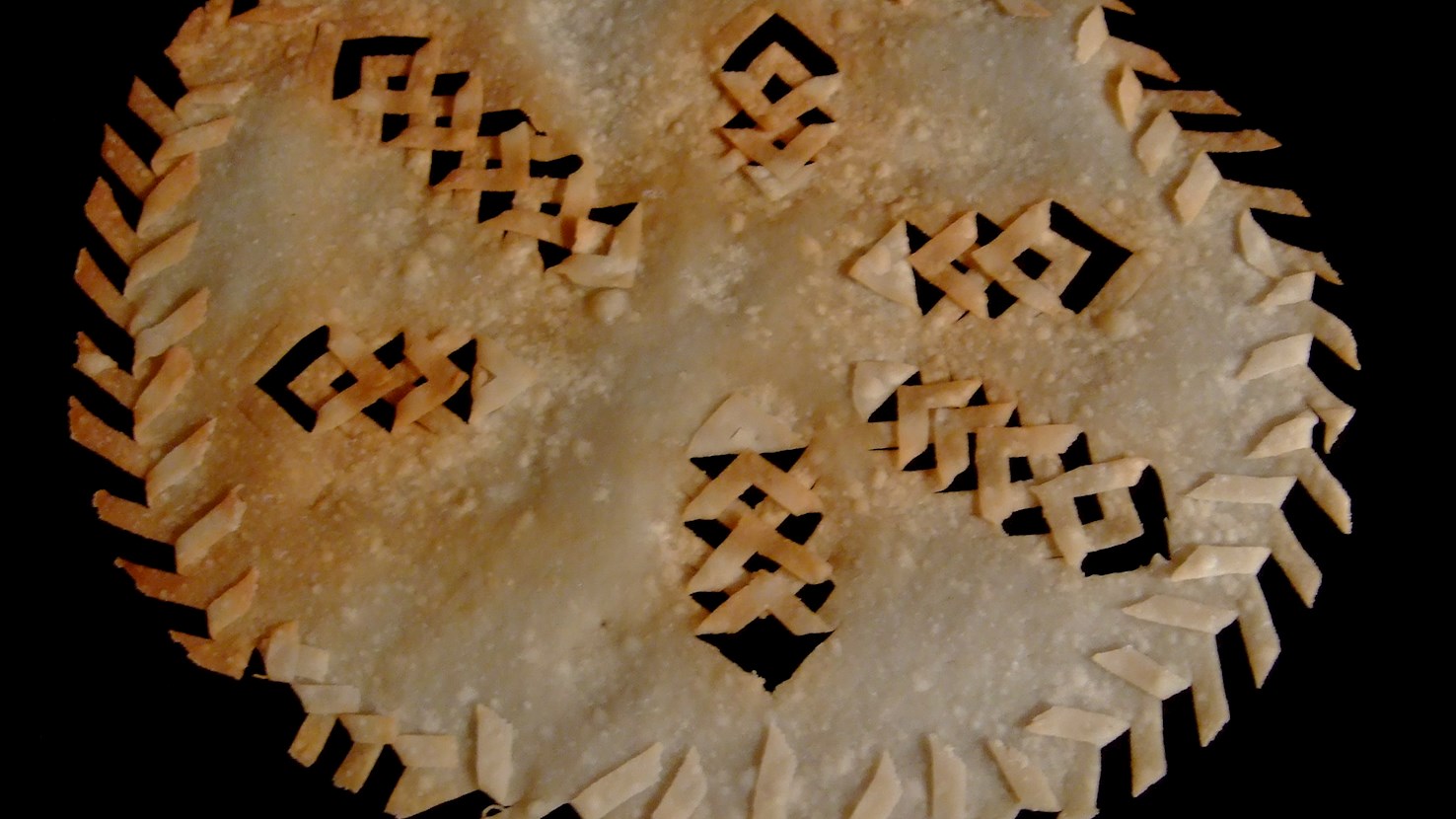
Translated as leaf bread, this classic flatbread is a Christmas staple in Iceland that was first mentioned in writing in 1736. It is prepared with a basic dough that incorporates flour, butter, sugar, milk, and is typically enriched with caraway. The dough is rolled into a thin, round sheet, which is then decorated with leaf-like, geometric patterns before it is shortly fried. In the past, the decorations were incised by hand, using a small pocket knife but nowadays it is mostly done with the help of a small brass iron. Laufabrauð is usually enjoyed alongside potatoes, peas, cabbage, and hangikjöt - Icelandic smoked lamb. Although it is believed to have originated in the north, the bread is prepared and enjoyed throughout the country.

05

Kjötsúpa

3.4 ·

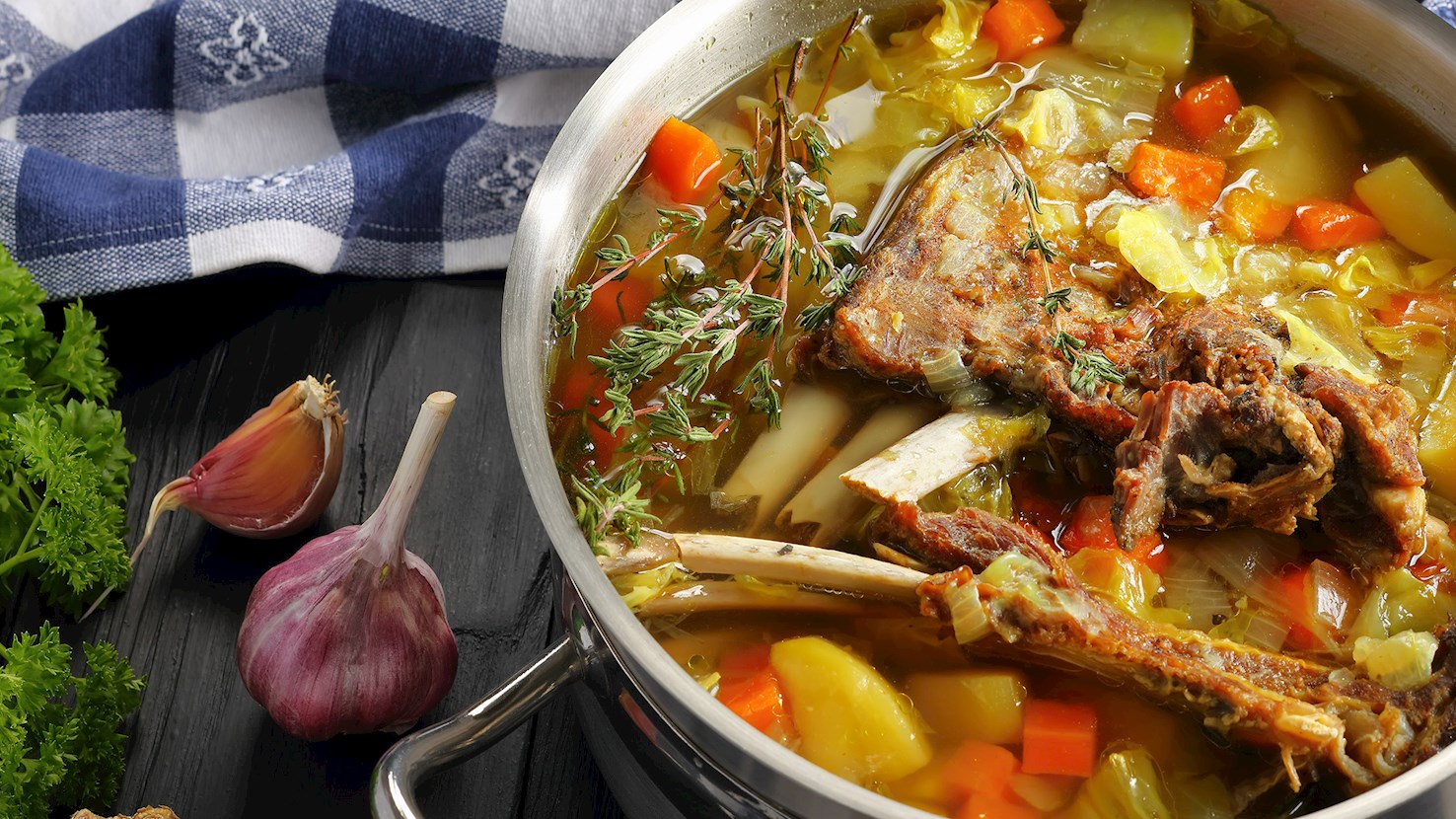
This hearty Icelandic soup is a nourishing combination of lamb, preferably on the bone cuts, carrots, rutabaga, potatoes, onions, and various fresh or dried herbs. It is traditionally thickened with oatmeal or rice, while other additions may include leeks or cabbage. Kjötsúpa is occasionally served with a dollop of sour milk.

06

Flatkaka

3.5 ·

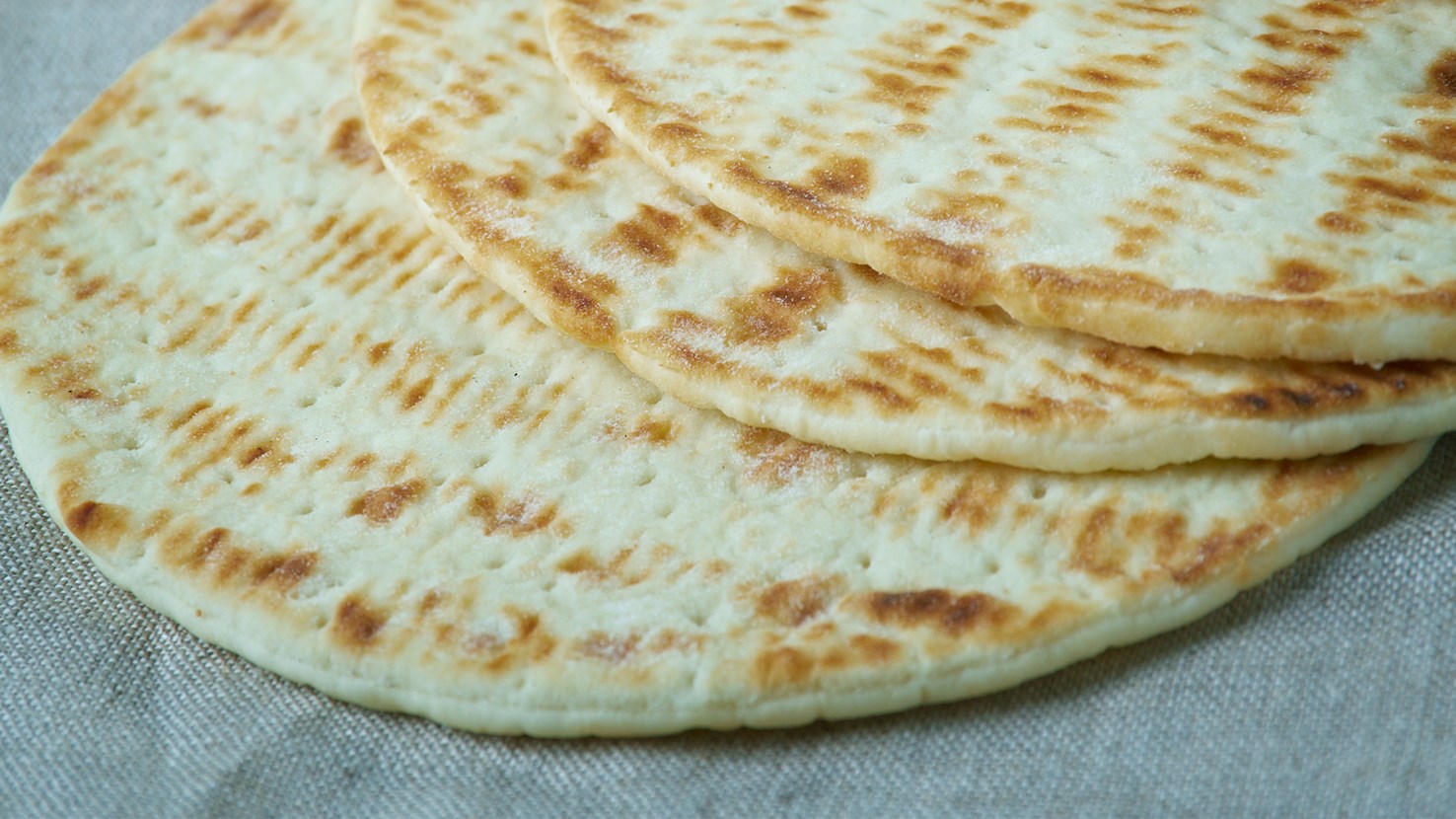
Flatkaka, meaning flat cake, is a traditional rye bread characterized by its flat appearance and fork prick marks on its surface. The flatbread is unleavened and baked in a pan, then served cut into quarters or halves. In the past, it was baked on hot stones, but today people even make them at home on electric hot plates. The bread is usually topped with butter, smoked salmon, smoked lamb, or pickled herring. Due to the fact that flatkaka is light, yet packed with energy, it is a quintessential hiking snack in Iceland.

07

Broddur (Oven cheese)

3.7 ·

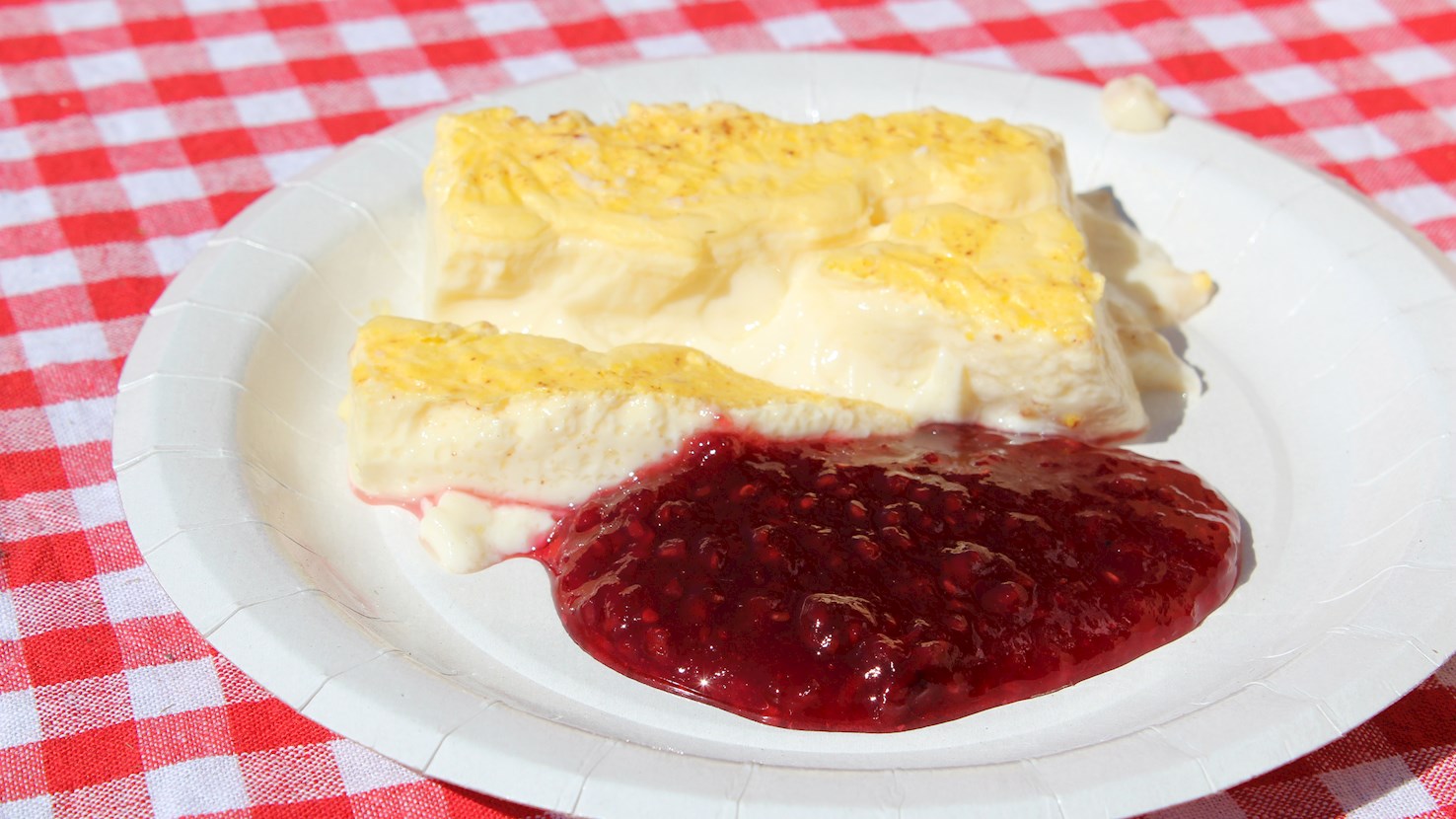
This traditional Scandinavian dish is prepared with a combination of cow’s milk and beestings or colostrum – a yellow, rich milk produced by the animal right after it gave birth to a calf. The mixture is baked in the oven and the product acts as a coagulant, eventually thickening the milk to create a thick, custard-like dish. Often compared to baked cheese, uunijuusto is traditionally enjoyed as a dessert that is often sweetened, spiced with cinnamon, and complemented by fresh berries.

08

Fiskur og franskar (Icelandic fish and chips)

3.8 ·

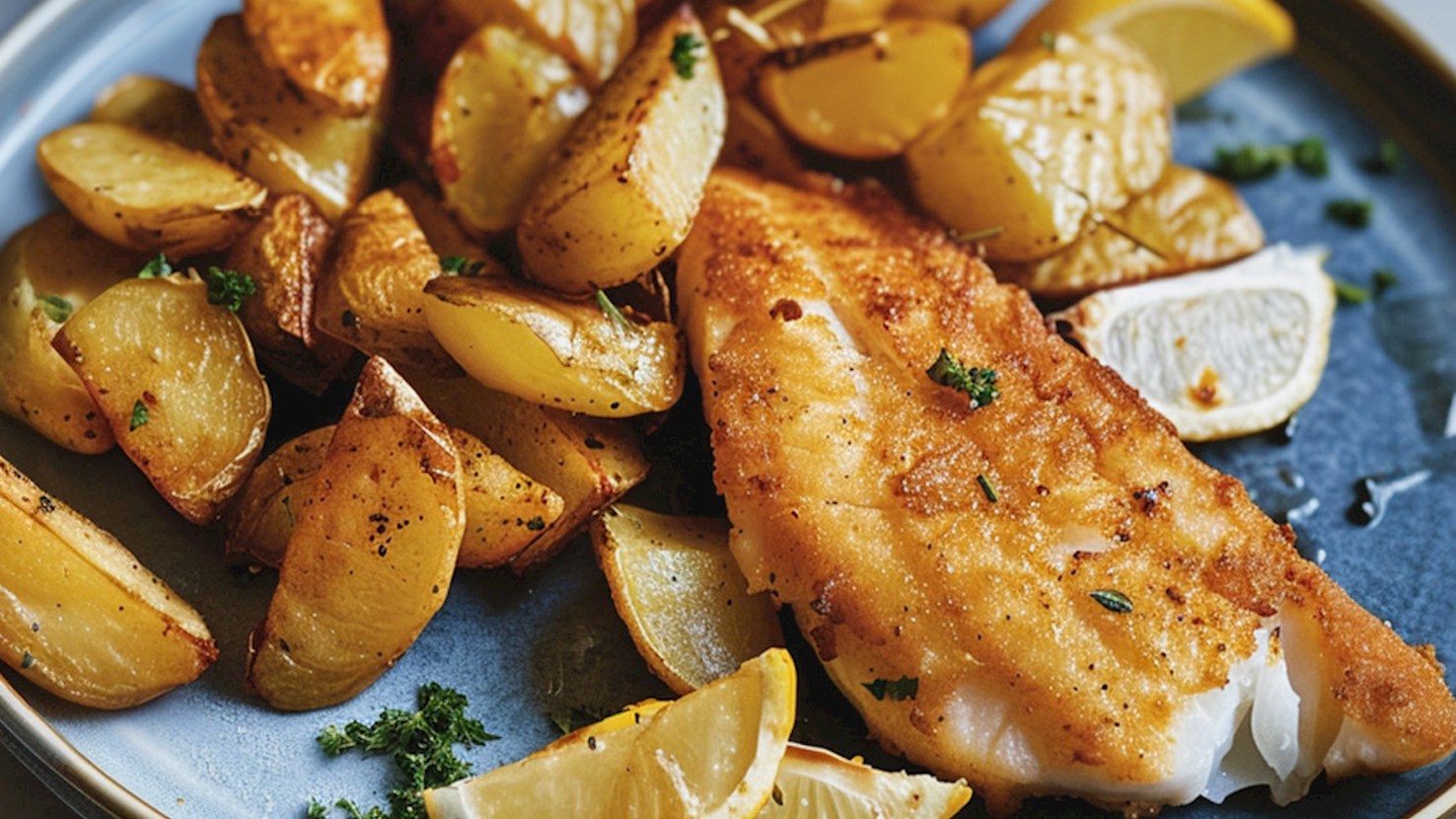
This dish is an Icelandic version of the classic English fish and chips. In the UK, the batter is made with flour, vinegar, salt, beer, and baking soda, while the Icelandic version is made from spelt flour and without beer, making the rape seed oil-fried fish lighter and similar to tempura in texture. The fish is typically caught from the Icelandic waters and it's always as fresh as possible. Icelandic organic chips are not fried, but roasted in the oven and topped with chopped parsley, resulting in a texture that's crispy on the exterior and creamy within. Regarding the accompaniments, Skyronnes dip is a staple of Icelandic fish and chips, made with a combination of skyr, olive oil, and fresh herbs and spices.

09

Rúgbrauð

3.8 ·

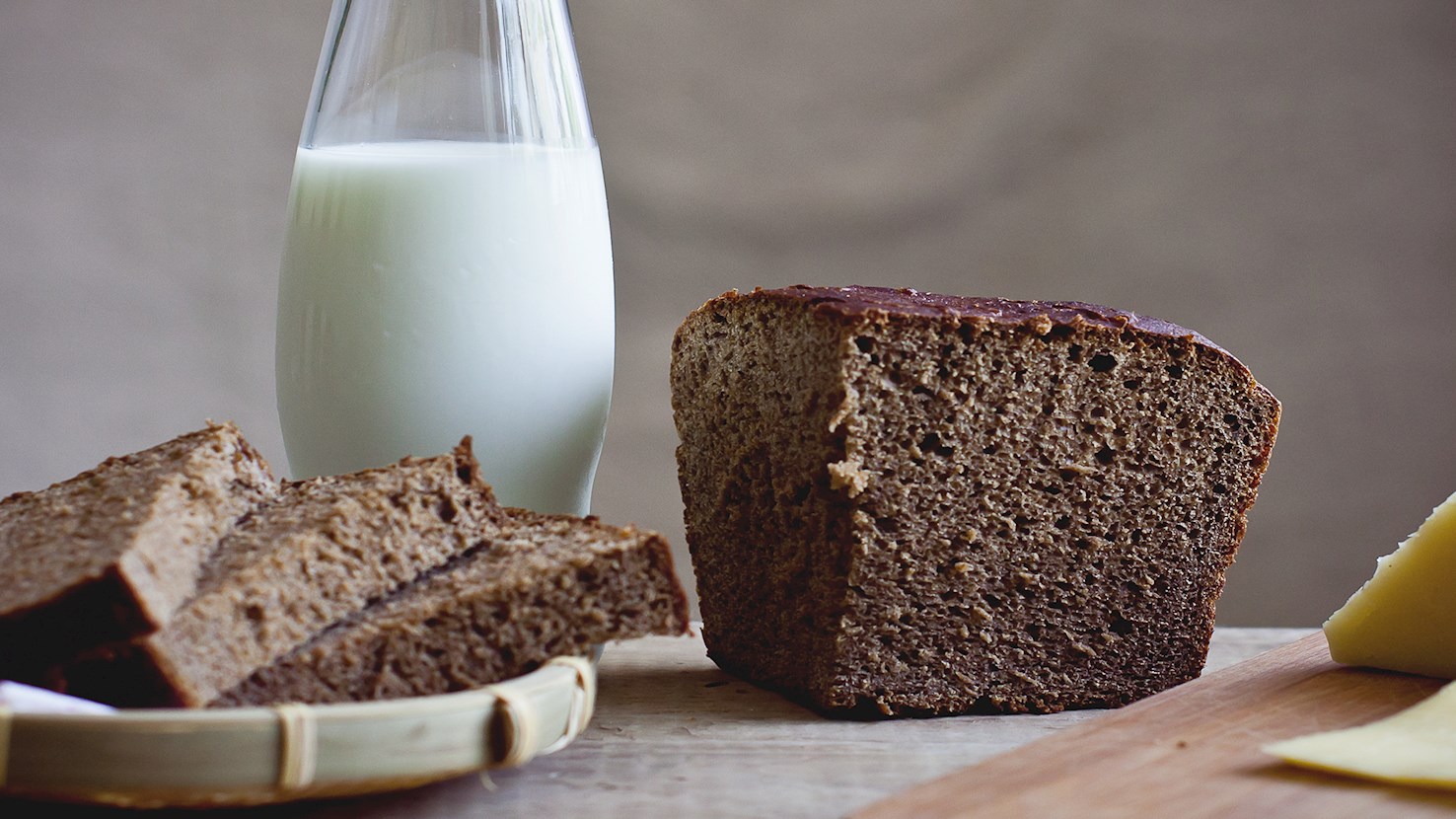
Characterized by its dark brown color, rúgbrauð is a rich and dense Icelandic bread that was initially prepared solely with rye flour. It was traditionally steamed in underground pits that were located near numerous Icelandic geysers, and which provided heat for steaming. Nowadays, the somewhat heavy rye flour is usually combined with other flour types, buttermilk, and molasses to produce a lighter version of this classic. Often combined with various spreads and toppings, this subtly sweet bread is also blended with milk or buttermilk and enjoyed as a porridge or a nutritious dessert.

10

Pylsa (Icelandic hot dog)

3.9 ·

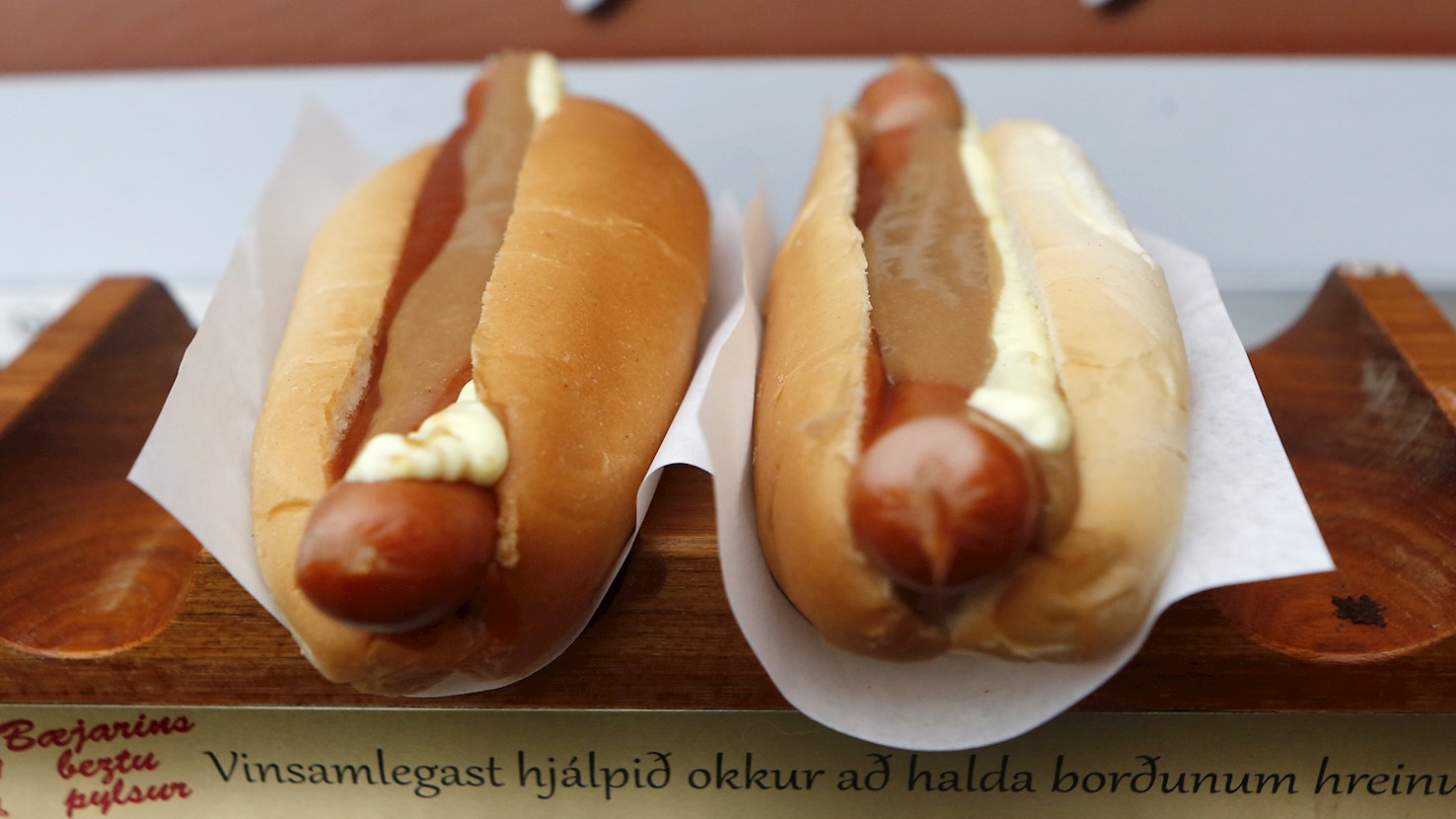
Icelandic hot dog or pylsur is a unique combination of a sausage made from Icelandic free-range lamb, a warm, steamed bun, and toppings such as fried and raw onions, ketchup, sweet brown mustard, and remoulade. This flavorful hot dog was created at Bæjarins Beztu Pylsur (Town's Best), a small hot dog stall which has been preparing them for over 60 years. It is recommended to order one with everything (ein með öllu) for the best experience.

Read more
View all
View map
About this ranking

TasteAtlas food rankings are based on the ratings of the TasteAtlas audience, with a series of mechanisms that recognize real users and that ignore bot, nationalist or local patriotic ratings, and give additional value to the ratings of users that the system recognizes as knowledgeable. For the “10 Worst Rated Icelandic Foods” list until June 17, 2026, 457 ratings were recorded, of which 368 were recognized by the system as legitimate. TasteAtlas Rankings should not be seen as the final global conclusion about food. Their purpose is to promote excellent local foods, instill pride in traditional dishes, and arouse curiosity about dishes you haven’t tried.

Similar lists