

shutterstock

100 Worst Rated Indian Foods

Last updated on August 17, 2026
01

Missi roti

2.5 ·

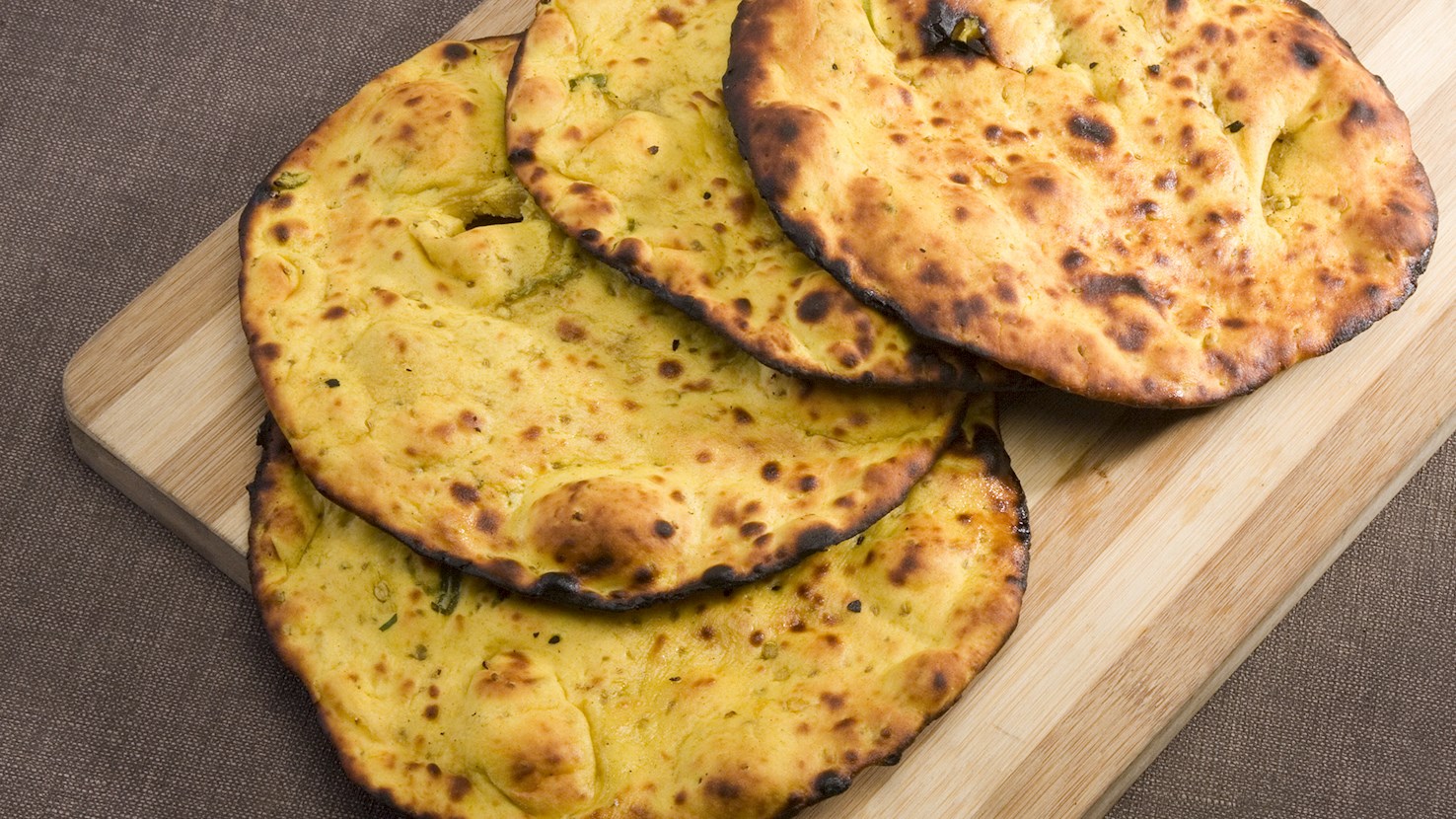
Missi roti is a North Indian variety of roti, an unleavened flatbread made by combining whole wheat flour, gram flour, salt, water, and a blend of freshly ground Indian spices such as red chili powder, cumin seed powder, carom seed powder, turmeric, coriander, and crushed dry pomegranate seeds. The resulting dough is often enhanced with sliced green chilis and finely chopped vegetables such as onions, spinach, or fenugreek leaves. The dough is then rolled into flat disks before it is traditionally cooked on a hot iron griddle called tawa until brown and slightly crispy. This spiced flatbread is usually brushed with ghee or oil and it's traditionally served piping hot with a wide variety of chutneys, curries, sabzis (mixed vegetable dishes), mixed lentil dishes, pickles, or curd. Missi roti commonly accompanies Indian breakfasts, but it can be eaten at any time of the day, and with any meal.

02

Ganthiya

2.7 ·

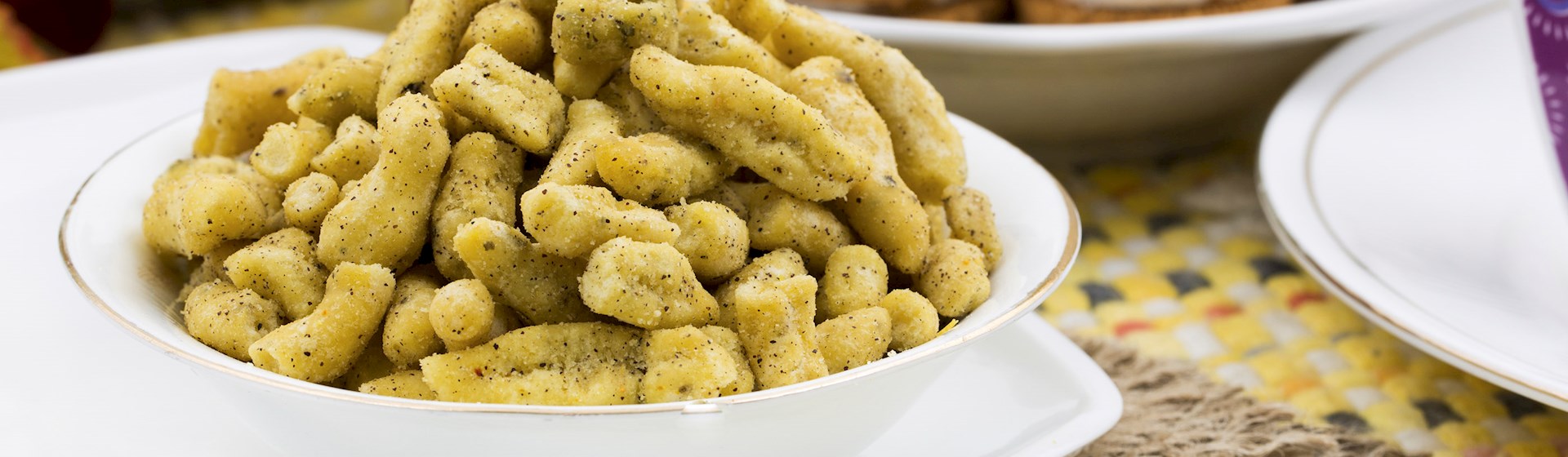
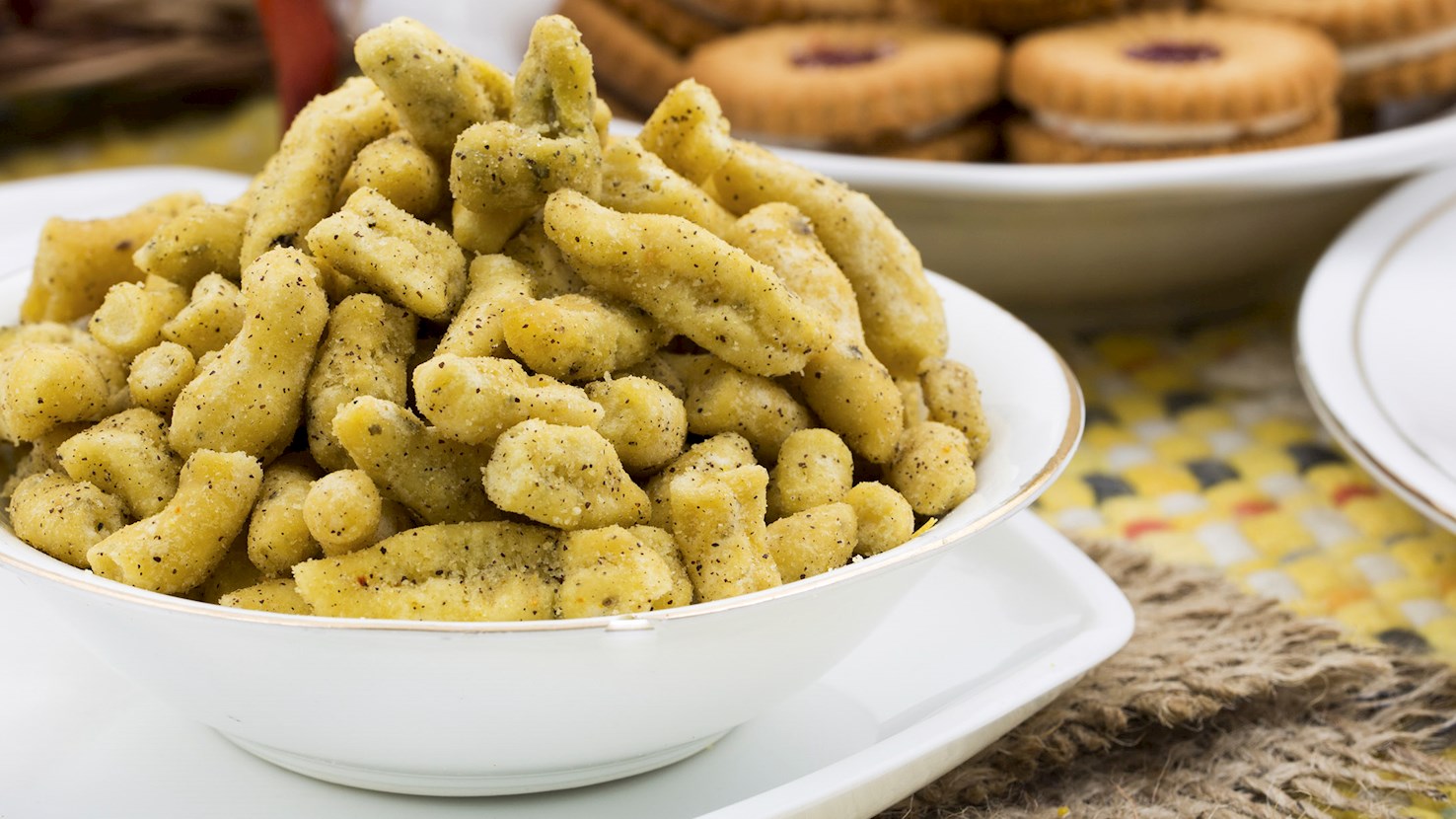
Ganthiya is a popular Indian deep-fried snack made from gram flour. It has origins in the Indian region of Gujarat, where it is commonly served with tea. Unlike most other Indian snacks, ganthiya is not crunchy, but soft and puffy. It can be found throughout Gujarat at numerous street stalls, but the snack is especially popular during Diwali. There is also a sweet version of ganthiya, called mitha ganthiya, while the plain version can be additionally flavored with red chili powder.

03

Gajar matar

2.7 ·

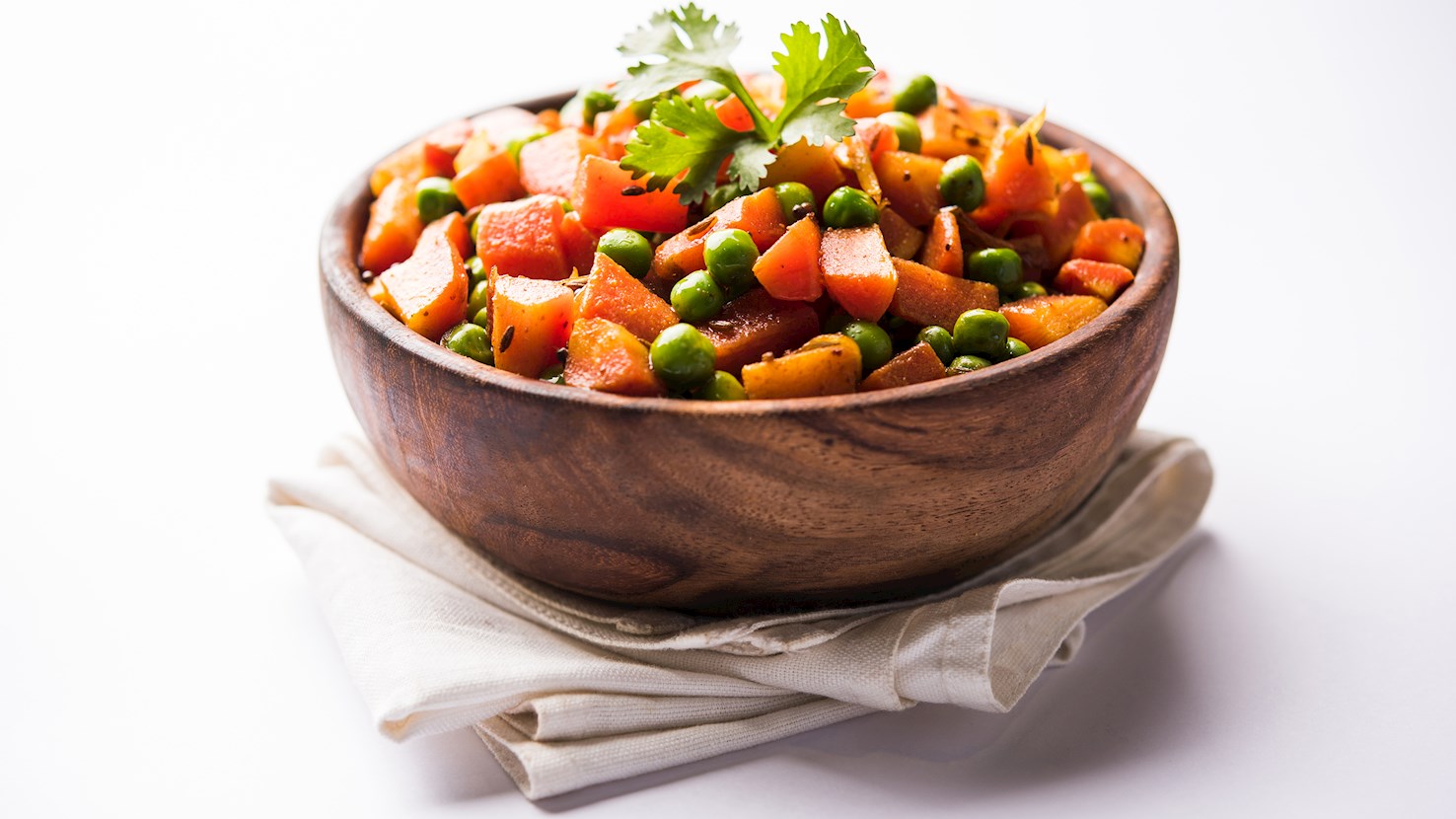
Gajar matar is a traditional vegetable-based dish originating from Punjab, where it's considered a wintertime staple. This stir-fry is usually made with a combination of peas, carrots, oil, cumin, onions, hot chili peppers, garlic, ginger, coriander, tomatoes, and salt. All of the ingredients are stir-fried, often with the addition of water, while the chopped tomatoes, peas, and carrots are added near the end of cooking. In order to finish the dish, the heat is reduced to low, the pan is covered, and the dish is cooked until the vegetables are tender. It's recommended to serve gajar matar with hot rotis on the side.

04

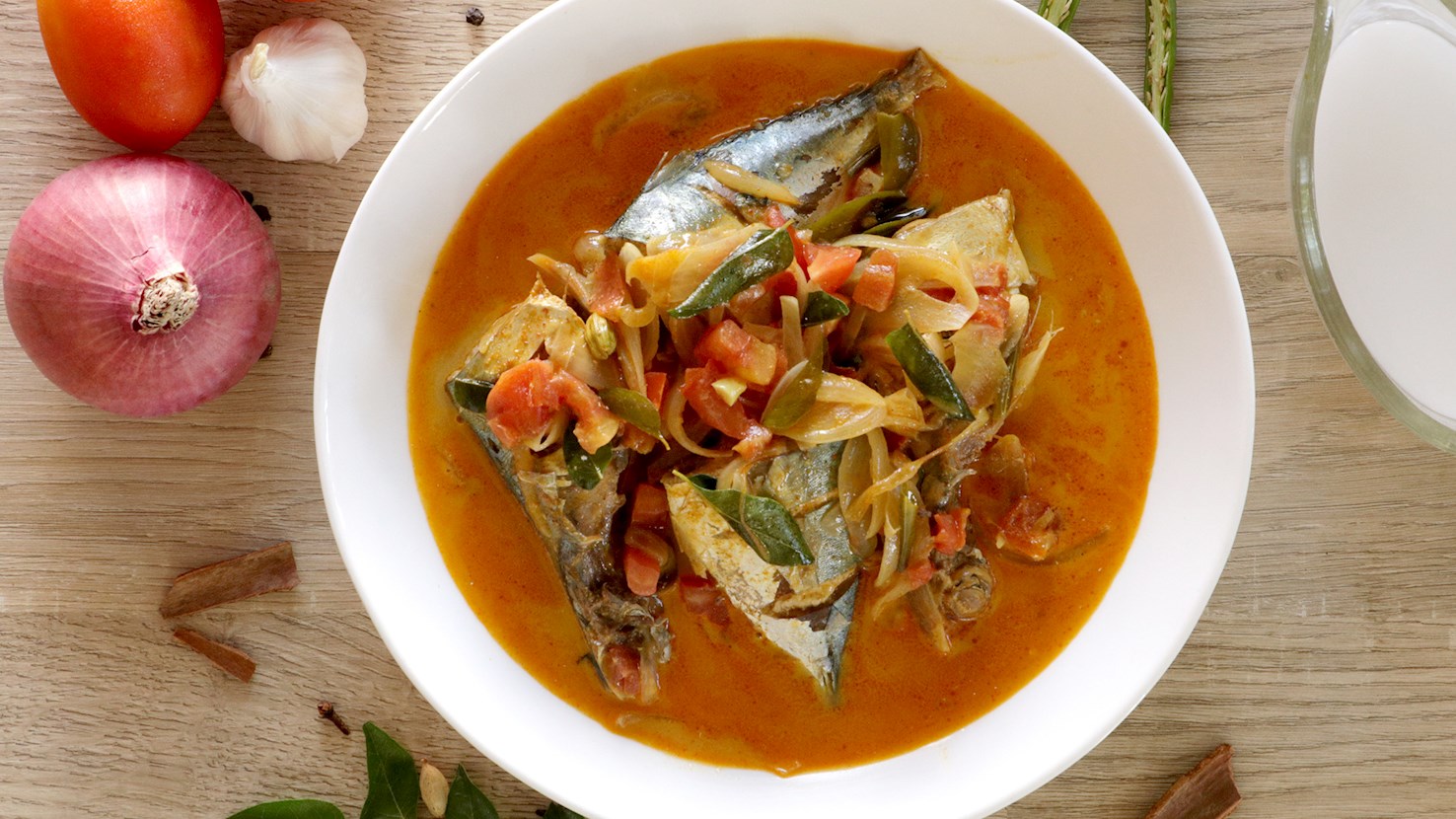
Nadan meen curry

2.9 ·

Nadan meen curry is a traditional fish curry typical of the Kerala region in India, "nadan" translating to rustic or traditional, and "meen" meaning fish in Malayalam, the local language. This curry is recognized for its robust flavors, attributed to the luscious combination of coconut milk and a variety of spices like fenugreek seeds, mustard seeds, and curry leaves, coupled with the tangy presence of tamarind or kokum. The fish, usually a type that's local and fresh, is simmered gently in this rich, aromatic gravy until it's cooked to perfection. Often, slices of green mango are added for an extra layer of tartness, complementing the spicy, creamy nature of the curry. Nadan meen curry is typically served with rice or a traditional flatbread, offering a heartwarming meal that reflects the coastal culinary heritage of Kerala.

05

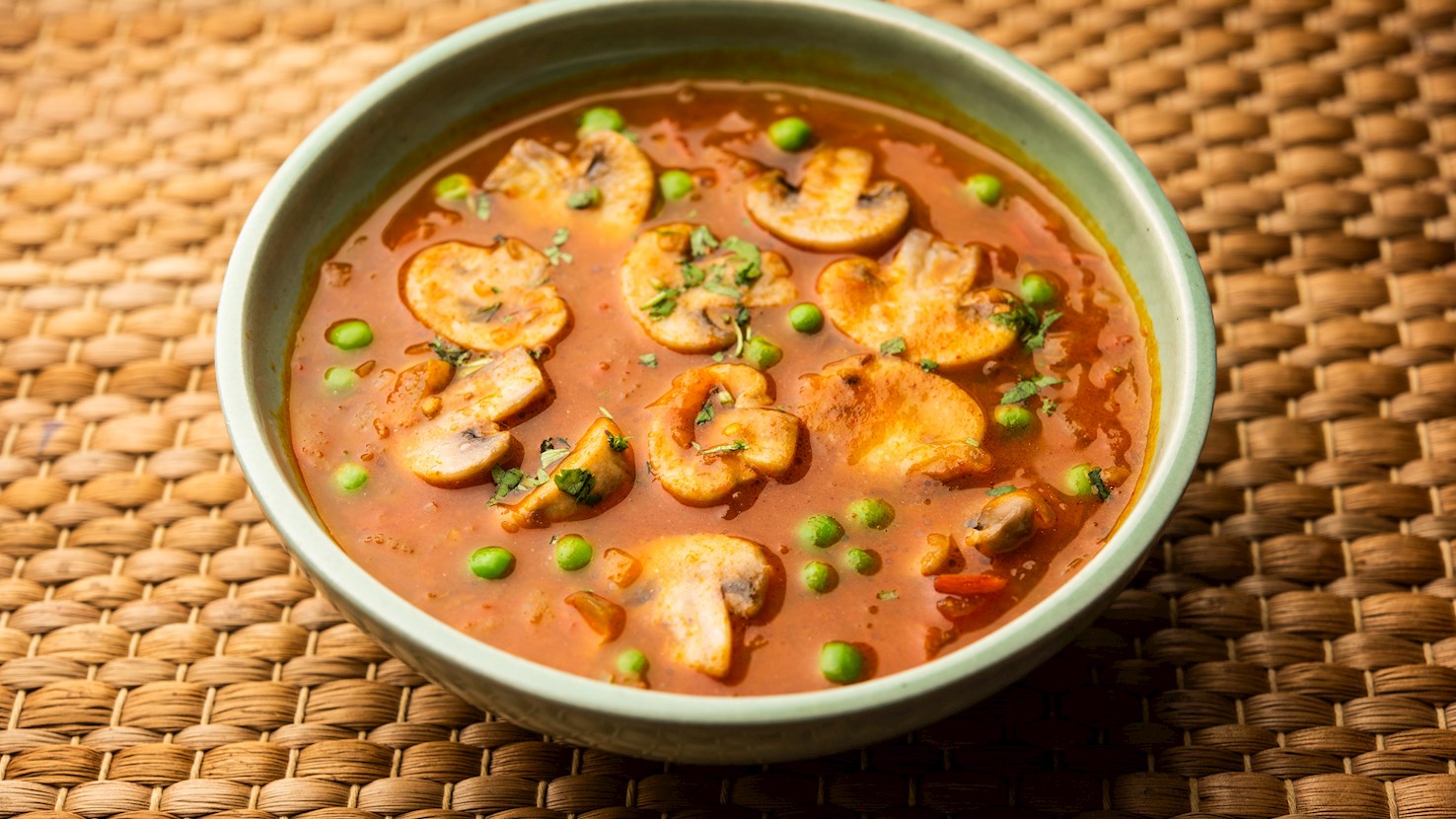
Matar Mushroom

2.8 ·

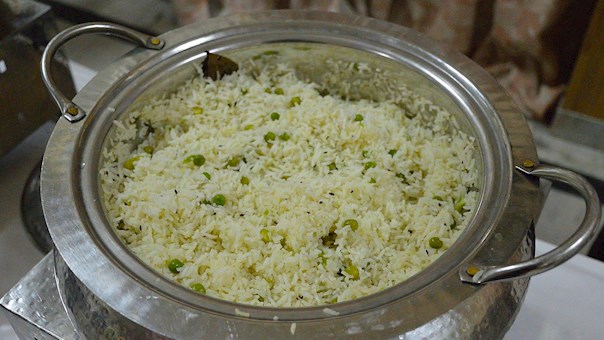
Matar mushroom is a traditional dish made with mushrooms and green peas as the main ingredients. Other ingredients include onions, tomatoes, ginger-garlic paste, green chili peppers, cumin, oil, garam masala spices, turmeric, coriander, and red chili powder. The gravy is prepared first, while the peas, mushrooms, and turmeric are added to the pot near the end of cooking. The combination is simmered until done, and the dish is often garnished with chopped coriander leaves. It’s recommended to serve this vegan dish with jeera rice and roti or chapati flatbread on the side. Matar mushroom can be prepared in two versions – dry curry or gravy, depending on personal preferences. It’s especially popular during winter, when fresh peas are in season.

06

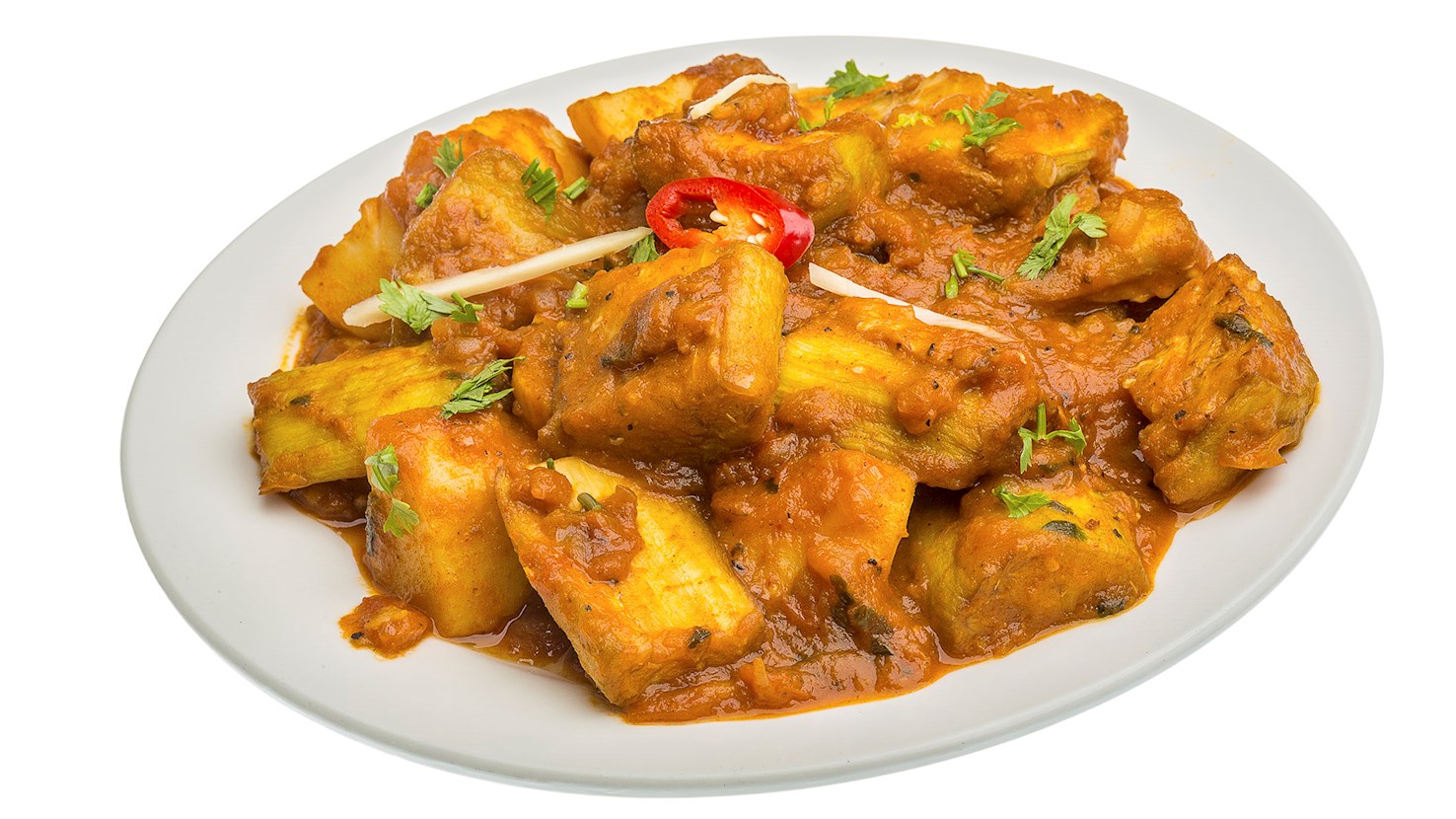
Aloo baingan

2.9 ·

Simple and flavorful, aloo baingan is a dish made with a combination of eggplants and potatoes, cooked together with onions, tomatoes, and various spices. The name of the dish specifies its key ingredients, since aloo means potatoes, and baingan means eggplant. Basically, it is a type of sabzi (dry curry) that is usually served with flatbreads such as roti and naan. Aloo baingan is a popular Indian lunch item that is commonly packed in lunchboxes throughout Northern India. It is said that aloo baingan is even better if made in advance, as the flavors deepen while the dish rests.

07

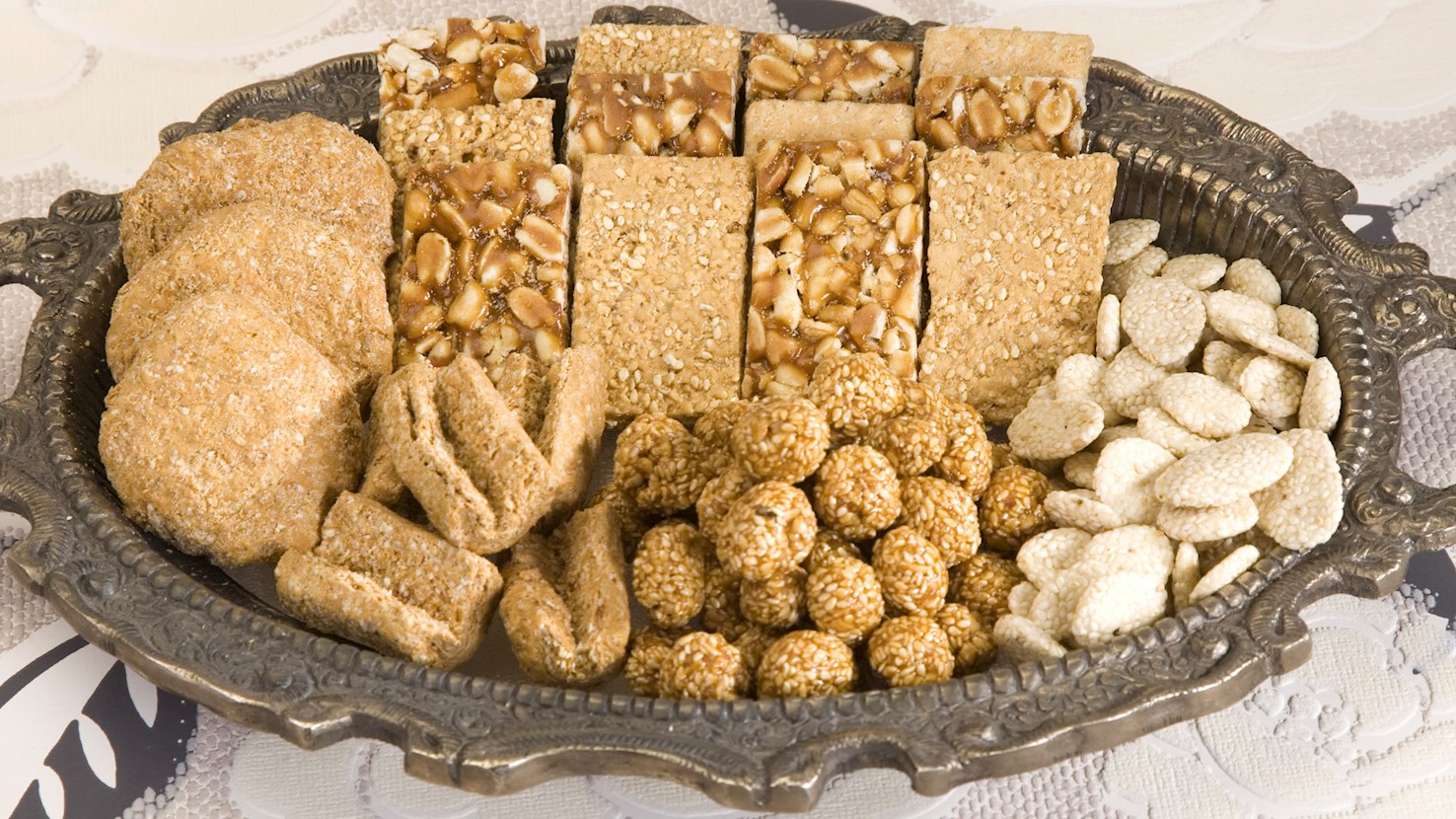
Gajak

2.9 ·

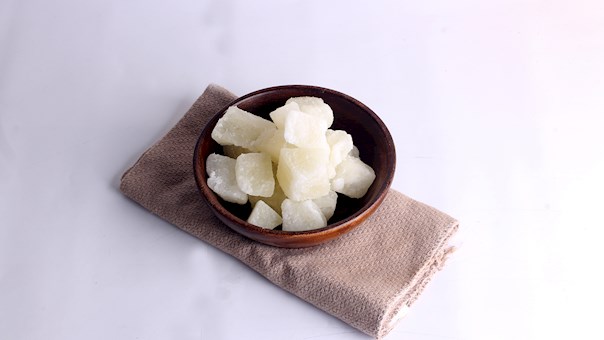
Gajak is a sweet, dry snack with North Indian origins, made with sesame seeds and jaggery. Although thinly layered squares of gajak can be stored for a few months, the snack is most commonly consumed in the winter months since it is a part of typical Indian festive cuisine. It is usually prepared around the harvest time and consumed at festivals such as Pongal. Flavorful and nutritious, gajak has many variations depending on the region, so in South India it is shaped into balls, and in North India, jaggery is sometimes substituted with sugar. Peanuts, cashews, and dried fruits can also be added to gajak in some of the regional variations of this traditional festival treat.

08

Panta bhat

2.9 ·

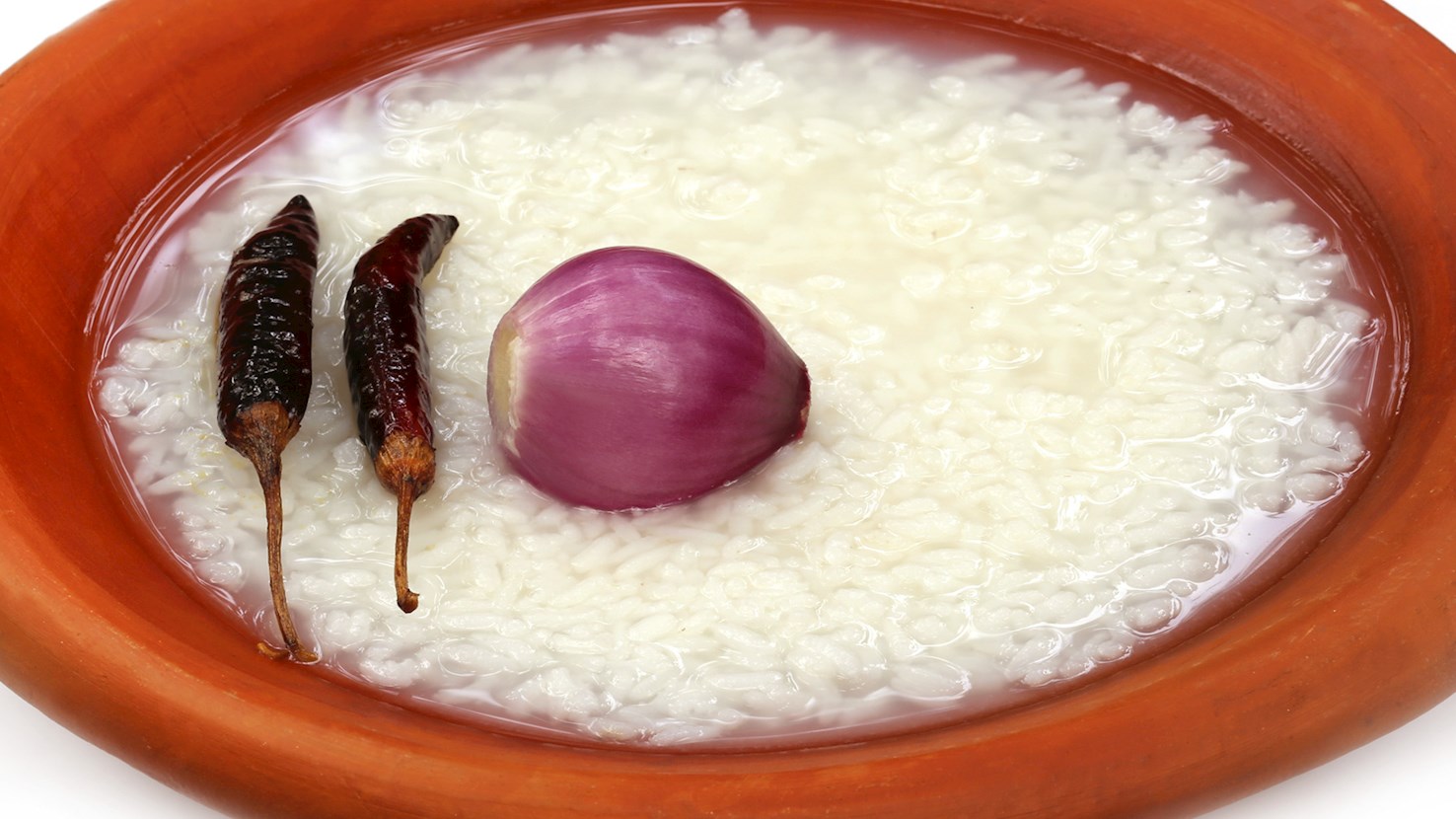
Panta bhat is a simple rice dish prepared by first cooking the rice, rinsing it, and then soaking it in water overnight. The dish is rich in minerals, and it is believed to have health-beneficial effects. Because it is usually enjoyed chilled, it is a favorite summer treat, and apart from being a typical everyday breakfast, it is also regularly prepared for special occasions such as Bengali New Year and Pahela Baishakh festivity. The dish is usually topped with fresh green chili peppers, salt, and onions, and when served with fried ilish fish it goes under the name panta ilish.

09

Rava idli

2.9 ·

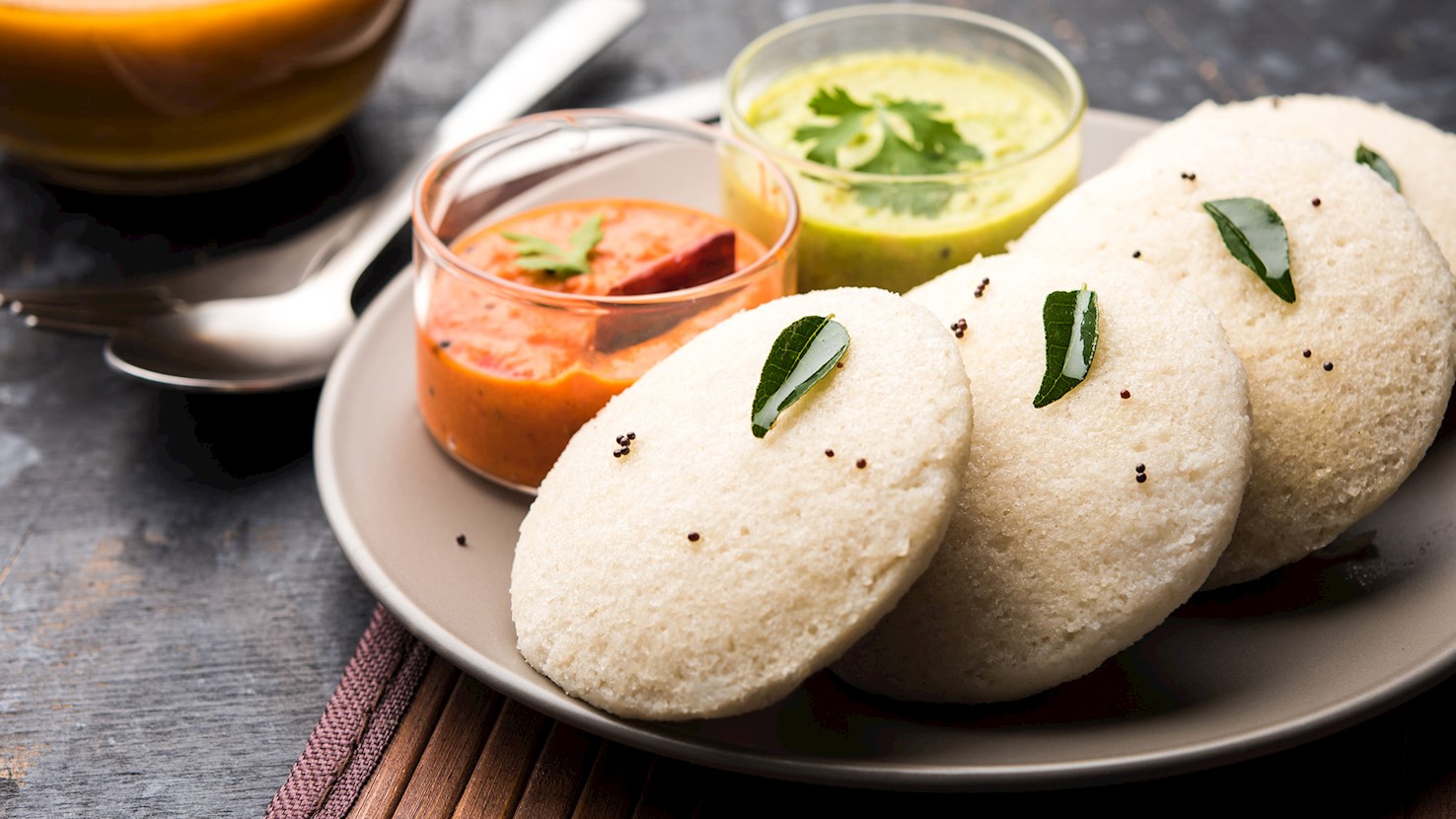
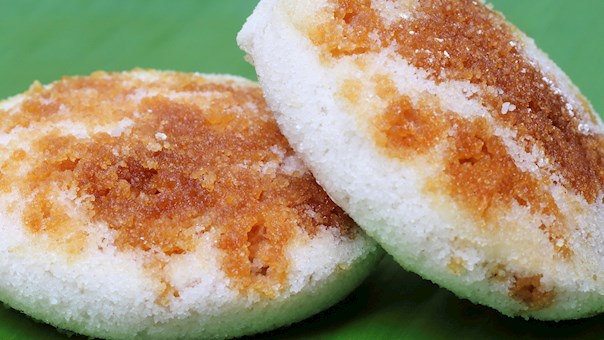
Rava idli is a popular steamed semolina cake invented during World War II by the popular restaurant chain Mavalli Tiffin Rooms (MTR) in Bangalore, India. During the war, there was a shortage of rice, the main ingredient in traditional idli, so MTR decided to use semolina (rava) instead of rice to make idlis. The batter for rava idli is typically made by mixing semolina, curd (dahi), and a leavening agent, which is why idli is light and fluffy. The batter is then allowed to rest for a few minutes before steaming. Apart from the semolina and curd, the batter usually includes ingredients like finely chopped coriander, cashews, mustard seeds, curry leaves, and ginger, which are added for additional flavor. The process involves frying these spices and herbs, called tempering, and then adding them to the semolina batter. Once the batter is ready, it's poured into an idli mold and steamed until cooked. The result is a soft, fluffy, and flavorful dish that's often served with coconut chutney or other sauces.

10

Churma

2.9 ·

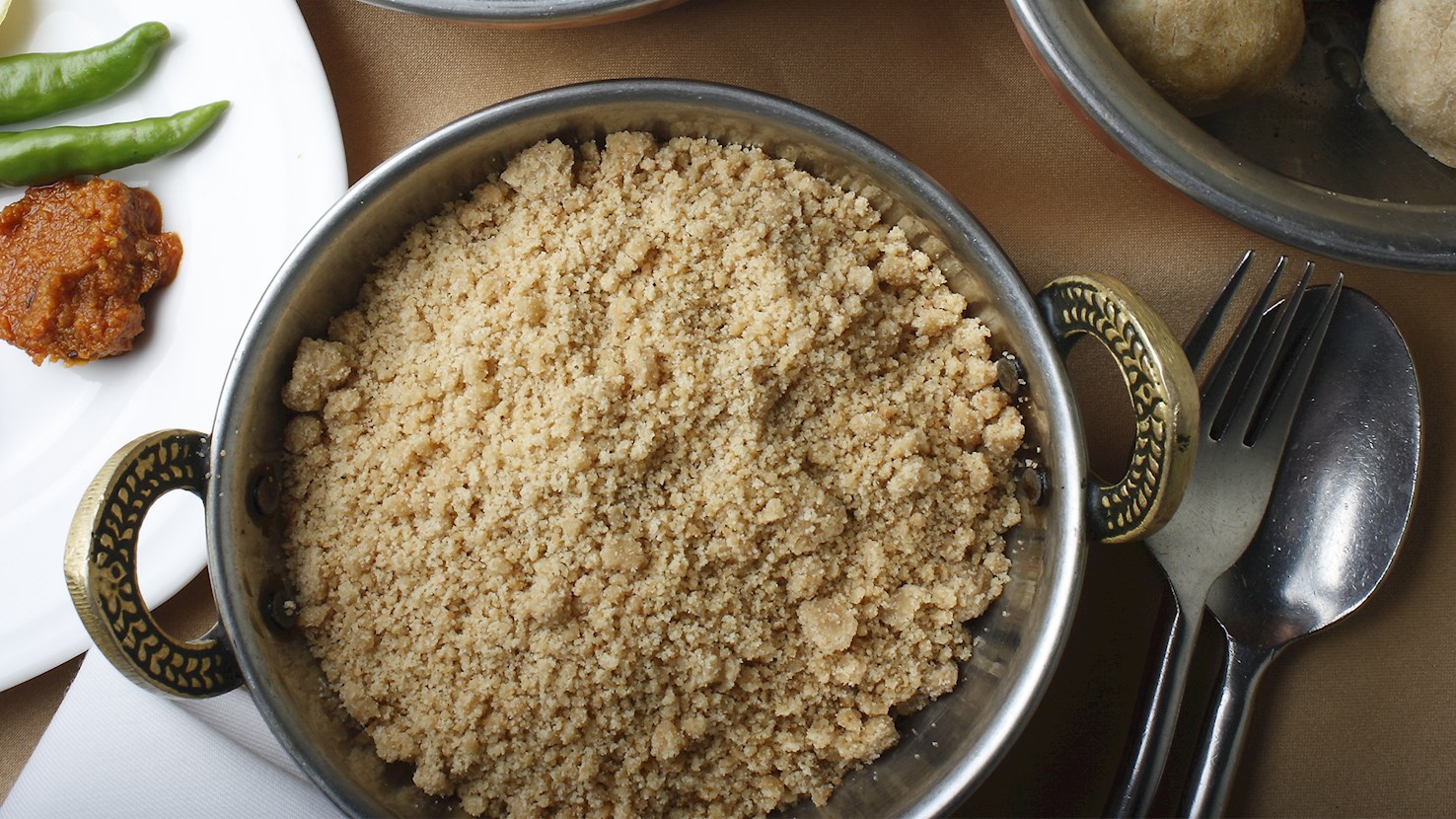
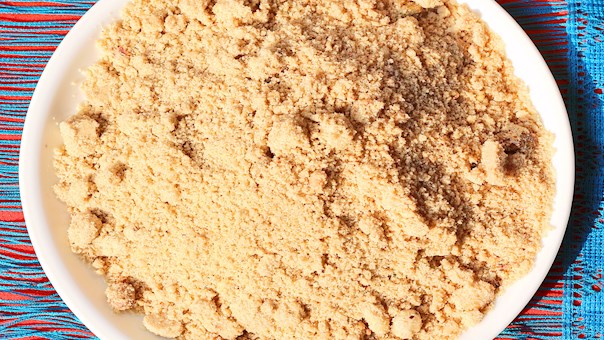
Churma is a north Indian dish that is mainly prepared with various types of crumbled bread. It is especially popular in Rajasthan where it is made with baati (bati) bread, and Haryana, where the locals opt for roti, paratha, or puri. The fine crumbs are then mixed with ghee, sugar, cardamom, and (often) various nuts or, occasionally, dry fruits. The dish is usually finished off with melted ghee. In Rajasthan, churma is mostly enjoyed as a part of a dish named dal bati churma—a delicious combination of churma, dal, and baati bread. Churma can be enjoyed as a dessert, nutritious snack, or an accompaniment to savory dishes.

About this Ranking

TasteAtlas food rankings are based on the ratings of the TasteAtlas audience, with a series of mechanisms that recognize real users and that ignore bot, nationalist or local patriotic ratings, and give additional value to the ratings of users that the system recognizes as knowledgeable. For the “100 Worst Rated Indian Foods” list until August 17, 2026, 21,832 ratings were recorded, of which 16,454 were recognized by the system as legitimate.

TasteAtlas Rankings should not be seen as the final global conclusion about food. Their purpose is to promote excellent local foods, instill pride in traditional dishes, and arouse curiosity about dishes you haven’t tried.

What People Say

Similar Lists