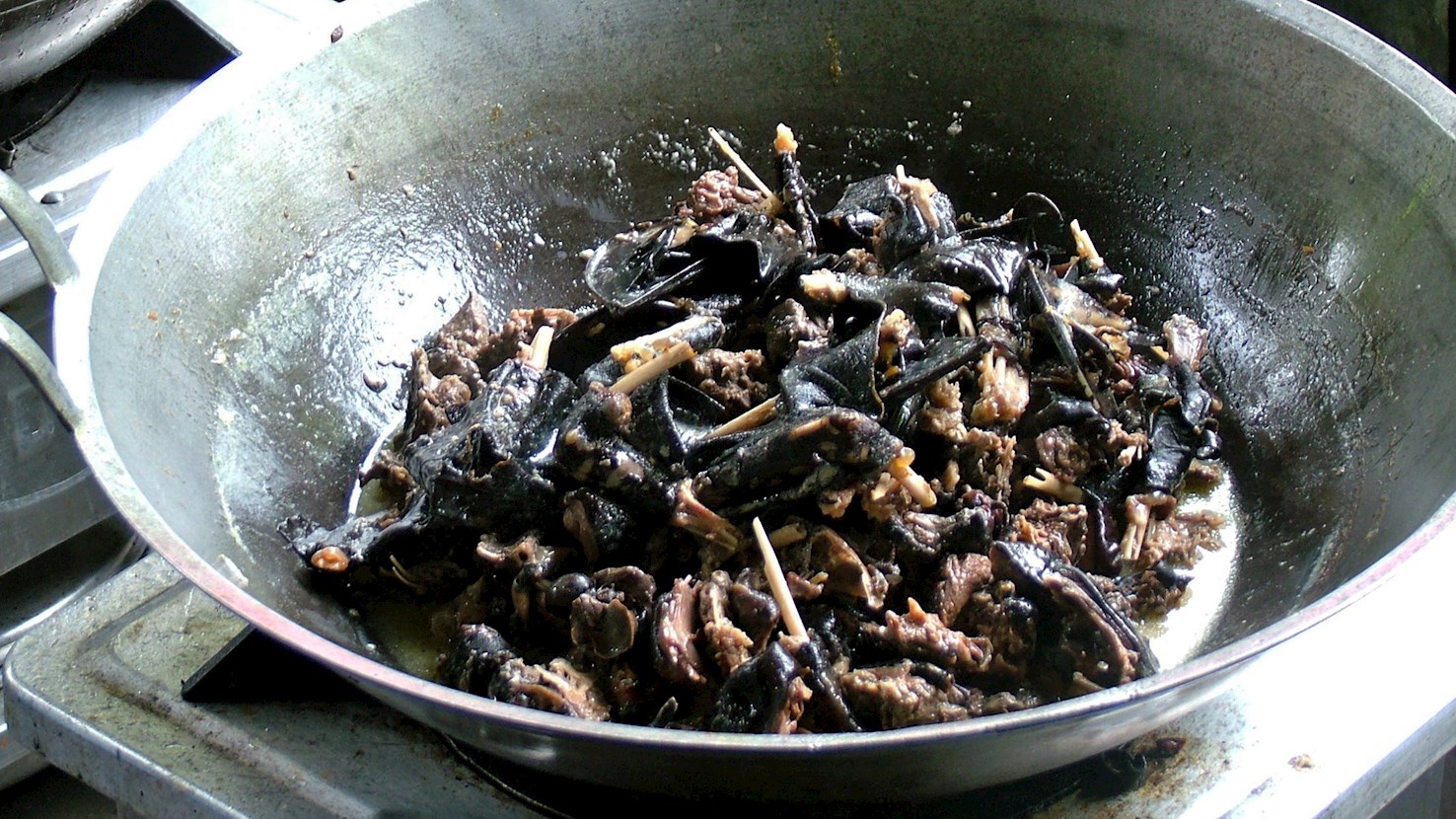
Traditionally made by the native Minahasan people and hailing from North Sulawesi, this Indonesian dish employs fruit bat as the main ingredient. Though bats are often fried or grilled, the most popular way is to incorporate them into paniki, the traditional soup-like dish. The usual procedure starts with grilling the bat to remove all the hairs covering its body. The bat is then cleaned, its intestines are removed, and it is cut into smaller chunks and boiled in water. The dish is finished off with the addition of fried onions, garlic, ginger, leeks, curry leaves, lemongrass, and coconut milk. Paniki is typically served accompanied by white rice.
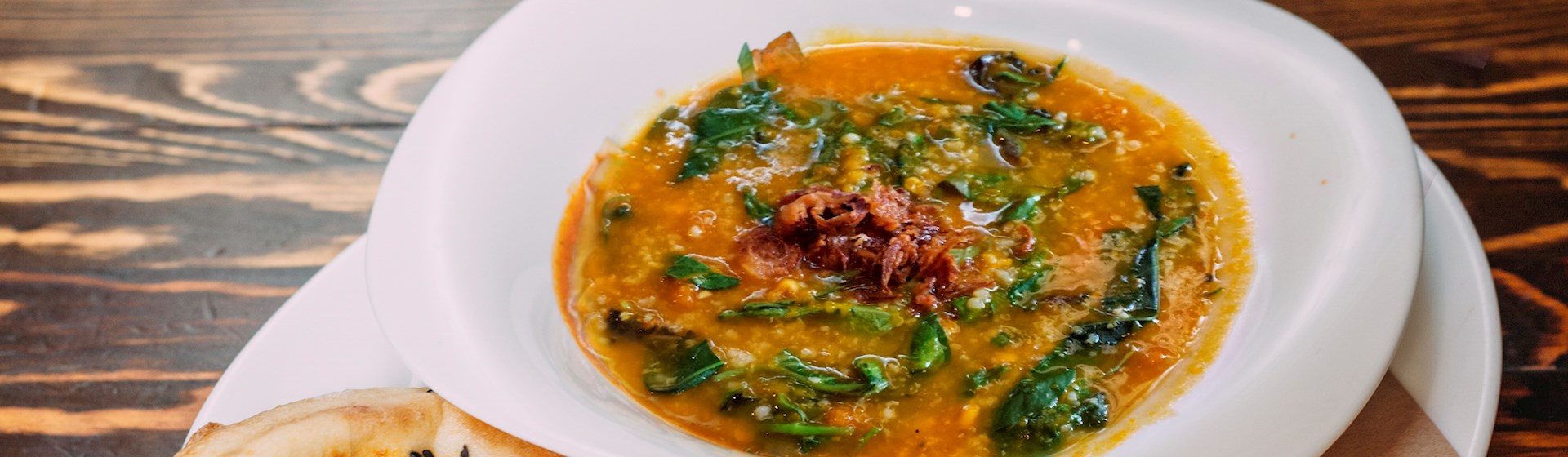
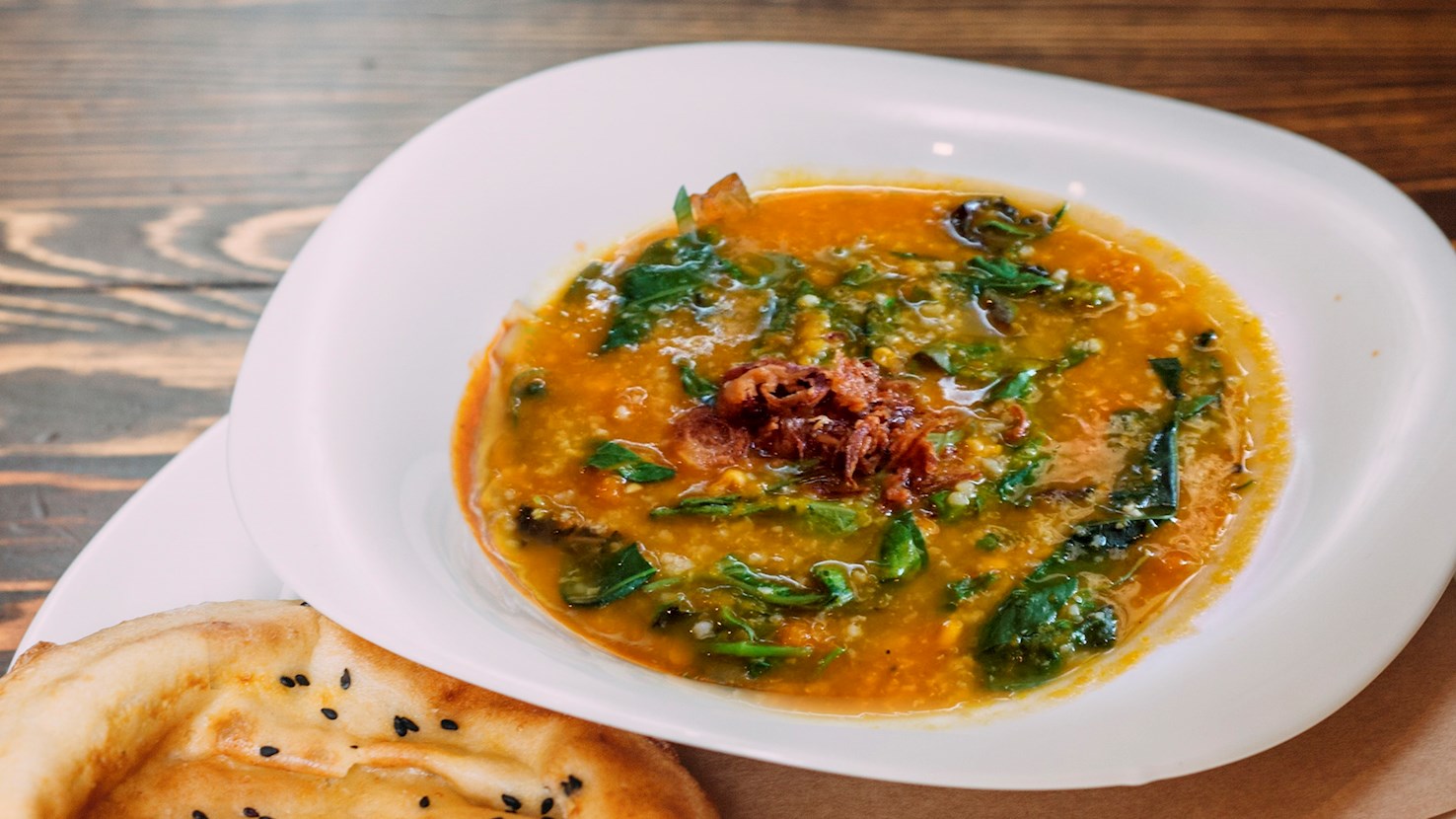
Tinutuan is a hearty rice porridge originating from Manado, the capital of North Sulawesi in Indonesia. It is considered a regional breakfast staple, widely appreciated for its comforting texture and use of locally available vegetables and herbs. Often referred to as Manadonese porridge, tinutuan reflects the agricultural and coastal influences of North Sulawesi, where rice, corn, and leafy greens are readily grown and incorporated into everyday cooking. Unlike plainer rice porridges found in other parts of Indonesia or Asia, tinutuan is notable for its rich combination of starches and vegetables, creating a thick, savory dish that is both filling and nutrient-dense. The base of tinutuan is made by simmering rice with corn kernels, cassava, or sweet potatoes until everything breaks down into a soft, porridge-like consistency. Toward the end of cooking, a variety of chopped vegetables are added, commonly including spinach, water spinach (kangkung), pumpkin, and sometimes basil or melinjo leaves. The mixture is cooked until the greens are wilted and well integrated into the porridge. The result is a flavorful and textured dish that combines sweetness from the corn, earthiness from the greens, and a soft, spoonable consistency from the rice and root vegetables. Tinutuan is typically served warm and accompanied by a range of side dishes and condiments. These may include fried shallots, salted fish, boiled eggs, sambal (chili paste), and sometimes smoked skipjack tuna or fermented soybeans (tempeh). The toppings vary according to availability and personal preference, but the balance of the base with savory and spicy accompaniments is central to the eating experience. In Manado, it is common to find tinutuan sold by street vendors or small eateries in the morning, often alongside other Minahasan breakfast items. The dish has also become a symbol of local culinary identity. In efforts to promote it more broadly, the local government of Manado has supported tinutuan as a signature dish of the city. A dedicated area known as “Wakeke Street” in Manado is even known for its morning porridge stalls that specialize in tinutuan and its variations.
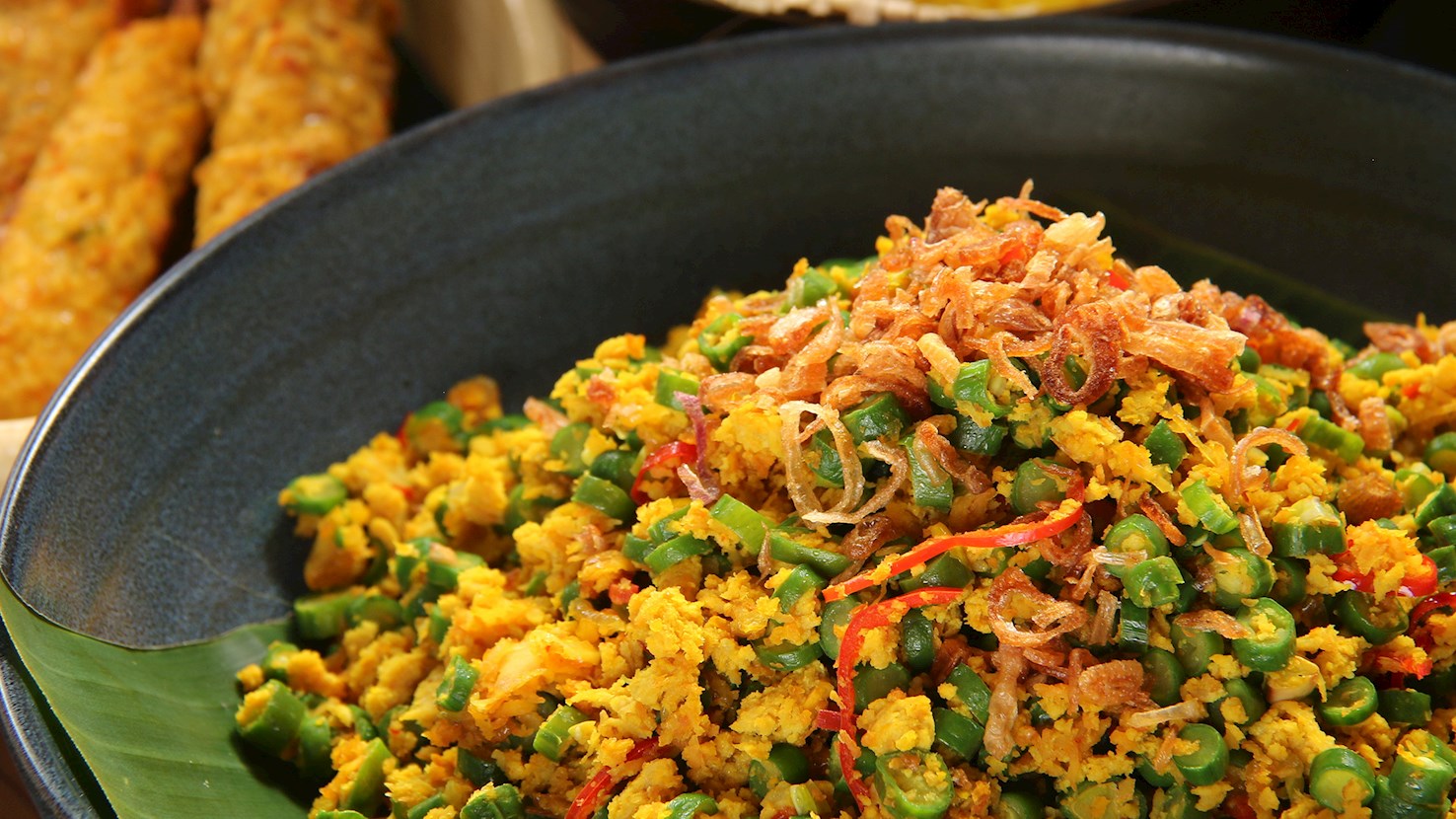
Lawar is a complex, richly textured dish from the island of Bali, emblematic of the island’s intricate balance between ritual, community, and flavor. At its core, it is a warm salad composed of finely chopped vegetables, grated coconut, aromatic spices, and minced meat, often pork or chicken, bound together with fresh herbs and sometimes the animal’s blood, which lends both depth and authenticity to the preparation. Lawar is not a single, fixed recipe but rather a concept that reflects regional variations, family traditions, and ceremonial significance. Its name is thought to derive from the Balinese word lawar, meaning “finely chopped,” which speaks to the foundational preparation technique where every component is carefully sliced or shredded to ensure even texture and full absorption of flavor. What distinguishes lawar from other Indonesian salads is its deeply ceremonial nature. It is most often prepared during temple festivals, religious offerings, and family celebrations, where large quantities are made by a group of men working communally. The act of cooking itself is part of the ritual, a collective endeavor where elders impart both culinary skills and spiritual teachings. Ingredients are chosen not only for flavor but for their symbolic resonance: coconut represents purity, meat for sustenance, and blood as a conduit of life and energy. The seasoning is a masterful blend of bumbu Bali, a paste made from garlic, shallots, turmeric, galangal, ginger, and shrimp paste, which is fried until fragrant and then folded into the mix to create layers of spice and umami. There are many types of Lawar, each named after its key ingredient or color. Lawar putih, or white lawar, omits blood and is seen as a purer, more symbolic offering, while lawar merah or lawar barak includes blood, giving the dish a reddish hue and a more intense flavor. Lawar nangka uses young jackfruit for a meatless alternative, while lawar kacang long beans add crunch and freshness. Despite its ceremonial roots, lawar is also found at roadside warungs and in home kitchens, eaten alongside steamed rice and other traditional Balinese dishes like babi guling or satay lilit.
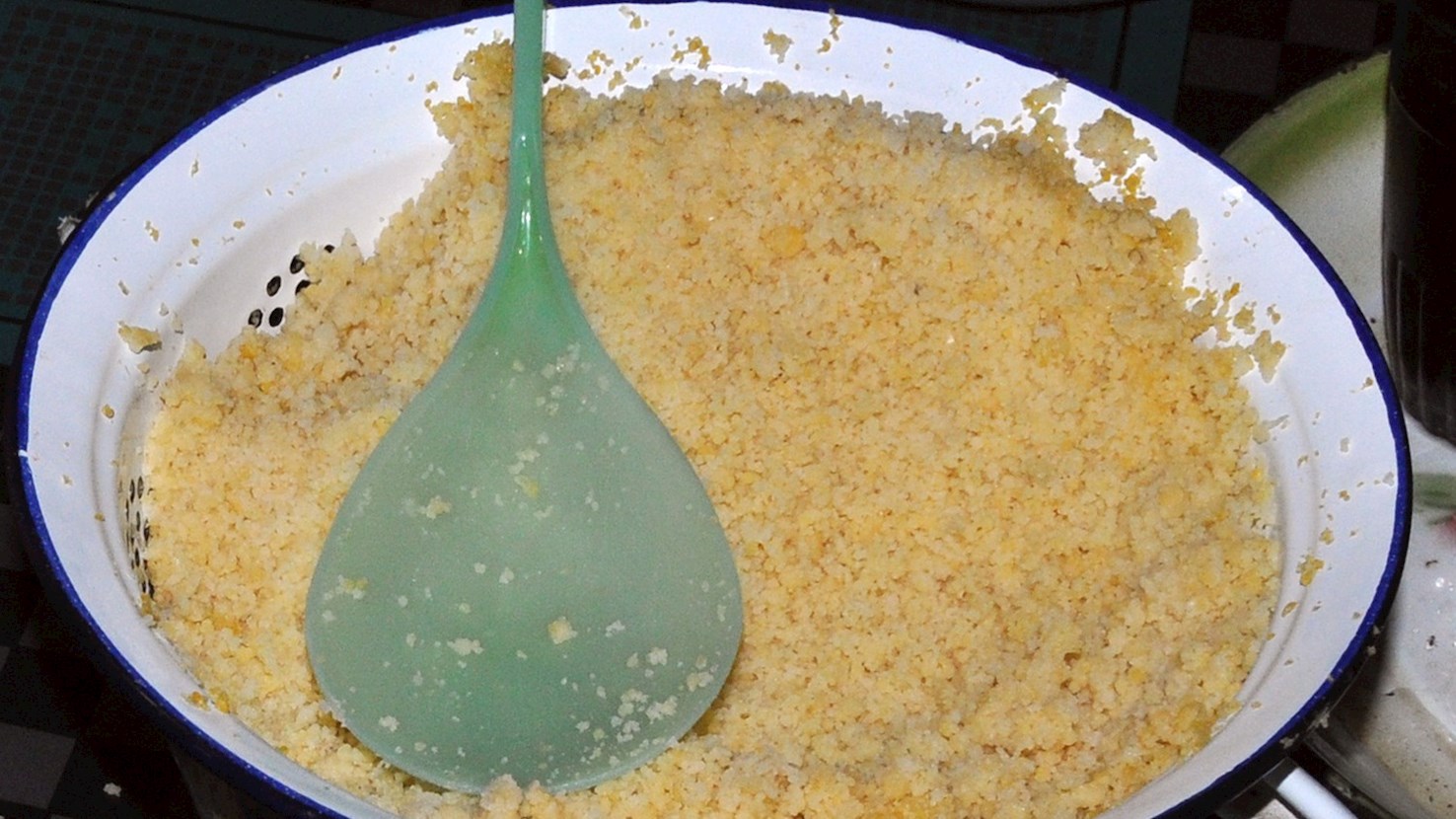
Nasi jagung, meaning “corn rice” in Indonesian, is a traditional dish rooted in the agrarian heartlands of East Java, Madura, and parts of Bali, where it evolved out of necessity and now endures as a symbol of culinary resilience and heritage. At its core, nasi jagung is made by steaming coarsely ground or dried kernels of corn, often blended with rice, though in more traditional versions, corn serves as the main or sole grain. The resulting dish has a light, fluffy texture, with a slight chew and a natural sweetness that distinguishes it from plain rice. Historically, nasi jagung was a response to economic hardship and agricultural limitations. In many parts of rural Indonesia, especially during colonial times and periods of rice scarcity, corn was a more reliable crop than rice, cheaper and easier to cultivate on dry land. Villagers and farmers began preparing corn as a rice substitute, steaming it over wood fires in woven bamboo baskets. Over generations, what began as a meal of necessity transformed into a culturally cherished food with deep regional pride. Today, nasi jagung is not just a nostalgic rural dish but a living tradition, often served with a variety of local side dishes that reflect the richness of Javanese home cooking. It is commonly paired with urap—a medley of steamed vegetables dressed in spiced grated coconut—alongside fried tempeh, salted fish, tofu, and generous helpings of sambal, the fiery chili paste that balances the corn’s sweetness. In some versions, the plate is rounded out with serundeng, a mixture of sautéed grated coconut and spices, or roasted peanuts for added texture. In traditional markets and rural food stalls, it remains a beloved everyday meal, and during ceremonies or village festivals, it is often served as a gesture of community and remembrance.
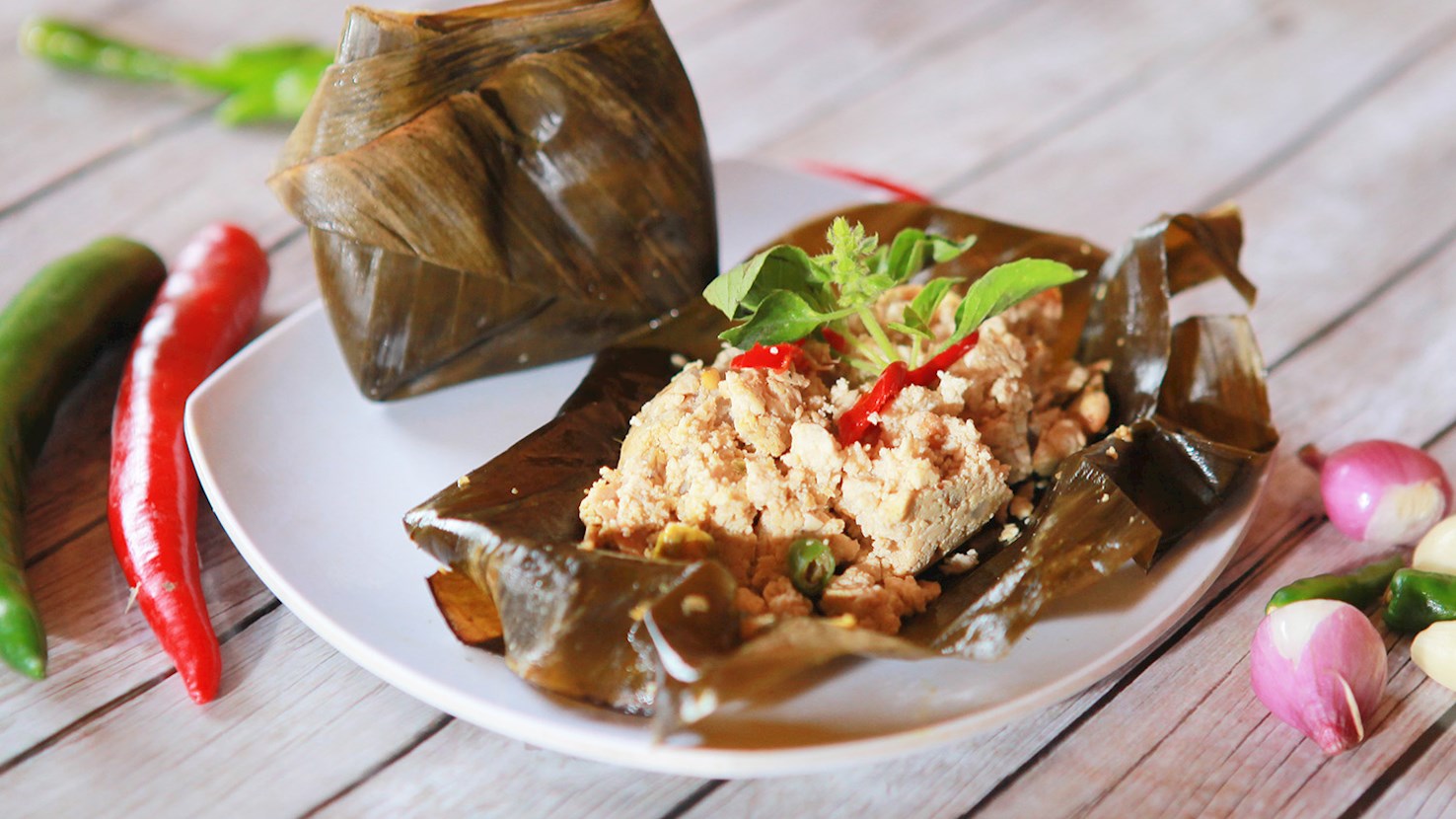
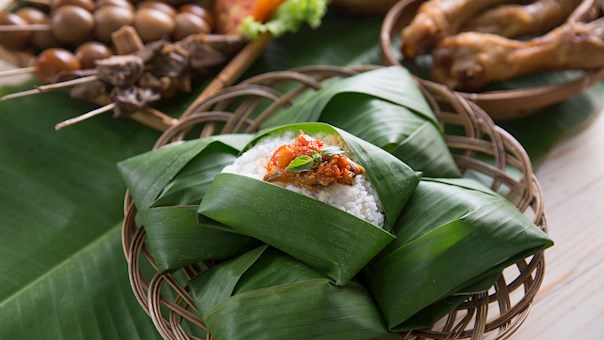
Pepes tahu is an Indonesian steamed tofu dish originating from Java, where the method of cooking in banana leaves, known as pepes, is commonly used for preparing both plant-based and protein-rich foods. In this version, tofu serves as the primary ingredient, mixed with a ground spice paste and sometimes combined with vegetables or aromatic herbs before being wrapped in banana leaves and steamed until firm and fragrant. The use of banana leaves allows the ingredients to cook evenly while absorbing the subtle aroma from the leaf itself, creating a dish that is both practical and flavorful. The preparation of pepes tahu starts with mashing firm tofu until smooth, then blending it with a spice mixture typically made from shallots, garlic, chilies, coriander, candlenuts, and turmeric, with the occasional addition of lemongrass or makrut lime leaves to enhance the aroma. The mixture is seasoned with salt, pepper, and sometimes a small amount of sugar, depending on regional preference. Other optional ingredients include finely sliced chayote, carrots, basil leaves, or chopped mushrooms, which contribute texture and variation. Once the tofu and spices are well-mixed, the seasoned mash is portioned onto softened banana leaves, folded tightly into packets, and secured with toothpicks or small bamboo pins. These packets are then steamed until the contents are cooked through and set, typically for about 20 to 30 minutes. Some variations call for an additional step of grilling the steamed packets briefly to introduce a smoky aroma, though this is optional and often depends on local practice. Pepes tahu is usually served as a side dish with rice and other accompaniments, especially in vegetarian or plant-focused meals. It is appreciated for its soft texture, balanced seasoning, and the clean, slightly earthy fragrance imparted by the banana leaf wrapping. In many parts of Java, it is a common feature in lunchboxes, market stalls, and home meals, valued for its lightness, portability, and ease of preparation.
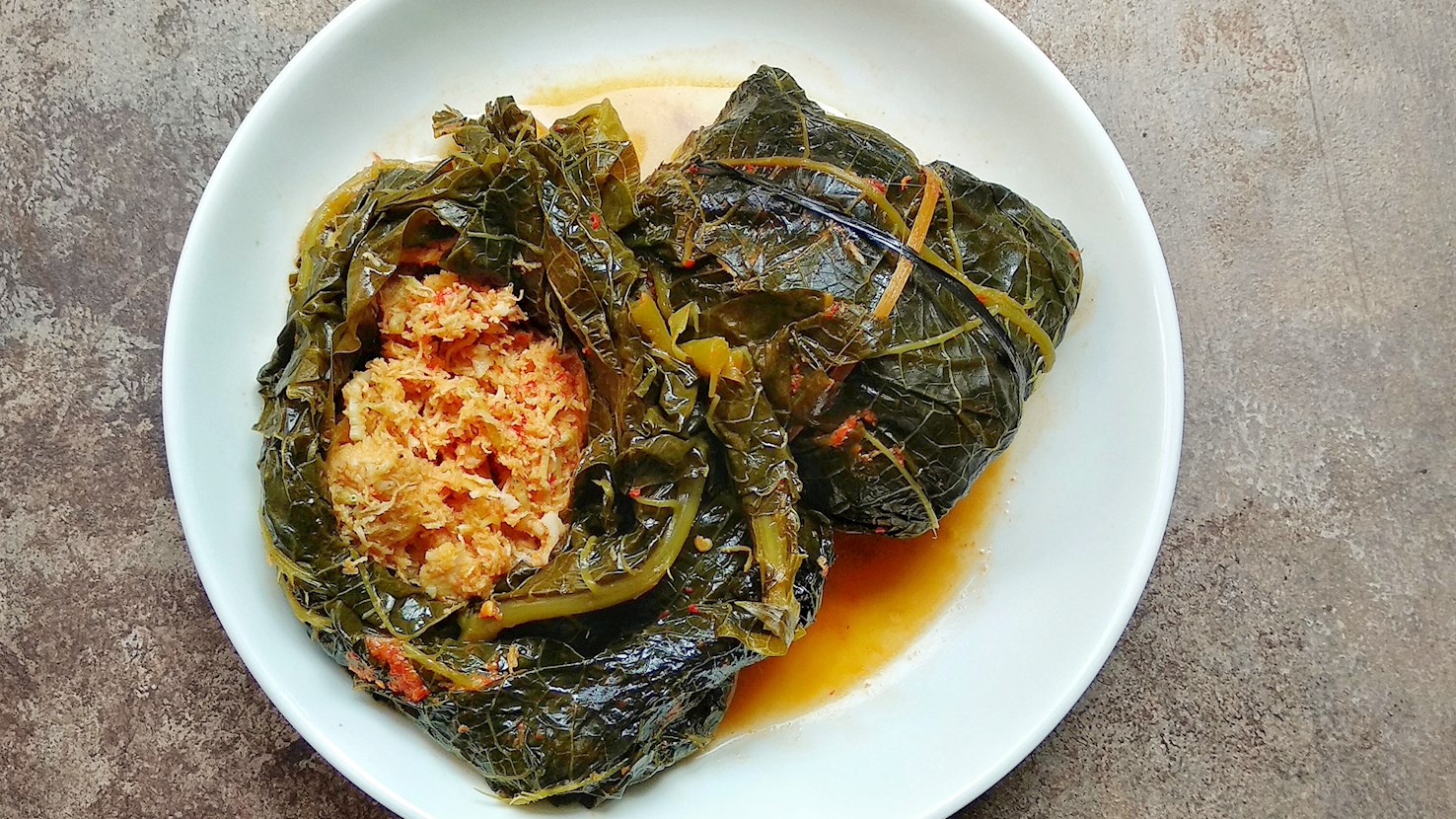
Buntil is a savory Indonesian dish originating from Central Java, that features grated coconut meat mixed with anchovies or dried shrimp, chilies, shallots, and a medley of spices, all tightly wrapped in leaves (typically cassava, papaya, or taro) and then slowly simmered in a rich, spiced coconut milk broth until tender and deeply infused with flavor. This dish is widely associated with home-style cooking in Javanese households, often appearing at communal feasts or during the fasting month of Ramadan, where it is served as part of the evening meal to break the fast. Buntil’s appeal lies in its layered textures and the way it transforms modest ingredients into a dish that feels both hearty and refined. The leaves, once fibrous and raw, become soft and succulent through slow simmering, while the filling takes on a buttery yet structured consistency. While buntil is most often encountered in Javanese kitchens and local warungs, its reputation has spread across the archipelago, appreciated for both its comforting familiarity and its subtle sophistication.
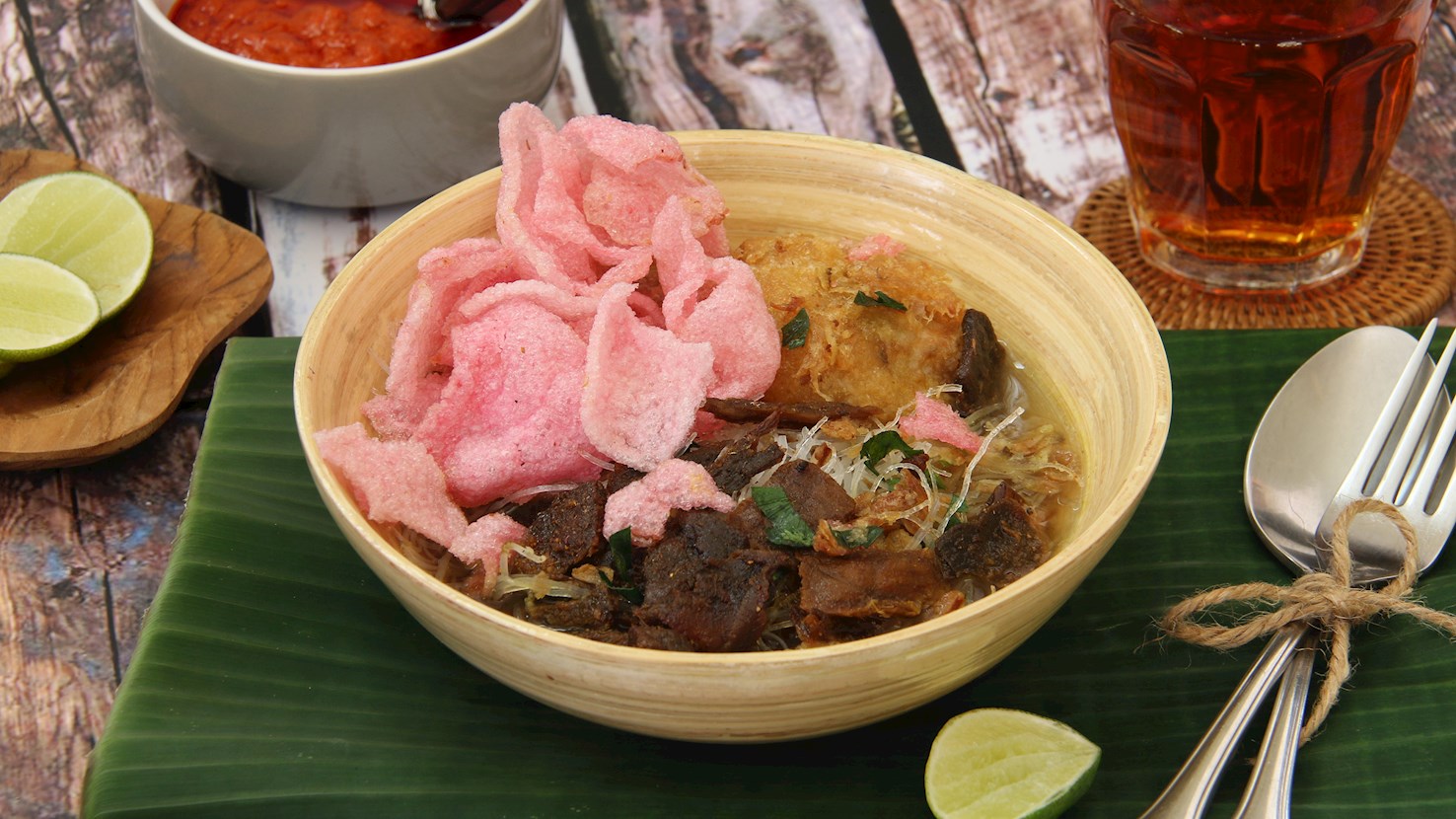
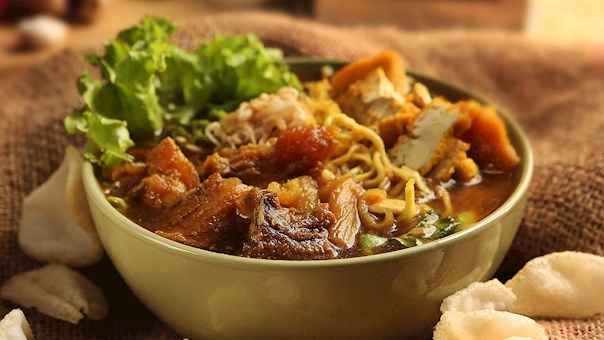
Soto Padang is a clear beef soup from the city of Padang, in West Sumatra, Indonesia, known for its light broth, crisp textures, and balanced spice. It belongs to the broader family of soto, a category of Indonesian soups that vary significantly by region and ingredients. Soto Padang stands out for its combination of fragrant clear beef broth, thin slices of fried or boiled beef, and crunchy fried vermicelli or potato patties, offering a contrast of textures and a mildly spiced flavor profile that reflects Minangkabau culinary traditions. The preparation begins by simmering beef, often shank or brisket, with aromatics like lemongrass, makrut lime leaves, galangal, garlic, and shallots to develop a light yet flavorful broth. The beef is typically cooked until tender, then sliced thin and either deep-fried for a crisp finish or served as is. What makes soto Padang distinct from other regional soto variants is the inclusion of crispy fried glass noodles and, in many cases, perkedel kentang, which are spiced mashed potato patties that are also fried before serving. The broth is then poured hot over the dry components just before serving, preserving their texture until the moment of eating. Soto Padang is commonly garnished with sliced celery leaves, scallions, and fried shallots, with a small squeeze of lime and a side of sambal to adjust the heat according to preference. It is often eaten as breakfast in West Sumatra, especially in Padang itself, where it is served in warungs and local markets alongside teh talua, a sweet and frothy egg tea that complements the lightness of the soup.
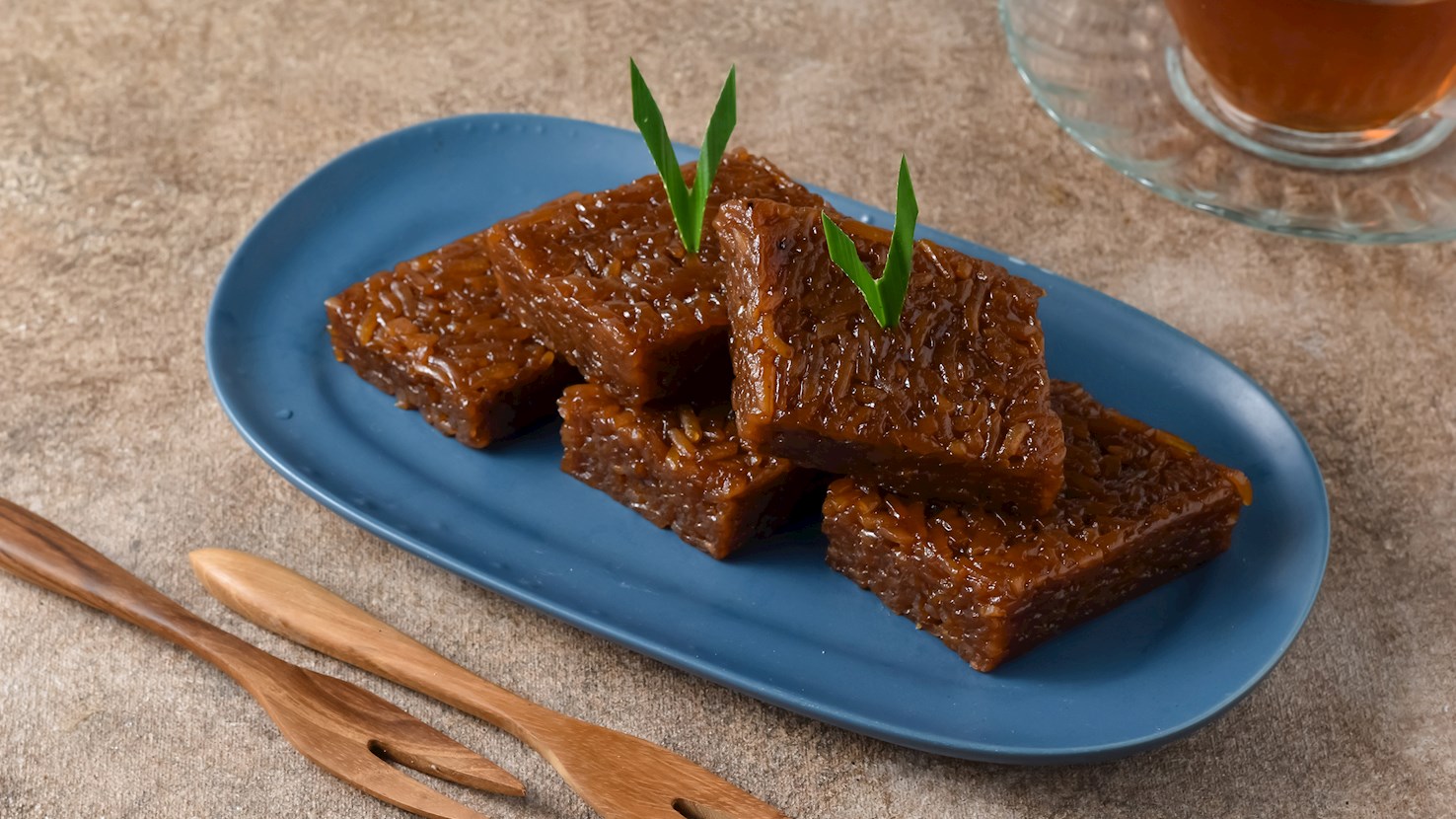
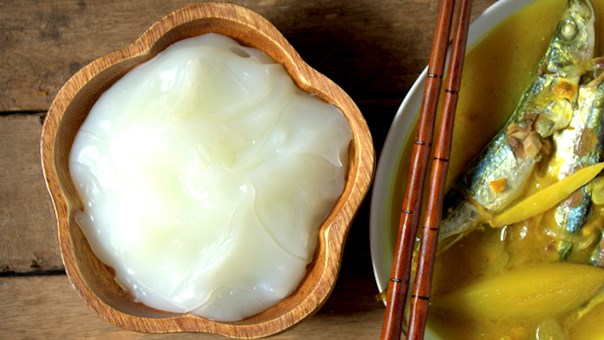
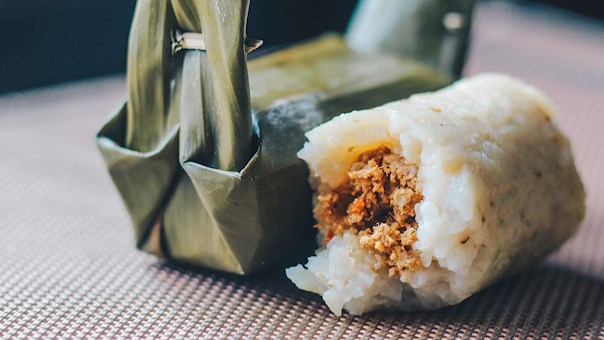
Wajik or wajid is a traditional sticky rice cake originating from Java. It's usually made with a combination of glutinous rice, palm sugar, coconut milk, pandan leaves, and salt. The glutinous rice is soaked, washed, steamed, and cooked in a skillet with coconut milk until it's absorbed. Pandan leaves are cooked with palm sugar until caramelized, and coconut milk and salt are then added to the mixture. Once the mixture is boiling, sticky rice is stirred in, and wajik is poured into a baking pan. After a few minutes, it's cut into diamond shapes and served. This sweet is also popular in Brunei and Malaysia. Wajik is often made for special occasions such as weddings.
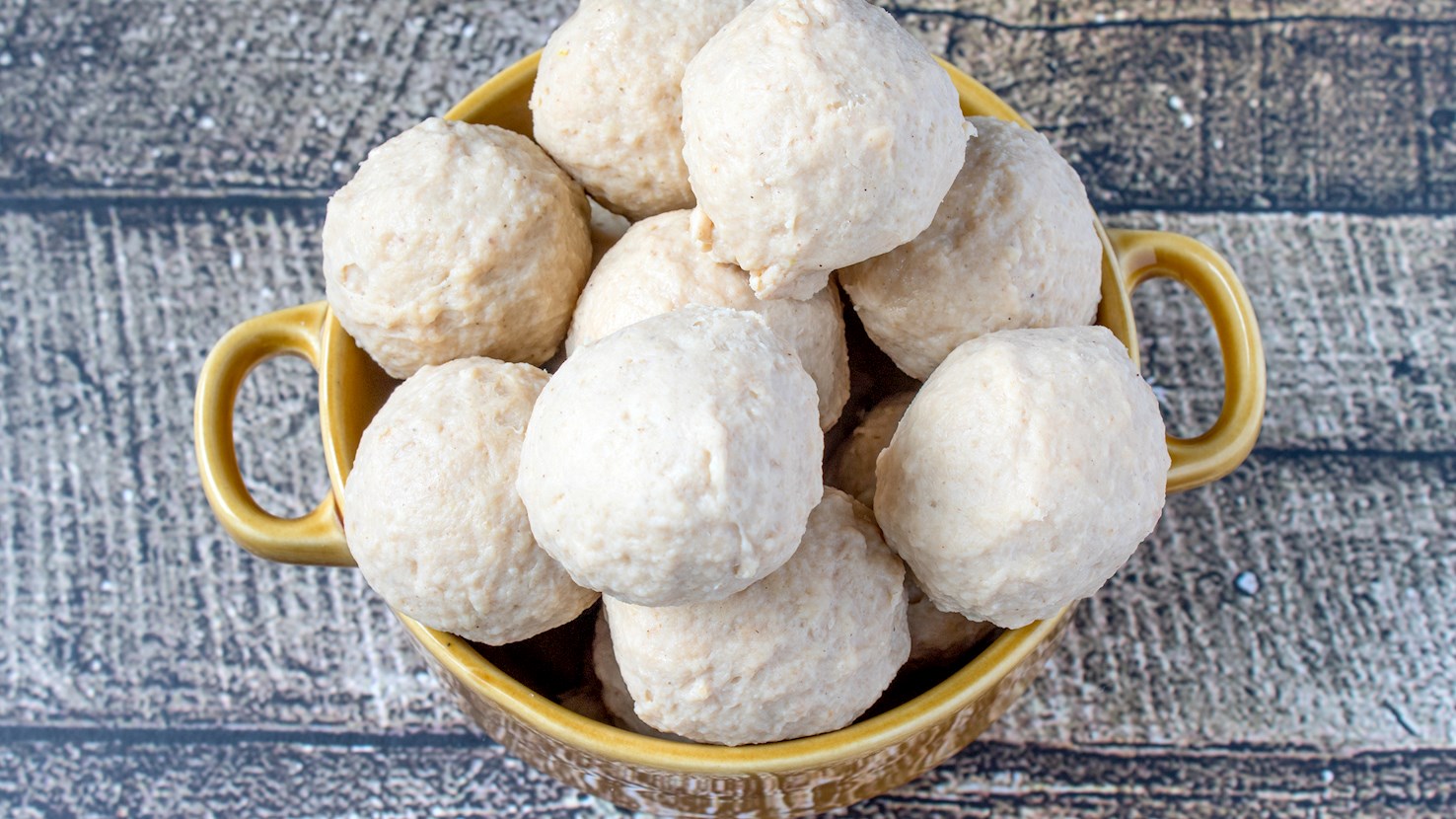
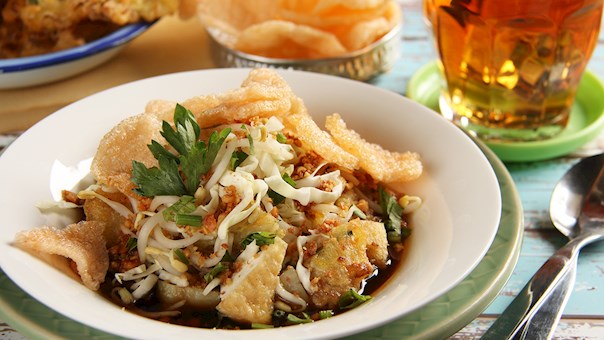
Bakso ayam is a beloved Indonesian chicken meatball dish, crafted by combining finely ground chicken with tapioca flour, garlic, shallots, salt, and pepper, forming a smooth, springy texture that is the hallmark of authentic bakso. These tender spheres are then boiled until cooked through and typically served in a clear, savory broth enriched with garlic oil, fried shallots, and celery leaves. A bowl of bakso ayam is often accompanied by yellow noodles or rice vermicelli, tofu, hard-boiled eggs, and sometimes fried wontons or siomay (steamed dumplings), creating a medley of textures and flavors in every spoonful. This dish is found across Indonesia, from roadside stalls to urban food courts, and is usually customized with condiments such as sambal, sweet soy sauce, and vinegar, allowing each diner to tailor the flavor to their liking. Its popularity lies not only in its satisfying taste but also in its affordability and convenience, making it a go-to comfort food for Indonesians of all ages.
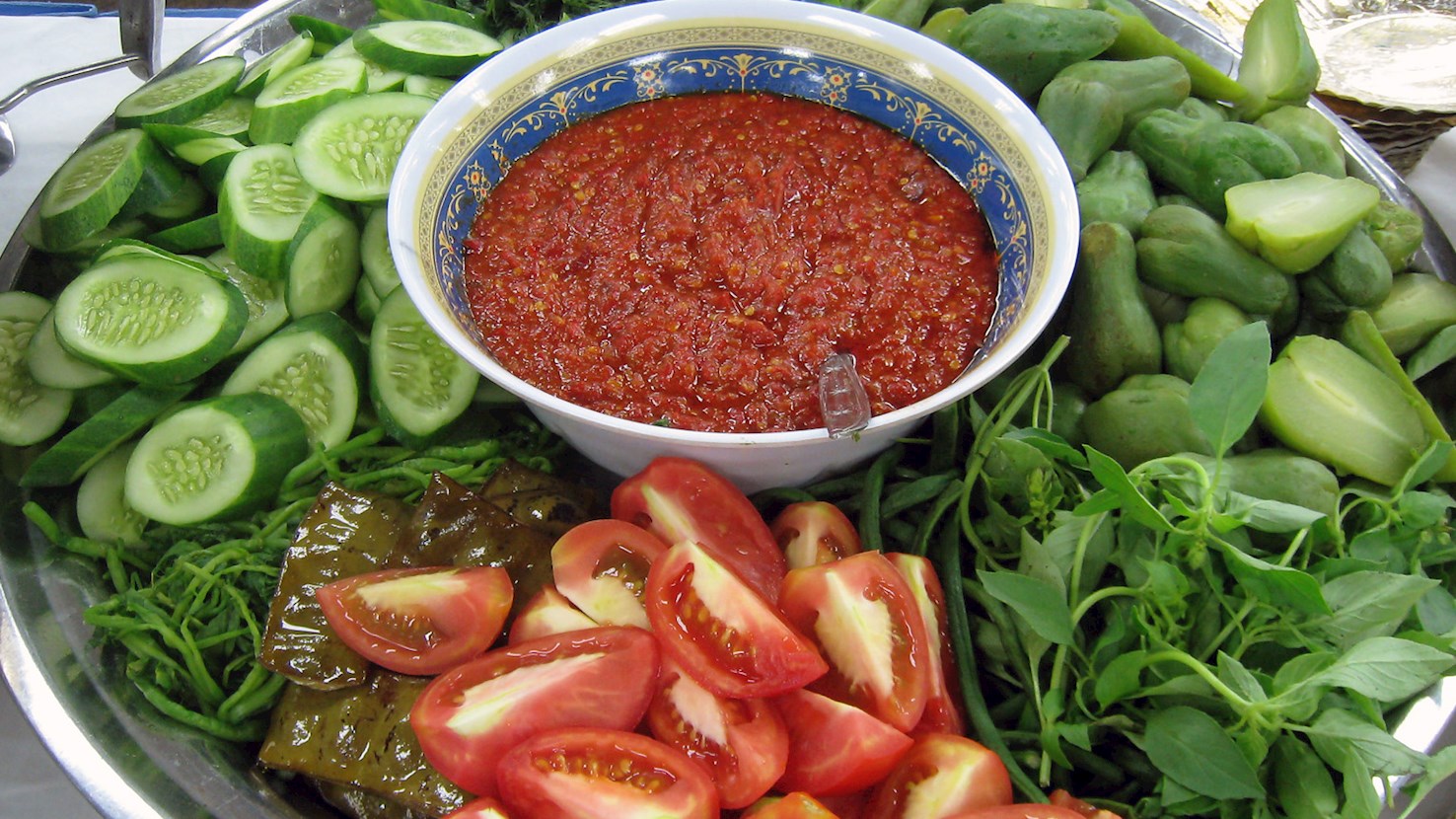
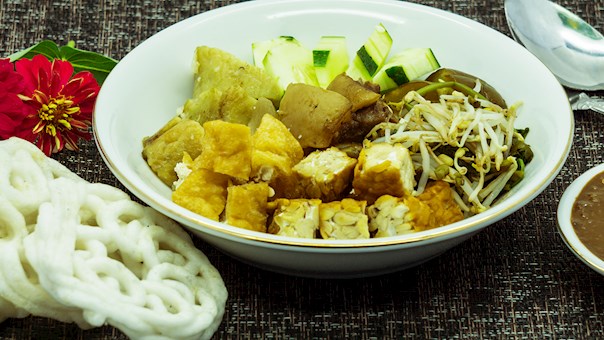
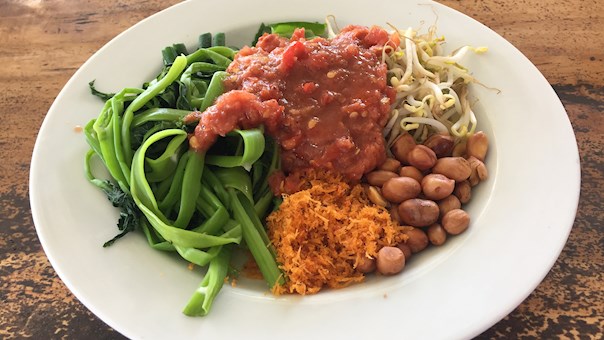
Lalap is a raw vegetable dish from Indonesia, particularly associated with Sundanese cuisine of West Java. It consists of assorted uncooked or lightly blanched vegetables served alongside sambal, a spicy chili-based condiment. Lalap is commonly eaten as part of daily meals, especially in West Javanese households, and is often paired with fried or grilled proteins such as chicken, fish, or tempeh. Its function on the plate is to provide freshness, texture, and contrast to heavier or oily components of the meal. The typical vegetables used in lalap include cucumber, long beans, basil leaves (kemangi), cabbage, lettuce, and sometimes eggplant, tomatoes, or young cassava leaves. Some vegetables are served raw for crispness, while others may be briefly blanched to soften their texture or reduce bitterness. The selection depends on regional availability, seasonal produce, and personal preference. There is no fixed combination, and the emphasis is placed on freshness and balance. Lalap is always served with sambal, most commonly sambal terasi, which contains chili, shrimp paste, lime juice, and a small amount of sugar and salt. The sambal provides the central flavor element of the dish, while the vegetables function more as a neutral base to carry the spiciness. In Sundanese meals, lalap and sambal are considered essential components, and the quality of sambal is often seen as a marker of the cook’s skill. The dish reflects the Sundanese culinary philosophy, which emphasizes raw and lightly cooked foods, balanced flavors, and minimal use of heavy sauces. It also serves a practical purpose by offering a quick, low-cost way to include vegetables in daily meals without complex preparation. Despite its simplicity, lalap holds an important place in Indonesian food culture, especially in the western part of Java where it is consumed regularly and often made from ingredients grown in household gardens.
TasteAtlas food rankings are based on the ratings of the TasteAtlas audience, with a series of mechanisms that recognize real users and that ignore bot,
nationalist or local patriotic ratings, and give additional value to the ratings of users that the system recognizes as knowledgeable.
For the “89 Worst Rated Indonesian Foods” list until October 17, 2026, 9,757 ratings were recorded, of which 6,684 were recognized by the system as legitimate.
TasteAtlas Rankings should not be seen as the final global conclusion about food. Their purpose is to promote excellent local foods,
instill pride in traditional dishes, and arouse curiosity about dishes you haven’t tried.



What People Say