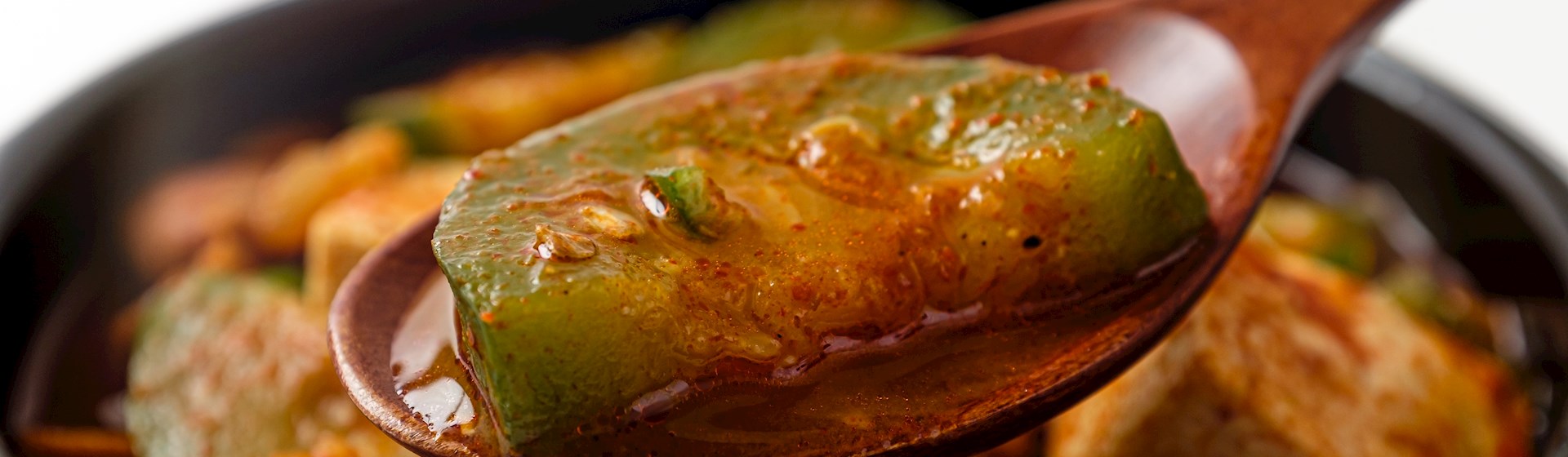
Khoresh kangar is a Persian stew from Iran that highlights kangar, or wild artichoke stalks, gently cooked with tender pieces of meat, usually lamb or beef, and balanced with herbs, spices, and a souring agent such as lemon juice or dried lime. This dish is associated especially with the spring season when kangar is freshly harvested in Iran’s mountainous regions and sold in local markets. While many Iranian khoresh dishes have been part of Persian cooking for centuries, khoresh kangar has a more regional character because the wild artichoke plant does not grow everywhere. Historical references suggest that using locally gathered vegetables in stews developed out of rural cooking traditions, where seasonal produce was preserved or cooked with meat to create sustaining meals. Over time, kangar found a place in urban kitchens too, particularly in cities such as Tehran, Isfahan, and Shiraz, where cooks adapted the recipe to suit different tastes by varying the sourness or the richness of the sauce. Preparing khoresh kangar starts by cleaning and trimming the tough exterior of the kangar stalks to reveal the tender inner ribs. The meat is browned in oil or animal fat along with onions and turmeric. Once it develops flavor, water is added and the mixture simmers until the meat begins to soften. At this point, the prepared kangar is added along with seasonings, which can include ground black pepper, saffron, tomato paste, and sometimes fresh herbs like parsley or mint. The stew continues to cook slowly until the artichoke stalks are tender but still hold their shape. Toward the end, souring ingredients such as verjuice, dried limes, or lemon juice are incorporated to brighten the taste. One aspect of khoresh kangar that makes it notable is that fresh kangar has a limited seasonal availability, so the dish is often anticipated as a special springtime meal. In some households, the preparation of kangar is a collaborative effort because the stalks require careful cleaning. Khoresh kangar is almost always served with steamed Persian rice, often accompanied by fresh herbs and flatbread, and it is eaten as a main meal, whether shared at home or offered to guests at lunch gatherings.
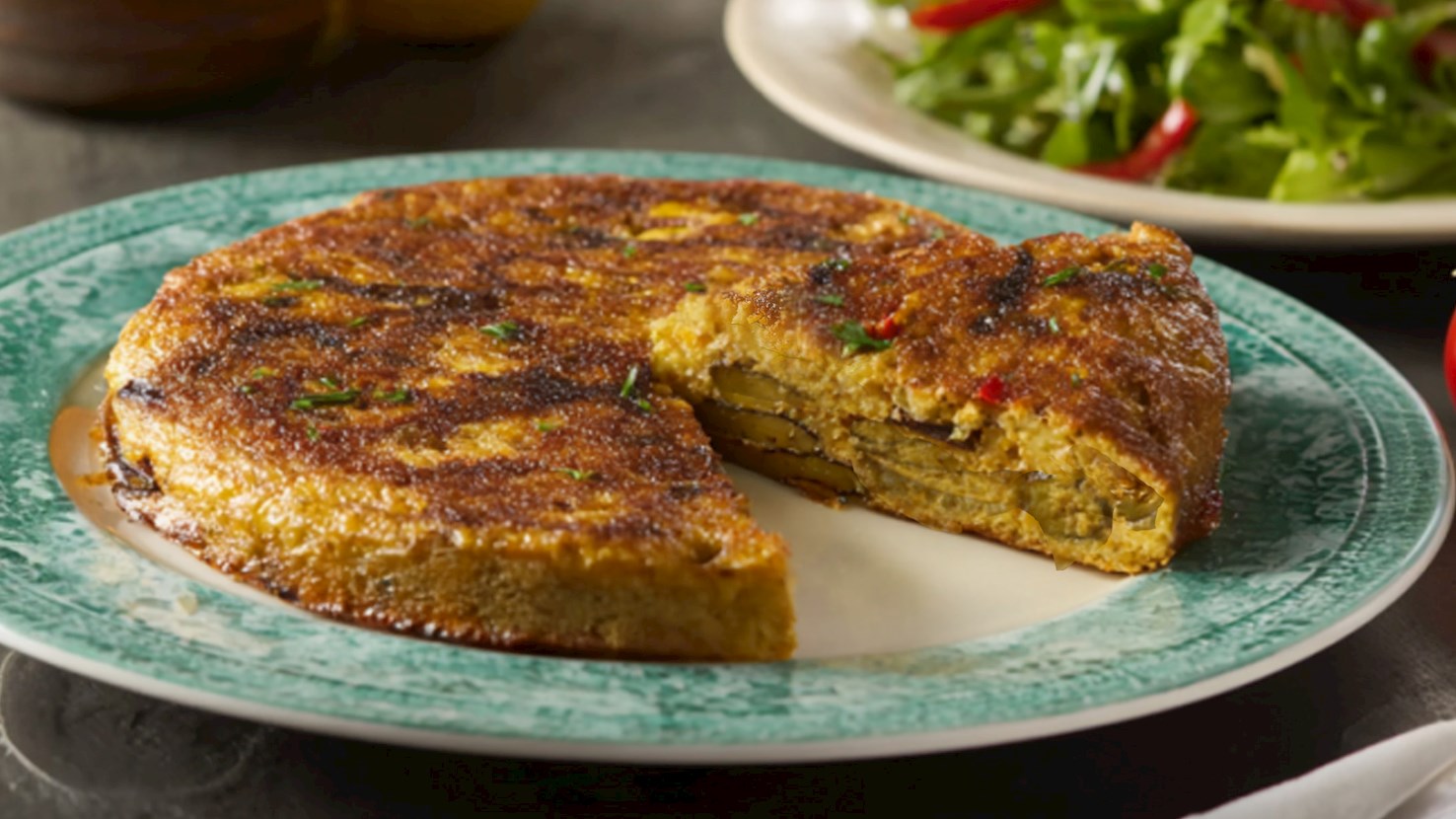
Kuku bademjan is a savory Persian egg-based dish prepared with eggplants, commonly enjoyed across Iran as a main or side course. It belongs to the broader family of kuku recipes, which are similar to frittatas and often combine eggs with vegetables or herbs. The history of kuku as a cooking method dates back centuries, with references in Persian culinary manuscripts to dishes that bind seasonal vegetables with eggs to create a nourishing and economical meal. Over time, variations developed to showcase regional produce, and eggplant became a favored choice because of its soft texture and ability to absorb flavors. As eggplants spread from India and the Middle East to Iran, they gained prominence in many dishes, including stews and kuku preparations. To make kuku bademjan, eggplants are peeled and sliced before being salted and left to rest briefly to reduce bitterness. They are then fried or sautéed in oil until tender and lightly golden. In a bowl, the cooked eggplants are combined with beaten eggs, finely chopped onions, turmeric, salt, black pepper, and sometimes crushed garlic or fresh herbs such as parsley or dill. This mixture is poured into a skillet and cooked over gentle heat until the eggs set and the edges become crisp. In some recipes, the pan is briefly finished in the oven to firm the center without burning the bottom. Kuku bademjan is cut into wedges or squares for serving. It can be served hot, warm, or cold, and is often accompanied by fresh herbs, flatbreads like lavash or sangak, and a side of yogurt or torshi (pickled vegetables). The combination of soft eggplant and fluffy eggs creates a texture that pairs well with rice dishes and salads. Kuku bademjan is commonly eaten at family gatherings, picnics, and as part of shared meals where multiple small dishes are presented together.
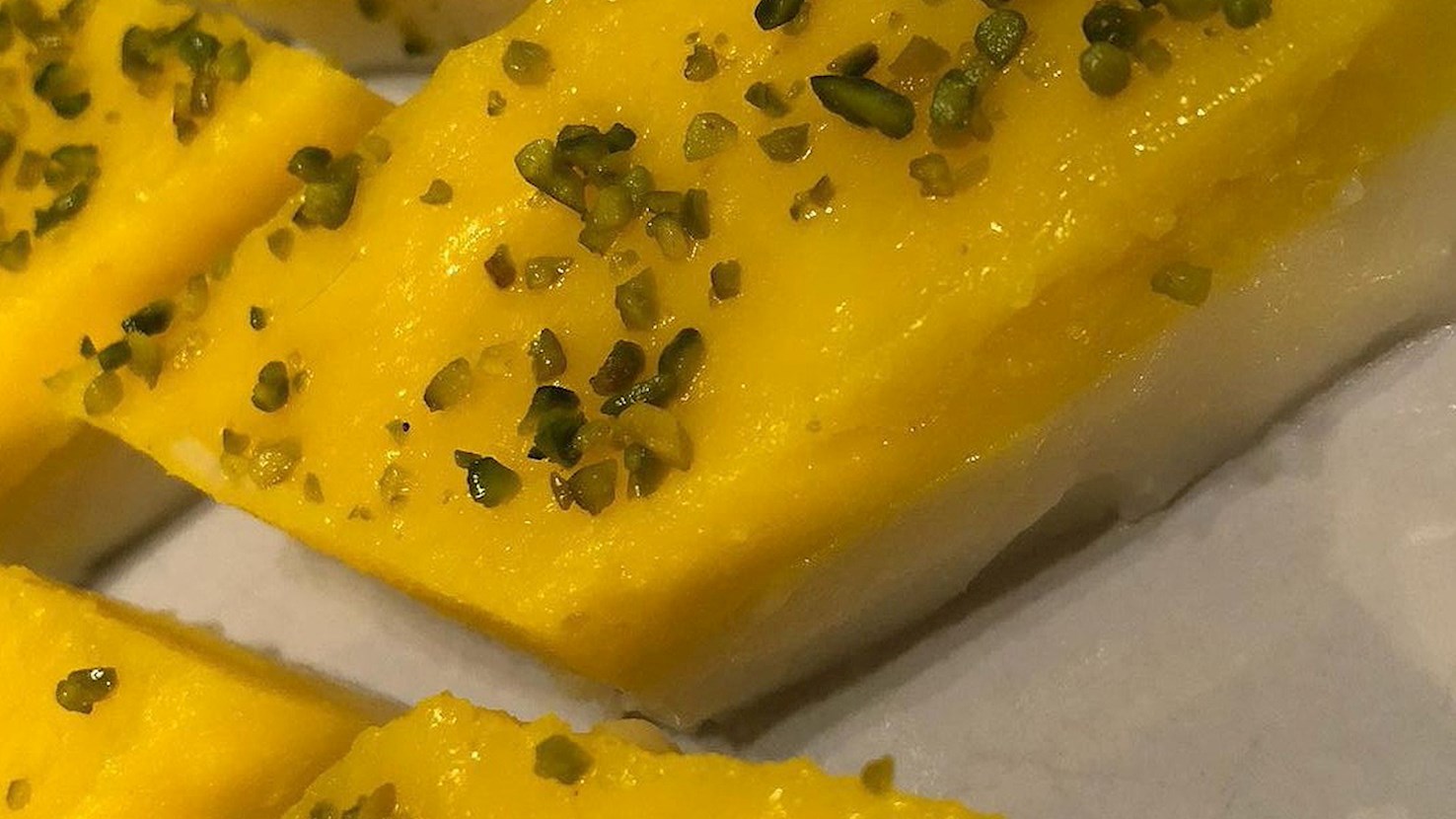
Tar halva is a soft, sweet Iranian halva variety that is popular in various provinces across the country, especially in regions like Yazd and Kerman. Unlike firmer styles of halva, tar halva is defined by its smooth, almost pudding-like consistency that is achieved by carefully balancing flour, fat, and syrup. The name “tar” in Persian means “moist,” reflecting the distinctive texture that sets it apart from denser versions of halva found in other parts of Iran and the broader Middle East. Historically, tar halva developed as part of Iran’s rich culinary heritage of preparing flour-based sweets, which were often offered during religious ceremonies, festive occasions, or as comforting nourishment during times of illness. Over generations, local recipes evolved with slight regional variations, sometimes incorporating different aromatic spices, but the essential idea of a soft halva remained consistent. It was often prepared in households to mark special gatherings or shared as a gesture of care during mourning rituals. To prepare tar halva, wheat flour is first gently toasted in a pan with clarified butter or oil until it turns pale golden and develops a nutty fragrance. Separately, a syrup is made by simmering sugar with water and sometimes flavored with rosewater, saffron, or cardamom. The hot syrup is slowly poured into the toasted flour while stirring continuously to avoid lumps. This mixture is cooked further until it thickens into a smooth, cohesive mass with a glossy finish. It is then spooned or spread into shallow dishes and typically garnished with ground pistachios, slivered almonds, or threads of saffron for color. Though tar halva is eaten year-round, it is often prepared in larger batches during religious commemorations or family events. It is commonly served in small portions at room temperature or slightly warm. In many Iranian homes, it is accompanied by tea and offered to visitors as a sign of respect and hospitality. While it has a long association with ceremonial occasions, it is also simply enjoyed as a comforting sweet treat with a delicate aroma and tender texture that distinguish it from other halva varieties.
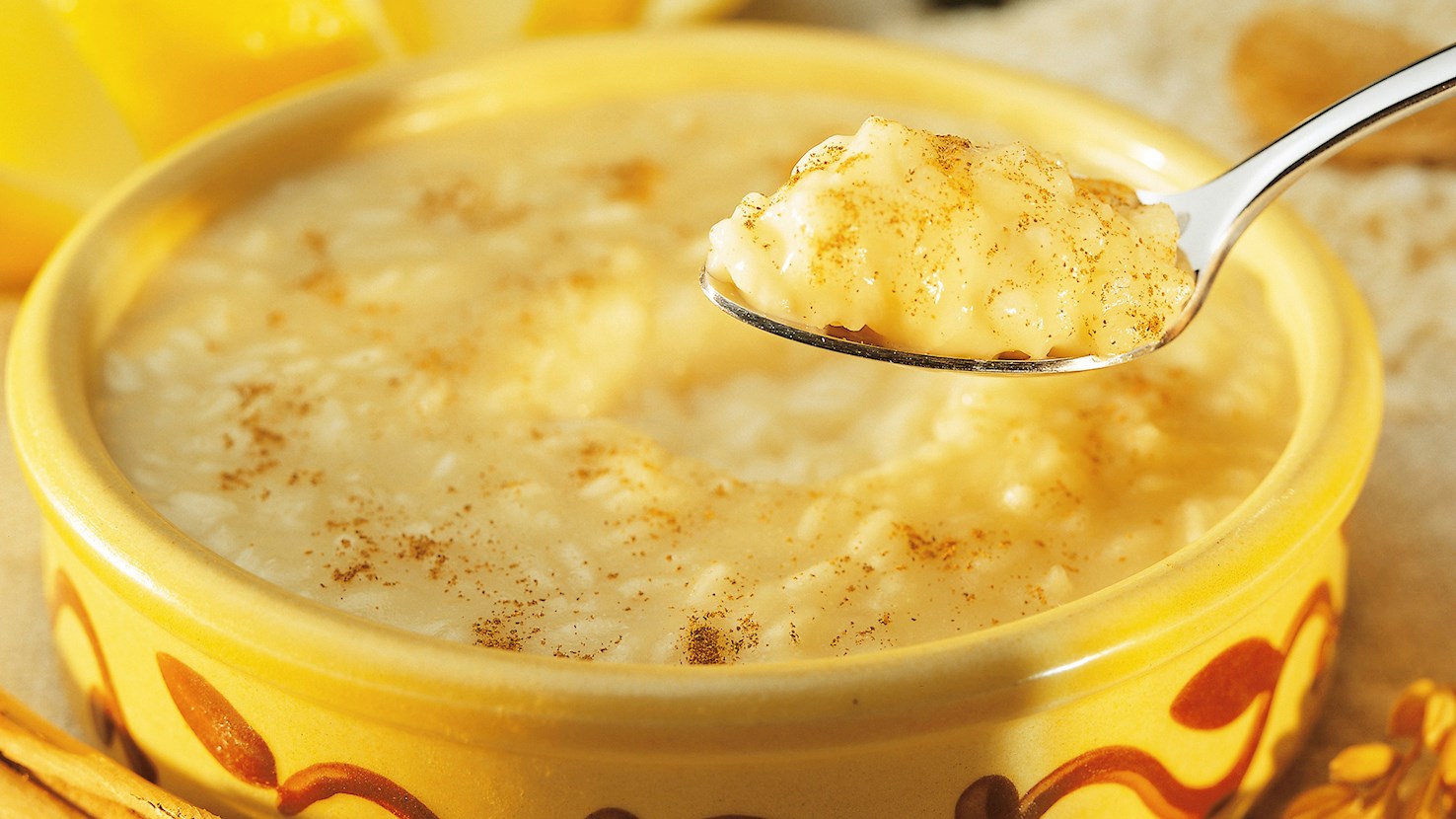
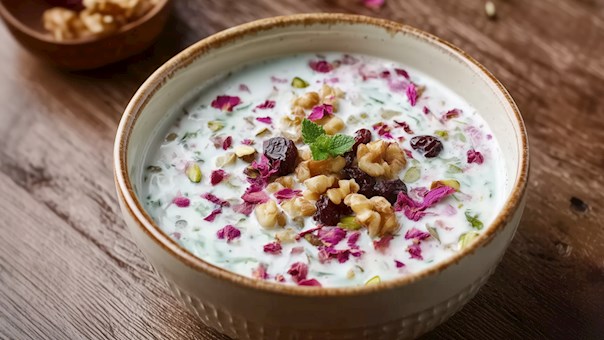
Shir birinj is a classic Iranian dessert that consists primarily of rice cooked slowly in milk, sweetened with sugar, and often flavored with rosewater or cardamom. The roots of shir birinj trace back to Persian culinary traditions that emphasize the use of rice and dairy to create soft-textured, aromatic desserts. The slow simmering of rice in milk allows the grains to absorb the liquid fully, resulting in a creamy and smooth consistency that is both satisfying and soothing. Over time, the recipe has been adapted in households across Iran, each adding subtle variations such as saffron threads or nuts to enhance the sensory experience. Preparation begins by rinsing and soaking short-grain rice, which is then combined with milk, sugar, and a touch of flavoring like rosewater or cardamom. The mixture is gently cooked over low heat, stirred regularly to prevent sticking and to develop a creamy texture as the rice softens. Once the desired consistency is reached, shir birinj is typically garnished with crushed pistachios, cinnamon, or rose petals before serving. It is enjoyed warm or chilled, depending on personal preference and seasonal customs. Shir birinj continues to be a beloved dessert throughout Iran, commonly served in homes, cafes, and at celebrations.
Dal adas is a hearty lentil stew originating from southern Iran, a region known for its rich culinary heritage shaped by diverse cultural influences and abundant local ingredients. This dish centers around red or brown lentils cooked until tender, combined with sautéed onions, garlic, and a fragrant mix of spices such as turmeric, cumin, and sometimes cinnamon, creating a warm and comforting meal that reflects the flavors and traditions of southern Iranian cuisine. The history of dal adas in southern Iran is closely tied to the agricultural practices and dietary habits of communities that have relied on lentils as a vital protein source for centuries. Over time, local cooks adapted this staple by incorporating regional spices and sometimes adding vegetables or dried limes to enhance the flavor complexity. Dal adas became a common dish in households and markets, valued not only for its sustenance but also for its ability to bring warmth and comfort, especially during cooler months or festive occasions. Preparation of dal adas typically involves rinsing and simmering lentils with sautéed onions and garlic, then seasoning the stew with turmeric, cumin, and occasionally cinnamon or dried lime for a distinctive tang. The lentils are cooked until soft and creamy, sometimes with the addition of vegetables like tomatoes or carrots. Fresh herbs such as cilantro or parsley are often added just before serving to brighten the dish. Dal adas is usually accompanied by flatbread or rice, allowing diners to enjoy the stew as part of a balanced meal.
Reshteh polo is a distinctive Iranian dish known for its unique combination of rice and thin noodles called reshteh. This dish blends the fluffy texture of saffron-infused basmati rice with toasted noodles, offering a complex interplay of flavors and textures. Commonly prepared during significant celebrations such as Nowruz, the Persian New Year, Reshteh Polo symbolizes the weaving of good fortune and new beginnings, reflecting its cultural importance in Iranian society. The history of reshteh polo is deeply connected to Persian culinary traditions where rice dishes hold a central place. The inclusion of reshteh noodles in the rice distinguishes this dish, showcasing the innovative integration of wheat and rice elements in Persian cuisine. Over time, reshteh polo evolved from simple home preparations to a celebrated dish featured in both everyday meals and festive occasions. Preparation of reshteh polo involves first toasting the reshteh noodles in oil or butter until they achieve a golden-brown color, which enhances their nutty aroma. The rice is then parboiled separately and combined with the toasted noodles before being steamed together to develop a harmonious texture. Saffron water is often added to infuse the dish with its characteristic color and fragrance. The dish may be accompanied by dried fruits, nuts, or fried onions to provide contrast and richness. Serving reshteh polo typically involves presenting it alongside stews, grilled meats, or other components of a Persian meal.
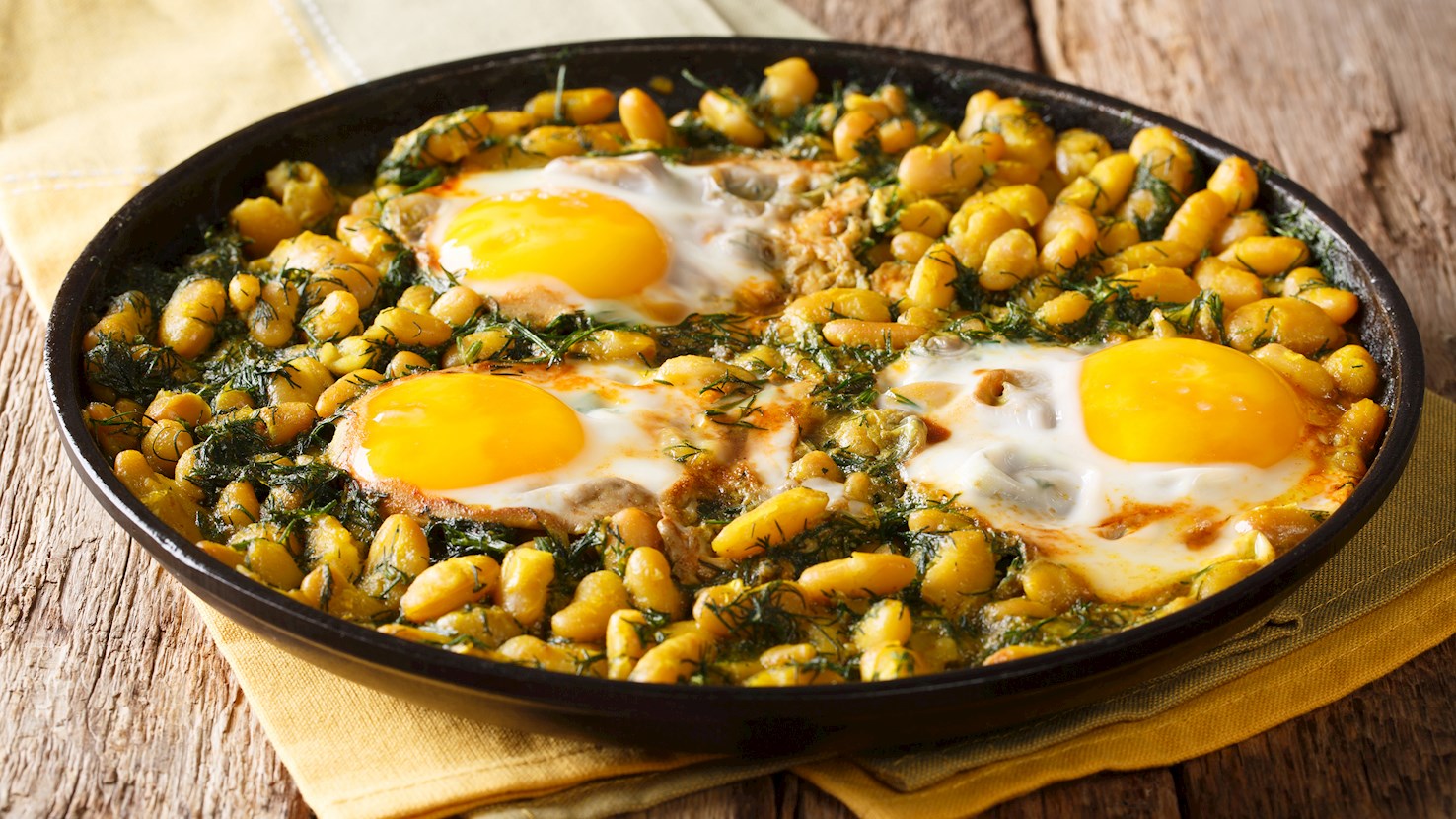
Baghali ghatogh is a classic Iranian stew that hails from the northern region of Gilan, known for its lush landscapes and rich culinary traditions. This dish prominently features fava beans, dill, and eggs, combined to create a hearty and aromatic stew that highlights the simplicity and freshness of regional ingredients. The balance of the earthy fava beans with the bright, herbaceous flavor of dill and the richness of eggs results in a dish that is both nourishing and flavorful, reflective of the coastal and agricultural heritage of northern Iran. The origins of baghali ghatogh are deeply rooted in the agricultural lifestyle of the Gilan province, where the availability of fresh herbs and legumes has shaped local cooking habits for generations. It developed as a way to make use of abundant spring produce, with fava beans harvested at their peak and paired with dill, which grows prolifically in the region’s moist climate. The inclusion of eggs adds protein and texture, making the stew a satisfying meal that sustains through the varying seasons. Over time, this dish has remained a staple in the homes of northern Iran, symbolizing the connection between land and cuisine. Preparation of baghali ghatogh involves first soaking and cooking fresh or dried fava beans until tender. In a separate pan, fresh dill is sautéed lightly in oil to release its aroma before being combined with the beans. Eggs are then cracked directly into the stew and gently cooked, allowing them to poach and mingle with the other ingredients. The stew is seasoned simply with salt, pepper, and sometimes turmeric, emphasizing the natural flavors rather than masking them. The slow cooking process integrates the components, producing a comforting and aromatic dish. Baghali ghatogh is typically served warm, accompanied by steamed rice which balances the richness of the stew and provides a neutral base to highlight its distinctive flavors. It is enjoyed primarily in Gilan and neighboring northern provinces, often prepared in family kitchens and featured in local meals throughout the year.
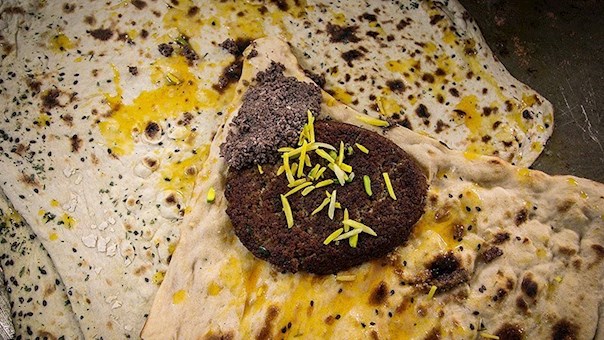
Naz khatun is a smoky, intensely tart appetizer composed primarily of fire-roasted eggplants mashed with fresh herbs and sour fruit juices. A thick layer of char must first be achieved by exposing whole eggplants to an open flame, thoroughly burning the outer skin to infuse the soft interior flesh with a heavy, campfire-like aroma. Once the blackened exterior is peeled away, the smoky core is finely chopped or crushed into a coarse paste. Generous amounts of pulverized garlic and finely minced greens—most commonly mint, sweet basil, and parsley—are forcefully stirred into the vegetable base. The defining sharp acidity of this mixture relies entirely on the addition of sour grape juice (verjuice) and dark, thick pomegranate molasses, creating a potent balance of earthy and sour notes. Originating from the damp, fertile provinces bordering the southern coast of the Caspian Sea from the city of Behshahr, this acidic appetizer bears a title that translates directly as "elegant lady," a term historically bestowed upon noblewomen during the Qajar dynasty. While the baseline formula remains strictly vegan, local adaptations frequently alter the texture and aromatic profile. Certain households crush a large handful of toasted walnuts directly into the bowl to thicken the consistency and add a fatty, nutty undertone, whereas others incorporate diced ripe tomatoes or grated onions for extra moisture. The specific herbs also shift depending on geographical availability, occasionally featuring a highly pungent northern green called chochagh, which gets swapped for cilantro or tarragon in areas outside the coastal climate. Because of its sharp, astringent qualities, the finished mash never functions as a standalone meal. It arrives at the dining table either thoroughly chilled or at room temperature, serving as an accompanying side item meant to cut through the heavy fats of roasted meats. Portions are scooped directly onto plates alongside steaming mounds of buttery white rice, paired with thick chunks of lamb kebabs, or simply scooped up directly using torn pieces of warm, unleavened flatbread.
Ash-e jo is a barley-based soup from Iran, where it is widely prepared as a nourishing, slow-cooked meal often shared among families and neighbors. The name comes from the Persian word ash, which refers to thick soups or stews, and jo, meaning barley. The history of ash-e jo is closely tied to Iran’s agricultural heritage. Barley has been cultivated in the Iranian plateau for thousands of years, valued both as animal fodder and a staple grain in human diets. Recipes for barley soups appear in Persian culinary records that date back centuries, where they were recommended for their filling and restorative qualities. Over time, ash-e jo developed as a distinct dish, incorporating vegetables, herbs, legumes, and occasionally meat, making it a versatile preparation that could be adapted to seasonal produce and household means. Preparation begins by soaking barley to soften the grains. In many households, dried legumes such as lentils and beans are also soaked in advance to shorten cooking time. The base of the soup is built by gently frying onions, turmeric, and sometimes garlic in oil until aromatic. Chopped carrots, celery, and sometimes tomatoes are added for sweetness and depth. Water or meat broth is poured over the mixture, and the drained barley and legumes are stirred in. The pot simmers over low heat for several hours, allowing the barley to swell and release starch, which gives the soup a naturally thick consistency. Toward the end of cooking, generous amounts of chopped herbs, most often parsley, cilantro, dill, and spinach, are mixed in to brighten the flavor and add a green tint. Ash-e jo is typically seasoned with salt, black pepper, and occasionally a splash of verjuice or lemon juice to balance the richness. When served, the soup is ladled into bowls and often garnished with kashk, a tangy fermented whey sauce that is drizzled over the surface. Fried onions and dried mint in hot oil are also common toppings that bring aromatic contrast to the dish. While some variations include small pieces of lamb or beef, vegetarian versions are equally popular and widely consumed. Ash-e jo is most commonly eaten as a hearty lunch or dinner, particularly during colder months when warming foods are favored. It is served both at home and in small eateries specializing in ash, where pots of different varieties simmer side by side. In Iran, sharing ash-e jo is a gesture of hospitality, and it is often prepared in large quantities to offer to guests, neighbors, or during religious commemorations.
Kaleh Joosh is a savory and tangy Iranian soup originating primarily from central Iran, with strong ties to regions such as Isfahan and surrounding provinces. This dish is recognized for its distinctive use of kashk, a fermented whey product that imparts a creamy and slightly sour flavor to the broth, which is enriched by sautéed herbs like parsley, cilantro, and mint, along with garlic and onions. The origins of kaleh joosh are closely linked to rural Iranian households, where resourcefulness with locally available ingredients has shaped the dish over generations. The use of kashk not only adds depth of flavor but also provides nutritional benefits, making the soup both satisfying and healthful. While the recipe varies from one family to another, the core components remain consistent, preserving its identity as a flavorful, herbaceous soup that balances richness with acidity. Over time, kaleh joosh has moved from home kitchens to local restaurants, becoming a recognized part of central Iranian cuisine. Preparation of kaleh joosh involves slowly sautéing onions and garlic to develop their sweetness before adding a generous amount of fresh herbs, which are cooked until fragrant. Kashk is then incorporated, blending smoothly with the sautéed mixture to create the soup’s signature creamy texture and tangy taste. Turmeric and dried mint are commonly added to enhance the aroma and complexity. The soup is usually served hot, garnished with fried onions or additional herbs, and accompanied by flatbread or rice to complement its robust flavors. Kaleh joosh remains a staple dish in the central regions of Iran, particularly enjoyed in Isfahan and nearby areas. It is often featured in family meals, local eateries, and during cultural gatherings, valued for its comforting qualities and distinctive flavor profile.
TasteAtlas food rankings are based on the ratings of the TasteAtlas audience, with a series of mechanisms that recognize real users and that ignore bot,
nationalist or local patriotic ratings, and give additional value to the ratings of users that the system recognizes as knowledgeable.
For the “37 Worst Rated Iranian Foods” list until October 17, 2026, 8,043 ratings were recorded, of which 4,838 were recognized by the system as legitimate.
TasteAtlas Rankings should not be seen as the final global conclusion about food. Their purpose is to promote excellent local foods,
instill pride in traditional dishes, and arouse curiosity about dishes you haven’t tried.





What People Say