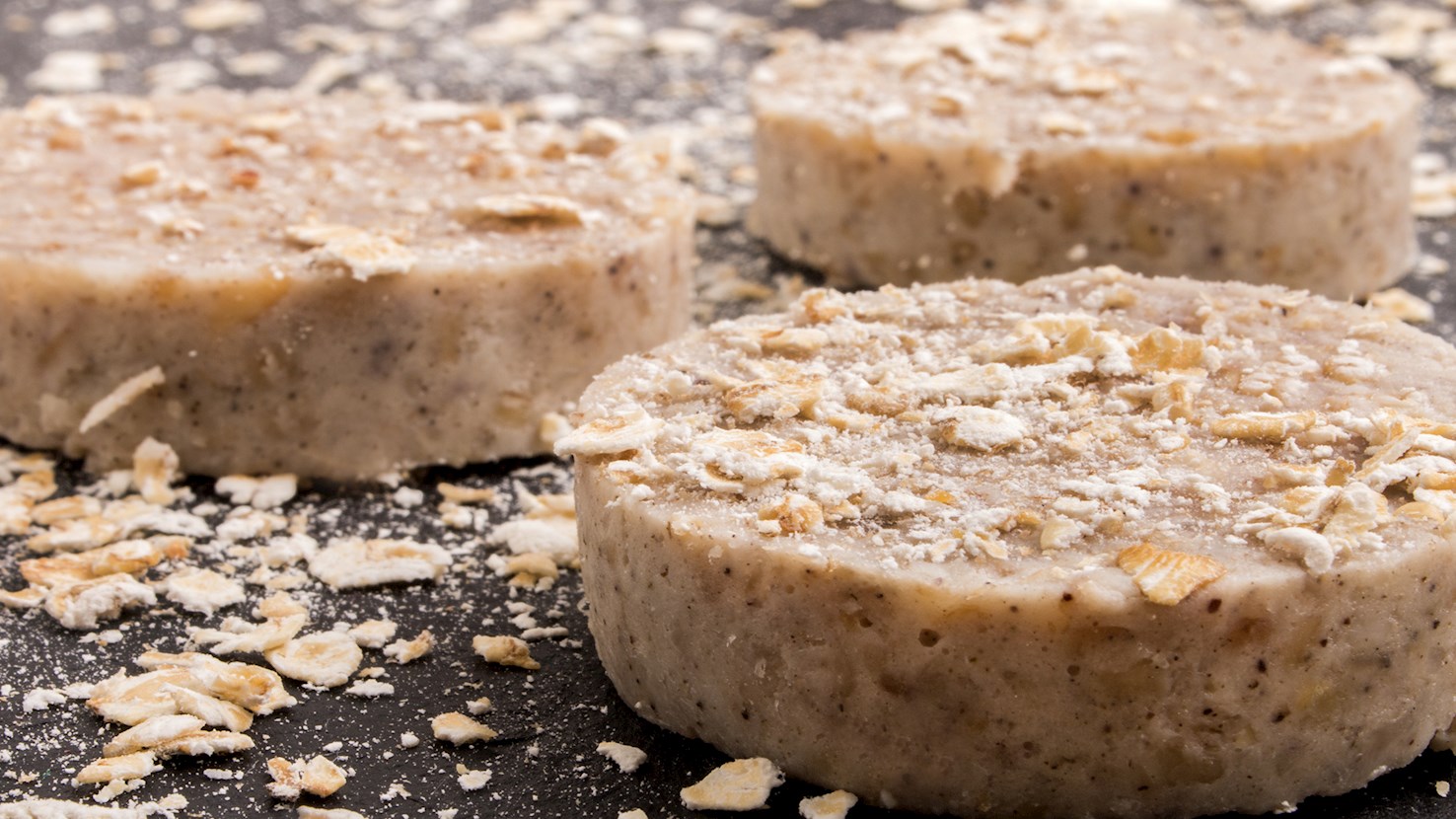
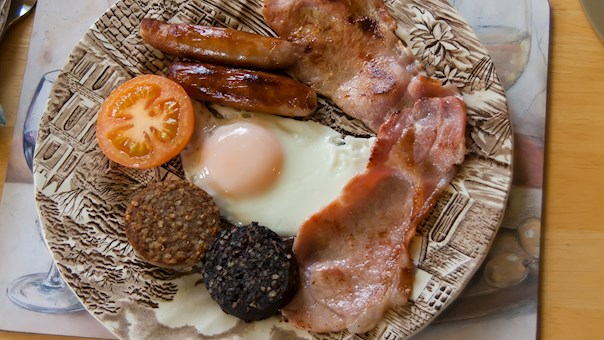
Sneem black pudding is a blood sausage produced in the village of Sneem in County Kerry, Ireland. It is made from fresh pig’s blood mixed with oatmeal, onions, suet, and seasonings, and is notable for being a set pudding rather than a cased one. The mixture is cooked and pressed into rectangular trays or blocks, then sliced for serving, giving it a distinct flat shape unlike the more common sausage-style puddings found elsewhere in Ireland. Sneem black pudding is a recognized regional specialty and has received Protected Geographical Indication (PGI) status from the European Union, acknowledging its local production methods and distinct character linked to the area. The production of blood pudding in Sneem dates back to small-scale farmhouse practices where pig slaughtering was a communal and seasonal activity. Local families used every part of the animal, and the blood was combined with available grains and fat to create a sustaining food that could be stored and cooked easily. Over time, the method became associated specifically with the Sneem area, where pudding was prepared in trays rather than casings, reflecting both convenience and resource use in domestic kitchens without access to butchery equipment. Local butchers and home producers maintained the same approach through the twentieth century, and Sneem’s pudding gained reputation through regional fairs and markets, eventually being sold commercially in the wider Kerry region. Preparation involves collecting fresh pig’s blood and mixing it with finely chopped onions, oatmeal, suet, salt, pepper, and sometimes a small amount of spice. The mixture is poured into baking trays and cooked slowly until set, then cooled and sliced. This process produces a dense but tender texture and allows the oatmeal to absorb the blood evenly, giving the pudding its dark, smooth consistency. The absence of a casing makes it easy to handle and portion, and the texture differs from sausage-style black pudding by being slightly crumbly but cohesive. Some producers still cook it in cast-iron trays, maintaining a specific flavor profile influenced by the method and the balance of salt and grain. Sneem black pudding is usually eaten fried or grilled as part of a breakfast plate, often alongside white pudding, bacon, and eggs. It can also appear in starters, salads, or as an element in more elaborate dishes in Kerry restaurants. The pudding’s mild, clean flavor allows it to pair well with both savory and sweet accompaniments, such as apple compote, mustard, or soft goat’s cheese. It is eaten across Ireland but remains closely tied to its village of origin, where it continues to be made by a few producers using local ingredients and long-established recipes. Beverages that suit Sneem black pudding include Irish stout, which complements its earthy richness, or a dry cider, whose acidity offsets its smooth and slightly nutty texture.
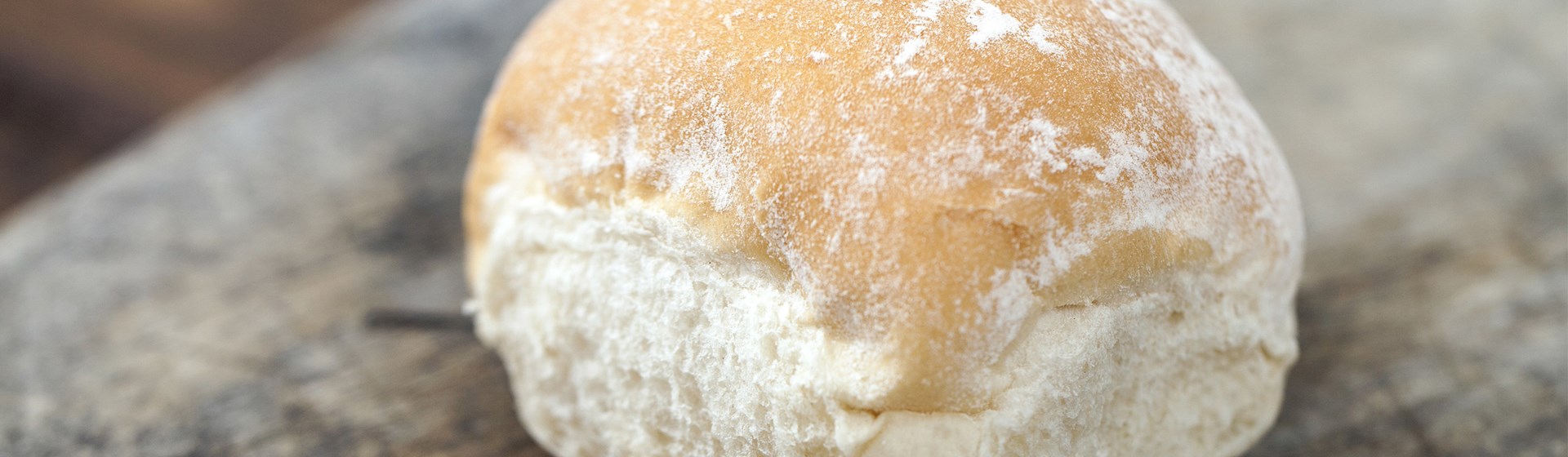
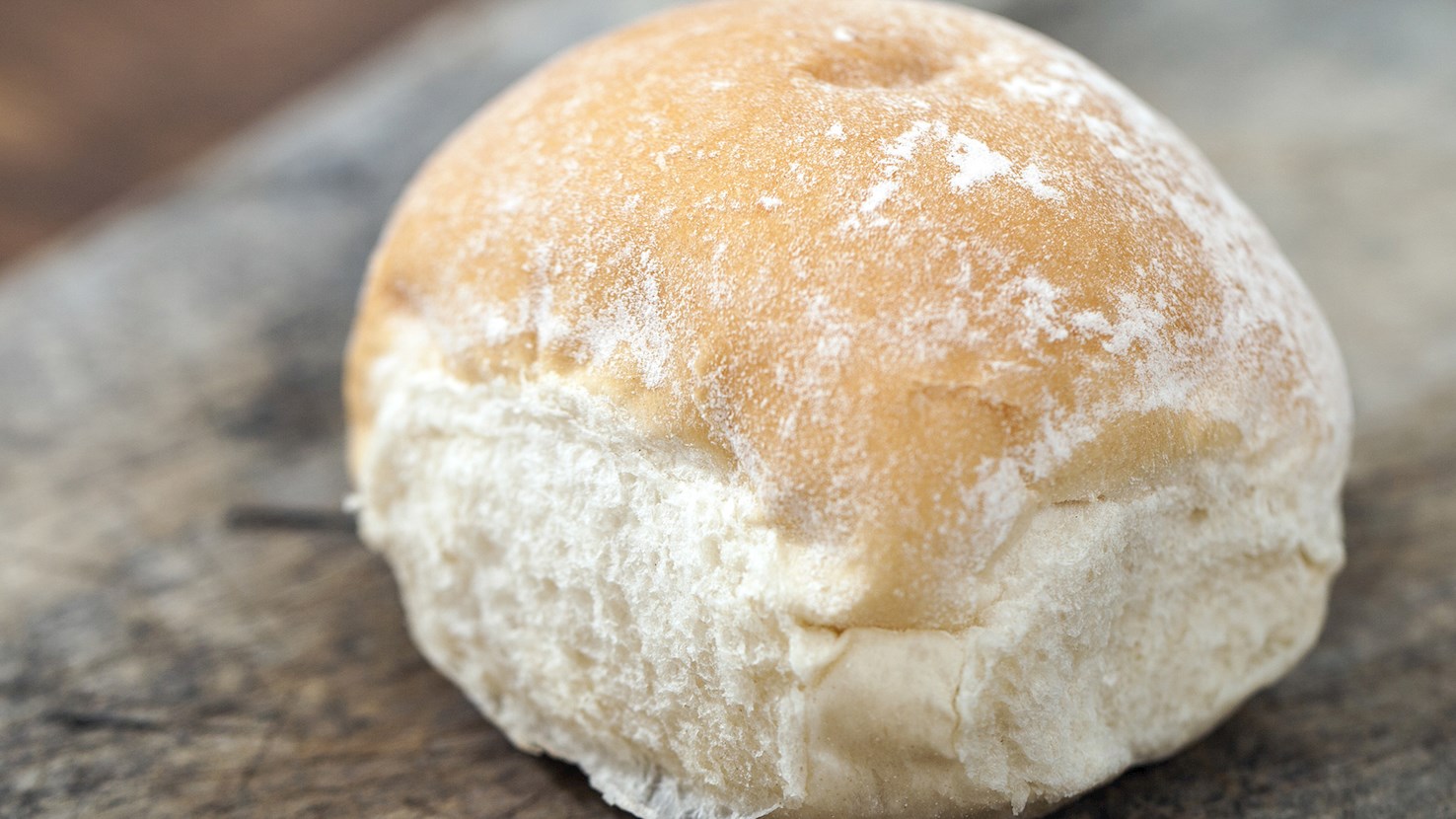
Waterford blaa is a soft, white bread roll from Waterford, known for its light texture, flour-dusted crust and slightly chewy interior. It is deeply woven into the city’s baking heritage and reflects centuries of European influence on Irish food culture. The roll’s origins can be traced back to the 17th century, when French Huguenots fleeing religious persecution settled in Waterford and brought with them their baking skills and techniques. Over time, local bakers adapted these methods to Irish ingredients and tastes, creating the distinctively airy yet hearty bread that became a daily staple for the region’s working population. The process of making blaas is simple but precise. A soft dough is prepared from white flour, water, yeast and salt, then allowed to rise slowly before being shaped into rounds. They are proofed closely together on large trays so that they bake with soft sides, while the tops are liberally dusted with flour, forming a delicate crust that cracks slightly as they cool. The result is a roll with a pillowy interior and a mild, yeasty flavor that makes it versatile for both savory and sweet fillings. Blaas are usually best eaten fresh, often on the same day they are baked, as their soft texture and delicate crust are at their peak then. Nowadays, there are only four bakeries left that still produce this bread roll which was awarded a Protected Geographical Indication status by the European Commission in 2013. Blaas are most often enjoyed as part of breakfast or lunch in Waterford, typically split and filled with butter, sausages, bacon or cold meats. They also serve as an ideal base for simple sandwiches or to accompany hearty stews and soups.
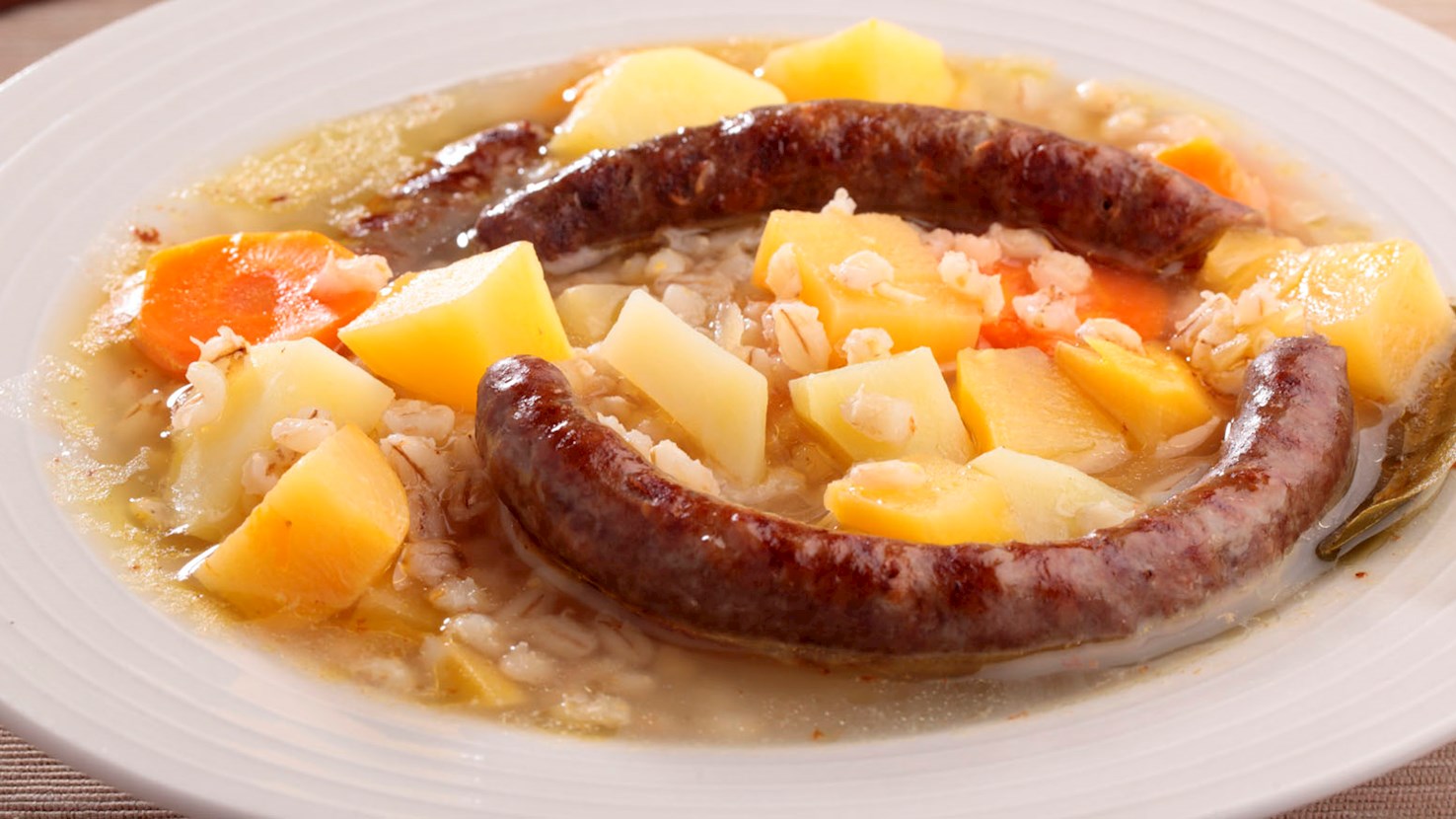
Dublin coddle is a hearty Irish stew-like dish that comes from the capital city, where it has been part of home cooking since 1700s. It is made by layering sausages, bacon, onions, and potatoes in a pot, slowly simmered so the flavors meld together into a comforting and filling meal. Allegedly, it originated from the habit of one-pot cooking employed by the sailors of Ringsend and was a favorite of both Jonathan Swift and Seán O'Casey, as well as mentioned in the works of none other than James Joyce himself. It became closely tied to working-class families, where resourcefulness in the kitchen was as important as taste. The preparation of Dublin coddle is straightforward, relying on long, gentle cooking rather than elaborate techniques. Thick-cut pork sausages and rashers of bacon form the protein base, while onions and potatoes provide body and substance. Everything is simmered together with stock or water, often seasoned simply with salt, pepper, and sometimes parsley. Unlike many Irish stews, coddle is not about searing or browning but rather about the slow cooking process that allows the sausages to soften and the potatoes to absorb the rich, meaty broth. This method gave families the advantage of preparing a meal that could sit on the stove for hours, ready whenever it was needed, often late in the evening. Today, Dublin coddle is still served in homes and pubs across the city and beyond, particularly in colder months when warm and sustaining food is most appreciated. It is often enjoyed with slices of crusty bread or soda bread, which help soak up the flavorful broth. Pairings with Irish stout or ale are common, as the malty notes complement the pork and potatoes, while lighter lagers also balance its richness.
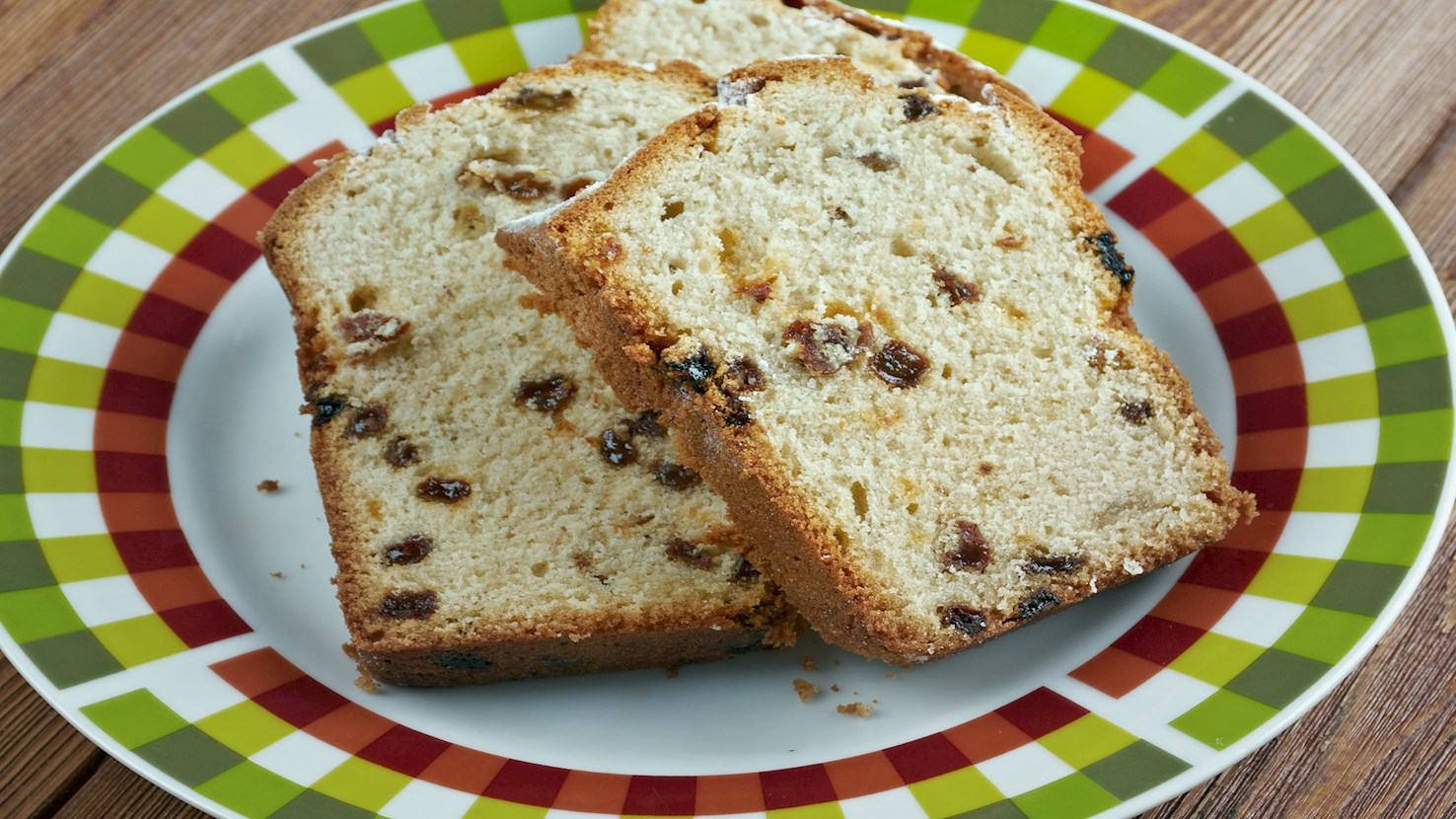
Barmbrack is a fruit loaf from Ireland that is most closely associated with the autumn season and in particular with Halloween, where it has long been part of festive tables. Its origins go back centuries, with recipes believed to have developed from early Irish yeast breads enriched with dried fruits and sometimes flavored with tea. Over time, it became linked with fortune-telling customs, where charms such as rings, coins or other small tokens were baked into the loaf, each carrying a symbolic meaning for the person who found it in their slice. The preparation begins with soaking dried fruits, most often raisins and sultanas, in black tea, sometimes with a touch of whiskey for depth. The tea imparts moisture and a gentle tannic note, while the fruit plumps and softens overnight. This mixture is then combined with flour, sugar, baking powder, eggs and spices, forming a dense but moist batter. The loaf is baked until golden brown, and when cooled, sliced and served thick, usually with butter. The use of tea as a soaking liquid sets it apart from other fruit breads, as it gives a subtle bitterness that balances the sweetness of the fruit and sugar. Barmbrack’s place in Irish culture is strengthened by its role in social gatherings, where cutting the loaf and discovering hidden charms once carried significance for fortunes, marriage prospects, or prosperity. Even without the charms, its flavor makes it a seasonal favorite that continues to be baked at home and sold in shops across Ireland during the colder months. It is often enjoyed in the afternoon with strong tea, though it can also be paired with butter and cheese for a more savory combination.
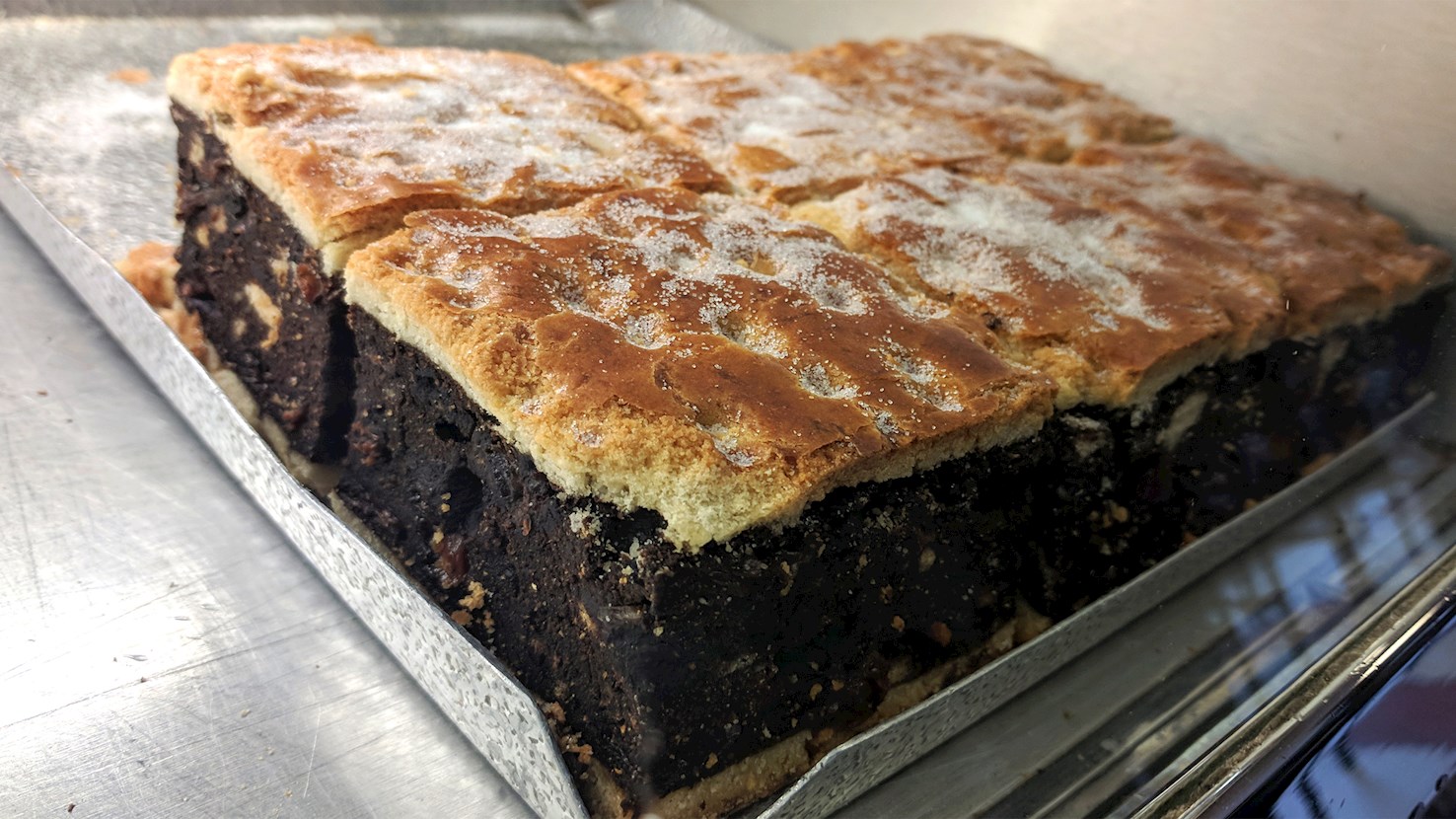
Gur cake is a spiced fruit slice originating from Dublin, made from leftover bread, dried fruit, sugar, and pastry. It consists of a thick, dark filling sandwiched between two layers of shortcrust pastry and baked until firm and golden. The filling, known as the gur mixture, is made by soaking stale bread in tea or water and combining it with currants, raisins, brown sugar, mixed spice, and sometimes a little cocoa powder or treacle. The name “gur cake” comes from the Dublin slang “gurrier,” referring to street children or working-class youths who could buy the inexpensive cake from bakeries, especially during school holidays. It was sold as a cheap, filling treat that made practical use of leftover bread, making it a common sight in Dublin bakeries and working-class districts throughout much of the twentieth century. The practice of reusing stale bread to make sweet fillings dates back to domestic frugality in Irish and British households, but Dublin’s bakeries gave the cake its distinctive form and name. It became a bakery staple by the early 1900s, when bakers would repurpose unsold bread into a moist, spiced fruit mixture baked between pastry sheets, both preventing waste and creating a low-cost product. The recipe’s spread remained largely local, with Dublin maintaining its reputation as the home of gur cake, though variations appeared under other names elsewhere in Ireland, such as Chester cake in Limerick and Cork. Preparation begins with soaking the bread in tea or water until soft, then squeezing out excess liquid and mixing it with dried fruit, sugar, spice, and any additional sweetener. The filling is spread between two rolled sheets of shortcrust pastry in a baking tin and cooked slowly to allow the center to set and the pastry to crisp. Once cooled, it is cut into squares or rectangles, revealing the dense, fruit-filled interior. The filling’s texture is moist and chewy, and its flavor is marked by spice and treacle sweetness balanced by the plain pastry casing. Gur cake holds a distinct place in Dublin’s food culture as a bakery counter item closely tied to working-class life. It remains available in small cafés, bakeries, and markets across the city, often sold by the slice alongside tea or coffee. It is typically eaten cold or at room temperature rather than warm. While primarily enjoyed on its own, it pairs comfortably with strong black tea or a mild coffee, both of which offset its sweetness.
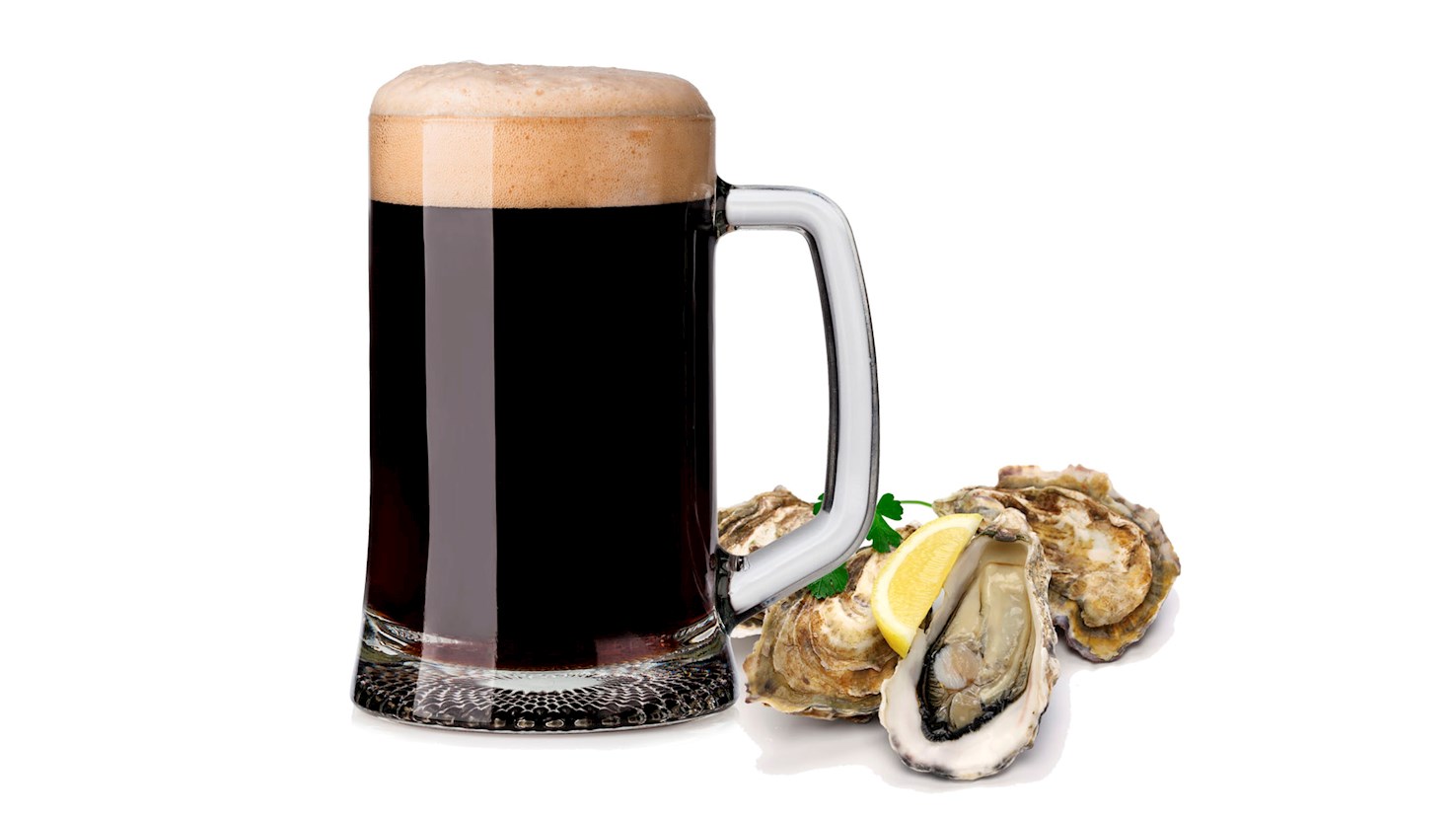
Stout and raw oysters form a pairing that is most closely associated with Ireland, where the dark, roasted flavors of the beer meet the briny freshness of the shellfish in a combination that has been enjoyed for centuries. The connection between the two is rooted in both geography and economy, as Ireland’s coastal waters provided ample oysters and the breweries of Dublin and beyond produced the stouts that became famous worldwide. In the nineteenth century, oysters were not considered a luxury but an affordable source of protein for working people, and they were frequently served in pubs alongside pints of stout. This natural companionship grew into a culinary tradition that spread far beyond the island. The preparation is straightforward, as the oysters are opened just before serving and enjoyed raw on the half shell, often with a squeeze of lemon though purists prefer them unadorned. The stout is poured fresh, its creamy head balancing the sharp salinity of the oysters. The contrast between the two is what makes the experience memorable: the beer’s roasted malt and slightly bitter edge rounds off the sea-salt bite, creating a balance that neither could achieve alone. Today, the pairing is still most often found in Ireland, particularly in coastal towns and cities, though it is also common in the UK and has been adopted in oyster bars and beer halls worldwide. It is eaten as an appetizer, a light meal, or part of a larger seafood feast, and the choice of stout can vary from classic dry Irish styles to modern craft interpretations. Other shellfish, breads, or even cheese are sometimes served alongside, but nothing quite rivals the clarity and reputation of oysters and stout together.
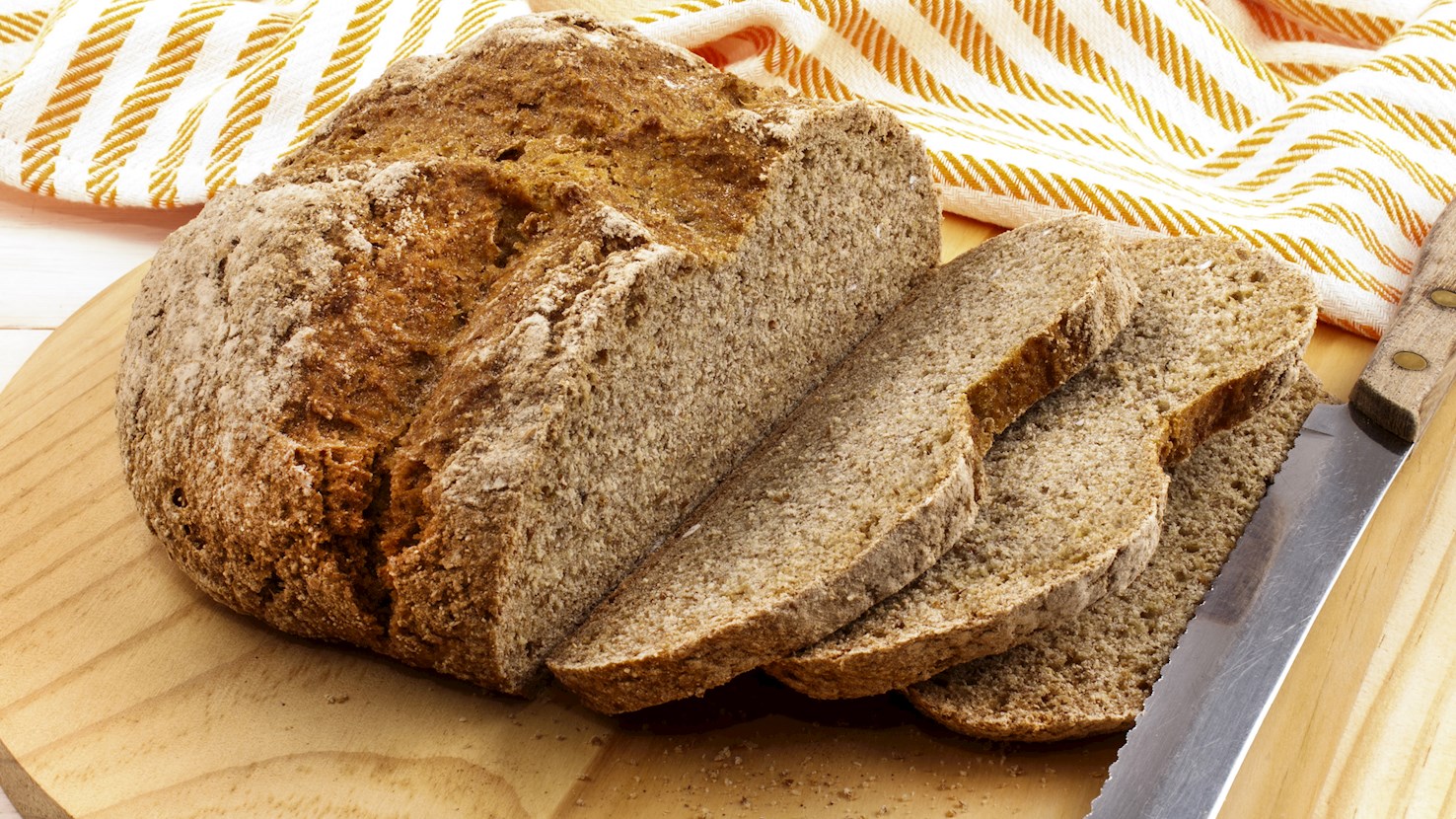
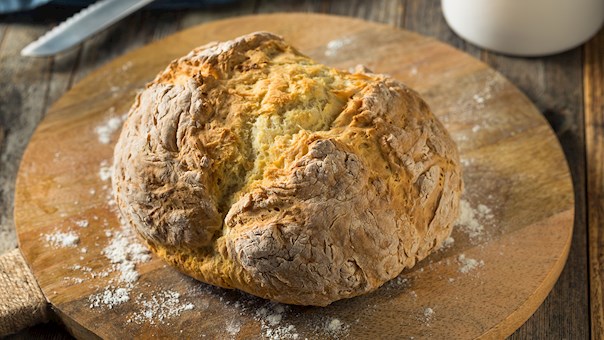
Soda bread is a type of quick bread from Ireland that is made without yeast, relying instead on the reaction between baking soda and acidic buttermilk to create its rise. Although this type of bread has been known for centuries and was first invented by Native Americans, it was not until the 19th century that soda bread as we know it today became commonplace in Ireland. As a result of the potato famine, as well as Ireland's weather and geographical conditions, which allowed only the production of soft wheat that had low protein content, the Irish turned to soda bread as their main source of nutrition. It quickly spread across rural Ireland because it required only basic ingredients (flour, salt, baking soda, and buttermilk) making it practical in homes where ovens were uncommon and bread was often baked on griddles or in iron pots over open fires. The preparation is straightforward, with the dry ingredients mixed together and then combined with buttermilk until a soft dough forms. It is shaped into a round and often scored with a cross before baking, which allows heat to penetrate evenly and helps the loaf expand without splitting unevenly. The resulting bread has a dense crumb with a tender texture and a distinct tang from the buttermilk. Variations emerged over time, with some versions enriched with butter, sugar, or eggs, while others incorporated raisins, caraway seeds, or oats. In some regions, the bread is made with wholemeal flour, producing a heartier loaf known as brown soda bread. Soda bread is eaten throughout Ireland and is also widely recognized abroad, particularly in Irish communities. It is usually served alongside soups and stews, where its dense texture is ideal for soaking up broths, or simply enjoyed with butter and jam for breakfast or tea. It pairs naturally with strong cheeses, smoked salmon, and hearty meat dishes, and is sometimes used as a base for open sandwiches.
White pudding is a type of sausage found mainly in Ireland and Scotland, known for its pale color and hearty ingredients. It shares some similarities with black pudding, but the defining difference is the absence of blood, which gives it a lighter appearance and a milder flavor. Made from oatmeal, pork meat or fat, suet, breadcrumbs, and seasonings, it has been part of rural diets for centuries, providing a way to stretch limited resources and create a filling, energy-rich food. The origins of white pudding go back to early European meat preservation and sausage-making practices, with oats or other grains used as fillers in many regions. In Ireland and Scotland, where oats were abundant and central to the diet, they became a natural base for this type of sausage. Over time, the dish became a staple in working-class households, valued for being both nourishing and versatile. It was eaten not only at breakfast but also as part of meals throughout the day. Preparation involves mixing finely ground pork or offal with suet, oats, breadcrumbs, and herbs such as white pepper and nutmeg. The mixture is tightly packed into natural casings and then boiled or steamed until firm. Once cooked, the sausages are sliced into rounds and fried or grilled, developing a crisp exterior while staying soft inside. The balance of the oats and fat creates a distinct texture that sets it apart from meatier sausages. Today, white pudding is eaten most often as part of a full Irish or Scottish breakfast, served alongside eggs, bacon, black pudding, toast, and sometimes tomatoes or mushrooms. Beyond breakfast, it can also appear in sandwiches, with potatoes, or as a side dish in pub meals. It pairs well with fried or baked eggs, root vegetables, and in more modern settings, even with delicate greens or mustard-based sauces.
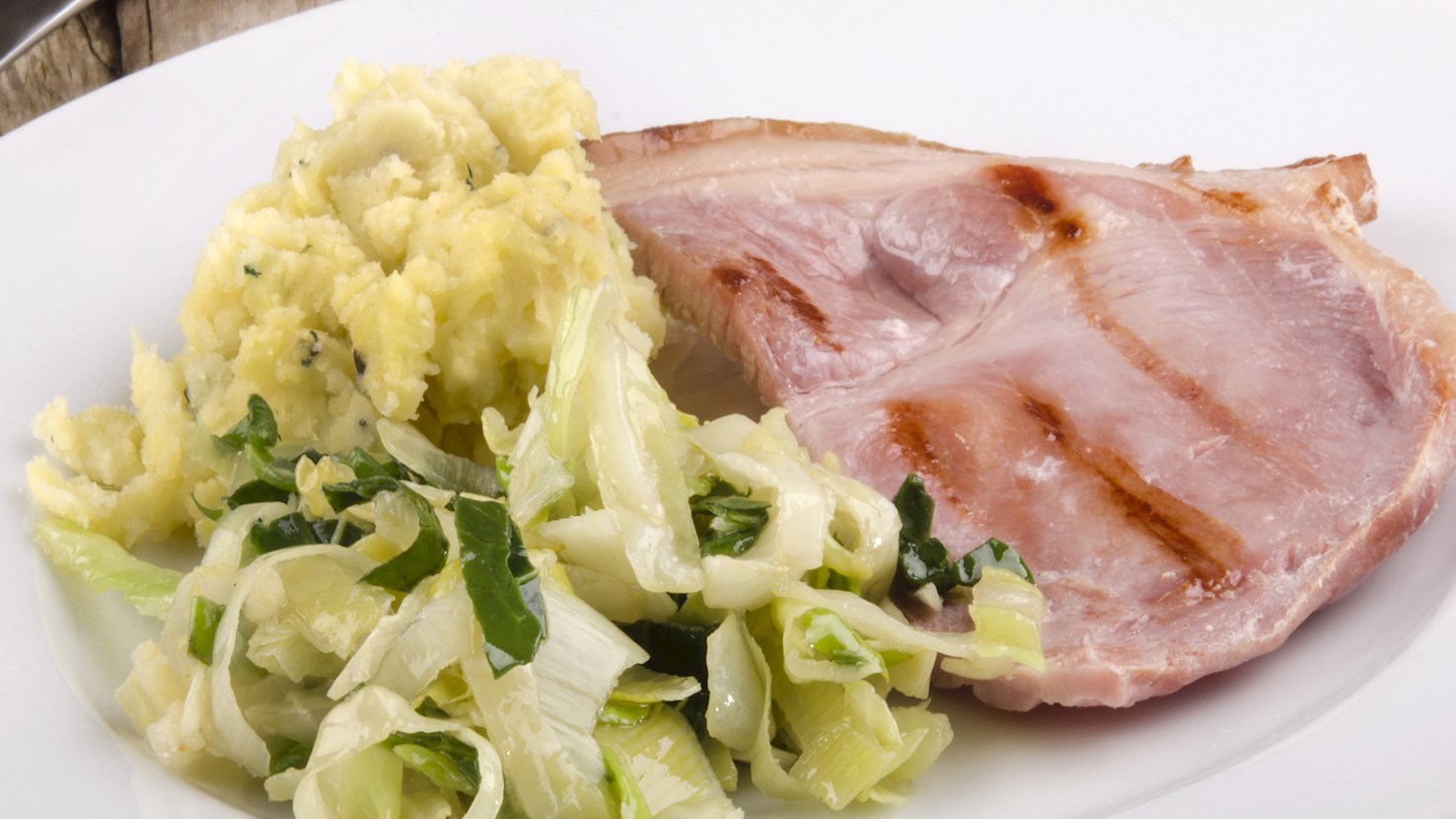
Bacon and cabbage is a classic Irish dish consisting of cured pork served with boiled cabbage and potatoes. It is rooted in the farming culture of Ireland, where pigs were a common household animal and cabbage one of the most dependable vegetables. Together with potatoes, which became central to the Irish diet after their introduction in the 16th century, these ingredients formed the basis of a hearty, filling meal that could sustain rural families through hard work and long days. The dish developed in an environment where self-sufficiency was vital, and pork was preserved through curing or salting to ensure it lasted. This curing method produced the cut of meat commonly referred to as Irish bacon, distinct from the streaky bacon more familiar elsewhere. Paired with boiled cabbage and potatoes, it created a complete meal that was both economical and nourishing. Over time, bacon and cabbage became closely associated with Irish identity and remained a staple long after the country’s diet began to modernize. Preparation begins with simmering the bacon joint gently in water, often with aromatics like onions, carrots, or bay leaves, until tender. The cabbage is then cooked in the same water, which has absorbed the flavor of the pork, giving it a savory depth. Potatoes, whether boiled or mashed, are served alongside to round out the dish. The simplicity of the cooking allows the natural flavors of each element to shine while blending together harmoniously. Today, bacon and cabbage is still enjoyed across Ireland, often considered a comfort food that reflects the country’s agrarian past. It is commonly served at family gatherings and also appears in pubs and restaurants, especially on menus that highlight Irish heritage. The dish is frequently paired with stout beers or a glass of Irish whiskey, both of which balance its rich and savory qualities.
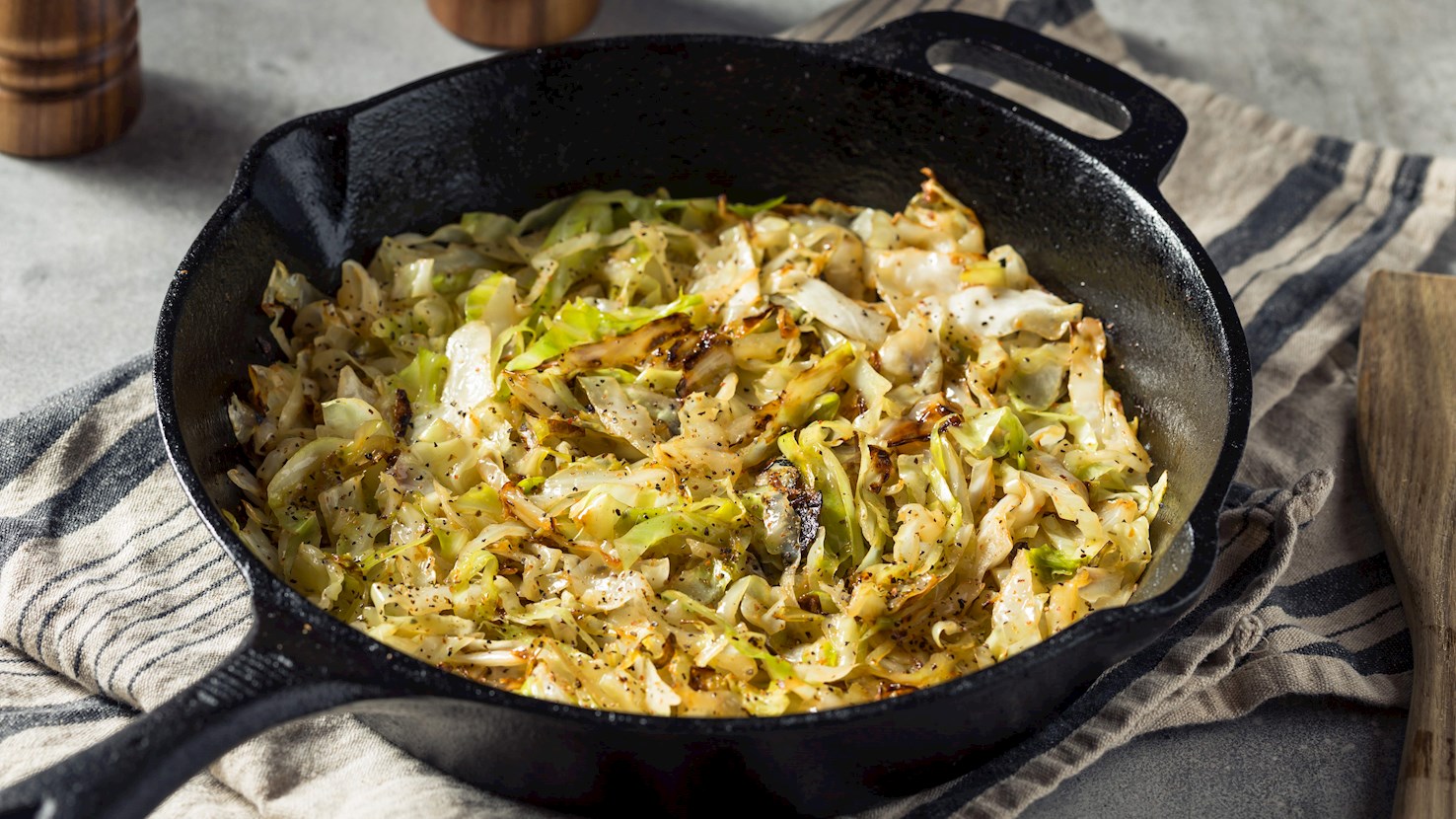
Irish buttered cabbage is a simple cooked vegetable dish consisting of boiled or steamed cabbage finished with butter and salt. It is widely eaten throughout Ireland and often served as part of a main meal, especially with pork, bacon, or corned beef. Cabbage, particularly green or Savoy varieties, grows well in Ireland’s mild, damp climate and has long been one of the most reliable crops in both rural gardens and commercial farming. Its abundance and low cost made it a staple in Irish diets, appearing frequently alongside potatoes and meat in everyday meals. The use of butter as a finishing ingredient reflects the country’s long association with dairy farming. In regions such as Cork, Kerry, and Tipperary, where butter production was historically significant, cooks commonly used it to enrich plain vegetables and grains. Cabbage prepared this way became a fixture in domestic and farm kitchens, where boiling or steaming was the preferred cooking method for preserving the vegetable’s texture and color while ensuring tenderness. The practice of combining cabbage and butter also paralleled similar dishes in northern Europe, but Irish butter’s high fat content and natural sweetness gave the dish a distinctive richness. Preparation begins with firm, green cabbage, which is trimmed, cored, and sliced into ribbons. It is then boiled or steamed in salted water until tender but not soft. After draining thoroughly, the hot cabbage is tossed in a generous amount of butter until each strand is coated and glossy. A pinch of salt and black pepper is added for seasoning, and some cooks include a small amount of chopped scallions or parsley for freshness. The result is a dish that balances softness and richness, with a mild, earthy flavor that pairs easily with meat or potatoes. The texture depends on timing; overcooked cabbage becomes limp, while precise cooking retains slight bite and color. Irish buttered cabbage is eaten throughout the country, from rural homes to restaurants offering regional fare. It pairs naturally with boiled bacon, ham, and roast pork, and also works well with poached salmon or smoked fish. Beverages that complement it include Irish stout, which balances the butter’s richness, or a dry cider, whose acidity cuts through the fat.
TasteAtlas food rankings are based on the ratings of the TasteAtlas audience, with a series of mechanisms that recognize real users and that ignore bot,
nationalist or local patriotic ratings, and give additional value to the ratings of users that the system recognizes as knowledgeable.
For the “19 Worst Rated Irish Foods” list until July 17, 2026, 1,350 ratings were recorded, of which 1,170 were recognized by the system as legitimate.
TasteAtlas Rankings should not be seen as the final global conclusion about food. Their purpose is to promote excellent local foods,
instill pride in traditional dishes, and arouse curiosity about dishes you haven’t tried.