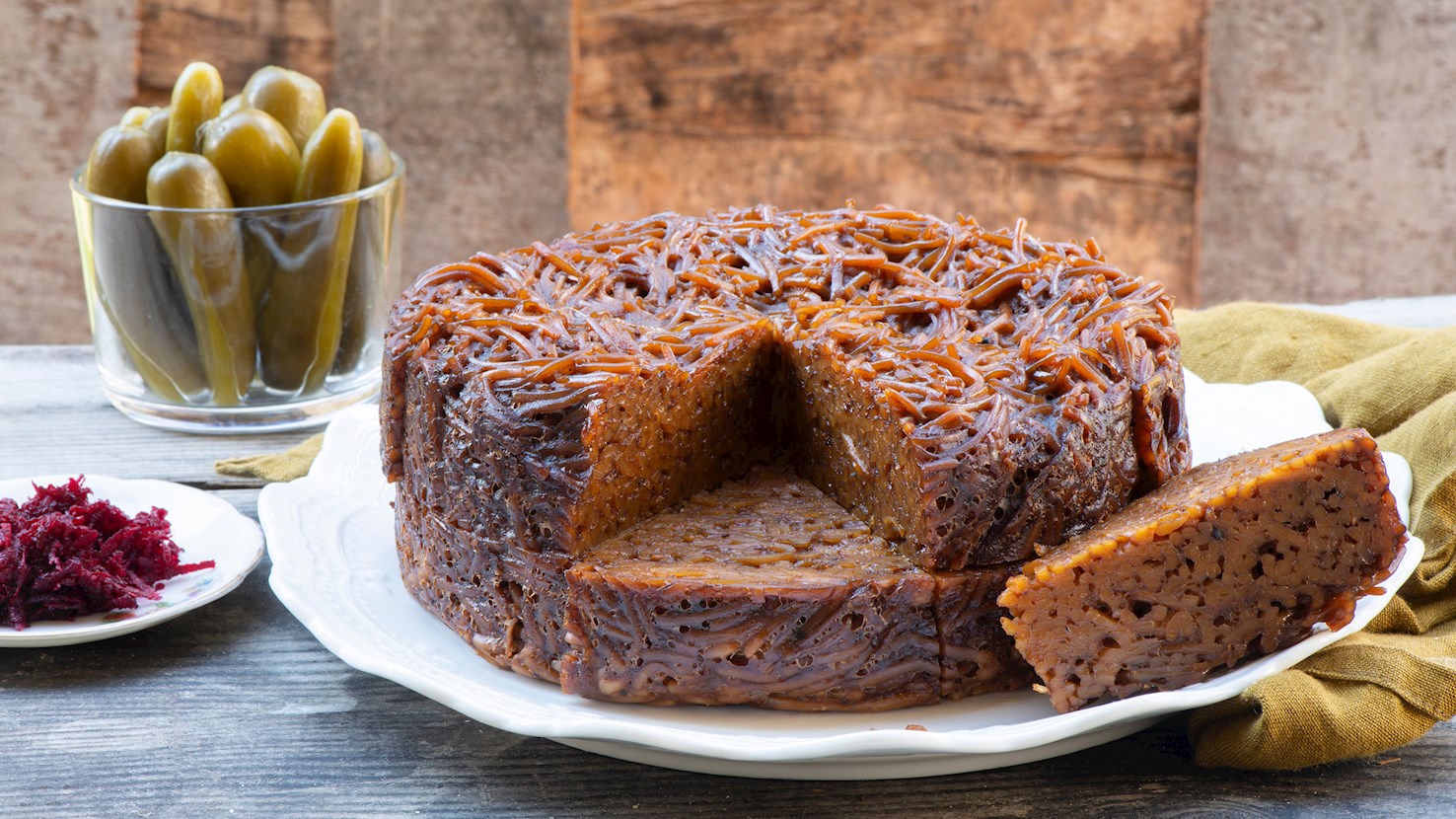
Yerushalmi kugel is a noodle-based casserole associated with Jerusalem’s Ashkenazi Haredi communities, known for its dark color, dense texture, and a flavor that combines pronounced sweetness with noticeable pepper. It emerged in the nineteenth century among Jews living in Jerusalem’s Old Yishuv, where cooks adapted European noodle kugel to local ingredients and tastes while preparing dishes suitable for serving after synagogue services on Shabbat. The reliance on caramelized sugar and black pepper became characteristic of this kugel, setting it apart from other noodle casseroles that featured dairy components or lighter flavor profiles. The dish was shaped by the need for foods that could be prepared before Shabbat and kept warm for extended periods, which influenced its firm structure and the use of ingredients that remain stable in low heat over time. Preparation begins with cooking thin egg noodles until just tender and then coating them in a syrup made by melting sugar in a pot until it reaches a deep amber color. Water or oil is added carefully to dissolve the caramel, and the noodles are stirred into this mixture along with eggs, oil, salt, and a generous amount of black pepper. The mixture is poured into a pot or baking pan and cooked slowly, often for several hours, until it sets into a cohesive mass with a firm outer crust and a dense interior. Its flavor depends heavily on the balance between caramelization and pepper, and many cooks adjust the level of sweetness or spiciness to match family preference. Yerushalmi kugel is eaten in Jerusalem and in communities around the world with roots in the Old Yishuv, often served in small squares after synagogue services or as part of Shabbat day meals. It is commonly paired with pickles and cholent, which provide contrasting textures and flavors, and it is also eaten with kugel-style accompaniments such as salads or egg-based dishes. Beverages served alongside it include tea, soda water, and in some settings grape juice or light wines that balance the sweetness and pepper of the kugel.
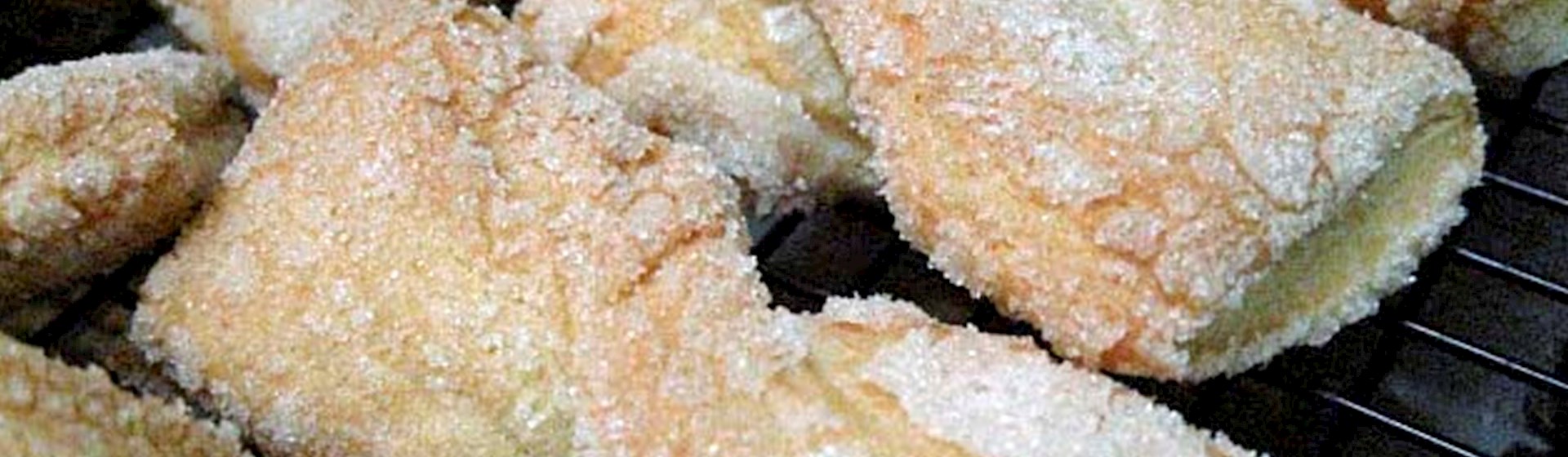
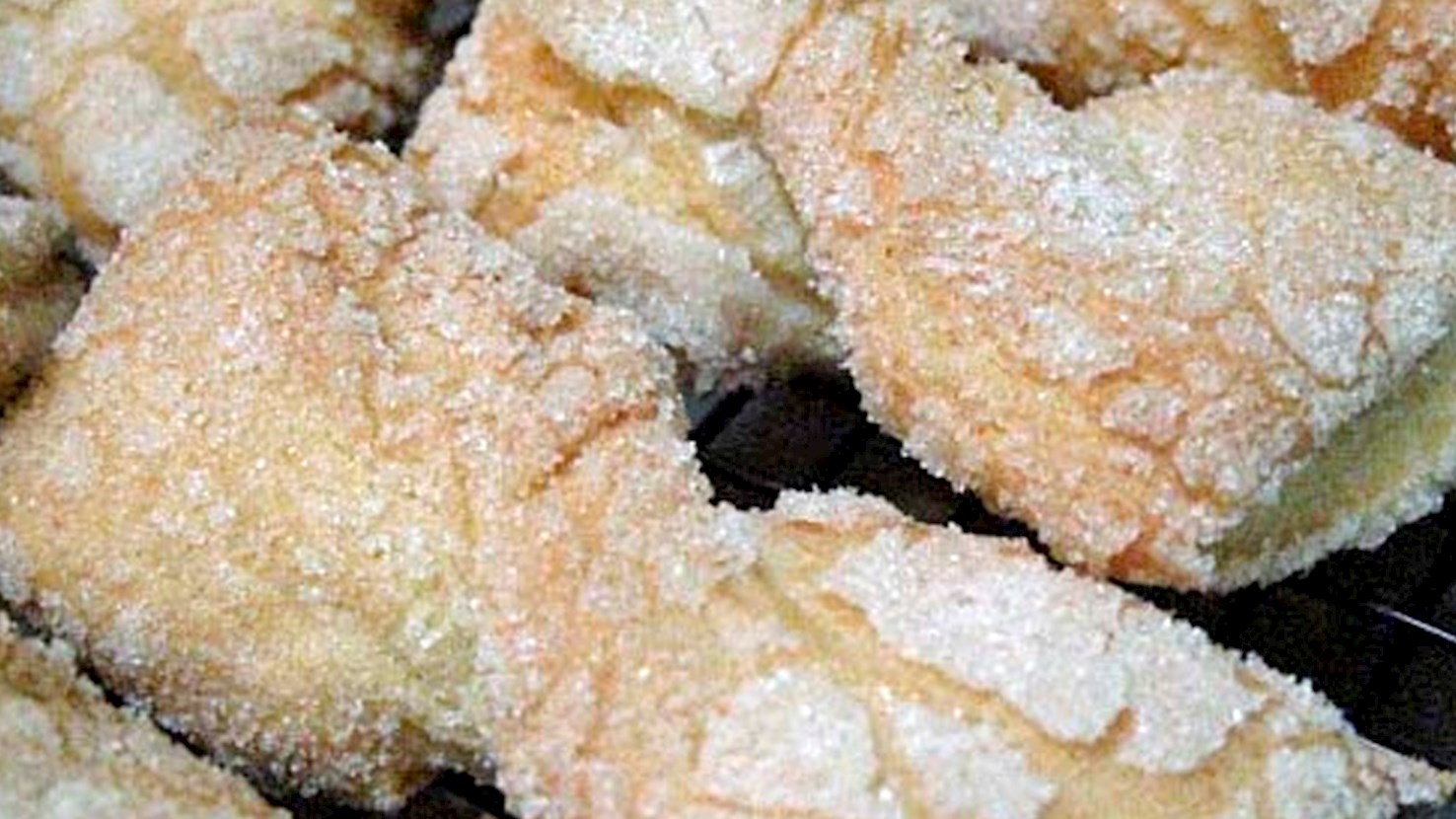
Kichel is a lightly sweetened egg-based cookie or cracker found in Ashkenazi Jewish cuisine, recognized for its crisp, airy texture and bow-tie or diamond shape. It is associated with Jewish communities in Central and Eastern Europe, where egg-rich doughs were common in home baking, and where cooks used available ingredients such as flour, eggs, sugar, and sometimes schmaltz or oil to create pastries suitable for festive meals and synagogue gatherings. Its development was tied to the need for a baked item that could keep well without refrigeration and suit both sweet and savory accompaniments, which made it a reliable option for communal events and holiday meals, particularly those where dairy or meat meals influenced which fats could be used. Preparation begins with a dough made from eggs, flour, sugar, and a small amount of fat, beaten until smooth and soft. The dough is rolled very thin, cut into strips or diamonds, and often twisted into a slight bow shape before being baked at a high temperature until puffed and crisp. The characteristic lightness comes from the high egg content and the very thin rolling, which allows steam to expand the dough in the oven. Kichel is served at many Jewish events, including post-services gatherings, holiday meals, and family celebrations, where it is often paired with chopped herring, a combination that contrasts the cookie’s mild sweetness with the herring’s salty and tangy flavors. It is also eaten on its own or with tea or coffee, and in some homes it is used as a lightly sweet snack alongside fruit spreads or soft cheeses.
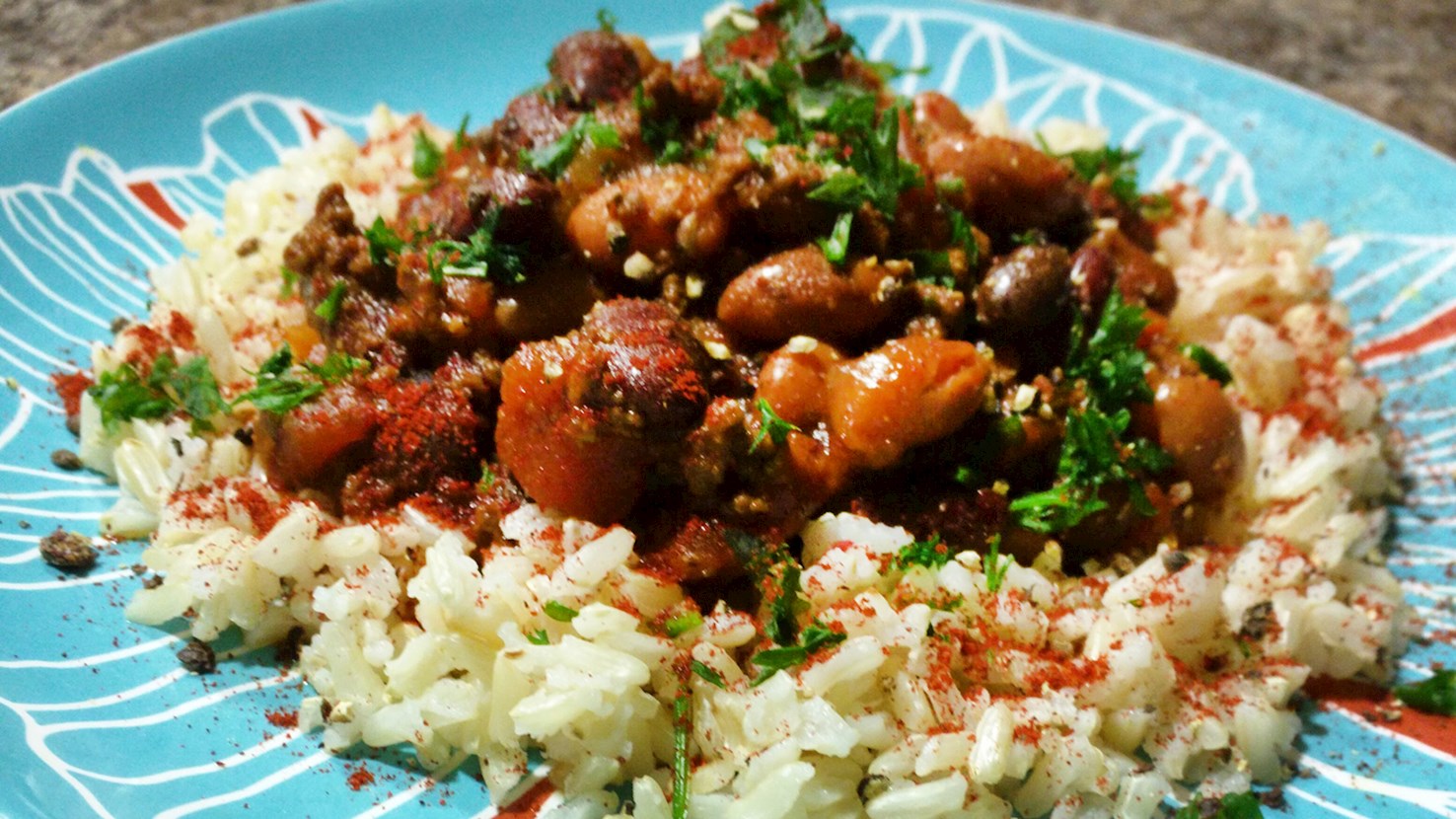
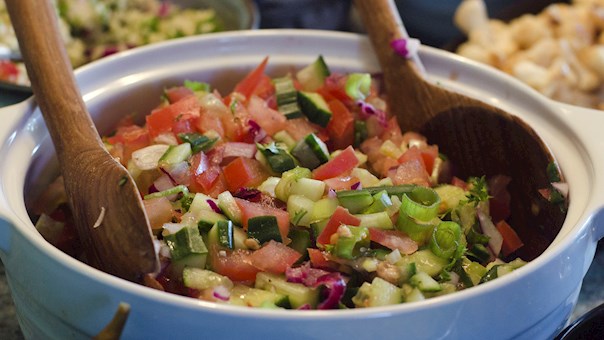
Orez shu’it is a rice-and-beans dish made with white rice, small white beans, tomato, and mild spices, widely eaten in Israeli homes and strongly associated with Jerusalem’s Mizrahi communities. Its roots lie in Jewish communities from Iraq, Egypt, and parts of the Levant, where rice dishes were central to everyday cooking and legumes provided an accessible source of protein. As these communities settled in Israel during the mid-twentieth century, their domestic cooking traditions were carried with them, and orez shu’it became one of the dishes that merged into the larger landscape of Israeli home cuisine. Preparation begins by soaking white beans, commonly navy beans or small local varieties, until they soften enough to cook evenly. They are then simmered with tomato paste or fresh tomato, onions, salt, and spices such as turmeric, cumin, or paprika, depending on regional style. The rice is added once the beans are partially cooked, and water is measured so that both rice and beans finish together, producing a cohesive pot where the grains remain separate but lightly coated in the tomato base. In some households the rice is cooked separately and mixed with the beans at the end, while others cook everything in a single pot. The texture ranges from light and fluffy to slightly saucier depending on the amount of tomato and liquid. Some versions include garlic, peppers, or small amounts of oil, but the core identity is the combination of rice, beans, and mild seasoning. Orez shu’it is eaten primarily in Israeli homes rather than in commercial settings and is common in households with roots in Iraq, Egypt, Yemen, and other Middle Eastern regions. It is served as a main or side dish, often accompanied by salads such as chopped vegetable salad, cabbage salad, or pickled vegetables. It pairs well with yogurt drinks, lemonade, and sparkling water, and it is frequently eaten alongside grilled meats, schnitzel, or vegetable stews, forming part of an everyday Israeli table.
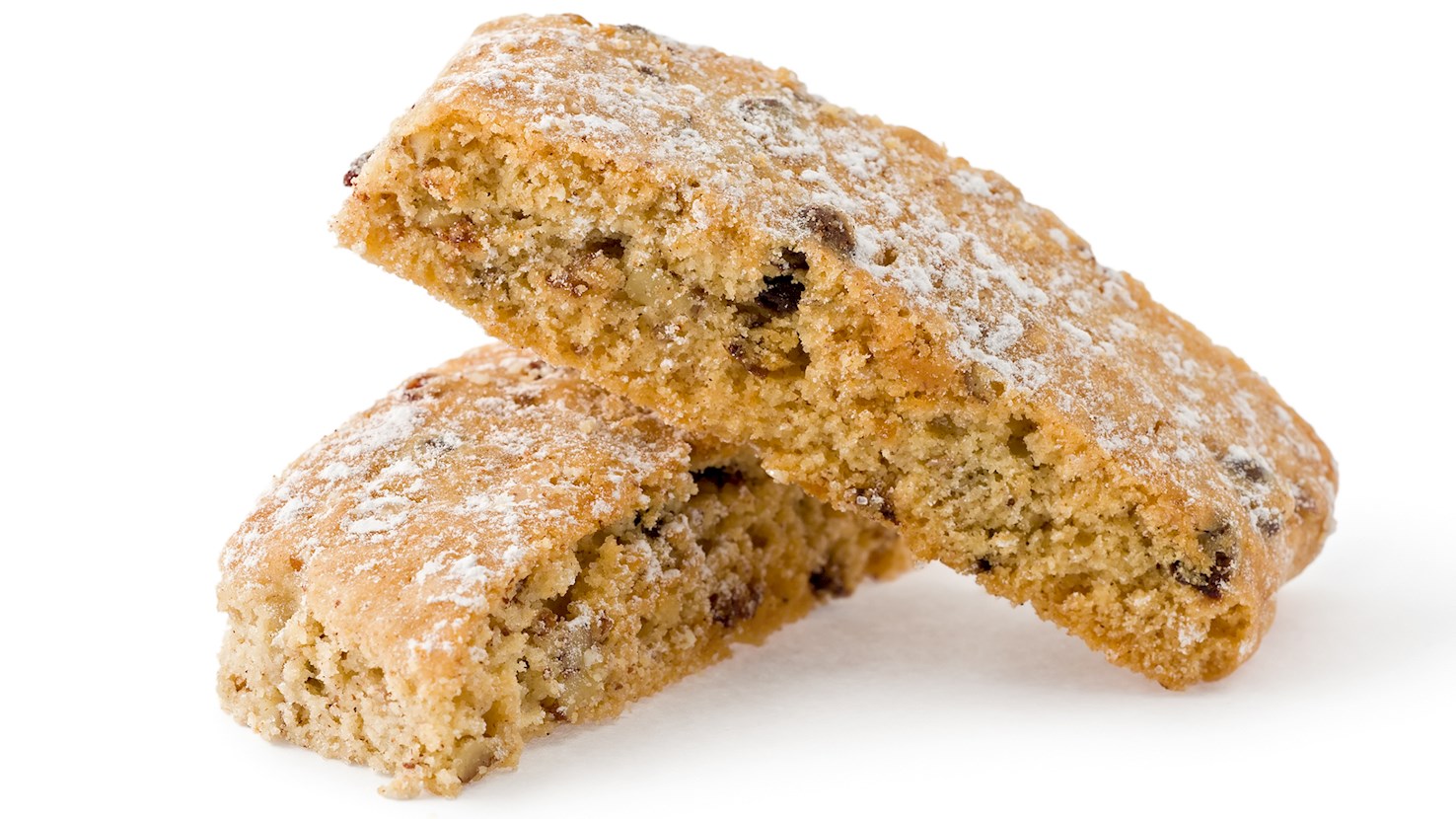
Mandelbrot is a twice-baked almond cookie originating from Ashkenazi Jewish cuisine, known for its crisp texture and nutty flavor. The name comes from the Yiddish and German words for “almond bread,” reflecting its main ingredient and loaf-like form before slicing. It is similar in technique to biscotti but generally richer and slightly softer due to a higher fat content. Mandelbrot is made from flour, eggs, sugar, oil or butter, and nuts, often flavored with vanilla, cinnamon, or dried fruit. The cookies are cut from a baked loaf and returned to the oven to dry, resulting in slices that are crunchy on the outside and tender within. The recipe developed among Jewish communities in Eastern Europe, where home bakers adapted European almond biscuits to suit available ingredients and kosher dietary rules. Oil was often used instead of butter to make the cookies pareve, allowing them to be eaten with either dairy or meat meals under Jewish dietary law. Over time, the recipe spread through Jewish diaspora communities, especially to the United States, where variations incorporating chocolate chips, raisins, or spices became common. In Europe, versions with walnuts, hazelnuts, or almonds were typical, reflecting regional availability. The baking method made mandelbrot ideal for long storage, a useful feature in cold climates and for travel. Preparation begins by whisking eggs and sugar until light, then adding oil or melted butter, followed by flour, baking powder, and flavorings. Chopped nuts or chocolate are folded into the dough, which is shaped into logs on a baking sheet. The loaves are baked until firm but not browned, then removed, cooled slightly, and sliced into thick pieces. The slices are arranged cut-side down and baked again at a lower temperature until crisp and golden. This process allows the cookies to dry out while maintaining a slightly chewy center. Some bakers dust the finished slices with cinnamon sugar or drizzle them lightly with melted chocolate. Mandelbrot is often served at room temperature with coffee, tea, or dessert wine. It can appear at Sabbath meals, holidays, or family gatherings, often stored in tins for extended use. Its flavor deepens over time, and the cookies retain their texture well, making them popular for home baking and gifting. In Israel and North America, mandelbrot remains a staple in Jewish bakeries and cafés, frequently appearing alongside other baked goods such as rugelach or babka. It is commonly eaten with morning or afternoon beverages, pairing well with coffee, black tea, or sweet wines like Tokaji or Moscato.
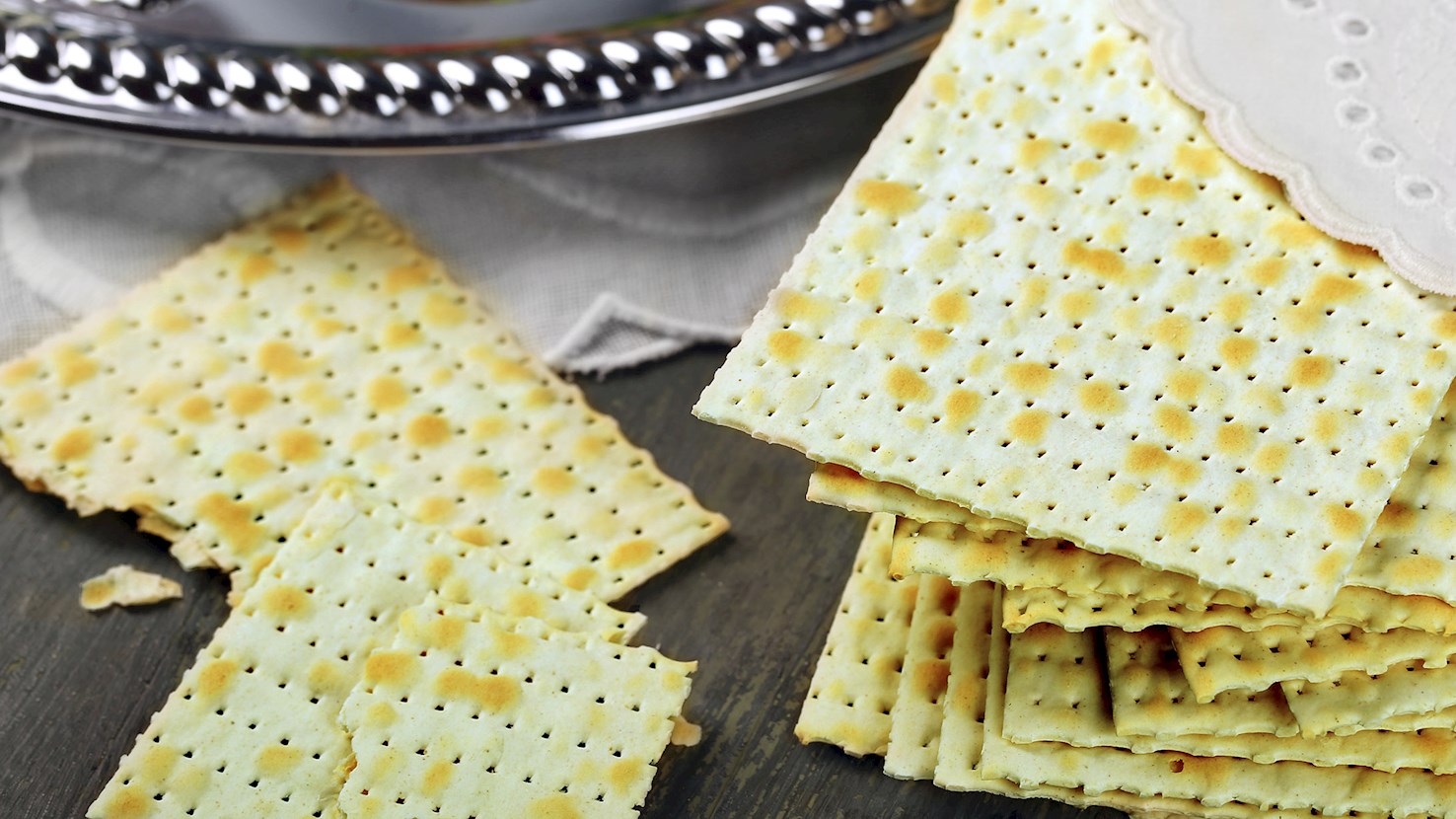
Matzah is an unleavened flatbread central to Jewish cuisine, especially consumed during Passover, a festival commemorating the Exodus from Egypt. It is made simply from flour and water and baked quickly before any fermentation occurs. The result is a crisp, pale sheet of bread with a dry texture and neutral flavor. Matzah is recognized worldwide as one of the most symbolic foods of Jewish dietary practice, reflecting both religious observance and culinary restraint. It is produced in many Jewish communities, with Israel serving as one of the largest modern centers of matzah production. The preparation of matzah follows precise timing and method rooted in religious instruction. The dough must be mixed, rolled, and baked within eighteen minutes to prevent fermentation, ensuring the bread remains unleavened. In ancient times, matzah was baked on hot stones or clay ovens, while modern matzah is produced in temperature-controlled bakeries equipped with specialized ovens that maintain consistency and speed. There are two general types: regular crisp matzah, made in large batches, and hand-made matzah, often circular and baked in small quantities, typically used for ceremonial purposes such as the Passover Seder. To make matzah, wheat flour and water are mixed into a stiff dough without any yeast, salt, or fat. The dough is rolled thin, perforated to prevent bubbling, and baked in a very hot oven for a few minutes until dry and lightly browned. The baking process removes nearly all moisture, allowing matzah to store well without spoiling. The texture is firm and brittle, producing a distinct crunch when broken. Some varieties, such as egg matzah, include oil or eggs for a softer texture, though these are not used in strict Passover observance. Matzah is eaten during Passover as a substitute for leavened bread, fulfilling the religious commandment to avoid chametz, or fermented grains. It is served at the Seder meal, where specific pieces are used for ritual blessings, and throughout the festival as the base for various dishes. In everyday cooking, matzah can be softened in water or milk to make matzah brei, layered in casseroles, or ground into matzah meal for dumplings, pancakes, and baked goods. The bread’s flavor is plain and slightly nutty, which allows it to pair easily with both sweet and savory foods. It is often eaten with butter, jam, honey, or chopped liver and served alongside soups, stews, or roasted meats. During Passover, it is frequently paired with wine, particularly red wine used in the Seder ceremony, and beverages such as tea or coffee when eaten casually. In Israel and Jewish communities worldwide, matzah remains both a staple of ritual observance and a versatile ingredient adapted into modern recipes that maintain its simplicity and symbolic value.
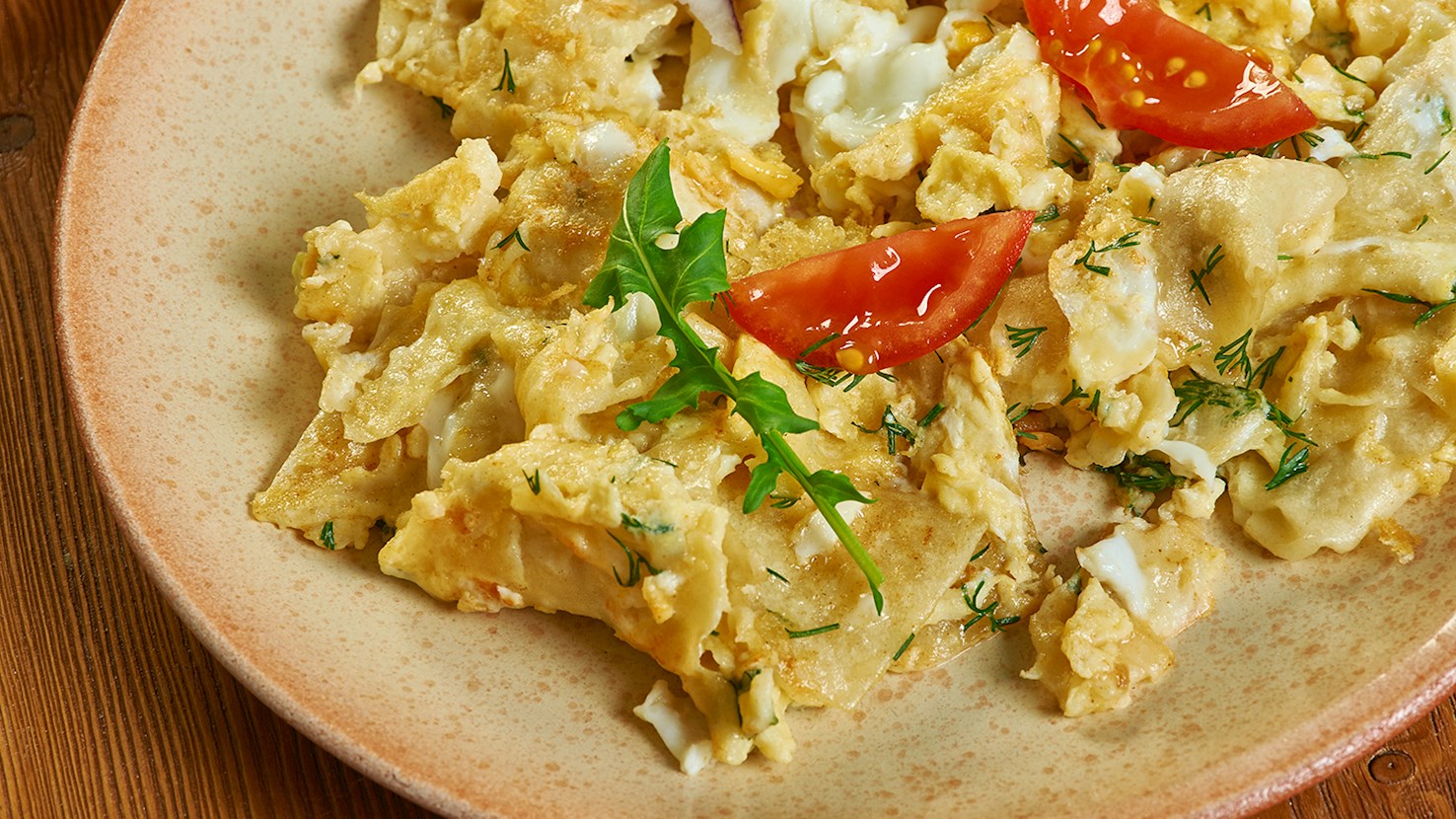
Matzah brei is a dish made from broken matzah softened in water and cooked with beaten eggs, eaten primarily during Passover in Jewish households. It comes from Ashkenazi Jewish communities in Central and Eastern Europe, where home cooks adapted matzah, the only permitted bread during the holiday, into various preparations that could substitute for everyday dishes normally made with leavened bread. As families sought versatile ways to use matzah during the week-long observance, combining it with eggs became a practical approach that produced a filling meal suited to breakfast or light dinner. Preparation involves breaking sheets of matzah into pieces, briefly soaking them in water until pliable, draining them, and mixing them with beaten eggs; the mixture is then cooked in a pan with oil or butter until set. The final texture ranges from soft and custardy to crisp and browned depending on how long it cooks and how much fat is used. Versions differ by region and preference, with some cooks adding salt and frying it plainly, while others prepare sweet variations using sugar, cinnamon or fruit. It can be served either like a pancake, flipped as a single mass, or scrambled into smaller pieces, with both forms considered equally authentic. Matzah brei is eaten in Jewish homes during Passover across many countries, served hot and often paired with yogurt, fruit, jam, sour cream, maple syrup, tea or coffee, depending on whether it is made in a savory or sweet style.
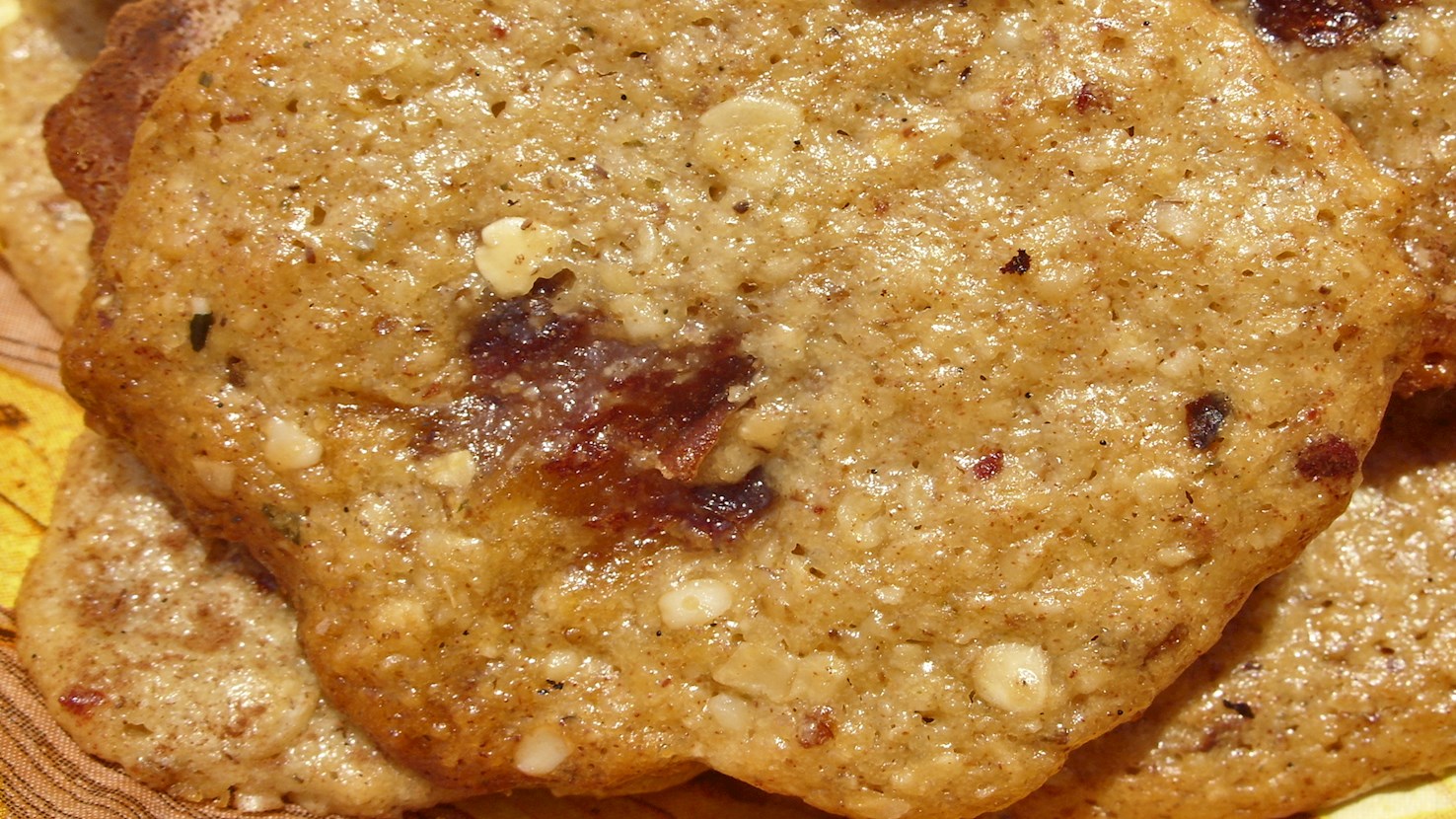
Tahini cookies are baked sweets made with tahini, the sesame seed paste that is widely used across the cuisines of the Eastern Mediterranean and parts of the Middle East, where sesame cultivation and milling have been present for centuries. They emerged from regions where tahini was already a common pantry ingredient, especially in areas of present-day Lebanon, Israel, Palestine, Turkey, and parts of Greece, gaining presence in home kitchens and bakeries as sesame-based confectionery evolved. Their development followed the spread of sesame grinding techniques and the growing use of tahini in both savory and sweet preparations, which eventually led bakers to incorporate it into flour-based doughs that could be shaped and baked easily. The cookies are usually made by mixing tahini with sugar, flour, and a fat source such as butter or oil, creating a dense dough that needs no complicated handling and often relies on the natural richness of sesame for flavor. They are baked until lightly set, resulting in a crumbly texture that comes from the high fat content of the sesame paste rather than from large amounts of added butter, and this reliance on tahini for both structure and flavor is a distinguishing feature. Some versions may include vanilla, citrus zest, or a small amount of leavening, but many rely on the purity of sesame without elaborate additives. They are eaten throughout the year in households, cafés, and bakeries, often as an accompaniment to coffee or tea, and they pair well with beverages that balance their richness, including unsweetened black tea, Arabic coffee, espresso, or mildly acidic herbal infusions.
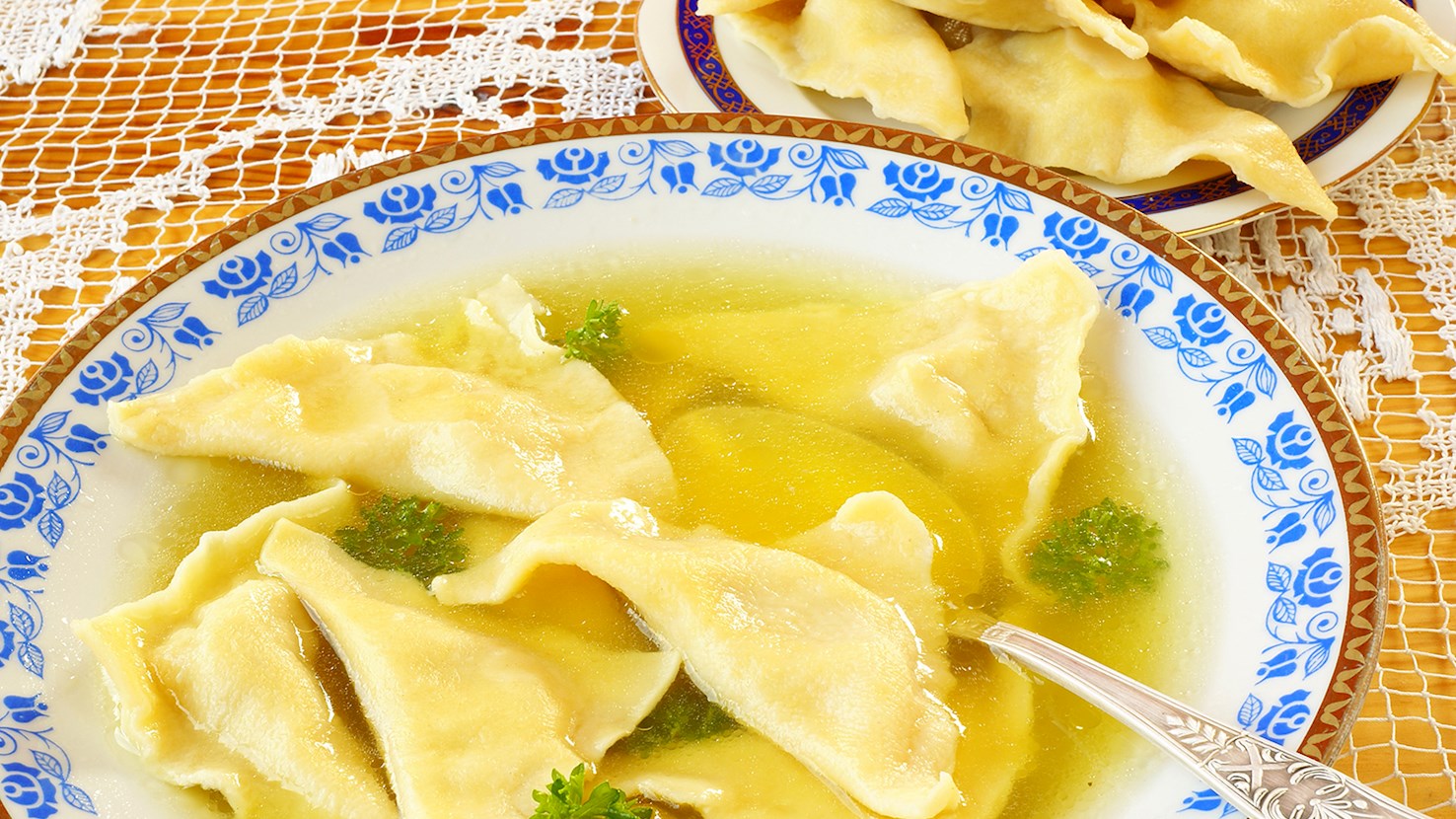
Kreplach are traditional Jewish dumplings that originated in Eastern Europe as krepish, fried pastries stuffed with meat. Over the years, the dish changed, and became known as krepl (plural: kreplach) in the Yiddish community. The dumplings are filled with various ingredients such as chicken, ground beef and herbs, leftover roasted meat, or cheese. The dough for the dumplings is usually made with flour and eggs. The meat-filled kreplach are traditionally served with soup broth in a bowl, but they can also be fried and served on their own. The cheese variety is especially popular during Purim, a Jewish holiday, and it's topped with sour cream before serving.
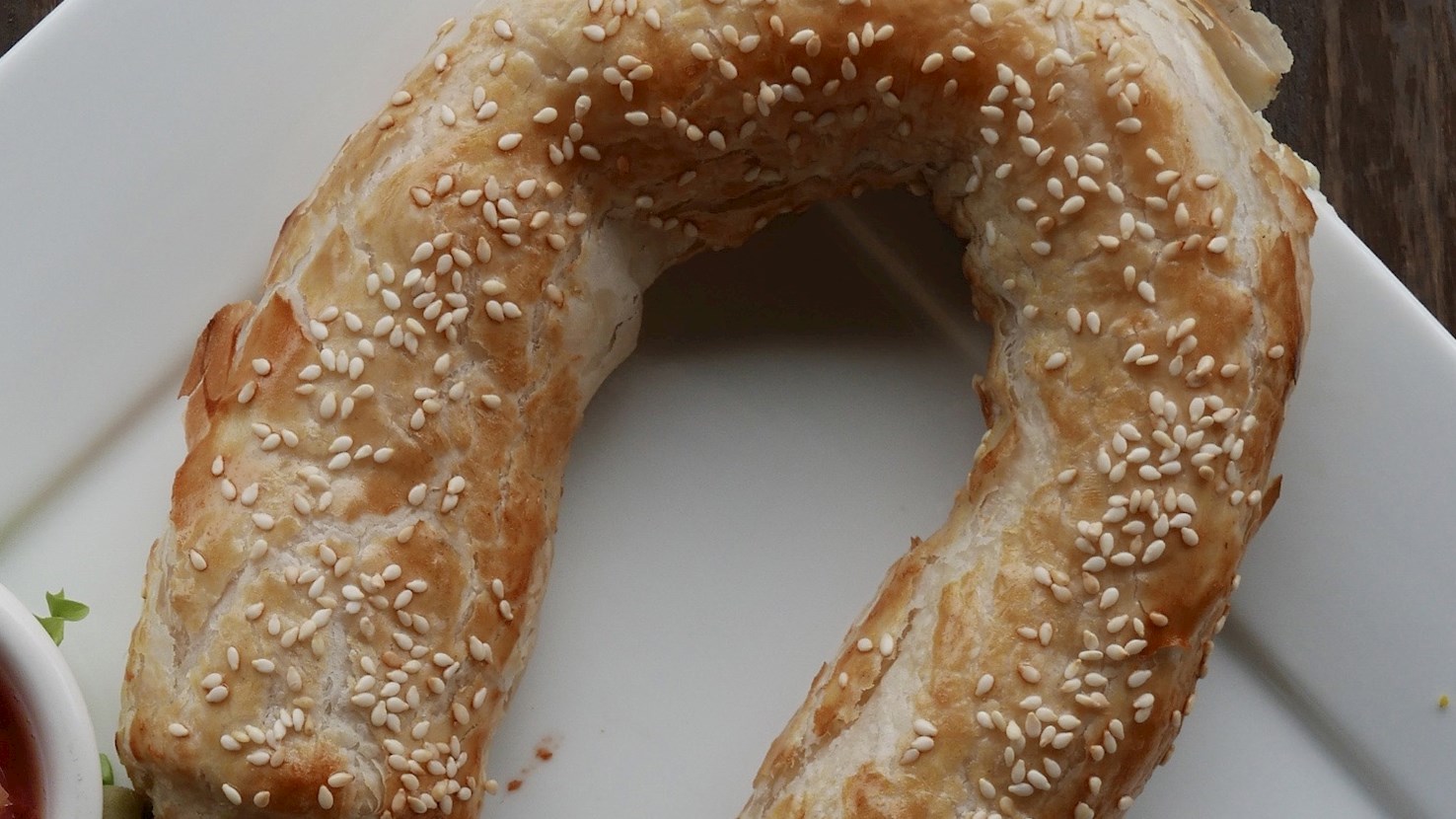
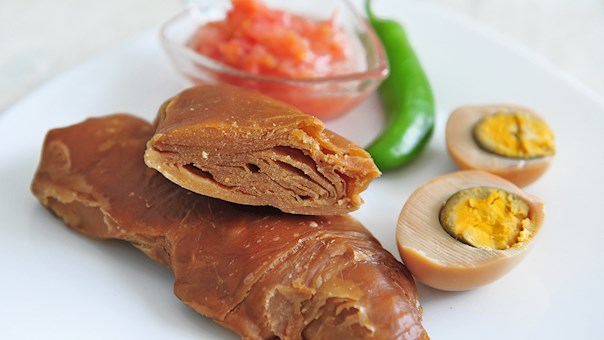
Ziva is a Yemenite-Israeli pastry made from laminated dough filled with cheese and often accompanied by hard-boiled eggs, grated tomato, and zhug. It is believed that ziva was invented in 1989 by Neri Avneri at Nargilla restaurant. It is sold in Israel in cafés, home kitchens, and small eateries specializing in Yemenite-influenced foods. The dish developed within the broader context of Yemenite Jewish cooking after communities settled in Israel, where cooks adapted malawach-style laminated doughs to create a baked, sealed pastry that could hold fillings without collapsing. As access to Israeli dairy products increased, a cheese-based version became established, shaping the dish into its current form. Preparation begins with a dough made from flour, water, salt, and oil or margarine. After resting, the dough is stretched thin and coated with fat to create layers similar to those in malawach or jachnun. Instead of rolling, the sheet is folded around a cheese mixture, commonly soft white cheeses such as gvina levana or feta-style cheeses, and shaped into a square. The pastry is transferred to a baking sheet and baked at high heat until the layers puff and the surface turns crisp and browned. The texture depends on how thinly the dough is stretched and how evenly the fat is distributed, producing a flaky exterior with a soft interior. Some versions incorporate nigella or sesame seeds on top before baking, adding aroma and slight crunch, and the filling can vary by household or region, with additions such as olives or herbs. Ziva is eaten throughout Israel, particularly on weekends or as a lunch dish in places that serve Yemenite breads and pastries. It is commonly served with salads, hard-boiled eggs, tomato relish, and spicy sauces. Beverages that accompany it include mint tea, fresh lemonade, cold yogurt drinks, and light beers, all of which complement the pastry’s buttery texture and salty cheese filling.
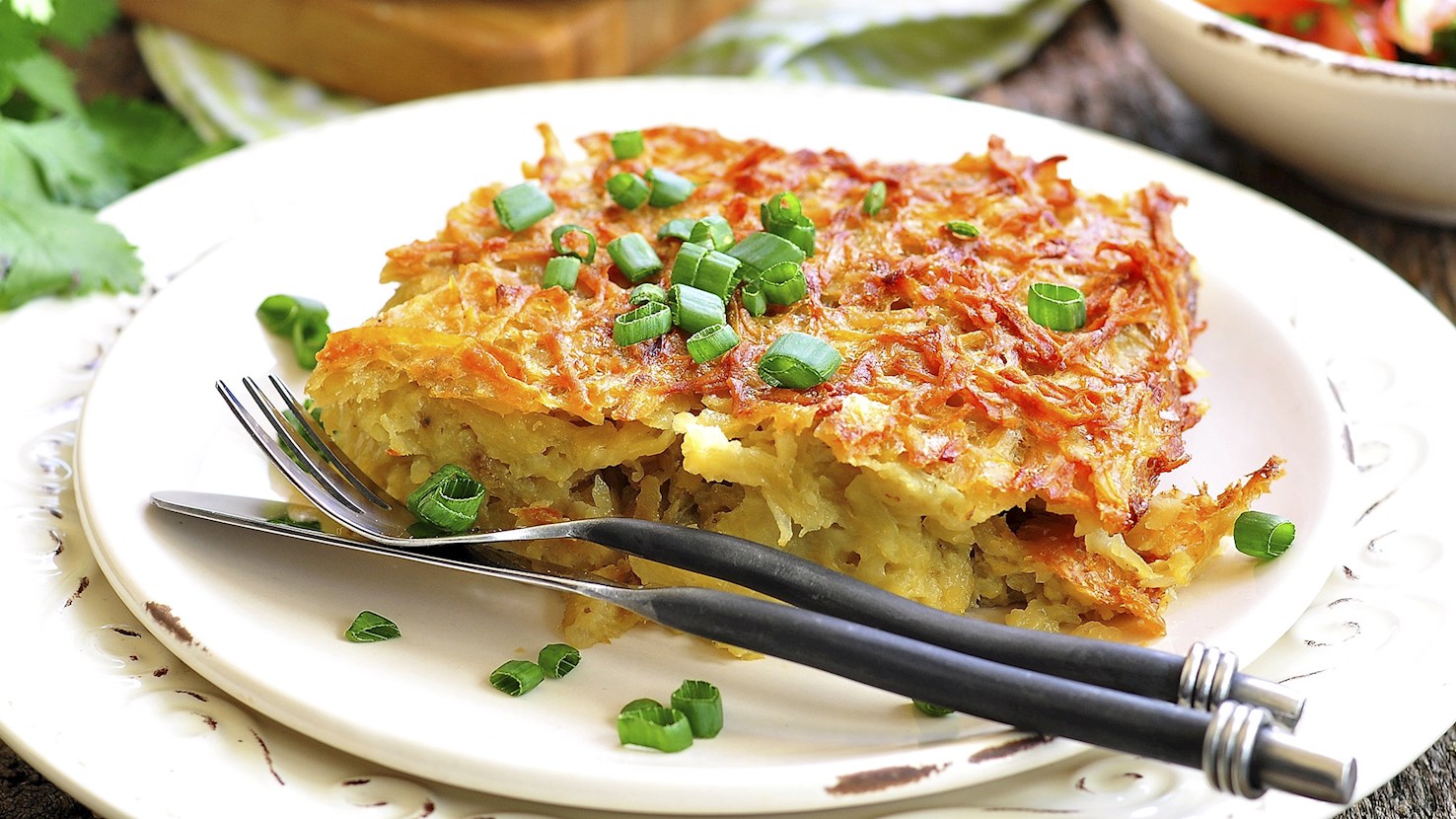
Kugel is a baked dish from Ashkenazi Jewish cuisine, typically made from noodles or potatoes mixed with eggs, fat, and other ingredients to form a casserole-like consistency. It is both a savory and sweet preparation, depending on regional and family preferences, and is often served during Sabbath and holiday meals. The name comes from the German word for “ball” or “sphere,” referring to the shape of early versions, which were cooked in round pots. Over time, kugel evolved into a baked dish with a firm texture, cut into slices or squares and served warm or at room temperature. The dish originated among Jewish communities in Central and Eastern Europe during the Middle Ages, developing from a simple bread-based pudding baked alongside cholent, the slow-cooked Sabbath stew. As noodles became more available in Central Europe, cooks began substituting bread with lokshen (egg noodles), creating a version that became particularly popular in Germany and Poland. Later, in Eastern Europe, potato kugel emerged as a hearty alternative, often made with grated potatoes, onions, eggs, and rendered fat. When Jewish immigrants brought kugel to North America, it adapted again, incorporating dairy products such as cottage cheese, sour cream, and butter in sweet versions that became staples of Jewish delis and communal gatherings. Preparation begins by boiling noodles or grating potatoes, depending on the type of kugel being made. For noodle kugel, the cooked noodles are mixed with beaten eggs, sugar, and dairy ingredients like sour cream or cottage cheese for a rich, custard-like consistency. Sweet versions may include raisins, cinnamon, and a topping of crushed cornflakes or streusel for added texture. For savory potato kugel, raw potatoes and onions are finely grated and combined with eggs, salt, pepper, and oil or schmaltz before being baked until the top becomes crisp and golden brown. Some regional variations include matzah meal, carrots, or zucchini, depending on local produce and family preferences. Kugel is baked in a deep dish until set and golden, with a firm texture that allows it to be sliced. Sweet noodle kugel has a creamy interior with a mild sweetness and is often served as a side dish or dessert, while savory potato kugel is denser and more robust, served alongside meat or fish dishes. In Israel, modern versions sometimes incorporate vegetables, spinach, or caramelized onions, reflecting broader Mediterranean influences. It is typically eaten during Sabbath lunches, Jewish holidays such as Yom Kippur break-fast and Passover (with matzah-based versions), or at family gatherings and community events. Kugel pairs well with roasted meats, brisket, or fish in savory meals, while sweet kugel complements tea, coffee, or dessert wines such as Moscato or Tokaji. Its versatility and comforting texture have made it a constant presence in Jewish kitchens, bridging the gap between simple home cooking and festive cuisine across centuries and continents.
TasteAtlas food rankings are based on the ratings of the TasteAtlas audience, with a series of mechanisms that recognize real users and that ignore bot,
nationalist or local patriotic ratings, and give additional value to the ratings of users that the system recognizes as knowledgeable.
For the “22 Worst Rated Israeli Foods” list until October 17, 2026, 11,048 ratings were recorded, of which 5,468 were recognized by the system as legitimate.
TasteAtlas Rankings should not be seen as the final global conclusion about food. Their purpose is to promote excellent local foods,
instill pride in traditional dishes, and arouse curiosity about dishes you haven’t tried.





What People Say