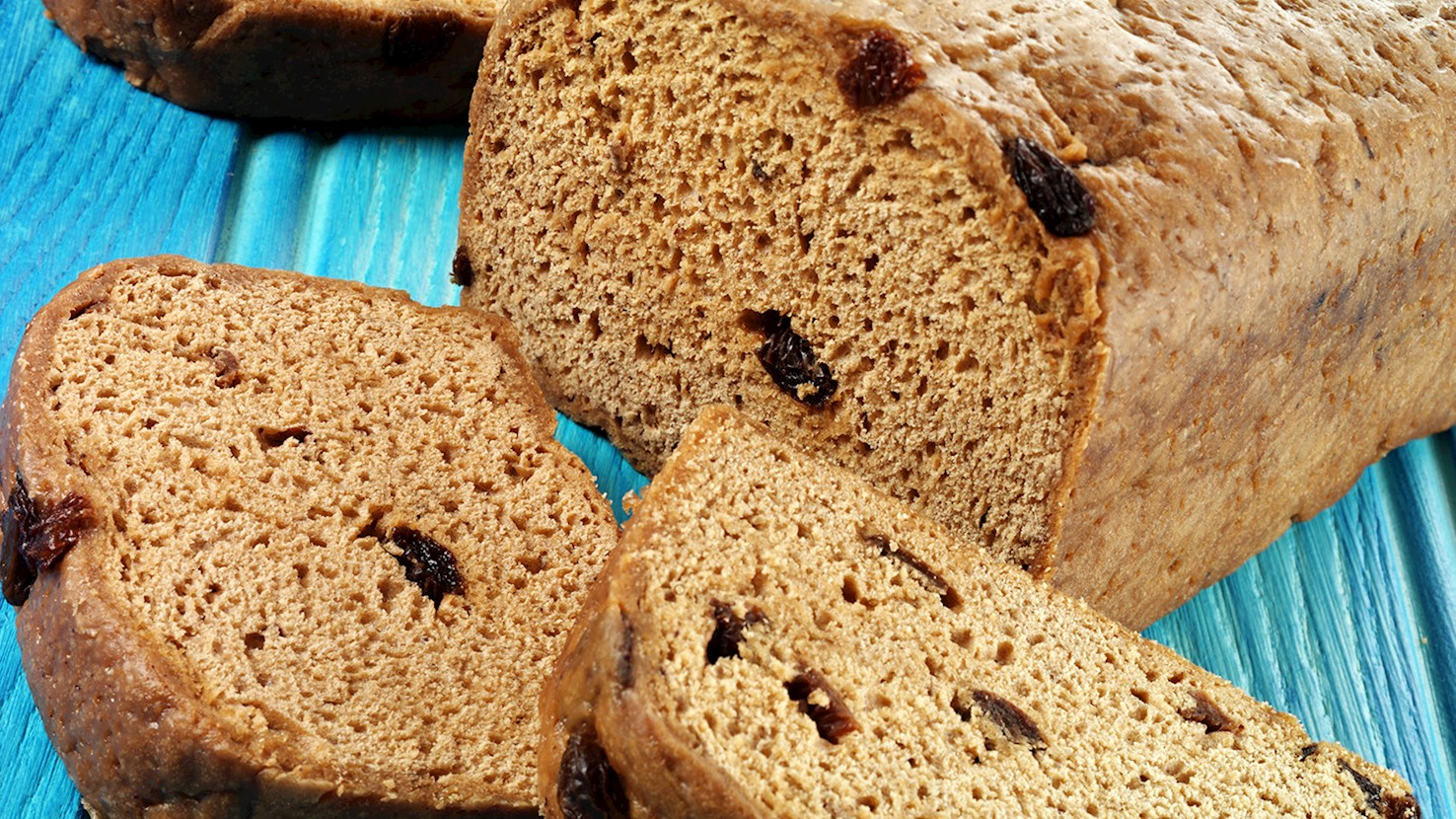
Jamaican spiced bun is a dense, sweetened loaf characterized by its dark color, firm crumb, and seasoning with spices and dried fruit, and it is eaten as a bread rather than as a cake or pastry. Its development is linked to British colonial baking practices that introduced enriched breads and fruit loaves to the island, which were then adapted using local ingredients such as molasses, browning, and Caribbean spices, leading to a distinct Jamaican form that became widely produced in homes and commercial bakeries. Preparation involves mixing flour with yeast, sugar, salt, spices such as cinnamon and nutmeg, dried fruits like raisins or currants, and liquids that may include water, milk, or stout, with molasses or caramelized sugar providing both sweetness and color, after which the dough is proofed, shaped, and baked until firm and sliceable. The loaf is not iced or filled, and its structure is intentionally compact so it can be cut cleanly and held without crumbling. Jamaican spiced bun is usually served at room temperature and sliced thickly. It is most commonly eaten plain or paired with cheese, especially cheddar-style cheese, and consumed at home, in bakeries, and during seasonal periods when demand increases. Beverage pairings are simple and familiar, most often tea, coffee, milk, or stout, chosen to complement the sweetness and spice without overwhelming the bread itself.
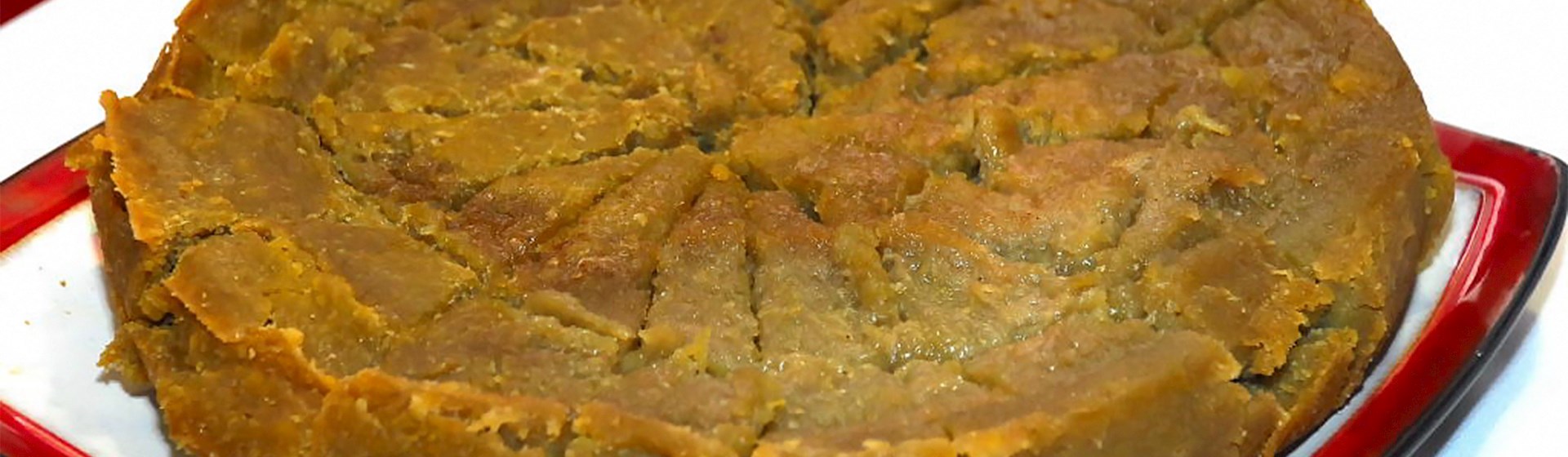
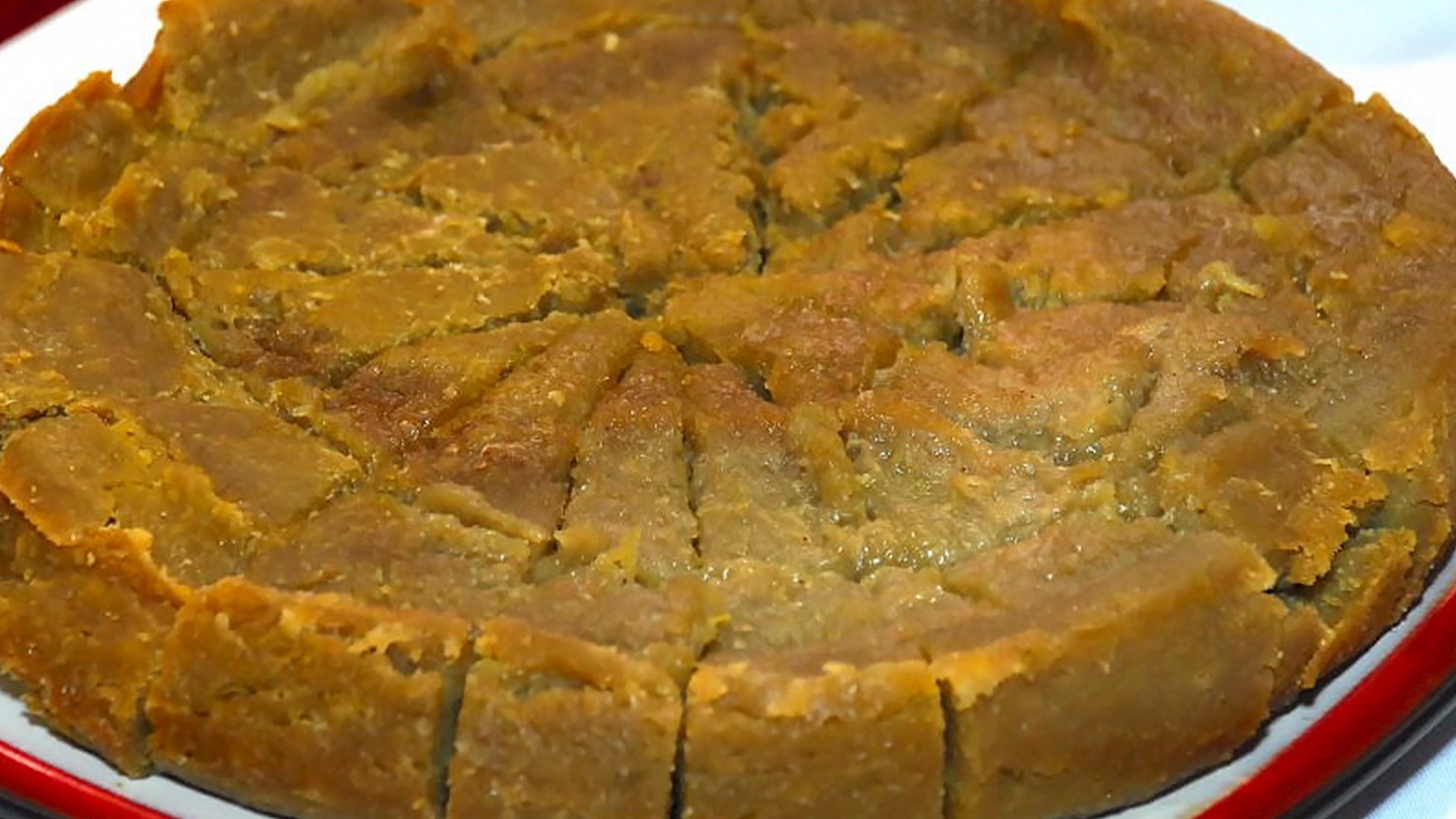
Sweet potato pudding is a Jamaican baked dessert made from grated sweet potato mixed with coconut milk, sugar, spices, and flavorings, then baked until it becomes a firm, sliceable pudding with a dense, moist consistency. It is widely eaten across Jamaica at home, at bakeries, and at weekend food stalls, especially on Saturdays. The dish uses local sweet potatoes, which are typically yellow or orange and have a firmer texture than many North American varieties, giving the pudding its characteristic structure. Its development can be traced to West African culinary practices brought to Jamaica, where grated root vegetables were often combined with coconut-based liquids and baked or steamed. Sweet potatoes became a major crop in Jamaica during the colonial period, and by the eighteenth and nineteenth centuries they were commonly used in both savory and sweet preparations. As coconut milk became a standard ingredient in rural Jamaican cooking, the combination of grated sweet potato, coconut milk, sugar, and spices such as nutmeg and allspice evolved into a baked pudding known throughout the island. Notes from nineteenth-century Jamaican household manuscripts, along with references in early twentieth-century local cookbooks, show the dish already well-established. Over time, cooks refined the mixture and baking method and developed the “soft top,” a slightly creamy layer formed by adding extra coconut milk near the end of baking. Preparation begins by peeling and grating sweet potatoes finely so they create a natural batter when mixed with coconut milk. Sugar, vanilla, nutmeg, allspice, sometimes cinnamon, and a bit of salt are added, along with grated coconut or raisins depending on household preference. Melted butter is sometimes incorporated. The mixture is poured into a greased baking pan and baked slowly for a long period, often an hour and a half or more. Near the end of baking, additional sweetened coconut milk may be poured on top to form the soft top layer, which is a distinctive feature of many Jamaican versions. When finished, the pudding is firm throughout but moist, with a slightly caramelized top and edges. Sweet potato pudding is eaten throughout Jamaica as a snack, dessert, or weekend treat. It is often sold in squares or slices at markets, cookshops, and roadside vendors. It pairs well with beverages such as ginger beer, sorrel drink, cocoa tea, coffee, or a cold glass of milk. Some people enjoy it alongside savory dishes, but it is most commonly served on its own due to its rich, filling nature.
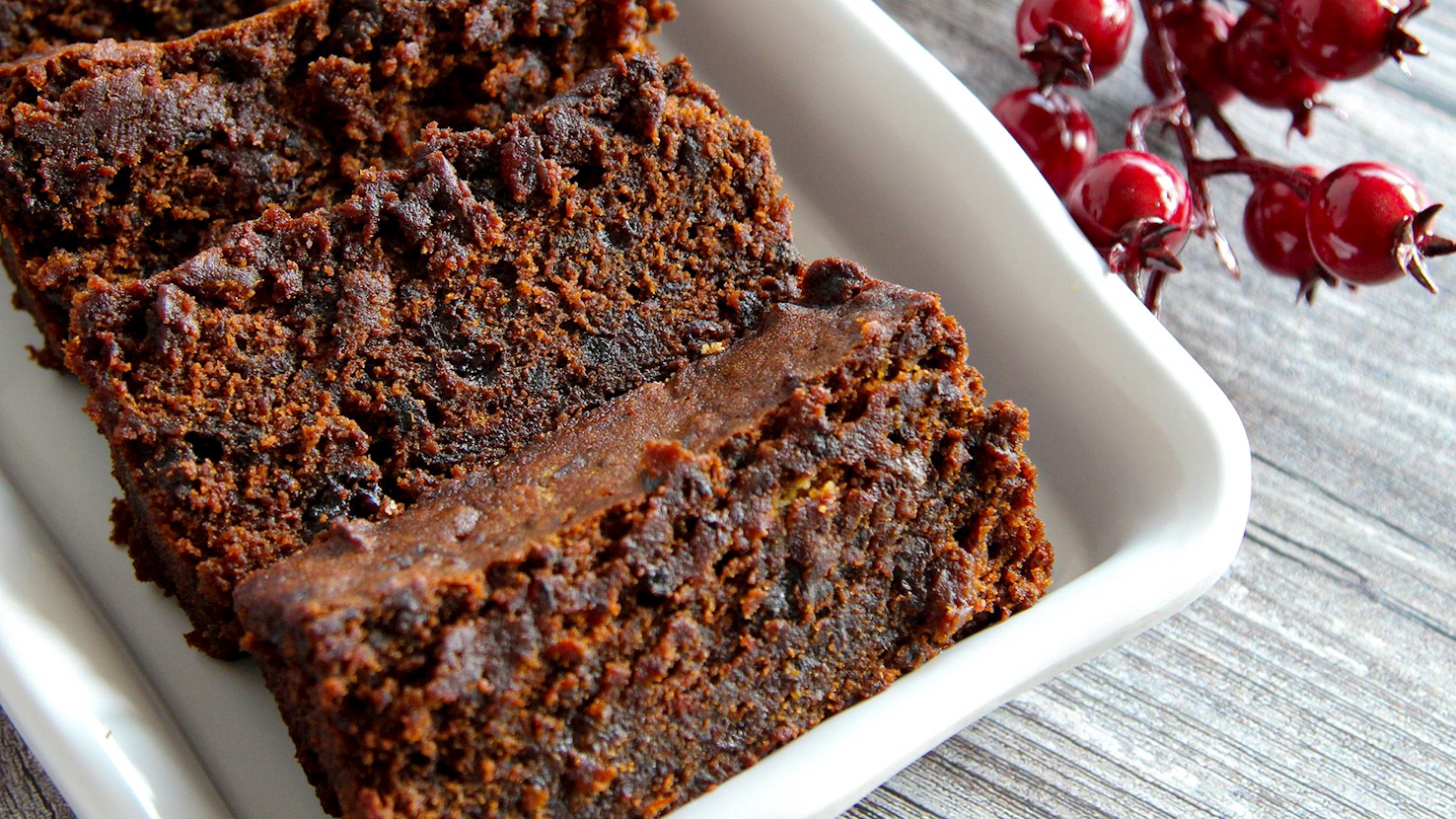
Black fruit cake is a dense, dark Caribbean cake made with rum-soaked dried fruits, browning, warm spices, and a slow-baked batter that produces a moist, heavily flavored dessert. It is prepared throughout the English-speaking Caribbean, especially in Jamaica, Belize, Trinidad, and Guyana, where it is commonly eaten during Christmas and at weddings. The cake is defined by its deep color, which comes from browning (a cooked sugar syrup) combined with puréed fruit that has been soaked for extended periods in rum, wine, or both. While each island has its own style, the core preparation, an alcohol-infused fruit base baked into a soft, dark cake, remains consistent. Its development is connected to British fruitcake brought to the Caribbean, which Caribbean cooks adapted by incorporating locally available rum, adding regional spices, and using browning to achieve a uniform dark color not present in European versions. Over time, the technique of soaking fruits for months and blending them to a smooth consistency became a defining feature. Preparation begins with raisins, currants, prunes, and cherries combined in a jar and covered with rum and red wine. These fruits are left to soak for weeks or months, and in many households the fruit mixture is replenished and reused from year to year. Before baking, the fruits are blended to a thick puree, though some cooks leave a portion chopped for texture. The cake batter is made from creamed butter and sugar, eggs, flour, baking powder, spices such as nutmeg and allspice, and browning added for color. The pureed fruits are mixed into the batter along with extra rum or wine from the soaking liquid. The batter is thick and poured into lined pans, then baked slowly at low heat to prevent scorching and to allow moisture to remain in the finished cake. After baking, some cooks brush the cake with additional rum, which helps preserve it and deepens its flavor as it rests. Black fruit cake is eaten across the Caribbean during December festivities, at weddings, and at formal gatherings. It is usually sliced thinly due to its density and richness. In Jamaica and Trinidad, it may appear alongside lighter pastries during holiday spreads, while in Barbados and Guyana it often serves as the central Christmas dessert. Beverage pairings include sorrel drink, ginger beer, rum punch, coffee, and occasionally fortified wine. When served at weddings, it may be paired with champagne or sparkling drinks. Outside the Caribbean, black fruit cake is prepared by Caribbean communities maintaining festive customs and is sold in bakeries during the holiday season, where it remains one of the most recognizable Caribbean baked goods.
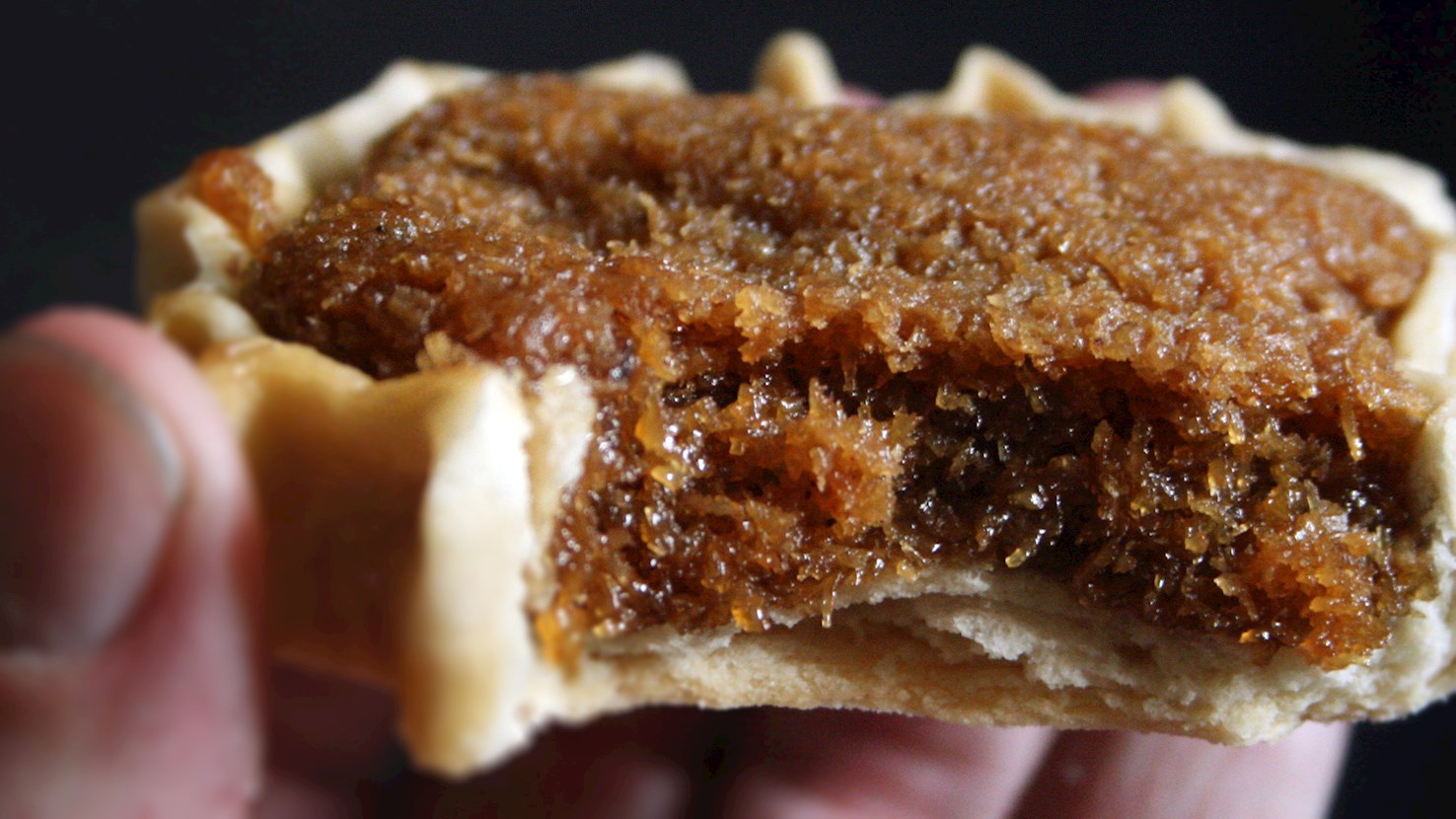
Gizzada is a Jamaican pastry made from a small, hand-formed shortcrust shell filled with a cooked mixture of grated coconut, sugar, spices, and sometimes a small amount of butter to bind the filling. It is recognized across the island and in Jamaican communities abroad as a common bakery item and street-side sweet. The pastry reflects the use of coconut in Jamaican cooking, especially in coastal areas where coconuts have long been harvested for milk, oil, and grated flesh. Bakers adapted grated coconut, already used in many Jamaican sweets, into a pastry filling placed inside pinched dough cups that hold the mixture securely as it bakes. Over time, the form and preparation became consistent among bakeries and home cooks, giving gizzada a distinct identity within Jamaican pastries. Preparation begins with making a firm shortcrust dough from flour, cold butter, water, and a pinch of salt. The dough is rolled out and cut into rounds, then shaped into small tart shells with pinched or crimped edges. The filling is made by cooking grated coconut with brown sugar or granulated sugar, ginger, nutmeg, a little water, and sometimes butter until it thickens but remains moist enough to spoon easily. Once the filling cools slightly, it is placed into the dough cups, and the pastries are baked until the shells become crisp and lightly colored while the filling sets without losing its soft texture. Gizzada is eaten throughout Jamaica and appears in bakeries, school canteens, markets, and food stalls. It is commonly enjoyed as a snack, dessert, or accompaniment to tea. It pairs well with hot beverages such as ginger tea, cocoa tea, and milder black teas, and it can also be served with fruit drinks or simple iced water when eaten as a sweet treat after a meal.
Bulla cake is a dense, round baked cake associated with Jamaica, made primarily from flour, molasses, spices, and leavening, and produced as a compact, shelf-stable food rather than a soft dessert cake. Its emergence is tied to colonial-era sugar production on the island, when molasses was widely available and used as an economical sweetener, and baking practices adapted British-style puddings and breads to local ingredients and climate, resulting in a firm cake designed for durability and portability. Preparation involves combining flour with molasses, brown sugar, baking soda or baking powder, and spices such as ginger, nutmeg, and cinnamon, sometimes enriched with coconut milk or grated coconut, after which the dough is shaped into flat rounds and baked until fully set and darkened, producing a texture that is firm rather than crumbly. The finished cake keeps well without refrigeration due to its low moisture and high sugar content, and its compact form reflects its function as food meant to be carried and eaten over time. It is typically served at room temperature and often split or sliced before eating. Bulla cake is commonly eaten as a snack or light meal component, frequently paired with cheese, butter, or avocado, and it is consumed in homes, bakeries, schools, and roadside shops across Jamaica. Beverages served alongside it are usually simple and warm, such as tea or coffee, or mildly sweet drinks that complement its molasses-based flavor without overwhelming it.
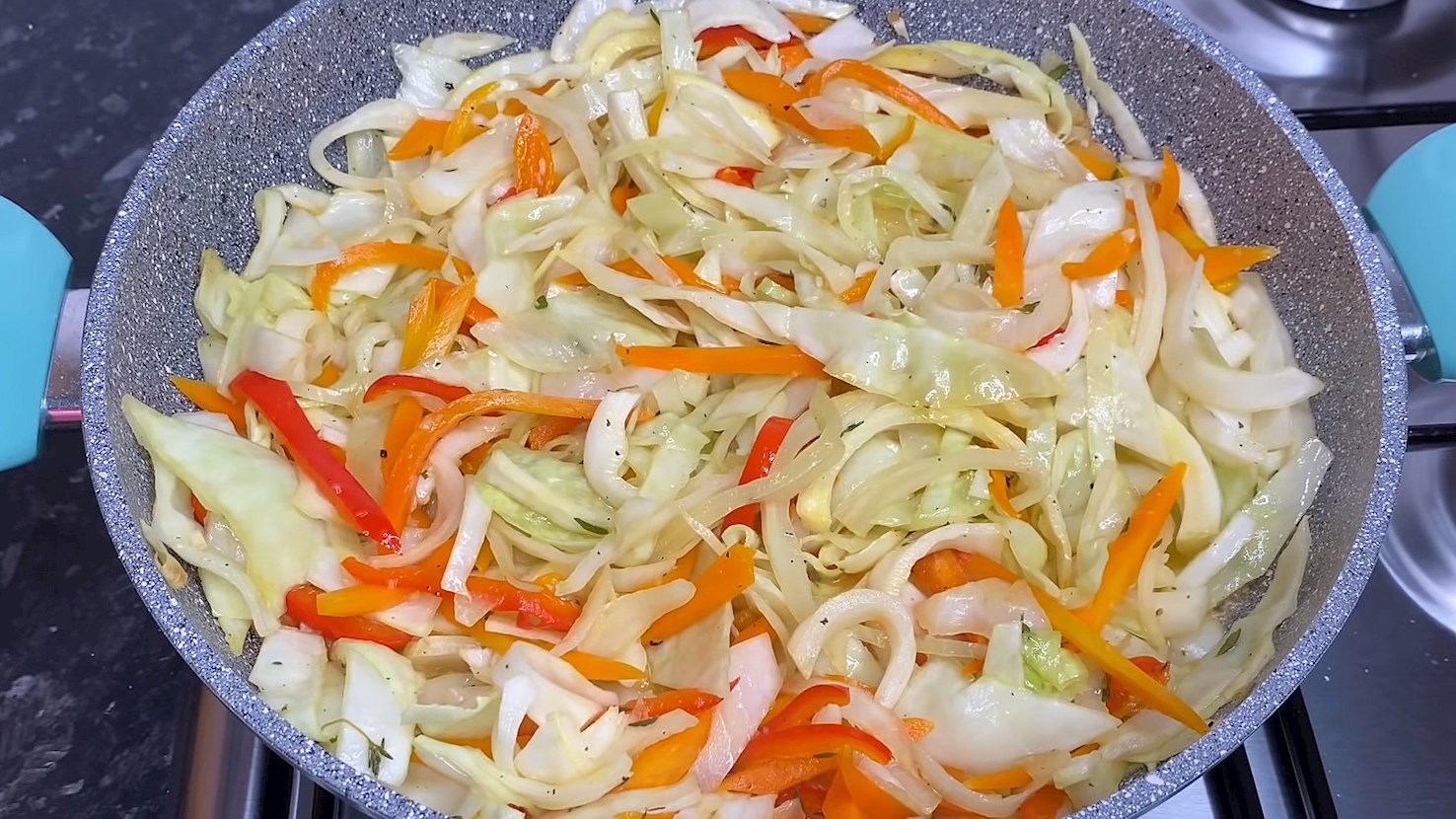
Steamed cabbage in Jamaica is a lightly cooked vegetable side dish prepared with green cabbage, aromatics, and seasonings such as thyme, scallion, black pepper, and a small amount of Scotch bonnet for heat. It is eaten throughout the island and appears in home kitchens, cookshops, and restaurant menus because it cooks quickly, uses widely available produce, and pairs easily with stews, fried foods, and rice-based dishes. The dish developed as cabbage became a consistent crop in Jamaica’s cooler upland areas and a regularly imported vegetable in coastal markets, making it a dependable ingredient in daily meals. As cooks incorporated it into Jamaican seasoning practices, built around thyme, pimento, scallion, onion, and occasional hot pepper, the preparation took on a form that is now recognized across the island as a common accompaniment to heavier main dishes. Preparation begins by slicing green cabbage into thin or medium-width strips and sautéing it briefly with onion, carrots, thyme, scallions, and either butter or a small amount of oil. The pot is then covered so the cabbage can steam in its own moisture, resulting in a texture that is soft around the edges but still slightly crisp at the core. Salt, pepper, and Scotch bonnet are added in controlled amounts to adjust flavor without overwhelming the vegetable. Some cooks include sweet peppers or tomatoes to add color and moisture, while others keep the mixture simple, relying on cabbage and the base aromatics alone. Steamed cabbage is eaten across Jamaica alongside dishes such as oxtail, curry goat, jerk chicken, fried chicken, and various stews. It also appears with breakfast plates that include saltfish, fried dumplings, and boiled ground provisions. Common beverage pairings include ginger beer, sorrel drink, fruit juices, or iced water, with the choice depending on the richness or spiciness of the accompanying main dish.
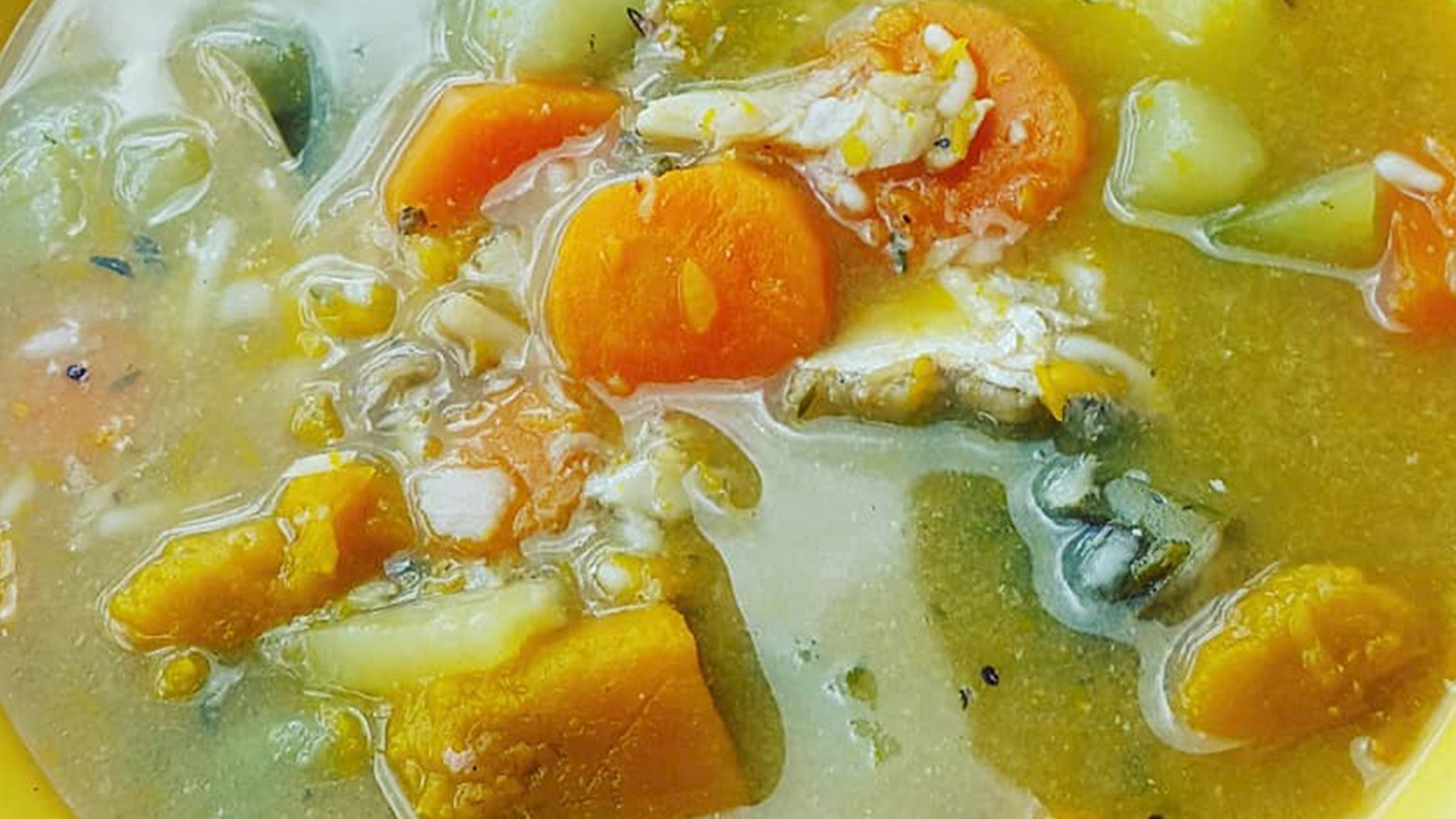
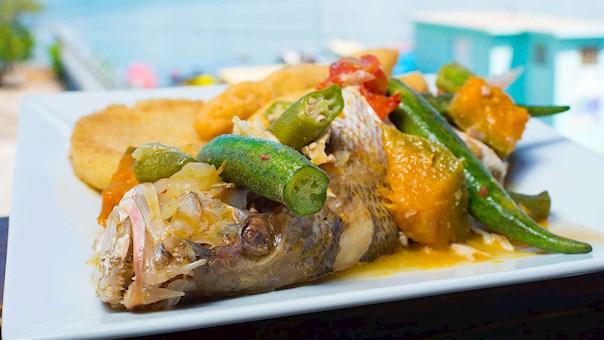
Fish tea is a light, broth-like Jamaican soup made by simmering small fish with vegetables, herbs, and seasonings until the ingredients break down into a thin, flavorful liquid. Despite the name, it is not a tea but a clear fish soup with a thin consistency compared to heavier Caribbean fish soups or stews. It is prepared throughout Jamaica and is commonly served at roadside stalls, community gatherings, fishing villages, and home kitchens. Many versions use small whole fish such as sprat or parrotfish, which dissolve during cooking and contribute to the body and flavor of the broth.Its development reflects coastal cooking practices in Jamaica where fish was used in soups alongside starchy vegetables and local seasonings. Light fish broths were common in fishing communities because they could be prepared quickly with inexpensive fish and available produce. As rural and urban Jamaicans adapted the dish, they incorporated elements such as thyme, Scotch bonnet pepper, pimento, pumpkin, green bananas, and carrots, combining African, European, and indigenous culinary influences. Preparation begins with cleaning the fish and cutting vegetables such as pumpkin, chocho, carrots, okra, onion, and scallion. These are simmered in water with thyme, pimento, garlic, and sometimes green bananas or yam. The fish is added early enough that it breaks down during cooking, creating flavor without leaving many intact pieces. The broth becomes lightly opaque as the fish dissolves. A Scotch bonnet pepper is added whole or partially cut to provide aroma and heat without overwhelming the soup. Salt is added at the end once the flavors have developed. Some cooks strain the broth lightly to remove bones, while others serve it as-is with soft vegetables and flakes of fish. Fish tea is eaten throughout Jamaica as a light meal, restorative soup, or social dish at gatherings such as beach outings, fishing trips, and cookouts, while some believe that it is a strong aphrodisiac. It is common during rainy weather and at evening events where food is shared in large pots. It pairs well with crackers, fried dumplings, or hard dough bread, which absorb the broth. Beverage pairings include lime water, ginger beer, sorrel drink, or cold beer, though many people drink fish tea on its own given its light consistency.
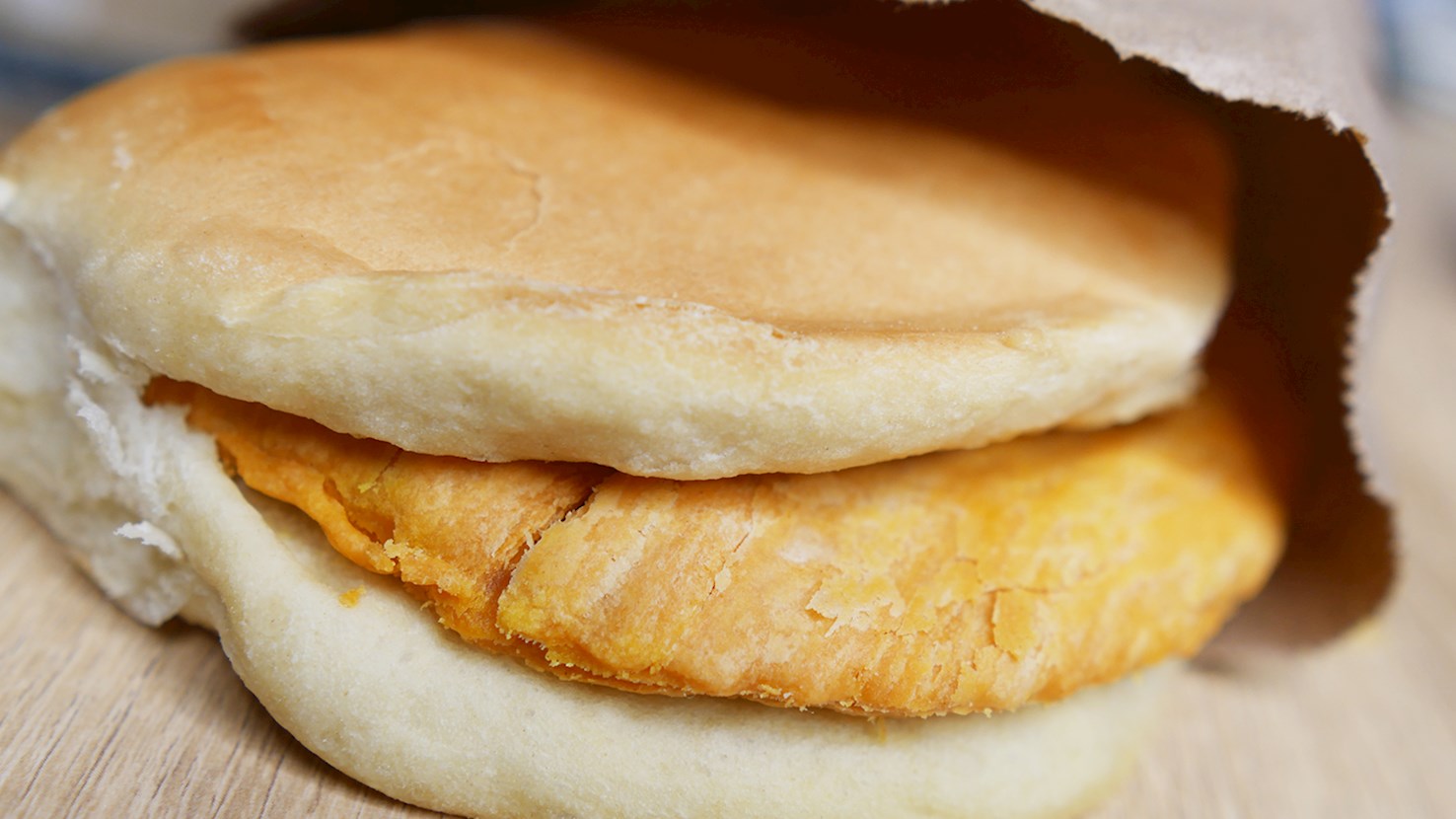
Coco bread is a soft, slightly sweet Jamaican bread made with flour, sugar, yeast, butter, and coconut milk, shaped into folded rectangles that form a pocket when baked. It is produced in bakeries across Jamaica and in Jamaican communities abroad, where it is commonly paired with savory fillings. The bread’s use of coconut milk reflects the widespread availability of coconut in Jamaica and the long-standing practice of incorporating coconut into both sweet and savory foods. As commercial bakeries expanded in Kingston and other urban areas during the mid-twentieth century, standardized recipes for coco bread emerged, and the bread became a regular item in bakery cases and lunch counters. Its association with Jamaican patties grew as food vendors discovered that the folded shape offered a convenient way to wrap and soften the spicy pastry, creating a portable combination that became popular among schoolchildren, office workers, and restaurant diners. Preparation begins with mixing flour, sugar, salt, yeast, and melted butter, followed by the addition of coconut milk to form a soft dough. The dough is kneaded until smooth, allowed to rise, and then divided into small balls. Each piece is rolled into a thin oval or circle, brushed with butter, and folded in half. This fold is responsible for the pocket-like structure that forms during baking. The folded dough pieces are placed on a baking sheet, allowed to rise briefly, and baked until they develop a light golden color. The texture is soft and slightly tender due to the fat content of the coconut milk and butter. Some bakers brush the finished bread with additional butter to keep the surface pliable. Coco bread is eaten throughout Jamaica and in Jamaican restaurants worldwide. It is commonly served with beef, chicken, or vegetable patties placed inside the fold to create a patty sandwich, but it can also be eaten plain or filled with jerk chicken, fried fish, or cheese. It appears in school canteens, bakeries, fast-casual restaurants, and home kitchens. Beverage pairings include fruit juices such as pineapple or mango, cola-based soft drinks, ginger beer, and iced tea. When served with spicy fillings, mild drinks such as citrus juices or coconut water provide balance, while sweet beverages complement the slight sweetness in the bread itself.
Bammy is a Jamaican cassava flatbread made from grated, pressed, and cooked cassava, usually shaped into small rounds and finished by frying, steaming, or soaking in milk or coconut milk. It is widely eaten in Jamaica, especially in coastal areas where it is commonly paired with fried or steamed fish. The flatbread is made from bitter cassava varieties that require grating and thorough pressing to remove the toxic liquid before cooking. Once pressed, the cassava meal is sieved, shaped, and cooked on a griddle or flat pan until firm. Its development is rooted in the food practices of the indigenous Taino people of the Caribbean, who processed cassava into flatbreads long before European arrival. Cassava was a staple crop that grew well in the region’s climate, and Taino communities produced flour-like meal from grated cassava that was baked on clay or stone griddles. When Africans were brought to Jamaica, they continued the use of cassava and flatbread preparation methods, merging them with other cooking approaches. Over time, communities in rural and fishing villages maintained cassava processing techniques, and bammy became a recognized Jamaican product sold in markets and produced commercially by small factories. Its persistence in Jamaican cooking reflects the continued importance of cassava in areas where wheat flour was less accessible or less preferred. Preparation begins by peeling and grating the cassava, then placing the pulp in a cloth or pressing device to remove liquid. The dried meal is passed through a sieve to create a consistent texture. A dry pan or griddle is heated, and the cassava meal is shaped into flat circles and cooked until firm and lightly browned on both sides. At this stage bammy can be stored or cooked again. Before serving, the rounds are often soaked briefly in coconut milk or water, which softens them and adds flavor, followed by frying or steaming. Some cooks simply toast the flatbread without soaking, which produces a firmer texture. Bammy is eaten throughout Jamaica, especially with seafood dishes. It is typically served with fried fish, escovitch fish, steamed fish, rundown, or saltfish preparations. It is also eaten with butter, cheese, or lightly sweet spreads in some households. Beverage pairings include ginger beer, lime water, iced tea, sorrel drink, coconut water, or cold beer, which complement the flatbread’s mild flavor and starchy texture.
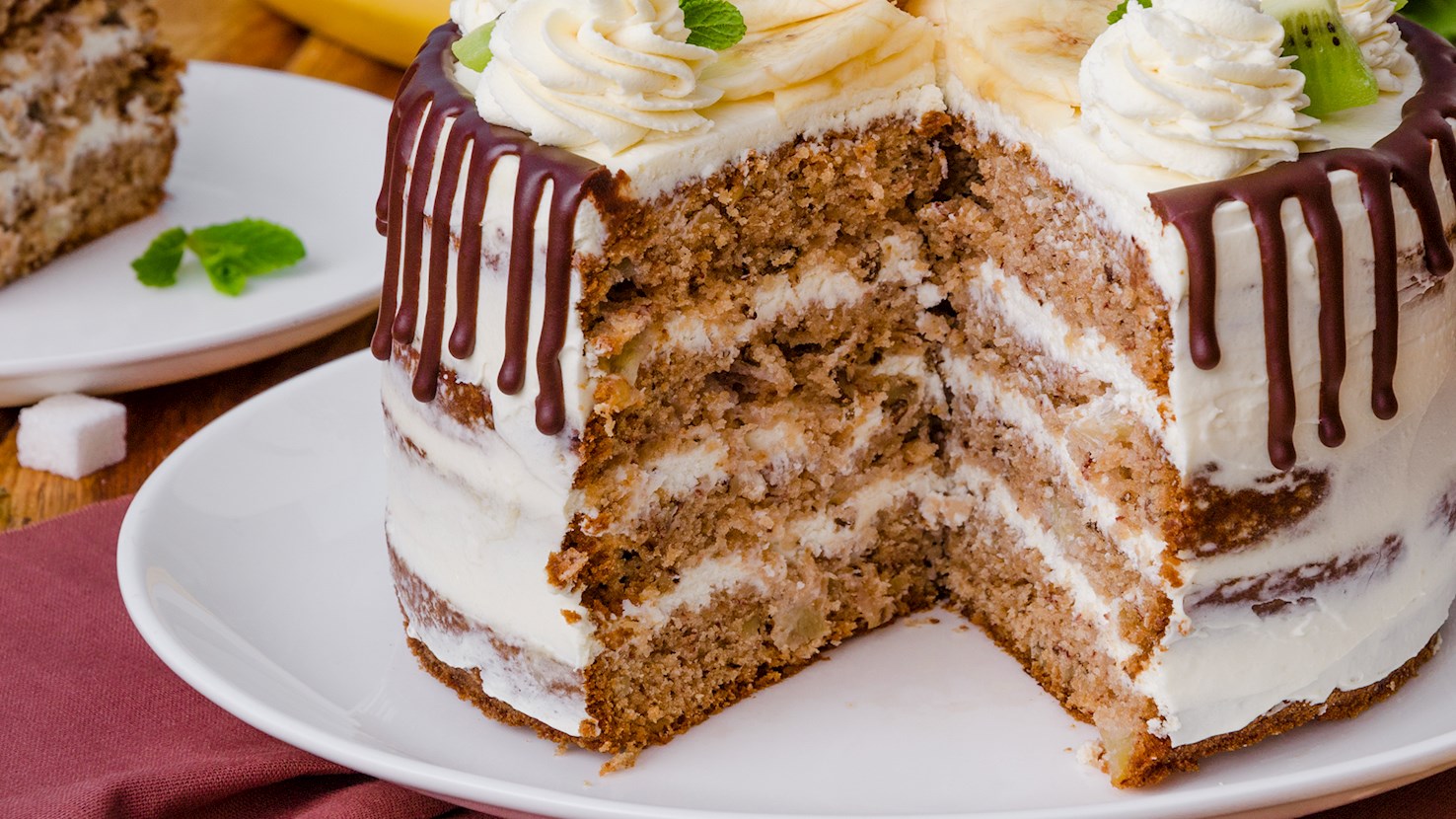
Hummingbird cake is a layered dessert made from mashed bananas, crushed pineapple, vegetable oil, sugar, eggs, and warm spices, commonly finished with cream cheese frosting and chopped pecans. It is widely associated with the American South but originated in Jamaica, where a similar banana–pineapple spice cake was developed using local fruit and pantry ingredients. The earliest version known from Jamaica was called the Doctor Bird cake, named after the island’s national hummingbird, and recipes circulated in community and tourism publications before the cake was adapted by home bakers in the United States. After its introduction to American food magazines in the late 1970s, the cake became established in Southern baking, where it fit easily into a repertoire of moist, fruit-forward cakes that relied on oil rather than butter. Preparation involves stirring together the mashed bananas, pineapple, oil, sugar, eggs, flour, baking soda, cinnamon, and vanilla without creaming or whipping, creating a dense, moist batter that stays tender for several days. The baked layers are cooled and coated with cream cheese frosting, often accompanied by pecans on top or between layers. Some versions use pecans in the batter as well, while others keep them as a garnish. The cake is served at celebrations, gatherings, and potlucks throughout the United States and continues to appear in cafes and bakeries that specialize in American desserts. It is typically eaten as a dessert or with coffee, tea, or iced drinks, and it pairs well with lightly sweet beverages such as sweet tea, cold brew coffee, or mild fruit punches that do not overpower its fruit-and-spice profile.
TasteAtlas food rankings are based on the ratings of the TasteAtlas audience, with a series of mechanisms that recognize real users and that ignore bot,
nationalist or local patriotic ratings, and give additional value to the ratings of users that the system recognizes as knowledgeable.
For the “19 Worst Rated Jamaican Foods” list until June 17, 2026, 919 ratings were recorded, of which 682 were recognized by the system as legitimate.
TasteAtlas Rankings should not be seen as the final global conclusion about food. Their purpose is to promote excellent local foods,
instill pride in traditional dishes, and arouse curiosity about dishes you haven’t tried.