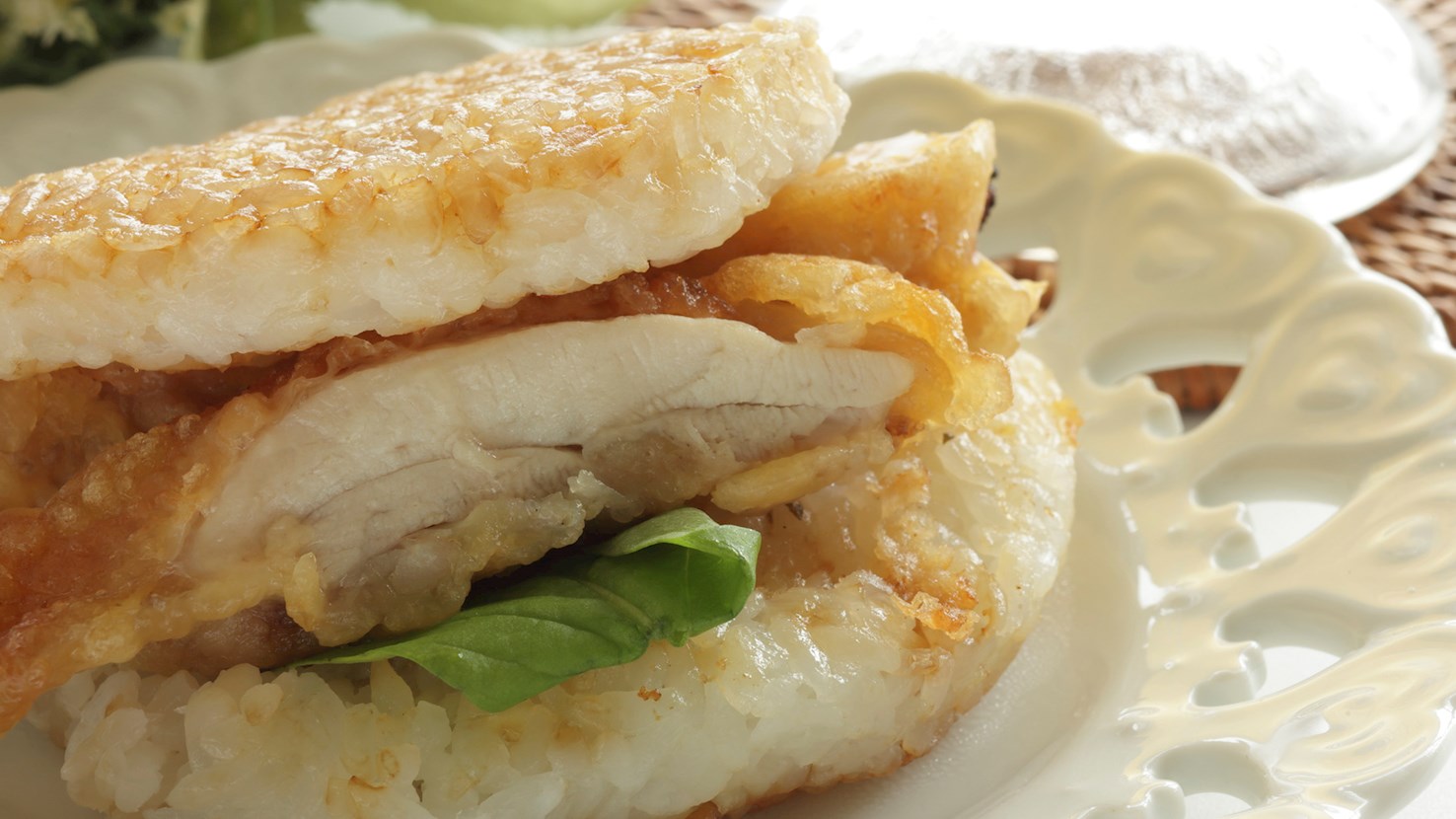
Rice burger is the Japanese version of one of the most famous fast food products in the world – the omnipresent hamburger. Instead of traditional wheat buns, this Japanese dish uses pressed rice patties made with plain rice, eggs, and cornstarch. The patties are pan-fried or grilled in order to create a firm shell which holds the rest of the ingredients together. The filling, however, does not necessarily correlate to the one of the traditional hamburger, and can consist of a variety of authentic and local ingredients and dishes. It usually includes seafood tempura, teriyaki chicken, or grilled meat, but there is also a number of vegetarian versions. The rice burger first appeared in 1987, when the fast food franchise MOS Burger, a local version of the standard American fast food eateries, introduced it to the Japanese market. The first version, which is no longer offered, was made with daikon and tsukune (Japanese-style meatballs). Since the introduction of the first rice burger, the new fast food creation has been an instant success in Japan. With the expansion of the company, rice burger continued to gain popularity in other Asian countries such as South Korea, Taiwan, Singapore, Hong Kong, and it has recently even been introduced to Australia. Although there are numerous other fast food items served at the MOS chain, rice burger is probably the most famous and the most controversial item on the menu.
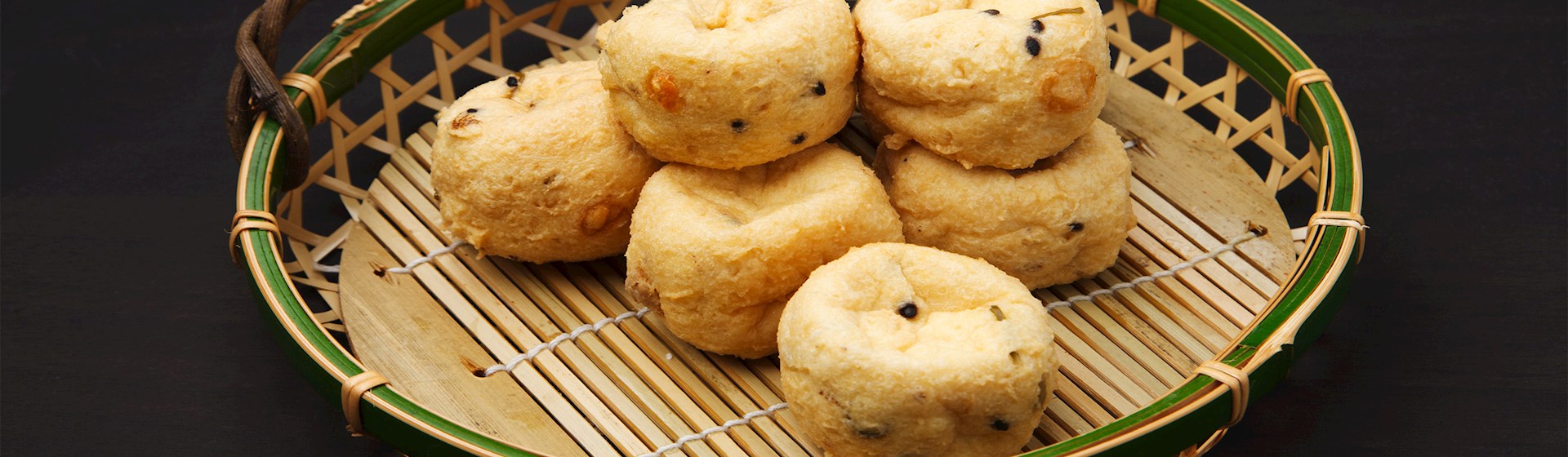
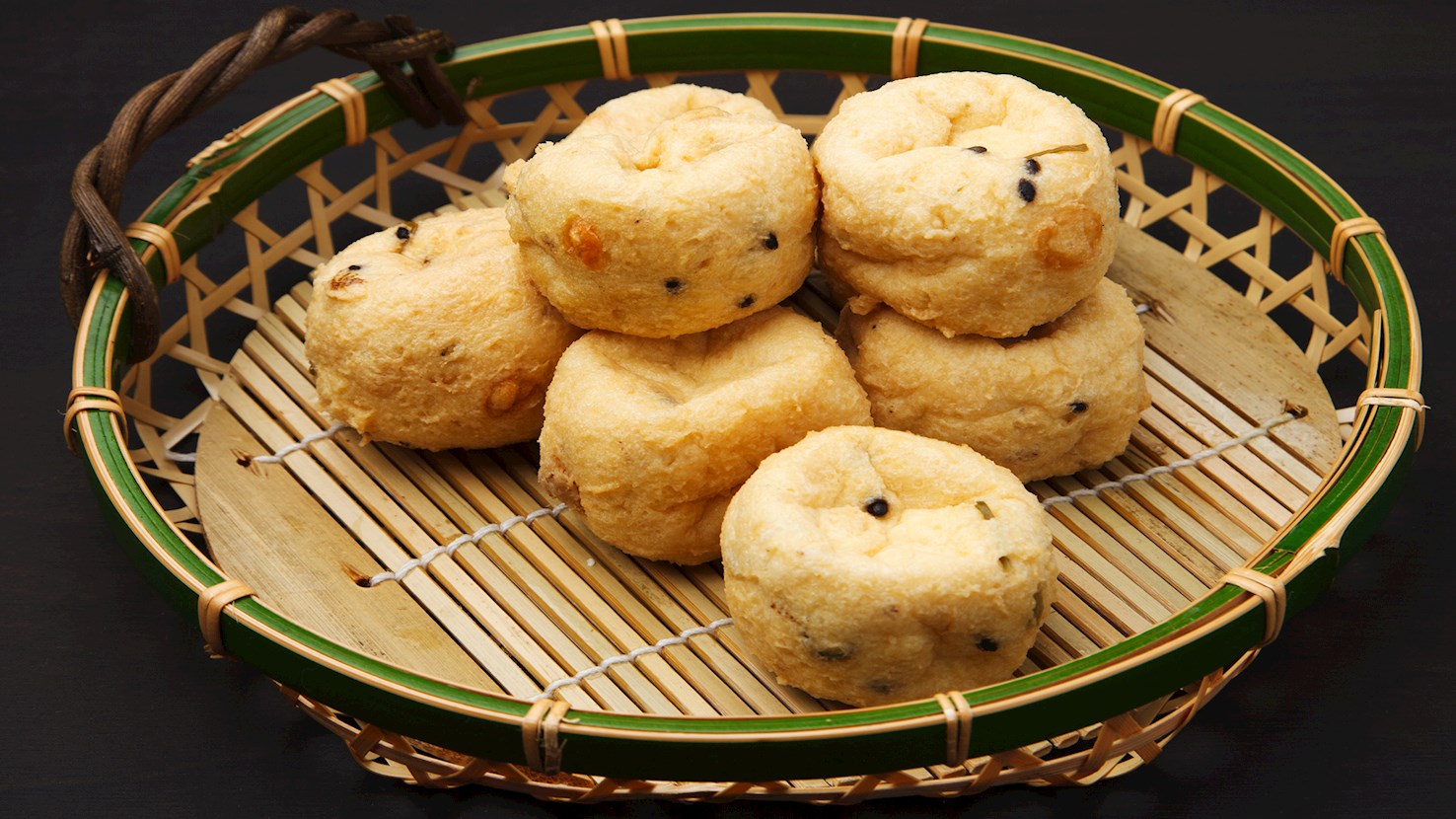
The round and crispy ganmodoki are traditional Japanese tofu fritters. Originally, the name referred to a combination of stuffed and deep-fried tofu, but today it applies to a delicious combination of mashed tofu and various vegetables. Deep-fried until golden, ganmodoki fritters are usually enjoyed plain or served as a complement to soups or stews. It is believed that ganmodoki originated among the Buddhist monks, who had many innovative ways to replace meat products with nutritious and filling dishes.
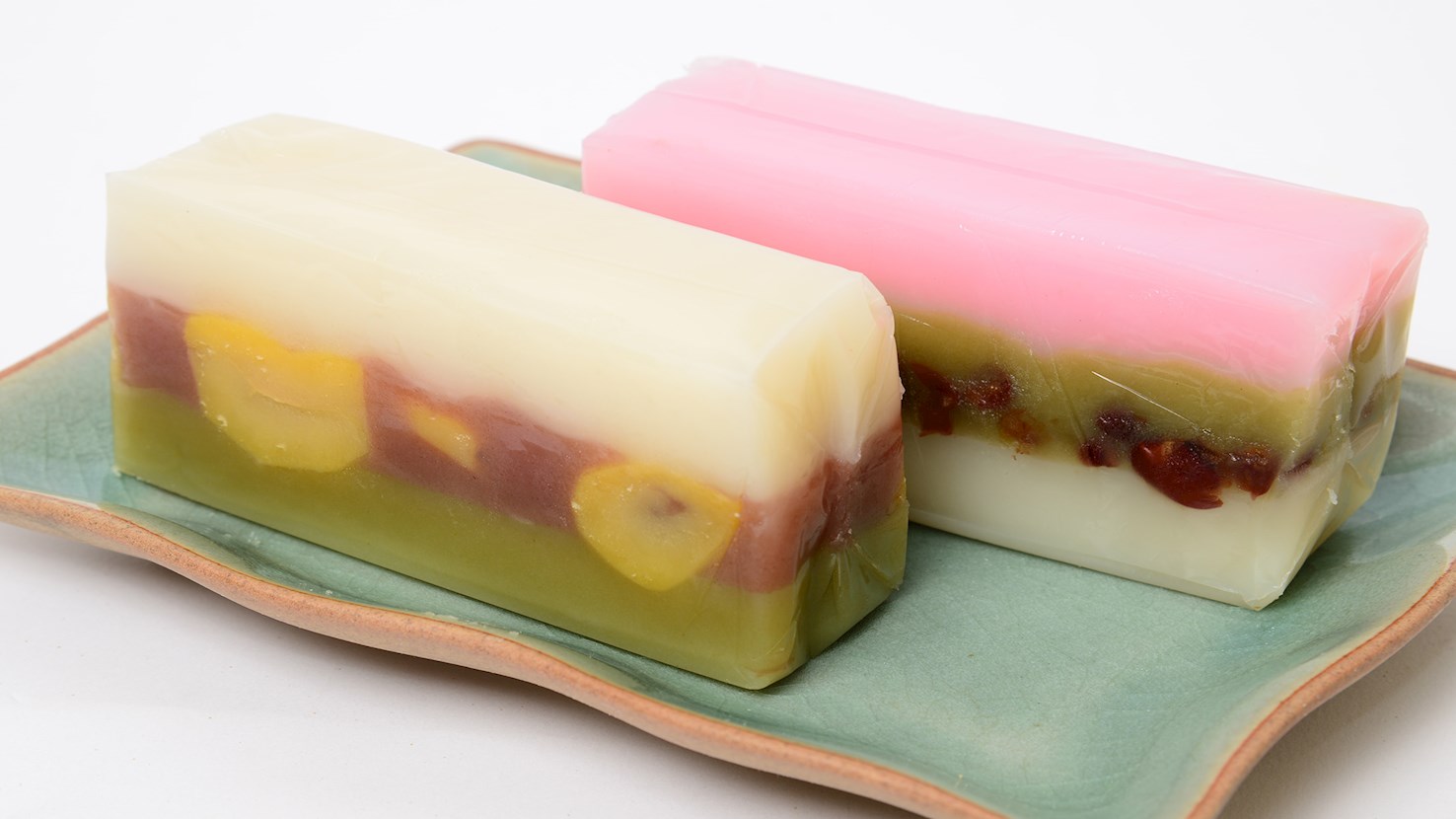
Uirō is a sweet Japanese cake consisting of sugar, rice flour, and water. The cake is traditionally steamed until it develops a chewy texture. It dates back to the 16th century, when it was used as a part of Japanese tea ceremonies, a tradition that is also practiced today. There are a number of variations on the cake, so it can be flavored with ingredients such as matcha, chestnuts, strawberries, or azuki bean paste. Although it's made from the same ingredients as mochi, the method of preparation is different - uirō is poured into a mold and steamed, while mochi is pounded in order to become sticky.
Spaghetti jaffle is a traditional sandwich that's also quite popular in Japan. The sandwich usually consists of spaghetti, a bread roll or sliced bread, butter, grated cheese, and a sauce (often tomatoes and onions). The spaghetti are cooked until al dente, or you can just use leftover spaghetti. The pasta is cooked with the sauce. The bread is split, buttered, and each slice is topped with the spaghetti, sauce, and grated cheese. The slices are joined into a sandwich that is often cooked until the bread is well toasted, although it can also be served cold. In Tokyo, the sandwich is typically made with a meat sauce and a sliced French roll.
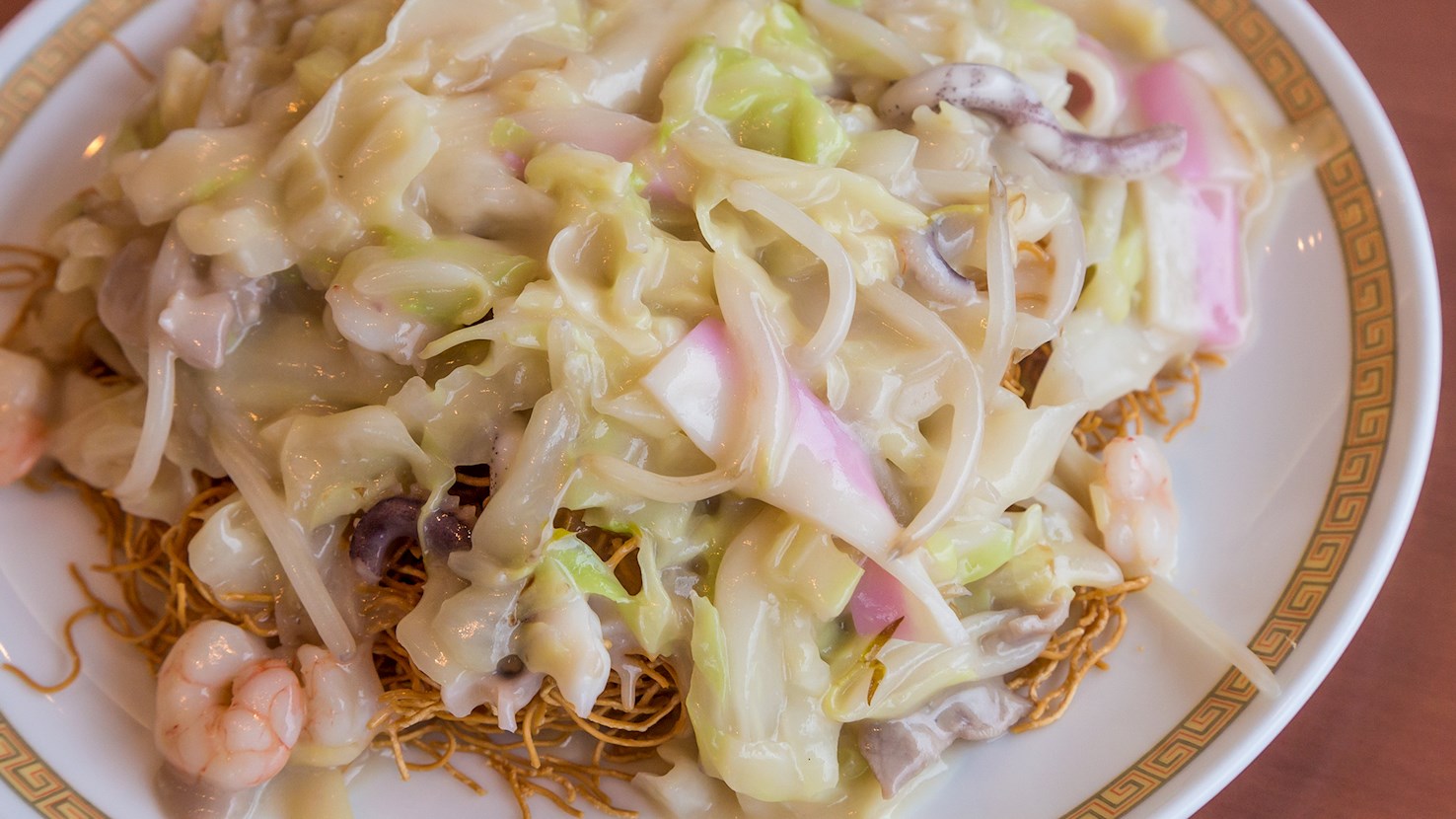
Sara udon is a Nagasaki specialty dish made with crisp-fried noodles, which can be thin or thick, depending on which restaurant serves the dish. The noodles are topped with fried prawns, squid, pork, and a variety of fried vegetables such as bean sprouts and cabbage. When prepared for large groups of people, the dish is often shared communally, straight from the central plate, and it is so beloved that it is sometimes even served at grade schools in Nagasaki as a school meal. It is believed that sara udon was invented by Chin Heijun, the owner and founder of a Chinese restaurant called Shikairo.
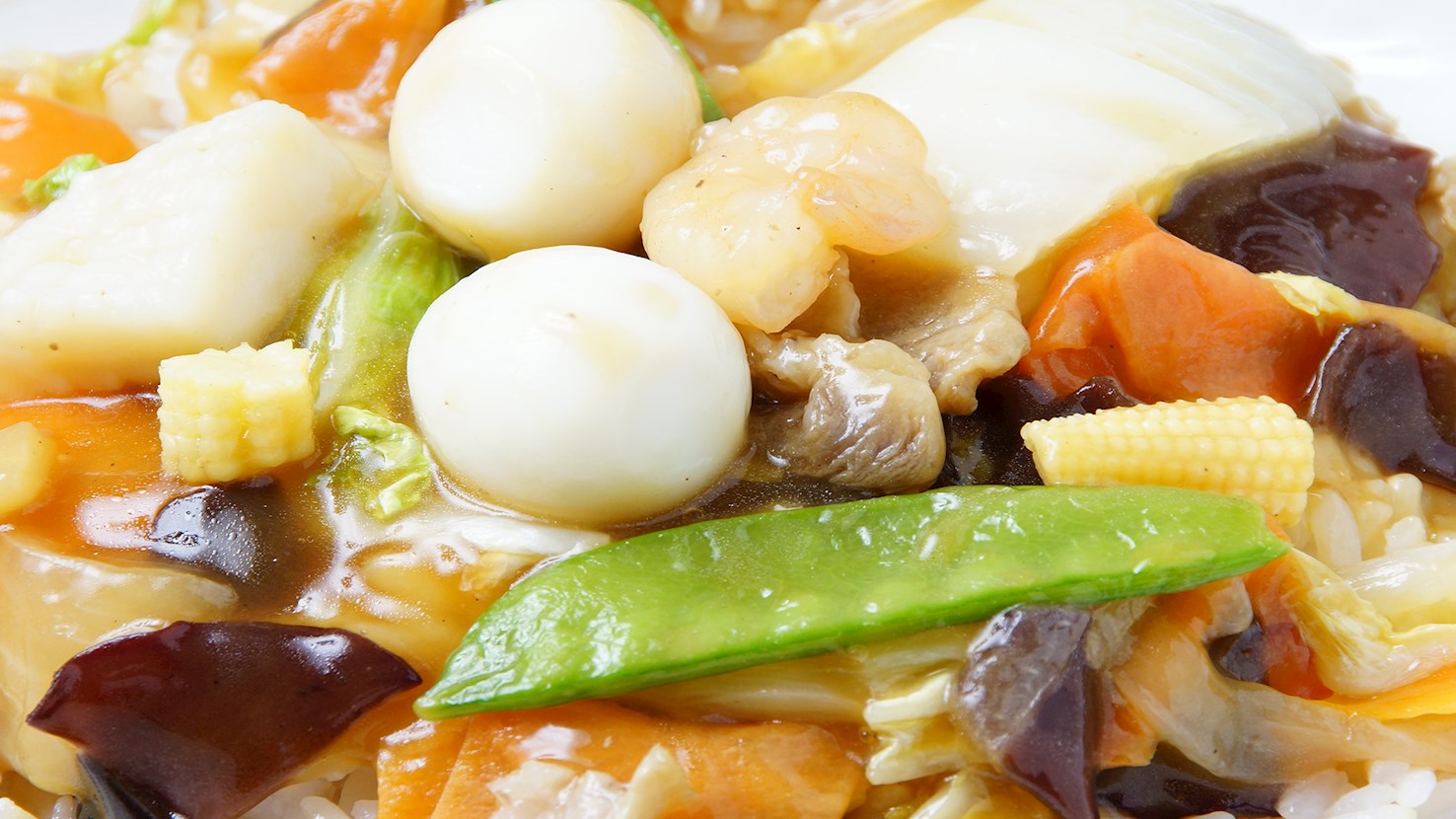
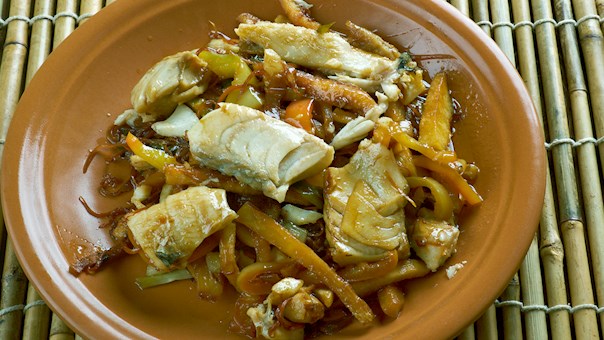
Chūkadon is a hearty rice bowl made with steamed white short-grain rice topped with a thick, glossy mixture of stir-fried vegetables, sliced meat, and seafood. The topping is bound together with a soy-based gravy thickened with starch, giving it a heavy, shiny texture that coats both the ingredients and the rice underneath. The dish is said to have originated in the early Showa period, around the 1930s, in Chinese immigrant-run restaurants in Tokyo. At first, it was a practical staff meal eaten during short work breaks. Restaurant workers poured leftover happosai, a rich stir-fry traditionally made with eight ingredients, over plain rice to create a fast, filling meal. Regular customers eventually noticed the off-menu combination and began asking for it themselves. The name chūkadon means “Chinese bowl,” reflecting its connection to Chinese-style urban restaurant cooking adapted for Japanese diners and laborers who needed cheap, quick calories. The topping usually begins with pork belly, raw shrimp, and scored squid, all sliced into uniform bite-sized pieces. These are stir-fried in a very hot wok coated with sesame oil. Harder vegetables, such as sliced bamboo shoots, raw carrots, and rehydrated wood ear mushrooms, are added next. Softer greens, usually Napa cabbage or snow peas, go in last so they keep some of their crisp texture. A liquid base of chicken stock, dark soy sauce, oyster sauce, and rice wine is then poured into the wok. Once the liquid comes to a rolling boil, a slurry of potato starch and cold water is added to the center of the pan. This quickly changes the thin broth into a thick, translucent glaze that clings tightly to every piece of meat, seafood, and vegetable. Boiled, peeled quail eggs are added just before the finished mixture is poured over the waiting bowl of rice. Ingredient substitutions can change the flavor and appearance of the dish. In a salt-based version, dark soy sauce and oyster sauce are omitted entirely. Instead, clear chicken stock, ginger, and sea salt are used to make a pale white gravy that allows the delicate seafood flavors to stand out. More economical versions often omit the expensive squid and shrimp, replacing them with thick slices of kamaboko fish cake or extra strips of inexpensive pork shoulder. In some regional versions, a raw egg is scrambled directly into the boiling sauce just before it thickens, forming soft ribbons of cooked egg white and yolk that make the gravy even richer. Chūkadon is served hot in a large, deep ceramic bowl. Because the thick sauce holds heat extremely well, the dish usually arrives at the table steaming. It is typically eaten with a large ceramic spoon rather than chopsticks, since the gravy soaks deeply into the rice. A small side dish of sharp pickled mustard greens is often served alongside it to cut through the richness of the oyster sauce, together with a simple, clear chicken broth seasoned only with white pepper and scallions.
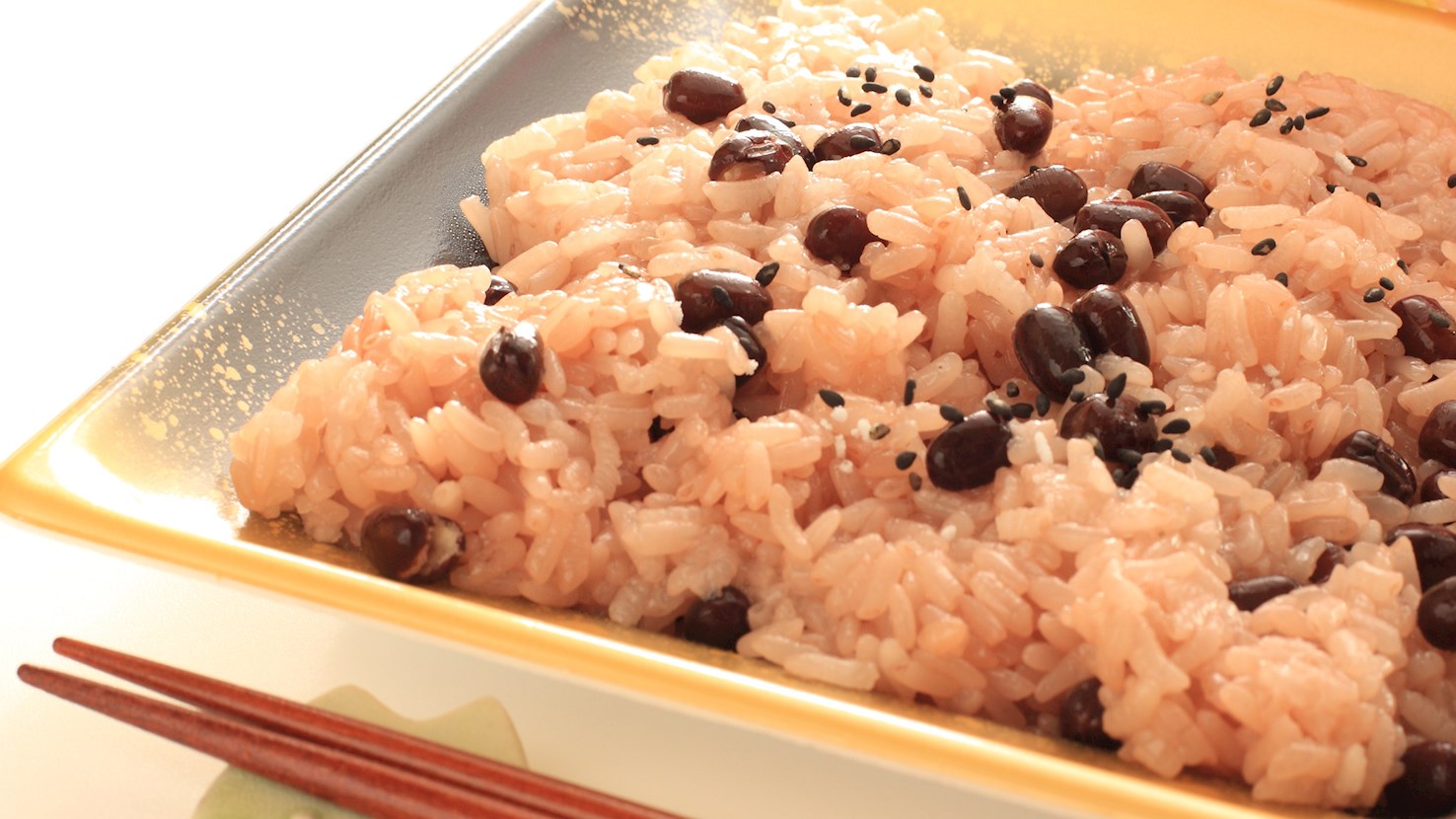
Sekihan is a traditional dish consisting of only two main ingredients – glutinous rice and red azuki beans. The dish has a reddish hue which is a result of the cooking liquid from azuki beans. In the past, the color red was a symbol of good fortune and it supposedly warded off evil. Nowadays, sekihan is typically consumed for good luck – it is served mostly on special occasions such as birthdays, weddings, and celebrations. The dish is usually served on okuizome (a baby's first meal when it is 100 days old) and shichi-go-san (a ritual for children aged 3, 5, and 7). Traditionally, sekihan is consumed with gomashio – a combination of toasted black sesame and salt.
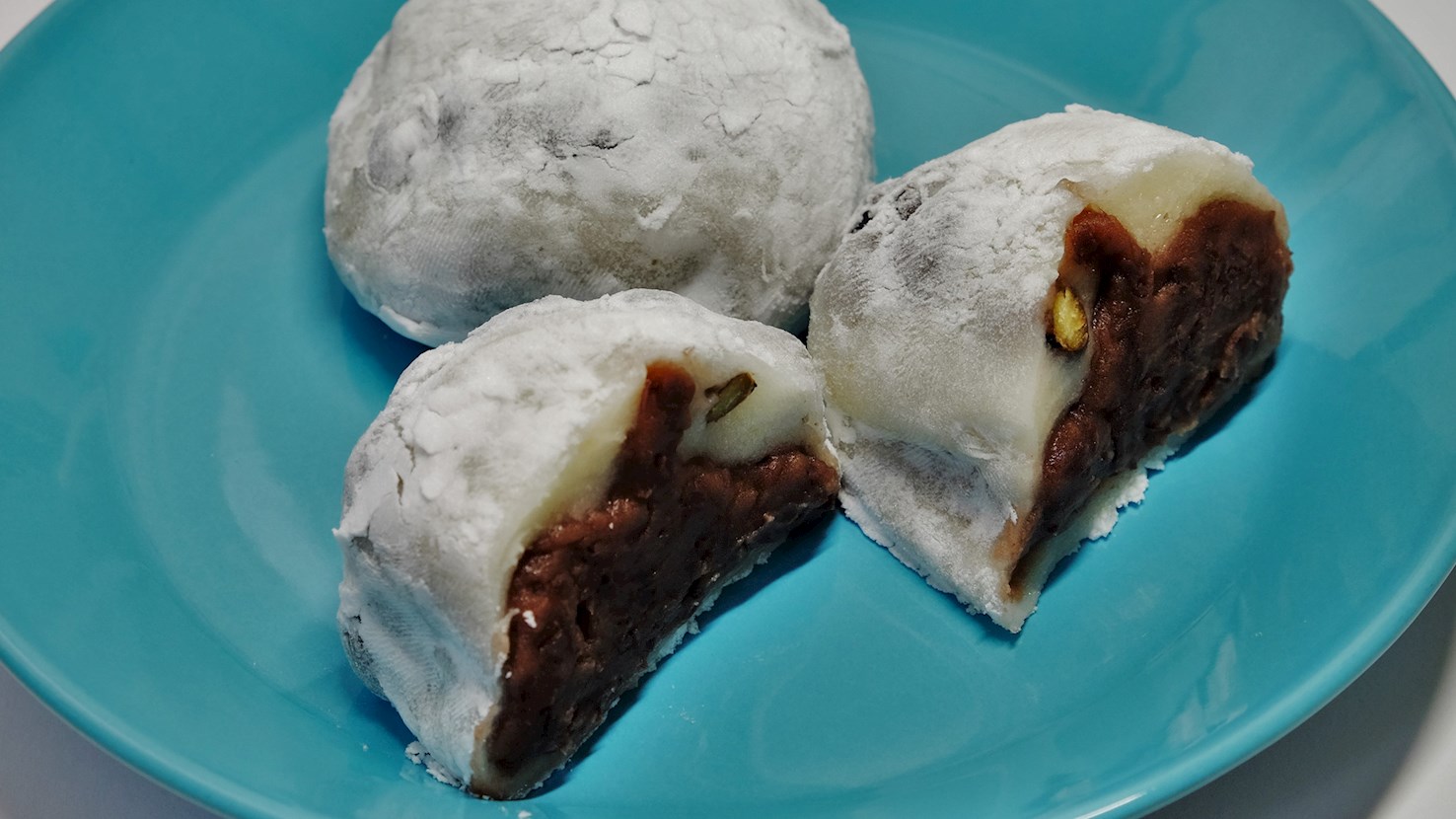
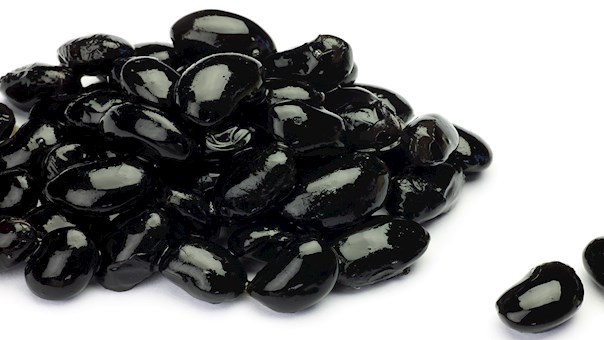
Shio daifuku is a traditional confectionery which consists of chewy mochi shells filled with creamy or coarse anko red bean paste. Unlike other daifuku varieties, the red bean paste in shio daifuku is lightly salted, which results in an unusual combination of sweet and savory flavors. They are usually round, and occasionally whole black beans are incorporated in the mochi wrapper. These soft cakes are a staple at many specialized daifuku shops, but they can also be commonly found in many stores and supermarkets throughout the country.
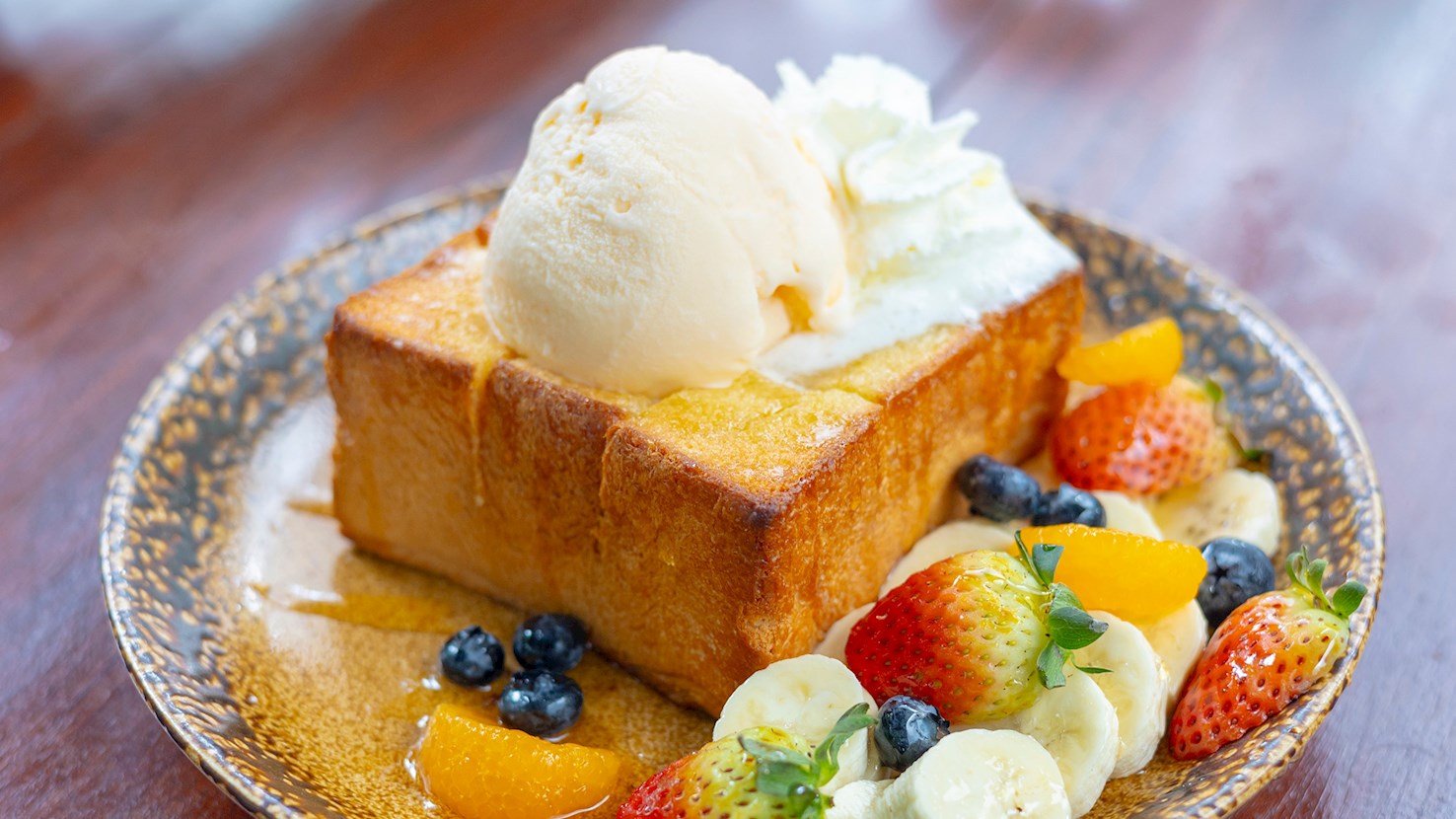
Honey toast, also known as Shibuya toast, is a decadent dessert originating in Japan, particularly in Tokyo's Shibuya district, whose distinct feature is thick slices of bread, typically shokupan, either cut halfway through without being hollowed out or hollowed out to form a box. If not hollowed out, the bread is spread with butter and honey and then baked under a broiler. If hollowed out, the removed bread is cubed, toasted, coated with honey or butter, then placed back into the hollowed bread. It's topped with drizzled chocolate or ice cream, but honey or syrup, whipped cream, fresh fruits like strawberries or bananas, and sometimes nuts or chocolate chips can also be used. In cafes across Japan, Tawain, and Singapore, honey toast is usually prepared in the form of a honey toast box, meaning it usually consists of half a loaf of bread, meant as a dessert to be shared, not eaten alone.
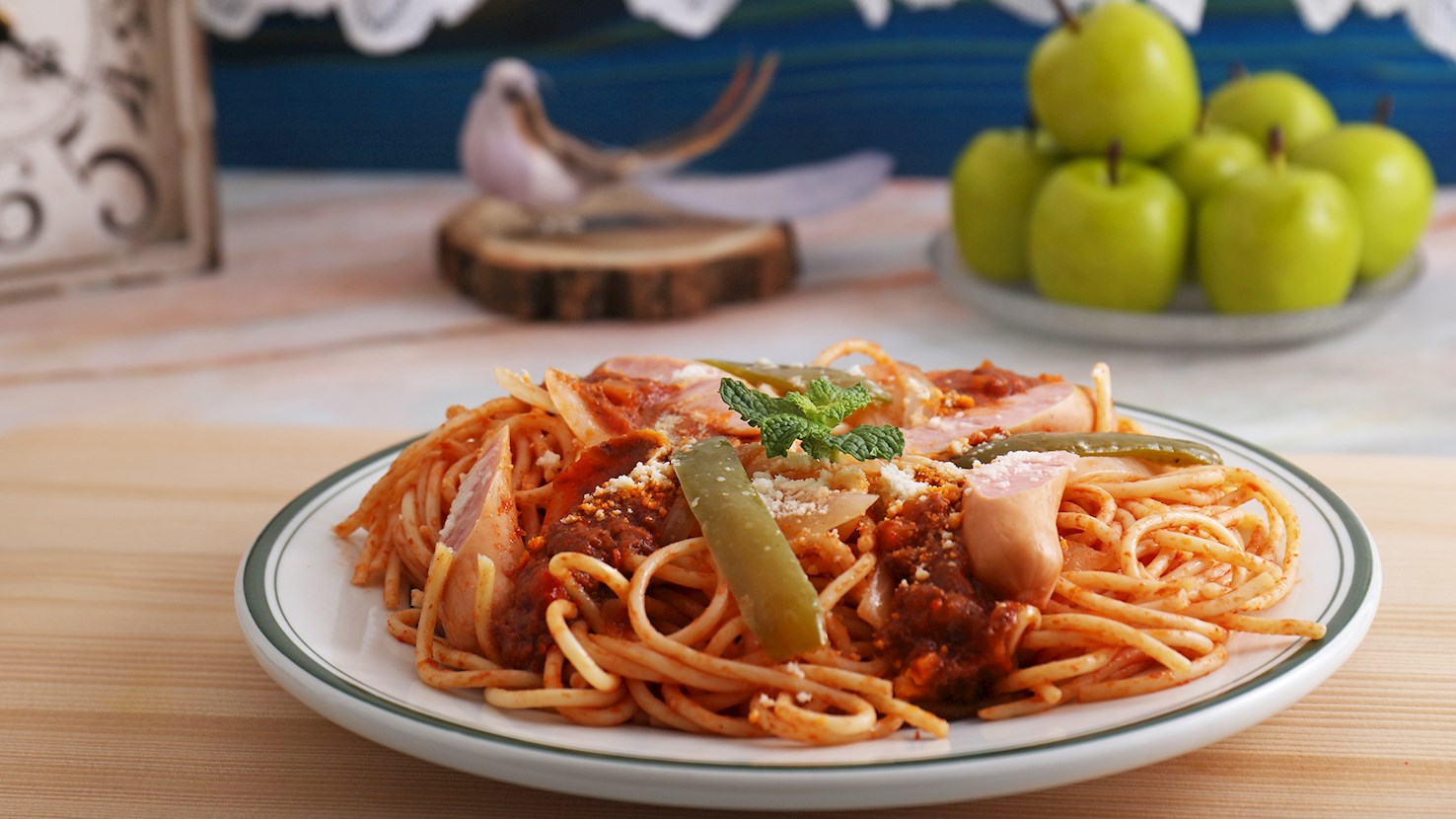
Naporitan is a Japanese dish made with a combination of overcooked spaghetti, ketchup, onions, green bell peppers, mushrooms, and sausage, ham, or bacon. The ingredients are sautéed and then tossed with the pasta and ketchup. The dish was created shortly after WWII by Shigetada Irie, the head chef at the New Grand Hotel in Yokohama. He was inspired by a similar dish of spaghetti and tomato sauce that the US soldiers were eating overseas, and it was named naporitan after Naples, Italy. This type of Japanese pasta dish is considered yoshoku - western cuisine with Japanese influences.
TasteAtlas food rankings are based on the ratings of the TasteAtlas audience, with a series of mechanisms that recognize real users and that ignore bot,
nationalist or local patriotic ratings, and give additional value to the ratings of users that the system recognizes as knowledgeable.
For the “77 Worst Rated Japanese Foods” list until September 16, 2026, 31,633 ratings were recorded, of which 27,599 were recognized by the system as legitimate.
TasteAtlas Rankings should not be seen as the final global conclusion about food. Their purpose is to promote excellent local foods,
instill pride in traditional dishes, and arouse curiosity about dishes you haven’t tried.




What People Say