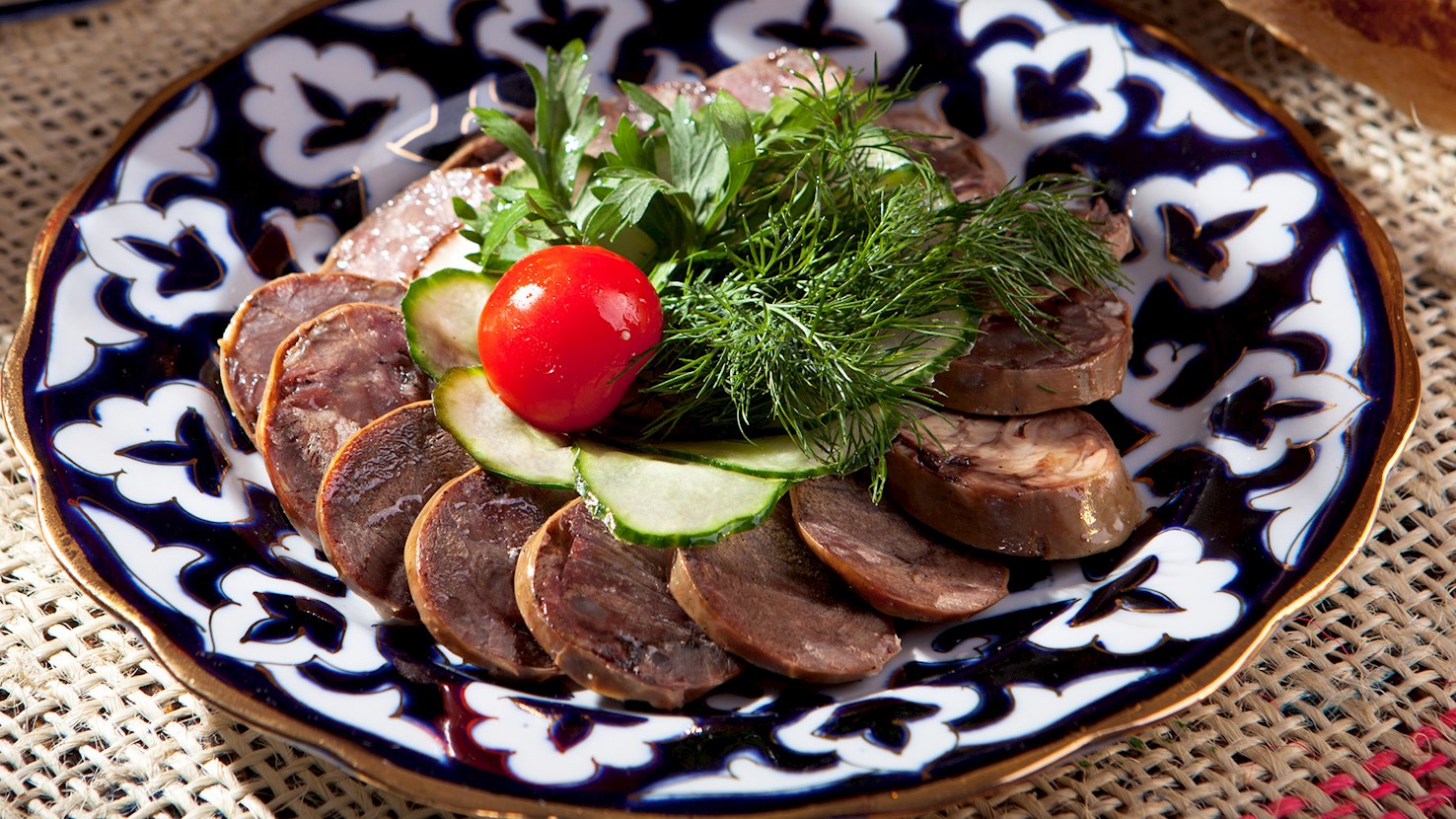
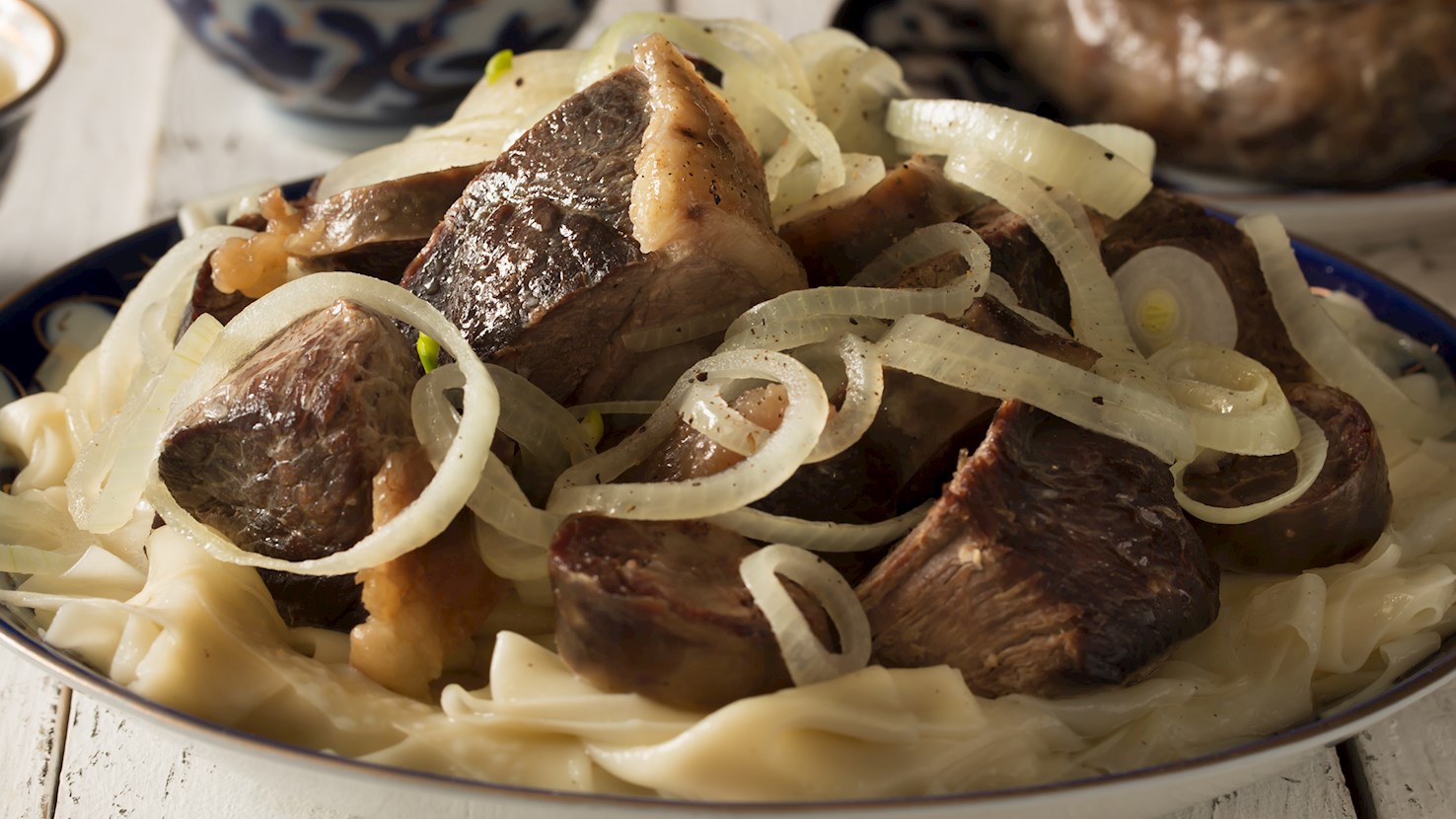
Qazı is a sausage made from horse rib meat and fat, prepared and consumed across Central Asia with its strongest identification in Kazakhstan, where it is regarded as a formal meat item associated with guest meals and ceremonial tables rather than daily cooking. Its formation is rooted in steppe pastoral systems in which horses played a central role in transport, economy, and food supply, and where slaughtering a horse was an infrequent but socially significant event that required preserving valuable cuts in ways that maintained both nutritional value and structure, leading to the development of whole-cut sausages that relied on salting, drying, and boiling rather than grinding or heavy seasoning. Preparation begins by separating rib meat and attached fat from the horse, cutting it into long strips, seasoning primarily with salt and occasionally black pepper or garlic, then stuffing the pieces tightly into cleaned horse intestines, tying the casing at intervals, and allowing the sausage to dry for a controlled period before being slowly boiled until fully cooked, with care taken to avoid splitting so the fat remains enclosed. Serving typically involves slicing the cooked qazı into thick rounds and arranging it prominently on a platter or incorporating it into dishes built around dough and broth such as beshbarmak, while in some contexts it is cooled and served in thinner slices as part of a cold meat spread. What distinguishes qazı is that it is made from intact muscle and fat rather than minced meat, preserving a visible pattern inside each slice and linking the product directly to a specific anatomical cut, a practice that reinforces its status and limits substitution with other meats. It is eaten during large family gatherings, weddings, commemorative meals, and honored guest occasions, shared communally and often served early in the meal, and it pairs naturally with flat noodles or dough sheets, onions softened in broth, and clear soups, while beverages such as black tea, fermented mare’s milk, or lightly salted broth accompany it to balance its richness without adding sweetness or acidity.
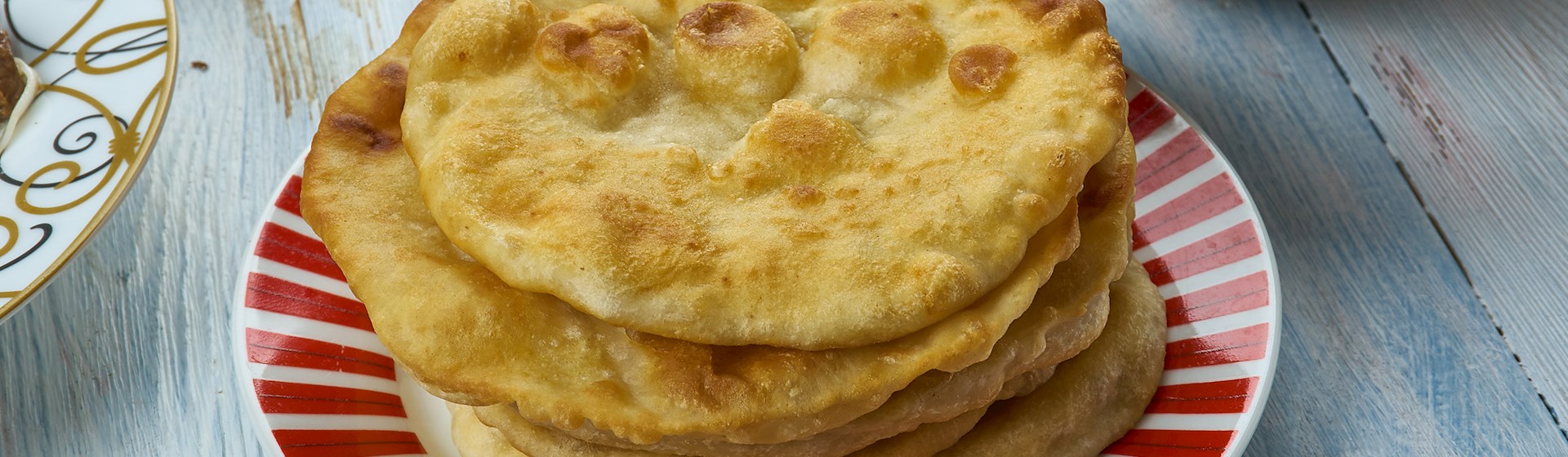
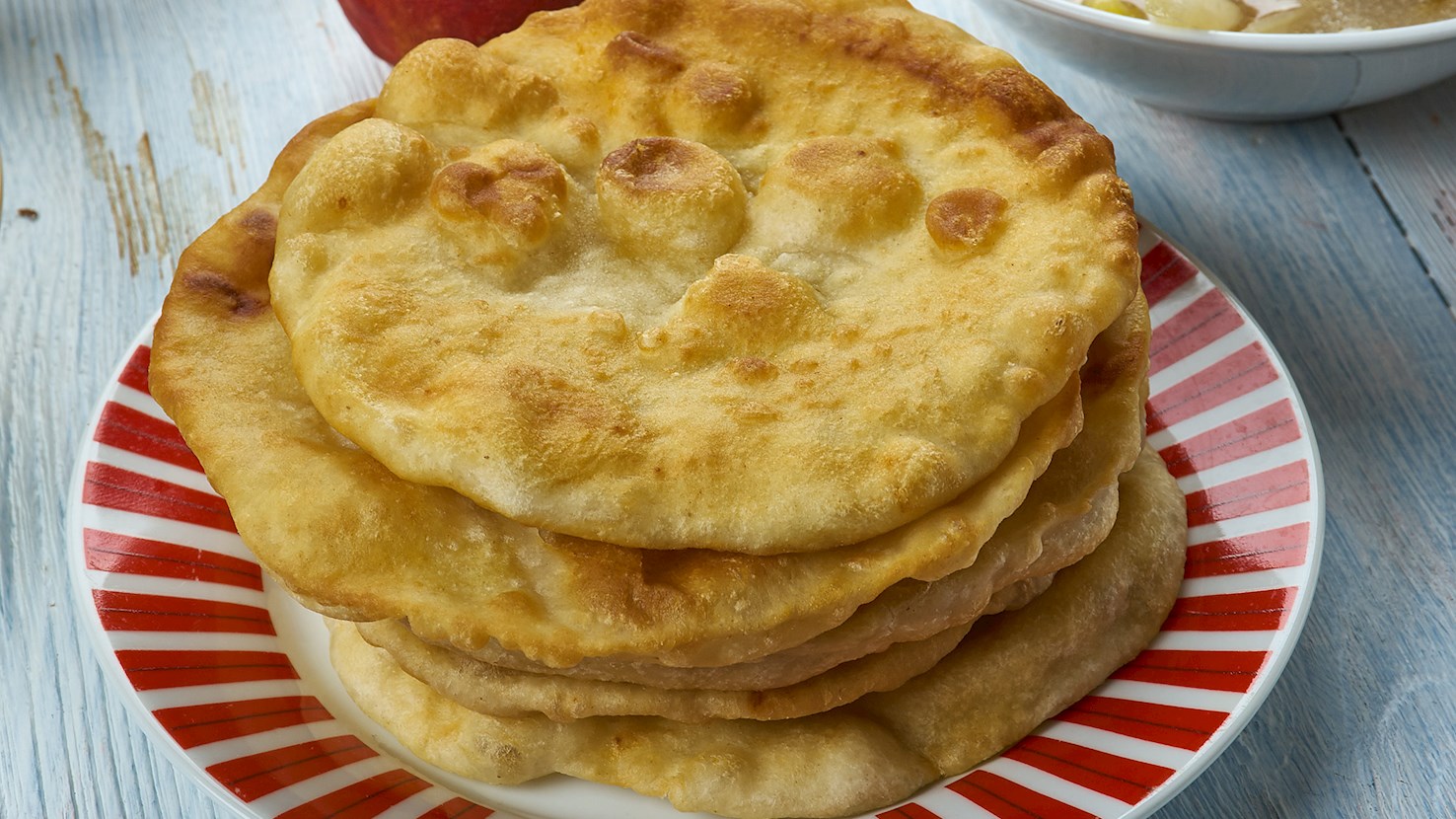
Shelpek is a flat fried bread made from wheat flour, liquid, and salt, prepared and eaten widely in Kazakhstan as a familiar home bread rather than a commercial bakery item. Its emergence is linked to steppe food practices in which bread needed to be produced quickly without ovens, using shallow pans or cauldrons and ingredients that were available year-round, and where fried dough breads became embedded in daily meals as well as in specific social and religious contexts, including days of remembrance and communal gatherings. Preparation involves mixing flour with water or milk and salt into a soft dough, kneading briefly, resting it, then dividing and rolling it into thin rounds that are fried in hot oil until cooked through and lightly colored on both sides, producing a bread that remains pliable rather than crisp. Serving is immediate, with shelpek stacked and kept warm, brought directly to the table without fillings or toppings, and used as an accompaniment rather than a standalone dish. It is eaten by hand at home meals, remembrance days, and guest tables, commonly paired with butter, honey, jam, dairy products, or meat dishes, and it is most often consumed with black tea or milk tea, which complements its fried richness and neutral flavor without requiring additional seasoning.
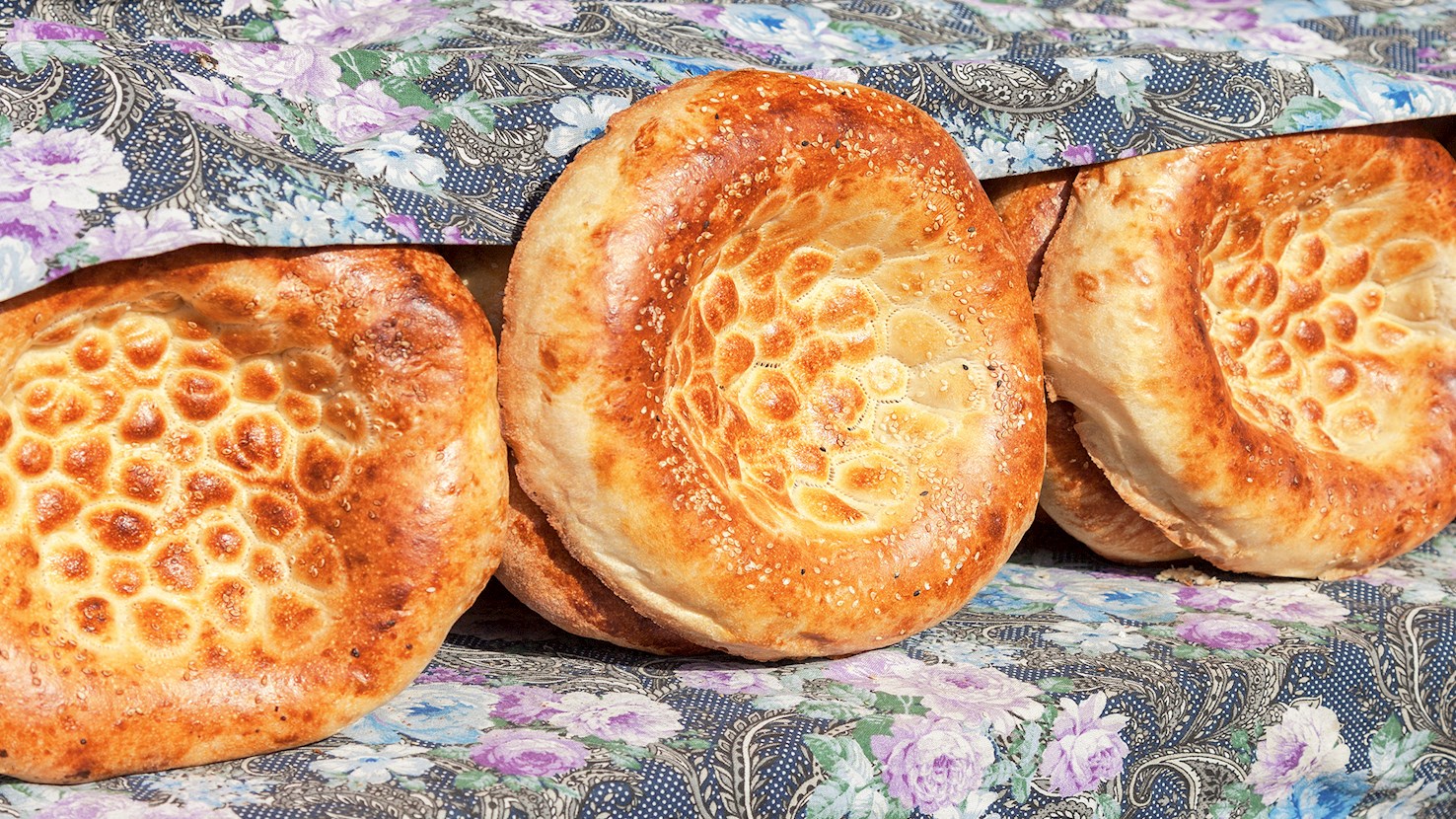
Tohax is a simple wheat-based bread prepared in parts of rural Kazakhstan, characterized by a large indentation in its center. Its use is tied to household bread making practices shaped by steppe life, where mobility, limited fuel, and the absence of permanent ovens favored doughs that could be mixed with minimal ingredients and cooked on metal surfaces, shallow pans, or over open heat, and where food names often remained local and oral rather than standardized across regions. Preparation consists of combining wheat flour with water and salt into a firm dough, kneading briefly, resting it to relax the structure, then dividing and flattening it into thin rounds that are cooked on a hot surface until set and lightly colored, with careful turning to ensure even cooking without excessive drying. Serving follows immediately after cooking, with the bread stacked or wrapped to retain warmth and brought directly to the table, where it functions as both accompaniment and utensil rather than as a standalone dish. It is eaten at home meals alongside boiled meats, broths, dairy products, or legumes, torn by hand and used to scoop or wrap food, and it pairs naturally with black tea, fermented dairy drinks, or plain water, supporting the meal without adding competing flavors.
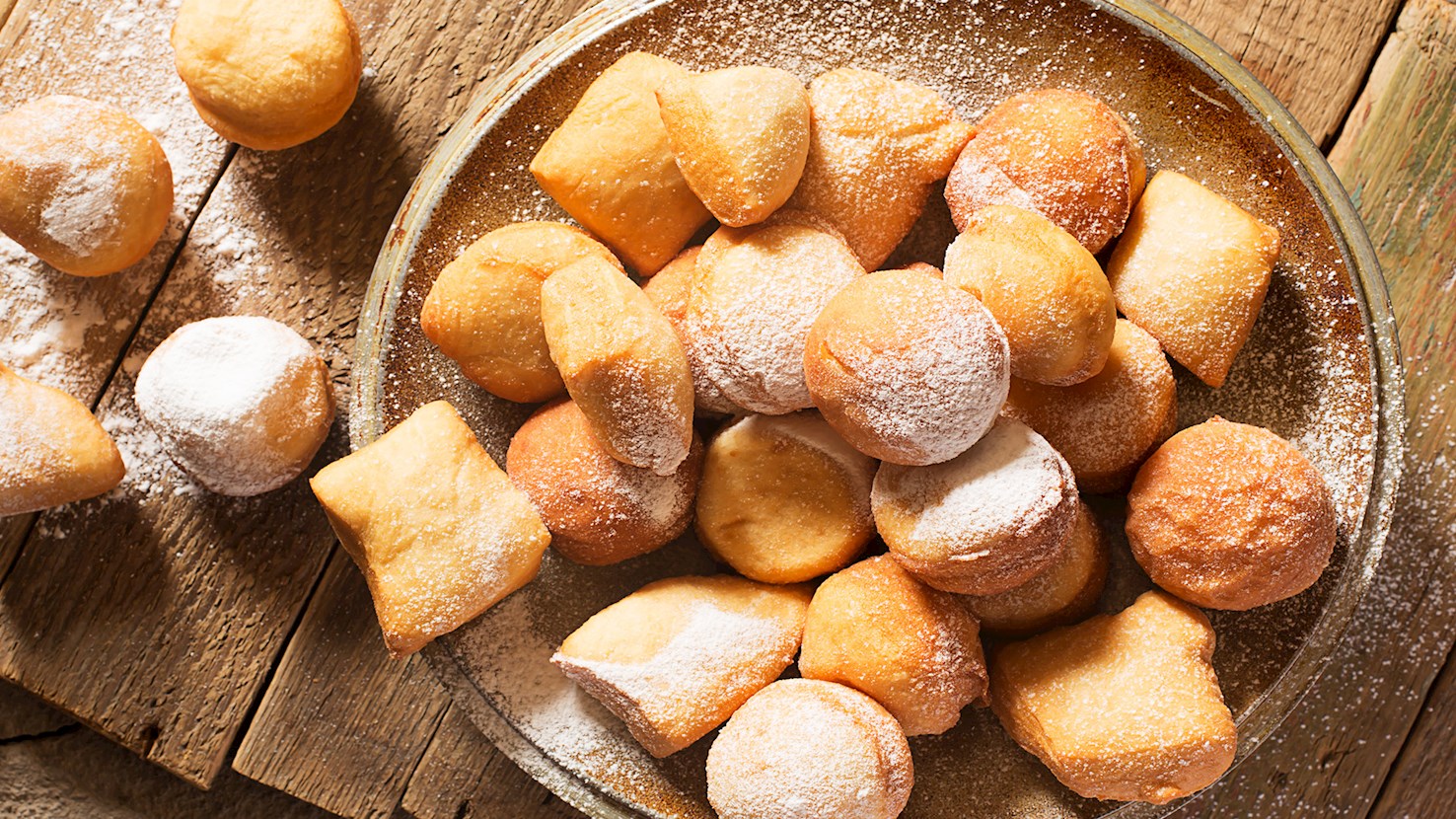
Baursak is a small fried dough food made from wheat flour, fat, and a leavening agent, prepared widely in Central Asia and especially identified with Kazakhstan, where it appears as a common element on family tables, guest meals, and ceremonial spreads rather than as a single-plate dish. Its formation is tied to pastoral and semi-nomadic lifeways in which portable ingredients such as flour and animal fat were readily available and cooking methods favored pots and shallow cauldrons over ovens, making frying small pieces of dough an efficient way to produce bread-like food that could be cooked quickly and shared easily, while the use of yeast or fermented dairy as a leaven reflected locally accessible fermentation practices. Preparation involves mixing flour with warm liquid, salt, fat, and yeast or another leavening agent, kneading the dough until smooth, allowing it to rise, then cutting it into small rounds, diamonds, or irregular pieces that are fried in hot oil or rendered fat until puffed and evenly colored, after which they are drained and kept warm. Serving places baursak in large bowls or piles at the center of the table, often alongside both savory and sweet foods, without sauces or toppings applied directly, allowing it to function flexibly as bread, snack, or accompaniment depending on the context. It is eaten by hand at home meals, celebrations, and guest gatherings, commonly paired with boiled meats, soups, honey, jam, or dairy products, and is most often consumed with black tea, milk tea, or fermented dairy drinks, which complement its fried richness without requiring additional seasoning. Interestingly, the biggest baursak was made in Ufa, Russia, in 2014, with a weight of 179 kg.
TasteAtlas food rankings are based on the ratings of the TasteAtlas audience, with a series of mechanisms that recognize real users and that ignore bot,
nationalist or local patriotic ratings, and give additional value to the ratings of users that the system recognizes as knowledgeable.
For the “5 Worst Rated Kazakhstani Foods” list until June 17, 2026, 862 ratings were recorded, of which 522 were recognized by the system as legitimate.
TasteAtlas Rankings should not be seen as the final global conclusion about food. Their purpose is to promote excellent local foods,
instill pride in traditional dishes, and arouse curiosity about dishes you haven’t tried.