

5 Worst Rated Lithuanian Foods

Last updated on June 16, 2026
01

Obuolių sūris (Apple Cheese)

2.9 ·

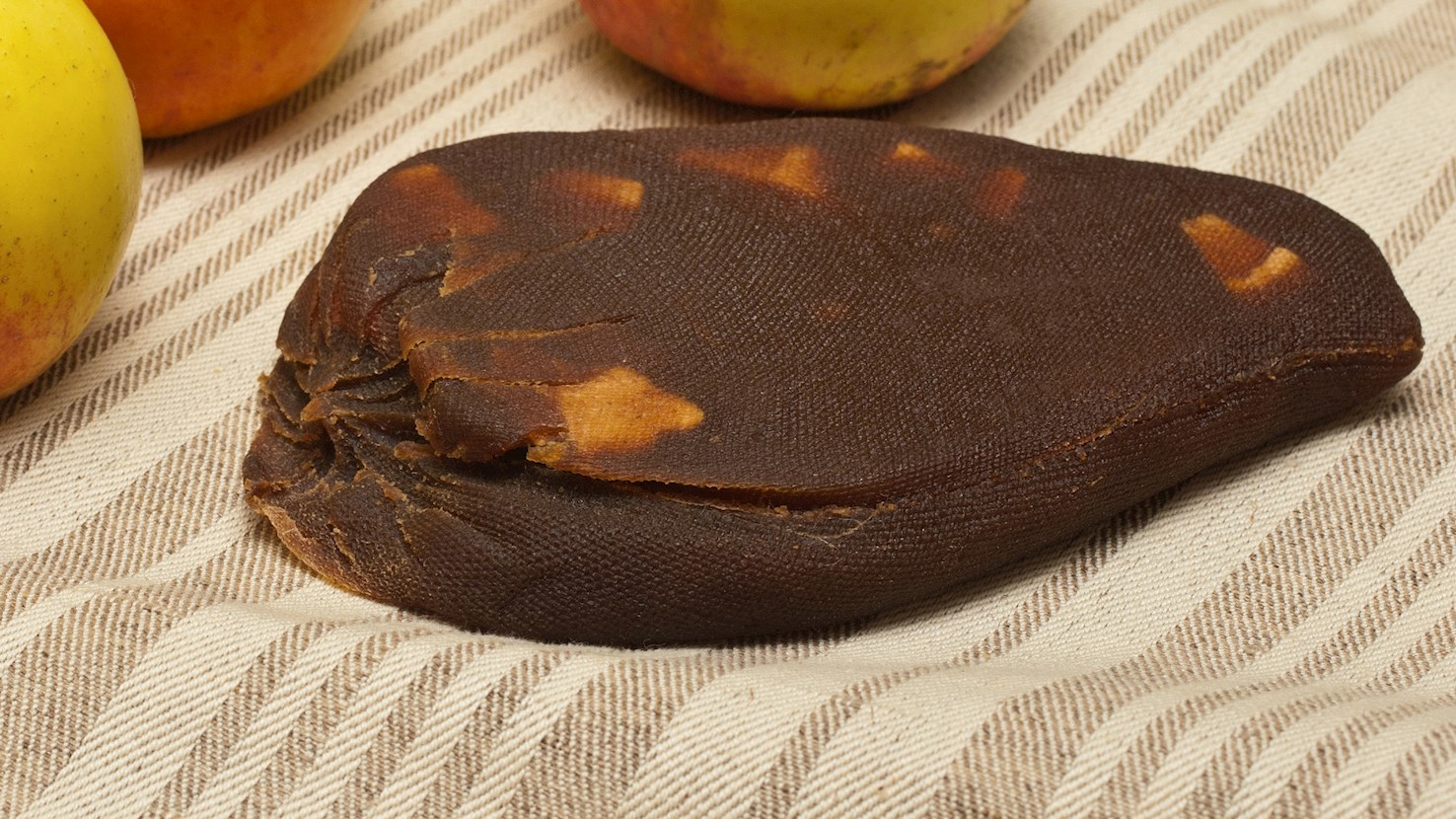
Obuolių sūris is a traditional dessert of dried, stewed apples mixed with sugar. The name translates to apple cheese because one step in the preparation says to pour stewed apples into a cheesecloth, resulting in the final product resembling cheese in its shape and consistency. It is believed obuolių sūris originated in Lithuania sometime in the Middle Ages. The first written recipe can be traced to the 17th century and a cook for the Lithuanian noble house of Radvila. It was initially made with apples and honey, but honey was later replaced with sugar. The recipe calls for sliced raw apples (sour apples are preferred, Antonovka being the most popular variety), which are cooked with sugar until most of the liquid evaporates. At this stage, spices such as cinnamon and ginger can be added to enrich the taste. The mixture is then poured into a cheesecloth, drained, and pressed under a weight for a day. After that, obuolių sūris is traditionally hung to dry for up to six weeks, but some modern recipes suggest putting it into a warm oven to dry and harden. The final product is cut into sweet, chewy slices, which are best enjoyed as a snack or dessert, with some tea or (real) Lithuanian cheese.

02

Švilpikai

3.3 ·

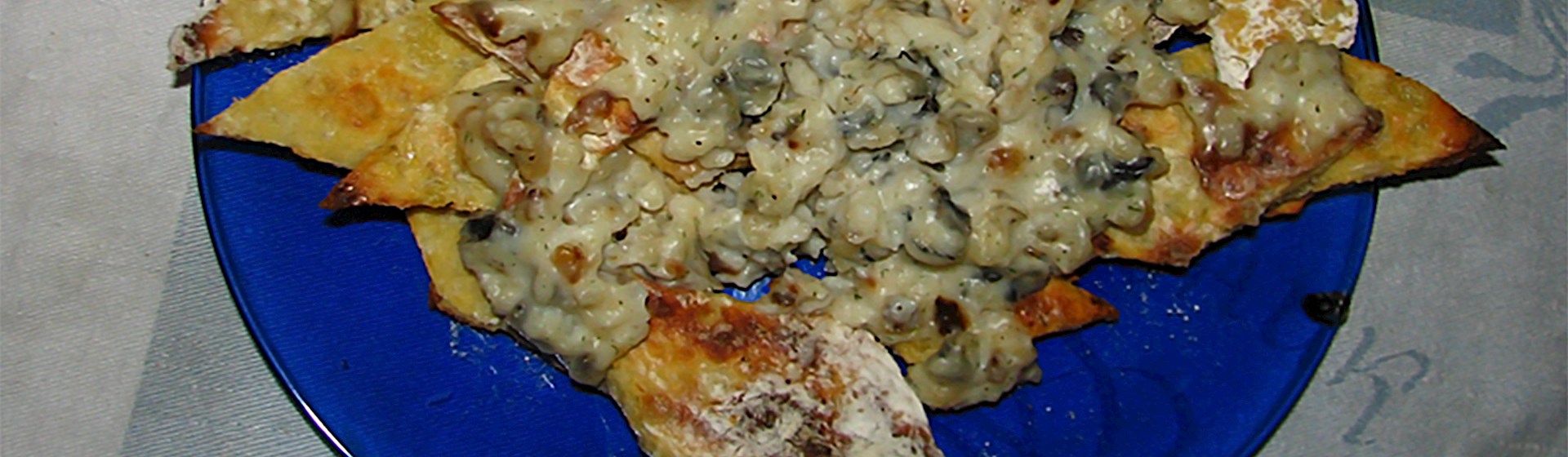
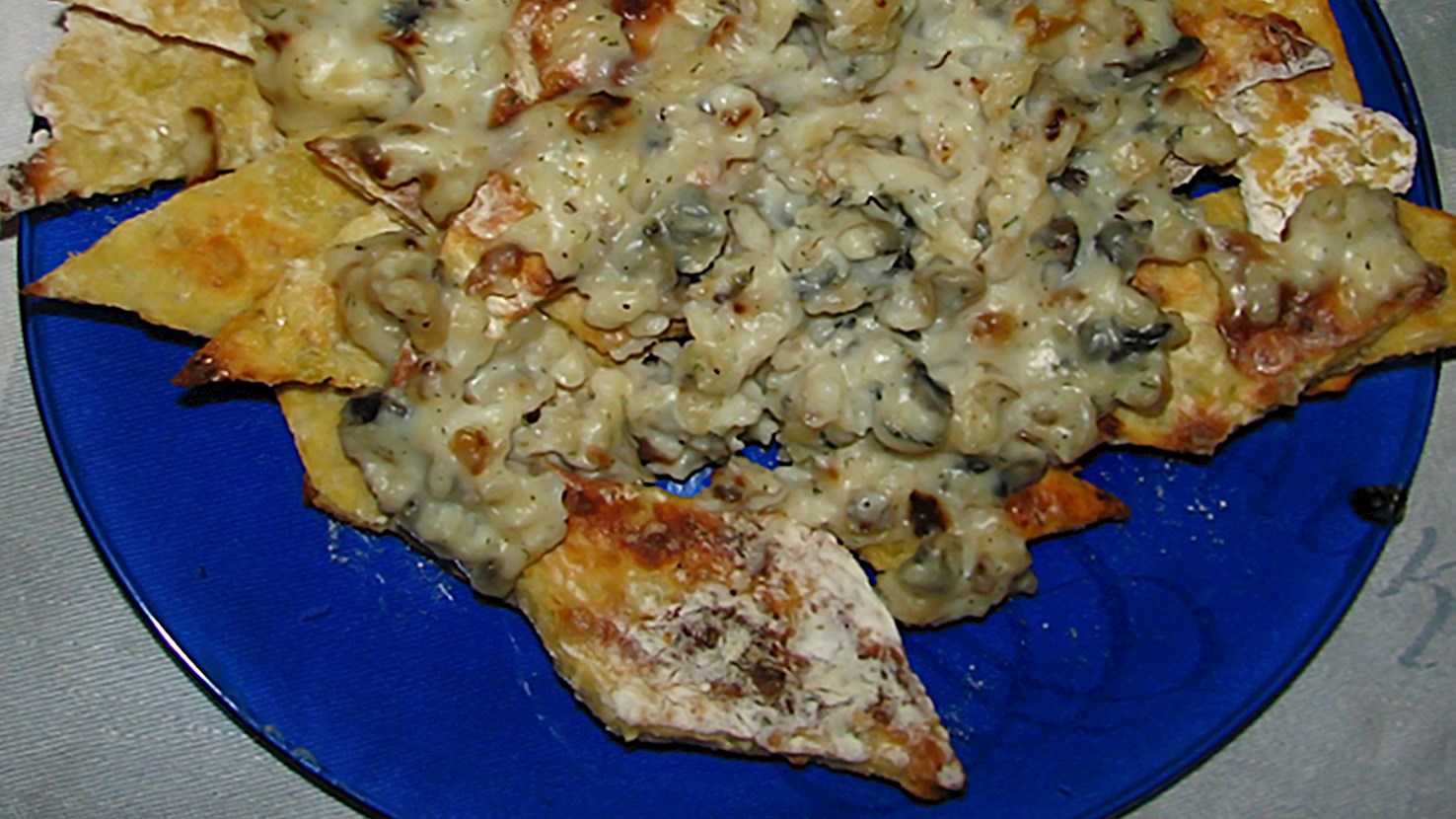
Švilpikai is a classic Lithuanian dish consisting of baked rectangular or diamond-shaped dough which is made with a combination of potatoes, flour, eggs, and salt. The potatoes are either boiled and crushed, or peeled and grated before being combined with the other ingredients. Leftover mashed potatoes can be used as an alternative. The doughy mix is then cut into rectangles and baked until its exterior becomes crunchy. Švilpikai is traditionally served hot with mushroom sauce, but it can also be served cold as a replacement for bread. It can also be eaten as a snack between meals.

03

Daujenu namine duona

3.5 ·

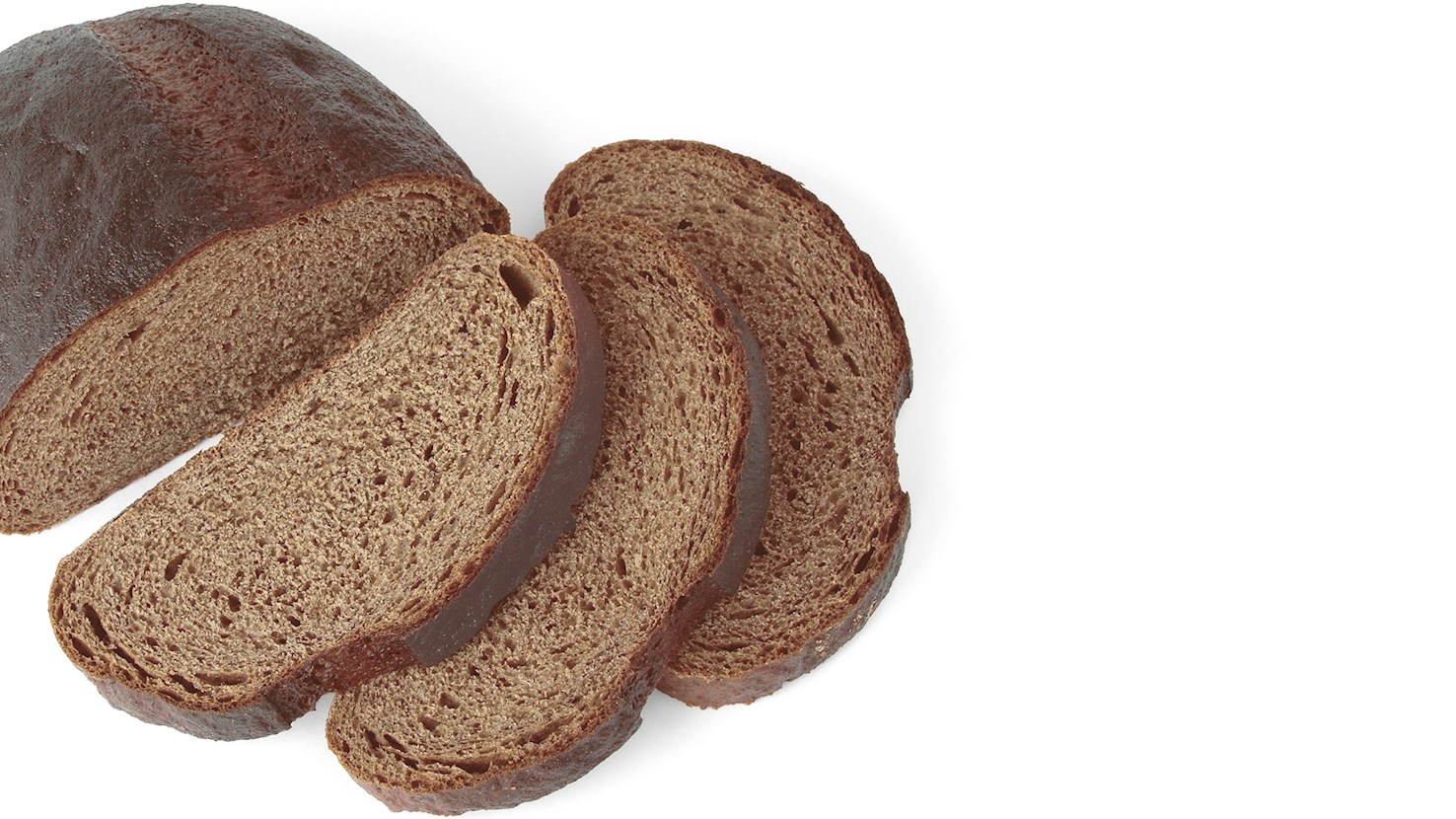
Daujėnų naminė duona is a traditional, homemade rye bread produced in the Daujėnai civil parish in Lithuania since the 17th century. The bread is quite big and comes in either oval loaves weighing from 4 to 4,5 kilograms, or rectangular loaves weighing from 4,5 to 10 kilograms. Rye flour dough is fermented in oak troughs, after which it is baked in a hearth oven or over coals. The loaves have a smooth dark and delicate surface and a pleasant flavor typical of rye bread, with a sweet and sour taste and a rich aroma. Only caraway seeds are added to the flour, water, sugar and salt mixture. The bread has a relatively long shelf life of two weeks and is highly praised by consumers; served at fairs, festivals, weddings and christenings where it is sometimes decorated with ornaments or symbols of strength, fidelity and humility.

04

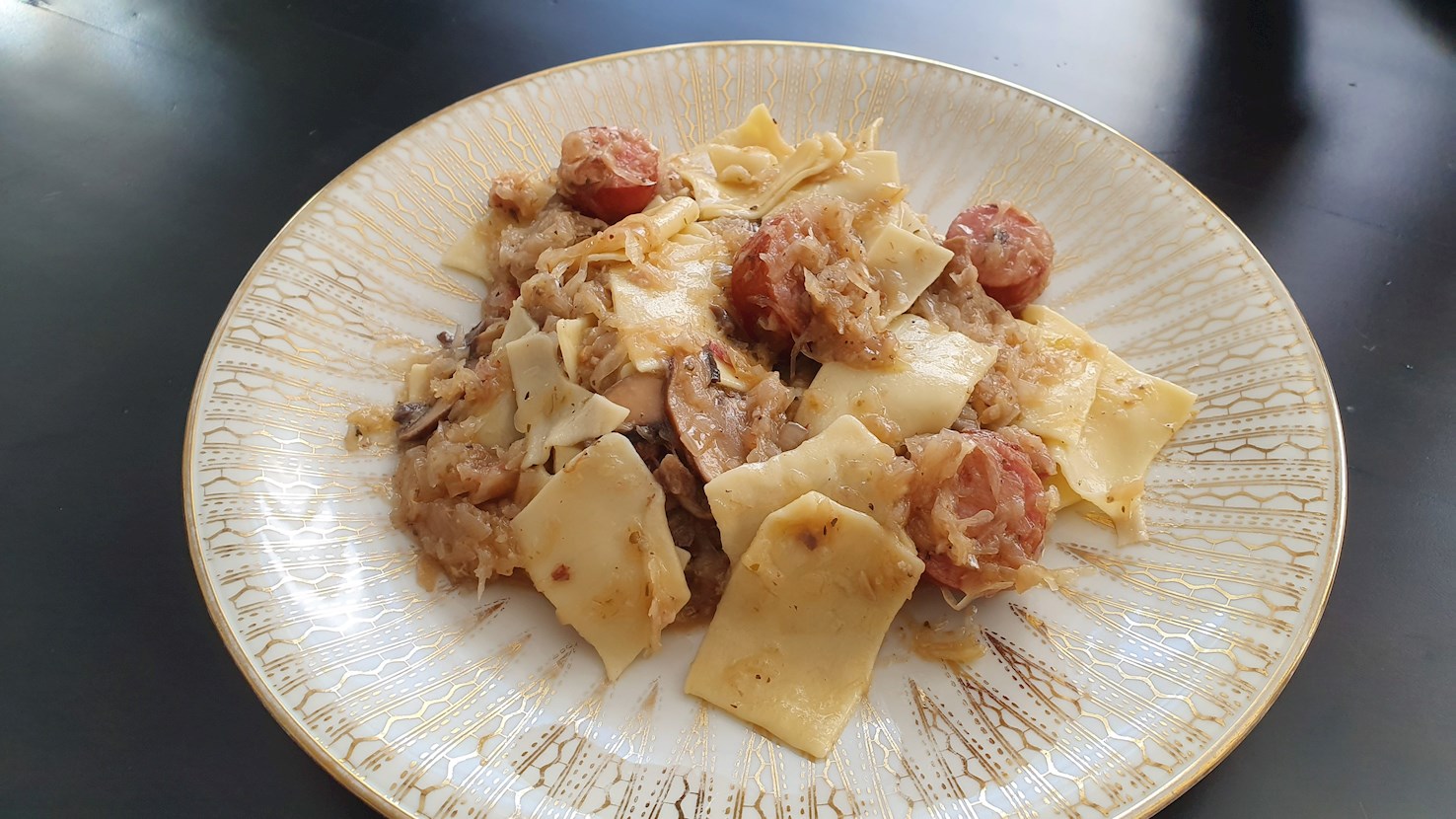
Skryliai

3.7 ·

Łazanki is the Polish and Belarusian name used for a variety of pasta and the eponymous dish, while in Lithuania the same dish is called skryliai. The pasta dough is made with wheat flour, eggs, water, salt, and oil. The flattened dough is shaped into squares or triangles, boiled, then combined with lard and onions, which are typically added on top of the pasta. Łazanki is mostly combined with meat and cabbage, in order to enhance the flavors and make it more substantial.

05

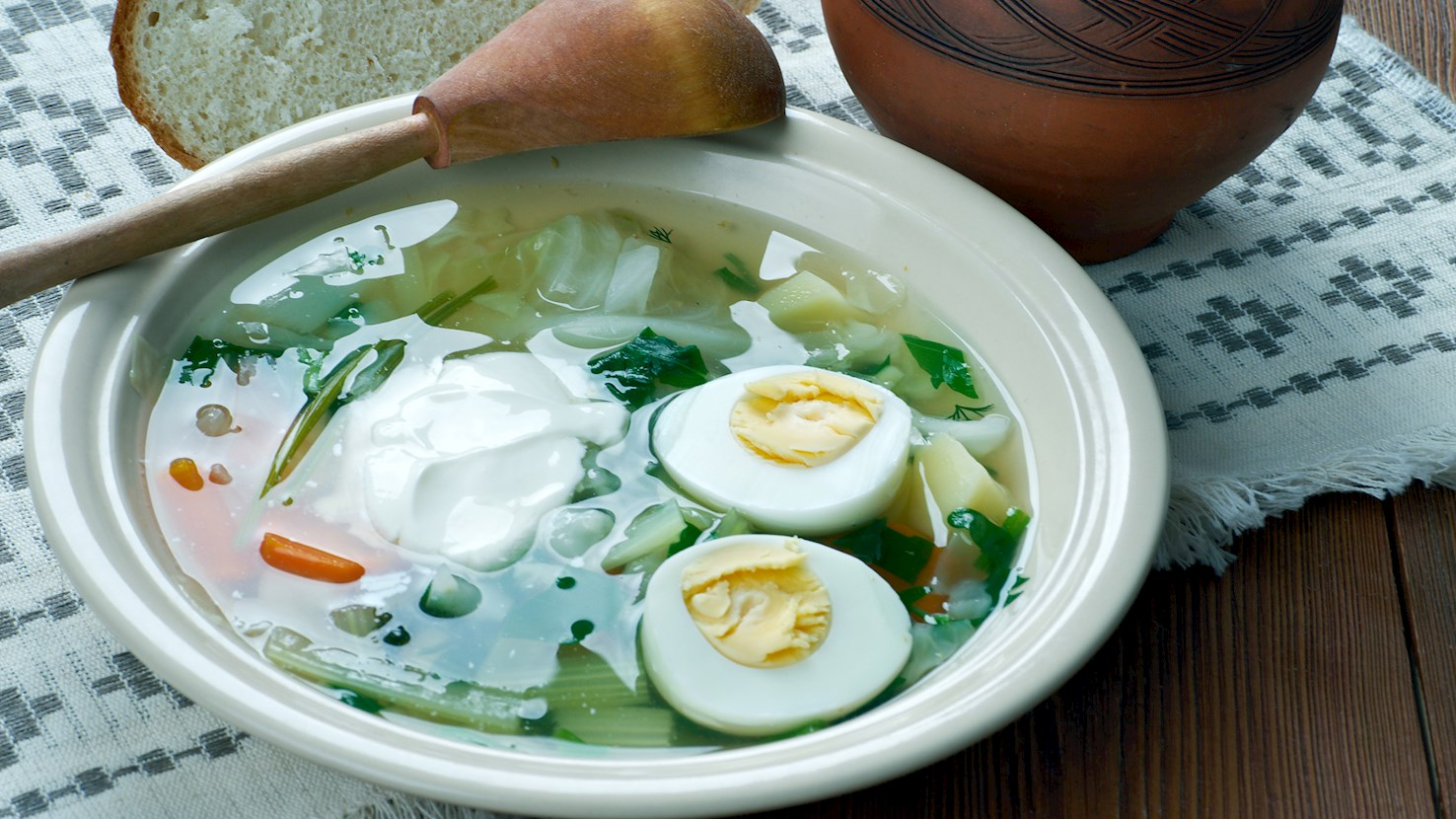
Rūgštynių sriuba (Sorrel Soup)

3.7 ·

Rūgštynių sriuba is a traditional soup originating from Lithuania. The soup is usually made with a combination of sorrel, chicken stock, potatoes, onions, bacon, bay leaves, salt, and peppercorns. Diced onions and chopped bacon are fried over medium heat until the onions are soft. The potatoes are cut into cubes and boiled with peppercorns in a mixture of water and chicken stock. The bacon and onions are also added to the pot, along with the sorrel. The soup is simmered until the potatoes become soft, and it's then served while still warm. If desired, chopped hard-boiled eggs can also be added to the soup for more flavor and texture.

Read more
View all
View map
About this ranking

TasteAtlas food rankings are based on the ratings of the TasteAtlas audience, with a series of mechanisms that recognize real users and that ignore bot, nationalist or local patriotic ratings, and give additional value to the ratings of users that the system recognizes as knowledgeable. For the “5 Worst Rated Lithuanian Foods” list until June 16, 2026, 3,305 ratings were recorded, of which 1,754 were recognized by the system as legitimate. TasteAtlas Rankings should not be seen as the final global conclusion about food. Their purpose is to promote excellent local foods, instill pride in traditional dishes, and arouse curiosity about dishes you haven’t tried.

Similar lists