

shutterstock

6 Worst Rated Luxembourg Foods

Last updated on June 16, 2026
01

Rieslingspaschtéit

3 ·

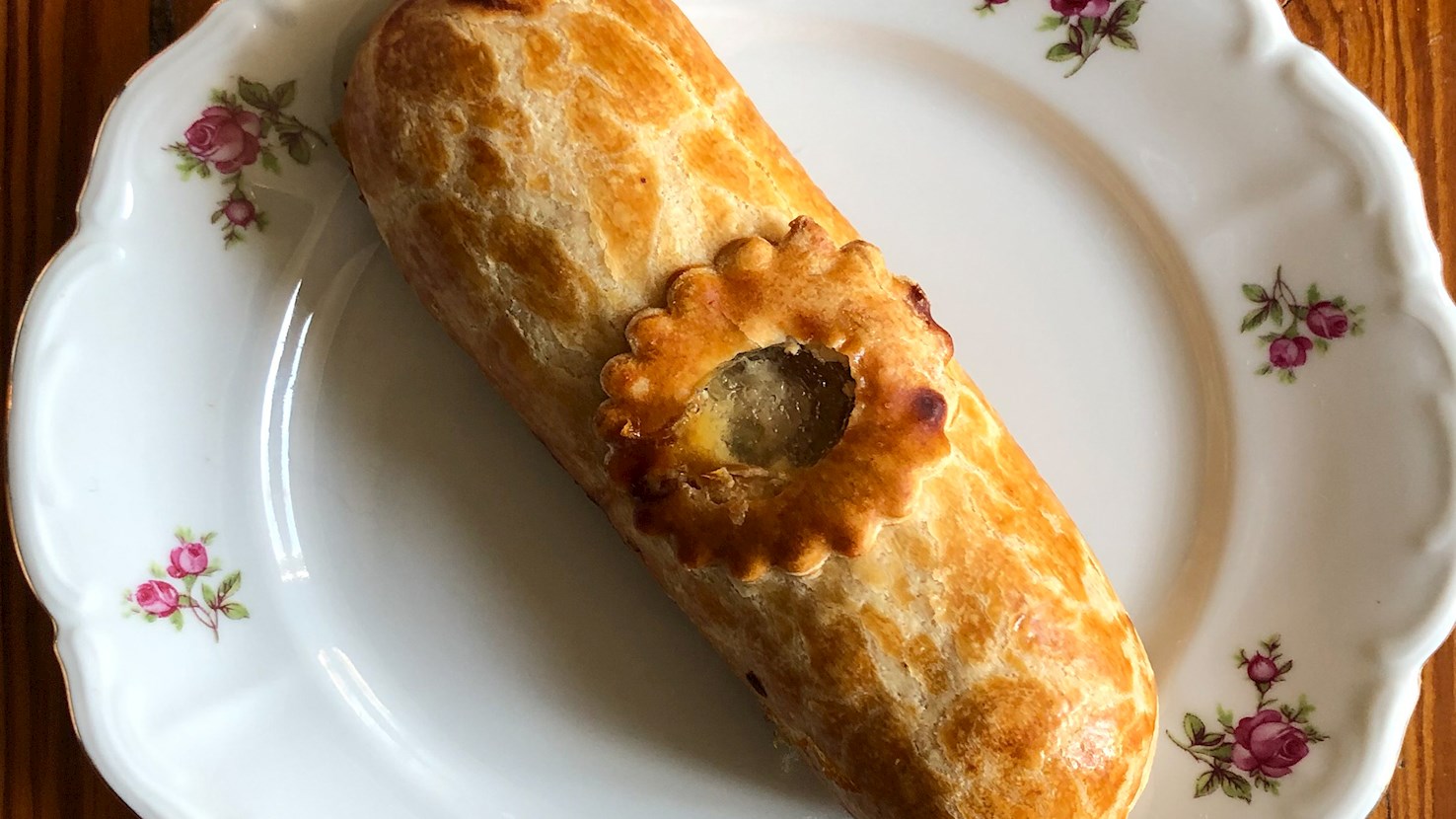
Rieslingspaschtéit is a traditional meat pie coming from Luxembourg, consisting of a pastry shell that surrounds a filling of pâté-like meat mixture in Riesling aspic. The pastry base is typically made by combining flour, butter, lard, water, salt, and a splash of Riesling wine, while the filling usually consists of pork or veal, chopped white bread, vegetables, herbs, spices, and Riesling wine. Holes for releasing steam are traditionally made in the pie’s top, and the pie is brushed with beaten egg yolks before baking for a nice glazed finish. Rieslingspaschtéit can be found in numerous bakeries in the country, and it is typically enjoyed chilled with a variety of side dishes and a glass of Riesling wine.

02

Kniddelen

3.2 ·

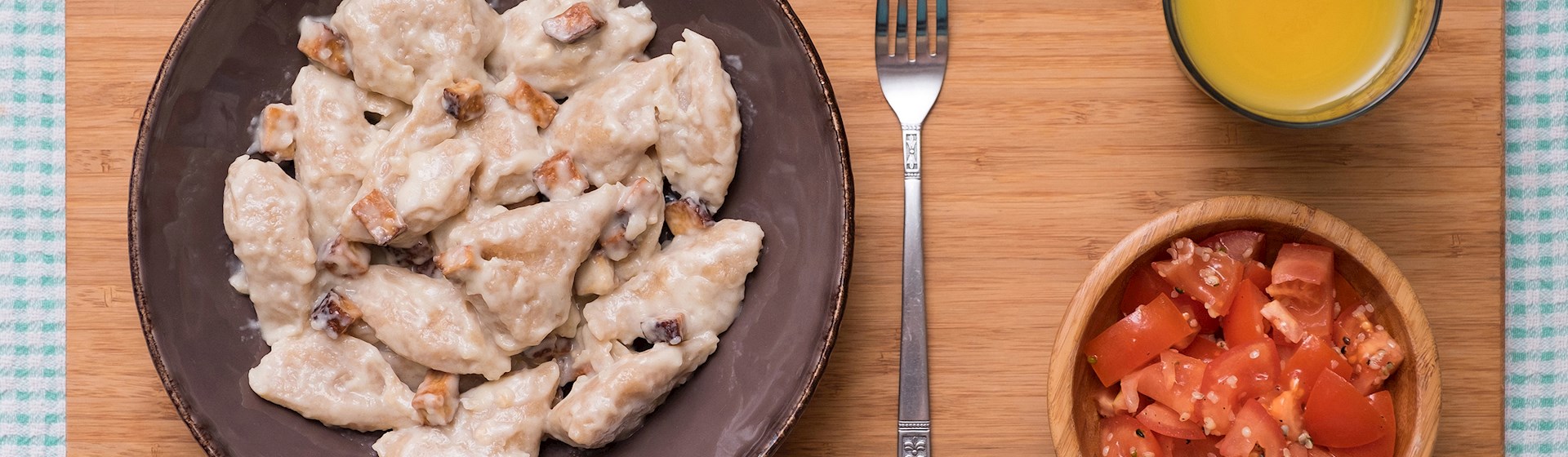
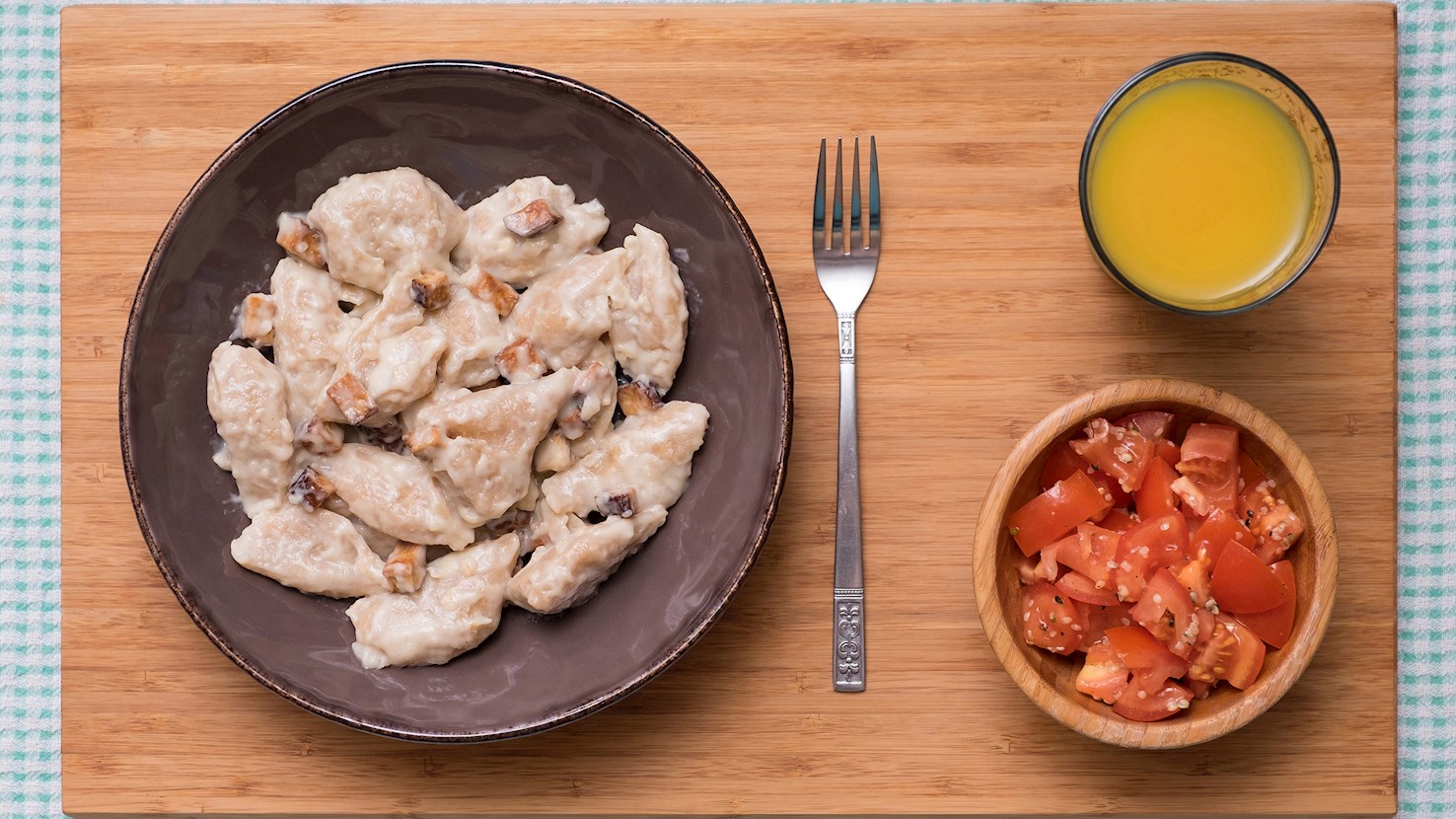
Kniddelen are traditional Luxembourgish dumplings. They're made with a combination of flour, eggs, and milk. The thick batter is dropped into boiling water by using a teaspoon. When the dumplings rise to the top, they're done. Kniddelen can be served in soups, as accompaniments to stews and casseroles, or more traditionally, combined with bacon that was fried in butter and the accompanying pan juices. It's recommended to serve the dish with a glass of white Luxembourg wine.

03

Judd mat gaardebounen

3.2 ·

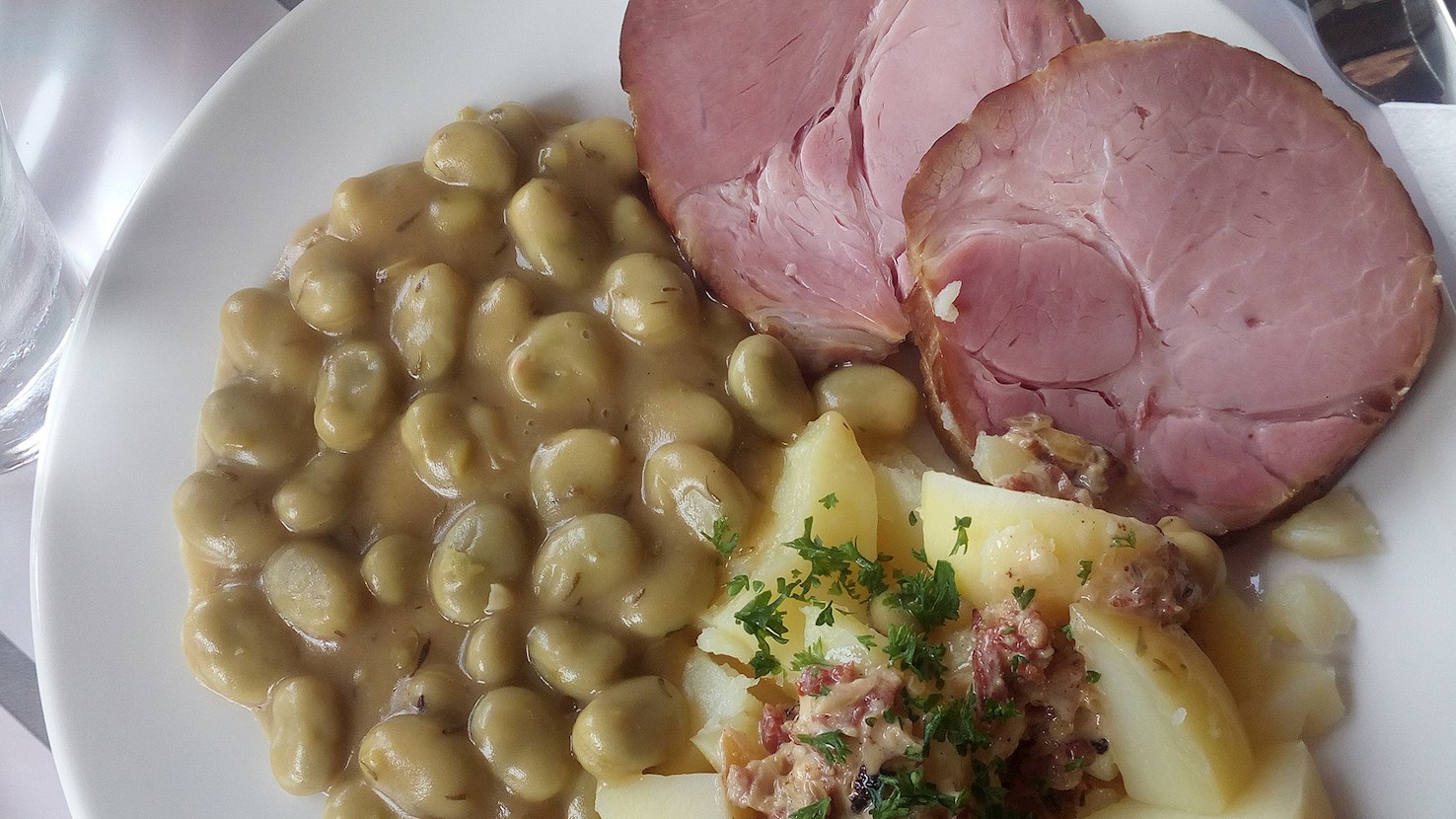
Judd mat gaardebounen or smoked collar of pork with broad beans is a specialty hailing from Luxembourg. It's often dubbed the national dish of this country. The dish is typically made by cooking the pork collar in water with chopped vegetables and herbs such as leeks, carrots, onions, celery, bay leaves, cloves, savory, and peppercorns (with the addition of wine) until the meat becomes tender. The cooked smoked pork collar is then cut into slices and combined with a creamy sauce based on roux, fresh cream, dry white wine, stock or water, blanched broad beans, bacon, and herbs before it is enjoyed with a side of boiled or fried potatoes. Early summer is the period when this specialty is traditionally prepared in Luxembourg’s households and restaurants due to the fact that the beans are young, tender, and fresh during the period.

04

Quetschentaart

3.2 ·

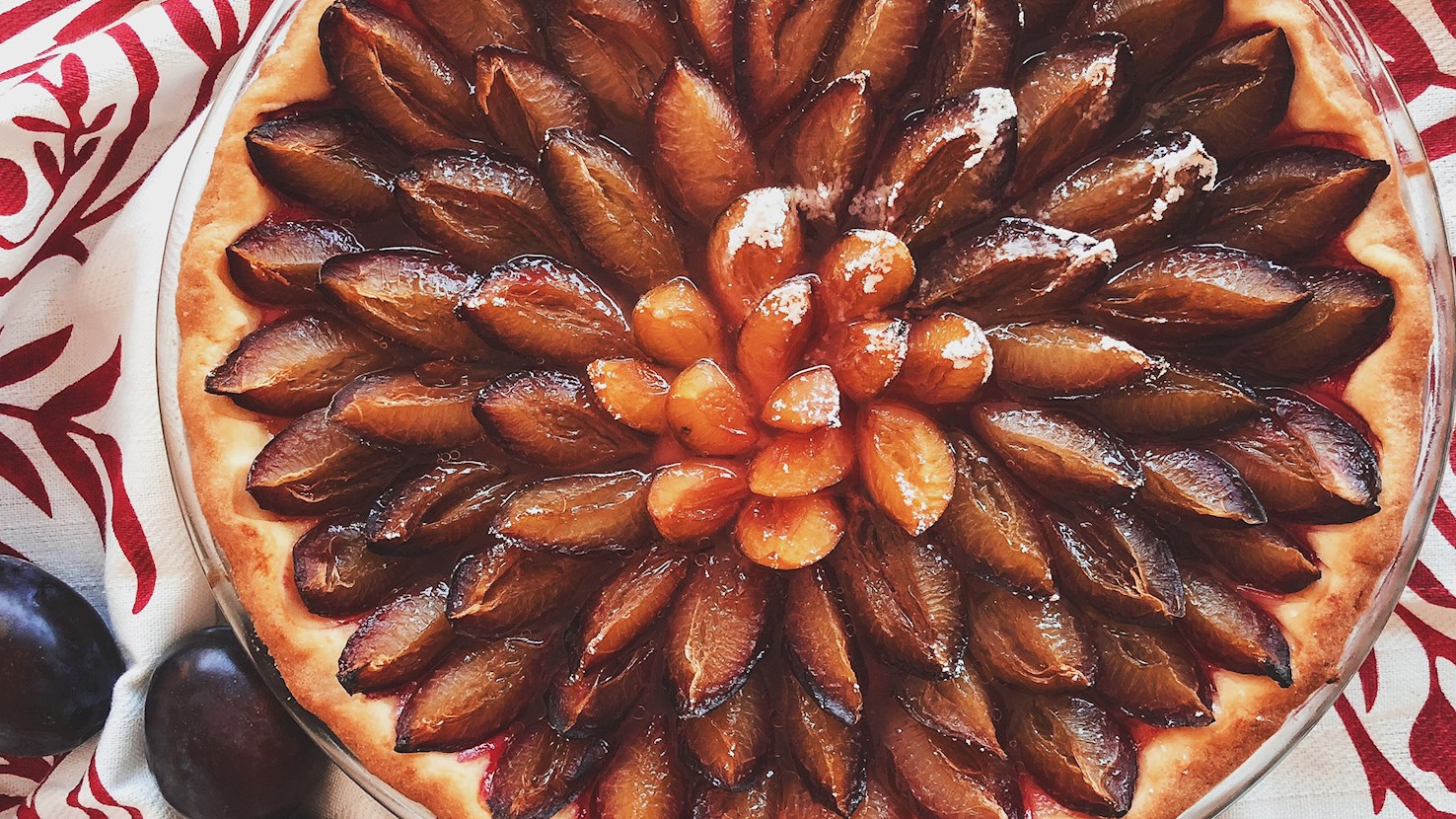
Quetschentaart (also known as quetscheflued) is a Luxembourgish damson plum tart that is traditionally prepared during autumn, when damson plums are in season. To make the tart base, flour, sugar, butter, salt, and eggs are combined into a firm dough that is then rolled out and tucked snugly into a buttered tart tin before it is finished with slices of fresh damson plums and baked to perfection. The tart can optionally be dusted with powdered vanilla sugar for extra flavor and a pleasant aroma. A dollop of whipped cream, crème fraîche, or even a scoop of ice cream go perfectly with this sweet fruit tart. Quetschentaart can be bought at almost any pastry shop, bakery, and restaurant in the country, especially during the damson plum season.

05

Lëtzebuerger Grillwurscht

3.2 ·

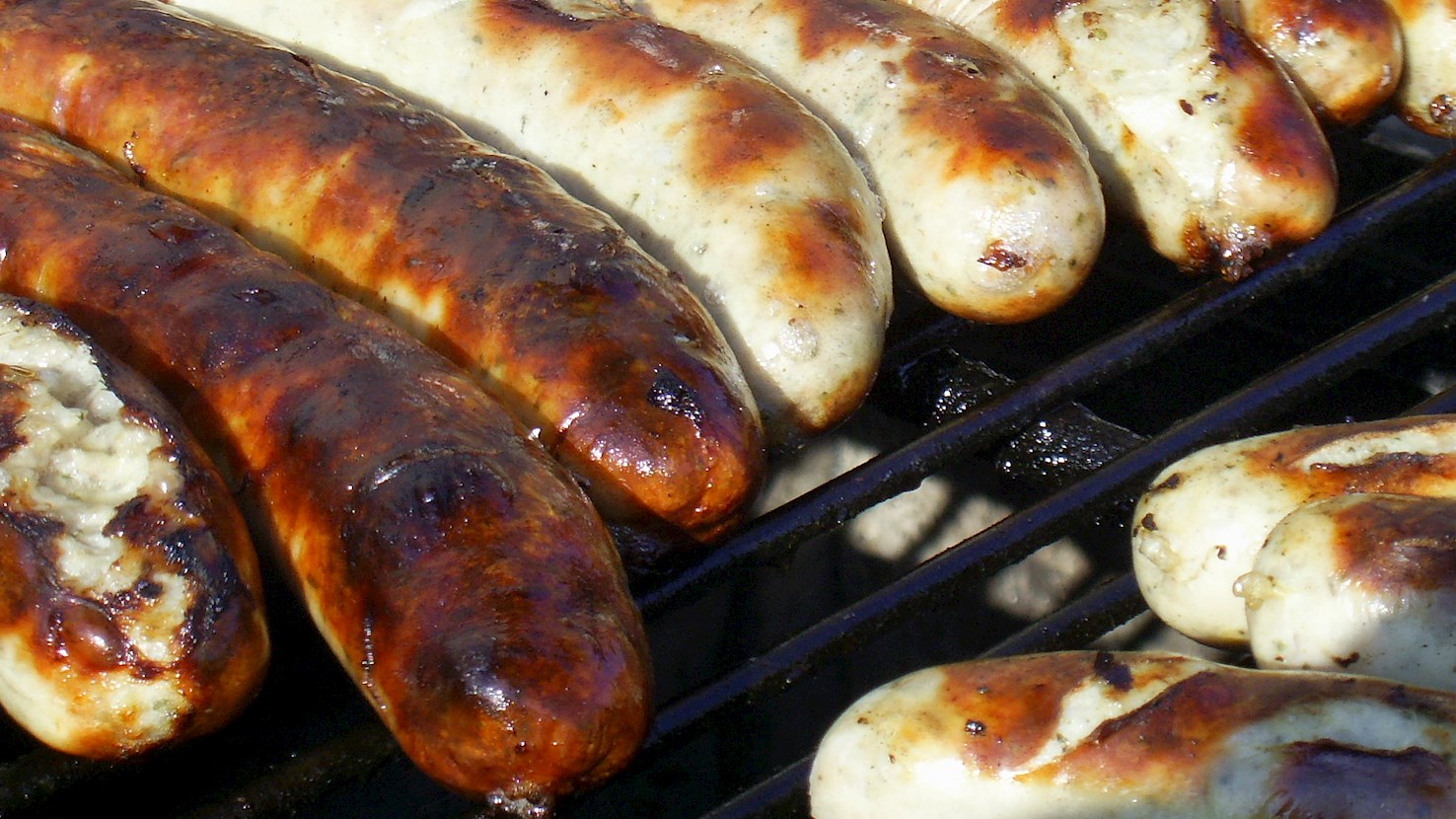
A staple at summer barbecues, festivals, and various other celebratory occasions in the country, lëtzebuerger grillwurscht is a take on the well-known German bratwurst. Consisting of pork, veal, or beef along with spices and seasonings, this white sausage closely resembles a thüringer sausage, and it was commonly referred to as such across the country not so long ago. As of 2003, the thüringer sausage has been enlisted as a PGI (Protected Geographical Indication) product by the EU, making the Luxembourgers abandon the practice of calling their sausage a thüringer. A number of alternative names have since been given to the Luxembourgish version of the sausage, including grillinger and luxringer. This savory sausage is typically grilled and consumed tucked inside a bread roll slathered with mustard or with a side of mashed potatoes. In both cases, it's best to pair it with a cold beer.

06

Bouneschlupp

3.4 ·

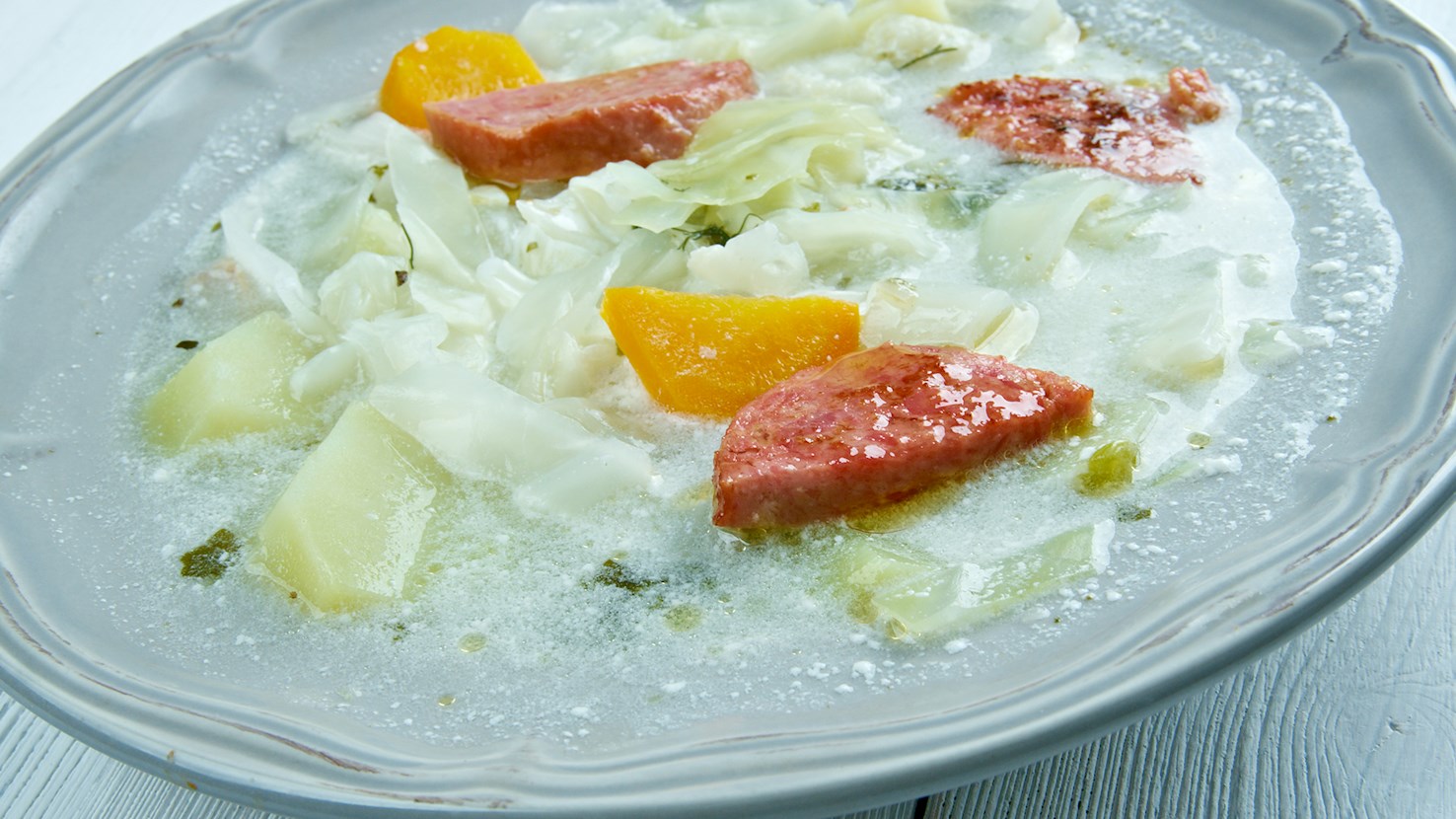
Bouneschlupp is a classic Luxembourgish soup made with green beans, potatoes, smoked bacon, and onions. Regional variations of this dish may include additional ingredients such as carrots, leeks, or celery. Metworst or other types of heavily spiced sausages may be added as well. Although bouneschlupp is considered a national dish of Luxembourg, it can also be found in the German state of Saarland, Lorraine (France), and the historical regions of Gaume and Arelerland in Belgium. It is traditionally served hot with potato pancakes called gromperekichelchen and (optionally) a dollop of sour cream on the side.

Read more
View all
View map
About this ranking

TasteAtlas food rankings are based on the ratings of the TasteAtlas audience, with a series of mechanisms that recognize real users and that ignore bot, nationalist or local patriotic ratings, and give additional value to the ratings of users that the system recognizes as knowledgeable. For the “6 Worst Rated Luxembourg Foods” list until June 16, 2026, 151 ratings were recorded, of which 111 were recognized by the system as legitimate. TasteAtlas Rankings should not be seen as the final global conclusion about food. Their purpose is to promote excellent local foods, instill pride in traditional dishes, and arouse curiosity about dishes you haven’t tried.

Similar lists