

shutterstock

25 Worst Rated Moroccan Foods

Last updated on June 17, 2026
01

Kalinté

2.6 ·

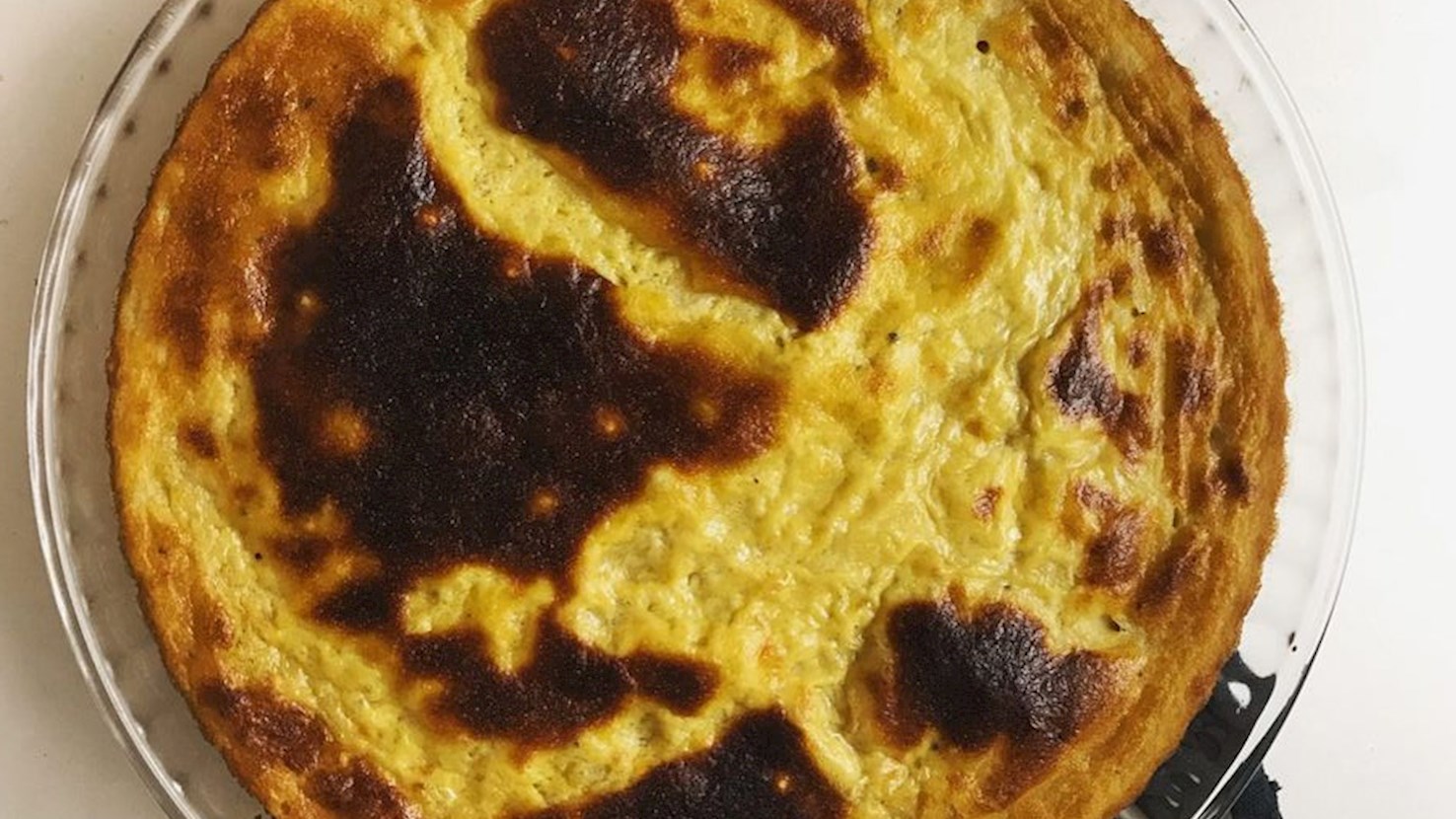
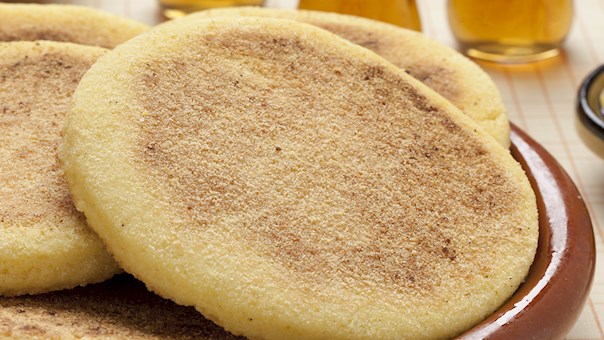
Kalinté is a traditional street bread originating from Tangier. It's usually made with a combination of chickpea flour, eggs, olive oil, salt, lukewarm water, and ground cumin or harissa sauce. Once prepared, the batter should be smooth and chilled for a while before it's baked in a brick oven, usually in a deep-dish pan. The top of kalinté is brushed with oil and it should be golden brown and glazed once it's baked. Kalinté is eaten by the slice, often as a small rectangle, and it's sprinkled with cumin or harissa before serving. The name of this flan-like dish is the Tangier slang word for heat.

02

Matbucha

2.9 ·

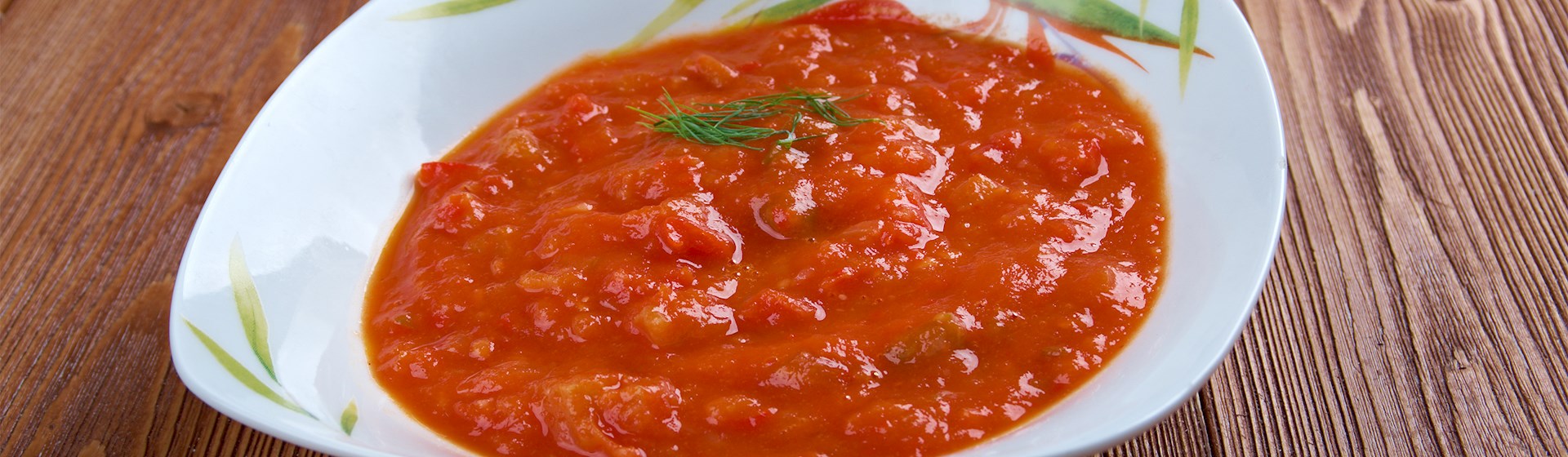
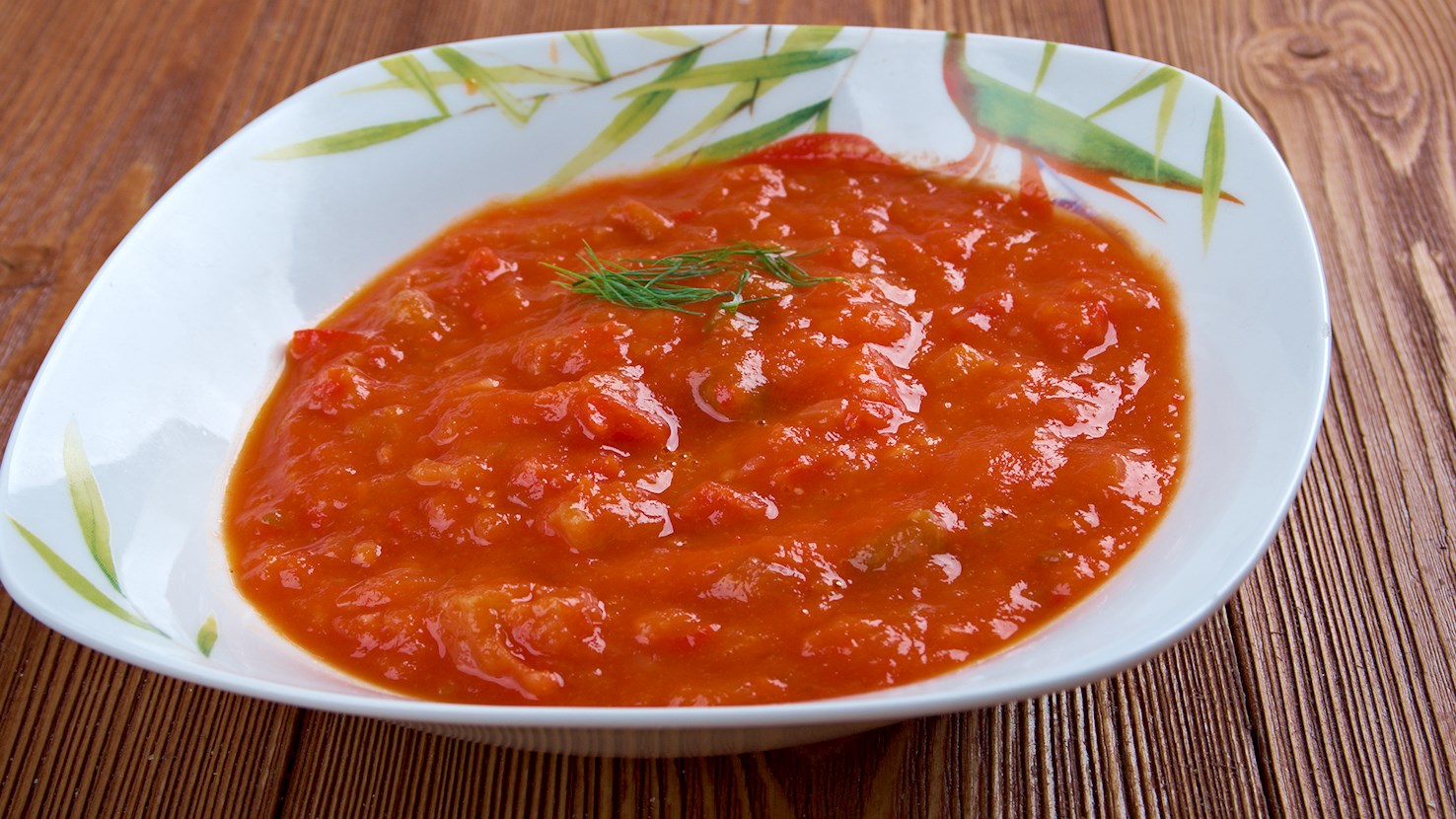
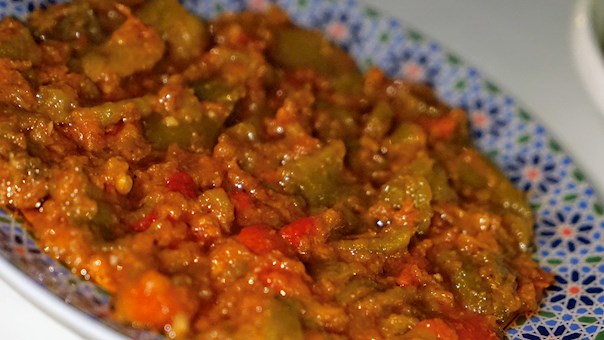
Though its origins presumably lie in Morocco, matbucha is also a favorite in Israel, where it was brought by Jewish immigrants. The dish consists of roasted bell peppers and tomatoes seasoned with garlic and ground paprika. In Morocco, it is typically enjoyed as meze—assorted small dishes—while Israelis typically think of it as an appetizer. Matbucha should always be served drizzled with a generous amount of olive oil, accompanied by a warm flatbread on the side.

03

Sellou

2.9 ·

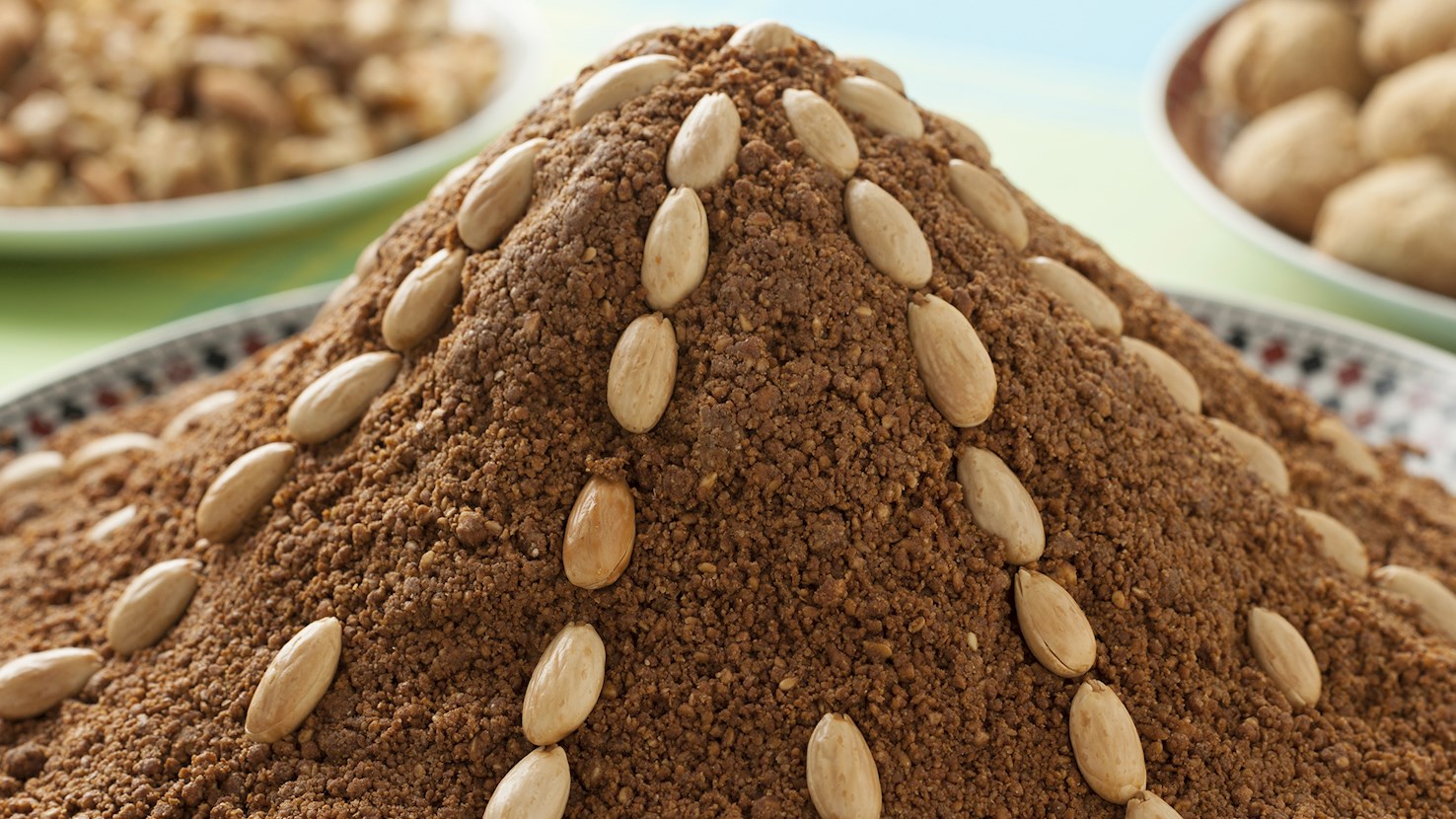
Sellou is a popular Moroccan sweet consisting of oven-browned flour, fried almonds, and toasted sesame seeds. The dessert is not baked, as all of the ingredients are combined instead. Rich and nutty, sellou acts as food that restores energy and health, which is the reason why it is traditionally served during Ramadan and at celebrations or special occasions.

04

Krachel

2.9 ·

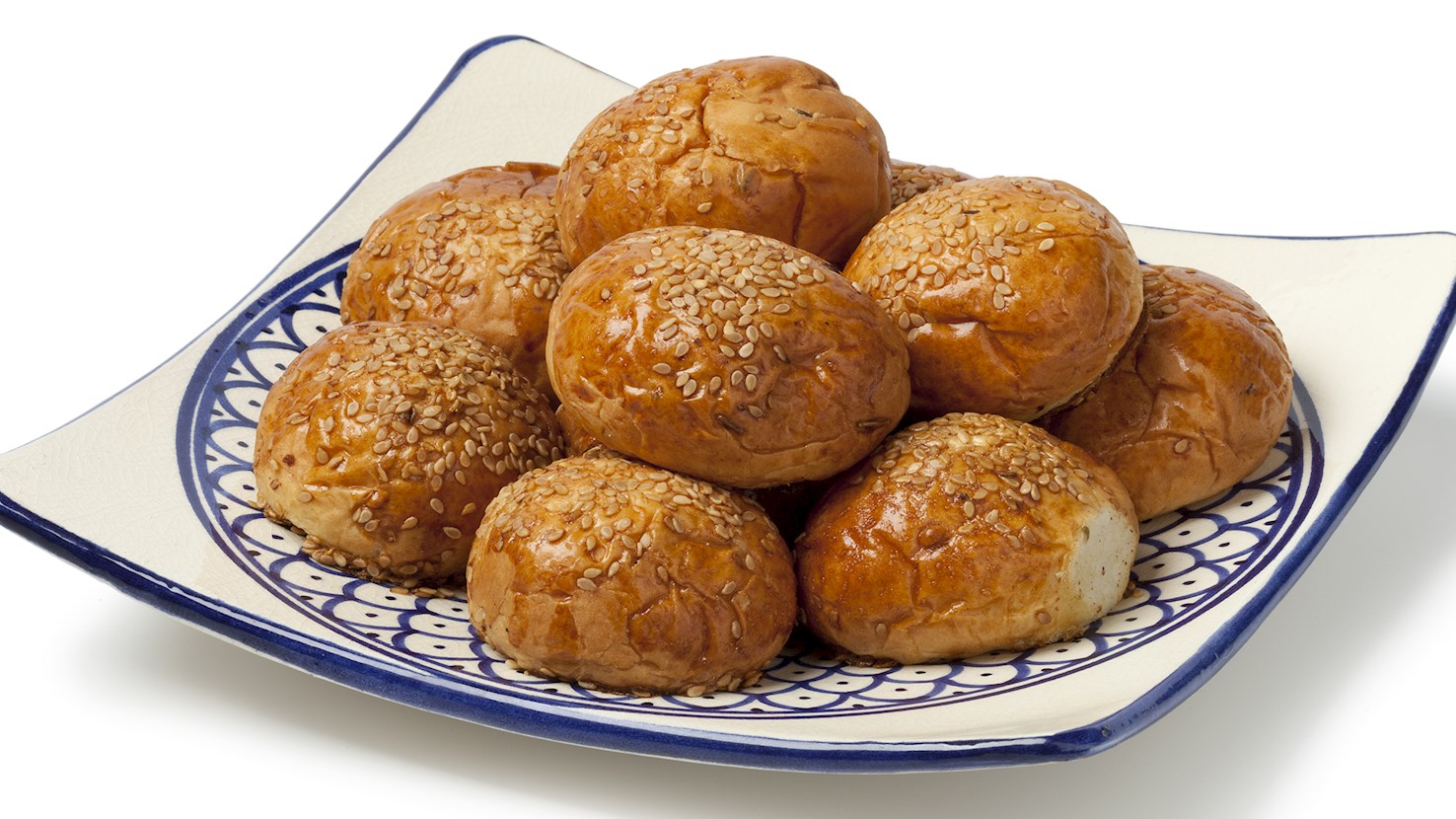
These traditional Moroccan bread rolls are prepared with a yeasted, brioche-like dough that is enriched with aniseed. They also incorporate toasted sesame seeds and are usually flavored with orange blossom water. Before baking, krachel are brushed with egg wash, while the top is sprinkled with toasted sesame seeds or pearl sugar. The buns can be enjoyed plain, but they are also commonly served with cheese and savory or sweet spreads such as butter, jams, or chocolate spreads. They perfectly pair with coffee or tea.

05

Meskouta

3.0 ·

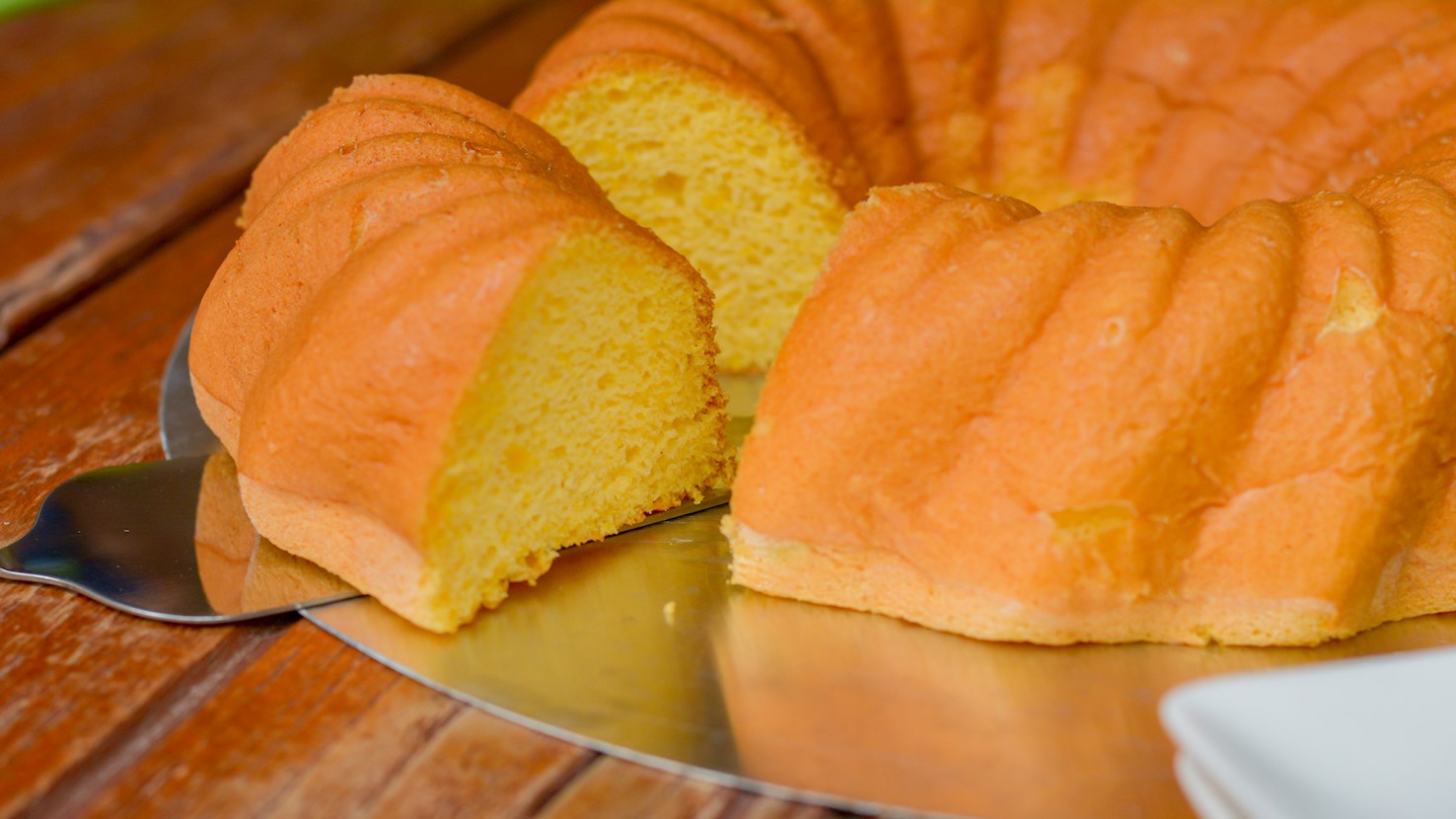
Meskouta is a traditional cake originating from Morocco. This orange and almond cake is made with a combination of almonds, eggs, sugar, honey, orange juice, lemon juice, orange flower water, oil, flour, baking soda, and baking powder. Once prepared, the batter is poured into a pan and baked until golden. This cake is traditionally prepared in the winter, when oranges ripen. It's often accompanied by hot mint tea or coffee on the side.

06

Boulfaf

3.0 ·

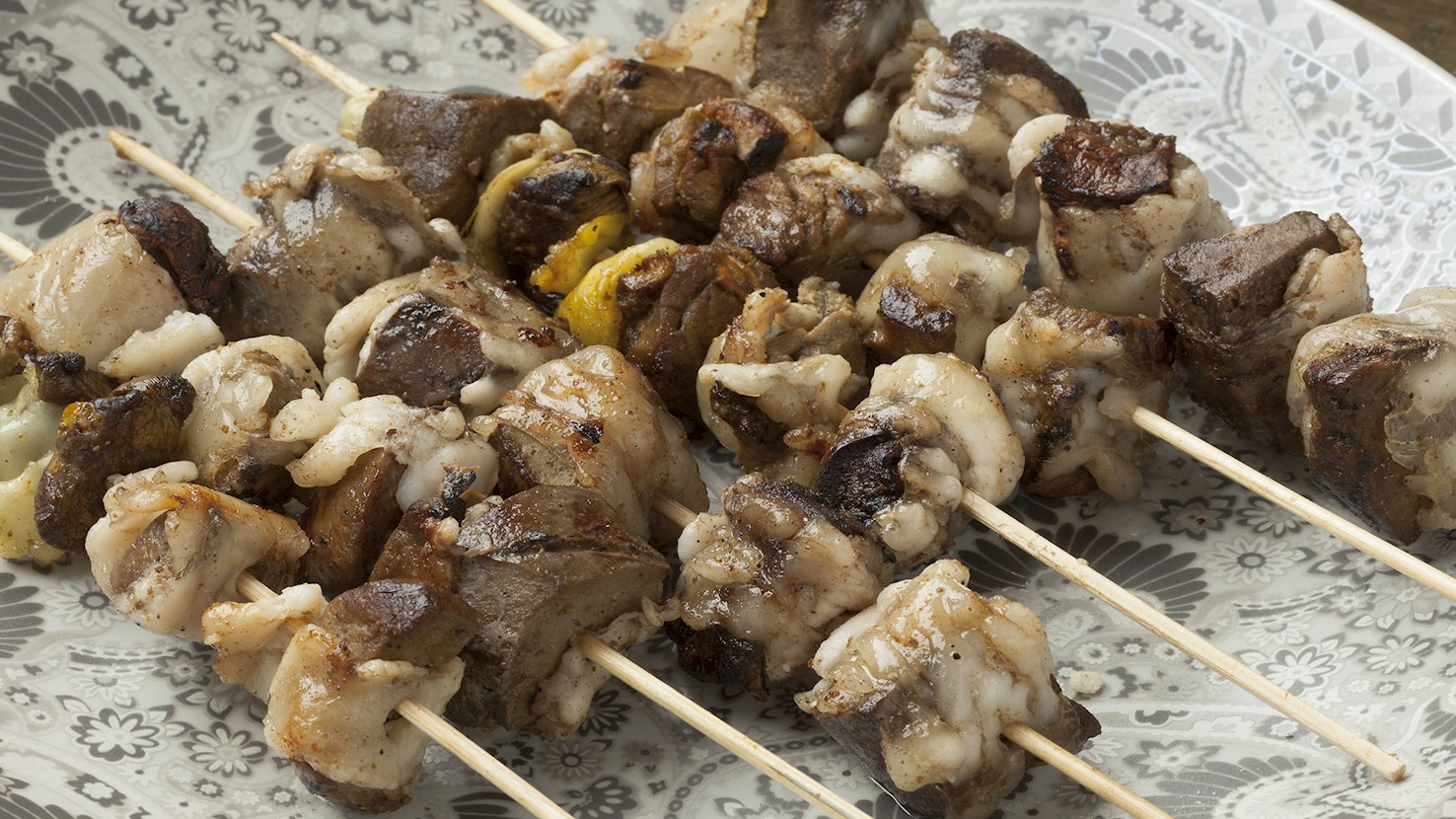
Boulfaf is a traditional Moroccan dish consisting of grilled and skewered lamb liver rubbed with cumin, paprika, salt, and pepper. It is typically served hot with the same spice mixture that was used for rubbing the meat. The dish is especially popular during Eid-al-Adha (the Feast of Sacrifice) in Morocco.

07

Krichlate

3.0 ·

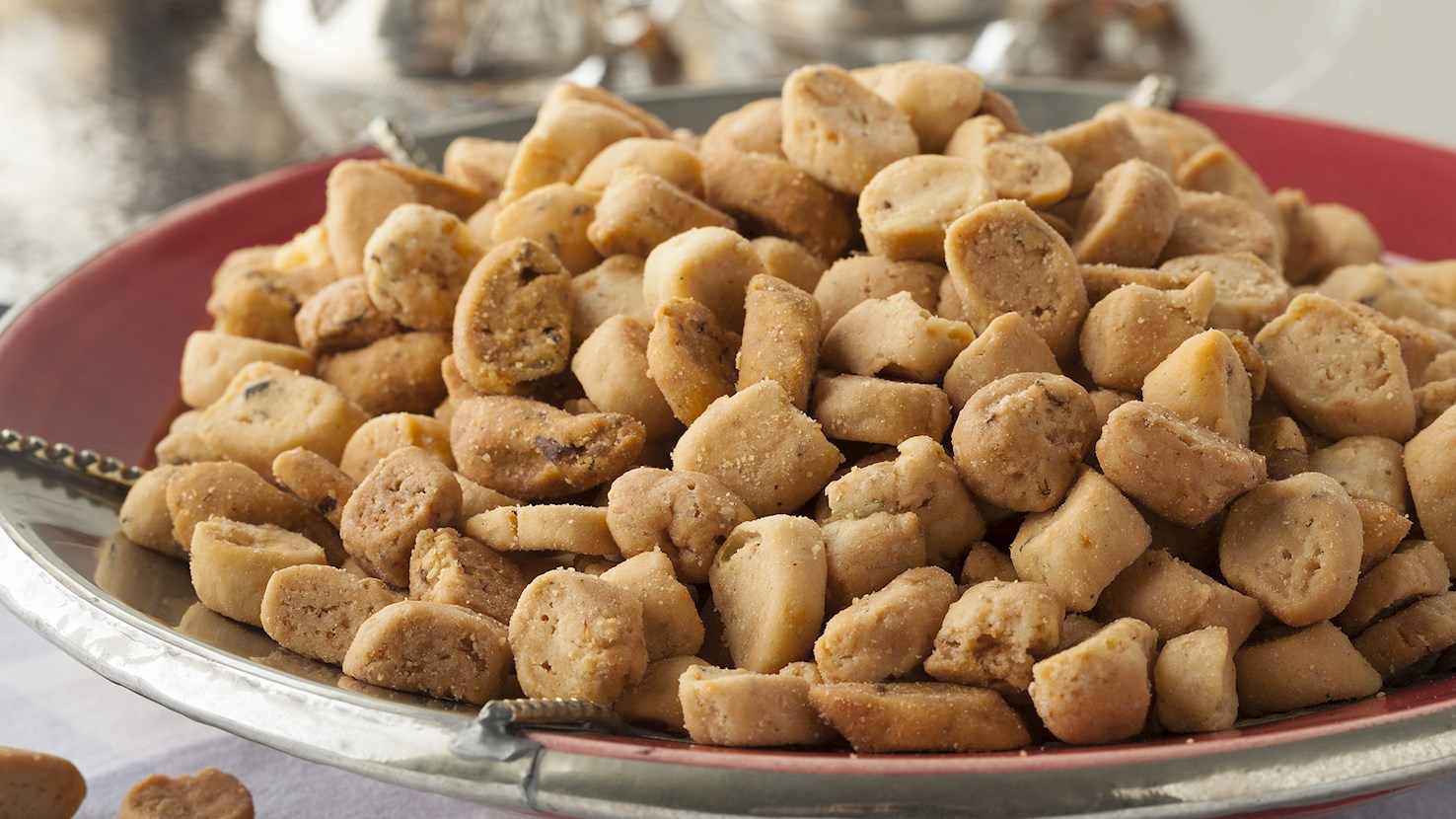
These tiny Moroccan cookies are prepared with a shortbread dough that is usually enriched with aniseed and toasted sesame seeds. The cookies are usually associated with Ashura festival—the tenth day of the first month of the Islamic calendar. On that occasion, they are typically served with a variety of dry fruits and nuts. The cookies are also prepared for other festivities and can be enjoyed as an everyday snack that best pairs with coffee or tea.

08

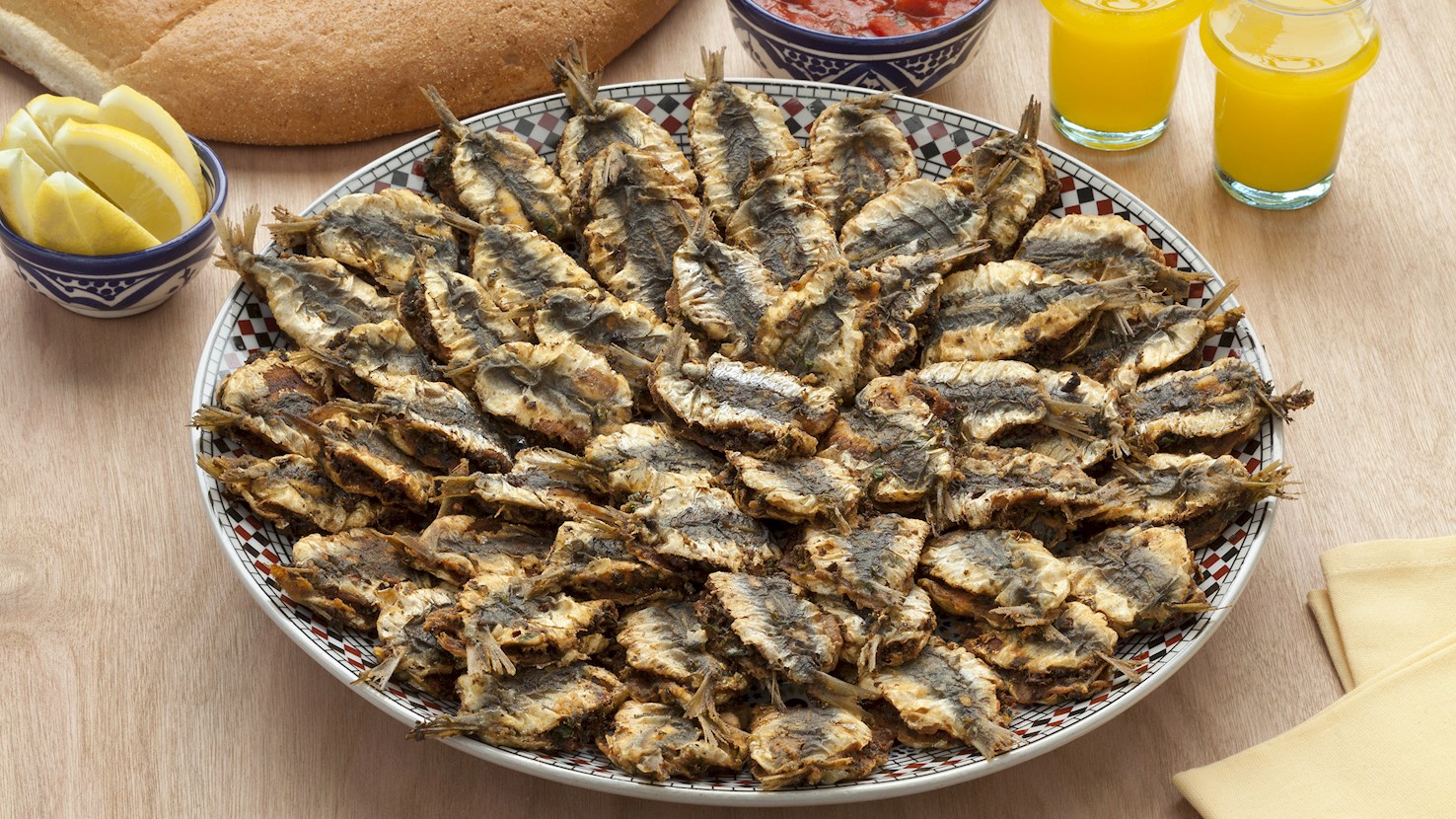
Sardine mzeouej (Moroccan Stuffed Fried Sardines)

3.1 ·

Moroccan stuffed sardines or sardine mzeouej (married sardines) is a traditional fish dish. The dish is usually made by butterflying sardine fillets and stuffing them with chermoula, a concoction made with a combination of garlic, paprika, hot peppers, cumin, salt, olive oil, parsley, lemon juice, and coriander. The sardines are rubbed with chermoula, coated with flour, and fried in hot oil on both sides. Once done, the fried stuffed sardines are served warm or at room temperature, often accompanied by lemon wedges, harissa, or fresh salads based on tomatoes, cucumbers, and onions. The dish is also very popular as a street food item, especially in coastal areas.

09

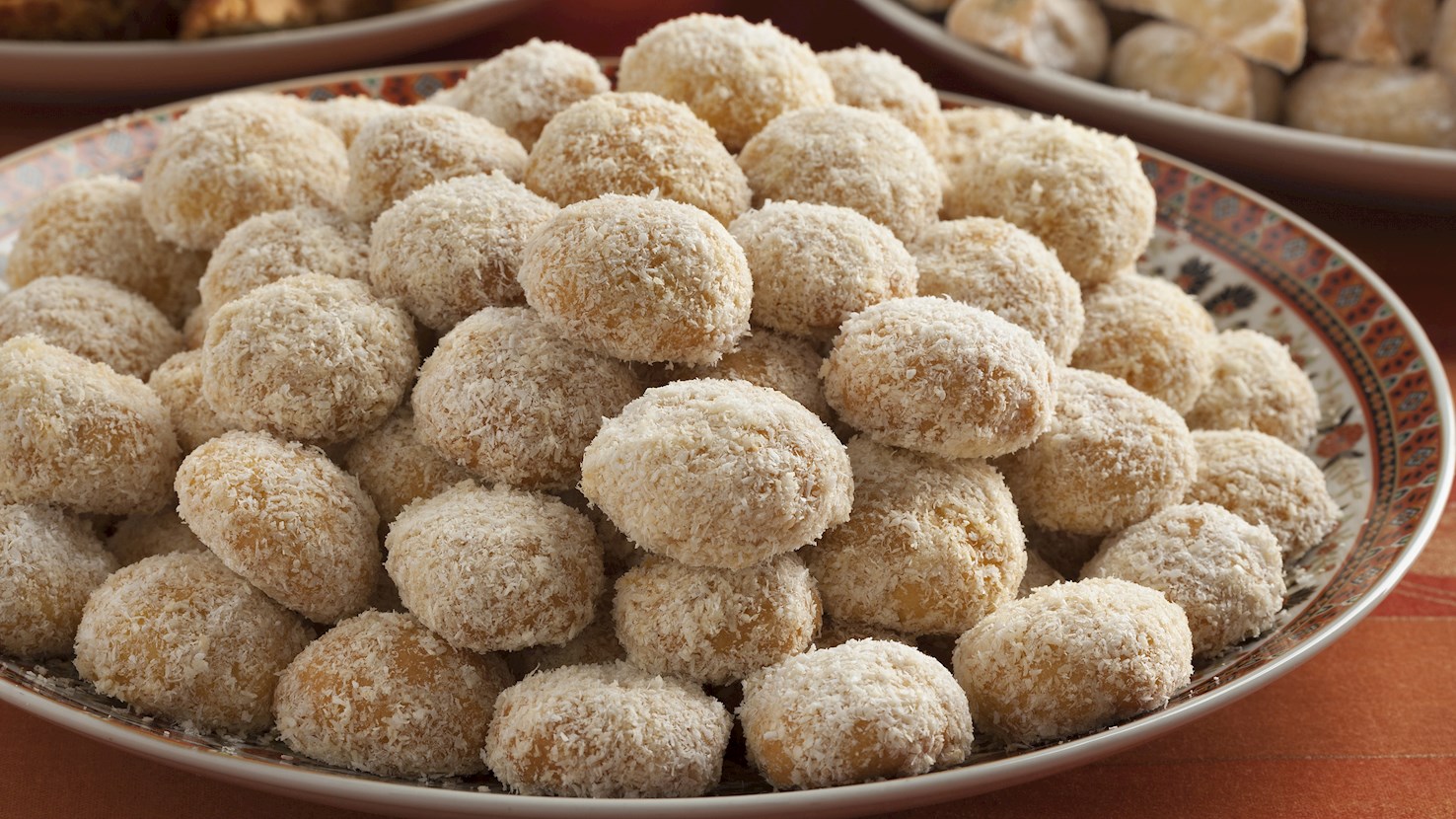
Ghoriba

3.2 ·

Ghoriba are traditional Middle Eastern cookies that come in a few varieties – some can be chewy, while others have a shortbread-like, crumbly texture. The cookies are traditionally shaped into balls or disks, and often have characteristical cracks across their surface. Ghoriba cookies usually consist of flour, sugar, butter, and almonds. It is recommended to serve them with a cup of tea or coffee on the side.

10

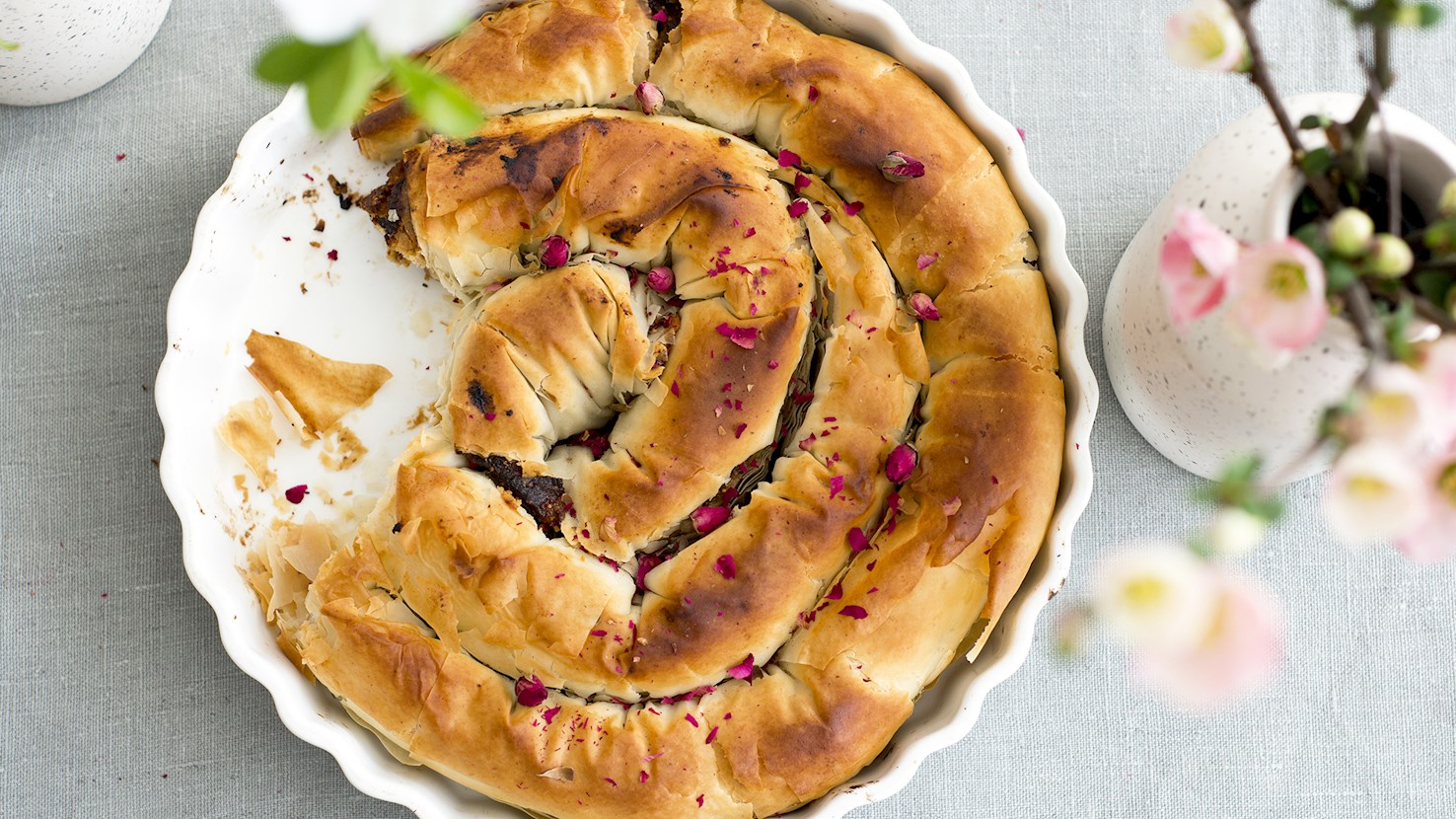
M'hanncha

3.2 ·

M’hanncha or snake cake is a traditional dessert in which warqa pastry is filled with a delicious almond paste, then shaped into a snake-like form. Although there are numerous recipes for the almond paste, it is typically prepared with almonds, sugar, cinnamon, mastic powder, butter, and orange flower water. M’hanncha can be shaped into small coils, but at social gatherings and festive occasions, it is made in a large version, so the guests can enjoy it by breaking off smaller portions from the end of the coil. When baked, the pastry is often dusted with powdered sugar or brushed with warm honey. It is recommended to garnish the snake cake with sliced or ground almonds and pair it with a cup of sweet mint tea.

11

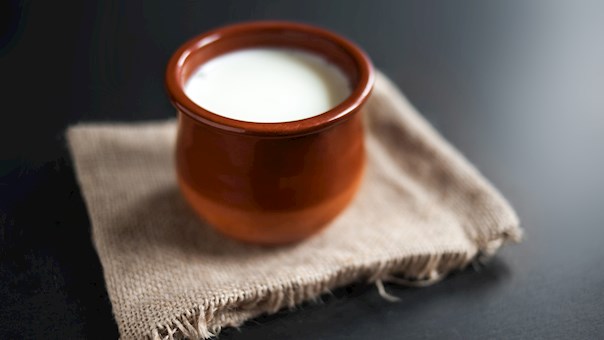
Raib

3.3 ·
12

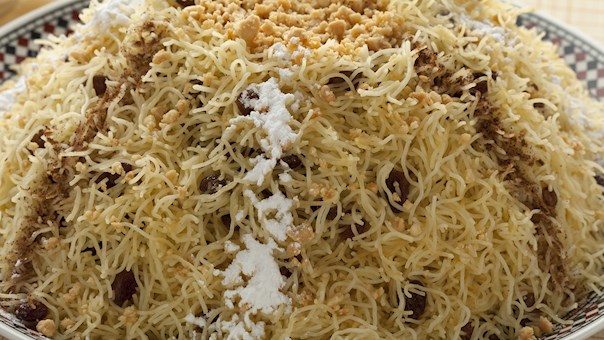
Seffa

3.3 ·
13

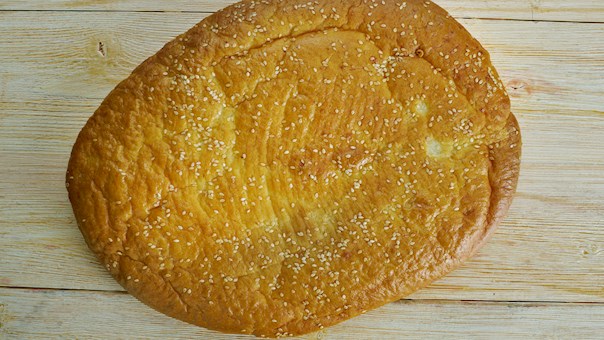
Khobz el dar

3.3 ·
14

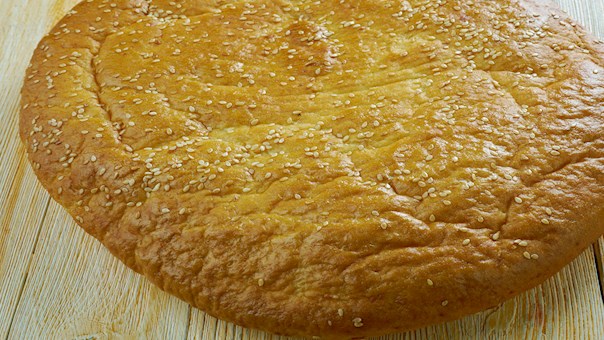
Khobz

3.4 ·
15

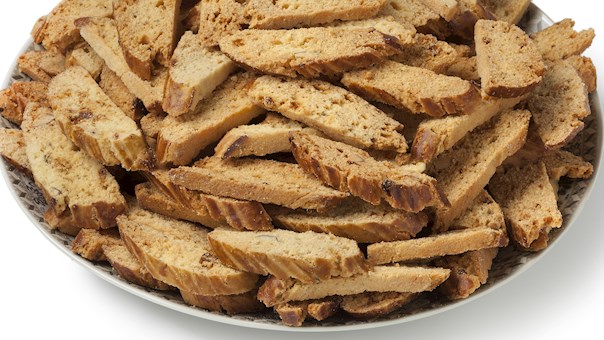
Fekkas

3.4 ·
17

Chebakia

3.5 ·
18

Taktouka

3.5 ·
19

Jawhara

3.5 ·
20

Harsha

3.6 ·
Read more
View all
View map
About this ranking

TasteAtlas food rankings are based on the ratings of the TasteAtlas audience, with a series of mechanisms that recognize real users and that ignore bot, nationalist or local patriotic ratings, and give additional value to the ratings of users that the system recognizes as knowledgeable. For the “25 Worst Rated Moroccan Foods” list until June 17, 2026, 11,470 ratings were recorded, of which 2,953 were recognized by the system as legitimate. TasteAtlas Rankings should not be seen as the final global conclusion about food. Their purpose is to promote excellent local foods, instill pride in traditional dishes, and arouse curiosity about dishes you haven’t tried.

Similar lists