

shutterstock

7 Worst Rated Northeastern Brazilian Foods

Last updated on June 17, 2026
01

Tareco

3.3 ·

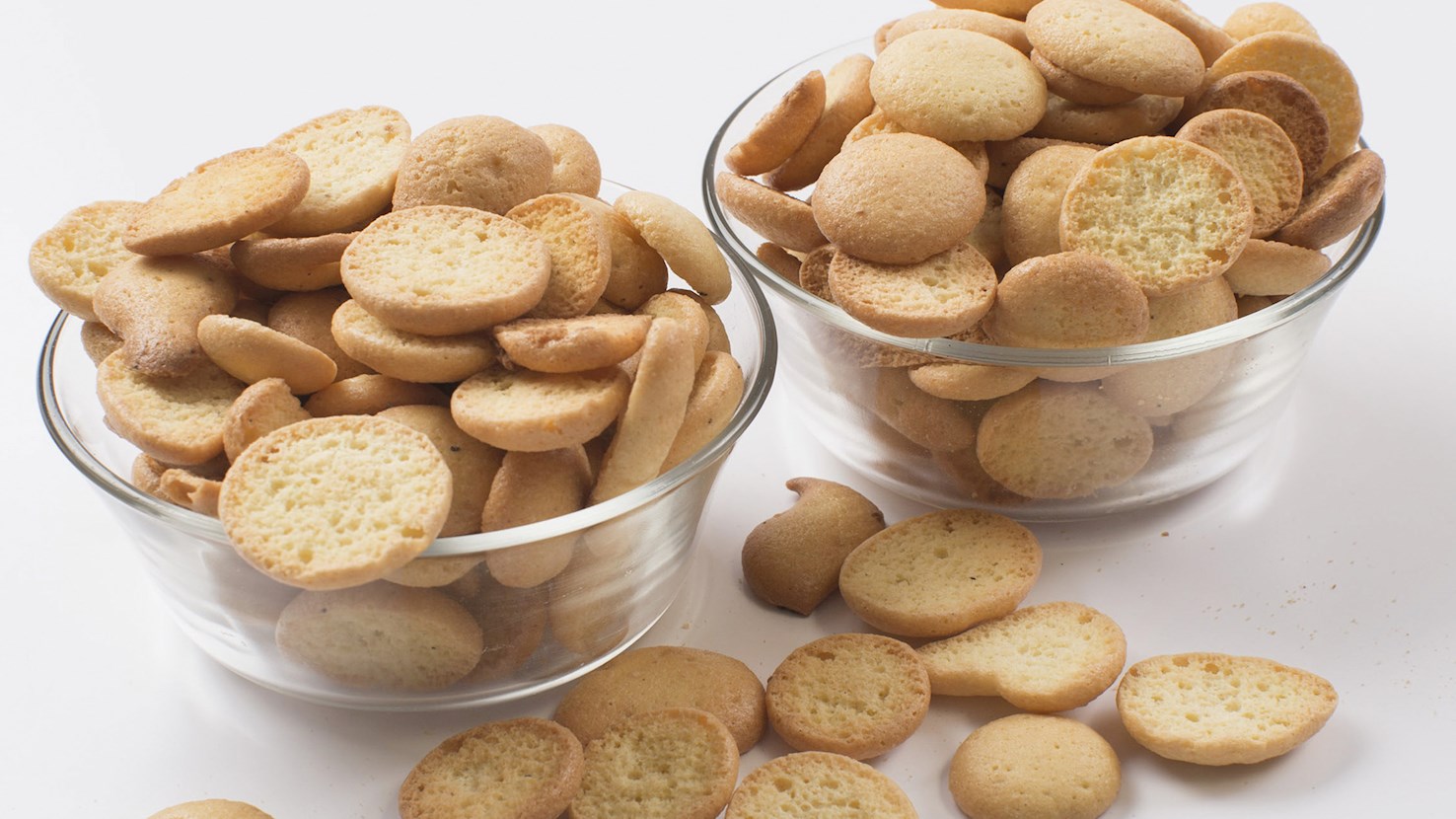
Brazilian hard biscuits known as tarecos are simple cookies consisting of wheat or corn flour, eggs, vanilla, and sugar. They originated in the Brazilian state of Pernambuco, but have since spread and gained popularity throughout Brazil so much that a Brazilian singer Flávio José titled one of his songs Tareco e Mariola.

02

Caruru

3.5 ·

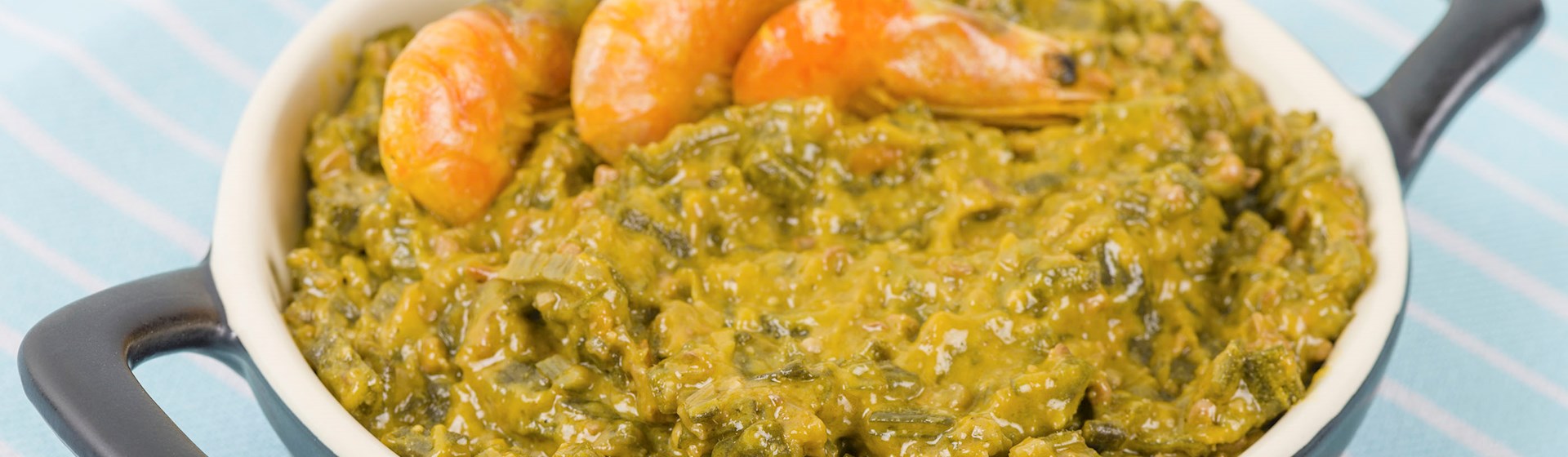
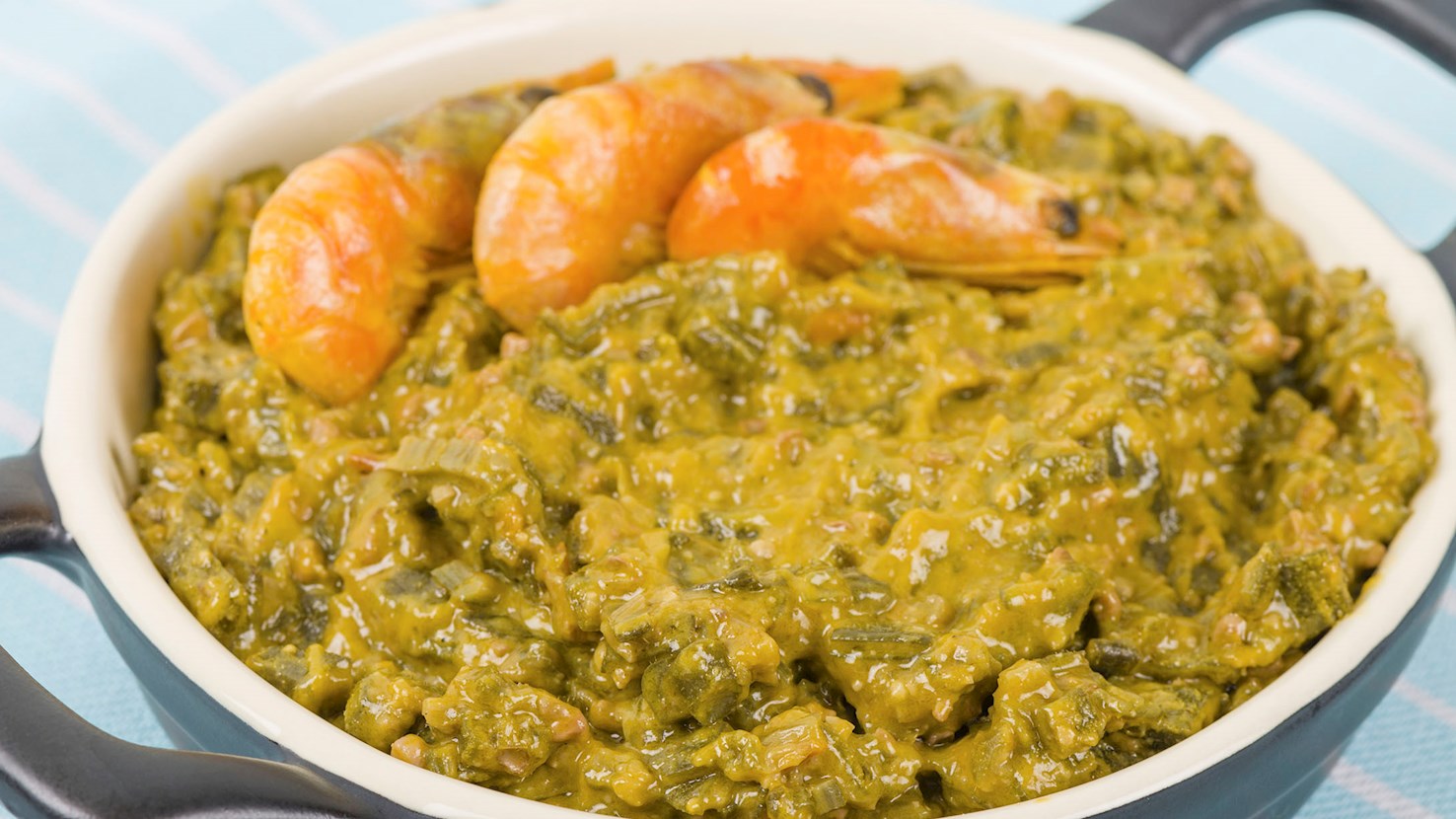
Caruru is a dish that is a blend of okra, dried shrimps, onions, and toasted nuts cooked in dendê palm oil. In the Bahia region, caruru is traditionally consumed as a condiment alongside acarajé, a type of street food consisting of fried black-eyed peas. Although the dish has African origins, it is considered to be a Brazilian dish which was exported out of Africa by the slaves who worked on sugar plantations in Brazil. Caruru is a staple of Afro-Brazilian religious ceremonies, where it's known under the name amalá, and it is a favorite of Xango, the Yoruba African god of fire. It is also the main meal that is served during the September festivities honoring Cosme and Damien, the twin saints of Bahian Afro-Catholic culture. The dish is traditionally served to guests as a sign of celebrating family ties and friendship.

Best restaurants
03

Quibebe

3.5 ·

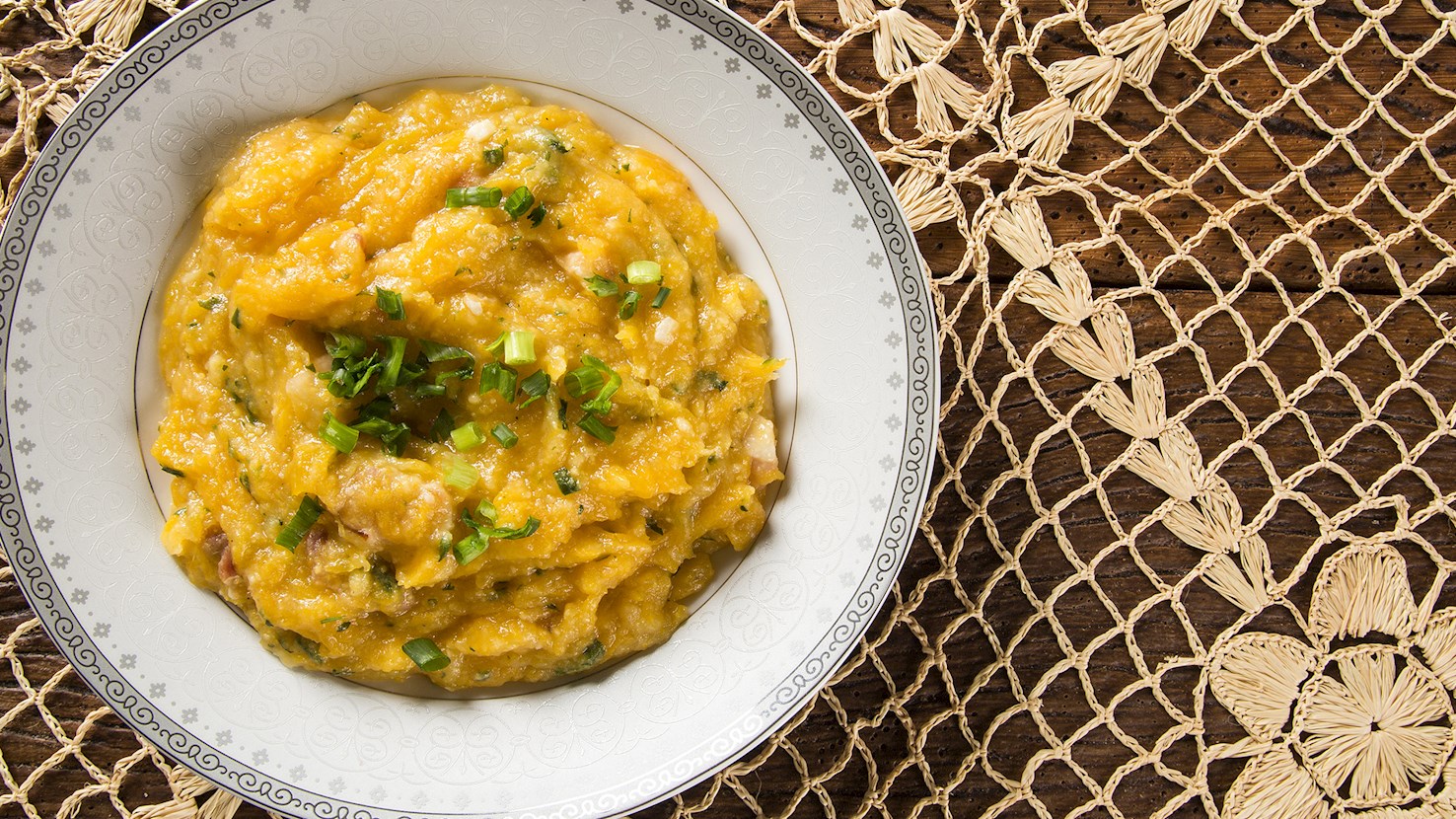
Quibebe is a hearty and Brazilian soup or stew made from winter squash and onions. It has a very thick texture and is traditionally served before a larger entrée or the main meal. The dish is somewhat similar to curry due to the usage of chili paste, ground ginger, and coconut milk. It is recommended to garnish quibebe with fresh parsley.

04

Pamonha

3.8 ·

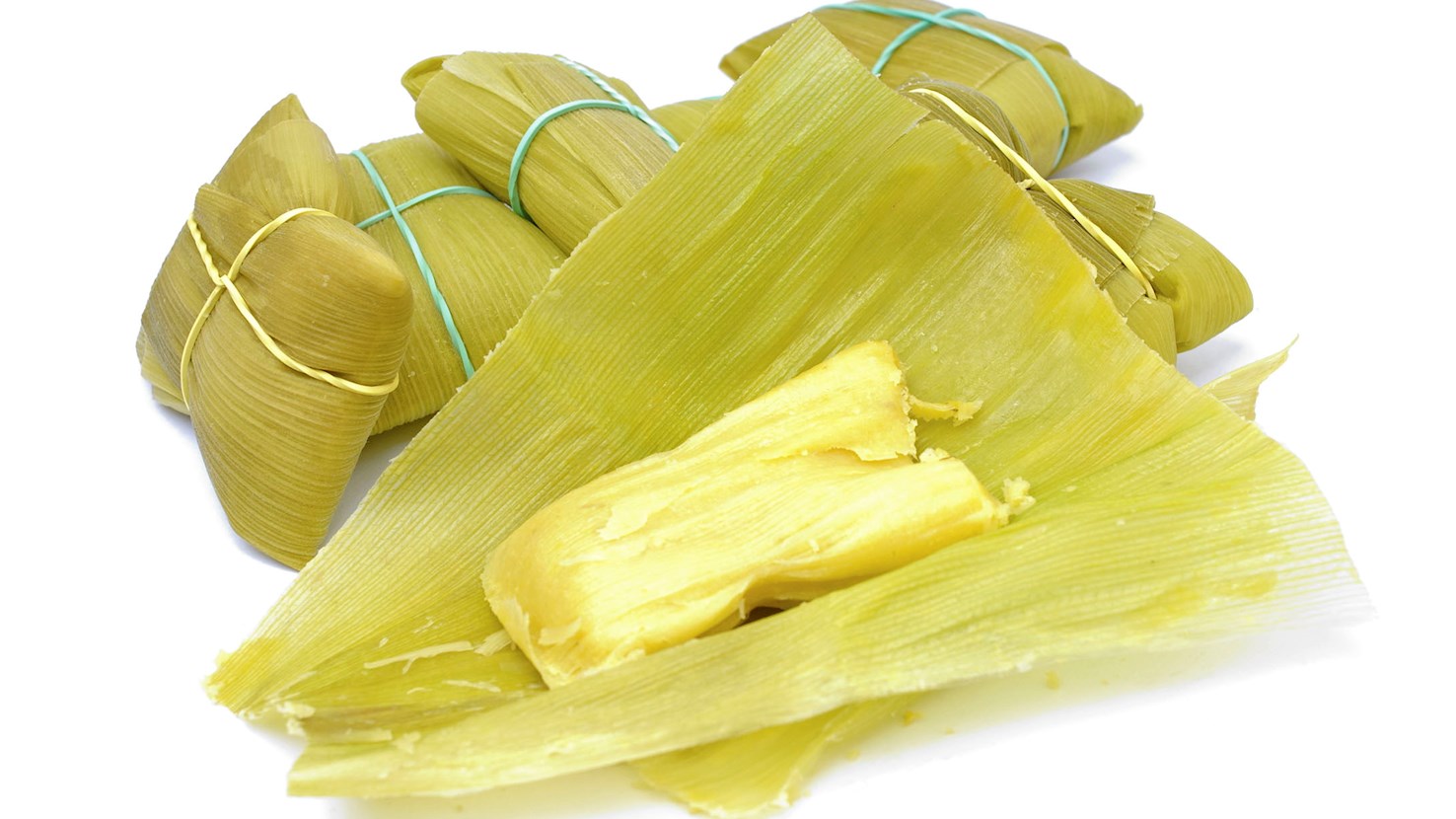
Similar to Mexican tamales, pamonha is a traditional dish made with fresh corn. The dough, or more precisely the paste, is made out of grated and juiced corn. It is tightly wrapped in fresh corn husks and cooked in boiling water. Depending on the ingredients, pamonhas can be either sweet or savory. The savory varieties are usually prepared plain or made with chopped meat, sausages, or cheese. The sweet version of pamonhas is often made by incorporating coconut milk or coconut pulp in the dough. Pamonhas are traditionally eaten all year round in Brazil, but they are usually associated with Festa Junina, the annual Brazilian festivity celebrated throughout June, marking the end of the harvest season and the beginning of Brazilian winter. The snack was primarily sold as a street food item, but nowadays the tradition has disappeared, and pamonhas are usually prepared at home or served in traditional Brazilian restaurants.

Best restaurants
05

Maniçoba

3.8 ·

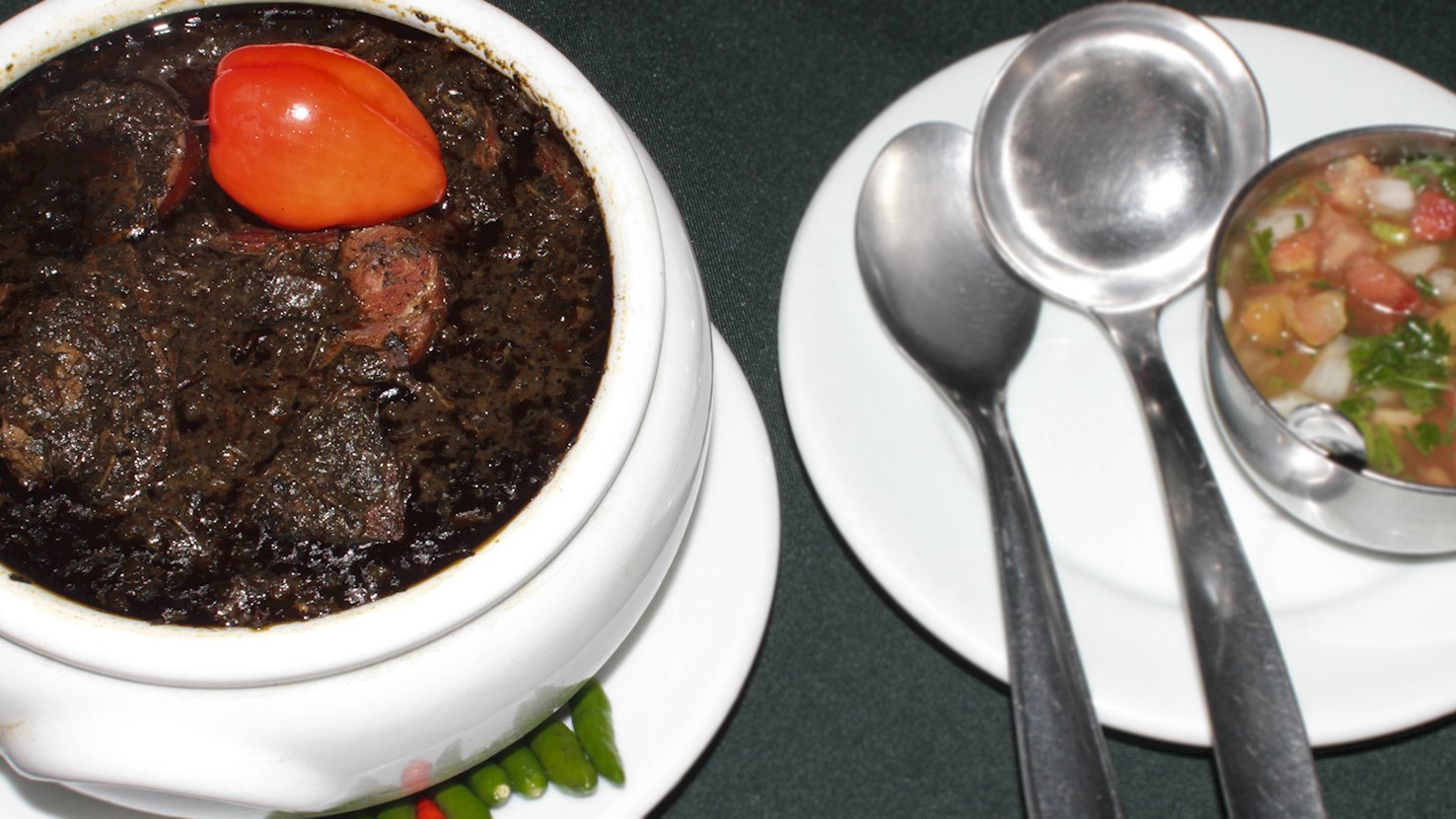
A specialty dish from the Brazilian regions of Pará and Bahia, maniçoba is a part of the feijoada family of Brazilian dishes. In addition to dried meat, salted pork, bacon, and sausages, chopped cassava leaves are used instead of beans which are commonly used in a traditional feijoada. One must be extra careful when preparing the dish due to the toxic cyanides found in cassava leaves, which is why they need to be ground and boiled for at least one week in order to remove the toxins. Since it is a lengthy process, maniçoba is mostly prepared for festivities and religious celebrations, when it's consumed by large groups of people. In Bahia, peppers and farofa are often added to the dish, while in Pará, the usual accompaniment is white rice.

06

Abará

3.8 ·

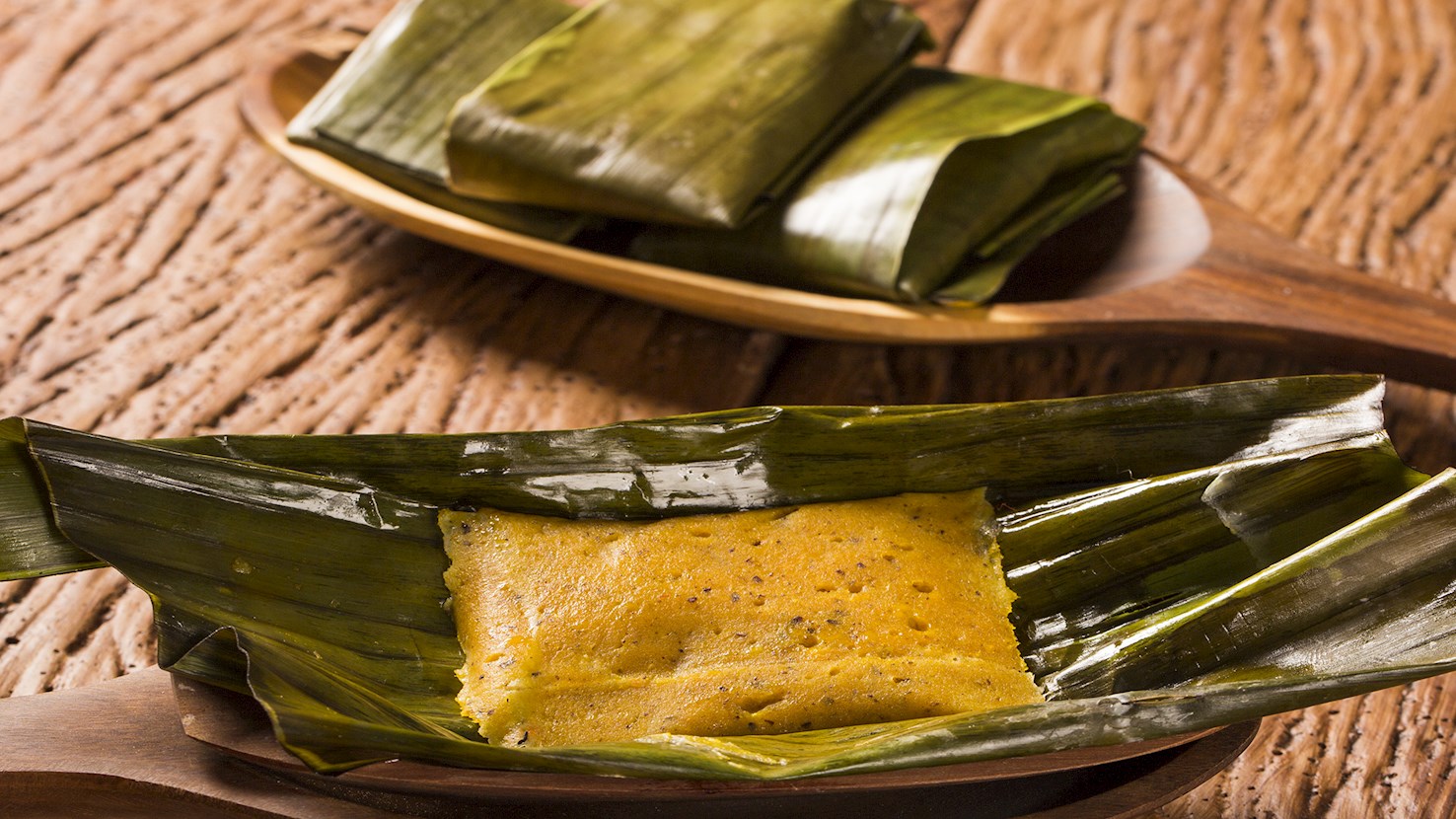
Abará is a popular Brazilian snack consisting of black-eyed peas or beans that are mashed into a paste, then steamed in a banana leaf. The dish is very similar to another Brazilian snack, acarajé, which is fried instead of being boiled or steamed. Black-eyed peas are a staple of traditional Brazilian cuisine, especially in the Bahia region, the center of Brazil's Afro-Brazilian culture. Abará is closely associated with Candomblé, an Afro-Brazilian religion where it is one of the ritual foods offered to the gods and goddesses (called the Orixás) during the ceremonial festivities. The dish is typically served at room temperature, and it is best accompanied by a freshly-made hot pepper sauce, served in most restaurants in Bahia, which is considered unusual elsewhere in the country.

07

Quindim

3.9 ·

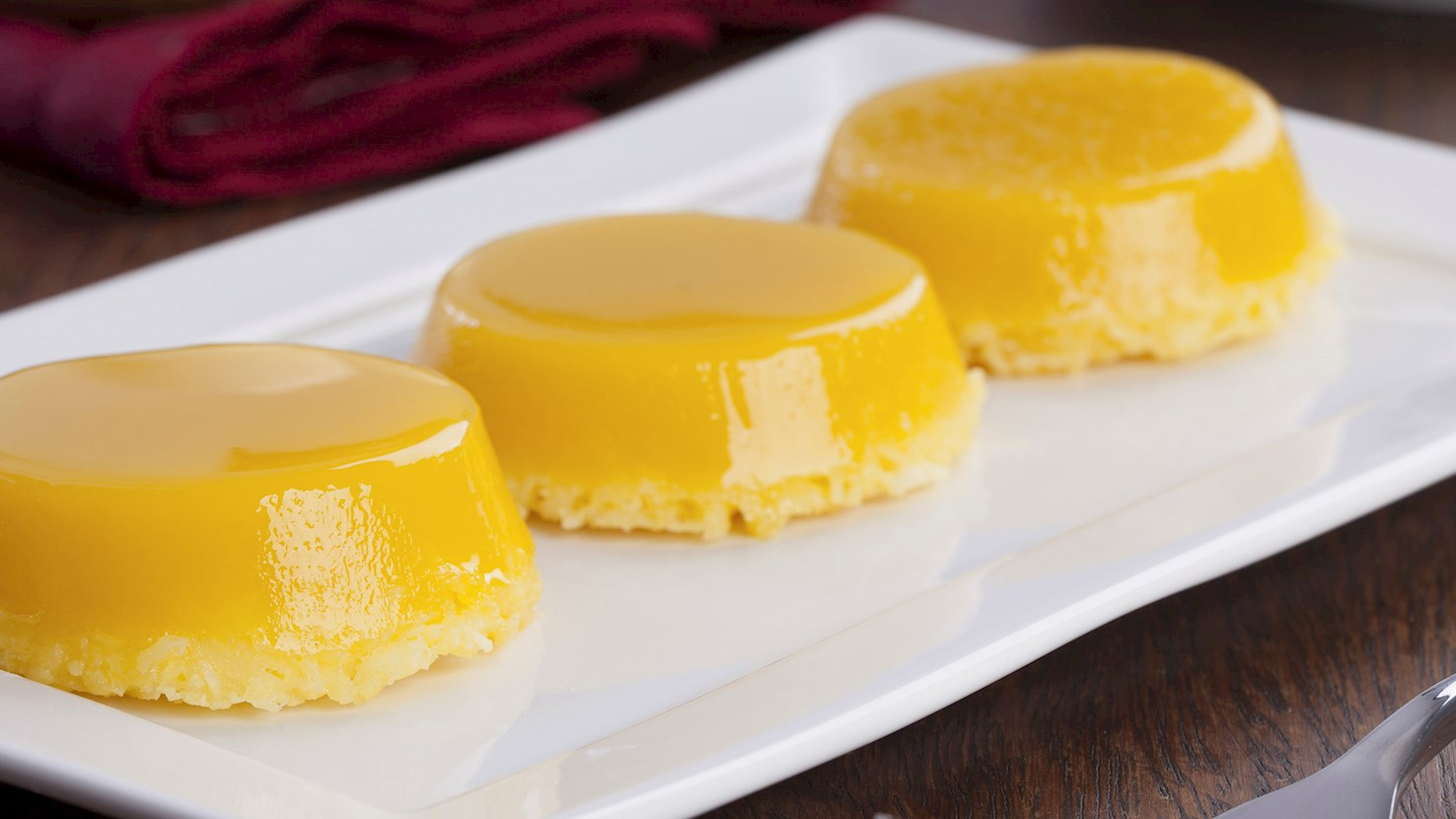
Quindim is a traditional coconut custard cake made with sugar, egg yolks, and ground coconut. The most popular theory about the origin of the dish suggests that it was invented in the 17th century in the northeast of Brazil by African slaves. However, the excessive usage of egg yolks indicates possible Portuguese roots of the dish, since Portuguese cuisine traditionally uses large amounts of egg yolks. The name quindim stems from the Bantu language, roughly translated to the unusual phrase "the gestures of adolescent girls". Today, quindim is one of the most popular desserts in Brazil, often consumed at birthdays, weddings, and christenings.

Read more
View all
View map
About this ranking

TasteAtlas food rankings are based on the ratings of the TasteAtlas audience, with a series of mechanisms that recognize real users and that ignore bot, nationalist or local patriotic ratings, and give additional value to the ratings of users that the system recognizes as knowledgeable. For the “7 Worst Rated Northeastern Brazilian Foods” list until June 17, 2026, 1,732 ratings were recorded, of which 1,236 were recognized by the system as legitimate. TasteAtlas Rankings should not be seen as the final global conclusion about food. Their purpose is to promote excellent local foods, instill pride in traditional dishes, and arouse curiosity about dishes you haven’t tried.

Similar lists