




shutterstock

10 Worst Rated Paraguayan Foods

Last updated on May 22, 2026
01

Pira caldo

3.1 ·

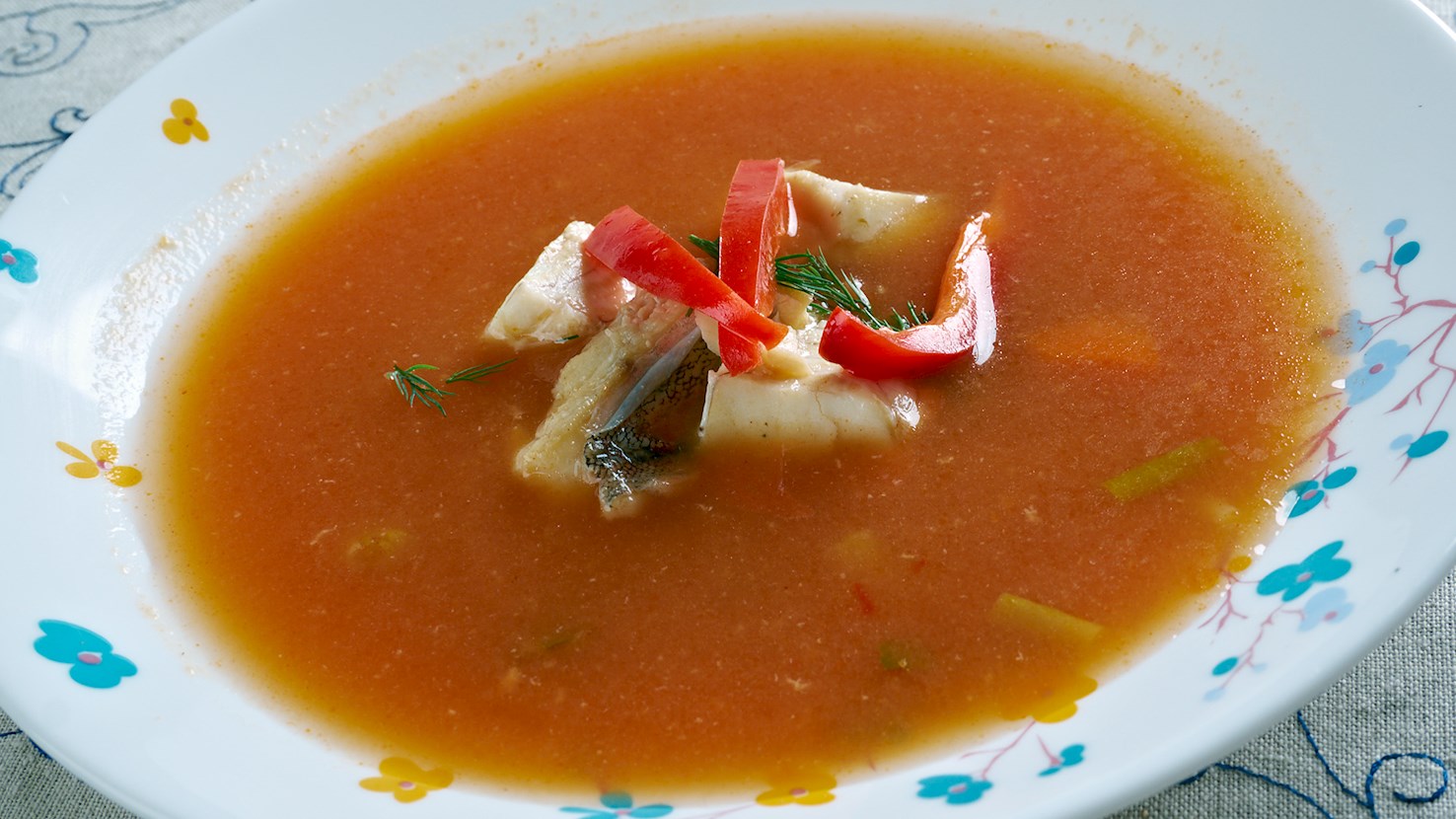
Pira caldo is a Paraguayan soup prepared with a combination of vegetables, milk, soft white cheese, and a freshwater fish called surubi. The vegetables (bell peppers, leeks, celery, onions, carrots) are first cooked with the dish, and then milk and cheese are added in order to thicken the soup. Pira caldo is usually served as a standalone meal, not the first course because it stems from the time of war, when the people had to consume a whole day's worth of nutrients in just one meal. The word pira means fish, while caldo means broth, so this dish can be translated as fish broth.

02

Kivevé

3.3 ·

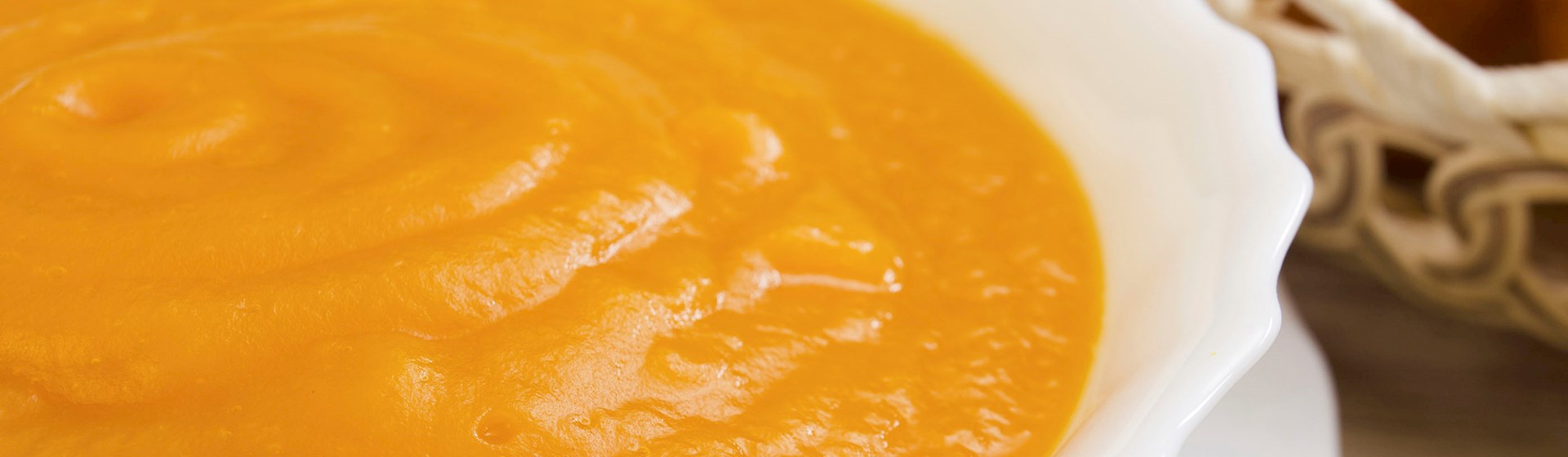
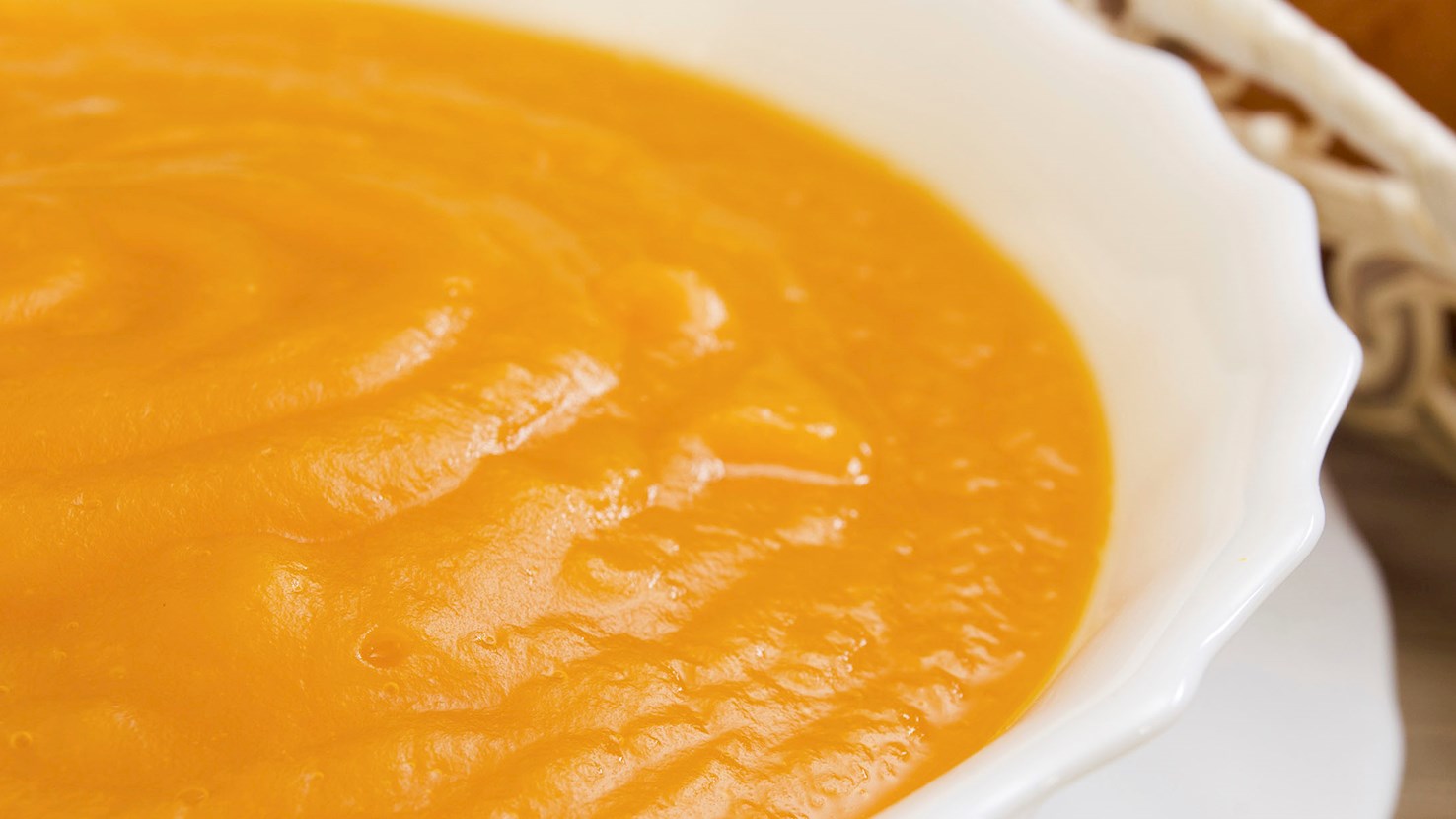
The most famous vegetarian dish in Paraguay is undoubtedly kivevé. This traditional dish is made with the most popular ingredients in Paraguay: pumpkin, cornmeal, and fresh cheese. It has an unusual light red color and a creamy texture, similar to polenta. The dish is not classified as sweet or savory, but rather lies somewhere in between. Usually, it is served as a side dish, especially when complementing traditional Paraguayan barbecues, but due to its slightly sweet flavor, it can be modified and served as a dessert. Sometimes, it can even be consumed as a light vegetarian main meal. The dish appeared in the 19th century during a time of hardship for the Paraguayans. It soon became famous because it was rich in calories and protein and used traditional ingredients which could be found in any Paraguayan household. However, even though humble in ingredients, kivevé is extremely rich in flavor, and soon after its origin, it became one of the most popular meals among Paraguayans. Today, it is considered a true symbol of Paraguayan culinary tradition and one of the national dishes of the country.

03

Dulce de mamón

3.4 ·

Dulce de mamón is a flavorful, syrupy-sweet Paraguayan dessert made by boiling papaya in water and sugar. The combination is simmered for at least two hours on low heat until the fruit develops a soft texture. It is recommended to add cloves, orange juice, or lemon zest to the dessert in order to improve the flavors even further.

Best restaurants
04

Chupín de pescado

3.5 ·

Chupín de pescado is a delicately flavored fish stew typical of the Entre Ríos region. It can be made with any fish, most commonly surubí or patí, which is cut into fillets or cubes, and then simmered with chopped vegetables, usually potatoes, tomatoes, peppers, carrots, and onions, along with crushed garlic, fish broth, wine, herbs, spices, and seasonings. This stew is typically served hot and garnished with parsley.

05

Dulce de batata

3.5 ·

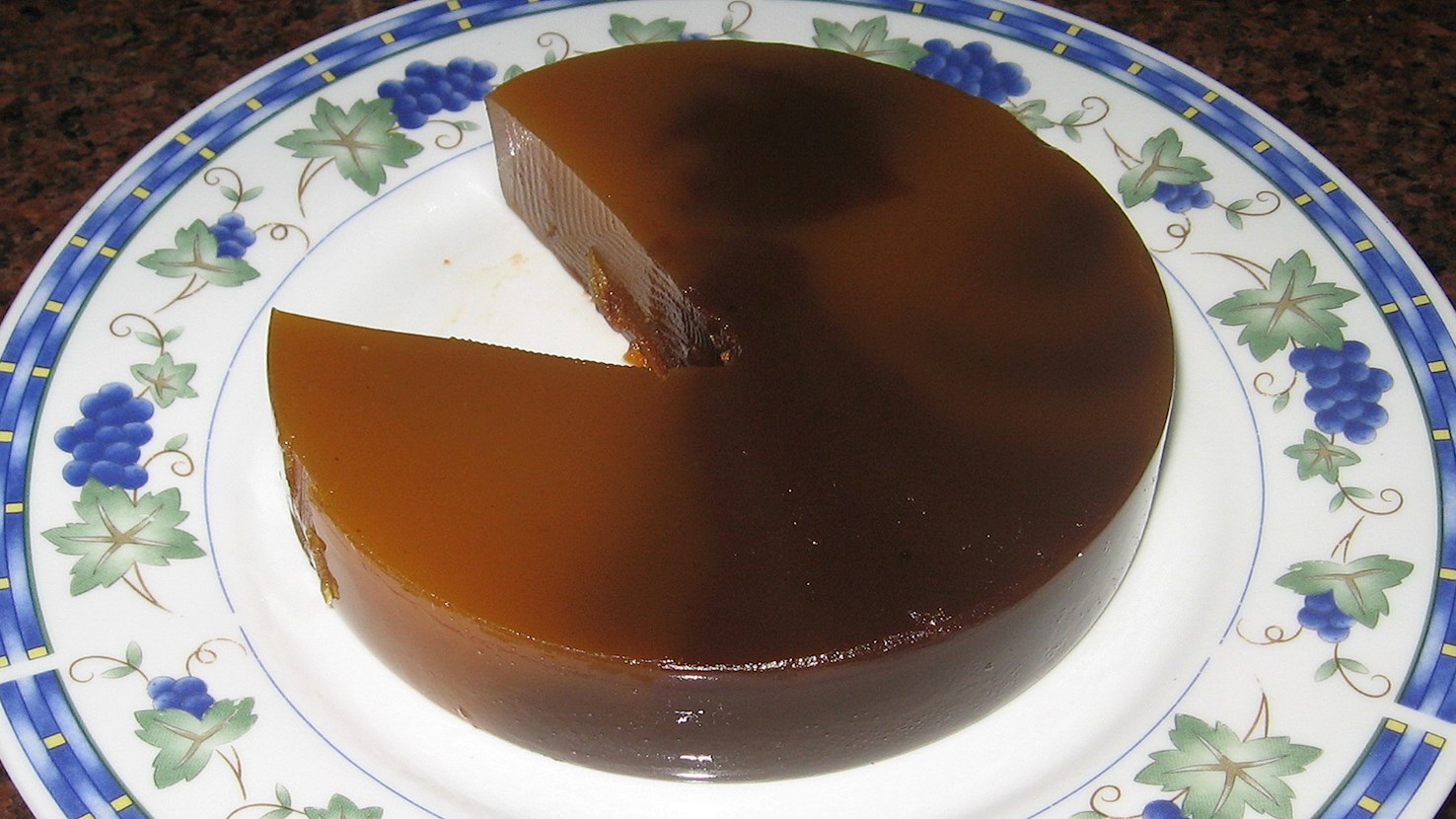
Dulce de batata is a jelly-like dessert prepared with a base of mashed sweet potatoes, sugar, vanilla flavoring, and a thickening agent. When cooked, dulce is left to set and should always be well-chilled. It is usually enjoyed as a dessert, which is traditionally served with cheese to create a Latin American favorite known as vigilante or Martín Fierro. Although the origin of dulce de batata is often disputed, it is enjoyed throughout Latin America.

06

Chipa so'o

3.5 ·

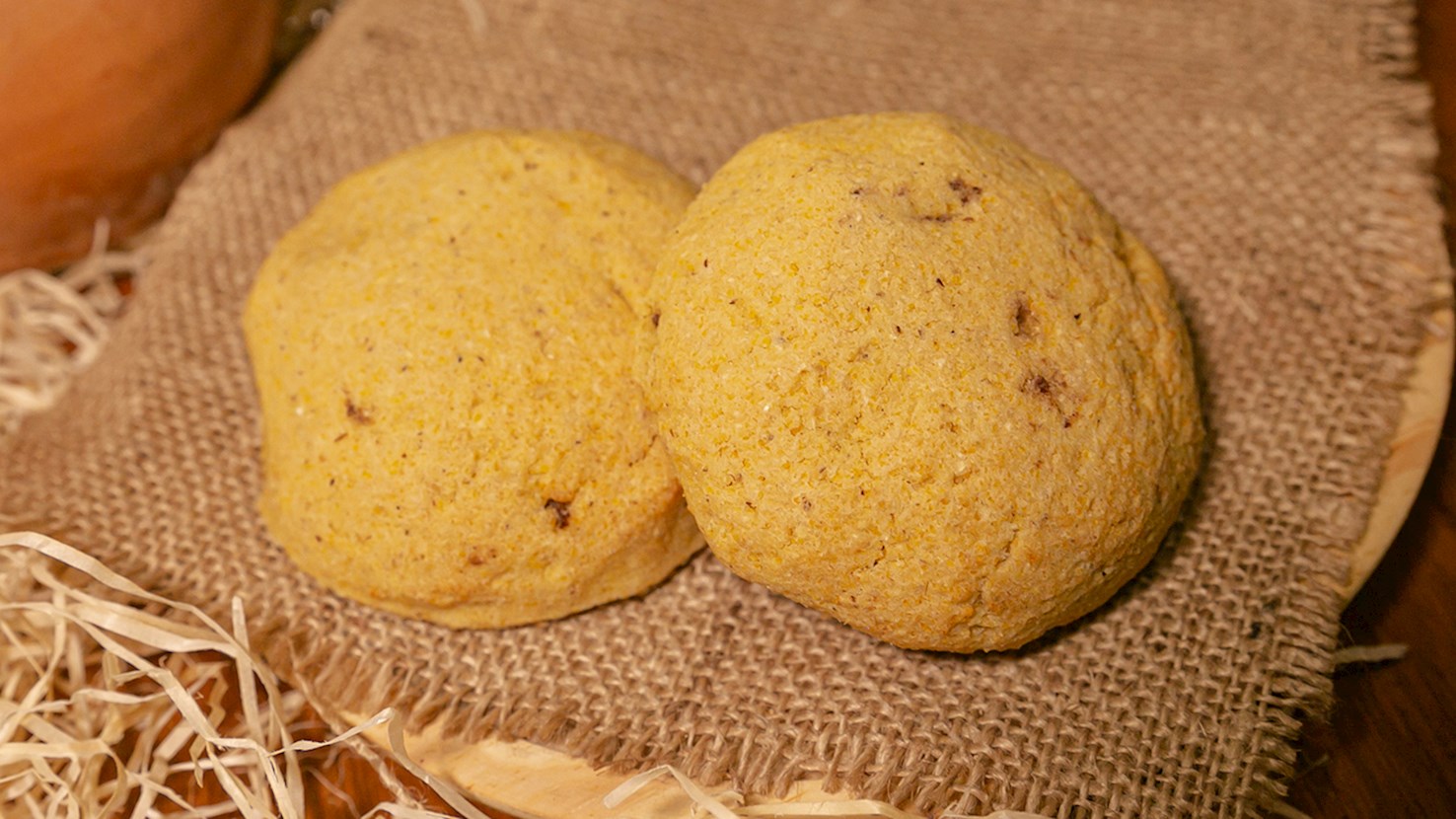
Chipa so'o is a savory cake that is popular in Paraguay and Argentina. The dough is prepared with a combination of pork fat, corn flour, corn starch, milk, salt, and cheese. Once prepared, the dough is shaped into balls and filled with a mixture of eggs and ground or finely chopped meat. Before baking, chipa so'o is brushed with milk in order to develop a nice color on the exterior. This chipa variety is consumed as a hearty snack, but it can also make for a calorie-laden lunch.

07

Kamby arro

3.6 ·

Kamby arro is a traditional version of a rice pudding. The name is derived from the Guarani words for milk - kamby, and rice - arro. The dessert is made with milk, rice, sugar, and lemon zest. There is also a version in which vanilla is added to the rice pudding for extra flavor. Before serving, kamby arro must be chilled and it is always generously dusted with cinnamon.

08

Sopa Paraguaya

3.7 ·

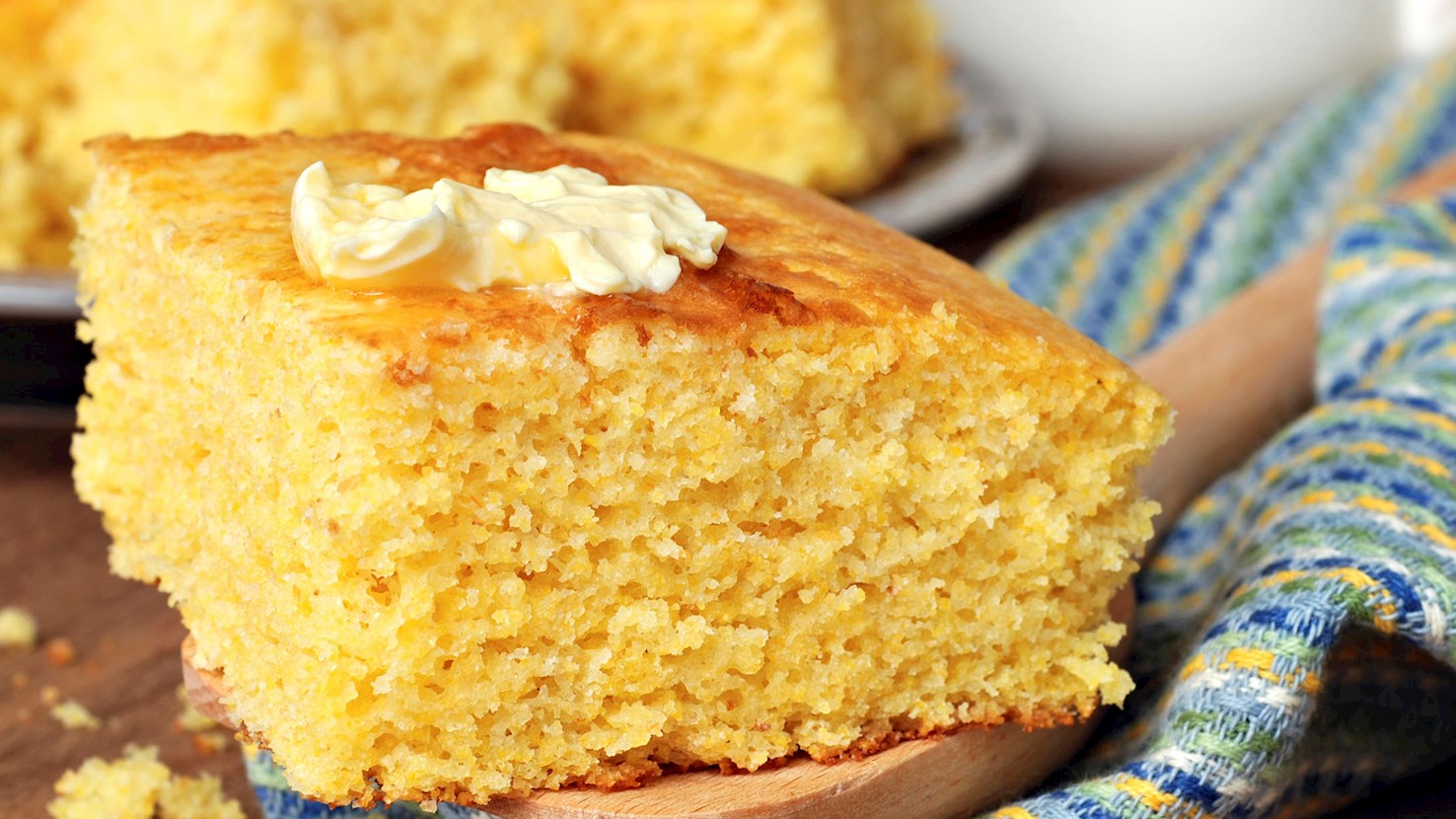
Sopa paraguaya is a typical example of a misnomer (a word with a misleading meaning) - although sopa translates to soup, this traditional Paraguayan dish does not even resemble it. In fact, it is a type of thick cornbread flavored with cheese and onions. There are numerous stories connected to the origin of the dish and many explanations for the unusual name. The most common version claims that the dish was an accidental invention of a personal chef who cooked for the Paraguayan president Don Carlos Antonio López. The chef wanted to prepare a hearty corn soup for the president but accidentally put too much corn flour into the pot, making the consistency of the soup more solid than liquid. With no other options, the alleged soup was served as a corn bread. Fortunately, the president loved this creation, and the dish was later made famous under the wrongfully given name. Today, sopa paraguaya is one the national dishes of the country and a staple during special occasions or festivities. It's traditionally eaten as an accompaniment to soups or barbecued meat, but the corn bread is also a very common breakfast or afternoon snack.

09

Soyo

3.7 ·

Soyo is a thick and hearty Paraguayan soup filled with ground beef, rice, and vegetables such as onions, green peppers, and tomatoes. The soup is commonly seasoned with salt, garlic, parsley, and oregano. The name of the dish is a shorter version of the Guarani phrase so'o josopy, meaning crushed meat. Although soyo used to be a poor man's meal in the past, today it is enjoyed by every social stratum in Paraguay.

10

Locro

3.8 ·

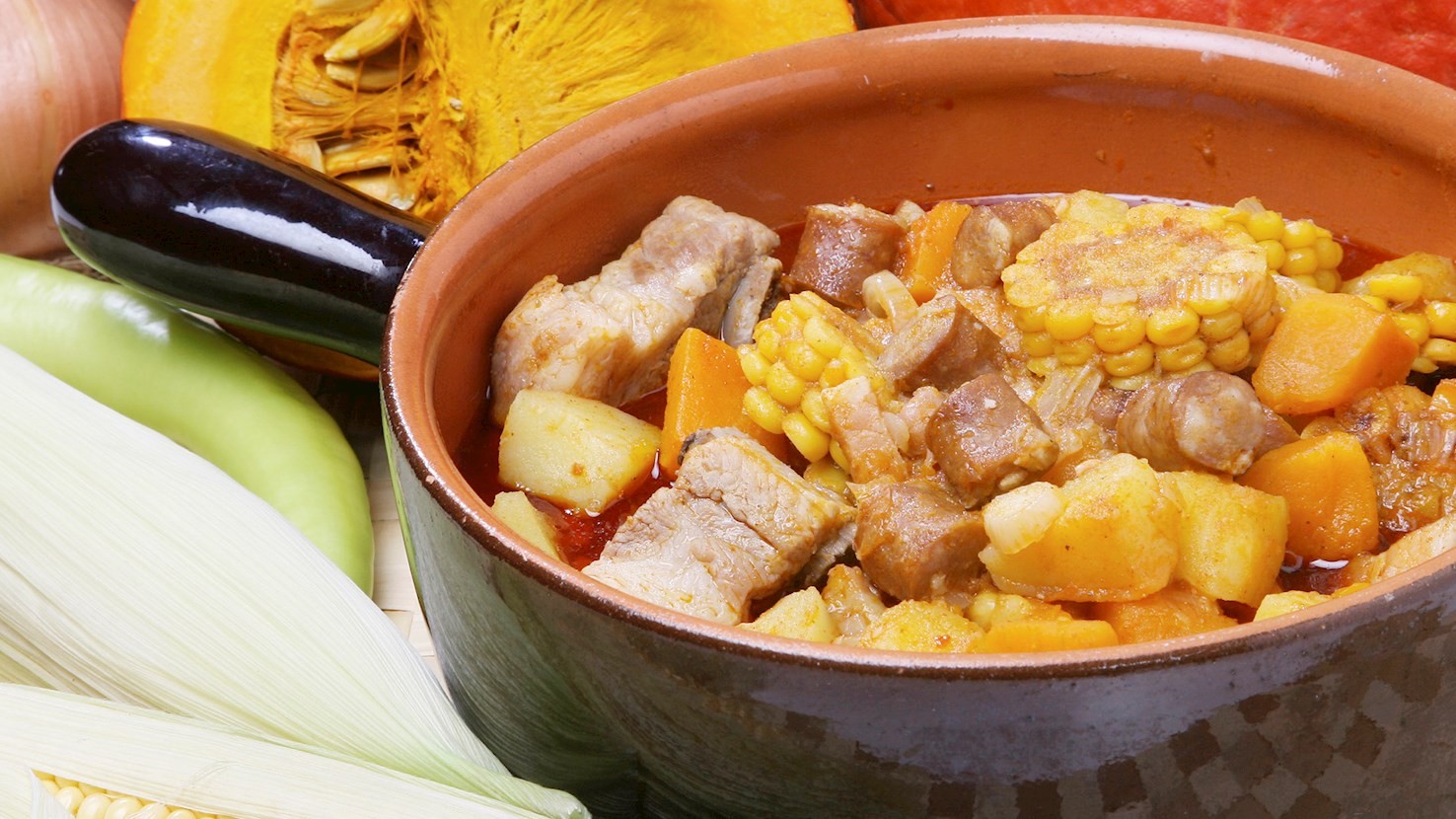
Locro is a thick and nourishing stew which originated in South America, long before the arrival of Spanish conquistadores. This authentic and traditional stew has numerous varieties, but the most famous version is the Argentinian locro, mostly made with dry white corn kernels, meat, and vegetables. The dish usually consists of pork or beef cuts, as well as ribs or offal, while some versions might include sausages and smoked bacon. Other ingredients include dry corn kernels (hominy), various spices, and vegetables such as pumpkin, potatoes, and yams. It is believed that locro originated in the mountainous Andes region and that it was heavily influenced by culinary traditions of the indigenous Inca civilization. In Argentina, the dish is usually served on special occasions such as May Revolution Day or numerous formal gatherings, but it is also a staple meal during the harsh winter seasons. Locro is always served hot, with bread on the side, and is often topped with quiquirimichi - a traditional hot sauce. Although it is usually associated with Argentina and regarded as their national dish, different varieties of locro are popular in other South American countries, primarily Ecuador, Bolivia, Chile, and Peru, where locro usually, but not always, denotes a soup, not a stew.

Read more
View all
View map
About this ranking

TasteAtlas food rankings are based on the ratings of the TasteAtlas audience, with a series of mechanisms that recognize real users and that ignore bot, nationalist or local patriotic ratings, and give additional value to the ratings of users that the system recognizes as knowledgeable. For the “10 Worst Rated Paraguayan Foods” list until May 22, 2026, 1,081 ratings were recorded, of which 507 were recognized by the system as legitimate. TasteAtlas Rankings should not be seen as the final global conclusion about food. Their purpose is to promote excellent local foods, instill pride in traditional dishes, and arouse curiosity about dishes you haven’t tried.

Similar lists