



shutterstock

44 Worst Rated Peruvian Foods

Last updated on May 22, 2026
01

Ceviche de chochos

2.7 ·

Ceviche de chochos is a traditional and Ecuatorian dish in made with chochos or tarwi (lupini beans) as the primary ingredient. These beans have a unique, slightly bitter flavor that pairs well with the acidic components of the dish. The chochos are mixed with ingredients typical of ceviche preparations, like tomatoes, onions, coriander, lime juice, and usually aji peppers. The mix is left to marinate, allowing the flavors to meld. Often, ceviche de chochos is garnished with toasted corn (maiz tostado), chifles (thin plantain chips), or avocado slices. The combination of textures – the softness of the beans, the crunch of the corn, and the creaminess of the avocado – adds to the appeal of the dish.

02

Cuy al horno (Oven-baked guinea pig)

3.5 ·

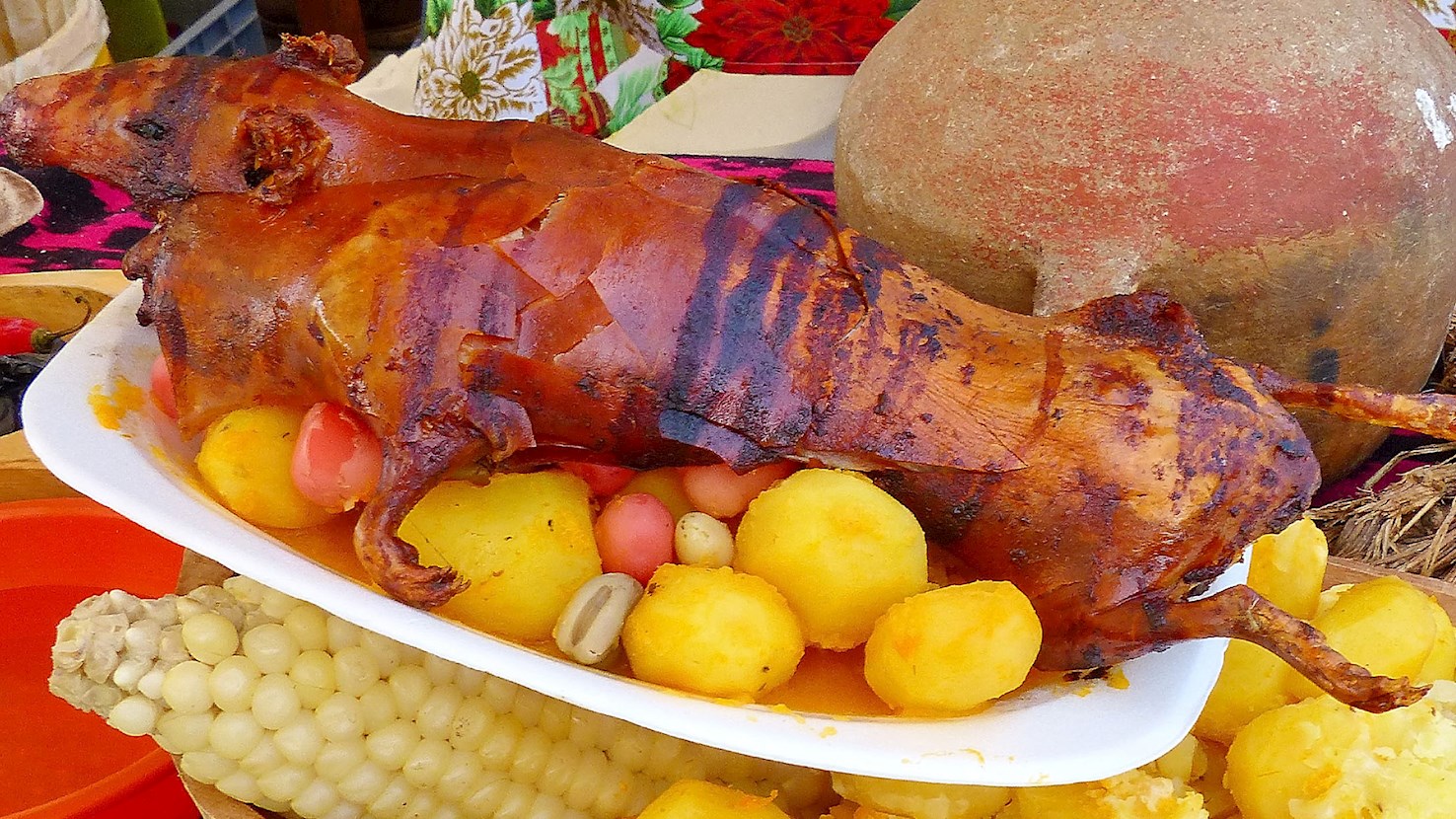
Cuy al horno is a traditional preparation of baked guinea pigs originating from Peru. This dish is popular in the region of Cusco, but it can be found in most tourist-oriented restaurants in the country. The guinea pigs are marinated in a combination of garlic, aji amarillo, cumin, oil, chicha de jora, huacatay, black pepper, and salt for at least one hour. It's then placed into a pan with potatoes and baked for an hour. Once done, the guinea pigs are served with the baked potatoes and a salsa consisting of tomatoes, onions, coriander, lemon juice, and salt. One guinea pig is usually served for more than one person because the dish is accompanied by various side dishes.

03

Cuy frito

3.5 ·

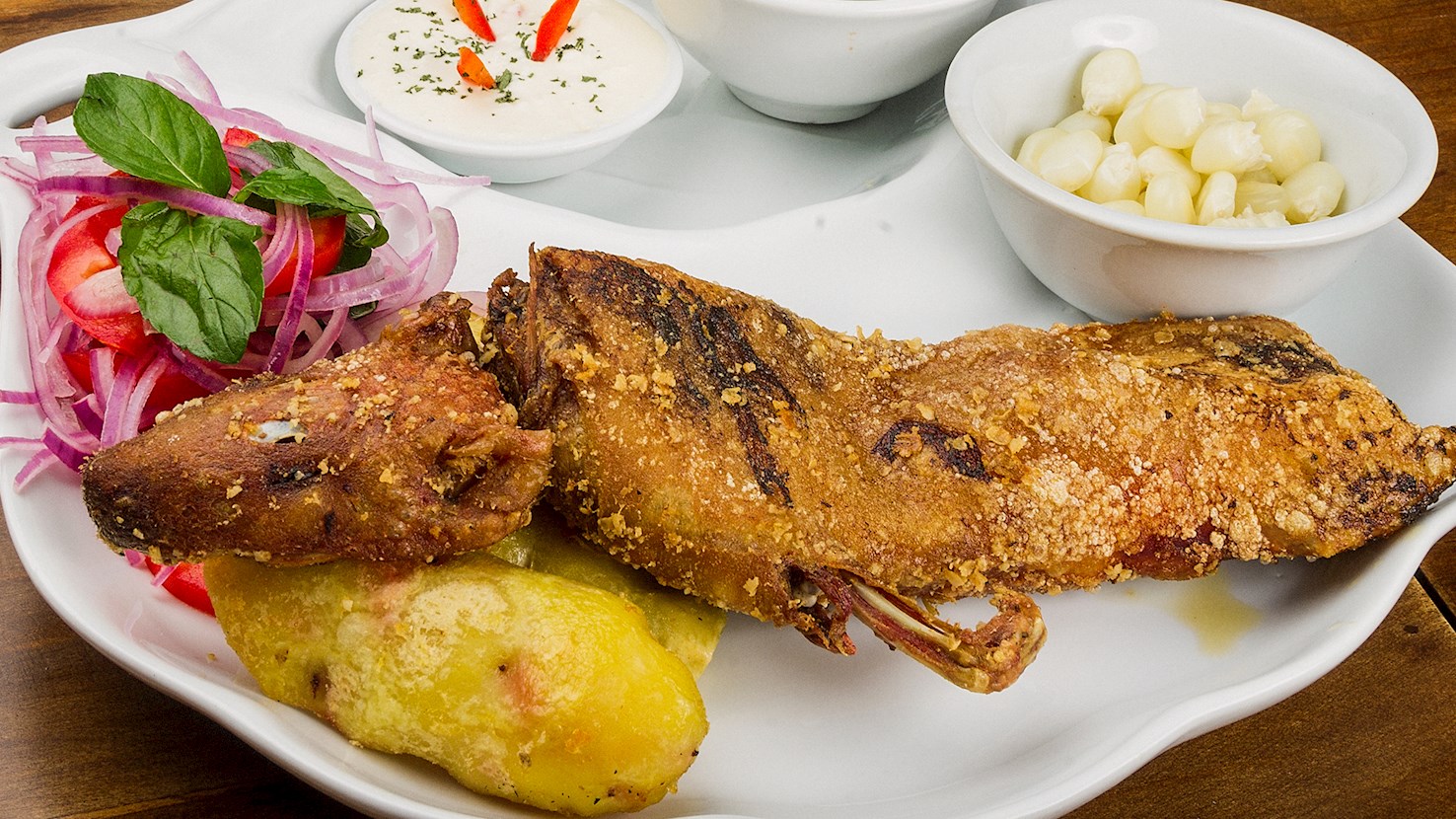
Cuy frito or cuy chactado is one of the oldest traditional Peruvian dishes that has been consumed since Incan times. It is made with guinea pigs, which are obviously not kept as pets in Peru – instead, they are fried to crispy perfection. The fried guinea pigs are said to taste similar to chicken (or as a cross between rabbit a chicken), but with a fattier flavor. The head is also edible, and that's the favorite part for many people. Cuy frito is usually eaten with your hands, and it's recommended to keep some napkins on hand as things can get a bit messy while eating it. This dish is typically served in cuyerías with corn on the cob, rice, potatoes, sweet potatoes, salsas, and salads.

04

Tortilla de raya

3.5 ·

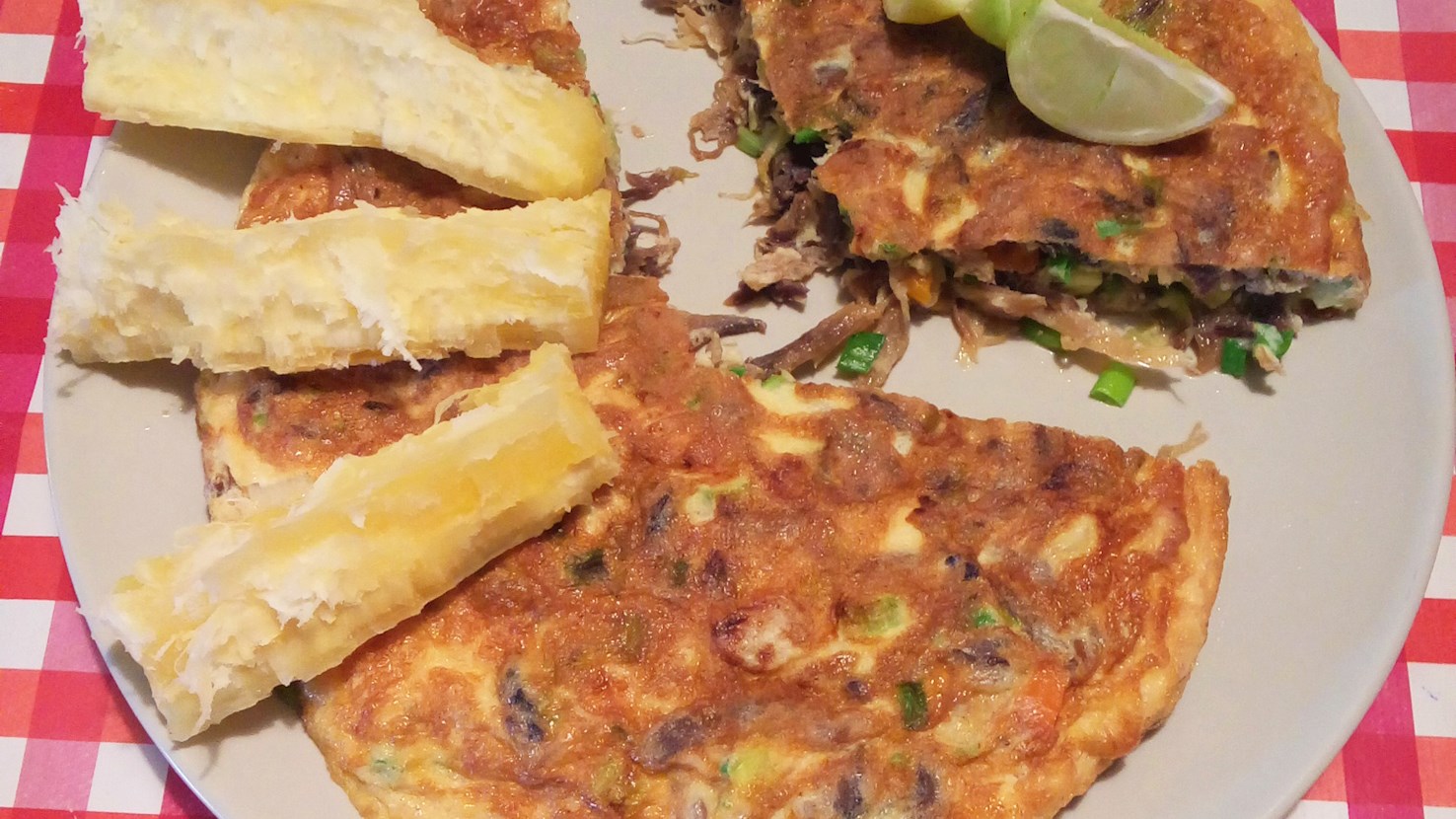
Tortilla de raya is a simple Peruvian dish, a ray omelet that is one of the most popular ray dishes in the country. The dish is prepared by frying strips of cooked ray with eggs, garlic, and aji amarillo. It is traditionally served with the spicy rocoto chile on the side. Although it may seem quite unsophisticated, this dish makes up for it in portion size, as tortilla de raya is so large that it usually covers the whole plate.

Best restaurants
05

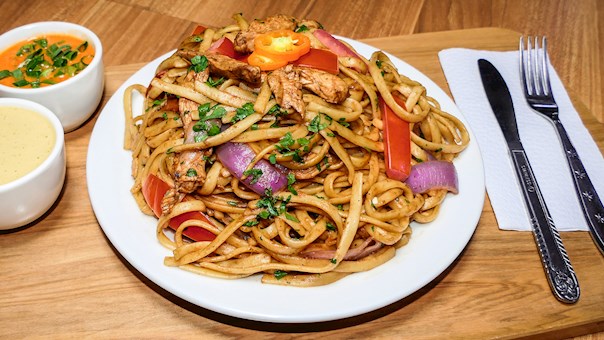
Tallarín saltado

3.5 ·

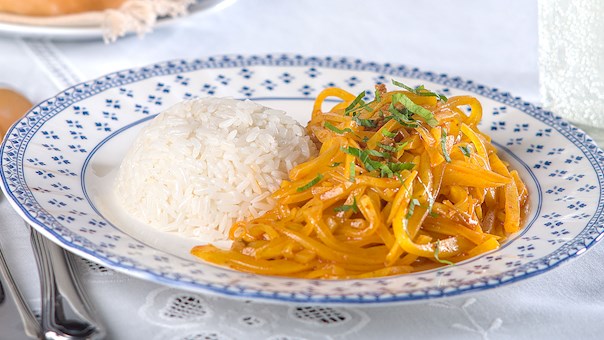
Tallarín saltado is a wok-fried noodle dish that is one of the emblematic dishes of chifa cuisine (the Chinese–Peruvian fusion). It is made with Chinese wheat noodles that are first boiled and cooled, then stir-fried over high heat with pieces of meat (most often chicken, beef, or pork), vegetables like bell peppers and pak choi, scallions, and bean sprouts. Sometimes onions, tomatoes, mushrooms, and snow peas are also included, depending on the recipe. The dish is seasoned in classic chifa fashion with soy sauce, oyster sauce, rice wine (or pisco), garlic, ginger, sesame oil, sugar, and white pepper, with cornstarch used to thicken the sauce. The noodles are tossed until they are smoky, glossy, and coated in a savory-sweet sauce, resulting in a dish that is both hearty and aromatic. Ceated from Cantonese stir-fry techniques and adapted to Peruvian ingredients and tastes, tallarín saltado is the noodle counterpart to lomo saltado, and a cornerstone of Peru’s Chifa restaurants.

06

Sudado de langostinos

3.5 ·

Sudado de langostinos is a traditional seafood dish originating from Peru. It's made with a combination of shrimps, onions, garlic, yellow chili peppers, white wine, fish broth, tomatoes, seasonings, and coriander. The shrimps are sautéed in a pan with the onions, garlic paste, and sliced yellow chili peppers. The combination is mixed with white wine, fish broth, yellow chili paste, and tomatoes. It's simmered until the shrimps are fully cooked, and the dish is seasoned with salt and pepper. Once done, the shrimps are arranged in a serving bowl and garnished with coriander sprigs.

07

Ranfañote (Peruvian bread pudding)

3.5 ·

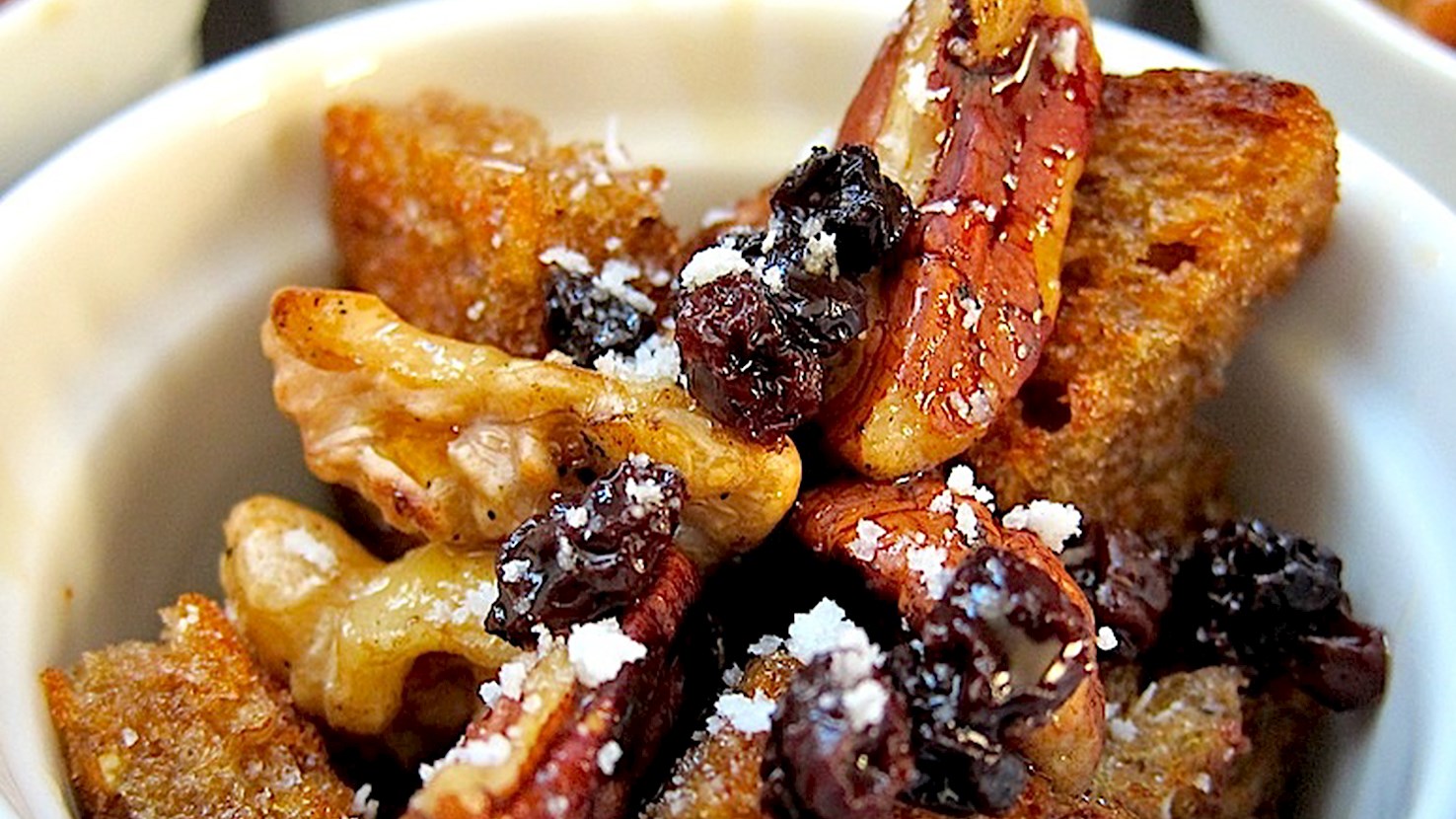
Ranfañote is a Peruvian bread pudding made with toasted pieces of stale bread, walnuts, pecans, currants, port wine or pisco, orange juice and zest, cheese (usually queso fresco), vanilla, and butter. The combination is drenched in chancaca sugar syrup and flavored with spices such as cinnamon, star anise, and cloves. This sweet treat is quite old and dates back to the colonial era, when Peru was a Spanish viceroyalty. It is also strongly connected with Afro-Peruvians, hence the usage of chancaca, cloves, and star anise. Although ranfañote was unrightfully neglected in the past, in recent years it has made a comeback and started showing up in Lima's bakeries.

08

Locro de gallina

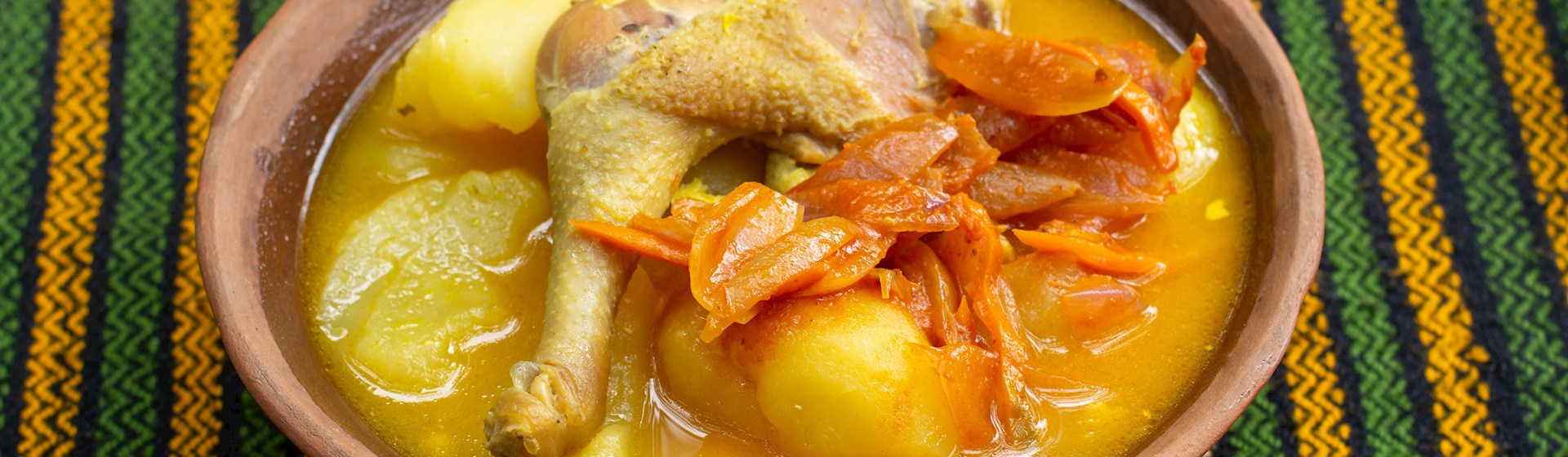
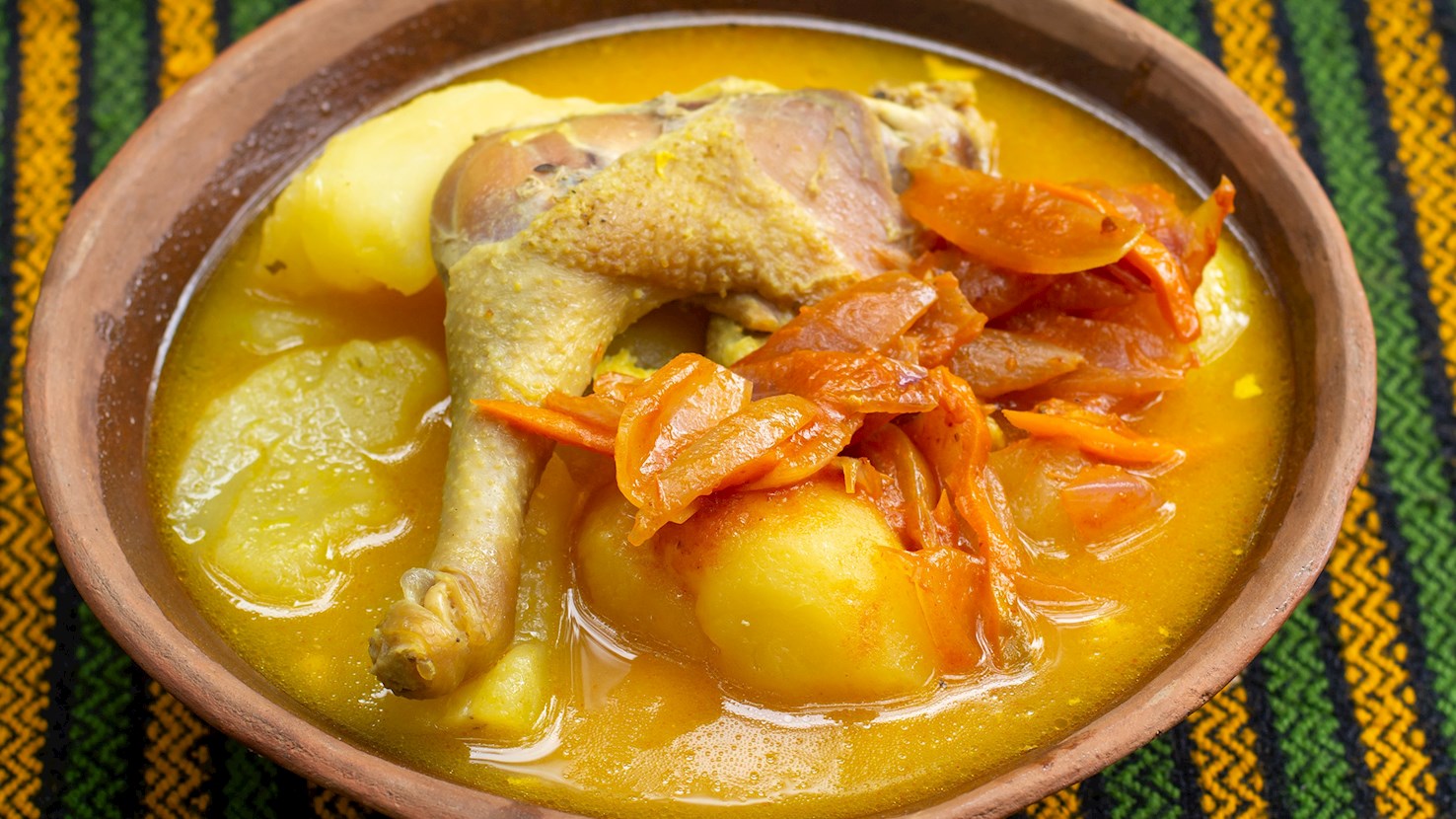
3.5 ·

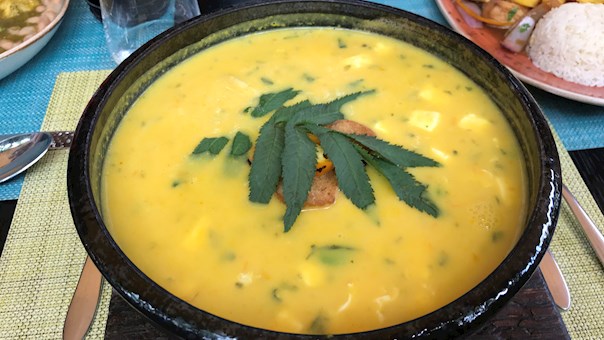
Locro de gallina is a traditional Andean chicken soup, particularly popular in Bolivia and in some parts of Peru. The primary ingredient is chicken, usually the whole chicken cut into pieces. Other key ingredients typically include potatoes (which provide the stew its thick consistency) and corn or maize. The flavor base of the stew is typically made from sautéed onions, garlic, and aji peppers. Cumin, oregano, and cilantro (coriander) are commonly used to season the stew, giving it a unique and aromatic flavor profile. Some versions of Locro de Gallina are made creamier with the addition of milk, cream, or even cheese. This gives the stew a rich and velvety texture. Locro de gallina is typically served hot, often garnished with fresh cilantro or parsley., and accompanied with rice or avocado slices.

09

Humita

3.6 ·

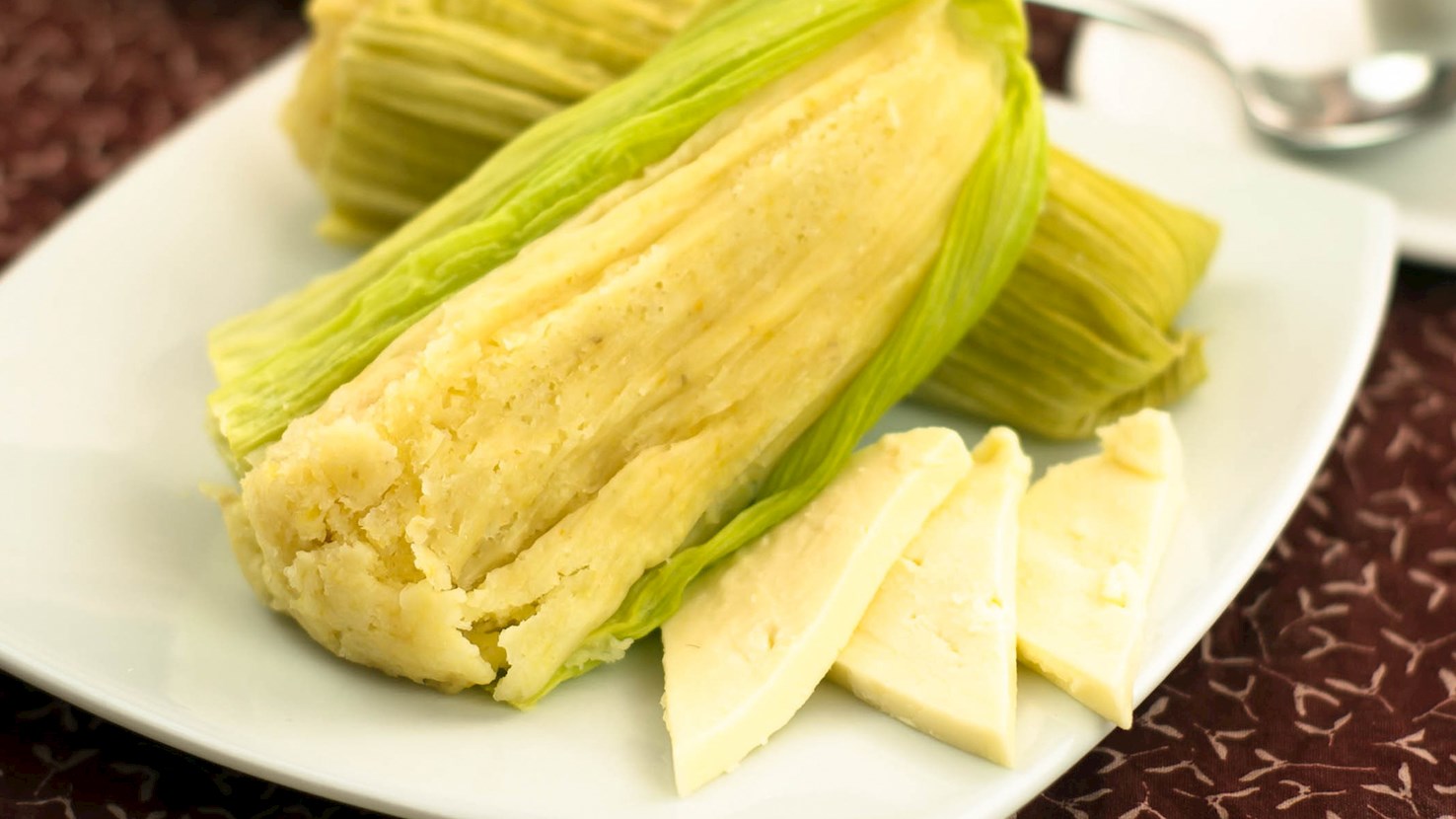
Humitas is a dish popular throughout South America, especially in Chile, Argentina, Peru, Bolivia, and Ecuador. The dish consists of corn cakes that are cooked in corn husks. In Argentina, humitas are usually made with corn, onions, and spices, and depending on the region, milk, red peppers, cheese, and spring onions might also be added to the combination, which is wrapped in corn husks and boiled. In Ecuador, humitas are steamed and are usually made with ground corn, eggs, onions, and variable spices. The Chilean version adds basil and butter to corn and onions, and their humitas are boiled or baked. In Peru and Bolivia, people also prepare sweet humitas with added cinnamon and raisins. Regardless of the varieties, humitas can be found at almost all corner stores and food stalls throughout these countries.

10

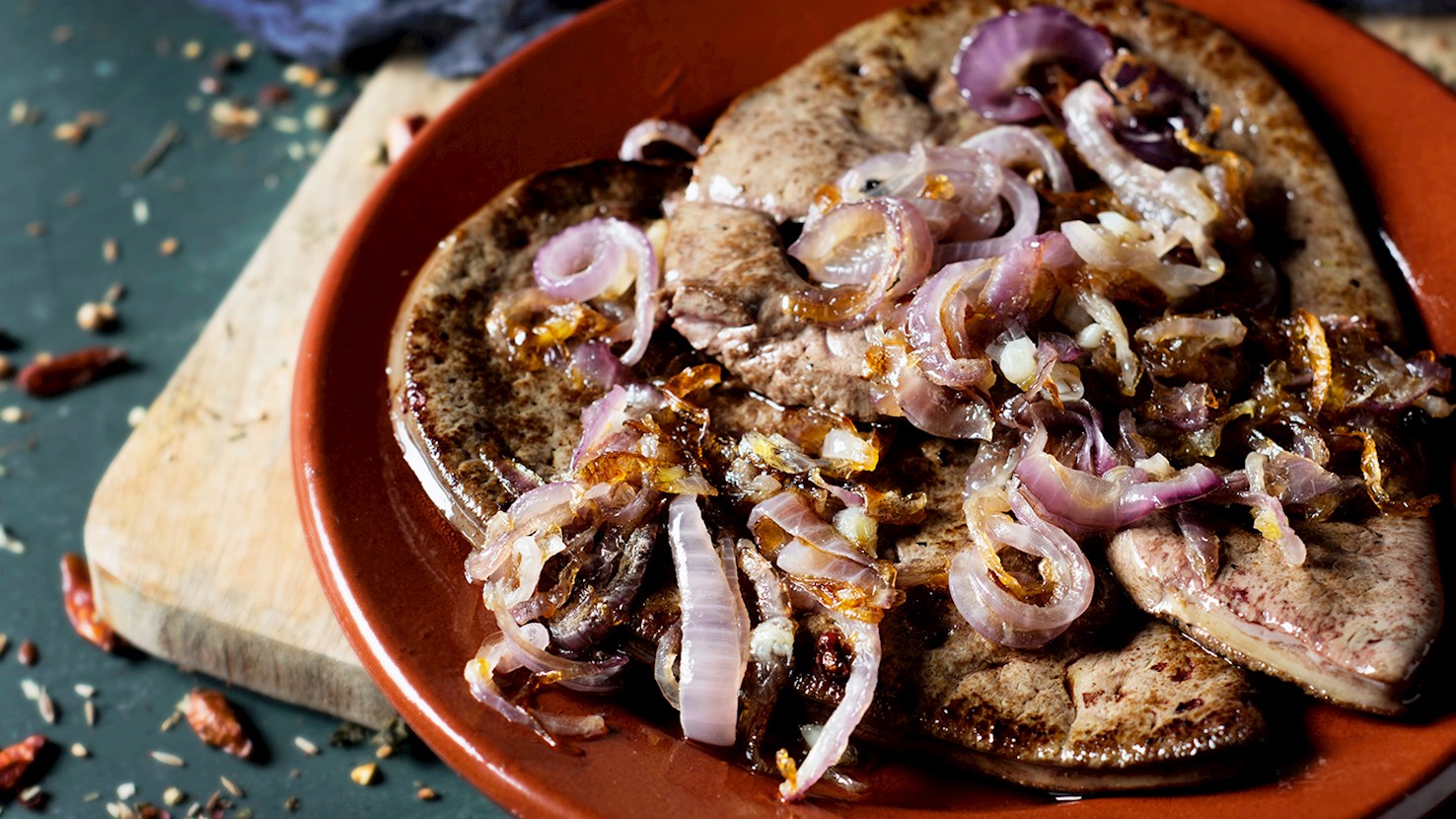
Higado encebollado

3.6 ·

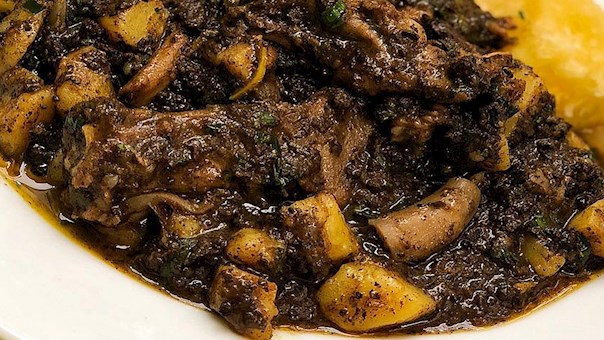
Higado encebollado is a traditional dish that's popular throughout South America, especially in Mexico and Peru. It consists of beef liver and onions as the key ingredients. The liver is cut into thin slices, then seasoned with salt and pepper before it's sautéed in oil with bell peppers, onions, and sometimes tomatoes. Once cooked, the dish is served hot, usually with rice or mashed potatoes on the side.

Read more
View all
View map
About this ranking

TasteAtlas food rankings are based on the ratings of the TasteAtlas audience, with a series of mechanisms that recognize real users and that ignore bot, nationalist or local patriotic ratings, and give additional value to the ratings of users that the system recognizes as knowledgeable. For the “44 Worst Rated Peruvian Foods” list until May 22, 2026, 27,389 ratings were recorded, of which 7,148 were recognized by the system as legitimate. TasteAtlas Rankings should not be seen as the final global conclusion about food. Their purpose is to promote excellent local foods, instill pride in traditional dishes, and arouse curiosity about dishes you haven’t tried.

Similar lists