Bolos de São Gonçalo are unusual Portuguese pastry cakes originating from the village of Amarante. Although there is no set recipe, and the sizes of these cakes vary from one street vendor to another, the cakes have one thing in common – they all have phallic shapes. Every year on January 10 and the first weekend in June, there's a local celebration of Saint Gonçalo de Amarante, and the penis-shaped cakes are usually sold from street carts, either covered in powdered sugar or filled with sweet cream. It is believed that the practice has its roots in pagan fertility rituals, but the claim hasn't yet been proven. Nowadays, the cakes and local dried figs are handed out to women to usher in a fertile and favorable year.
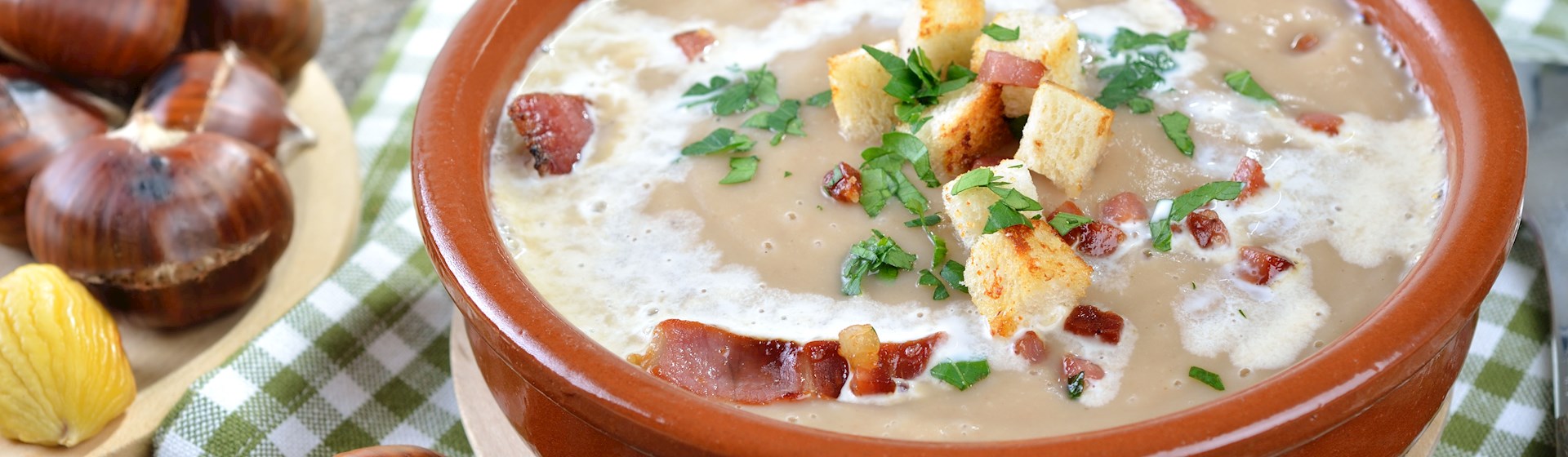
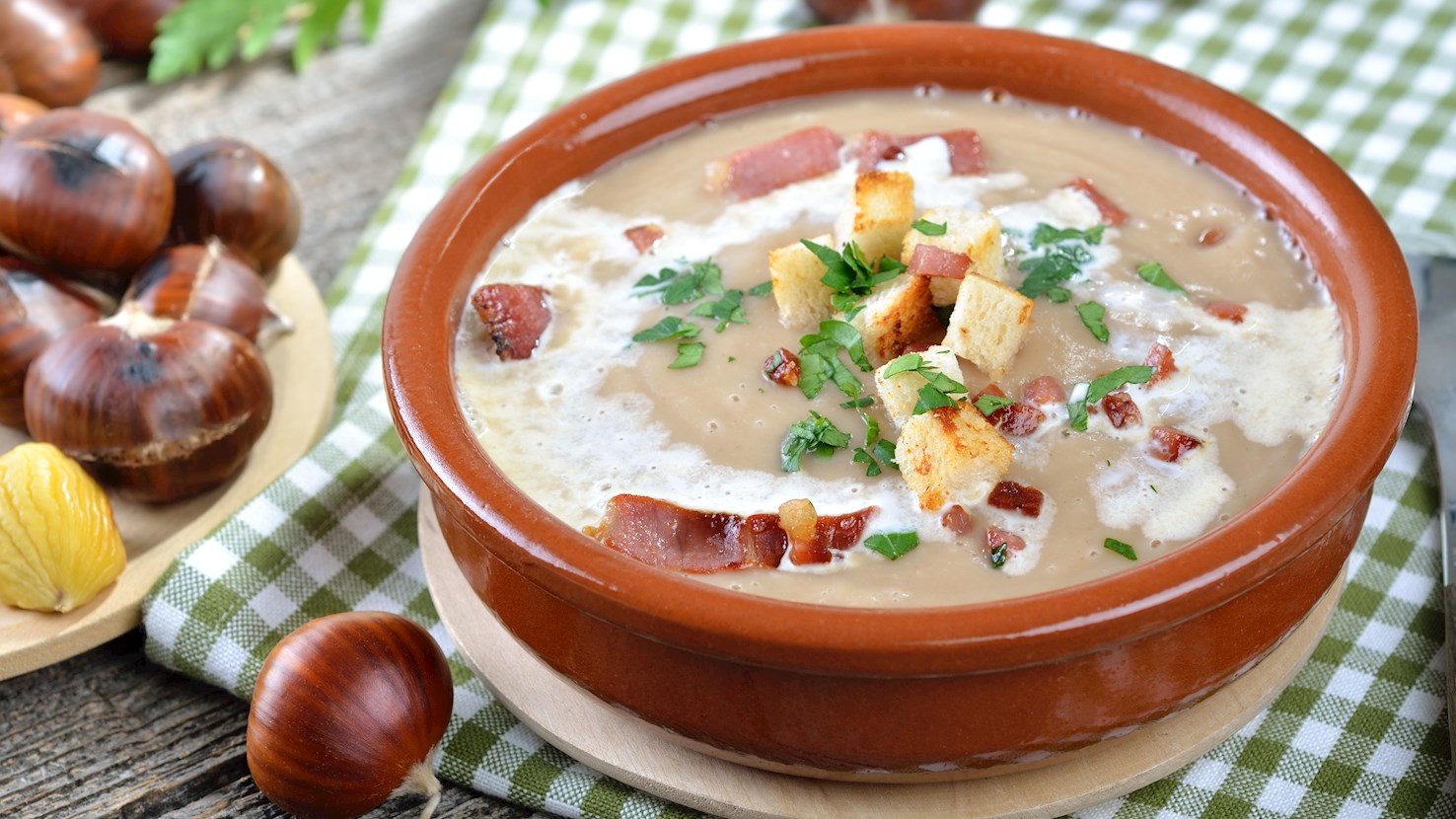
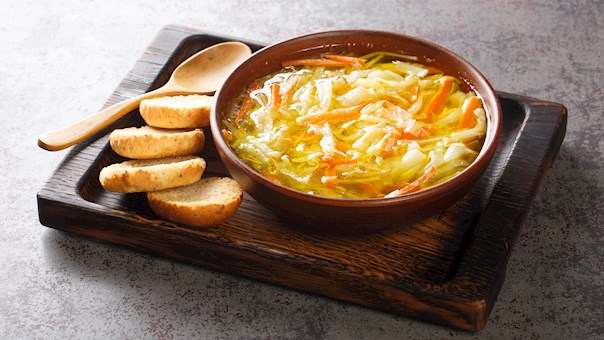
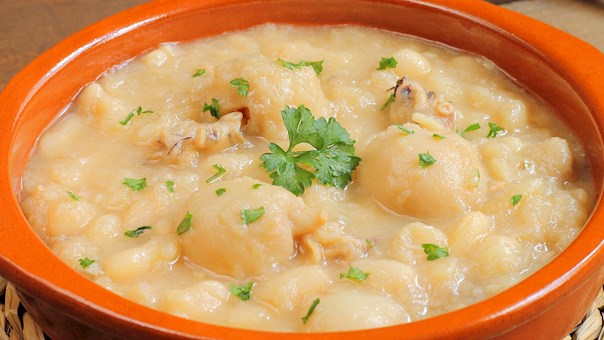
Sweet chestnuts, one of the most beloved Portuguese snacks, are key ingredients for the preparation of this traditional soup called sopa de castanhas. The soup is typically prepared with boiled or roasted chestnuts which have been peeled before being cooked in water or broth (either vegetable or chicken broth) along with ingredients such as onions, carrots, celery, garlic, olive oil, and butter. There are numerous variations on the soup, and other common ingredients that may be used include red beans, potatoes, leeks, cabbage, or pieces of stale bread. This simple chestnut soup is usually flavored with parsley, cloves, bay leaves, salt, and pepper, and it can (sometimes) be enhanced with the addition of bacon or ham. Traditionally, the soup is not puréed, although, nowadays, puréeing the chestnut mixture to a smooth consistency is more common than not. Sopa de castanhas is typically enjoyed warm, garnished with chopped or crumbled chestnuts and accompanied by toasted or crusty bread on the side.
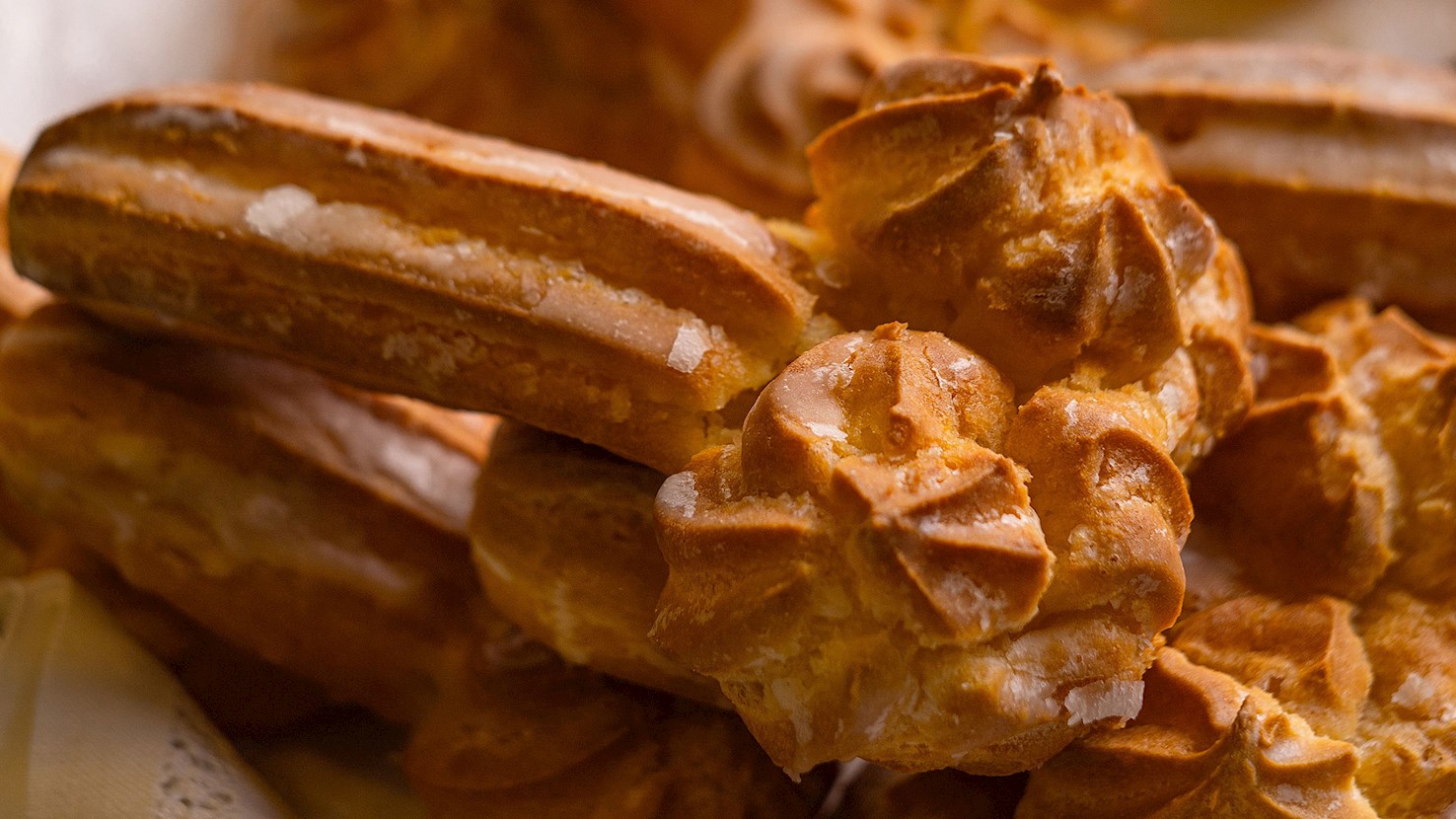
Tibias de Braga is a famous Portuguese sweet treat and one of the signature pastries of the city of Braga. They’re called tibias because of their shape, which is reminiscent of the tibia bone. This pastry consists of crunchy dough that's sprinkled with sugar and filled with sweet cream. The filling can be made from almost anything, including bananas, pineapple, raspberry, hazelnuts, caramel, or cappuccino. They go great with a warm cup of tea or coffee.
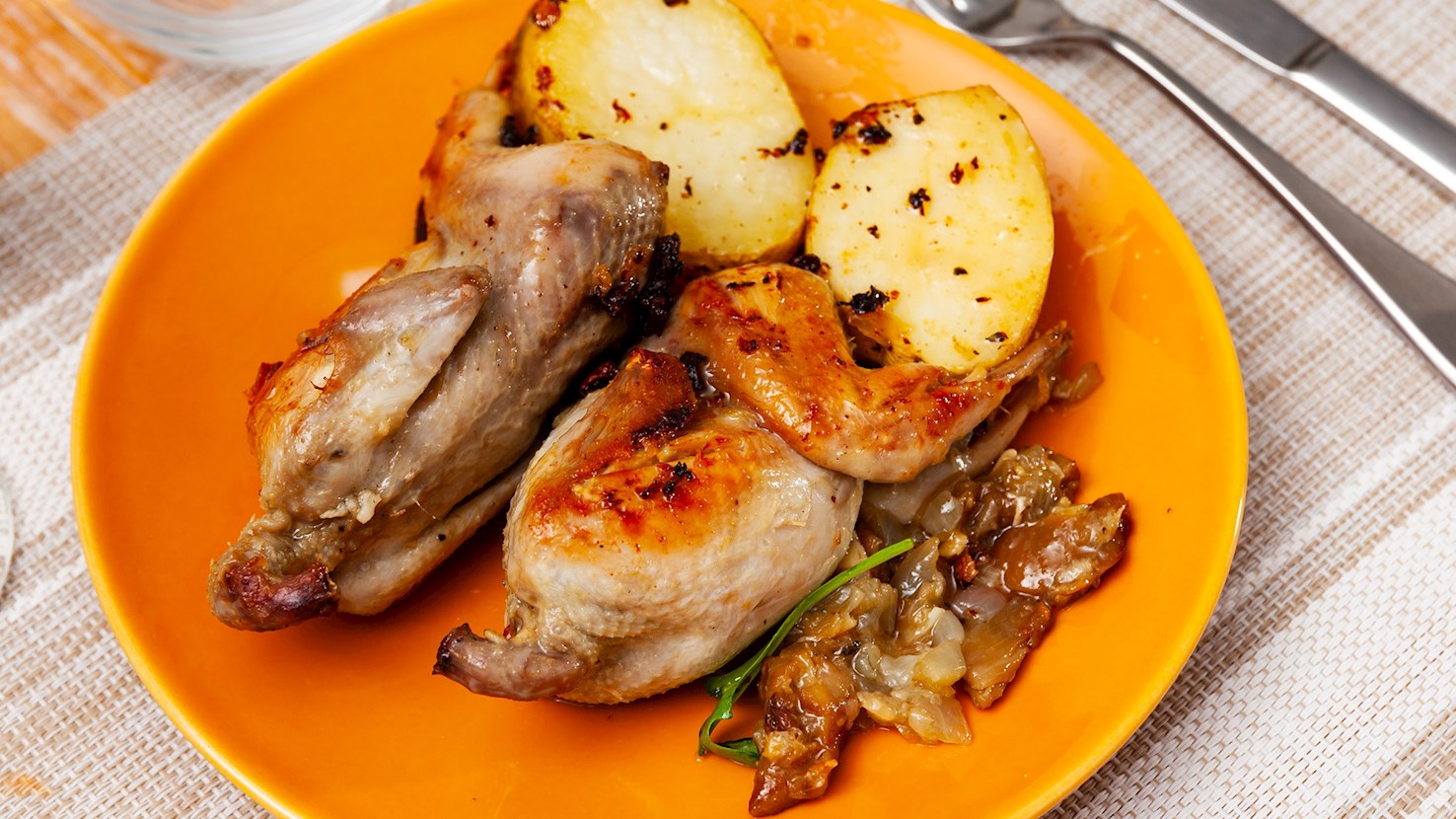
Codornizes refers to quails in Portuguese cuisine. These small game birds are often marinated and grilled or roasted, providing delicate and flavorful meat. Another common preparation involves stuffing the quails with herbs, garlic, and sometimes bacon and cooking them until tender. Quail dishes are typically served with sides such as bread, rice, potatoes, or vegetables and are popular in Portuguese culinary traditions, especially for festive occasions or gourmet meals. The succulent meat of quails is prized for its tenderness and unique taste.
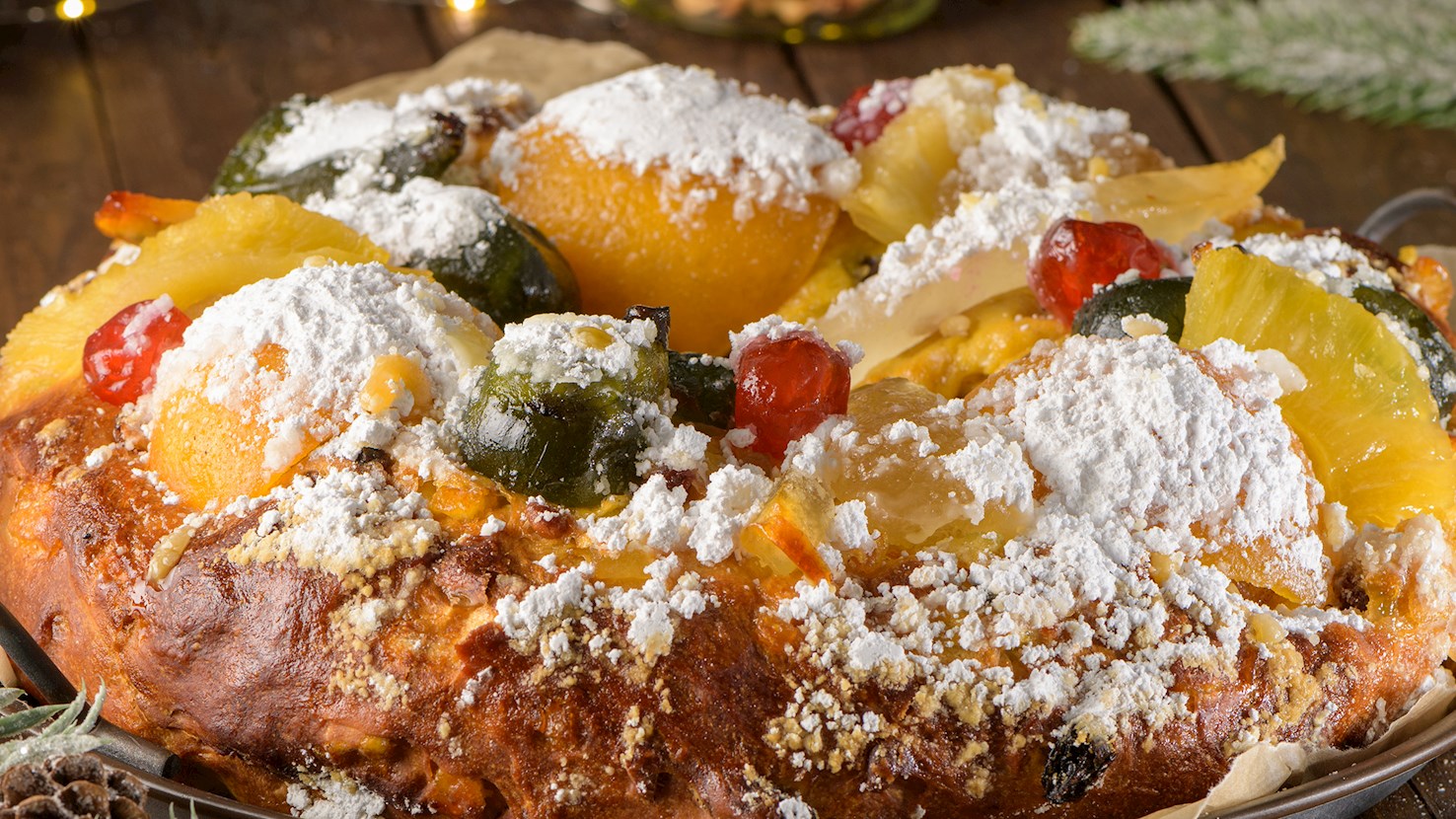
Bolo Rei (lit. King’s cake) is a staple Portuguese dessert that is traditionally prepared and consumed during the Christmas holidays, from the 25th of December until the 6th of January. This round cake with a hole in the middle is typically covered with crystalized sugar, dried fruits, and nuts. Although it has origins in France, the cake made its way into Portugal during the 19th century.
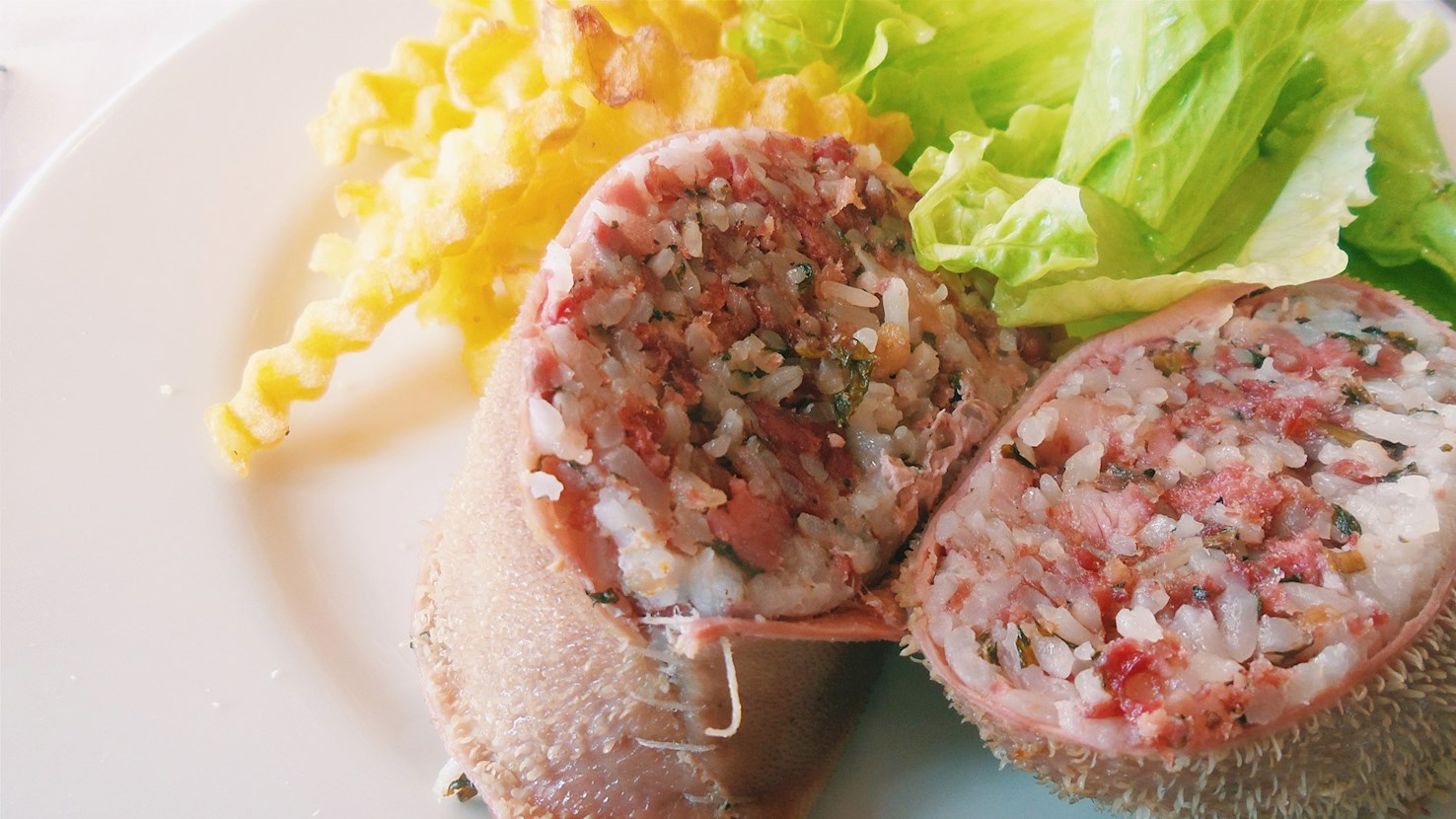
Maranho is a traditional dish hailing from Sertã in the region of Beira Baixa. It's made with a combination of goat meat, chouriço, dry-cured ham, rice, and mint. The ingredients are combined and sewn into a goat stomach. It is believed that the dish dates back to the 19th century, although some think that it existed even earlier. Throughout the 20th century, it was a staple celebratory dish that was prepared on feast days, both for the rich and the poor, but from the 1980s, maranho could be seen on the menus of local eateries. Nowadays, maranho is often served with potatoes and homemade bread on the side, and it's often prepared during the festive Christmas period.
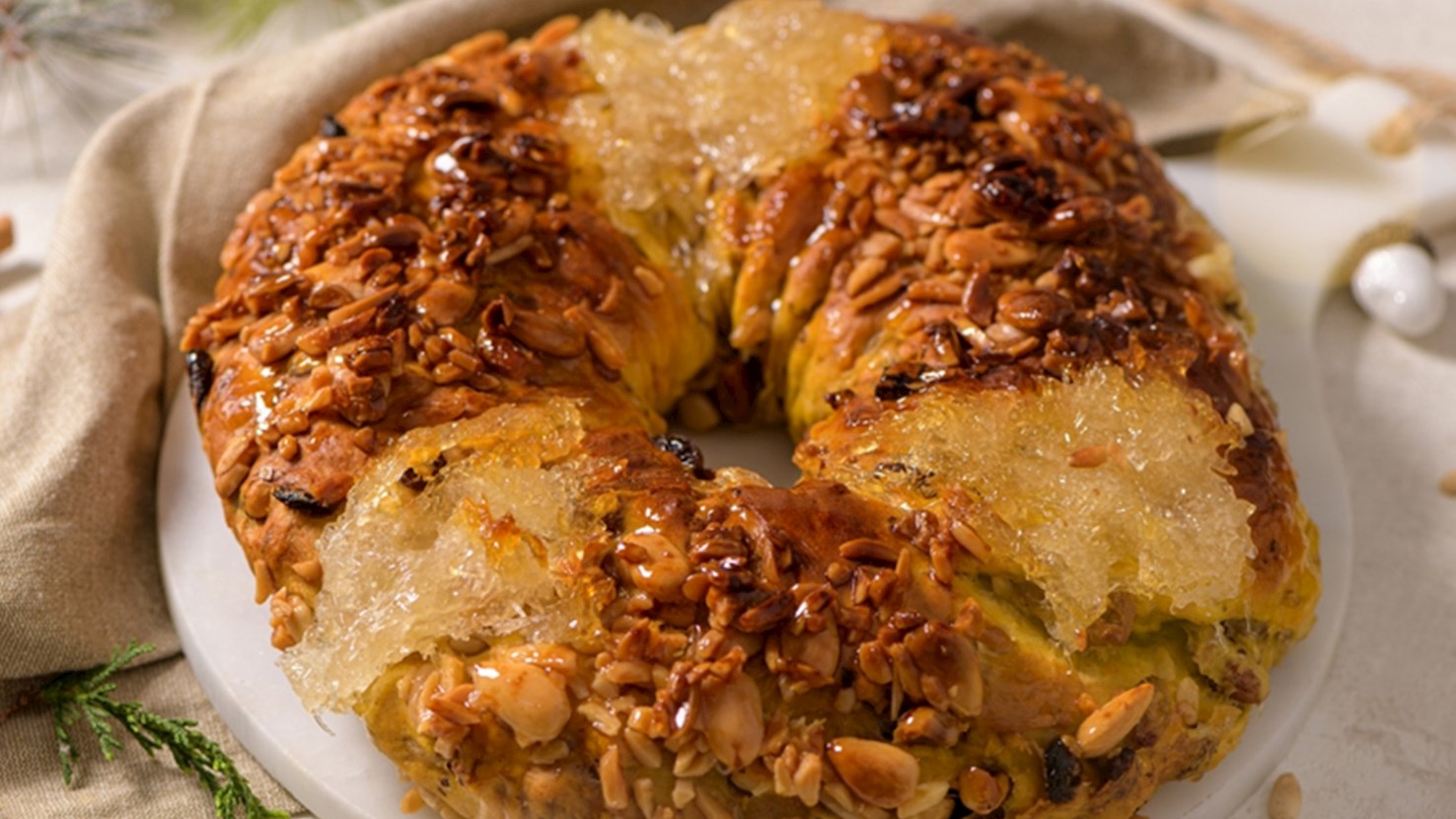
Bolo-Rainha, translating to "Queen Cake" in English, is a traditional cake that is closely related to the more commonly known Bolo Rei, or "King Cake." It is especially popular during the Christmas season and the festivities of the Epiphany (Dia de Reis) on January 6th. Similar to Bolo Rei in its brioche-like texture, Bolo-Rainha is made with a rich, sweet dough. However, it differs primarily in its fillings and toppings. While Bolo Rei is characterized by its use of candied fruits, Bolo-Rainha typically does away with these candied fruits and instead focuses more on nuts like walnuts, almonds, and sometimes hazelnuts. It also includes dried fruits such as raisins or sultanas. The top of Bolo-Rainha is adorned with a generous amount of nuts, giving it a distinct appearance compared to the colorful candied fruit topping of Bolo Rei. Like Bolo Rei, Bolo-Rainha is often baked with a hidden surprise inside, such as a small gift or a fava bean. Finding the hidden item carries a traditional significance similar to that in the Bolo Rei, often involving good luck or the responsibility of hosting future celebrations. Bolo-Rainha offers a delightful alternative for those who prefer the rich, nutty flavors over the candied fruit in Bolo Rei while still maintaining the festive and cultural significance of the traditional Portuguese holiday season.
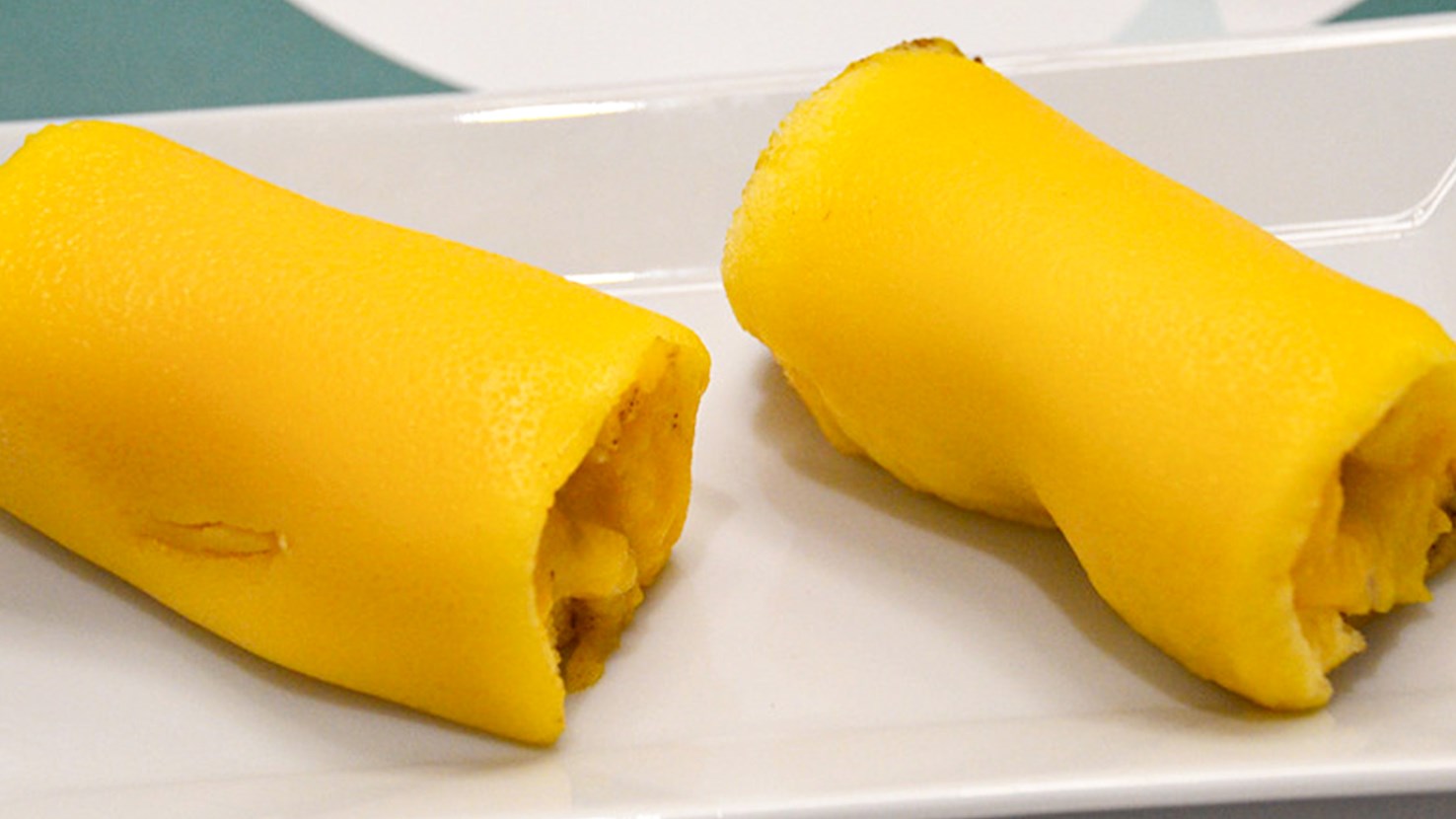
Torta de Azeitão is a traditional roll cake from Azeitão, near Lisbon. It is made from a dough of eggs, sugar, and corn flour, and filled with a rich egg yolk jam (doce de ovos). The small, yellow rolls are known for their smooth, glazed appearance and delicate sweetness. Originating in the early 1900s at the "O Cego" bakery, the recipe has been passed down through generations and remains a local specialty. Despite many variations, the original recipe is a closely guarded family secret.
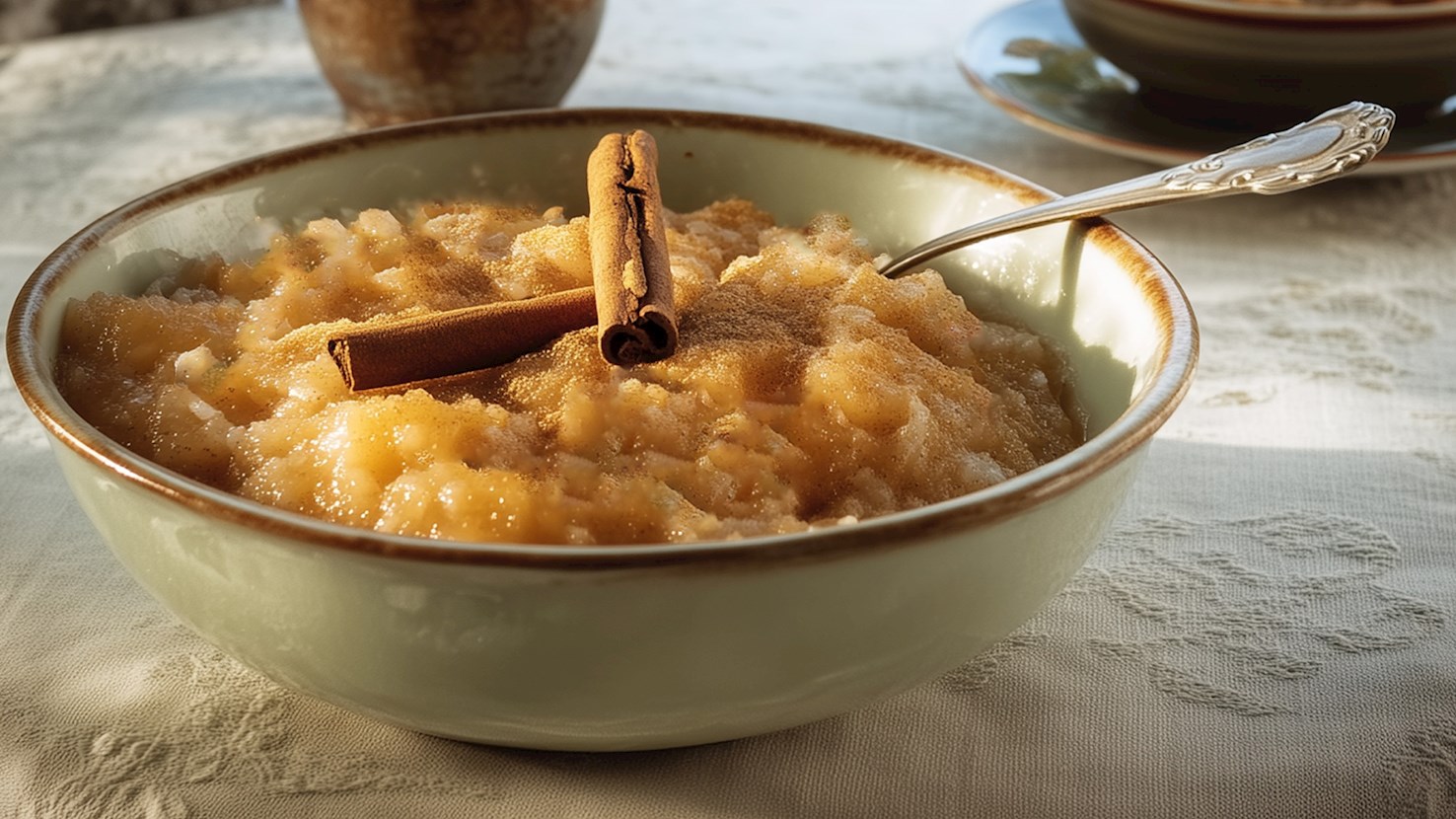
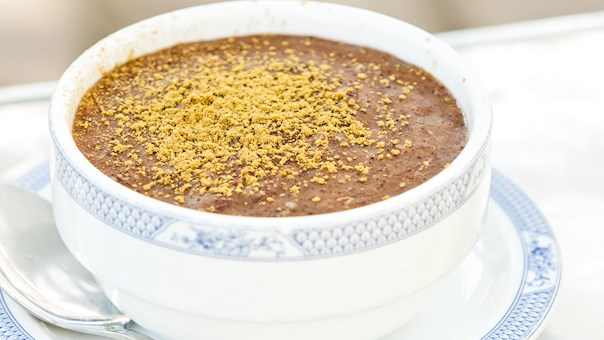
Barriga de freira is a traditional dessert, translating to "nun's belly" resembling an egg yolk custard. It is made with a mixture of egg yolks, sugar, almonds, and breadcrumbs. The ingredients are cooked together to create a smooth, thick custard-like consistency, which is then flavored with cinnamon and sometimes lemon zest. This rich and sweet dessert originated in convents in the north of Portugal, where nuns used leftover egg yolks and other ingredients to create unique sweets, as is common in Portuguese conventual cuisine.
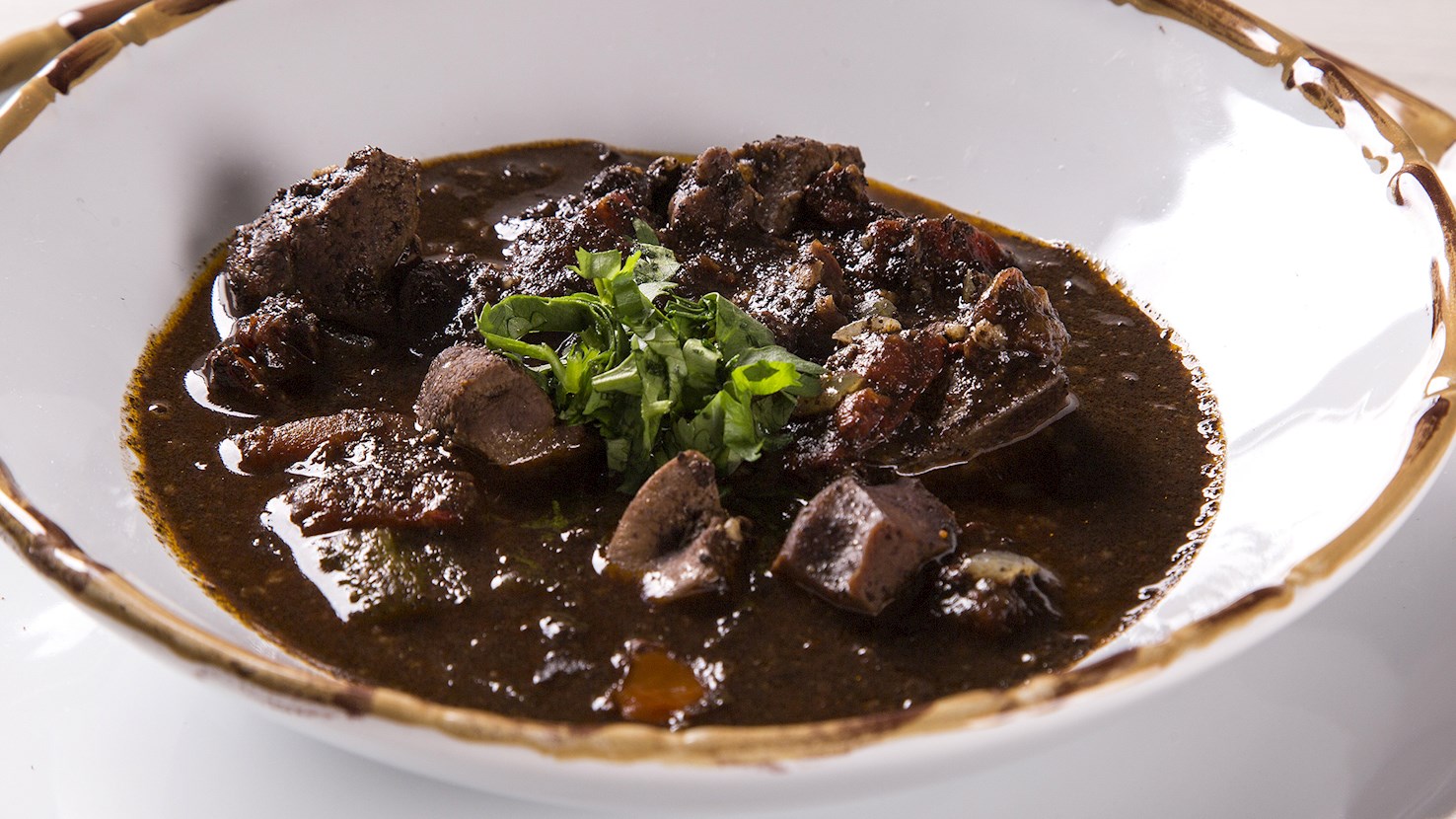
Sarapatel is a stew of finely chopped offal, often combined with cooked blood, associated with Portugal’s Alto Alentejo and with distinct versions in northeastern Brazil and Goa. Depending on the region, it may be made from lamb, kid, or pork, with liver, lungs, heart, and other cuts simmered in a seasoned broth or sauce. Its flavor is strongly savory, with the mineral taste of the organs balanced by herbs, spices, and sometimes vinegar. The pieces remain small and separate, giving each spoonful a mixture of textures rather than the uniform softness of a stew made from a single cut of meat. In the Alto Alentejo, particularly around Castelo de Vide, lamb or kid offal is characteristic; in northeastern Brazil, pork is especially common. The dish’s Portuguese roots are widely recognized, although its exact date of creation and first maker are uncertain. Its use of organs and blood places it within a practical approach to slaughtering livestock in which the edible parts of an animal were used extensively. Portuguese colonial connections carried related dishes to Brazil and India, where local ingredients and preferences produced substantially different versions. Sarapatel is therefore best understood as a family of related dishes rather than one recipe reproduced unchanged across continents. In Portugal, the name may appear as sopa de sarapatel or sopas de sarapatel, particularly when the hot broth and chopped meat are served over bread. The Goan name sorpotel identifies a related preparation that developed its own strongly seasoned, vinegary character. The Portuguese version does not necessarily resemble the dark pork stew familiar in Brazil. Around Castelo de Vide, the filling ingredients include fressuras, the collective term for organs such as liver, lungs, and heart, from lamb or kid. Cooked blood may join them, with onion and garlic softened in olive oil and seasonings that can include parsley, a generous amount of mint, a little paprika, and cloves. Other Alentejo recipes use bay leaves or cumin. Mint provides a fresh, aromatic contrast to the rich organs, while the spices generally support the dish rather than forming a thick spice paste. Served with sufficient broth to soak thin slices of country bread, this form is closer to a substantial bread soup than to a reduced meat sauce. In northeastern Brazil, sarapatel often combines pork liver, lungs, heart, and sometimes tongue or intestines. Not every recipe contains all of these, and their proportions make a noticeable difference. Liver has a dense, slightly grainy texture, heart is firmer and more muscular, and lungs are lighter and more porous. When included, blood is often already coagulated or cooked and cut into small pieces, rather than poured into the pot as a liquid thickener. It deepens the color and adds another soft texture. Bloodless versions are also established, so its absence does not automatically make the dish something else. Some households use goat or sheep offal, particularly where those animals are important to local cooking. Cleaning and trimming the organs accounts for much of the work. Tough membranes, ducts, and unwanted fat are removed, and many Brazilian methods blanch the offal before chopping it. Lemon or vinegar may be used at this stage to temper strong aromas; the pieces then cook fully in the stew. Cutting them small distributes the different organs throughout the dish and makes it easier to eat the mixture with rice or flour. Onion, garlic, tomato, and peppers form a common Brazilian seasoning base, with coriander leaves, spring onions, mint, cumin, and bay appearing in various combinations. Pimenta-de-cheiro adds a fragrant pepper aroma, while the heat depends on the peppers used and any additional hot sauce. Some versions begin by rendering diced pork fat or smoked bacon, which adds richness before the offal and seasonings enter the pan. Water is added to allow everything to simmer until tender, with more supplied as necessary to prevent the mixture from drying out. The finished consistency ranges from brothy to fairly concentrated, but it should retain enough liquid to moisten its accompaniments. Goan sorpotel is a relevant comparison because it shows how far the dish changed after leaving Portugal. Pork meat and organs are combined with a more assertive seasoning mixture and vinegar, giving it a sharper profile than many Alentejo versions. It has a particular place in Goan Catholic celebration meals. This connection does not make the Brazilian, Portuguese, and Goan forms interchangeable: the animal used, the handling of the blood, the seasonings, and the serving style all affect what arrives at the table. In Brazil, sarapatel is served as a substantial meal or in smaller portions alongside drinks. White rice provides a mild accompaniment, while farinha de mandioca, cassava flour, absorbs the broth and adds a dry, granular texture. Hot pepper sauce and a squeeze of lime can be added at the table rather than built into every serving. A cold lager suits the peppery pork versions, especially when eaten in small portions. In Goa, sarapatel is usually served with sanna – a spongy white bread made with steamed rice and coconut. For the brothier Alentejo form, sturdy bread is integral to the dish: it softens beneath the hot liquid while staying substantial enough to eat with the chopped meat.
TasteAtlas food rankings are based on the ratings of the TasteAtlas audience, with a series of mechanisms that recognize real users and that ignore bot,
nationalist or local patriotic ratings, and give additional value to the ratings of users that the system recognizes as knowledgeable.
For the “86 Worst Rated Portuguese Foods” list until October 17, 2026, 19,132 ratings were recorded, of which 13,882 were recognized by the system as legitimate.
TasteAtlas Rankings should not be seen as the final global conclusion about food. Their purpose is to promote excellent local foods,
instill pride in traditional dishes, and arouse curiosity about dishes you haven’t tried.







What People Say