



shutterstock

46 Worst Rated Romanian Foods

Last updated on August 17, 2026
01

Sângerete

2.9 ·

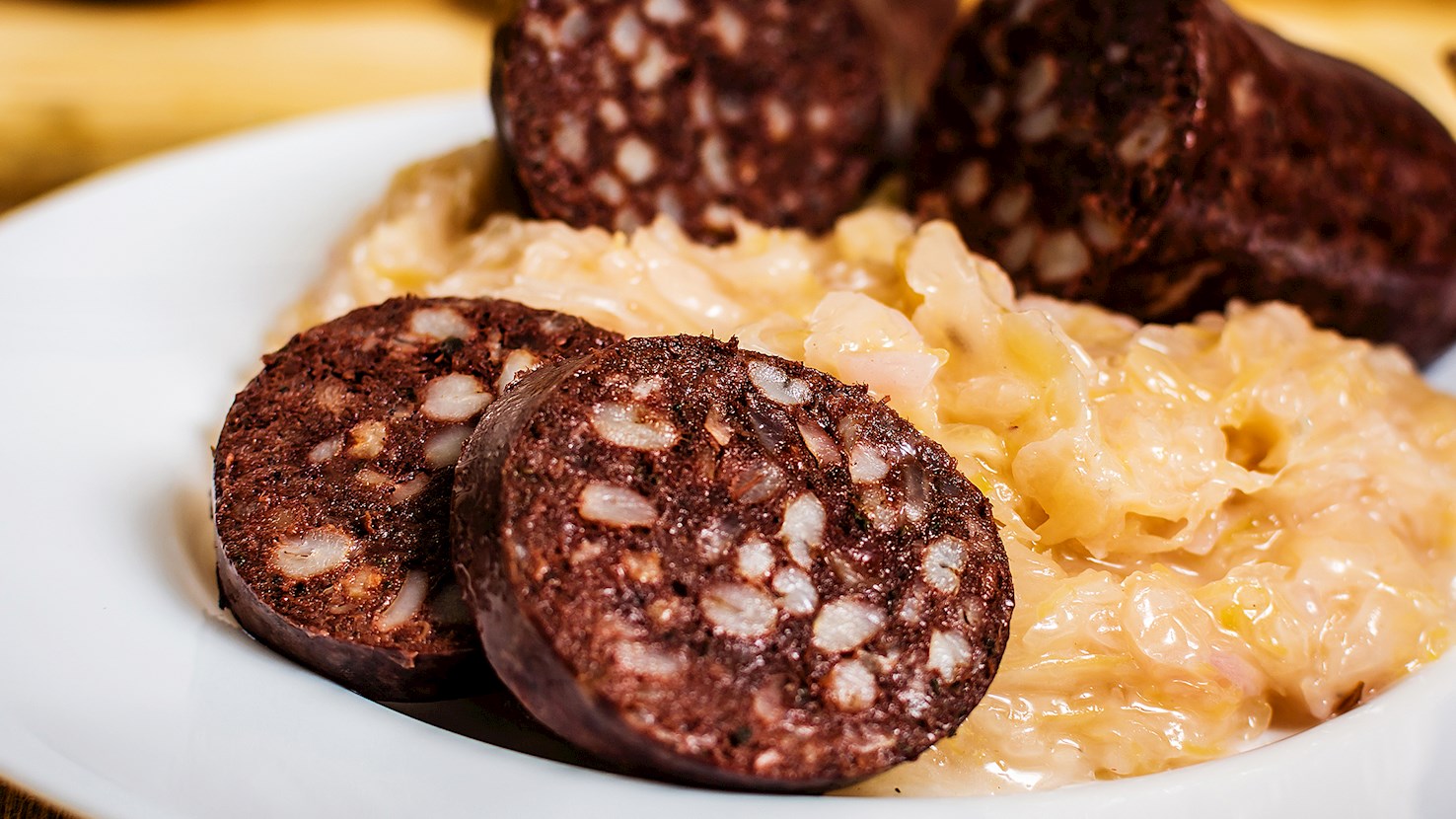
Sângerete is a type of traditional Romanian blood sausage, which is typically boiled. It consists of a mixture of pork blood combined with ground pork meat, fat, and spices. Often seasoned with garlic, thyme, allspice, coriander, or nutmeg, the sausage can also contain boiled rice as a filler. Romanian blood sausages are also called cârnaţi cu sânge, from the Romanian sânge, meaning blood in English. Due to the pork blood, the sausages are very juicy and have an exquisite flavor. Although each region in Romania has its own version of blood sausages, they are especially popular in Transylvania. In Romania, blood sausages are traditionally eaten during Christmas.

02

Papricaș de pește

2.9 ·

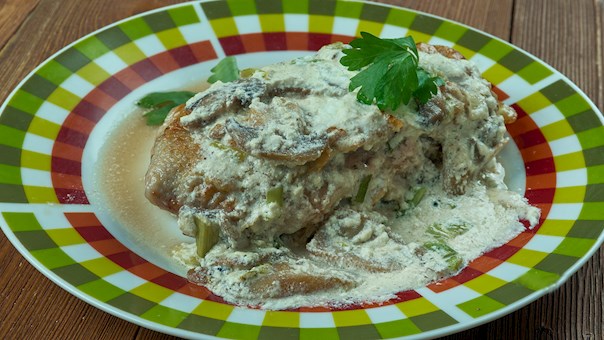
Papricaș de pește is a traditional paprikash made with fish. It usually consists of cooked boneless fish that is cut into pieces, and then stewed with garlic, chopped onions, sweet paprika, tomatoes or tomato paste, white wine, seasonings, and some broth. Fish paprikash is typically consumed hot, with chopped parsley sprinkled on top. Typical accompaniments to this dish include traditional Romanian polenta, potatoes, or crusty bread.

03

Chiftele de pește

3.1 ·

Chiftele de pește are Romanian meatballs made with fish instead of meat. The fish balls are typically prepared with a mixture of minced, boneless fish fillets, slices of bread soaked in milk, onions, garlic, and eggs, seasoned with chopped parsley, dill, salt, and pepper. The fish mixture is shaped into balls or patties, which are rolled in flour or breadcrumbs, and then fried in hot oil. Soft and crispy, these fish balls can be served with a sauce based on garlic and cream on the side. They are usually consumed as snacks or appetizers, but they can also be added to sandwiches. The fish balls can also be served as a main course, accompanied by pasta, rice, or mashed potatoes on the side.

04

Piftie

3.2 ·

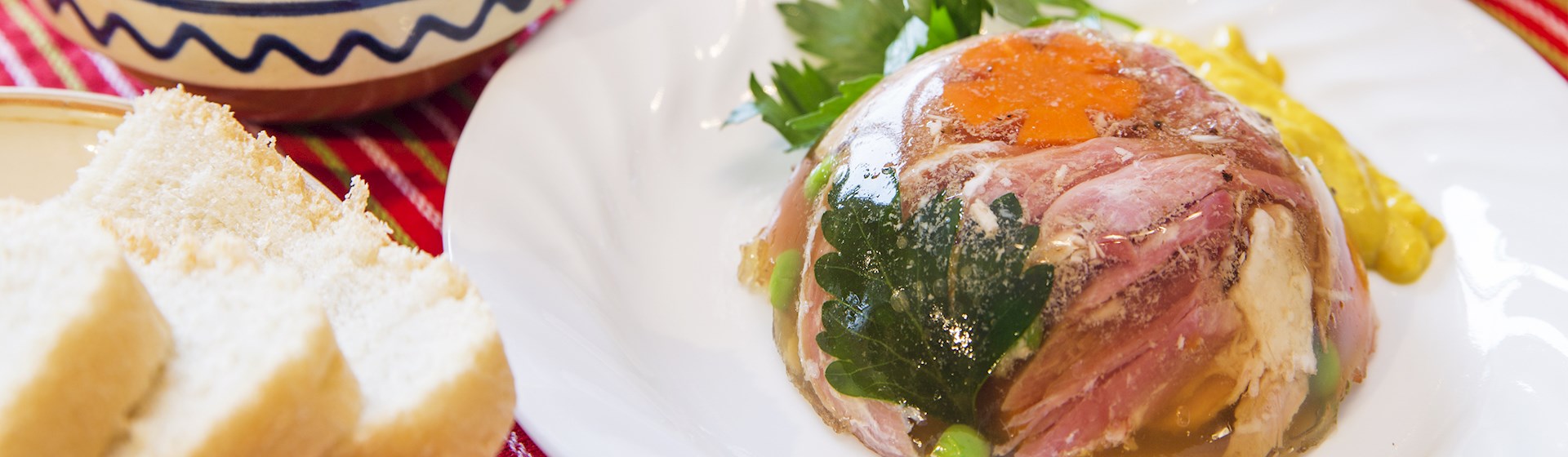
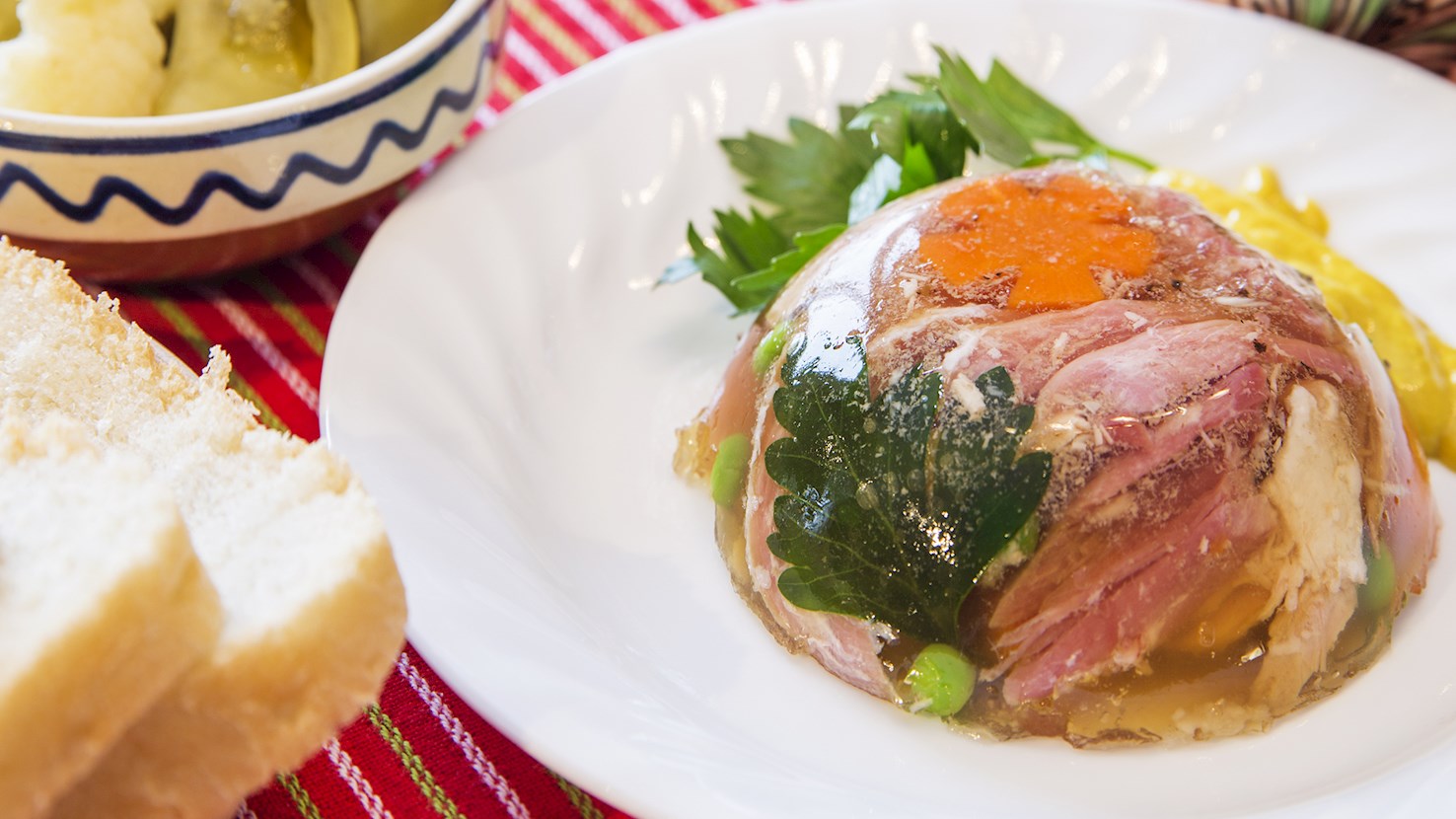
Piftie, more commonly called răcitură in the north of the country, is a traditional meat aspic made with meat parts, usually pork or chicken, boiled along with chopped vegetables, garlic, and bay leaves. Chunks of cooked meat parts, diced boiled carrots, minced garlic, and (optionally) chopped parsley are placed in a mold or a deep bowl, then topped with meat broth. The garlicky dish is then refrigerated and allowed to congeal, developing a gelatinous consistency. In Romania, this dish is typically prepared during the winter season and it is traditionally served as an appetizer on holidays such as Christmas, New Year's Eve, and Easter. This dish is also consumed in Moldova and Macedonia, called răcitură and piftija or pacha, respectively.

05

Dovlecei umpluţi

3.3 ·

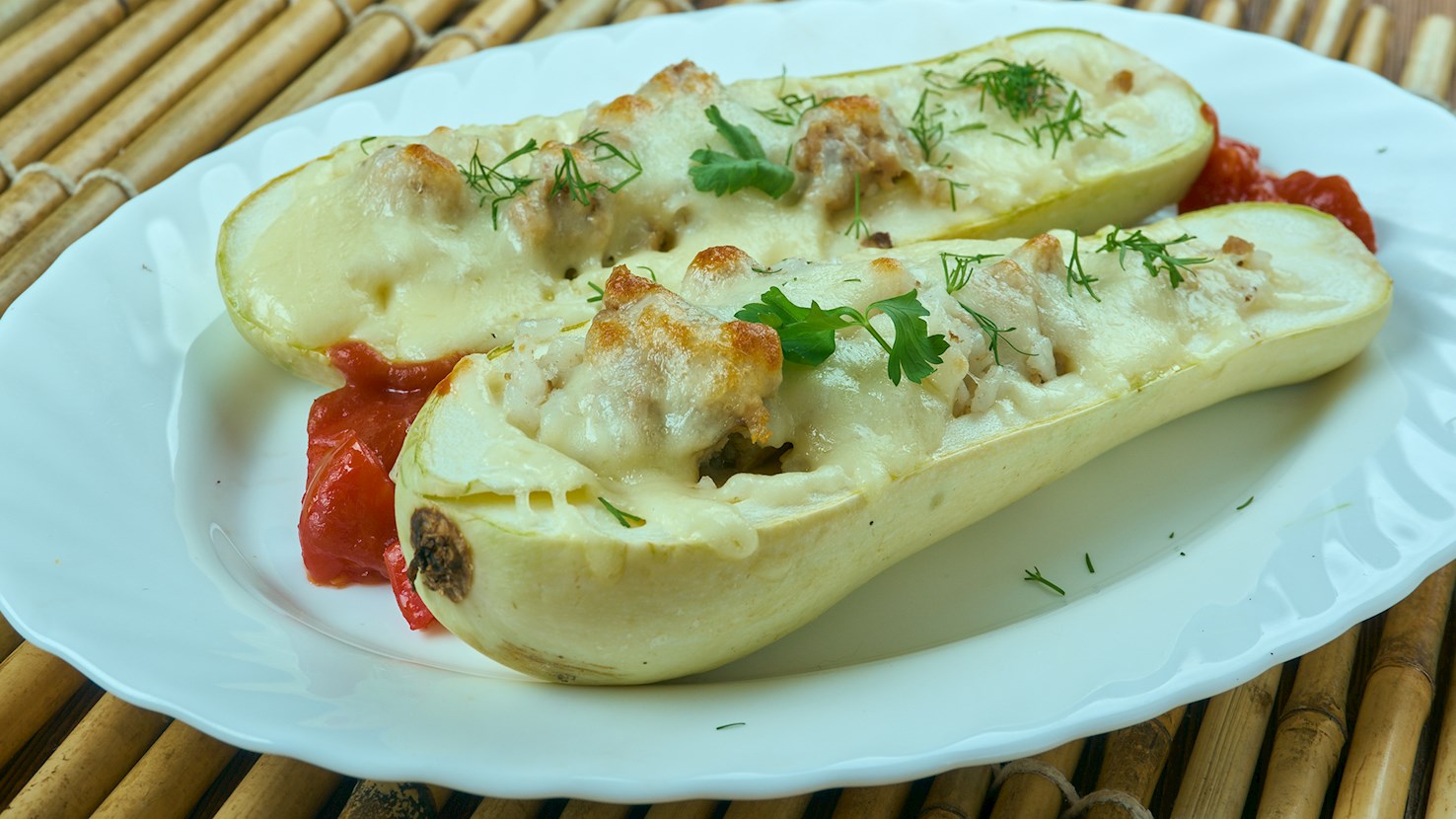
Dovlecei umpluţi is a Romanian dish consisting of green zucchinis that are traditionally filled with pork, rice, tomatoes, and onions. Other stuffings such as cabbage, rice, or mushrooms can also be used. The stuffed zucchinis are usually boiled in tomato juice and seasoned with bay leaves, salt, and pepper, but they can also be baked in the oven. Dovlecei umpluţi are typically accompanied by sour cream or yogurt.

06

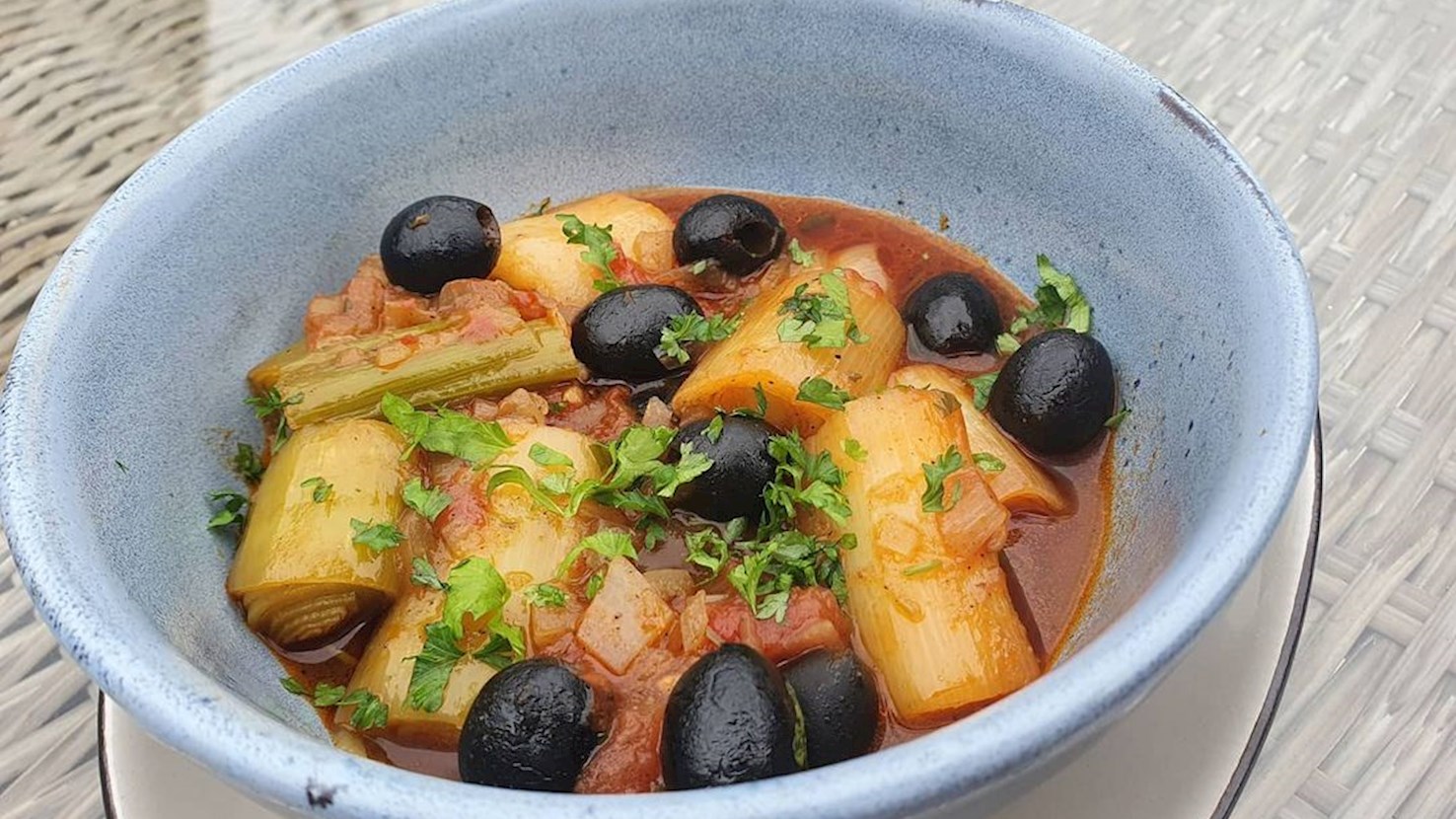
Mâncare de praz

3.3 ·

Mâncare de praz is a traditional leek stew. It usually consists of chopped leeks and olives cooked with tomato sauce with onions until the leeks are tender. The stew is typically seasoned with lemon juice and garnished with chopped parsley or dill. A simple meatless dish, this leek stew is usually accompanied by crusty bread on the side.

07

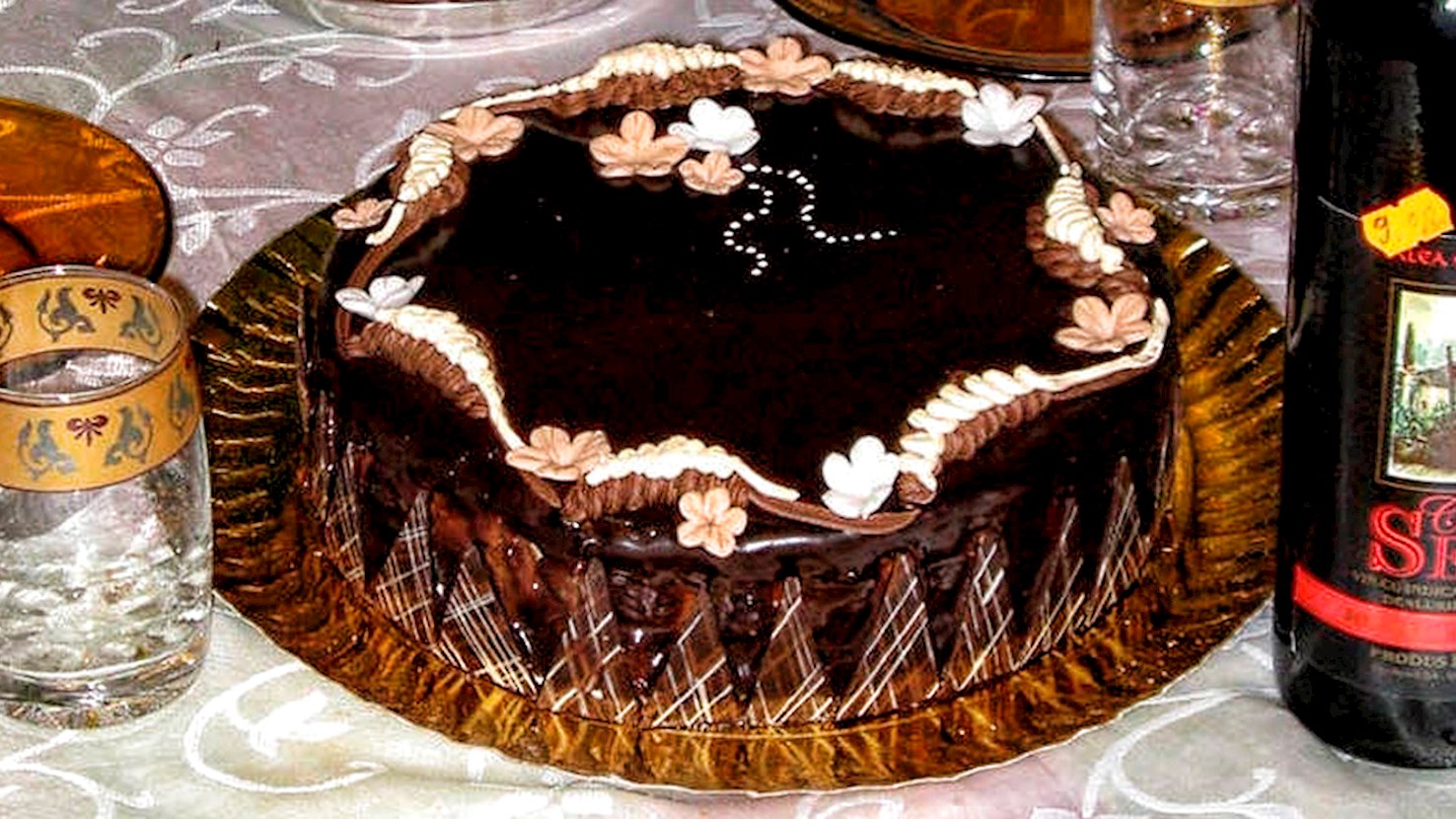
Joffre Cake

3.3 ·

Joffre cake is a rich, layered chocolate and buttermilk cake that was invented in 1920 in Bucharest. Built in 1852, a restaurant, hotel, and cafe called Casa Capsa was thought to be a symbol of Romanian high society, a place where the most special dinner parties in Bucharest took place. When Marshal Joffre, leader of the French army, visited the country in 1920, the Capsa brothers organized a special event in his honor and made a special cake that was named after the Marshall. The size and shape of the cake are thought to be modeled after the French casquettes worn in World War I by the Marshall's troops. The cake was a great success, and it still is today, supported by the saying "one piece of Joffre is always followed by another one."

08

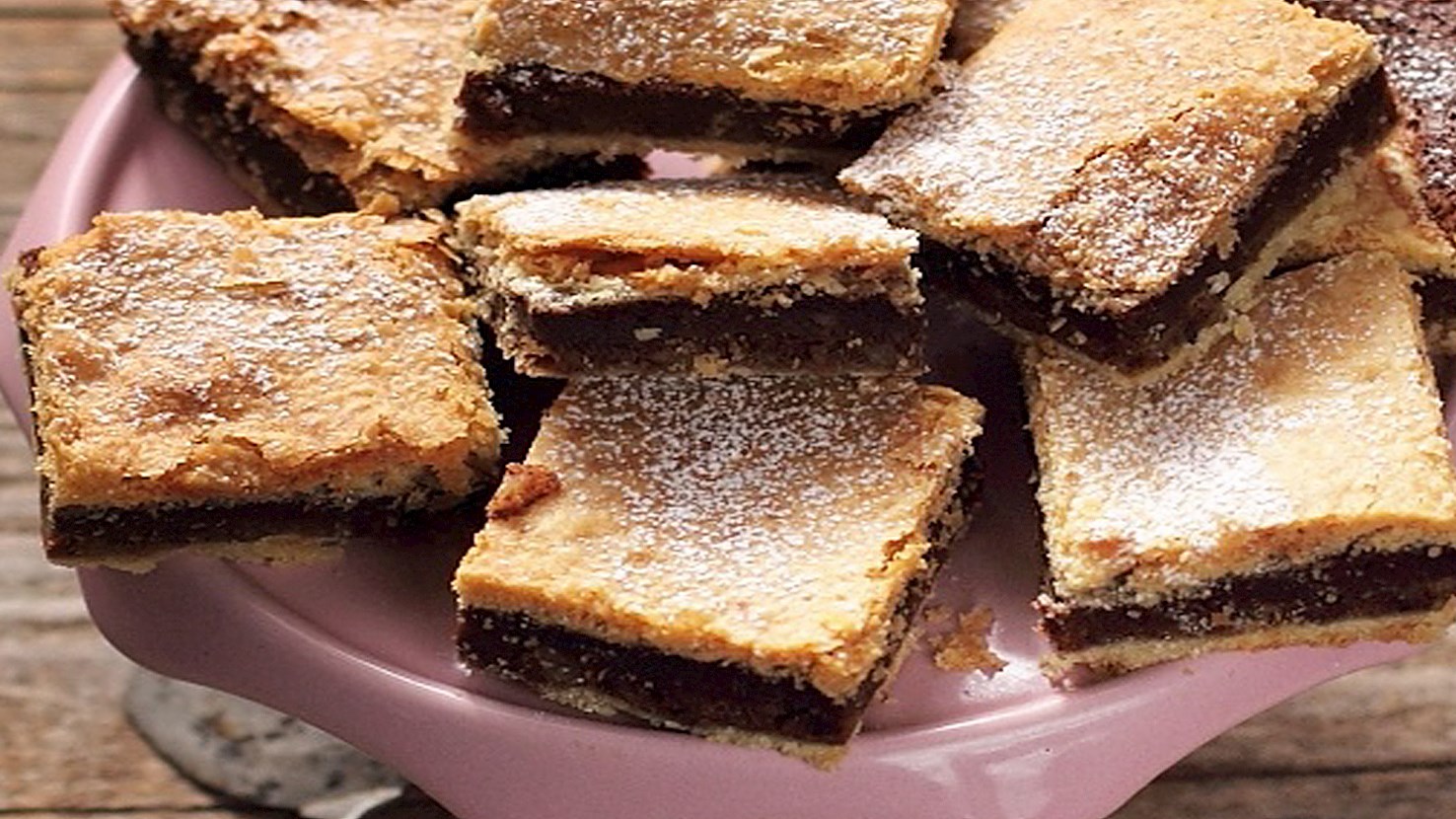
Plăcintă cu ciocolată

3.3 ·

Plăcintă cu ciocolată is a thin pastry with chocolate and nut filling. It is one of many Romanian plăcintă dishes that are stuffed with either savory or sweet fillings. This dessert is made with soft dough layers filled with chocolate, eggs, sugar, and chopped nuts, and flavored with orange zest and vanilla extract. Its sweet and nutty flavor, enhanced by the refreshing orange zest and vanilla, will satisfy any sweet tooth.

09

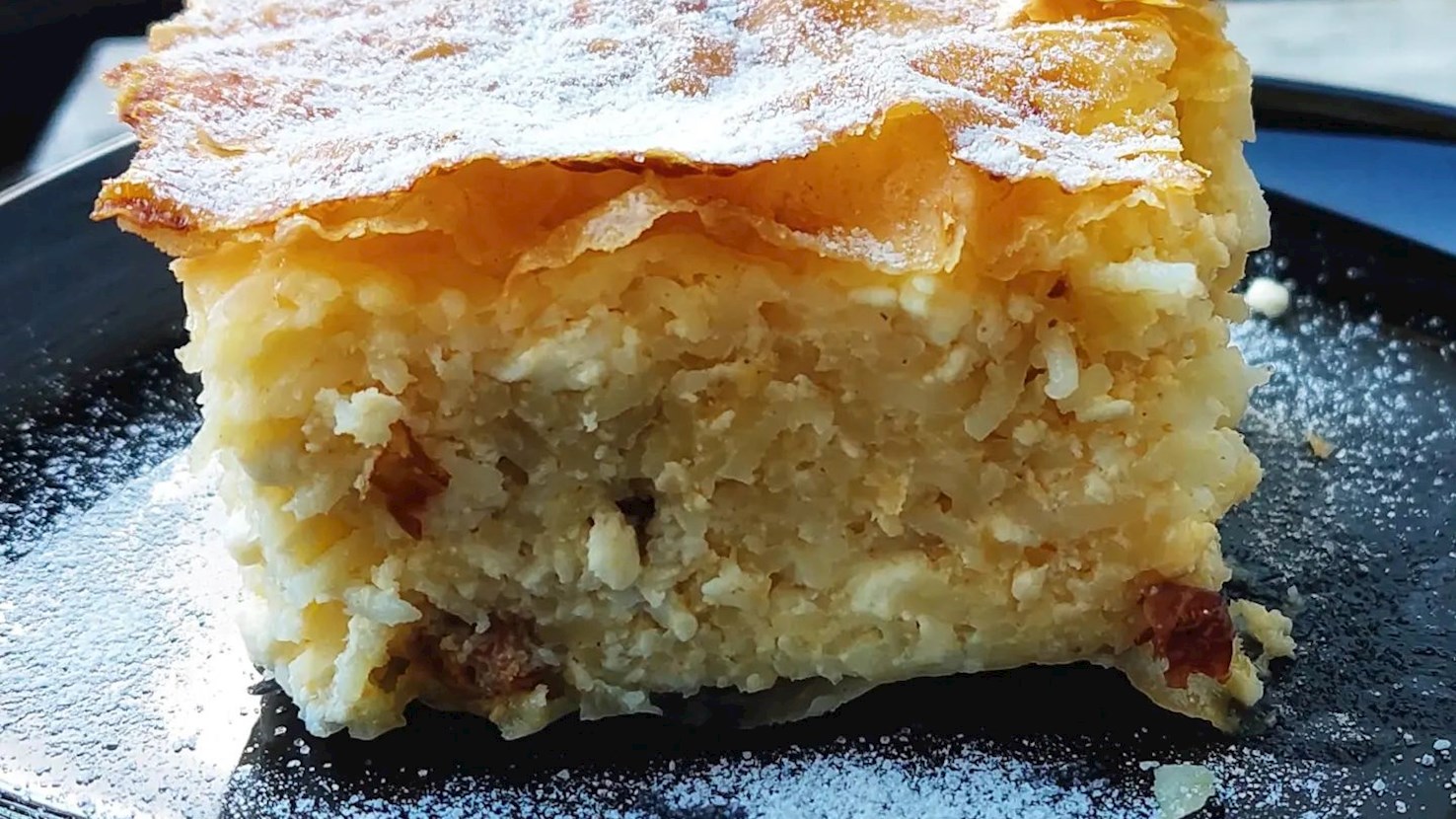
Vargabéles

3.4 ·

This simple dessert consists of thin egg noodles that are cooked in milk, then mixed with whipped egg whites and curd cheese before they are neatly placed between sheets of phyllo pastry. The noodle filling is usually enriched with raisins, cinnamon, vanilla, or lemon zest, and the dessert is typically served warm and dusted with powdered sugar. The invention of the cake is often associated with the Romanian city of Cluj, but who exactly invented it is still a matter of dispute. While one theory claims it was an invention of a Hungarian named Varga, others believe that it first appeared on the menu of a family-owned Darvas restaurant at the beginning of the 20th century. Regardless of its origin, the dessert is common in both Romanian and Hungarian cuisine.

Best restaurants
10

Ciorbă de oase

3.4 ·

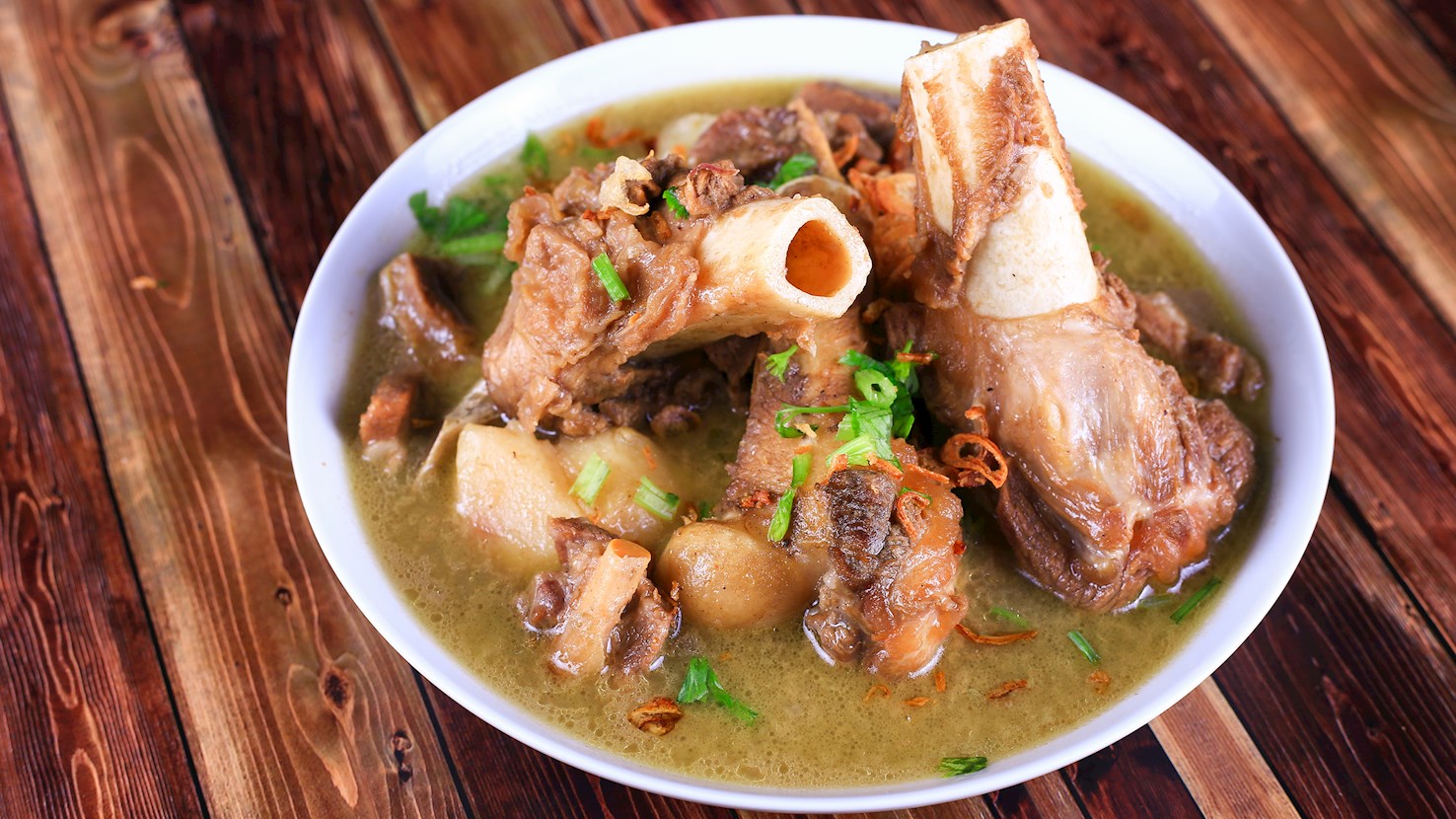
Ciorbă de oase is a traditional sour bone soup, typically made with meaty pork bones. Once boiled, the pork bones are discarded, and the meat stock with chunks of meat in it is cooked with a variety of vegetables such as carrots, parsley roots, peppers, green or yellow beans, onions, potatoes, celery, parsnips, and tomatoes or tomato juice. The soup is usually sprinkled with plenty of chopped parsley or lovage. Rich and filling, this bone soup is served piping hot with hot peppers and a few dollops of sour cream. It is typically seasoned with vinegar and lemon juice or borș.

12

Jumări

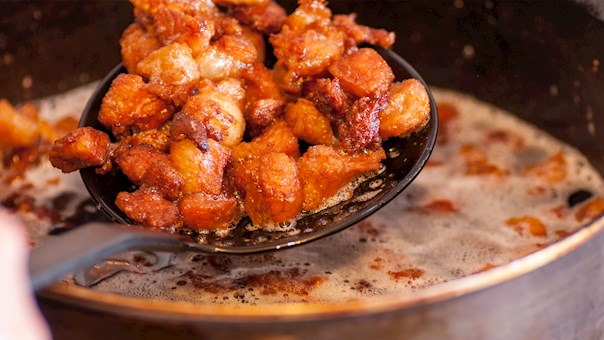
3.5 ·
16

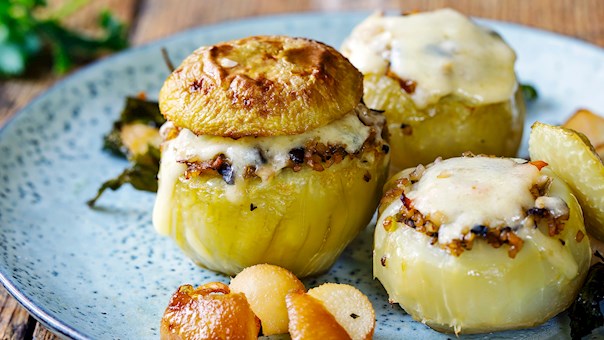
Gulii umplute

3.5 ·
17

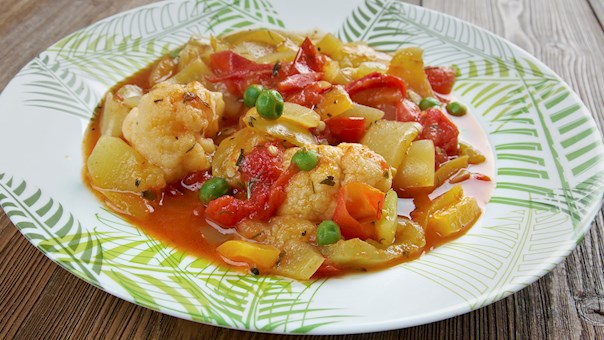
Ghiveci

3.6 ·
18

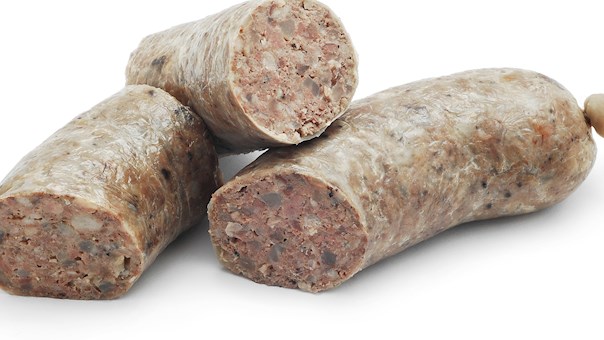
Caltaboș

3.6 ·
19

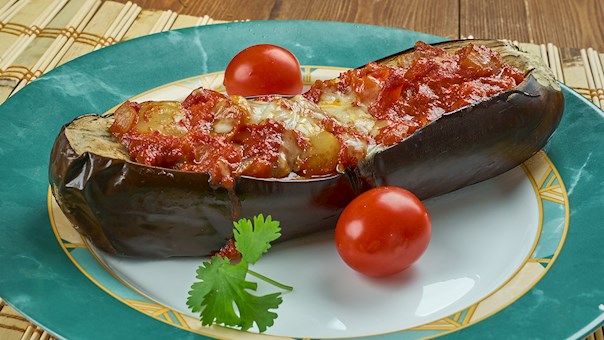
Vinete umplute

3.7 ·
20

Urzici cu usturoi

3.6 ·
About this Ranking

TasteAtlas food rankings are based on the ratings of the TasteAtlas audience, with a series of mechanisms that recognize real users and that ignore bot, nationalist or local patriotic ratings, and give additional value to the ratings of users that the system recognizes as knowledgeable. For the “46 Worst Rated Romanian Foods” list until August 17, 2026, 9,706 ratings were recorded, of which 5,190 were recognized by the system as legitimate.

TasteAtlas Rankings should not be seen as the final global conclusion about food. Their purpose is to promote excellent local foods, instill pride in traditional dishes, and arouse curiosity about dishes you haven’t tried.

What People Say

Similar Lists